
Operator playbooks for cross-border payments, tax, and compliance execution.
Step-by-step guidance for finance, product, and ops teams to launch faster, reduce payout friction, and keep reconciliation clean across borders.

Payout Observability: Logging, Tracing, and Alerting
Payout observability usually breaks in production not because telemetry is absent, but because it cannot explain one payout from start to finish. For CTOs and engineering leads, the practical question is simple. Can you trace a payout across your services, provider dependencies, webhook callbacks, and final resolution without guessing?
Read more →
How to Calculate Payment Processing Fees: A Total Cost of Ownership Framework for Platforms
If you compare options on processing rates alone, your cost model is incomplete. The better lens is **Total Cost of Ownership (TCO)**: the full financial impact over time, not just the visible fee line on a pricing page or invoice.
Read more →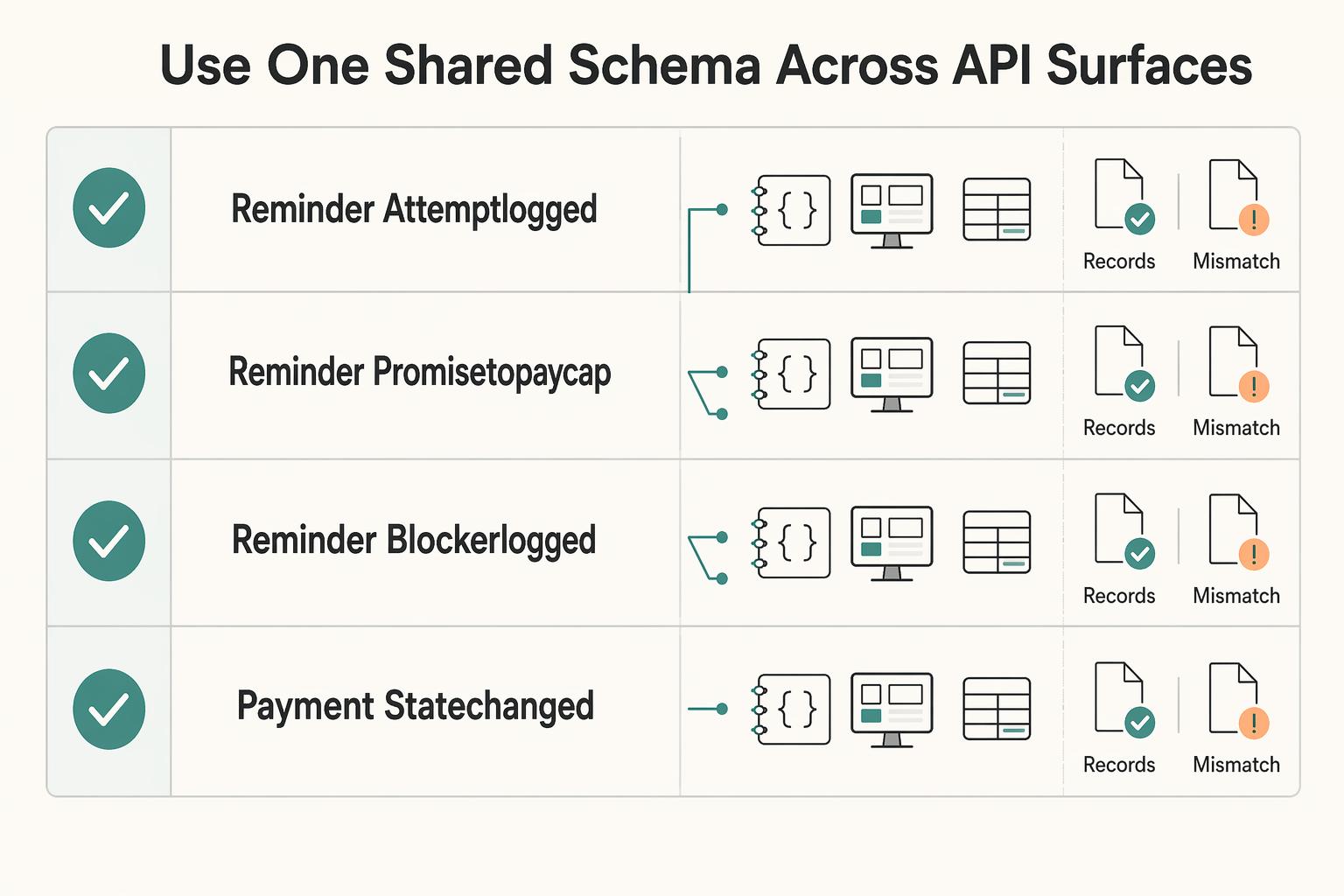
Automated Invoice Reminders: How to Recover Late Payments Without Damaging Client Relationships
Run **Automated Invoice Reminders** as a controlled operating process, not a generic nudge feature. The goal is to recover overdue invoices more consistently while protecting client trust through documented, consistent handling.
Read more →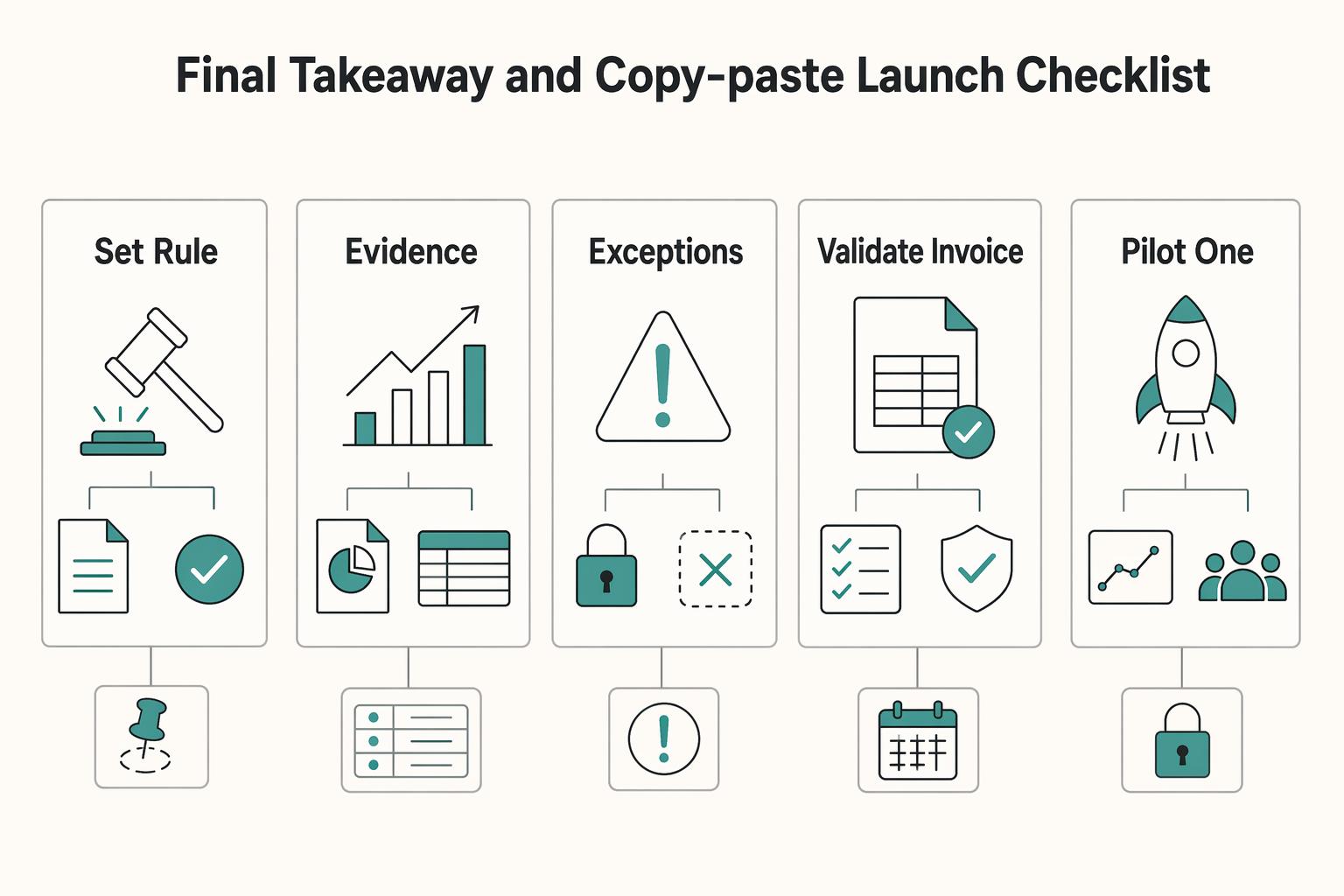
Early Payment Discounts for Platforms: How to Offer 2/10 Net 30 and Calculate the ROI
An early payment discount can improve conversion, but it is not automatically margin-positive. If your platform is effectively funding faster payment, 2/10 net 30 can become a subsidy when financing and operating costs outweigh the value you recover.
Read more →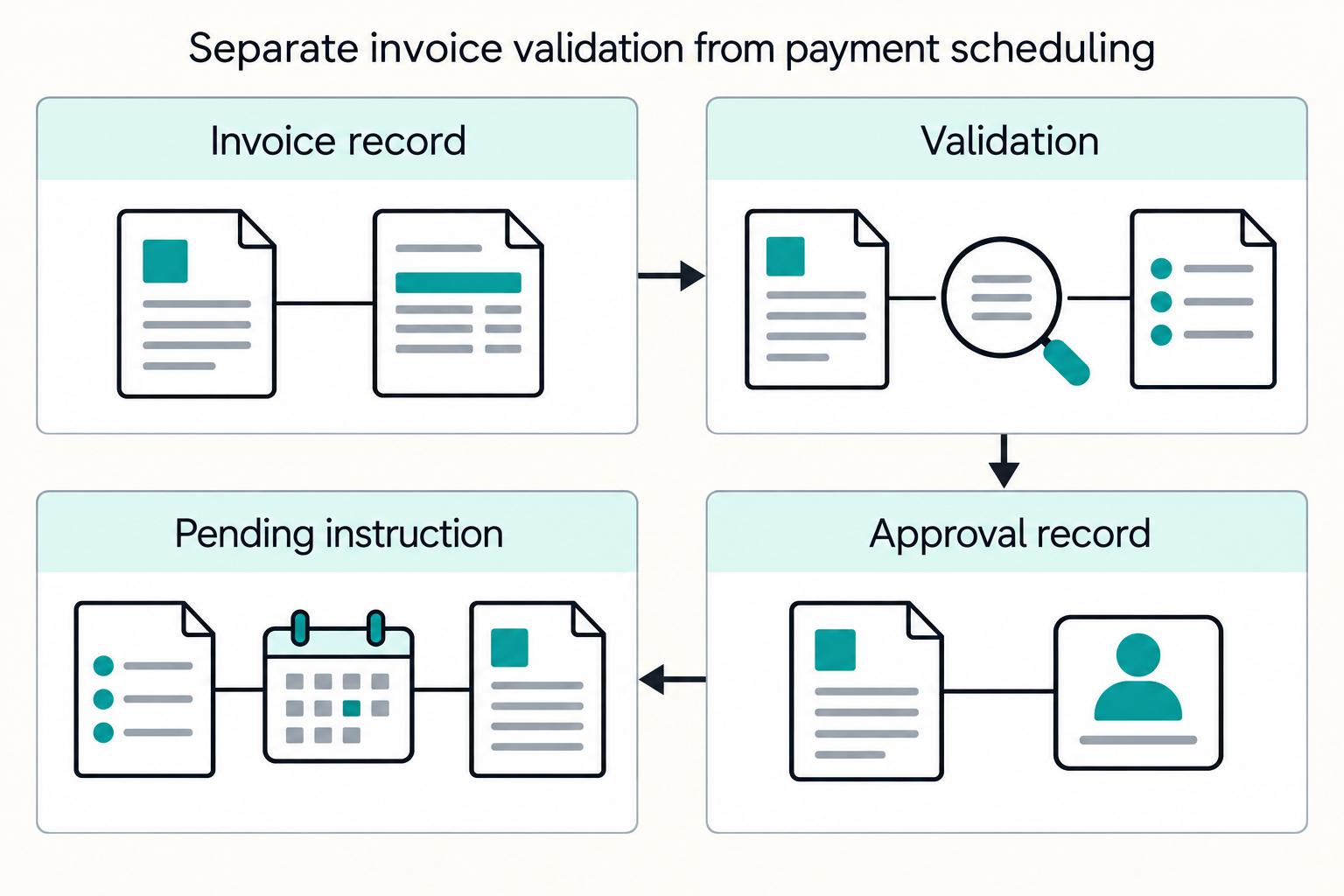
Net Payment Terms for Platforms: How to Offer Net 30 60 90 and When to Use Each
Choose **Net 30, Net 60, or Net 90** based on what your payment process can meet consistently, not on generic B2B norms. The right term is one your team can execute reliably while protecting cash flow.
Read more →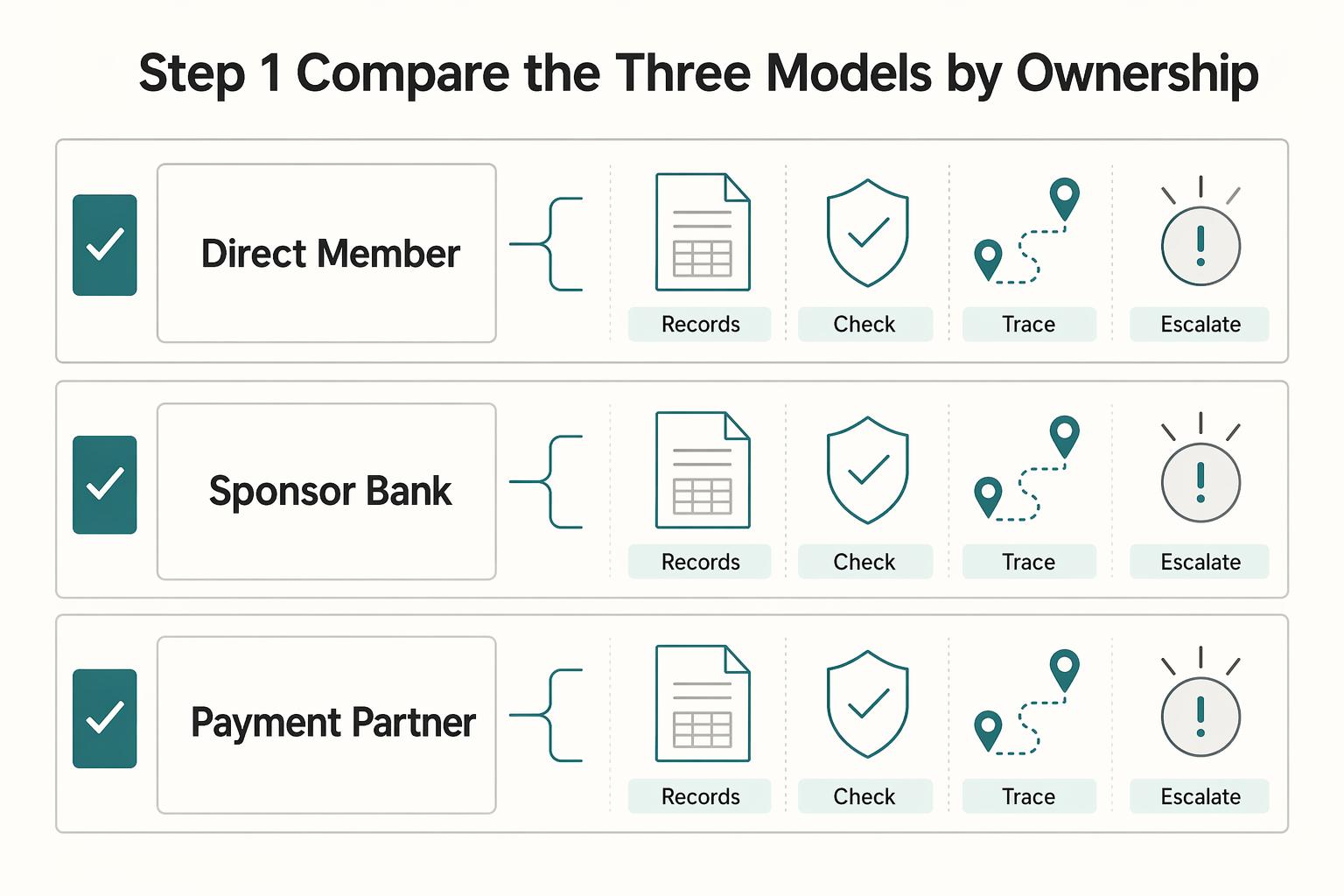
How Bahtnet Works: Thailand Central Bank Wire Transfer for Platform Operators
Treat BAHTNET as an early architecture decision, not a late banking detail. For many Thailand launches, the practical question is whether your product actually needs BAHTNET-level settlement behavior or whether a bank or payments partner can absorb that complexity for you.
Read more →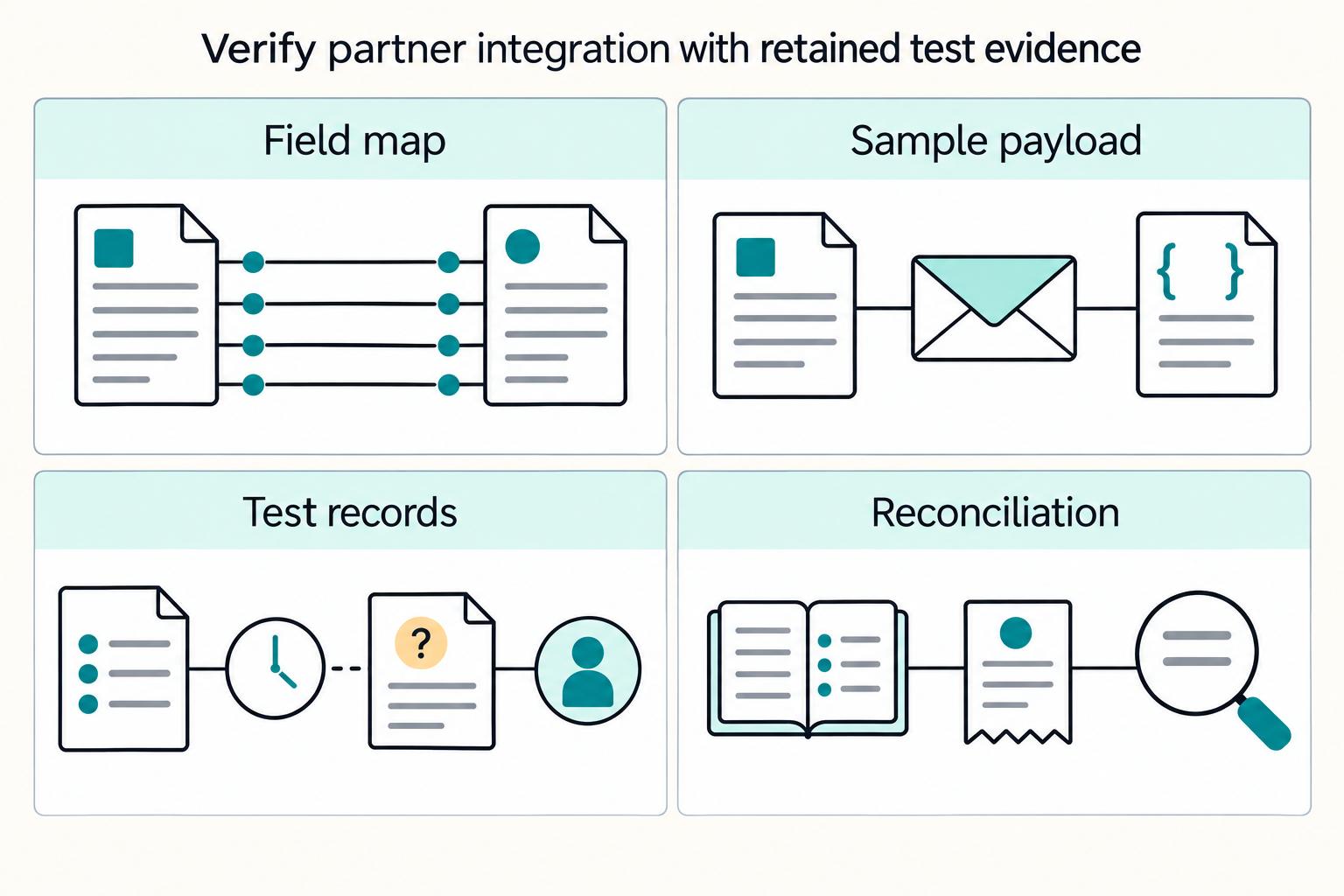
Aani Instant Payments for UAE Marketplace Operators
Aani is the UAE’s national instant-payment platform operated by Al Etihad Payments, a CBUAE subsidiary. [AEP customer guidance](https://aep.ae/en/frequently-asked-questions/customers/) describes 24/7 domestic transfers in AED between accounts at licensed institutions and payment providers in the UAE. It also explains that the participating provider determines customer fees.
Read more →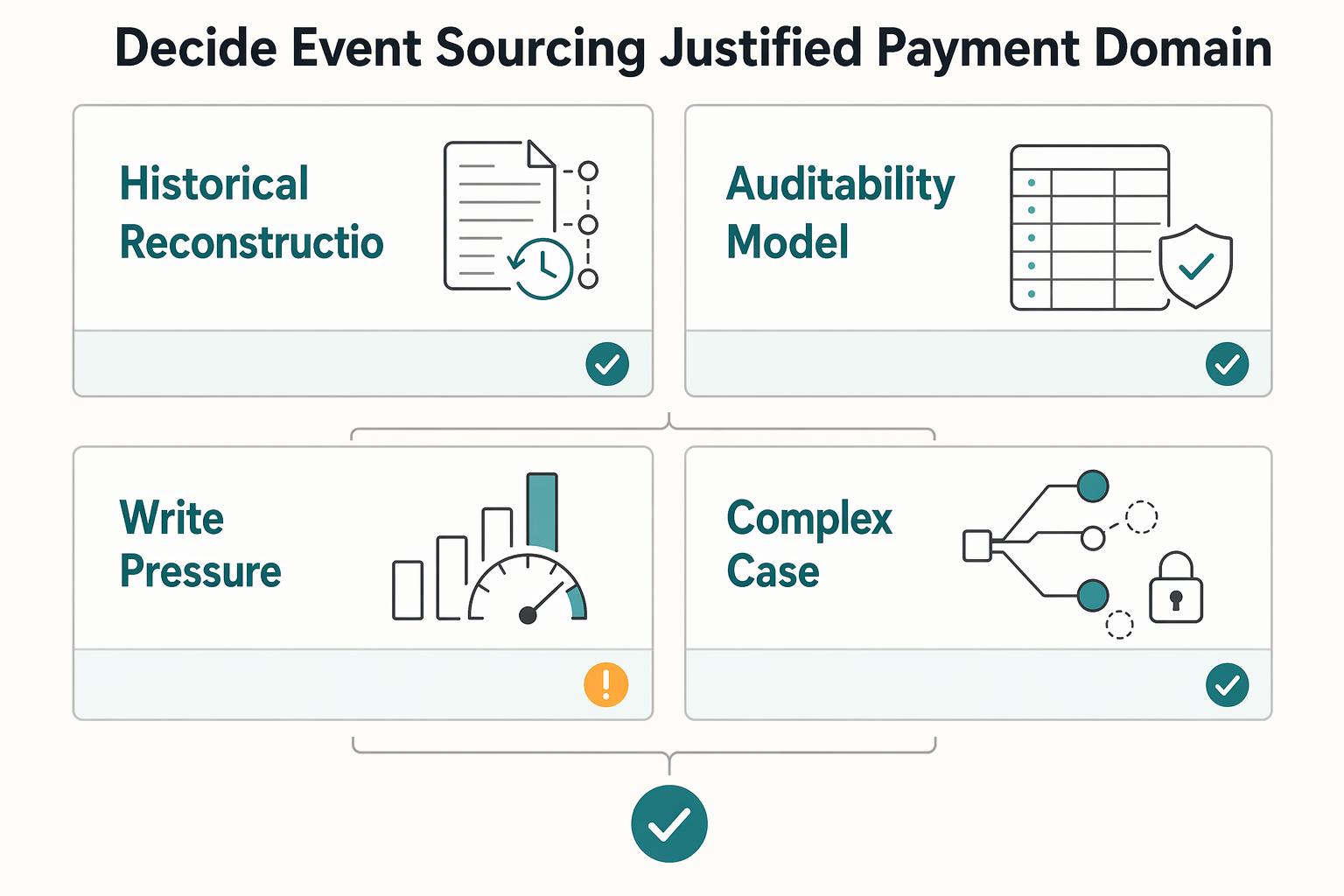
Event Sourcing for Payment Platforms: How to Build an Immutable Transaction Log
For most systems, and for most parts of a payment platform, event sourcing is not necessary. Use an **Immutable Transaction Log** only when current-state tables are no longer enough for audit trail, reconstruction, or ordered asynchronous behavior.
Read more →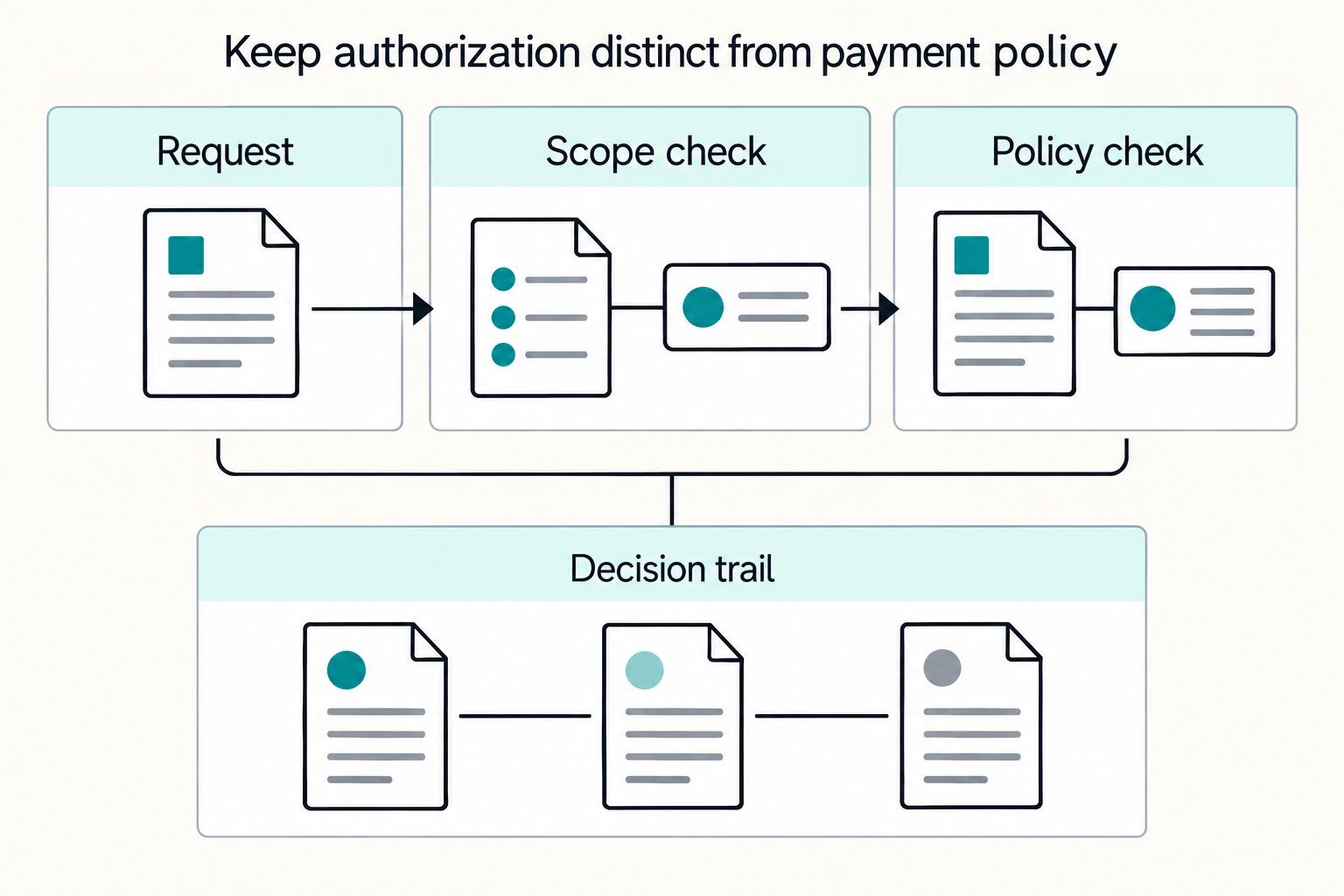
How to Implement OAuth 2.0 for Your Payment Platform API: Scopes Tokens and Best Practices
This guide is for teams implementing OAuth 2.0 in a payment API and trying to avoid long-term auth debt across core platform workflows. It is written for CTOs, engineering leads, and solution architects who need sequencing, tradeoffs, and verification points they can use in real delivery work.
Read more →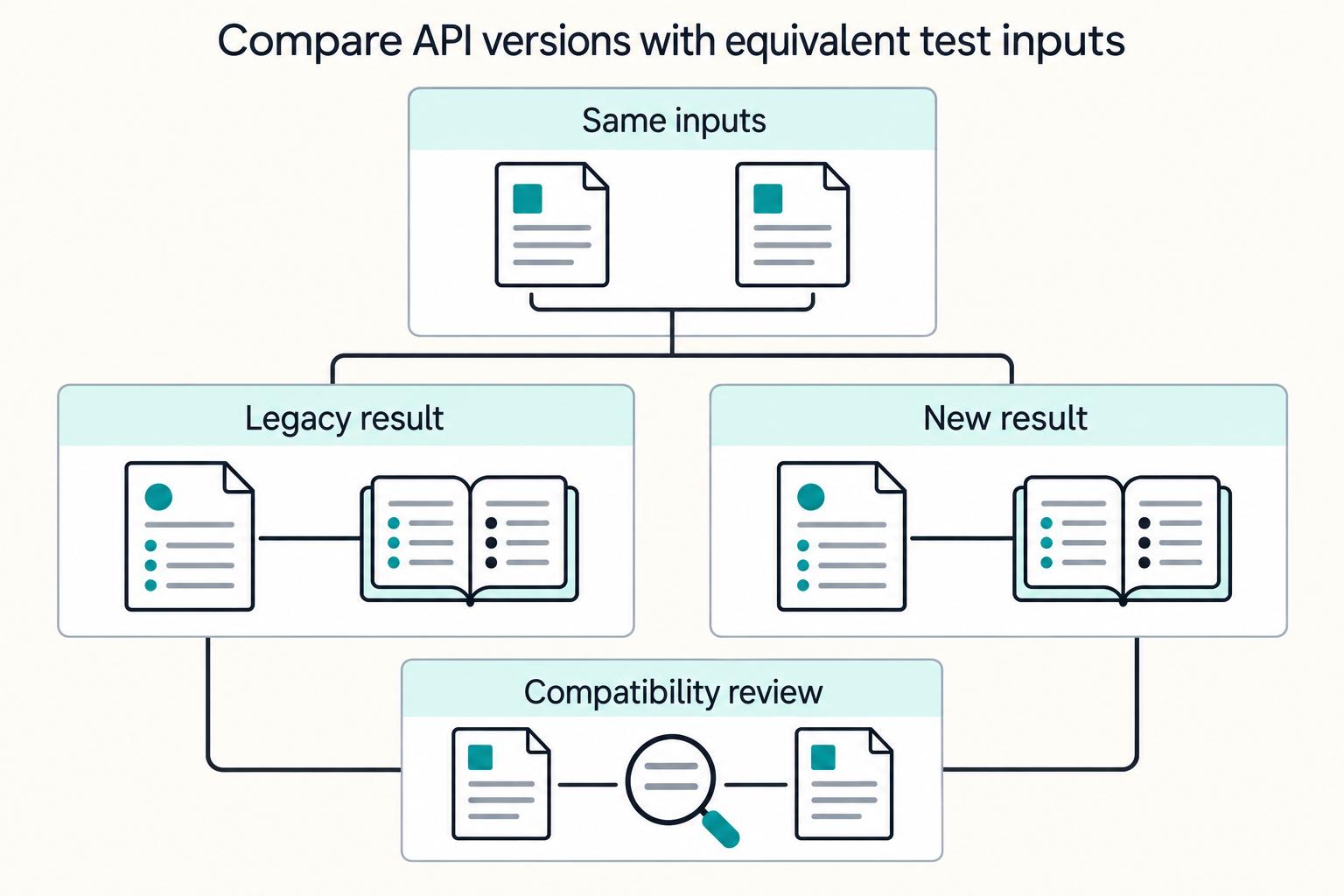
How to Version Your Payment API: Strategies for Backward-Compatible Changes
Version only when an unchanged client would fail or behave differently. Otherwise, keep the change in the current version. That distinction between `Non-breaking change` and `Breaking change` is the core rule for versioning.
Read more →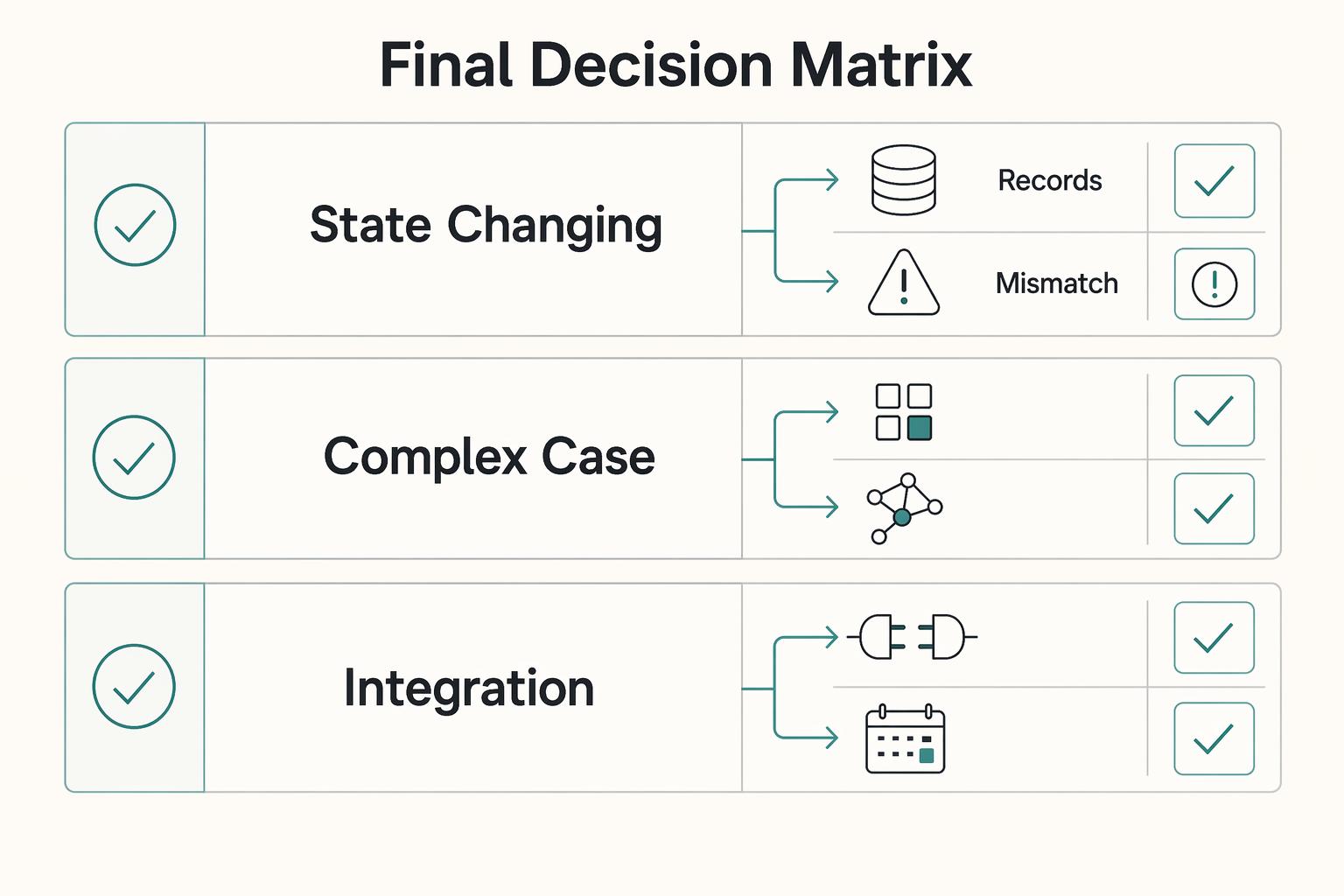
GraphQL vs REST for Payment Platform APIs in 2026
Do not force a single winner across your platform. Match `GraphQL` or `REST` to each API job. That choice affects contract clarity and the client complexity you carry forward.
Read more →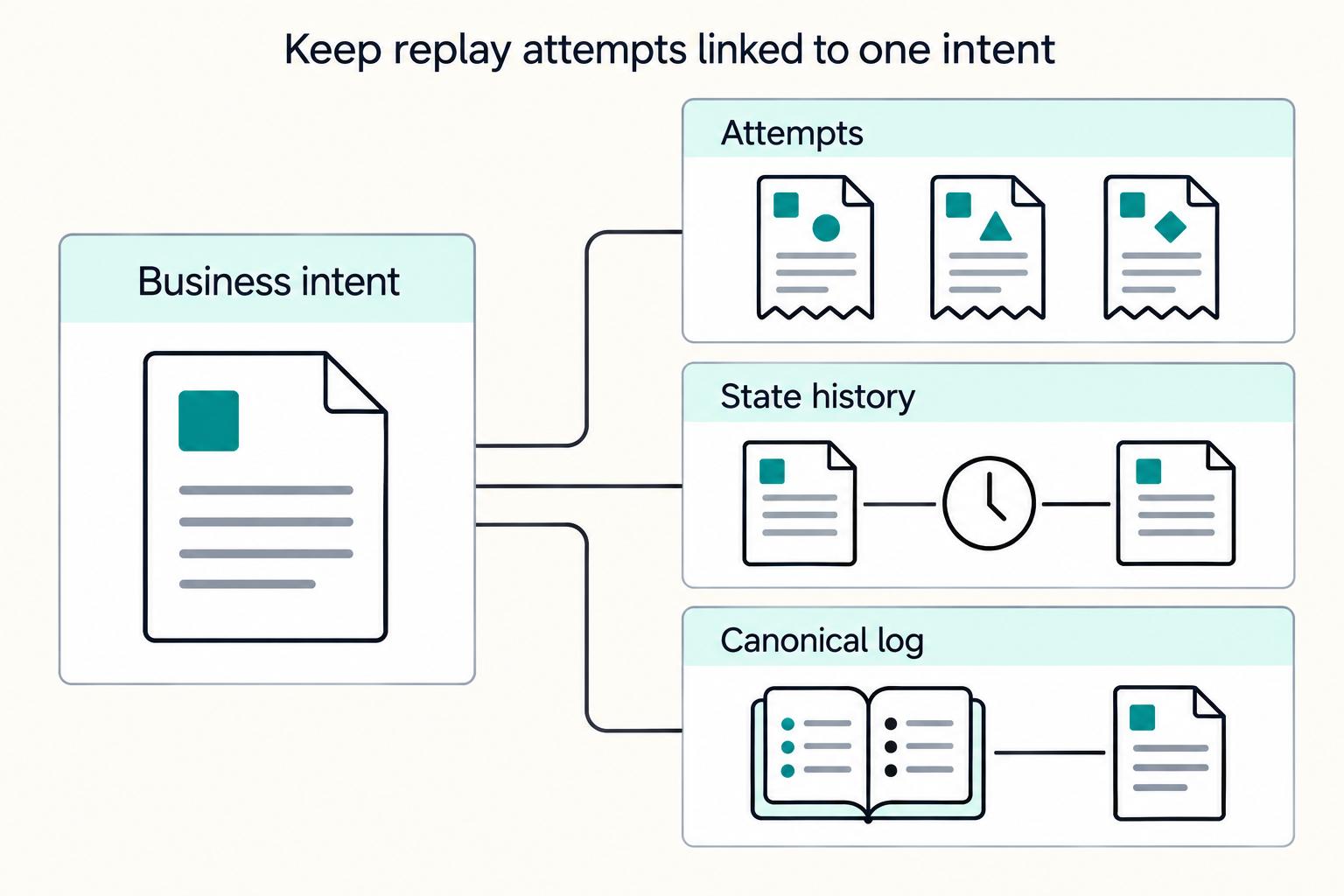
Build a Compliance Audit Log That Survives Scrutiny
A compliance audit log should let an authorized reviewer establish who changed a payout, what changed, why it was permitted or blocked, and what happened afterward. The final amount or a successful API response does not answer those questions. A useful log links the decision to its authority, evidence, external outcome and any later correction.
Read more →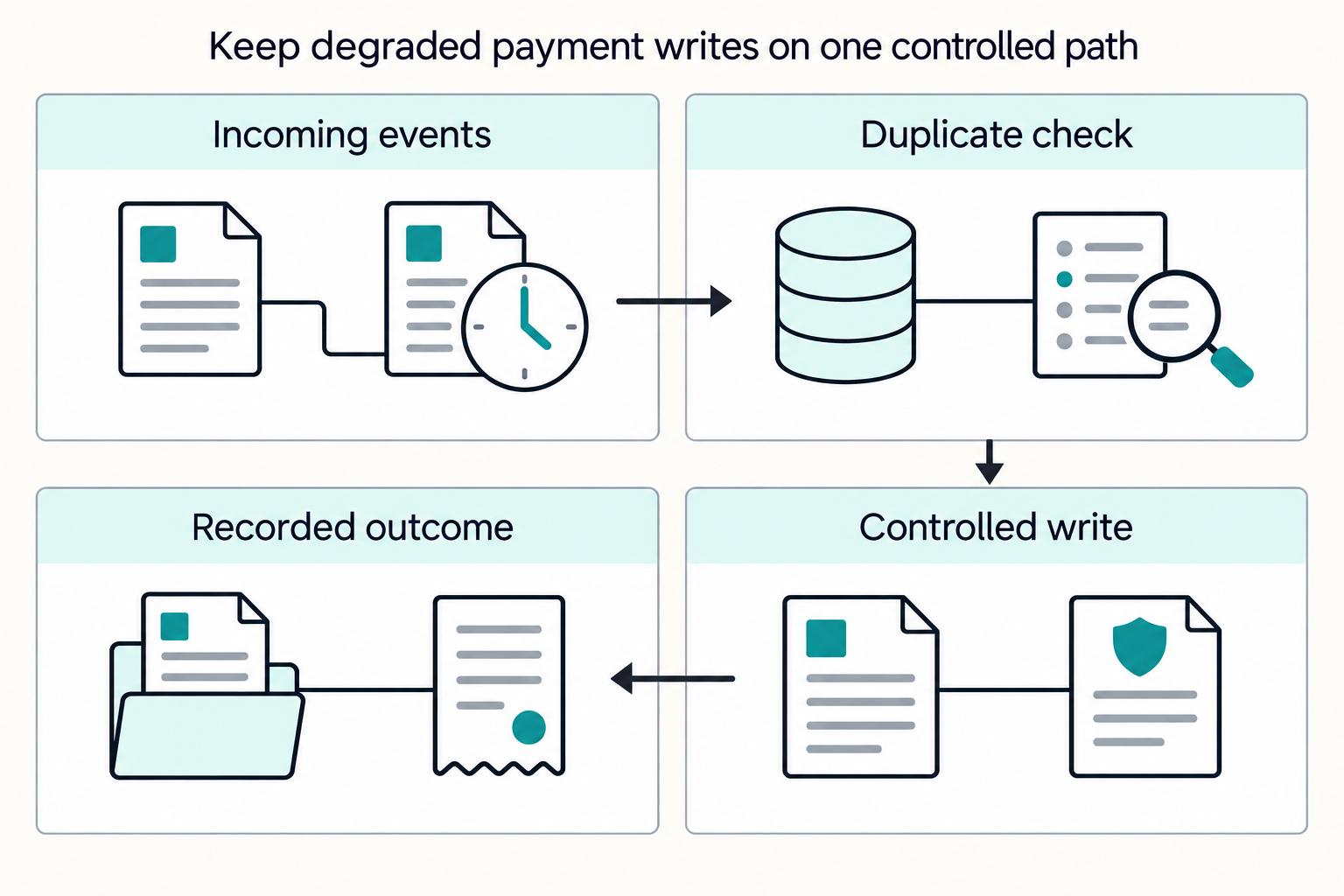
Circuit Breakers in Payment APIs: Prevent Cascade Failures
A practical way to stop a payment incident from spreading is to isolate the dependency where one slow call starts blocking upstream flows. If you need to implement circuit breakers in payment APIs, start with the boundary that can prevent cascade failures in checkout, payouts, and reconciliation. We focus on choices you can verify: where to place protection first, how to roll it out, and how to keep degraded behavior clear. Microsoft's [circuit breaker pattern reference](https://learn.microsoft.com/en-us/azure/architecture/patterns/circuit-breaker) is a useful baseline for `Closed`, `Open`, and `Half-Open` behavior.
Read more →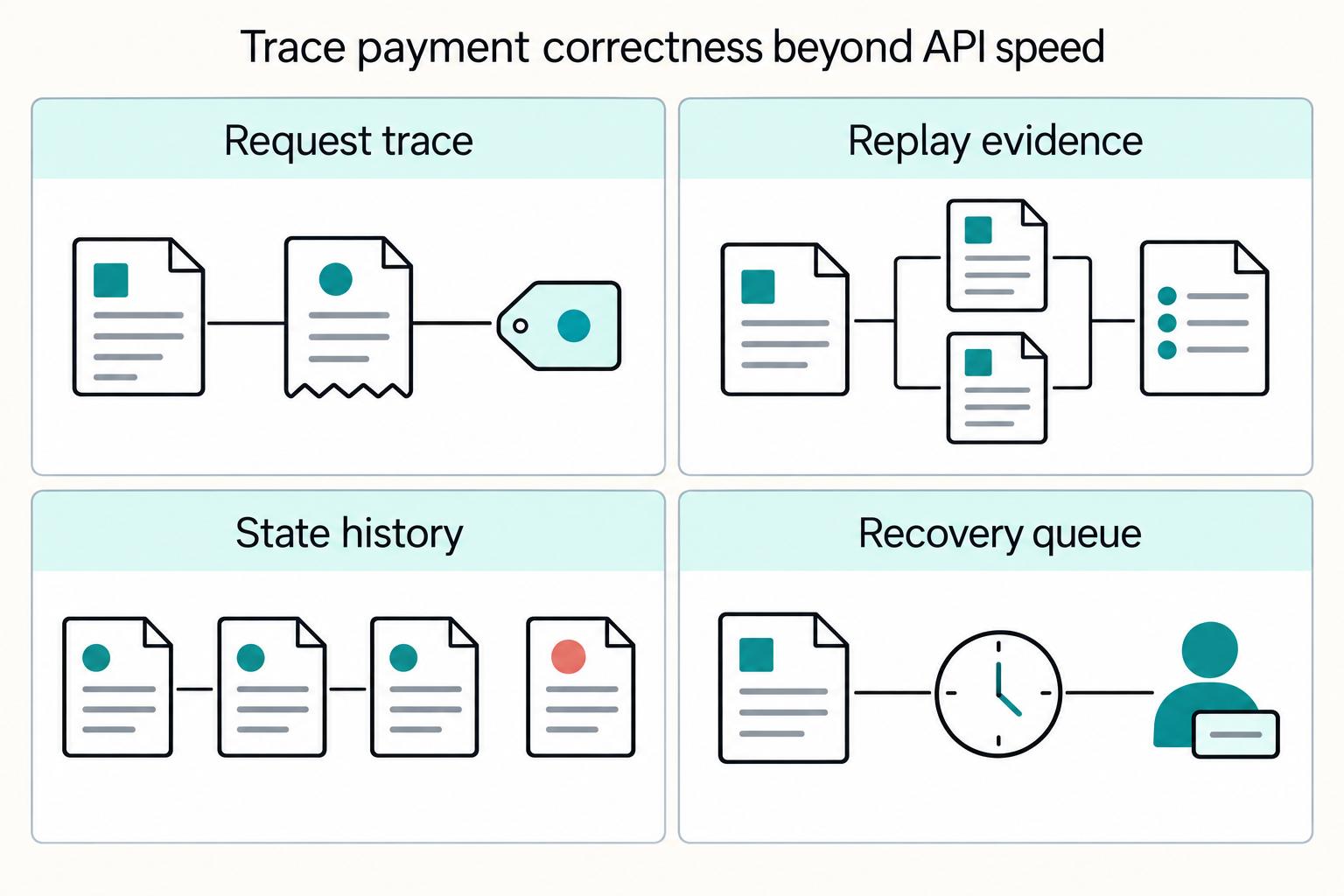
Build a Payment API for 1 Million Transactions a Day
A million-payment day is not, by itself, a reason to split your system into dozens of services. It averages about 11.6 business payments per second. What matters is the busiest window, the work each payment creates, and what happens when a provider completes a charge just before your connection drops.
Read more →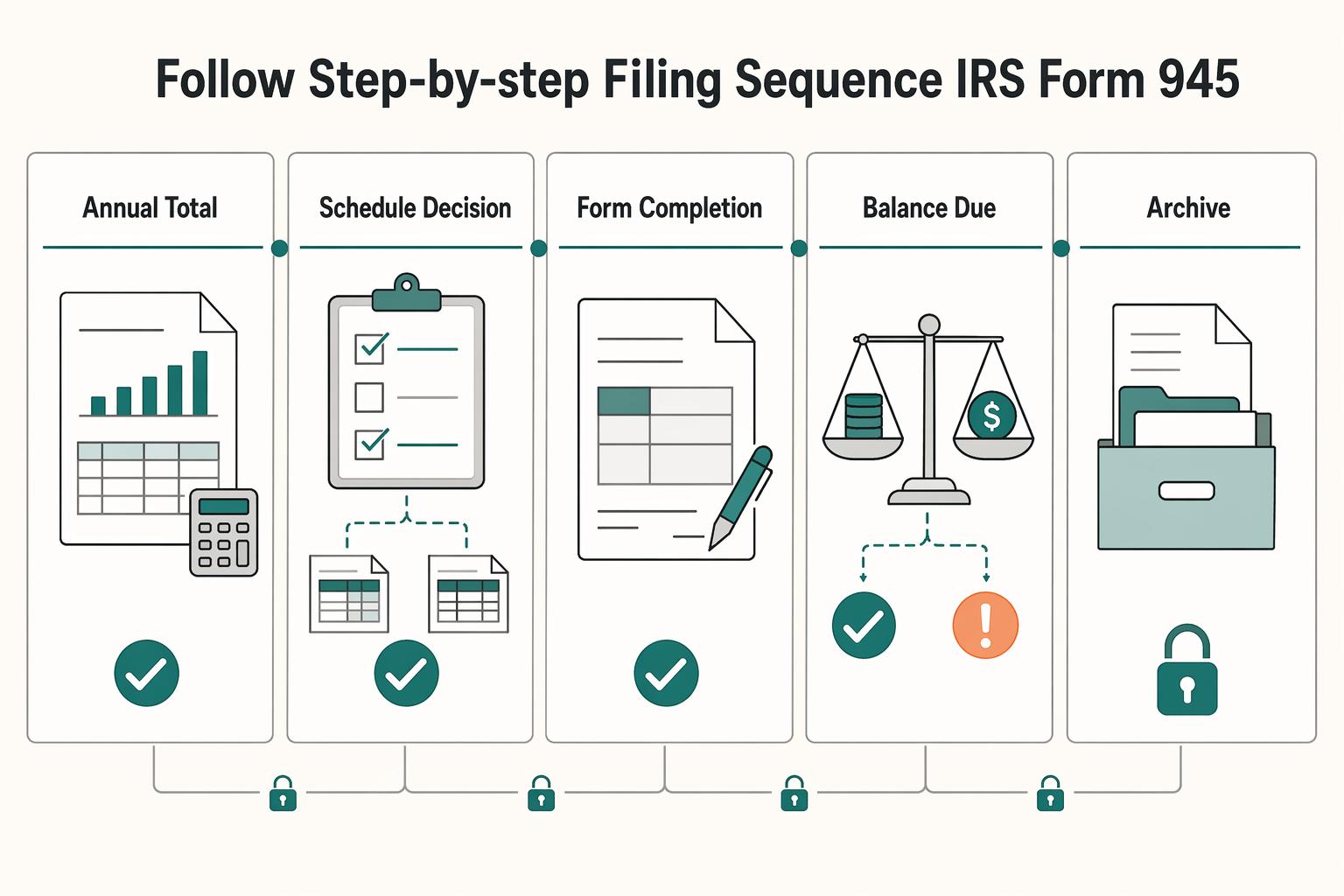
How to File IRS Form 945 for Backup Withholding: A Platform Operator Guide
Treat Form 945 as an ownership and reconciliation process, not a last-minute filing task. Your team needs to know when it is in scope, who owns the filing decision, what must reconcile before submission, and when to escalate before mistakes turn into penalties, interest, or rework.
Read more →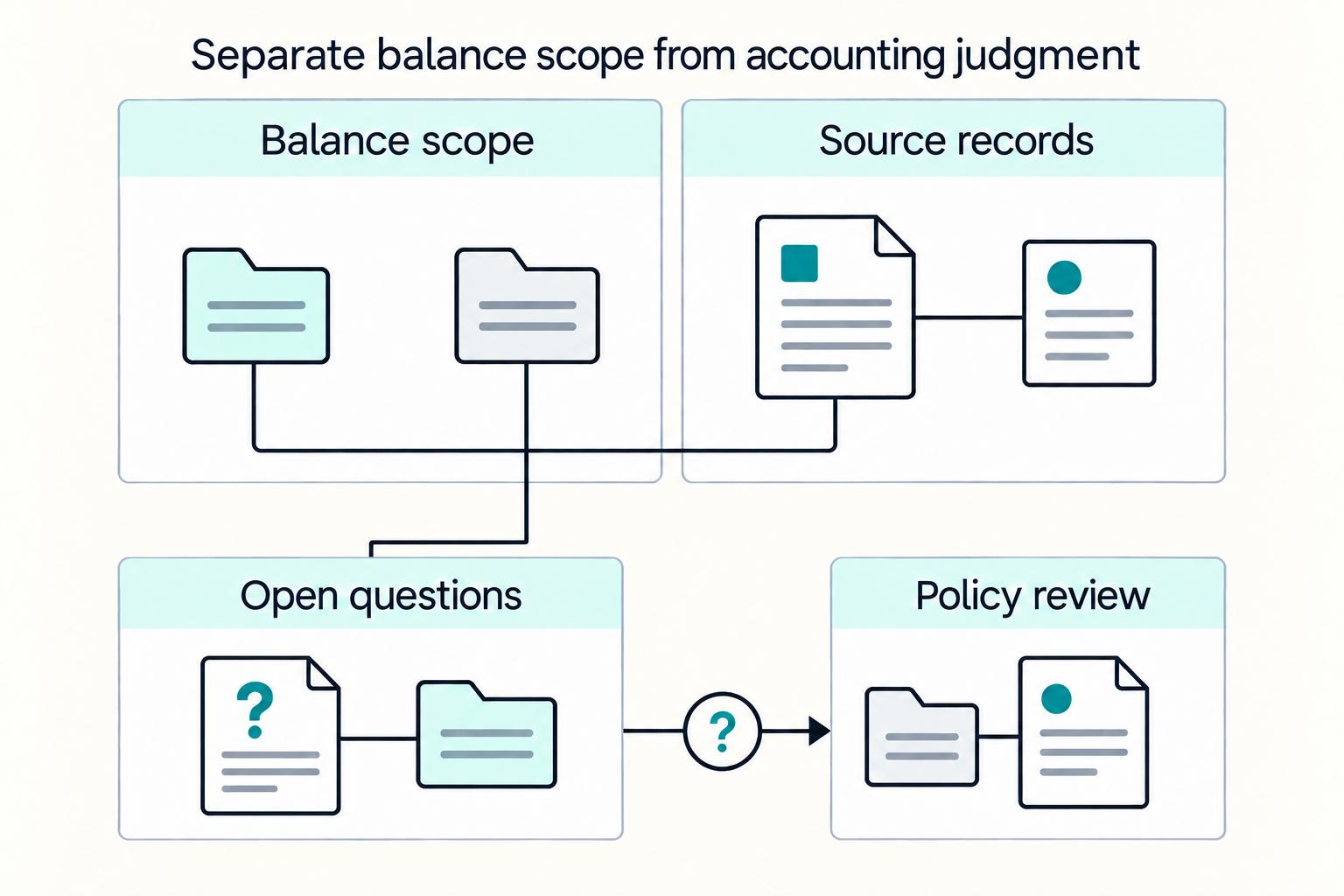
How to Account for Platform Float in Your Financial Statements: GAAP Treatment
If you are working through **account platform float financial statements gaap treatment**, treat exported statements as the starting point, not the accounting answer. This guide is for teams that own close quality and need a defensible path from `Float Account Statement` data to posting and review decisions a controller can sign off on.
Read more →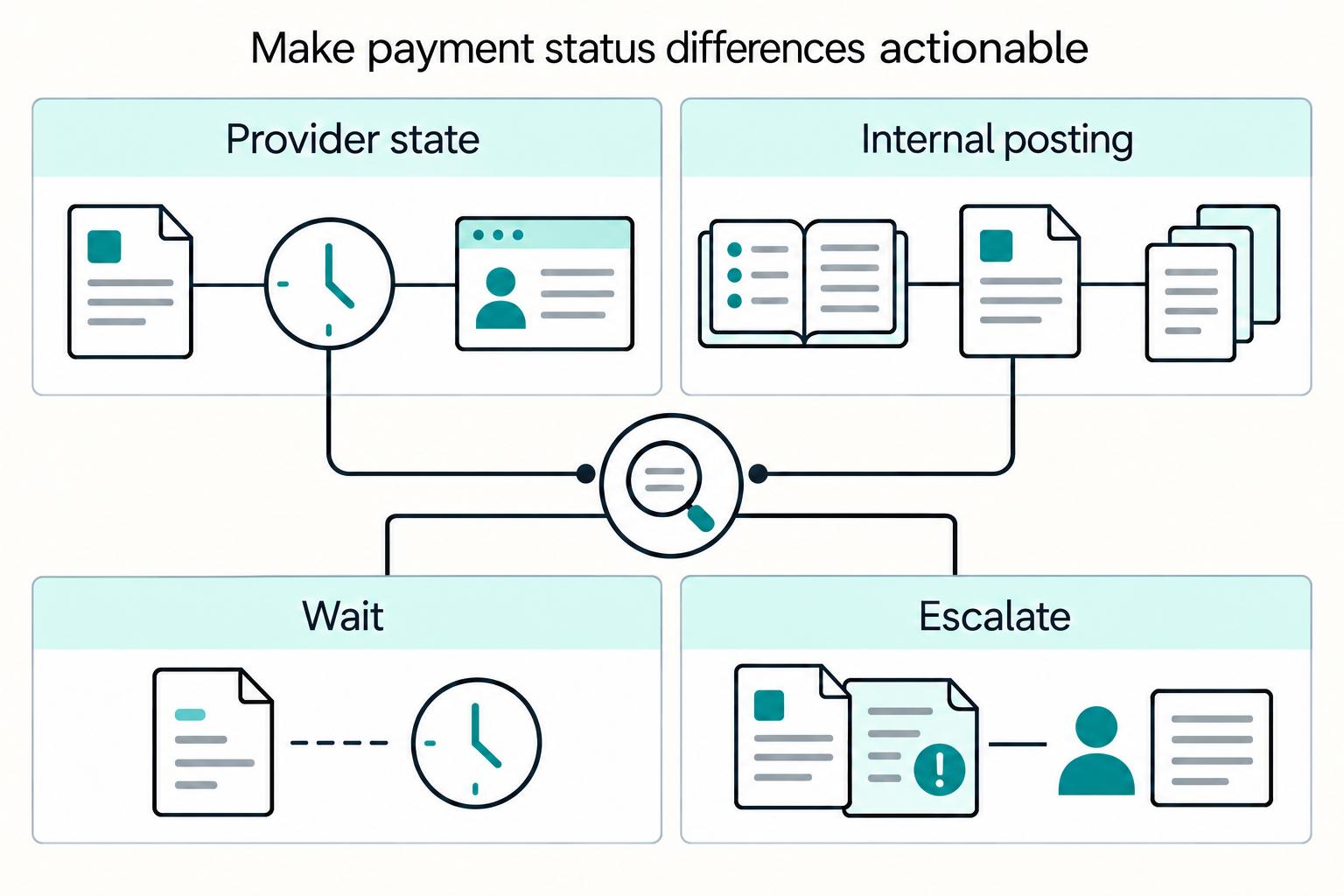
How to Build a Partner API for Your Payment Platform: Enabling Third-Party Integrations
Treat payment partner work as an architecture decision, not a quick integration ticket. If provider-specific objects, statuses, and errors leak into your public API, switching providers later can force client-facing changes.
Read more →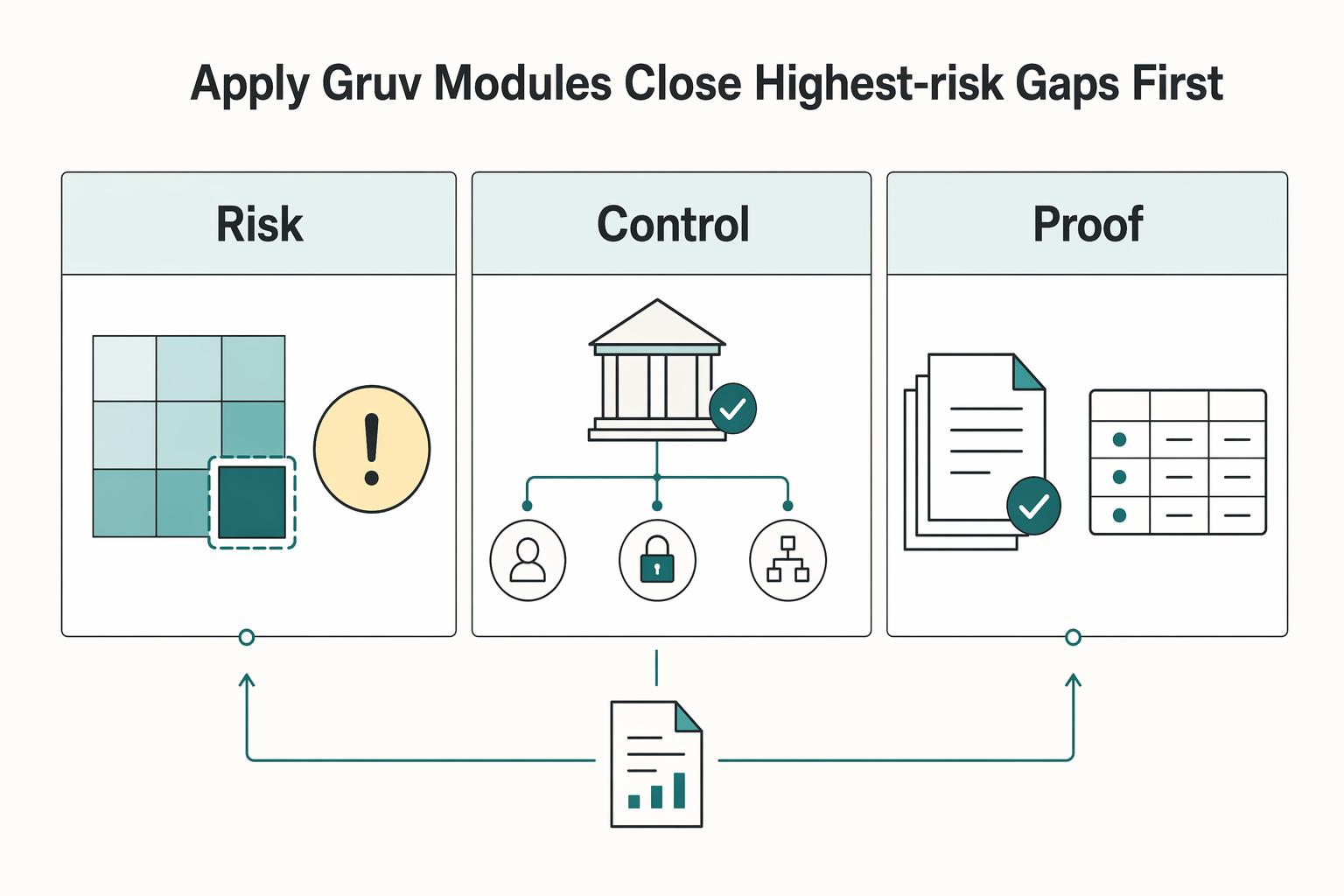
Prepare Your Payment Platform for Acquisition: Compliance, Technical, and Financial Readiness
Acquisition prep for a payment platform is a cross-functional evidence test, not a finance-only exercise. Frame readiness around whether you can show compliance controls in production, trace money movement, and validate reporting without last-minute rework.
Read more →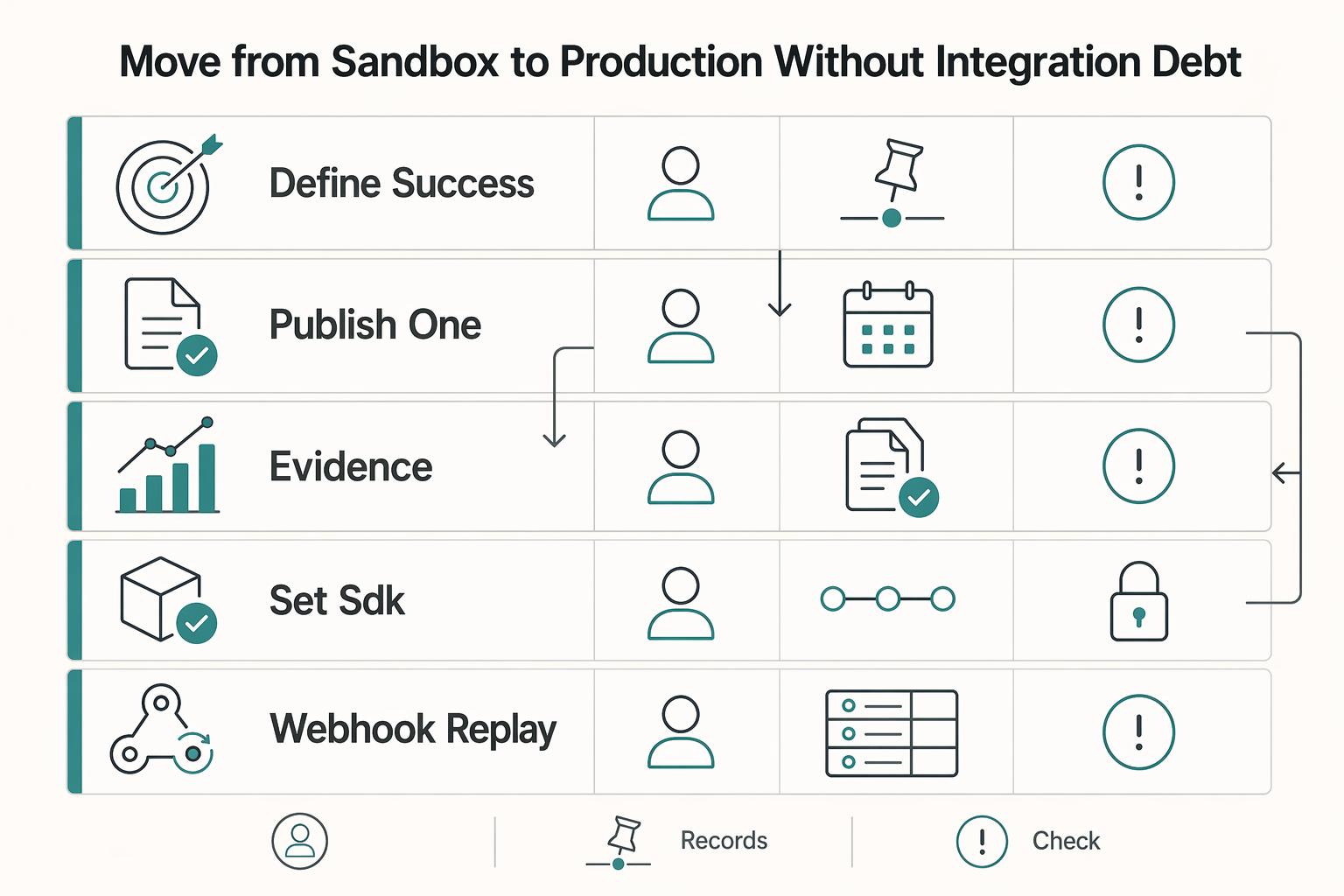
How to Build a Developer Portal for Your Payment Platform: Docs Sandbox and SDKs
Build your portal so teams can move from the first sandbox call to production approval without guessing what comes next. The goal is speed without hidden integration debt: clear auth setup, explicit test expectations, and a defined go-live path.
Read more →
Gruv Platform Payments for Global B2B Payouts and Compliance
If you are building global B2B payouts, the first win is a coherent operating model, not every money feature on day one. This guide helps you plan platform payments architecture and controls without overbuilding early. It is intentionally written for a cross-functional audience because each team owns a different failure mode:
Read more →