
Operator playbooks for cross-border payments, tax, and compliance execution.
Step-by-step guidance for finance, product, and ops teams to launch faster, reduce payout friction, and keep reconciliation clean across borders.
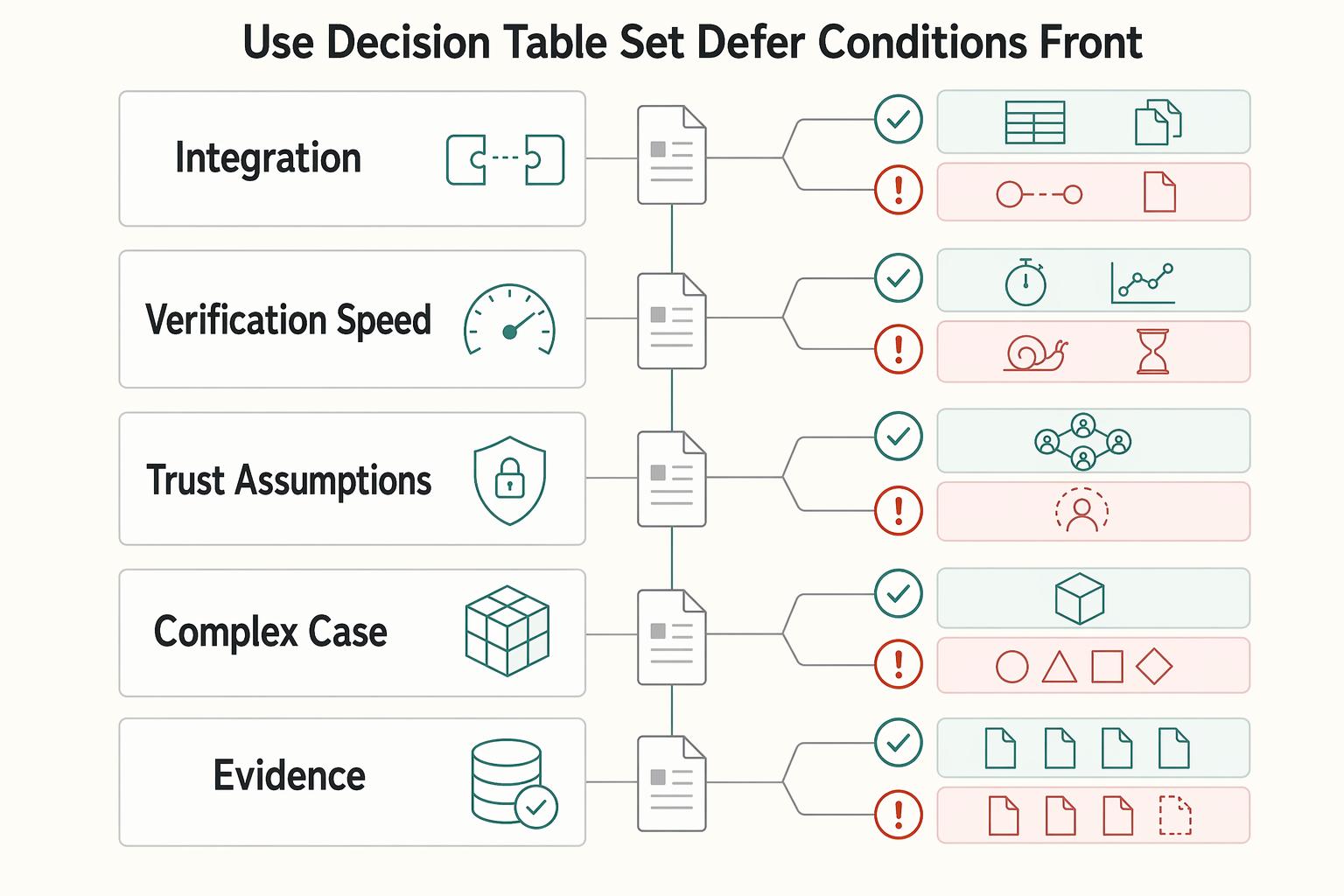
How Platforms Use Zero-Knowledge Proofs for Privacy-Preserving Payment Verification
ZKPs matter for payment verification because they let you verify a claim while disclosing less raw user data. That is the promise. The catch is that the privacy gain depends on how you implement the full path from onboarding to authorization to payout. If those flows still collect, copy, and move sensitive records, stronger checks may improve control while leaving the same exposure in place.
Read more →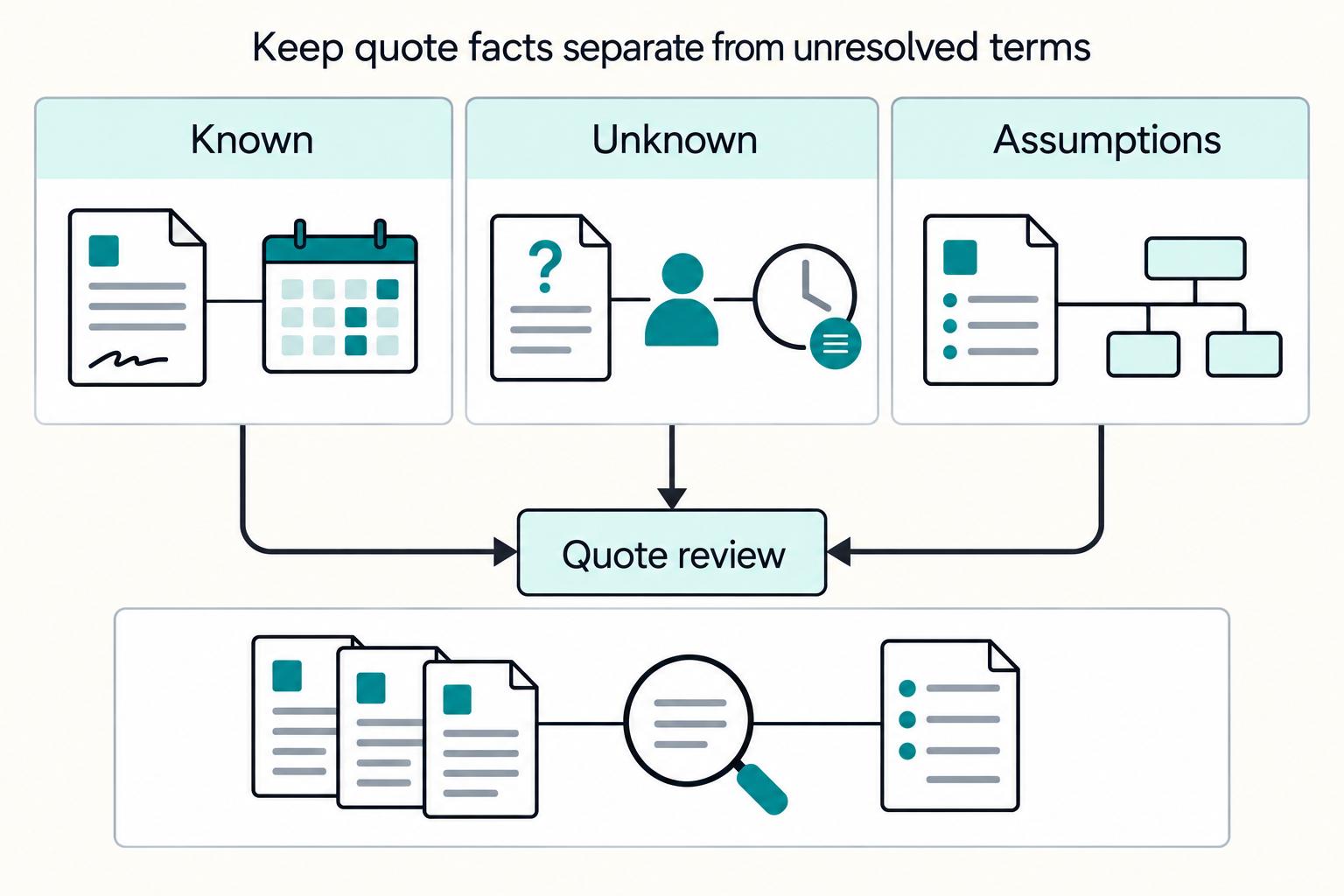
How to Implement Ramp Pricing for Enterprise Subscription Contracts
For enterprise subscriptions with ramp pricing, start with the contract, not the plan page. If finance, product, and procurement cannot point to the same document set and explain how price changes over time, the deal is not ready to sign.
Read more →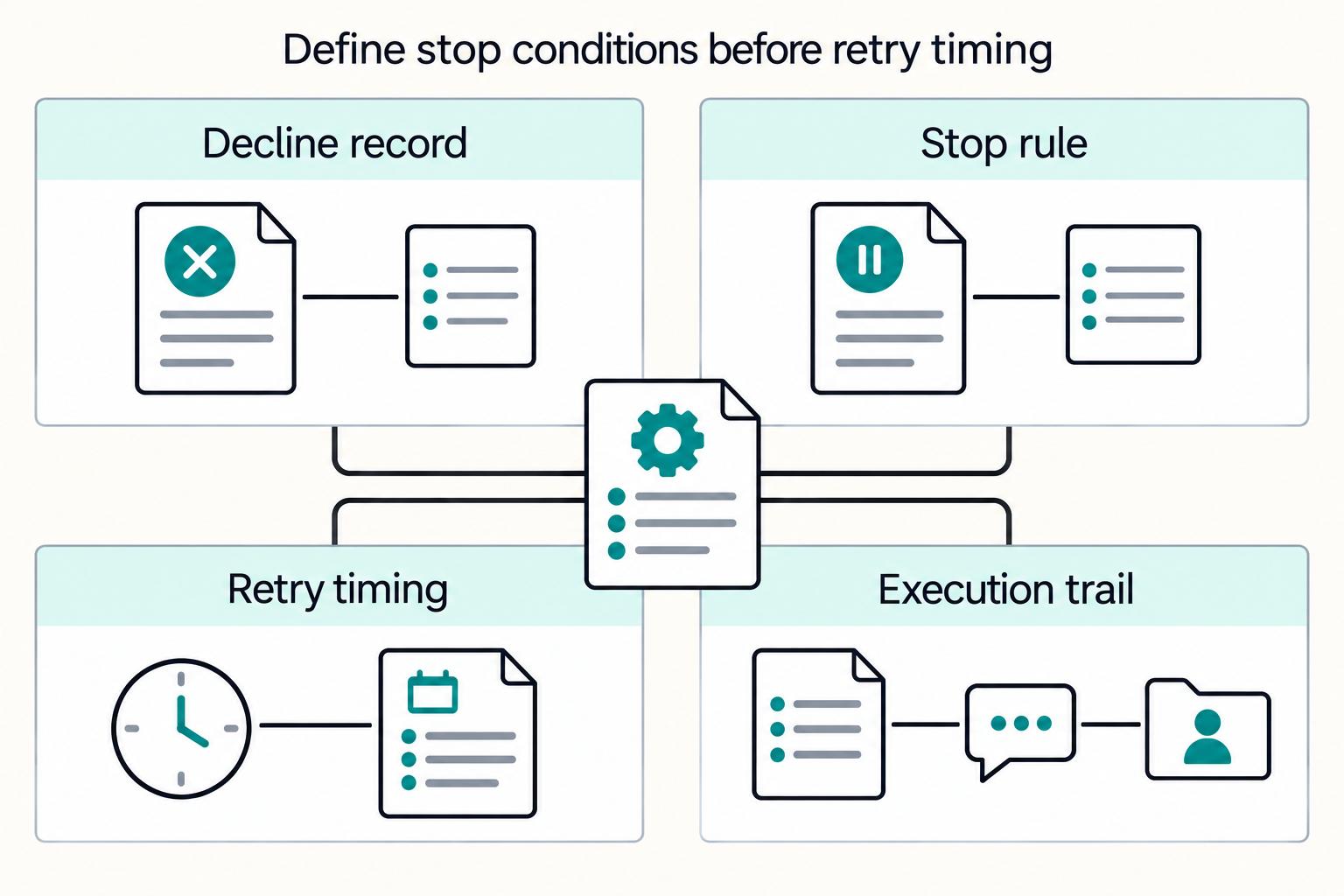
How to Handle Failed Payments Across Multiple Payment Methods and Regions
Treat **failed payment retry logic** as a revenue recovery decision, not a billing toggle. The job is to recover valid revenue while controlling processing cost, customer friction, and compliance or security risk.
Read more →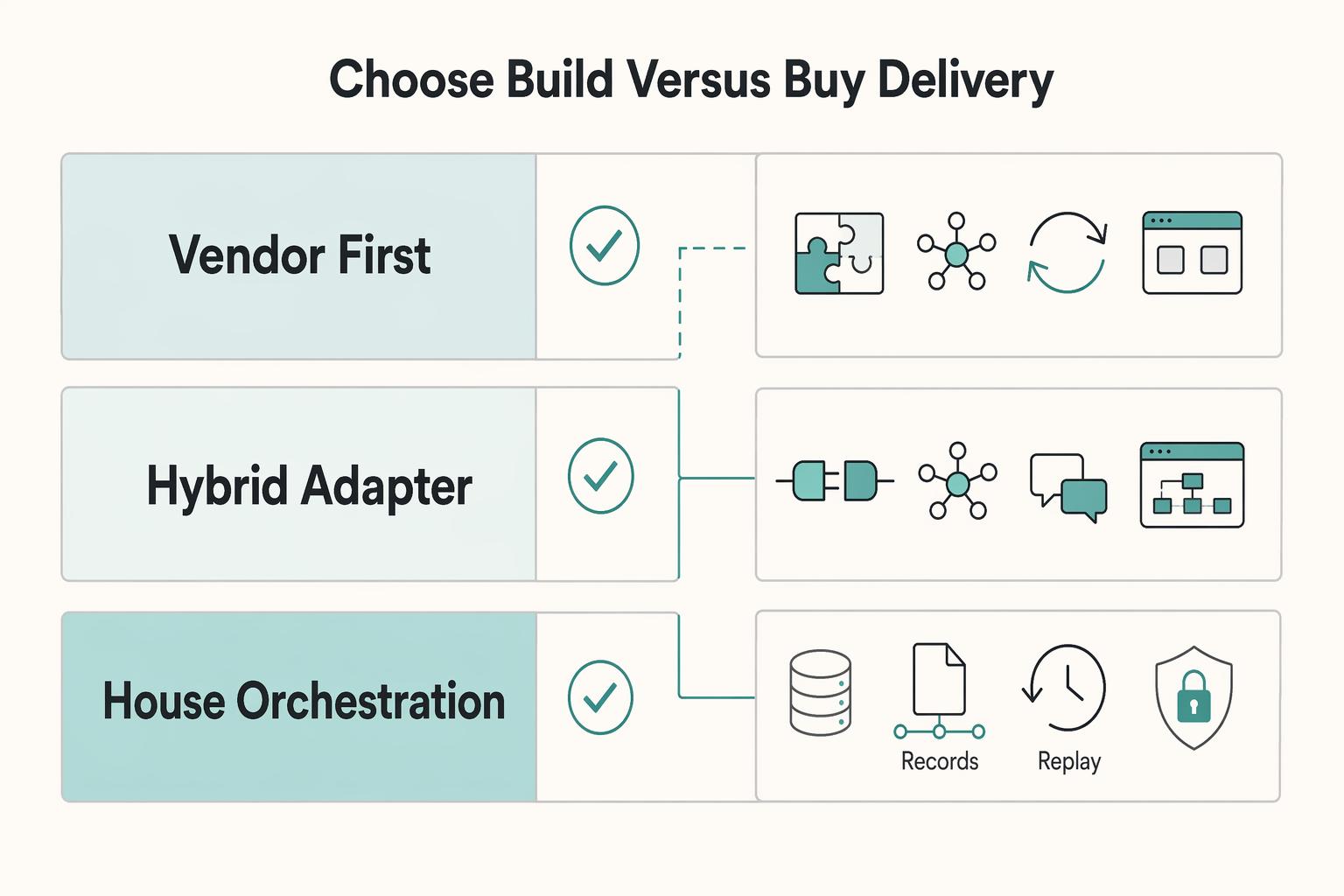
How to Build a Payment Notification System: Email SMS and In-App Alerts for Contractor Events
Build the record first, then the channels. Across email, SMS, and in-app alerts, trust comes from one event history, not three competing versions of what happened.
Read more →
How to Build a Dispute Resolution Workflow for Marketplace Payments: From Claim to Resolution
A claim-to-resolution workflow matters because it turns dispute handling from ad hoc judgment into a process you can review, explain, and defend. The goal is simple: move from first intake to final action through a path that stays consistent, traceable, and workable under pressure.
Read more →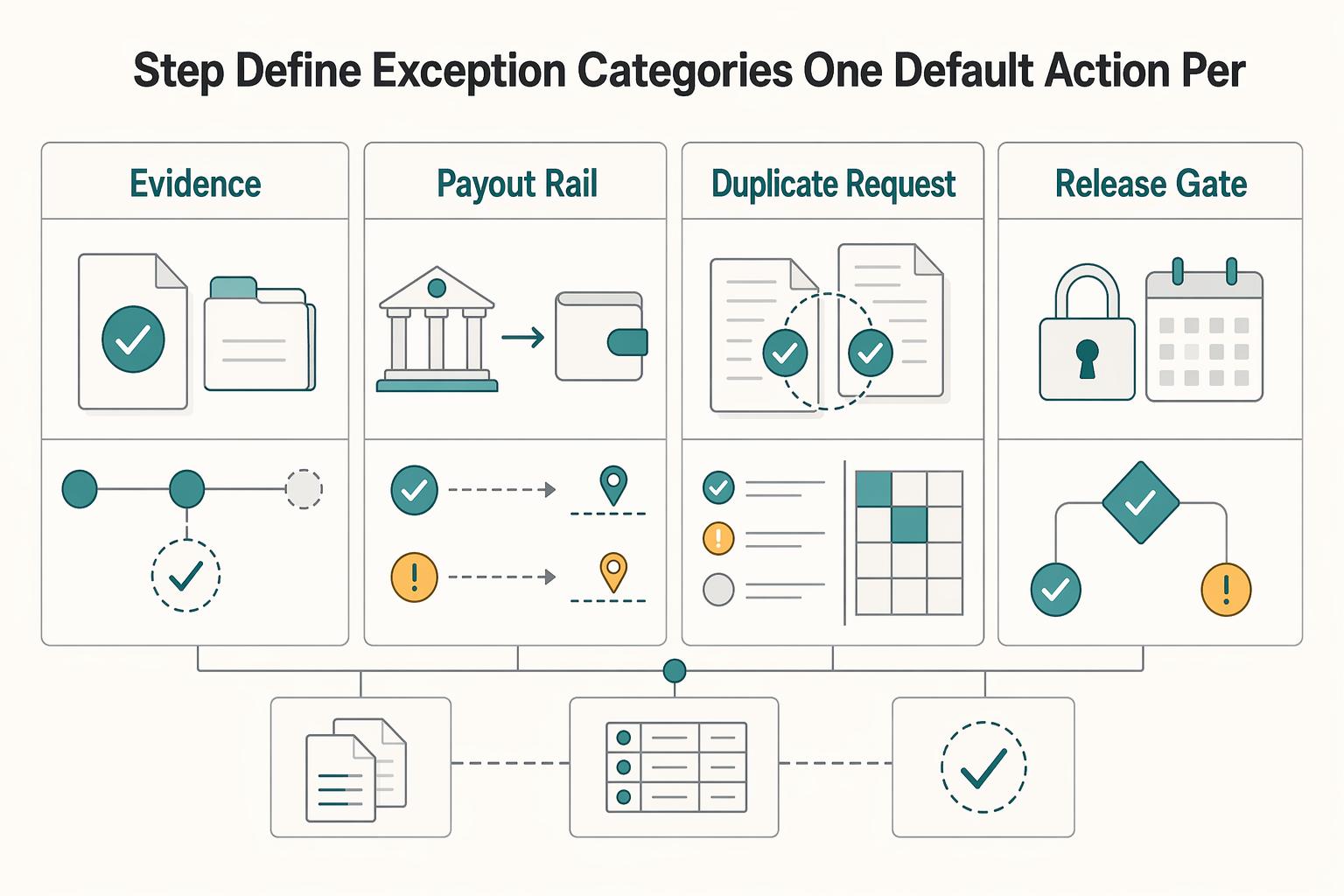
Escrow-Based Payments for Marketplaces: When and How to Use Milestone-Based Fund Release
Use milestone escrow when your marketplace cannot treat payment capture and payout as the same event. If buyers need proof of work before release, and sellers need proof of funds before they begin, staged release through an escrow account is a workable middle ground. It also adds approval, evidence, and reconciliation work that your team has to run well.
Read more →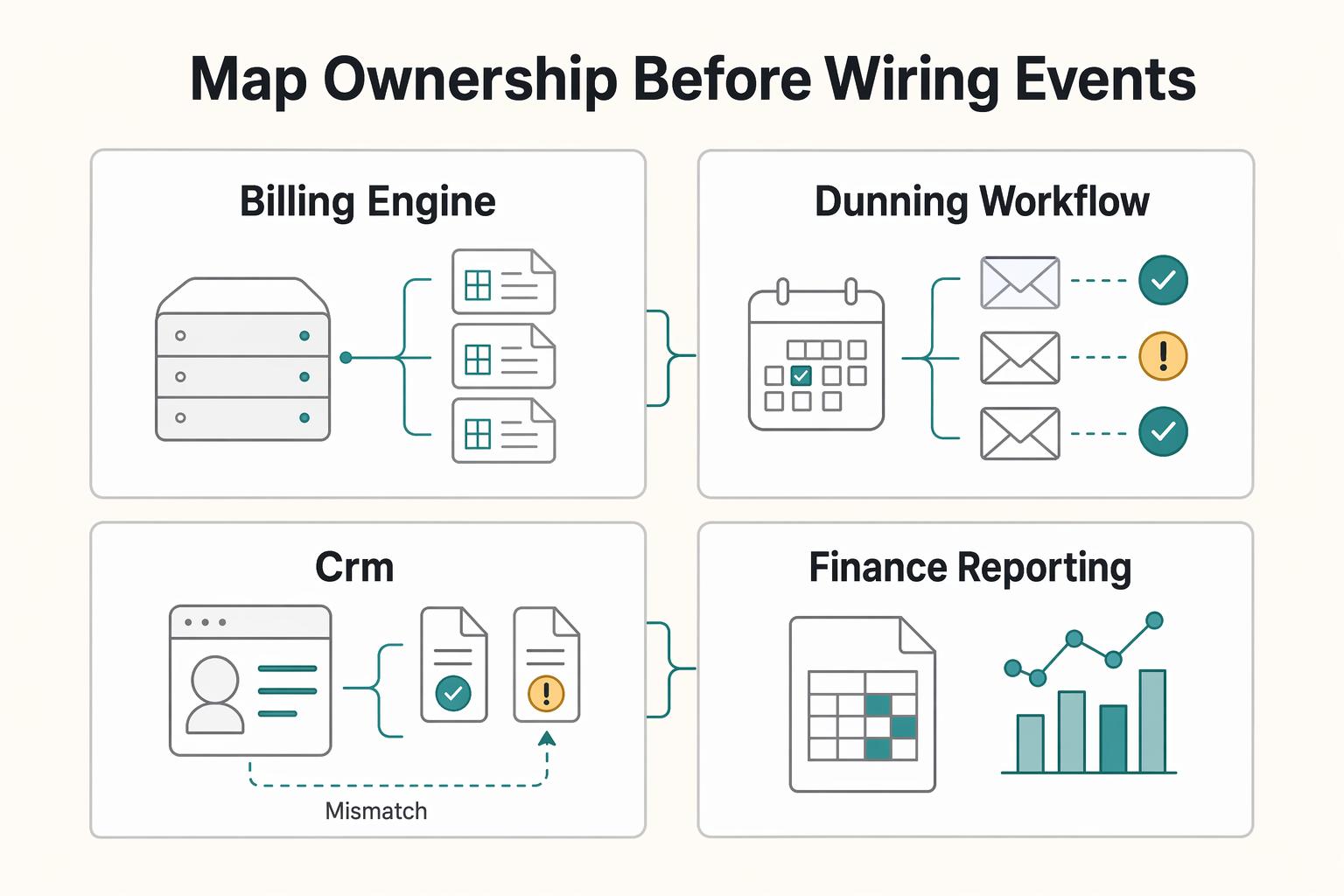
7 Dunning Strategies That Recover Failed Subscription Payments
Failed payments create two problems at once: cash flow pressure and a retention decision. In subscription businesses, the same recovery step can either bring revenue back or push a customer closer to canceling.
Read more →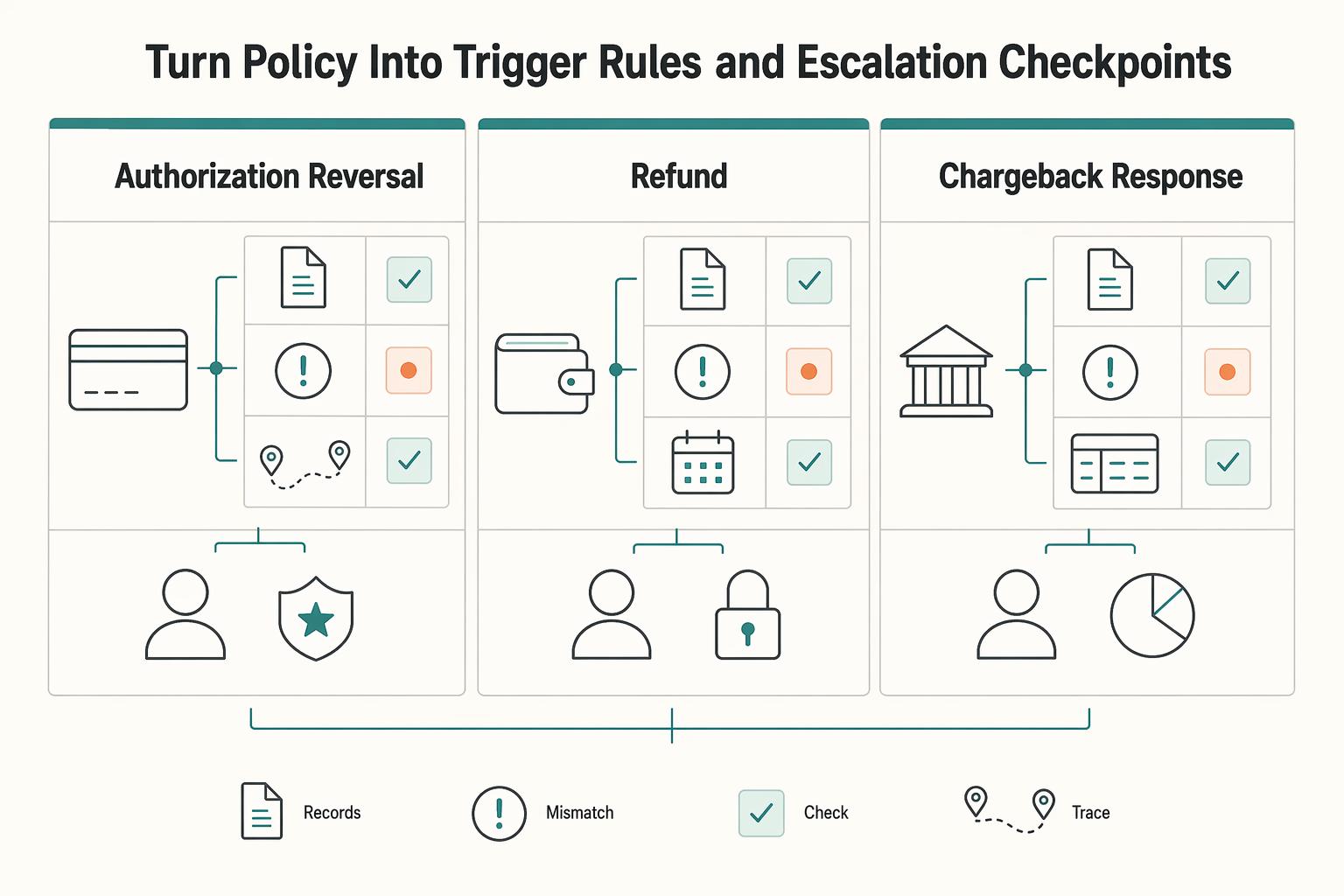
Building a Marketplace Refund and Reversal Policy That Holds Up in Disputes
By the end of this guide, you should have a refund and reversal policy that legal, ops, and engineering can execute without guesswork. For a marketplace platform, that means more than clean policy text. Support needs clear decisions, engineering needs enforceable transaction states, and finance needs records that still reconcile when a refund, payment reversal, or chargeback arrives out of order.
Read more →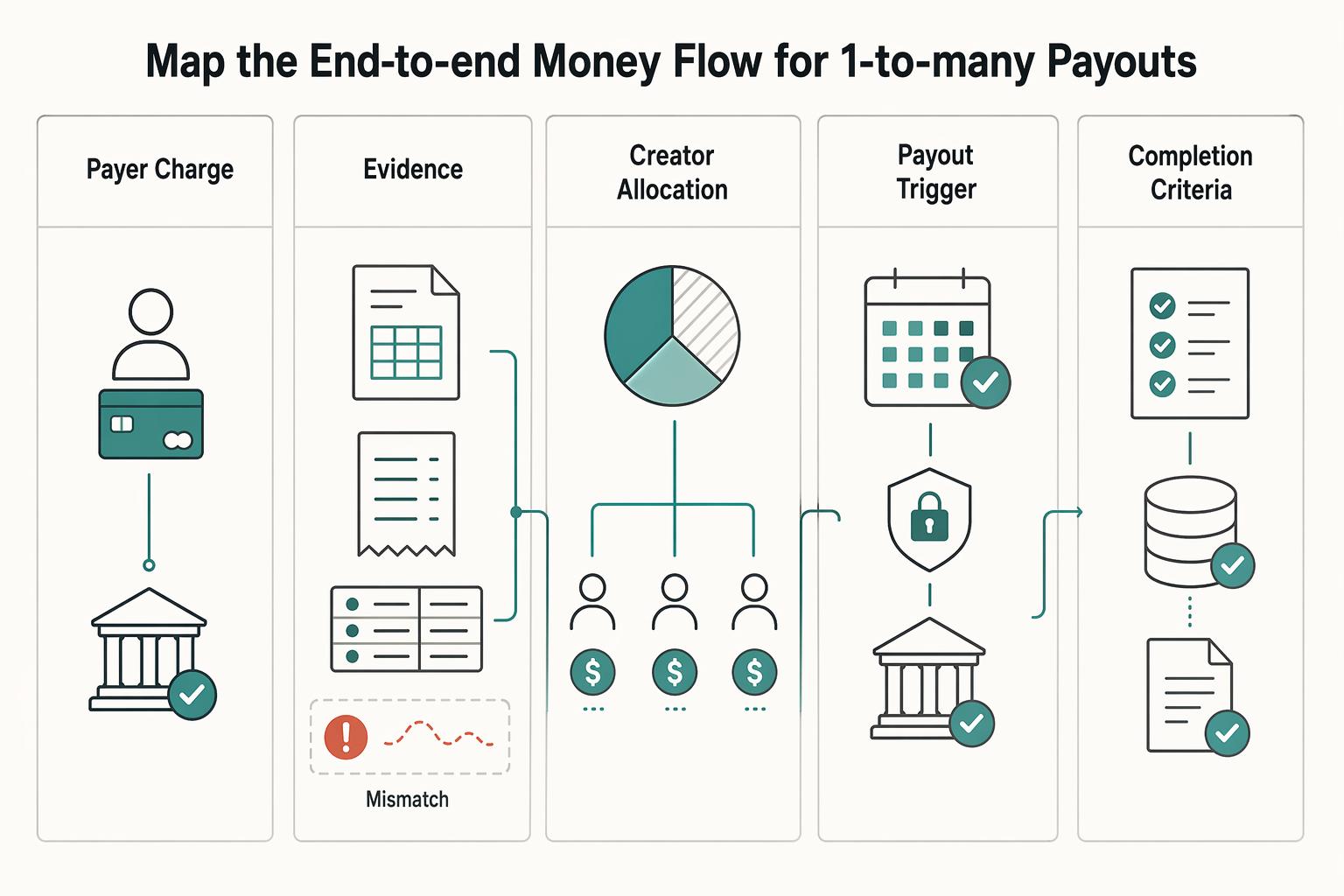
Building a Creator-Economy Platform with 1-to-Many Payment Architecture
A creator platform can collect one customer payment and owe several creators, an agency and the platform itself. Design the charge, allocation and bank payout as separate stages: a valid split is not proof that recipients received money, and a completed payout does not eliminate later refund or dispute exposure.
Read more →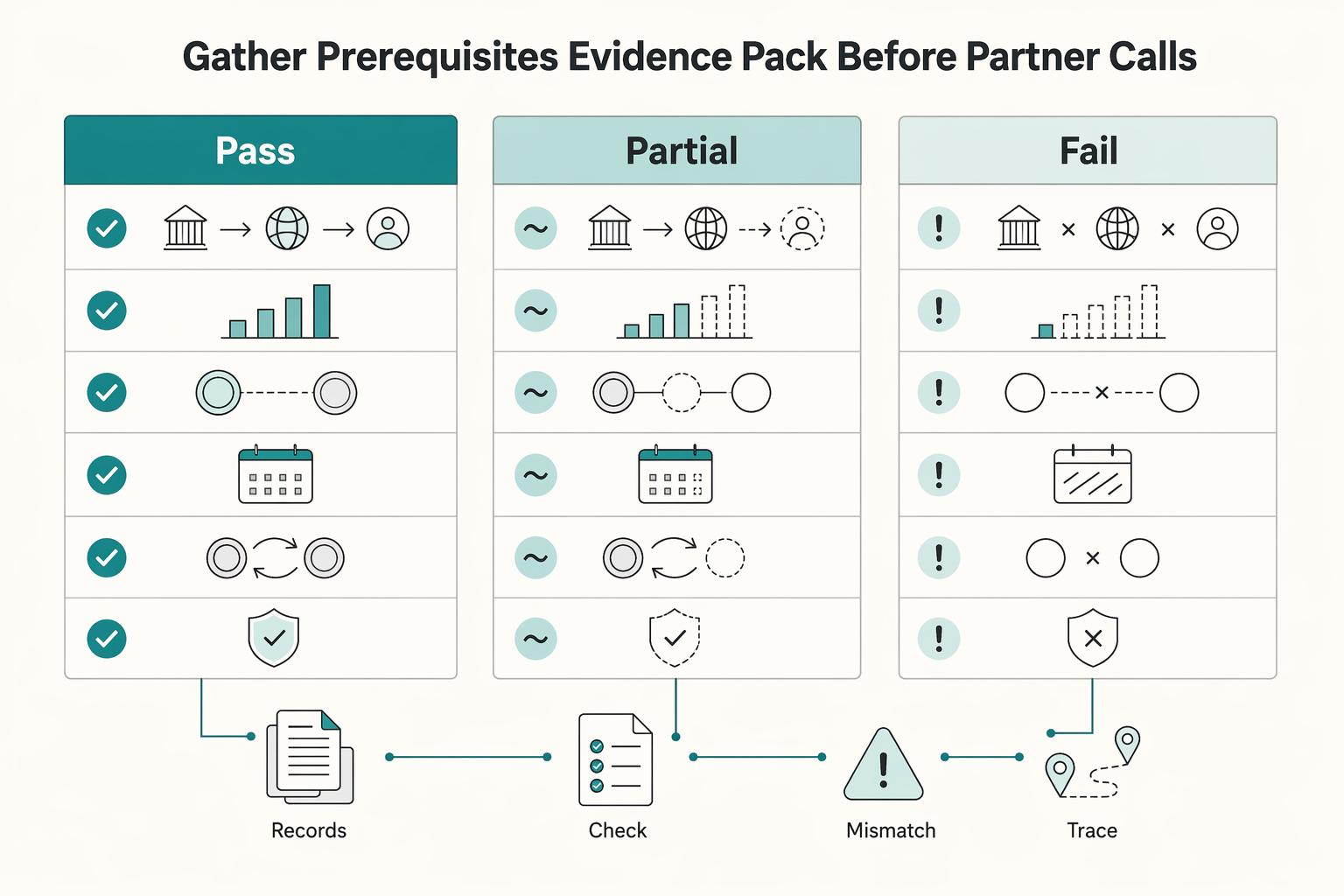
Paying Contractors in Morocco with CIH, CMI, and Bank Al-Maghrib FX Constraints
Treat Morocco as an operational validation decision, not just a commercial opportunity. The real question is whether you can verify, with current primary evidence, that your contractor payout path works through the institutions you plan to use.
Read more →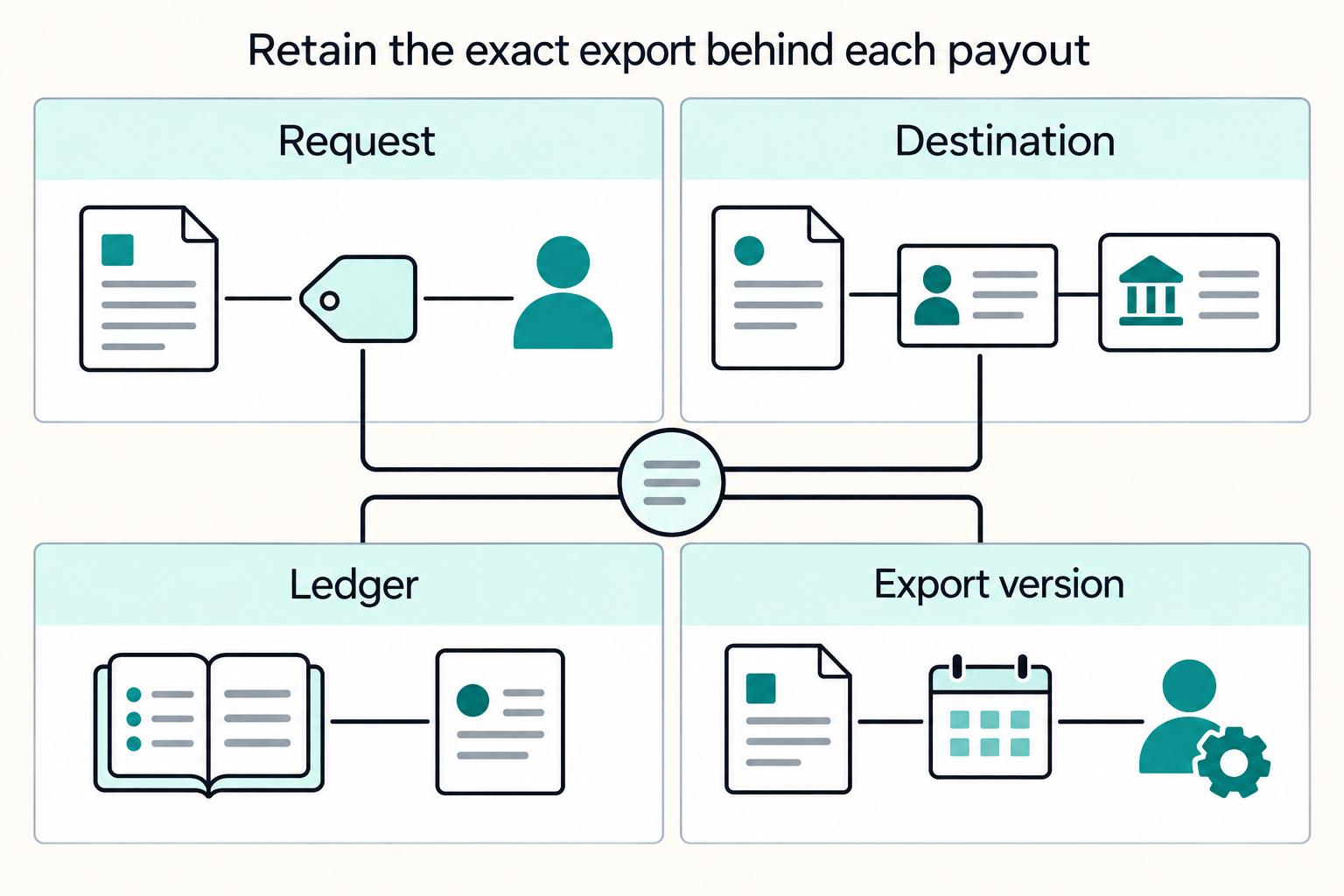
Pay Contractors in Peru with Yape, PLIN, and SBS Checks
Treat Peru as a posture decision, not just a rail decision. If you choose a local wallet-style method first, then sort out contractor status, tax data, and evidence later, you may get a smoother payout experience. You also raise launch risk in areas that are much harder to fix once money starts moving.
Read more →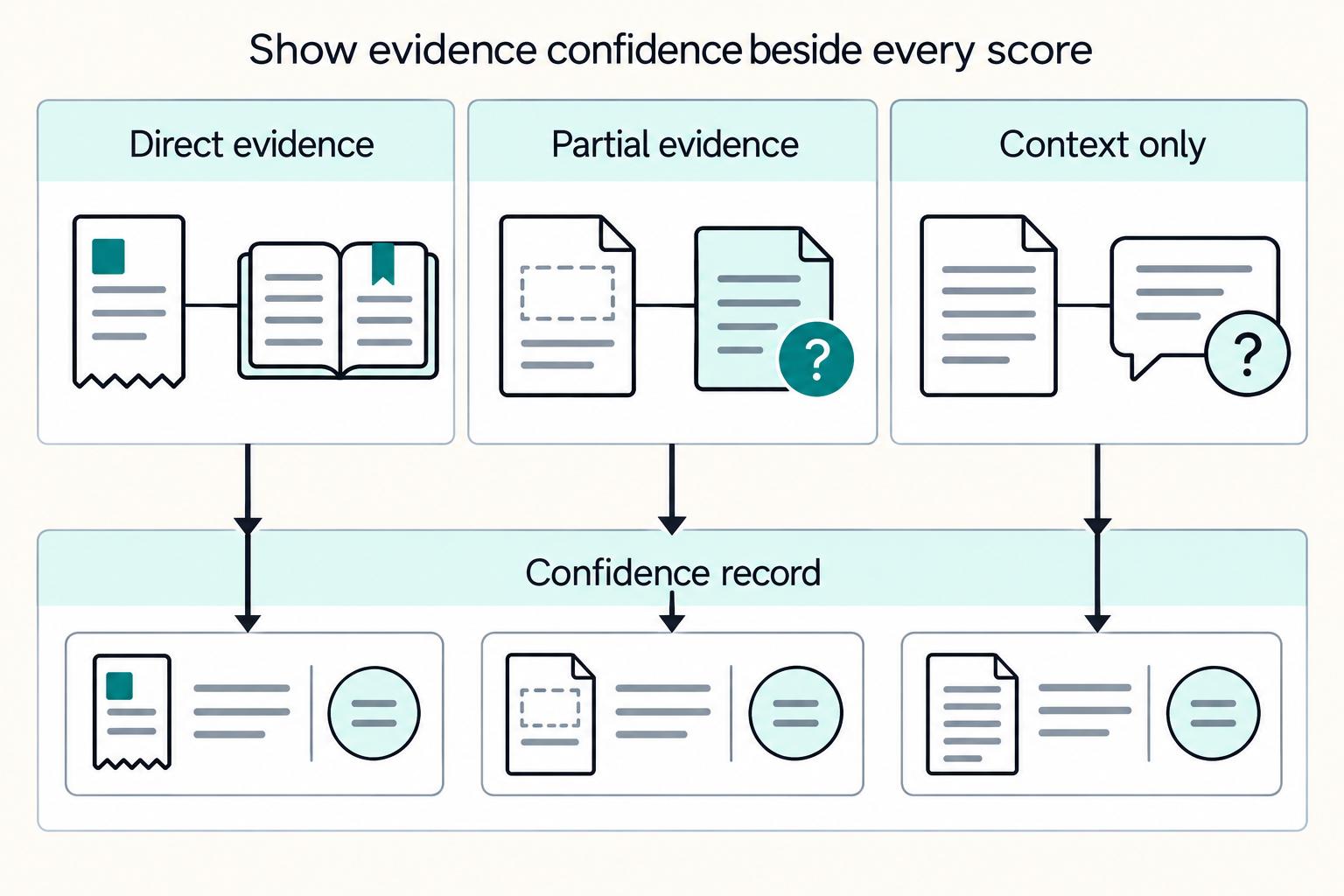
Platform Economy Payment Index for Contractor Payments
We start with the market-sequencing decision: choose the next country, contractor segment, and launch order using incomplete evidence rather than waiting for a perfect dataset. That gives us a practical way to build and use a **Platform Economy Payment Index** when cross-industry evidence is incomplete, so decisions rest on explicit assumptions instead of implied certainty.
Read more →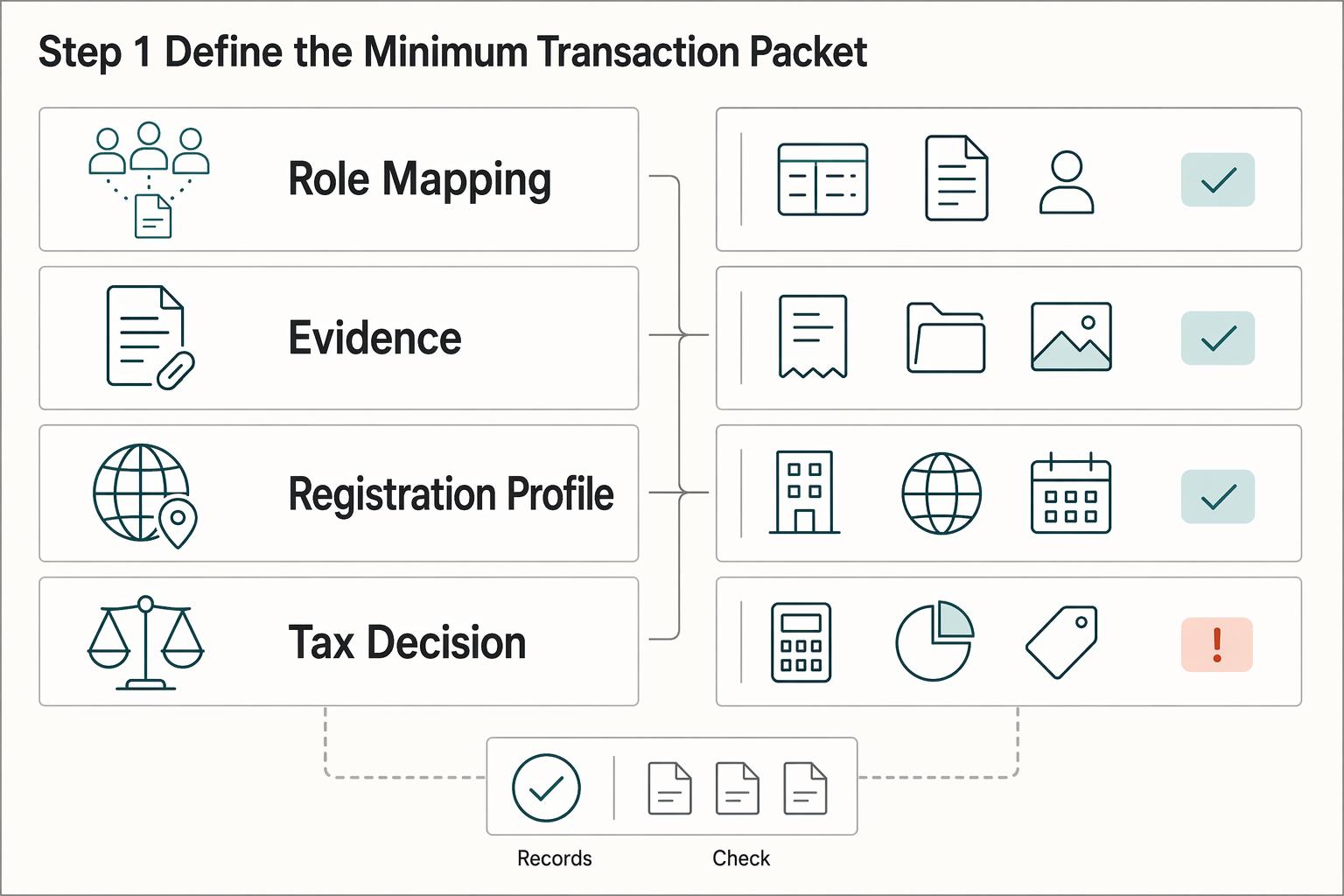
Australian GST for Digital Platforms: Register and Remit
A non-resident business selling imported services or digital products to Australian consumers generally needs Australian GST registration when its relevant GST turnover reaches A$75,000. The threshold is A$150,000 for non-profit organisations. For marketplace sales, an electronic distribution platform may be responsible for covered sales instead of the underlying merchant. Establish that responsibility before configuring checkout tax or a return.
Read more →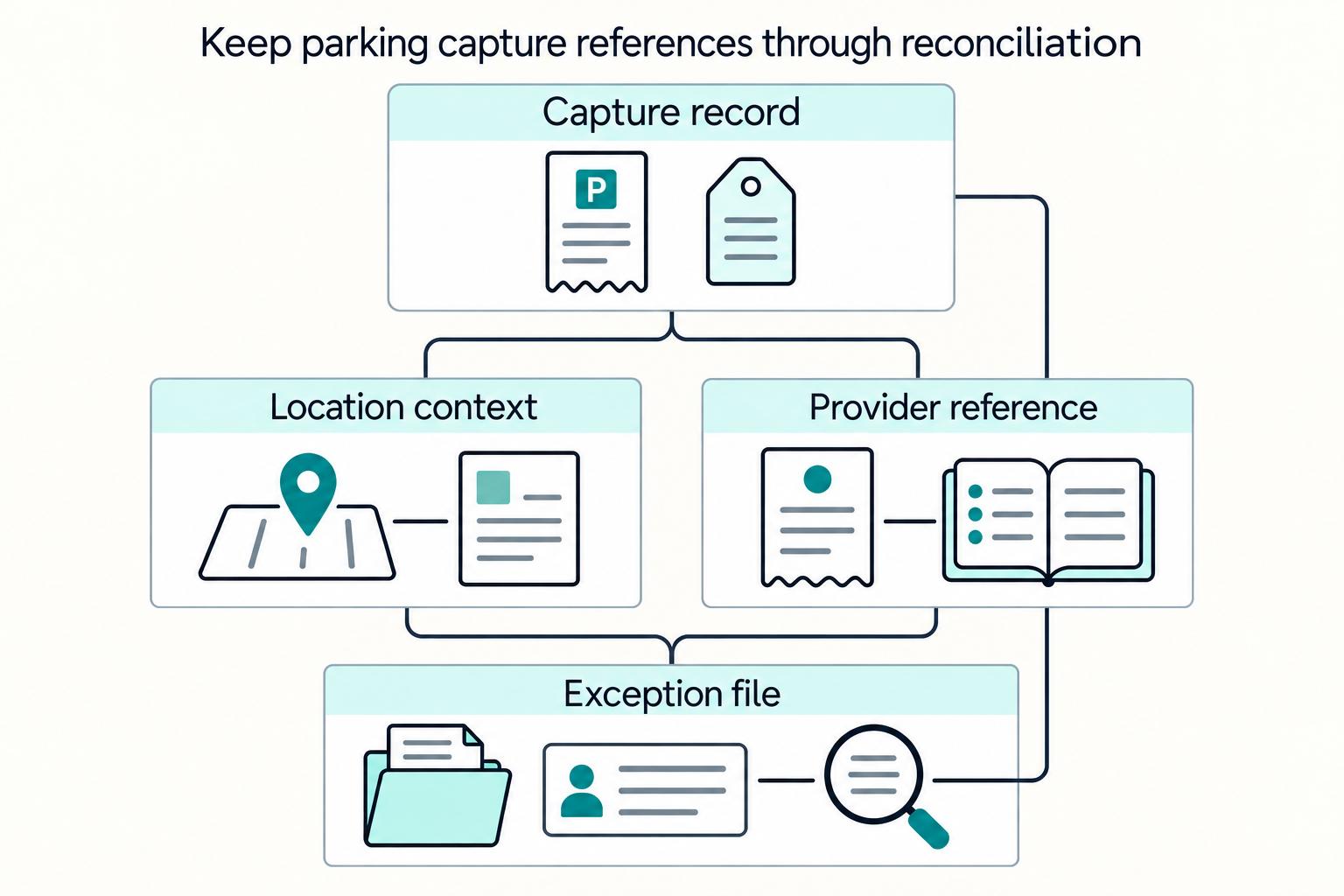
Paying Space Owners and Fleet Operators in Parking and Mobility Platforms
Start with the real go or no-go question: can you reliably collect funds and pay the right stakeholders with records your finance and ops teams can trust? If not, you are still in discovery, not launch planning.
Read more →
How Platform Operators Make EU VAT OSS Filing Defensible
One Stop Shop (OSS) can simplify EU VAT filing for eligible transactions because you register in one Member State of identification and file the relevant OSS return there. That benefit depends on three things: transaction classification, scheme selection, and audit-ready records.
Read more →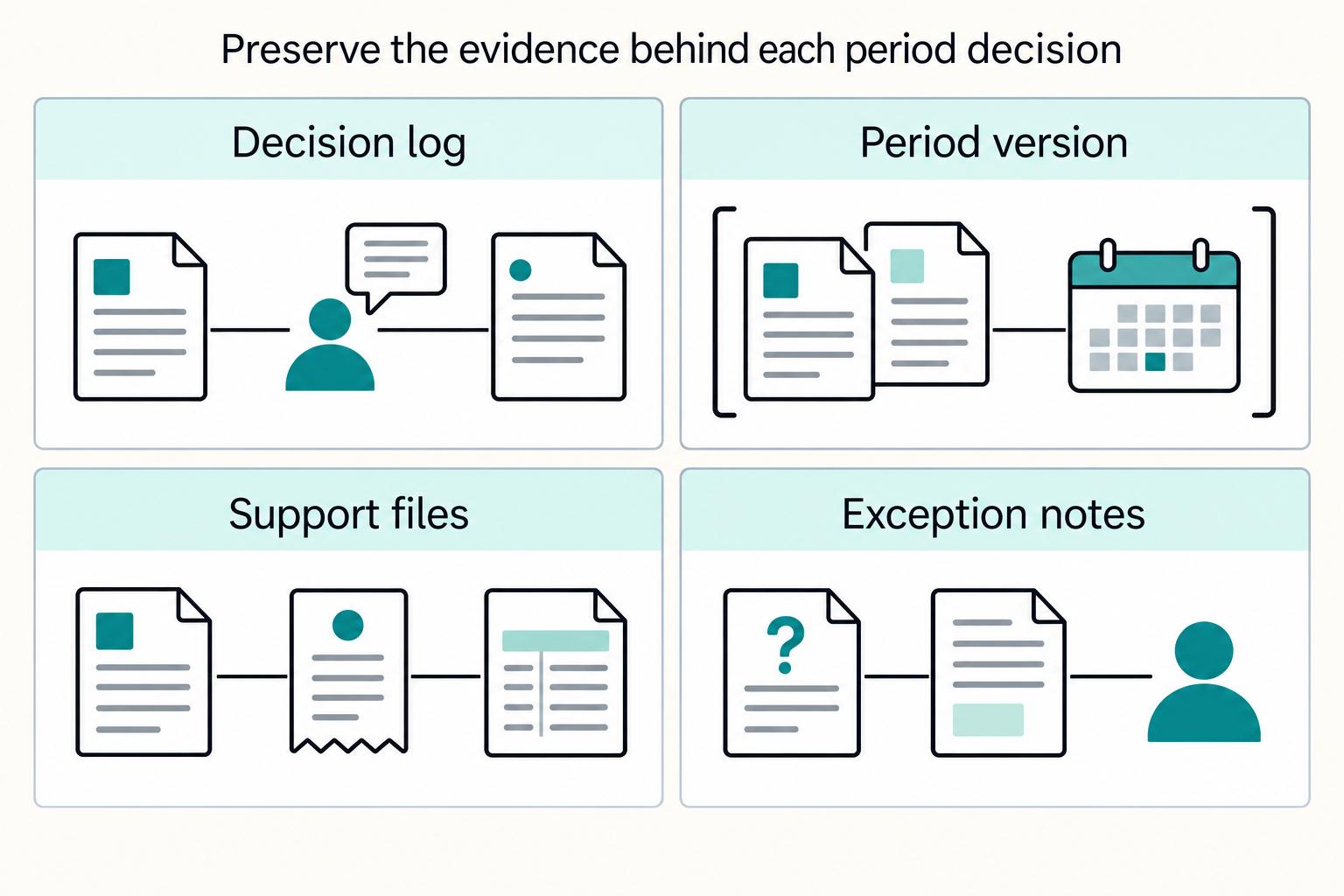
How Non-UK Platforms Stay Compliant With UK VAT After Brexit
For a non-UK platform dealing with UK VAT after Brexit, start with ownership, deadlines, and evidence before you debate edge cases. This section uses HM Revenue and Customs (HMRC) process examples to set that baseline. It does **not** claim to state post-Brexit UK VAT law.
Read more →
Kafka vs RabbitMQ vs SQS for Payment Platform Message Architecture
For payment platforms, the expensive mistake is usually not choosing the broker with the "wrong" benchmark. It is choosing a message design that cannot prove what happened when incidents show up under pressure.
Read more →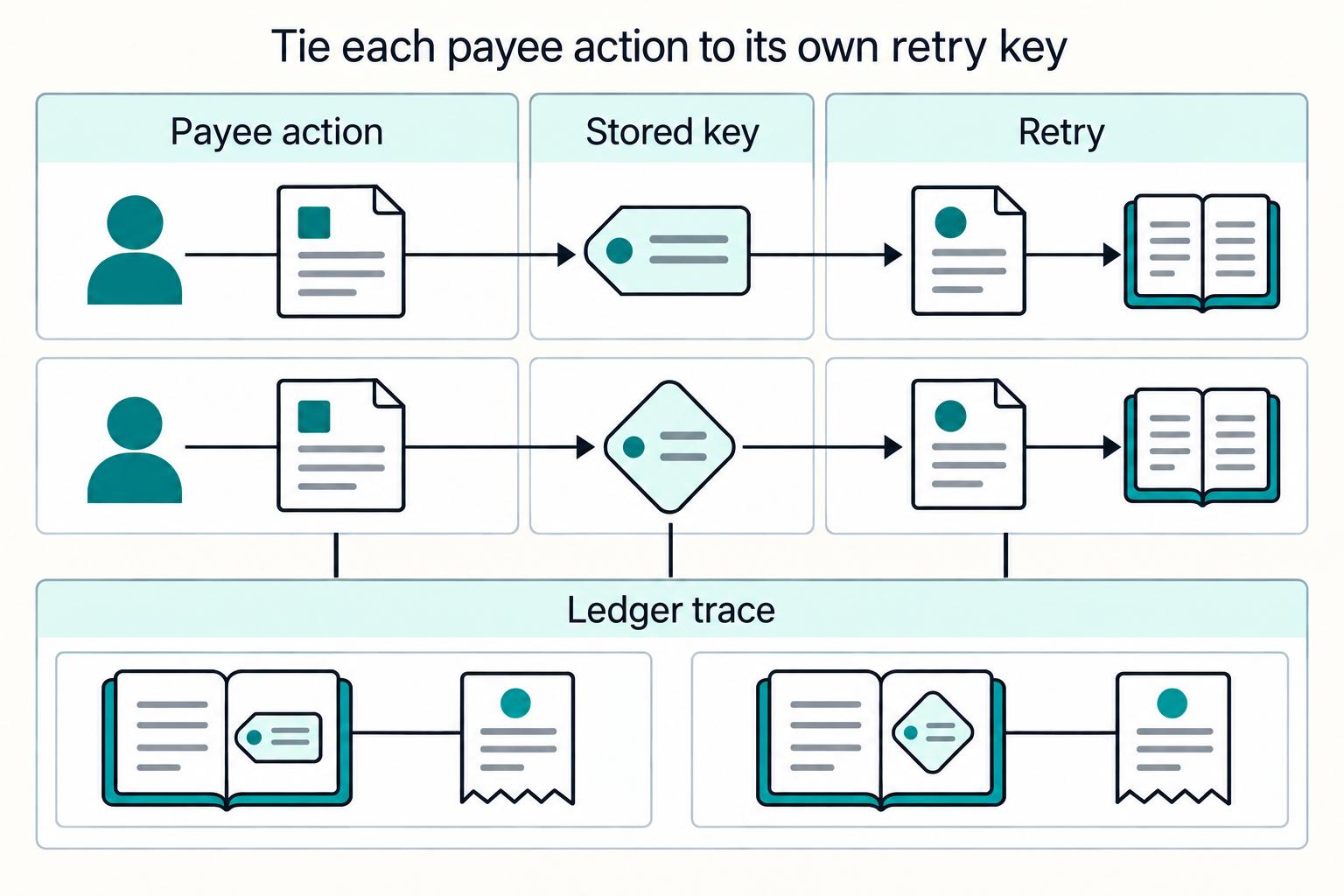
How Marketplace Operators Choose a Platform Payments Architecture That Lasts
# Marketplace Payments Architecture: MoR vs Split Flows, Real Margins, and Launch Controls
Read more →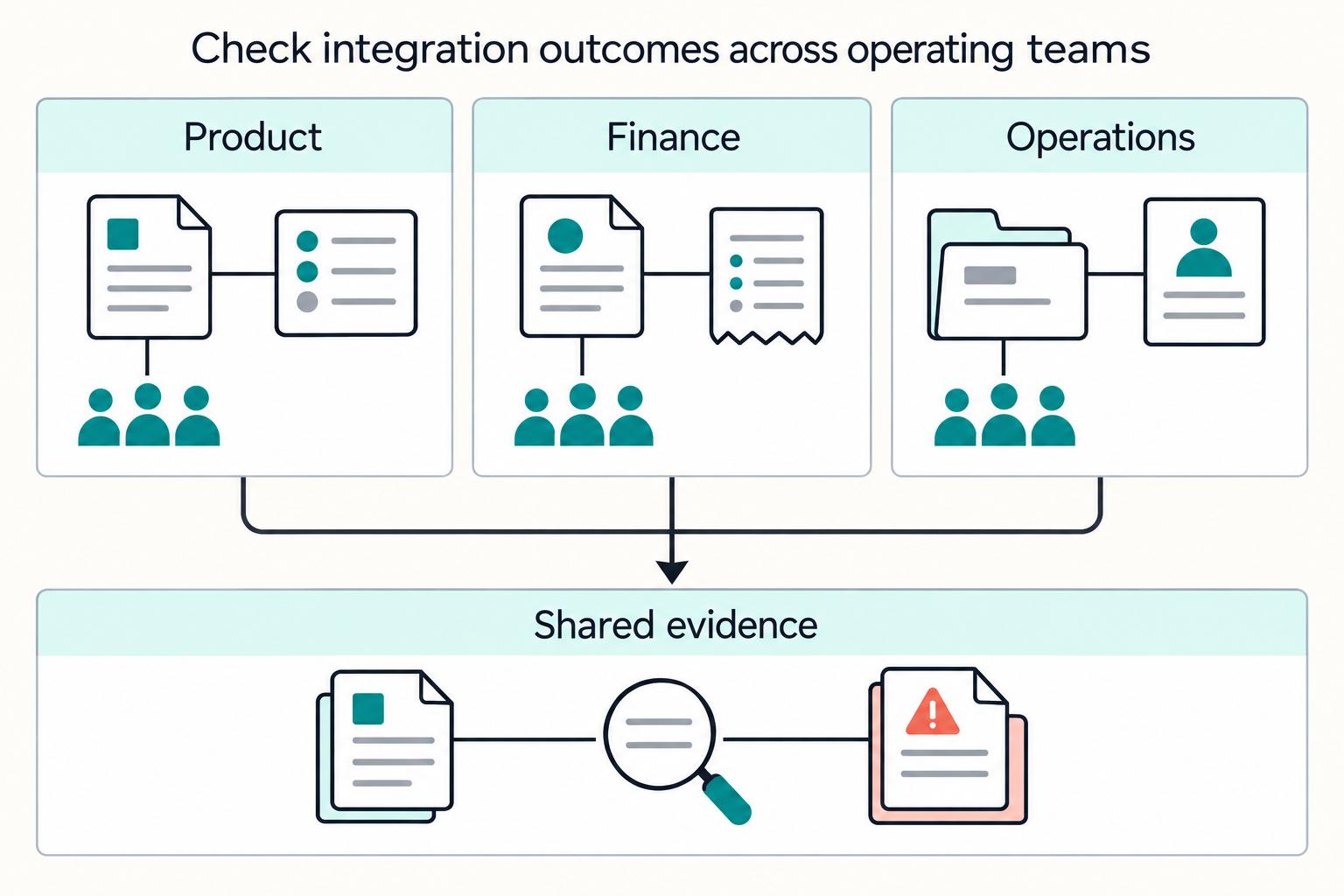
When Contractor Growth Actually Increases Payment Platform Value
Treat network effects as something to verify, not something to assume from user growth or network size. This list is meant to help you test whether expansion is creating real platform value or just adding surface area.
Read more →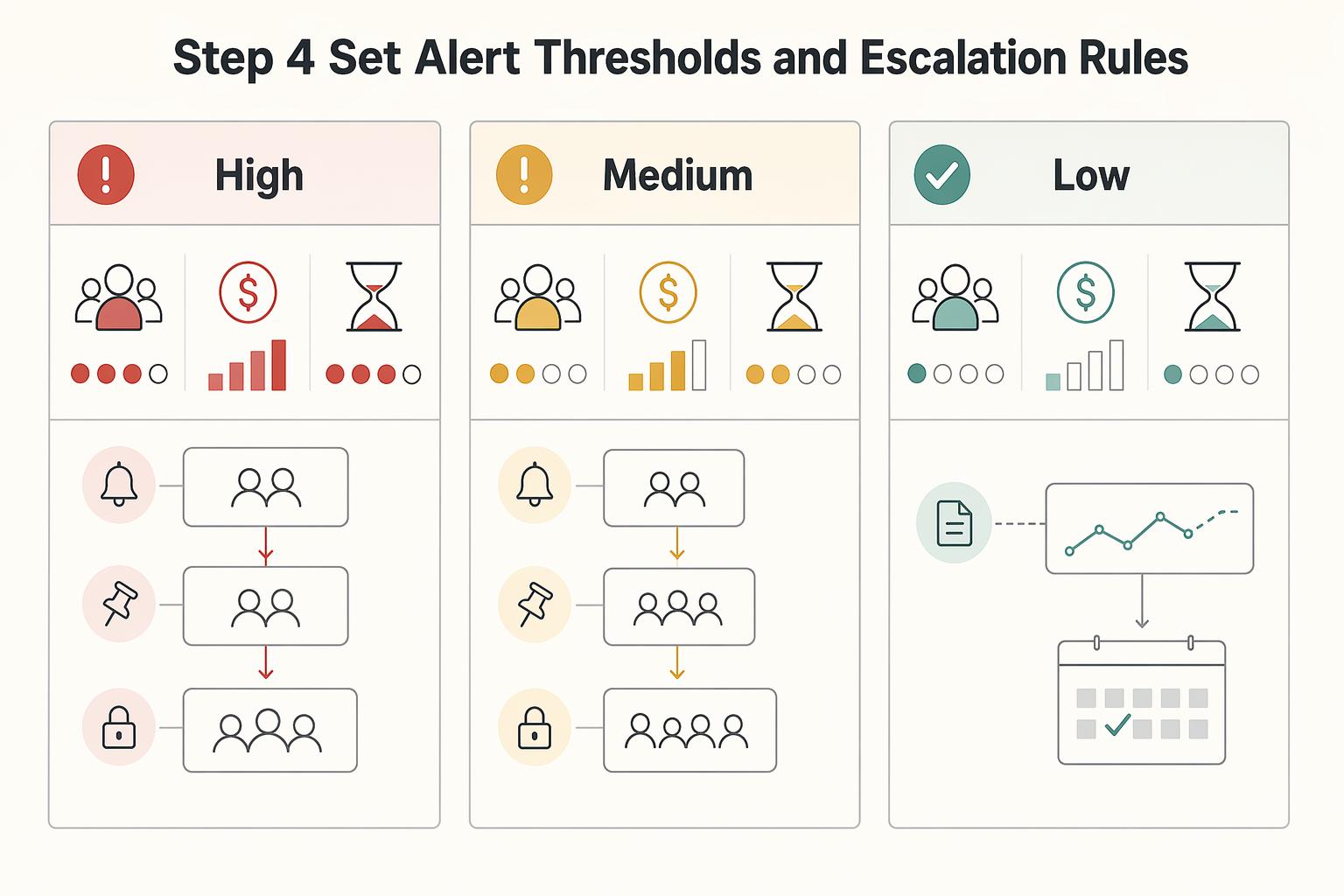
How to Build a Payment Health Dashboard for Your Platform
A useful **payment health dashboard for platforms** is a daily operating surface, not a single chart. It should help teams see what needs action before reconciliation and reporting delays stack up. If it cannot point to the next fix, it is reporting, not payment health.
Read more →