
Operator playbooks for cross-border payments, tax, and compliance execution.
Step-by-step guidance for finance, product, and ops teams to launch faster, reduce payout friction, and keep reconciliation clean across borders.
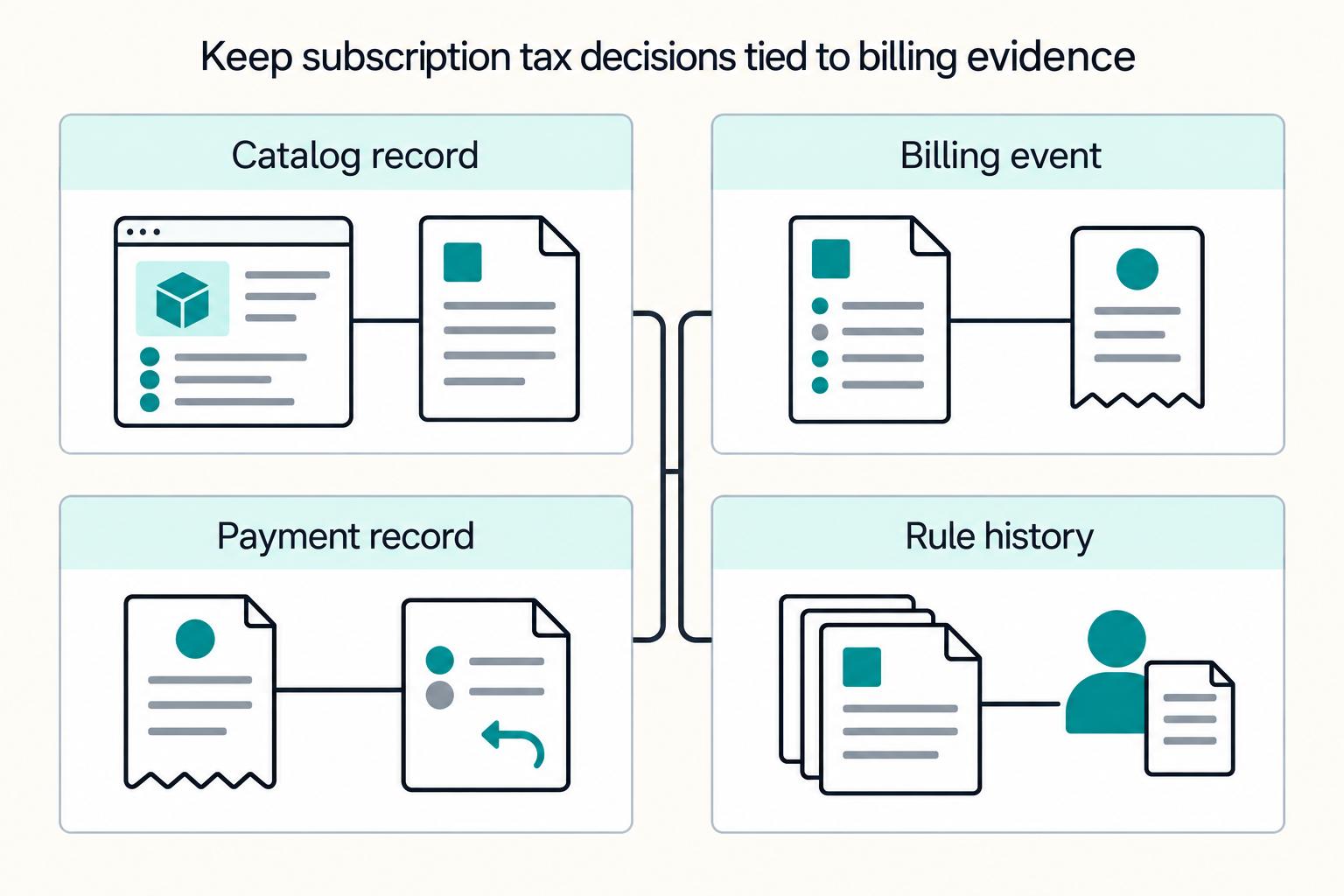
Subscription Sales Tax Compliance for Recurring Digital Goods
Subscription sales tax compliance starts as an operating decision before it becomes a filing task. If you sell digital subscriptions, getting the tax model wrong can create downstream problems in pricing, billing logic, and expansion plans.
Read more →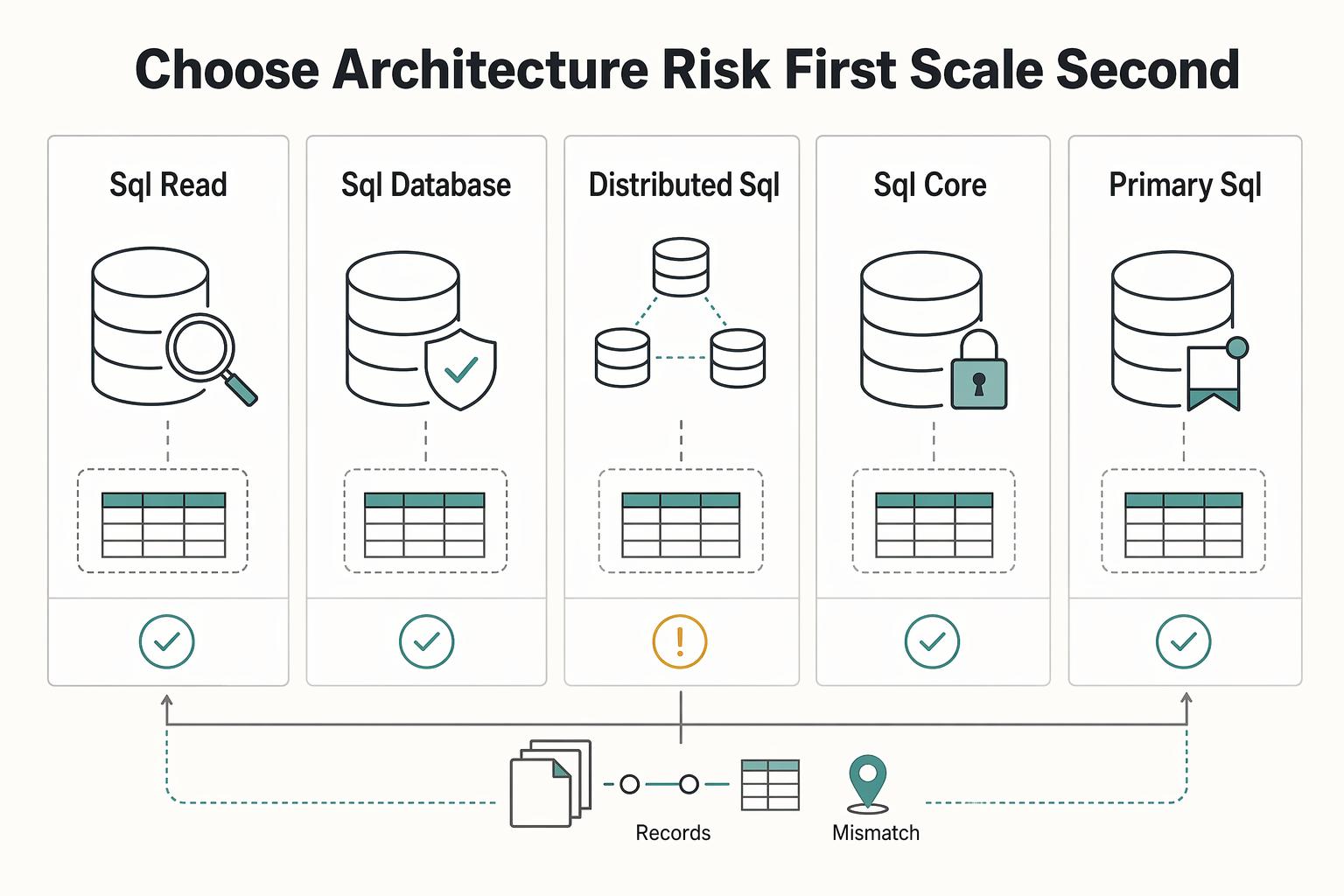
Database Architecture for Payment Platforms: ACID, Sharding, and Read Replicas
Decide which payment paths require current authoritative state and which can tolerate delayed reads. A relational core can be single-node, sharded or distributed; the key is preserving the transaction guarantees required by each money-changing operation.
Read more →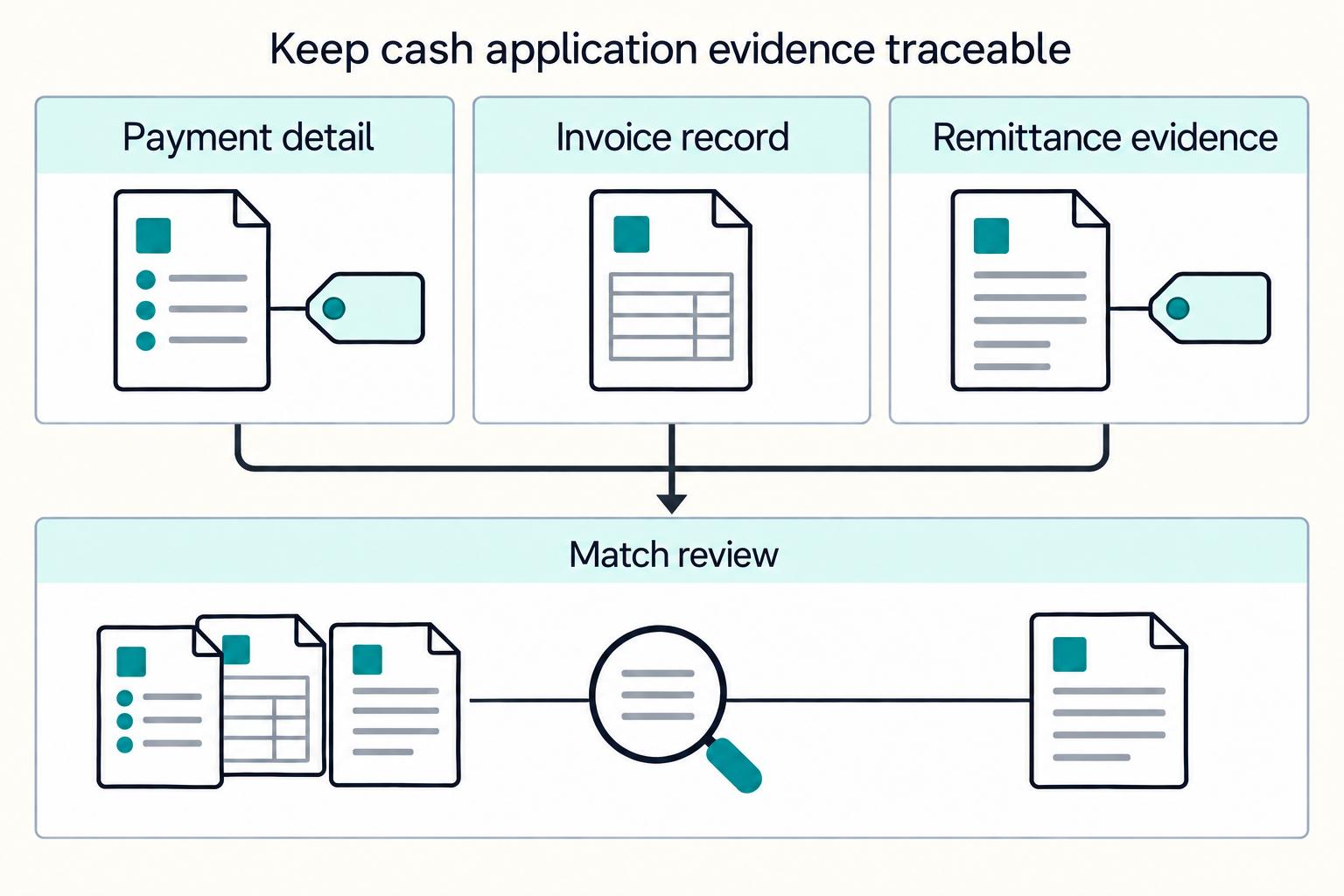
Track Payment Conversion Rates From Invoice to Settled Cash
Track the full invoice-to-cash chain, not payment success alone. If you want to track payment conversion from platform invoice to settled cash, measure from invoice creation through payment collection, reconciliation, reporting, and settlement confirmation. Do not rely only on a processor status that says "paid."
Read more →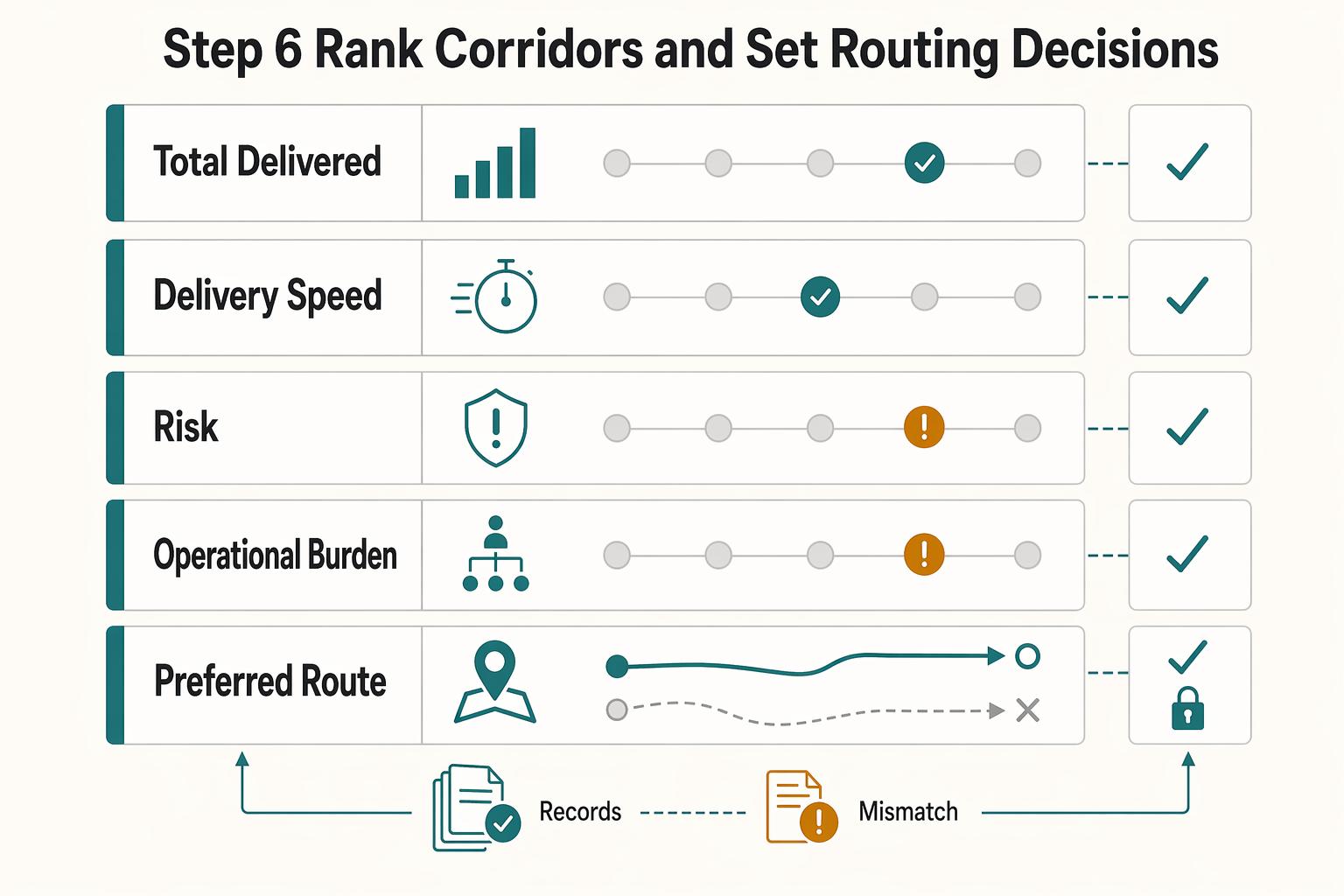
Model FX Payout Costs Across 50 Country Pairs with a Cross-Currency Calculator
This is not another FX cross-rate explainer. It is a decision-grade model for payout teams that need to compare real delivery economics across corridors, not just read a Forex screen and assume the quoted conversion is the cost.
Read more →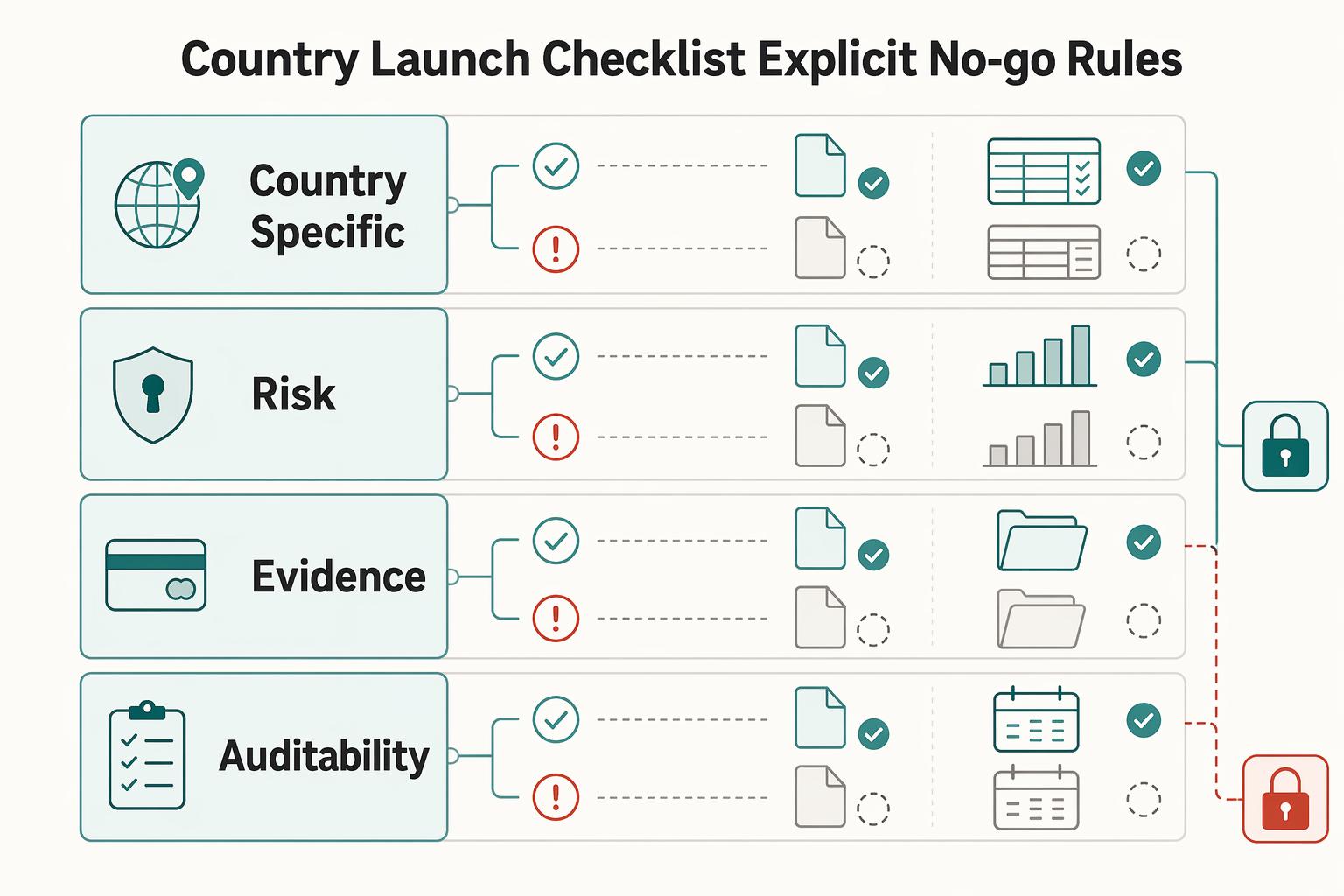
Payment Method Coverage by Country for Launch-Ready Global Platforms
A country is launch-ready only when the country-method path is operationally verifiable, not just listed as supported. For finance ops, payments ops, and product owners, that means timing assumptions you can test, status you can track, and reconciliation checks you can review at close.
Read more →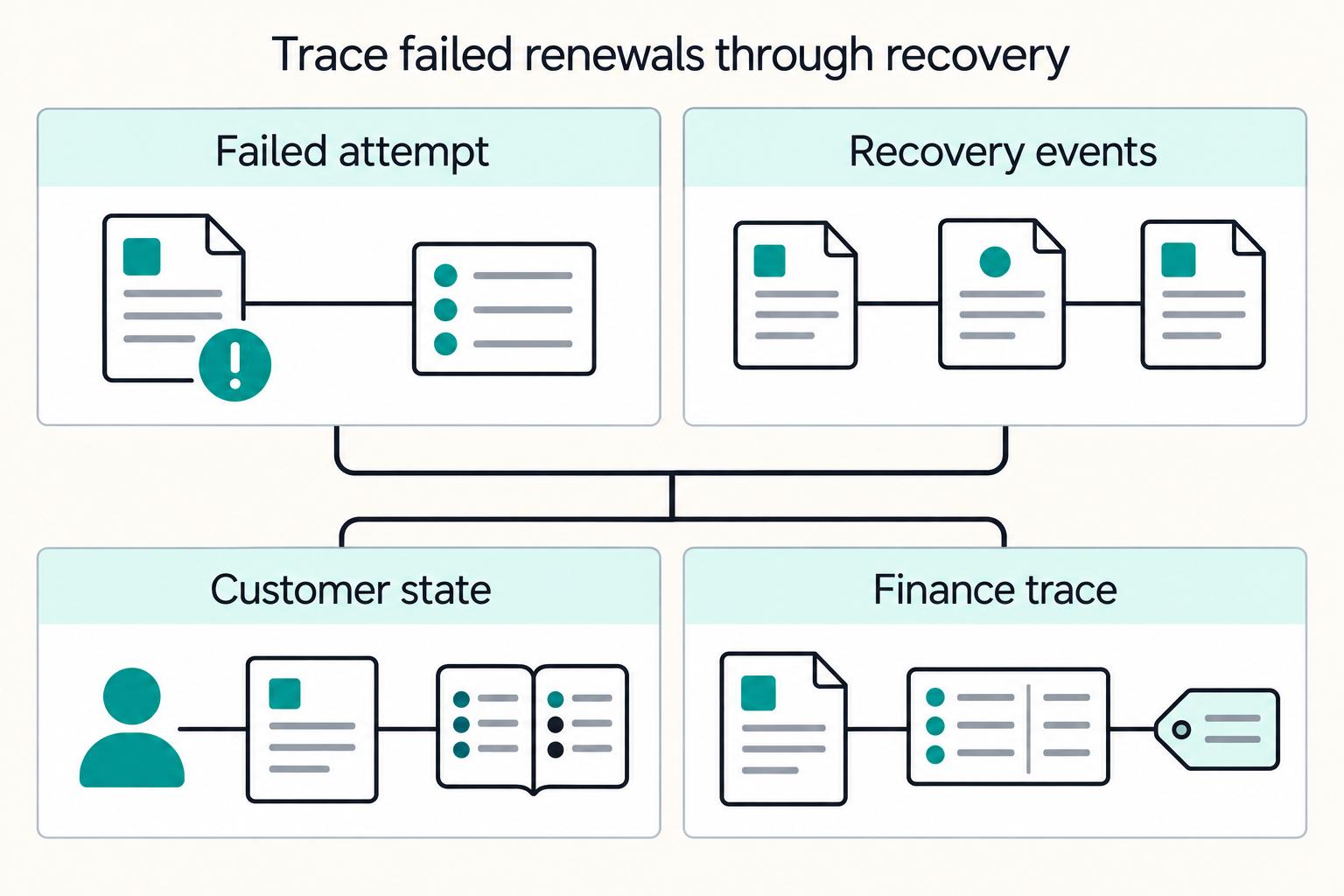
Involuntary Churn From Failed Renewals in Subscriptions
This is a billing operations problem, not a customer-intent problem. When renewals fail because charges do not go through and retries do not recover them, you can measure that path, triage it, and reduce it.
Read more →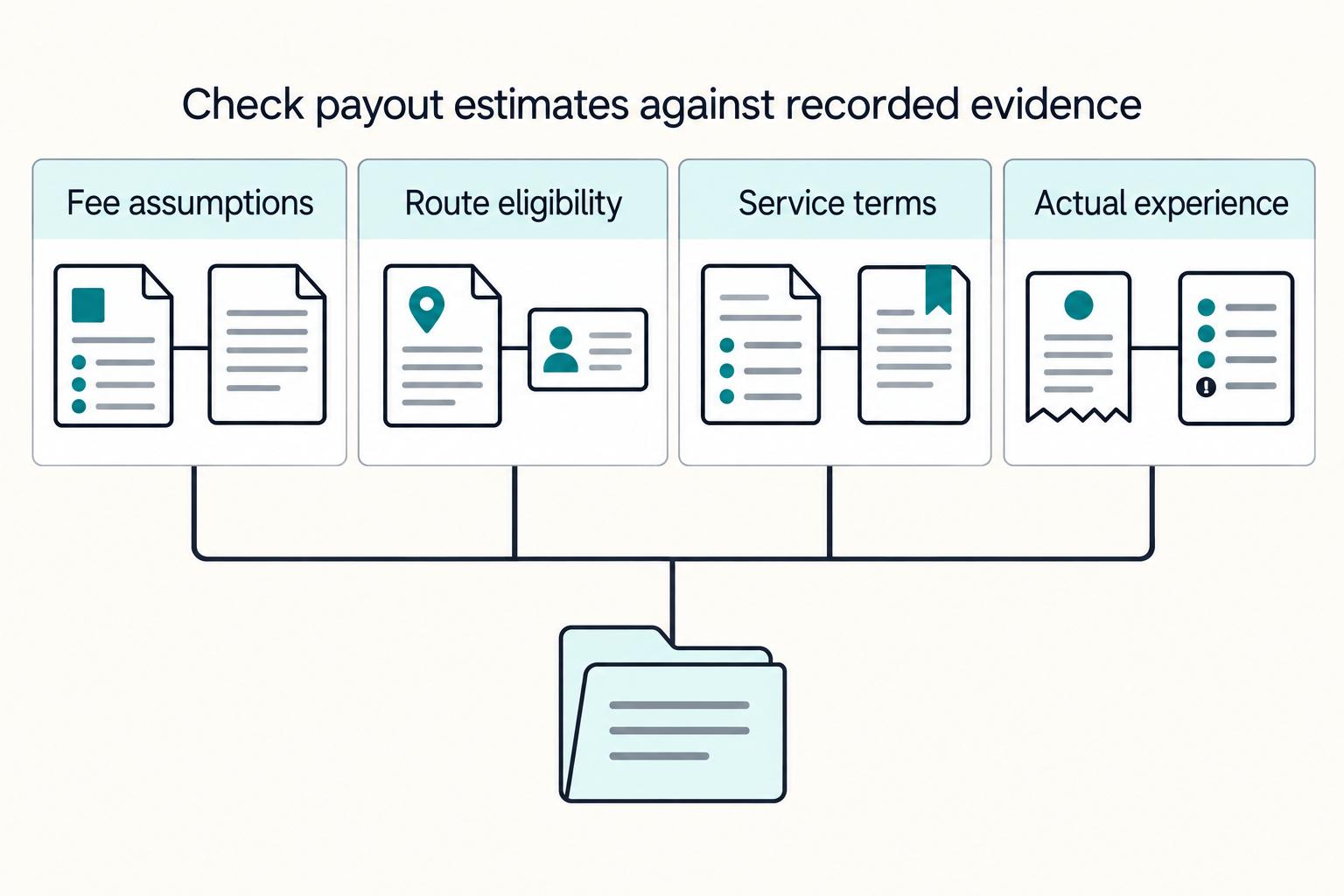
Platform Payout Cost Estimator for Wire, ACH, and Local Rails
A useful payout cost estimator is a rail-choice tool, not a retirement calculator with a new label. For a platform finance or operations team, the real question is simpler. When should you send funds by ACH, when does a wire transfer justify its higher cost, and when do local payment rails make sense for a given market and payment flow?
Read more →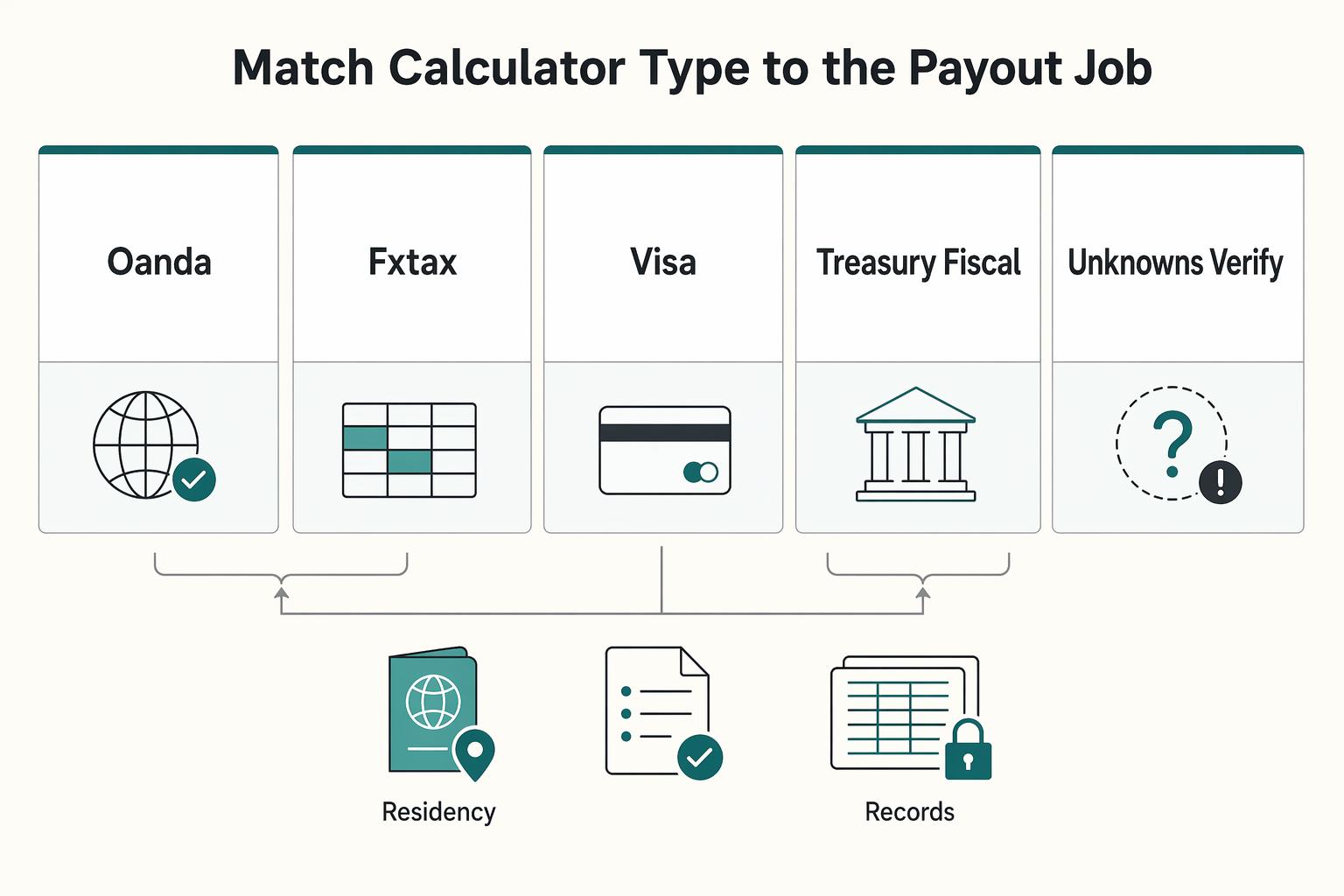
Multi-Currency FX Calculator for Platform Payout Controls
A **multi-currency FX calculator** is useful for planning, but it is not a guaranteed source of truth for what will settle. In practice, issues often appear when the rate source, fee assumption, and effective timestamp used for a payout batch do not match the facts later referenced in approvals, `ledger journals`, or reconciliation.
Read more →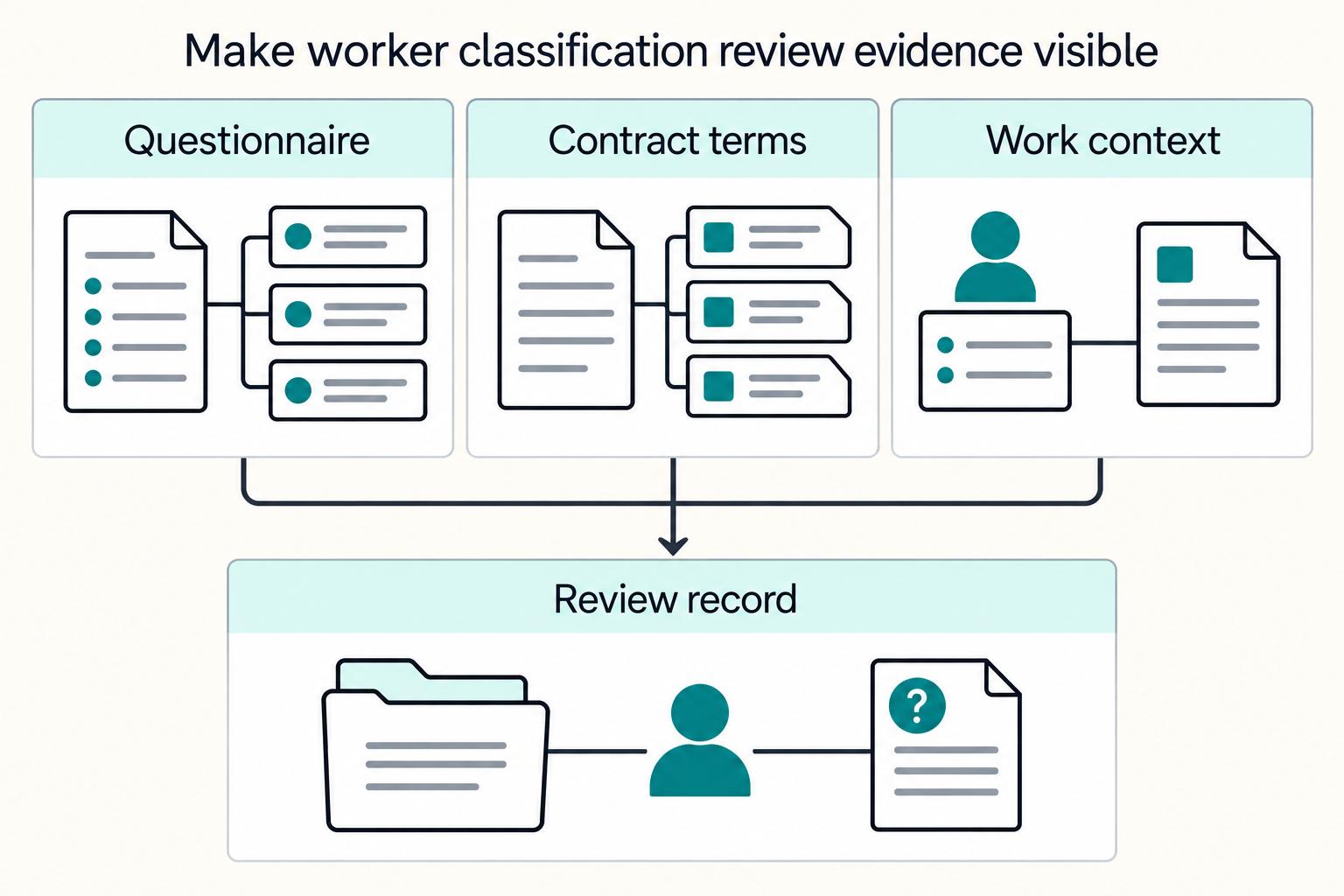
Contractor vs Employee Classification Tool for Platform Operators
Treat a contractor classification tool as a payment control, not a one-time legal checkbox. If your team cannot show why a worker was treated as an independent contractor or employee before the first payout batch runs, you do not just have a policy gap. You have a release-control problem that can create downstream tax reporting, reconciliation, and audit-defense risk.
Read more →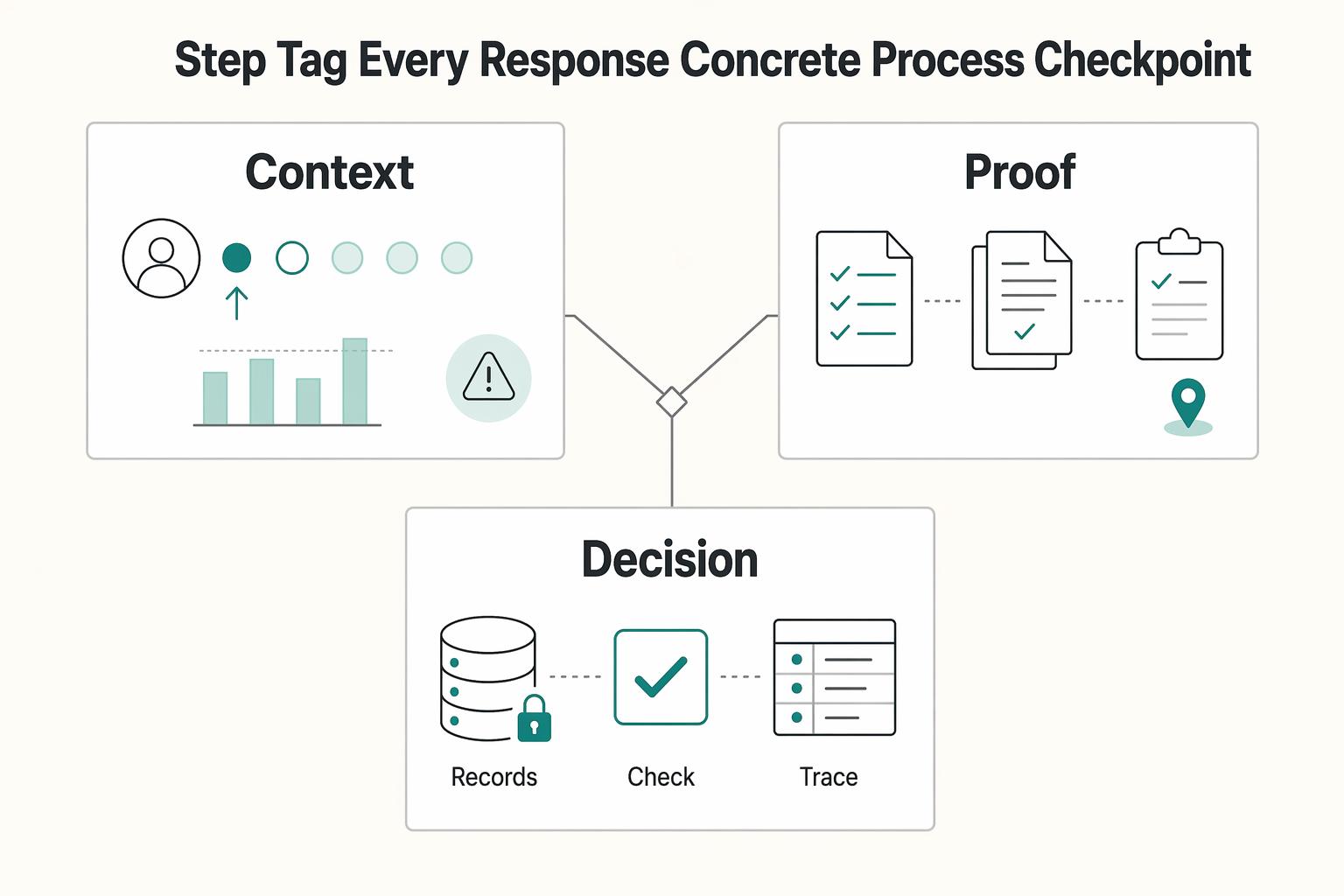
Improve Contractor Payout Experience With a Satisfaction Survey
Contractor payout experience is an operating signal, not just a sentiment metric. When an `Independent Contractor` sees delays, unclear status, or repeated exceptions, trust can erode, retention risk can rise, and finance teams end up absorbing the mess through manual follow-up and reconciliation pressure.
Read more →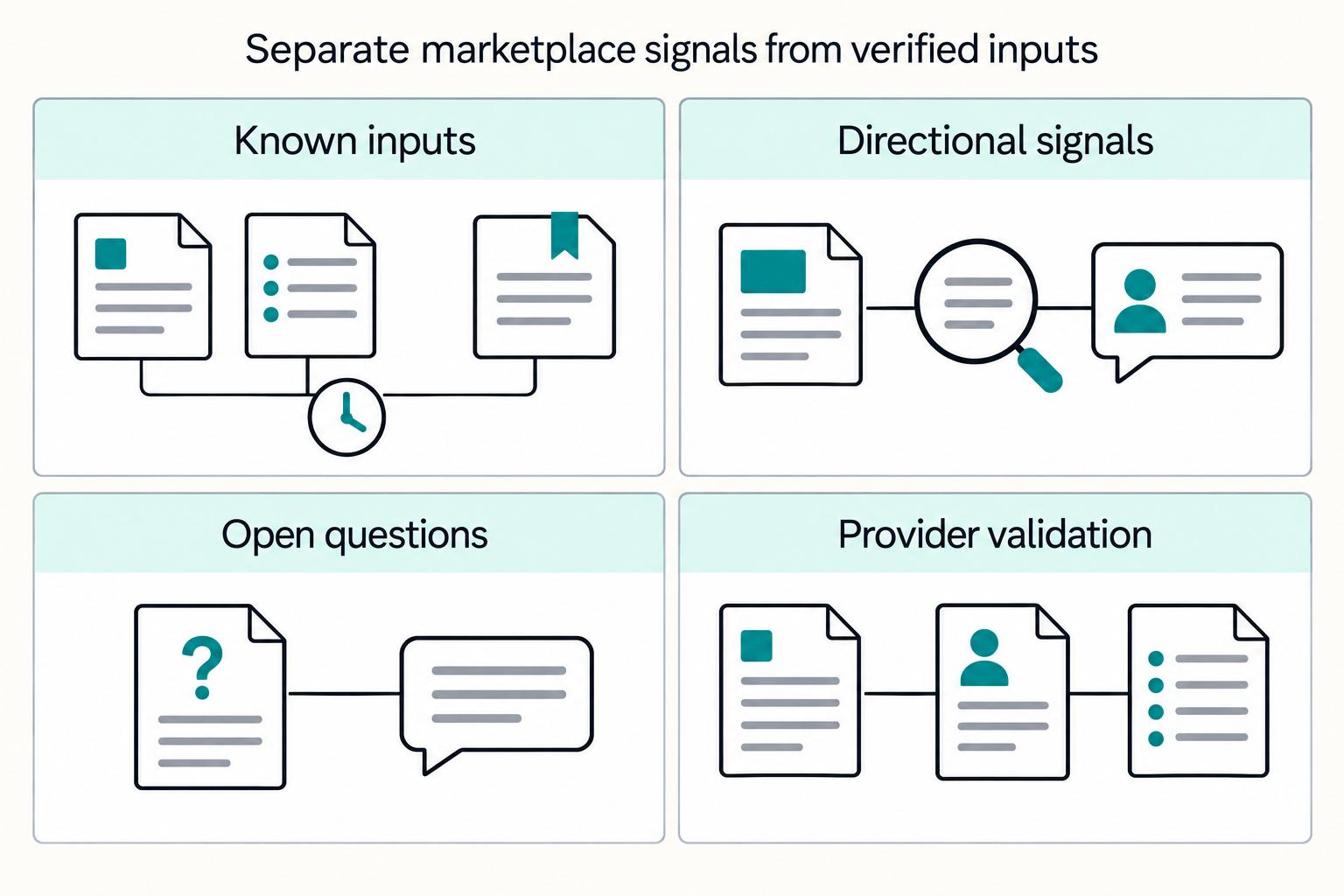
State of B2B Marketplace Payments for 2026 Expansion Decisions
B2B payment options are expanding, but a marketplace still has to collect from buyers, reconcile receipts and pay sellers through a supported funds flow. For 2026 expansion, distinguish broad market forecasts from the country, pricing and operating evidence needed for your launch.
Read more →
How to Build a Contractor Referral Program Paying Existing Contractors to Recruit
If your goal is real contractor growth without giving back margin, tie rewards to a qualifying event you can prove. Teams break referral plans by paying too early, using fuzzy definitions, or copying a generic template that grows submissions faster than profitable supply.
Read more →
Building a Referral-Based Payment Incentive Platform for Viral Growth Through Payouts
Build referral payouts like a financial product, not a growth hack. Aim for acquisition lift you can explain economically and operate reliably. Teams can copy referral tactics before they define how reward spend maps to acquisition economics and who owns payout exceptions.
Read more →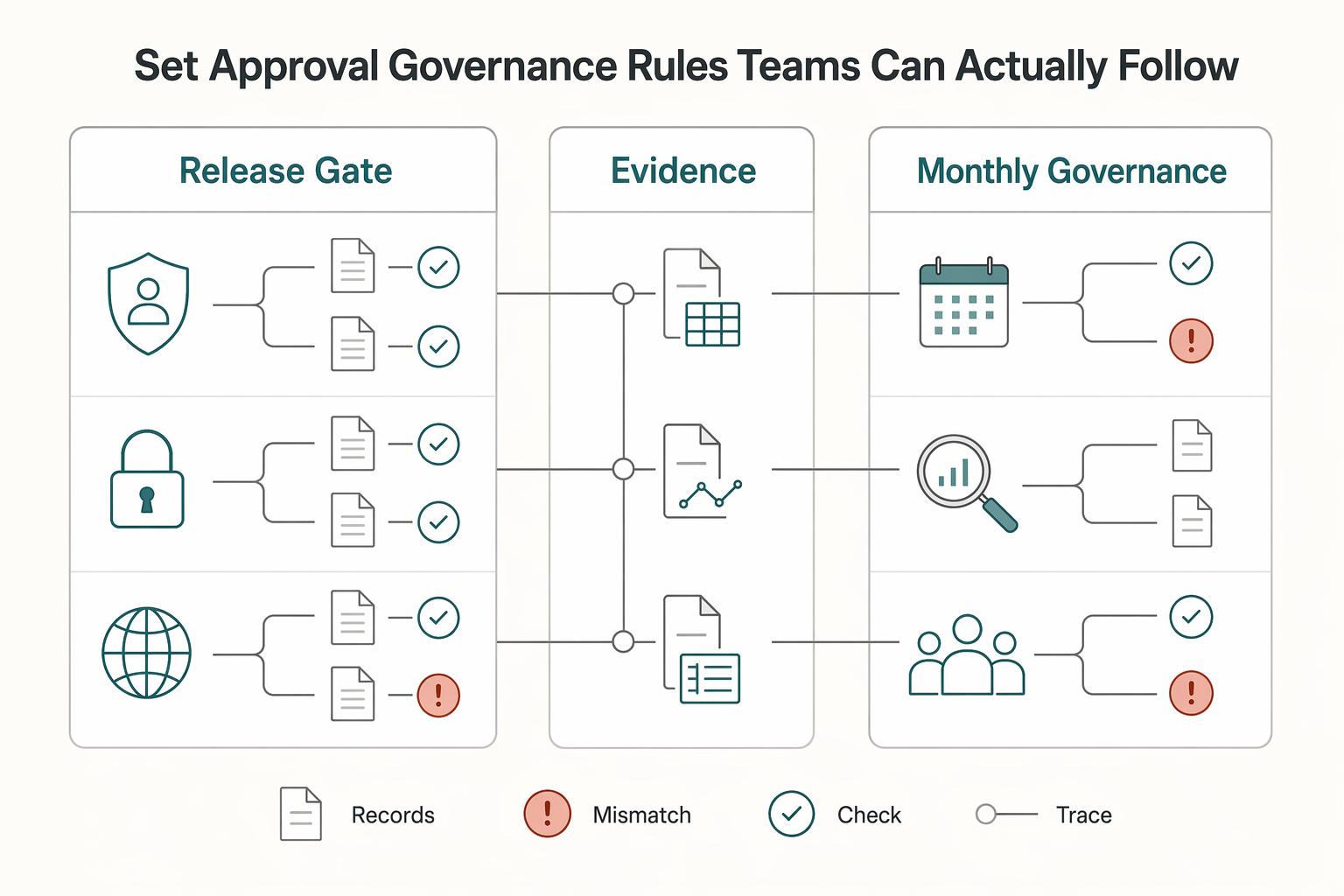
How to Handle Multi-Currency Invoicing and Lock Exchange Rates
FX breakdowns often start as operating problems before they show up in reporting. If you cannot take one invoice and show when the rate decision was made, whether funds were converted or held, and how that action reached the ledger, you have a control gap.
Read more →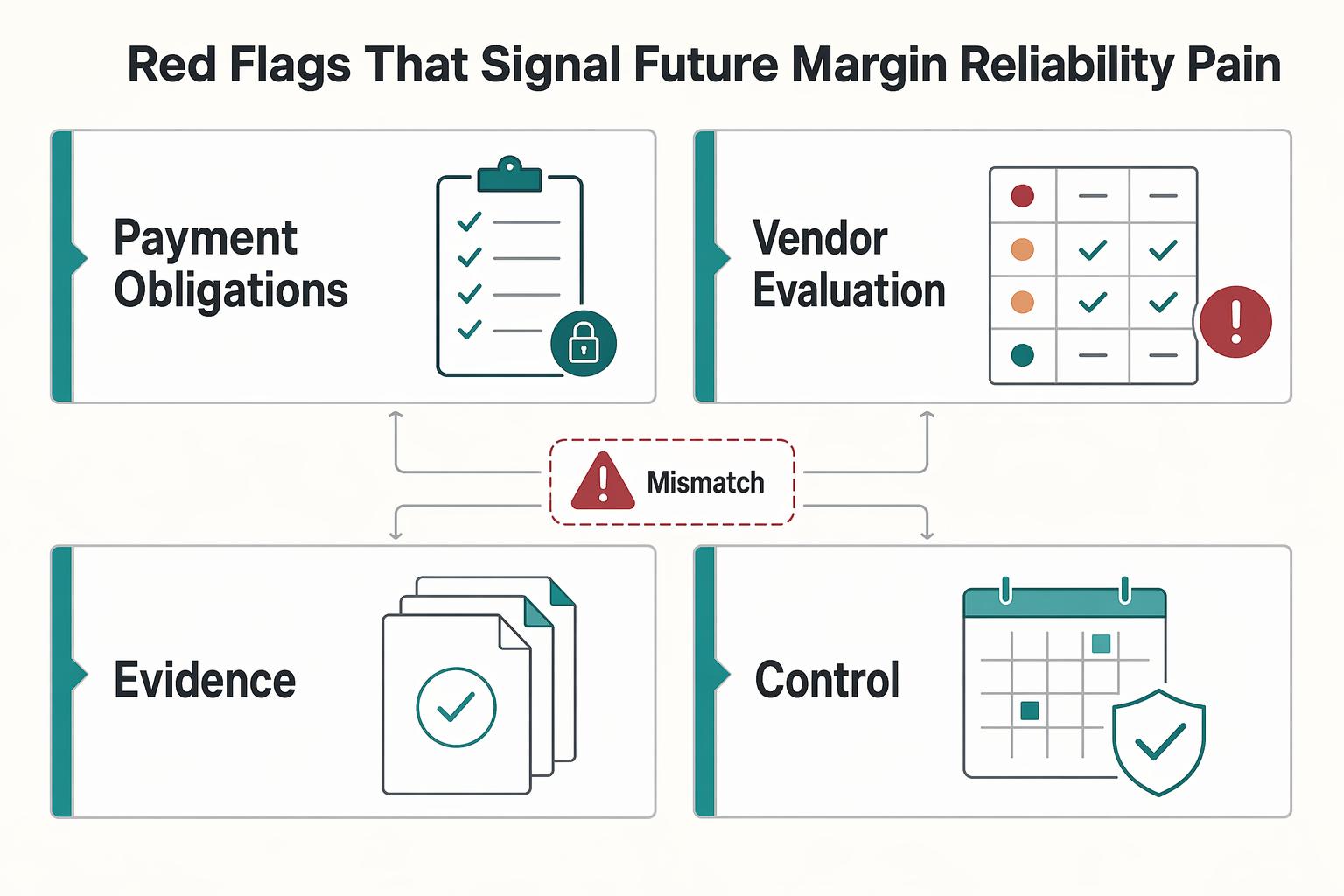
Negotiate Payment Platform Contracts Without Pricing or Exit Surprises
Your goal is to sign a payment platform contract that protects margin, uptime, and exit flexibility without slowing launch. The practical way to do that is to negotiate pricing, SLA commitments, and exit rights as one connected set of tradeoffs, not as separate workstreams.
Read more →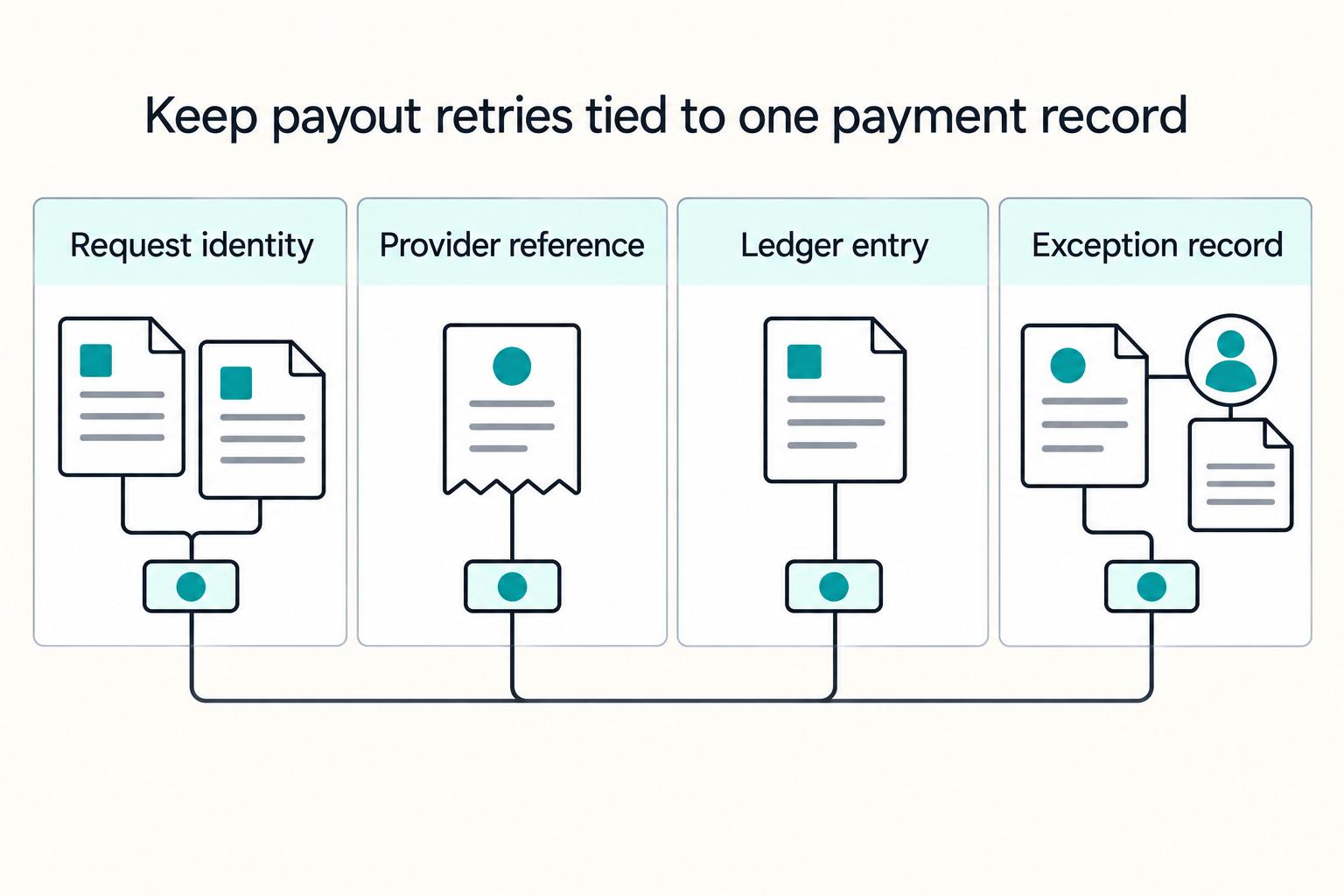
FedNow vs RTP vs ACH for U.S. Platform Payout Routing
For many U.S. platforms, the right move is not picking a single winner between ACH, RTP, and FedNow. It is routing each payout to the rail that fits the job. Use ACH for predictable, non-urgent flows, and instant rails when speed changes the outcome and you are ready for tighter controls.
Read more →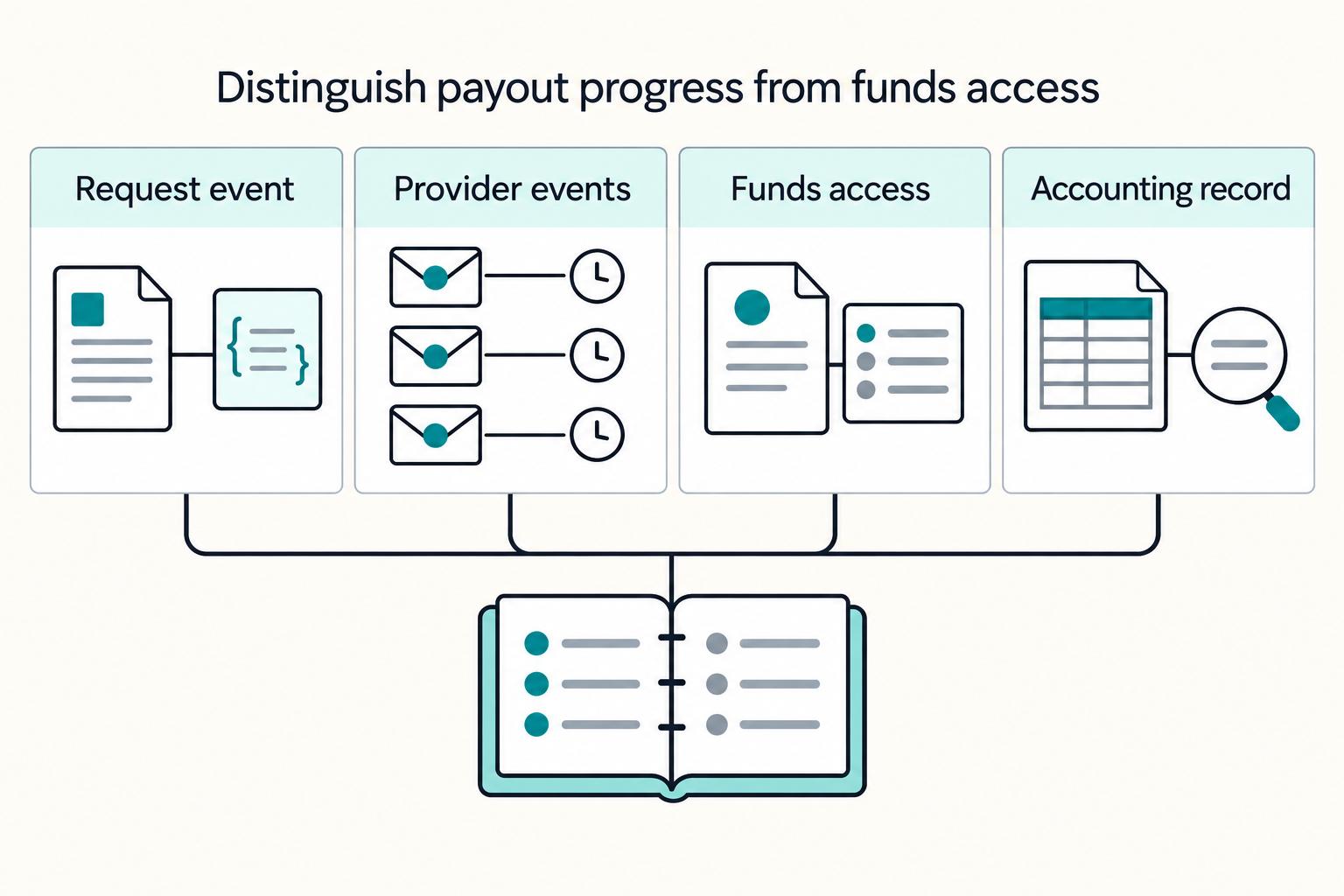
Open Banking Contractor Payouts: Consent, Funding and Settlement
Open banking contractor payouts can be useful when an authorized business payer initiates payments from its own bank account, or when a provider offers a separate funded payout product. Those are different money paths. Neither the API label nor a bank-data connection establishes that a contractor will receive funds instantly or at lower total cost.
Read more →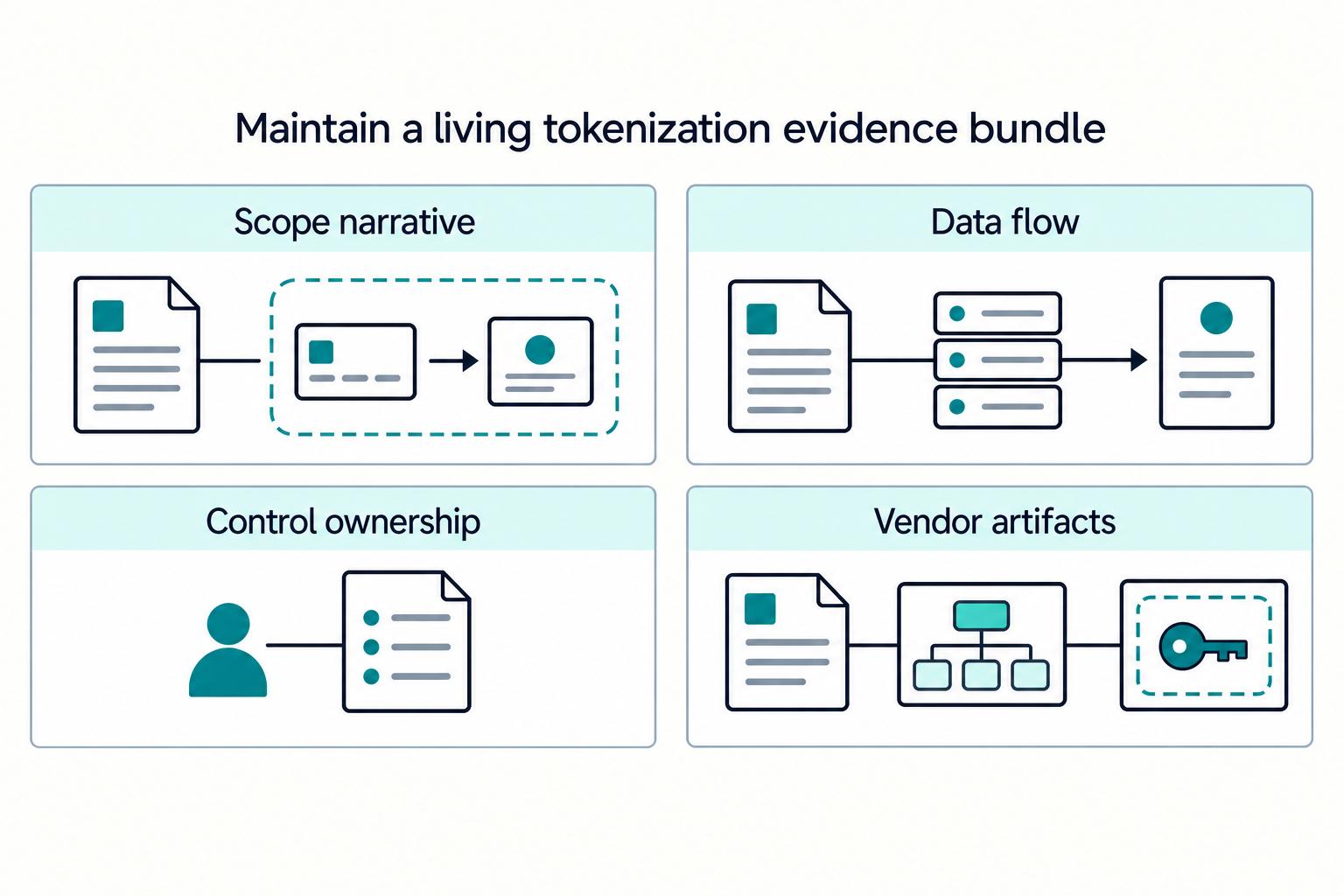
How Platforms Implement PCI-Compliant Card Vault Tokenization
**Choose the Card Vault ownership model based on who stores PAN, who can reverse tokens, and how much operational burden the platform team wants to own.** The right choice lets a PCI-compliant card-vault architecture replace sensitive card data, including the Primary Account Number (PAN), with tokens so fewer systems ever see plain-text card data. It also helps operators avoid a late surprise: a "tokenized" design can leave meaningful PCI DSS work inside the platform boundary.
Read more →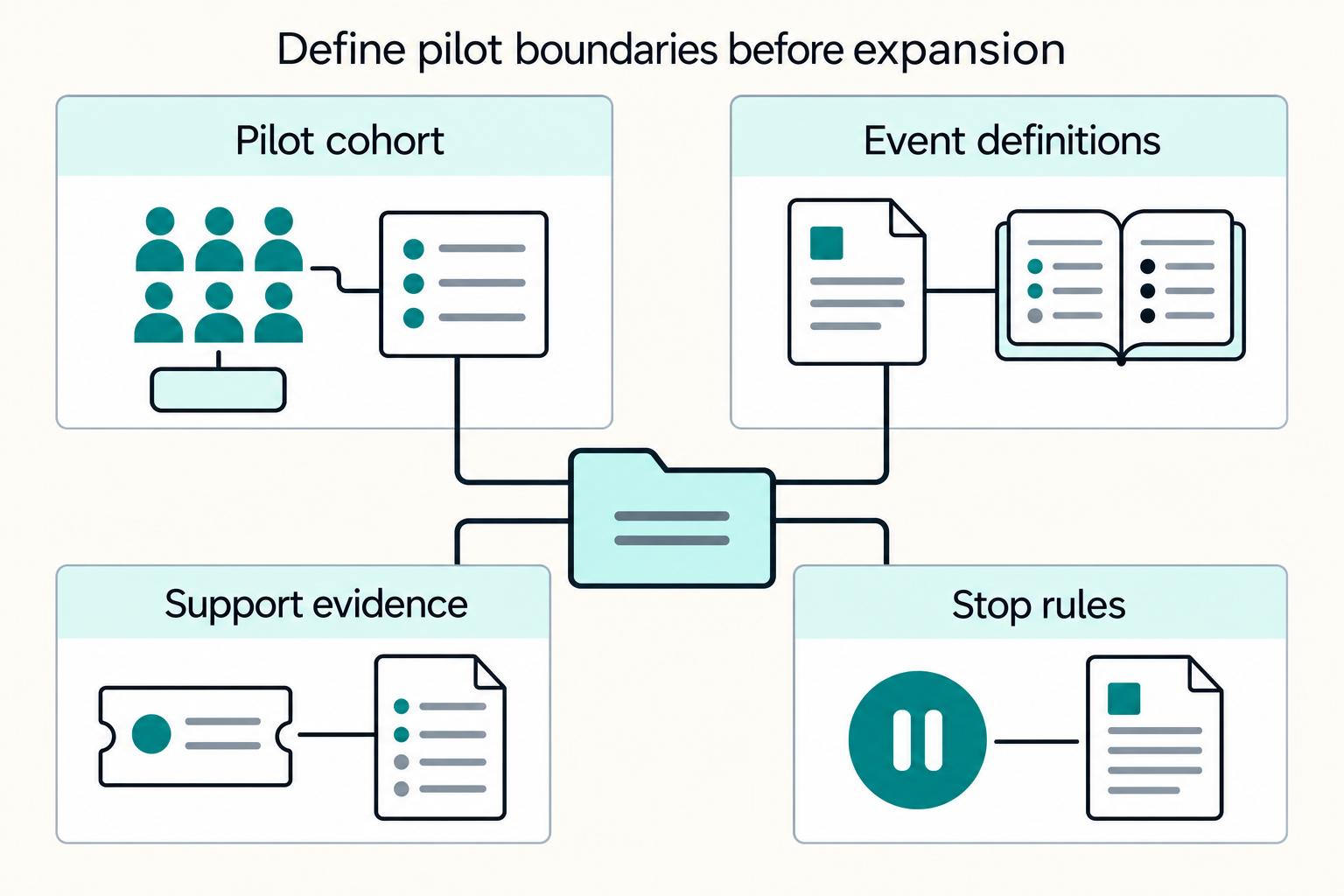
How Platforms Should Prepare for CBDC Payments in Contractor Payouts
Separate your immediate payout launch from your CBDC readiness work. That is the baseline. Payment stablecoins have firmer policy signals today, while CBDC rollout paths remain market-specific and timing-sensitive.
Read more →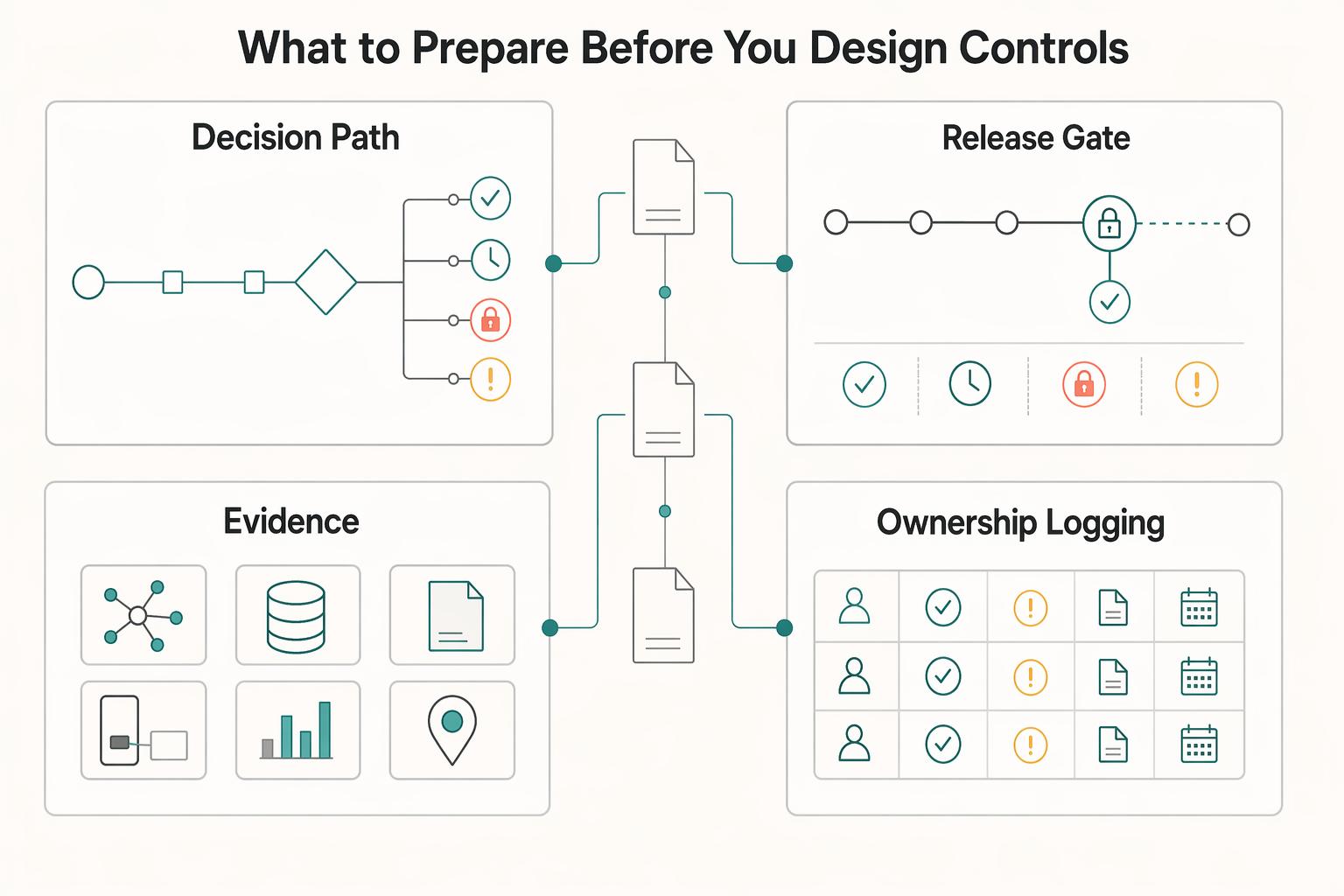
How to Build a Fraud Detection Pipeline for Payout Platforms
Place prevention before the last point where your platform can stop submission. After a rail accepts a payment, cancellation or return may be unavailable or require the recipient’s cooperation. Later signals still support investigation, recovery, and prevention of subsequent payouts; they should not be credited with stopping money already sent.
Read more →