
Operator playbooks for cross-border payments, tax, and compliance execution.
Step-by-step guidance for finance, product, and ops teams to launch faster, reduce payout friction, and keep reconciliation clean across borders.

The Freelance Payment Penalty: A Modeled Audit of Platform Fees, FX Spreads, and Payout Delays
The money rarely disappears through a single, easy-to-spot fee. The real loss is stacked. A marketplace takes its commission, a processor adds a charge for international cards, a bank or payment company converts the currency at a spread, a platform holds the funds before release, and a wire sheds a little to intermediaries on the way in. Each layer looks defensible on its own, but the worker feels the combined result as a smaller deposit and a later payday.
Read more →
How to Respond to a Subpoena for Business Records
Move fast, but do not produce records on instinct. If you need to **respond to a subpoena for business records**, your immediate job is to control deadlines, preserve records, and make any later production defensible.
Read more →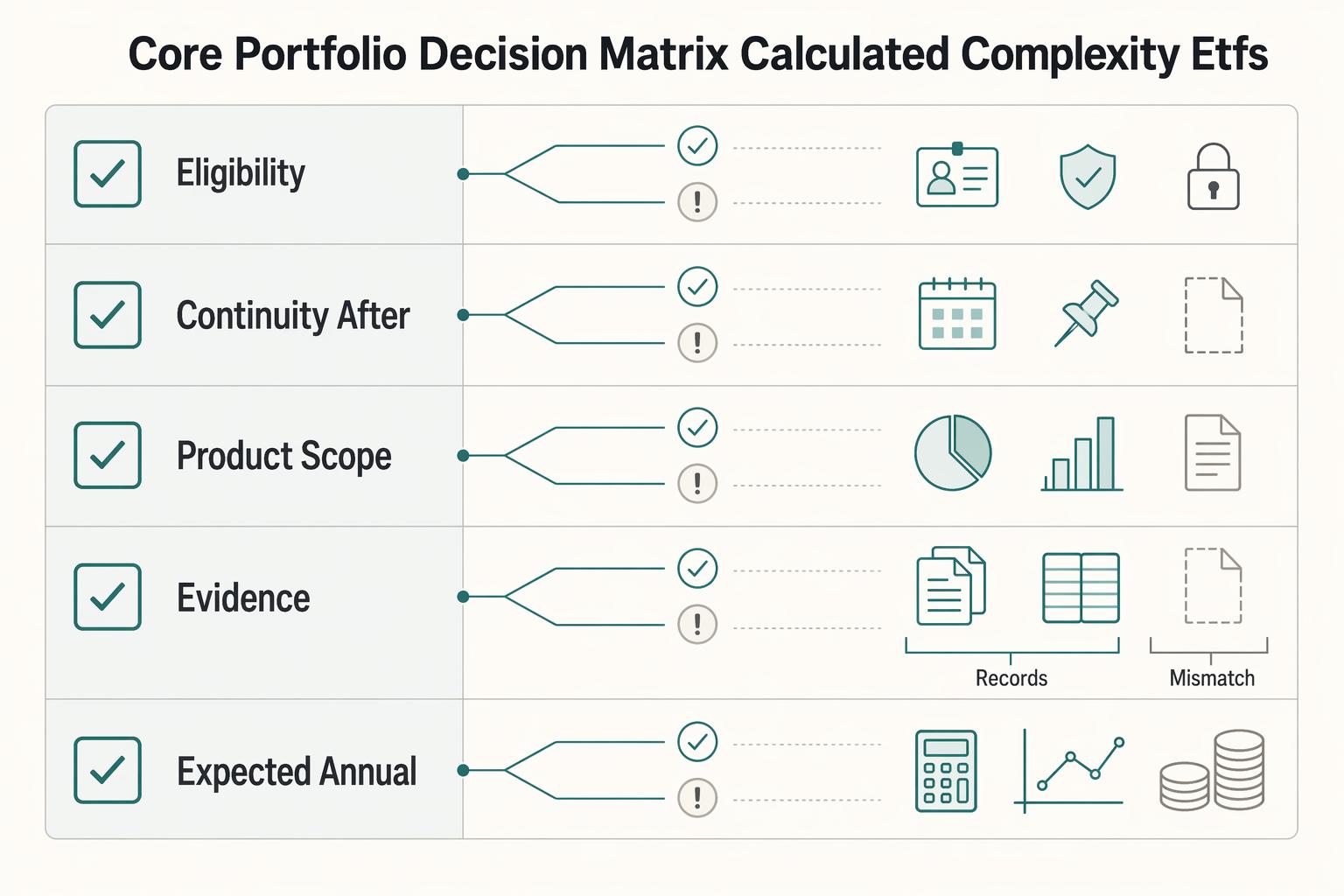
A US Expat's Guide to Investing in UCITS ETFs to Avoid PFIC Issues
The real problem is a two-system conflict. U.S. tax treatment can punish the wrong fund choice, while local product-access constraints can block the funds you want to buy in the first place. For **us expat ucits etfs**, the practical question is not "Which product is best?" It is "What can I access, report, and keep doing every year without guessing?" Use this four-part filter before any trade:
Read more →
Spain Digital Nomad Visa Guide: Requirements, Application & 2026 Updates
Stop collecting more PDFs. The lower-risk move is to lock your route, keep one control sheet, validate each evidence lane in order, and finish with a strict consistency check. If you cannot explain your file on one page, the pack is still too loose.
Read more →Contractor Payout Speed Calculator by Rail and Country
If you treat payout speed like a front-end widget, you can overpromise. The real job is narrower and more useful: set realistic timing expectations, then turn them into product rules, contractor messaging, and internal controls that support, finance, and engineering can actually use.
Read more →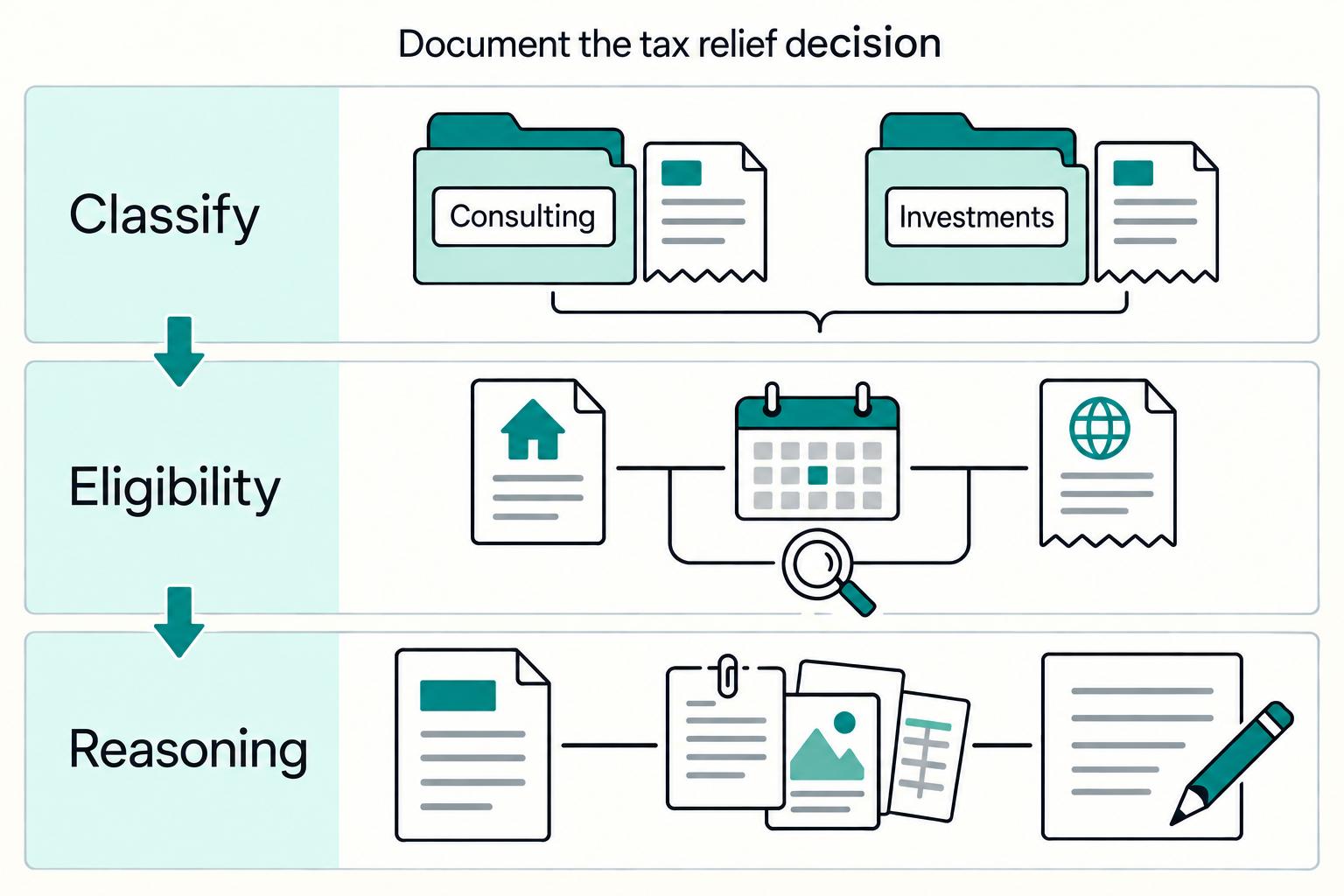
How US Financial Consultants in Switzerland Use the Tax Treaty
As a U.S. financial consultant in Switzerland, your biggest risk may not be a market downturn. It may be one misunderstood treaty line that costs you thousands. Building a successful business around your expertise is hard enough. Cross-border compliance adds a steady layer of uncertainty.
Read more →
How Delaware Court of Chancery Clauses Change Freelancer Contract Risk
If your contract points disputes to the **Delaware Court of Chancery**, treat that as a business decision before you sign, not boilerplate buried at the end. Forum language can change remedy strategy and cost when a project slips.
Read more →
How Rupee Depreciation Affects Real INR Income for Indian Freelancers
**Rupee depreciation means the INR weakens against the USD, so the same USD invoice can convert into more INR before deductions. But if you do not control timing, fees, and proof, you are still guessing.** Treat FX as part of operations. Define the terms, choose a repeatable collection rail, track what happened, and keep records you can defend later.
Read more →
How Platform Operators Should Prioritize PSD3 and PSR Controls
Treat [PSD3 and PSR](https://finance.ec.europa.eu/publications/financial-data-access-and-payments-package_en) as a control-prioritization exercise now, not a project to begin only after the final political text lands. For online platforms and Technical Service Providers, separate what you can verify today from what still depends on final European Union wording. Then build only the controls that reduce downside without locking you into the wrong model.
Read more →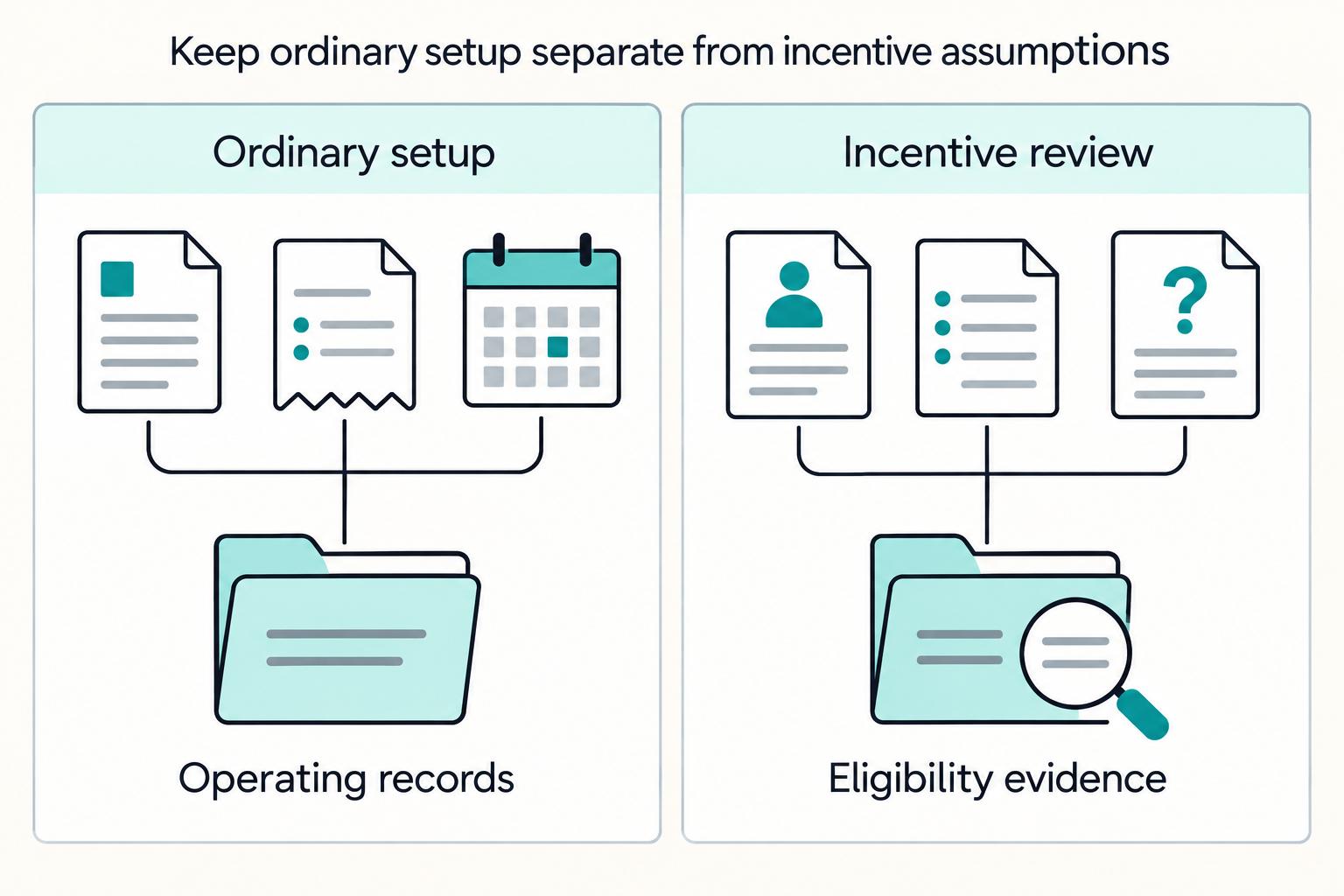
Freelancing in Portugal After NHR: 2026 Tax, IFICI, and Social Security
If you are considering freelancing in Portugal in 2026, split the question in two. One lane is ordinary freelancer setup: opening activity, issuing invoices, handling VAT, filing IRS, and understanding Seguranca Social. The other is special tax status. Both need attention, but treating them as the same decision can lead you to price work, relocate, or choose clients on the wrong assumption.
Read more →
Receive International Payments in India: SWIFT, UPI, and NEFT
If you want to receive international payments in India without month-end confusion, map the rail in the right order. The cross-border leg, the India settlement leg, and the documentary proof are three separate things.
Read more →
Payout Failure Benchmark Report for Platform Teams
A useful **payout failure benchmark report** is not a prettier exception export. It is the operating document that tells your platform team which payout failures are real rail problems, which ones are recipient-data problems, which ones were held before release, and which ones were later recovered.
Read more →
Embedded Insurance for Contractor Platforms: A Launch Guide
A contractor’s insurance expires tonight, but the platform still shows a valid certificate. The product decision is whether they can accept tomorrow’s job; the operational task is to confirm current coverage. Neither decision automatically answers whether to pay for work they have already completed. Embedded insurance needs to keep these questions separate.
Read more →
Spanish Freelancer Tax Forms: 036, 111, 130, 303 and 390
The form numbers describe different obligations. Modelo 036 registers your activity and tax position; 111 reports withholding you make as a payer; 130 makes instalments toward your own income tax; 303 reports VAT; and 390 is a VAT annual summary where required. Modelo 037 belongs to older guidance: it was abolished on February 3, 2025.
Read more →
Freelance in Italy: Partita IVA, Flat Tax, and VAT Guide
An Italian freelancer can invoice and receive platform payouts under either the ordinary tax regime or Regime Forfettario. Build the invoice profile around the freelancer’s actual registration and tax treatment, then approve payment capability against your provider’s separate requirements.
Read more →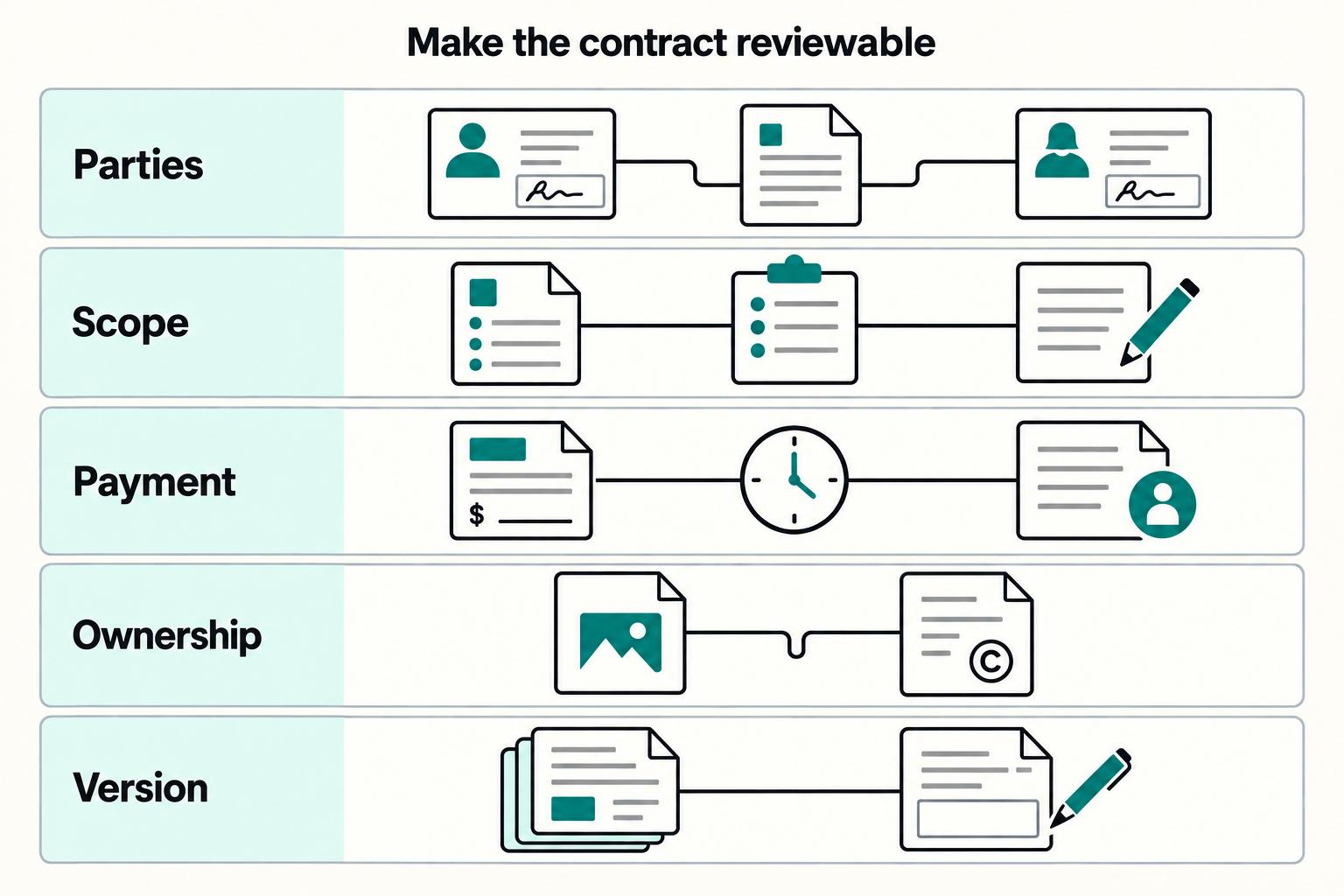
Freelance Contract Templates: 10 Ready-to-Use Agreements for Common Project Types
**Freelance contract templates are useful only when you treat them as a control, not a file you download and forget.** A template gives you reusable language. The real protection comes from how you use it: who approves it, what has to be defined before work starts, which clauses can change, and what record you keep when the Hiring Party and Freelance Worker sign.
Read more →
FTIN Validation for Platform Onboarding: When to Collect and Check It
FTIN validation is not a universal requirement for every non-U.S. user. It is a branch-specific control that matters only when your onboarding flow actually relies on a foreign tax form, a substitute tax-residency certification, or a withholding workflow that needs the foreign tax ID to be present, explained, or reviewed.
Read more →
20 Payment Operations Dashboard Metrics for Marketplace CFOs
A useful payments dashboard is a decision tool, not a wall of charts. For a marketplace CFO, **payment operations dashboard metrics** should answer four questions fast: what changed, who owns it, what gets checked next, and what action starts now instead of waiting for month end.
Read more →
DMCCA Compliance for Subscription Platforms: Checkout and Cancel Risk
What product teams call dark-pattern risk now sits inside the live unfair-commercial-practices regime of the Digital Markets, Competition and Consumers Act 2024, not inside one standalone UK design rule with a magic click limit. The practical question is whether a checkout or cancel flow omits material information, misleads, uses pressure, or otherwise falls short of the standards described in the [CMA's simple explainer for businesses](https://www.gov.uk/government/publications/what-businesses-need-to-know-about-unfair-commercial-practices/what-businesses-need-to-know-about-unfair-commercial-practices) and the fuller [CMA207 unfair commercial practices guidance](https://www.gov.uk/government/publications/unfair-commercial-practices-cma207/unfair-commercial-practices). For subscription platforms, that means the risk starts before payment is taken and continues after the customer is on book.
Read more →
Hiring Contractors in Mexico With RFC, ISR, and SPEI Controls
For operators, when you are hiring contractors in Mexico, the problem is mainly sequence, not sourcing. Classification comes first, then RFC and invoice readiness, then ISR ownership, then payout execution. When you let that order slip, a file can look clean on paper and still fail under review.
Read more →