
Operator playbooks for cross-border payments, tax, and compliance execution.
Step-by-step guidance for finance, product, and ops teams to launch faster, reduce payout friction, and keep reconciliation clean across borders.

OAuth 2.0 Scope Design Patterns for Platform Payment APIs
OAuth 2.0 scope design for a platform payment API should start with authority boundaries, not with friendly scope names. Define which routes move money, which routes only read lifecycle state, and which routes support onboarding or reporting before you touch IdP configuration.
Read more →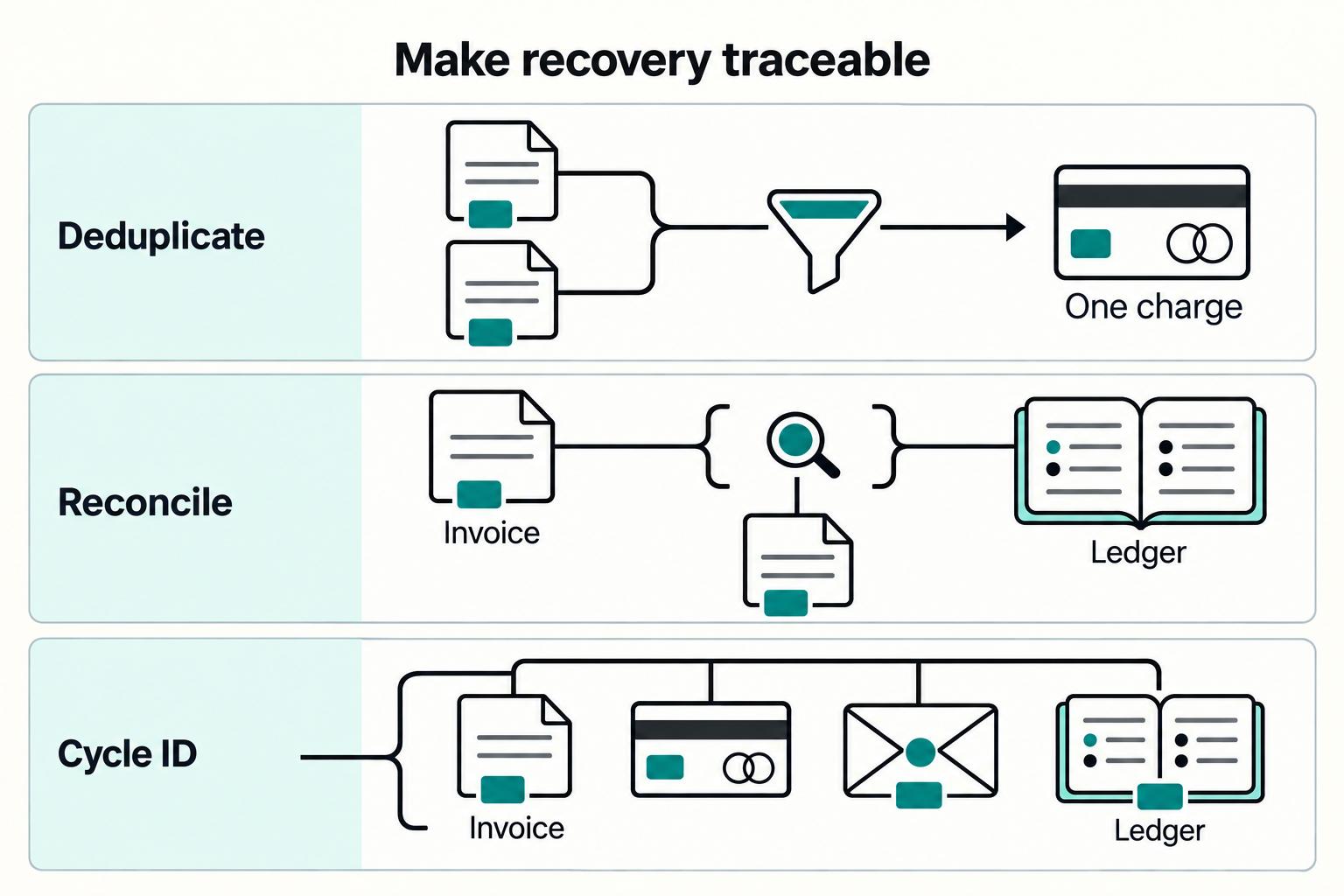
Failed Subscription Payment Recovery: A Worked Example
A failed subscription payment can require a later retry, corrected billing details or customer authentication. The right action depends on the actual failure and the invoice’s current state. Sending another charge because a request timed out can collect twice; retrying a lost card repeatedly does not fix the card. Start with the existing invoice and payment attempt before changing the recovery path.
Read more →
Time to First Payout Benchmark by Vertical for Platform Teams
A usable **time to first payout benchmark** starts when a payable event exists and ends only when delivered funds can be tied to one provider reference and one accounting trail. If the close condition is only approved or submitted, you are measuring internal workflow progress, not first payout.
Read more →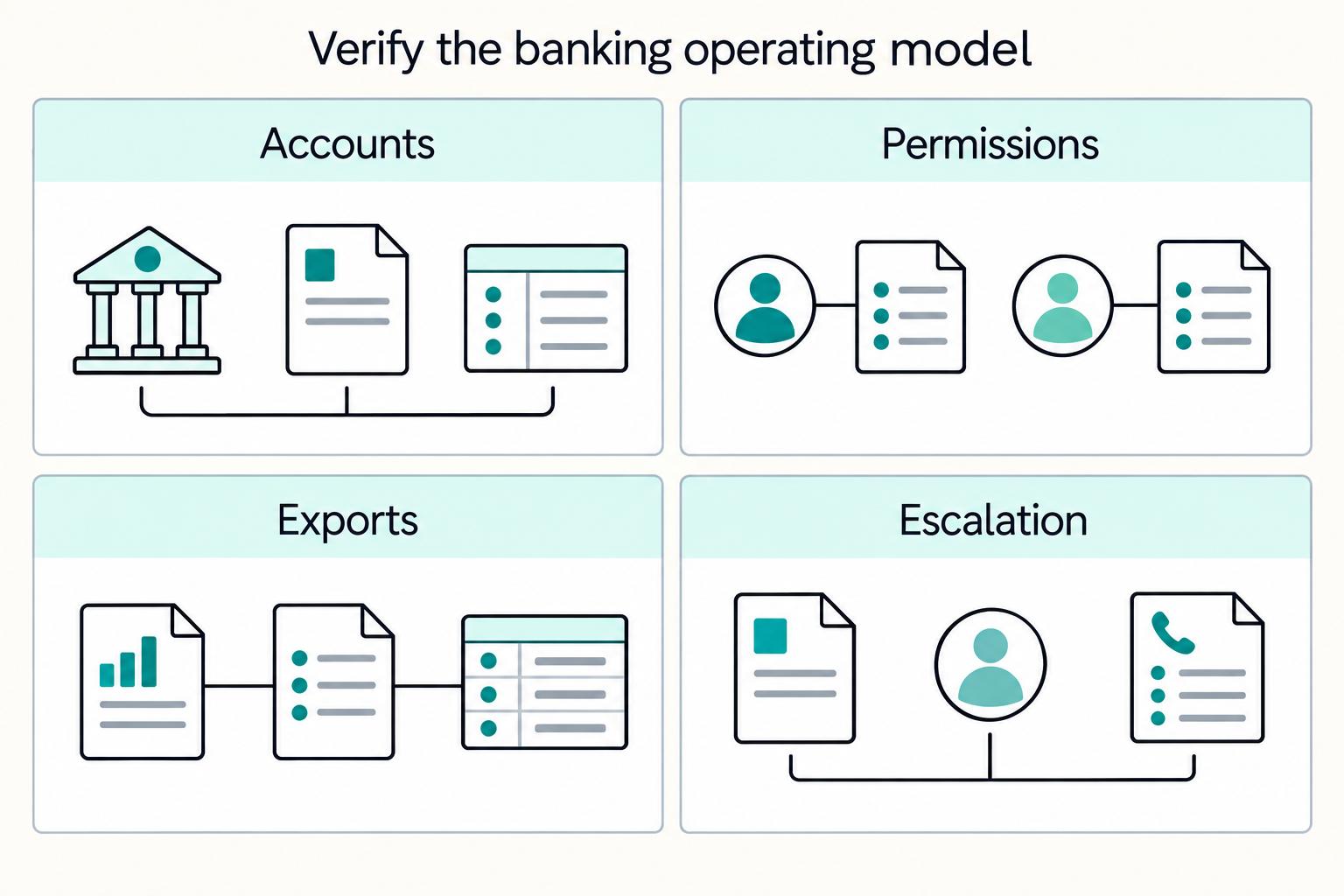
Startup Banking in 2026: J.P. Morgan, Rho and Brex
A startup’s operating account must receive funding, pay bills and payroll, and produce records its bookkeeper can reconcile. The right choice depends first on entity eligibility, where funds are held and how quickly they can be used. A sophisticated spend platform can help a growing team, but a small company does not need a three-month engineering project just to open an operating account.
Read more →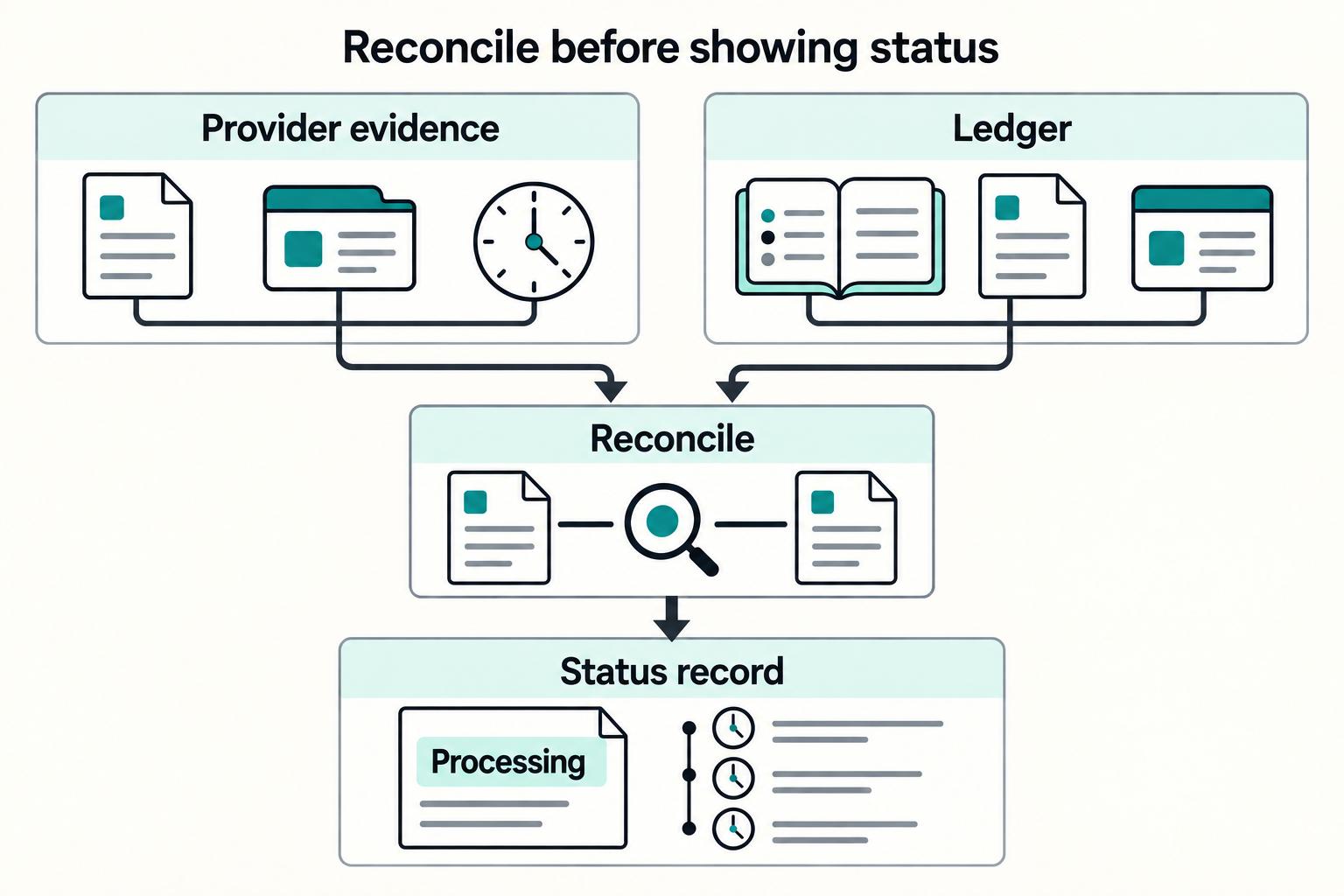
Payout Status Page Design That Reduces Where-Is-My-Money Tickets
Many examples of **payout status page design** focus on visual inspiration instead of operating guidance. Layout ideas can help, but they do not answer the question your finance or support team asks most: where is the money, who owns the next step, and what proof do we have?
Read more →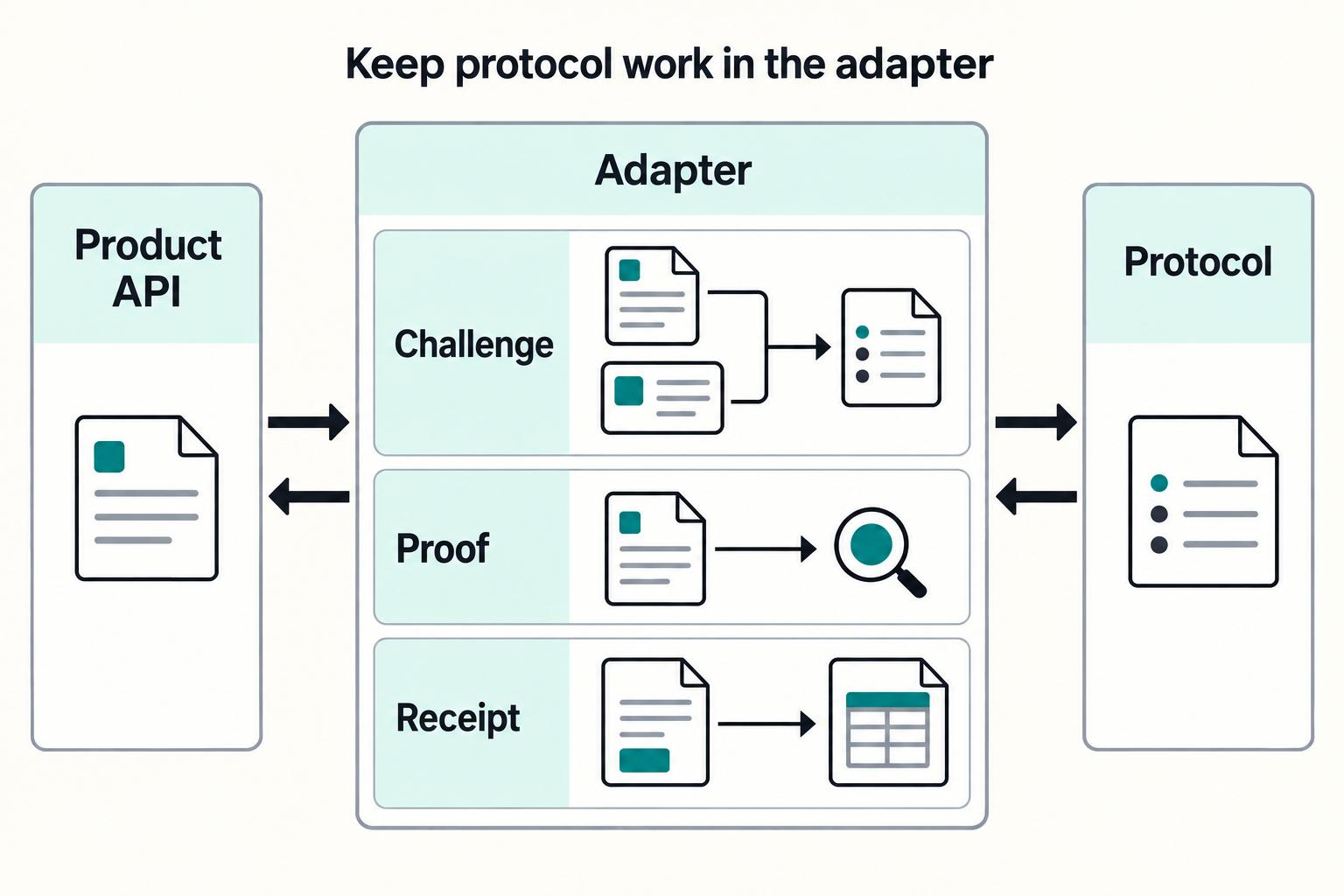
Machine Payments Protocol Implementation Guide for Platforms
Machine Payments Protocol can be piloted now, but it is not a plug-in billing toggle. In a machine payments protocol implementation, the main risk is usually not whether HTTP `402 Payment Required` exists. It is choosing the wrong payment pattern for your traffic and controls, then creating reconciliation gaps, payout surprises, or brittle edge behavior.
Read more →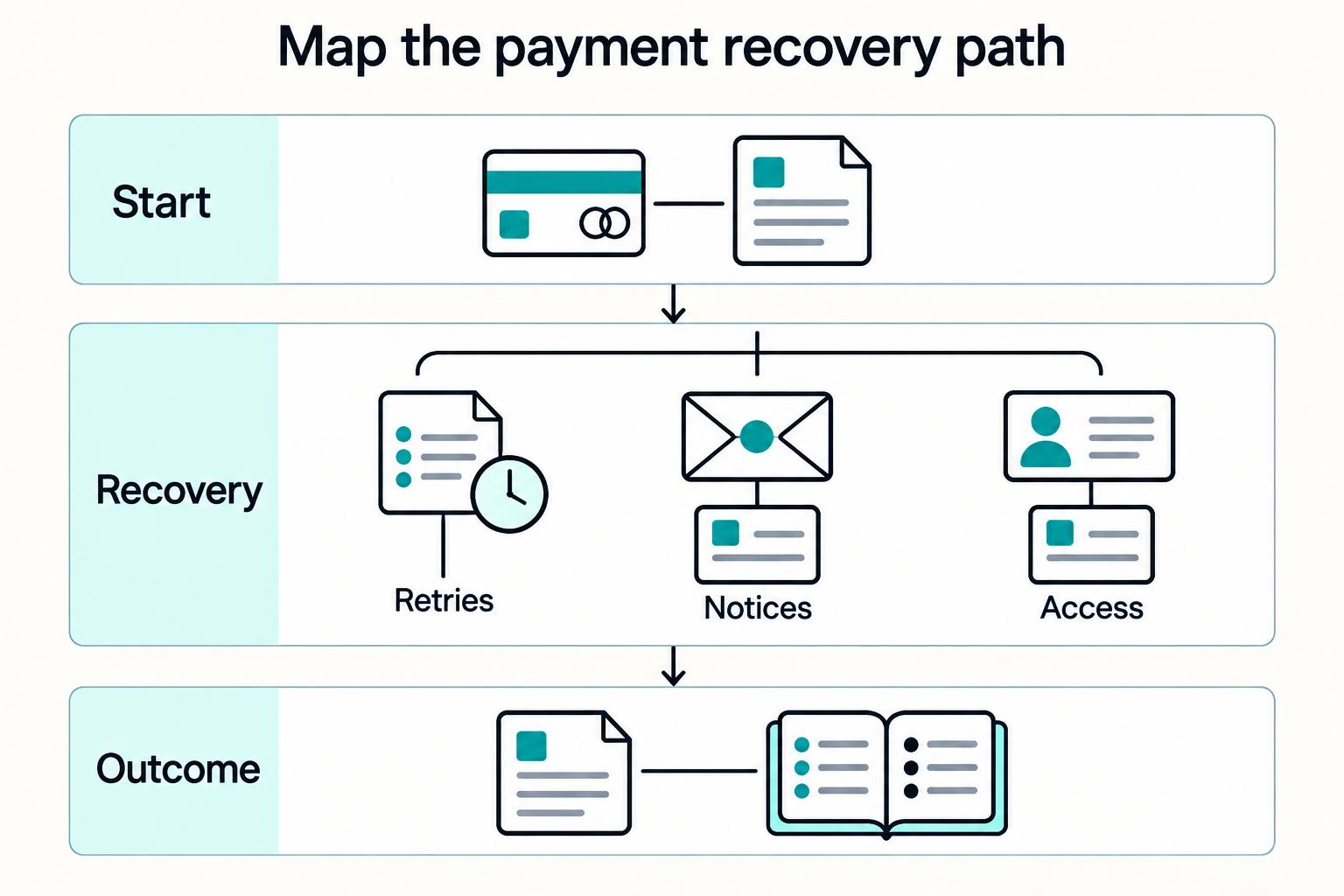
Health and Wellness Subscription Models That Retain After New Year Surges
Retention in wellness is not just a growth metric. It is a model-selection filter. If a membership only holds during initial excitement, the model is fragile even when acquisition looks strong.
Read more →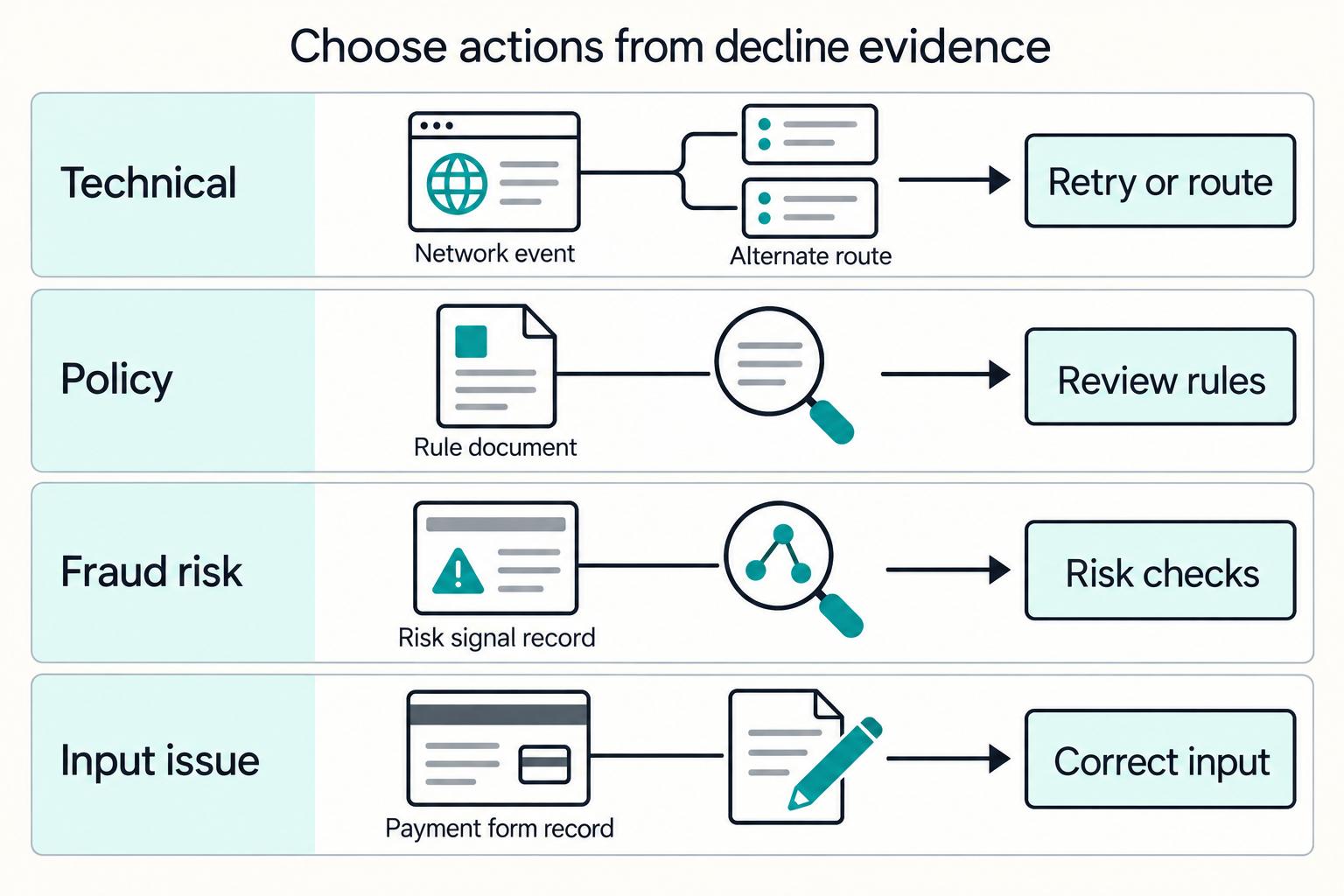
How ML Improves Payment Authorization Rates Without Losing Control
Treat **AI payment acceptance and ML-based authorization-rate work** as a controlled tradeoff, not a guaranteed uplift. This guide is about improving authorization outcomes while keeping fraud control and operational clarity intact.
Read more →
Subscription Billing and Contractor Payouts on One Two-Sided System
Treat recurring billing and contractor disbursements as one money flow, or reconciliation is usually where the breakage shows up first. When teams separate customer collection from payout release, they can end up with two versions of the truth: one for revenue, one for payables, and neither is easy to reconcile at month-end.
Read more →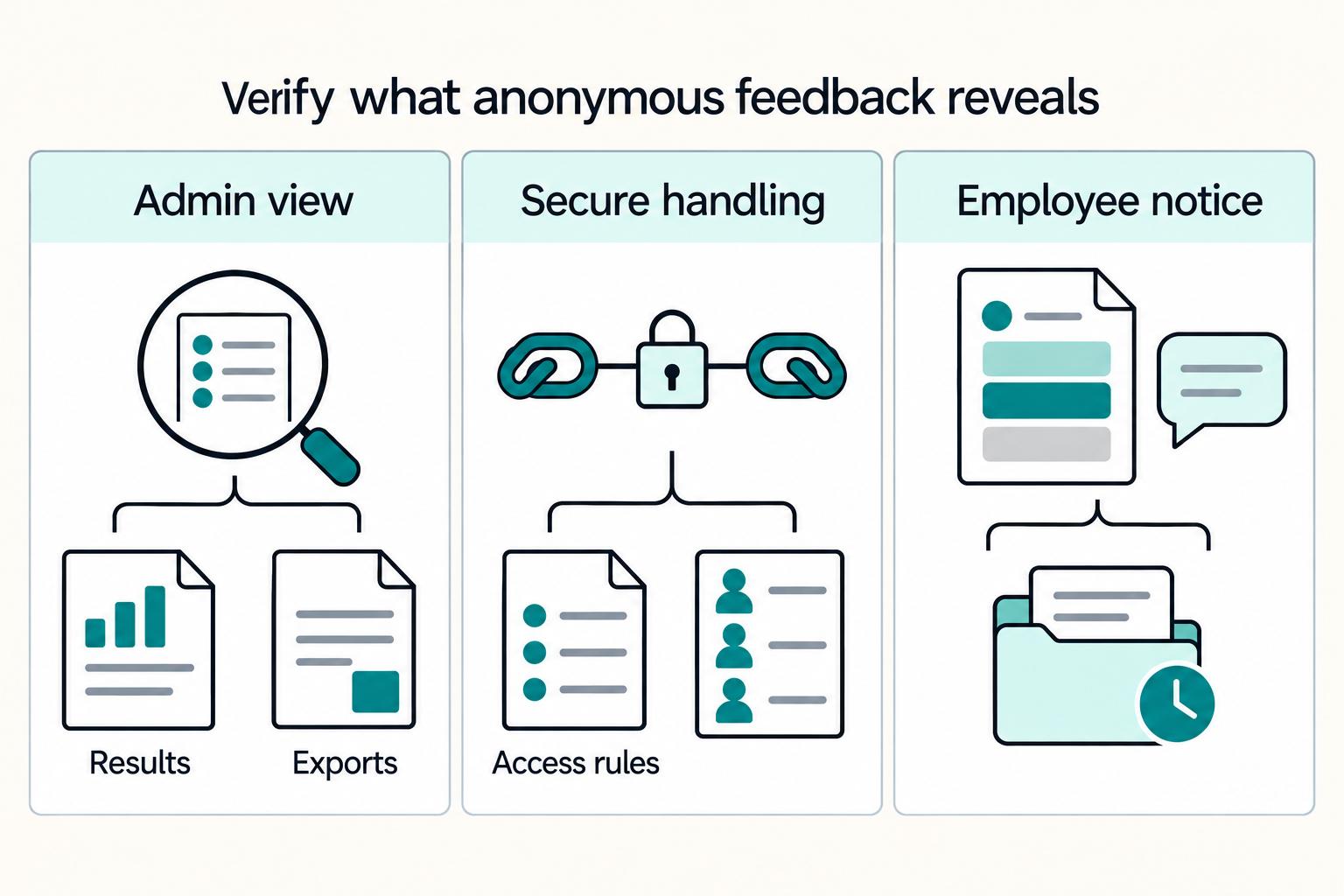
Best Anonymous Employee Feedback Tools for Remote Teams
Remote teams often do not lack forms. What they usually lack is a feedback channel employees believe is safe to use and leaders are disciplined enough to act on. That is the real standard for **anonymous employee feedback tools**. The question is not whether a landing page says "anonymous." It is whether the setup, communication, and follow-through make candid input feel low risk.
Read more →
Payout Retry Strategy for Failed Disbursements Across Multiple Rails
This guide is about handling failed payment attempts with clearer retry decisions. A declined payment is not a single problem type, and treating every failure the same creates avoidable risk.
Read more →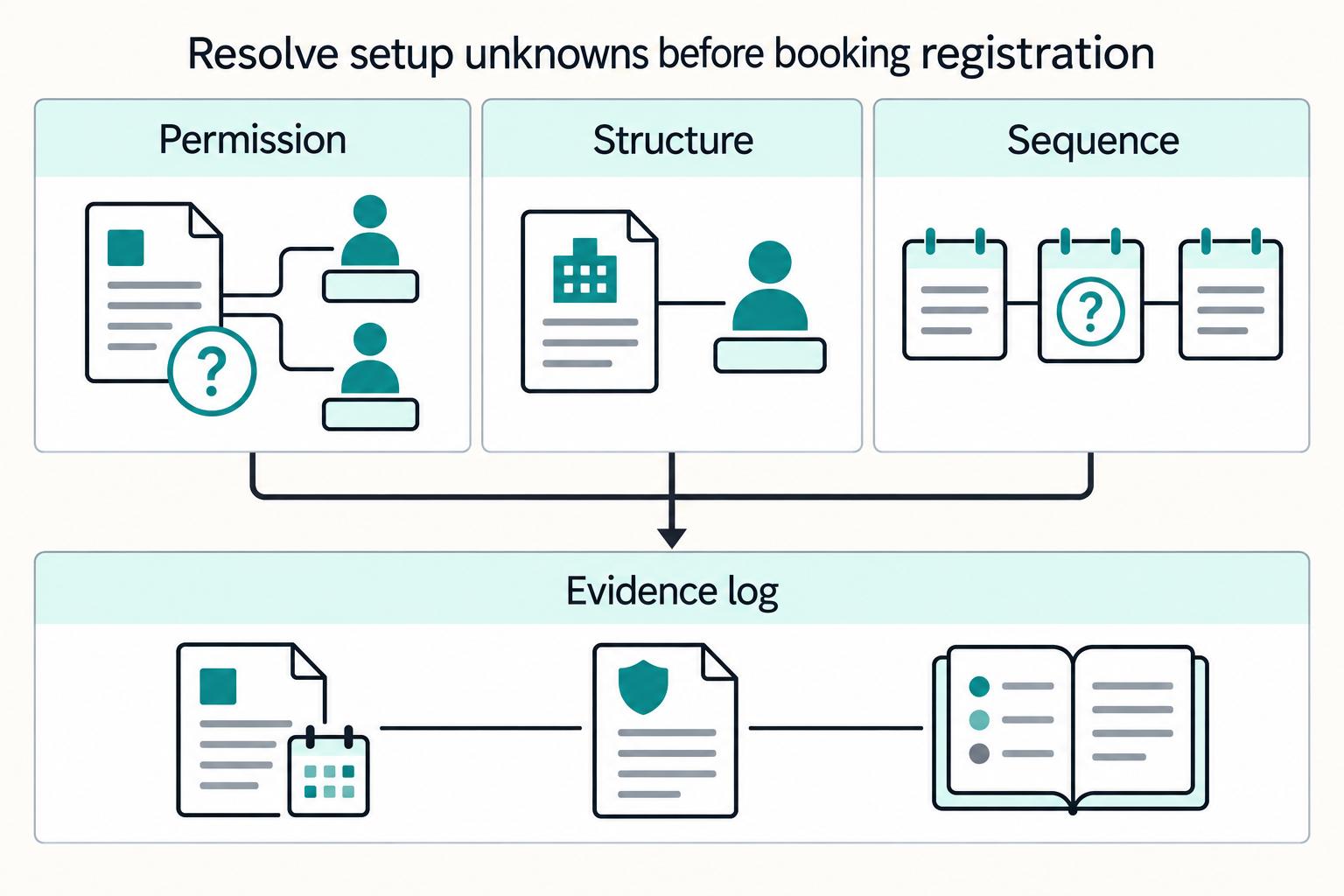
Freelance Netherlands ZZP Registration for Operators Evaluating Launch Readiness
If you cannot verify legal work status, KVK registration readiness, and tax registration responsibilities before launch, pause. The useful lens is operator readiness: whether Dutch ZZP support works as an execution capability, not as a casual market idea.
Read more →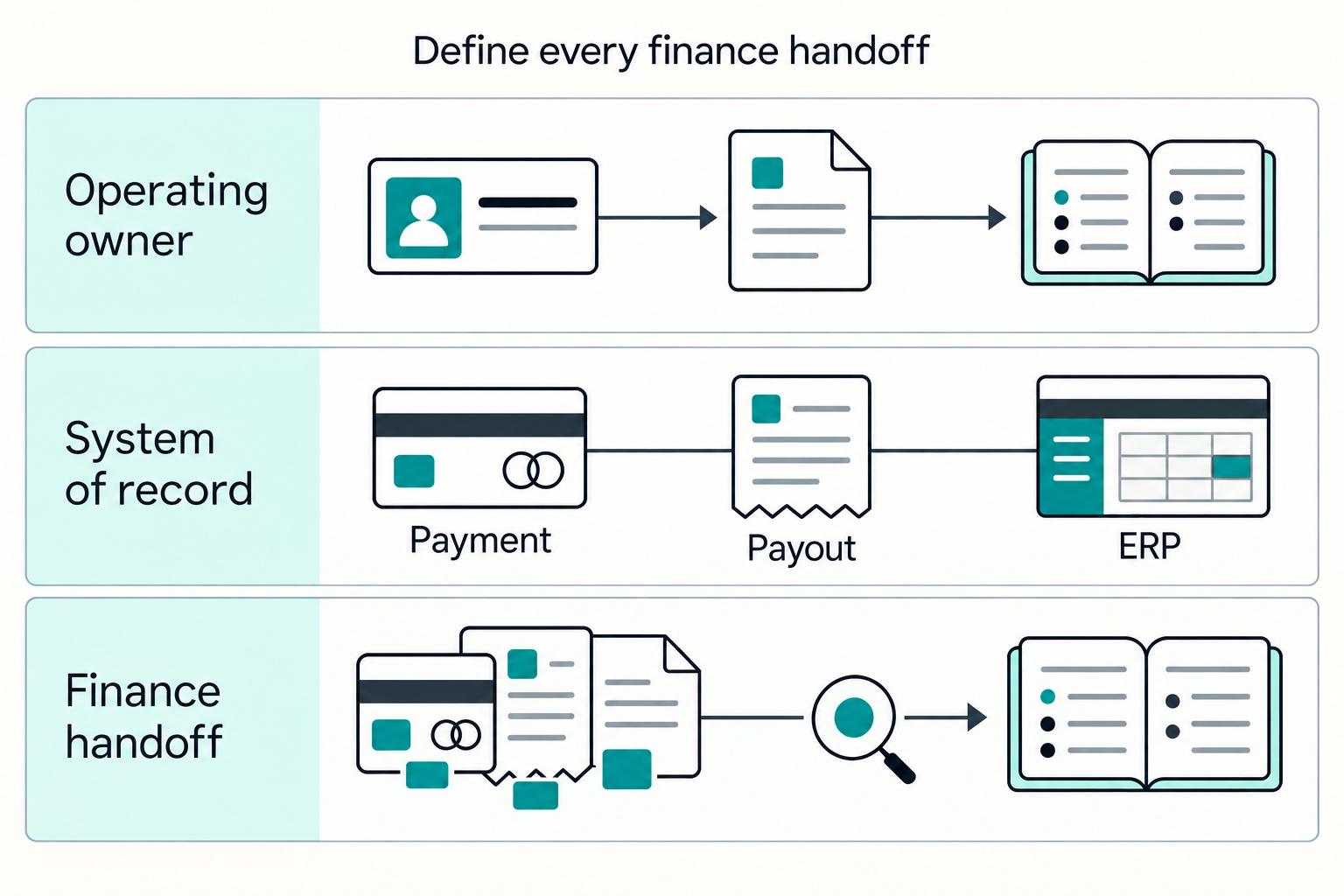
How a Platform CFO Chooses Between MoR, EOR, and Direct Payment Models
Choosing between a Merchant of Record, an Employer of Record, and a Direct Payment Model is mainly a risk-and-control decision, not just a fee comparison. The cost of a weak choice usually shows up later, when timing and controls are under pressure.
Read more →
How to Build a Contractor Compliance Program That Scales Across 50+ Countries
If you are building a **contractor compliance program** across multiple countries, use this guide as an operating model, not a policy memo. Define control gates, reporting checkpoints, and escalation rules that operations, finance, legal, and compliance teams can actually run.
Read more →
When High-Risk Payout Accounts Need Source of Funds Checks Beyond KYC
A one-time KYC check may not be enough for higher-risk payout accounts. Risk can change after onboarding as transaction behavior shifts and customer risk profiles change.
Read more →
AOR vs EOR vs Direct Contracting for Platform Compliance Teams
Choosing between Agent of Record, Employer of Record, and Direct Contracting is not only a procurement decision. It is also a compliance-risk and controls decision for teams trying to grow across markets without avoidable exposure.
Read more →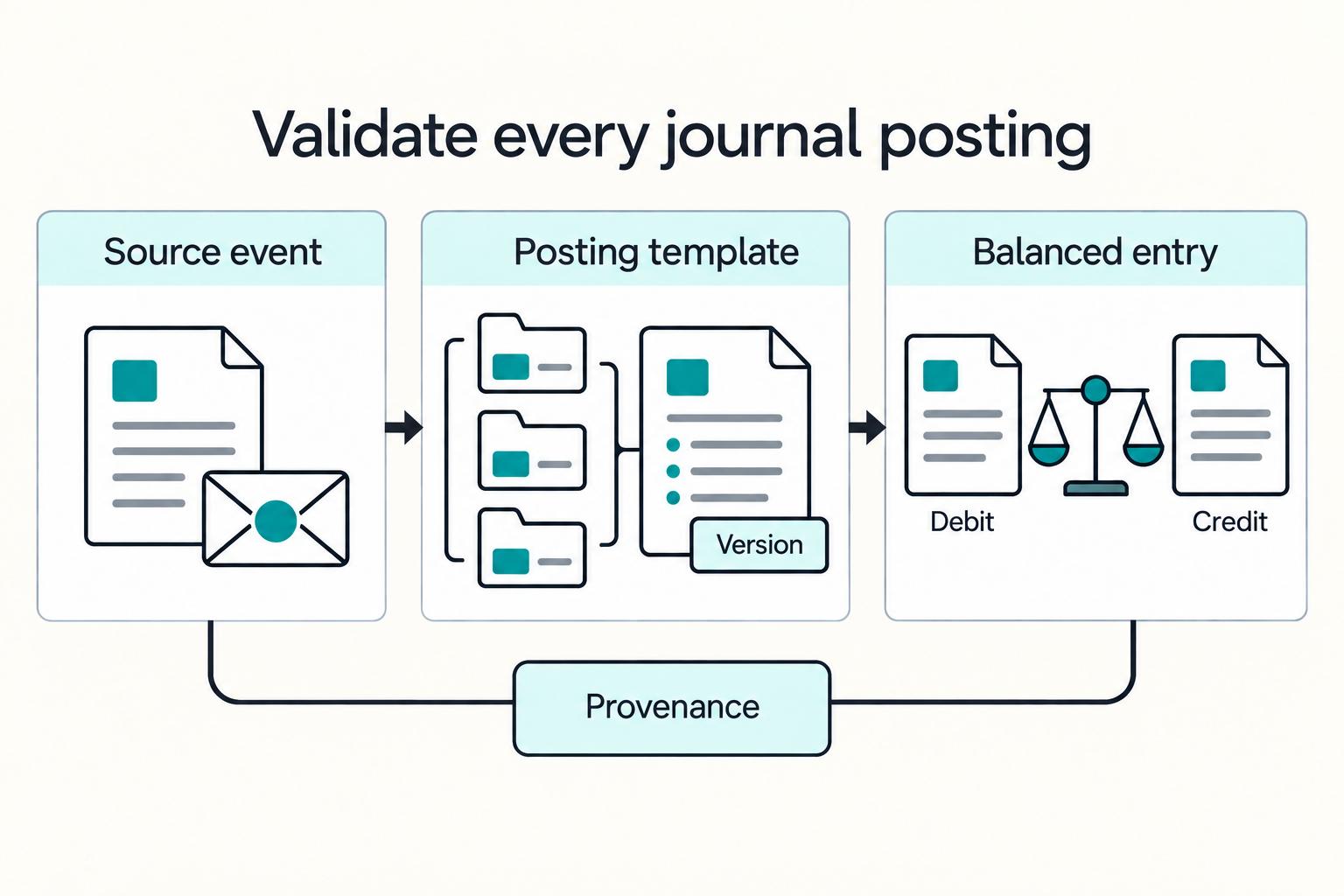
Building a Multi-Tenant Ledger with Double-Entry Bookkeeping
A multi-tenant double-entry ledger records financial events for multiple customers with controlled access and balanced journal entries. Each journal can have two or more legs; total debits must equal total credits in its accounting scope and currency. The useful result is an explanation of cash, obligations, fees and timing differences, rather than a balance that changes without a trace.
Read more →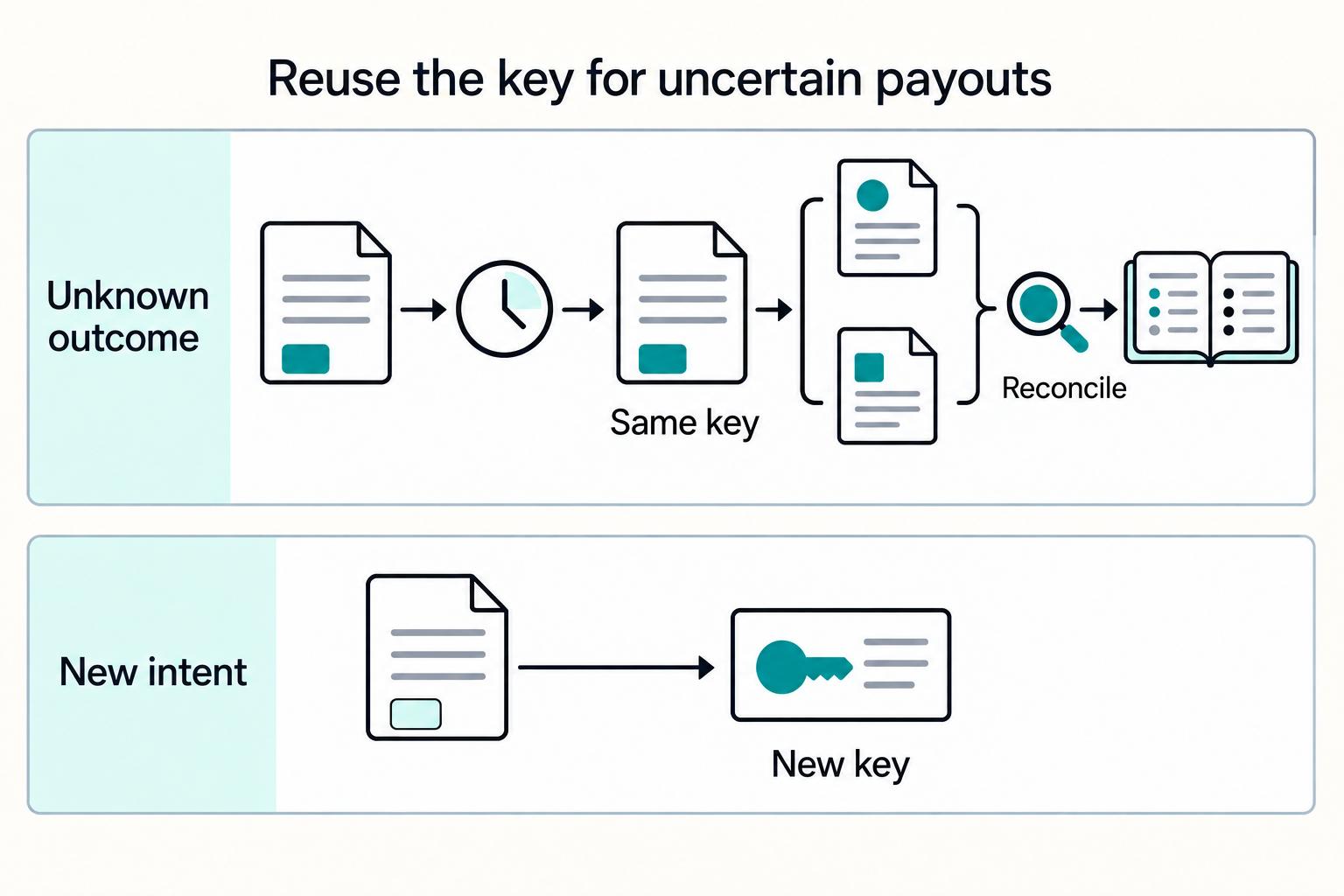
Idempotency Keys in Payout APIs for Reliable Retry Decisions
Payout retries are normal in payout-style REST APIs. Duplicate payouts are the real problem, because one bad retry can turn a transient timeout into duplicate money movement, a messy reconciliation gap, and a support issue that takes time to unwind.
Read more →
How to Build Payment Rails for AI Agent Transactions
Protocol headlines can distort launch decisions. For AI agent payment rails, the real question is whether you can launch with acceptable market coverage, provable delegated authority, and controls your finance team can defend. Use this guide to make three decisions before you scale:
Read more →
Permanent Establishment Triggers for Platforms: When to Escalate From Monitoring to Formal Review
**Permanent establishment platform risk** is often a timing and fact-pattern problem. Operations can look stable, then a small in-market change can turn PE from background tax exposure into a governance decision. Common examples include giving local teams real contract authority or letting a local work location become part of normal delivery.
Read more →