
Operator playbooks for cross-border payments, tax, and compliance execution.
Step-by-step guidance for finance, product, and ops teams to launch faster, reduce payout friction, and keep reconciliation clean across borders.

Canada GST/HST for Platform Fees: How Marketplaces Decide What to Charge, Track, and Report
You can make defensible calls on **canada gst hst platform fees** without building a large tax operations function, but only if your controls are explicit and documented. The core questions are straightforward: who is making the supply, what is being charged, which rate applies, and what evidence supports that treatment.
Read more →
The IRS 10-Return E-File Rule for Platform Operators
A platform can have a small contractor program and still need electronic filing once payroll and other covered returns are counted. Start with the reporting entity, not the vendor dashboard. One provider preparing payroll and another preparing contractor forms does not divide one filer into two.
Read more →
Chargebacks in Agentic Commerce: Evidence Liability and Recovery Workflows for Platforms
For platform founders, the hard call is no longer just how to stop fraud. You also have to handle disputes where the payment was authorized, but the buyer later says the result was not what they meant to approve. That gap between "authorized" and "wanted" is where much of the new risk sits. It gets wider when an AI agent can browse, compare options, fill carts, and complete purchases on a customer's behalf.
Read more →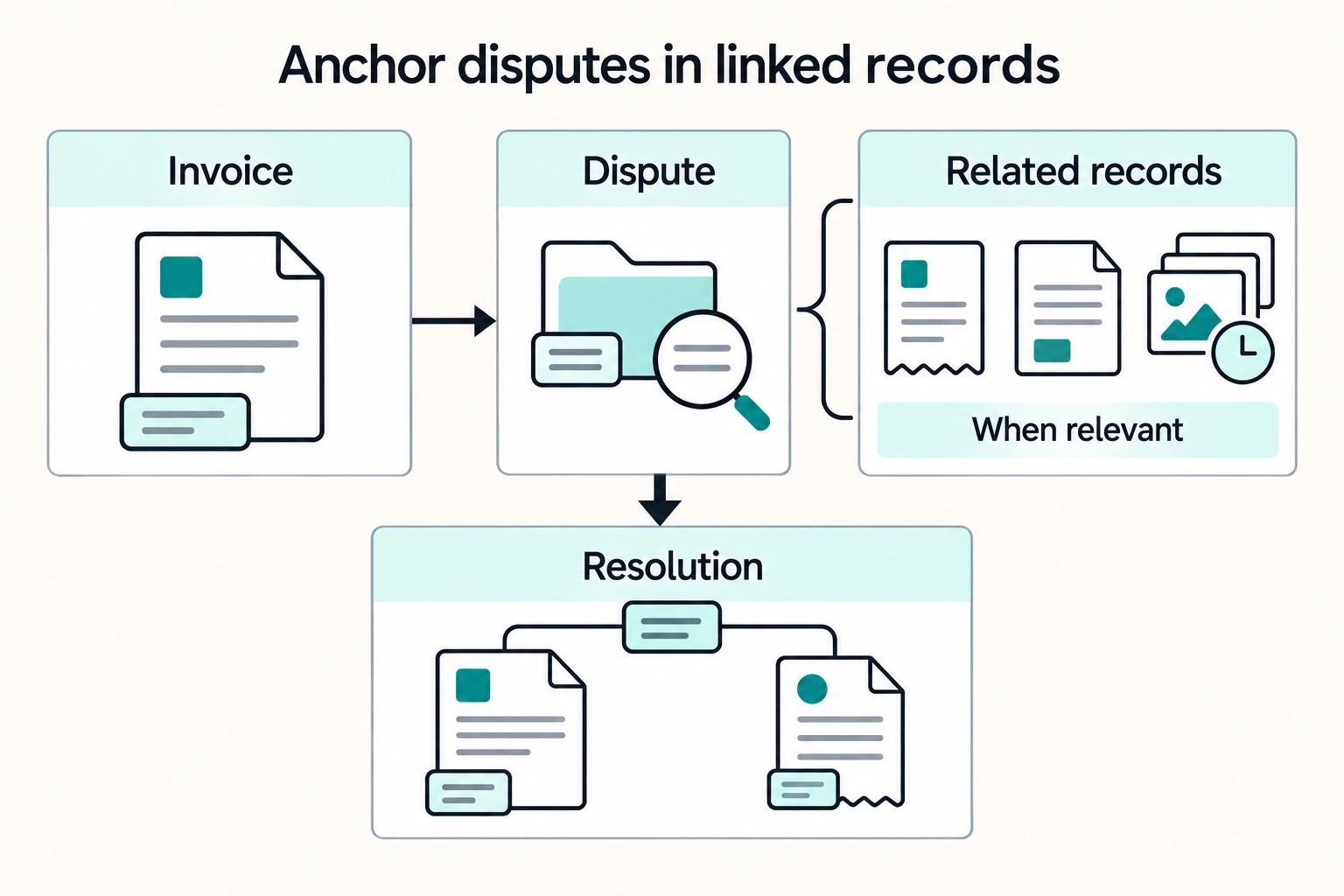
How to Build a Vendor Portal for Platforms: Tax Forms Invoices Payouts and Disputes in One Workspace
Treat the **vendor portal for platforms** as an operating surface, not a file drop or message inbox. If it cannot support onboarding checks, invoice and payment visibility, clear access boundaries, and a reliable record of status changes, it will not take real work off finance and ops.
Read more →
Contractor Misclassification Risk Assessment for Platforms
For platforms, contractor misclassification risk assessment is a recurring control, not a one-time legal task. When your work model, oversight, or market footprint changes, classification risk can change with it.
Read more →
Agentic Commerce for Platform Operators: How to Prepare Your Payment Infrastructure for AI Agents
Move now, but do not launch on hype alone. Agentic commerce is moving from concept into practical implementation. Your payment risk still comes down to the same core controls: who authorized the transaction, what the agent was allowed to do, and who is accountable when a transaction is fraudulent or incorrect.
Read more →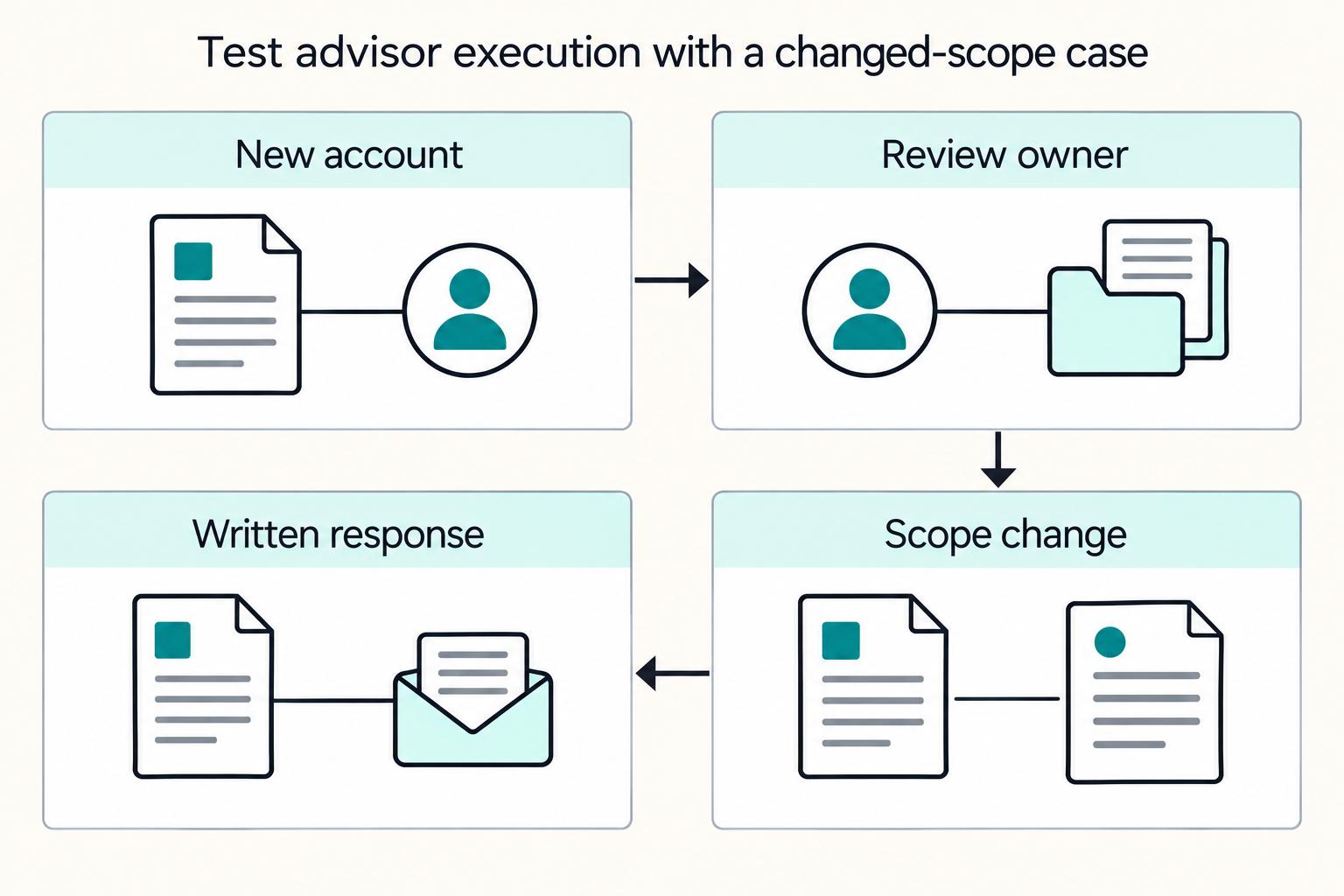
How to Choose the Best CPA for U.S. Expat Taxes: Written Scope, FBAR, and Form 8938 Checks
If you're choosing the **best cpa for us expat taxes**, a brand-led list is not enough for a risk decision. Many lists emphasize visibility signals like review volume, tenure claims, or fast extension messaging. That can be useful context, but it does not tell you who owns technical judgments, what is actually in scope, or how escalation works when facts are incomplete.
Read more →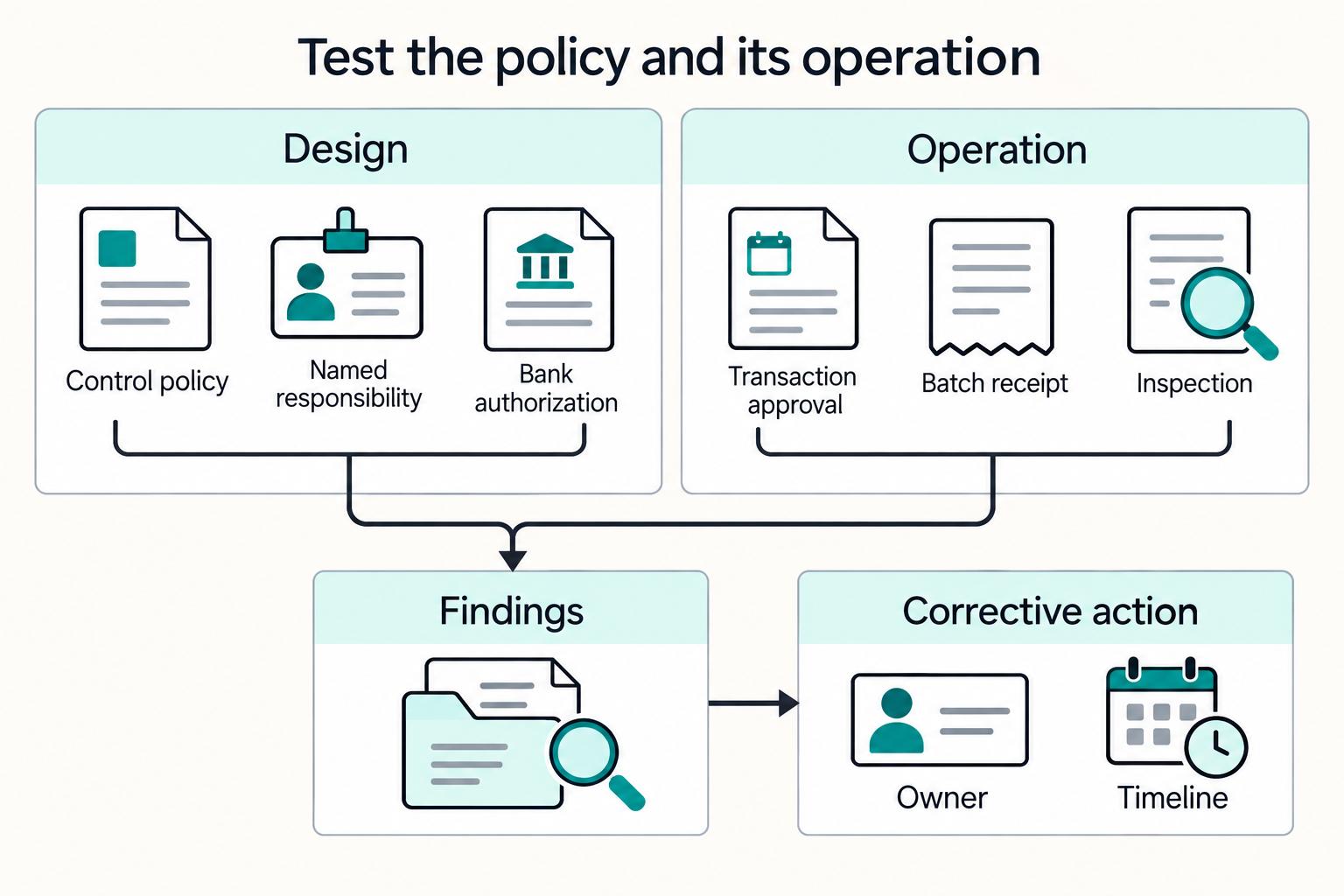
Platform Payment Infrastructure Audit: A 50-Point Checklist for Pre-Series A Startups
A practical **payment infrastructure audit checklist** should answer one question first: can you show, with evidence, how money is handled, where controls run, and what proves those controls worked? If you cannot produce that proof quickly, you likely have a reliability risk, not just a documentation issue.
Read more →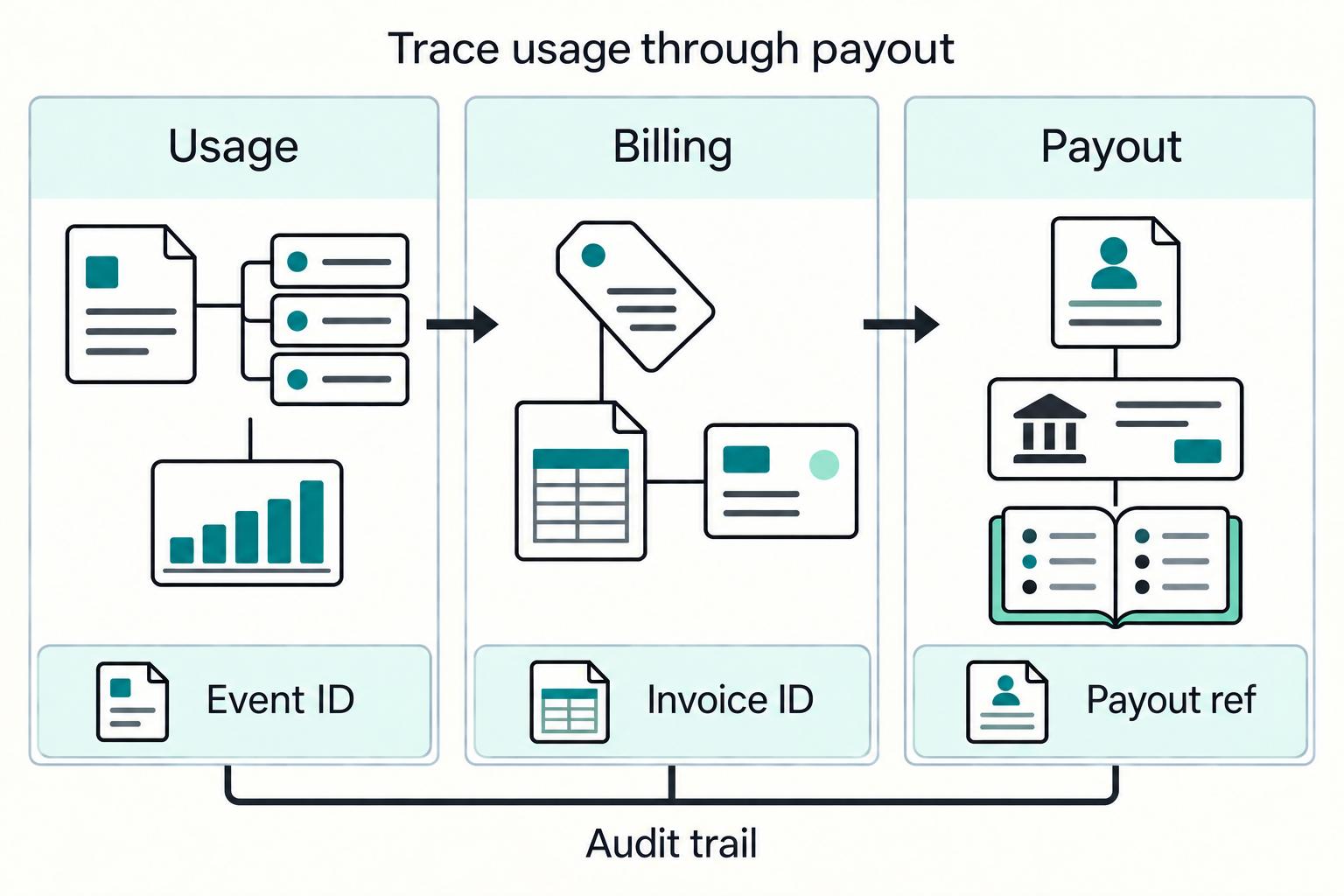
AI Startup Payment Stack: Usage Billing, Settlement and Global Payouts
An AI startup needs a reliable way to measure what the customer used, apply the agreed price, issue an invoice and collect payment. The resulting seller proceeds then settle to your business. Paying contractors, model suppliers or revenue-share partners is a separate accounts-payable obligation, funded and approved on its own terms.
Read more →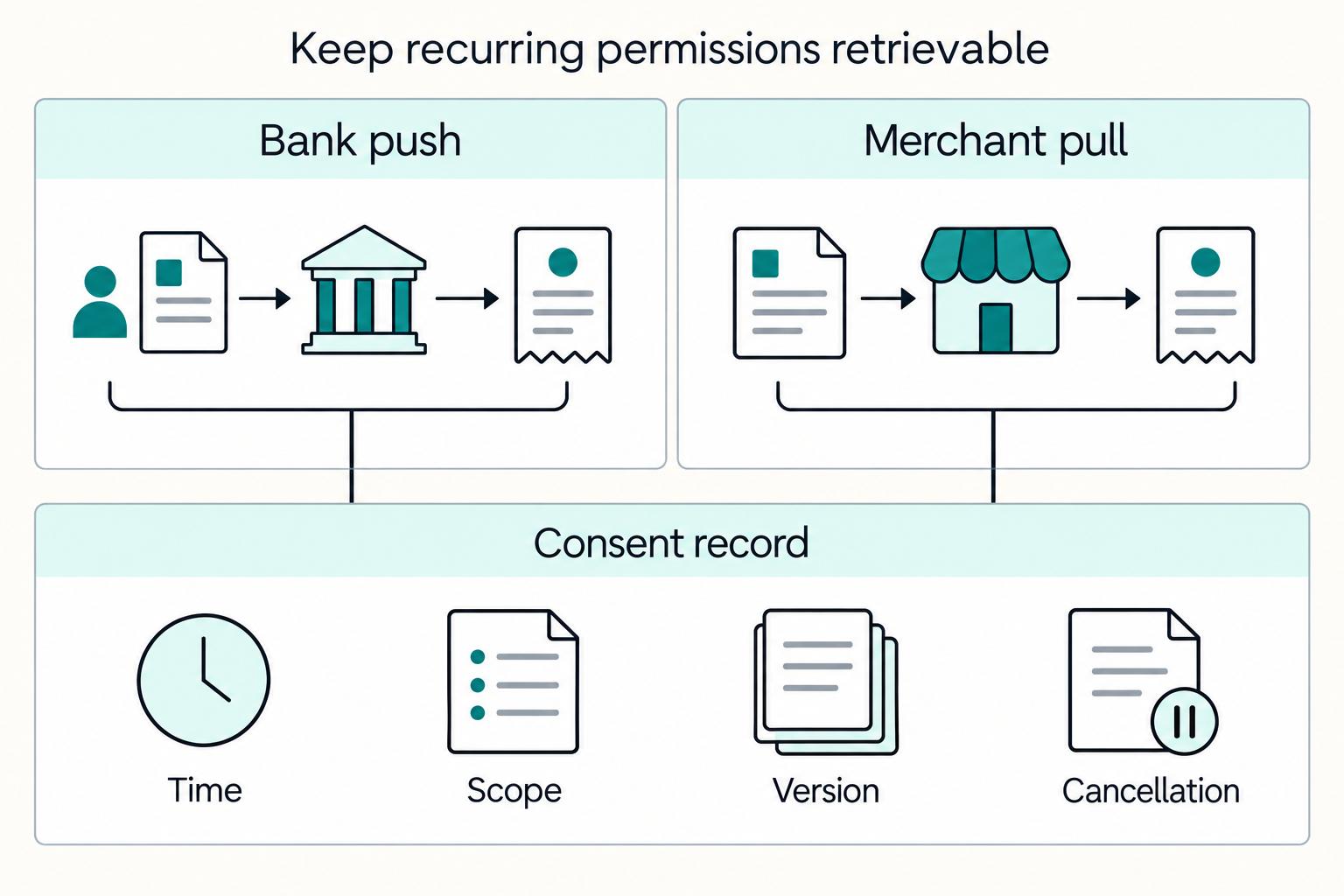
Recurring Pay by Bank: Instant Payments, ACH, Direct Debit, and Open Banking
Platform teams are revisiting recurring charges on bank rails because instant payment infrastructure is no longer a niche option. The opportunity is real, but the outcome still depends more on operating discipline than on the rail itself.
Read more →
How to Build Smart Payment Retries: Architecture Timing and ML Signals That Recover Revenue
Treat payment retries as an architecture choice, not a scheduling tweak. Once you move past a fixed cadence, you are deciding how failures are classified, how retry decisions are enforced, and how much operator review sits between a decline event and the next charge attempt.
Read more →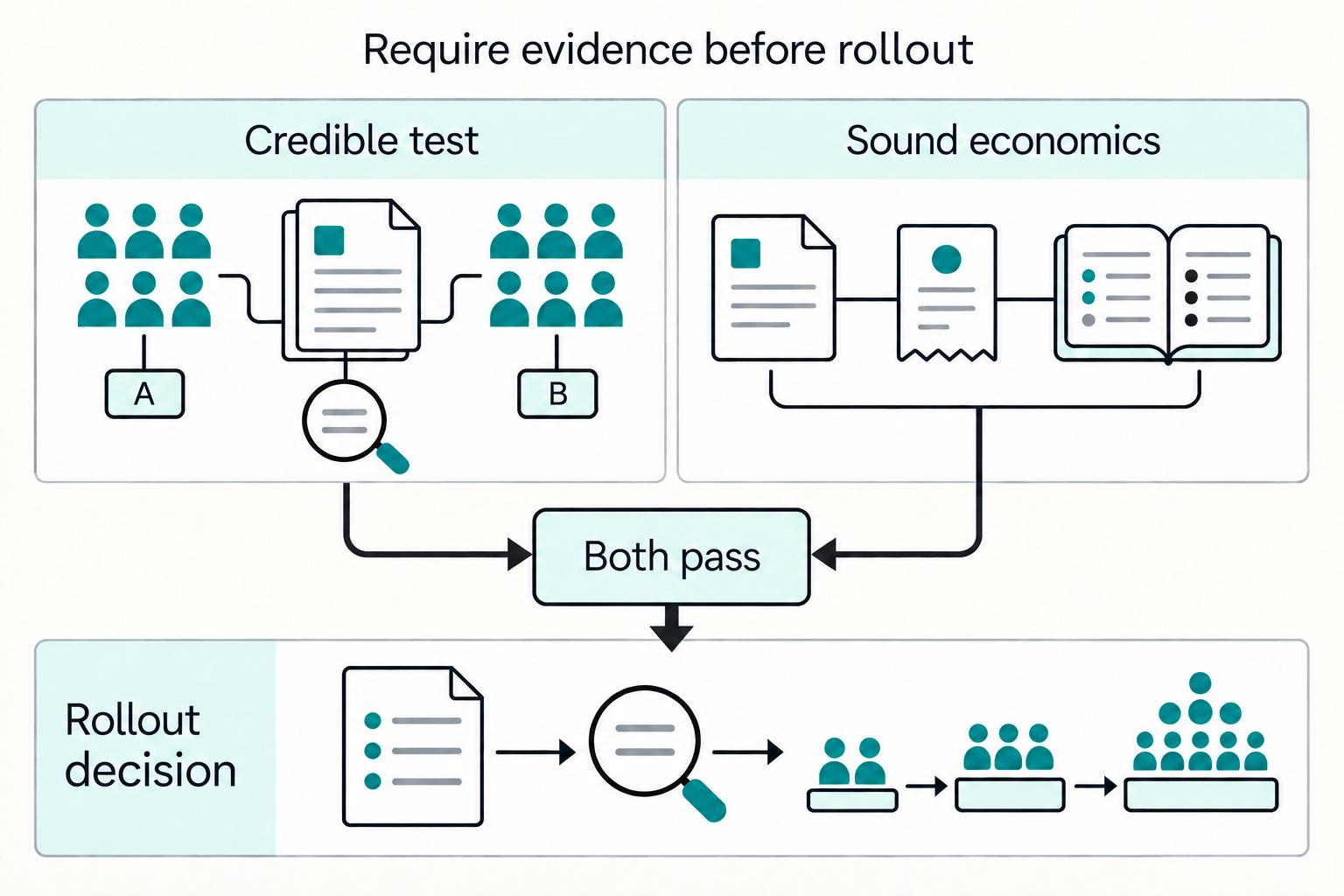
How to A/B Test Your Checkout Flow: Platform Operator's Guide to Payment Experiments
Run checkout A/B tests as commercial decisions, not just UX experiments. The goal is to improve conversion while keeping decisions defensible across product, payments, and finance.
Read more →
EU VAT for international sellers: OSS, IOSS and marketplace rules
For an international seller, the useful VAT question is which transaction belongs in which return. Seller location alone cannot answer it. A digital service, a parcel dispatched from an EU warehouse and a parcel imported from outside the EU can follow different paths even when the same customer pays through the same checkout.
Read more →
International Payment Gateways in 2026: Choose by Corridor and Operating Fit
“Best international payment gateway” has no useful answer without a merchant entity, buyer location, payment method and settlement destination. A gateway can help accept a buyer payment; seller or contractor disbursement, FX conversion, refund handling and tax evidence may involve additional products. This guide compares publicly documented capabilities as of 27 September 2026 and shows how to test a shortlist. It does not assign a global winner or claim that public pages prove eligibility in every country.
Read more →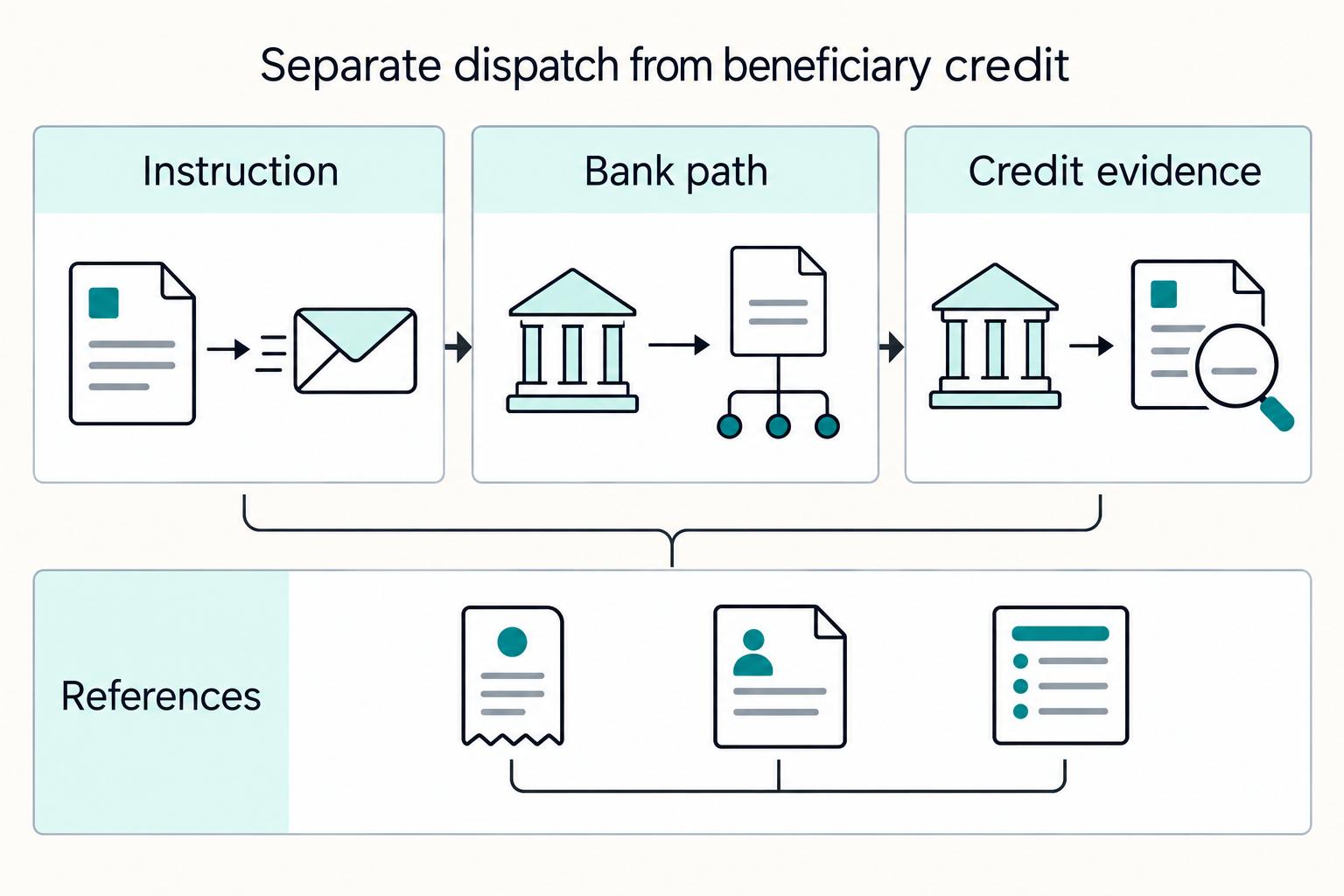
SWIFT Payments for Platform Teams: How International Wire Transfers Work
For platform teams, SWIFT is a production payout path, not just a generic "wire" label. SWIFT is a secure messaging network, while funds move through correspondent and intermediary banks, so the real outcome depends on routing, participants, and operating controls, not the message alone.
Read more →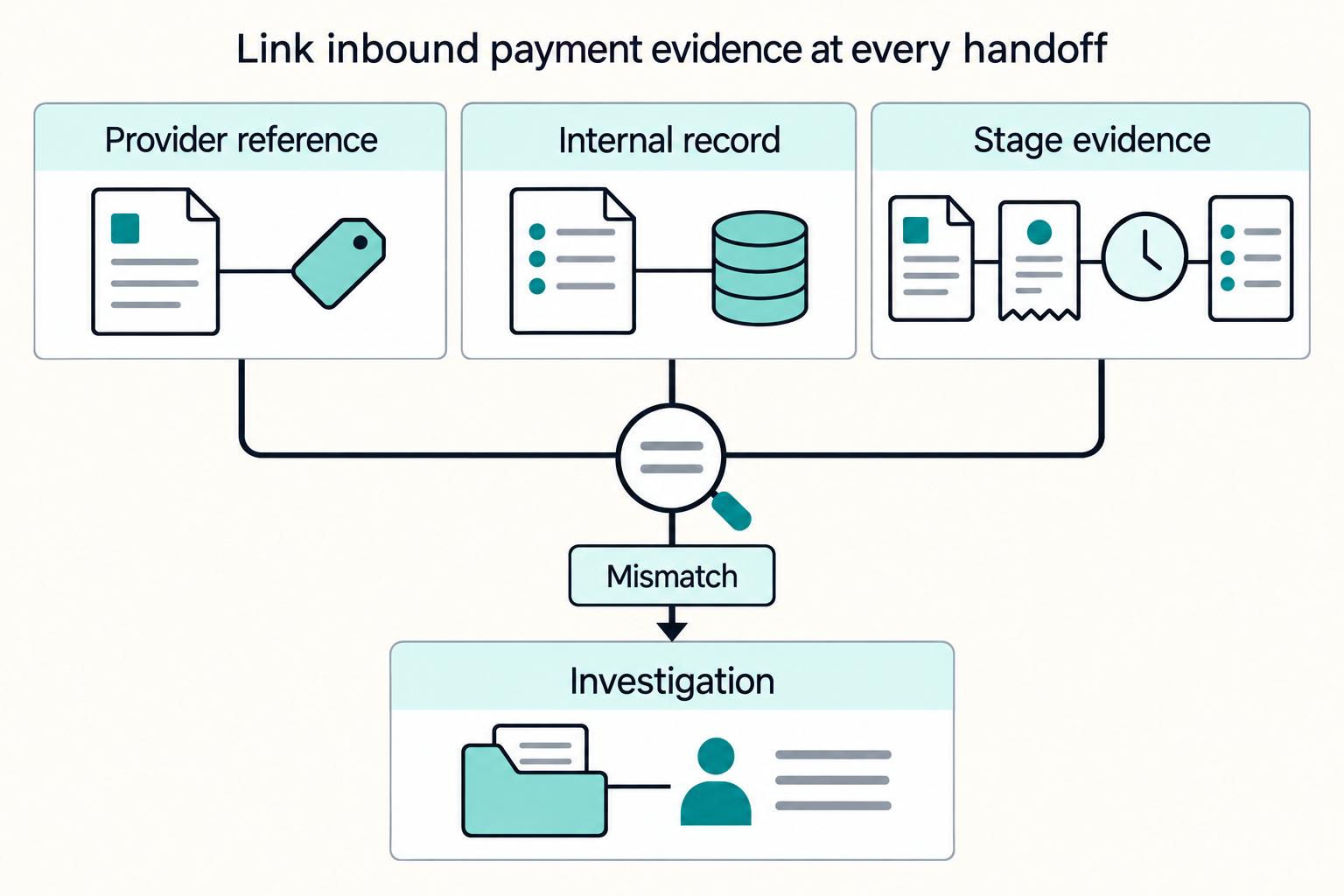
How to Receive International Payments in Pakistan: RAAST Alternatives and FX Tips
If you want to **receive international payments in Pakistan** without creating finance issues later, choose the rail that fits your operating model, not the provider name your team recognizes first. Pakistan is a multi-rail market. Bank transfers are common, mobile-wallet routes are common, and MTOs are also used in practice. The right setup depends on who is sending, how often they pay, and how much control you need over FX and reconciliation.
Read more →
Workday vs NetSuite vs SAP: Choosing the Right ERP for a Payment-Heavy Business
For a payment-heavy business, the practical ERP choice usually depends less on the longest feature list and more on how much long-term integration debt it avoids across payout infrastructure.
Read more →
Estonia vs EU Countries for Freelancers: VAT and OSS Controls
An Estonian company and a company in another EU country use the same broad EU VAT framework. The practical differences lie in local registration, rates, filing interfaces and the facts of your business. Start by distinguishing B2B consulting from consumer digital services: they can lead to different invoice treatment even when the company is identical.
Read more →
How to Open an Estonian Company with e-Residency: Costs Banking and Tax Obligations
If you need to assess **open estonian company e-residency costs** without creating a control gap, start by separating identity access from company formation. **Estonian e-Residency** is a government-issued digital identity for access to Estonia's business infrastructure. It is not traditional residency, and it does not grant tax residency or citizenship.
Read more →
Influencer Platform Payments: Managing Creator Payouts at Scale
Influencer platform payouts are an infrastructure decision before they are a pricing decision. For influencer marketing platforms, the real question is whether your team can onboard creators, run compliance and tax workflows, and handle payout exceptions without piling up engineering work and support tickets.
Read more →