
Operator playbooks for cross-border payments, tax, and compliance execution.
Step-by-step guidance for finance, product, and ops teams to launch faster, reduce payout friction, and keep reconciliation clean across borders.
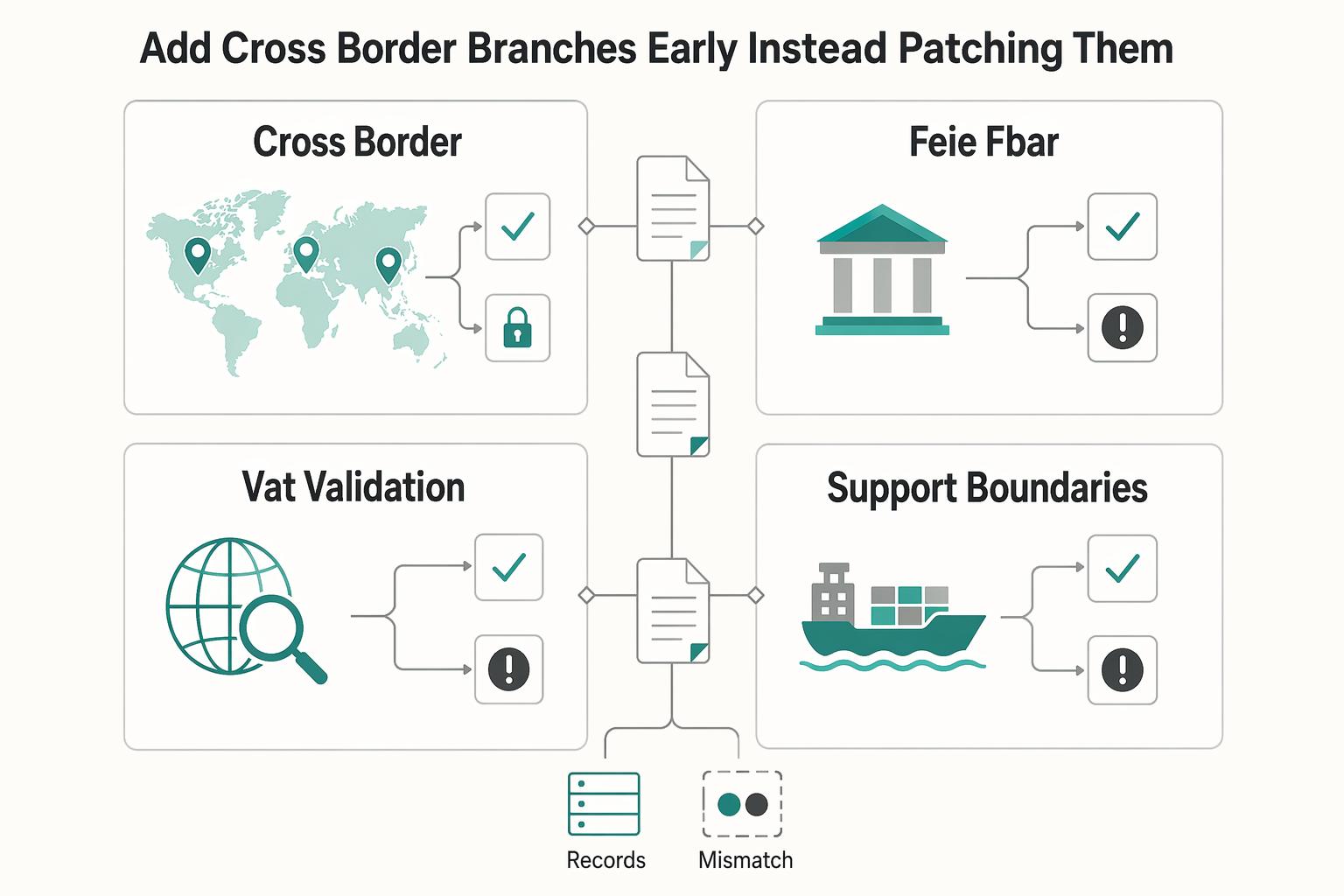
How Platform Teams Calculate Contractor Net Pay After Deductions
Treat this as a platform-side gross-to-net planning exercise, not personal budgeting advice. The goal is to make your payout logic understandable across product, finance, ops, and engineering, with clear ownership for each line item and clear labels for what is estimated versus final.
Read more →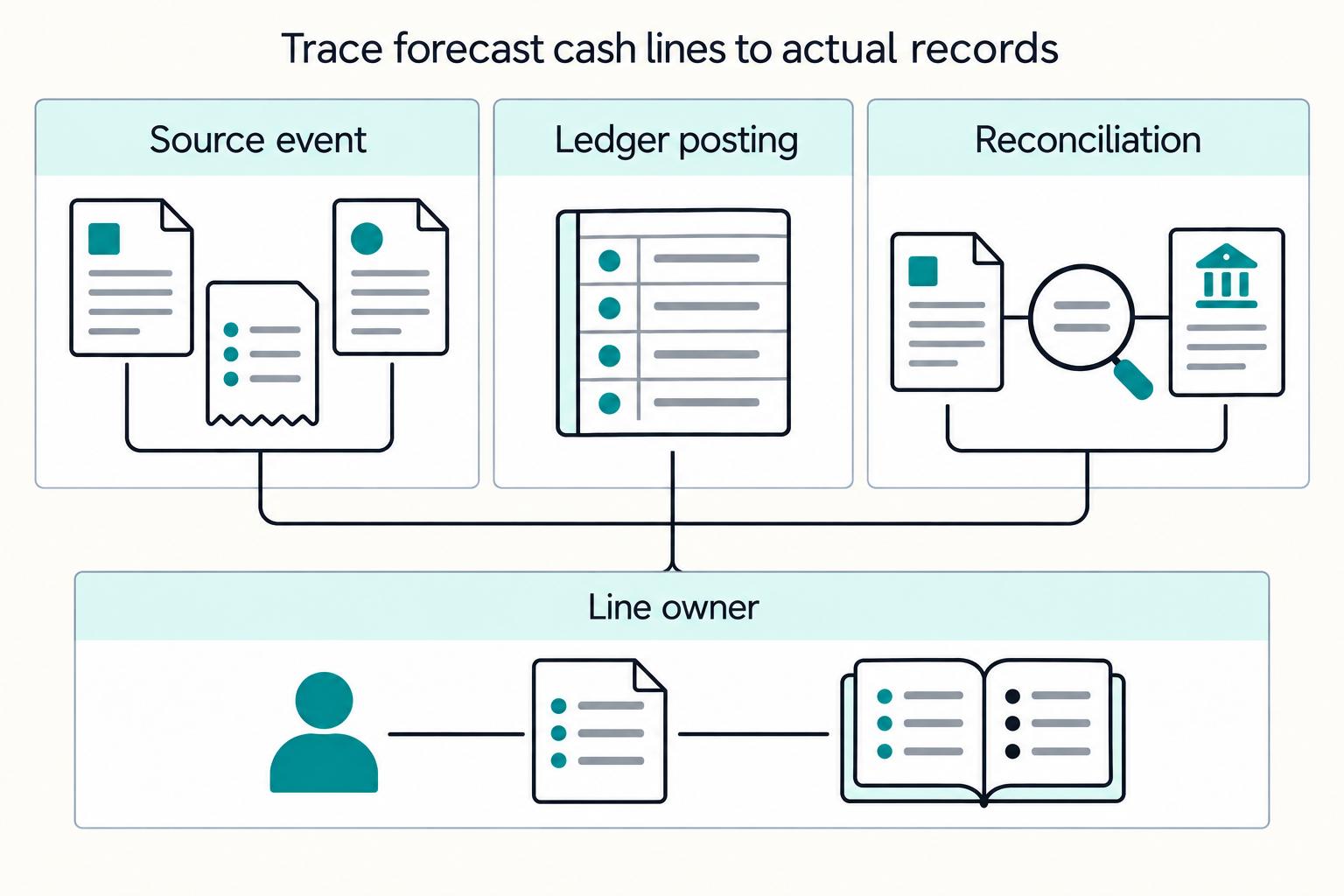
Cash Flow Forecasting for Marketplace Operators at Scale
Cash flow forecasting only matters if it changes an operating decision. For marketplace operators, it is not a side spreadsheet or a finance ritual. It is a liquidity check that tells you what cash is likely to be usable, when it will be usable, and what is already spoken for.
Read more →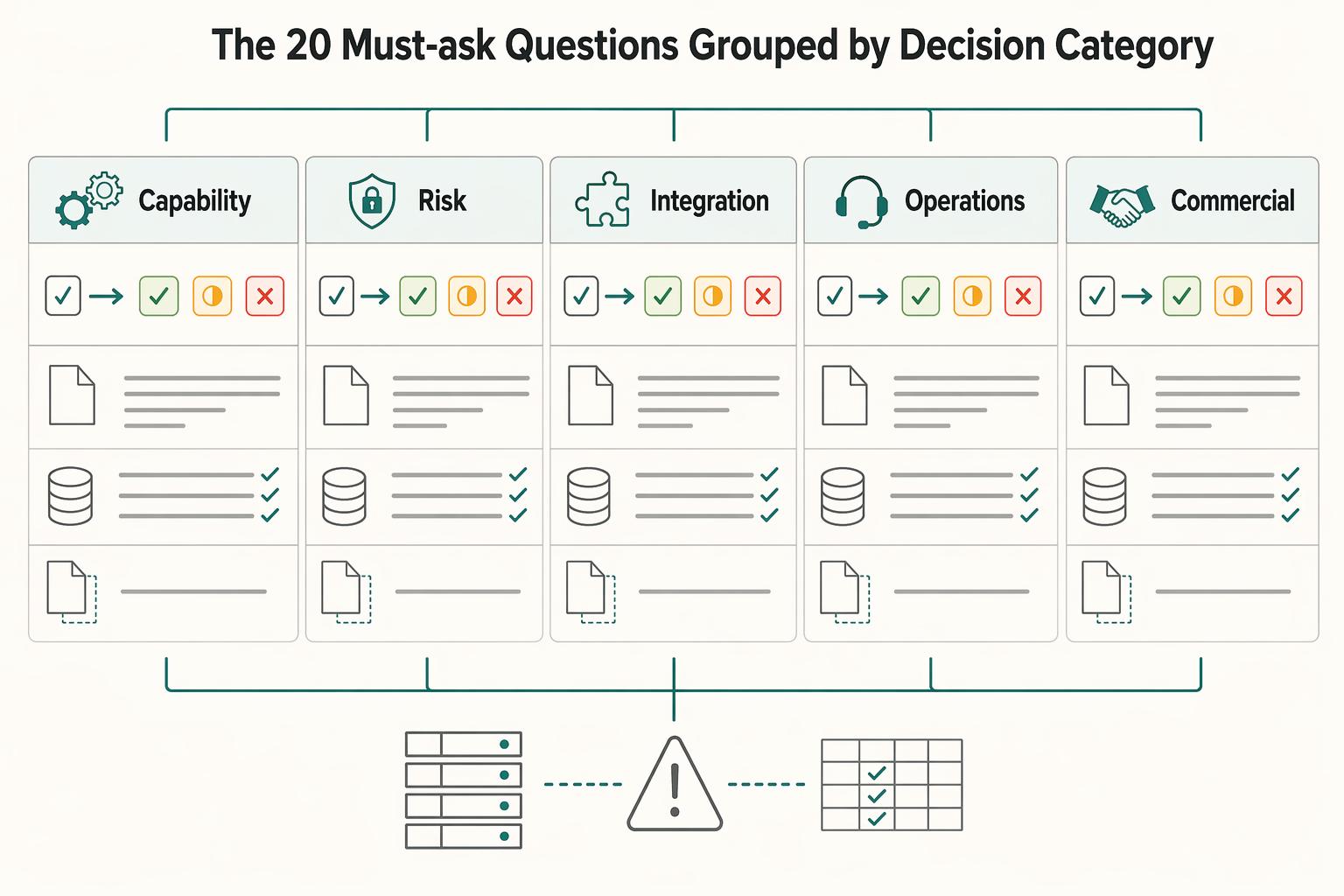
How to Write a Global Payout Platform RFP With 20 Must-Ask Questions
If you are selecting a global payout platform, your RFP needs evidence, not polished copy. Weak assumptions can slow decisions and create rework later in the process.
Read more →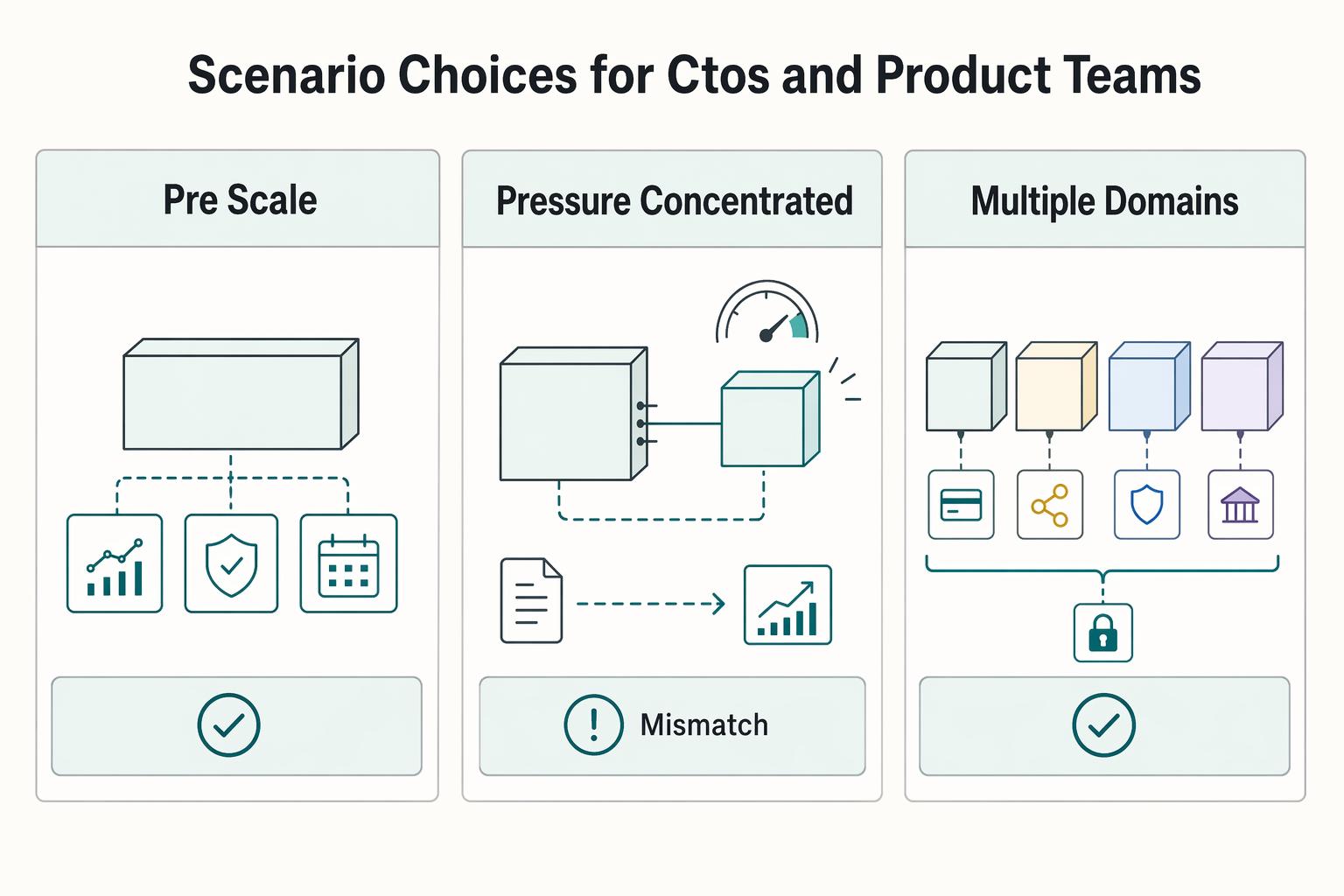
Microservices vs Monolith for Payment Platforms When to Break Apart
The real decision is not monolith versus microservices as ideology. It is whether separating parts of your system is likely to improve delivery enough to justify the added operational complexity.
Read more →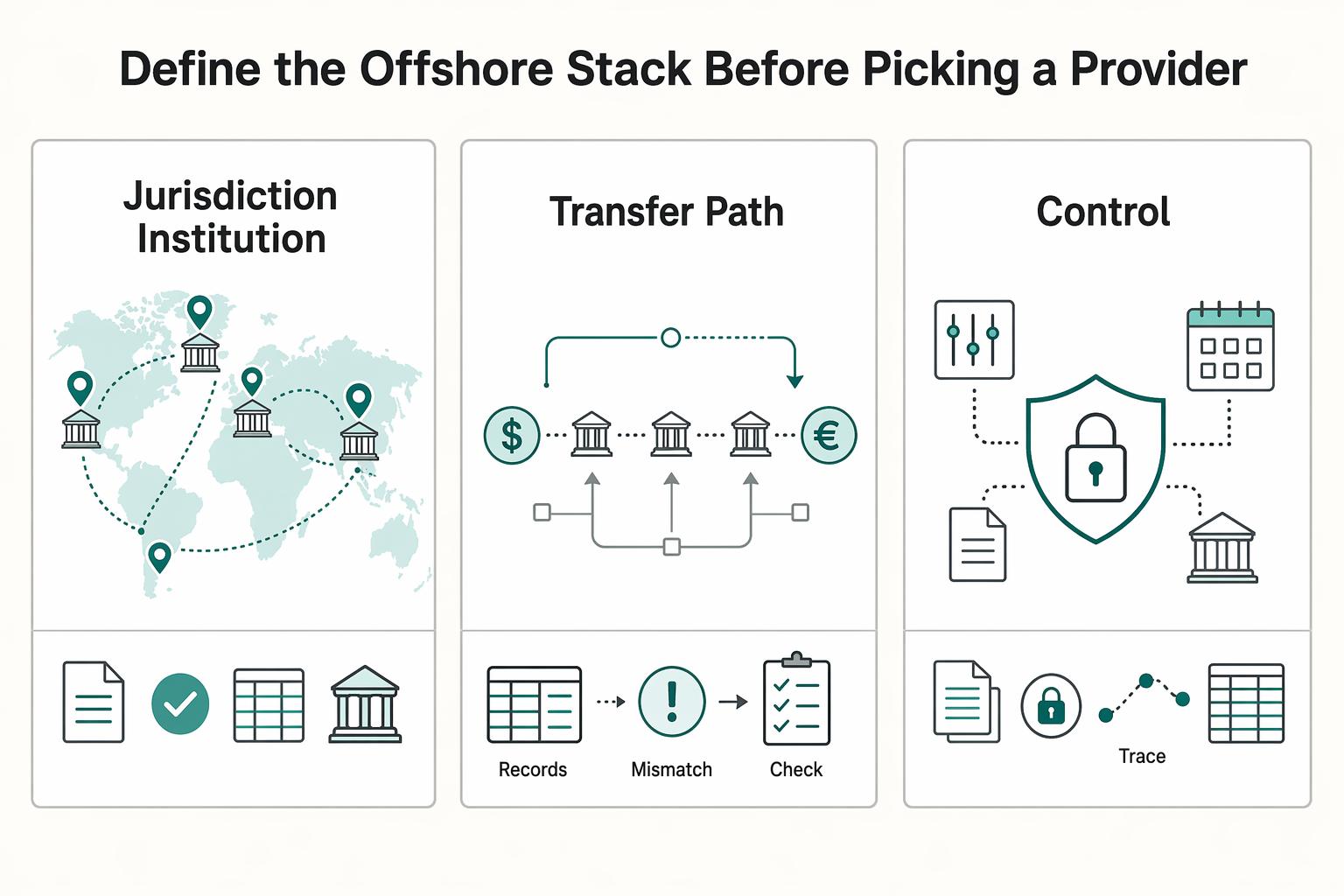
Offshore Payment Processing for Platforms Under Regulatory Scrutiny
Offshore payment processing is a control decision first and a coverage decision second. For platform operators, the question is not just whether an offshore merchant account or gateway opens a new corridor. It is whether you can see activity clearly, prove approvals, and respond when issues cross jurisdictions.
Read more →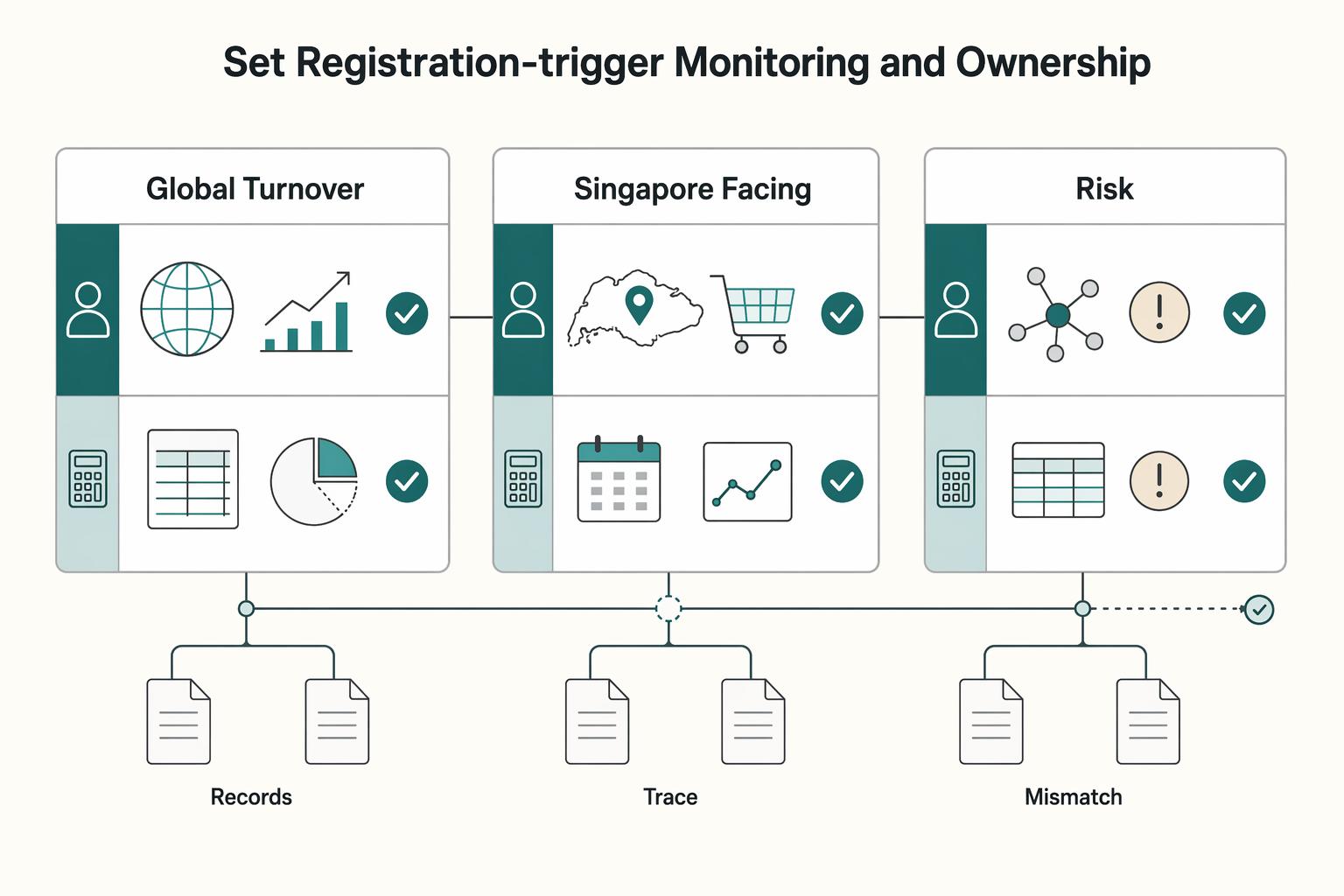
Singapore GST OVR Compliance Decisions for Platform Operators
For platform operators, the real question is whether your Singapore-facing flows fall within GST under the Overseas Vendor Registration (OVR) regime, not whether there is a separate digital services tax. Get that call wrong, and downstream decisions drift with it: pricing, invoicing, registration planning, and customer messaging.
Read more →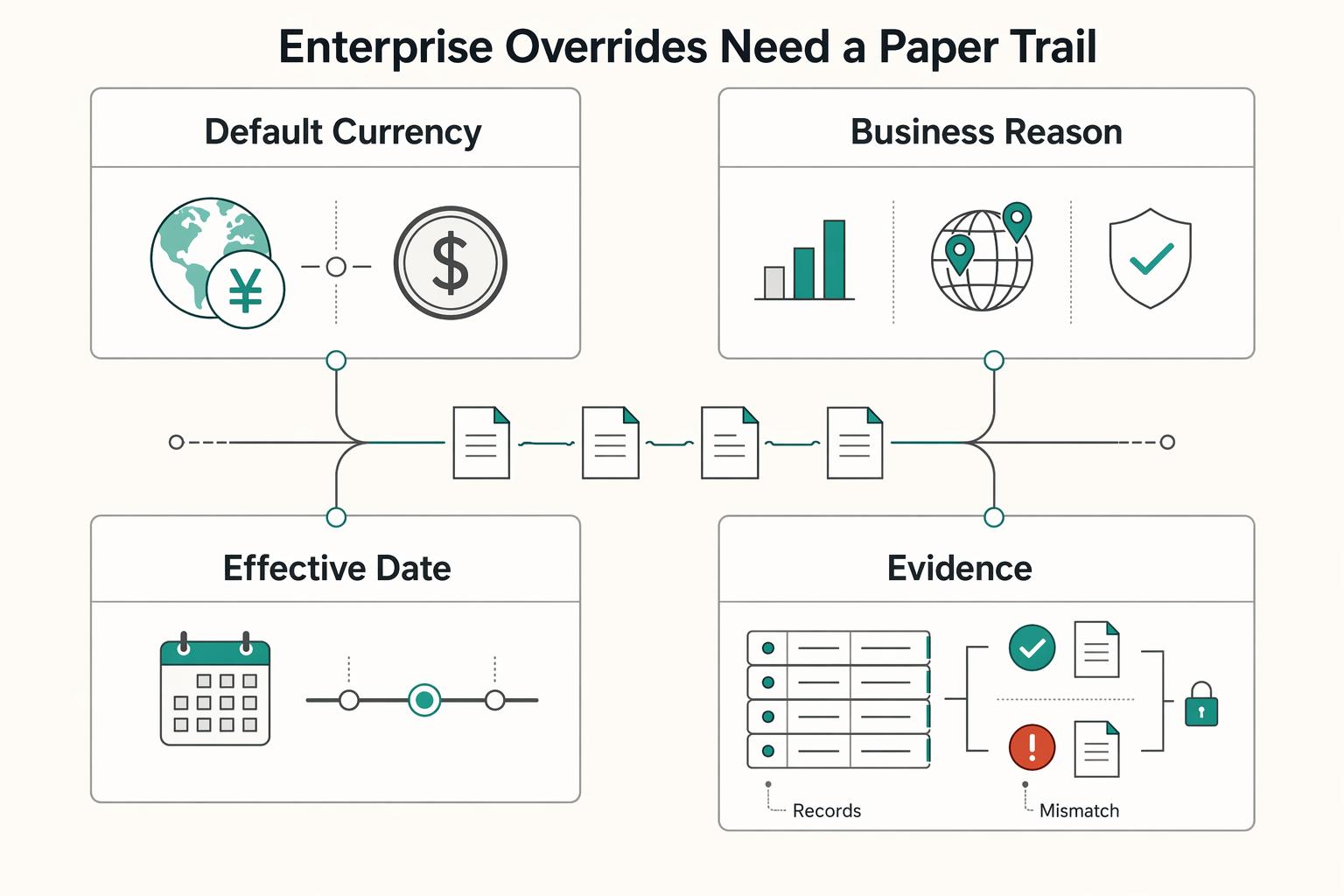
Local Currency Payouts vs USD Payouts for Contractor Platforms
USD versus local currency is not just a finance setting. For a platform, it changes compliance scope, recipient certainty, reconciliation effort, and how much engineering depth your payout layer needs. In practice, many teams avoid picking one currency forever. A common approach is to set corridor-level rules: use local currency where it is legally and operationally supported, and keep USD as a fallback where legal, coverage, or operational constraints are still real.
Read more →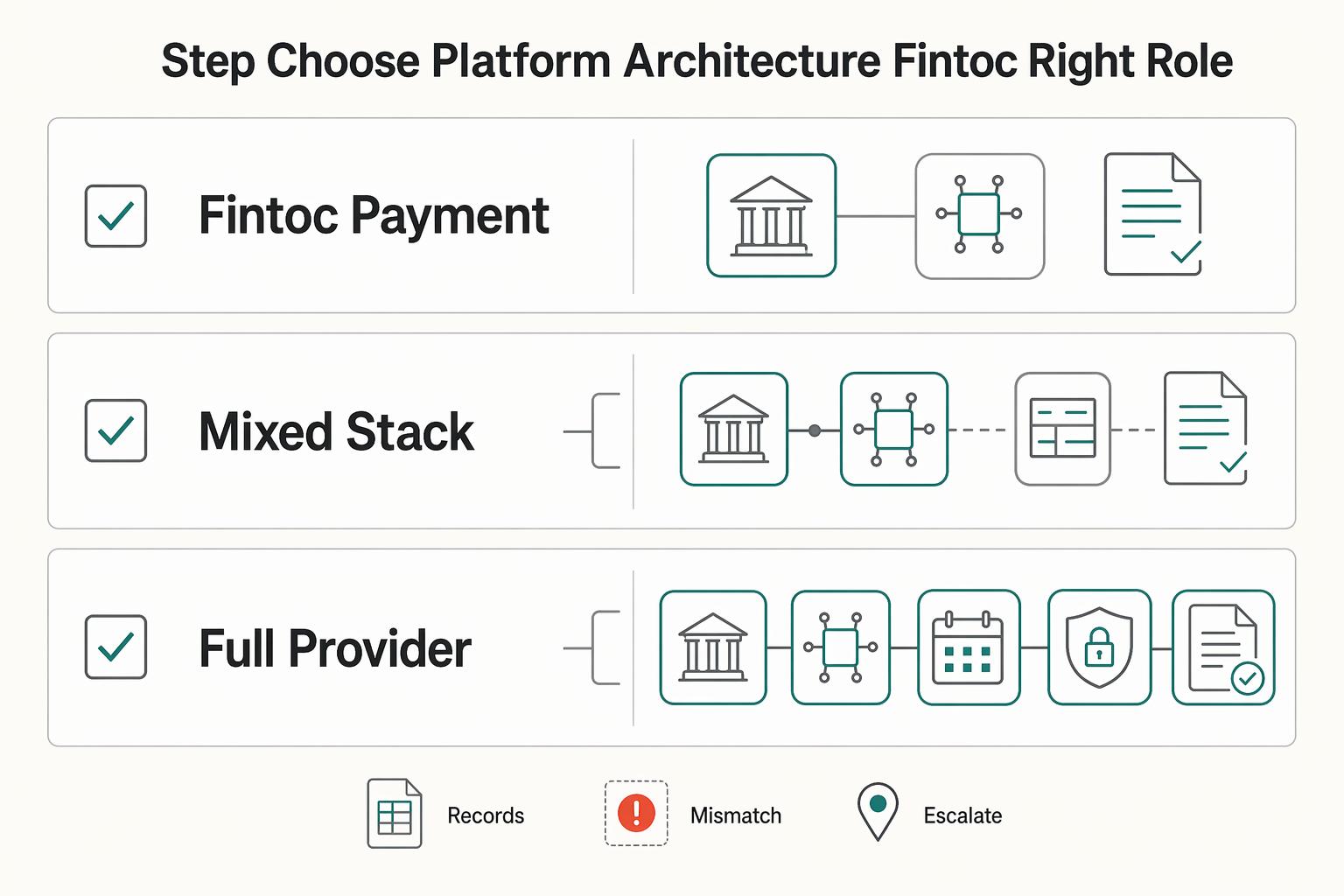
Paying Contractors in Chile With Fintoc, RUT Accounts, and CMF Rules
Your go or no-go for Chile should rest on operational certainty, not a clean API or polished bank UX. Public materials do show that workable payment infrastructure exists. They do not, on their own, resolve key regulatory-boundary and account-control questions for your specific use case.
Read more →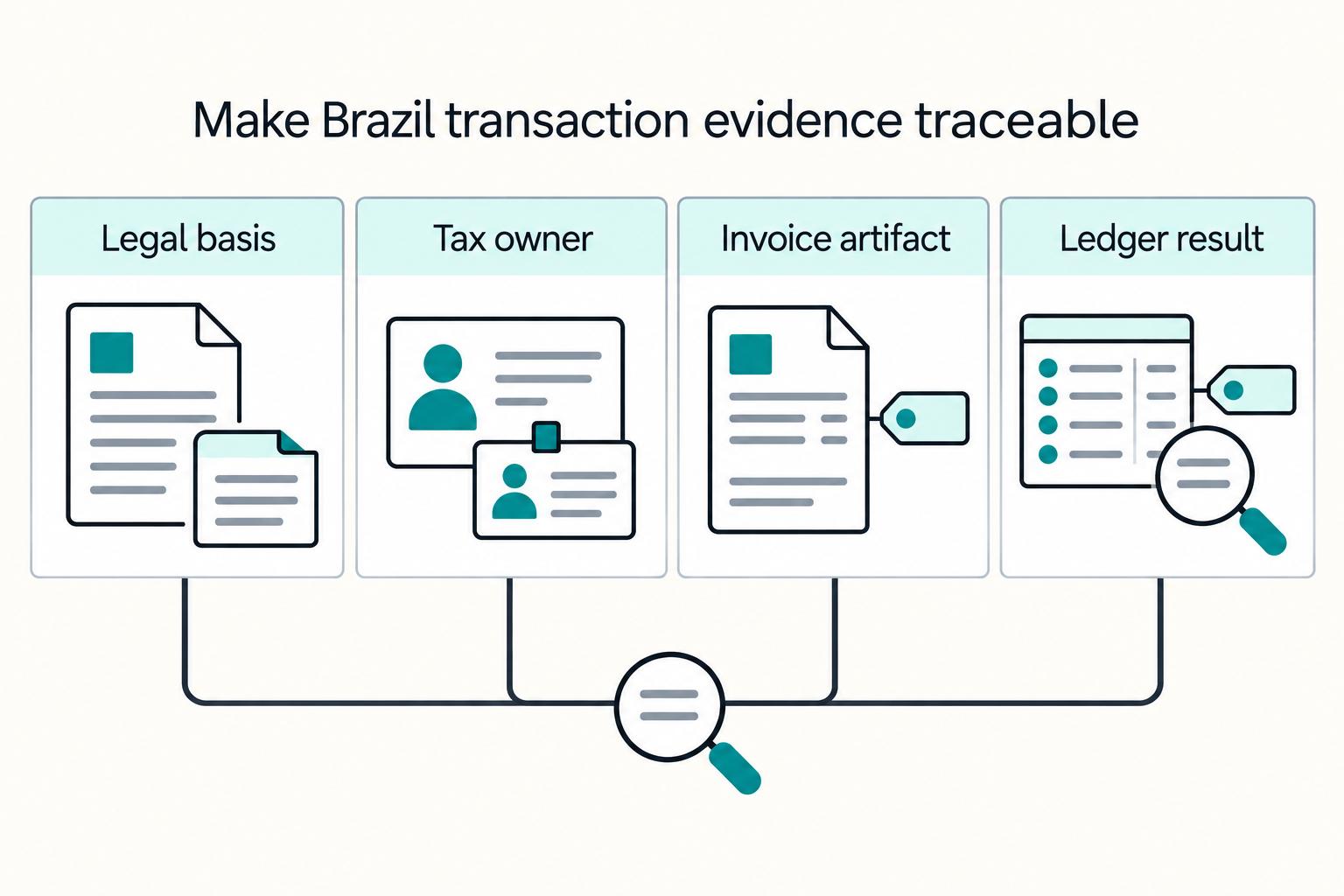
Brazil Platform Operator Tax Controls for CIDE, ISS, and CBS/IBS Transition
Brazil platform teams need three separate checks: existing CIDE on qualifying payments abroad, municipal ISS on listed services, and the CBS/IBS reform rules for their transaction model. A proposal for a new digital-platform tax does not suspend the rules already enacted.
Read more →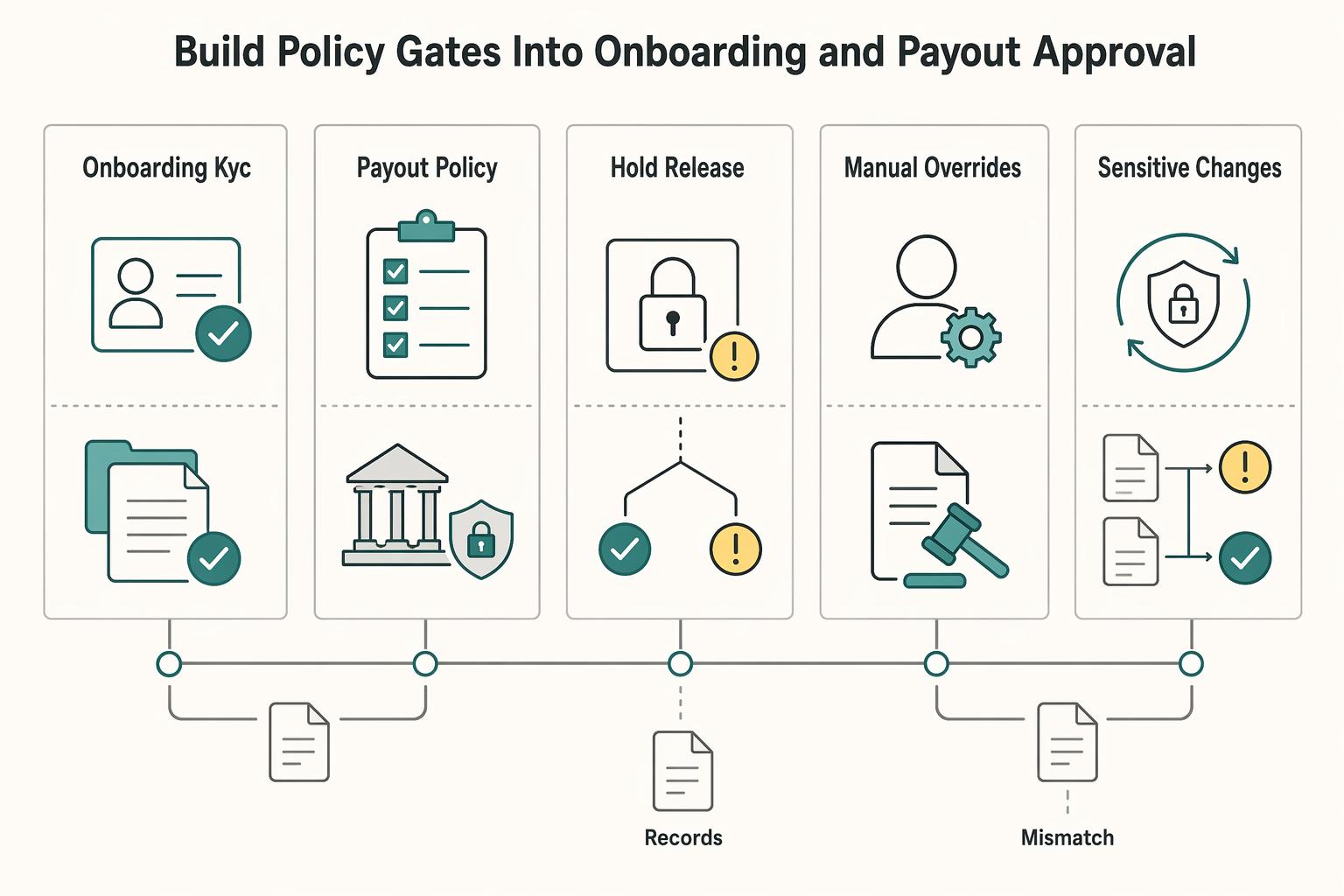
Paying Contractors in Senegal Under BCEAO Rules With Wave in Scope
Senegal is attractive for contractor payouts, but the first useful question is not whether you can connect to Wave. It is whether your planned role fits an operating model you can defend under applicable BCEAO and local payment rules.
Read more →
Canadian GST/HST Registration for Digital-Economy Platforms
A platform sells subscriptions to Canadian customers and pays overseas sellers. The Canadian GST/HST decision starts with those supplies and the platform’s legal role. It does not start with whether a payout succeeds or whether the platform has collected a large set of identity documents.
Read more →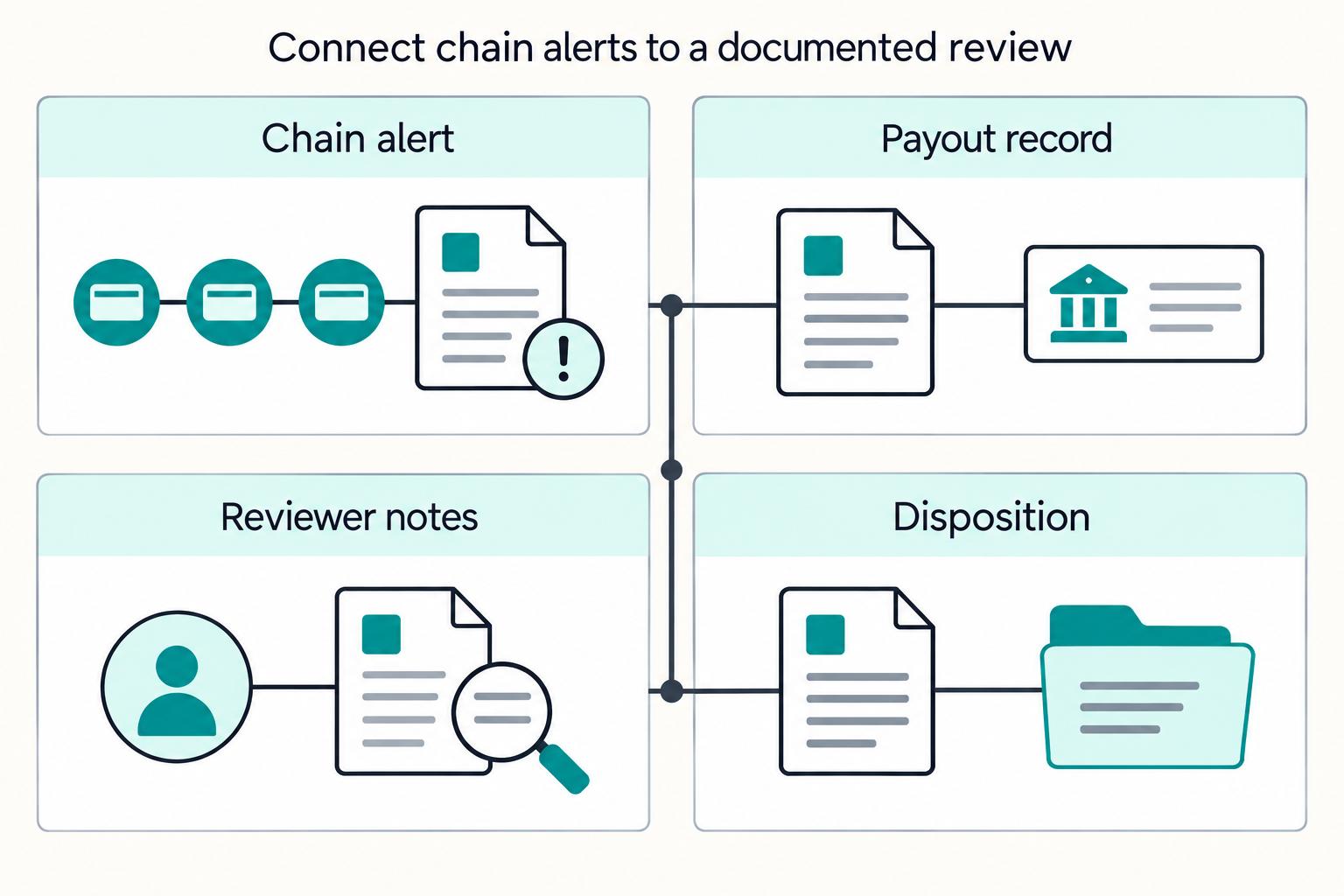
Crypto Payout Compliance: AML, Tax Records and Blockchain Disbursements
Before choosing a wallet or payout API, write down who owes the invoice, who holds the assets, who approves release and who transmits them. This guide’s tax example is a US business paying a correctly classified independent contractor. It is not a global rulebook for every platform or recipient.
Read more →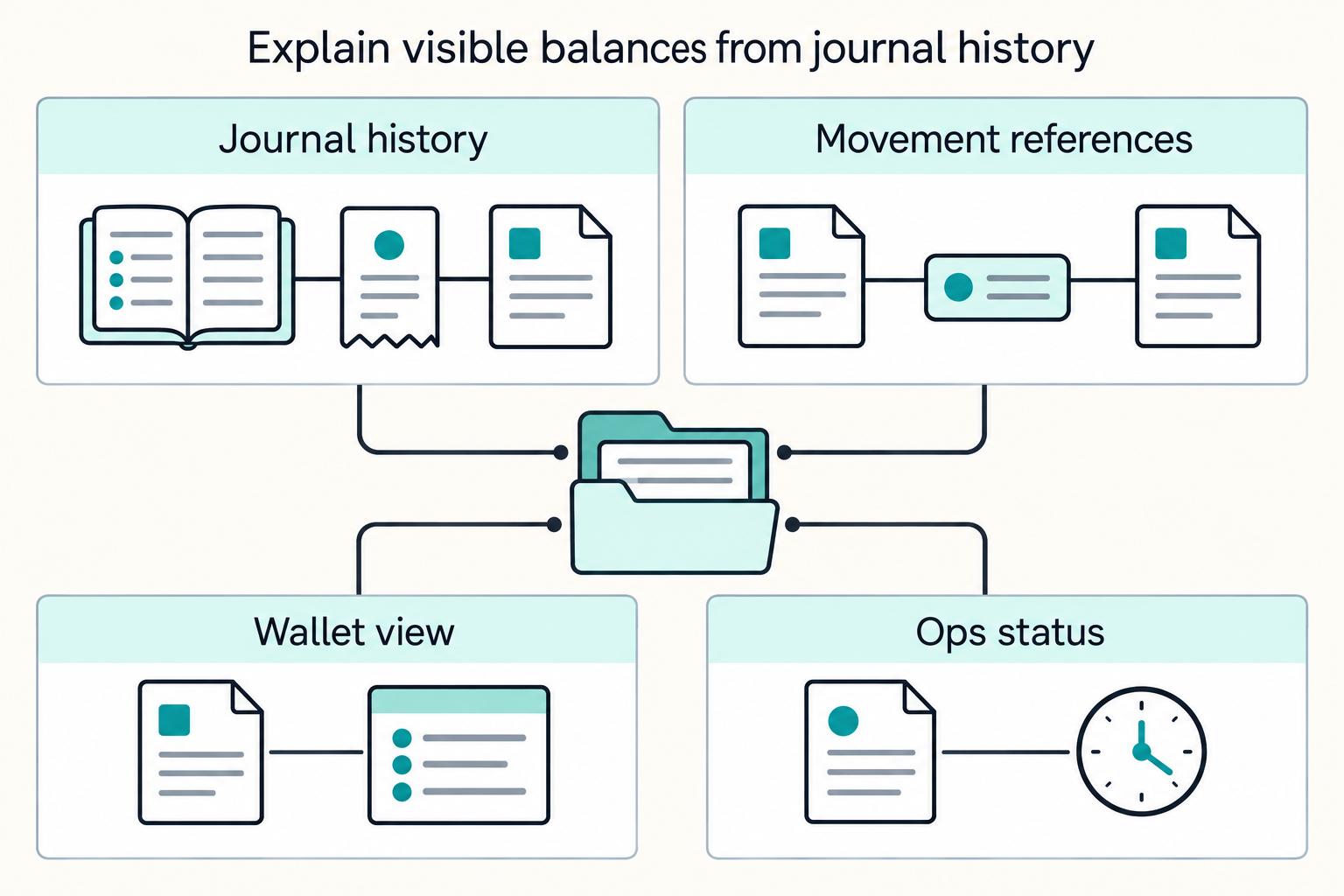
How Marketplaces Should Sequence Embedded Contractor Accounts
The core decision is whether to offer contractor-facing bank account experiences now, or start with wallet balances plus payout rails and add account-like features after launch evidence supports it. If your immediate goal is payouts, clear balances, and keeping money movement inside your product, the narrower start is often the safer choice.
Read more →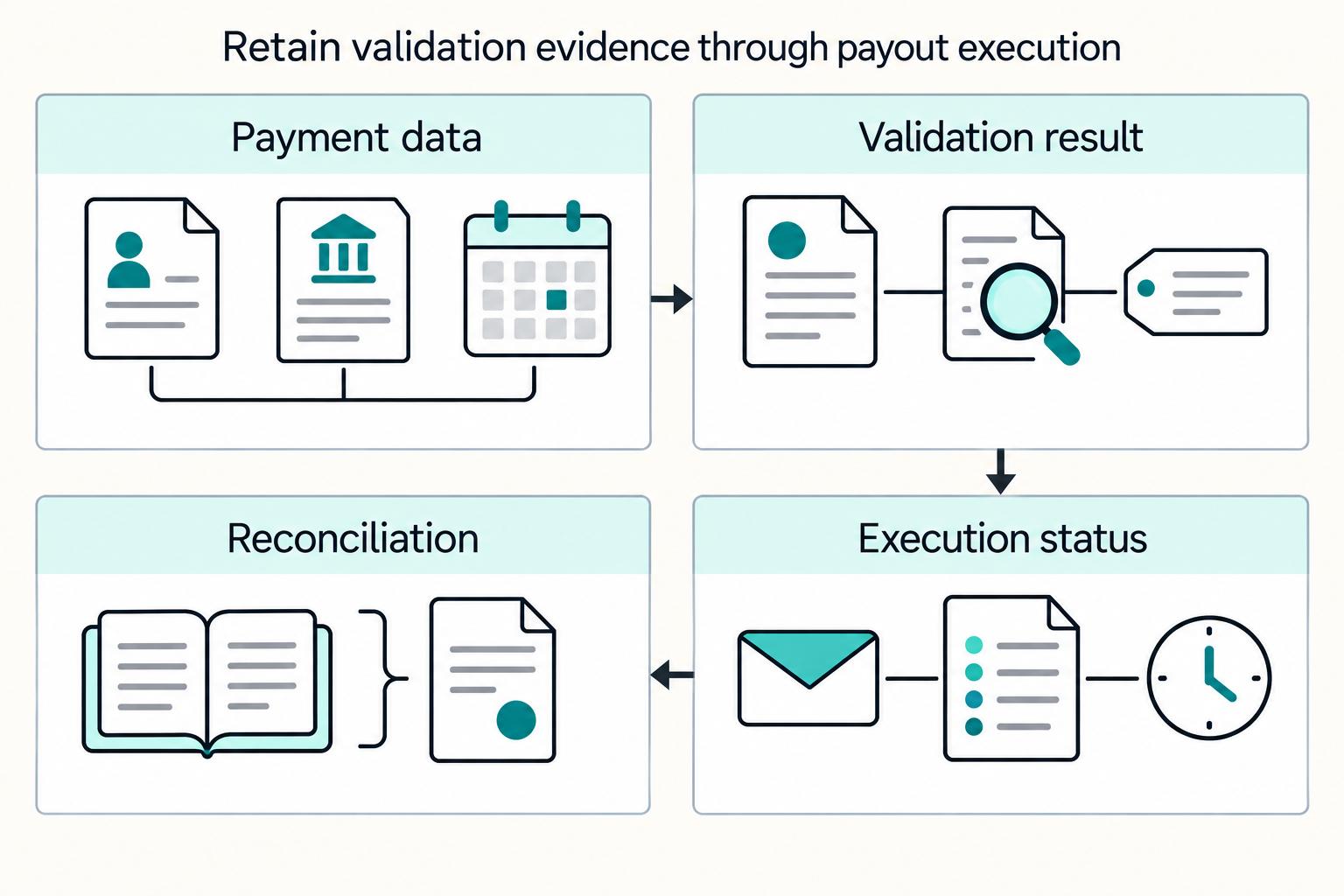
How Platforms Verify Bank Details Before Payout Release
Treat beneficiary account validation as an operating-control decision, not a vendor checkbox. The goal is to put a dependable pre-payout decision point into production so your team can reduce avoidable delays and downstream cleanup when payment data is wrong or incomplete.
Read more →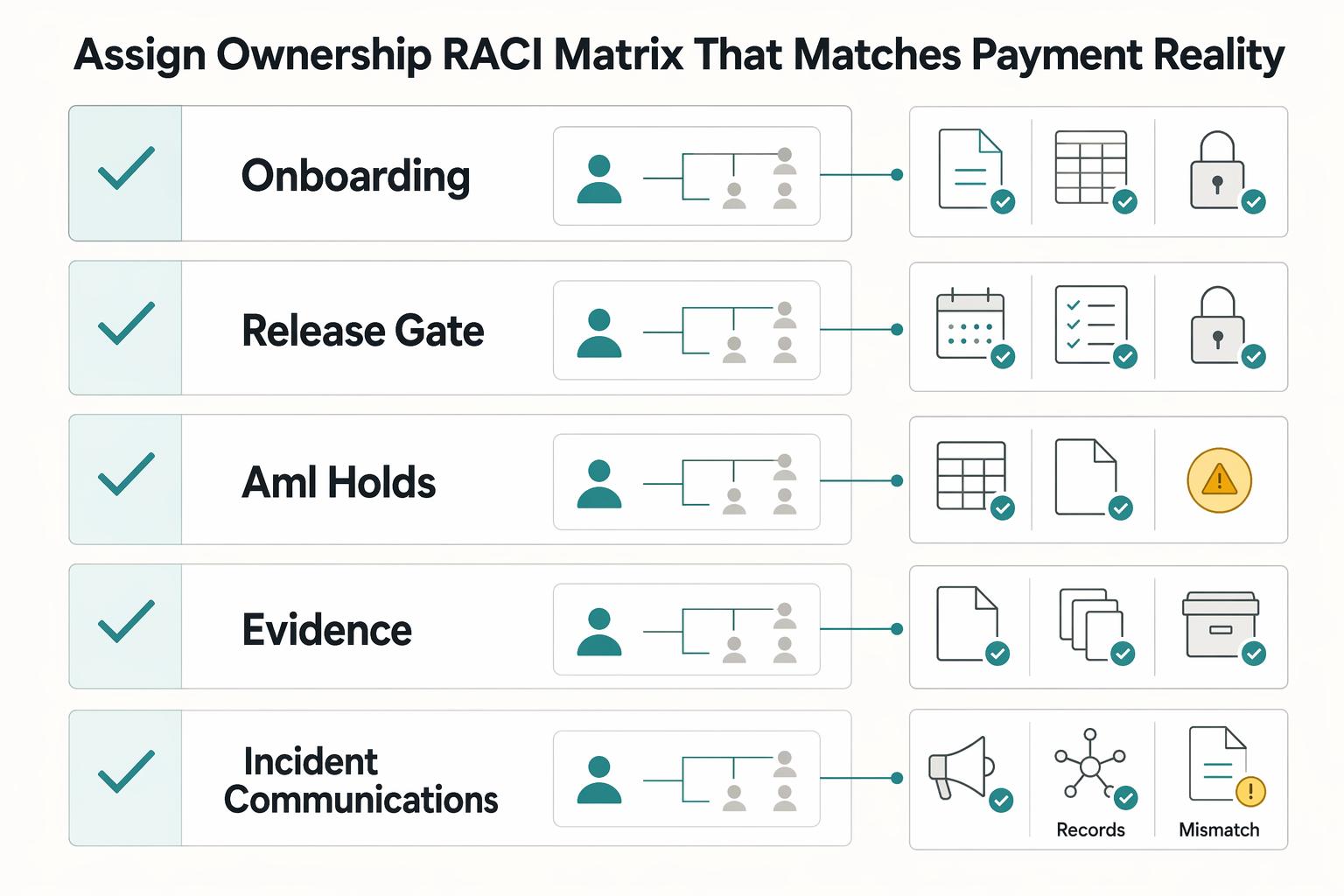
How to Build a Compliance Operations Team for a Scaling Payment Platform
Compliance ops usually breaks at scale because the operating design cannot keep up with payout complexity, not because teams stop working hard. If you expect payment volume to grow, design payout infrastructure, ownership, and evidence paths early so decisions stay clear and defensible.
Read more →
Global Freelance Payment Readiness Report 2026 Across 50 Countries
Use this report as a launch decision map, not a generic freelancer payment guide. If a country looks attractive on nominal fees but you cannot show how the payout rail, compliance checks, and KYC reviews will work in production, it belongs in a later tier.
Read more →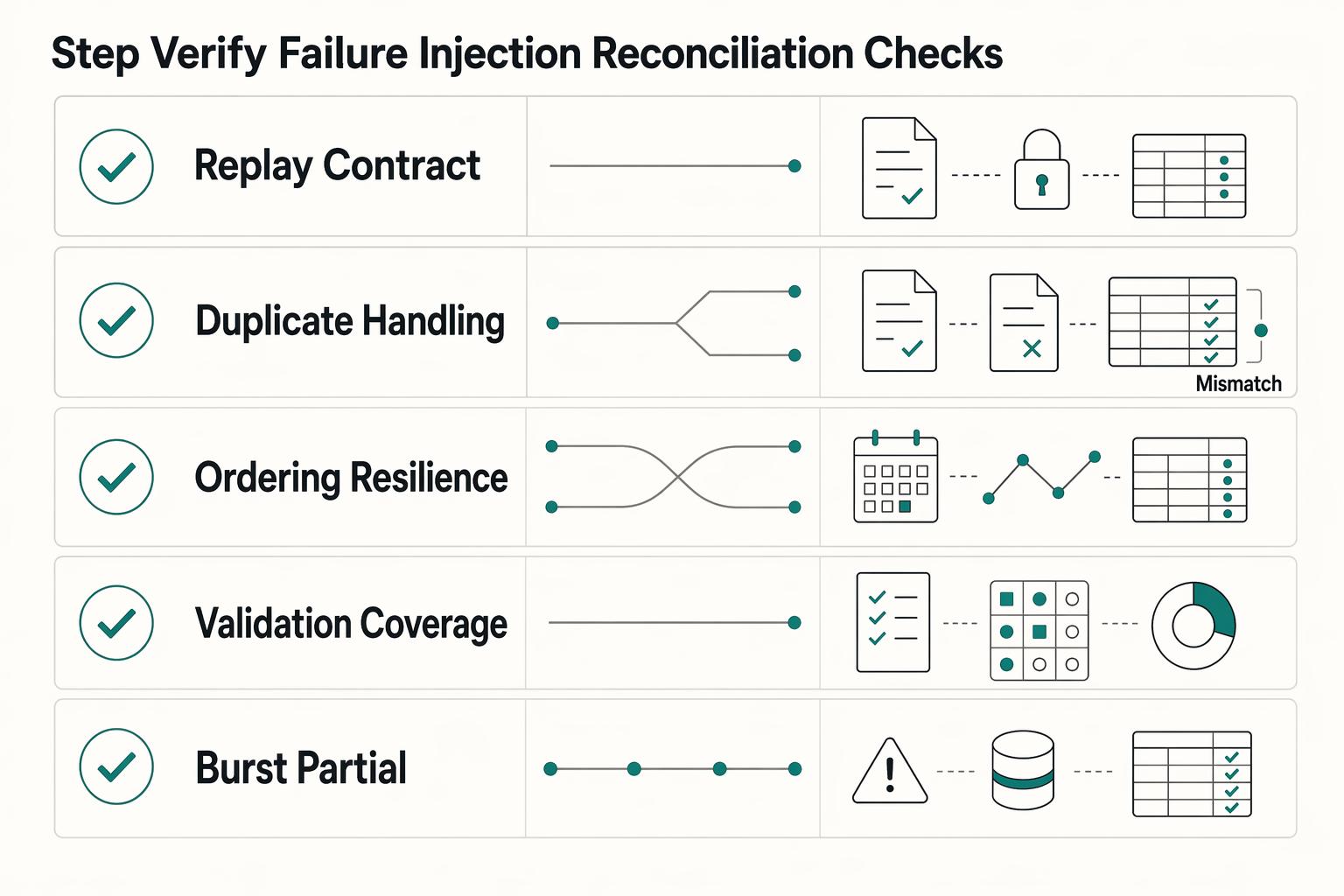
Prevent Duplicate Payouts and Double Charges with Idempotent Payment APIs
Treat duplicate money movement as a distributed retry problem, not a single HTTP bug. The goal is simple: the same customer intent should produce one financial result.
Read more →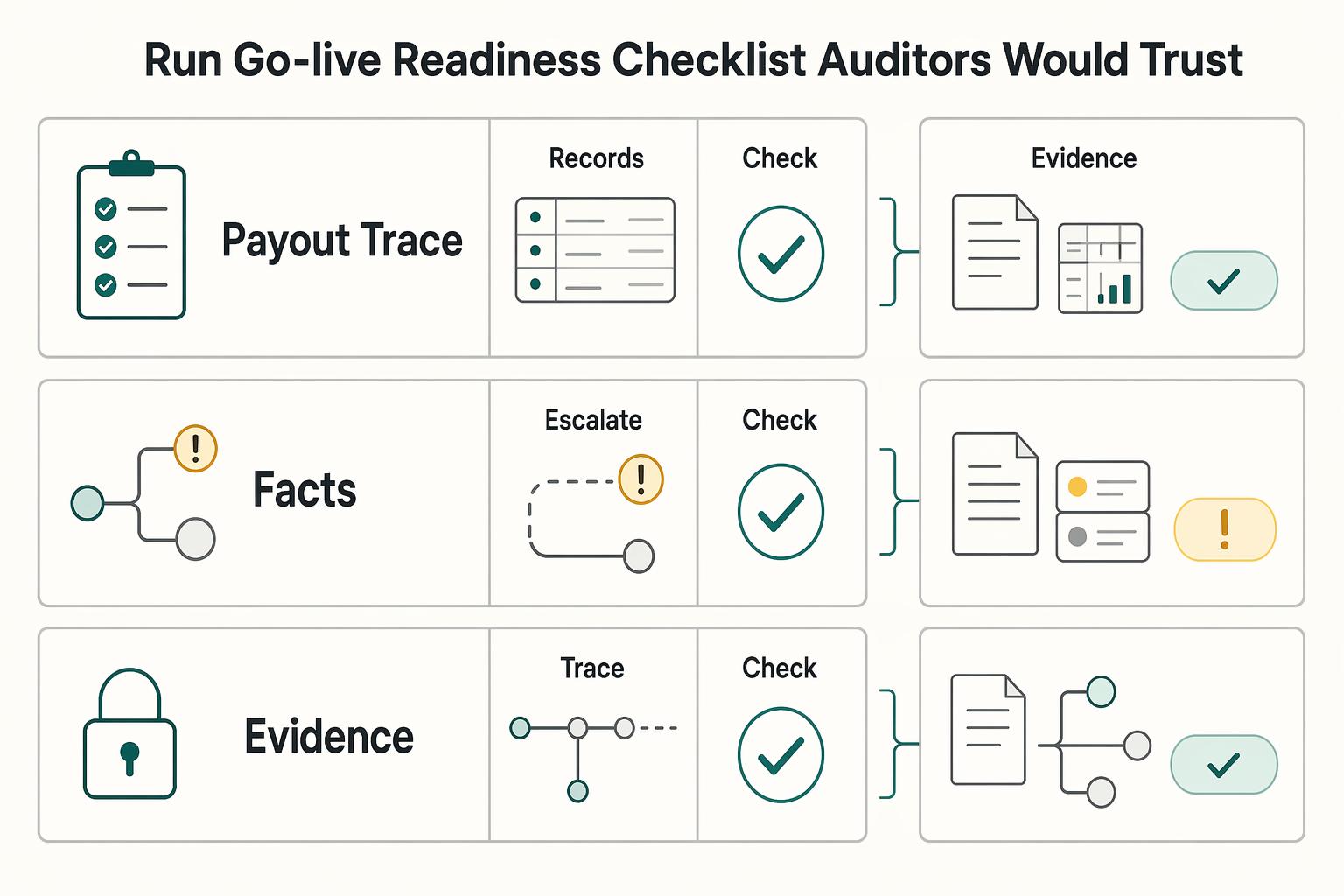
Virtual Accounts for Client-Level Payment Reconciliation
Virtual accounts are most useful when your core problem is client-level attribution of high-volume inbound transfers. They can reduce manual matching, but they do not remove the harder work around account design, posting logic, exception handling, and compliance review.
Read more →
Building a Payout Ledger with Double-Entry Bookkeeping for Platform Financial Records
A usable payout ledger should be treated as an accounting system, not just a record of money moving out. This guide focuses on the mechanics your finance and ops teams need every day: record transactions in a journal, post them to the general ledger, and confirm that debits and credits stay in balance.
Read more →
How to Pay Contractors in Tanzania with M-Pesa and BoT FX Boundaries
Tanzania is worth evaluating for contractor payouts, but the decision is not about market interest alone. It comes down to whether your model can operate inside Bank of Tanzania boundaries and still deliver a payout experience that finance, compliance, and contractor support can defend.
Read more →