
Operator playbooks for cross-border payments, tax, and compliance execution.
Step-by-step guidance for finance, product, and ops teams to launch faster, reduce payout friction, and keep reconciliation clean across borders.

Pay Contractors in Ethiopia with Telebirr and NBE FX Checks
Telebirr is a real payment service, with documented bulk disbursement and international-remittance capabilities. The useful question for a platform is which product, entity and funding path can pay its Ethiopian contractors for the stated commercial purpose. A local wallet transfer and a cross-border service payment require different evidence.
Read more →
Setting FX Markup Policies for Marketplaces That Protect Margin and Contractor Trust
Treat FX markup as a product policy from the start. If it stays buried in a processor default or treasury setting, you are still making a product choice, just without clear ownership.
Read more →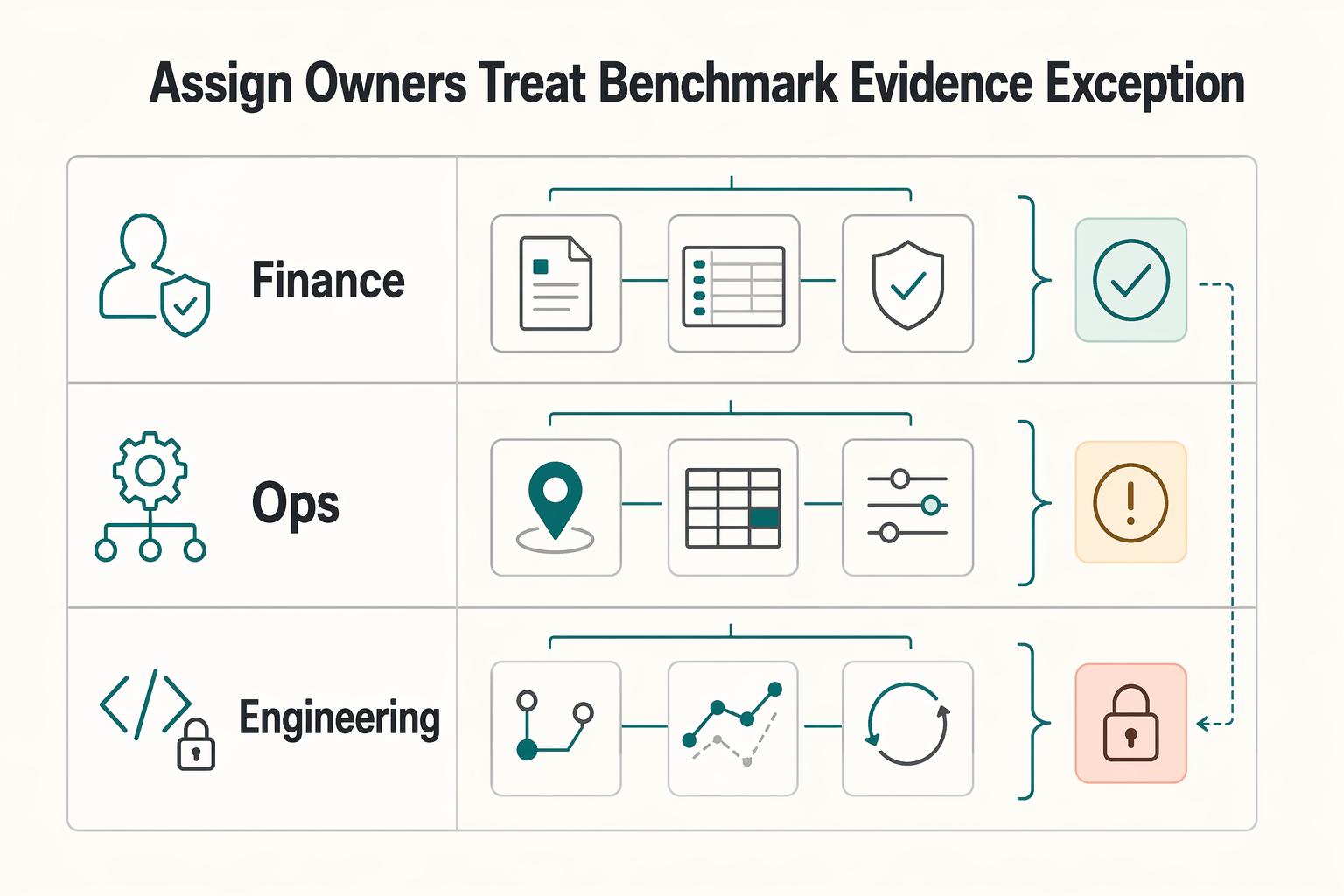
How Currency Conversion Spreads Affect Platform Margins
Small FX costs turn into real margin loss when you repeat them across payout corridors every week. In contractor, creator, and marketplace flows, the problem is rarely one obvious fee. It is the combined effect of spread, markup, and route choice, quietly narrowing platform margin unless you measure conversion cost the same way every time.
Read more →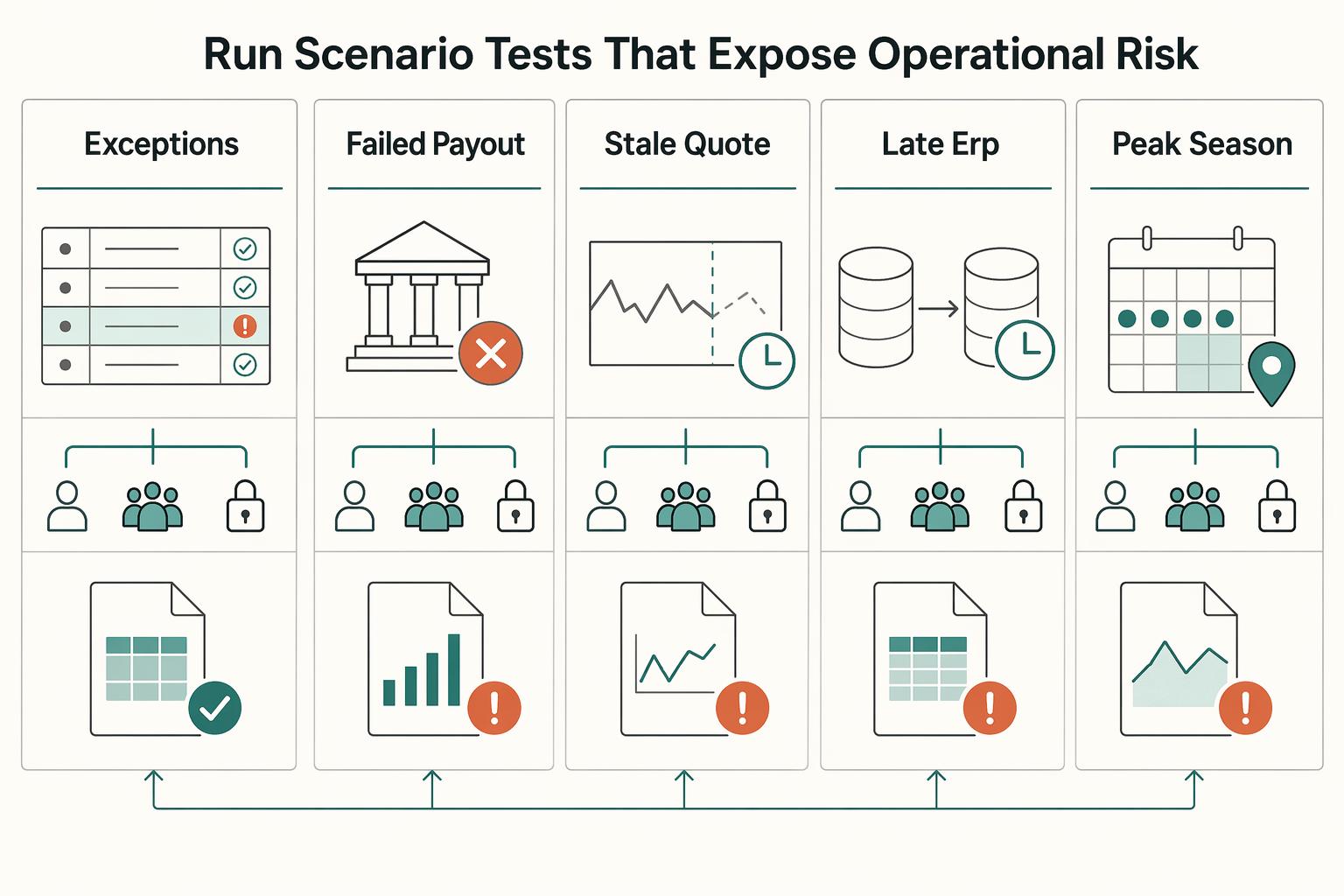
FX Exposure Management for Platform CFOs: Measure Currency Risk
Platform CFOs do not need another generic FX explainer. You need a decision-ready way to see where currency exposure starts, how it moves through finance and operations, and when you should convert, hedge, escalate, or deliberately wait.
Read more →
Paying Contractors in Sri Lanka with CBSL and LankaPay Decision Checks
Start with regulatory certainty. For a platform operator, Sri Lanka should not be screened from a payout product page or a rail feature list first. Real institutional signals exist, but they still do not prove that your exact contractor payout flow is permitted, eligible, and operationally supportable.
Read more →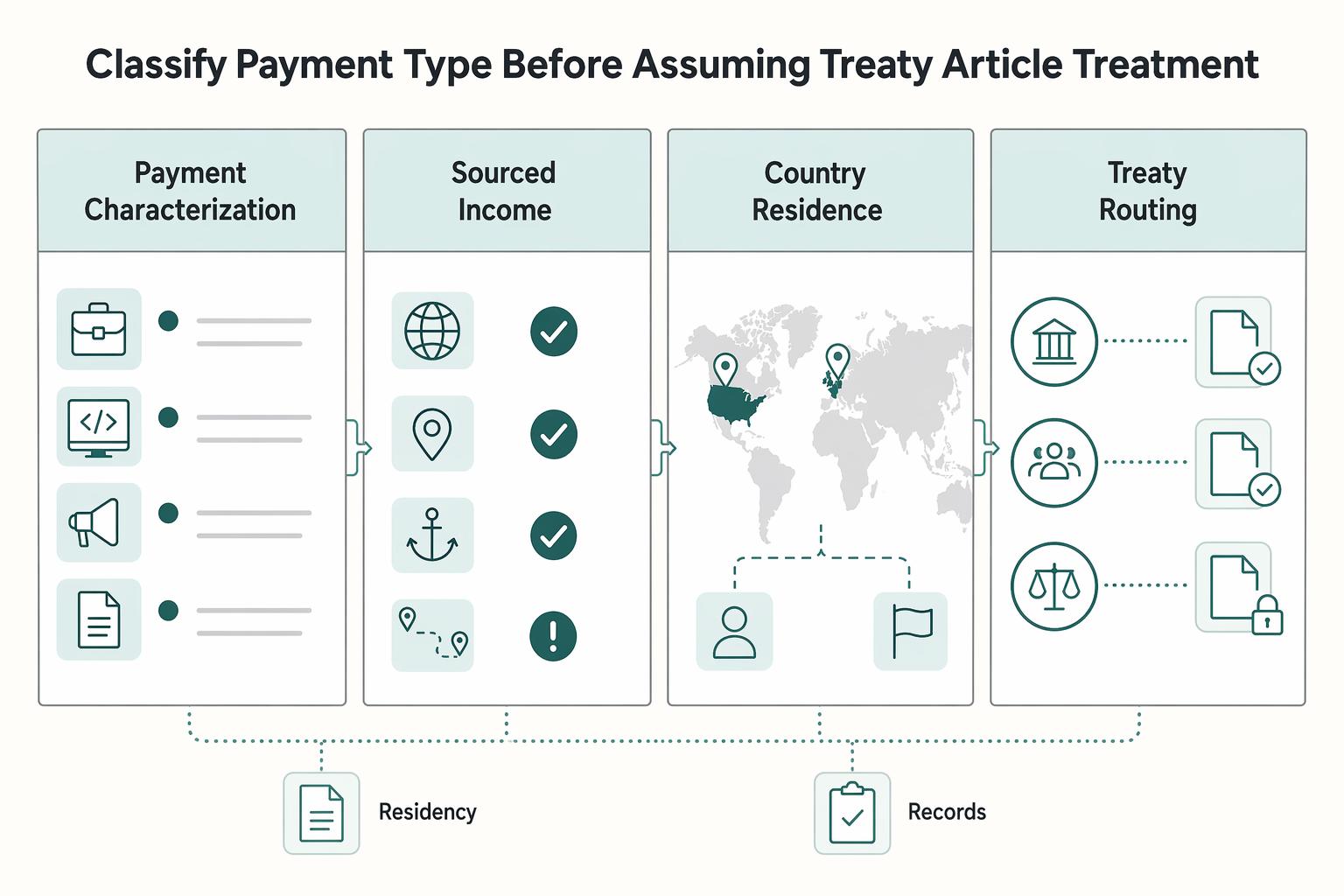
US-UK Tax Treaty Withholding Controls for Contractor Payment Platforms
For US-UK contractor payouts, the main risk is usually not a lack of treaty awareness. Your team creates risk when it approves reduced or zero withholding before you confirm income source, payment type, and treaty-status documentation. A UK label on its own does not support the treatment.
Read more →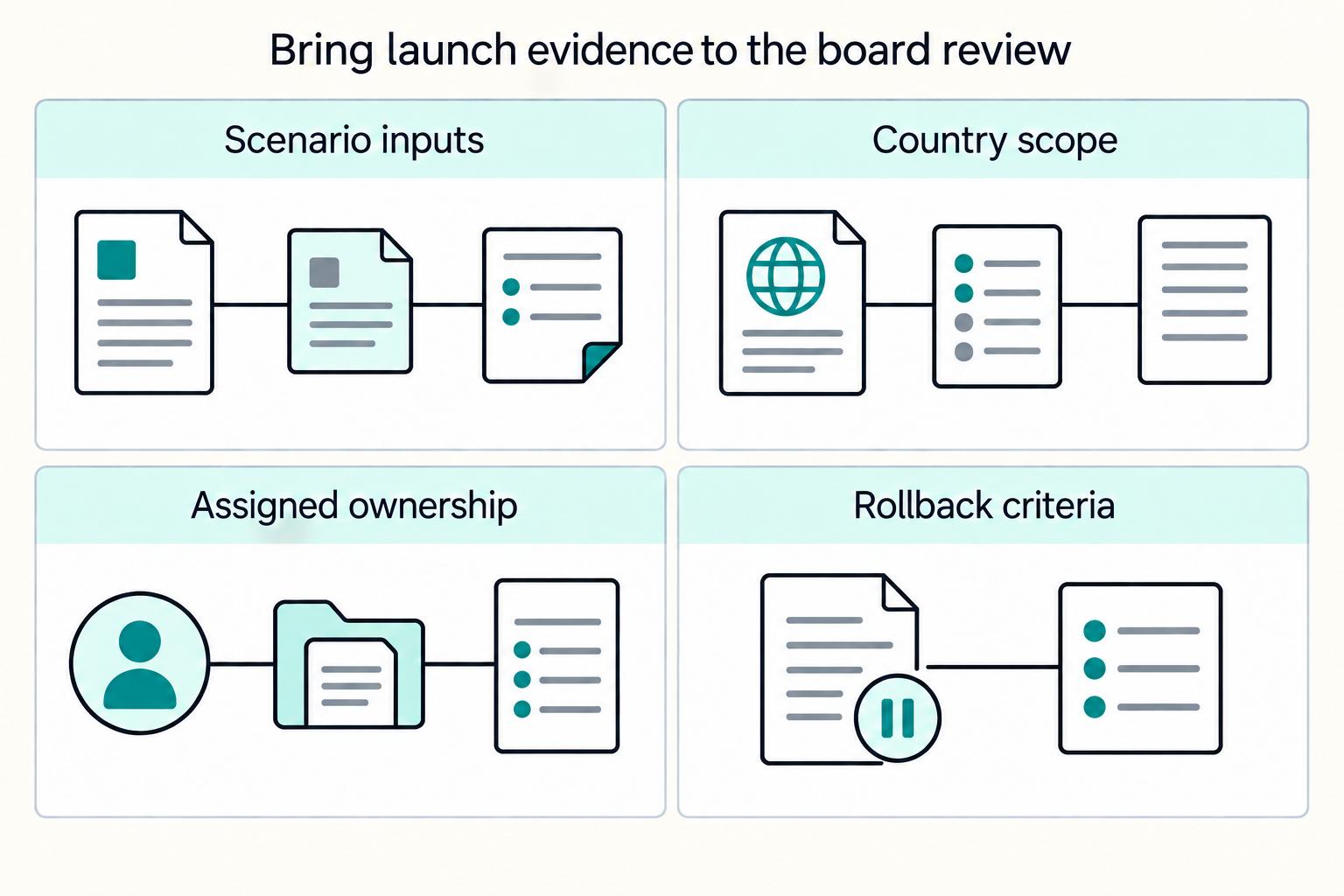
How Investor Rights Should Set Payment Infrastructure Timing
Use this article as a planning lens, not a rule. Before you commit to expansion choices, make sure your cap table is current and complete, and treat any payment-infrastructure conclusions as provisional.
Read more →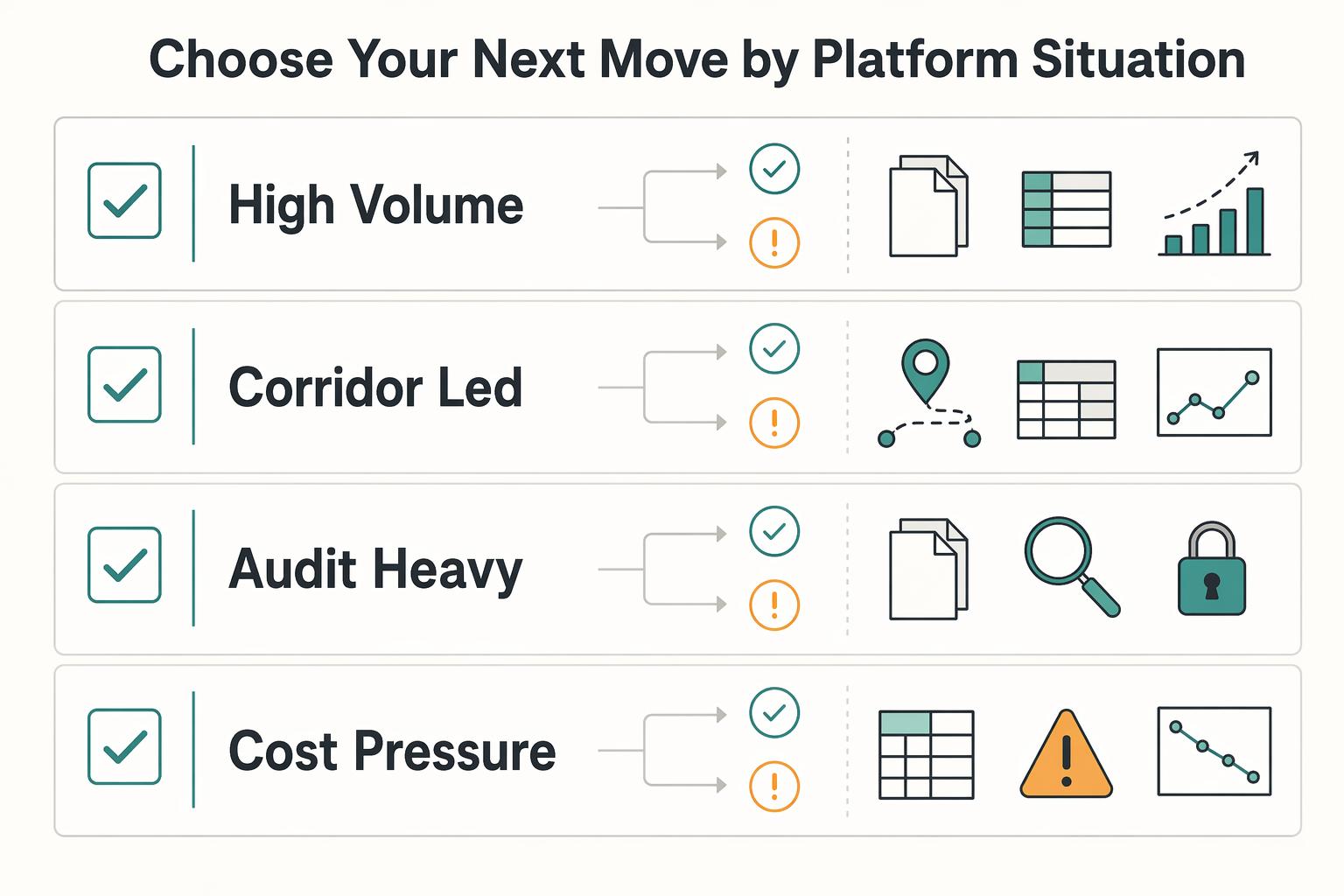
Payment Benchmarking for Platforms That Need Defensible Payout Decisions
For this article, benchmark payout operations, not employee compensation. The focus is **payment benchmarking** and **payout performance** across your operating flow, not HR software, salary bands, or sales commission benchmarks. Compensation benchmarks answer what companies pay teams. Payout benchmarking answers where money movement breaks, slows, or needs manual repair.
Read more →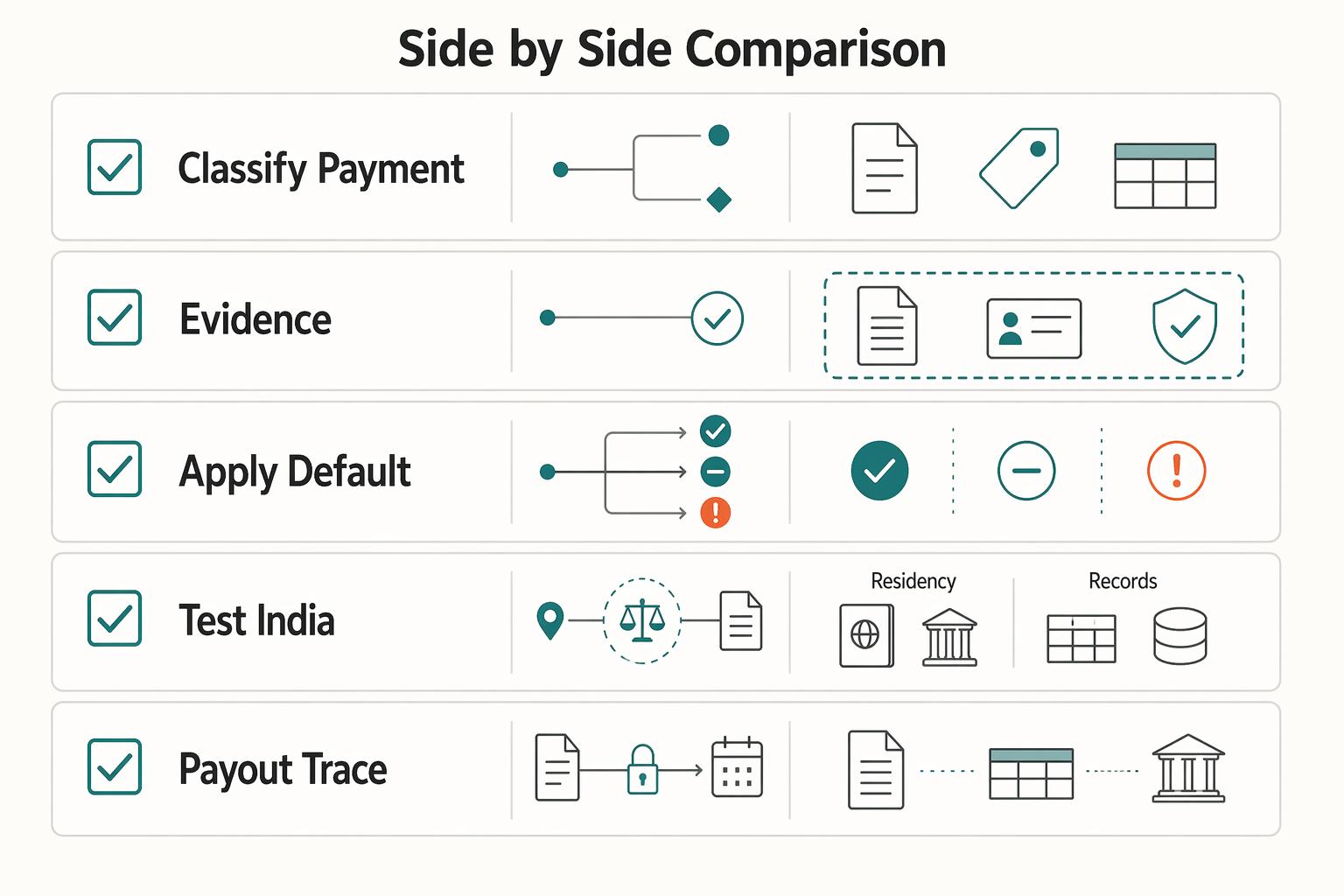
US-India Contractor Payment Withholding Decisions for Platforms
US-India withholding failures often start with misclassification, not rate selection. When contractor services, royalties, and fees for included services are treated as interchangeable, the payout file can carry the wrong payment character before anyone applies a rate.
Read more →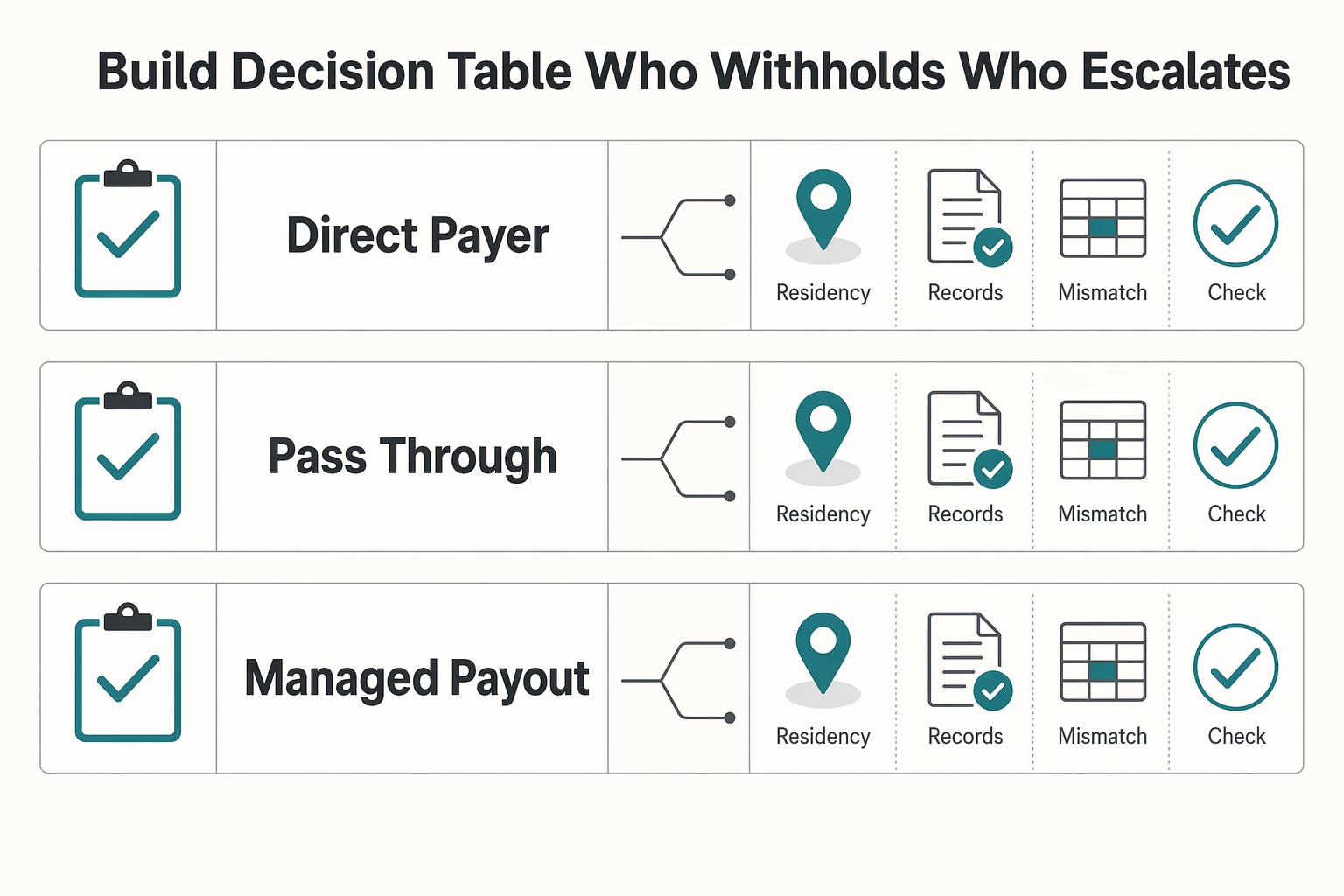
US-Germany Treaty Withholding Decisions for Contractor Platform Payouts
For U.S.-Germany contractor payouts, the safest starting point is simple: do not force a single withholding answer when payment characterization or treaty access is unclear. The hard part is usually not finding treaty text. It is deciding what your team can defend before funds move in a platform-mediated payout.
Read more →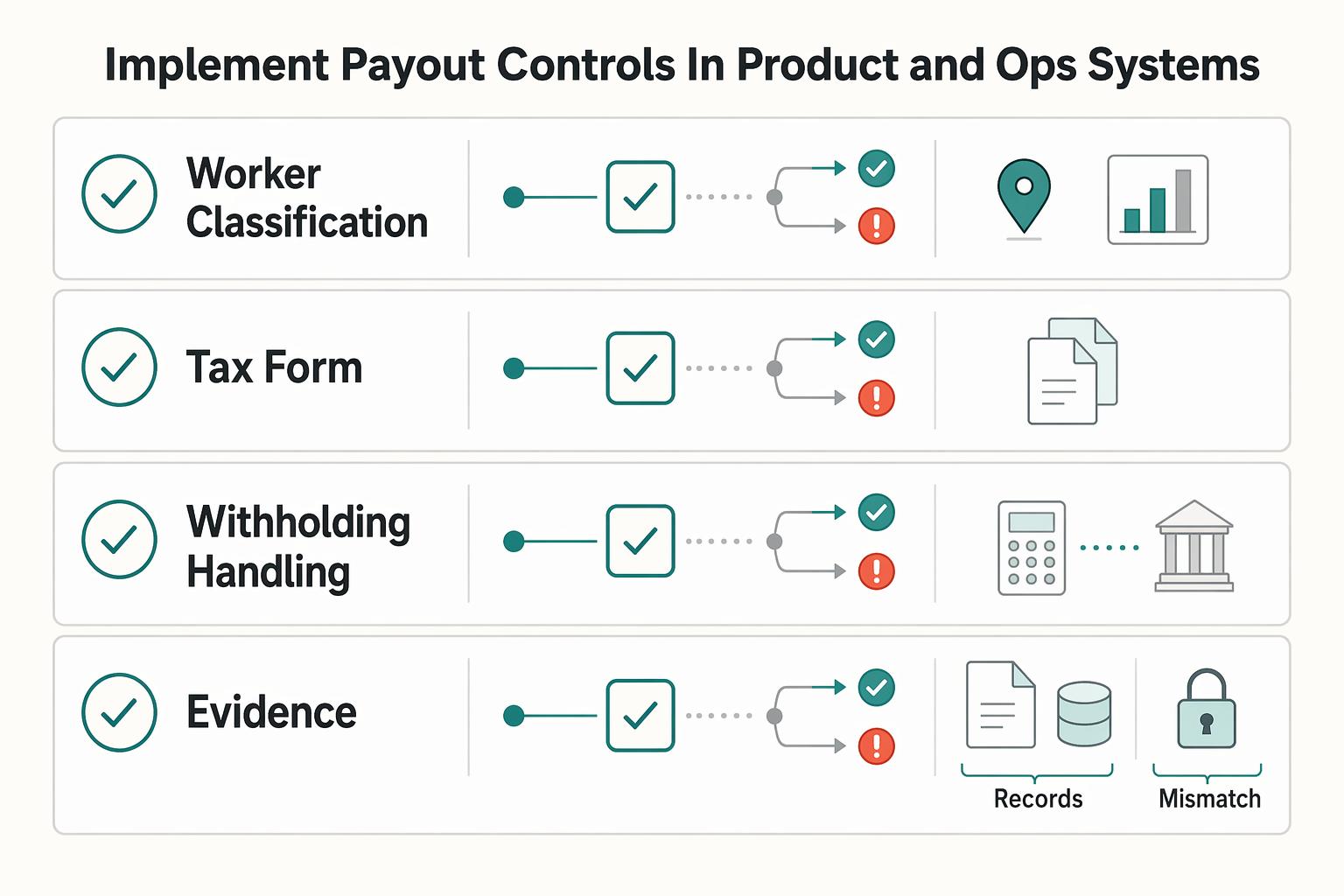
U.S.-Canada Contractor Payments: Treaty and Withholding Decisions
**Ordinary independent contractor business profits generally belong under Article VII, not Article XV.** Article XV covers employment income. For each payment, establish tax status, where the services were performed and who has withholding responsibility before applying treaty relief.
Read more →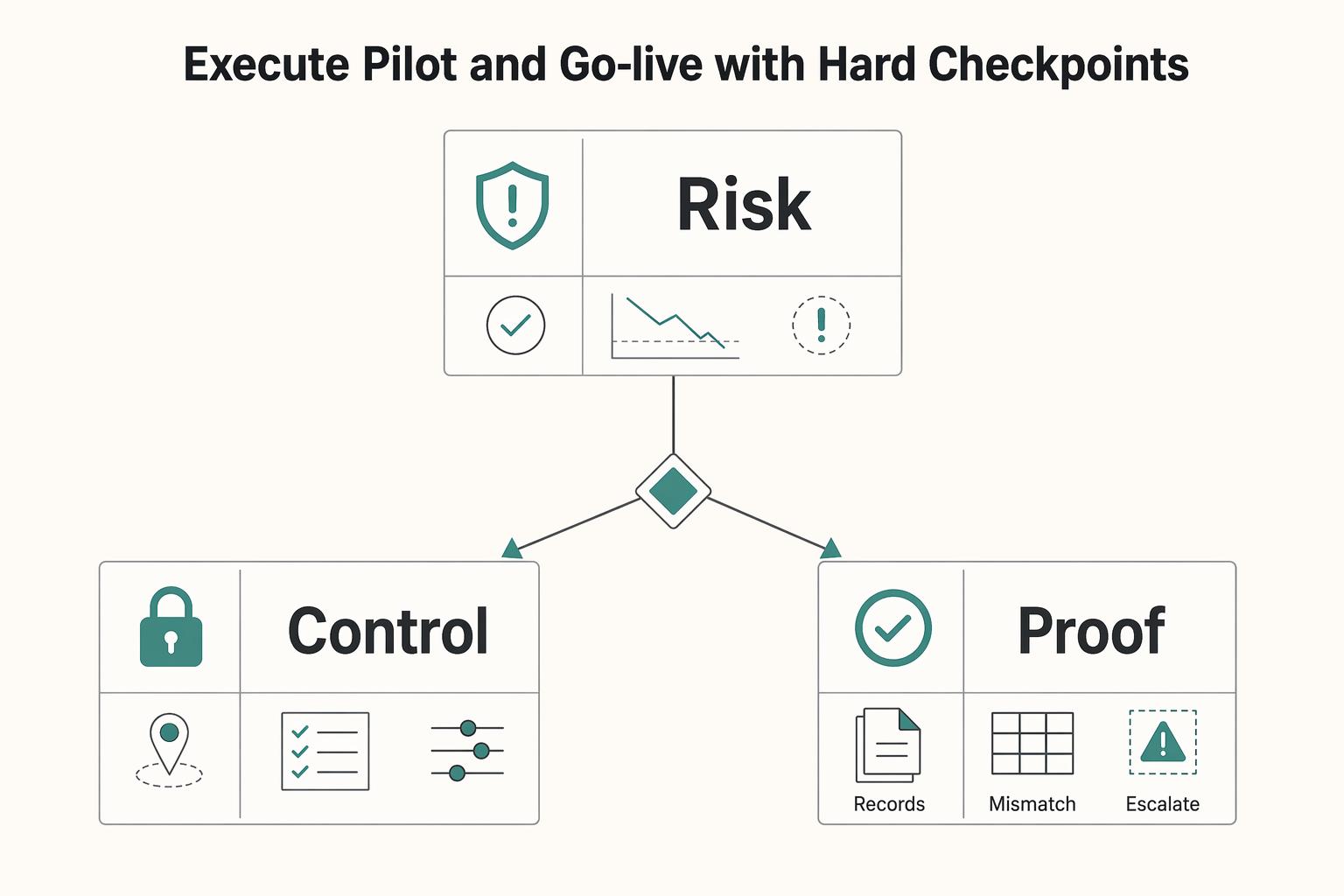
How to Migrate Contractors from Check to Digital Payout with Clear Go/No-Go Gates
Moving from contractor checks to digital payouts is not just a payment rail swap. It is a staged change effort, and teams that treat it like a feature launch can lose control in three familiar places: compliance readiness, reconciliation, and contractor trust.
Read more →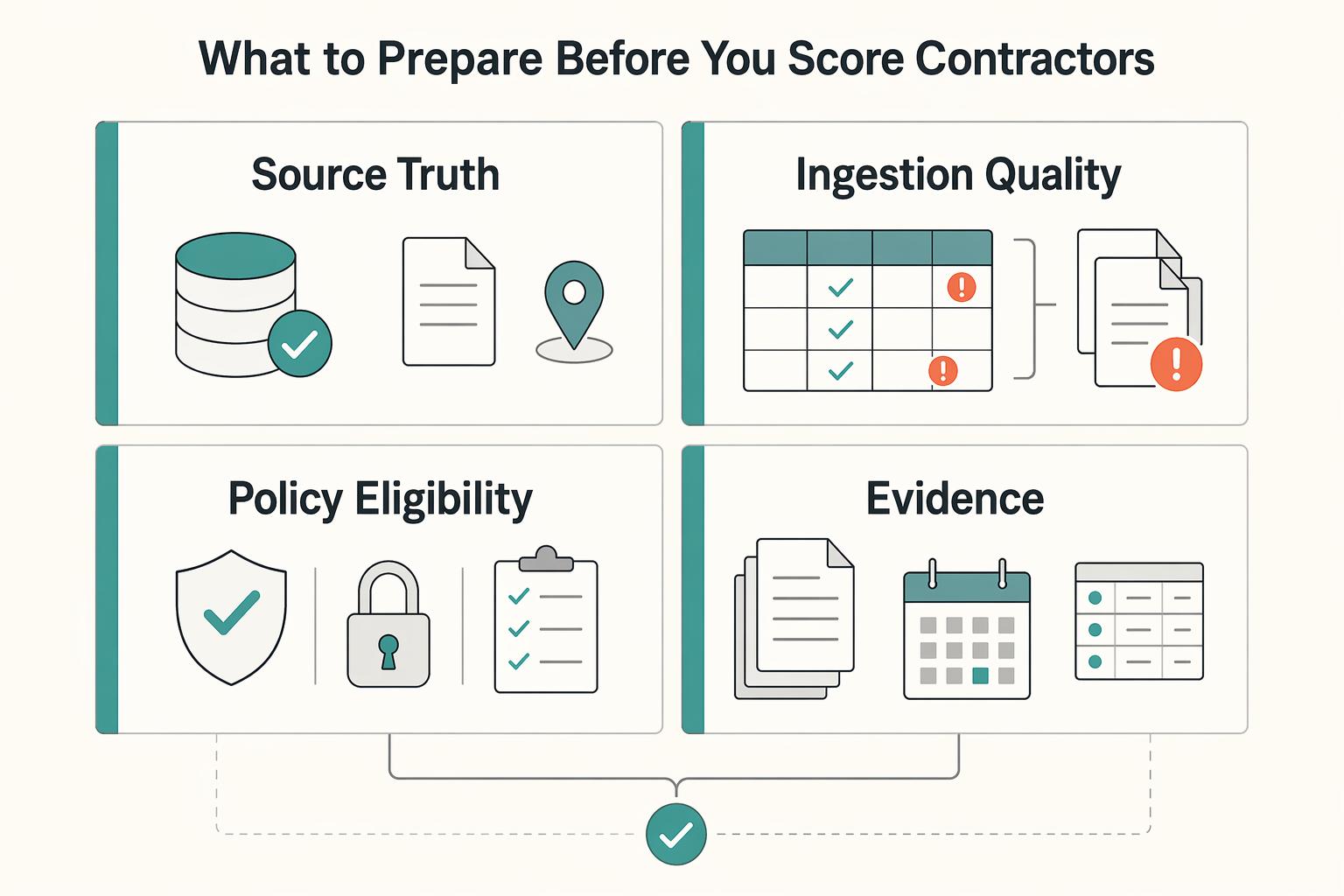
How to Use Payout Data for Contractor Segmentation and Identify Top Performers Automatically
Payout data shows the experience of getting paid: timing, repairs and unresolved obligations. It does not by itself establish the quality of a contractor’s work. Use it to segment payment operations and service needs; combine it with separately evidenced delivery or customer-quality measures before naming someone a top performer.
Read more →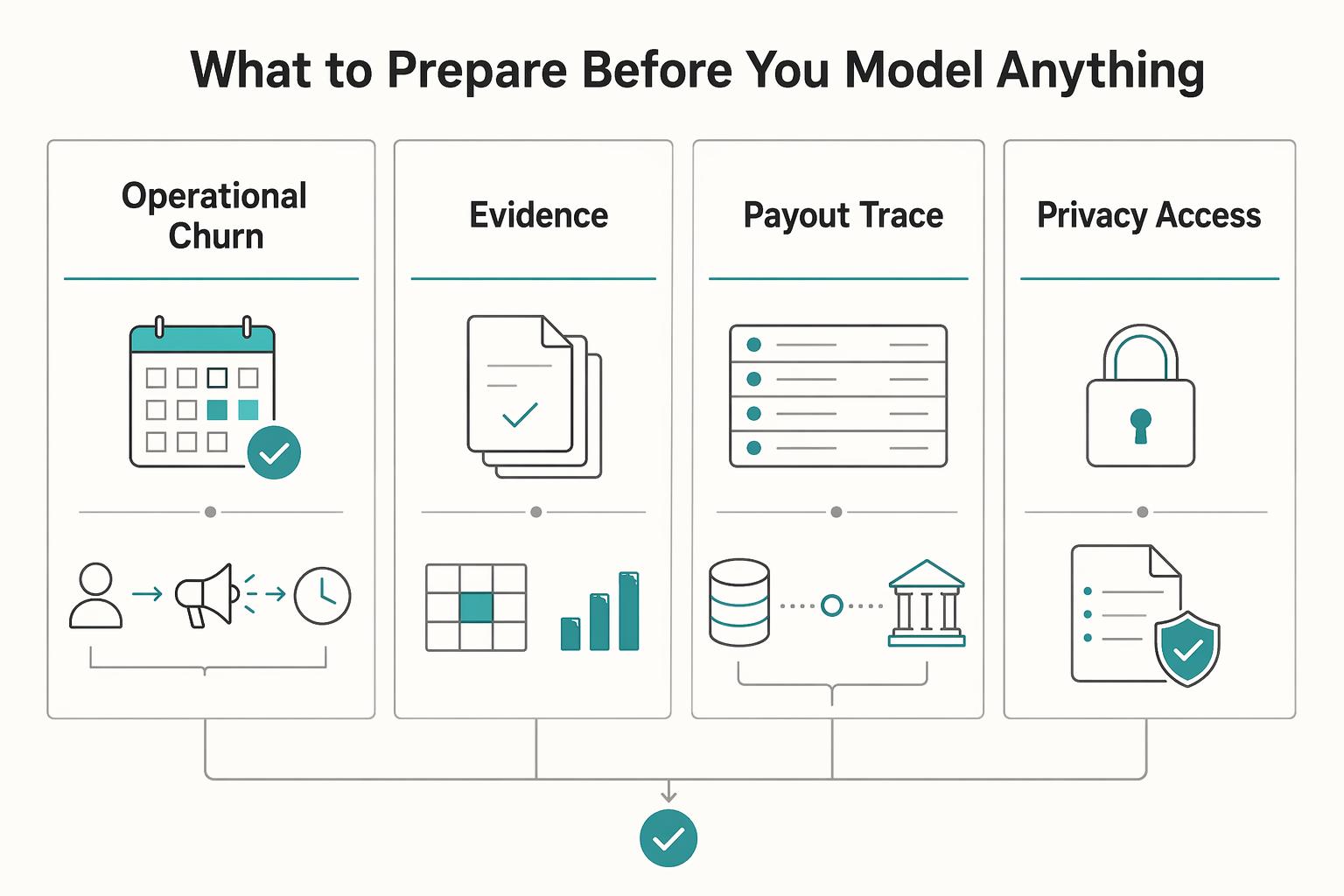
How Platforms Can Use Payout Data to Predict Contractor Churn
Treat contractor churn as a supply problem first, with payments as a potentially useful early signal. If your payout signals cannot trigger a concrete save action or margin decision, they are analytics, not useful prediction.
Read more →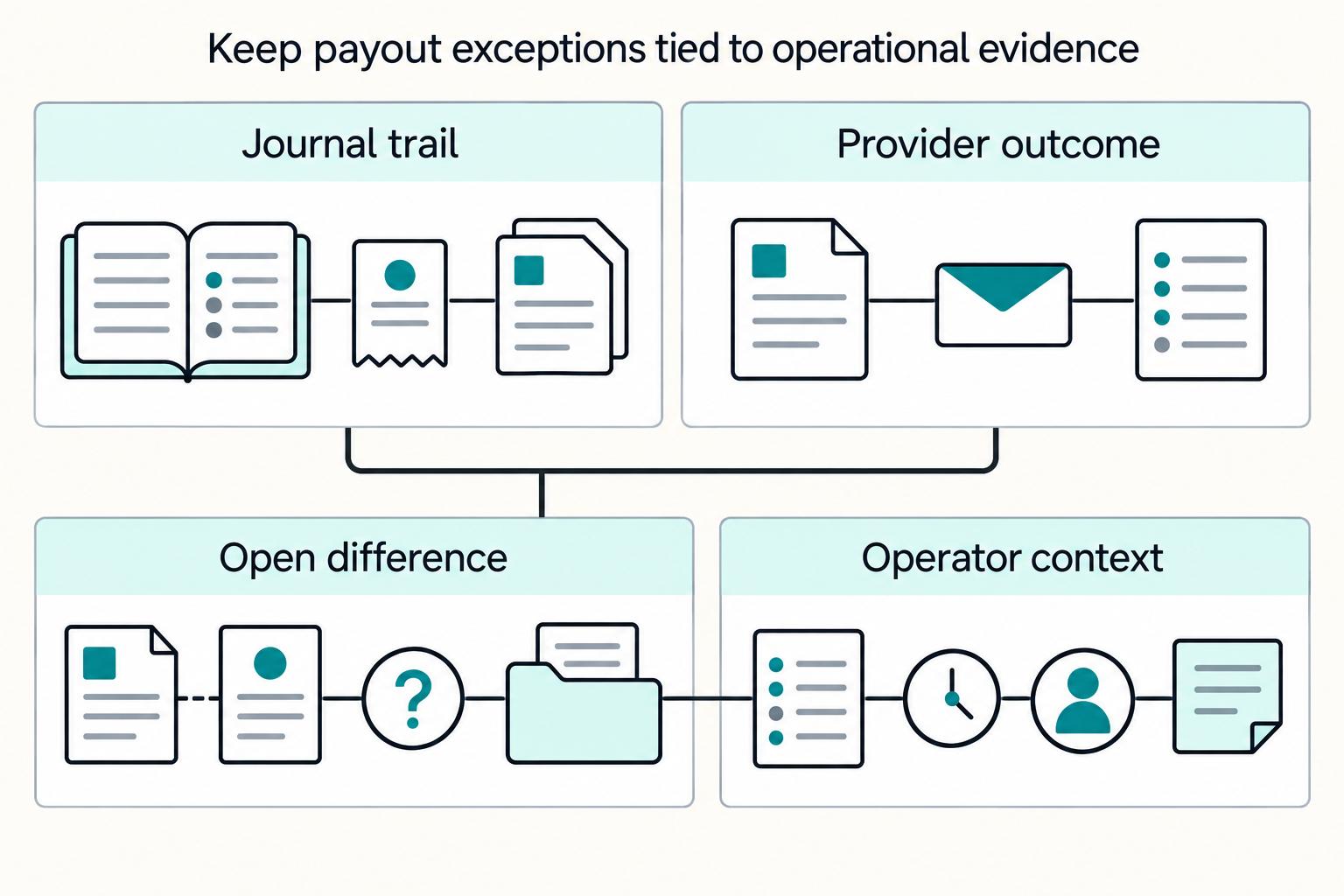
Building a Virtual Assistant Marketplace with Operable Payout and Tax Controls
Lock your marketplace model, payment system, and legal framework first. If those three are unsettled, product scope stays provisional and may need rework.
Read more →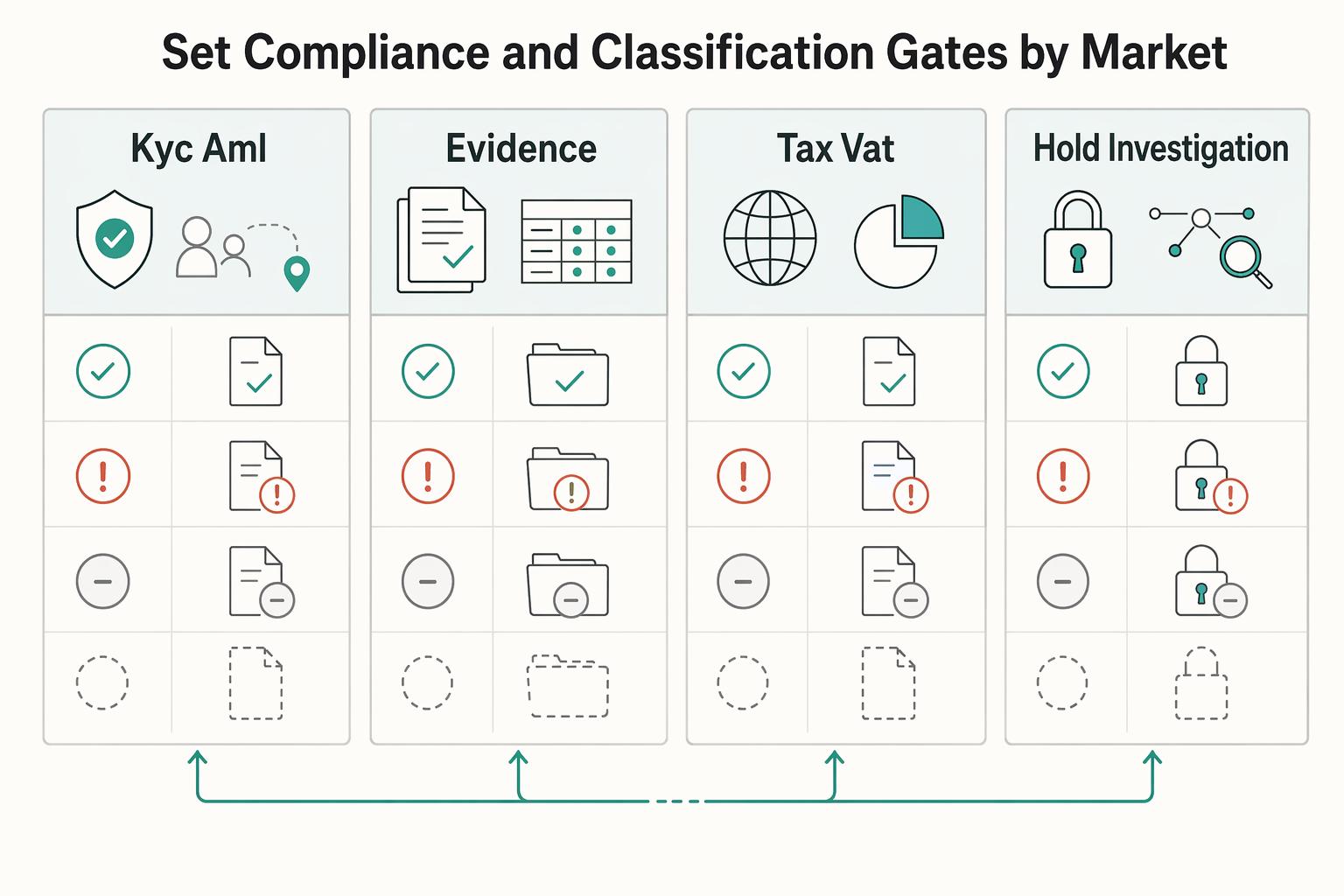
Choosing Milestone, Retainer, or Hourly for IT Staffing Platform Payments
Your first decision is the billing structure: choose **Milestone payment**, **Retainer agreement**, or **Hourly billing** based on how the work is bought and delivered. There is no universal best model. When the fit is wrong, collection becomes less predictable and payment risk goes up.
Read more →
How Podcast Platforms Collect Ad Revenue and Pay Hosts and Networks
A podcast monetization platform connects ad demand to shows, calculates earnings and arranges payment. The hard part for a network is keeping the advertiser bill, the show’s share and the eventual transfer tied to the same campaign. A dashboard balance alone cannot establish who is owed what or whether they have been paid.
Read more →
Pay Contractors in Poland with BLIK, Elixir, and KNF-Aware Controls
**Treat Poland as an operating decision, not a feature request.** For a platform, the real question is not whether you can add BLIK quickly. It is whether your contractor payout model can run on Polish rails with acceptable launch risk, clean reconciliation, and a compliance position you can support with documents.
Read more →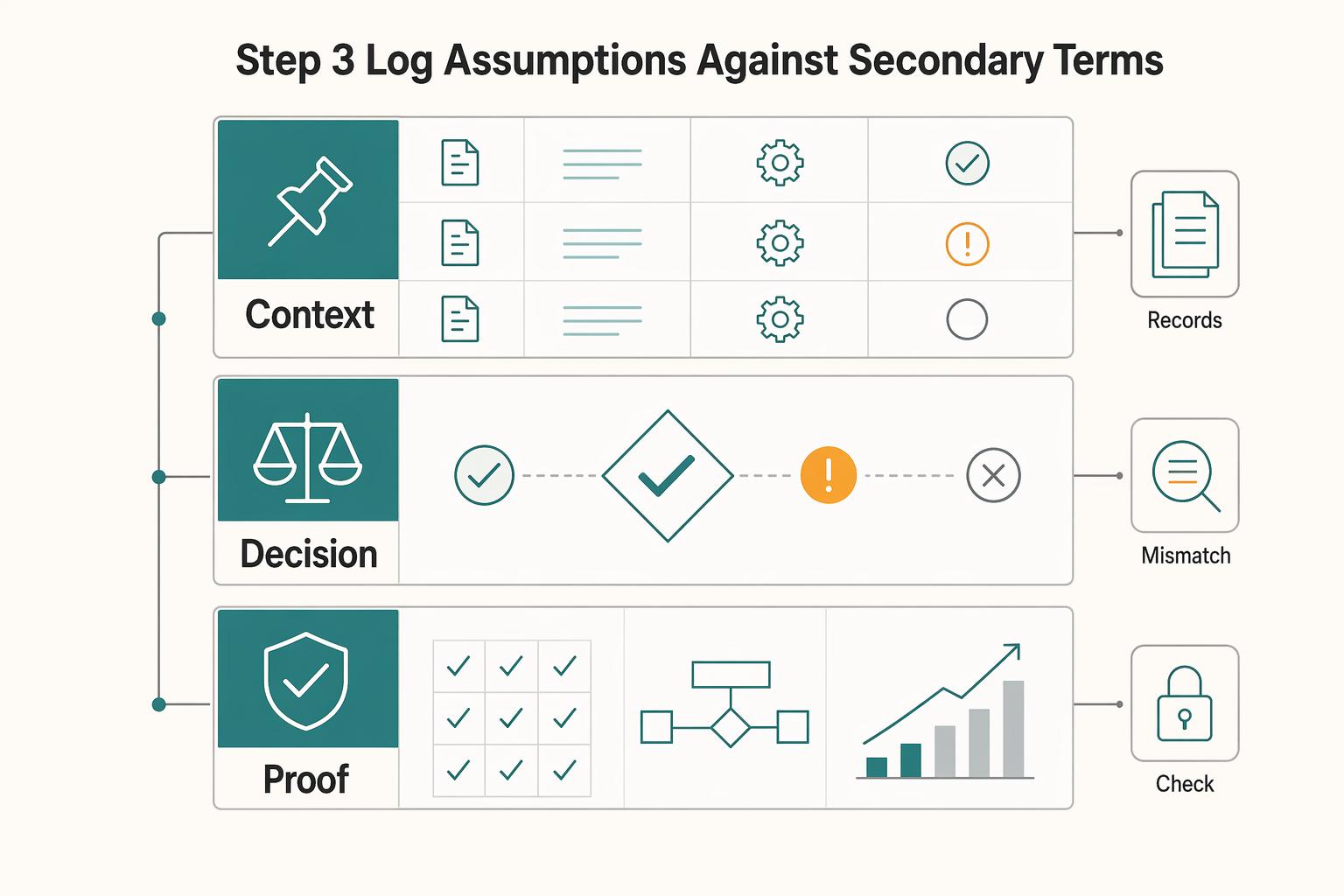
Pay Contractors in South Africa with RTGS and EFT Decisions That Hold Up
If you are evaluating contractor payouts in South Africa, do not start with rail selection. Start by separating what the South African Reserve Bank has clearly published from what still needs direct validation for a private platform.
Read more →
How to Build a Contractor Rewards Wallet
A contractor rewards wallet needs to prove what was earned, what remains redeemable and whether a redemption actually paid. A points counter alone cannot do that. A duplicate job event can create a second reward; two simultaneous redemptions can spend the same balance; a timed-out payout can leave money in transit while the screen offers it again.
Read more →