
Quick Answer
Use your cap table as a go/no-go gate before committing payment architecture. If valuation, dilution, or SAFE/note records are incomplete, delay irreversible custom rails and choose the route that can prove operations sooner. The article’s decision path is build, partner, or defer based on approval readiness, legal qualification, and owner-assigned checkpoints. For U.S.-linked program access, confirm 12 CFR 7.1026 notice and documentation requirements in writing before you set launch dates.
Why Investor Rights Set the Timeline#
Use this article as a planning lens, not a rule. Before you commit to expansion choices, make sure your cap table is current and complete, and treat any payment-infrastructure conclusions as provisional.
Cap-table work supports fundraising and growth planning, not just ownership math. In practice, start with a basic question: is your ownership record reliable enough to support planning decisions? If not, treat the choices that follow as provisional.
Start with the parts you can verify quickly. A cap table can start as a spreadsheet, but it still needs structure: ownership information, valuation information, the option pool, and any convertible notes or SAFEs.
The real checkpoint is maintenance discipline. Cap tables should be updated regularly, because unresolved issues usually get worse over time and are painful to fix. If records are missing instruments or recent updates, fix the record before you rely on it for planning.
This stays practical: the goal is to help you pressure-test options with cleaner inputs while staying clear about what this lens can and cannot prove on its own.
Cap table terms that actually change payment decisions#
Financing labels should influence payment decisions only after your records are current. A cap table can sharpen the discussion, but by itself it may not show the full operating impact.
Start with what the cap table should actually show#
At minimum, your cap table should show valuation information, dilution information, and any convertible notes or SAFEs. If any of that is stale or missing, treat expansion assumptions as provisional.
Terms like Preferred Stock, Common Stock, Liquidation Preferences, Anti-Dilution Provisions, Pre-Money Valuation, and Post-Money Valuation often come up in planning. The source material for this article does not establish their mechanics or direct payment-infrastructure effects, so use these labels as prompts for review, not operating rules.
What to verify before you let terms drive product choices#
Before you let shorthand financing terms steer rollout timing, check three things against current records:
| Checkpoint | Article guidance |
|---|---|
| Current records | Confirm the cap table is updated regularly and reflects current valuation information, dilution information, and outstanding convertible notes or SAFEs. |
| Missing records | Flag missing records and treat related assumptions as provisional until the table is complete. |
| Tooling choice | Choose cap-table tooling based on strategy rather than urgency to reduce hidden costs, including legal onboarding fees and migration churn. |
If your records are incomplete, do not let financing shorthand drive product choices. Cleanup only gets harder if you wait.
For a step-by-step walkthrough, see Digital Nomad Payment Infrastructure for Platform Teams: How to Build Traceable Cross-Border Payouts.
Investor rights that reshape rollout timing and risk#
Investor rights matter when they change how you launch. Once documents are signed, translate those rights into launch gates. Tighter control rights usually mean tighter sequencing, stronger evidence, and clearer approvals before you make irreversible payment changes.
Map rights to concrete launch consequences#
| Rights area | Operational consequence | Pre-launch check |
|---|---|---|
| Governance controls | Can add approval steps for providers, markets, and custom spend | Confirm who approves vendor selection, budget changes, and launch exceptions |
| Board reporting | Higher expectation for structured risk reporting | Confirm board materials cover third-party risk, operational risk, fraud risk, and launch variance |
| Downside protections | Can increase caution around hard-to-reverse bets | Define required proof, rollback triggers, and stop/go owners |
The clearest grounded signal here is governance discipline. The OCC Payment Systems booklet explicitly calls out Management and Board Reports, Operational Risk, Fraud Risk, and Third-Party Risk Management as control areas. It also notes that risk oversight should be tailored to each institution's circumstances. It is bank-supervision guidance, but still a useful reference for the control evidence you may be asked to produce when payment scope expands.
If your rollout depends on a sponsor bank, a payment-system membership path, or another regulated counterparty, check early whether a formal artifact is expected. One example is a worksheet aligned to 12 CFR 7.1026 requirements. This is a sequencing issue, not just paperwork hygiene. Missing control mapping can delay or pause launch decisions even when product work is done.
Where anti-dilution and option pool questions really bite#
A direct claim that Anti-Dilution Provisions or pending Option Pool expansion, by themselves, determine payment rollout timing is not established. Treat them as sensitivity flags around control, dilution exposure, and decision tolerance, then tie rollout choices back to documented approvals and risk evidence.
That keeps the speed-versus-defensibility tradeoff explicit. One funding-market framing in scope is equity for platform control and speed; debt/structured facilities for repeatable, asset-linked scaling. If stakeholders want both speed and tighter control, sequence launches so each step adds operating proof before you commit to harder-to-reverse builds.
Why lower-regret modules can help under tight control rights#
When consent and reporting constraints are tight, start with lower-regret modules and add complexity later. For example, some teams choose Payout Batches before fully custom orchestration, but that sequence is a judgment call, not a rule established in the source material. It can still be defensible when your goal is to prove approval flow, reporting cadence, and exception ownership before you widen the surface area.
The practical rule is simple: do not make the most irreversible architecture choice your first proof point when governance bandwidth is already constrained.
Should you build now or defer payment infrastructure#
Build now only when your financing pressure, approvals path, and timeline ownership can absorb delays. Otherwise, partner first or defer. If you need near-term proof for fundraising or governance, take the path that produces credible operating evidence with the least irreversible build.
Decision table#
Use this as a pressure test, not a formula. The grounded evidence supports three risks you should plan around: fundraising activity can pause, valuation-setting can stall, and legal or planning issues can slow execution.
| Path | Financing pressure pattern | Execution/timing assumption | What you are choosing |
|---|---|---|---|
| Build now | Fundraising is not dependent on near-term proof, and governance can tolerate a longer proof cycle | You can absorb integration work, approvals, and rework without betting on one launch date | More long-term control, with more near-term execution exposure |
| Partner now | Downside sensitivity is high, timing pressure is high, or stakeholders want faster proof before deeper commitments | You need earlier launch evidence and cannot wait for fully owned components | Faster evidence with less upfront custom work, with near-term dependency tradeoffs |
| Defer | Pressure is high and uncertain, and financing timing depends on conditions you do not control | Your plan cannot absorb approval or documentation delays | Preserve cash and credibility instead of carrying a half-built path |
Treat financing pressure and stakeholder timing demands as indicators, not deterministic rules. They can increase sensitivity to downside and timing, but they do not by themselves dictate build, partner, or defer.
When partner first is lower risk#
If fundraising depends on near-term operating proof, defer custom rails and use a partner model only where it is legally and operationally qualified in your markets. This is not about guaranteed better economics: it is about earlier operating evidence before you commit to owned rails.
Use this path when timeline risk is still unresolved. A common failure mode is planning integration timelines from product estimates when the real bottlenecks sit in legal qualification, approvals, procurement, or missing required documents.
When building is justified#
If control is the priority and governance allows a longer payback period, phase toward more owned payout logic. Keep it phased so your first proof point is not the most irreversible architecture choice.
Only commit when responsibilities are explicit: timeline checkpoints, named owners, and required documents in one current plan. Without that, the build path is still a wish list.
Checks that stop bad timing#
Before you commit, verify three things so your timeline reflects real operating risk:
| Check | Article guidance |
|---|---|
| Integration complexity | Verify integration complexity against actual team capacity. |
| Approval risk | Treat planning, procurement, and internal or external approvals as a real schedule item. |
| Jurisdiction fit | Check jurisdiction fit early, since access can be subject to local restrictions. |
A practical rule: if you cannot show one current artifact with checkpoints, owners, and required documents for the chosen path, do not build custom infrastructure yet. Under financing pressure, weak execution planning can quickly become a financing problem.
Related: How to Scale Global Payout Infrastructure: Lessons from Growing 100 to 10000 Payments Per Month.
If your decision table points to faster launch over custom rails, review the operational scope for Merchant of Record workflows, and confirm local eligibility and restrictions early.
Compare infrastructure paths under investor pressure#
Under investor pressure, default to the path that lets you show credible operating proof quickly while preserving auditability and reversibility. That often matters more than maximizing control on day one.
Investors may reward infrastructure-positioned models for sticky, scalable, and predictable economics, but execution risk remains. Use this table as a diligence checklist, not a fixed ranking. Speed-to-proof, traceability, and record-integrity checkpoints are supported here; a sourced, model-by-model KYC/KYB/AML responsibility split is not established.
| Path | Control, speed, and reversibility to validate | Operating overhead to test (especially for Payout Batches) | Compliance responsibility to document (KYC / KYB / AML) | Lock-in and exit proof to require before long-term terms |
|---|---|---|---|---|
| Merchant of Record (MoR) | What control do you keep, what evidence can you produce quickly, and how hard is migration if priorities change? | Test webhook behavior, reconciliation workflow, exception handling flow, and where provider dependency appears in day-to-day ops. | Document who collects data, who reviews exceptions, who stores evidence, and how your team retrieves it for diligence. | Verify export access for transactions, payouts, reconciliation history, and event records if the relationship ends. |
| Virtual Accounts | Define where control is shared versus owned, what proof you can show early, and what parts remain reversible. | Test internal matching across records, payout states, retries, reversals, and manual interventions. | Map ownership by step so compliance work does not sit in a blurred middle between teams and partners. | Confirm data portability, audit retrieval continuity, and whether your ledger design stays provider-agnostic. |
| Direct payout stack | Specify where full ownership helps, what timeline it adds, and which commitments are hardest to unwind later. | Validate your capacity for webhook handling, reconciliation, and exception queues across providers. | Maintain a current responsibility map with clear owners, evidence retention, and escalation paths. | Require practical exit mechanics: usable historical exports, event-level traceability, and transition support terms. |
The decision rule is straightforward. If timing pressure is highest, prioritize the option that lets you prove outcomes quickly and still trace every dollar from source to outcome. If long-term control is the priority, phase ownership in steps so each step stays auditable and reversible.
Before you sign, test the exit path as hard as the onboarding path. Disconnected records slow deals and add risk. Treat fragmented payment evidence, compliance records, and batch history as a comparable diligence risk unless you can verify continuity end to end.
Country and program constraints to confirm before committing GTM#
Do not commit GTM dates until you have written confirmation of the applicable membership requirements, notice path, compliance checkpoints, and evidence retrieval. A single narrative is not enough for launch decisions, because each bank may present specific risks and issues.
Where your route depends on U.S. bank or payment system participation, validate the program documents directly. The OCC handbook explicitly references Payment Systems Membership Requirements under 12 CFR 7.1026, notice requirements under 12 CFR 7.1026(c) and (d) including prior notice and after-the-fact notice, and Appendix A: 12 CFR 7.1026 Compliance Worksheet.
What to verify before launch dates exist#
| Area to confirm | What to get in writing | Why it matters |
|---|---|---|
| Program scope | Exact participation scope and boundaries for the launch program | Prevents announcing coverage that is still conditional |
| Notice path | Whether prior notice or after-the-fact notice applies under 12 CFR 7.1026(c) and (d) | Affects whether timing assumptions are realistic |
| Compliance checkpoint | How 12 CFR 7.1026 requirements will be documented, including use of Appendix A where applicable | Avoids gaps where required checks are assumed but not assigned |
| Evidence readiness | What records you can retrieve to evidence membership, notice, and compliance review steps | Keeps exception handling auditable before go-live |
| Violation and funding-risk treatment | How policy violations are handled and whether daylight overdraft penalty-fee exposure is relevant | Surfaces failure-mode risk before launch commitments |
Your external qualifier language should match that reality: launch plans are subject to documented program approvals and compliance checkpoints. If any of the items above is still verbal, treat the launch as unconfirmed and keep GTM claims narrow.
For the diligence side of this decision, see What Investors Look For in Fintech Platform Due Diligence: Payment Infrastructure and Compliance Red Flags.
The evidence pack operators should bring to investor and board reviews#
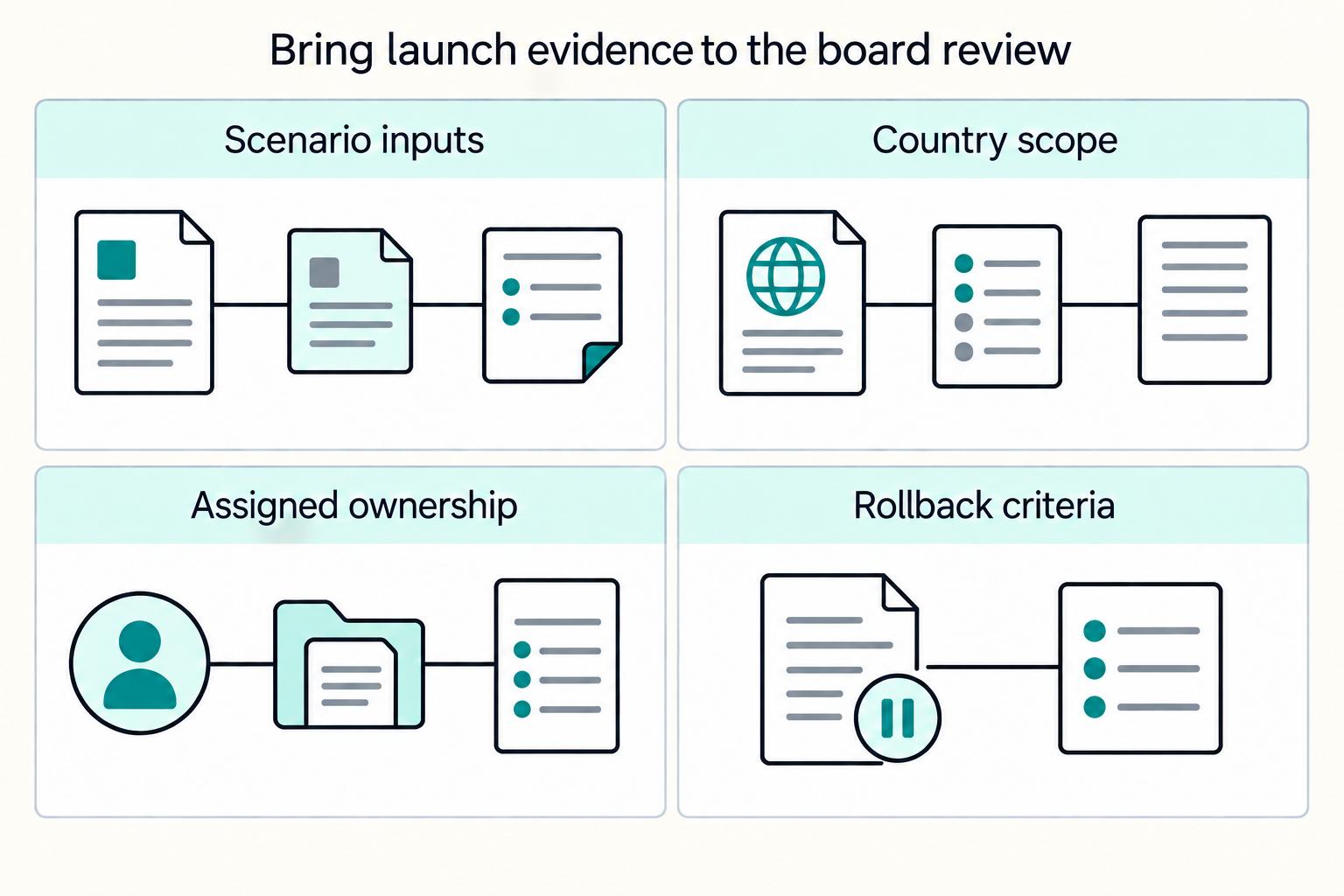
Once country scope and launch path are clear, the next question is whether you can defend the plan in one packet. Your board pack should show that expansion is controllable, reversible, and still aligned with the cap table assumptions behind the current launch case. If a core artifact is missing, treat the market as not ready for approval.
| Artifact | What it should show | Pre-meeting check |
|---|---|---|
| Cap table scenario model | Base, upside, and downside launch scenarios tied to current ownership, dilution context, and valuation information | Reconfirm inputs after any financing or valuation-expectation change |
| Country readiness checklist | Written confirmation of supported countries, onboarding prerequisites, evidence retrieval, and support boundaries | Ensure every planned country matches written program scope |
| Compliance scope summary | Named ownership for tax-document handling and exception handling by operating model | Remove any item that is still verbal instead of assigned and evidenced |
| Launch rollback criteria | Clear stop or rollback triggers, including unresolved payout failures or missing evidence access | Verify rollback is operational, not only approved in principle |
For tax-document handling, show operating evidence for supported information-return programs in scope, including Form 1099 workflows where applicable. Keep this program-specific: show where documents are collected and retrieved, and who handles exceptions.
For Form 1099 readiness, include explicit checkpoints for who must file, when to file, and where to file. Include your e-file path through IRIS. Account for the reduced e-file threshold of 10 information returns effective January 1, 2024. If relevant, note that extension requests to furnish recipient statements use Form 15397 and must be requested by fax.
For Payout Batches, the control evidence can include a complete audit trail and clearly documented reconciliation ownership and escalation handling for payout failures. The standard is reconstructable operations: who approved, what data was used, what exceptions occurred, and how resolution was closed.
Avoid fragmented records across spreadsheets, inboxes, and dashboards. Spreadsheet errors can create audit issues, tax-withholding errors, and trust damage, so if any critical record still lives in ad hoc sheets, say so clearly and include a remediation date. After any change in valuation expectations, re-run the scenario model and re-approve the launch case before proceeding. For a related operational view, see How Payment Platforms Turn Automation Into Better Finance Decisions.
Red flags that derail both financing and infrastructure rollouts#
The fastest way to lose credibility on both financing and rollout is to let ownership records and decision assumptions drift out of sync. One red flag can trigger deeper diligence; three or more can push the decision to pass.
Structural problems that make every other claim weaker#
A stale Cap Table is a structural risk, not an admin detail. One source describes messy cap tables as a leading cause of due diligence delays and deal failures. It also notes that some early-stage institutional investors may stop assessing when capitalization records are overly complex or disorganized.
| Paper-trail item | Reconcile before expansion approval |
|---|---|
| Signed SAFE or note documents | Reconcile the cap table against them before expansion approval. |
| Board consents and grant approvals | Reconcile the cap table against them before expansion approval. |
| Stock option and equity grant records | Reconcile the cap table against them before expansion approval. |
| Warrant agreements, if any | Reconcile the cap table against them before expansion approval. |
| Departure or repurchase documents for former team members | Reconcile the cap table against them before expansion approval. |
The examples are often simple and expensive to fix: a former co-founder still listed at 15%, multiple SAFEs with inconsistent valuation caps, or promised options that were never properly documented. Apply the same test to other equity instruments. If an item cannot be tied to signed documents, approvals, and current ownership math, the broader launch case gets weaker.
If gaps appear, treat them as a stop signal. Some providers market cap-table cleanup as a flat-fee service, and one source cites $5,000-$15,000, but cost alone does not capture the diligence-delay risk.
Operational gaps that turn launch plans into wishful thinking#
Not every issue carries the same weight. Investor guidance distinguishes cosmetic (fixable) red flags from structural (deal-killing) red flags.
You do not need to treat every issue as fatal, but you do need a triage rule. One red flag is a reason to dig deeper, while three or more can justify passing. Use that as a diligence heuristic, not a universal rule.
Sequencing mistakes that waste engineering time#
If legal or regulatory interpretation is part of the approval case, do not treat FederalRegister.gov text alone as final authority. The site itself says legal research should be verified against an official Federal Register edition.
Sequence your first two market launches without overcommitting#
Your first two launches should prove control before they add complexity. For Launch 1, keep scope narrow with a single payment model and controlled payout timing. That lets you validate demand, payout timing, and operating ownership without overcommitting.
Treat Launch 1 as a controls test, not a feature race. You should see clean reconciliation, clear owners for payout exceptions, and written accountability between partner responsibilities and internal responsibilities. If any flow uses real-time rails, apply tighter controls. These payments can complete within seconds on networks that run 24/7, year-round, and they are final and irrevocable.
What should trigger Launch 2#
Expand scope only after reconciliation and exception handling are consistently stable. The gate is not whether engineering feels ready; it is whether faster, final payment flows are improving reconciliation outcomes rather than exposing control gaps.
Use explicit go or no-go checks before you widen scope and commit more build effort:
- evidence of reliable Internal Controls
- repeatable Management and Board Reports
- clear issue ownership when exceptions occur
Because risk posture varies by institution, keep these gates tied to your actual operating conditions and cap-table realities, not optimism.
Tie expansion gates to the Cap Table#
Treat the Cap Table as a launch-control input, not just ownership math. It is part of managing company ownership as you prepare for fundraising and growth. Before Market 2, confirm that ownership records and the financing assumptions behind the rollout are still current.
Require a post-launch review before further expansion. Revalidate whether financing assumptions still hold, whether controls held under live volume, and whether any ownership or approval changes alter your rollout risk tolerance.
Tax and payout documentation choices that change product scope#
Tax and payout documentation choices set product scope earlier than many teams expect. If your program uses W-8, W-9, or Form 1099 flows, decide early where collection lives, because that choice sets both product and operating scope; the exact legal requirements depend on details outside this section. If this stays vague, GTM plans can assume a short signup flow while operations absorbs document follow-up and audit retrieval later.
An in-product flow gives you control over copy, reminders, and status visibility, but it also makes you responsible for masking, admin access, and evidence retrieval design from day one. A partner surface can reduce UI scope, but you still need clear ownership for who collects, stores, updates, and retrieves documents when questions or disputes arise.
For tax-adjacent workflows, define what "support" means in practice. If your program references FEIE or FBAR, be explicit about whether you provide education, a handoff to a tax partner, or fact collection for later review. For FEIE, qualifying individuals still file a U.S. return reporting the income, and IRS guidance references claiming the exclusion on Form 2555. One IRS test uses 330 full days in a 12-month period, where a full day is 24 consecutive hours (midnight to midnight). If that count is missed, the physical presence test is not met, though IRS-published waivers can apply in adverse conditions. Use this as workflow logic, not a complete eligibility determination.
Model onboarding around real document completion, not ideal starts. International tax compliance burden and penalty risk can drive drop-off, so forecast each required step based on observed completion across the full flow.
Before any new country launch, use a hard internal checkpoint that your team can actually reproduce:
- Retrieve a submitted document set end to end from the tool support actually uses.
- Confirm masking behavior in both customer-facing and admin views.
- Produce an audit pack showing who submitted what, when it changed, and how it was accessed.
If those checks are not reliable, expanding scope usually adds friction faster than it adds durable growth.
Conclusion#
Treat the Cap Table as an operating map, not a finance-side record. If ownership math, post-money assumptions, ESOP timing, or note-conversion timing are still moving, keep your payment infrastructure plan flexible. The right path is the one that stays executable and investable under your actual ownership and dilution outcomes, not the fastest build plan.
A simple cap-table reminder: timing changes outcomes. In the ABA example, a $1,000,000 investment at a $16,000,000 post-money valuation gives the new investor 6.25%. In that same illustration, founders retain 93.75% post-money ownership. The same source also notes that whether ESOP increases and note conversions happen before or after an equity investment can materially change valuation and dilution outcomes. If those inputs are unsettled, avoid locking into payment choices that assume fixed governance or budget conditions.
Apply the same discipline on the payments side. The OCC payment-systems booklet is written for bank examiners, so it is not a direct rulebook for every fintech platform. Still, it highlights oversight areas that are useful for operators: payment-systems risk, third-party risk management, and management and board reports. A practical test is whether you can produce one management/board-ready packet that explains third-party dependencies, key failure points, monitoring, and response ownership.
Before you commit product and GTM resources to your next two markets, run one evidence-based decision pass that covers three points:
- confirm your current cap-table scenario, including pending ESOP or note-conversion changes that may shift post-financing dilution outcomes
- confirm provider or program scope in writing for target markets, including third-party dependencies
- confirm your operating evidence pack: reconciliation ownership, escalation paths, and reporting for management and board review
Use the comparison work and checkpoints above to choose the expansion path that preserves reversibility while ownership and governance assumptions are still changing. Then deepen the build only when both records are clean: the ownership record and the operating evidence record.
Frequently Asked Questions
How do investor rights change payment infrastructure decisions in practice?
They change the level of execution risk teams can justify. When payout order is governed by cap-table rights, especially liquidation preferences, choices are judged on whether economics and controls stay clear under diligence. In practice, that favors decisions with strong auditability when diligence risk rises.
Which cap table terms matter most when choosing between MoR and custom payment rails?
Prioritize terms that affect ownership economics and payout order, especially liquidation preferences. The cap table is the record of ownership and economic rights, and it determines how proceeds are allocated in a transaction. This guide does not define a universal MoR-versus-custom rule, but it does support avoiding hard-to-reverse choices when cap-table records are not clean and auditable.
When should a platform defer infrastructure investment instead of building now?
Consider deferring hard-to-reverse infrastructure work when your core diligence record is not ready. A clean, accurate, auditable cap table reduces buyer risk and can speed diligence, while messy or outdated records can delay decisions and weaken confidence. If the ownership and rights record is still being corrected, fix that before expanding infrastructure scope.
What should founders verify before expanding payments into a new country?
Verify your due-diligence scope before committing rollout dates. At minimum, confirm identity verification from reliable, independent sources, beneficial-ownership identification, and ongoing monitoring obligations. Also confirm triggers for enhanced due diligence and who must approve escalations.
What do investors expect to see in cap table discipline before funding expansion?
They expect cap-table records that hold up under diligence without rework. Acquirers commonly treat the cap table as a primary diligence document, so clean and auditable records lower perceived risk and support faster review. Messy or outdated records signal legal and execution risk at the worst point in a funding or transaction process.
How do KYC, KYB, and AML scope differences affect rollout timelines?
In practice, timeline impact is tied to diligence depth. Baseline CDD includes identity checks from reliable, independent sources, beneficial-ownership identification, and ongoing monitoring. In higher-risk cases, enhanced due diligence and senior management approval add steps and approvals that should be built into launch plans; a full KYC-versus-KYB requirement matrix is not established.
Try a related tool
Researched and edited by the Gruv editorial team. Gruv builds cross-border billing, payouts, and finance-operations software for global businesses.
Sources
Includes 1 external source outside the trusted-domain allowlist.
- irs.gov/individuals/international-taxpayers/foreign-...trusted
- irs.gov/pub/irs-pdf/i1099gi.pdftrusted
- occ.gov/publications-and-resources/publications/comp...trusted
- occ.gov/publications-and-resources/publications/exam...trusted
- taxpayeradvocate.irs.gov/wp-content/uploads/2020/08/Most-Serious-Prob...trusted
- americanbar.org/groups/business_law/resources/business-law-t...external
Educational content only. Not legal, tax, or financial advice.
Related Posts
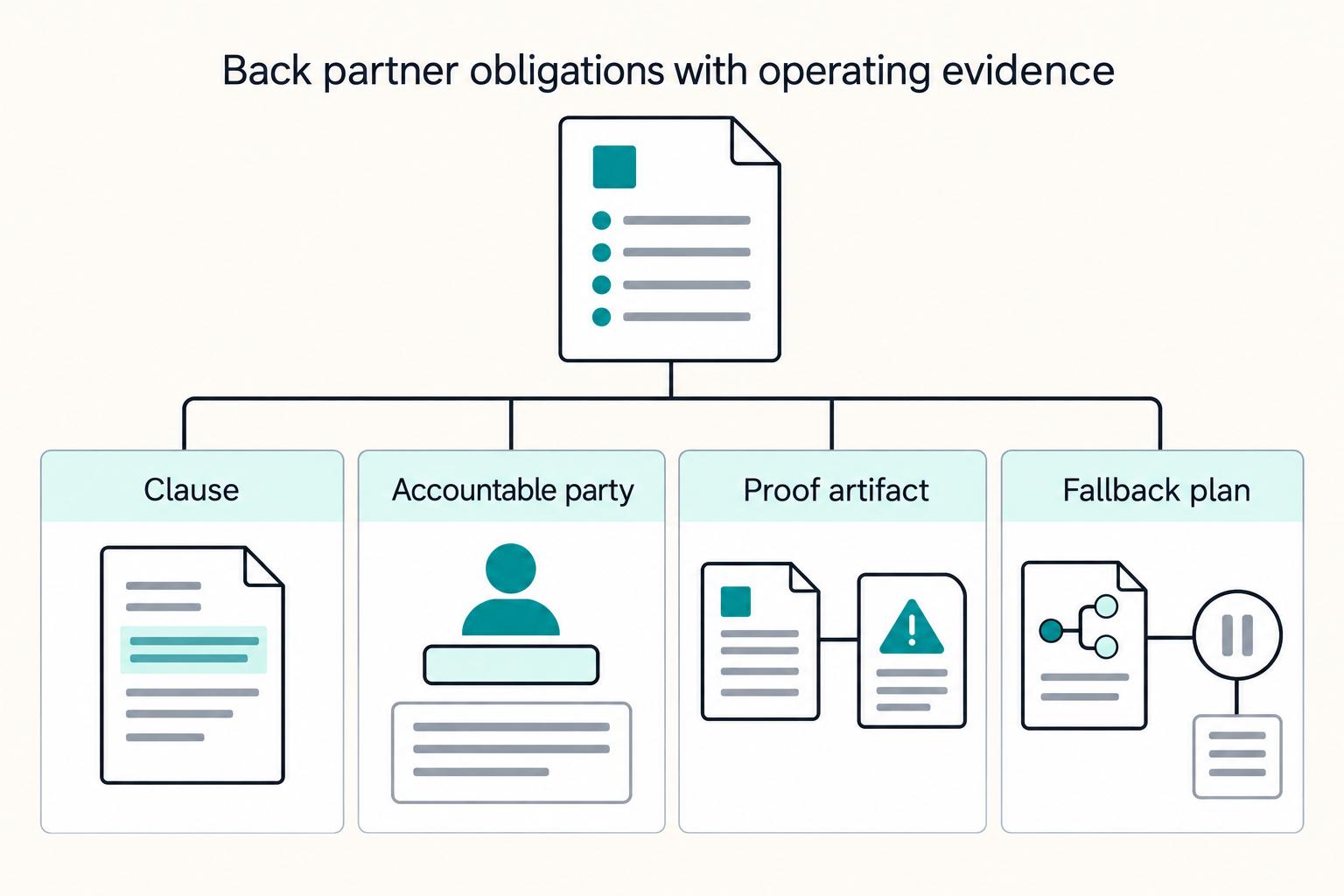
How Investors Judge Fintech Platform Readiness for Cross-Border Expansion
Investors are more likely to back expansion when your operating controls can hold under stress, not just when the story sounds strong. In fintech platform due diligence, a key question is whether your payment infrastructure and compliance controls will still work when risk rises.
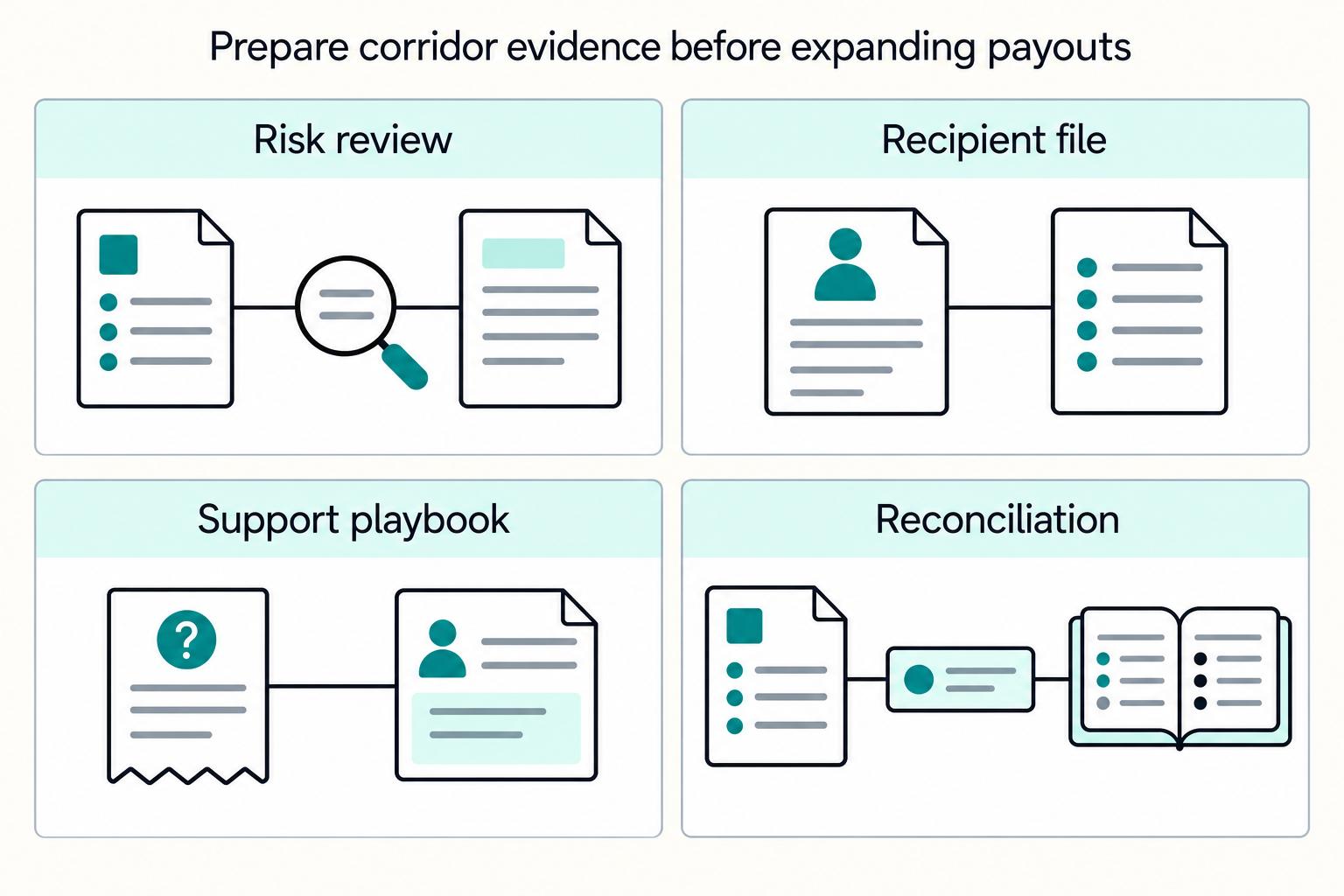
Scaling a Global Payout Platform from 100 to 10000 Monthly Payments
Scaling a global payout platform is rarely just a vendor problem. More often, it is an infrastructure and operating-discipline problem, because cross-border payments still carry persistent issues around cost, speed, access, and transparency. If growth is framed as "one more provider" or "higher API throughput," breakpoints can show up in finance, support, compliance, and reconciliation.
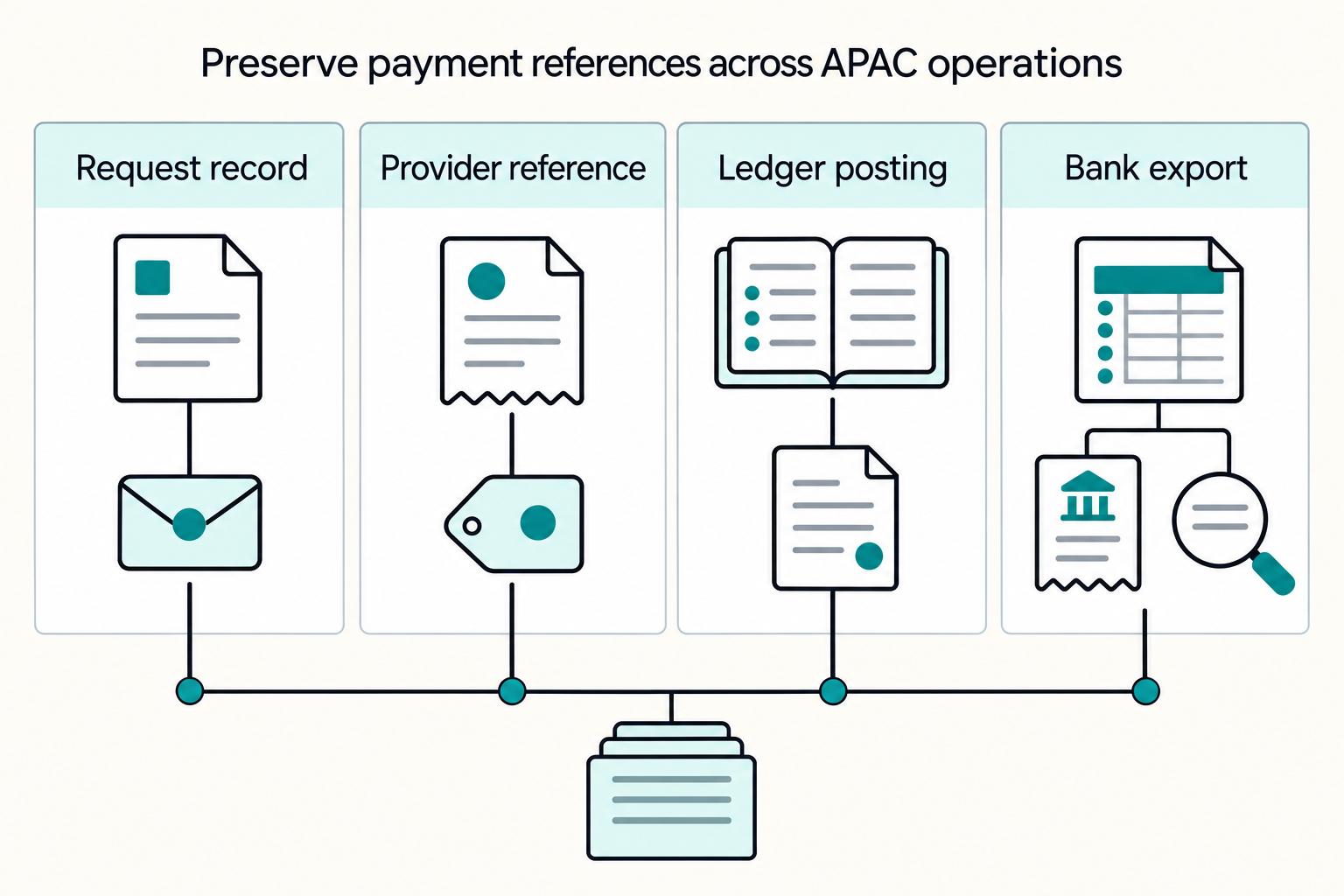
How to Expand Your Subscription Platform to APAC: Payment Methods Currency and Regulatory Landscape
Asia-Pacific (APAC) expansion requires country-by-country launches, not one regional motion. This guide helps you decide with payment, currency, and regulatory evidence so you do not mistake a strong regional headline for real launch readiness in your subscription platform.