
Quick Answer
Use payment-trigger clarity to choose the model: retainer for advance-paid ongoing service access, milestones for defined deliverables, and hourly when scope is still moving. For it staffing platform payments developers consultants milestone retainer decisions, do not launch until signed terms include a payment schedule, measurable acceptance criteria, early-termination handling, and a named reviewer who can approve release evidence.
How to Match the Payment Model to the Work#
Your first decision is the billing structure: choose Milestone payment, Retainer agreement, or Hourly billing based on how the work is bought and delivered. There is no universal best model. When the fit is wrong, collection becomes less predictable and payment risk goes up.
Choose the billing model that matches the work#
Choose the model by payment trigger and context, not habit alone. Different billing methods fit different markets, products, and client expectations. Use one checkpoint before moving on: can you state the payment trigger in one sentence? If not, your contract terms probably need work before the billing model will hold up.
| If payment is triggered by... | Model usually fits best |
|---|---|
| Ongoing services paid in advance | Retainer agreement |
| Completion of defined project stages | Milestone/project-based pricing |
| Time spent on changing or hard-to-bound tasks | Consider hourly billing |
Connect the pricing choice to operating risk#
Treat the billing choice as an operating decision, not just a sales decision. If you need a quick reason to slow down and validate the model, Stripe's guide to billing types notes that UK businesses fail to collect an average 5.87% of owed revenue each year because of billing issues. That is your warning that messy billing choices turn into real cash-collection risk.
Each model fails in a different way:
- Retainers can improve payment stability because they are advance-paid ongoing-service arrangements, but they still depend on clear contract terms and clean invoicing.
- Project-based pricing is sensitive to scope, so milestone handling gets riskier when scope is still moving.
- Higher-ticket payments can increase payment risk and require stronger fraud prevention.
Set the evidence you need before rollout#
Before rollout, make sure the model is backed by clear contract terms, an invoicing process that matches those terms, and a review point that confirms cash collection is tracking your expectations. For recurring work, clear contract terms are the first operational checkpoint.
Use that sequence to choose the model that fits the work, your client's expectations, and your billing reality. If milestone billing is part of the mix, read Partial Payments and Milestone Billing: How to Implement Flexible Invoice Terms on Your Platform.
Decide your operating model before building features#
Define the operating model before you add product logic. If it stays fuzzy, that ambiguity usually reappears later in pricing decisions, approvals, and payment-release evidence.
Define the commercial promise in one sentence#
Write one plain sentence for each model you may support, such as Fixed-cost contract, Milestone payment, Retainer agreement, and Hourly billing. Each sentence should say what the client is buying, what triggers payment, and what evidence confirms that the trigger happened.
Use this checkpoint before building features: if two people describe the same model differently, stop and align. Korn Ferry's example of similar work ending up with different titles and pay is a practical warning about what unclear structures can create.
Make milestone release and change handling explicit#
If you use milestones, define release evidence before launch. Do not rely on a vague "looks done" message. Set an acceptance owner, an acceptance artifact, and a written fallback for scope changes after work begins.
One failure mode is delivered work with no client response. One freelancer-platform example describes a dispute path and a 7-day non-response window before auto-release. Treat that as platform-specific context, not a default rule for your contracts or providers.
Separate channel assumptions before you model margin#
Keep channel assumptions separate in your operating model, even when the contract labels look similar. At this stage, "good" means margin control, payout predictability, and audit records you can defend.
Create separate rows per channel and confirm the minimum fields now: contract type, approver, acceptance evidence, and documented handling for release disputes or scope changes. If those fields are still guessed or copied across channels, fix the model before feature design.
Gather prerequisites and evidence before rollout#
Treat this as a go or no-go gate. If the evidence pack is incomplete, milestone and retainer decisions can break later in approvals and reconciliation.
| Pack | Required contents | Readiness check |
|---|---|---|
| Contract pack | Template contract; retainer terms; milestone acceptance terms; payment schedule; early termination procedures; measurable acceptance criteria for each milestone deliverable | Both parties can sign, countersign, and retain the same completed contract version |
| Economics pack | Payment procedures; retainer assumptions; channel assumptions by market; assumptions, owners, and open validation items | Finance and ops can explain the same payment path for the same scenario |
| Market-signal pack | Source used; what it suggests; what remains unverified; operating risks such as quality, retention, time-zone risk, and rework risk | Unknowns are labeled clearly |
| Operations pack | Signed contract copy on file; payment schedule present; milestone acceptance criteria present; early-termination procedure recorded; required review and evaluation step completed | Owners for exceptions and reconciliation are assigned before funds move |
- Build the contract pack first. Start with the contract pack. Prepare three artifacts: a template contract, retainer terms, and milestone acceptance terms. Use them to standardize payment triggers and proof before work starts.
Require these fields in every template:
- Agreed payment schedule * Early termination procedures for both parties * Measurable acceptance criteria for each milestone deliverable
Go-live check: both parties can sign, countersign, and retain the same completed contract version. If not, pause rollout.
- Prepare an economics pack and document assumptions. Build one decision file with payment procedures, retainer assumptions, and channel assumptions by market.
Do not treat this pack as a legal-threshold document. Record assumptions, owners, and open validation items instead. Readiness check: finance and ops can explain the same payment path for the same scenario.
- Assemble a market-signal pack and label unknowns clearly. Use market sources you have actually reviewed, and label unknowns clearly.
A short memo is enough if it captures three fields:
- Source used * What it suggests * What remains unverified
Also log operating risks that can affect rollout quality, including quality, retention, time-zone risk, and rework risk when management, documentation, testing, and architecture control are weak.
- Set the operations pack and required review checkpoints. Once the contract, economics, and market packs are in place, define the operating checks that control release. Before launch, assign owners for exceptions and reconciliation, then set the exact reviews required before funds move.
Minimum checks:
- Signed contract copy on file * Payment schedule present * Milestone acceptance criteria present * Early-termination procedure recorded * Required review and evaluation step completed
As a final partner checkpoint, ask for proof of specialization, such as three niche placements in the last quarter.
Define contract primitives that control payment behavior#
Make payment triggers contract-checkable before launch. If ops cannot verify a trigger from the signed agreement and attached evidence, it is too vague to automate.
Tie each milestone to a visible acceptance event#
For every Milestone payment, define acceptance as a concrete deliverable a reviewer can confirm, not broad language like "phase complete." Use concrete checkpoints such as a single-feature prototype for testing or MVP completion.
If pricing is based on a product requirements document, name that document in the contract. Then map each milestone to explicit deliverable criteria from it. This matters because fixed-cost estimates tied to requirements docs or predetermined milestones are often wrong, and estimate shifts can create commercial imbalance when scope changes.
Before you go live, confirm each milestone includes:
- a clear acceptance event
- objective deliverable criteria
- the review evidence required to approve payment
Define the retainer in explicit service terms#
For each Retainer agreement, state the service and billing terms explicitly. If you need a plain-language example while your team aligns on service scope, the Forecast retainer guide is a useful reference point before you write your own terms. A retainer is a valid model and is often preferred, but standard clause values are not established, so do not assume market-default terms.
Keep the service unit explicit. If your contract does not clearly say what the retainer charge buys, your billing and payout expectations can drift.
Separate managed support from build work#
Do not bundle a Managed services retainer with project milestones in one ambiguous commercial block.
If both are in scope, separate them into distinct sections or separate agreements so invoice behavior matches the contract and ownership stays clear. Clearer documentation can reduce rework risk.
Add one change protocol per payment model#
Document how scope changes are handled for each payment model.
For milestone work, changes usually come from deliverable criteria or the referenced requirements document. For retainer work, changes usually come from service-term changes. Keep contract and invoice language aligned with the current scope so ops and finance are not working from conflicting terms.
Choose the right model using a decision matrix#
Choose from the shape of the work, not from platform features. Start with requirements and timeline clarity, then compare models. Use this as a decision aid, not a universal rulebook.
Score readiness before model fit#
Start with two checks: a clear requirement set and a target completion date. If either is unclear, the model choice is not ready.
Then confirm the payment evidence you can actually operate:
- hourly billing: approved time records
- fixed-cost contract: requirements and scope are documented enough to review
- milestone payment: work is broken into clear milestones
- retainer agreement: service terms are explicit in the agreement
Compare models with one operator matrix#
Use this as a decision aid, not a universal ranking.
| Model | Scope clarity | Cash-flow predictability | Dispute risk | Reconciliation load | Do not use when |
|---|---|---|---|---|---|
| Hourly billing | Works when scope is still moving because billing is time-based. | Variable, because invoices follow hours worked. | Clients may scrutinize or challenge invoices, and faster delivery can reduce billable revenue. | Requires consistent hour and rate tracking. | Timesheet capture, approvals, or rate governance are unreliable. |
| Fixed-cost contract | Evaluate fixed-cost selection case by case. | Case-specific. | Case-specific. | Case-specific. | Requirements or target completion date are unclear. |
| Milestone payment | Can work when the project is broken into clear milestones. | Case-specific. | Case-specific. | Case-specific. | Milestones are not clearly defined. |
| Retainer agreement | Evaluate case by case based on agreement terms. | Case-specific. | Case-specific. | Case-specific. | Service terms are not explicit. |
| IT staffing / consulting option | Used to fill specific roles; options differ in tradeoffs. | Varies by option. | Varies by option. | Varies by option. | Option differences are not compared explicitly for timeline, budget, and outcome impact. |
Apply selection checkpoints#
After scoring, apply explicit checkpoints:
- if requirements or target completion date are unclear, pause model selection
- for hourly pricing, account for known tradeoffs: invoice scrutiny, reduced billable revenue from faster delivery, and capacity ceilings that may require outsourcing or hiring
- for fixed-cost, milestone, and retainer choices, treat this matrix as a prompt and validate terms with your own commercial review
Pressure-test one real deal#
Before you scale anything, run one recent deal through the matrix and check that requirements, timeline, contract terms, and invoice logic all describe the same commercial event. If they do not align, adjust the model first.
Once your model choice is clear, map it to real payout operations and failure handling using Gruv Payouts.
Translate staffing economics into payout rules#
Your payout rules should mirror the same commercial event across pricing, payout, and reconciliation. If those three layers drift apart, exceptions and manual fixes grow with volume.
Map channel economics before you automate#
Separate channel types first, because direct contractor, IT staffing agency, and hybrid deals can handle billing and payout differently even when the client sees one invoice.
| Channel | What usually drives the client charge | What can shift the contractor amount | What to verify before go-live |
|---|---|---|---|
| Direct contractor | Quoted rate under hourly billing or retainer terms | Platform fees, pass-through pricing, contract changes, adjustments | Confirm whether fees apply per transaction and who pays them |
| IT staffing agency | Deal-specific agency billing terms with the client | Deal-specific payout terms, approvals, and adjustments | Document billing and payout logic separately before automation |
| Hybrid staffing | Platform terms plus intermediary terms | Layered fees, blended margin effects, cross-party exceptions | Confirm each party's fee treatment and approval trigger in writing |
For direct contractor flows, include pass-through effects in your math. If you promise a net target to the contractor, make sure your client rate still absorbs commission and fees. A freelancer targeting USD 80/hour net and paying 10% commission may quote USD 88.89/hour, so visible fees alone do not show the full economics.
For agency and hybrid flows, do not hardcode spread assumptions. There is no standard bill-rate/pay-rate formula established here, so treat these as contract-defined inputs and verify them before launch. If third-party fees affect your model, recheck official pricing pages before rollout, since fee examples are time-bound (early 2026).
Route classification paths separately#
Different worker classifications should not share a default payout or documentation route. Keep the routes distinct and automate only what your legal and tax owners have approved.
This is an operational control, not just a process preference. Global freelancer payouts require local tax and labor compliance, and some countries may require tax withholding, so classification can change what must be validated before release. Use one clear rule: no classification route goes live without a named evidence pack and owner sign-off.
Standardize a minimum cycle report#
Once channel and classification routes are set, make the payout cycle traceable. Use one consistent reporting set per payout cycle so margin and exceptions can be reviewed without rebuilding the story by hand.
Record at least:
- gross amount billed or collected
- platform fees charged
- contractor amount approved for payout
- adjustments applied
- exception status
This is an internal control baseline, not an industry-mandated schema. It gives you a repeatable way to trace gross-to-net and diagnose friction tied to opaque terms, late invoices, or fee leakage.
Apply a hard pause rule for manual margin repair#
Repeated manual margin correction can be a stop signal. If margin depends on recurring manual adjustments within a payout cycle, pause expansion and redesign the pricing logic for that channel.
That threshold is an internal operating rule, not a validated industry benchmark. Its value is that it surfaces structural issues early, including unclear fee burden, pass-through distortion, or payout routes that do not match contract terms.
Before scaling a channel, we recommend testing whether you can compute the next invoice and payout from contract terms plus one approved source record, without spreadsheet patching. Related: Gaming Platform Payments: How to Pay Game Developers Studios and Tournament Players at Scale.
Implement payment lifecycle steps in Gruv systems#
Define one lifecycle and enforce it end to end before you scale volume. We use one standard here: your team should be able to trace one approved commercial event from approval through settlement and reconciliation without rebuilding the story from scratch.
- Define and test the lifecycle order. Set the release order first, then automate the handoffs across your flow: initiation, confirmation, posting, release, and reconciliation export.
Keep payout release gated by confirmed state and policy checks. Treat this as a control: no payout should be released from invoice creation alone.
- Make retries safe by default. Retries should resolve to the same operation, not create a second payable.
The test is simple: replay the same request and confirm it returns the existing outcome instead of creating a new payout record.
- Split inbound collection paths and map to payout status. Route inbound collections by method, then map confirmed funds to payout batches with visible statuses for ops.
Keep unmatched or unclear receipts in a review queue instead of treating them as immediately payable. That preserves traceability when one incoming payment relates to multiple downstream payouts.
- Add release checks and budget a parallel run. Before release, require clear control checks that match your policy and accounting requirements. Also budget for a parallel run instead of assuming immediate savings from a new flow.
A February 13, 2024 payroll transition memo shows why: both systems ran simultaneously before savings were recognized, with a one-time implementation fee of $12,000 and six months at $1,911 per month ($23,466 total transition funding). The same budget amendment also moved $16,426.20 and $7,039.80 into Professional Services lines during the transition. Related reading: How MoR Platforms Split Payments Between Platform and Contractor.
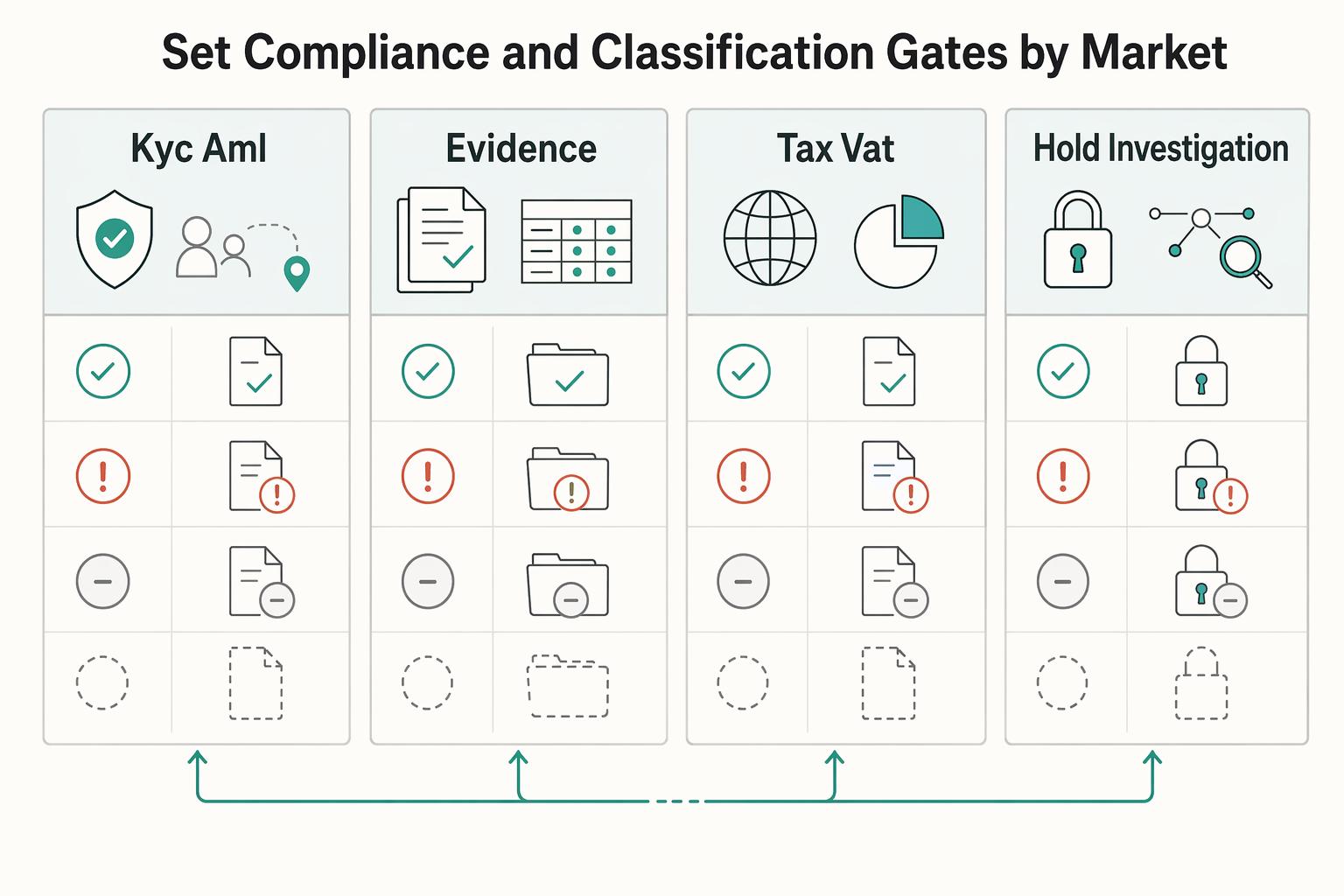
Set compliance and classification gates by market#
Treat compliance and governance work as planned launch gates, not afterthoughts. For each corridor and program, document payout-release checks, evidence requirements, and hold rules. If a gate owner cannot show release criteria, treat that route as not launch-ready.
| Gate | What to record | Release rule |
|---|---|---|
| KYC/AML status | Market, program, KYC/AML policy status for release, owner, evidence location, and releasable status | Use ready, blocked, not required, or missing info; block release when required rows are missing |
| Classification evidence | Selected classification path and the evidence required by internal policy for that path; keep worker types separate with distinct owners and checklists | Set payout eligibility to read the selected classification path first |
| Tax and VAT readiness | Tax setup or document readiness in the same go or no-go checklist; compact market view with ready, blocked, or missing info | Hold expansion until resolved |
| Hold and investigation rules | Payment reference, intended payout, classification path, and supporting evidence kept together; cost-allocation tags, budgets, and anomaly alerts | Release only after records are matched and the hold condition is formally resolved |
- Mark where KYC and AML decisions are defined vs unknown. Build a market or program matrix with operator fields: market, program, KYC/AML policy status for release (
defined,not required,missing info), owner, evidence location, and releasable status. Do not assume one rule applies across every corridor.
Use explicit statuses (ready, blocked, not required, missing info) and block release when required rows are missing. Make missing detail visible in the review view, including clear empty-state signals, so gaps are caught before payout pressure builds.
- Tie onboarding evidence to the classification path. Set payout eligibility to read the selected classification path first, then the evidence required by your internal policy for that path. If you run separate worker types (for example, employee vs contractor), keep those tracks separate in your operating logic, with distinct owners and checklists.
The operator check is straightforward: does the selected path have the expected evidence attached to the correct counterparty before release? Catching gaps early matters because late discovery can drive mid-cycle rework.
- Use tax and VAT readiness as a launch gate, with unknowns marked. Put tax and VAT readiness in the same go or no-go checklist as payout operations. If tax setup or document readiness is still open for a corridor, mark it
blockedormissing infoand hold expansion until resolved.
Keep the market view compact and explicit (ready, blocked, missing info) so partial readiness is visible and practical. That avoids unnecessary manual fixes later in the cycle.
- Write hold and investigation rules for unmatched funds and risk signals. Define hold policy for unmatched deposits and triggered risk signals before launch. While funds are on hold, keep the payment reference, intended payout, classification path, and supporting evidence together so investigation stays traceable.
Use operational guardrails like cost-allocation tags, budgets, and anomaly alerts to distinguish one-off mismatches from recurring corridor problems. Release only after records are matched and the hold condition is formally resolved.
Run a phased launch and expansion sequence#
With the current grounding, the only defensible pacing signal is your risk tolerance, not a fixed IT staffing rollout formula. The evidence here does not validate a required three-stage sequence, a one-corridor or one-model starting rule, a specific weekly KPI set, or a threshold rule to freeze corridors.
Use this section as an operating constraint. If you move in phases, base that on your own stability records and state clearly that it is an internal policy choice, not a documented industry standard.
One timing reference here is:
| Pace | Timeline signal here |
|---|---|
| Aggressive | 6 to 12 months |
| Conservative | 18 to 24+ months |
| Bridge benchmark (separate statement) | 12 to 18 months |
These timeline ranges are presented as risk-tolerance tradeoffs and are not specific to IT staffing platform payments. For a step-by-step walkthrough, see Translation and Localization Platform Payments: How to Pay Freelance Linguists in 100+ Countries.
Fix common rollout mistakes before they compound#
When a pilot starts to look stable, a common risk is policy drift: contract language, invoice logic, payout checks, and dispute evidence stop matching. Fix that early, before volume makes it harder to unwind.
| Mistake | Recovery | Checkpoint |
|---|---|---|
| Copying generic contract advice directly into platform policy | Re-map every client-facing term to an operational control and stored artifact: what triggers invoicing, what blocks payout, what proves acceptance, and what is required at close-out, including UAT, knowledge transfer, and runbooks | Each term has a clear owner and retrievable evidence |
| Blending ongoing support work with build milestones in one contract path | Define clear acceptance and evidence rules for support work versus milestone work so billing treatment is explicit | Ops can clearly distinguish time-based support from deliverable-based work |
| Treating capacity-based support as guaranteed output delivery | Separate capacity commitment from deliverable commitment in both policy and invoice logic | You can prove the difference between availability was provided and deliverable was accepted |
| Applying one default rule across all channels | Segment rules by channel, including invoice review, exception handling, and profitability checks | Use cost-allocation tags, budgets, and anomaly alerts by channel; if one channel repeatedly needs manual correction, pause expansion there until pricing and evidence controls are clean |
- Mistake: Copying generic contract advice directly into platform policy.
Recovery: Re-map every client-facing term to an operational control and stored artifact: what triggers invoicing, what blocks payout, what proves acceptance, and what is required at close-out, including UAT, knowledge transfer, and runbooks.
Checkpoint: Each term has a clear owner and retrievable evidence. If not, it is still aspirational and likely to fail when discovery gaps turn into mid-sprint rework.
- Mistake: Blending ongoing support work with build milestones in one contract path.
Recovery: Define clear acceptance and evidence rules for support work versus milestone work so billing treatment is explicit.
Checkpoint: Ops can clearly distinguish time-based support from deliverable-based work. If not, environment delays, data preparation overruns, and post-go-live support are easier to hide in billing and can erode margin.
- Mistake: Treating capacity-based support as guaranteed output delivery.
Recovery: Separate capacity commitment from deliverable commitment in both policy and invoice logic.
Checkpoint: You can prove the difference between "availability was provided" and "deliverable was accepted." Without that split, UAT delays and close-out work can complicate close-out and billing.
- Mistake: Applying one default rule across all channels.
Recovery: Segment rules by channel, including invoice review, exception handling, and profitability checks.
Checkpoint: Use cost-allocation tags, budgets, and anomaly alerts by channel so hidden expenses are visible instead of blended. If one channel repeatedly needs manual correction, pause expansion there until pricing and evidence controls are clean.
This pairs well with our guide on IRS Form 1042-S for Platform Operators: How to Report and Withhold on Foreign Contractor Payments.
Copy and paste rollout checklist#
Use this as a stop or go gate. If any item has no owner, no evidence, or no visible status, pause expansion.
- Complete the rollout pack.
Confirm required rollout documents are in one approved release set. Keep version, approval date, and storage location aligned across teams to prevent template drift.
Do not assume direct notification when documents change. Use one designated source of truth and require periodic checks for updates before launch.
- Lock known decisions and flag unsupported specifics.
If rollout decisions depend on items like Bill rate, Pay rate, or worker classification paths (for example W2 classification or 1099 classification), mark them as unknown until policy evidence is available. Keep the record explicit and operator-readable, not dependent on deal-call memory.
- Track the operations sequence end to end.
Use a staged tracker with visible status at each checkpoint. Prefer a format that clearly shows current state and latest action.
- Document gates, holds, and ownership by lane.
For each lane, document release gates, hold triggers, review owner, and hold-clear conditions. Assign a single point of contact for exception handling so accountability is clear.
- Gate expansion on checkpoint outcomes.
Expand only when checkpoints are explicitly marked with clear state, for example: ready, blocked, needs validation. Avoid vague readiness language.
- Record unknowns before broad rollout.
If evidence is incomplete, log each unknown, assign an owner, and set a validation date before broader rollout. Do not let unresolved items pass by silence.
Paste-ready final gate
- Rollout pack complete and version-aligned
- Unsupported channel-economics or classification specifics logged as unknowns with owners
- Staged checkpoints tracked with clear state and latest action visibility
- Hold rules documented by lane, with named owner and single point of contact
- Checkpoints reviewed and state-marked
- Unknowns logged, assigned, and tracked to validation
If a new operator cannot open the launch file and identify the latest action, rollout is not ready. Before expanding to new corridors, confirm open unknowns, ownership, and rollout fit with your team in one coverage review.
Frequently Asked Questions
What is the practical difference between a `Retainer agreement` and a `Milestone payment` model for IT staffing platforms?
A Retainer agreement is for ongoing service access or capacity and is commonly paid in advance, even when exact tasks are defined over time. A Milestone payment model releases later payments only after named checkpoints are reached. In practice, retainers need clear scope and commitment terms, while milestones need clear checkpoints and release terms.
When should a platform choose `Hourly billing` over a `Fixed-cost contract`?
There is no universal rule, because model fit depends on market context, product or service type, and client preferences. Whichever model you choose, weak billing operations can become a collection problem, not just an admin problem.
How do `Bill rate` and `Pay rate` affect margin planning and payout operations?
Agreement terms and payment triggers should be explicit and consistent. When billing operations drift, revenue collection can break down in execution.
When do fixed monthly hours make more sense than strict milestone deliverables?
Fixed monthly hours can make more sense when the buyer is paying for ongoing access, coverage, or service continuity rather than a tightly bounded output. That lines up with the retainer pattern, where payment can be made in advance while detailed work is scoped over time. It is still useful to define measurable service units, and one practitioner view suggests some clients resist retainers that are not tied to time or another clear measure.
What are the biggest risks when switching from hourly to milestone contracts mid-client relationship?
Upfront-commitment risk can be reduced through clear milestones and explicit contract clauses. If a team switches models, payment checkpoints and protections should be made explicit in the governing agreement.
What should operators confirm before expanding these payment models across new markets and classifications?
Confirm that model choice is context-specific, not a default copied across every market or client type. Validate that each agreement clearly defines deliverables, responsibilities, protections, and payment triggers before scaling. For milestone-led designs, ensure checkpoints are clearly defined so release decisions remain consistent as volume grows.
Try a related tool
Researched and edited by the Gruv editorial team. Gruv builds cross-border billing, payouts, and finance-operations software for global businesses.
Sources
- bgs.vermont.gov/sites/bgs/files/files/purchasing-contracting...trusted
- congress.gov/bill/119th-congress/house-bill/3838/texttrusted
- dotd.la.gov/media/i43mj0a1/contract-nos-4400033117-44000...trusted
- govinfo.gov/content/pkg/BILLS-119s1071eah/html/BILLS-119...trusted
- healthvermont.gov/sites/default/files/documents/pdf/ADAP_FY18%...trusted
- northbayvillage-fl.gov/wp-content/uploads/2024/03/BA0000315-PAYROLL...trusted
- ofac.treasury.gov/system/files/2025-12/NDAA_FY2026.pdftrusted
- piercecountywa.gov/8941/Government-Affairs-Update---Legislative-trusted
Educational content only. Not legal, tax, or financial advice.
Related Posts
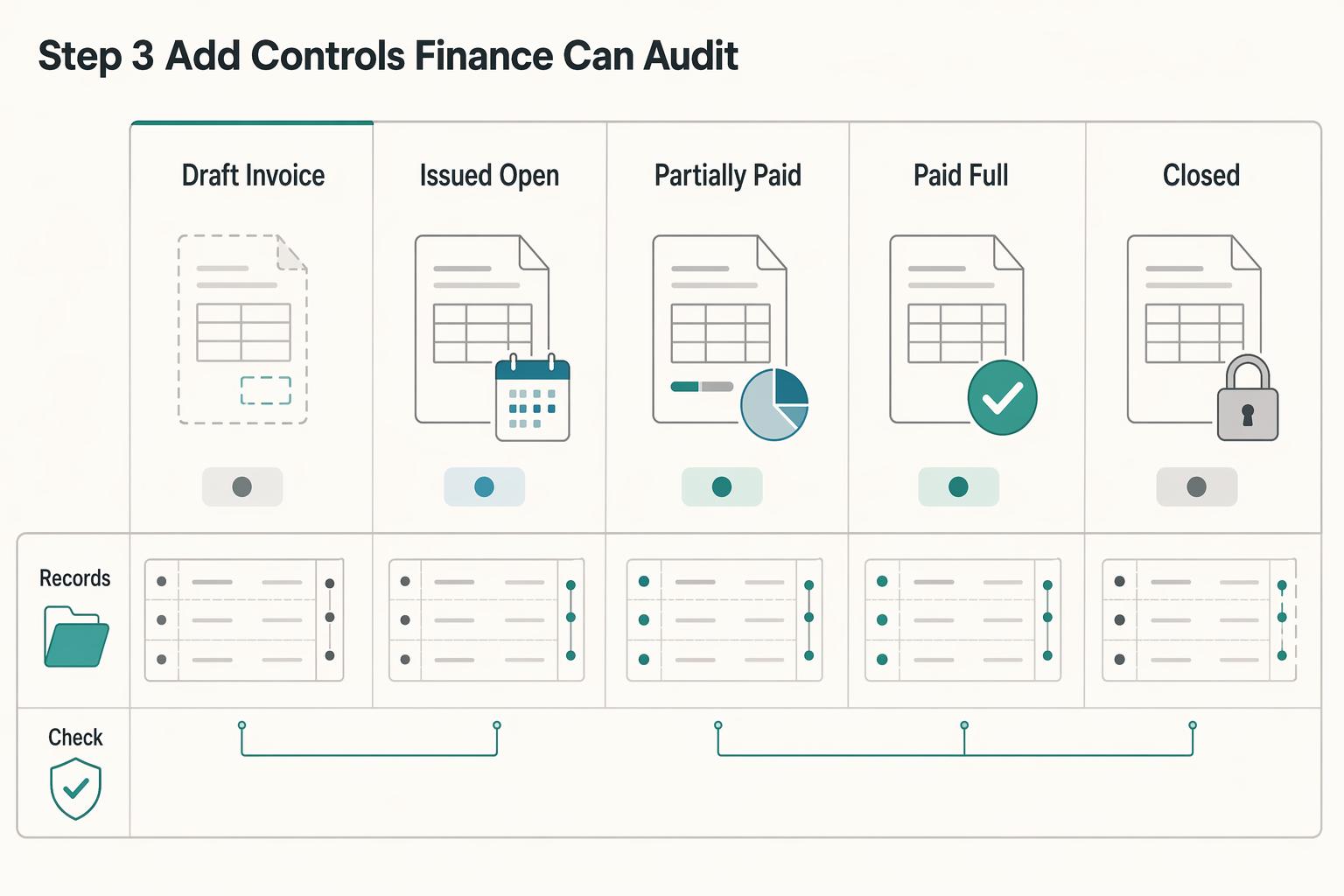
Partial Payments and Milestone Billing: How to Implement Flexible Invoice Terms on Your Platform
Milestone billing is most reliable when each invoice is tied to a defined project checkpoint, a clear completion signal, and a billable amount. Without that chain, there is no clear link between progress and billing.
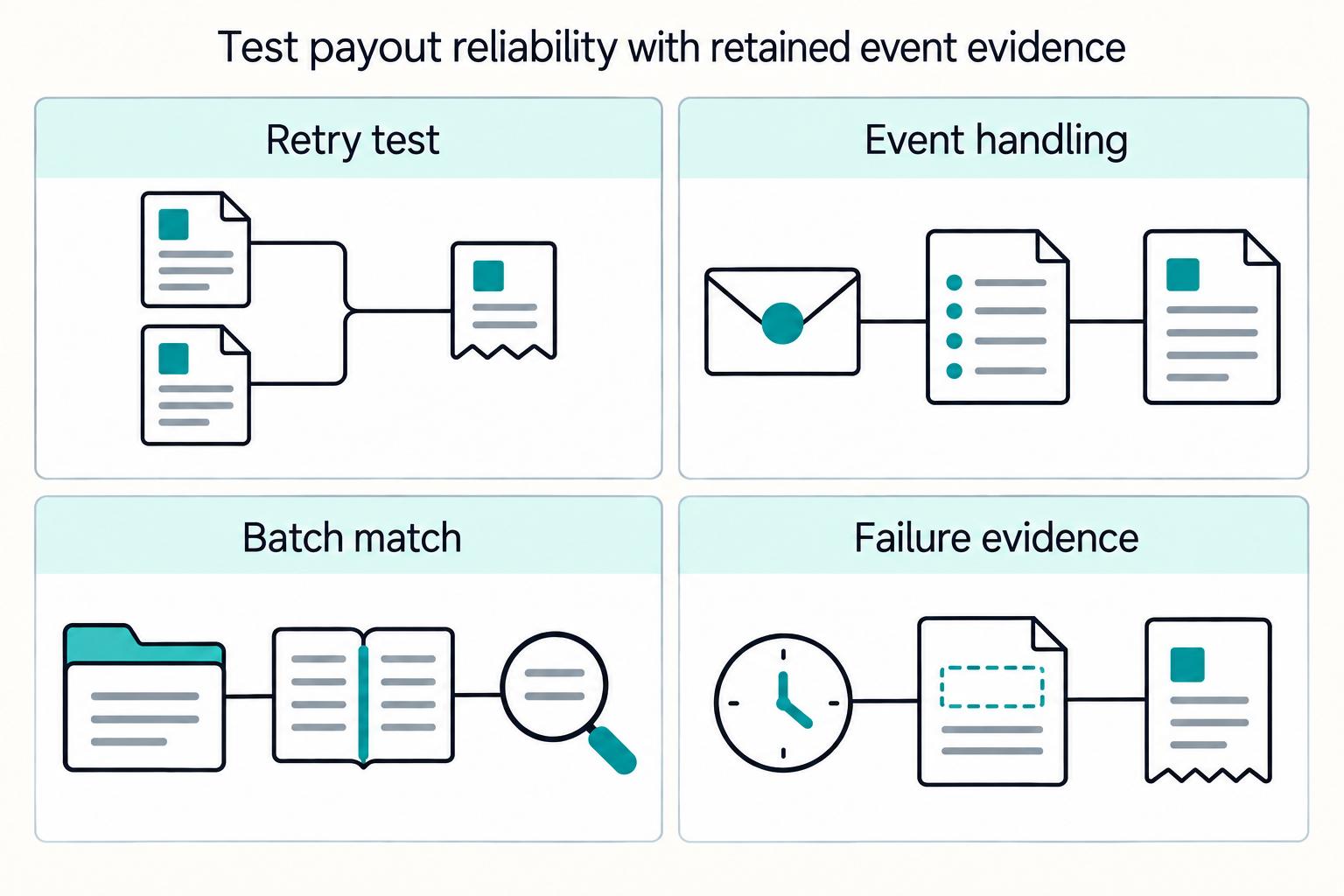
Gaming Platform Payments: How to Pay Game Developers Studios and Tournament Players at Scale
Payment operations can start breaking before growth does. If you collect from players, convert funds across borders, and pay studios, developers, or tournament winners, you are not running separate payment tasks. You are running one connected money movement model. Weakness in any leg can show up as margin pressure, cash delays, or trust damage.
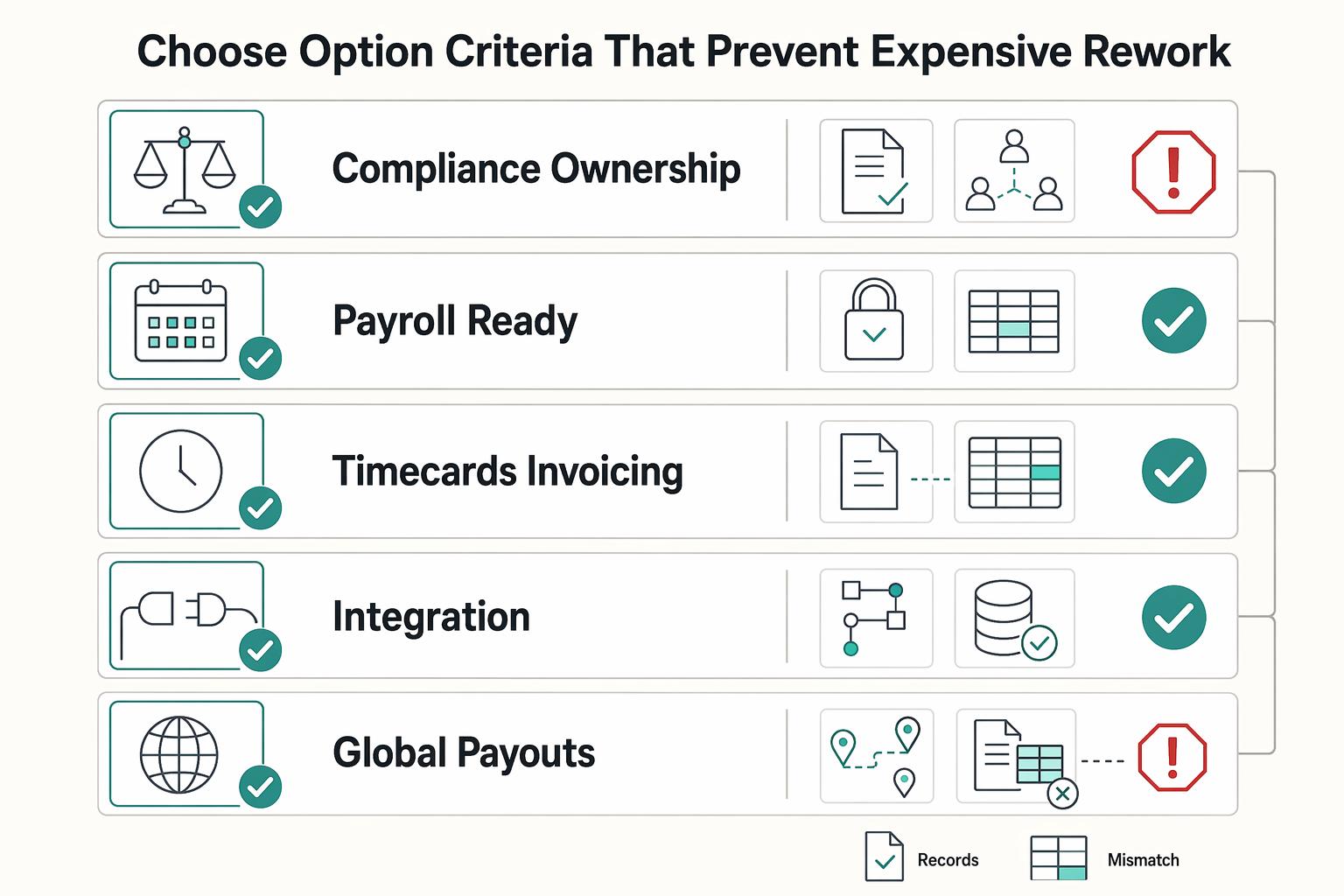
Healthcare Staffing Platform Payments Compliance for Safer Rollouts
In healthcare staffing, payout speed matters only when compliance ownership is clear. The real decision is not who can move money fastest. It is which option improves operations without blurring who owns employment, payroll, and labor-law obligations when something goes wrong.