
Operator playbooks for cross-border payments, tax, and compliance execution.
Step-by-step guidance for finance, product, and ops teams to launch faster, reduce payout friction, and keep reconciliation clean across borders.
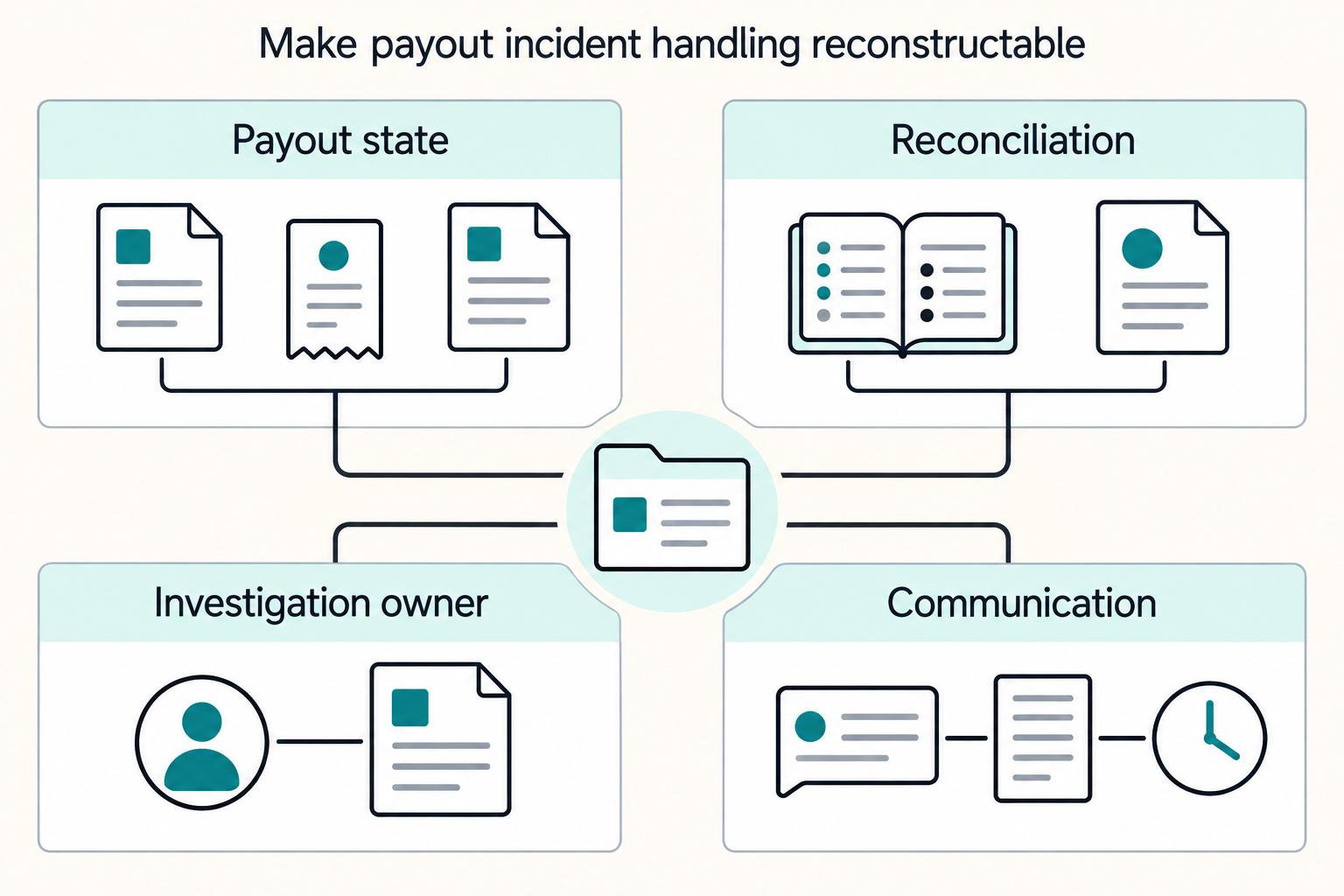
Future Contractor Payments Depend on Market-Ready Operations
A contractor who completes a milestone on Friday may want to use the earnings that weekend. An instant rail can shorten one part of that wait, but the platform still needs to approve the obligation, fund the payment, send it to an eligible destination, and explain any exception. Evaluate the full route rather than the speed of its first API response.
Read more →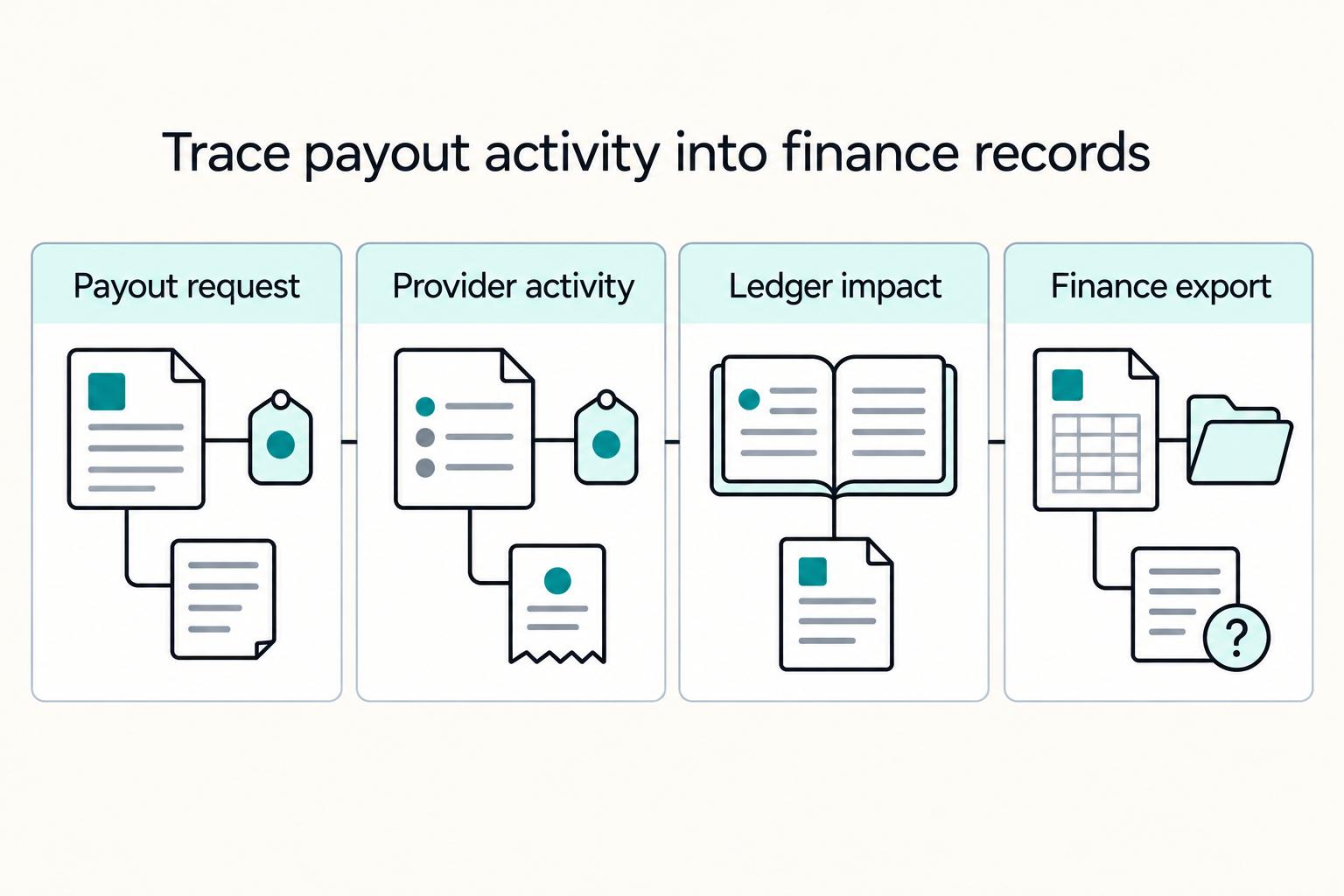
How to Build a White-Label Payout Solution That Holds Up in Production
If you are choosing a white-label payment product for payouts, optimize for reliability and control, not branded polish. It is licensed, API-based payment infrastructure that you can brand as your own instead of building the rails from scratch. For payouts, the goal is not a polished demo with your logo and colors. It is a product that still works when finance needs traceability, ops needs clean exception handling, and engineering needs predictable integration points.
Read more →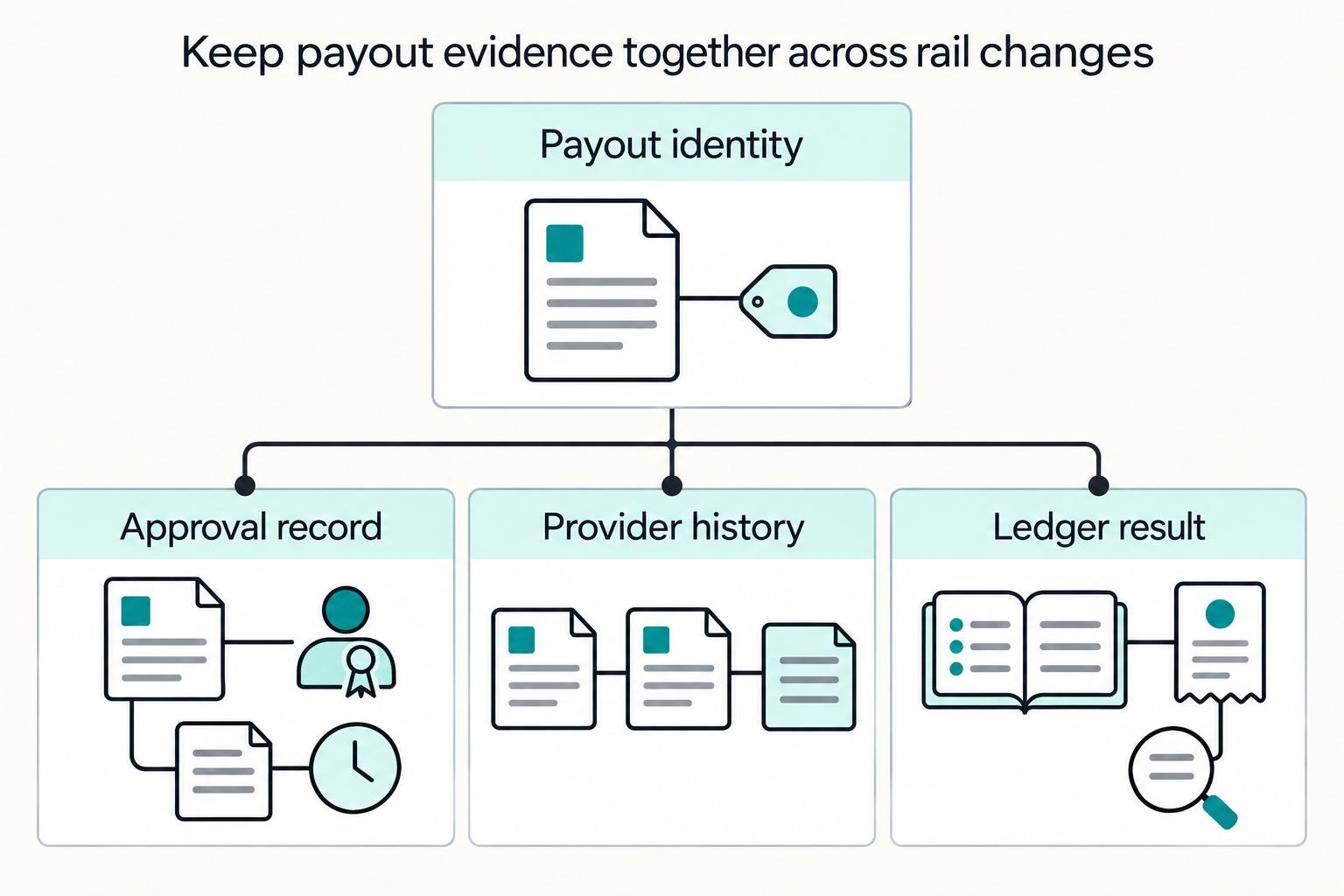
Pay Contractors in Turkey on FAST and EFT With MASAK Controls
Use FAST for eligible TRY transfers that need round-the-clock processing, and EFT for amounts or routes outside your provider’s FAST support. First separate the commercial obligation from the payment service: who owes the contractor, who converts or holds funds, and which licensed institution executes the transfer? That map determines your controls and avoids treating a rail choice as a tax or employment decision.
Read more →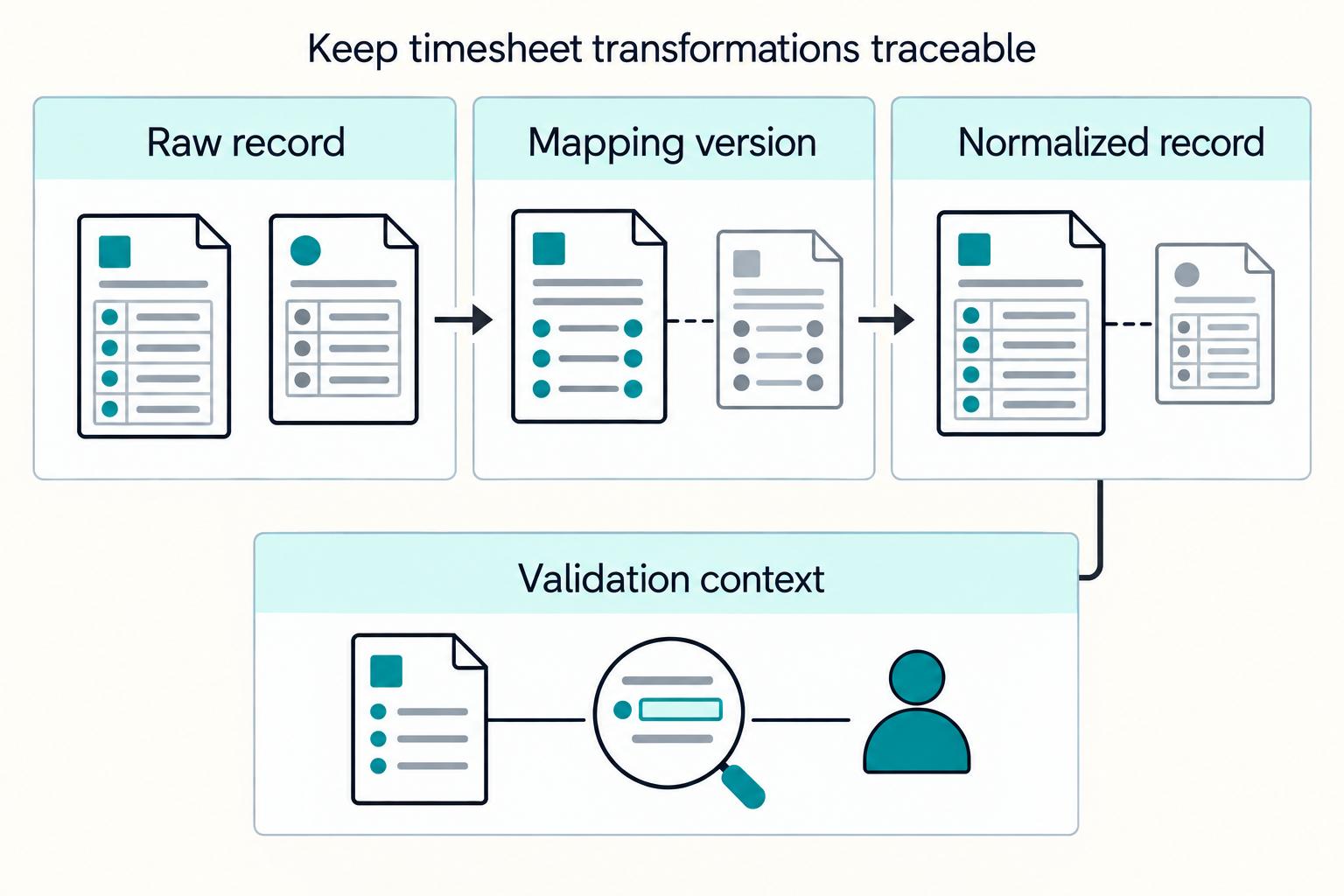
Build a Staffing Payout Platform That Can Support Weekly Pay
Treat staffing payouts as payroll operations, not just money movement. The moment you promise weekly pay, you take responsibility for compensation timing, payroll tax withholding, approval timing, and the quality of the data behind every calculation. That reliability matters because payroll is not a back-office detail to workers. UKG cites 2023 survey data showing that more than 78% of people would find it somewhat or very difficult to meet their financial obligations if a paycheck were delayed by one week. SignalFire notes that once pay is late or inaccurate, 25% of workers start exploring other opportunities.
Read more →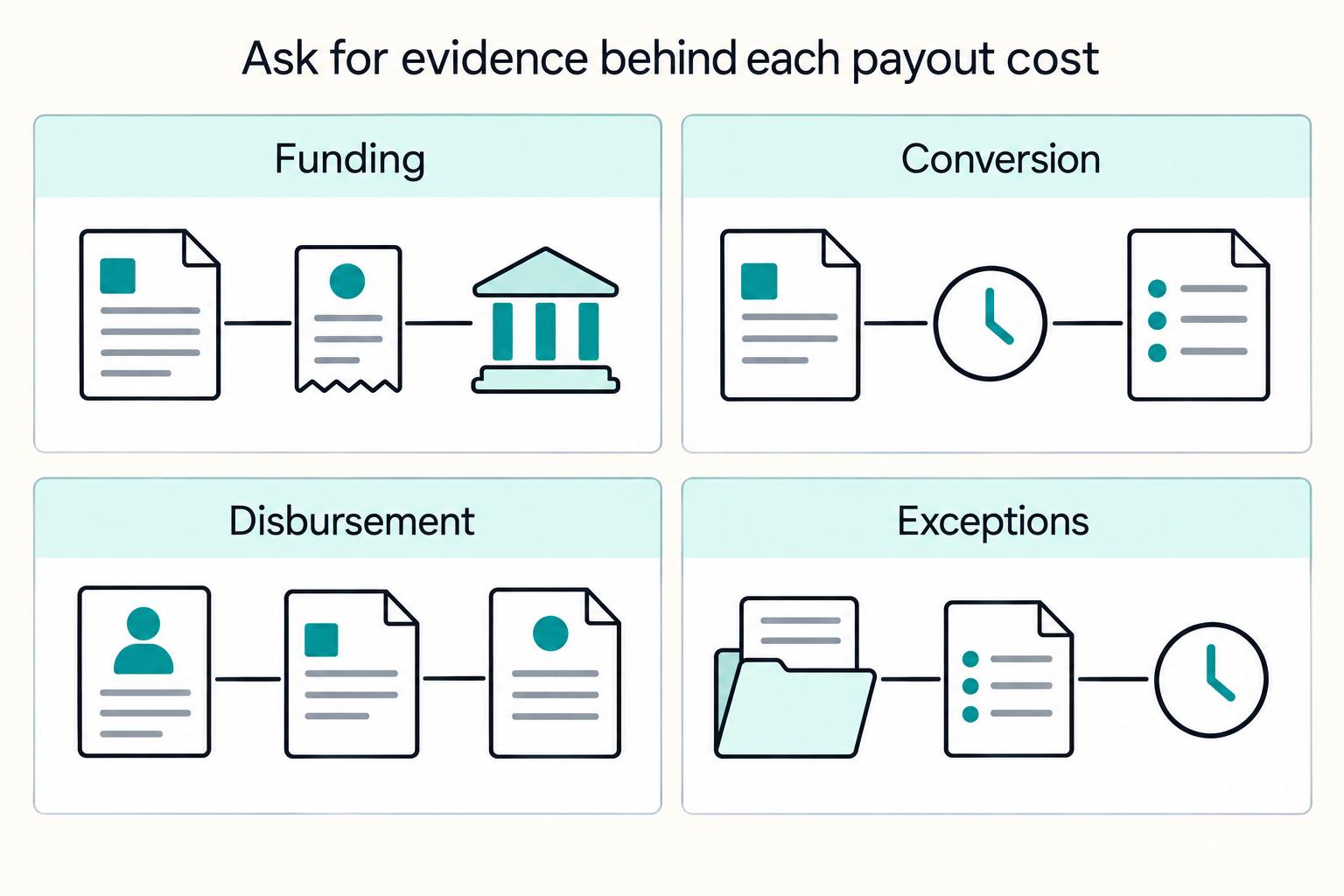
The Cost of a $100 Contractor Payout to Ghana
A contractor invoice for USD 100, a sender budget of USD 100 and a transfer of USD 100 before fees are different starting points. Agree which amount is owed and who bears charges before comparing Ghana payout routes. The useful output is a reconciled sender outlay and net contractor receipt, rather than one headline transfer fee.
Read more →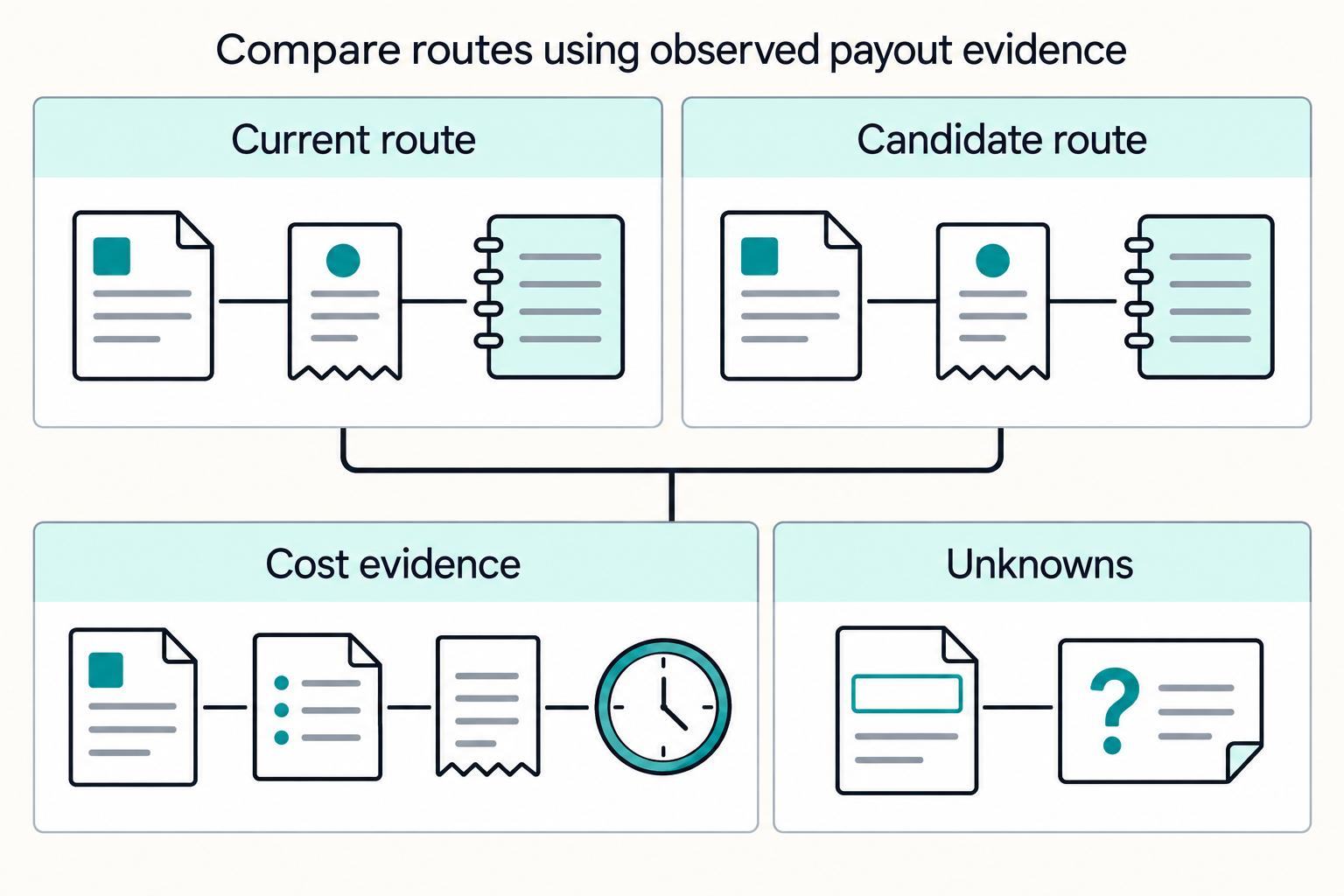
How Platforms Reduce Cross-Border Payout Costs
A low fee card rarely tells you what a payout really costs. Margin can still leak through additional cross-border charges and operational friction that never showed up in the vendor pitch.
Read more →
Stale Cheque and Uncashed Payment Policy for US Platforms
A platform can have an old cheque and a current obligation to its owner. The instrument’s bank treatment does not by itself establish whether the underlying amount has been paid, abandoned or legally discharged. This policy focuses on US cheques and state unclaimed-property administration; other countries and special instruments need their own rules.
Read more →
Notify Contractors About Payment Delays With SLA Checkpoints
**Set the operating promise.** Treat payment-delay communication as an operational control, not a courtesy note you improvise under pressure. This guide helps you run delays in production with clear service expectations and reusable templates that still hold up when the situation gets messy.
Read more →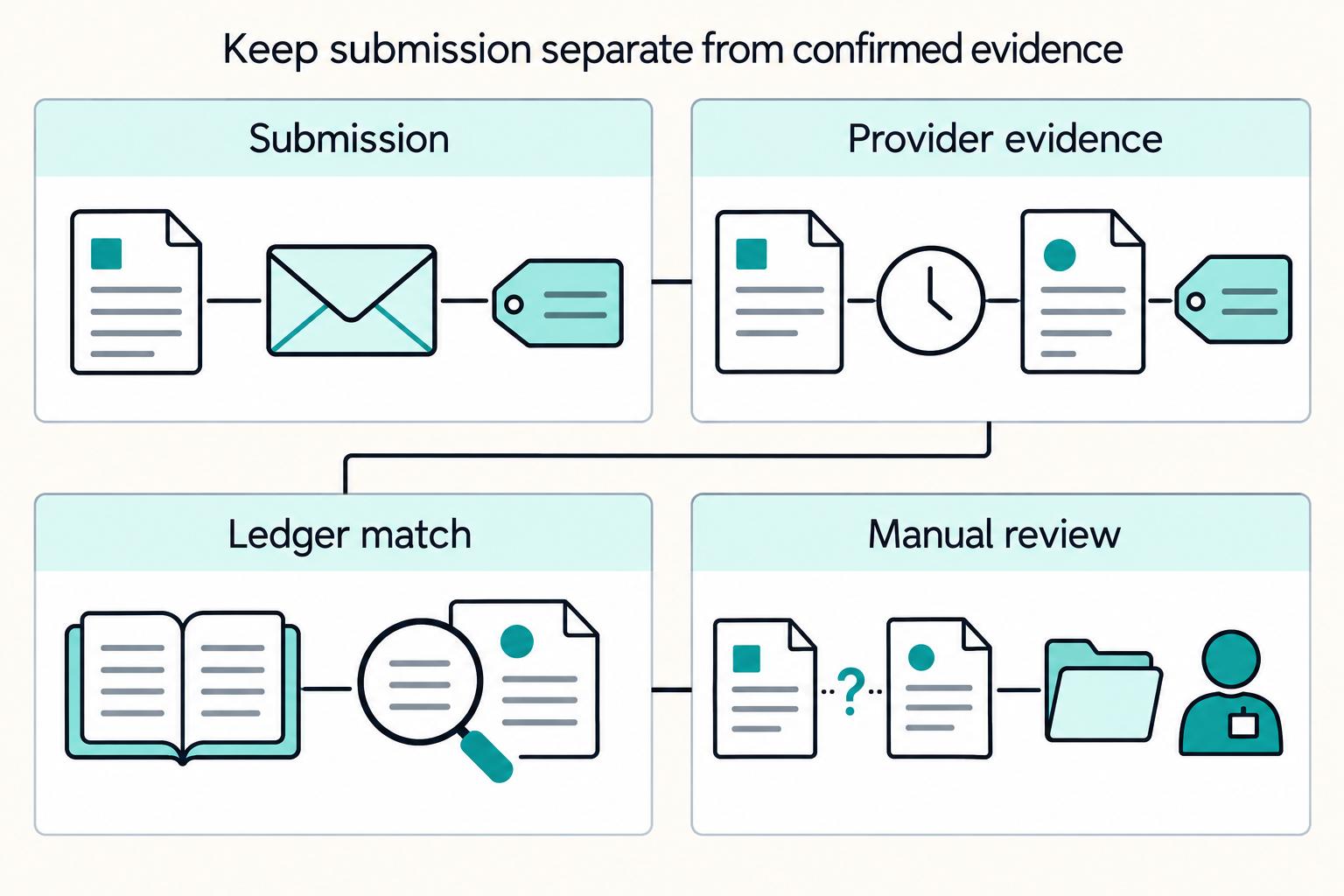
Pay Contractors in Hungary With Evidence-First HUF Routing Decisions
**Use this guide to make a rollout decision, not to collect payment trivia.** For Hungary, start narrow and on solid ground. The **[MNB Payment Systems Report 2025](https://www.mnb.hu/letoltes/mnb-payment-systems-report-2025-digital-final.pdf)** explicitly covers both **VIBER** and **ICS**. It also says that one of the Magyar Nemzeti Bank's core responsibilities is to promote the smooth execution of payments and support reliable, efficient financial market infrastructures. That gives you two firm anchors from the start: confirmed rails and confirmed institutional ownership.
Read more →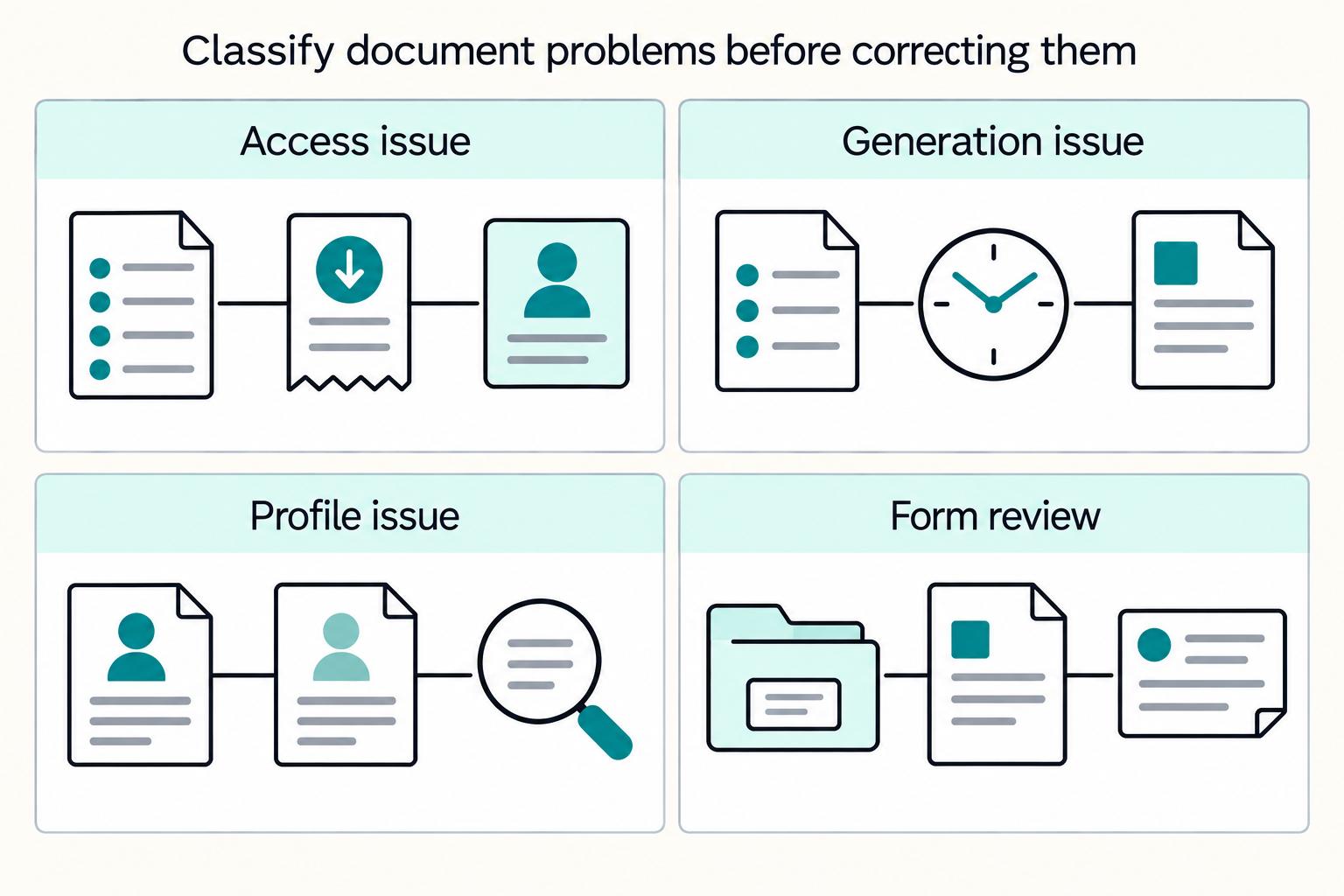
Contractor Tax Document Portal for Self-Service 1099 and W-8 Delivery
A useful contractor tax document portal is a controlled release process, not just a file shelf. Deliver Form W-9, Form W-8, and recipient copies of Form 1099-NEC only when the underlying payee record is clean. Give each release a clear owner and a defined escalation path for cases that are not ready.
Read more →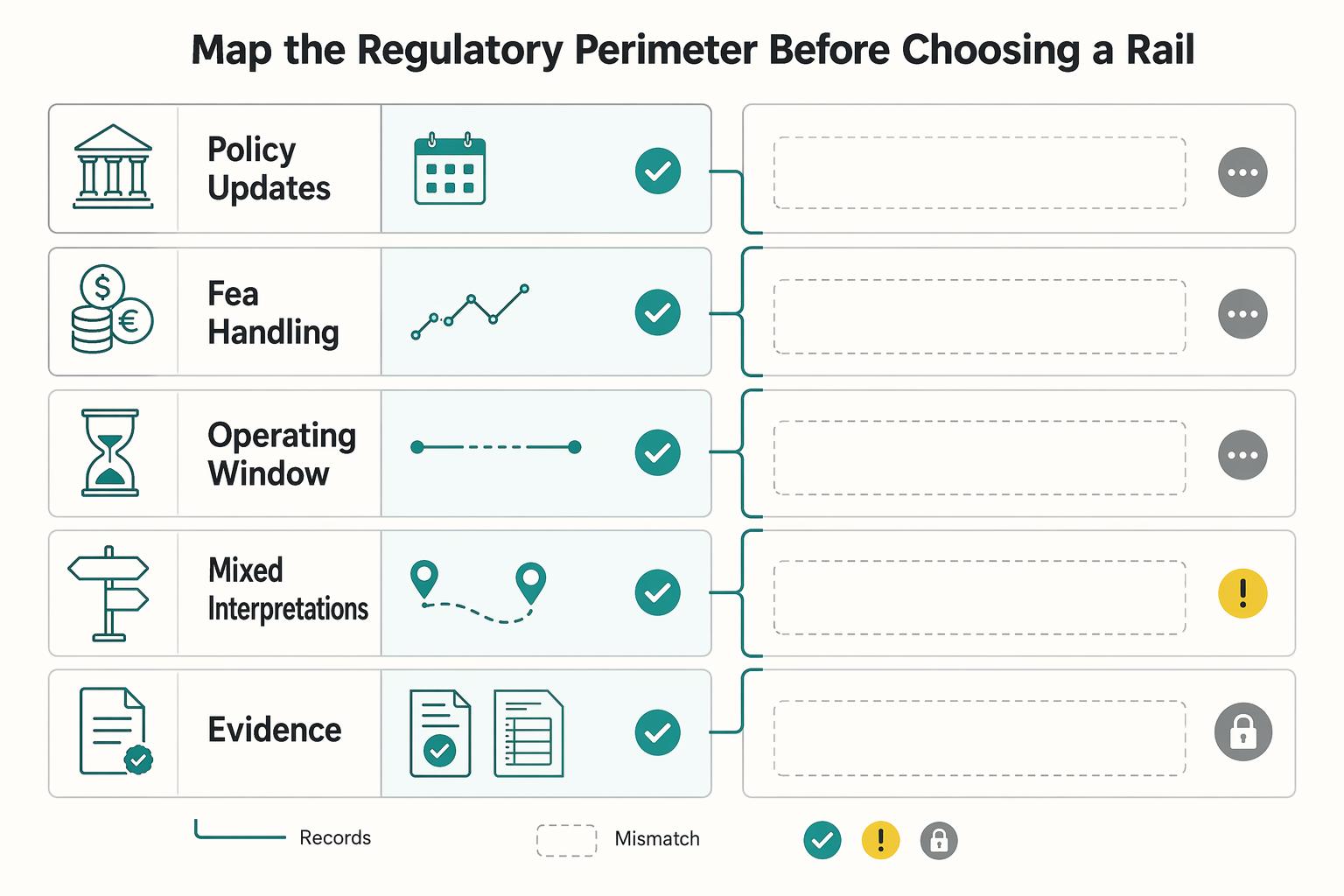
Paying Ukraine Contractors Through Monobank and Privat24 Under NBU FX Rules
The practical constraint is how policy and payment treatment apply to your flow when you go live. Paying independent contractors in Ukraine still requires local tax adherence and proper contract management. So your first question is not, "Can we add Monobank or Privat24?" It is, "Can we prove our exact contractor flow is supportable today under the current banking-policy environment in Ukraine?" If you cannot answer that with dated evidence, keep this in pilot planning rather than your first production wave.
Read more →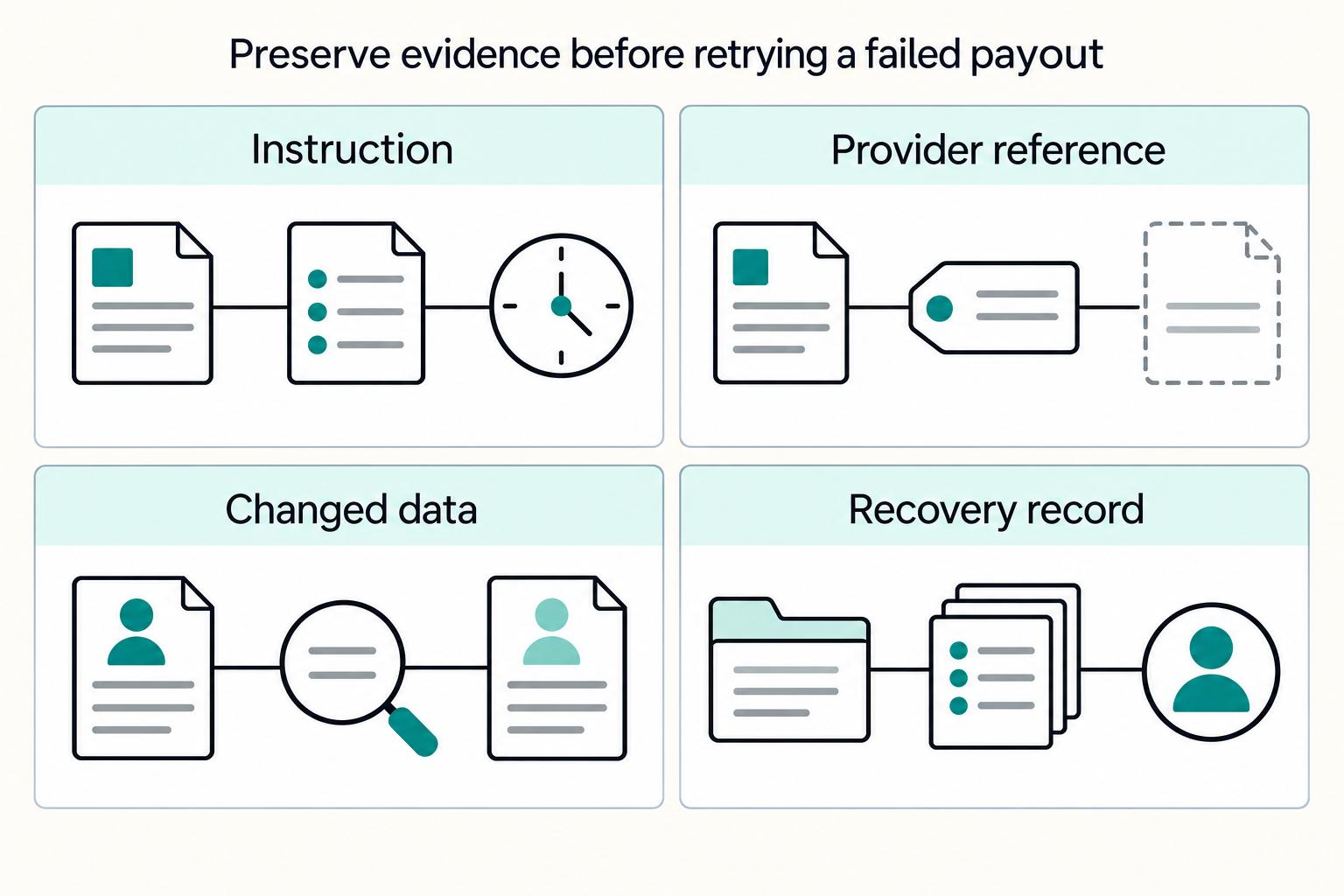
How to Pay Contractors in Czech Republic with CZK Routing and CNB Controls
Before you spend product or compliance effort on the Czech Republic, lock down the few things you can verify. The [Czech National Bank](https://www.cnb.cz/en), or CNB, supervises the banking sector and payment systems in the local market, and the local currency is the Czech koruna, or CZK. Treat routing, settlement behavior, and partner feasibility as launch questions to prove, not shortcuts to build around.
Read more →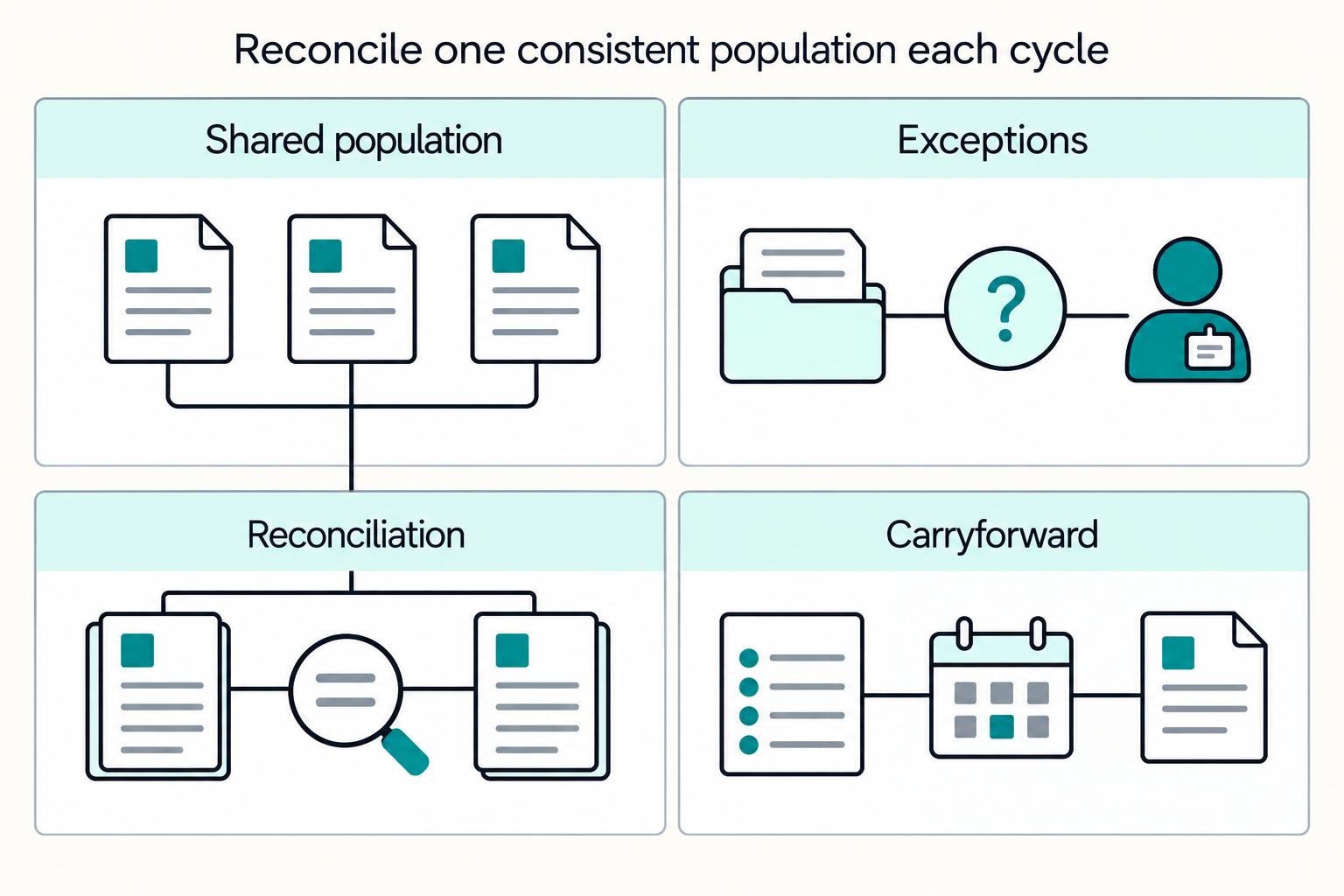
Pay Contractors in Kazakhstan With Verified Rails and NBK FX Checks
Kazakhstan is worth a serious look, but only if you separate visible payment activity from proof that your contractor payout model will work. The common early mistake is treating a known local payments brand, a QR acceptance story, or a broad central bank initiative as if it already answers payout operations, FX handling, and reporting readiness.
Read more →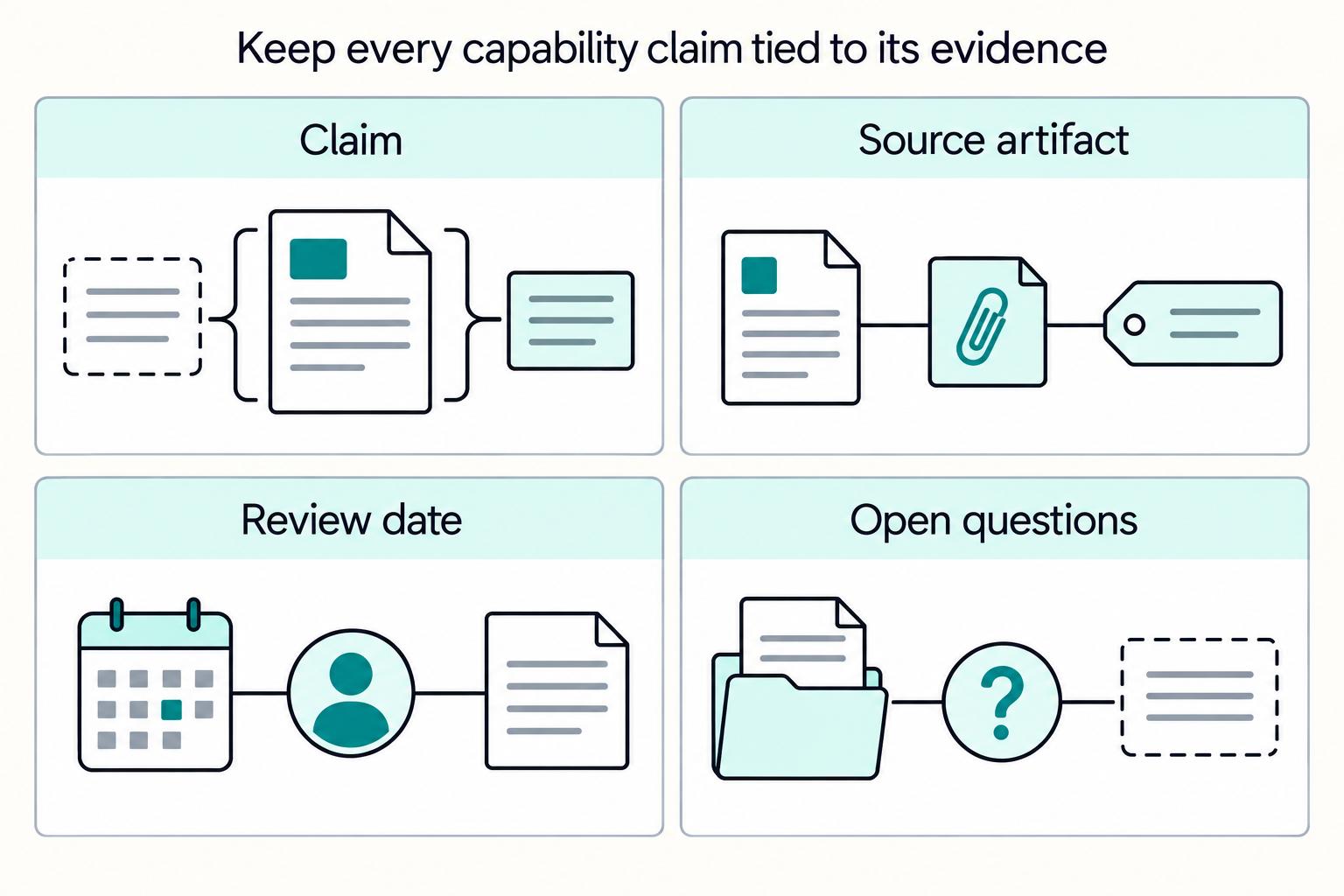
Pay Contractors in Israel Only After Bit, PayBox, and BOI FX Checks Clear
Short answer: the public material we can confirm gives useful payment-system context, but it does not, on its own, support a launch decision for contractor payouts in Israel. Teams often jump from general payment-system context to "we can use Bit, PayBox, or a BOI FX interpretation for contractor payouts" without evidence for that leap.
Read more →
Gig Platform Regulatory Radar 2026: 10 Laws That Will Impact How You Pay Contractors
If you own compliance, legal, finance, or risk at a platform that pays contractors, sellers, or creators across multiple markets, the hard part is not keeping up with headlines. It is deciding which legal changes can actually disrupt pay operations, and which are still too early or too vague to justify new controls. That is what a decision-oriented regulatory radar is for.
Read more →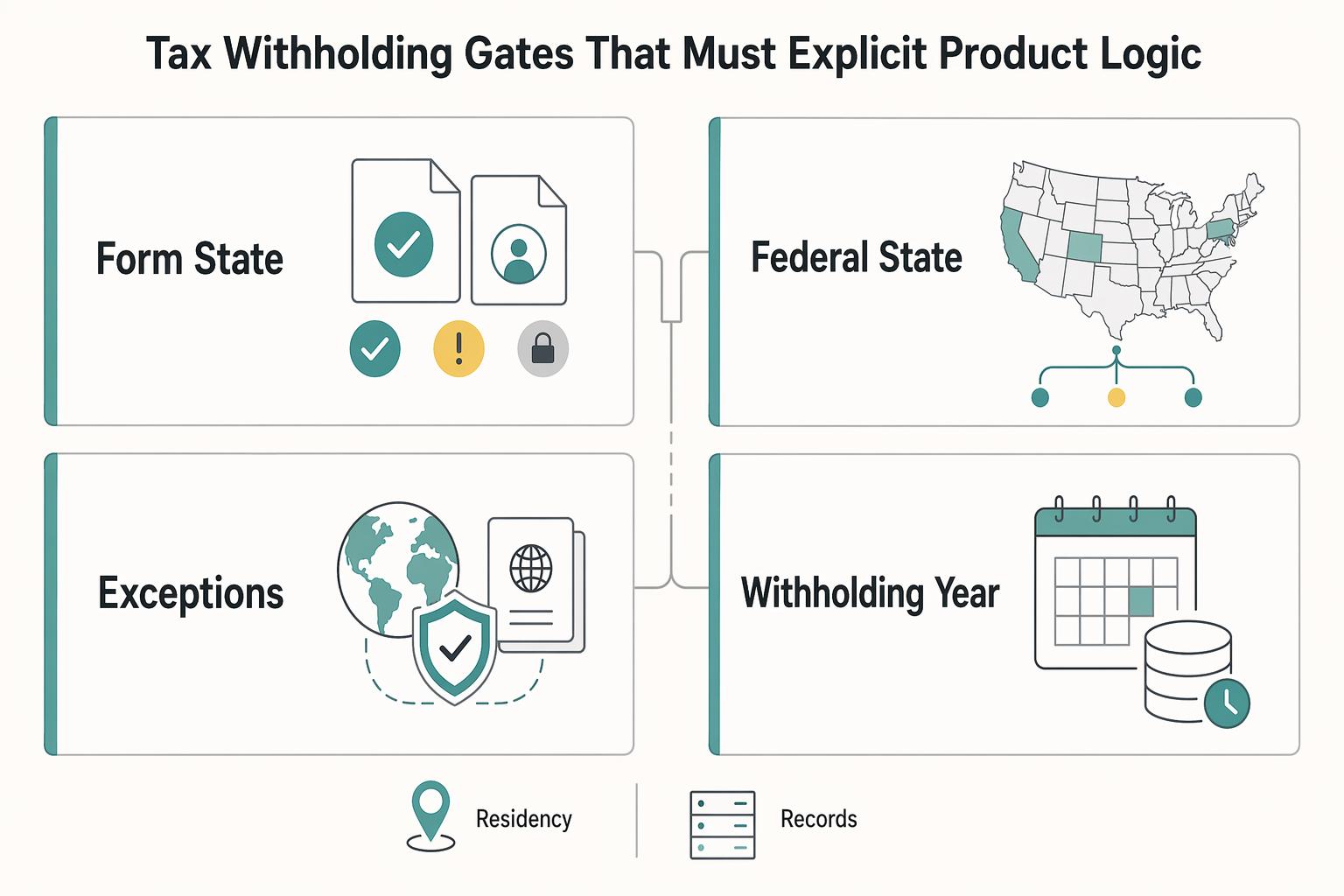
Choosing a Gross-to-Net Payout Model for Platform Disbursements
Payroll tax references matter, but they are not a payout architecture. Teams often collect withholding rules, filing-status details, and tax-form requirements before they have defined who owns each deduction line. That guidance still matters for withholding logic. [IRS guidance on the Additional Medicare Tax](https://www.irs.gov/businesses/small-businesses-self-employed/questions-and-answers-for-the-additional-medicare-tax) can be useful context for tax review, but it does not define deduction sequencing, ledger mapping, release gates, or recipient-facing payout explanations.
Read more →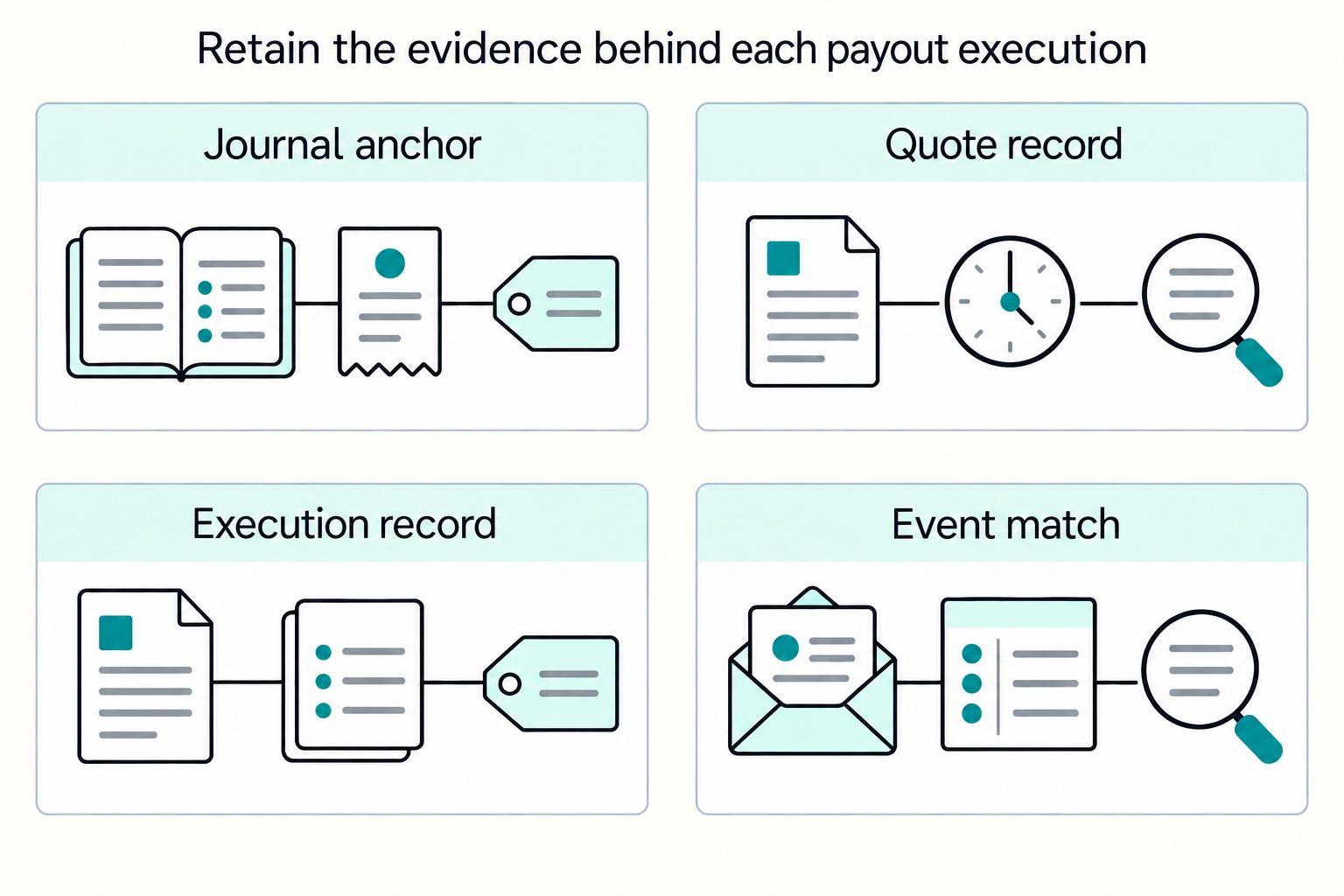
Stablecoin Settlement for Marketplace Platforms Without Hidden FX Leakage
Stablecoin settlement is an operating-model decision, not a speed demo. If you are a founder, Payments Ops lead, finance owner, or engineering owner evaluating stablecoin settlement marketplace platforms for cross-border payouts, start with one question. Do funds arrive in a usable form, with clear compliance evidence and clean reconciliation, at a lower total cost than your current payout mix?
Read more →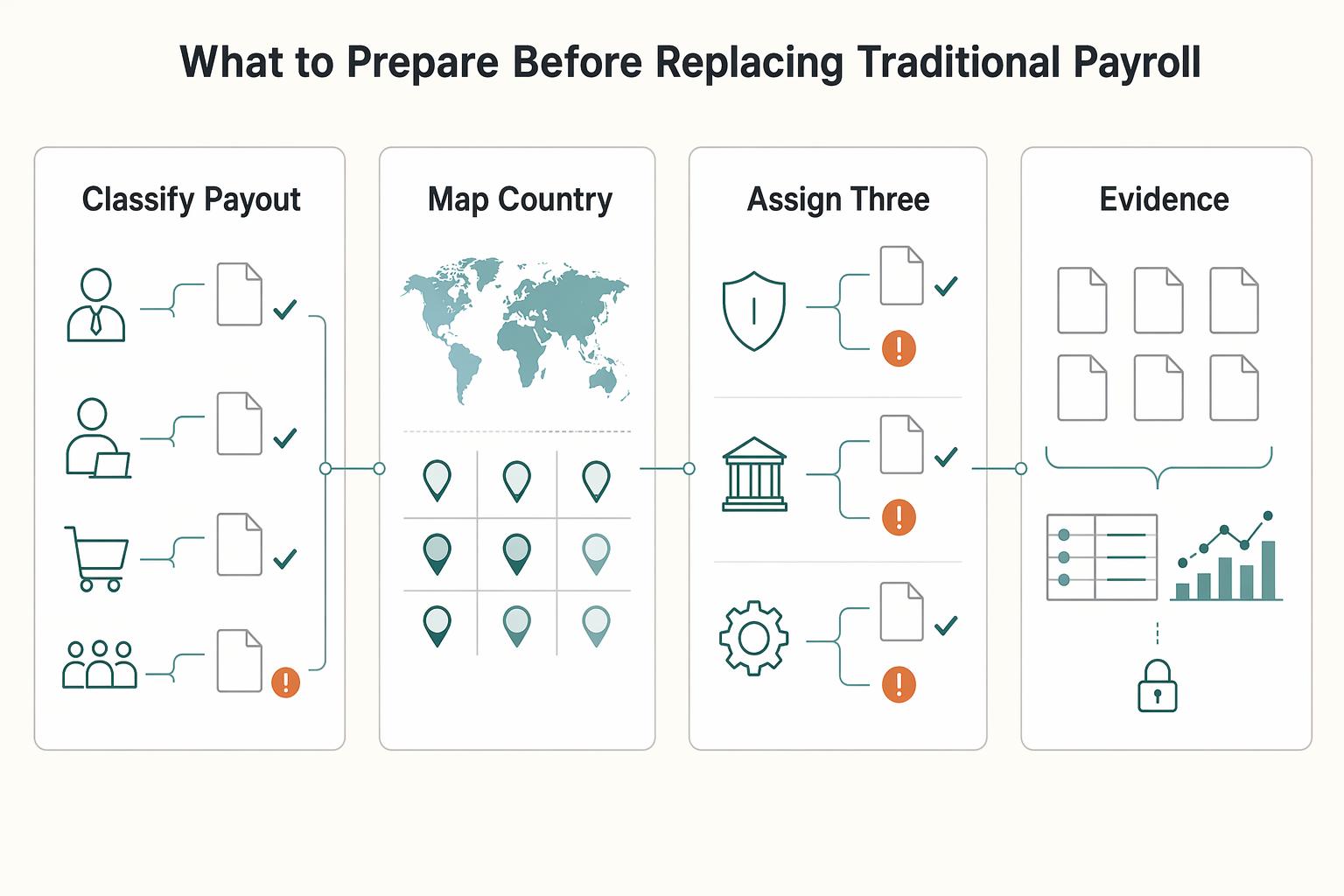
Build a Global Payroll Alternative with a Payout Platform
If you are paying people across countries, worker types, and currencies, payroll can stop feeling like one finance process and start feeling like multiple jobs: compliance ownership, money movement, and proof. Payroll in [fiat currencies](https://www.toku.com/resources/what-is-fiat-payroll) is still the standard for a reason. It is predictable, regulated, and tied closely to banking and tax infrastructure. But once your payee base is global, that model can start to strain.
Read more →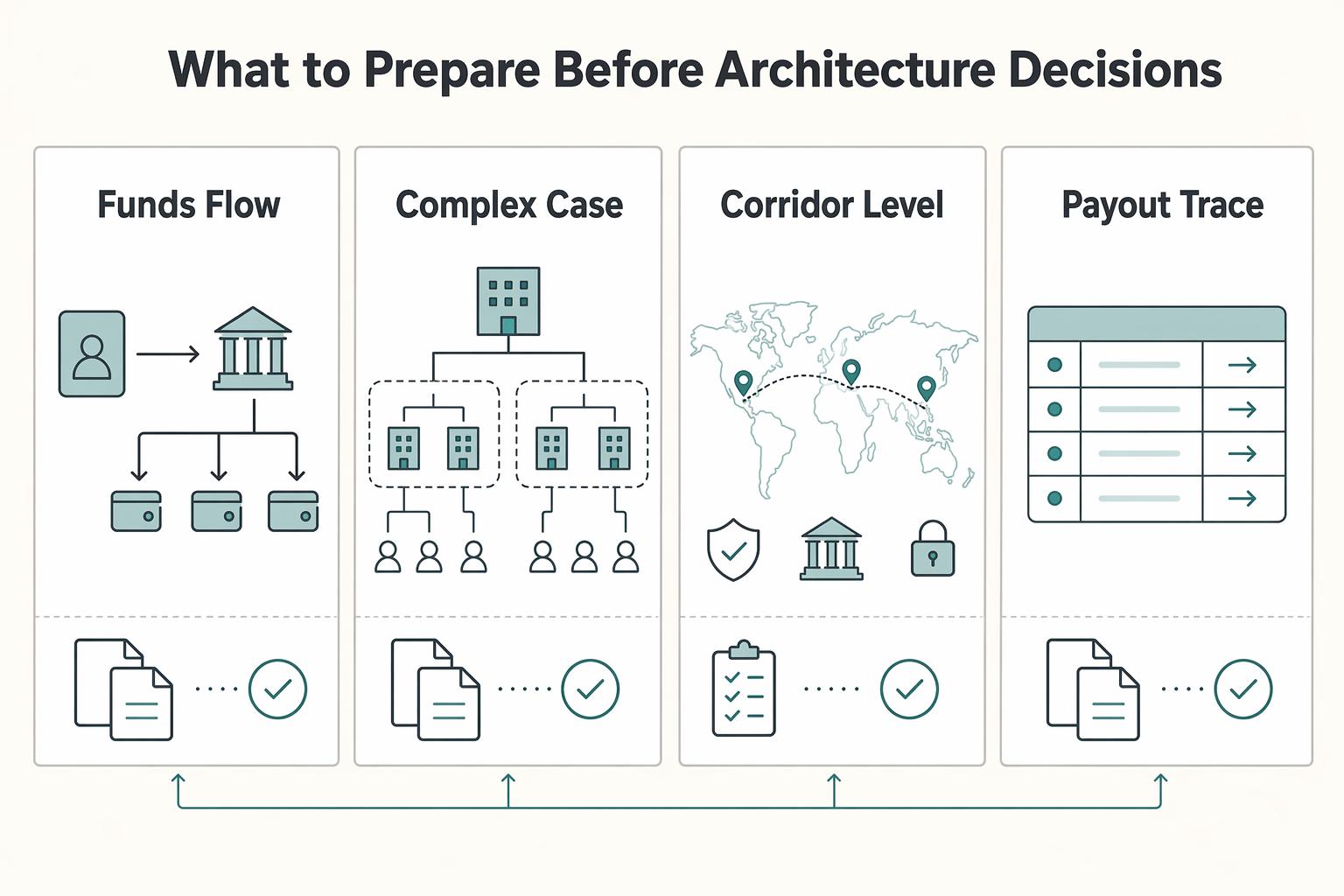
Omnibus Account Architecture for Platforms Holding Contractor Funds
An omnibus account holds funds for multiple customers in one external account, with records allocating interests or obligations to each customer. For contractor funds, distinguish a fiduciary or FBO program from an ordinary company account. Your ledger can record attribution, but cannot by itself create lawful custody, segregation, or permission to hold money.
Read more →
Build a Fair Internal Contractor Payment Dispute Process
A dispute process that stays fair under volume has to be designed up front, not improvised when urgent cases hit. This guide is for platform finance, ops, and product owners building or adapting an internal contractor payment dispute process that is fair, usable, and auditable.
Read more →