
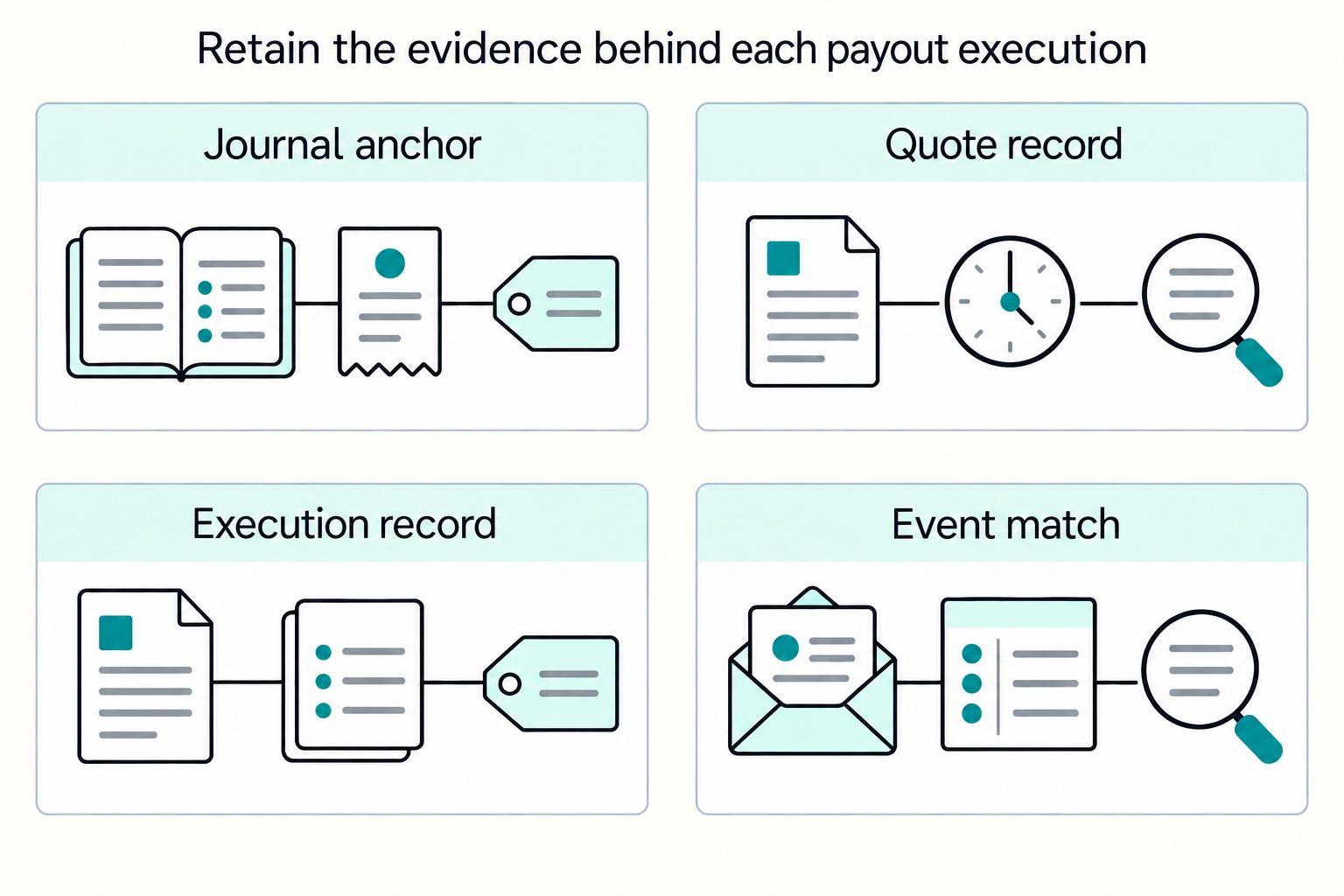
Quick Answer
Yes, stablecoin settlement can reduce hidden FX leakage for marketplace payouts, but it is rarely zero-cost. The workable model is to validate each corridor with three timestamps (initiation, settlement finality, recipient credited) and define who owns KYC/KYB/AML plus Travel Rule execution. When recipients need local fiat, off-ramp reliability and conversion design still decide the outcome; when they keep stablecoins, exposure can fall more sharply. Scale only after quote handling, webhook processing, and ledger reconciliation are consistently reliable.
Stablecoin settlement can cut hidden FX leakage but only with the right operating model#
Stablecoin settlement is an operating-model decision, not a speed demo. If you are a founder, Payments Ops lead, finance owner, or engineering owner evaluating stablecoin settlement marketplace platforms for cross-border payouts, start with one question. Do funds arrive in a usable form, with clear compliance evidence and clean reconciliation, at a lower total cost than your current payout mix?
The practical promise is narrower than the marketing pitch. You are not buying zero cost. You are trying to reduce opaque spread leakage where this model fits, keep compliance ownership clear, and preserve audit evidence from day one. If recipients need local fiat, the off-ramp and final fund availability are part of the product, not an afterthought.
- End-to-end completion matters more than raw settlement speed.
Clearing and settlement are different steps. Clearing validates and prepares the transaction, and settlement discharges the payment obligation by moving money. A payout is only complete when the recipient account is actually credited and the funds are usable. Key differentiator: Require visibility into three timestamps: initiation, settlement finality, and recipient fund availability. If you only see "sent" or "settled," support and finance still lack the full picture.
- Corridor fit should be validated before scaling.
Speed on one leg does not guarantee recipient availability in every destination market. ACH runs on defined processing windows and deadlines, and RTGS or wire-style rails can be near-immediate but still operate within set hours. Policy, compliance, and operating rules also vary by region. Key differentiator: Test one corridor at a time with real completion outcomes, including delayed and exception payouts. Do not label a flow "real time" if recipient credit lands later.
- Compliance ownership must be explicit.
Onchain movement does not automatically remove KYC, KYB, AML, or Travel Rule responsibilities. It can change who performs each control and what evidence is retained. U.S. policy analysis published 02/20/2025 explicitly frames bank-crypto regulation as a challenge area, so interpretation gaps across partners can block launches. Key differentiator: Put a written controls matrix in place before you pilot, including control owner, decision step, escalation path, and retained audit logs for approved, held, and rejected payouts.
- Reconciliation determines whether savings are real.
Clearing and settlement shape speed, cost, and predictability, and operational breaks show up as delays, exceptions, and outages. Finance needs traceability across provider references, internal ledger entries, conversion identifiers where applicable, compliance case IDs, and payout status changes. Key differentiator: Launch in phases and prove daily close on the new rail before scaling volume. If provider-side events cannot be matched to internal journal entries reliably, expected FX-leakage gains can be offset by manual investigation, support load, and rework.
For a step-by-step walkthrough, see Real-Time Ledger vs Batch Settlement for Platform Volume Decisions.
Use these selection criteria before you compare providers#
Start with control ownership and fiat coverage, not chain branding. If those are weak, faster settlement just shifts risk into held payouts, weak compliance evidence, and reconciliation work.
- Set compliance ownership before anything else.
Decide in writing whether your team or the provider owns key compliance controls such as KYC, KYB, AML, and Travel Rule obligations where applicable. Stripe's guidance is to choose an integration model that fits your team and run custody, internal controls, and compliance with rigor. Key differentiator: Ask each vendor to map who screens, who approves, who escalates, and who retains evidence for approved, held, and rejected payouts. If they cannot show clear case records, assume your team owns more of the burden than the sales narrative suggests.
- Separate settlement speed from payout completion speed.
Do not score providers on wallet settlement alone. In flows that end in local bank payout, value can move cross-border onchain while final fiat delivery still depends on domestic rails and local institutions. Nuvei describes this model and reports same-day or next-day settlement in its flow. Key differentiator: Require three timestamps in testing: initiation, settlement finality, and recipient credited. A status of only "sent" or "settled" is not enough for operations, support, or finance.
- Rank fiat-in and fiat-out coverage before chain fit.
Off-ramp differences and fragmented regional networks are practical constraints, so corridor coverage should come before chain preference. Score local funding and local fiat payout coverage first, then chain fit, then API and webhook quality. Key differentiator: Validate depth in a controlled pilot for your launch corridors, including held, returned, and delayed payouts, instead of relying on broad footprint claims.
- Only score bundled features you will use and can verify.
Some teams need more than a narrow settlement rail. Virtual Accounts can matter if you want local funding instead of SWIFT, and Nuvei says businesses can fund virtual bank accounts via local rails. Treat capabilities like Payout Batches or Merchant of Record as unconfirmed until you confirm them explicitly. Key differentiator: Split requirements into day-one must-haves and later candidates, and verify availability in product docs and contract scope, not roadmap language alone.
- Be explicit about who this path is not for.
This can be a poor fit for teams that only need domestic payouts or do not have capacity for ledger journals and exception handling. IMF's March 2026 working paper also warns against over-reading chain activity: fewer than 10% of recorded stablecoin transactions appear to be between genuine users, and blockchain data alone cannot confirm goods-and-services payments. Key differentiator: Do not treat transaction volume as fit proof. If your team cannot reconcile provider references to internal journals daily, or cannot operate held and returned payout handling, choose a simpler payout path first.
Once these criteria are fixed, provider comparison becomes operational instead of subjective. You are selecting the model your team can actually run.
Related: Same-Day ACH for Platforms: How to Speed Up Contractor Payments Without Wire Transfer Fees.
What without FX fees actually means in production#
"Without FX fees" in production usually means less hidden spread and intermediary leakage, not zero total conversion cost. That is the right lens when you test providers and corridors.
- Lower hidden spread, not zero total cost
In correspondent banking, cost can accumulate through intermediary deductions, FX markup, and delays. One cited example describes cross-border transfers taking 3 to 5 business days at roughly 6% total cost, with intermediaries charging $15-$50 and FX marked up 1-3% above interbank. Key differentiator: Ask for the exact rate source, markup policy, and every deduction from sender-funded amount to recipient-received amount.
- A payout can still run as a "stablecoin sandwich"
Many flows still run fiat in to stablecoin transfer to local-fiat conversion out, often through an exchange on the off-ramp. That structure can reduce some bank leakage, but conversion and intermediary costs can still apply, especially when recipients need local-fiat payout. Key differentiator: Track four fields per payout in pilots: sender fiat funded, stablecoin amount delivered, local-fiat conversion quote, and final credited amount.
- Recipient format is the decision rule
If recipients can keep value in stablecoins, FX exposure can drop because you avoid the second conversion. If recipients need local fiat, conversion design remains as important as settlement speed, and compliance screening can still trigger manual-review holds. Key differentiator: Treat "no FX fee" as most credible when stablecoin is the delivered value, not only a transit rail, and keep clear records of approved, held, and rejected payouts. For the compliance side, see PEP Screening for Cross-Border Platforms and Monitoring Obligations.
Clear compliance gates to pass before any pilot#
Do not launch a pilot until these gates are documented and owned.
| Gate | Required fact | Owner / evidence |
|---|---|---|
| U.S.-linked support trigger map | Map U.S.-linked FEIE and FBAR support scenarios before launch | Assign an owner for each path; define what support explains, what is escalated, and what is written to case history |
| FEIE education flow | Include the physical presence test baseline: 330 full days during a 12-consecutive-month period | A full day is 24 consecutive hours from midnight to midnight; if the 330-day threshold is not met, the physical presence test is not met |
| U.S.-linked FEIE and FBAR education | FEIE claims use Form 2555 or 2555-EZ; listed maximum exclusion is $130,000 for 2025 and $132,900 for 2026; anchor FBAR help content to FinCEN's official due-date page and extension notices | Support should explain records and process, not decide eligibility; treat IRS Practice Unit language as non-binding reference material |
| Known-unknown checkpoint before launch approval | Document which U.S.-tax topics support will not answer without counsel review | Do not publish unsupported thresholds, filing triggers, or exemption language beyond the FEIE/FBAR facts above |
| Written evidence checklist | Link each FEIE/FBAR support claim to approved source material and one internal owner | Guidance must tie to an approval record and case history |
1. U.S.-linked support trigger map#
Map U.S.-linked FEIE and FBAR support scenarios before launch, and assign an owner for each path.
For each path, define what support can explain directly, what must be escalated, and what evidence is written to your case history.
2. FEIE education flow#
Set a FEIE education flow before onboarding live users. Include the physical presence test baseline: 330 full days during a 12-consecutive-month period.
A full day is 24 consecutive hours from midnight to midnight, and the qualifying days do not have to be consecutive. If the 330-day threshold is not met, the physical presence test is not met regardless of reason.
3. U.S.-linked FEIE and FBAR education#
If your program touches U.S. persons abroad, prepare support guidance for FEIE and FBAR questions, even if you do not provide tax advice. Support should explain records and process, not decide eligibility.
IRS guidance states that excluded income is still reported on a U.S. return and applied to the year earned. FEIE claims use Form 2555 or 2555-EZ, and the listed maximum exclusion is $130,000 for 2025 and $132,900 for 2026. Treat IRS Practice Unit language as non-binding reference material.
For FBAR, anchor help content to FinCEN's official FBAR due-date page and extension notices. Timing can change, including through an additional extension notice dated 10/11/2024.
4. Known-unknown checkpoint before launch approval#
Document which U.S.-tax topics support will not answer without counsel review. Do not publish unsupported thresholds, filing triggers, or exemption language beyond the FEIE/FBAR facts above.
Keep this checkpoint inside launch readiness, not as a post-launch cleanup item.
5. Written evidence checklist#
Require a written checklist that links each FEIE/FBAR support claim to approved source material and one internal owner.
If guidance cannot be tied to an approval record and case history, you will not be able to clearly explain what was communicated and why.
Related: Real-Time Payout Tracking for Platforms That Reduces Support Load.
Build a neutral decision table before talking to sales#
Before any sales call, build one side-by-side sheet and score only what you can verify. Anything unproven stays Not validated. Use identical columns for every option: Best for, Compliance model, Fiat payout depth, Chain coverage, Webhook reliability, Reconciliation (Ledger Journals), Pros, Cons, and Concrete use case.
| Vendor | Best for | Compliance model | Fiat payout depth | Chain coverage | Webhook reliability | Reconciliation (Ledger Journals) | Pros | Cons | Concrete use case |
|---|---|---|---|---|---|---|---|---|---|
| Crossmint | Not validated | Not validated | Not validated | Not validated | Not validated | Not validated | Not validated | Not validated | To validate |
| Circle | Not validated | Not validated | Not validated | Not validated | Not validated | Not validated | Not validated | Not validated | To validate |
| Paxos | Not validated | Not validated | Not validated | Not validated | Not validated | Not validated | Not validated | Not validated | To validate |
| Coinbase | Not validated | Not validated | Not validated | Not validated | Not validated | Not validated | Not validated | Not validated | To validate |
| Stellar | Not validated | Not validated | Not validated | Not validated | Not validated | Not validated | Not validated | Not validated | To validate |
| Solana | Not validated | Not validated | Not validated | Not validated | Not validated | Not validated | Not validated | Not validated | To validate |
| Wirex | Not validated | Not validated | Not validated | Not validated | Not validated | Not validated | Not validated | Not validated | To validate |
| Stripe | Platforms choosing between Stripe-handled vs platform-handled user pricing | Connect comparison includes risk-based KYC checks; stablecoin pricing includes wallet and AML screening | Verify with vendor directly | Verify with vendor directly | Verify with vendor directly | Verify with vendor directly | Explicit cost triggers (active account, payout); published fee layers for card, conversion, Connect, and Managed Payments | Multiple fee layers can stack; pricing is subject to change and should be re-validated | To validate |
| BVNK | Not validated | Not validated | Not validated | Not validated | Not validated | Not validated | Not validated | Not validated | To validate |
Weight the score by your operating reality: corridor complexity, engineering bandwidth, compliance maturity, and payout-failure tolerance. Set a no-go rule based on your risk tolerance: if policy gates, idempotent retries, and traceable payout status events are required, require vendor evidence before you advance.
You might also find this useful: Intercompany Payments for Multi-Entity Platforms in Cross-Border Transfers.
If your shortlist is down to execution risk, use Gruv Payouts as a reference model for idempotent retries, status tracking, and reconciliation-friendly payout operations.
Best options when you want one vendor to cover most of the stack#
If you want one vendor to cover most of the stack, Stripe has decision-ready benchmark details available publicly. Crossmint, Wirex, and BVNK remain Not validated until they provide written proof.
For a creator marketplace with limited compliance engineering, keep the rule simple: advance only vendors you can audit before contract stage. Ask every option for the same evidence set: ownership of compliance checks, payout status events, retry behavior, and reconciliation exports your finance team can tie to internal ledger entries.
- Stripe
Stripe is the only option with published details you can model before a sales call. Stripe Standard pricing states no setup fees, monthly fees, or hidden fees; stablecoin payments are listed at 1.5% of transaction amount in USD, with conversion to fiat, wallet and AML screening, fraud prevention, and gas sponsorship included. Stripe also lists an additional 1% when currency conversion is required.
Connect gives a clear operating split. In "Stripe handles pricing," Stripe sets and collects processing fees from connected users, and Stripe says platforms do not incur additional account, payout volume, tax reporting, or per-payout fees. In "You handle pricing," published fees include $2 per monthly active account, 0.25% + 25¢ per payout sent, and 1% of payout volume for Instant Payouts. Stripe defines payout and active-account events, which gives operations a concrete billing and reconciliation checkpoint. The tradeoff is fee stacking. Stripe states Managed Payments adds 3.5% per successful transaction on top of standard processing fees, and gateway-related costs are subject to change, so pricing should be revalidated before launch.
- Crossmint
Crossmint can stay on the shortlist, but bundled-wallet, compliance-surface, and fiat-delivery claims require independent verification. Keep it as Not validated until evidence is provided.
- Wirex
Wirex can stay on the shortlist, but card-linked and Visa Direct fit claims require independent verification. Keep it as Not validated until evidence is provided.
- BVNK
BVNK can stay in the comparison set, but a full-stack winner claim requires independent verification. Keep it as Not validated until evidence is provided.
If you need a benchmark now, Stripe is the only option with publicly specified pricing and responsibility splits. Keep the others in evaluation, but do not move them past shortlist status without equivalent operational evidence.
Need the full breakdown? Read When Platforms Should Use Wires vs Local Rails for Cross-Border Payouts.
Best options when you want issuer first control and can build around it#
If you want issuer-first control, keep the shortlist tight. Paxos is decision-ready, Circle is shortlist-only pending proof, and Coinbase is not validated for this build pattern.
This route fits teams that can run more of the controls layer themselves, not teams looking for a bundled launch.
Paxos#
Paxos is the strongest validated option here if you want issuer-layer infrastructure with a regulated, API-led model. Its published positioning covers both stablecoin payments and payouts, and it presents an API-first approach for teams that want to design orchestration directly.
The main checkpoint before contract stage is onboarding reuse. Paxos states it can reuse existing onboarding flows and data for merchant setup. Ask for written detail on what is reused, what still must be collected, and where your team remains accountable.
Paxos also markets real-time, 24/7 transaction timing. Treat that as a capability signal, then verify lifecycle states and exception handling in your own operating design.
Circle#
Circle can remain on the shortlist for a USDC-centered architecture, but it is not decision-ready without further verification. Confirm Circle's compliance surface, wallet layer, payout depth, and reconciliation posture directly with the vendor before making a decision.
There is a third-party reference to USDC on 15+ chains, but it is non-authoritative. Use it only as a prompt to request issuer documentation.
Coinbase#
Coinbase should stay Not validated for this issuer-first recommendation. In particular, the claim that it is the best developer-native path anchored to Base or Ethereum has not been independently verified.
Tradeoff rule#
Issuer-first design can give you more architectural control, but it can also shift more operating burden to your team. The grounded evidence is clear that issuers are one layer in a broader cross-border flow, and that regulation varies by jurisdiction while KYC and AML obligations still apply.
Choose this model only if your team can reliably own orchestration and compliance operations.
This pairs well with our guide on Tariff Pressure and Cross-Border Payment Choices for Platforms.
Best options when chain throughput and corridor economics drive the decision#
When throughput and corridor economics drive the decision, treat Stellar and Solana as architecture candidates, not default winners. A chain-led path only makes sense after you can show predictable all-in cost, local fiat off-ramp coverage, and corridor-specific KYC and AML readiness.
- Stellar
Consider Stellar only if your corridor model and operating stack are already validated across wallet handling, payout orchestration, compliance, and fiat exits. Make the decision on a full cost model, not chain branding: network fees, provider fees, conversion costs, and operational costs like retries, support load, refunds, and reconciliation time. Before you move forward, confirm batching or netting can reduce onchain actions and set a finality-aware ledger checkpoint for when you treat a payout as settled.
- Solana
Consider Solana only after validating throughput and per-transaction economics in your corridor design. Validate operating behavior under repeated payouts. Retries, timeouts, and partial failures are where costs drift into support load and duplicate-spend risk. Require idempotent payout requests and clear retry handling so speed or fee assumptions are not offset by operational instability.
For example, a gig platform paying low-ticket earnings frequently may prioritize payout cadence over broad product breadth. The decision rule stays the same: prove off-ramp and compliance coverage in target corridors before committing to a chain-led route.
Integration sequence that prevents duplicate payouts and stale conversions#
A clear sequence acts as an internal control: lock funds and records, run compliance gates, then price, convert, create the payout, and confirm by events.
- Fund first, then post ledger journals
Start once funds are available, then post your internal journal before quote or payout steps. Use one journal ID as the trace anchor across funding, compliance decisions, quote and conversion records, payout requests, and webhook updates. This aligns with Stripe's onchain FX description: synchronized execution on a shared ledger that clears quickly or fails, rather than partially settling.
- Gate pricing behind compliance checks
Treat KYC, KYB, sanctions, AML, and Travel Rule checks as a runtime gate before pricing. If a case is unresolved, stop the flow before quote, conversion, or payout creation. Some providers advertise built-in controls, but your system should still persist the decision result, timestamp, and case reference so downstream actions are auditable.
- Request pricing late, validate freshness at execution, and control retry duplicates
Request the quote after funds and compliance are locked, then validate it again at execution time. If timing has moved, request a new quote instead of forcing execution on outdated terms. Faster rails can shorten settlement windows, but timing risk can still exist between approval and execution. Add application-level idempotent payout creation and retry handling so one business event does not create multiple payouts.
- Confirm with webhooks, then scale to batching
Use webhook events to update settlement status in matching journal and payout records. Use the provider sandbox and OpenAPI contract to test webhook handling before production. Add payout batching only after single-payout flows are consistently clean across success and exception states. Keep reconciliation on a fixed cadence, matching provider references and event IDs back to internal journal records so unresolved items surface quickly.
Failure modes that create expensive surprises in month one#
Month-one surprises usually come from operations, not the onchain transfer itself. The biggest misses are runtime compliance gates, fiat off-ramp exception handling, payout-window realities, and reconciliation readiness.
- Onboarding-only compliance
KYC and AML are not one-time signup tasks in stablecoin cross-border programs. Treat them as live payout gates so new risk signals can pause a payout before release. Keep audit-ready evidence with each decision: result, timestamp, and exception handling notes. Sanctions operations include false-positive investigation and record retention.
- Untested stablecoin off-ramp behavior
A stablecoin corridor is not proven when the onchain leg confirms. It is proven when your fiat off-ramp handles exception cases cleanly, especially in a stablecoin sandwich flow (fiat to stablecoin to fiat). Test exception paths before launch, not just happy paths. Reconciliation already requires normalizing different file formats and resolving exceptions, so weak off-ramp exception visibility becomes a month-one cost.
- Confusing settlement finality with recipient availability
Settlement finality does not guarantee immediate recipient availability. Payout operations still depend on cut-off times, routing rules, local settlement windows, and exception handling queues. Validate corridor-specific payout windows, then track credited, pending, and exception states in your operational events and reconciliation process. If teams only see a generic "settled" status, delays get misclassified and availability can be overstated.
- Late documentation and reconciliation setup
Do not leave documentation updates and periodic compliance reviews for after launch. Build pre-payout checks and reconciliation controls early. Visible fees are only part of total cost, and operational blockers tend to surface once volume expands across corridors.
30 60 90 day execution plan with go no-go checkpoints#
Treat the first 90 days as a proof period, not a launch calendar. Do not treat speed alone as success: cross-border payments are still weaker than domestic payments on cost, access, and transparency. Limited interoperability is still the main cross-border constraint, and stablecoin payment and settlement use is still limited, so scale only when each corridor works end to end.
| Period | Focus | Checkpoint |
|---|---|---|
| Days 0 to 30 | Pick two corridors with real expected volume, complete a written compliance control matrix, and finalize a weighted provider shortlist | Confirm recipient data requirements, payout status events, quote-expiry handling, and exception ownership for each corridor |
| Days 31 to 60 | Use live traffic at a volume your team can inspect manually and save an evidence pack per payout | Event delivery and status ordering must be reliable enough for finance and support to run operations without manual reconstruction |
| Days 31 to 60 checkpoint | Prove daily ledger-to-provider reconciliation on held, returned, duplicate-looking, and unmatched items | If ops cannot explain payout delays with attached evidence, the corridor is not ready to scale |
| Days 61 to 90 | Add Payout Batches only after single-payout behavior is consistently predictable; add tax and documentation checkpoints; publish incident and rollback procedures | Re-check jurisdictional framework status before corridor expansion |
| Go or no-go | Scale only if payout success, exception resolution time, and reconciliation accuracy meet pre-agreed thresholds | No-go if compliance evidence is incomplete, quote-expiry handling is inconsistent, or corridor reliability still depends on manual interpretation of holds and returns |
- Days 0 to 30: pick two corridors and lock controls.
Choose two corridors with real expected volume, ideally one lower-friction route and one with more payout or compliance complexity. Complete a written compliance control matrix that defines payout holds, exception approvals, and retained evidence. Finalize a weighted provider shortlist, prioritizing corridor payout depth, compliance ownership, and reconciliation support over feature breadth. Checkpoint: confirm recipient data requirements, payout status events, quote-expiry handling, and exception ownership for each corridor.
- Days 31 to 60: run bounded pilot volume on a selected stablecoin rail and prove observability.
Use live traffic at a volume your team can inspect manually. Validate that ledger records, provider responses, and recipient outcomes agree across credited, pending, held, returned, and cancelled states. Save an evidence pack per payout: ledger reference, provider reference, timestamps, amount, fee fields, status changes, and exception notes. Checkpoint: event delivery and status ordering must be reliable enough for finance and support to run operations without manual reconstruction.
- Days 31 to 60 checkpoint: reconciliation must hold on non-happy paths.
Prove daily ledger-to-provider reconciliation, not just month-end checks. Held, returned, duplicate-looking, and unmatched items should be resolvable from normal operating records. If ops cannot explain payout delays with attached evidence, the corridor is not ready to scale.
- Days 61 to 90: expand carefully and formalize rollback.
Add Payout Batches only after single-payout behavior is consistently predictable. Add tax and documentation checkpoints so required records are verified before release. Publish incident and rollback procedures with named owners, pause triggers, and required records for reversal, reissue, or investigation. Before corridor expansion, re-check jurisdictional framework status. Nearly all FSB member jurisdictions are developing, revising, or already have crypto-asset and stablecoin frameworks; in the U.S. context, H.R. 3633 passed the House on 07/17/2025 (294-134) and was referred to a Senate committee on 09/18/2025.
- Go or no-go: scale only on evidence.
Go only if payout success, exception resolution time, and reconciliation accuracy meet pre-agreed thresholds. No-go if compliance evidence is incomplete, quote-expiry handling is inconsistent, or corridor reliability still depends on manual interpretation of holds and returns. A short pause is safer than scaling a corridor you still cannot explain.
Choose the path you can operate, not just the one you can demo#
Choose the model your finance, ops, and engineering teams can run accurately on an ordinary Tuesday, not the one that only looks fast in a sandbox. Start with corridor reality, control ownership, and evidence quality. Then optimize for speed and cost only if compliance checks and reconciliation still hold up when payouts are flagged or paused for review.
- Pick for corridor reality first
A clean demo can hide the real payout path. In traditional cross-border flows, the originating bank may send an MT103 to locate the beneficiary route, then pass through correspondent banks where intermediary fees can run $15-$50, FX conversion can be marked up 1-3%, and completion can stretch to 3 to 5 business days. That is how $1,000 can land as roughly $940 in example flows by the time funds are usable.
What matters is not theoretical settlement speed. It is whether your target corridor reliably moves value from request to usable funds with fewer hidden steps. If recipients need local fiat, verify that route before you optimize for chain choice or onchain settlement time.
- Be explicit about ownership for compliance, conversion, and wallets
Provider selection gets easier when compliance and conversion are treated as operating responsibilities, not background details. Ask one direct question: who handles conversion, wallets, compliance, and onchain complexity in production? If ownership is split between your team and a provider, define handoffs and failure states before you sign.
That ownership split is what matters. Always-on rails can provide programmable, 24/7 settlement, but they also make latency and downtime a business risk and can force changes to architecture, liquidity management, and operating models. If your team cannot yet support those changes, a more managed model is usually the safer choice.
- Require evidence you can reconcile without vendor interpretation
A payout is operationally real only if your records can explain it. Your minimum evidence pack should let finance and support match internal ledger references to provider references, timestamps, amount, fee fields, status changes, and exception notes. If a payout is held or delayed, your team should be able to explain it from normal records, not a vendor screenshot.
What matters here is auditability under stress. In cross-border chains, one compliance flag can trigger manual review, and duplicate screening across multiple banks can add delay without improving security outcomes. If daily reconciliation still depends on manual event rebuilds, the corridor is not ready to scale.
- Scale only after first corridors survive unhappy paths
Expand after your first corridors work end to end through exceptions, not just happy-path payouts. Stablecoin infrastructure can improve programmability, but it also introduces interoperability and governance tradeoffs, so rollout should follow proof, not optimism. Start where recipient behavior and payout windows are already well understood, then widen only after flagged and delayed payouts are consistently explained.
Disciplined rollout matters more than optimism. If early corridors still produce unexplained exceptions, pause new launches. If finance reconciles daily and ops resolves holds quickly, you have a solid base to expand. That is true whether you stay with provider-managed flows or take on more of the stack.
If you want a deeper dive, read How to Get Paid on eBay as a Cross-Border Seller: Fees Timelines and Payout Options. Before rollout, validate corridor coverage, compliance gating, and webhook behavior in your own stack with the Gruv docs.
Frequently Asked Questions
Can marketplace platforms really run cross-border payouts without FX fees?
Sometimes, but not as a blanket promise. You may reduce FX leakage from correspondent-banking paths. But if your flow is still a stablecoin sandwich, fiat to stablecoin, then back to fiat, conversion costs can still appear at the on-ramp or off-ramp.
What costs still remain after moving to stablecoin settlement?
Stablecoin settlement can still include conversion and local redemption costs, especially where local fiat redemption depends on a centralized exchange. In practice, the win is usually reducing hidden leakage, not driving total cost to zero. Traditional paths can include intermediary charges of $15-$50 per transaction plus FX markup around 1-3%, so corridor-level verification is what matters.
How fast is real-time settlement compared with when recipients can actually use funds?
Settlement speed and usable funds are different checkpoints. A transfer may settle quickly onchain, but the payment is only complete when the recipient account is credited and funds are available to use. In bank-linked flows, cutoff times, weekends, holidays, and manual-review holds can still delay completion, so track both timestamps, not just settlement. For a deeper operator view, see Real-Time Payment Use Cases for Gig Platforms: When Instant Actually Matters.
When should we choose a full-stack provider instead of a modular build?
This guide does not support a universal full-stack versus modular rule. Decide based on whether your operating model can handle repeated compliance checks, manual-review holds, and corridor-by-corridor variability in fees and timing.
What compliance checks still apply if we settle in USDC, USDT, or EURC?
Using stablecoins does not remove compliance, sanctions, AML, or fraud checks. When multiple institutions are in the flow, checks can be repeated, and any flag can trigger a manual-review hold. The broader risk framing still applies: regulation is not consistent, liquidity is not everywhere, and compliance still matters.
Which metrics should we track in the first 90 days to prove this is working?
Track corridor-level total cost (including intermediary fees and FX effects), time to settlement, and time until funds are credited and usable. Add counts of payouts delayed by cutoff windows, non-business days, and manual-review holds. If you cannot explain where time or value is lost across a payout path, you do not have proof yet.
Try a related tool
Researched and edited by the Gruv editorial team. Gruv builds cross-border billing, payouts, and finance-operations software for global businesses.
Sources
- bis.org/publ/bppdf/bispap167.pdftrusted
- congress.gov/crs-product/R48430trusted
- congress.gov/bill/119th-congress/house-bill/3633/texttrusted
- dls.virginia.gov/commissions/jcots/materials/2024_blockchain_...trusted
- fincen.gov/report-foreign-bank-and-financial-accountstrusted
- hbs.edu/ris/download.aspxtrusted
- imf.org/-/media/files/publications/wp/2026/english/w...trusted
- irs.gov/individuals/international-taxpayers/foreign-...trusted
Educational content only. Not legal, tax, or financial advice.
Related Posts
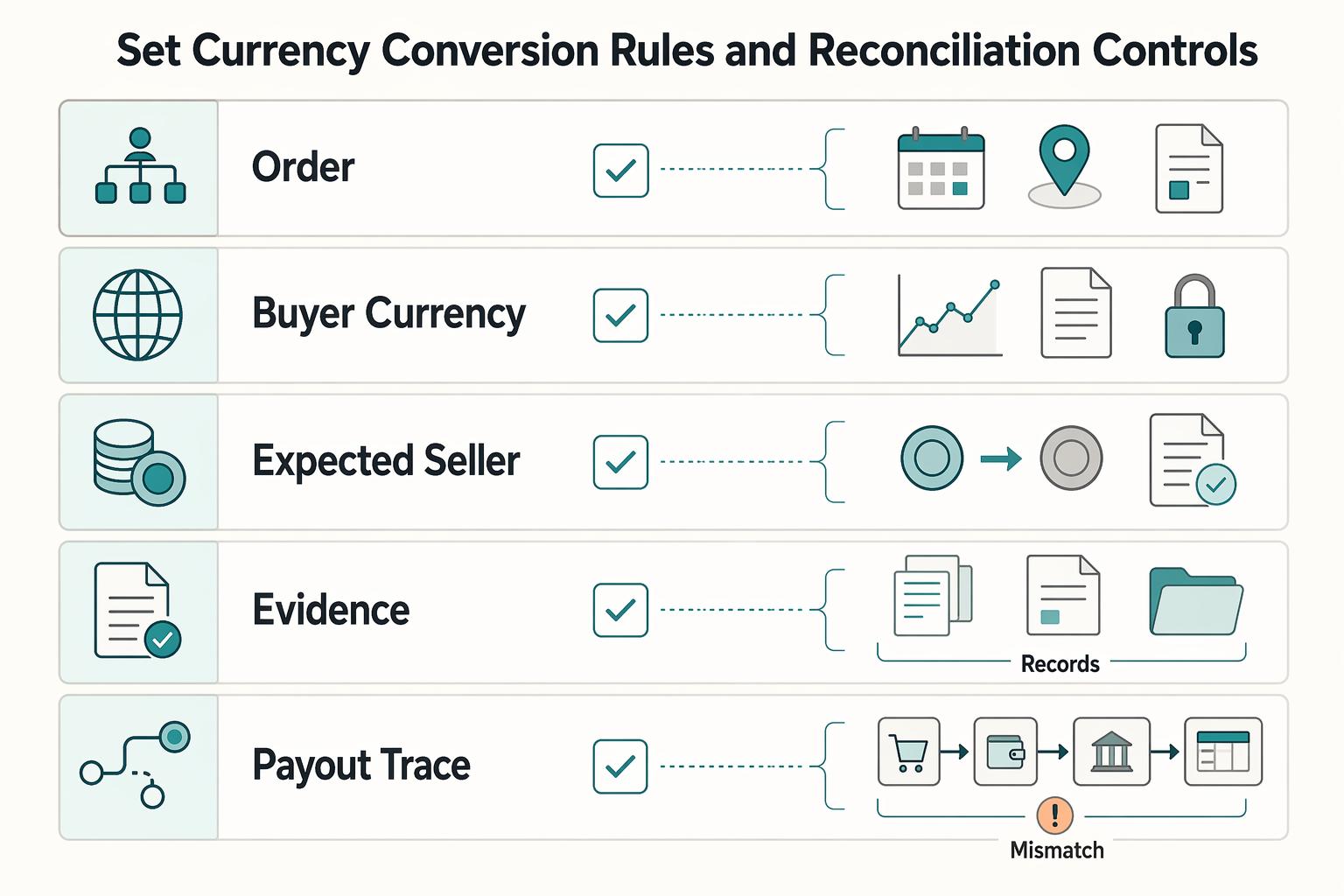
How Cross-Border Sellers Should Validate eBay Payouts Before Launch
Treat this as a source-quality problem first. Before you treat cross-border payouts as a growth lever, separate what eBay confirms today from what third parties, forum posts, or older advice suggest.
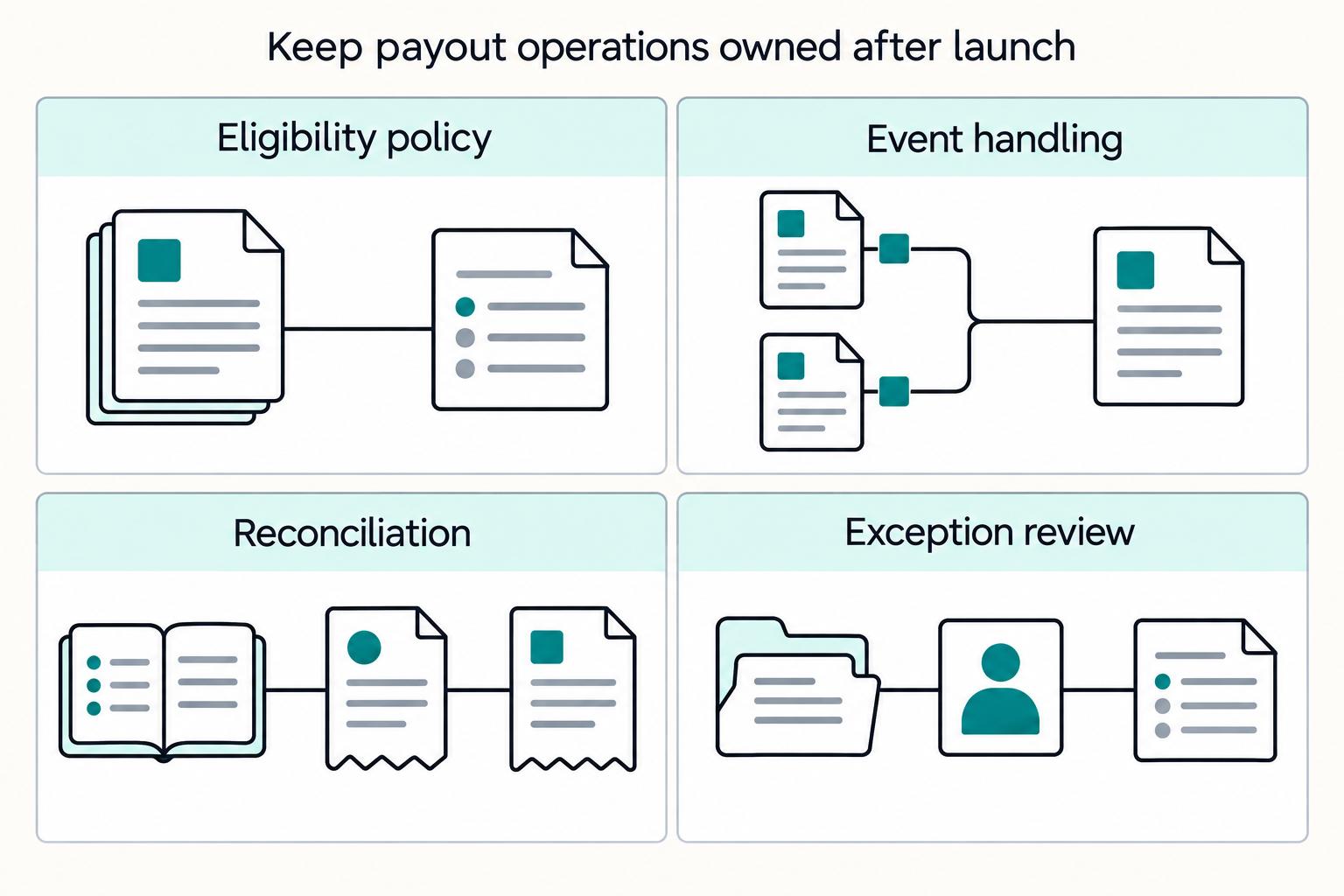
When Instant Payout Matters for Gig Platform Payments
Instant payout is a tool, not the goal. The real operating decision is where instant timing creates measurable value, where batch timing is enough, and where both should run side by side.
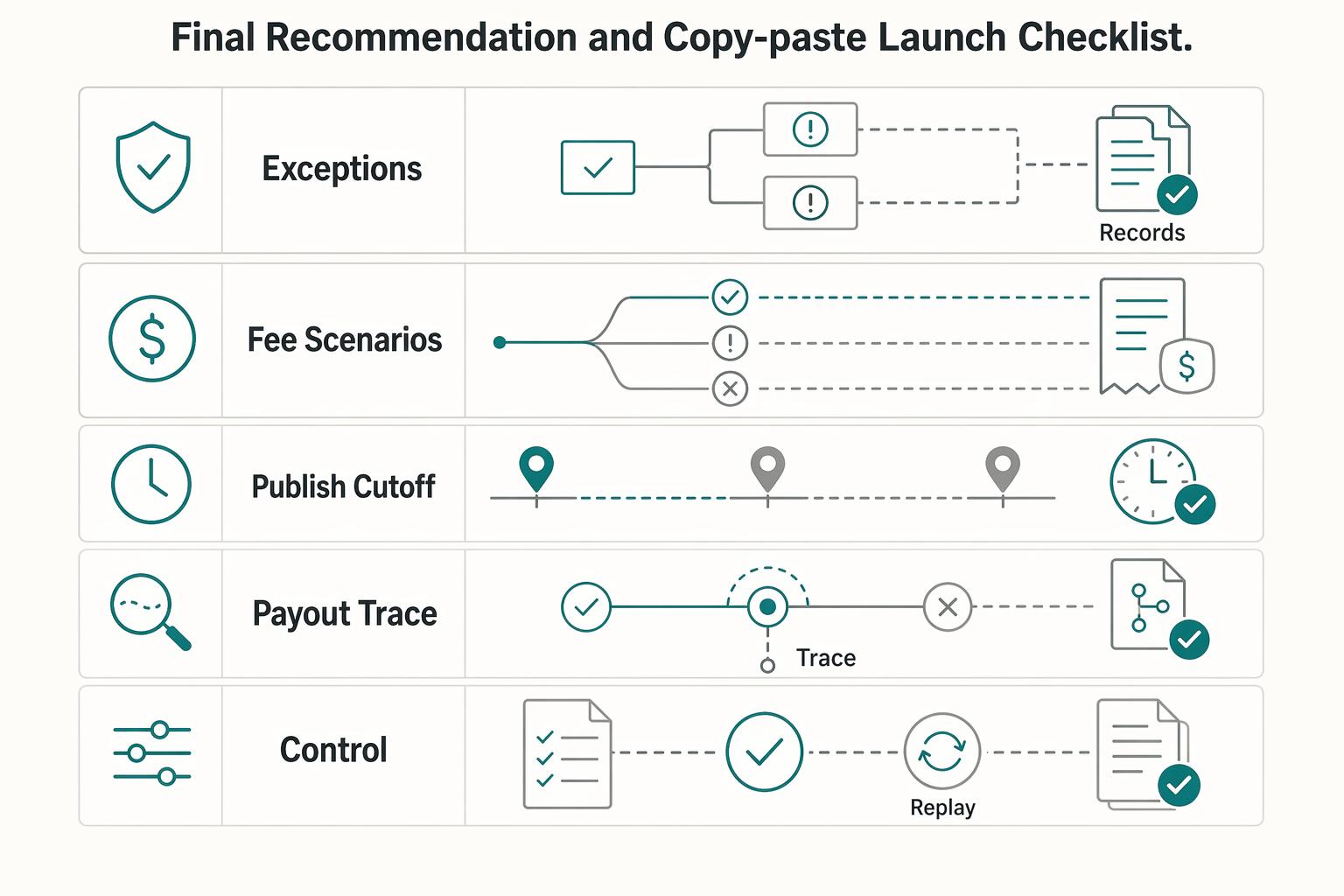
Same-Day ACH for Platforms: How to Speed Up Contractor Payments Without Wire Transfer Fees
The goal is simple: cut avoidable wire use without making contractor payouts less reliable. That is where Same-Day ACH earns its place. Nacha describes it as the faster payment method on the ACH Network. It also notes that it can support same-day pay for many gig and contract workers, with settlement that can occur within a few hours.