
Operator playbooks for cross-border payments, tax, and compliance execution.
Step-by-step guidance for finance, product, and ops teams to launch faster, reduce payout friction, and keep reconciliation clean across borders.
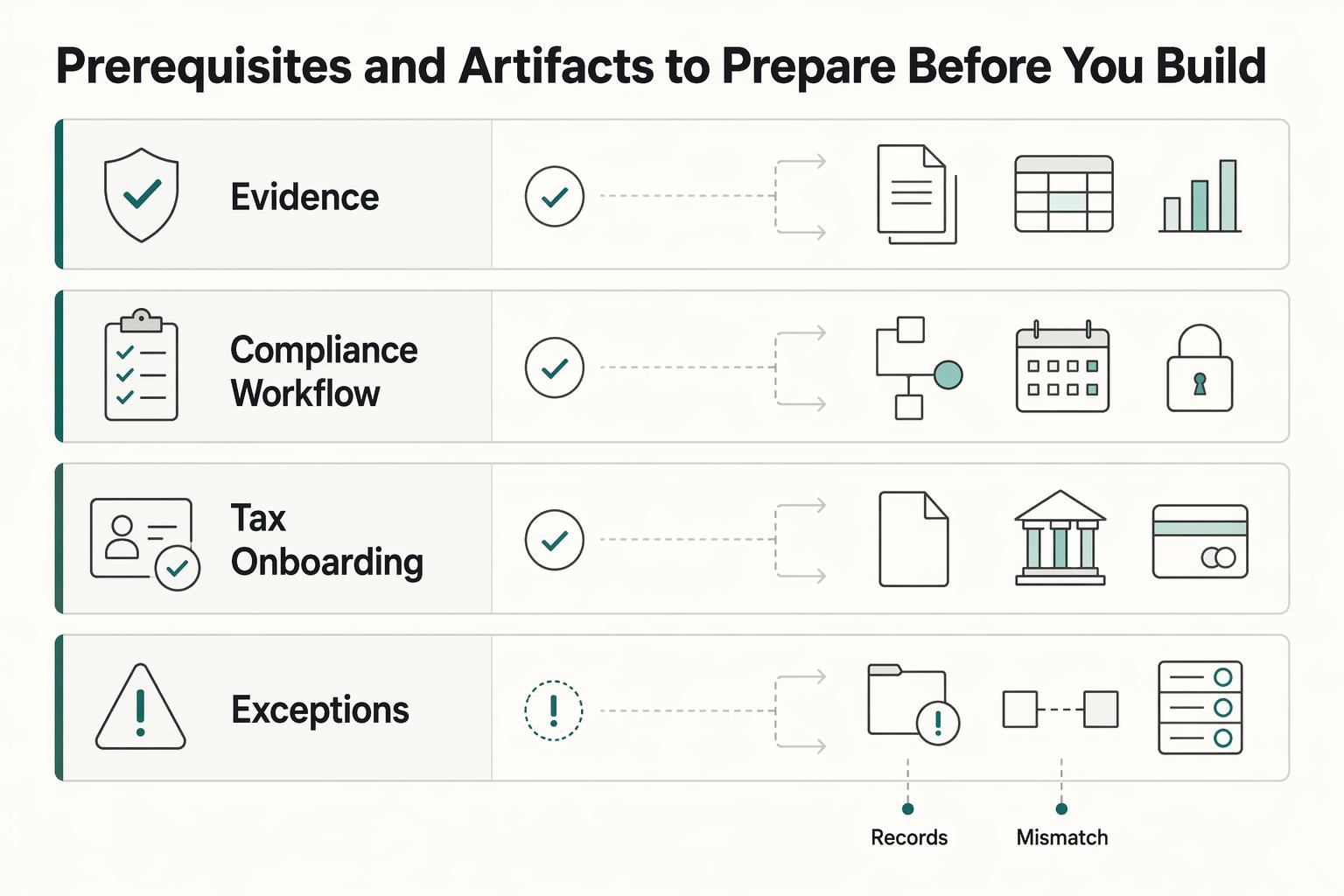
Virtual Card Issuance for Platform Contractors With Controlled Vendor Spend
Fast issuance matters only when policy comes first and every card action can be traced afterward. If you cannot tell who requested a card, what it can buy, where it can be used, and how it lands in finance records, you do not have a launch-ready virtual card program.
Read more →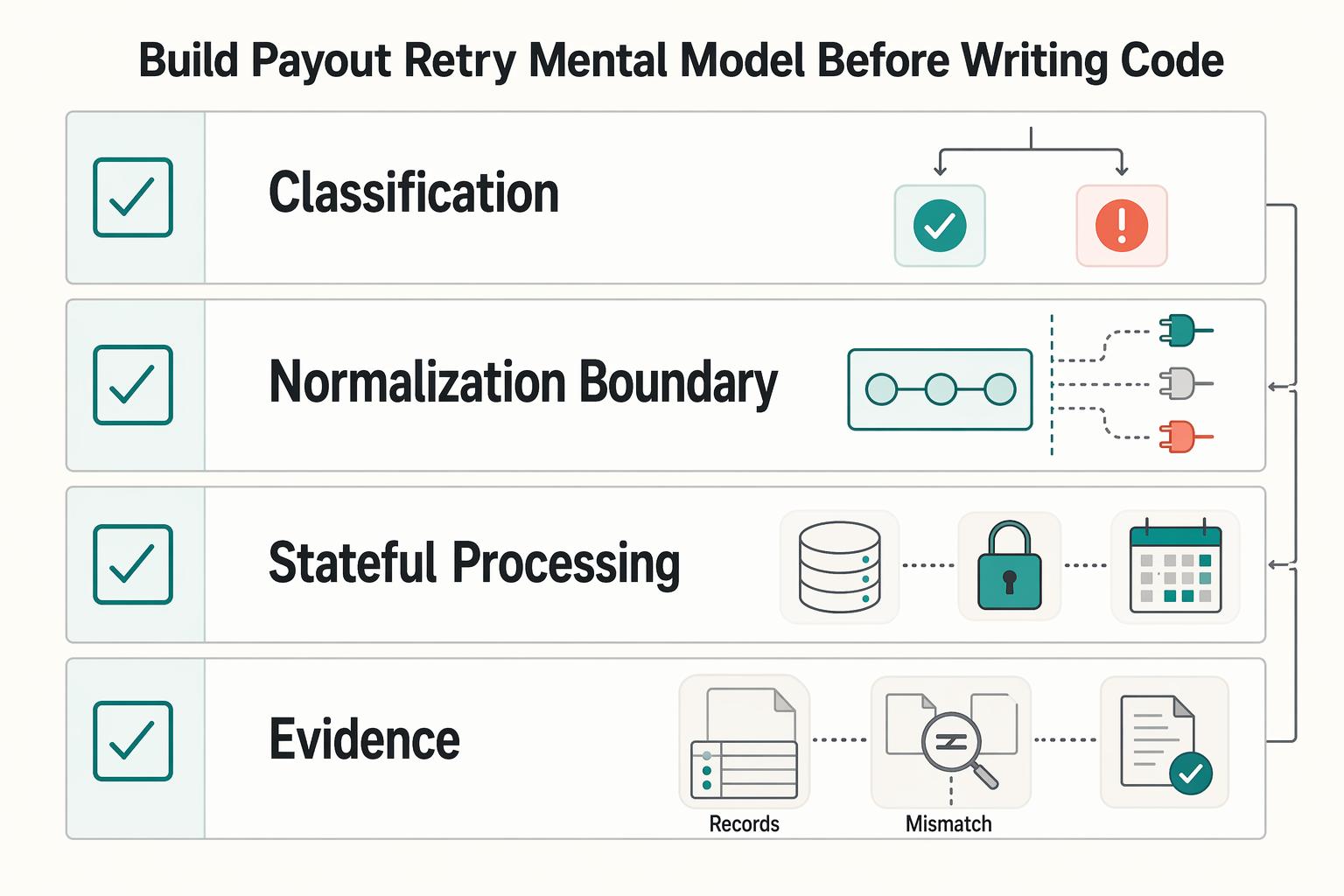
Retry Logic for Failed Payouts with Exponential Backoff and Error Classification
For failed payouts, the sequence is simple: classify the failure, decide whether it is safe to retry, then control the pace with backoff. That is the practical core of **retry logic failed payouts exponential backoff error classification**.
Read more →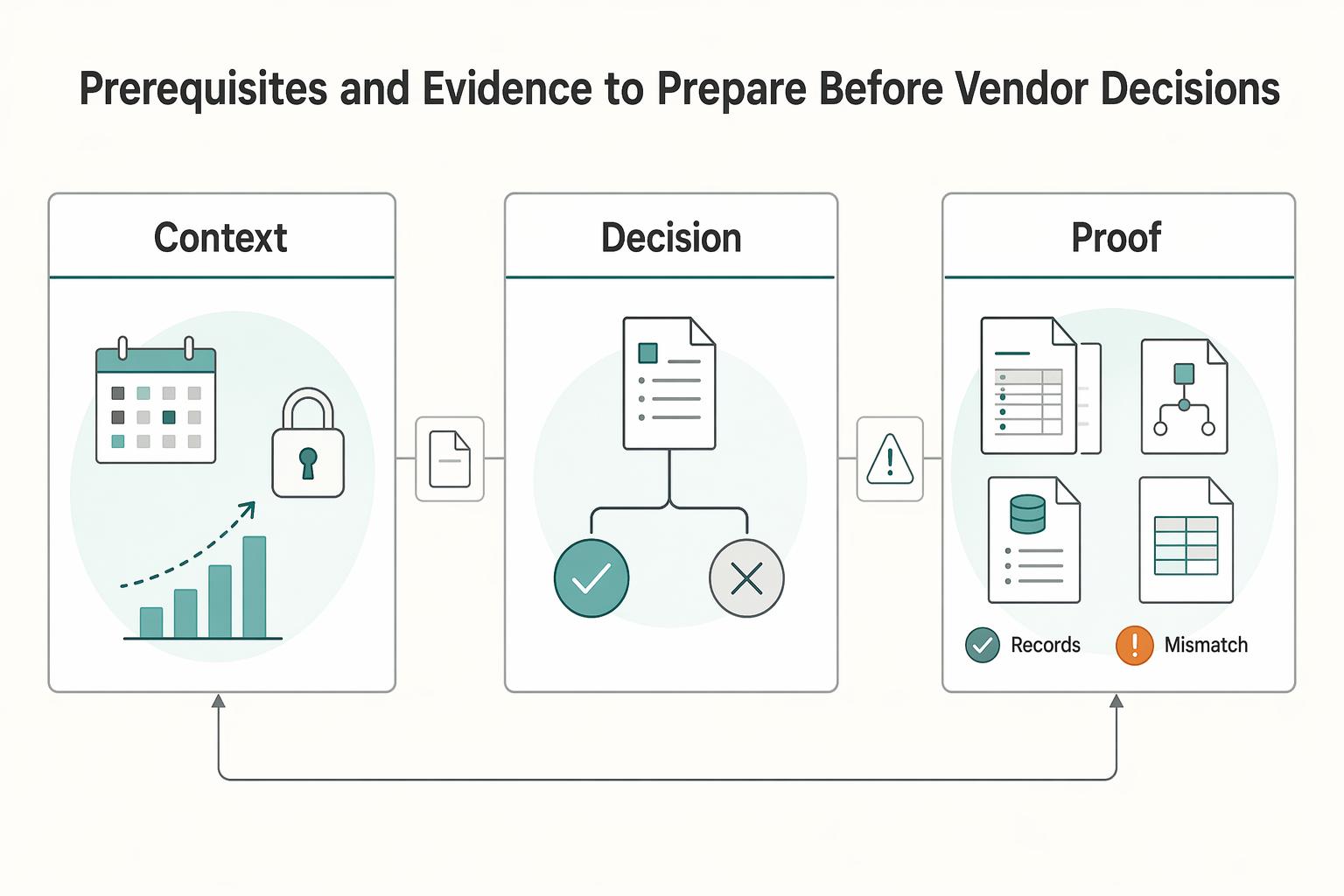
Maintaining Optionality in Payment Platforms as Vendor Lock-In Risk Grows
Vendor lock-in is usually a compounding dependency problem, not one bad decision. Over time, contracts, vendor-specific integrations, and data formats can make switching expensive.
Read more →
Offer Spending Accounts to Contractors with Embedded Debit Controls
The hard part is not issuing a business debit card or turning on faster payouts. It is deciding how you will offer contractor spending accounts first, then building controls and records that still hold up when finance has to reconcile everything later.
Read more →
Building Authority Content for Technical Payment Platform Buyers
If your payments content does not help a buyer choose between real operating options, it is less likely to build authority. In this category, authority comes from demonstrated expertise: evidence, tradeoffs, and clear non-fit scenarios, not generic B2B volume.
Read more →
How to Pitch Instant Payouts to Gig Contractors Without Overpromising
Instant payouts are not a headline feature first. They are a promise about what your payout operation can actually deliver, explain, and recover when something goes wrong. If that promise is vague, any growth upside can be short-lived, and cleanup can land in support, finance, and contractor trust.
Read more →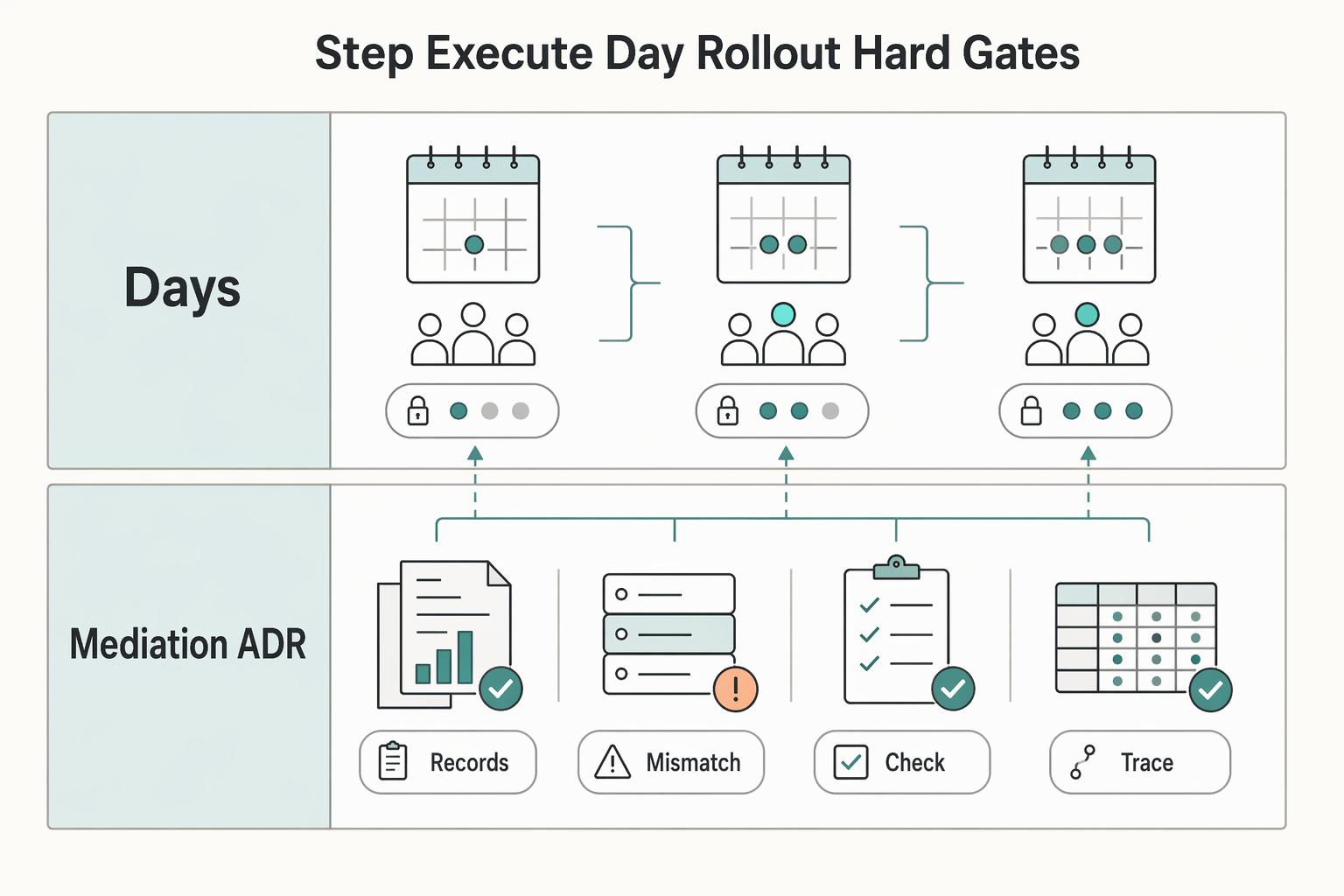
How to Build a Payment Compliance Training Program for Your Platform Operations Team
If your team can hold, release, reroute, or investigate payouts, treat training as a control, not an HR checkbox. This guide lays out a phased rollout with clear owners, decision checkpoints, and escalation paths before money moves.
Read more →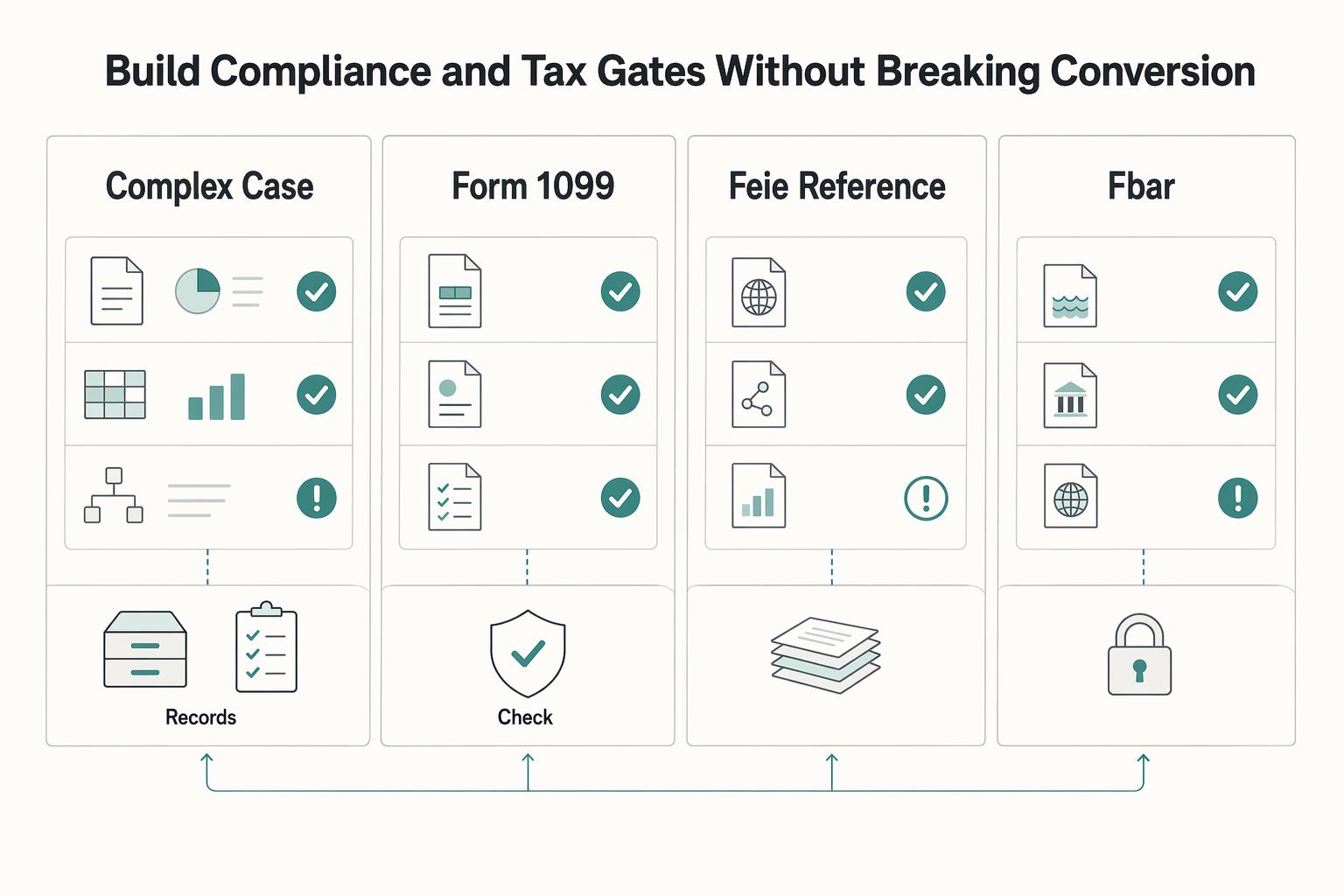
How Platforms Can Offer Instant Payouts as a Premium Feature Without Margin Surprises
Treat instant payouts as a paid acceleration option, not a blanket promise that money always arrives immediately. Teams tend to get better results when they package it as a Premium feature with clear scope limits, then make those limits visible before pricing, copy, or rollout decisions harden.
Read more →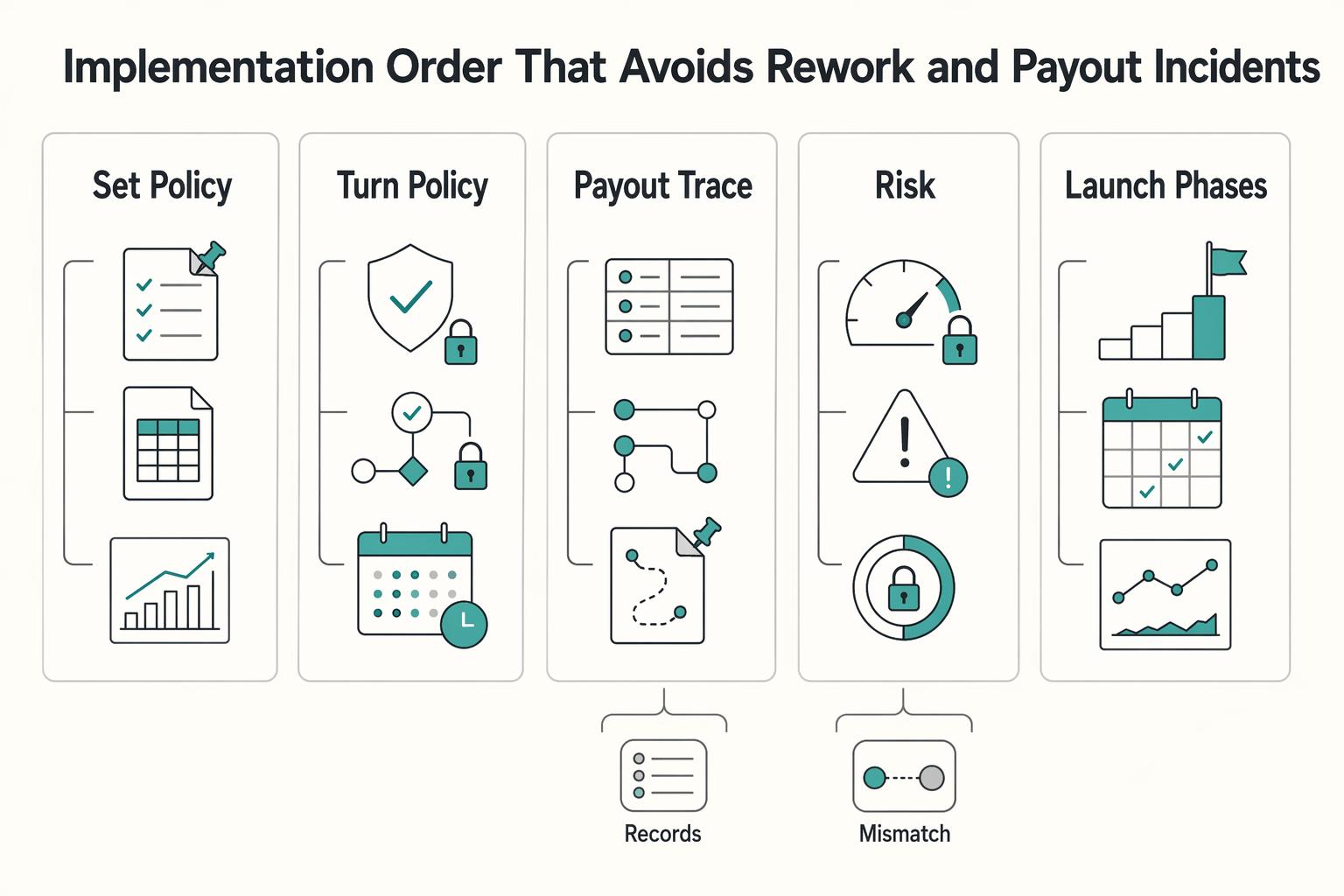
What Instant Payouts Really Cost Platforms for Same-Day and On-Demand Pay
Fast access can improve worker experience, but speed is not the core decision. The real question is whether you can move money earlier without losing margin discipline, record clarity, or control over exceptions. Instant payouts are an economics and controls choice first, and a UX feature second.
Read more →
USDC Contractor Payouts for Platforms and Stablecoin Rollout Decisions
If you are deciding whether to offer USDC contractor payouts, treat it first as an operating model decision: can you launch with clear eligibility, fallback payout paths, and audit-ready controls?
Read more →
Add Crypto Payouts to Your Platform Without Integration Debt
Crypto payouts can look straightforward in a demo and become much harder to run once real users and failed transfers are involved. A common mistake is starting with endpoints before you decide custody, ownership, and settlement rules. That gets you to a working demo fast, but it can also leave you with a payout stack that is difficult to support, reconcile, and explain.
Read more →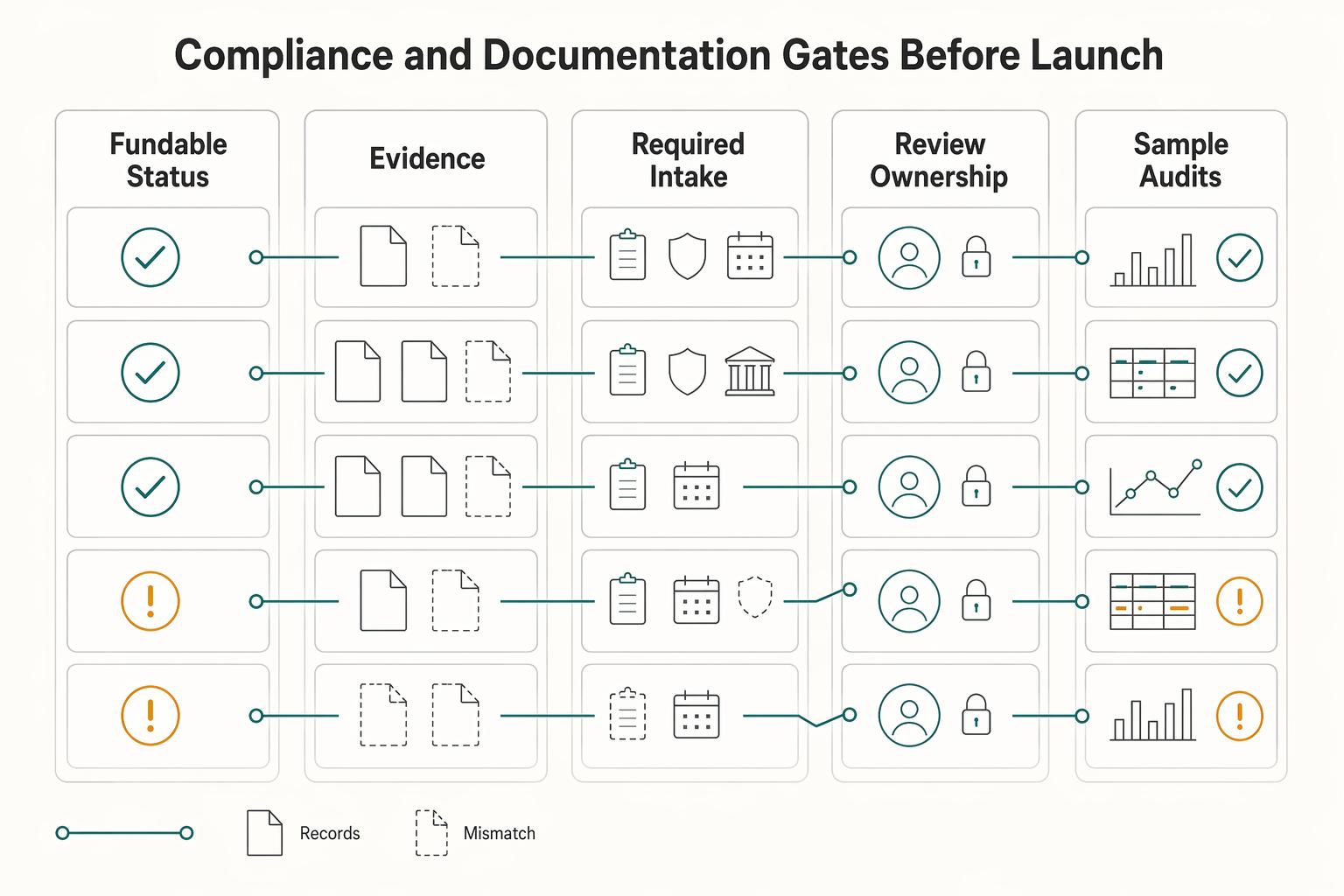
Contractor Advance Payments for Platforms Without Taking Credit Risk
For platform operators, the real decision is control quality, not payout speed. Paying before delivery only works when each release is tied to verified approval evidence and a complete document trail.
Read more →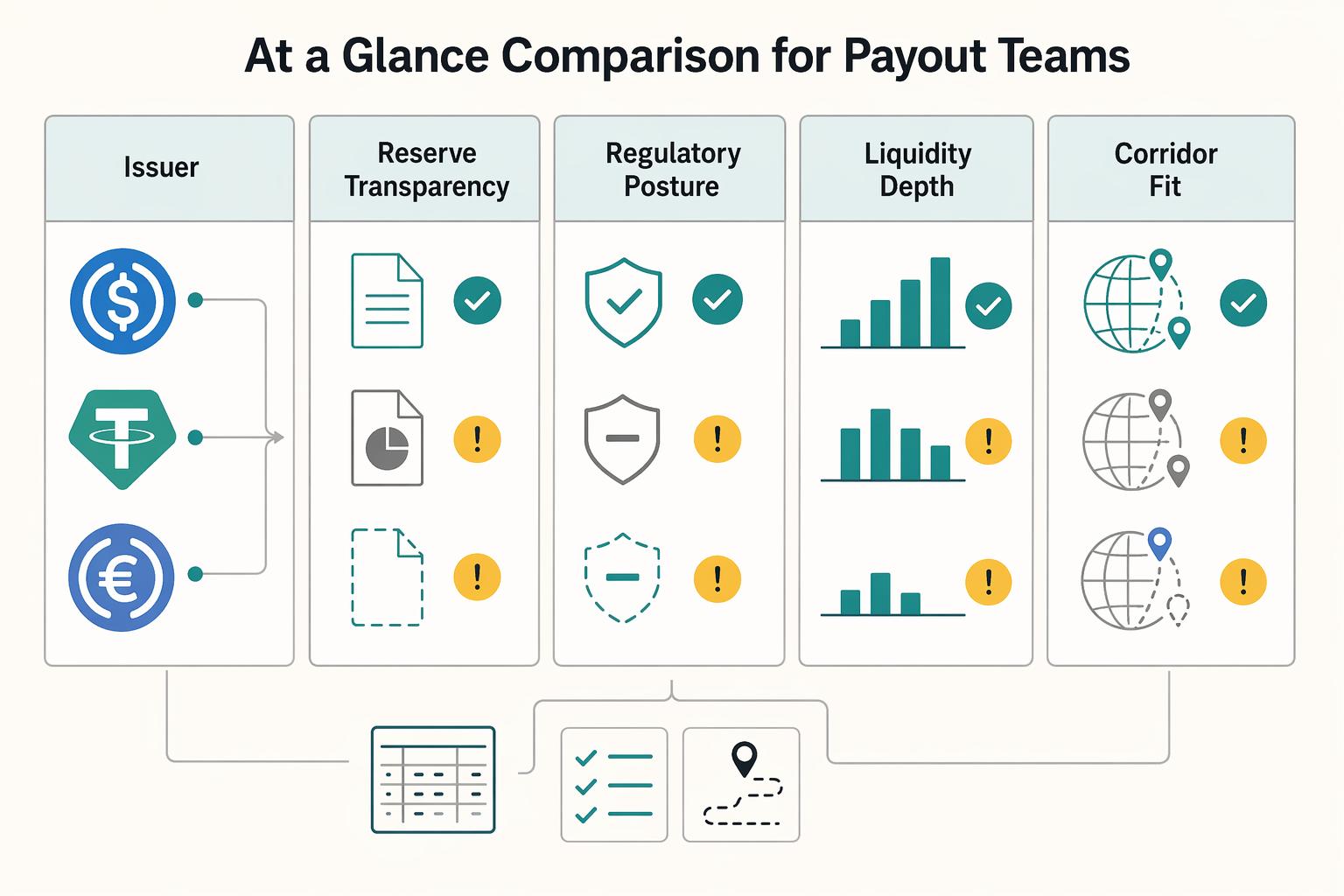
USDC vs USDT vs EURC for Global Platform Payouts
For platform payouts, start with a simple rule: treat USDC or USDT as your likely primary rail, and treat EURC as a narrower option that needs proof before broad rollout. Your job is not to pick the token that looks best on a market chart. It is to choose a payout rail your team can operate and validate across the markets you serve.
Read more →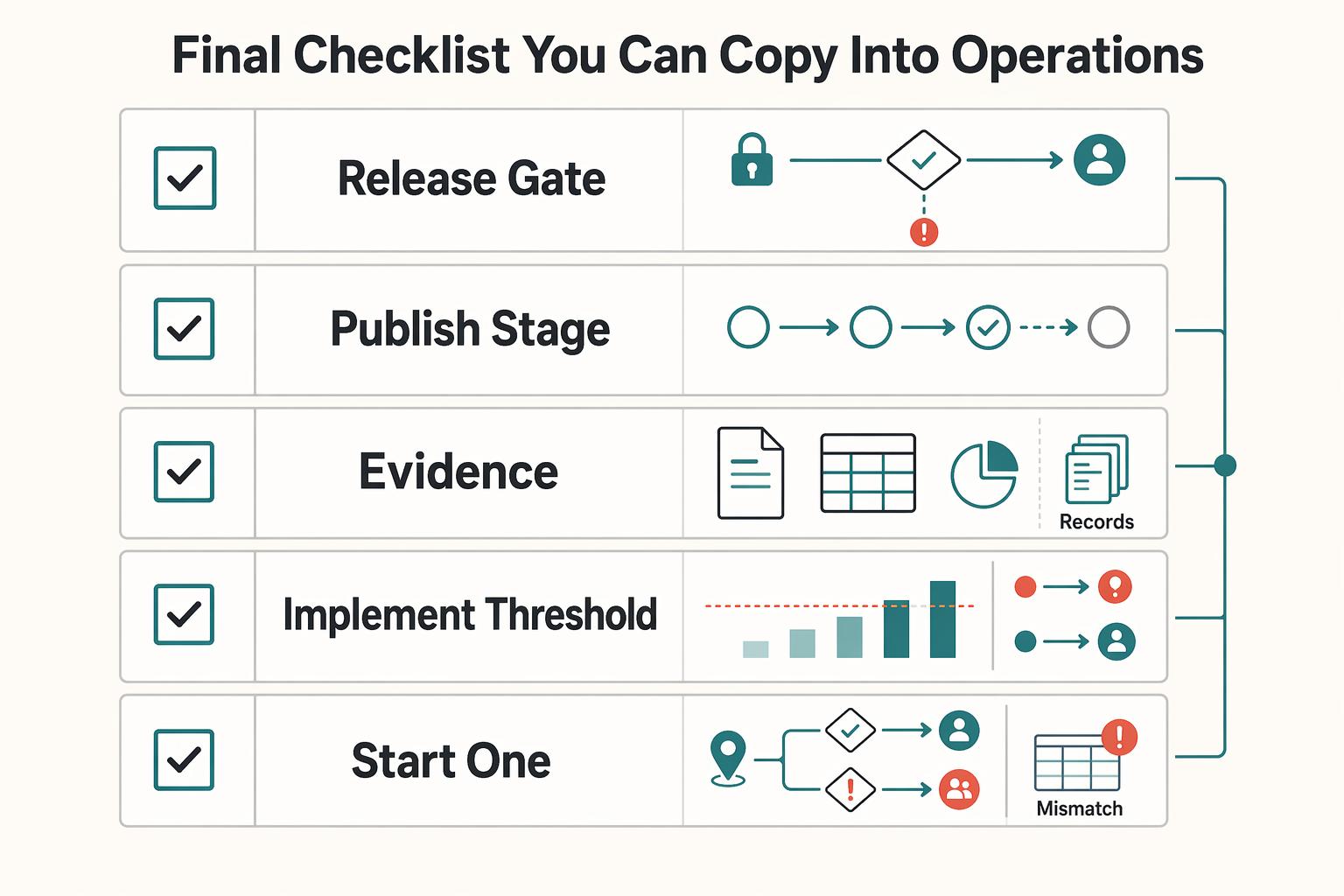
How to Build a Fraud Score for Contractor Payouts
Payout fraud scoring only helps when you treat it as an operating decision, not a model handoff. What matters is whether your team can turn a score into a clear payout action, with named owners, review limits, and evidence that still makes sense six months later.
Read more →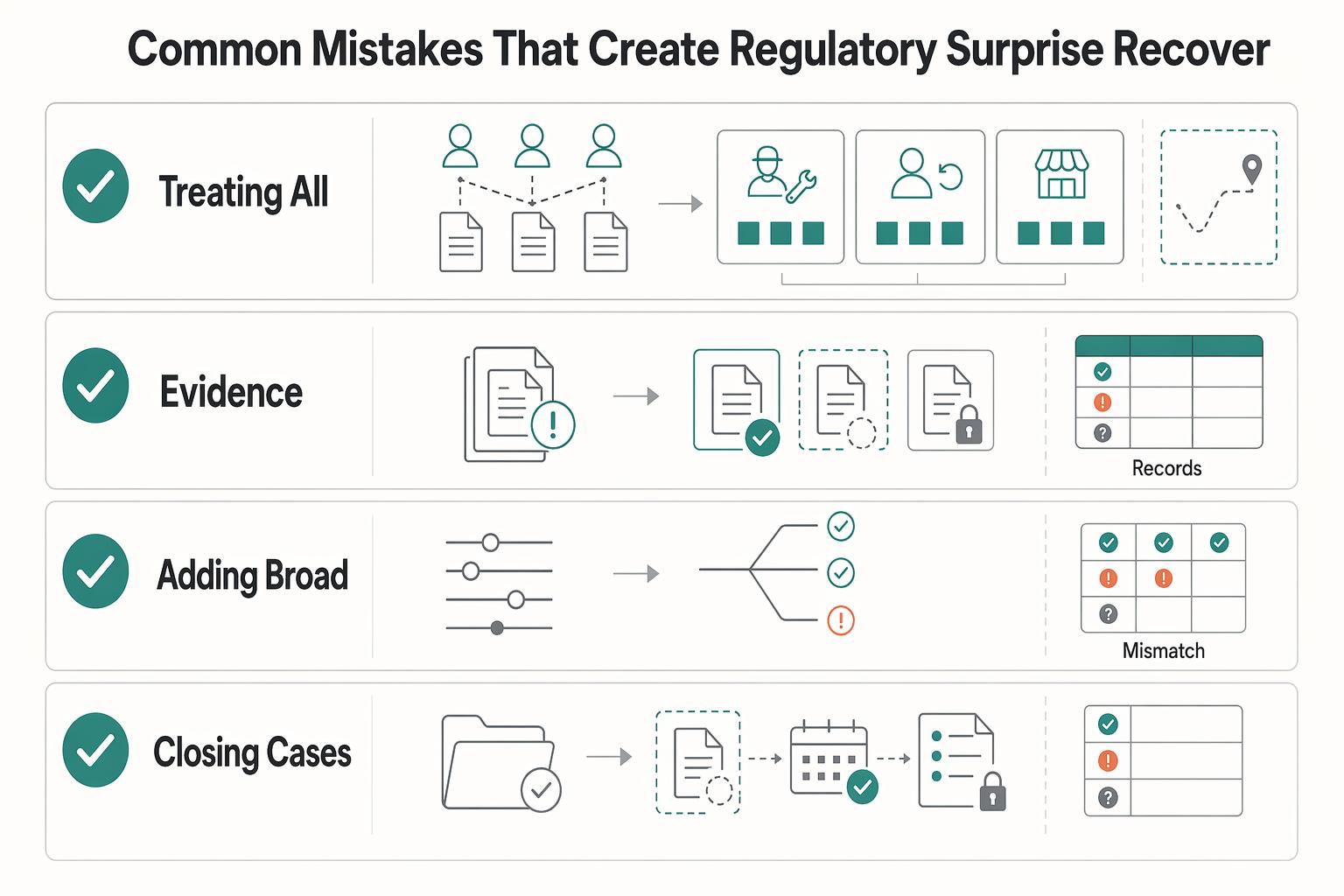
Stopping First-Party Fraud on Gig Platforms When Contractor Work Is Falsified
This topic is hard because the public evidence is fragmented, while your internal decisions need to be specific, defensible, and fast. If you treat search coverage as a complete map of first-party fraud on gig platforms or suspected contractor work falsification, you will likely build controls for the wrong problem.
Read more →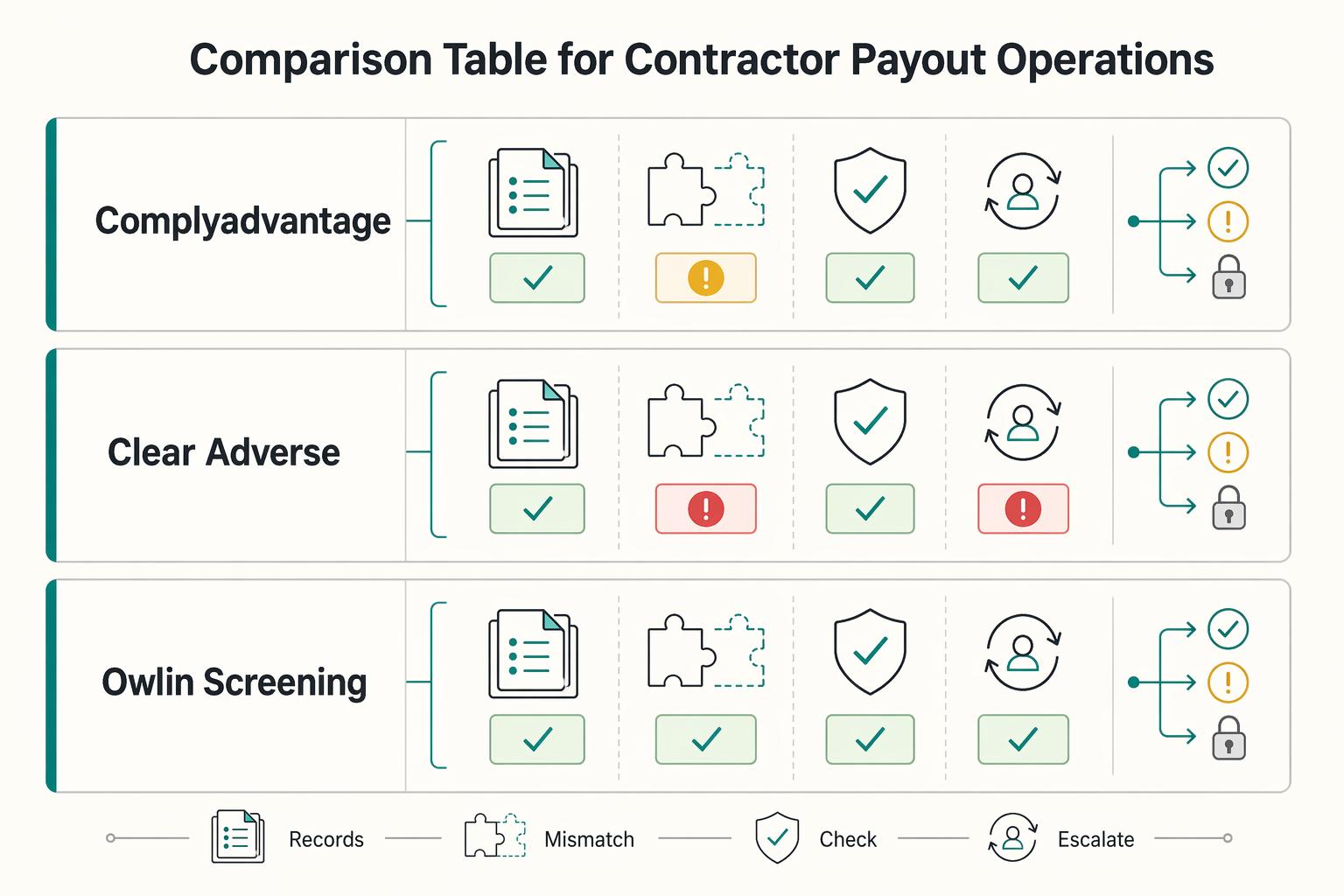
Adverse Media Screening for Contractors on Real-Time Payment Platforms
Adverse media screening belongs in a contractor payout stack only if it helps you make or stop a payment decision fast enough to matter. If alerts pile up without a clear owner, you do not have better control. You have a larger audit problem.
Read more →
Pay Contractors in Ghana with GhIPSS, MoMo, and GRA Controls
**Step 1: Treat this as a go or no-go operator guide, not a hiring explainer.** If you are deciding whether to launch Ghana, the useful question is not "can we hire contractors there?" The real question is whether you can support payouts through the rails your users prefer, connect those flows to local tax obligations, and absorb the operational risk when something breaks. That is the lens for the rest of this guide.
Read more →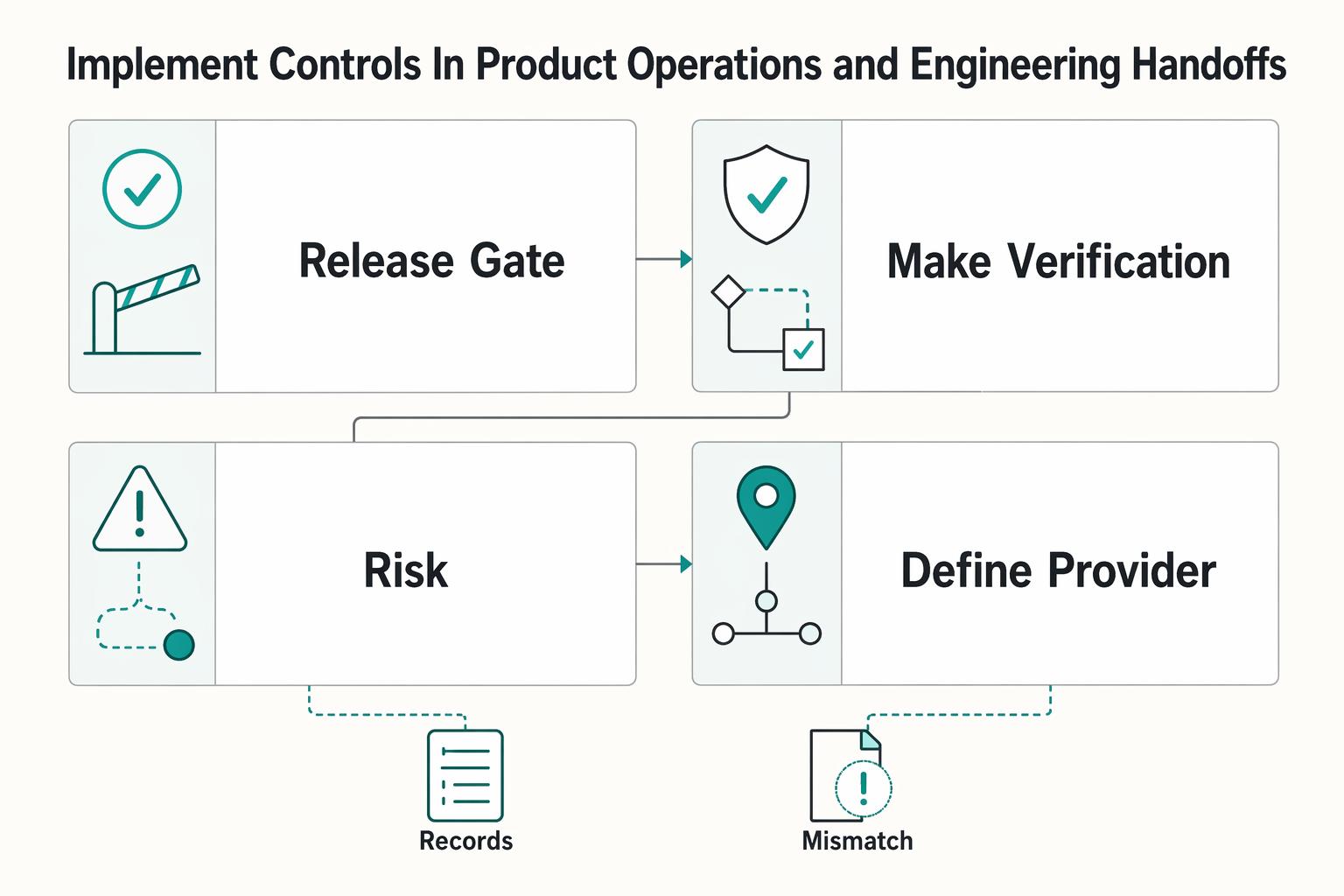
How Platforms Detect Synthetic Identity Fraud in Contractor Onboarding
Contractor onboarding is the control point because it gives you an early chance to challenge identity before broader account access raises the stakes. If a synthetic or impersonated profile clears that gate, later remediation gets slower and harder to manage.
Read more →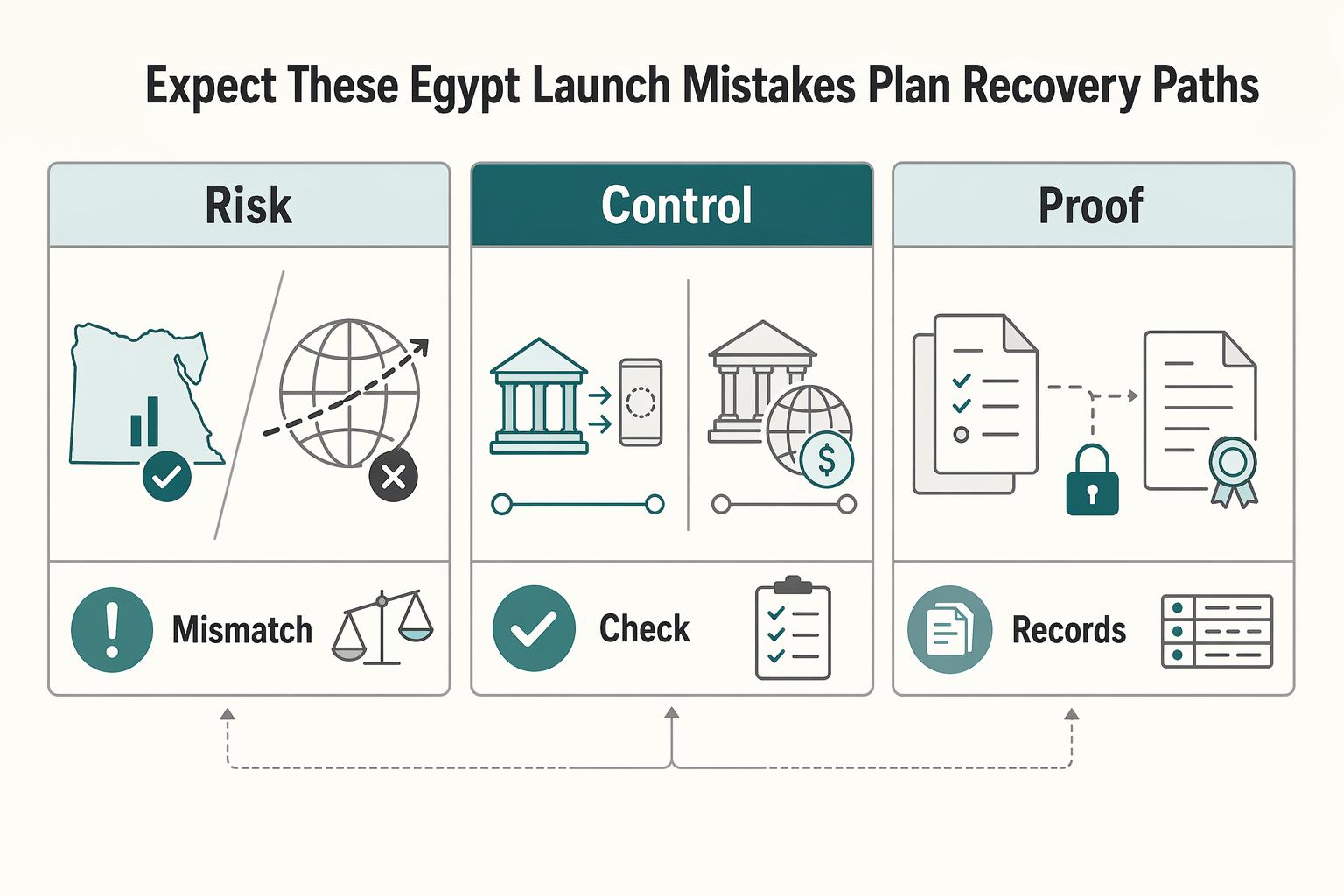
Pay Contractors in Egypt With Clear Rail and FX Decision Gates
Treat Egypt as two launch decisions, not one. A domestic Egyptian disbursement flow and a cross-border contractor payout flow can end with the same beneficiary, but they are not automatically the same operational or compliance problem. If you blur them together, local payment momentum can look like proof of payout readiness when it is not.
Read more →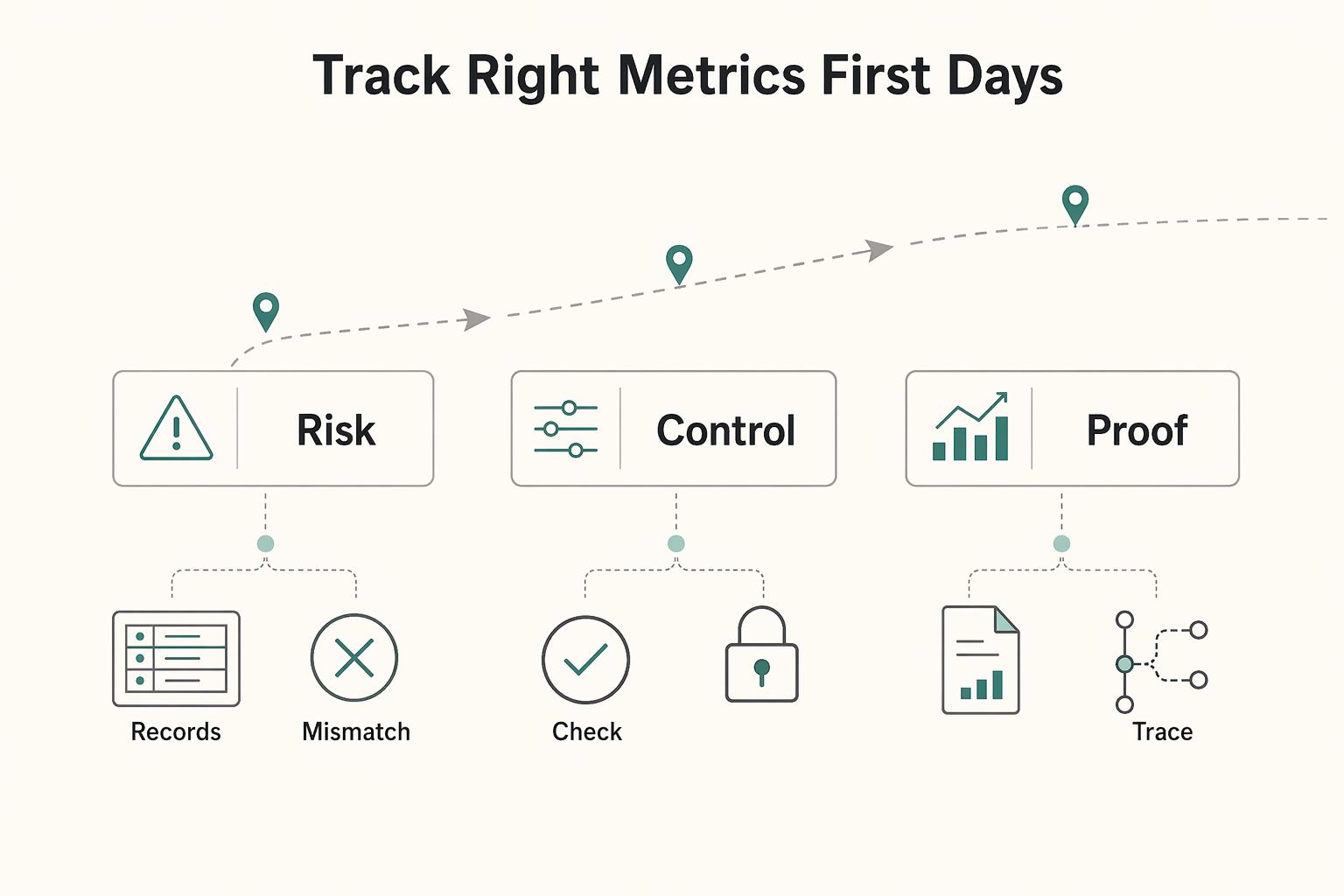
Paying Contractors in Vietnam Under VietQR, NAPAS, and SBV FX Rules
Vietnam can be a conditional go for contractor payouts, not an automatic one. Fast domestic rails exist, but your decision should come down to whether your exact payout flow is workable and compliant.
Read more →