
Operator playbooks for cross-border payments, tax, and compliance execution.
Step-by-step guidance for finance, product, and ops teams to launch faster, reduce payout friction, and keep reconciliation clean across borders.
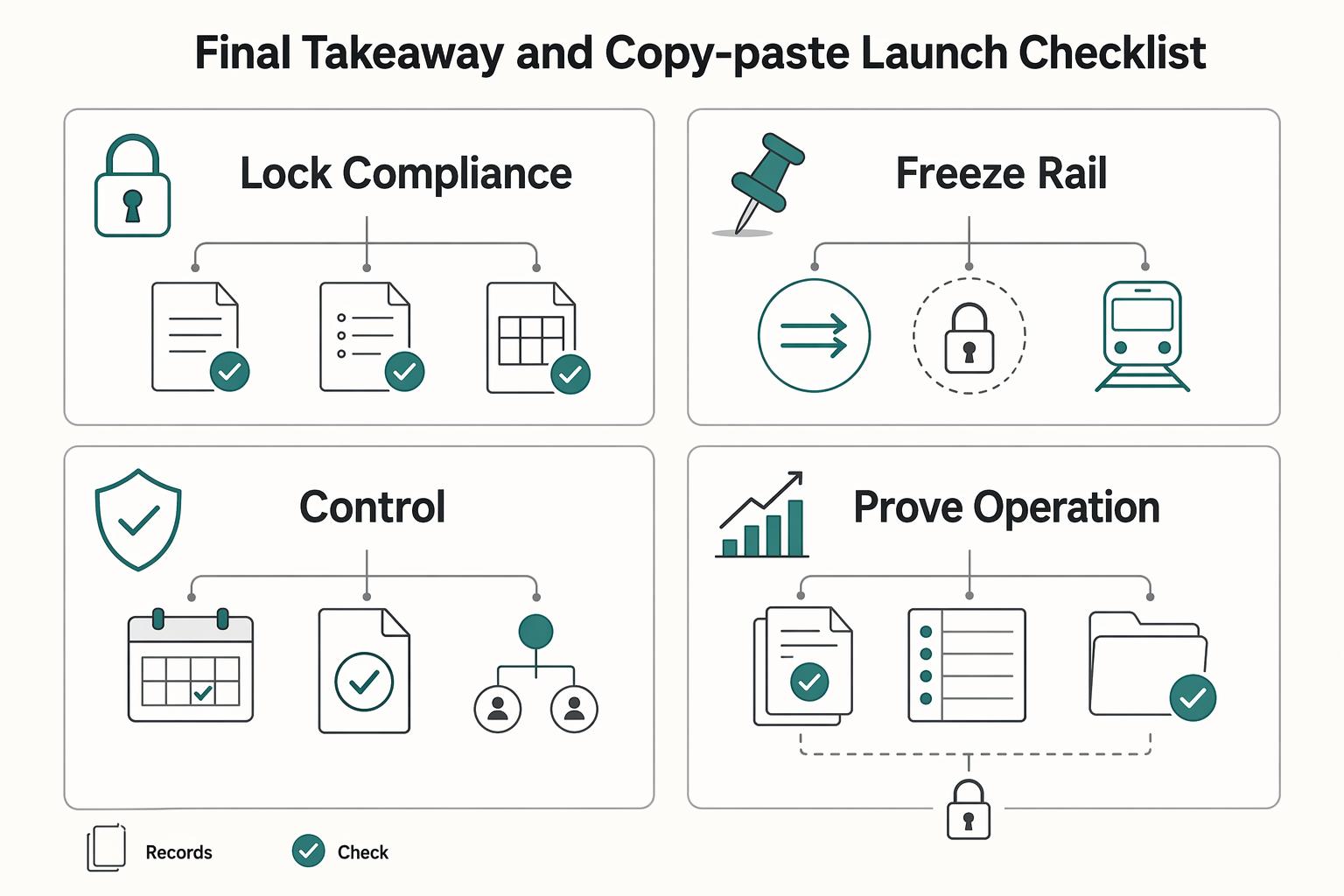
Pay Contractors in the Philippines with InstaPay PESONet and BIR Clarity
Treat Philippines contractor payouts as a launch decision, not a checkout feature. The real go or no-go question is whether you can name the compliance owner, choose a payout path you can actually support, and prove what happened on every payment before volume hides mistakes.
Read more →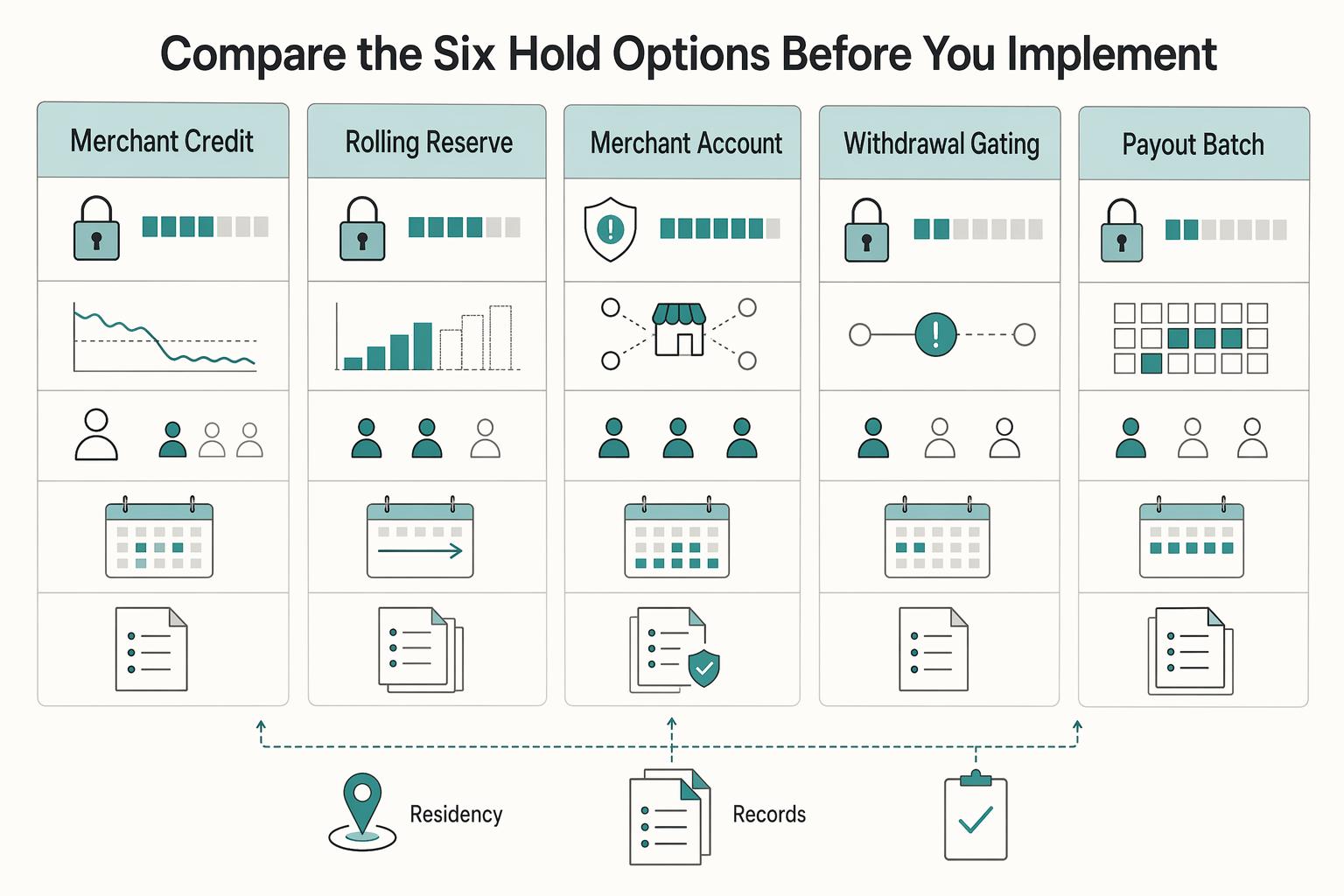
How Platforms Use Temporary Fund Freezes Without Overreaching
Temporary holds and freezes are useful payment controls, but choosing the wrong one creates avoidable operational stress.
Read more →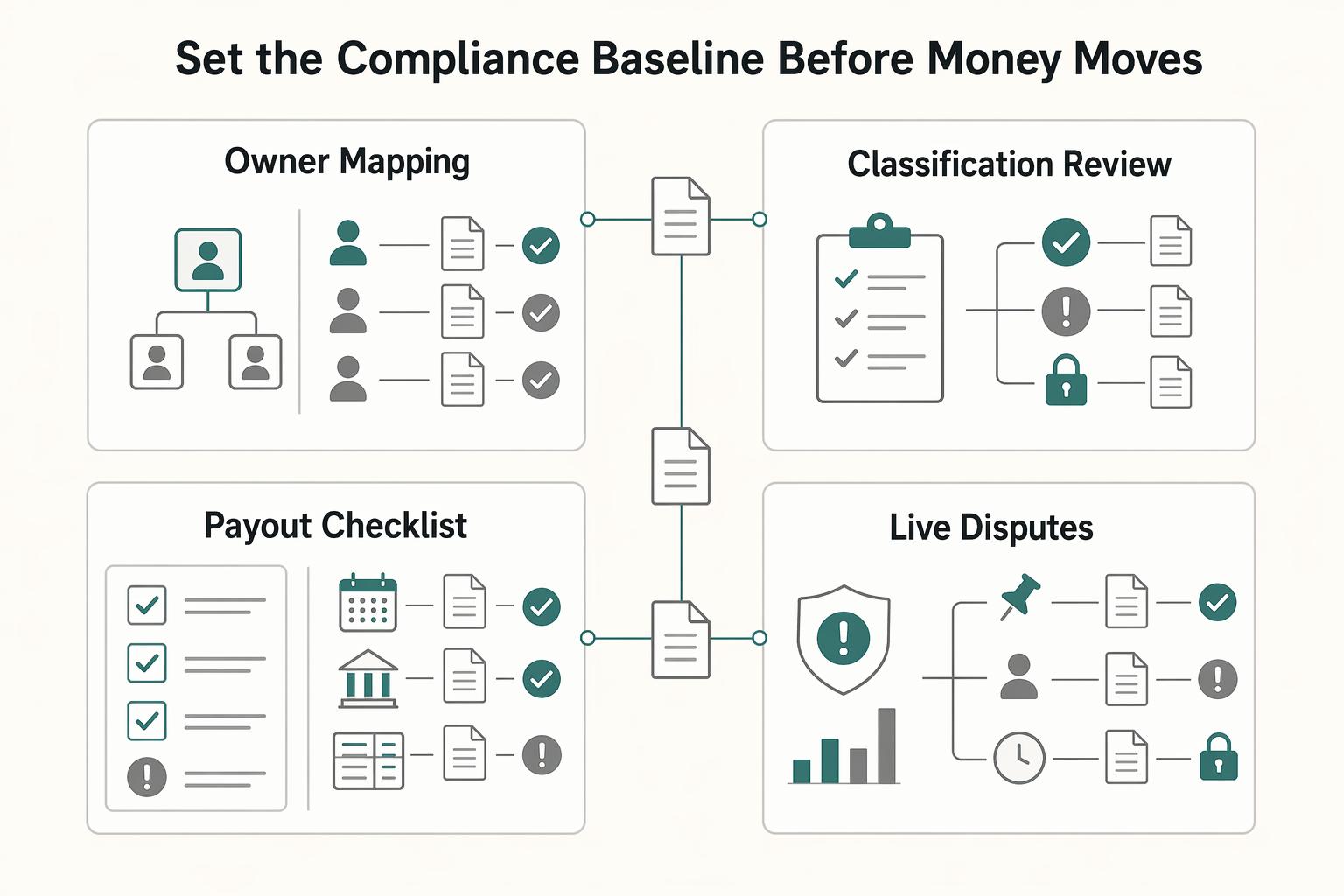
Pay Contractors in Argentina Under FX Restrictions as a Platform Operator
**Step 1. Start with the decision, not the market story.** This guide is for founders and ops leads deciding whether Argentina should ship now. If you have not already committed product, treasury, and support capacity, the real question is not market size or broad LATAM demand. It is whether you can pay contractors in Argentine peso (ARS) while handling FX-related constraints with a level of compliance work and exception handling your team can actually sustain.
Read more →
How Platform Operators Pay Contractors in Colombia with PSE Nequi and DIAN Controls
Treat Colombia contractor payouts as a launch decision with a real stop condition, not something you clean up after the first transfers go out. This guide is for platform operators deciding whether to launch Colombia now, with current team and vendor capacity, not for generic advice on hiring freelancers.
Read more →
Why Emerging-Market Payout Routes Break Under Correspondent De-Risking
If your product depends on cross-border payouts, this is an infrastructure and continuity problem first. The useful question is not the macro story; it is whether your payout routes stay usable under compliance controls and operational pressure.
Read more →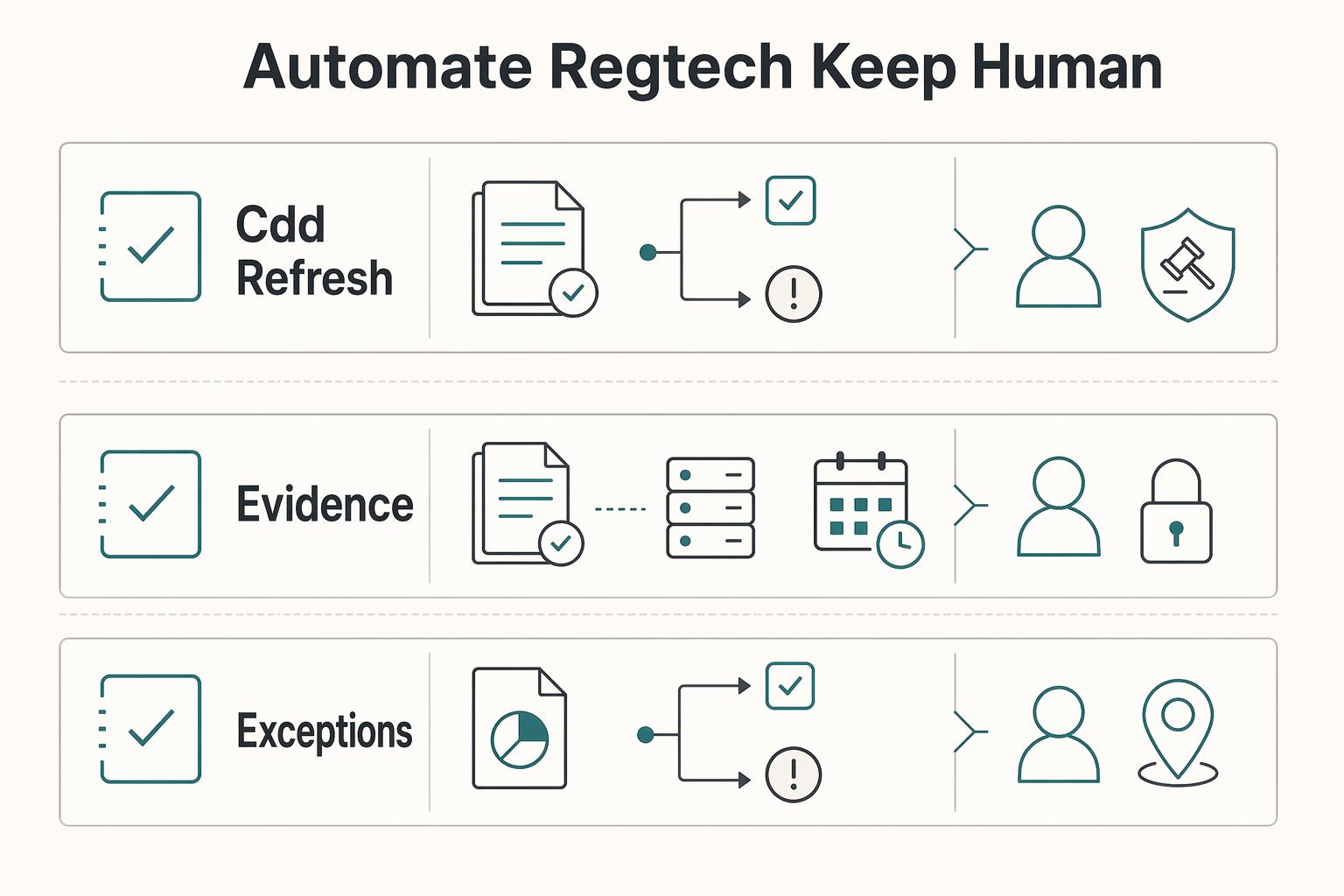
How Payment Platforms Should Structure MLRO Authority and Escalation
A payment platform should treat the Money Laundering Reporting Officer as a control function, not a title added to an already overloaded role. At minimum, the role rests on two established duties: reporting suspicions of money laundering and ensuring compliance with money laundering regulations.
Read more →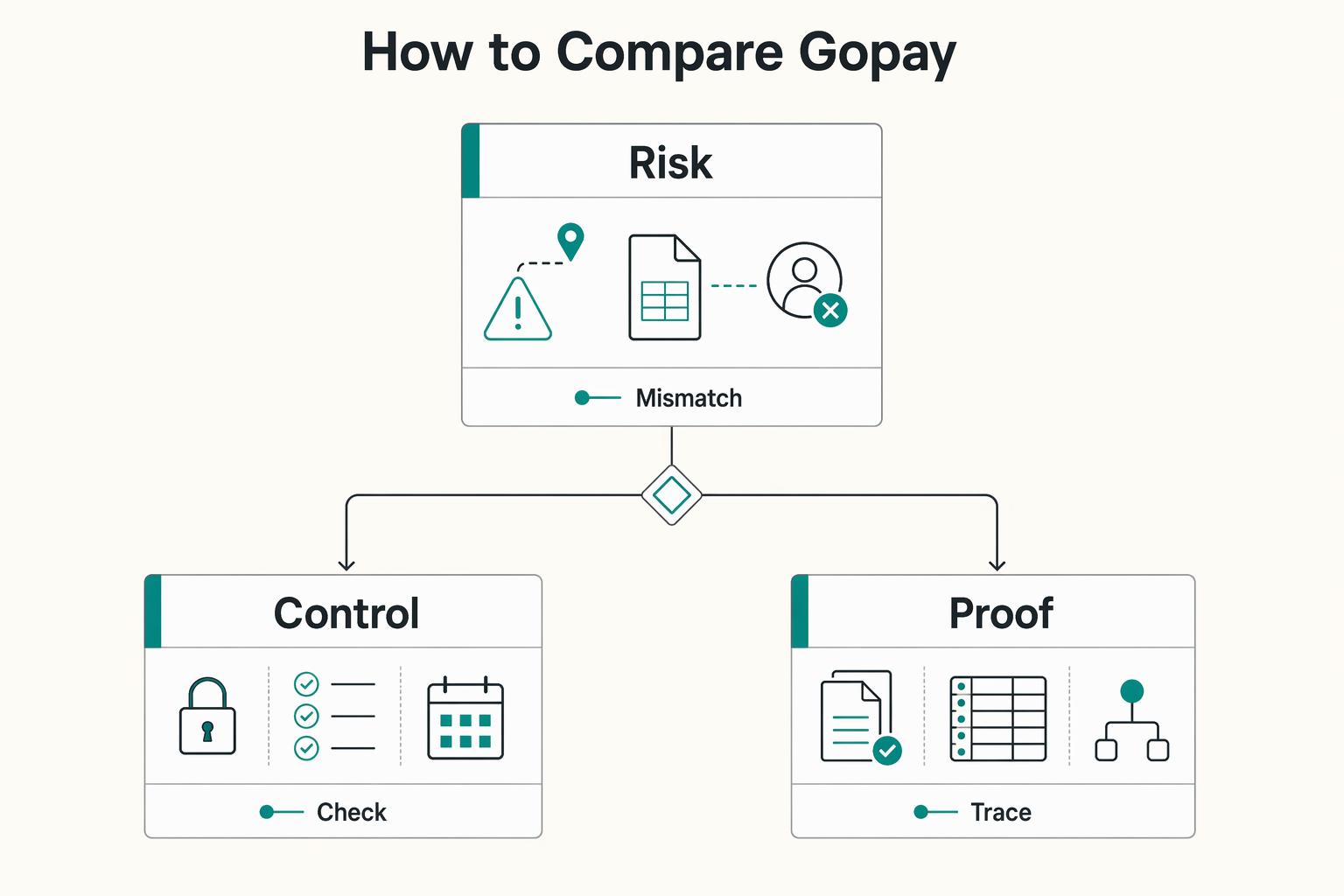
How Platform Operators Pay Contractors in Indonesia With GoPay, OVO, DANA, or BI Fast
**Step 1. Treat rail choice as an execution decision.** If you are evaluating Indonesia for contractor payouts, the first mistake is choosing a rail because the brand is familiar. For platform operators, the real question is simpler: can your team run the payout path cleanly for independent contractors, keep records straight, and support the compliance posture that comes with tax rules, contracts, and sensitive data handling?
Read more →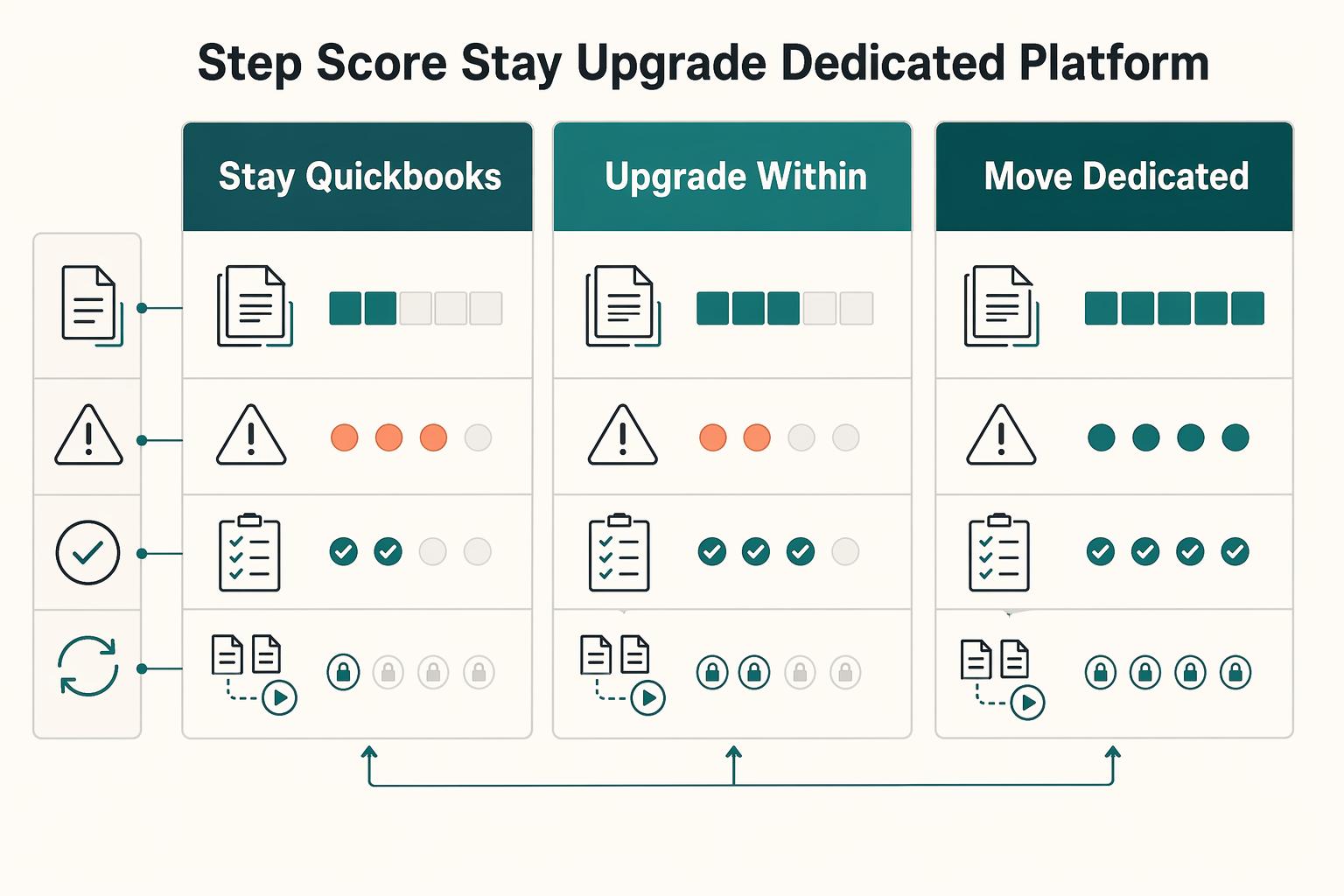
Managing Contractor Payments in QuickBooks When Limits Signal a Platform Move
Treat recurring payout friction as architecture risk, not a one-off ops issue. A failed contractor payment can be recoverable. The bigger problem is the debt that builds across QuickBooks workflows, reconciliation, and exception management over repeated cycles.
Read more →
How to Pay Contractors in Kenya with M-Pesa, PesaLink, and KRA Controls
Kenya is worth serious consideration for contractor payouts, but you should not greenlight a launch just because M-Pesa is familiar and PesaLink is on the shortlist. The real decision is practical. Confirm which rail fits your contractor base, put local compliance and tax controls in place before money moves, and keep enough evidence to explain each payout later.
Read more →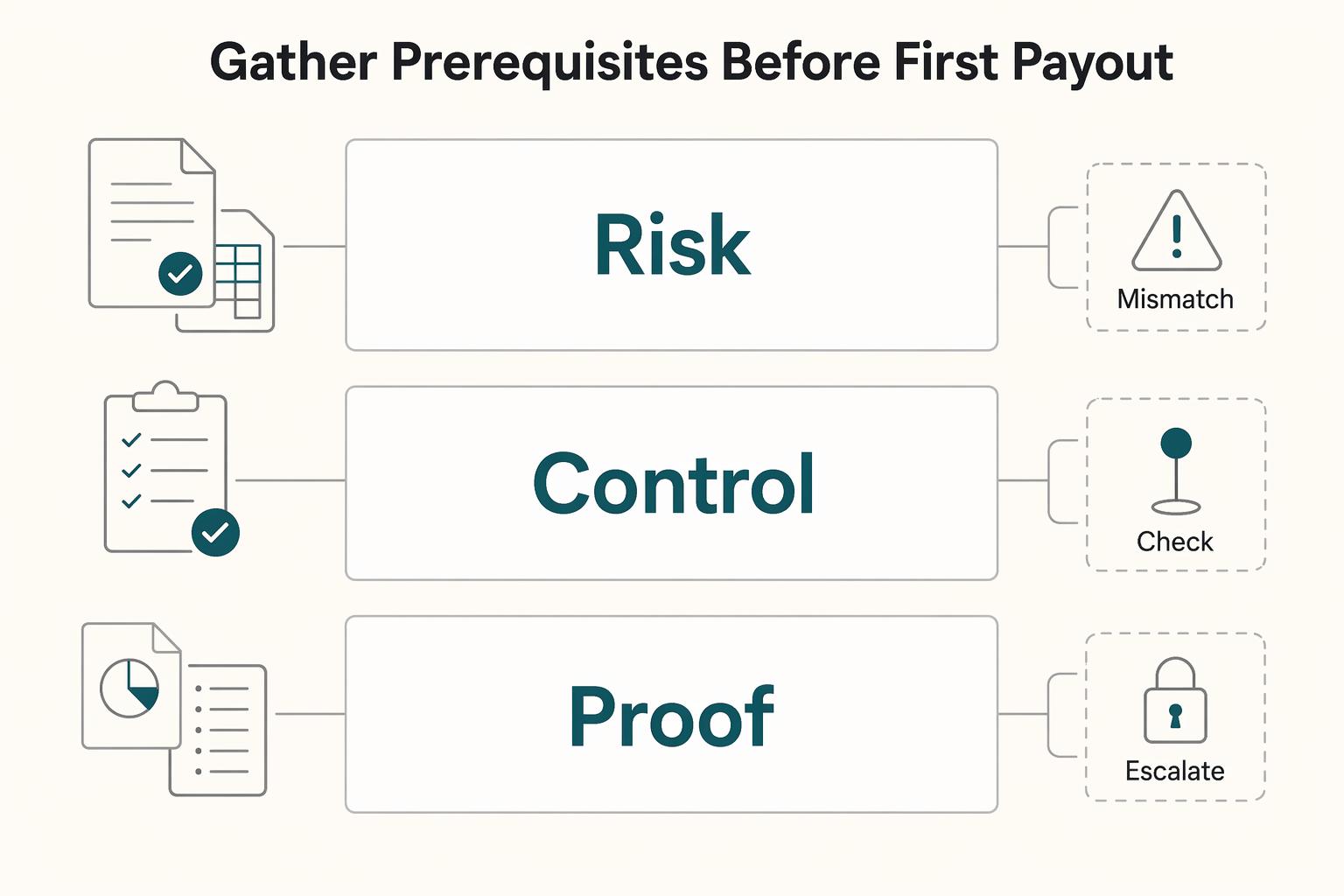
Pay Contractors in Nigeria Under FX Controls and Mobile Money Limits
You can launch Nigeria successfully, but not on vague payout assumptions. Treat payout currency behavior and rail coverage as core product constraints from day one, not cleanup work for Ops after go-live.
Read more →
How to Pay Contractors in Pakistan with RAAST and Clear FX Ownership
Treat Pakistan as a two-part payout decision, not a single rail choice. The mistake that burns time is assuming local payout delivery, cross-border funding, and Foreign Exchange (FX) repatriation will all be cleared in the same product conversation. They often are not. If you blur them together too early, you can end up designing features before you know which party actually owns conversion, compliance, and exception handling.
Read more →
Pay Contractors in Mexico: SPEI, CoDi, SAT, and CFDI Decisions for Platforms
Mexico contractor payouts usually break for a simple reason: teams launch from a generic Latin America plan, then discover that payout rail choices, tax steps, and operating structure cannot be separated in practice. If you are evaluating multiple rails and operating models at the same time, you need Mexico-specific decisions before you send the first live payout.
Read more →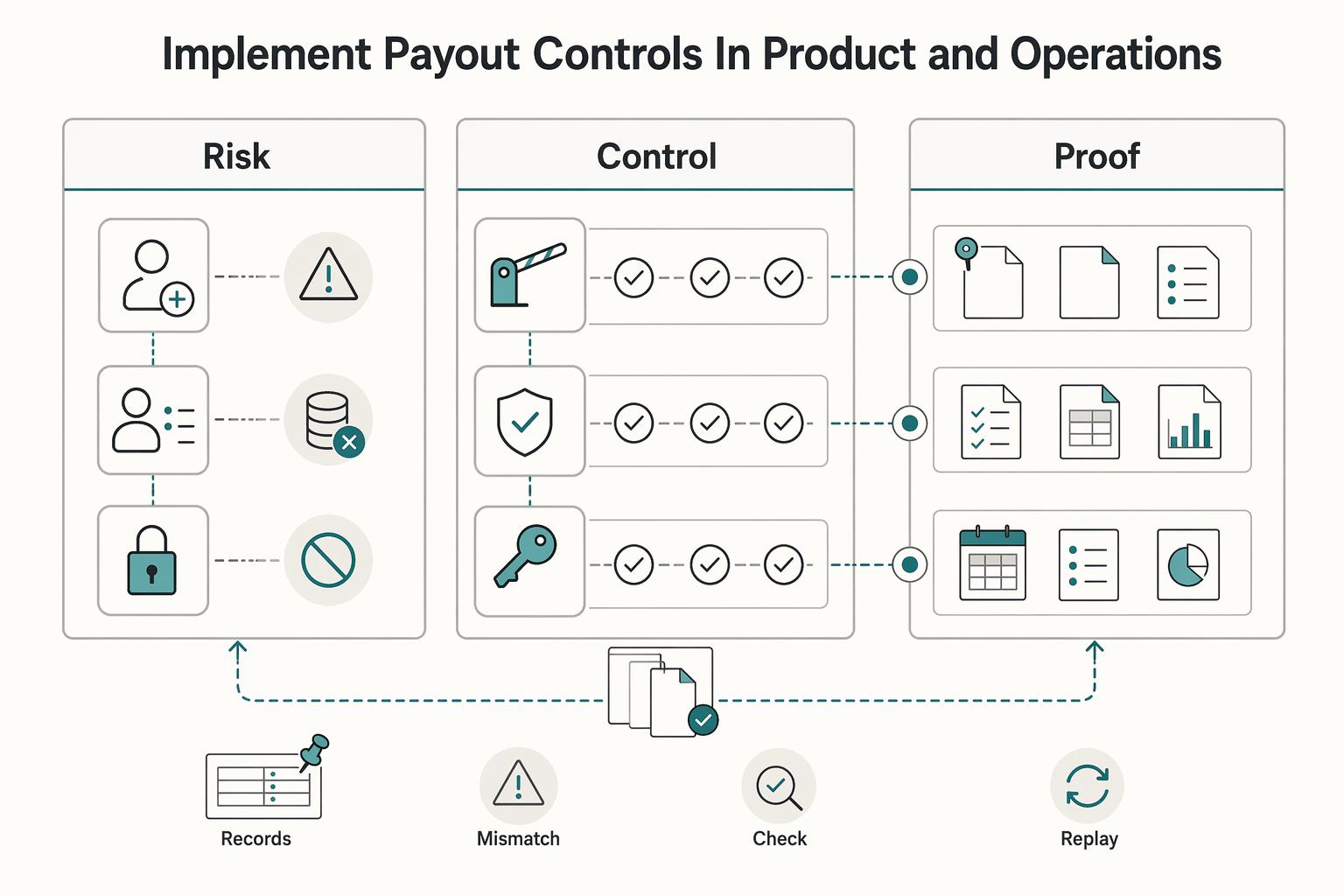
How to Build a Payout Network Without a Money Transmitter License for Platforms
Fast payouts are not the hard part. The hard part is deciding, early enough, whether your product and fund flow create money transmission risk before you scale contractor, seller, or creator payments.
Read more →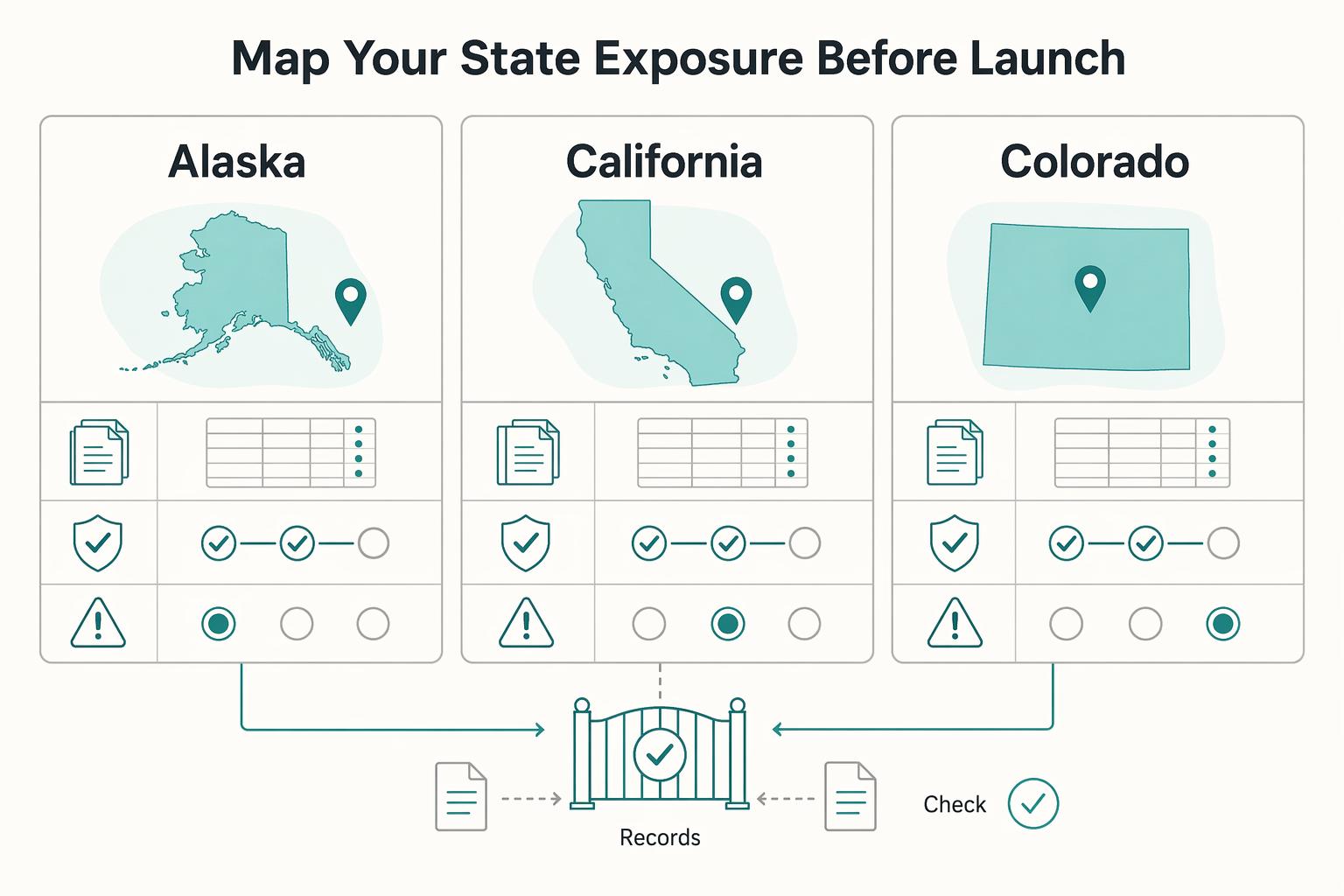
State Money Transmitter Licenses: Which US States Require a License for Marketplace Payouts
If your platform pays sellers, creators, or contractors in the United States, treat licensing as an operating decision from day one, not a label to clean up later. The core issue behind **state money transmitter licenses us states marketplace payouts** is this: federal status and state licensing answer different questions, and teams get into trouble when they treat one as a substitute for the other.
Read more →
Insurance Commission Disbursement for Platforms
The hard part is not calculating a commission. It is proving you can pay the right person, in the right state, over the right rail, and explain every exception at month-end. If you cannot do that cleanly, your launch is not ready, even if the demo makes it look simple.
Read more →
Cross-Border E-Invoicing Controls for Platform Payouts
Step 1: **Treat cross-border e-invoicing as a data operations problem, not a PDF problem.**
Read more →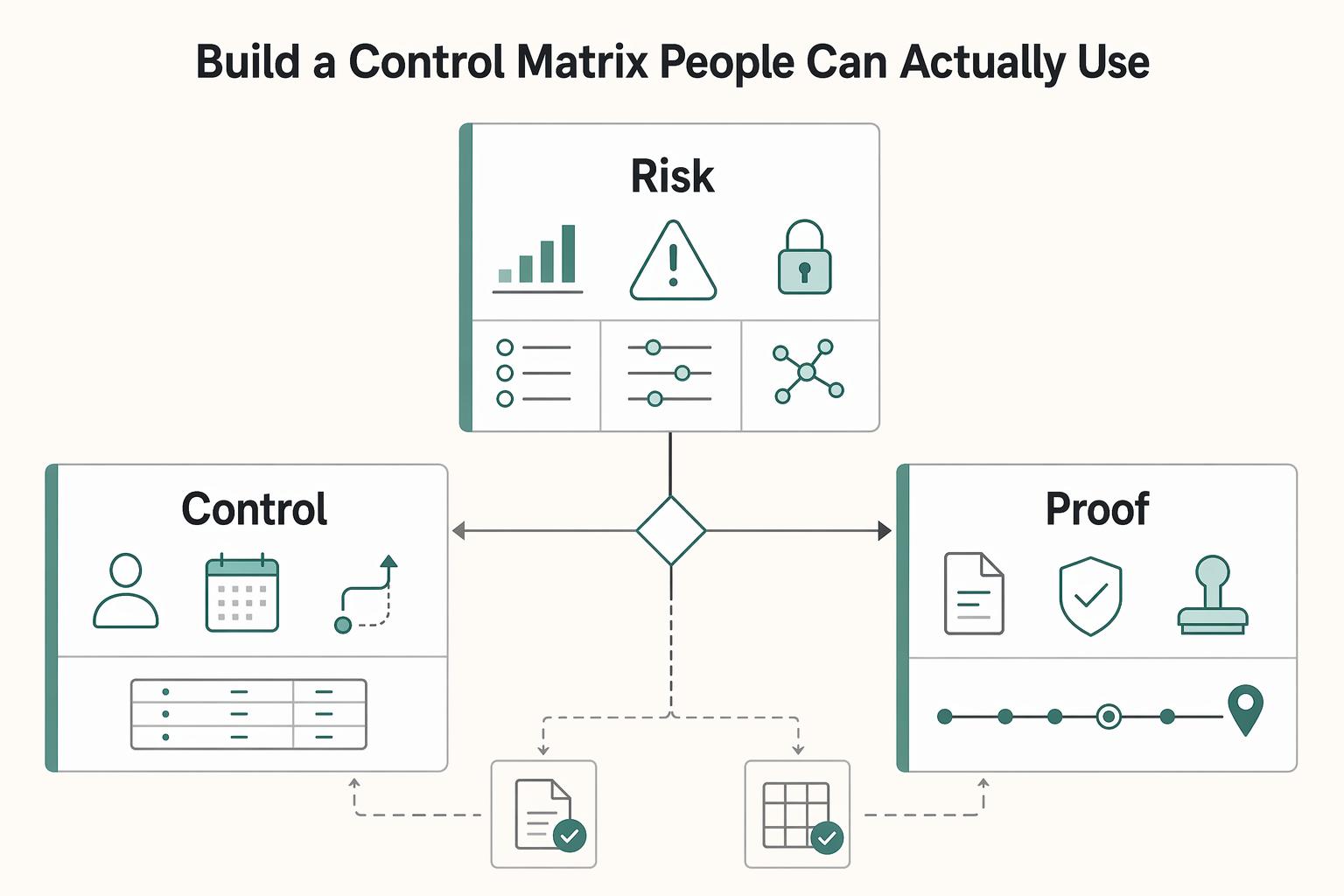
Upskilling Platform Finance Teams for Payments Compliance and Automation
Cross-border platform payments still need control-focused training because the operating environment is messy. The Financial Stability Board continues to point to the same core cross-border problems: cost, speed, access, and transparency. Enhancing cross-border payments became a G20 priority in 2020. G20 leaders endorsed targets in 2021 across wholesale, retail, and remittances, but BIS has said the end-2027 timeline is unlikely to be met. Build your team's training for that reality, not for a near-term steady state.
Read more →
End-to-End Payments Visibility: How CFOs at Platform Companies Track Every Dollar in Real Time
For a Chief Financial Officer, real-time visibility is an operating decision before it is a reporting feature. If teams are not aligned on ownership and proof for each money event, a live dashboard exposes that gap faster. That is broader than a simple payment-status view. Risk can appear at handoffs, especially when a payment event cannot be tied cleanly to bank data and back to ledger records.
Read more →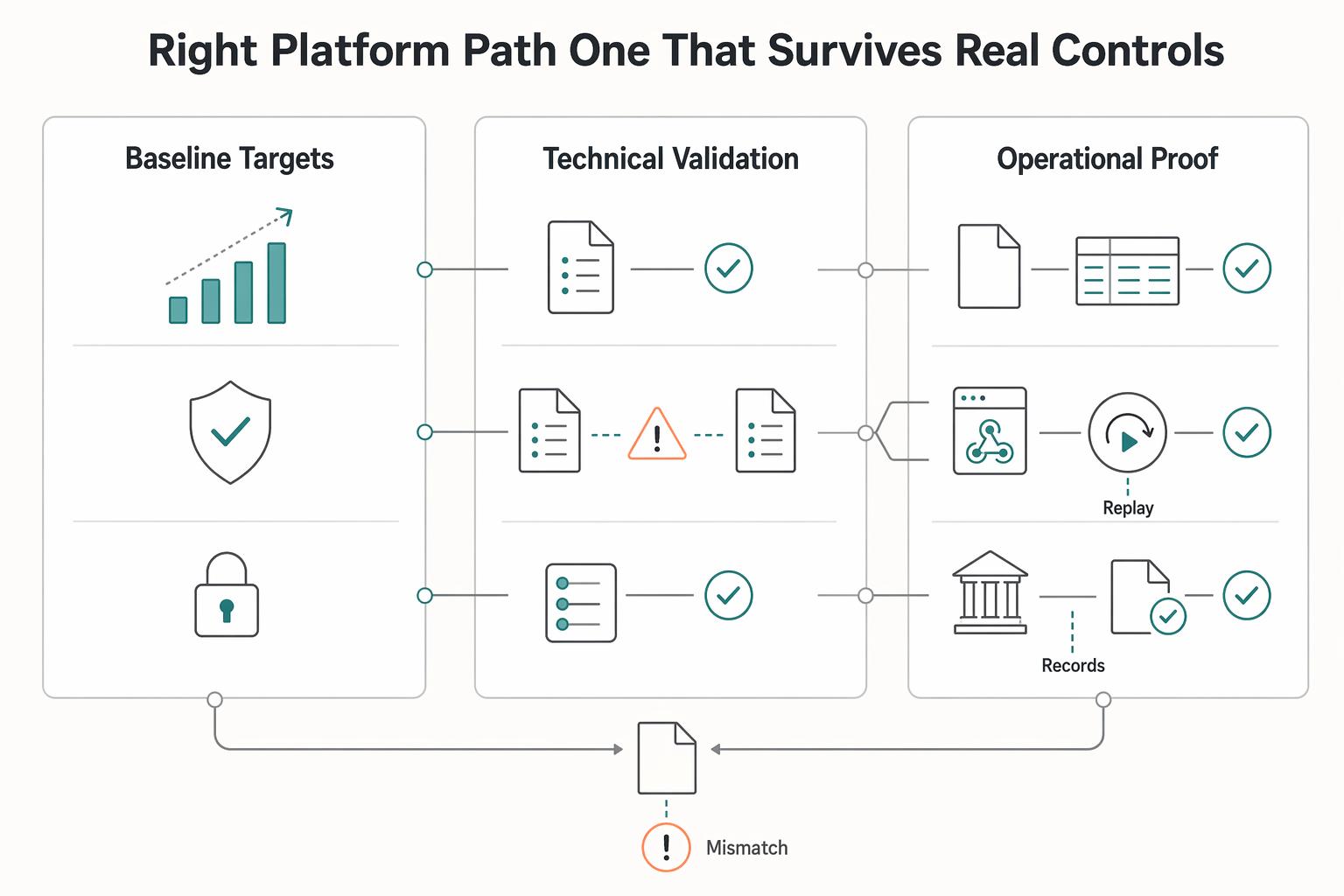
How Platform Teams Scale AP Volume Without Adding Headcount
Use this as a decision list for operators scaling Accounts Payable, not a generic AP automation explainer. In these case-study examples, invoice volume can grow faster than AP headcount when the platform fit is right, but vendor claims still need hard validation.
Read more →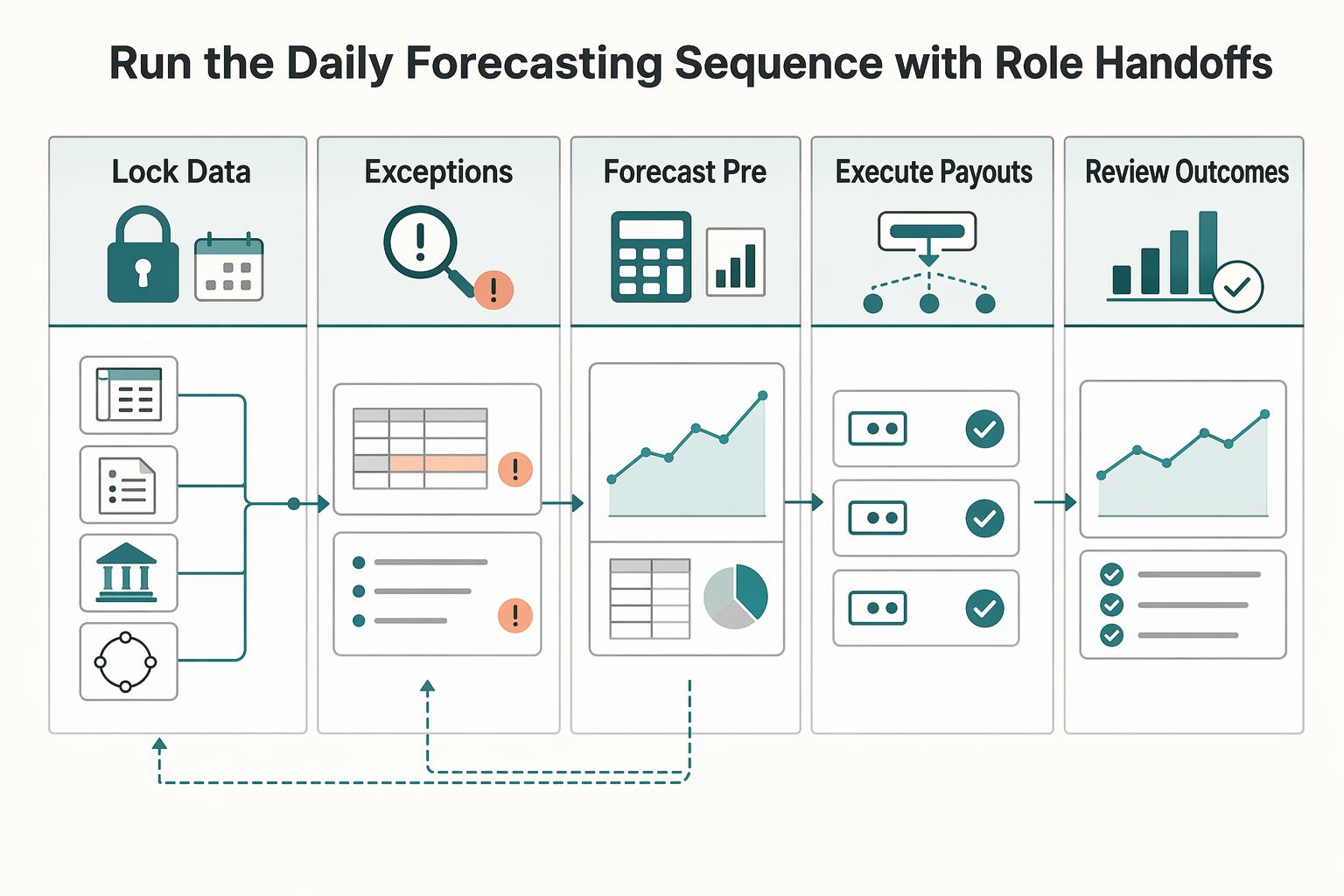
Cash Flow Forecasting for Payment Platforms for Payout Go/No-Go Decisions
For payout decisions, a forecast is only as useful as the cash that is actually settled, reconciled, and releasable before cutoff. If pending processor funds are treated like settled funds, or reconciliation breaks are ignored, the output may still help with planning, but it is less reliable for payout release decisions. If your team treats pending cash like spendable cash, your release call will drift before you notice it. If you are approving a run, your forecast should tell you what cash is truly releasable, not just what looks available on a dashboard.
Read more →