
Operator playbooks for cross-border payments, tax, and compliance execution.
Step-by-step guidance for finance, product, and ops teams to launch faster, reduce payout friction, and keep reconciliation clean across borders.

Global Payment Processing Infrastructure Choices for Platforms
Global payment processing for platforms is an infrastructure decision, not just a checkout decision. Once you collect in one market, convert currency, and pay out in another, you are managing cost, speed, access, transparency, compliance, and settlement at the same time. The Financial Stability Board frames international payments around four persistent frictions: high costs, low speed, limited access, and insufficient transparency.
Read more →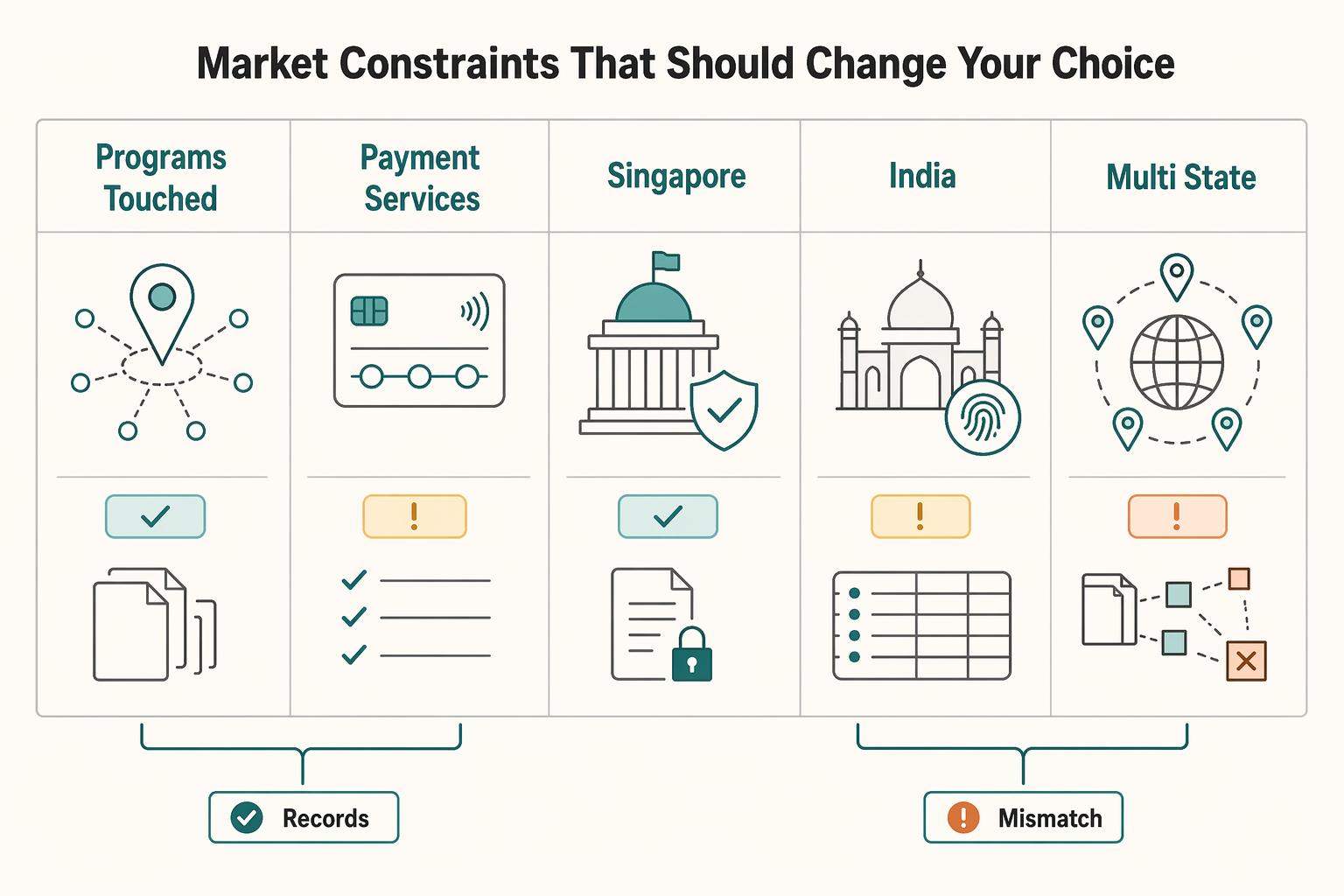
Horizontal vs Vertical Integration for Payment Platforms to Protect Margin
For payment platforms, the decision is simple in principle: choose the integration path that protects margin with execution risk your team can carry in the near term, not the one that sounds bigger. That pressure is higher now because, as of September 2025, investors are pushing payments operators for sharper margin discipline.
Read more →
How to Manage Cloud Spend for a Global Payment Platform
Cloud spend management in payments is an operating decision, not a finance side task. If you cut cloud cost without checking payment reliability, reconciliation, and control coverage, you may lower the bill while making outcomes worse.
Read more →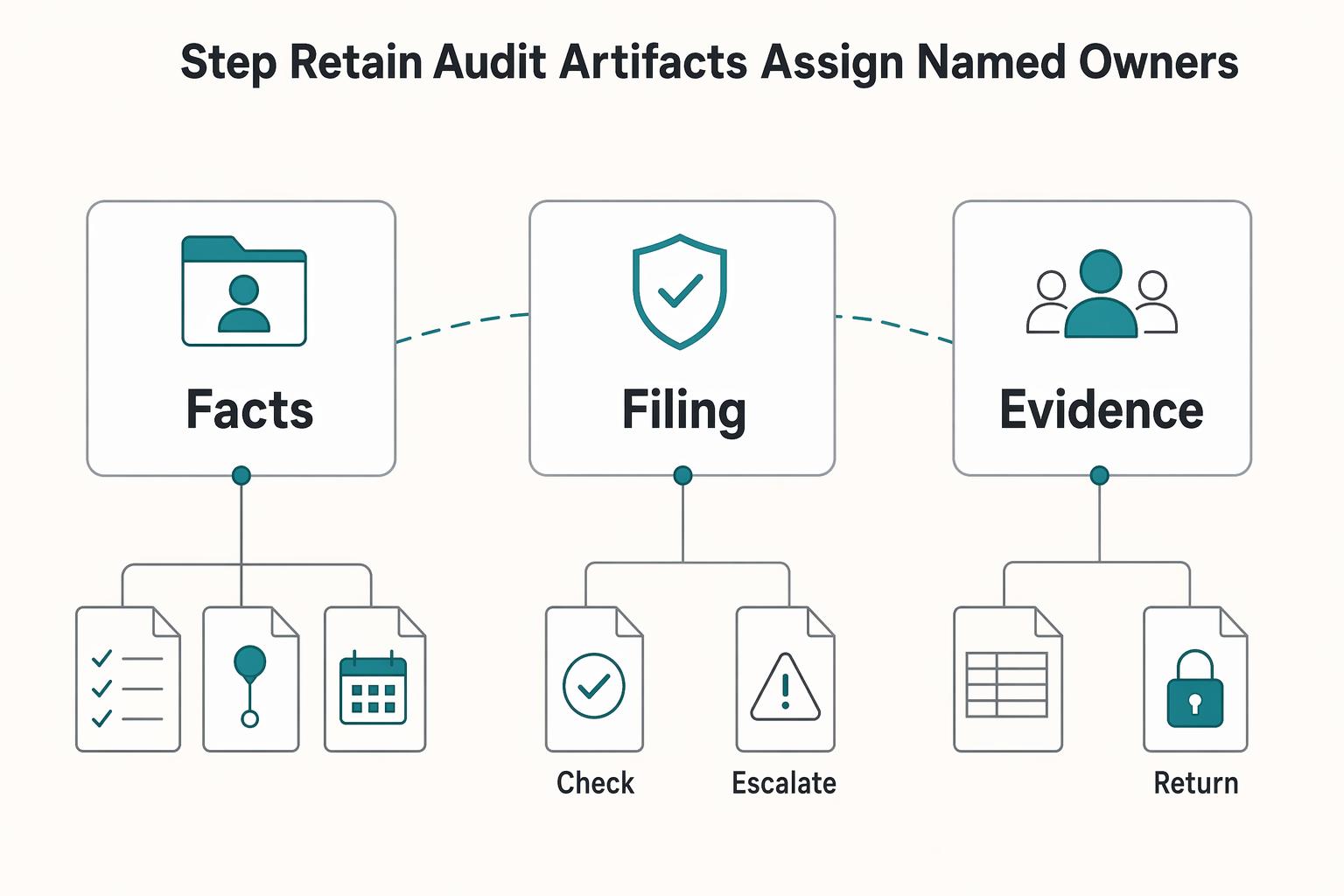
How Platform Operators Accept Payments Through QuickBooks
If you searched for **accept payments quickbooks platform operators**, you probably landed on SMB setup docs, not platform-architecture guidance. Public QuickBooks material is useful for understanding product capabilities, but much of it is written for onboarding and day-to-day use. Those resources may not cover the cross-functional design choices that matter to engineering, product, and finance.
Read more →
How Platform Operators Triage Late B2B Payments Before Market Entry
Late payments are a market-entry risk for platform operators, not just a collections issue. In B2B and G2B transactions, delayed payment strains liquidity, complicates financial management, and can weaken competitiveness when creditors need outside financing. If you expand before your team can trace where delay starts, you can scale a working-capital problem faster than you fix it.
Read more →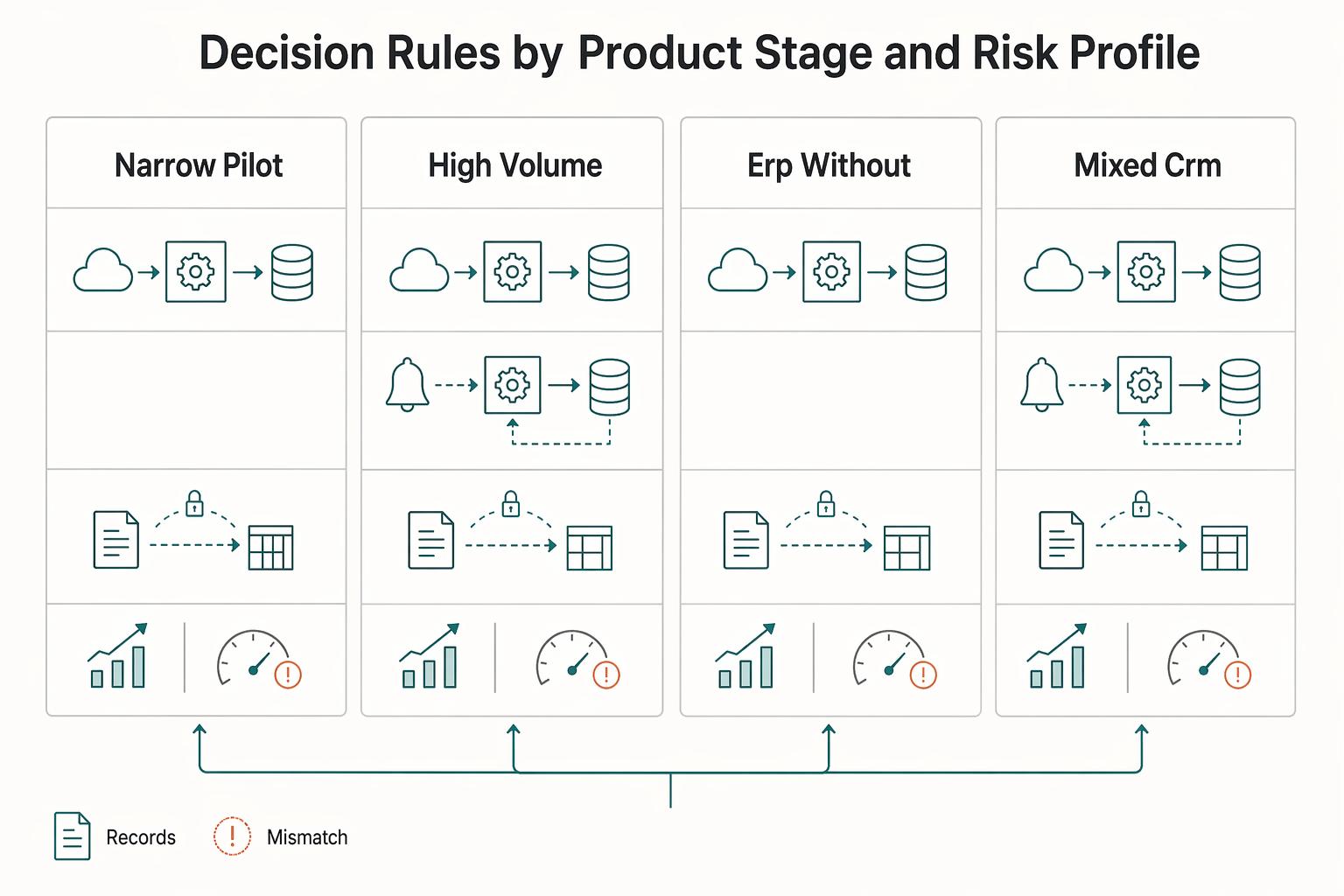
Choosing ERP Sync Patterns for Payment Platforms
For a payment platform, this is a pattern-choice decision, not a generic back-office integration project. The job is to pick the sync model that can keep payout infrastructure, billing-record state, and payment lifecycle updates reliable.
Read more →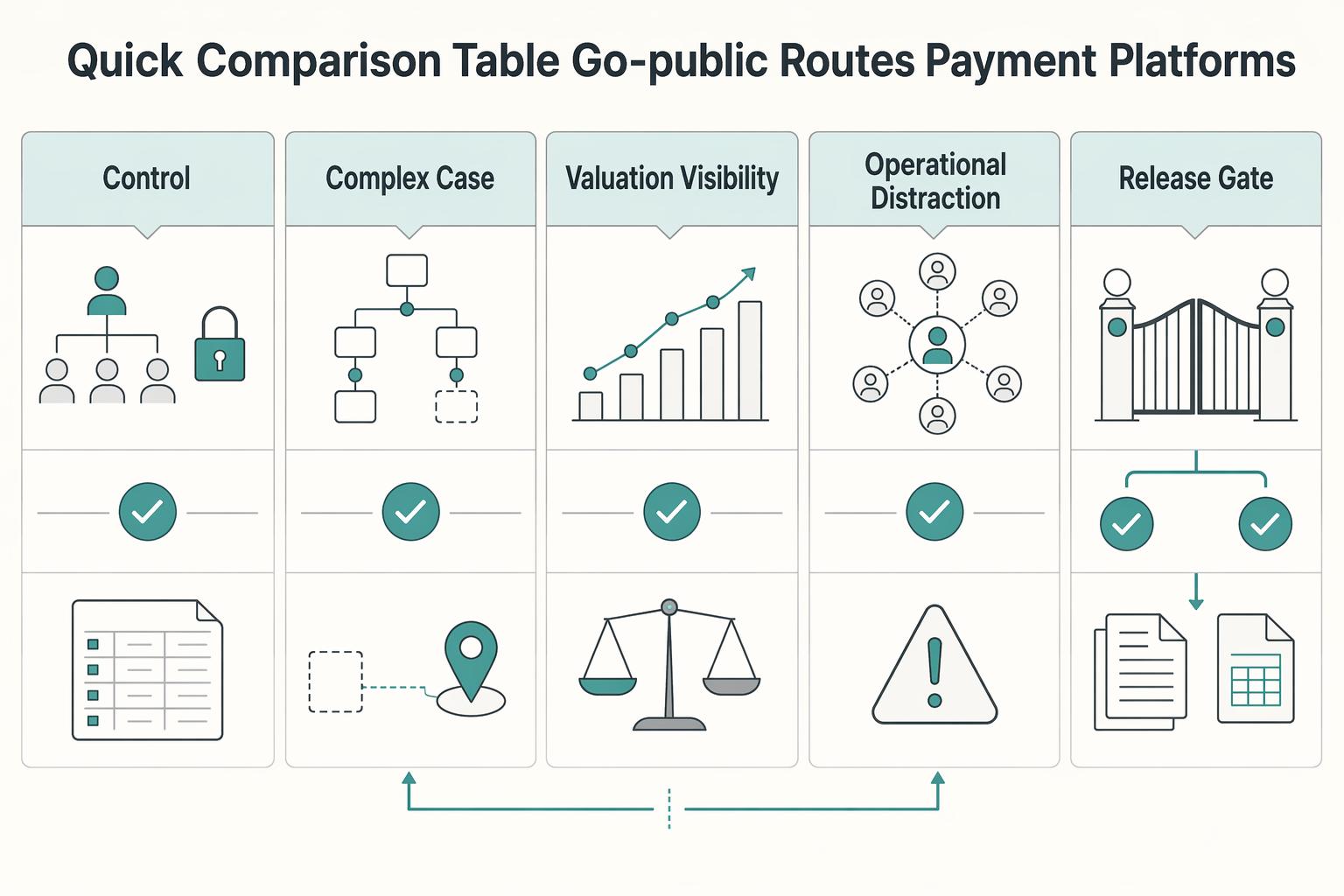
What Is a SPAC? How Payment Platforms Can Use Special Purpose Acquisition Companies to Go Public
The core decision is readiness, not structure. Choose the route your team can support under public-company disclosure, governance, and reporting pressure. If your operating claims are not backed by evidence today, a **Special Purpose Acquisition Company (SPAC)** should not be treated as a shortcut.
Read more →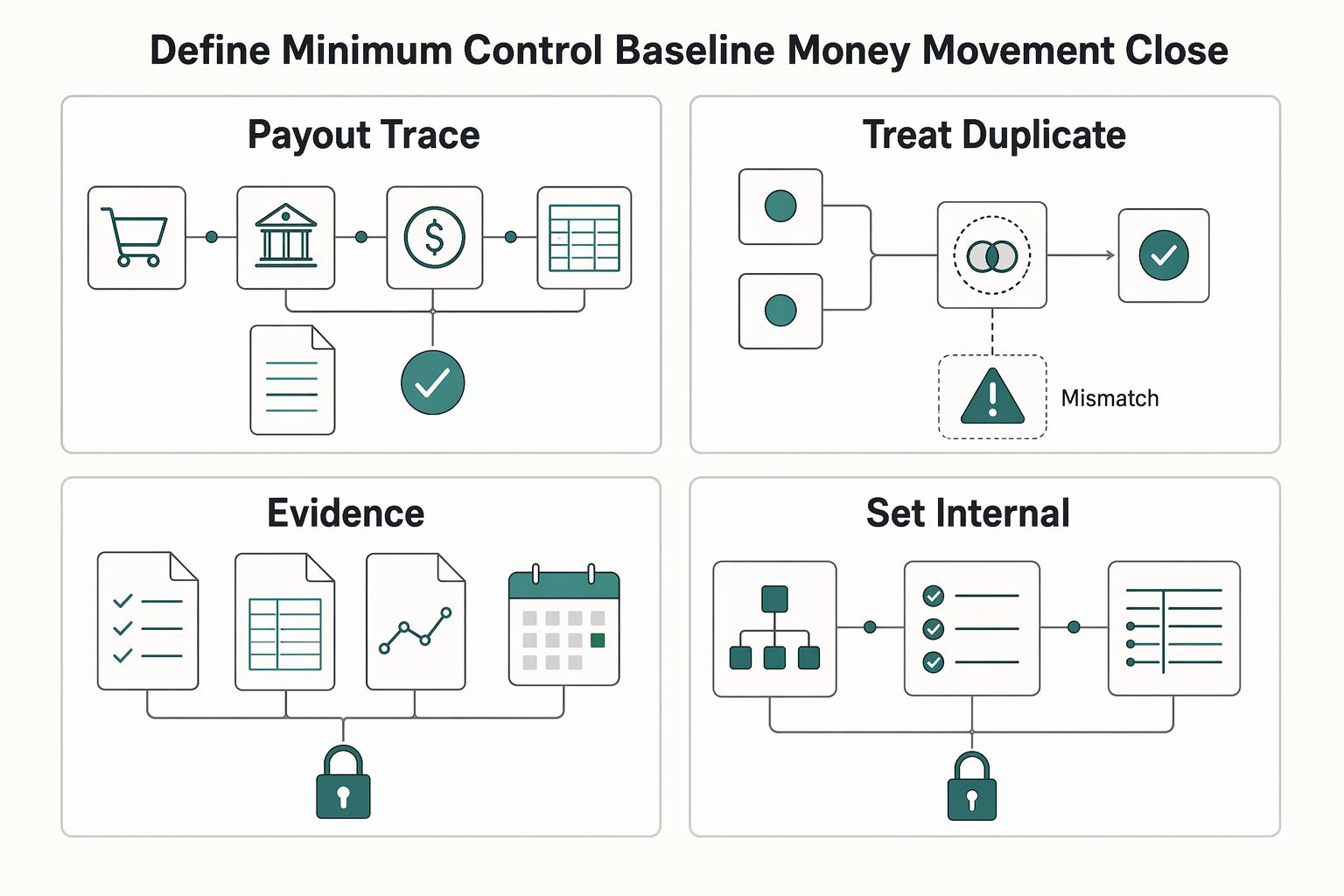
IPO Readiness for Payment Platforms Starts in Financial Operations
Use this checklist to separate **expansion readiness** from **filing readiness** before you commit to new markets. A payment platform can be ready to launch in a new country or vertical yet still be unready for IPO scrutiny. Filing readiness brings its own requirements: SEC effectiveness before securities can be sold, ongoing Exchange Act reporting, and CEO/CFO certification tied to Form 10-K and Form 10-Q.
Read more →
How to Build a Payment Approval Workflow: Thresholds Roles and Delegation of Authority
A payment approval flow works only when policy becomes system behavior. The job is to translate Delegation of Authority into routing rules that send each request to the right approver, block conflicts, and leave an audit trail finance can verify later.
Read more →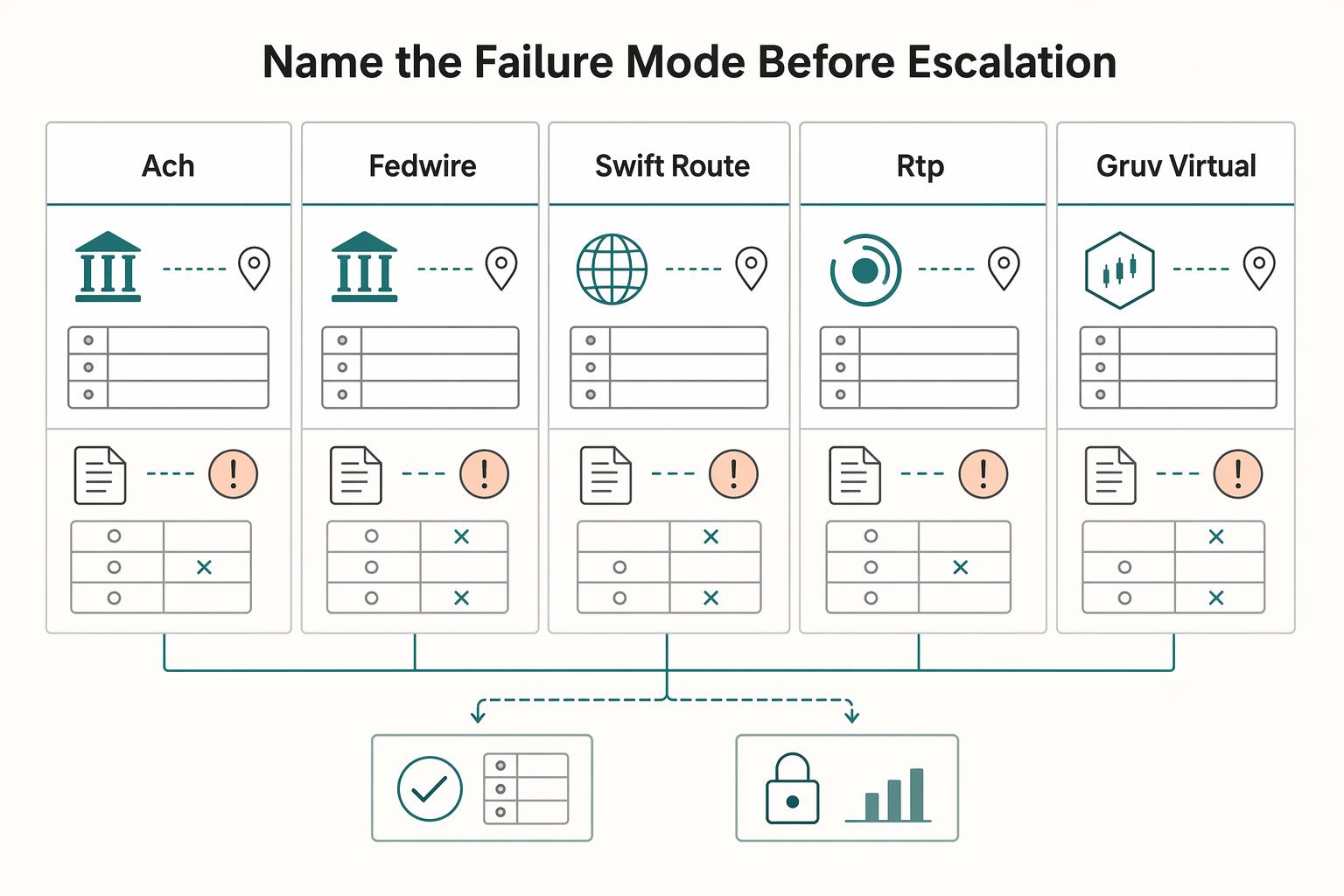
How to Handle Payment Exceptions at Scale: Routing Disputes Corrections and Manual Overrides
Handling payment exceptions at volume takes more than a policy statement. You need clear routing, correction controls, and Manual Overrides guardrails so one failed payment does not turn into ledger drift, broken reconciliation, delayed settlements, or an unnecessary customer escalation. If you run payment ops, you need a routing rule your overnight team can follow without rebuilding the case.
Read more →
How to Set Up a Multi-Entity Payment Structure for Global Platform Operations
Start with accountability, not a vendor demo. In a **multi-entity payment structure for global platform operations**, one of the first decisions is where risk, money movement, and decision rights sit. That choice shapes processor account design, exception approvals, and reconciliation effort.
Read more →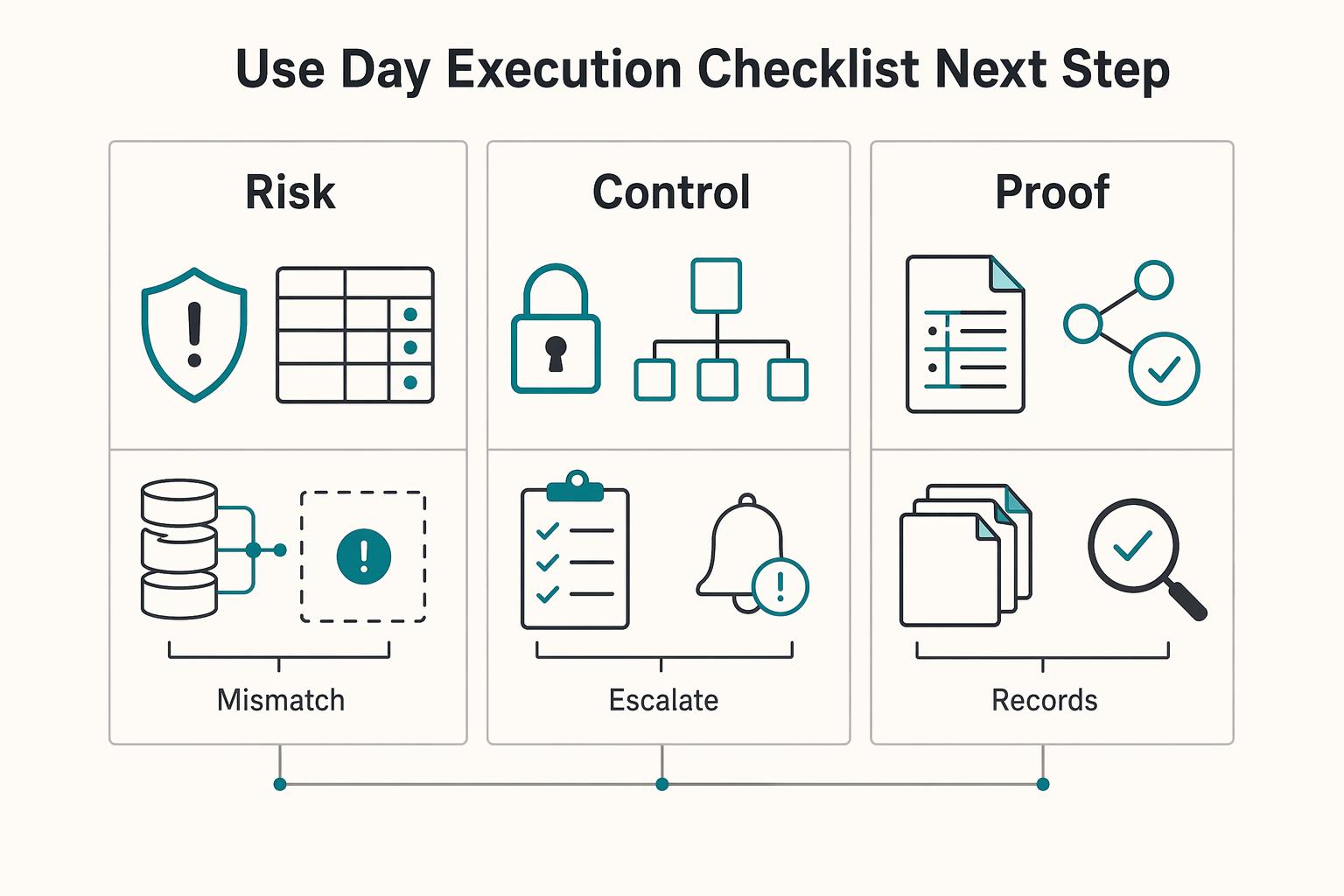
Internal Payment Audit Trail for Platform Compliance
In the first implementation phase, stand up a narrow, retrieval-focused audit trail baseline. You are not building a complete control program yet. The goal is a shared operating model so compliance, legal, finance, and risk can answer the same questions from one evidence set: who approved what, what changed, and how quickly you can produce it.
Read more →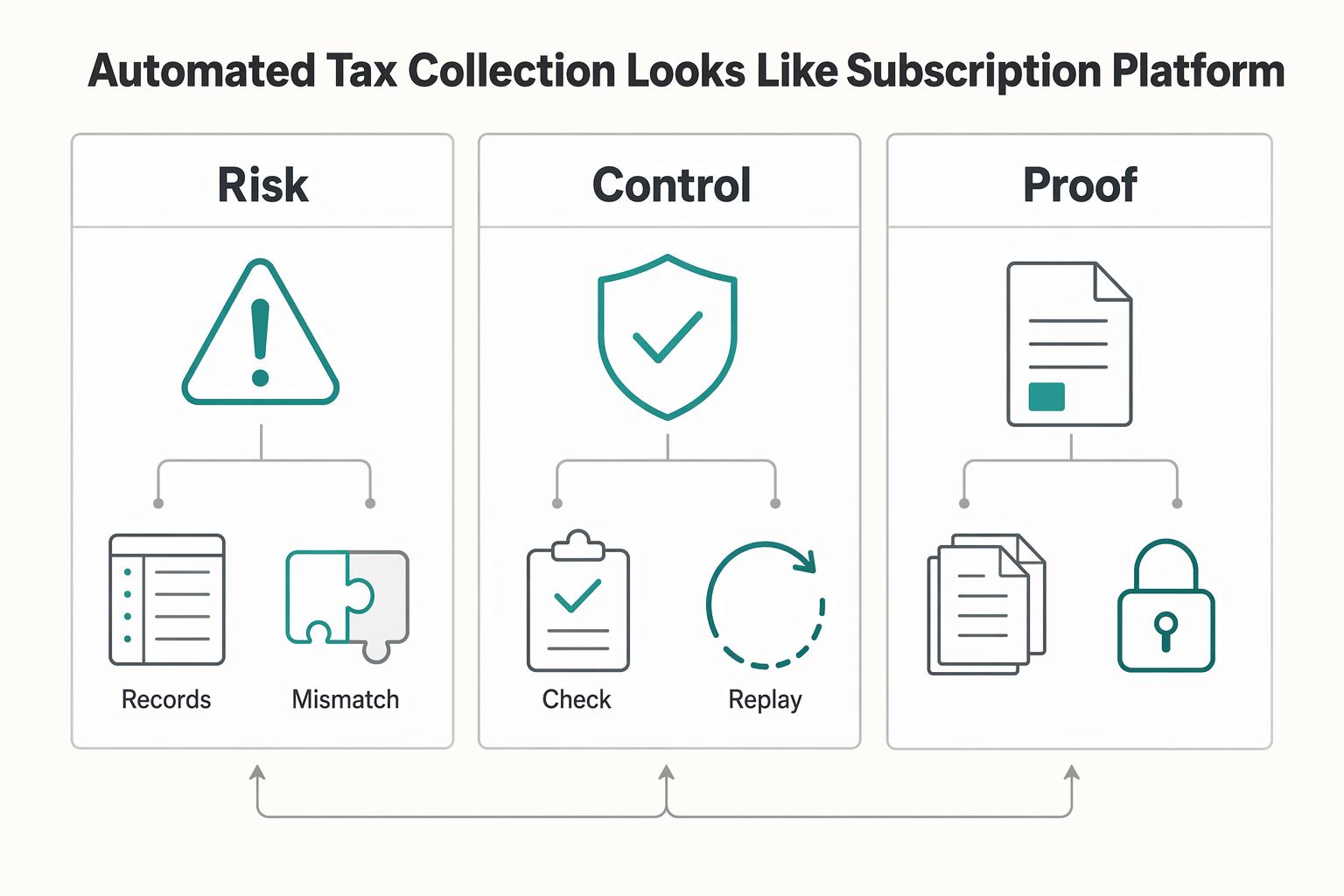
How to Set Up Automated Tax Collection for Your Subscription Platform: Avalara and TaxJar Integration
This is a control-first implementation, not a feature comparison. The real question is whether the tax engine fits your billing flow, produces records finance can trust, and gives compliance and legal a clear escalation path before problems become filing or invoicing failures.
Read more →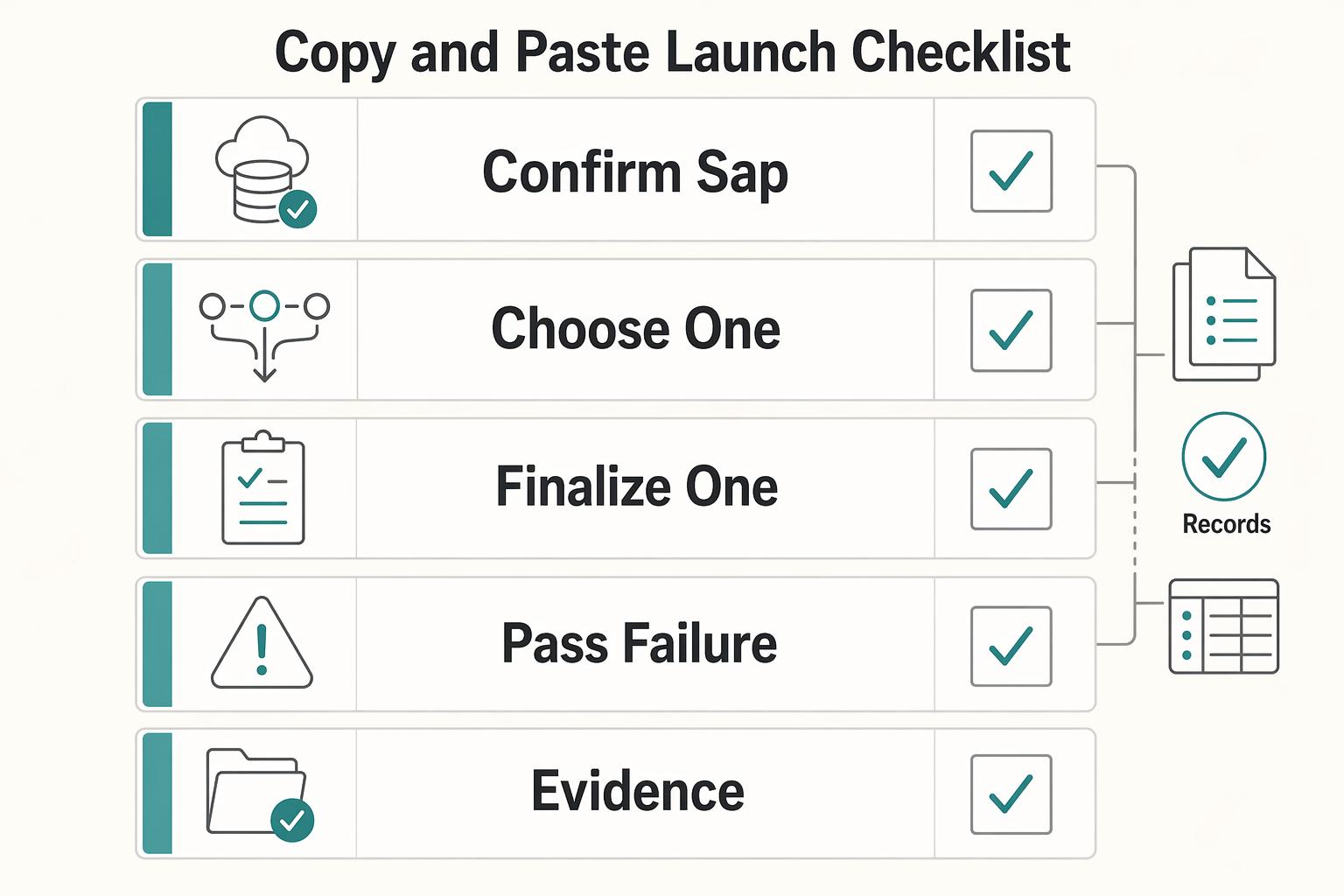
SAP Integration for Payment Platforms: How to Connect Your Payout Infrastructure to SAP ERP
Define the SAP boundary before you choose integration tooling. For payout work, an early decision is whether SAP S/4HANA is only the destination for postings or whether it also sits inside payment acceptance, payout state tracking, and reconciliation control.
Read more →
What Is ERP? A Payment Platform Operator's Guide to Choosing an Enterprise Resource Planning System
If you run a payment platform, ERP can become as much a boundary problem as a definition problem. Vendor explainers from SAP, IBM, Sage, Corpay, and Ramp give you baseline context. In practice, you still need to decide where ERP ends, where payment systems begin, and how records move between them.
Read more →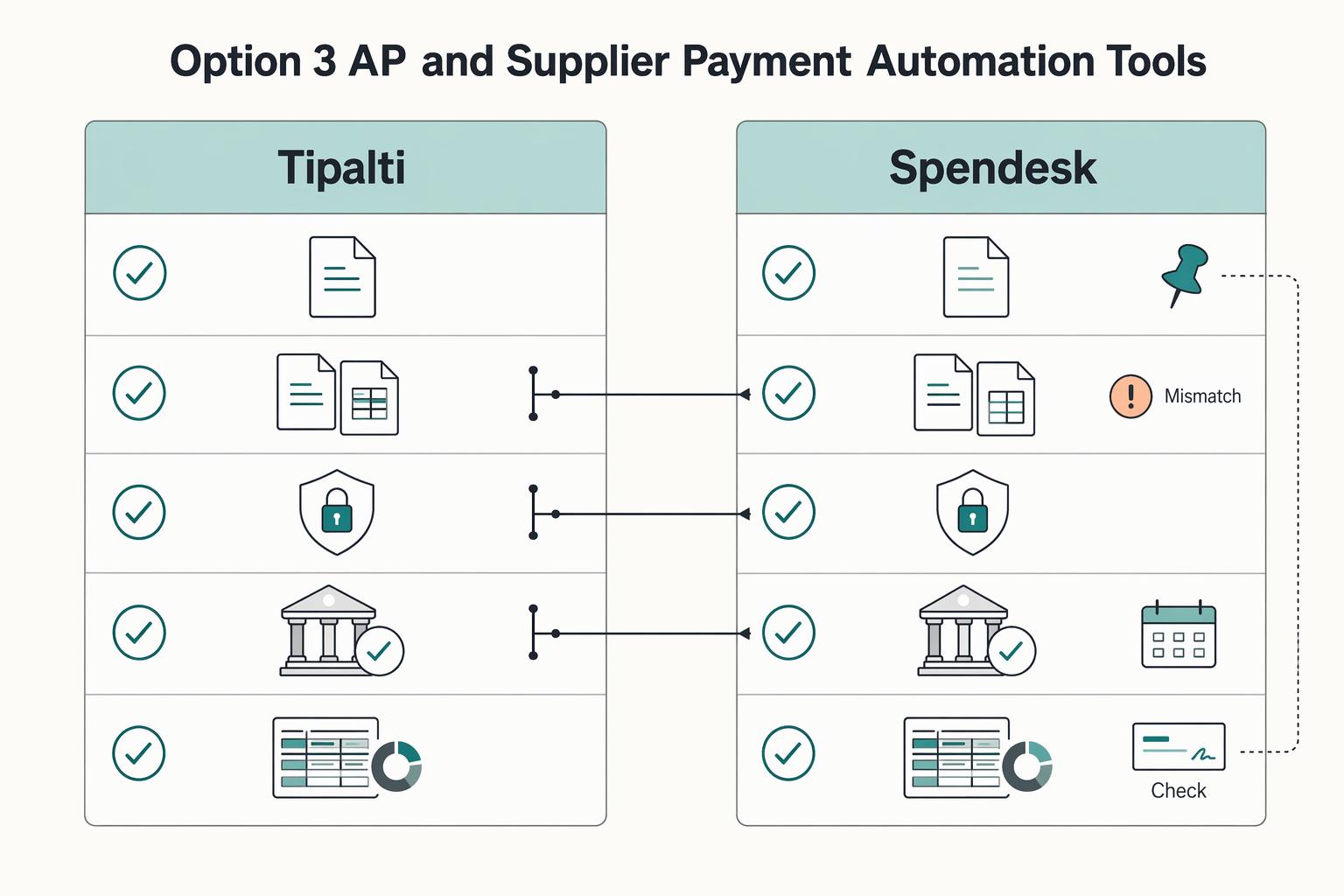
Material Procurement for Platforms: How Marketplaces Manage Raw Material Purchases and Supplier Payments
For platform teams evaluating **material procurement platforms marketplaces raw material purchases supplier payments**, the real question is whether you can keep control from start to finish. Can your workflow stay intact from internal request to supplier disbursement to ledger-ready evidence? If that chain breaks, finance inherits more manual review, ops inherits supplier friction, and engineering inherits avoidable exception handling.
Read more →
Inventory Management for Marketplace Platforms: How to Sync Stock Levels with Payment Triggers
Real-time payment events are most useful when you decide in advance which ones move stock, which only update reporting, and who resolves mismatches. Without those rules, a fast integration can still turn into slow cleanup.
Read more →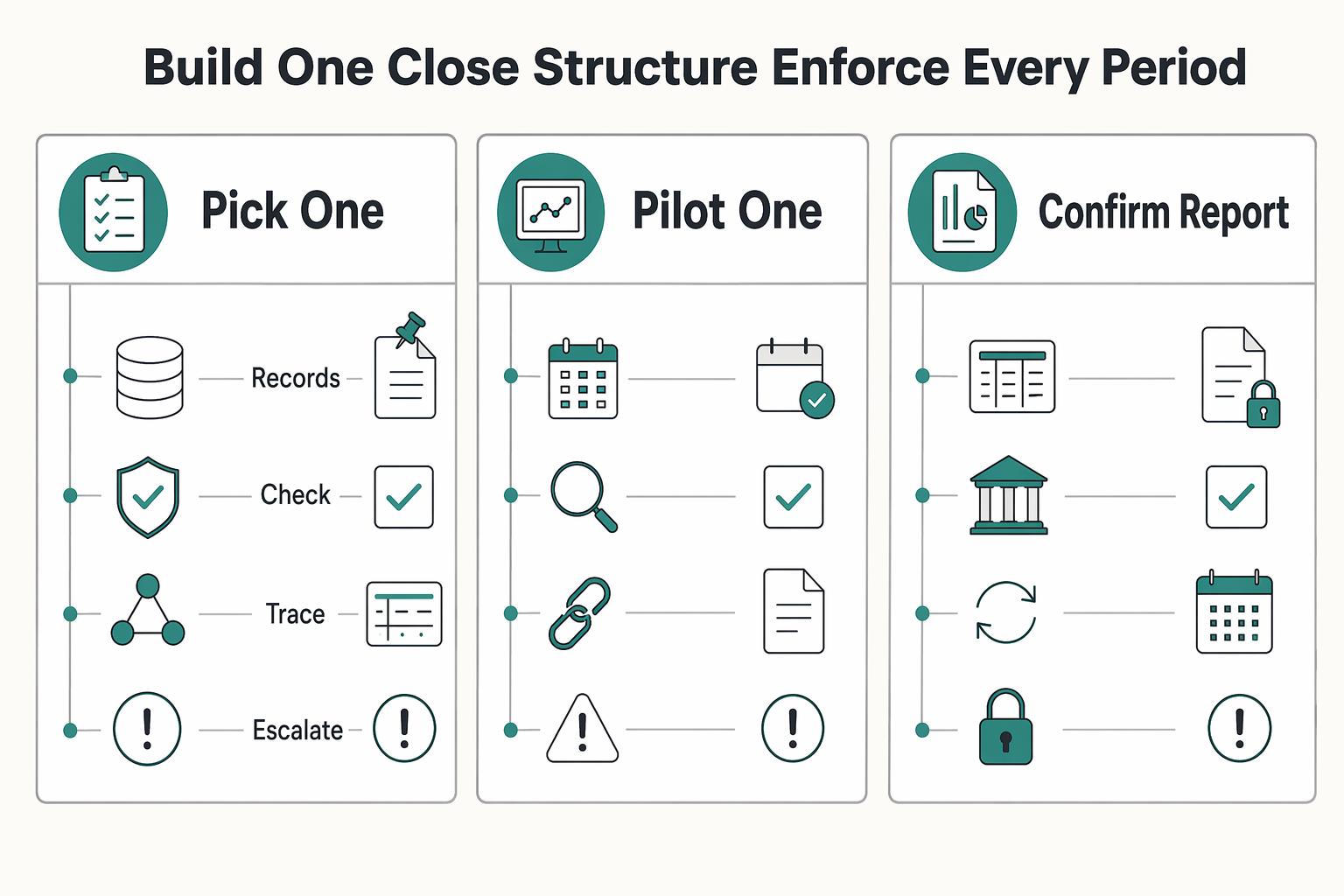
Accounting Cycle for Payment Platforms: How to Structure Month-End and Quarter-End Close
Month-end close on payment platforms usually breaks in three places: timing mismatch, explanation debt, and unclear ownership. The fix is to choose a close structure you can actually run, assign clear ownership for each tie-out, and set verification checkpoints for month-end and quarter-end. That keeps financial statements accurate without pushing cleanup into the next period.
Read more →
Accounting for a Payment Infrastructure Business: How to Structure Finance Ops
Treat payment infrastructure accounting as an operating-control problem first and a reporting problem second. Money movement can clear, settle, or trigger payout activity before month-end. That means finance operations need ledger integrity, reconciliation, settlement tracking, and payout controls, not just clean journal entries after the fact.
Read more →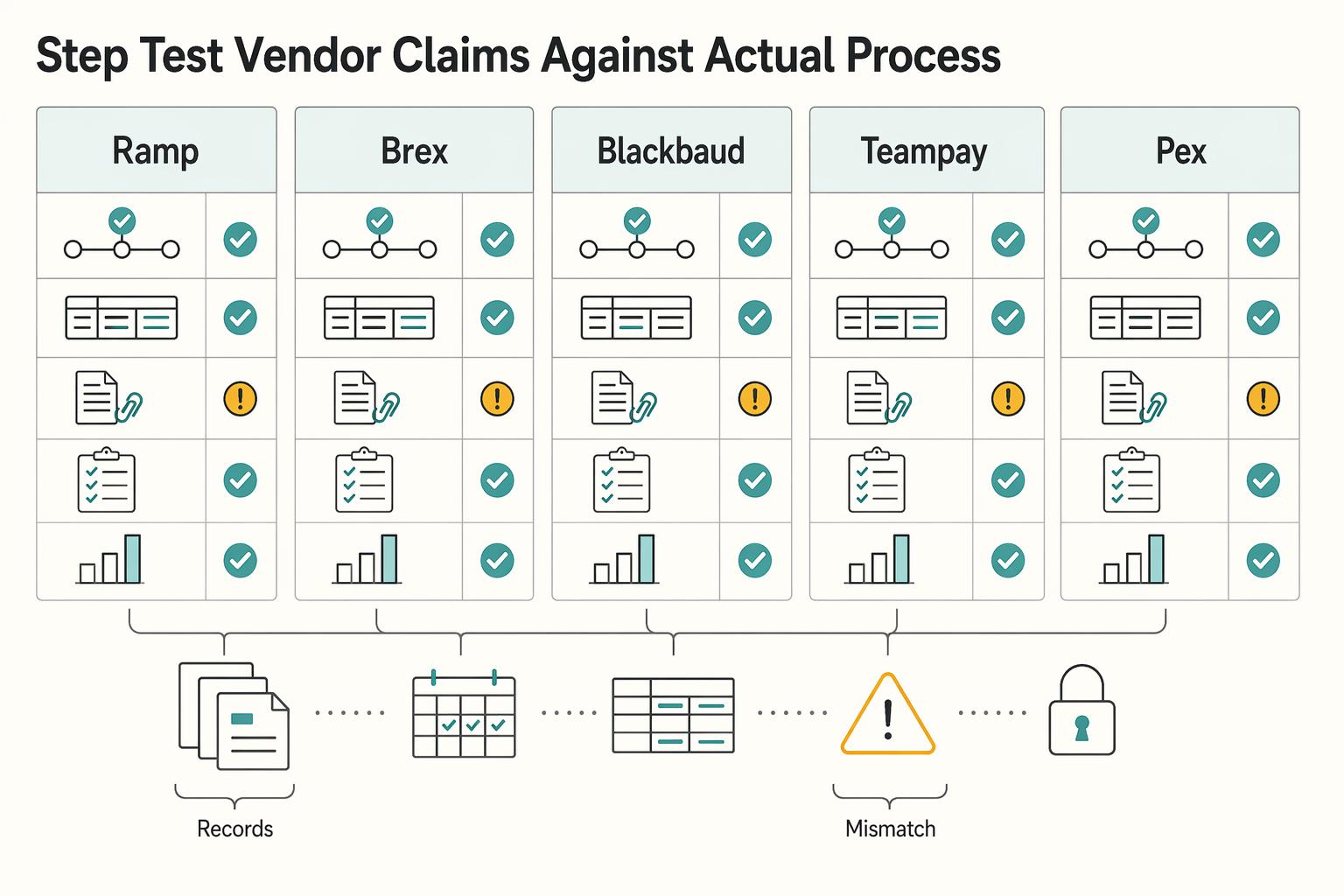
Lean Accounting for Payment Platforms: How to Run Efficient Finance Ops Without a Big Team
Run finance ops from the **General ledger** first. When transaction records, settlement matching, and **Payout execution** do not share clear control points, small breaks turn into manual cleanup, duplicate actions, and weak close evidence.
Read more →