
Operator playbooks for cross-border payments, tax, and compliance execution.
Step-by-step guidance for finance, product, and ops teams to launch faster, reduce payout friction, and keep reconciliation clean across borders.
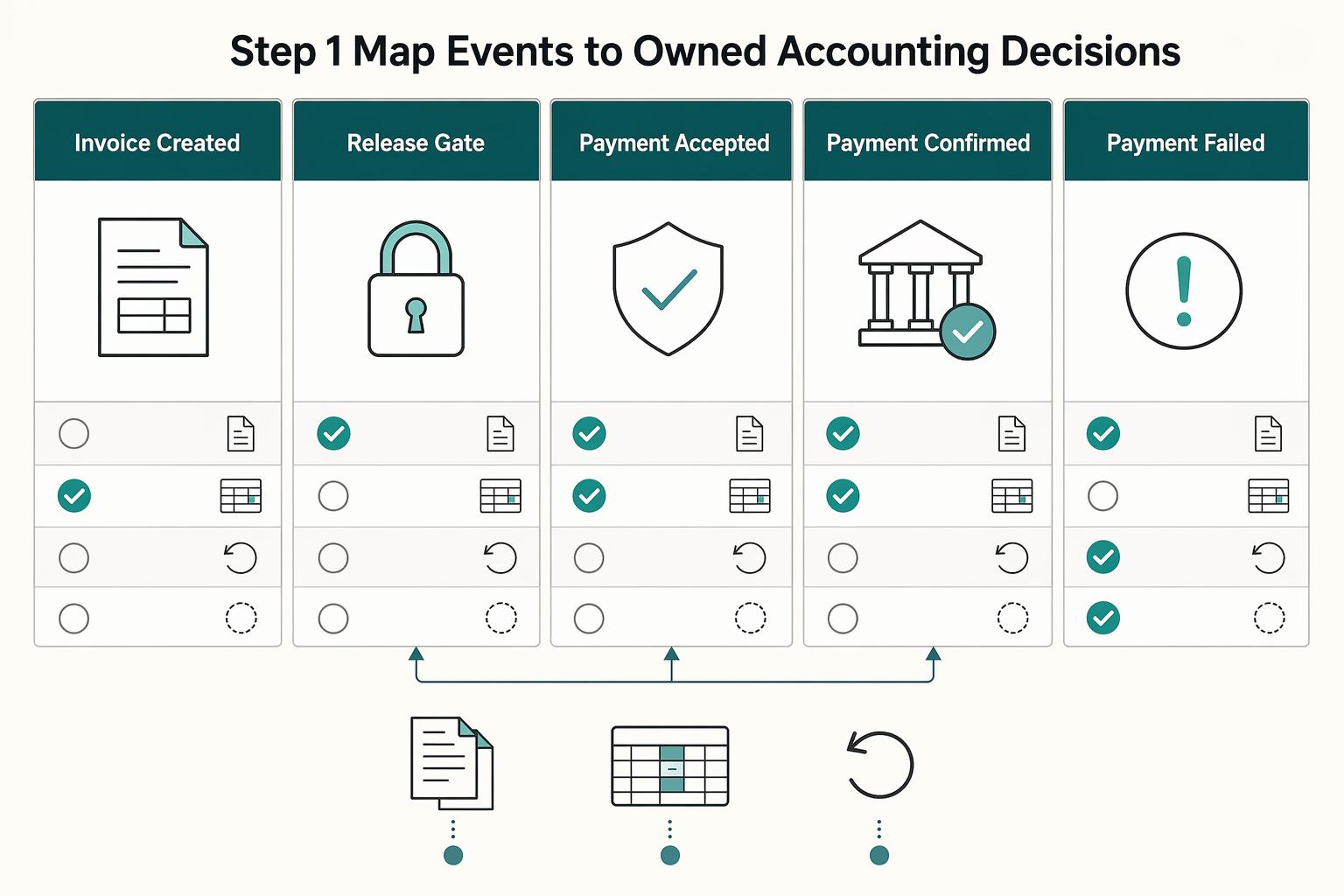
NetSuite for Payment Platforms: Module Order, Automation, and Integration Strategy
NetSuite payment projects often stall when teams try to enable too much at once. The practical path is to sequence modules and automations so you reduce rework instead of creating it. NetSuite is built for incremental expansion, so it is usually safer to lock accounting controls first, then layer on payment automation and integrations.
Read more →
Accounting API Platforms for General Ledger Integration
These integrations usually break at the same point. The happy path works, then asynchronous events, retries, and month-end pressure expose controls you did not design upfront. To reduce rework, define posting boundaries, dedupe behavior, and matching checks before you spend time on ERP exports or reporting polish.
Read more →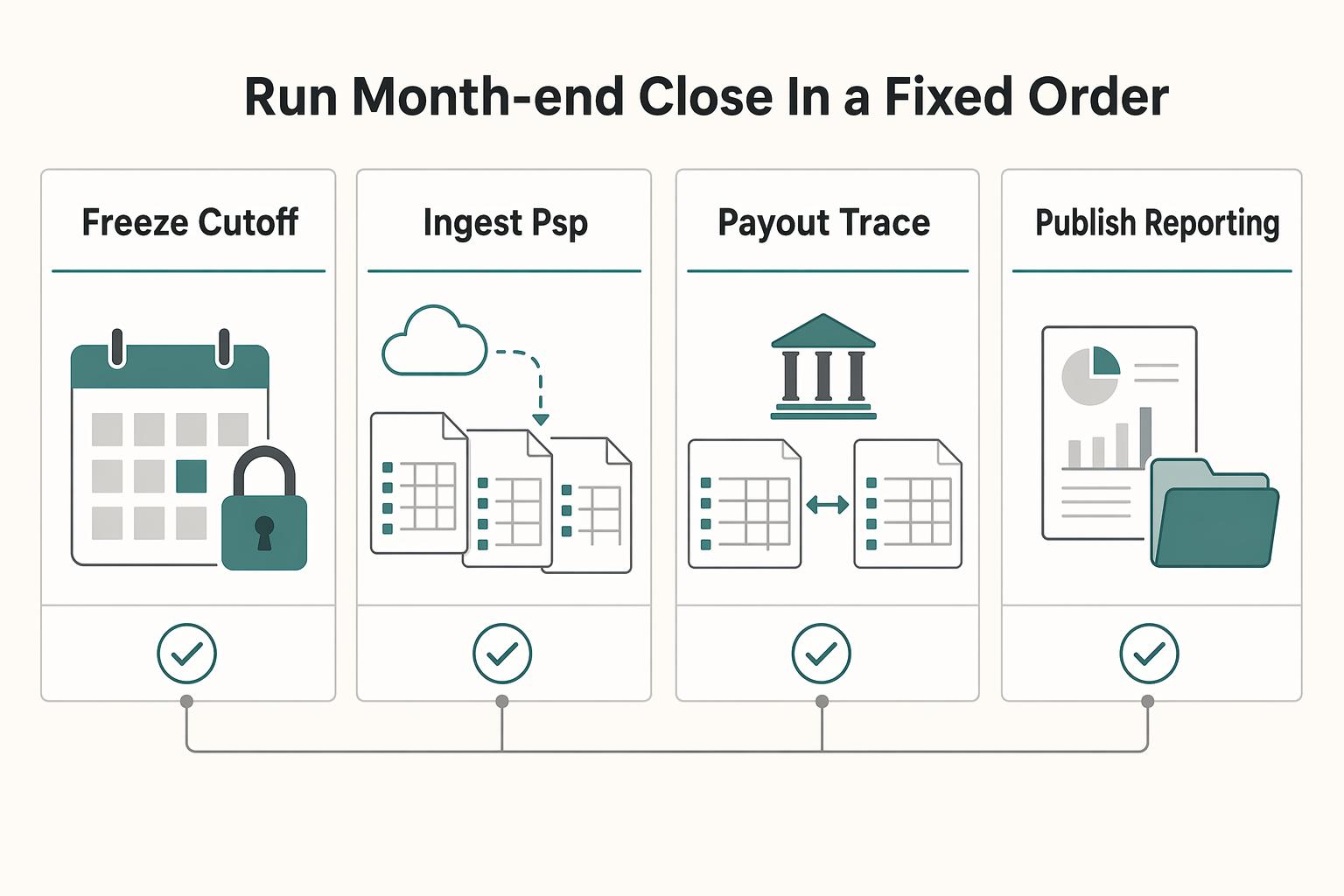
What Is an Income Statement? A Platform Finance Team's Guide to P&L for Payment Businesses
For a payment business moving money at volume, the income statement needs to work as an operating tool, not just a textbook concept or a finance-only report.
Read more →
What Is Dunning? A Platform Operator's Guide to Recovering Failed Recurring Payments
Dunning management is an accounts-receivable process for recovering overdue balances. In recurring billing, it also covers failed-transaction notices and overdue-payment reminders. For platform teams, that means dunning is not an ad hoc email task. It is an operating process with clear triggers, owners, and end states.
Read more →
Cloud-Based AP for Remote Teams: Faster Monthly Close
Cloud-based AP is an operating decision, not just a UI upgrade. If you run finance across locations, you feel the change in ownership across invoice intake, approvals, payment release, and downstream matching. We see that shift affect close execution, cash timing, and control quality fast. AP is a full-cycle process, and moving it into provider-hosted software means you need to decide how those steps will work under real pressure.
Read more →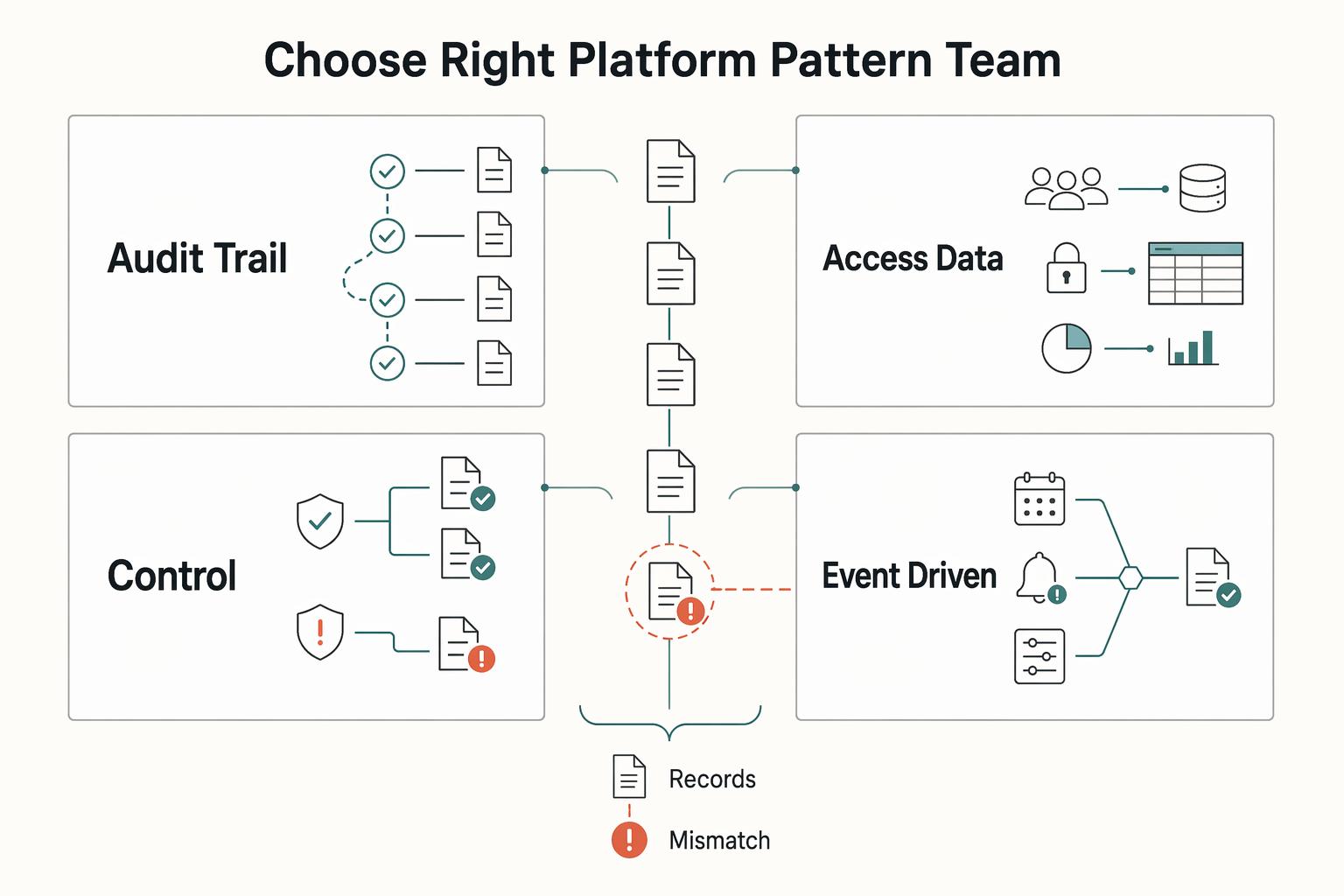
Contractor Offboarding Final Payment Controls for Multi-Market Platforms
Contractor offboarding is a compliance and money movement risk event, not an admin cleanup task. If you treat a departure like a simple HR ticket, contract status, access rights, tax reporting, and payout controls can all fail at once.
Read more →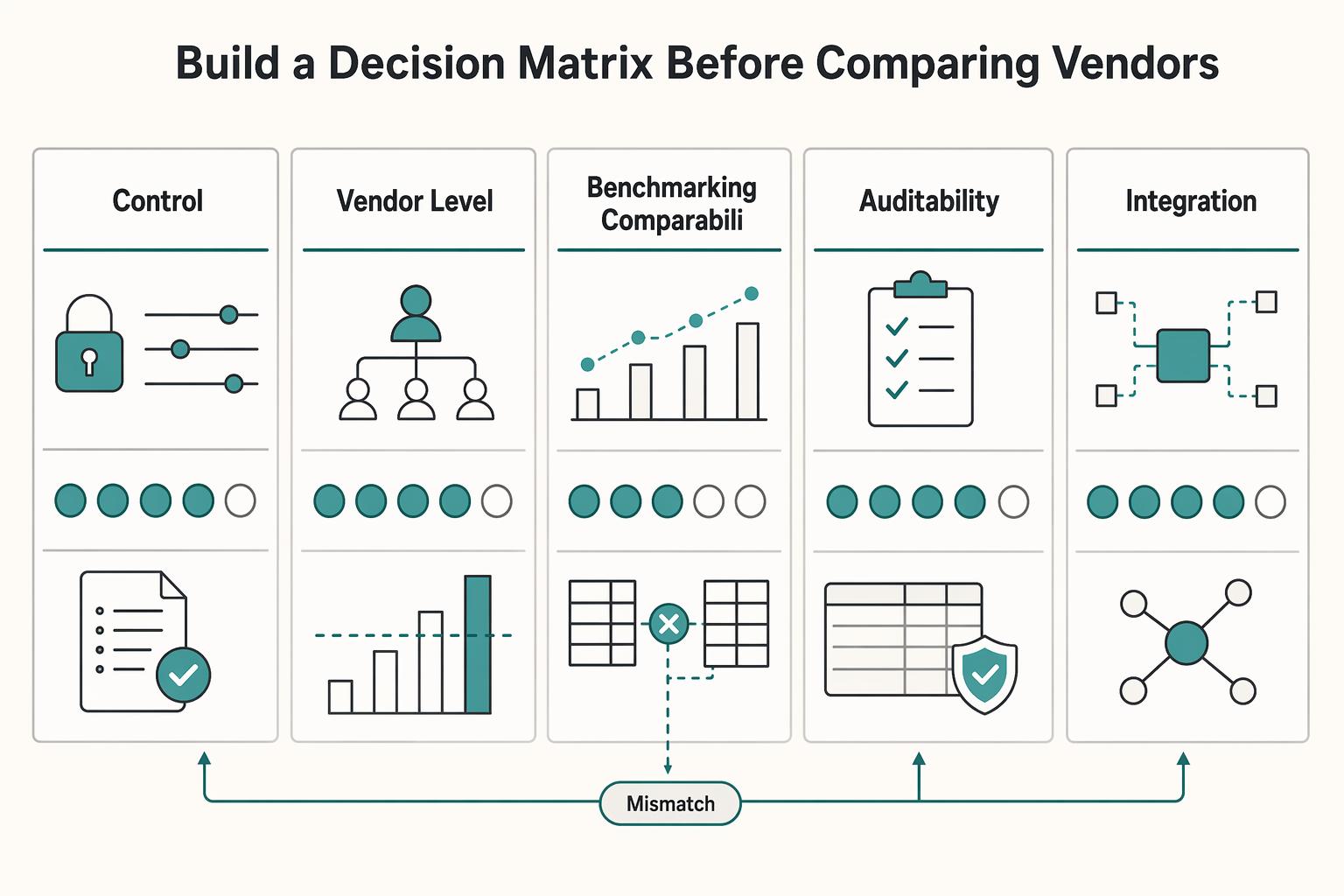
Spend Analysis for Platform Finance Teams to Categorize and Benchmark Vendor Payments
Spend analysis helps platform finance teams when it is treated as operating work, not just reporting. The job is to collect, cleanse, classify, and analyze spend data so vendor payment decisions are usable in governance and forecasting.
Read more →
Assessing Supplier Risk Across a Payment Platform Vendor Base
**Treat supplier risk as a control function, not a procurement task.** If a third party can affect payouts, customer data, service continuity, or your ability to meet legal obligations, oversight typically needs shared ownership across compliance, legal, finance, security, and operations.
Read more →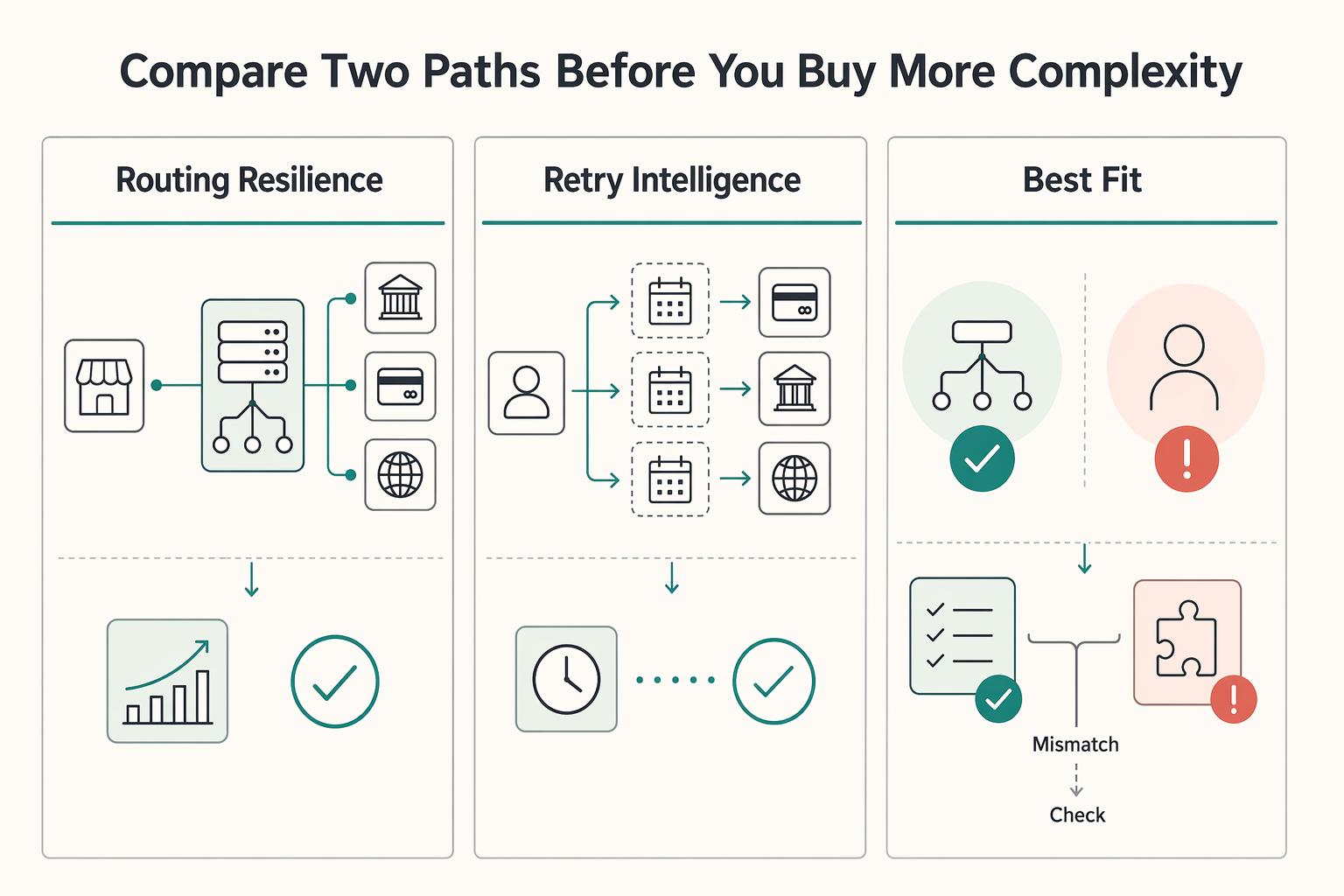
Reducing Involuntary Churn with a Payment Failure Recovery Playbook
Treat payment-failure churn as a monetization issue first. Many failed payments are recoverable, so what looks like churn is often revenue collection leakage rather than clear product rejection.
Read more →
Telecom and Utilities Usage Overage Billing with Defensible Contract Terms
Treat overage billing as one continuous chain, not a set of handoffs. If your contract limit, meter logic, invoice lines, and ledger entries define usage differently, close risk shows up fast. Make those decisions upfront, before finance is asked to explain a bill it cannot fully trace.
Read more →
How to Compare SaaS Billing Benchmarks Before Expansion
For expansion decisions, treat payment decline rate, churn, and expansion as one system, not three separate metrics. That gives product, finance, and GTM a view they can defend before rollout resources are committed. If you own the budget call, you need that view before your team starts treating one good month as a trend.
Read more →
Expired Card Management for Platform Teams Scaling Card-on-File Payments
If you run card-on-file payments across products or merchant entities, this guide is about operating decisions, not billing basics. The real question is not whether you have an updater. It is which credential failures you actually cover, what still falls through, and how you will prove outcomes in logs and reconciliation.
Read more →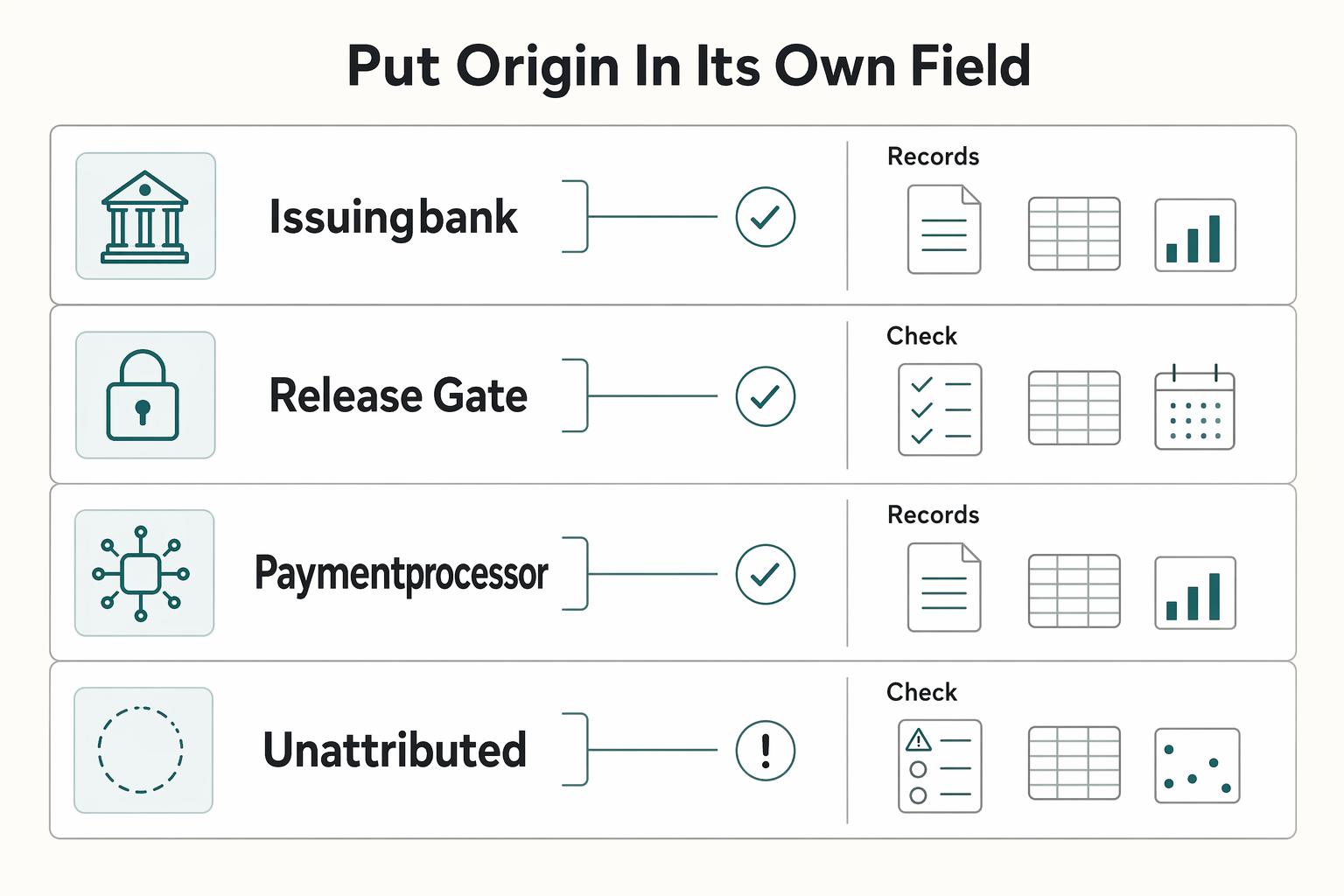
Payment Decline Reason Codes for Platform Engineers
Payment decline handling is a control problem, not a single lookup table. If you treat every failure as one generic "declined" state, you collapse different failure types into one bucket and can end up applying the wrong retry, message, or escalation path.
Read more →
Scaling a Global Payout Platform from 100 to 10000 Monthly Payments
Scaling a global payout platform is rarely just a vendor problem. More often, it is an infrastructure and operating-discipline problem, because cross-border payments still carry persistent issues around cost, speed, access, and transparency. If growth is framed as "one more provider" or "higher API throughput," breakpoints can show up in finance, support, compliance, and reconciliation.
Read more →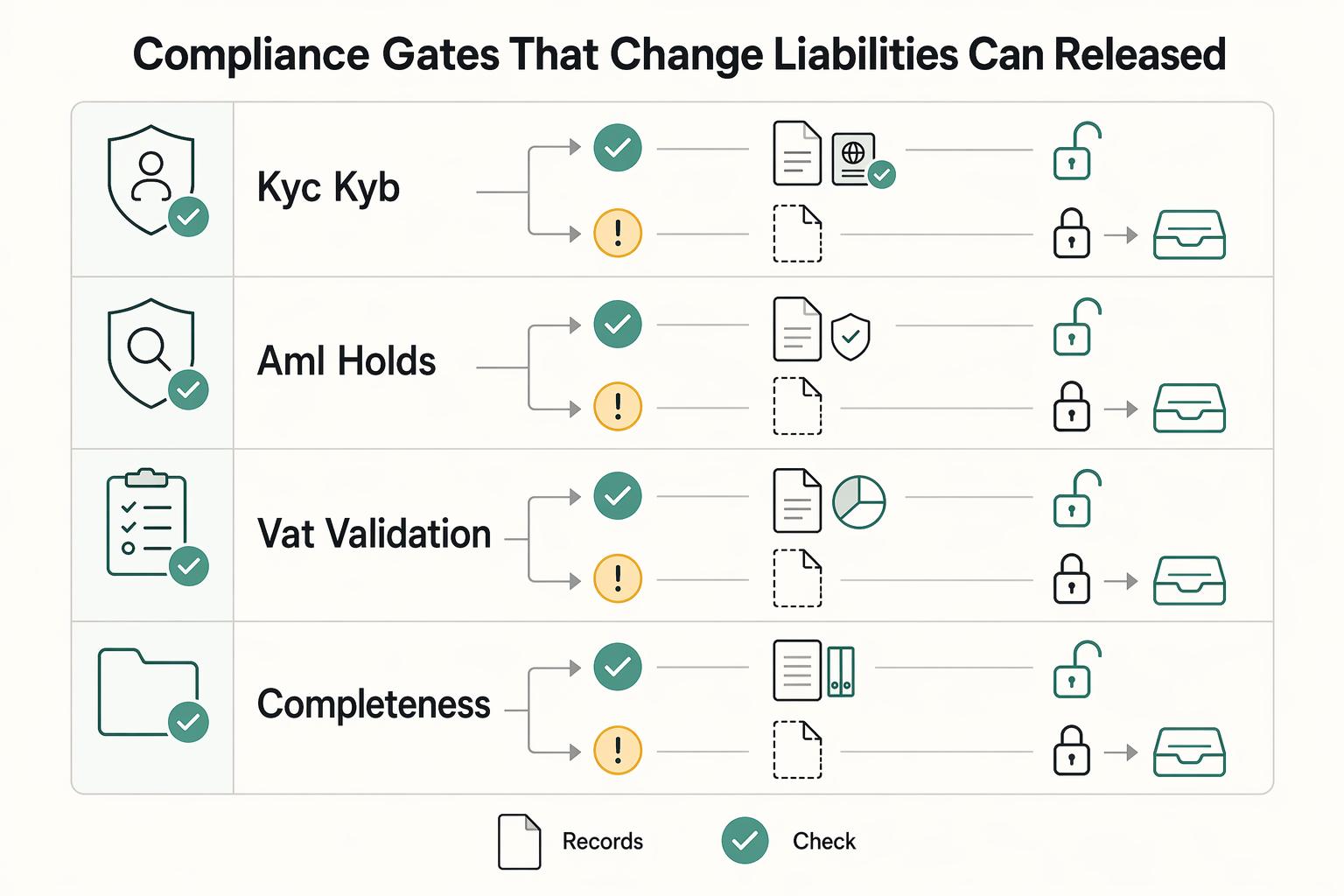
What Is a Balance Sheet? How Payment Platforms Account for Held Funds Reserves and Liabilities
If you own payouts, the core question is not what sits on the balance sheet. It is what obligation you can prove, what amount should stay held, and what can safely move. For finance, ops, and product teams dealing with balance sheet treatment for payment platforms - held funds, reserves, and liabilities - that distinction matters more than tidy labels. If your team cannot explain that distinction at release time, your close process is weaker than it looks.
Read more →
Accounts Payable Days (DPO) for Platforms in the Real Payment Cycle
Treat **Days Payable Outstanding** as an operating control, not a vanity KPI. It measures average supplier payment timing. For platform teams, the real question is whether cash outflows are being delayed on purpose or whether payment problems are being found too late.
Read more →
Invoice Processing Platforms from Receipt to Payment
Treat invoice processing as an operating sequence, not a shopping list of OCR, approvals, and payout features. For platform teams, the core question is straightforward: can your setup carry an invoice from receipt through approval and payment while preserving control, traceability, and ownership across finance, engineering, and payments ops?
Read more →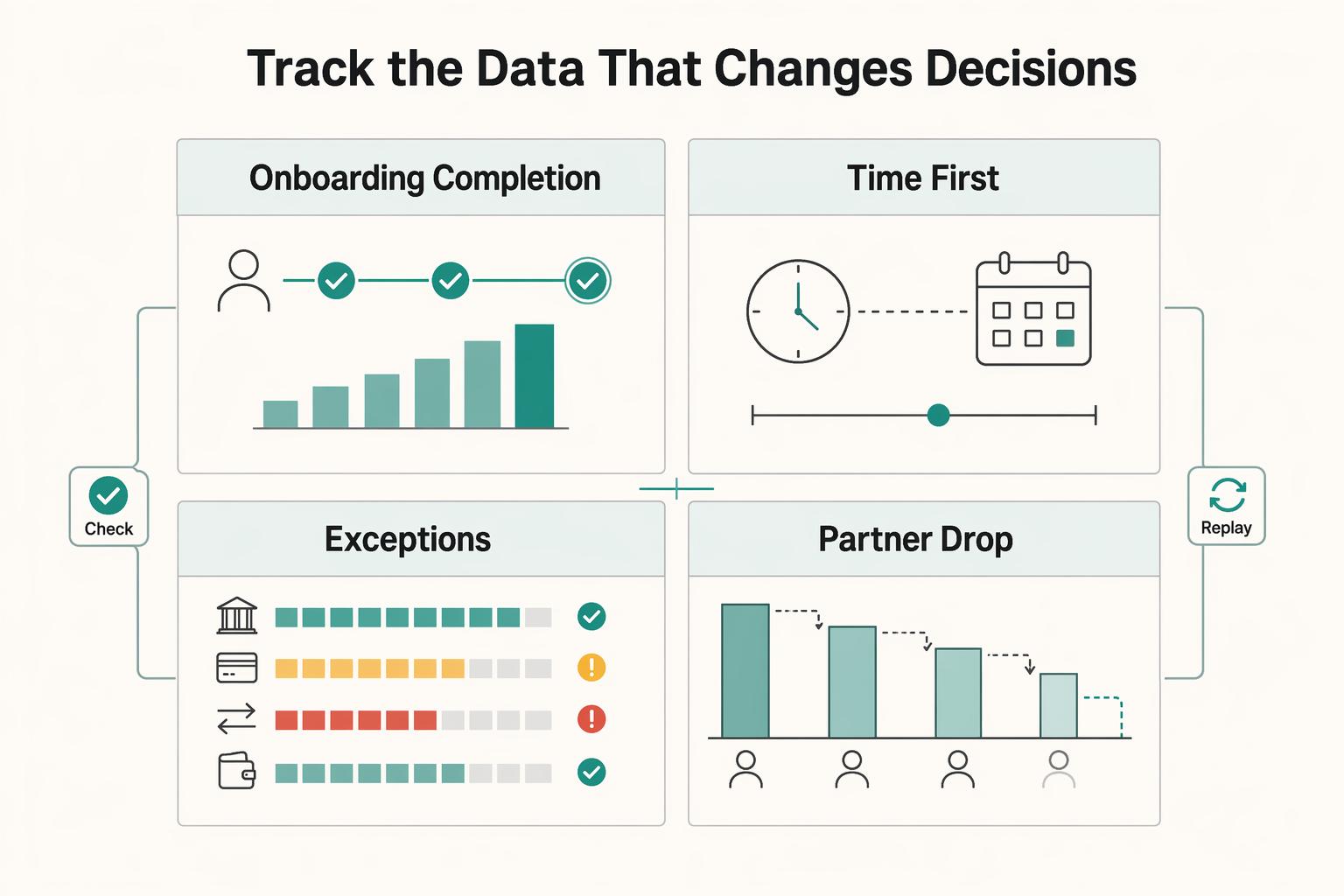
How Payment Execution Shapes Partner Experience in Cross-Border Expansion
Expansion decisions tend to hold up better when you evaluate top-line demand alongside three execution realities: your Partner Experience Platform, your Payment Experience (PX), and the quality of the data behind both. If you optimize only for demand, you can enter markets that look promising on paper but still lose partner trust once operations begin.
Read more →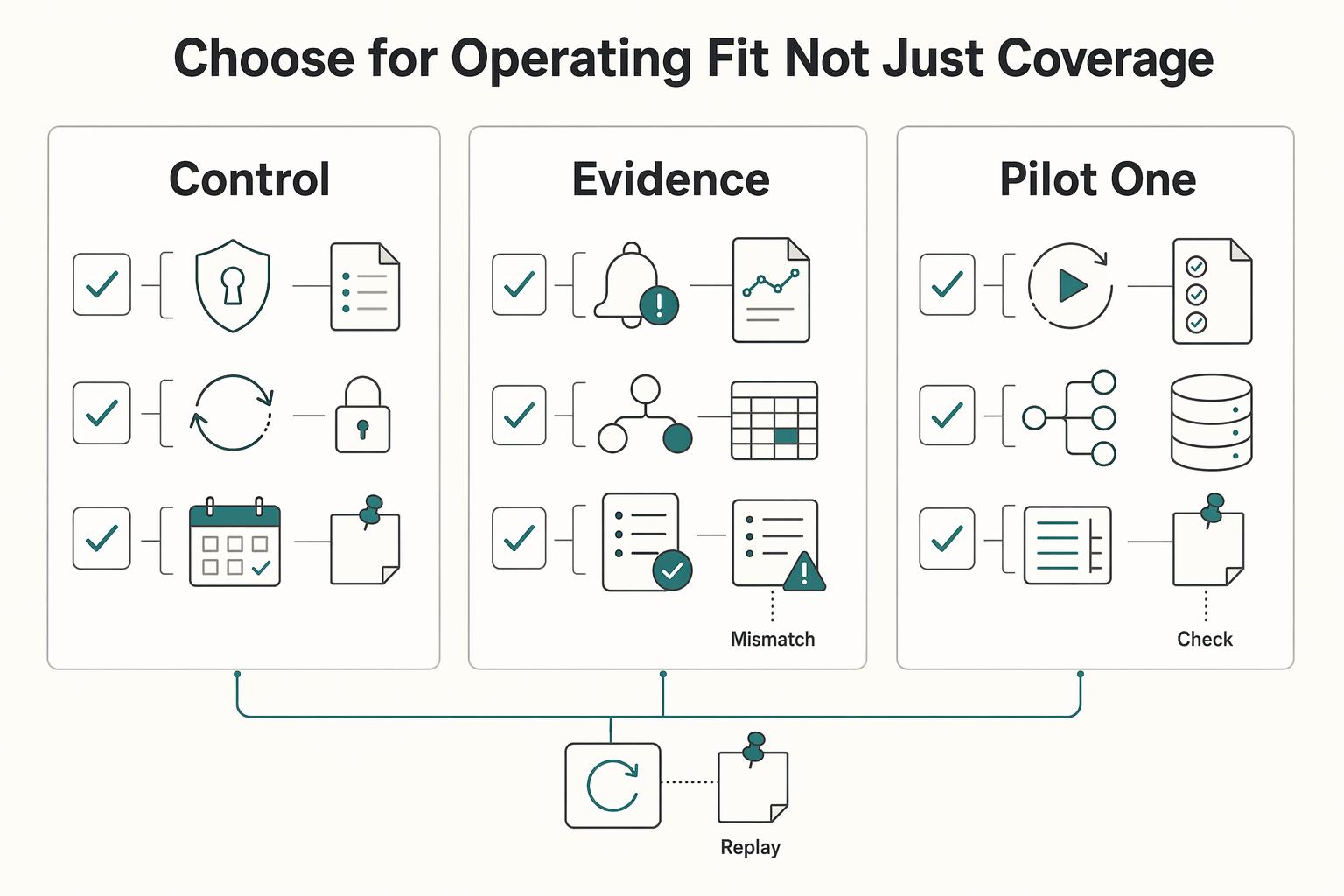
Bulk Payment Processing Platforms for Thousands of Payouts
If your team runs recurring payouts at real volume, the real decision is operational. Can you execute a batch and still handle delays, bad recipient data, and month-end close without chaos? This guide is for founders, product leads, finance ops, and engineering owners evaluating **bulk payment processing platforms for high-volume payouts**.
Read more →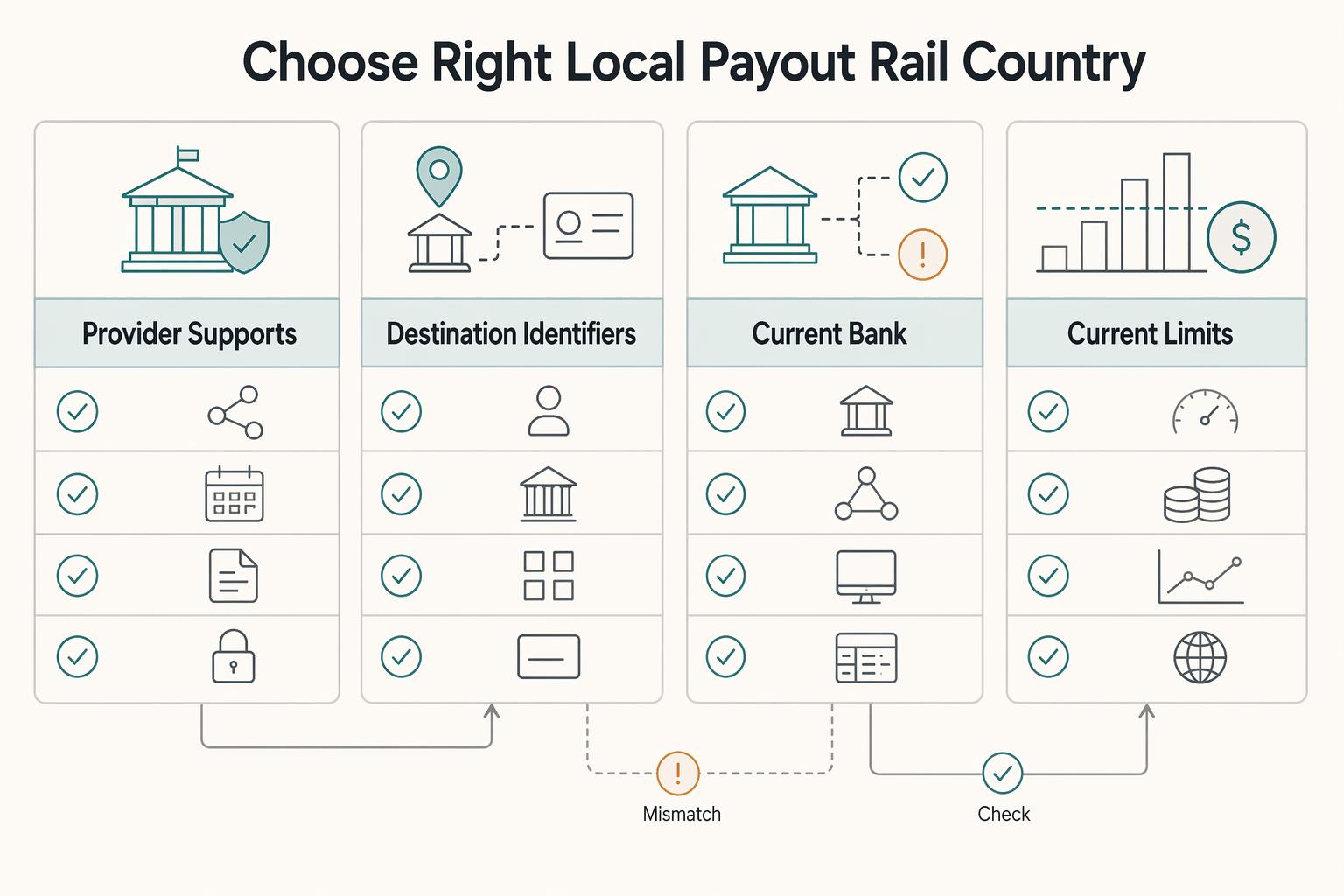
Choosing Local Bank Transfer Networks by Country for Platform Payouts
Treat this as a decision map for operators, not a glossary of payment acronyms. The goal is to help you choose a payout rail you can actually launch, support, reconcile, and defend when market or provider conditions shift.
Read more →