
Operator playbooks for cross-border payments, tax, and compliance execution.
Step-by-step guidance for finance, product, and ops teams to launch faster, reduce payout friction, and keep reconciliation clean across borders.

How Intermediary and Correspondent Banks Change Payout Outcomes
Intermediary and correspondent bank payout fees are often a settlement-path issue, not random noise. When your sending bank and receiving bank are not directly connected, other banks can enter the path, and each handoff can change what the beneficiary receives.
Read more →
Choosing Dynamic Discounting for Contractor Early Payment on Platforms
Dynamic discounting is a buyer-led arrangement on outstanding invoices. Payment happens before the due date, and earlier payment usually means a larger discount. The core question is who funds that acceleration. In the standard model, the buyer uses its own cash, so your early-pay offer sits inside working-capital policy, not just product configuration.
Read more →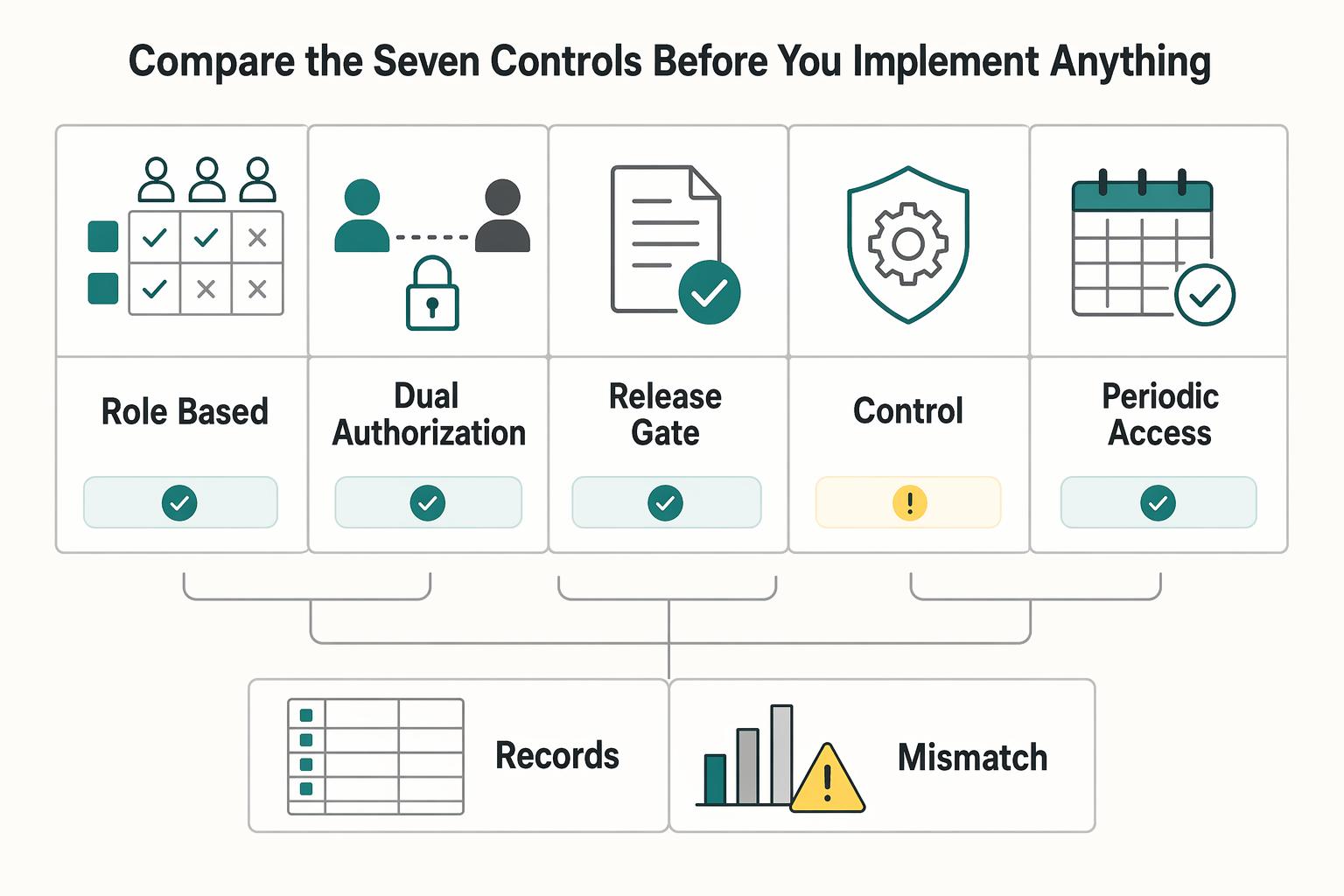
Internal Controls for Payment Platforms That Hold Up in Audit
If you own payout risk, start with a short control set you can operate, verify, and defend when a payout is challenged by compliance, finance, legal, or audit. This ranked list of seven controls aims to reduce real release risk without adding approval theater. It is not a claim that seven controls are always enough.
Read more →
Supplier Portal Best Practices for a Self-Service Contractor Payment Hub
If you are building a **supplier portal self-service contractor payment hub**, the real issue is not terminology. It is whether the portal cuts payment-support load without weakening control or reconciliation.
Read more →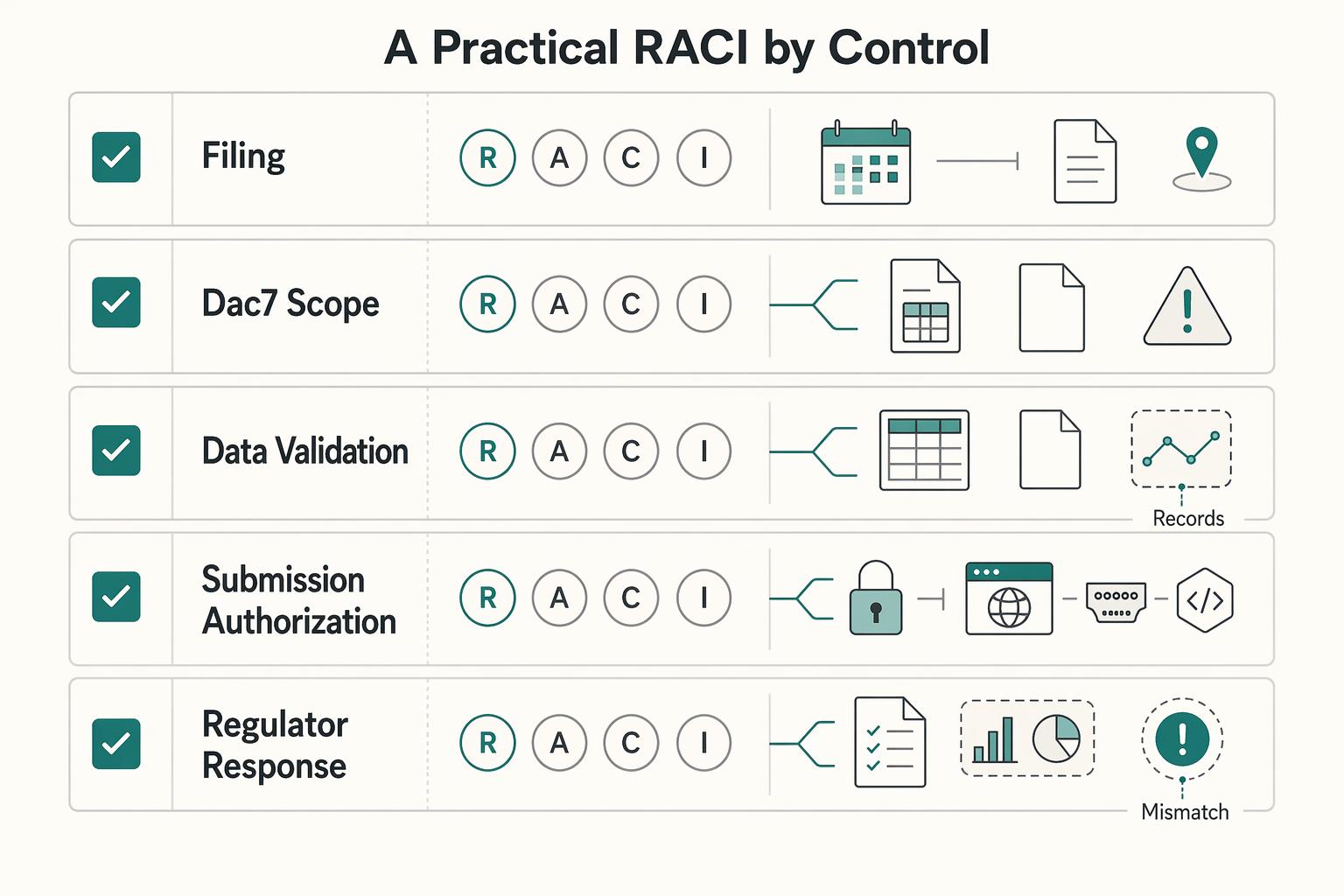
EU Marketplace DAC7 Reporting Deadlines by Month
Treat DAC7 as a year-round control process, not a January filing task. For in-scope operators with EU-resident sellers, the risk is often not awareness of Council Directive (EU) 2021/514. It is whether ownership, evidence, and escalation paths are in place before filing pressure starts.
Read more →
Soft vs. Hard Payment Declines for Platform Teams
Every decline should trigger a deterministic next action: retry, stop, or escalate. When teams rely on ad hoc judgment, they can launch uncontrolled retries, raise processing costs, and still fail to improve approval outcomes.
Read more →
When BNPL Helps B2B Services Platforms and When It Hurts Margin
Treat BNPL as a unit-economics decision first, not a checkout feature. For B2B services platforms, faster closes may help, but fees, disputes, and risk-management work can wipe out the upside if you do not model them up front.
Read more →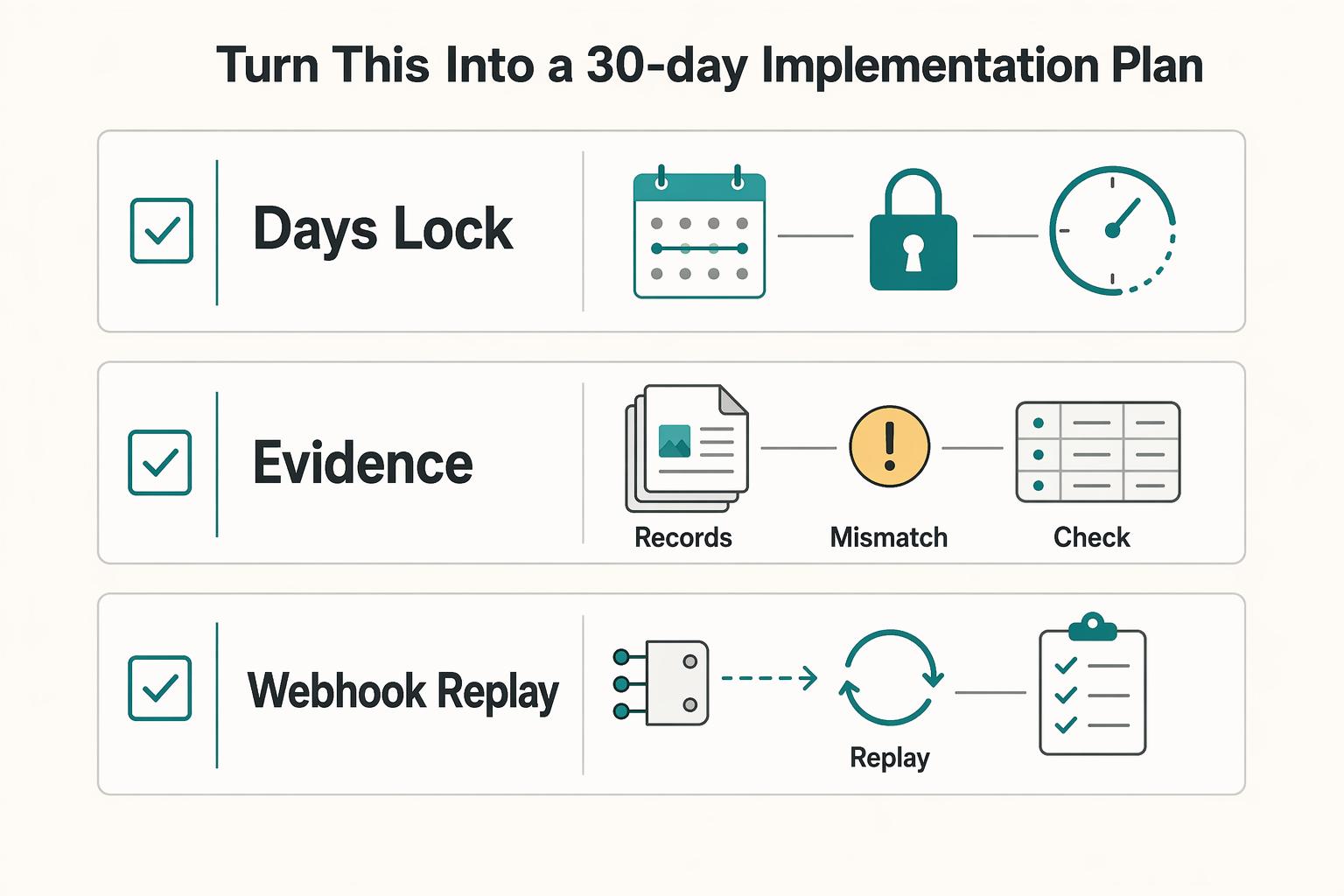
Resolving Payment Disputes and Chargebacks for Freelancer Platforms
This guide is for platform teams managing freelancer revenue risk. The operating rule is simple: by the time a payment dispute or chargeback starts, ownership, first-day actions, and decision criteria should already be defined.
Read more →
Scaling Marketplace Payments from 100 to 100,000 Users
Treat marketplace payments as an operating model decision, not a checkout widget decision. In a two-sided marketplace, customers pay the marketplace and the marketplace pays sellers. How well you scale depends on everything around that flow: monetization, merchant risk, payout operations, disputes, compliance, support, reporting, and fund recording.
Read more →
Choosing Per-Transaction or Subscription Pricing for Payment Platforms
For a payment platform, the right pricing model is the one your unit economics and billing operations can actually support, not the one that looks cleanest on a pricing page. In practice, teams usually choose among three mechanics: usage-based billing, per-transaction pricing, and recurring subscriptions, or combine usage-based and recurring charges where supported. Each one changes revenue behavior, invoice logic, and margin risk.
Read more →
Detect Suspicious Payment Patterns With Velocity Checks
A velocity check is a fraud control that monitors transaction frequency and patterns over a defined timeframe so you can catch suspicious concentration early. In practice, it asks whether too many payment attempts are tied to the same account, IP address, or payment instrument in too little time.
Read more →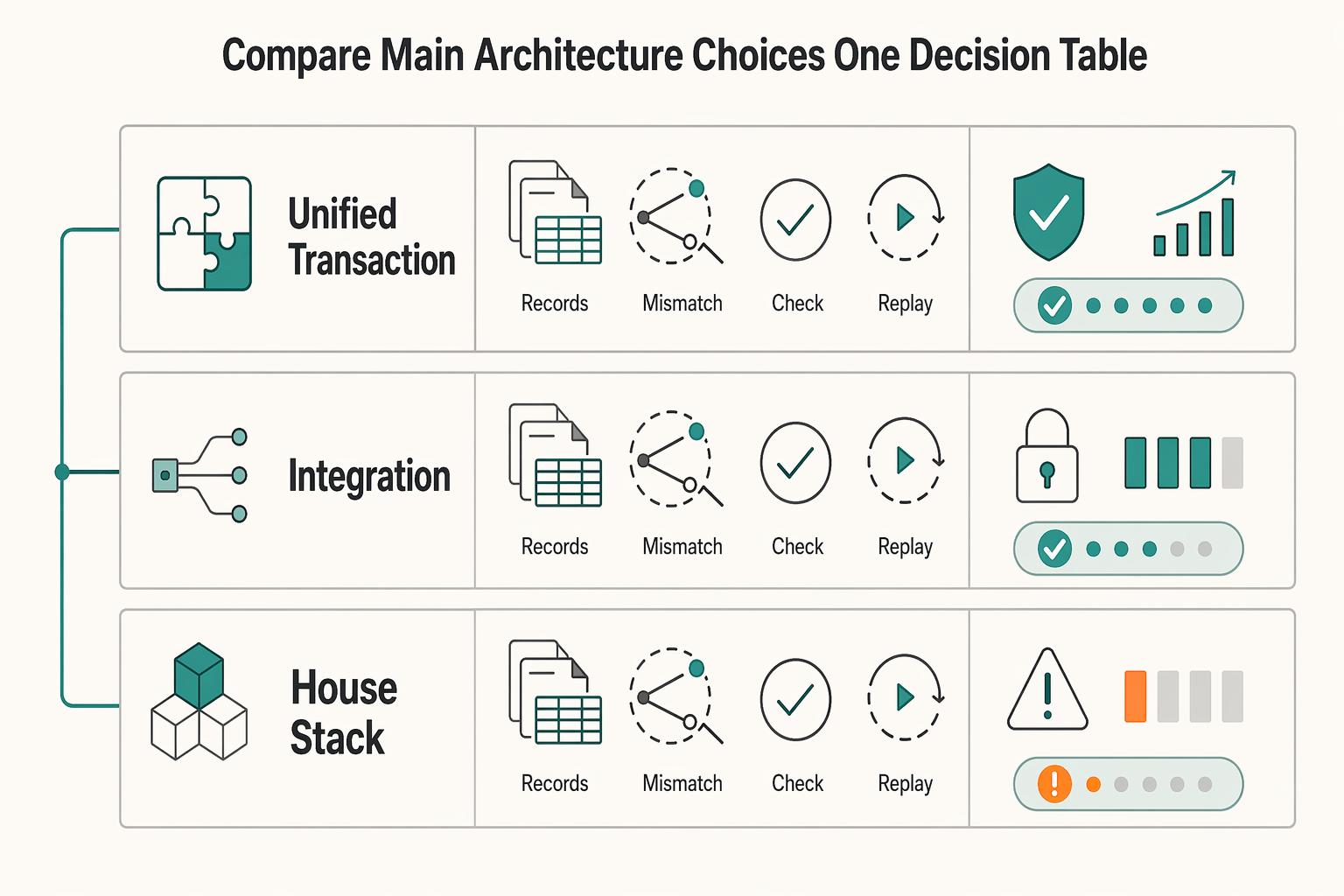
What Payment Platforms Must Know About Synthetic Identity Fraud
For cross-border payouts, your job is to set enough control depth to reduce synthetic identity abuse without turning contractor, seller, or creator onboarding into needless manual drag.
Read more →
Top 10 Payment Fraud Patterns Hitting Freelancer and Platform Payouts
This is a decision list, not a generic warning-signs article. It helps you decide which pattern in your payout queue needs a payout hold, which belongs in manual review, and which should move straight to fraud escalation because the loss or legal exposure is already too high.
Read more →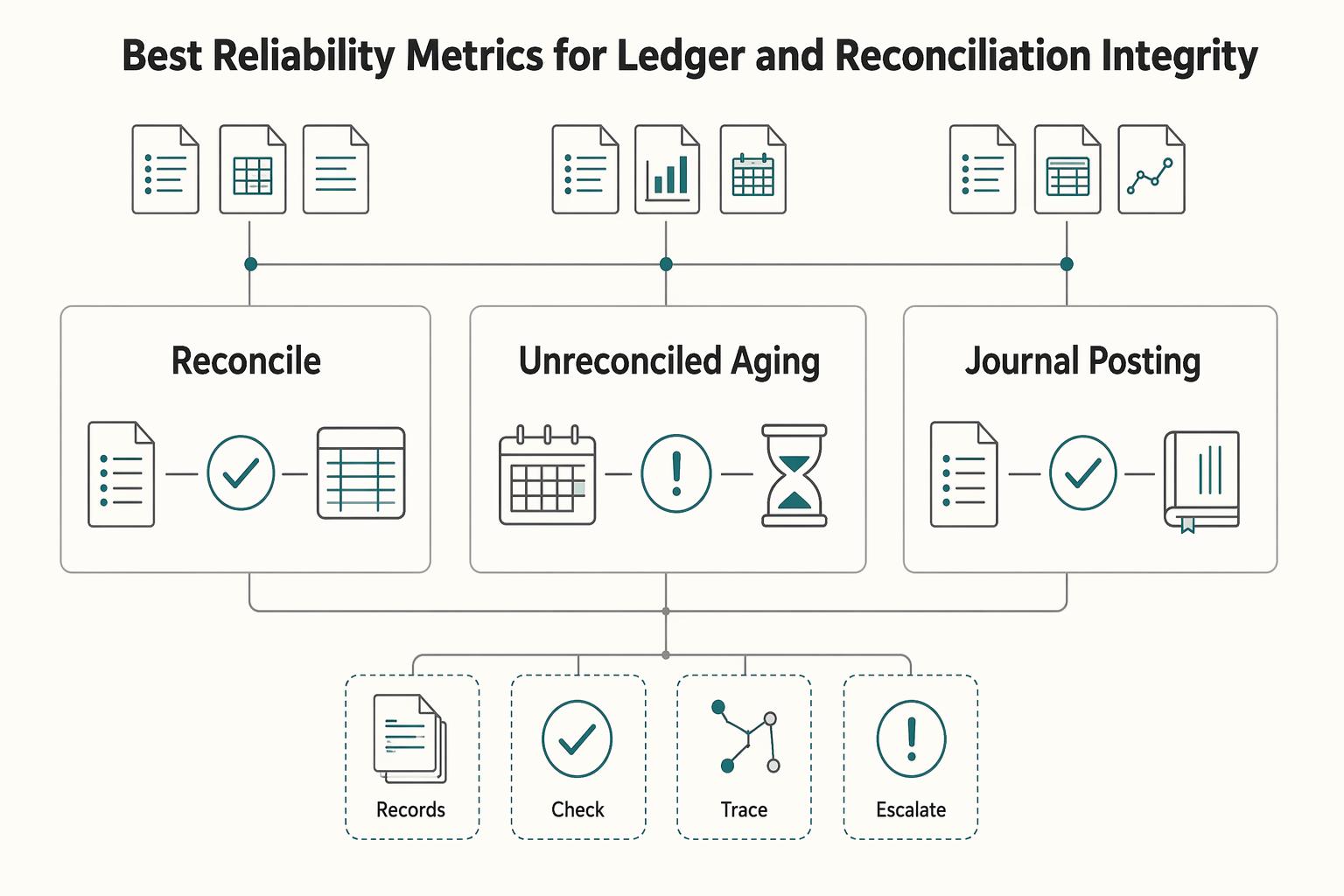
Customer Success Metrics That Catch Payment Ops Failures Early
Use NPS, CSAT, and retention as customer signals, then verify each against transaction records, matching controls, funds-movement evidence, and payout data before you act. In payment operations, these metrics help when they surface money-movement risk early, not when they are treated as proof that operations are healthy on their own.
Read more →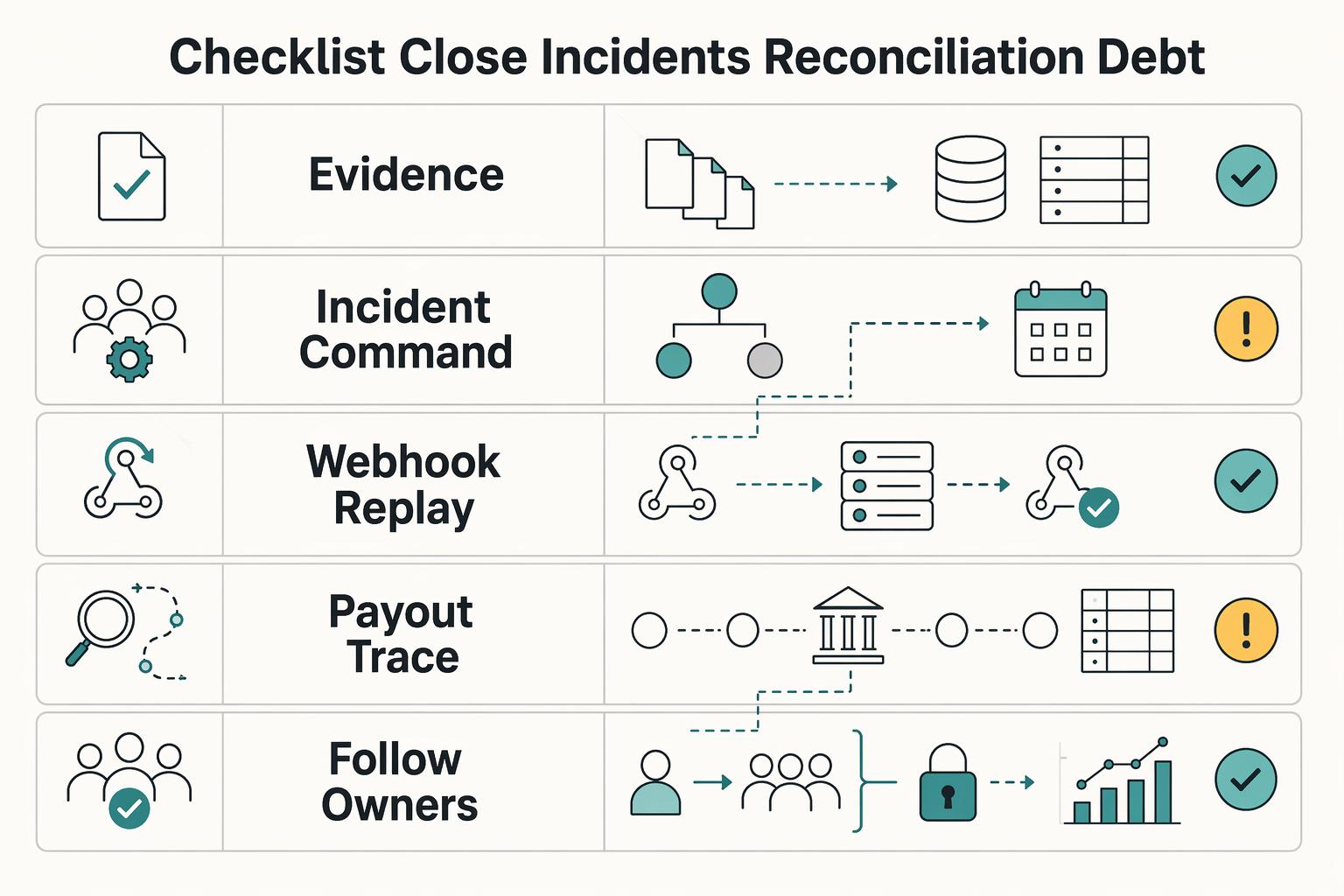
Incident Response for Payment Platforms During Outages and Data Breaches
One of the fastest ways to turn a processor outage or breach into a longer finance problem is to restore traffic before you can prove what happened in your internal record.
Read more →
Reduce Contractor Onboarding Drop-Off Before First Payout
If contractors stall between signup and first earnings, treat onboarding handoffs as an operations issue first, then confirm the causes with your funnel data. Drop-off often shows up at handoffs between identity checks, tax collection, document steps, and payout activation, especially when no one owns the full path. A cleaner intake form will not fix delays if identity verification is still pending, Form W-9 data is incomplete, or payout setup is unfinished in another tool.
Read more →
Payment API Documentation for Reliable Integration Decisions
Payment API docs are most useful when they make failure behavior and operating boundaries clear before implementation starts. Endpoint and field references matter, but teams also need explicit rules for retry safety, asynchronous events, response and error handling, sandbox limits, and live cutover steps.
Read more →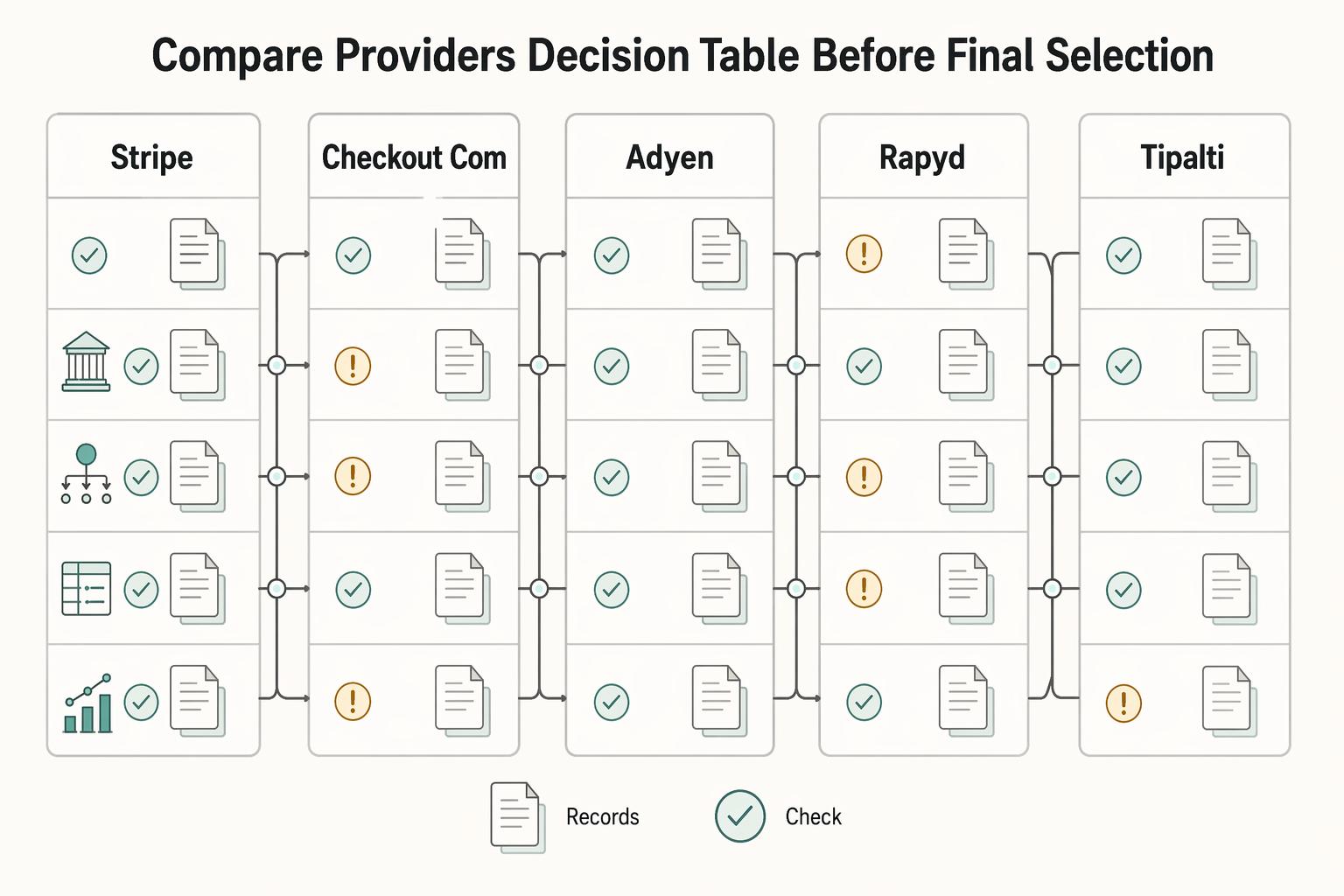
Let Clients Pay in Local Currency with Multi-Currency Payment Links
Multi-currency payment links can speed up international collection, but the harder decision is operational: will your FX, settlement, and reconciliation setup produce the outcome finance and ops expect after payment?
Read more →
Are Payment Links PCI Compliant and Safe for Client Payments?
The real question behind payment-link security and PCI compliance is not a vendor badge. It is ownership. In an audit or incident, you need to show who owns each step of the payment flow, what crosses your boundary, and who responds when something breaks.
Read more →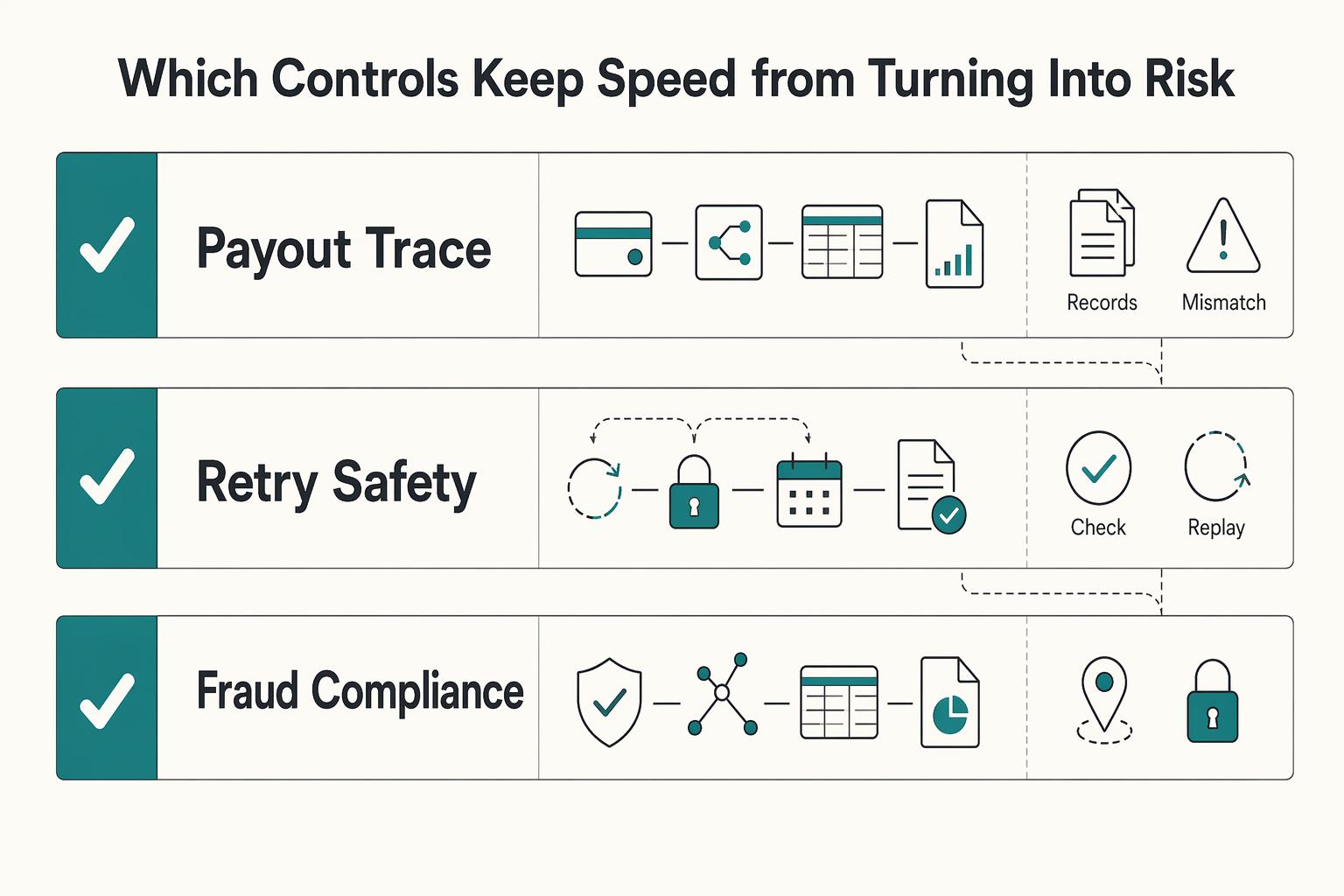
How Modern CFOs Make Payment Platform Expansion a Strategic Driver
A payment platform should choose its next market based on operational readiness, not volume forecasts alone. The real question is whether you can run that market safely and clearly without creating finance debt that later shows up as payment, reconciliation, or compliance failures. If you cannot explain that operating path cleanly, your forecast should not carry the decision.
Read more →