
Operator playbooks for cross-border payments, tax, and compliance execution.
Step-by-step guidance for finance, product, and ops teams to launch faster, reduce payout friction, and keep reconciliation clean across borders.
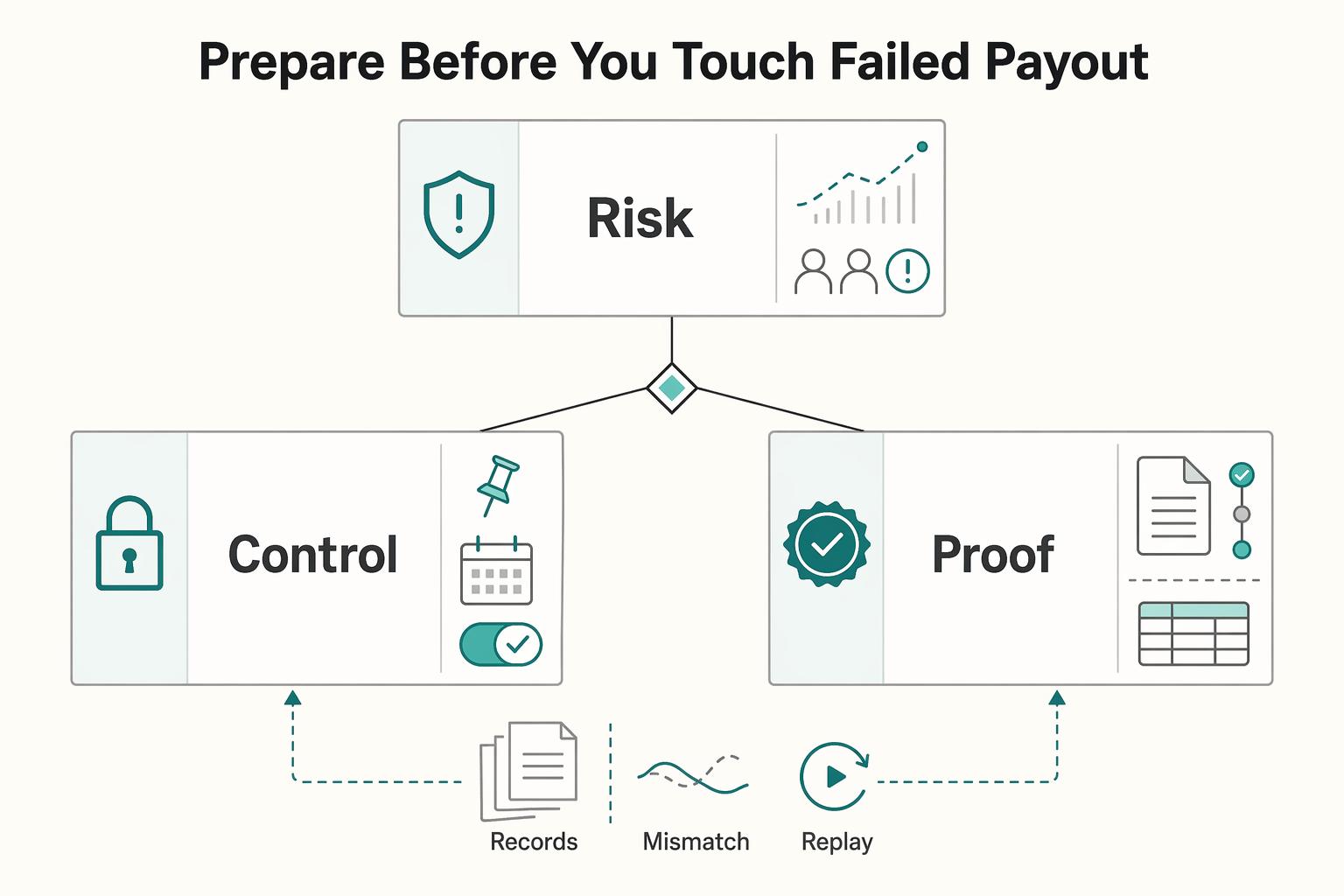
Bank-Rejected Contractor Payout Recovery for Platform Teams
Bank rejections happen in contractor payouts, but your response cannot be improvised. A payout can fail and be voided before completion, or it can be returned after failing to reach the recipient. In either case, your team still needs an explicit decision on liability, ledger state, and next action.
Read more →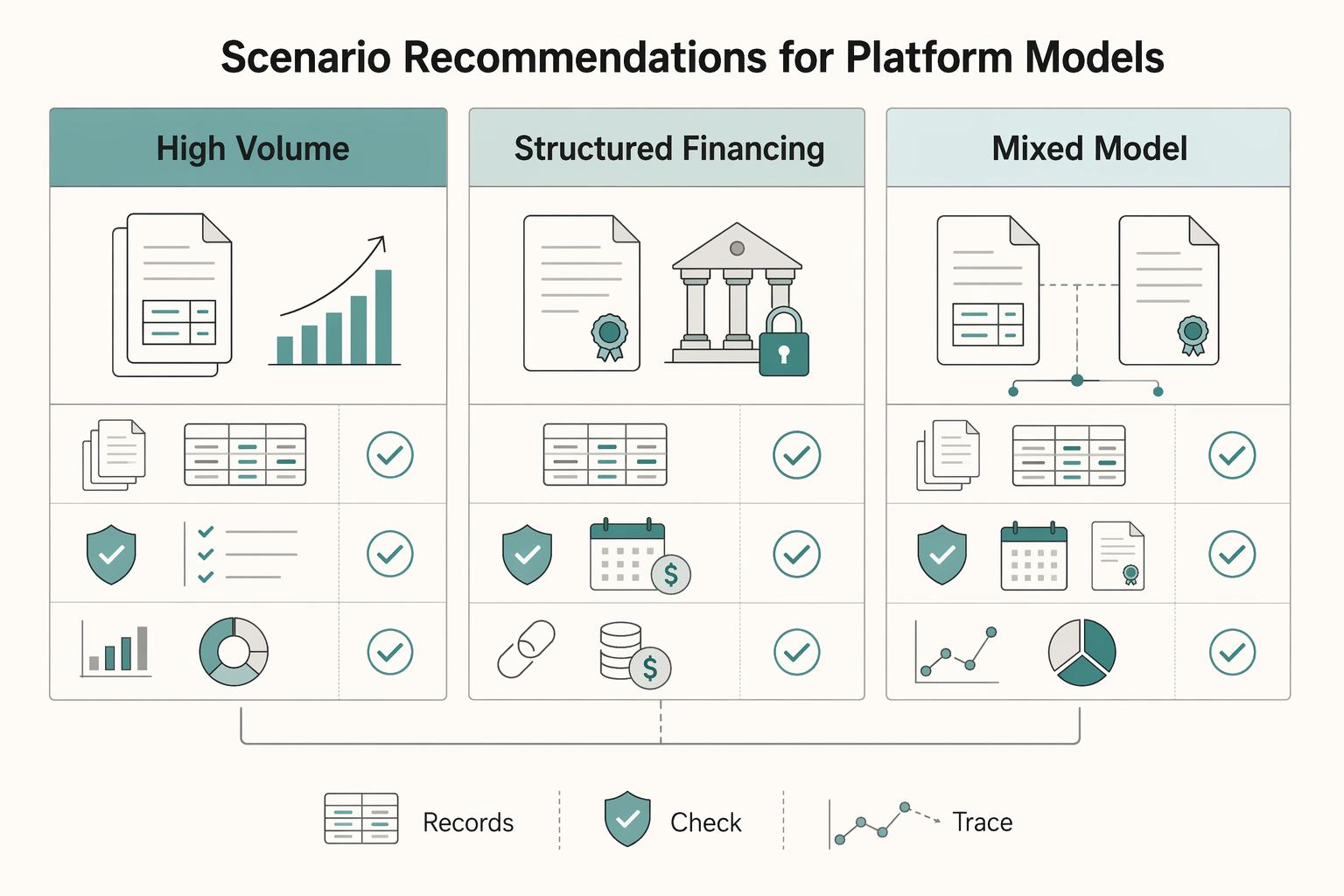
Accounts Payable vs Notes Payable for Platforms and Contractor Obligations
Start with the document, not the payout. In platform operations, contractor obligations are usually easier to classify when you ask one practical question first: are you looking at a routine amount owed for services purchased on credit, or a formal written promise to repay a specified amount? That is the real split behind **accounts payable vs notes payable platforms classify contractor obligations**, and it matters more than whatever label appears in a product screen. If your team starts from payout status instead, you can misclassify the obligation before review even begins. We recommend making your document check the first approval step.
Read more →
What Is an Audit Trail? How Payment Platforms Build Tamper-Proof Transaction Logs for Compliance
For payout risk owners, a useful audit trail is one you can replay under pressure: who acted, what changed, when, and why it was allowed.
Read more →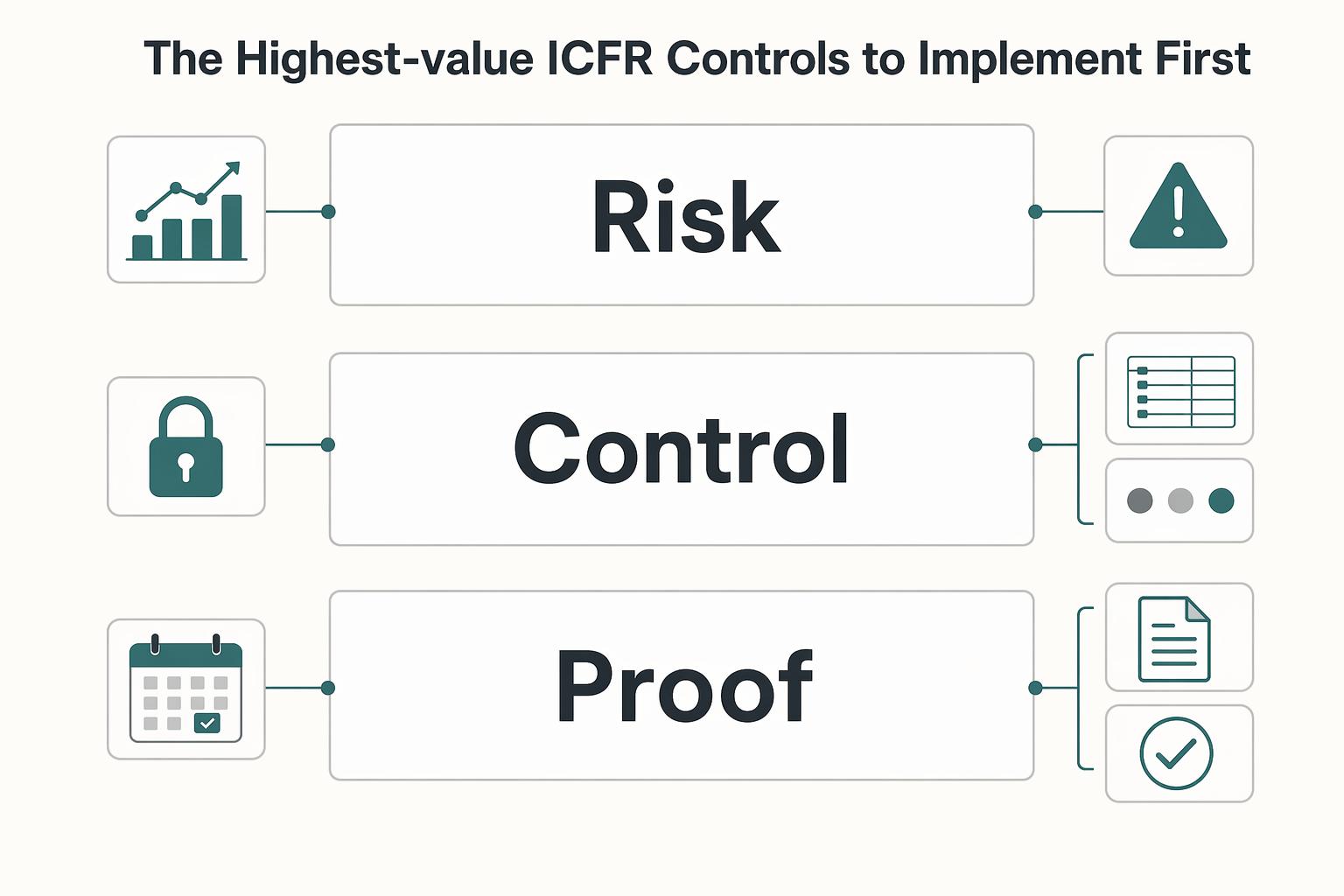
ICFR for Payment Platforms Under SOX With a Lean Finance Team
**Think small on scope and strict on evidence.** Under SOX pressure with a lean team, the goal is to build defensible ICFR for financial reporting, not to document everything. For covered Exchange Act issuers, management must maintain ICFR and assess effectiveness at each fiscal year-end under Section 404-related SEC rules. ICFR is designed to provide reasonable assurance, not absolute assurance. If you run a lean finance team, we recommend treating evidence quality as the control floor before you add more documentation.
Read more →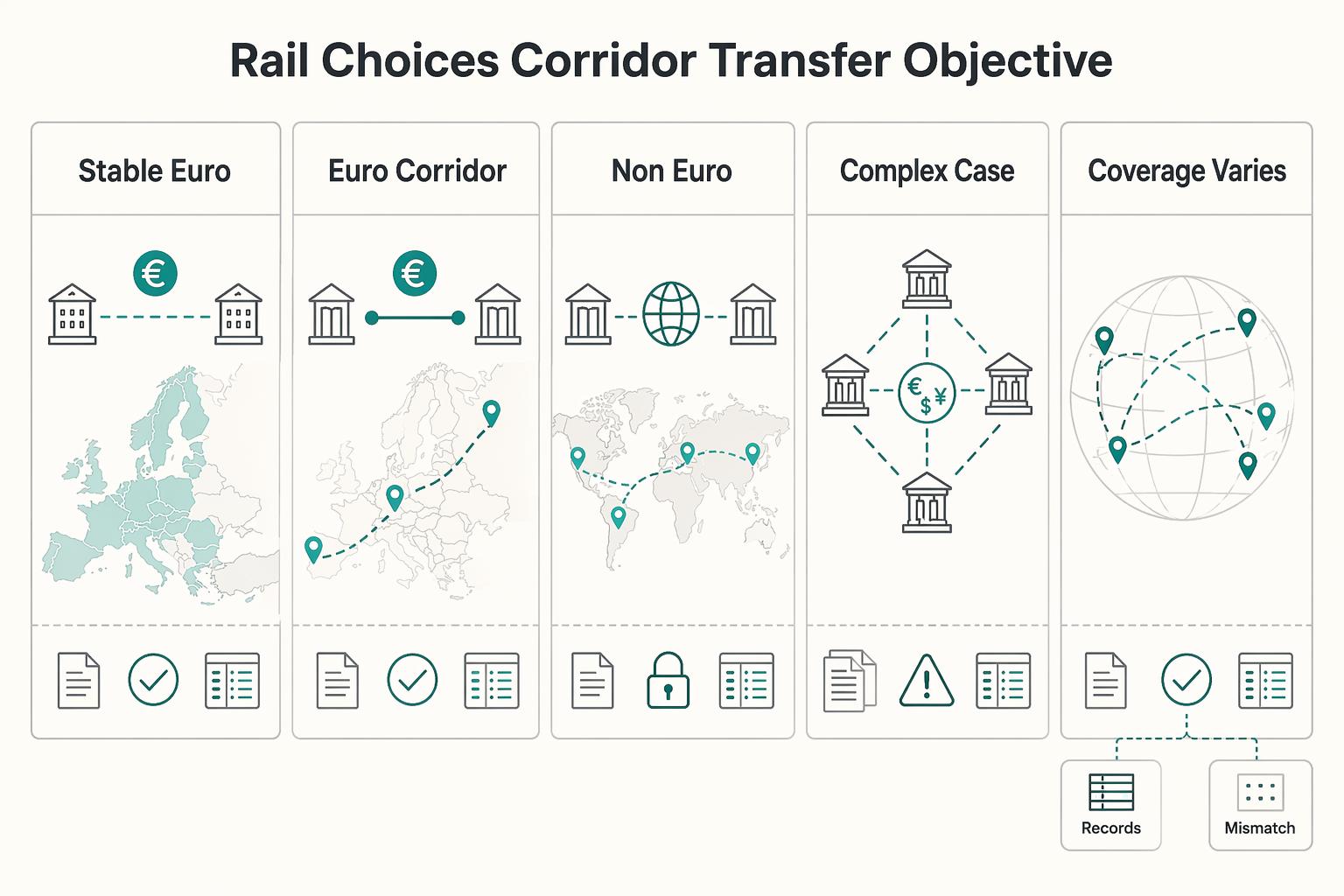
Intercompany Payments for Multi-Entity Platforms in Cross-Border Transfers
Intercompany transfers fail even when the money can move, because finance and engineering may be optimizing for different outcomes. If you run a multi-entity platform, you usually feel that split before a transfer fails in production or your close team sees it in reconciliation. Finance needs controlled, arm's length treatment that stands up in tax and consolidation. Engineering needs a transfer flow that stays reliable across cross-border rails, and we need both views aligned before you release funds.
Read more →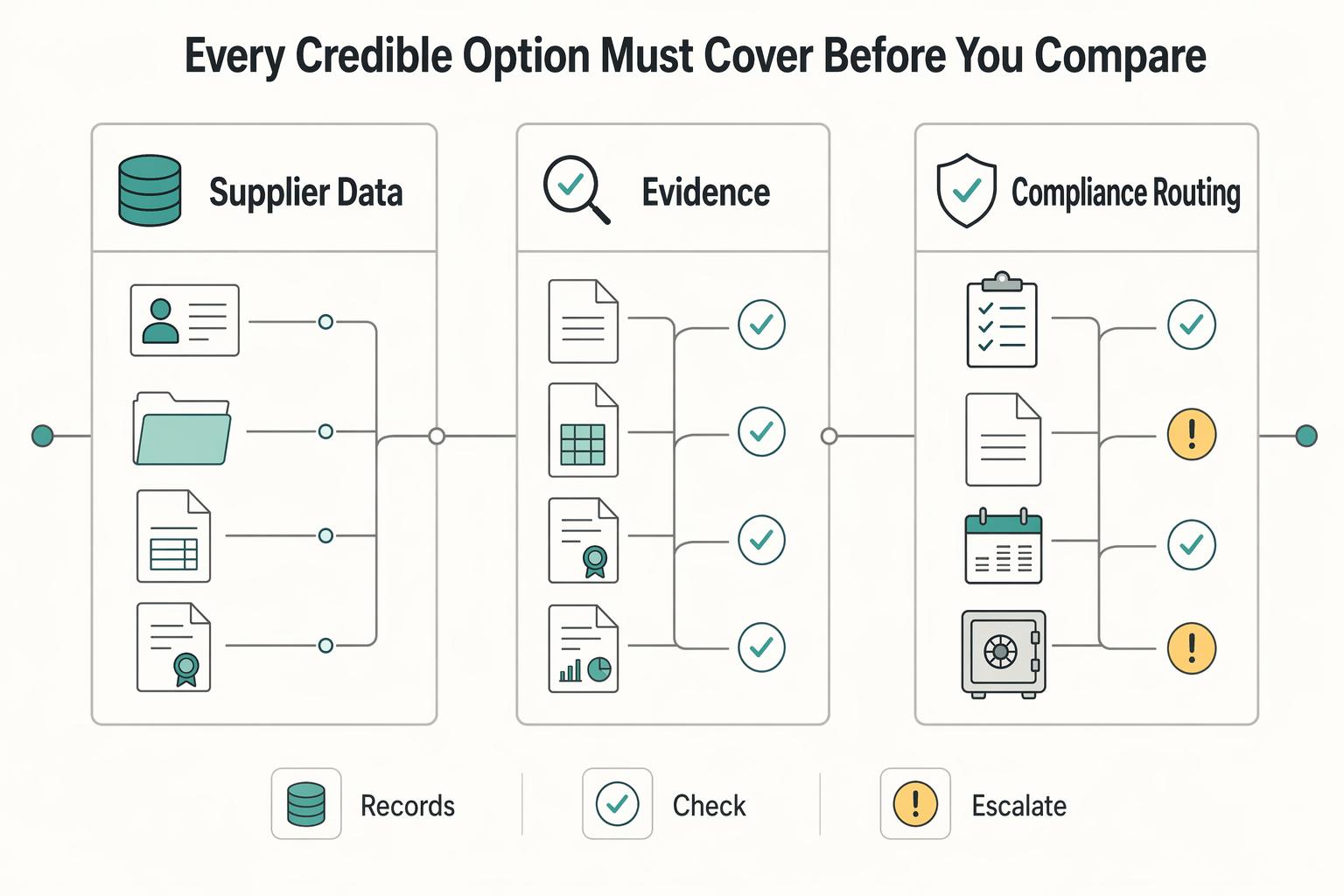
What Is Sourcing? How Platforms Find and Onboard the Best Contractors and Vendors
For platform teams, sourcing is not one decision. It is two linked decisions: who you select, and how that contractor or vendor gets onboarded into procurement and compliance records without creating cleanup work later. Separate them too late, and you end up with a solid shortlist on paper and a messy activation process in production.
Read more →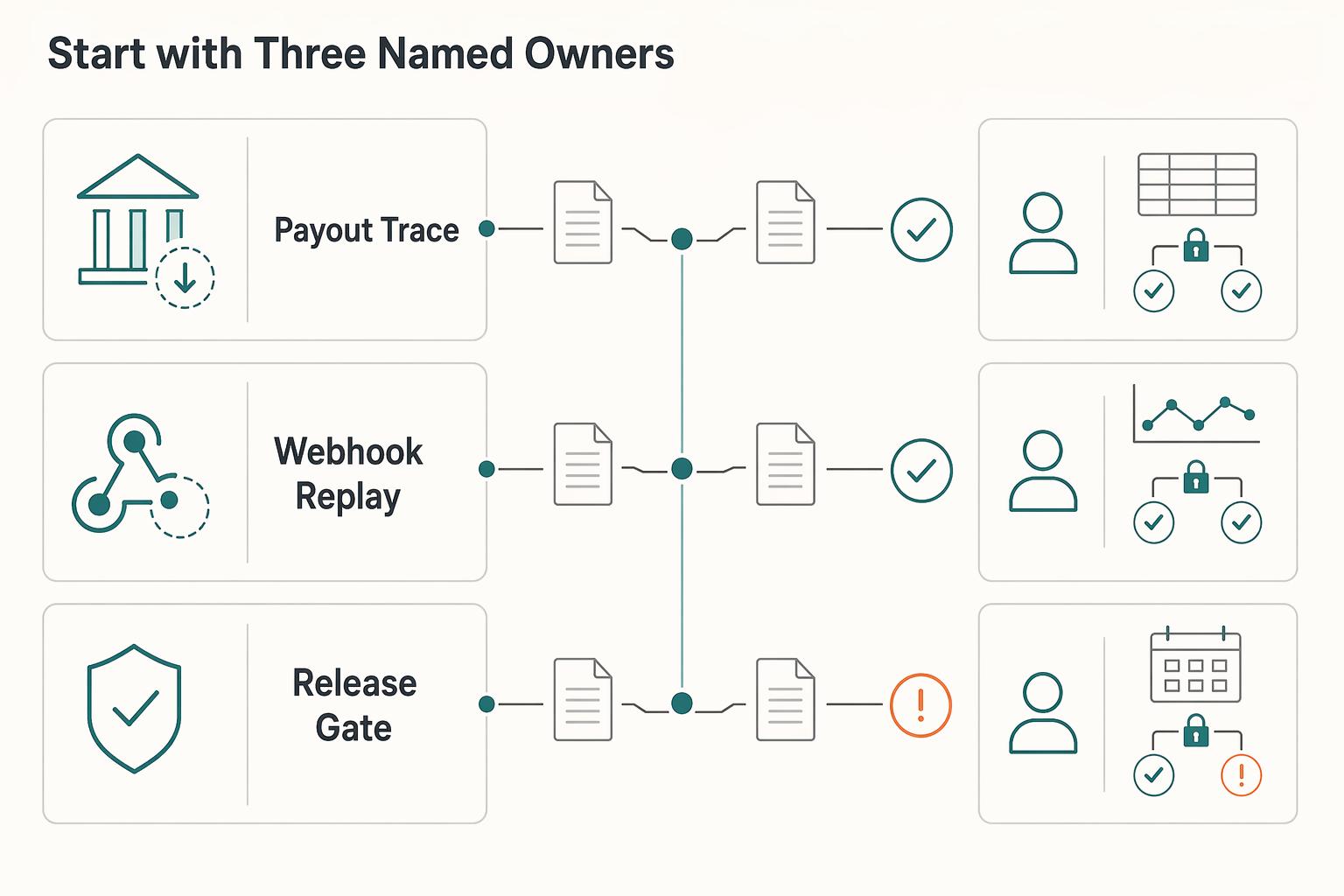
Controller-Grade Accounting Best Practices for Payment Platform Finance Ops
If your close depends on matching payout activity and provider reports to the General Ledger, controller-grade ops comes down to one standard: you can trace each posting, explain each exception, and show reliable evidence for why the books are right. This is for operators who own that outcome across payment events and ledger results, not just generic bookkeeping cleanup.
Read more →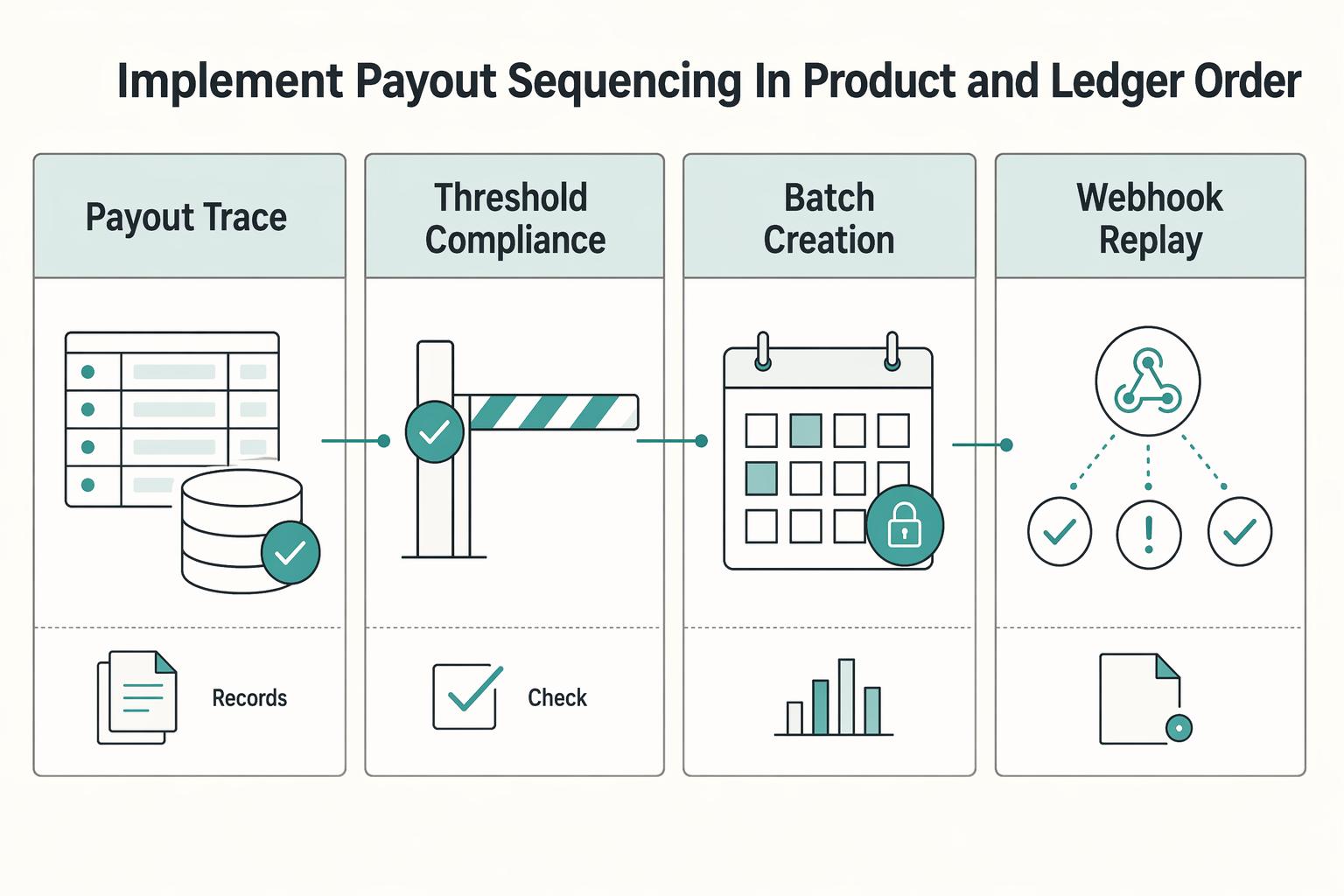
Set Publisher Payment Thresholds Without Delaying Recipient Payouts
Set payout minimums to manage transaction costs, but only if recipients can still predict when they will be paid. If thresholds are unclear or scoped poorly, you may lower fee drag while increasing rollover balances and "where is my payout?" pressure on operations.
Read more →
Gaming and Esports Payout Infrastructure for Tournament Winners and Streamers
Prize pools are easy to see. The harder part is getting money to the right people, with the right checks, across borders.
Read more →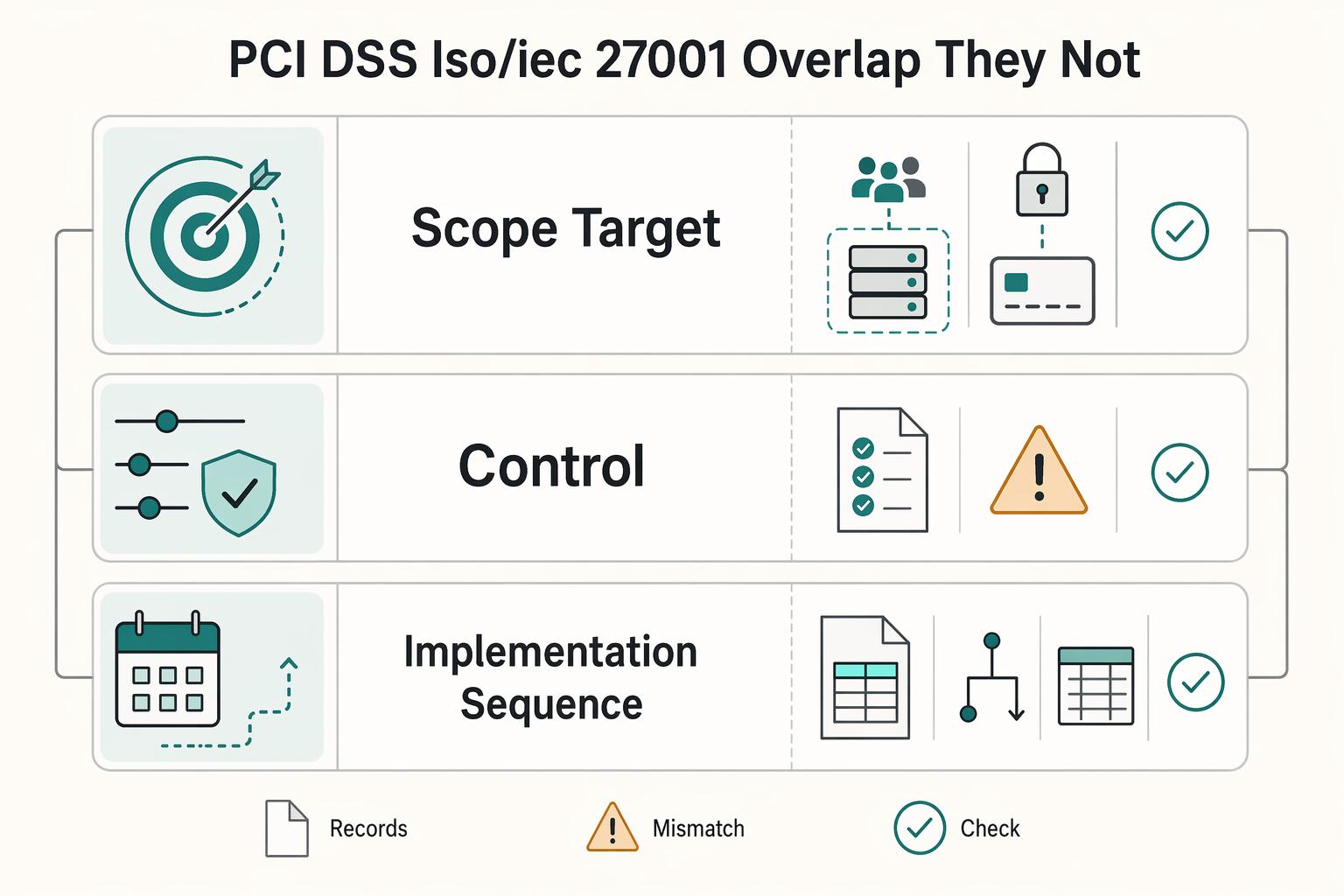
How to Evaluate PCI DSS, SOC 2, and ISO 27001 for Payment Platforms
Certifications and regulatory authorisation answer different risk questions, so treat them as separate checks in payment-platform due diligence. For onboarding or renewal, focus on three things: what boundary is attested, who assessed it, and whether the activity also needs separate legal permission. This guide is for compliance, legal, finance, and risk owners evaluating `PCI DSS`, `SOC 2`, and `ISO/IEC 27001` without confusing them with UK regulatory status.
Read more →
Stopping Affiliate Payout Abuse From Fake Clicks and Fake Signups
Affiliate fraud often looks like a marketing problem at first. It becomes a finance and compliance problem the moment an invalid event can produce a commission payment. In a performance-based commission model, affiliates are rewarded for measured outcomes such as customer actions or sales. That makes fake clicks, fake leads, and false attribution claims payout-eligibility questions, not just traffic-quality defects.
Read more →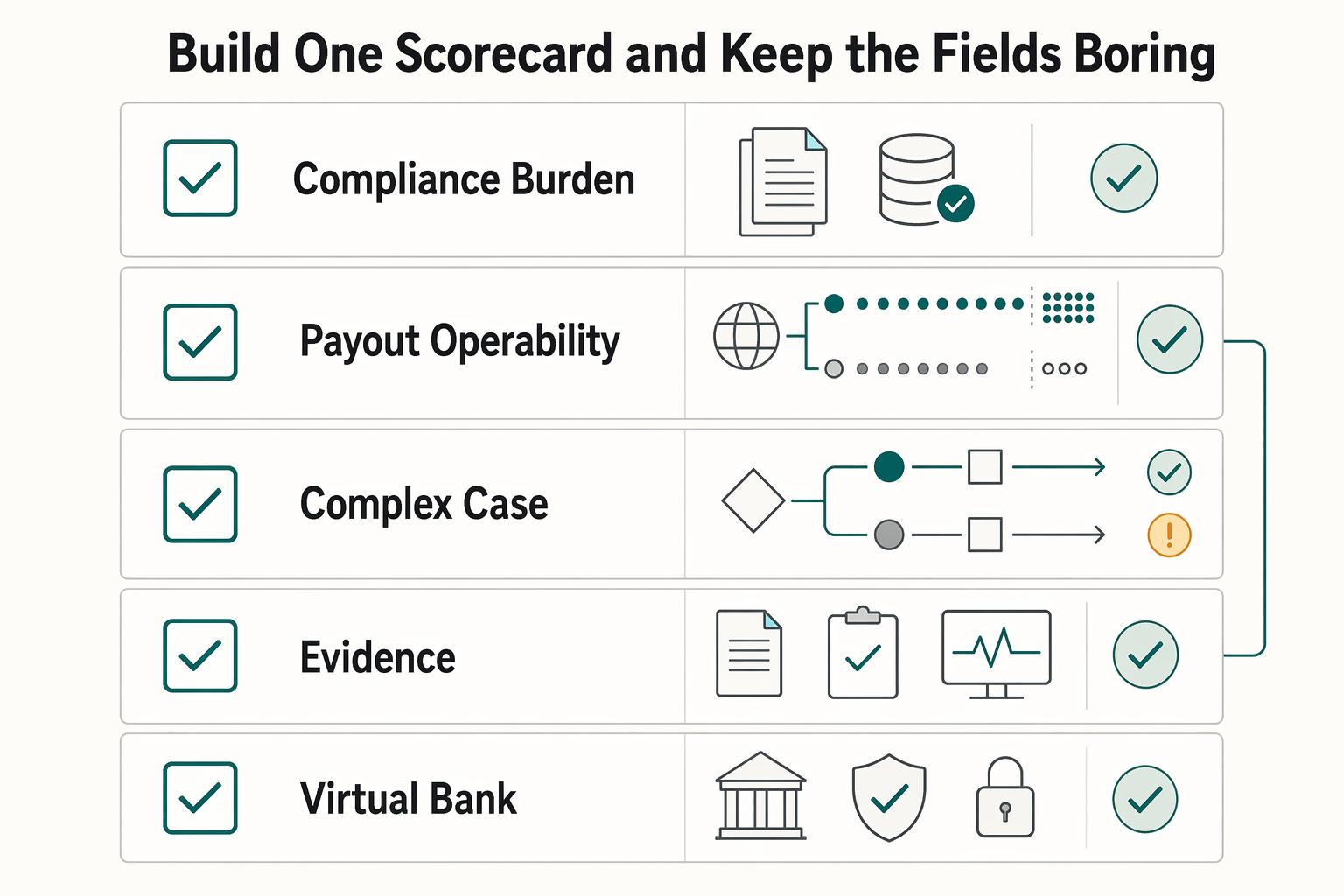
Why CFOs Modernize Financial Operations in Payment Platforms
For a platform CFO, modernization is not a finance rebrand or a software shopping exercise. It is a decision discipline for a payment platform: which markets are worth entering, which constraints are real, what to launch first, and when to pause until the facts improve.
Read more →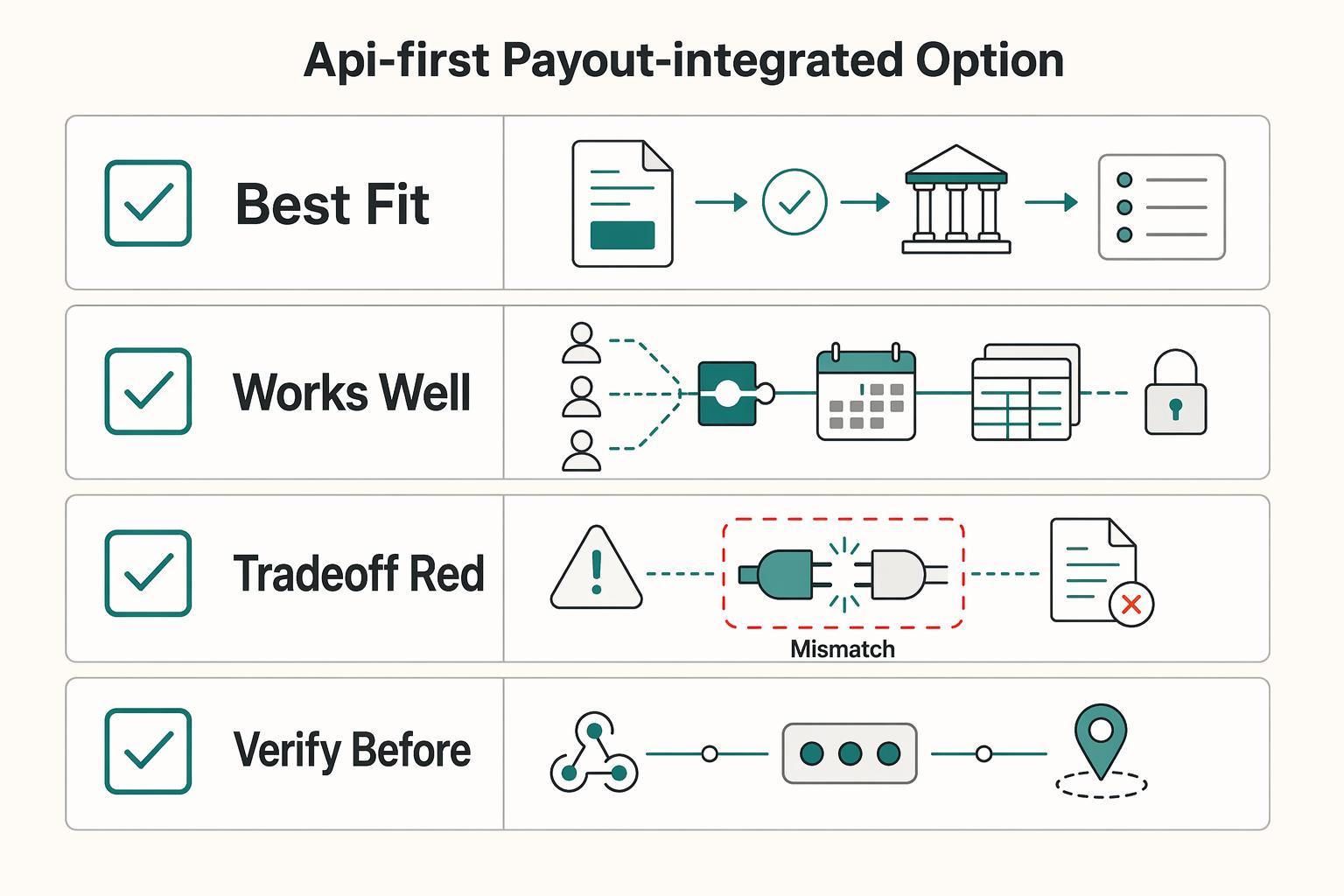
Choosing Accounts Payable Document Management for Invoices, Contracts, and Payment Records
Choose an accounts payable document management platform for control, not storage alone. You need a traceable path from intake to approval, posting, and payout without pushing teams back into manual handoffs.
Read more →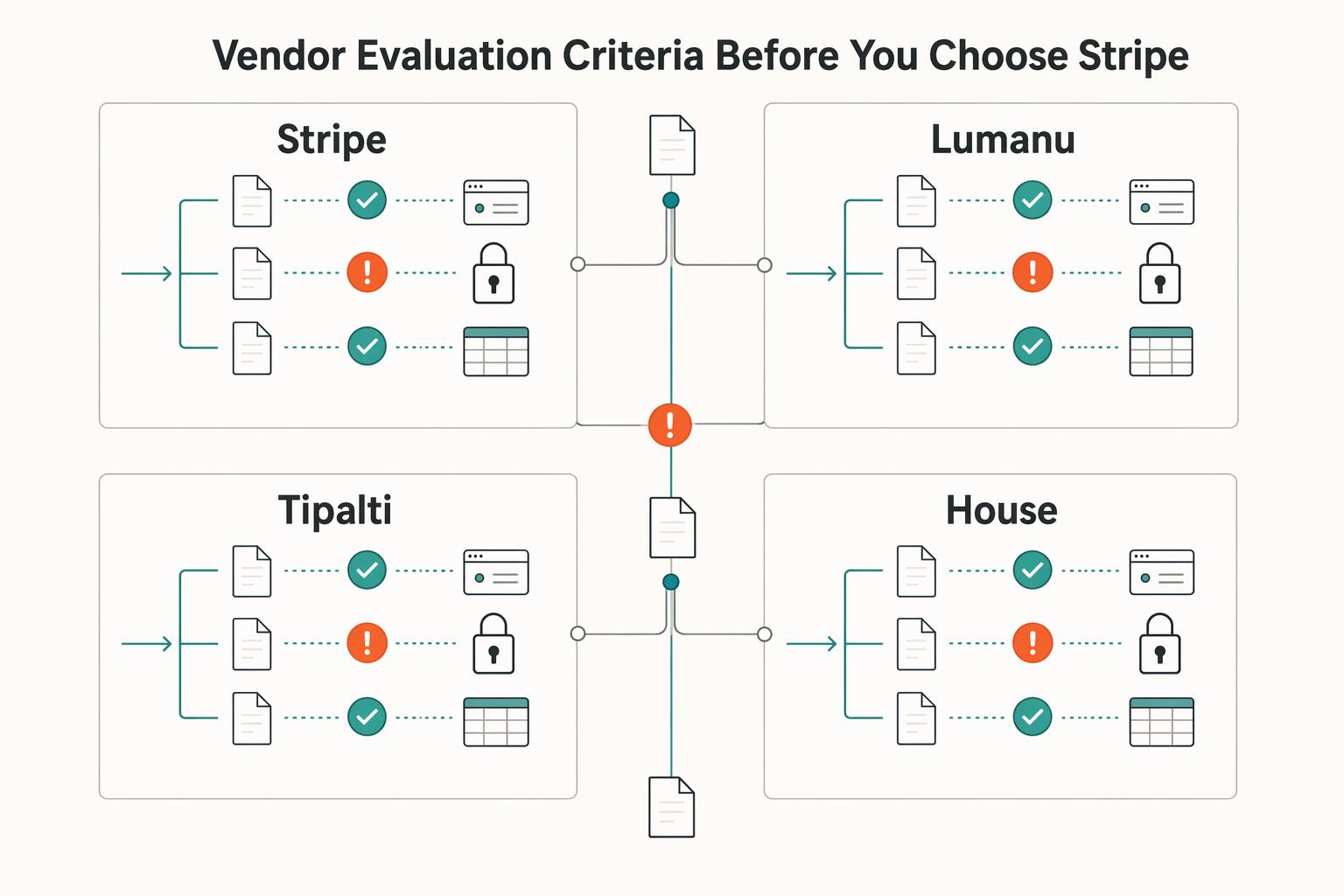
NET-30 vs Instant Payout for Influencer Marketing Platforms
Payout timing now sits across product, finance, and operations. For an Influencer Marketing Platform, the choice is not just about when money goes out. It shapes creator trust and engagement on one side, and cash control, margin pressure, and reconciliation effort on the other.
Read more →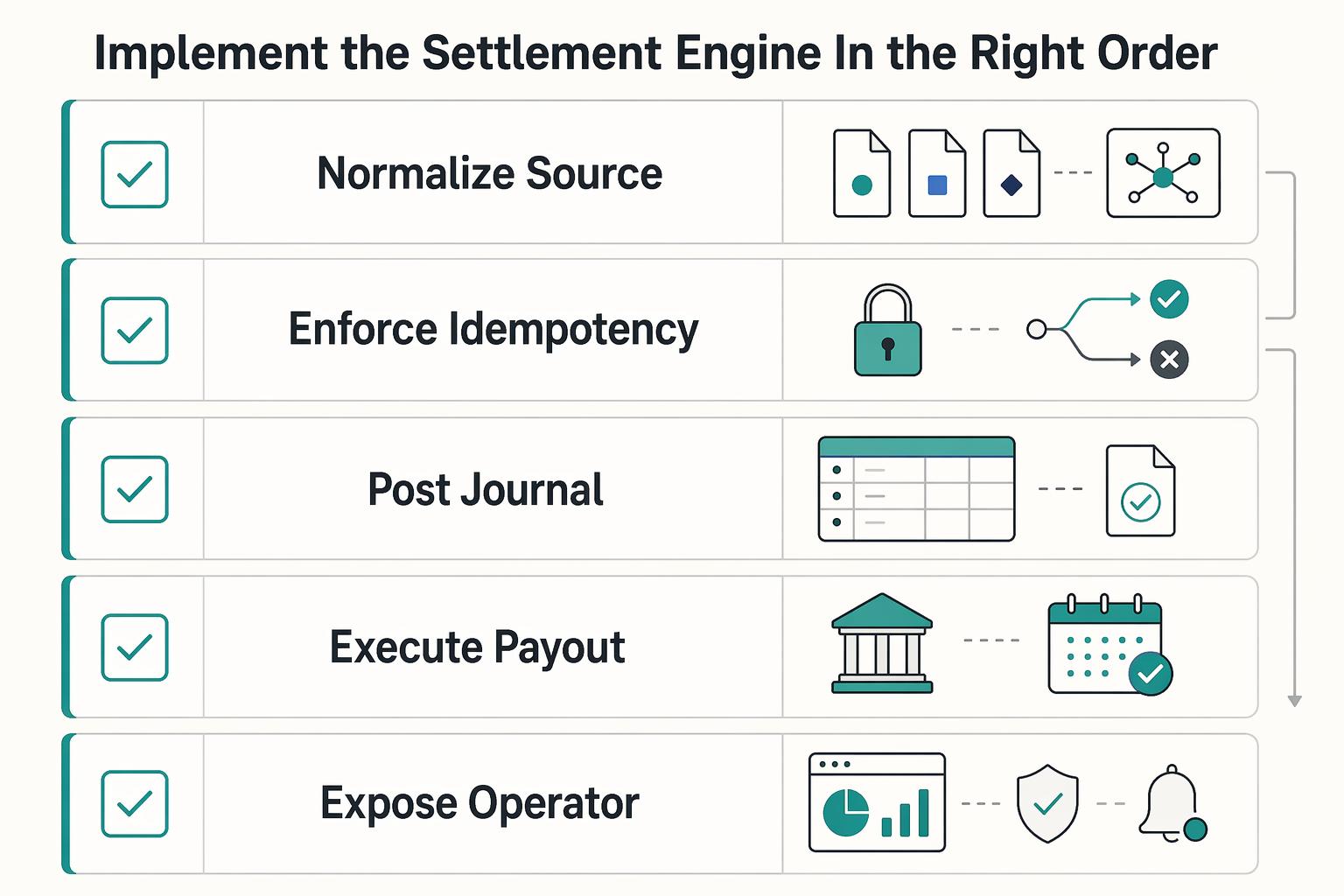
Automating DSP and SSP Settlements for Programmatic Advertising Payouts
In programmatic advertising DSP/SSP settlement flows, the hard part starts after the bid win. **Real-Time Bidding (RTB) sets impression pricing in milliseconds, but settlement determines whether finance, ops, and engineering can trust the money movement from buyer to publisher.**
Read more →
How Payment Platforms Turn Automation Into Better Finance Decisions
Automation is a real finance asset when it improves decision quality, not just task speed. For cross-border payment platforms, use it to answer three practical questions: where you can operate reliably, what controls you can defend, and whether reconciliation will still hold up as volume grows.
Read more →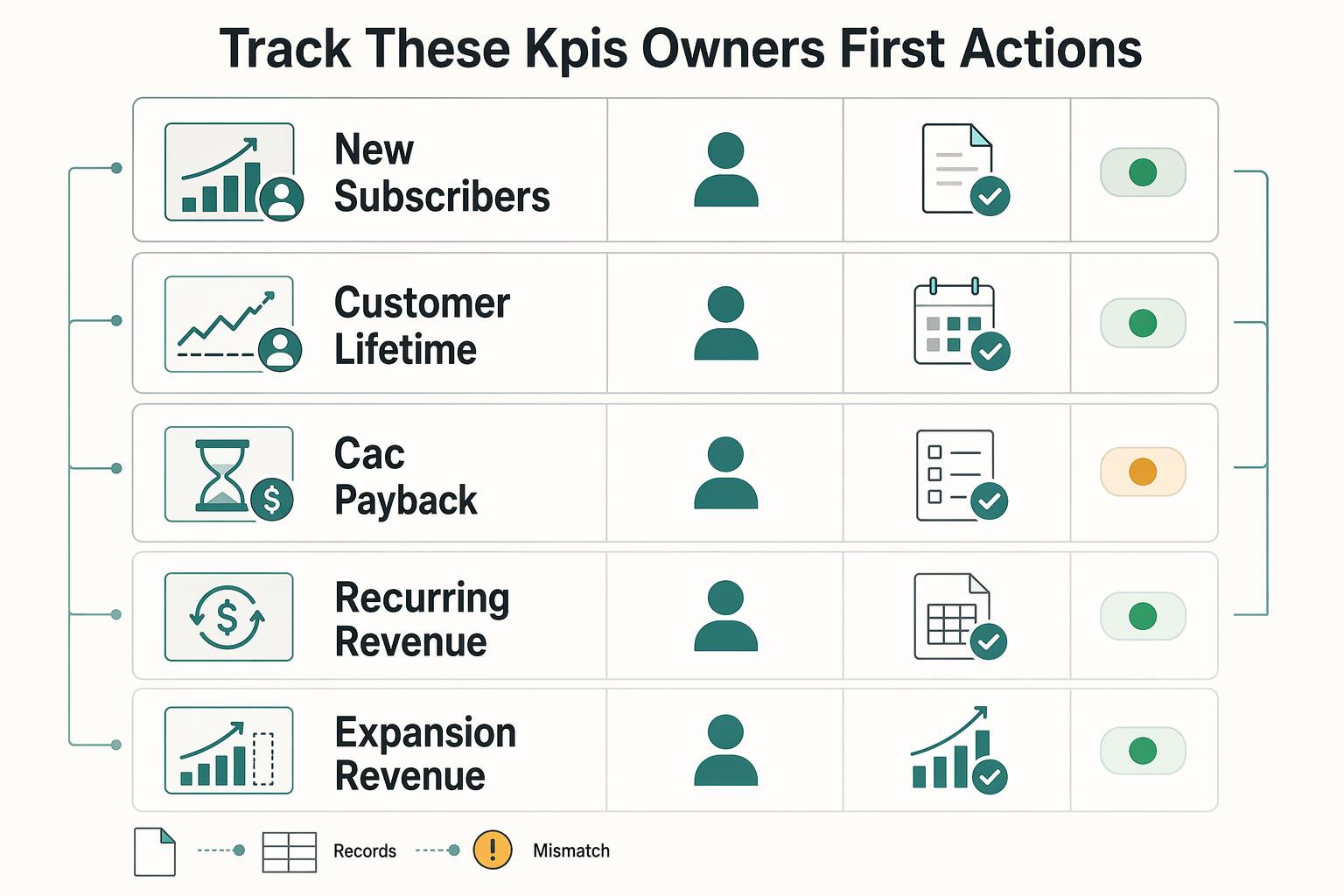
Subscription Analytics Dashboard: 12 KPIs Every Platform Finance Team Should Track
A useful subscription analytics dashboard is an operating control layer, not a monthly scorecard. Use it on a regular operating cadence to decide what needs attention now: reconciliation breaks, settlement aging, and payout issues before close gets messy. The goal is not more charts. It is linking recurring revenue activity to money movement and ledger accuracy in a way your team can act on quickly.
Read more →
How Finance Teams Measure ROI in Failed Payment Recovery Campaigns
If you want ROI numbers your finance team can defend, start with evidence before optimization. For failed payment recovery campaigns, treat measurement as an operations problem. Define metrics up front, tie outcomes to your general ledger, and do not treat provisional wins as final until tie-out confirms them.
Read more →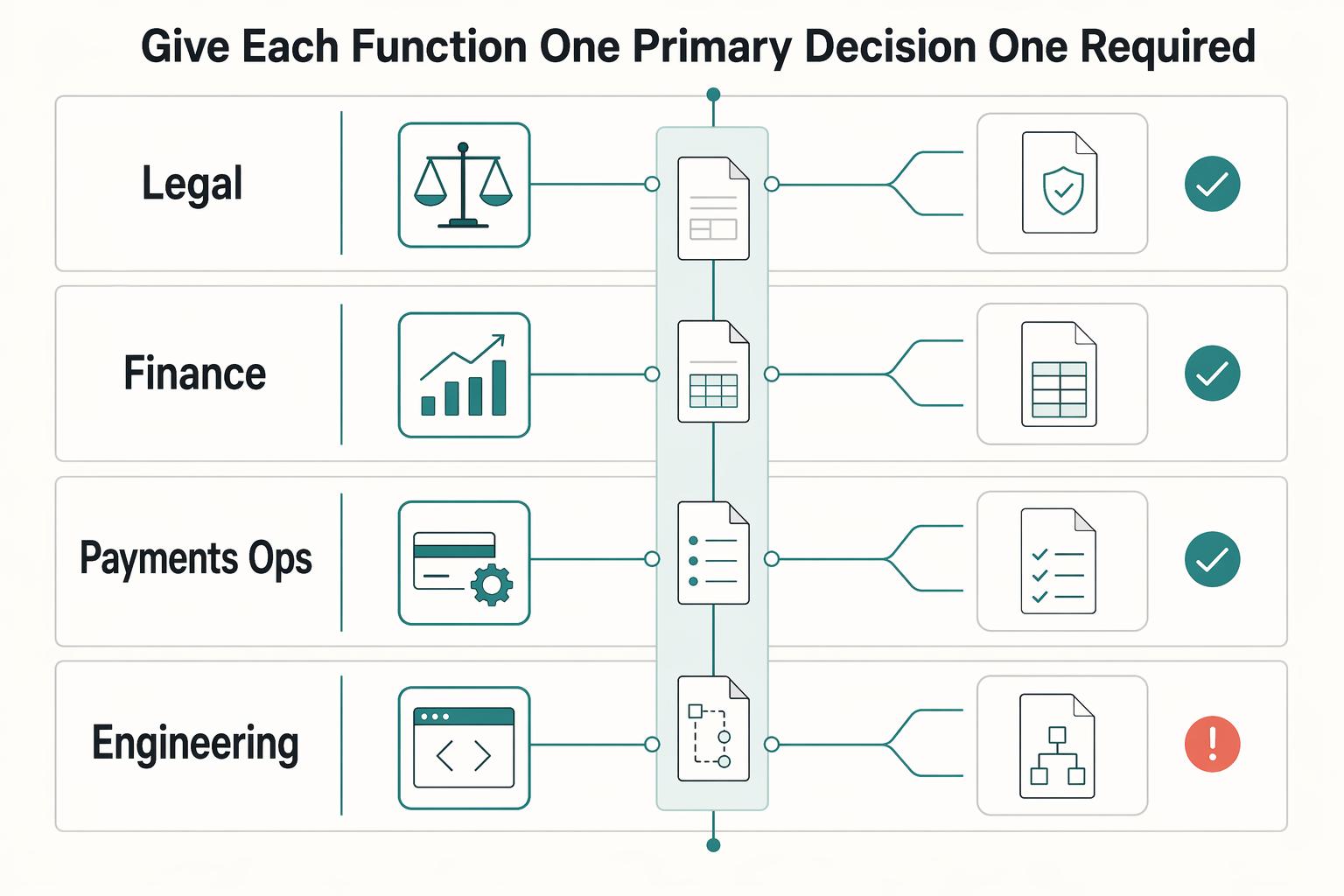
Cross-Border Streaming Rights and Billing: How EU Portability Rules Affect Your Platform
The core risk is usually not reading the rule. It is getting legal, compliance, finance, risk, and product teams to agree on what the rule does and does not cover. At a streaming platform, portability questions often get mixed with access, eligibility, billing, and evidence decisions. Teams can each be partly right and still leave material gaps.
Read more →
How to Customize Invoices for Your Platform: Branding Tax IDs and Line-Item Descriptions
Invoice customization is an operations control, not a design exercise. The goal is a document that stays clear to customers, includes required legal and tax information, and supports payment collection and reconciliation.
Read more →