
Operator playbooks for cross-border payments, tax, and compliance execution.
Step-by-step guidance for finance, product, and ops teams to launch faster, reduce payout friction, and keep reconciliation clean across borders.
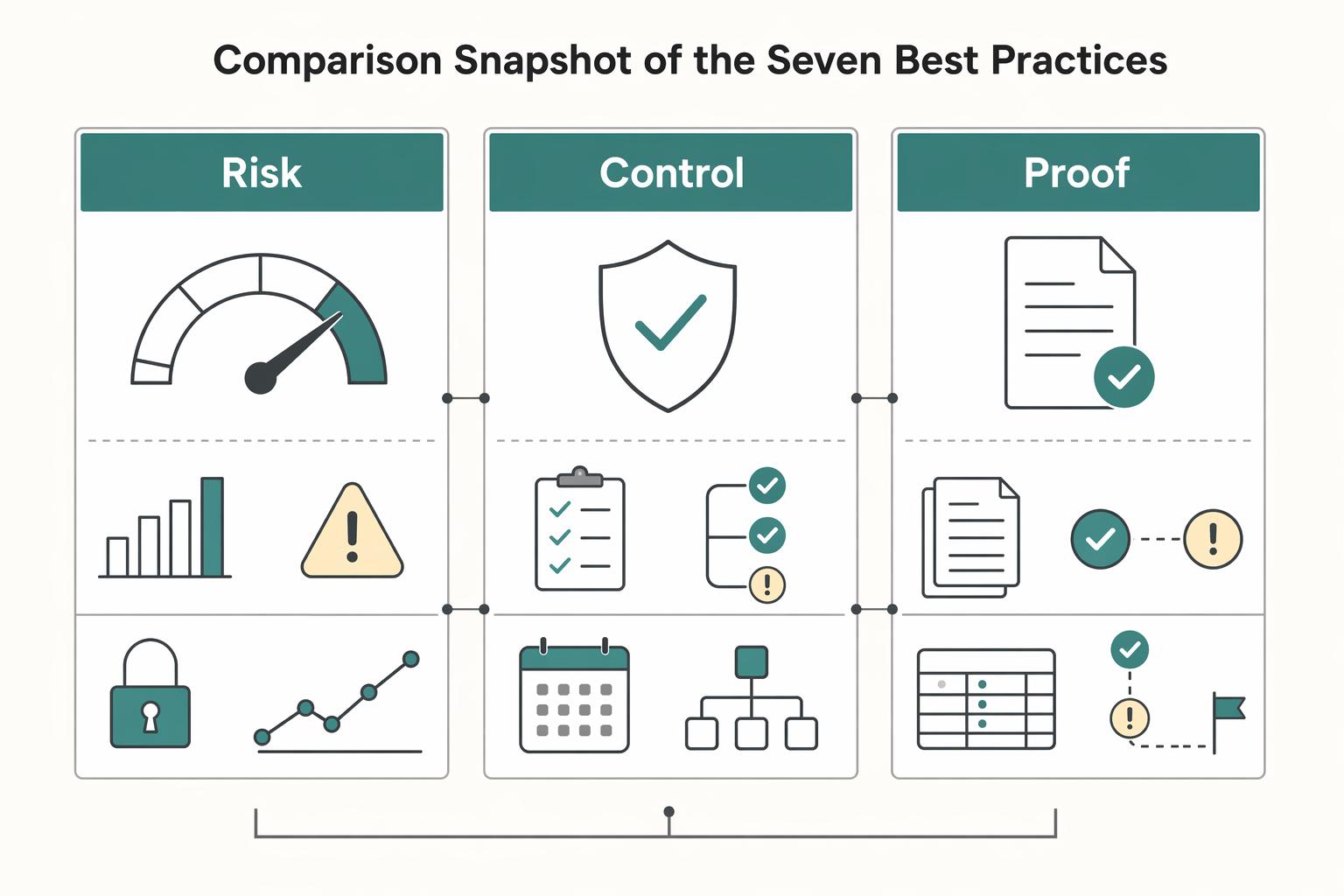
KYC Best Practices for Reducing Money Laundering Risks: A Payment Platform Compliance Guide
Payment-platform teams need an operating control baseline, not another generic Know Your Customer (KYC) checklist. The practical goal is a minimum set of controls you can run across markets with clear approvals, escalation rules, and evidence that stands up to audit or regulatory review. If you run multiple payout programs, we recommend treating this as the control floor your team can execute everywhere before you add local overlays.
Read more →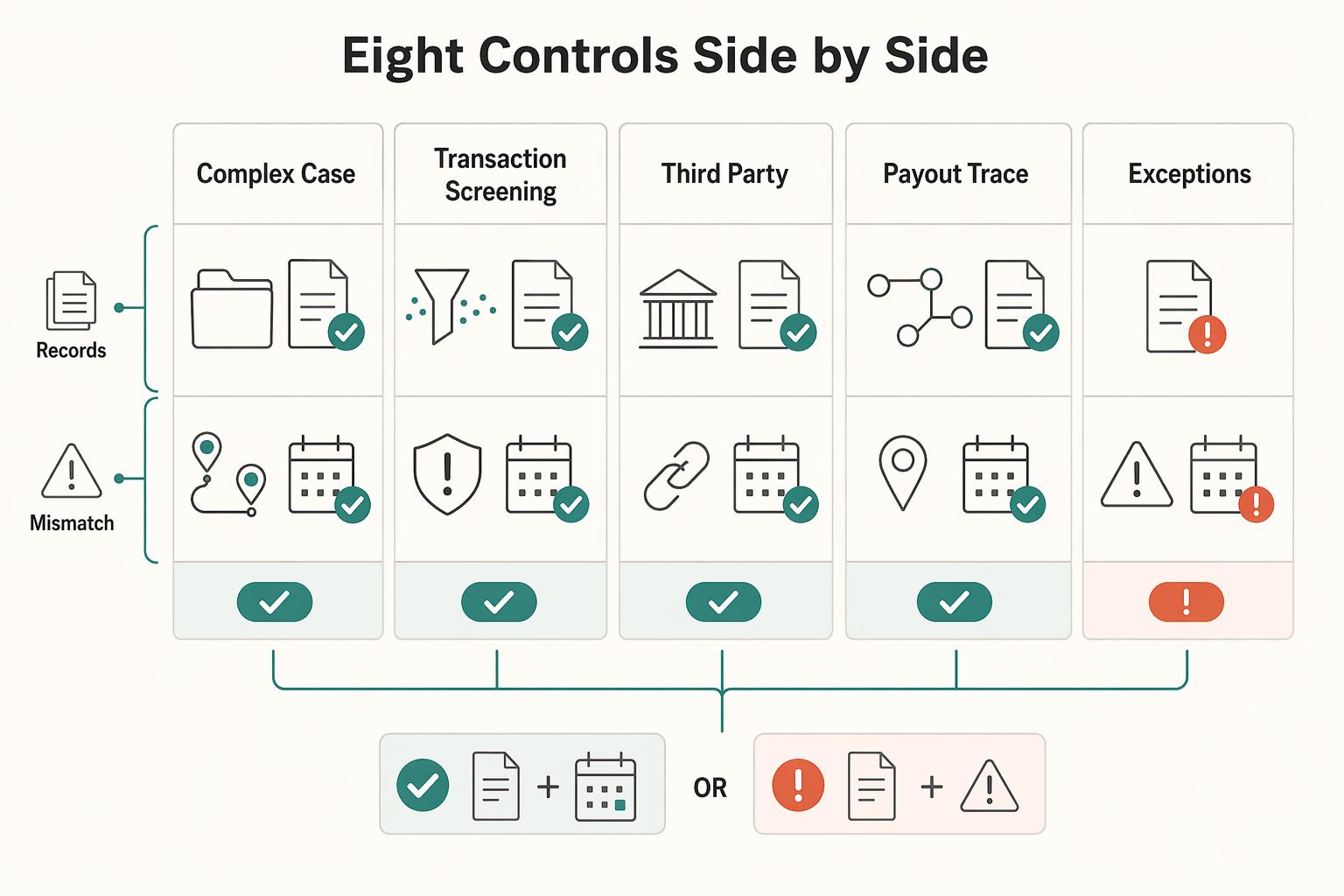
8 Resilient Compliance Controls for Payment Platforms in 2026
Payment compliance in 2026 needs to operate as a system, not just a document set. A practical test is whether your controls run while money moves and whether you can show who checked what, when it changed, and who approved the decision.
Read more →
What Is Reverse Factoring? How Supply Chain Finance Lets Platforms Pay Contractors Early at Low Cost
The core decision is not what you call the model. It is whether you can run a buyer-led financing program on invoices the buyer has confirmed as valid, with approval controls a finance provider can rely on.
Read more →
Invoice Factoring for Contractors: How Platforms Offer Early Payment and Manage Risk
If you run a platform for contractors, early payment is a product and risk decision before it is a goodwill feature. Ask four things up front: Who funds the advance? Who collects from the payer? Who absorbs nonpayment risk? Do the unit economics still work once disputes and exceptions show up?
Read more →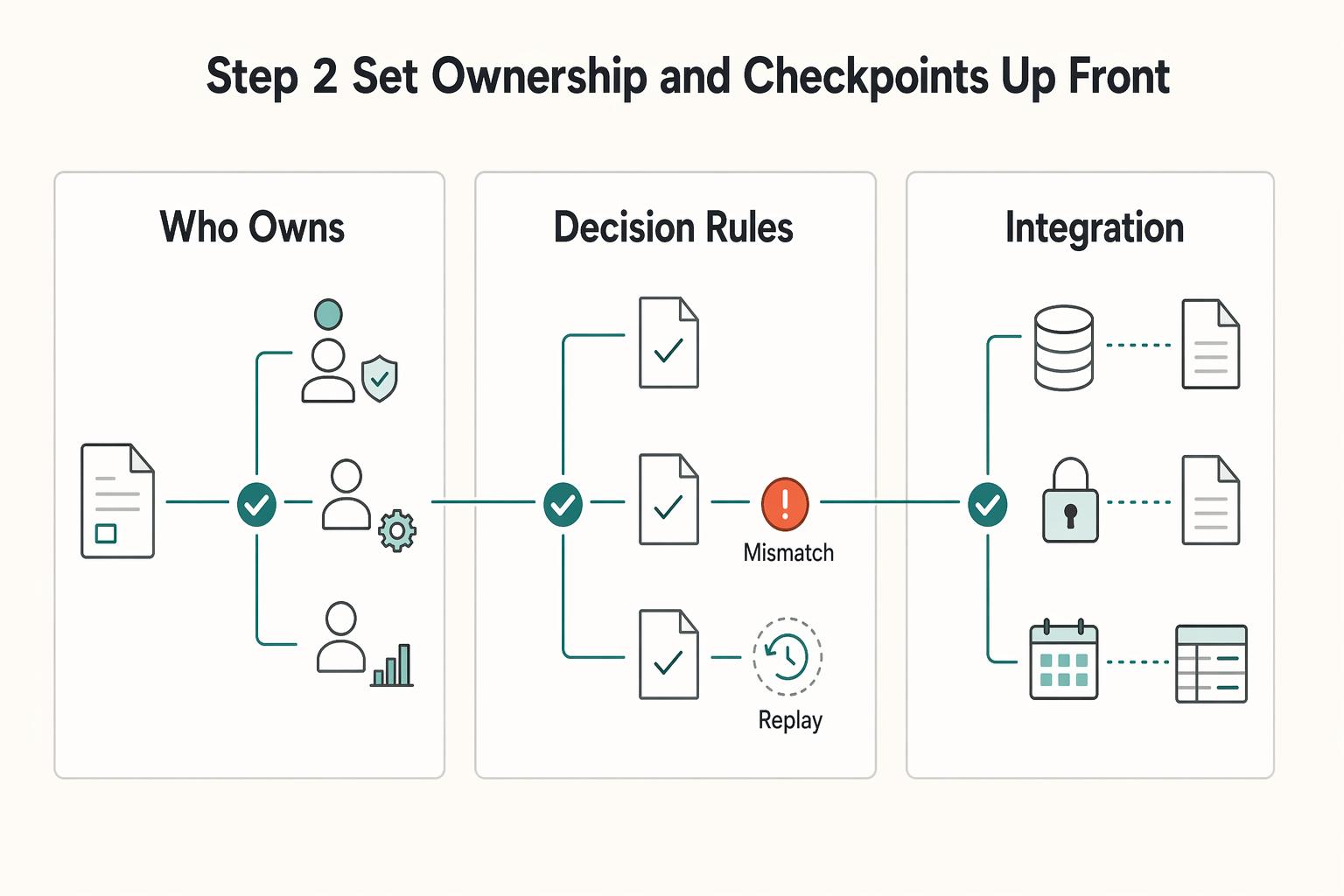
Invoice Verification for Platforms: How to Validate Contractor Bills Before Releasing Payment
Treat invoice verification as a payout gate, not a back-office cleanup step. If a contractor bill can reach payout authorization before it clears your checks, you do not just have an AP process gap. You have a release-control gap.
Read more →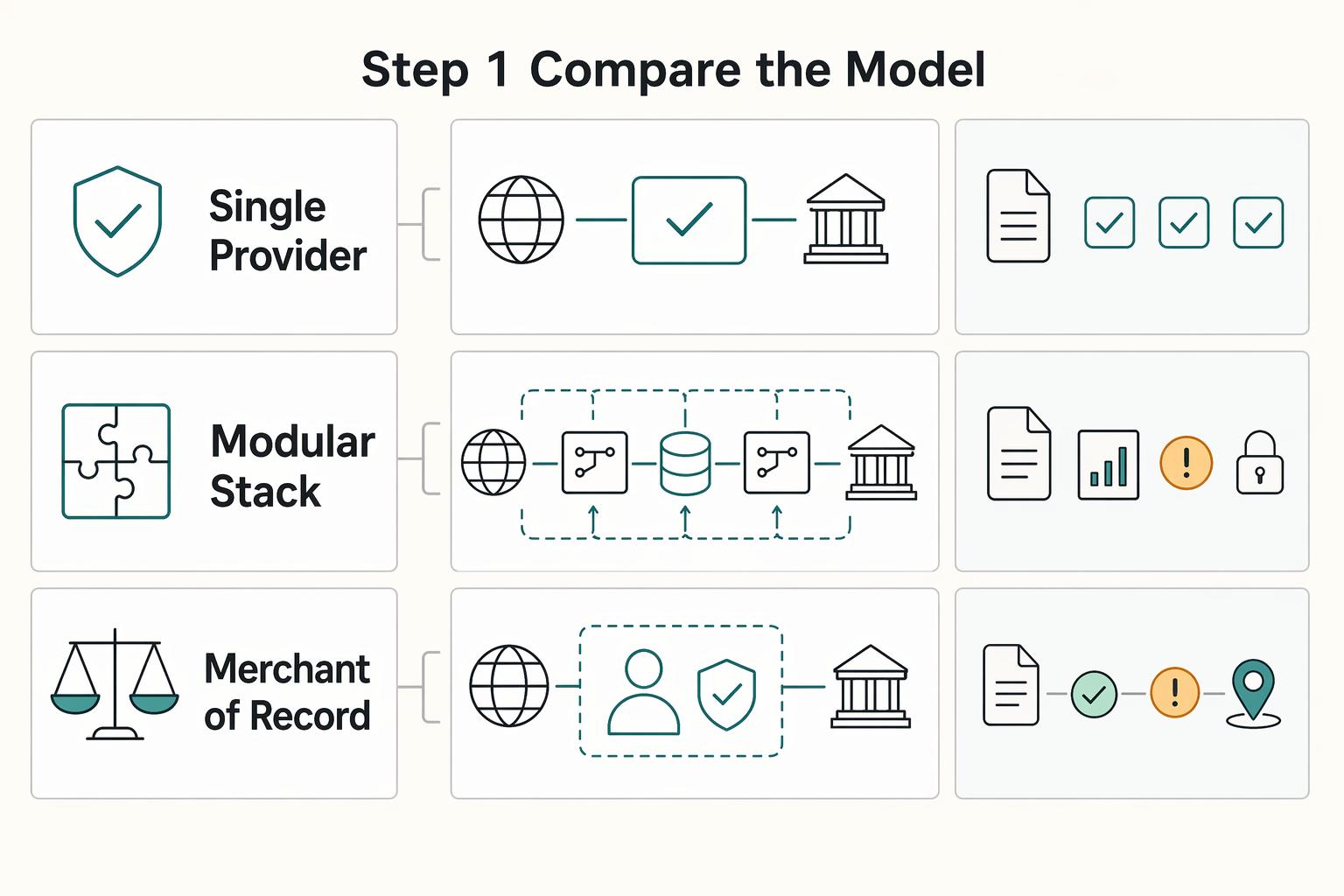
Digital Nomad Payment Infrastructure for Platform Teams: How to Build Traceable Cross-Border Payouts
Treat **digital nomad payment infrastructure get paid anywhere** as a payment-system design problem, not a shopping list of payout apps. You are designing the full money flow end to end: collect funds, convert currency when needed, apply controls, post to a system of record, and prove what happened when something goes wrong.
Read more →
Payment Volume Forecasting for Platforms: How to Predict Cash Flow
Build this as a payout-reliability forecast, not a generic finance projection. The job is to flag when payout obligations may overtake cash that is actually available. Your model has to track payment volume, settlement timing, and payout schedule together.
Read more →
Year-End Financial Close Checklist for Freelancer Payout Operations
This **year-end financial close freelancers checklist** is for teams running freelancer payout operations, not for an individual 1099 contractor handling personal tax planning. If you own finance, ops, or product workflows tied to settlements, ledger accuracy, reconciliation, reporting, or payout controls, your goal is a defensible year-end close. You need traceable records, supported adjustments, and a complete statement package you can sign off.
Read more →
Payment Reconciliation for Freelancers: How to Match Invoices to Bank Deposits
Payment reconciliation on freelancer platforms breaks down when a bank deposit cannot be tied, with confidence, to the right internal transaction. Your operating goal is simple: route each deposit into the right path, auto-match, manual review, or exception handling, and keep a record that can be traced from bank transfer through GL posting.
Read more →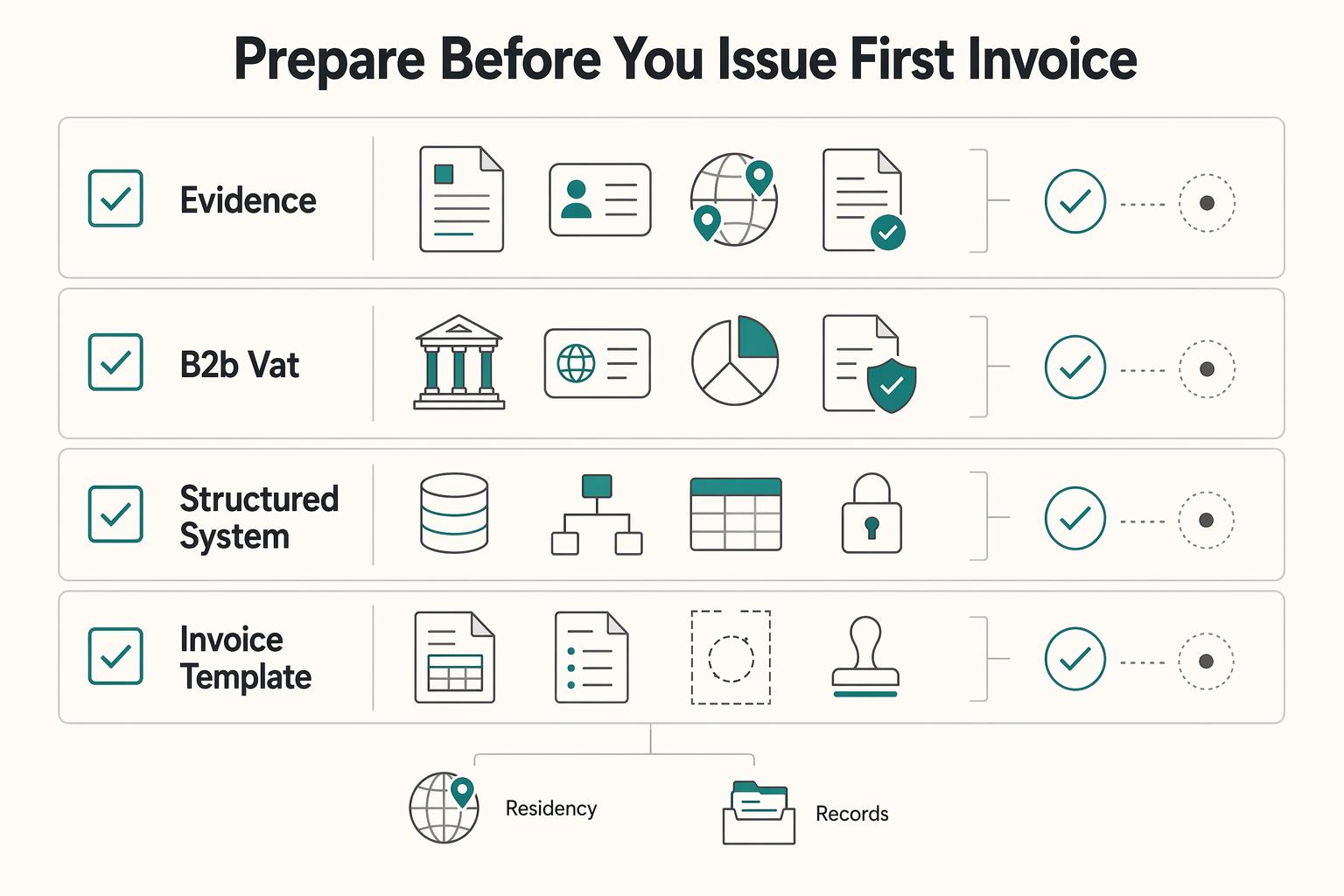
Cross-Border Invoicing: VAT, GST, and Withholding Tax
Treat cross-border invoicing as three linked decisions, not one: where indirect tax is due, whether withholding applies, and what evidence supports both positions. In workflows that touch VAT, GST, and withholding tax, the most expensive mistakes usually start with a narrow question such as, "What should appear on the invoice?" That is not enough. The invoice is only the visible output. The real control point is the decision you make before the invoice exists.
Read more →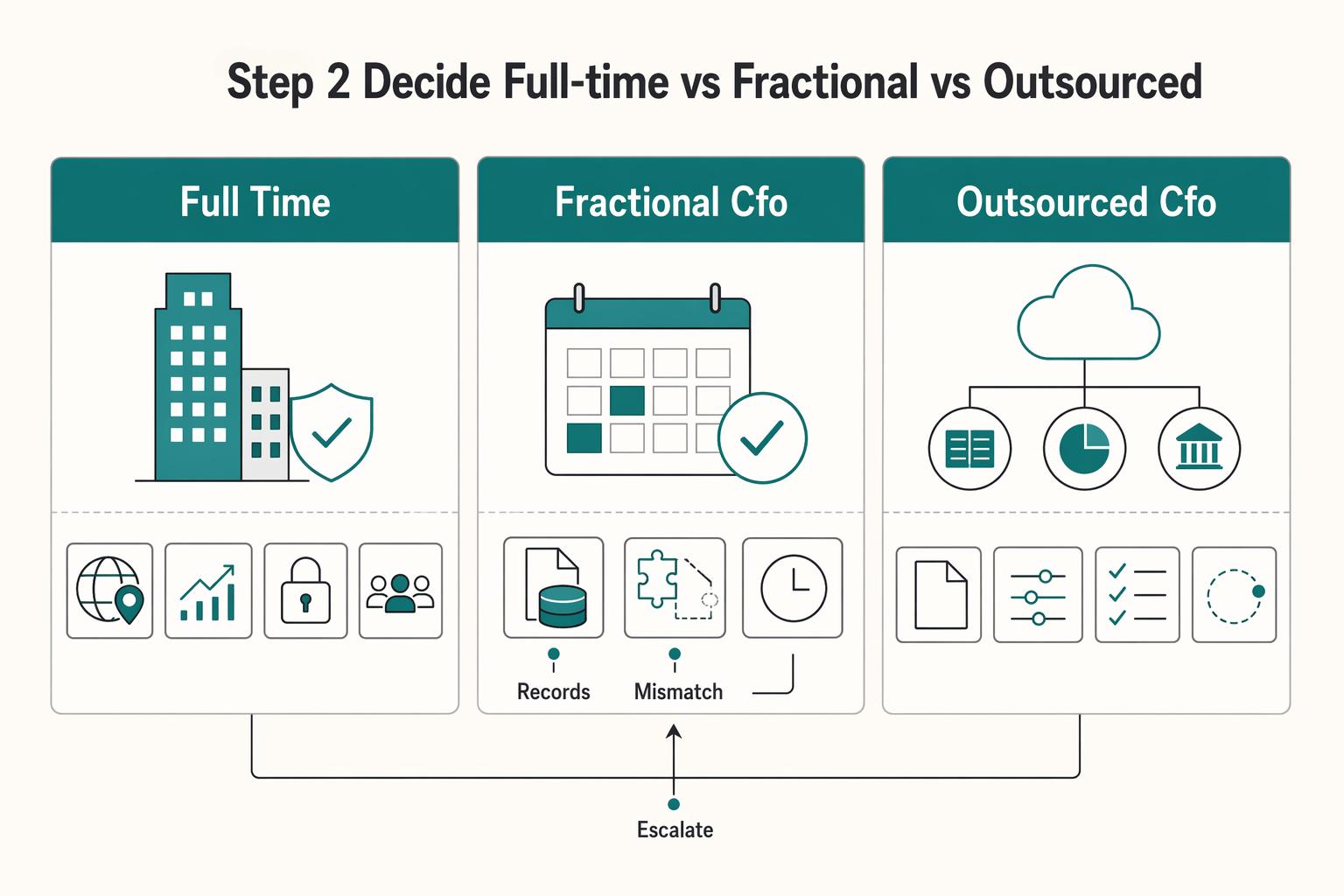
How to Hire a CFO for Your Payment Platform
Hiring a **Chief Financial Officer (CFO)** for a **Payment Platform** is a risk decision first, not a routine finance hire. If your product touches money movement, processor oversight, new-market rollout, or always-on settlement, the operating bar is higher than it is for a typical **SaaS** finance leader.
Read more →
How Ad Networks Pay Publishers with CPM, CPC, and Revenue Share
Choosing a publisher payout model is an operating decision, not a glossary exercise. The hard part is not memorizing CPM, CPC, or revenue share. It is deciding which event creates a payable amount, which exceptions can reduce it, and whether finance, ops, and engineering can all explain the same answer.
Read more →
Accounts Receivable Management for Platforms: How to Collect from Buyers While Paying Sellers Fast
**Treat AR for a platform as a payout control problem, not just a collections task.** If you separate buyer collections from seller payouts, you risk releasing funds based on a status your ledger cannot actually support.
Read more →
One-Flow Supplier Onboarding for W-9, Bank Details, and KYC
One flow reduces surprises only when it is built for payout readiness, not just document collection. A submitted Form W-9 or Form W-8BEN is only an input. It does not confirm that tax, identity, sanctions, and bank controls are complete enough to activate payment safely.
Read more →
How Platform Finance Leaders Decide M&A Payment Ops Readiness
A payments-heavy acquisition can look solid until you test whether money movement will actually hold up in practice. This article helps you sort what needs to be validated before signing, what can wait until after close, and where country-specific constraints can change deal confidence.
Read more →
Automating Affiliate Network Payouts for Publishers and Partners at Scale
Automating affiliate payouts is worth doing, but only after you decide what has to stay controlled. As programs grow, payouts become a real operational burden, and payout reliability affects whether partners stay engaged. If you automate the payment motion before you clean up approvals, tax data, and reconciliation, you usually do not remove work. You just move it into exceptions that are harder to unwind.
Read more →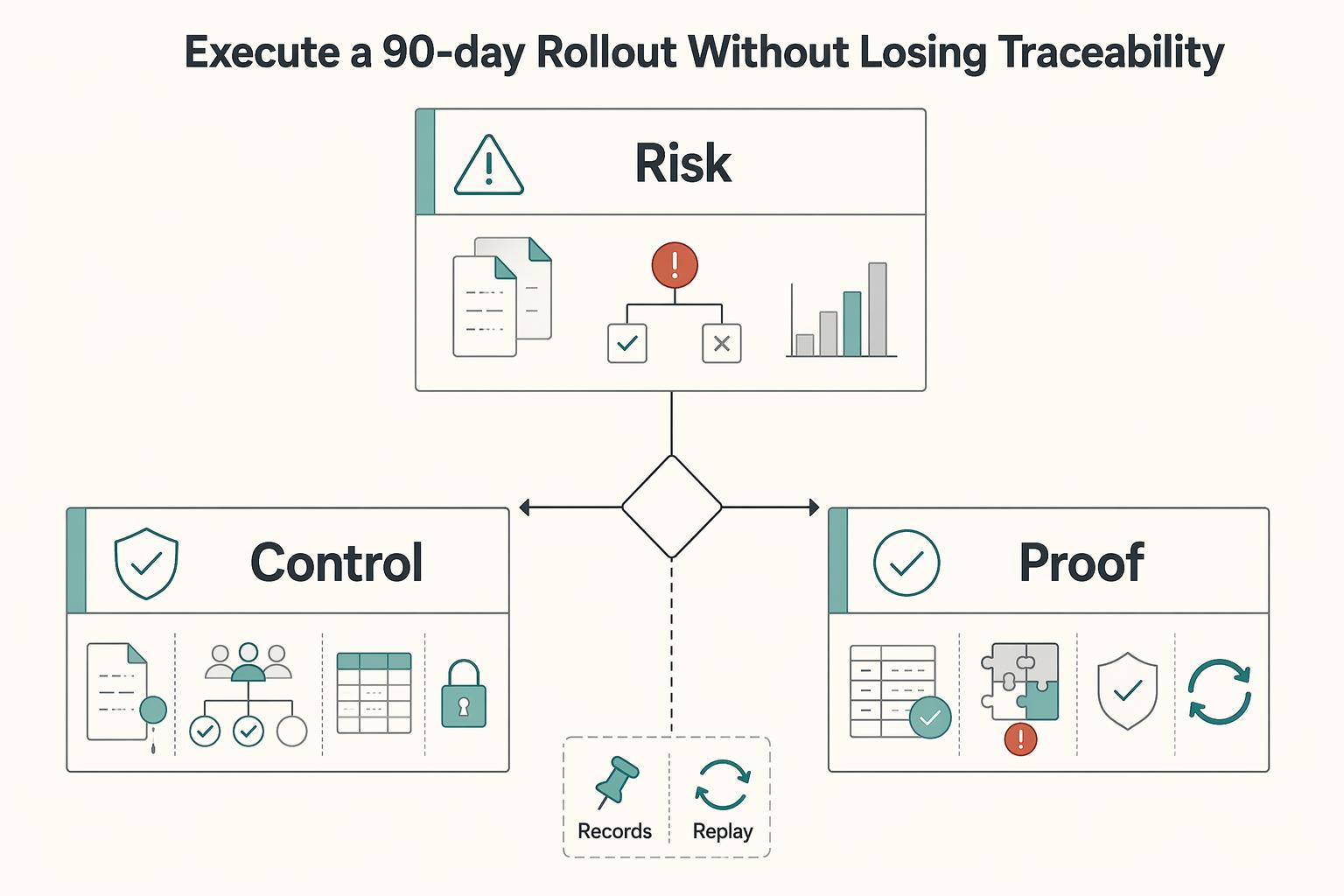
Why Platforms Consolidate Pay Runs with Integrated Payables
Integrated payables starts to matter when you can run one pay run across multiple rails from one operating layer. It is not just a nicer screen on top of fragmented tools. In practice, you submit one batch, route ACH transfers, wire transfers, checks, and virtual cards from the same place, and keep approvals and records coordinated.
Read more →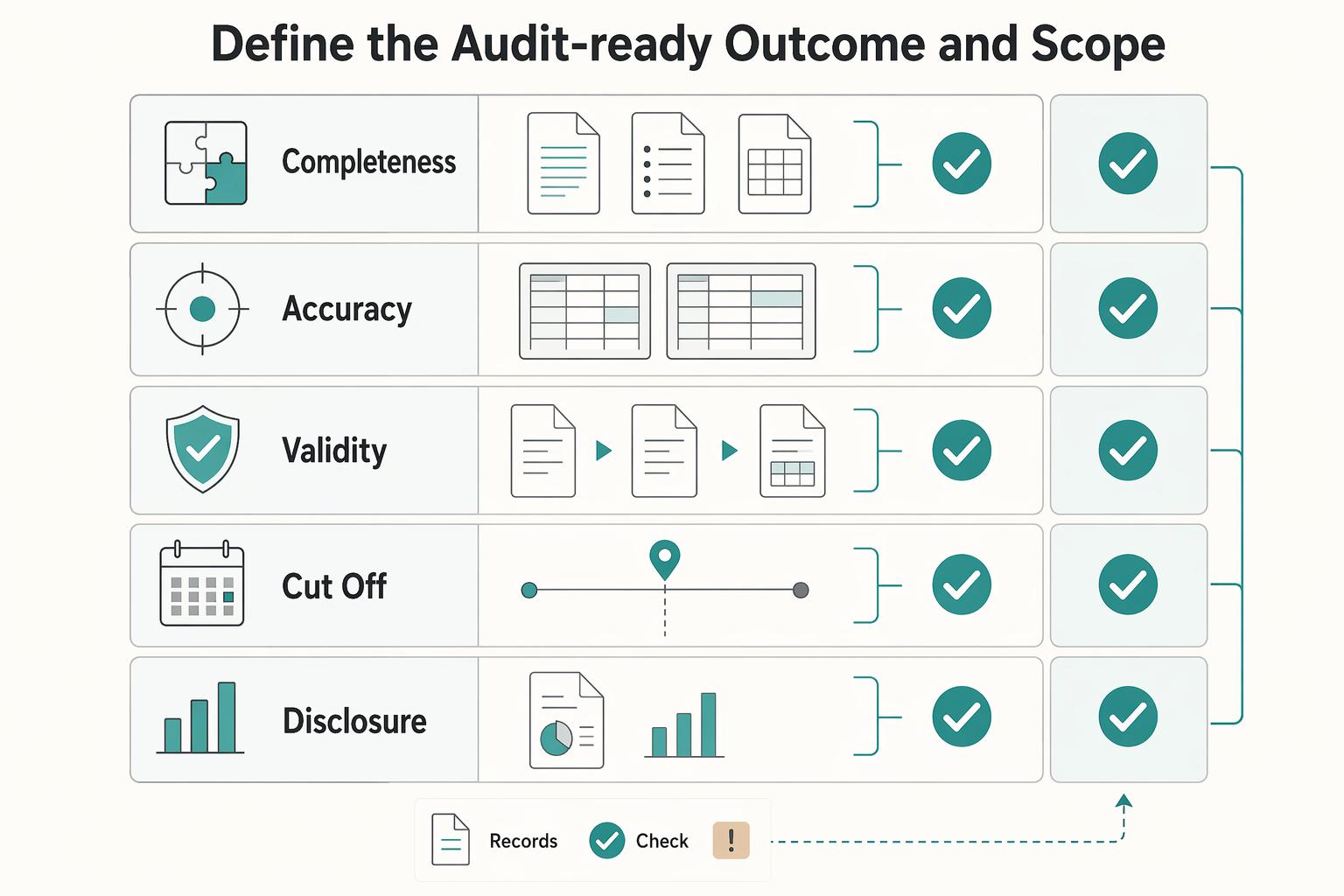
Run an AP Self-Audit Your Investors and Auditors Can Verify
**Step 1. Set the bar higher than a clean dashboard.** The goal is not to make AP look organized. It is to run a self-audit that leaves you with an evidence set you can hand to investor due diligence and an external auditor without scrambling to backfill support. Financial due diligence helps investors judge financial integrity, and auditors can only conclude on what they can support with sufficient appropriate audit evidence. If your review ends with "the numbers seem right," you are not done.
Read more →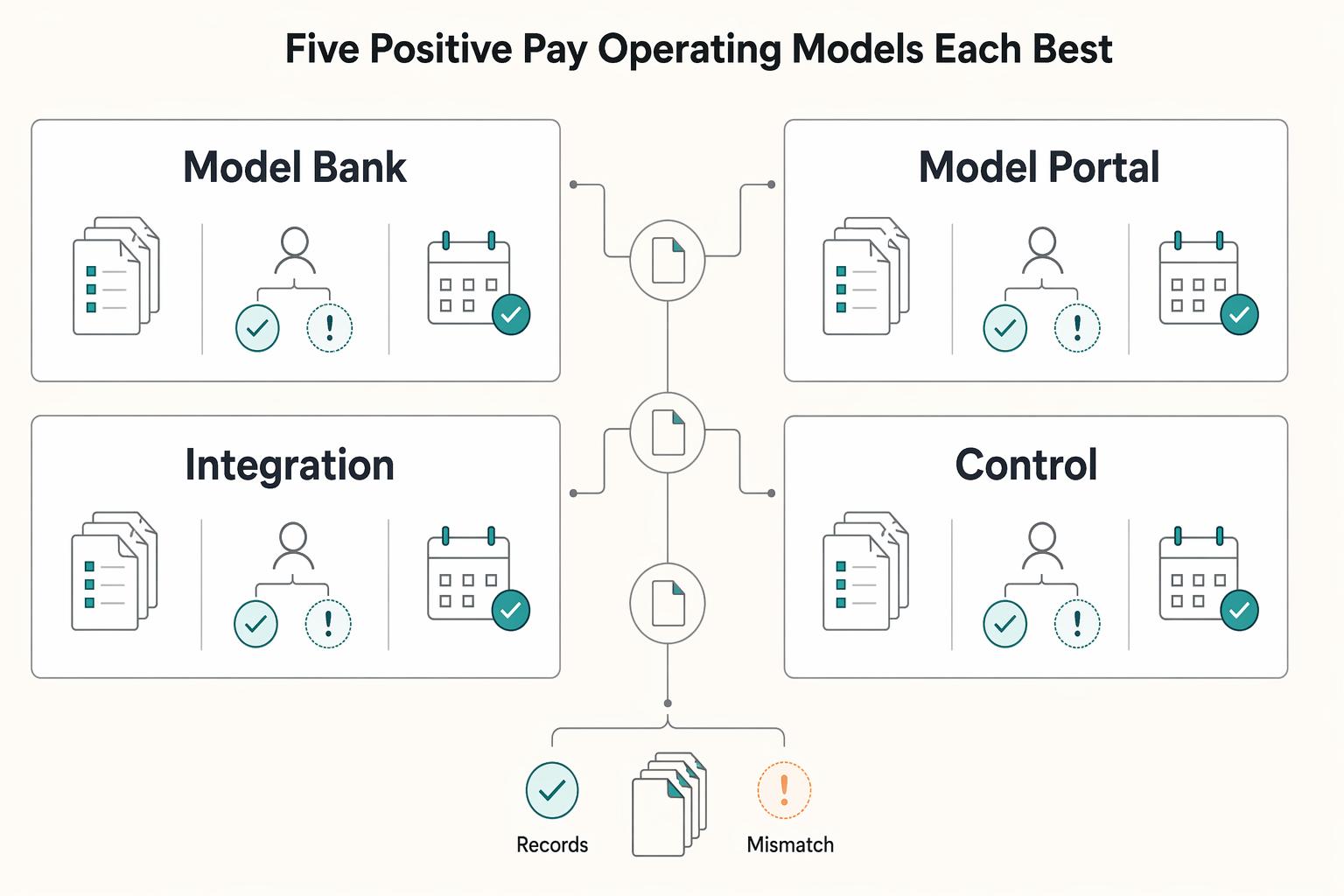
What Is Positive Pay? How Platforms Protect Against Check Fraud and Unauthorized ACH Debits
Positive Pay works best when you treat it as a control process, not a feature you turn on in a bank portal. For platform teams, the real question is not "do we have it?" It is "can we show who reviewed each exception, who approved or rejected it, and whether that happened before cutoff?"
Read more →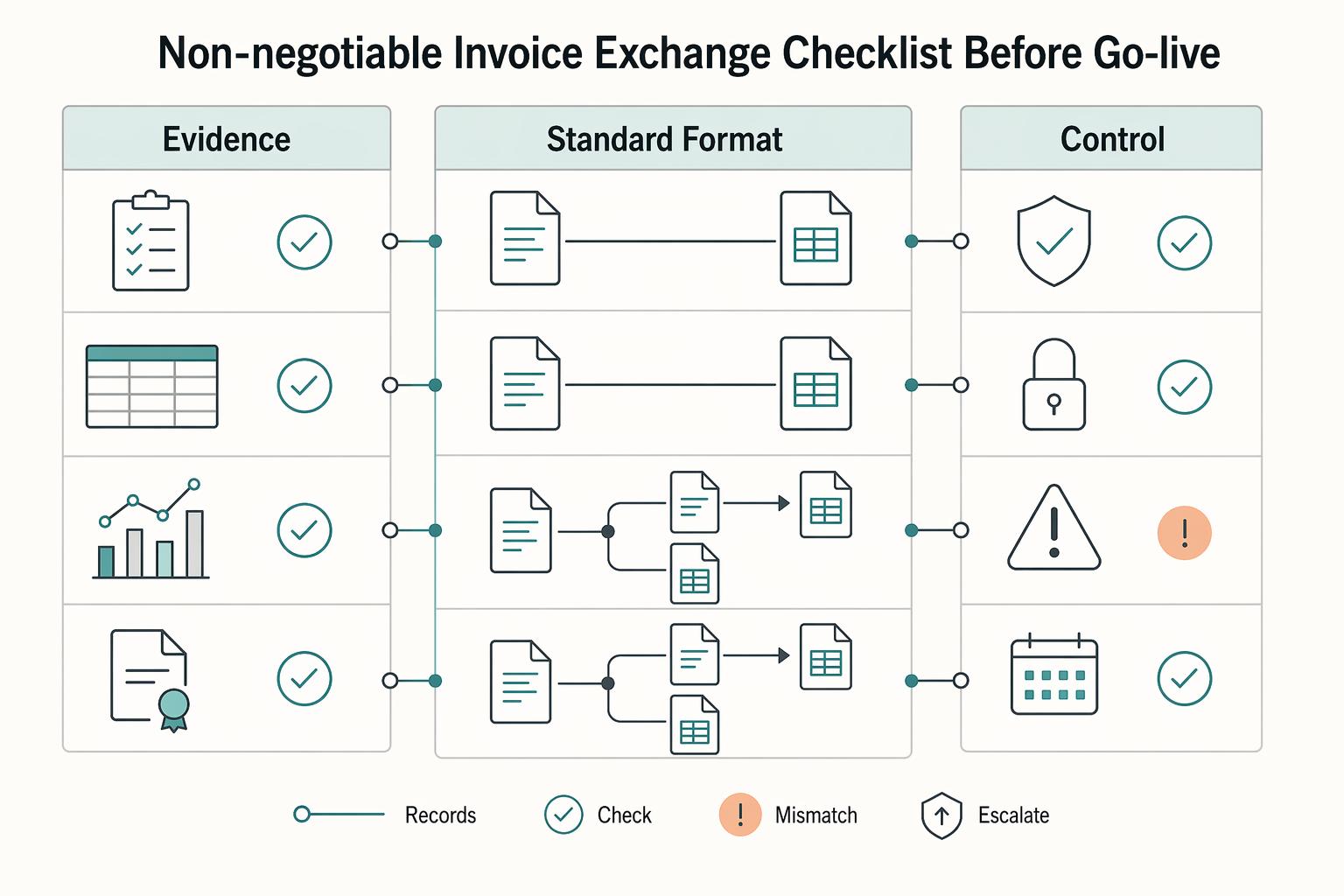
EDI for Platforms Automating Invoice Exchange With Large Buyers
If your platform needs to invoice enterprise buyers through EDI, the real decision is operational: which delivery model will let you exchange the required document set with the fewest surprises in production. Electronic Data Interchange (EDI) is a standards-based way to transmit business documents such as invoices and purchase orders between organizations, and it is primarily used in B2B exchange.
Read more →