
Operator playbooks for cross-border payments, tax, and compliance execution.
Step-by-step guidance for finance, product, and ops teams to launch faster, reduce payout friction, and keep reconciliation clean across borders.
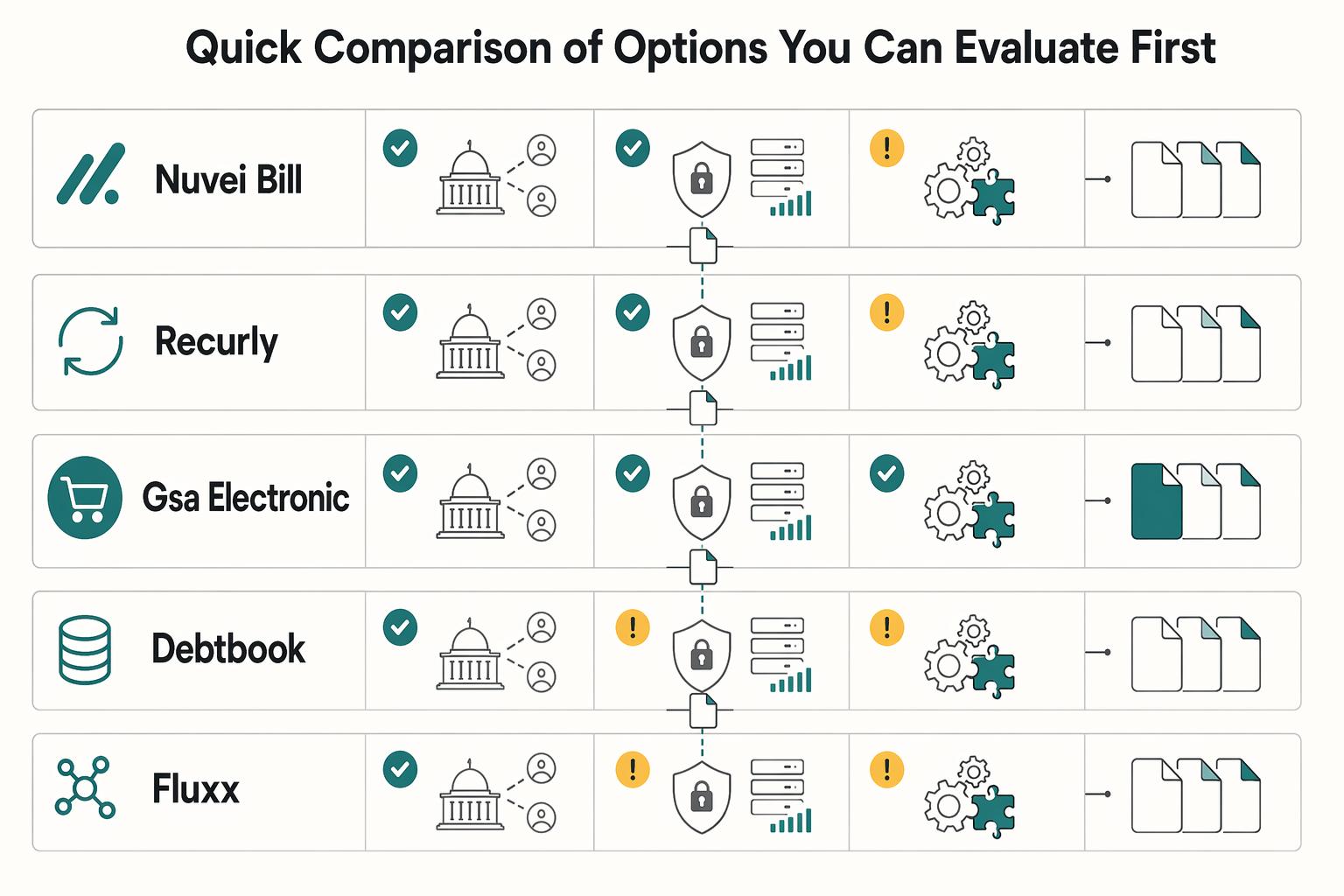
Government Subscription Billing Decisions for Public-Sector Platform Compliance
For government and public-sector subscription billing, a practical starting point is three verifiable gates in this order: procurement path, compliance evidence operability, and fit with the agency environment you already have to live in.
Read more →
How CRO and Payments Can Make or Break Your Affiliate Network
An affiliate network can scale more reliably when you run Conversion Rate Optimization (CRO) and payouts as one revenue system, not as separate growth and finance tracks. CRO improves the share of visitors who complete a desired action, and in a commission-based model, that affects partner earnings.
Read more →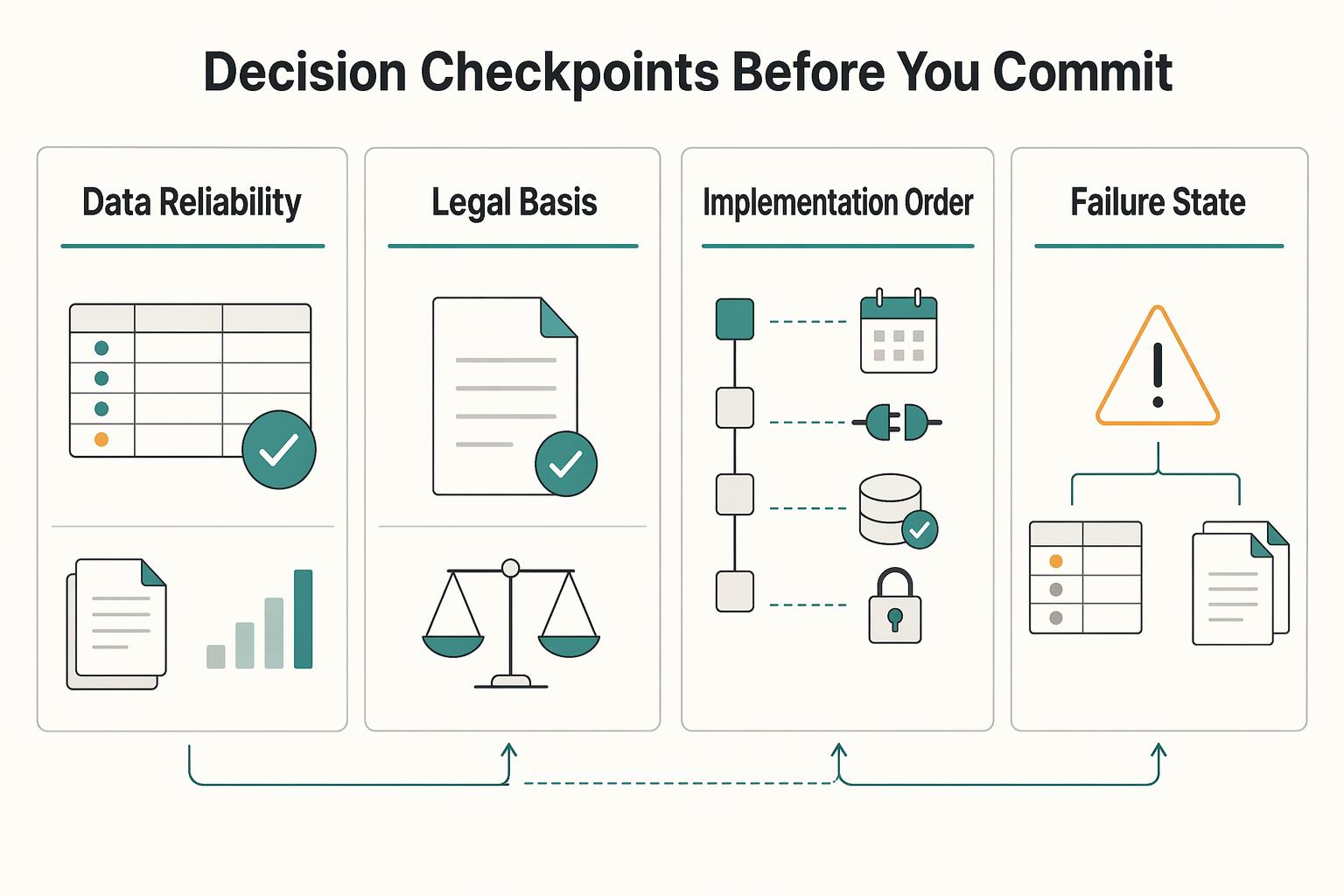
Self-Billing Invoices for Platforms That Pay Contractors
If you are choosing a self-billing path for a platform, the real decision is not which invoicing app looks polished. It is whether your product can turn approved work into a supplier invoice, keep finance comfortable with the paper trail, and give ops and engineering a clean path to payout and reconciliation.
Read more →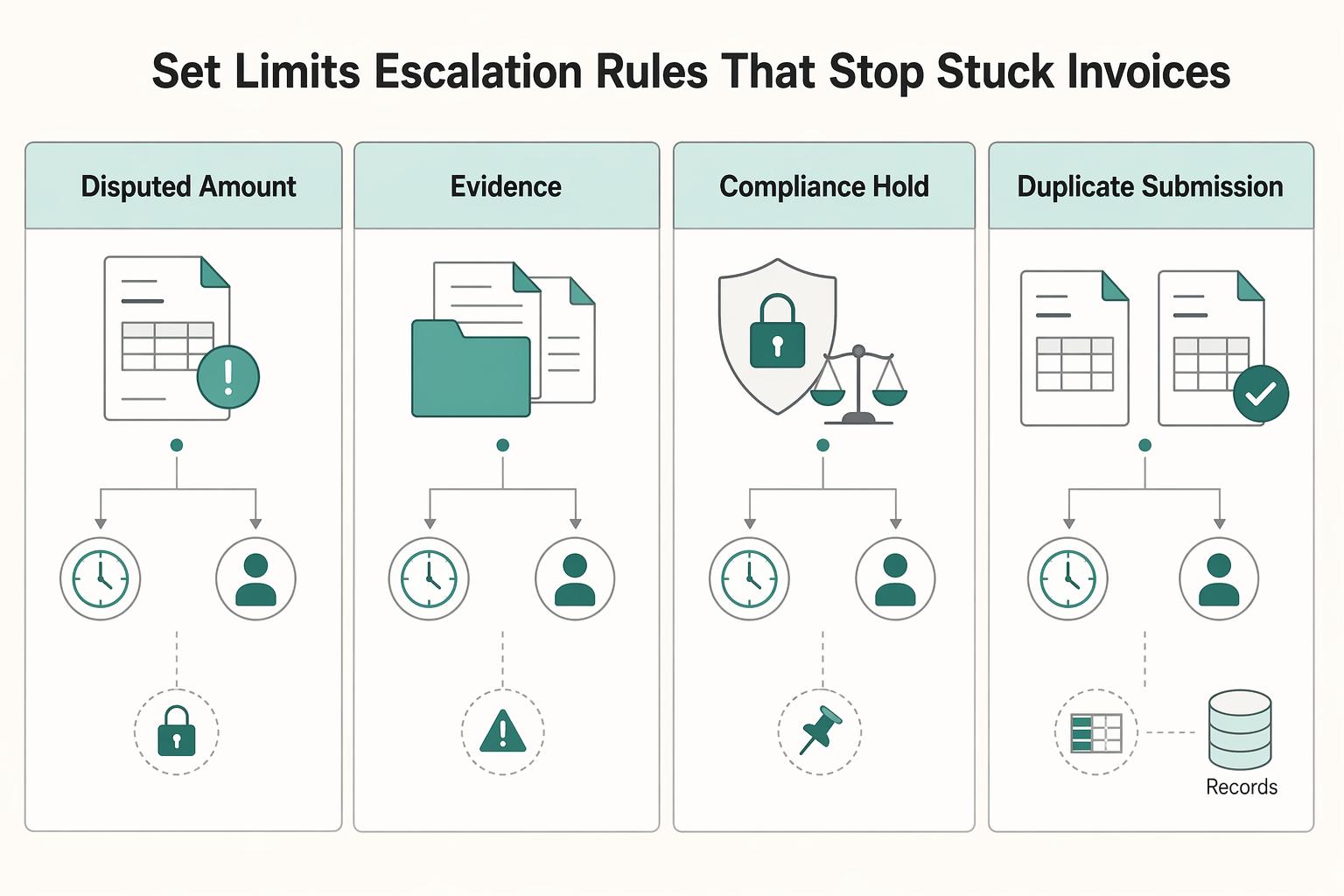
Build an Invoice Approval Workflow Platform with Clear Escalation Rules
Clear ownership, enforceable approval limits, and explicit escalation rules are core controls for reducing payment delays. If you are building for contractor, creator, or marketplace payouts, start by deciding who can approve what, who steps in when they are unavailable, and how that decision stays visible across finance, ops, and engineering.
Read more →
GoCardless vs Stripe ACH vs Plaid for Subscription Platform Rails
This is not a brand pick. It is an operating-model decision for recurring payments on bank rails. At the role level, these options are not interchangeable:
Read more →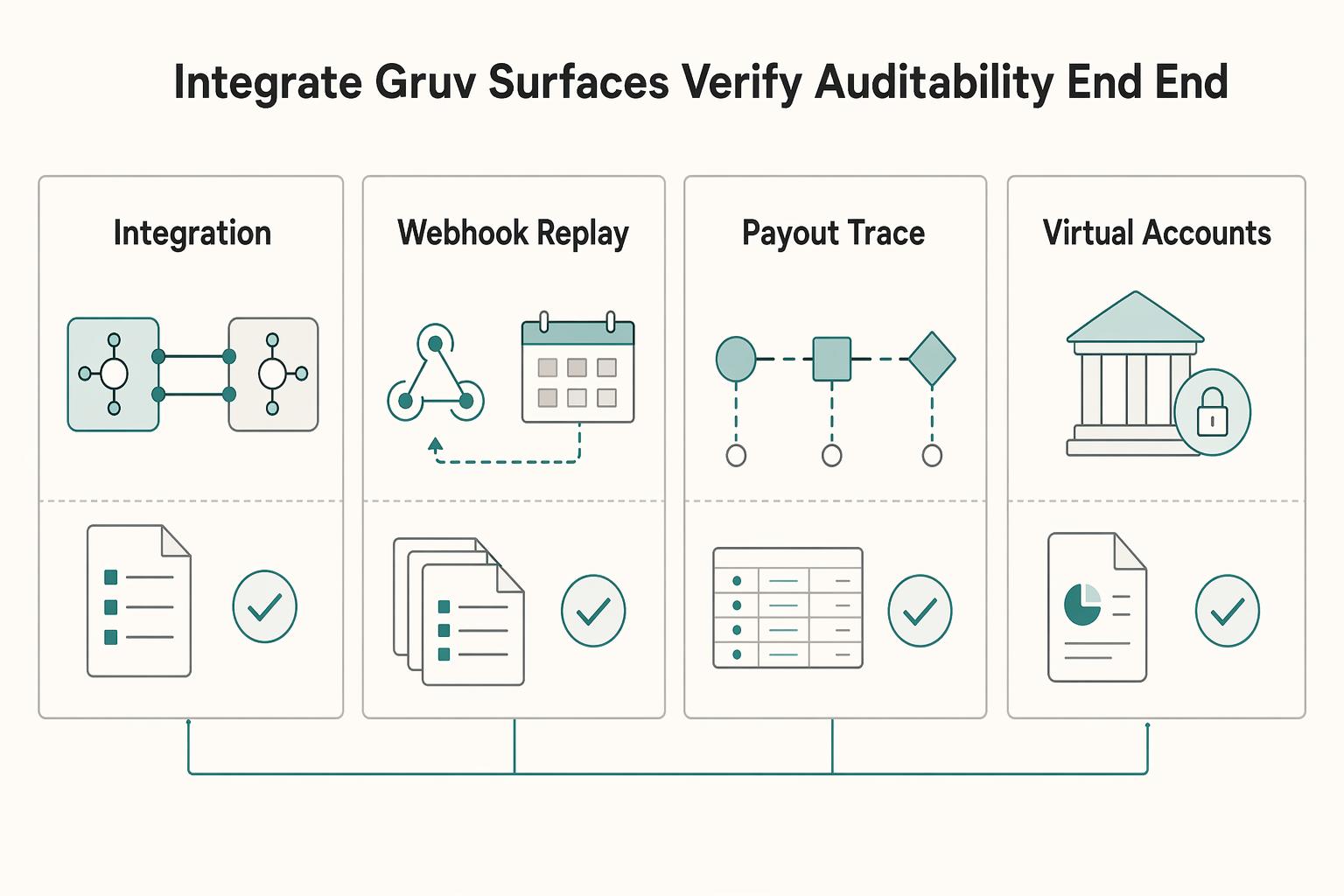
3-Way PO Matching for Marketplaces and Automated Invoice Verification
**Start here: treat three-way PO matching for marketplaces as a control decision, not a software toggle.** If you are still checking invoices only against a purchase order, you can miss cases where the invoice looks right on paper. The delivered item or service may still not match what was ordered.
Read more →
How to Generate Financial Reports for Investors from Your Gig Platform
You are not building an investor relations document list. You are building a reporting process that can produce repeatable, investor-usable numbers on a disciplined close cadence while collections, settlement, and payout batches keep running.
Read more →
Why One Payout Rail Fails in Mass Payment Platforms
Once your platform is paying large recipient groups, payouts often stop being just a finance workflow. They become a product, operations, and engineering decision.
Read more →
Finance Operations Priorities for Payment Platform CFOs
When a payment platform expands, the finance question that shapes execution is often not broad strategy alone. It is country-level operability. Can your team move funds, verify counterparties, manage exceptions, tie activity back to the ledger, and handle tax and reporting work without building a fragile manual operation?
Read more →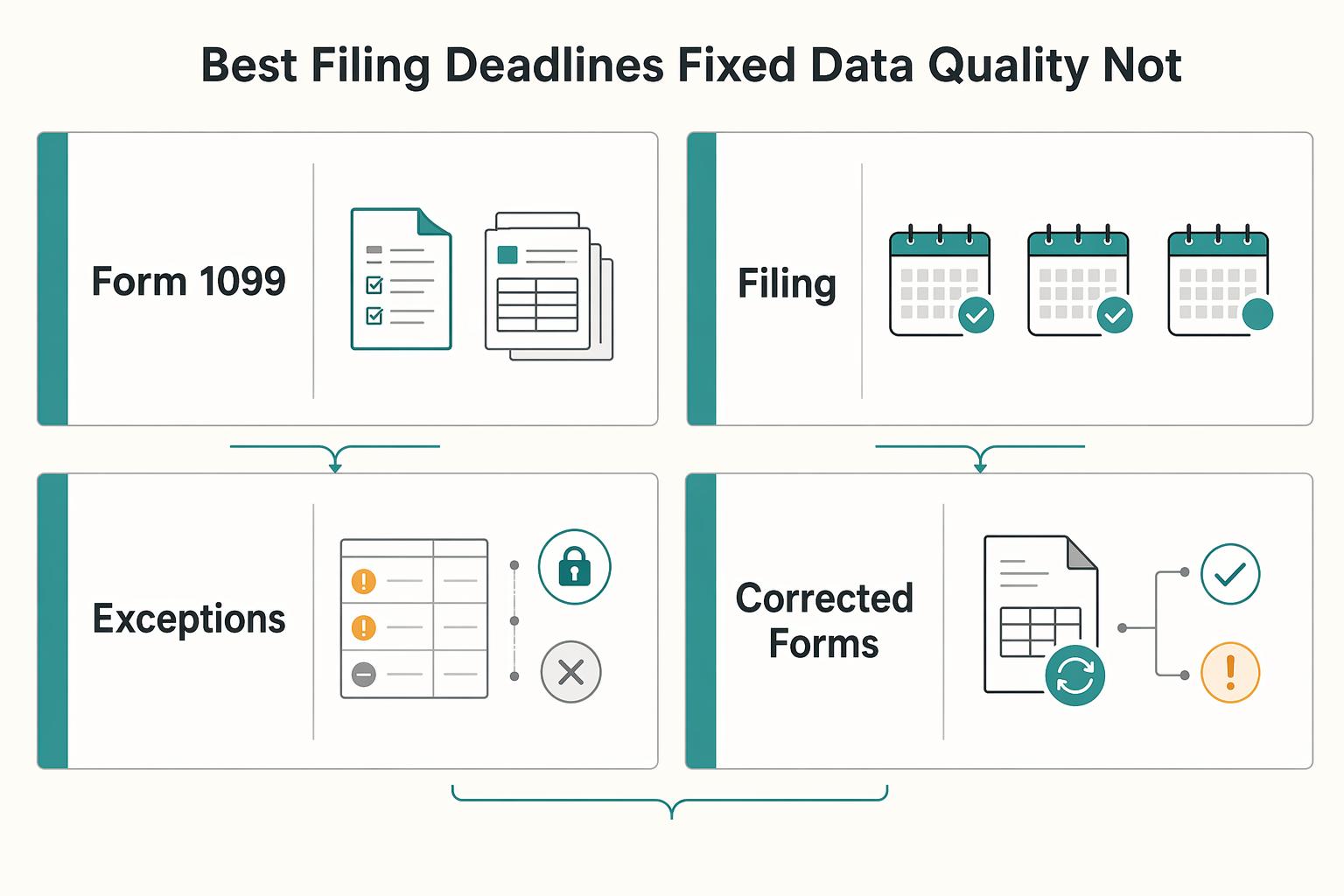
Choosing 1099 Filing Ownership for Platform Contractor Payments
At platform scale, 1099 risk is usually an ownership and evidence problem before it is a threshold problem. If you run payouts across multiple programs, entities, or payment rails, the question is not just whether a payment triggers a form. It is who owns the filing, what records support that decision, and how exceptions get handled when the facts are messy.
Read more →
Choosing a Fintech Platform for Consumer Subscription Billing and Recurring Revenue
Choosing a consumer financial services subscription billing fintech platform is first an operations decision, not a feature-list exercise. Recurring revenue can improve forecasting, but it also creates a continuous billing and engagement cycle your team has to run cleanly.
Read more →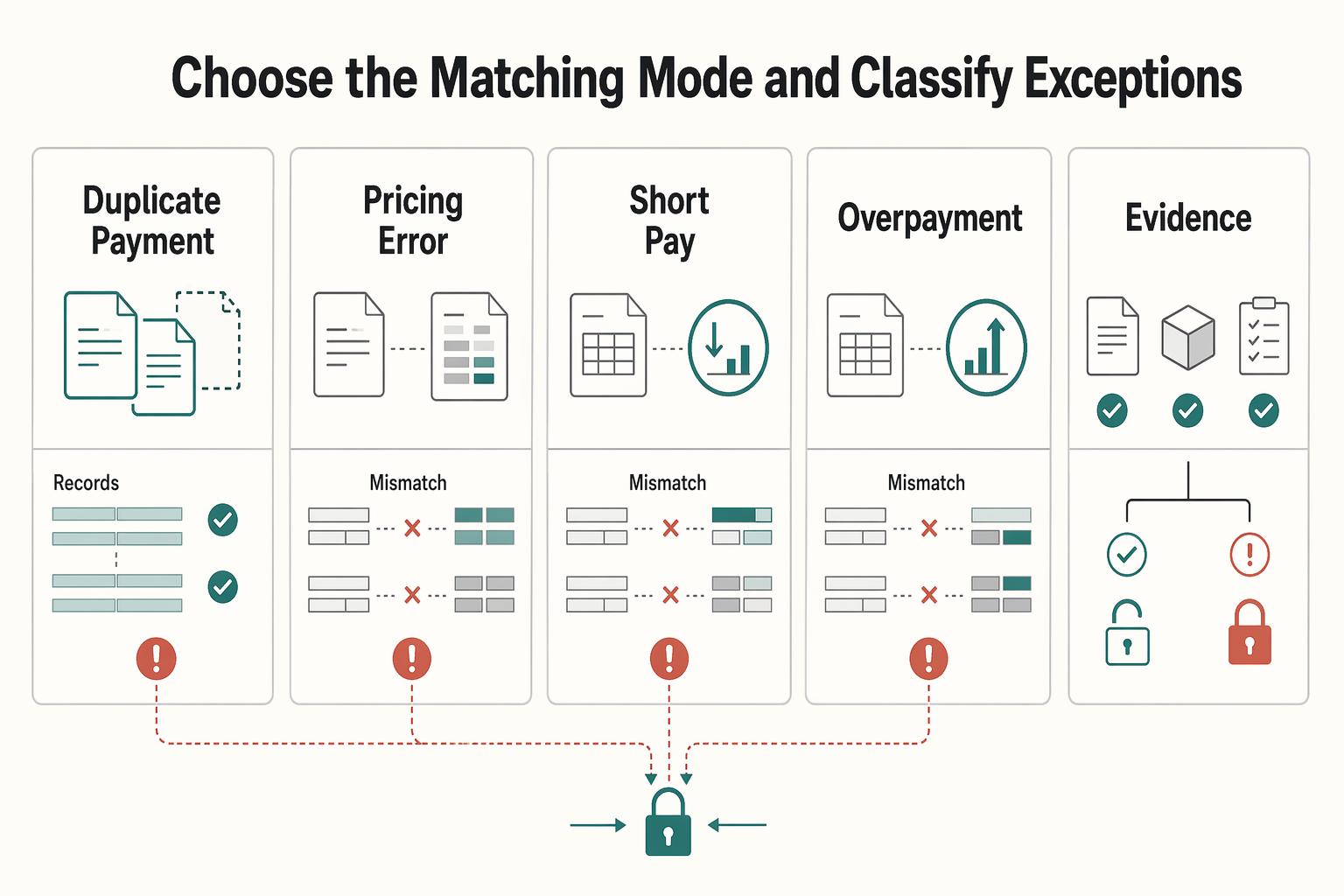
Invoice Settlement for Platforms That Match Payouts and Close Disputes
Invoice settlement is a closure problem, not just a payment event. In practice, an invoice is operationally settled when the related balances in Accounts payable and Accounts receivable are zeroed out. Money can move and the work can still be unfinished if the invoice shows an open balance, a credit memo or fee adjustment, or an unresolved dispute.
Read more →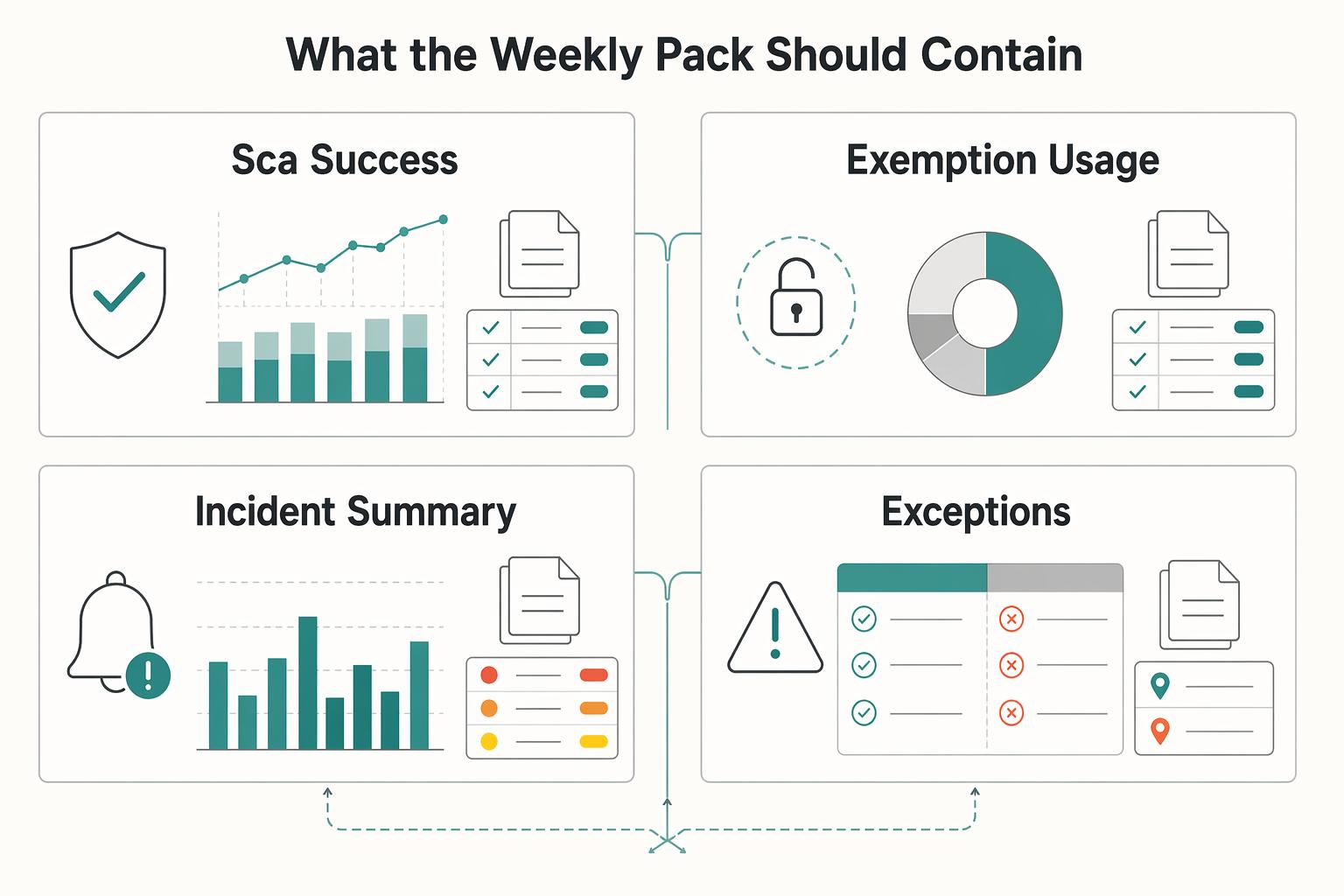
PSD2 Strong Customer Authentication for EU Platforms
Platform operators need a stricter PSD2 SCA operating model now because failures show up first as declined payments, abandoned checkouts, support load, and missed revenue, not just as legal findings. If you cannot show who owns each SCA decision and how it was implemented, you have a payments control gap. Teams tracking that fallout should compare SCA-specific friction against a [payment decline benchmark view](/blog/payment-decline-rate-benchmarks-platform-industry-standards) so they do not treat every approval-rate problem as the same issue.
Read more →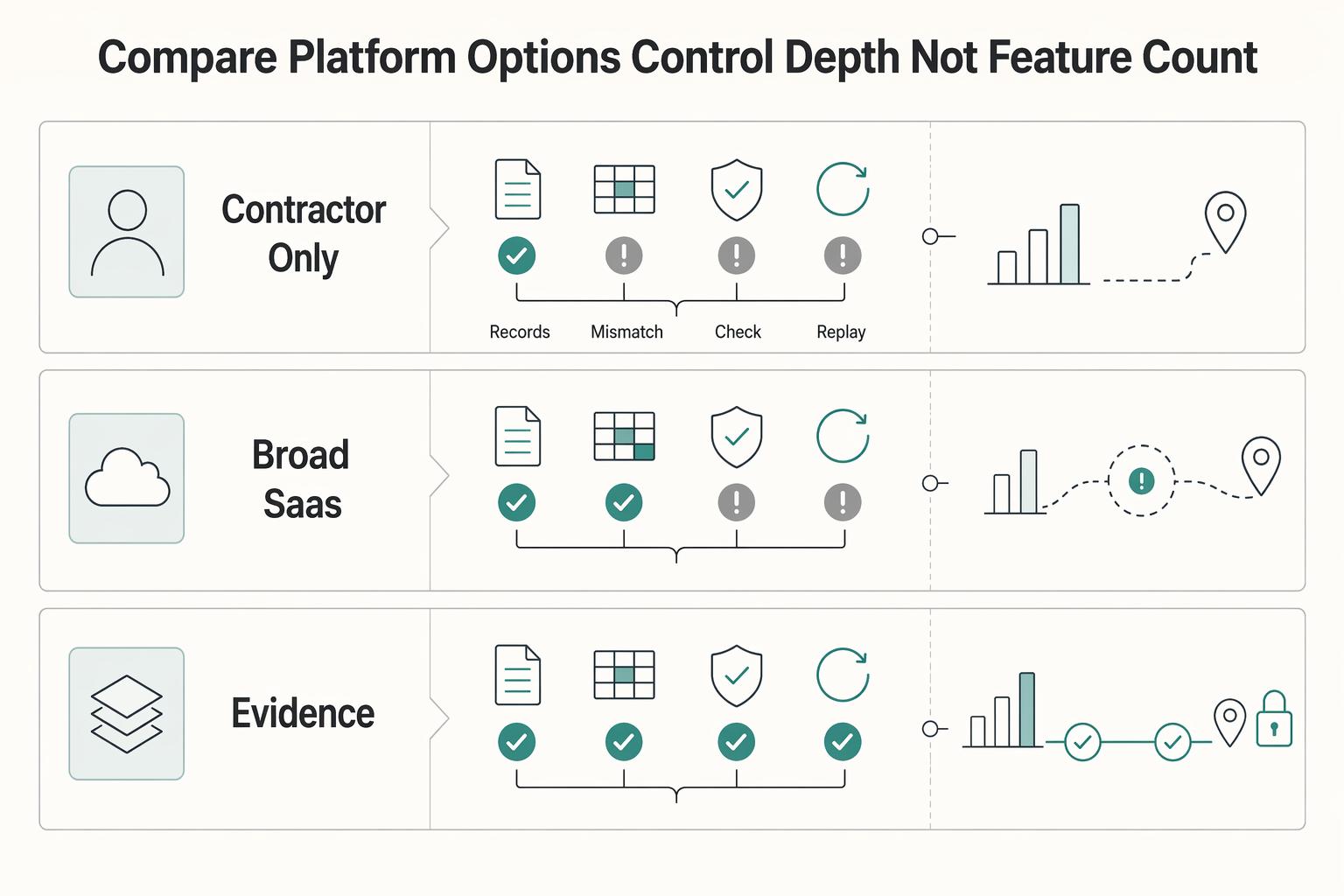
Contractor Spend Management: Total Cost and Payout Controls
For platform operators, contractor spend is not a simple software seat decision. The real cost shows up in money movement, verification gates, failed or delayed payouts, and the finance time required to reconcile what actually happened against what should have happened. That mismatch often starts with the accounting boundary between [accrued expenses and accounts payable for contractor liabilities](/blog/accrued-expenses-vs-accounts-payable-contractor-liabilities-platform).
Read more →
Addressable Spend for Platform Payouts: What Counts?
The useful question is not whether you should automate payouts. It is which spend is actually controllable, repeatable, and risky enough to automate first. For platform operators, that usually means isolating the share of contractor, creator, and marketplace disbursements you can actively influence, then pairing automation with controls that keep retries, status tracking, and payout outcomes reliable.
Read more →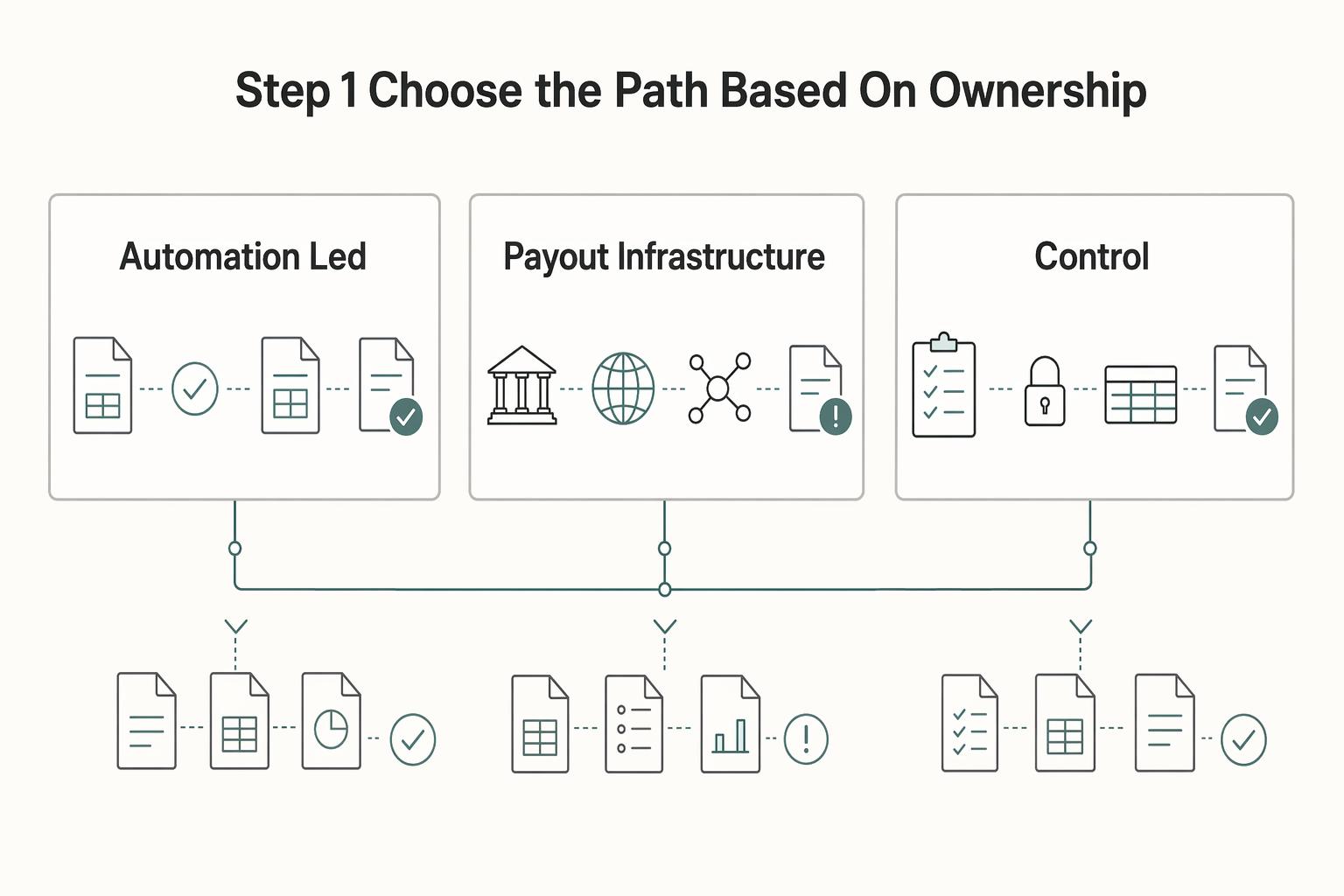
International Accounts Payable for Platforms: How to Manage Multi-Country Payables Without a Global Finance Team
Running **international accounts payable platforms multi-country without global finance team** is first a control decision, not a tool-shopping exercise. The real choice is where approvals live, who owns payout execution, and how you prove each payment during close or review when something goes wrong.
Read more →
Improve Payment Experience Across Your Partner Ecosystem
Payment experience is a growth lever, not just an operations layer. It shapes partner trust, retention, expansion, and margin. This guide is for founders, revenue leaders, product teams, and finance operators who need execution choices tied to measurable results, not generic payout advice.
Read more →
Early Payment Discounts: How to Incentivize Clients to Pay Faster
An early payment discount should be treated as an economic decision, not an automatic concession. You give up invoice value to get cash sooner, so the core test is whether faster cash collection is worth the discount cost.
Read more →
Late Payment Collection Strategies That Protect Client Relationships
Late payments are easiest to recover when you treat them as a control process, not just a collections task. Start with clear `Payment terms`, send calm reminders first, move to a formal `Collection letter` only if reminders fail, and keep `Ledger journals` plus supporting records aligned so finance, ops, and legal work from the same facts.
Read more →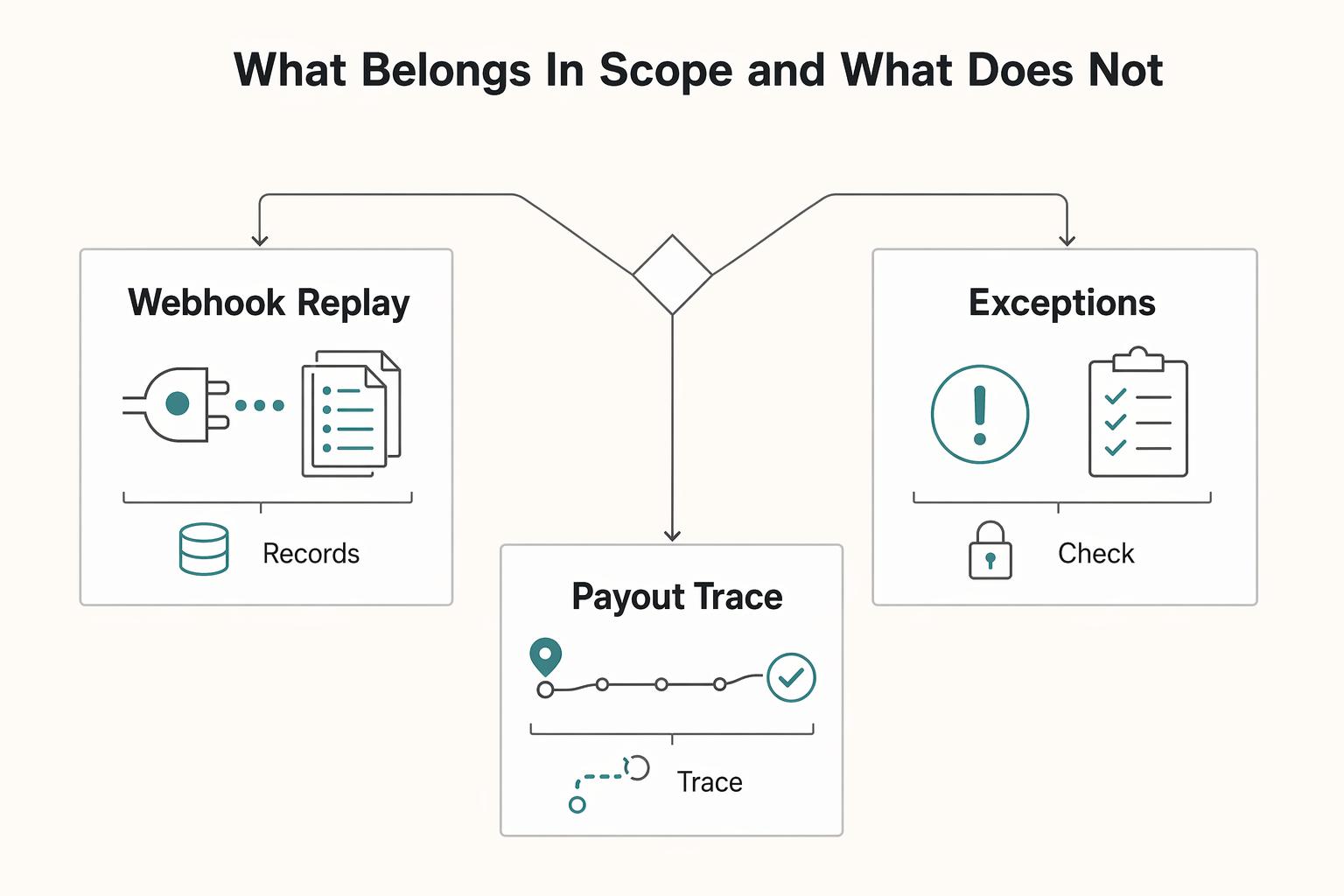
Influencer Payment Automation for Brands and Agencies
Influencer payment automation is the finance operations layer for creator payouts, not creator discovery. In practice, it covers payee onboarding, collecting payout and tax details, approval routing, fund disbursement, payment status visibility, and recordkeeping finance can use to close the books without spreadsheet handoffs. For teams standardizing creator disbursements across channels, [How to Pay Creators Globally on YouTube, Twitch, and Substack](/blog/pay-creators-globally-youtube-twitch-substack-platforms) is a useful companion model.
Read more →