
Operator playbooks for cross-border payments, tax, and compliance execution.
Step-by-step guidance for finance, product, and ops teams to launch faster, reduce payout friction, and keep reconciliation clean across borders.

LATAM Contractor Payout Rails for Brazil, Mexico, Colombia, and Argentina
If you need reliable contractor payouts in Latin America, rail choice is an operations decision first and a pricing decision second. The common mistake is assuming every "fast" payout option behaves the same once FX handling, approval timing, provider dependencies, and month-end reconciliation are in scope.
Read more →
SEPA Payments for Platforms: How to Send Euro Disbursements with the Right Scope, Rail, and Controls
Treat SEPA euro disbursements across European countries as an operating model decision, not a compliance checkbox. The real test is whether your payout flow still works when volume rises, funds are returned, a beneficiary is paused, or finance needs a clean month-end audit trail.
Read more →
Operating a DTC Subscription Box Across Payments, Fulfillment, and Churn
Subscription box launch decisions should start with execution risk, not growth headlines. Growth is real, but so is pressure on retention. Stripe reports recurring payment volume is growing 16% faster than one-time payment volume, while 43% of leaders expect churn to rise and 72% are worried about churn hitting the bottom line.
Read more →
Subscription Benchmark Report for Platform Operators: Churn Trials Payment Declines and LTV
Use benchmark data as a filter, not a launch order. The real decision is not which market shows the highest headline LTV. It is which market can support your trial design, absorb payment friction, and clear compliance checks without turning early churn into noise.
Read more →
Currency Hedging for Platforms: Forwards and FX Options
Currency hedging can break at the platform level when teams choose instruments before they have a usable exposure map. This guide reverses that order. First, map cross-border inflows and outflows by `Currency Pair`. Then reduce what you can through `Natural Hedging`. Only then decide whether the remaining risk belongs in a `Currency Forward`, an `FX Option`, or no hedge at all.
Read more →
Mass Payments for Research Panels: How to Pay Survey Participants and Clinical Trial Subjects at Scale
You may be able to run a research panel and a clinical trial program on one payout operating model if you keep protocol work separate from payout operations. This guide uses a 30-day planning window to help you choose the model, sequence implementation, and prepare a controlled first launch across both program types.
Read more →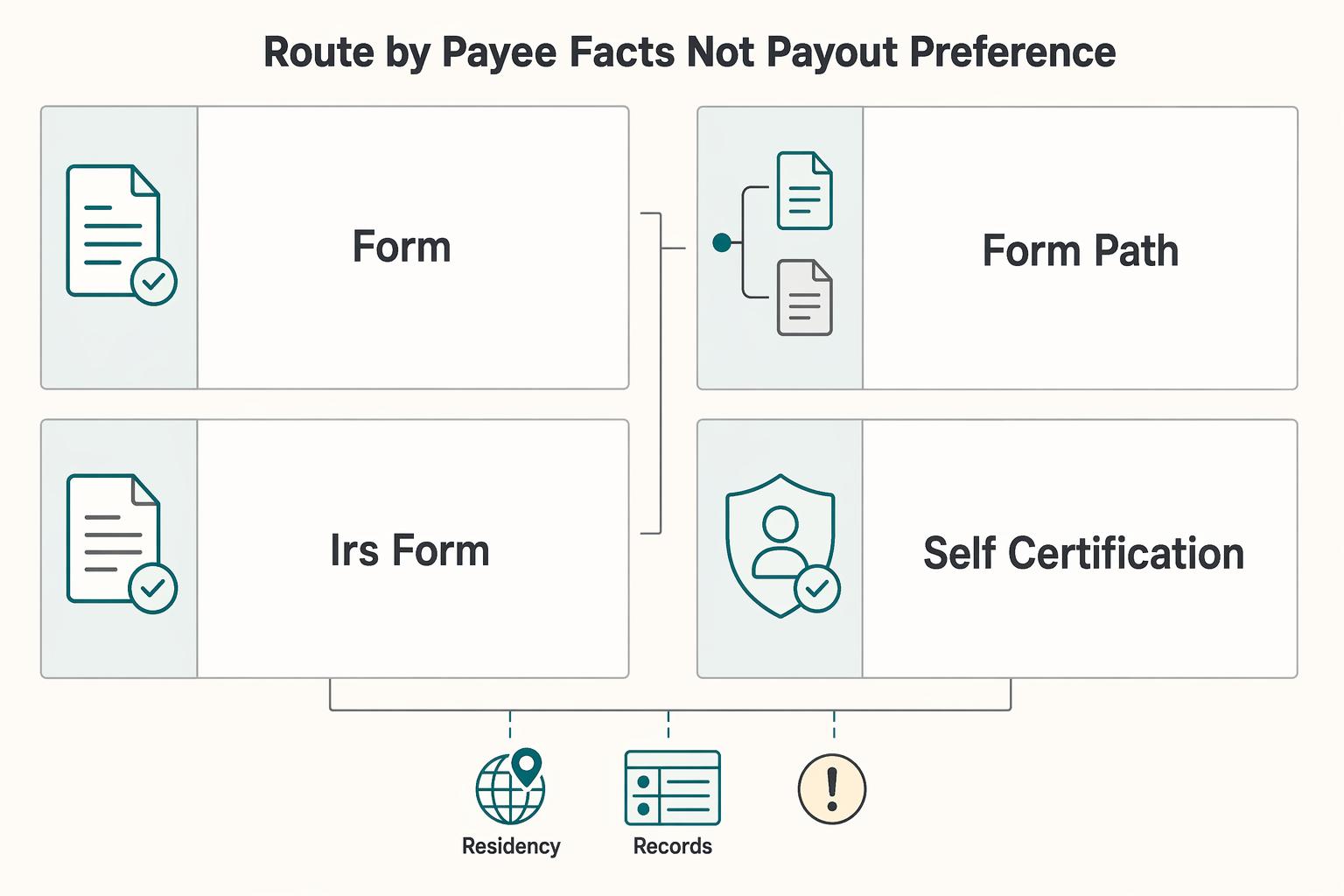
How to Build a Global Tax Withholding Engine: W-8 W-9 and Treaty Rate Automation
A defensible **global tax withholding engine w-8 w-9 treaty rate automation** setup lives or dies on payout-level traceability, not just form collection. Collecting Form W-9 or Form W-8BEN is only the first control. You also need to show why a specific withholding rate, including any treaty rate, was applied.
Read more →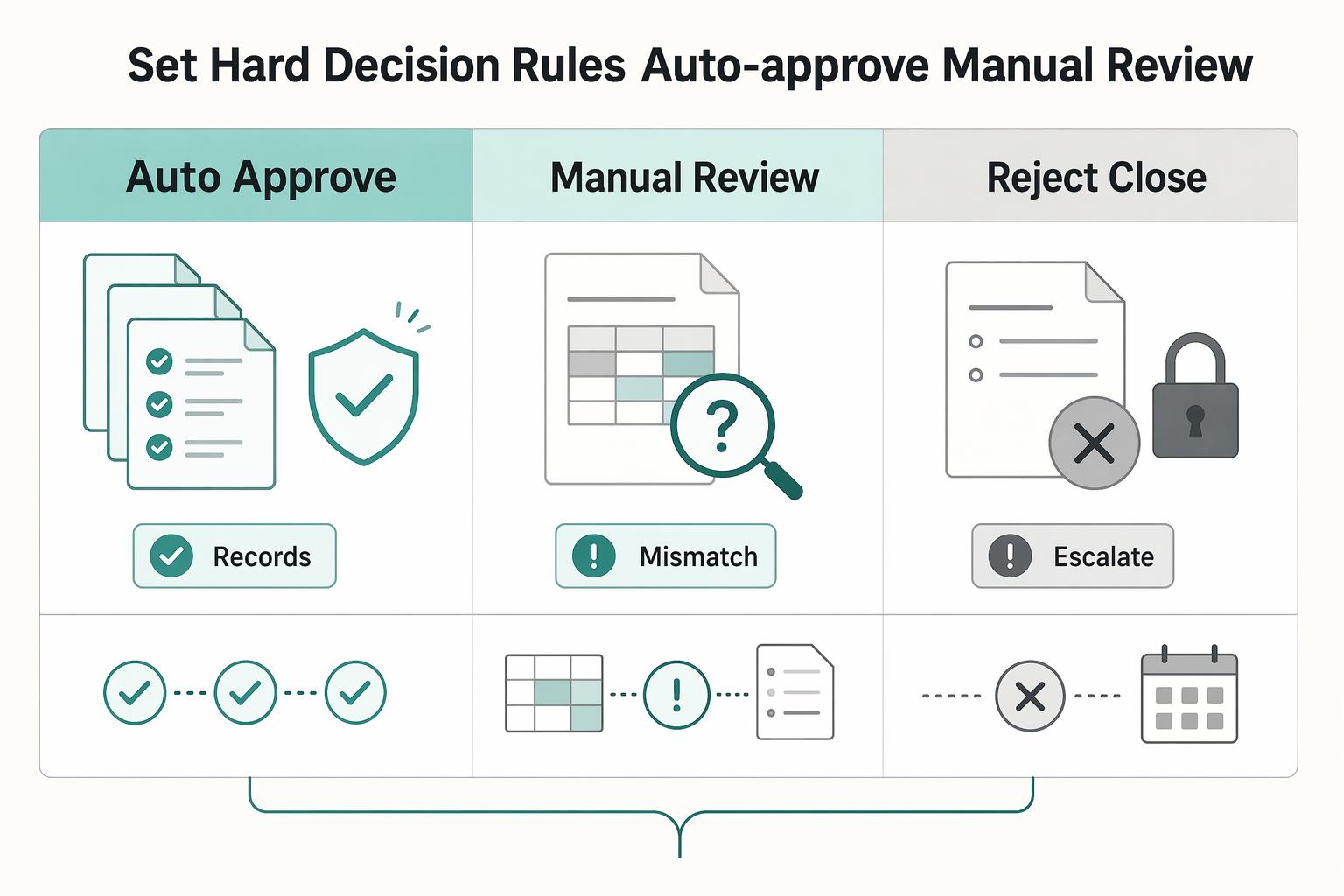
Vendor Onboarding Automation: How to Collect Bank Details Tax Forms and Compliance Docs at Scale
**Vendor onboarding automation for bank details, tax forms, and compliance documents works best when the control points are explicit.** If you cannot define what must be collected, what gets validated, what triggers manual review, and what blocks payout, automation can scale bad decisions faster.
Read more →
How to Expand Your Subscription Platform to APAC: Payment Methods Currency and Regulatory Landscape
Asia-Pacific (APAC) expansion requires country-by-country launches, not one regional motion. This guide helps you decide with payment, currency, and regulatory evidence so you do not mistake a strong regional headline for real launch readiness in your subscription platform.
Read more →
ERP Integration for Payment Platforms: How to Connect NetSuite, SAP, and Microsoft Dynamics 365 to Your Payout System
Connecting NetSuite, SAP, or Microsoft Dynamics 365 to a payout system is more likely to hold up over time if you do three things from day one: prevent duplicate payouts, keep transaction-to-payout records traceable, and avoid brittle point-to-point integration debt.
Read more →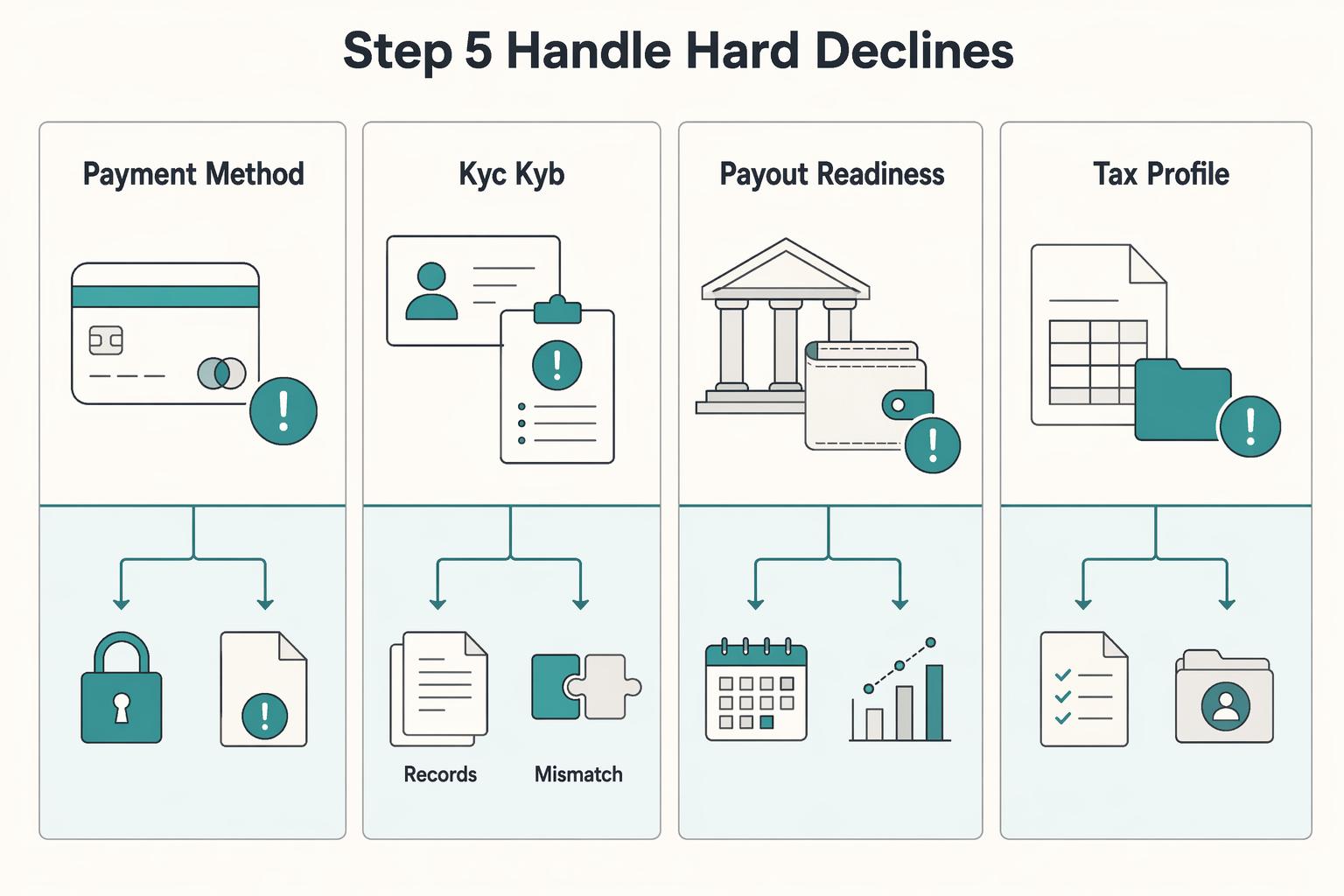
Revenue Recovery Playbook for Platforms: From Failed Payment to Recovered Subscriber in 7 Steps
Failed payment recovery is an involuntary churn problem, not just a card-retry setting. On a marketplace platform, one failed renewal can still turn into a lost subscriber when product, engineering, and operations are not running the same recovery process.
Read more →
Subscription Platform Evaluation Checklist Before You Sign a Contract
Treat the contract stage as a real go or no-go decision, not the point where demo momentum rolls into a signature. A shared subscription platform evaluation checklist gives product, engineering, finance, and operations one basis for judgment, so the call comes from the same facts, not four partial views.
Read more →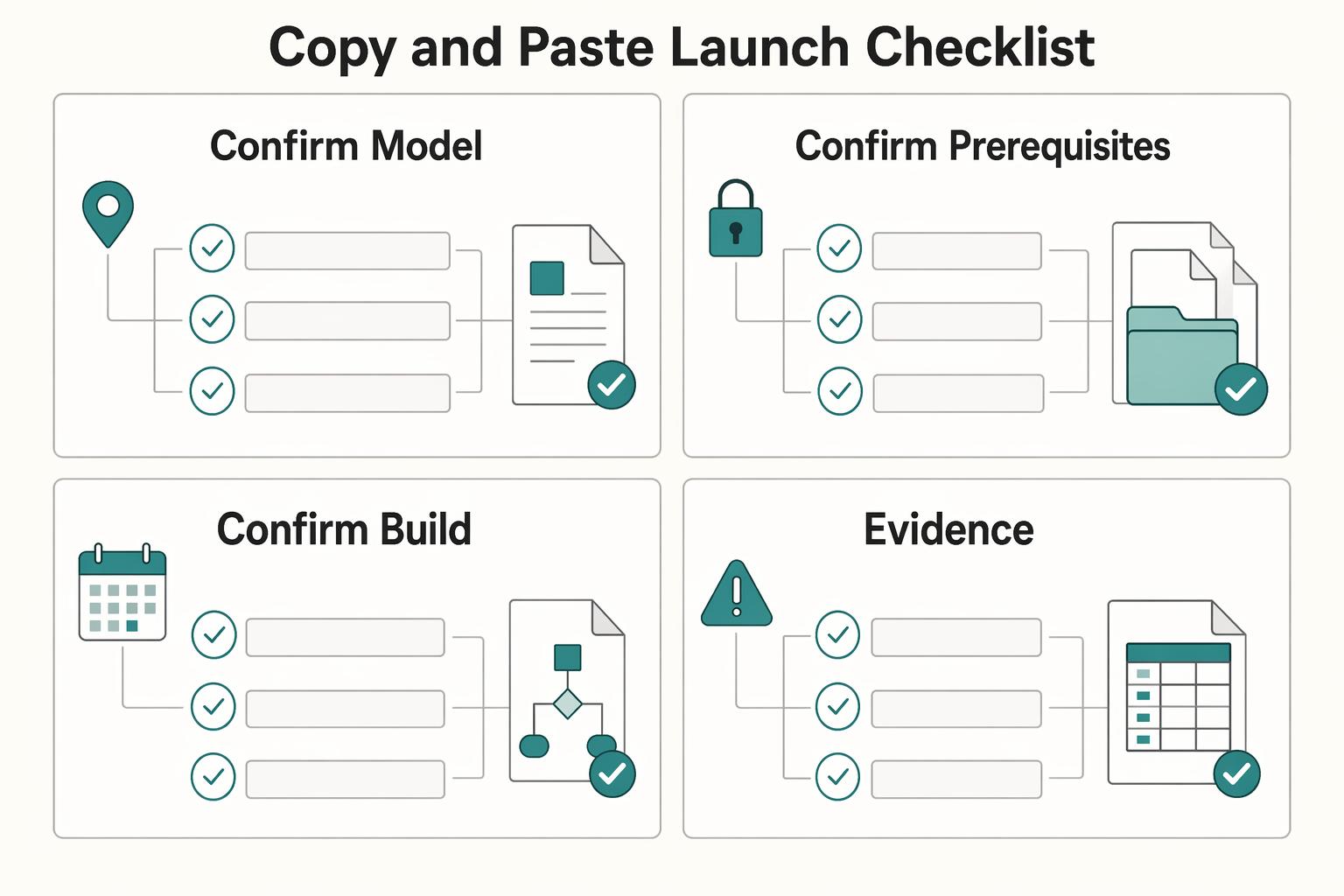
Health and Wellness Platform Billing: How to Manage Memberships Trials and Insurance Integrations
A common rollout mistake is treating `membership billing`, `insurer billing`, and `employer-sponsored benefits` as one workflow. They are not. Membership billing is automatic, recurring billing after someone subscribes. Insurer billing runs through claims, with payment moving through payer channels. Employer-sponsored benefits are different again, because coverage or reimbursements are funded through employer-backed structures such as a group health plan or an individual coverage HRA (ICHRA).
Read more →
ASC 340-40 for Platforms: How to Account for Contract Acquisition Costs and Commissions
If you handle commissions or similar deal costs, start with two GAAP tests: is the cost incremental to obtaining a customer contract, and do you expect to recover it? If either answer is no, expense treatment is usually the right starting point.
Read more →
How to Build a Payment Reconciliation Dashboard for Your Subscription Platform
A usable dashboard is a daily control surface, not a reporting artifact. Finance, ops, and product should be able to see whether yesterday's payment movement is explainable enough to support close readiness and where exceptions are building.
Read more →
Revenue Leakage from Payment Failures: How Much Are Failed Transactions Really Costing Your Platform?
Payment failures can be recoverable and still drain platform margin. Teams can track yesterday's declines and still miss the full cost when failures combine with under-billing, delayed recovery, reconciliation drag, and payout timing. The practical goal is simple: quantify the real cost, then map each failure point to a weekly checkpoint finance, ops, and product can actually run.
Read more →
How to Build a Compliant Cancellation Flow Under EU Consumer Rights Rules
Build only what you need to meet the EU baseline by **19 June 2026**. The main risk is not just under-building. It is shipping a polished cancellation path before your team has agreed which contract variants are actually in scope under the **EU Consumer Rights Directive**, **Directive (EU) 2023/2673**, and **Article 11a**.
Read more →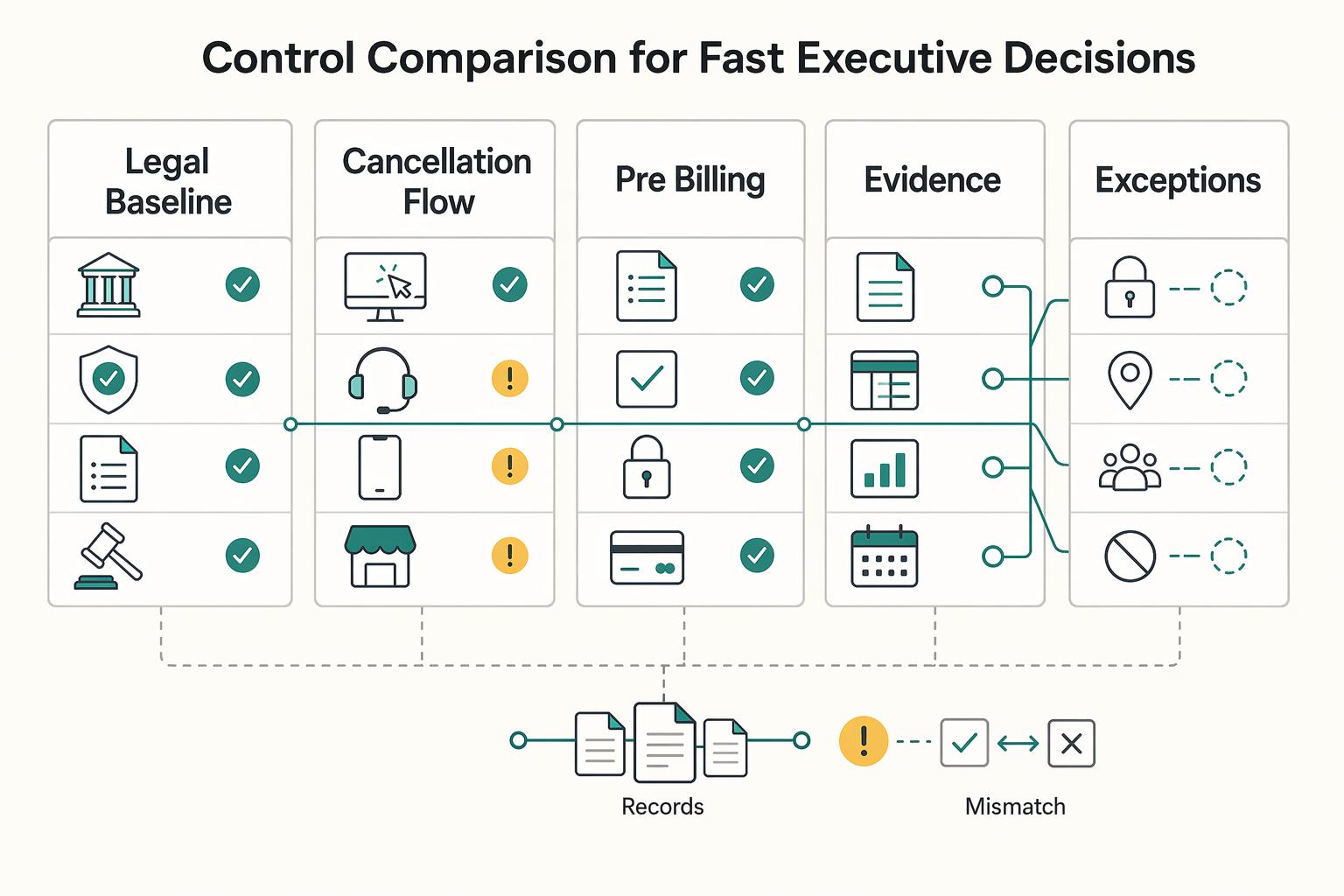
FTC Click-to-Cancel Rule Status: 6 Controls Subscription Platforms Should Prioritize
This article gives you a decision-ready baseline for what to build, test, and document now, based on what is clear in FTC and Federal Register records and what is still unsettled.
Read more →
Gateway Routing for Platforms: How to Use Multiple Payment Gateways to Maximize Approval Rates
Adding a second payment gateway is not the win. The win is routing each payment on purpose, then proving approvals improved without creating new latency, cost, or reconciliation problems.
Read more →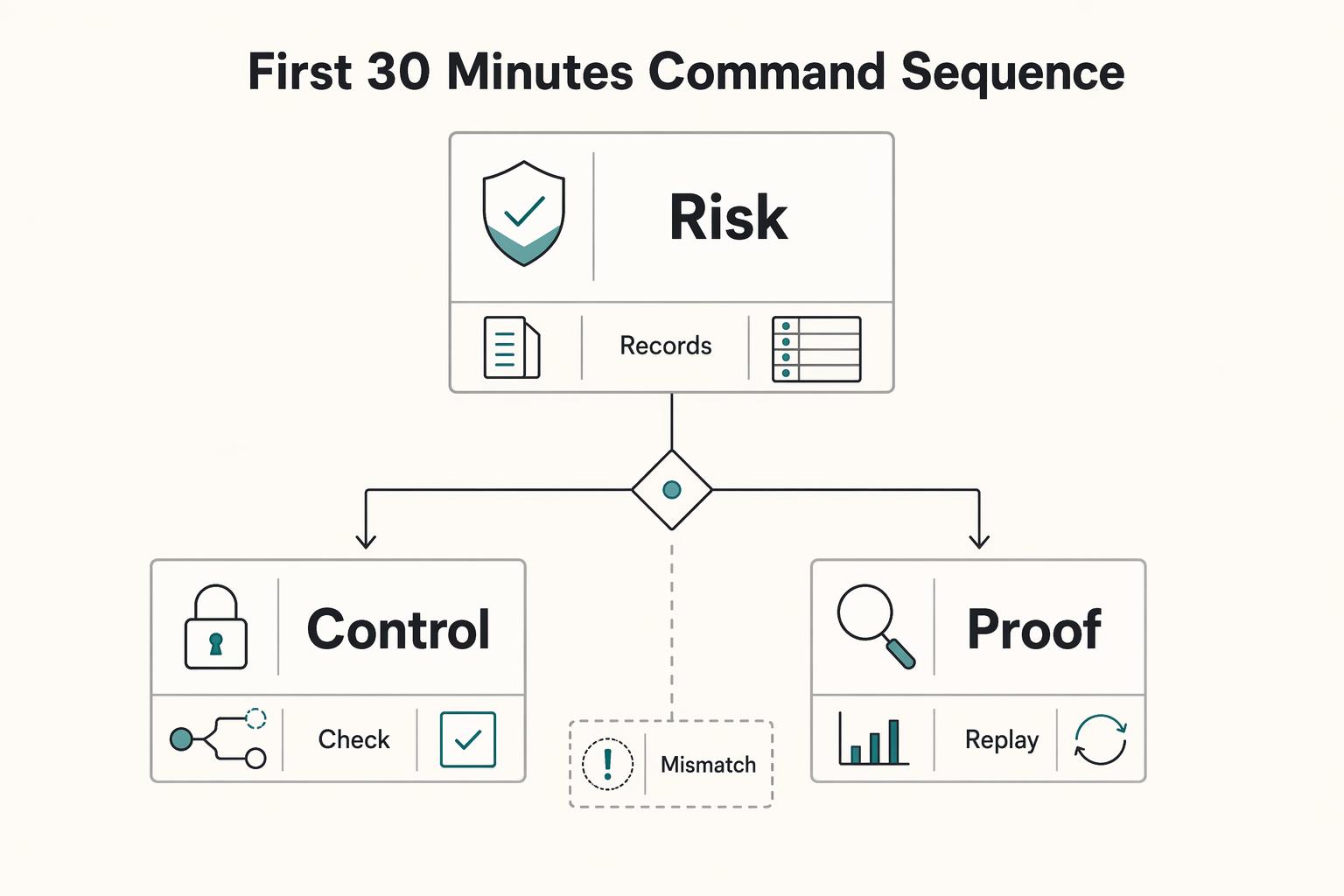
Payment Gateway Outage Playbook for Platform Operators
When your primary payment gateway fails, treat it as a live revenue incident and protect transaction continuity first. Watch authorization rate, decline rate, and payment latency right away, because partial failures often show up there before they look like a clean outage. If those metrics move sharply and checkout complaints rise, start incident response and assume it is real until the evidence says otherwise.
Read more →