
Quick Answer
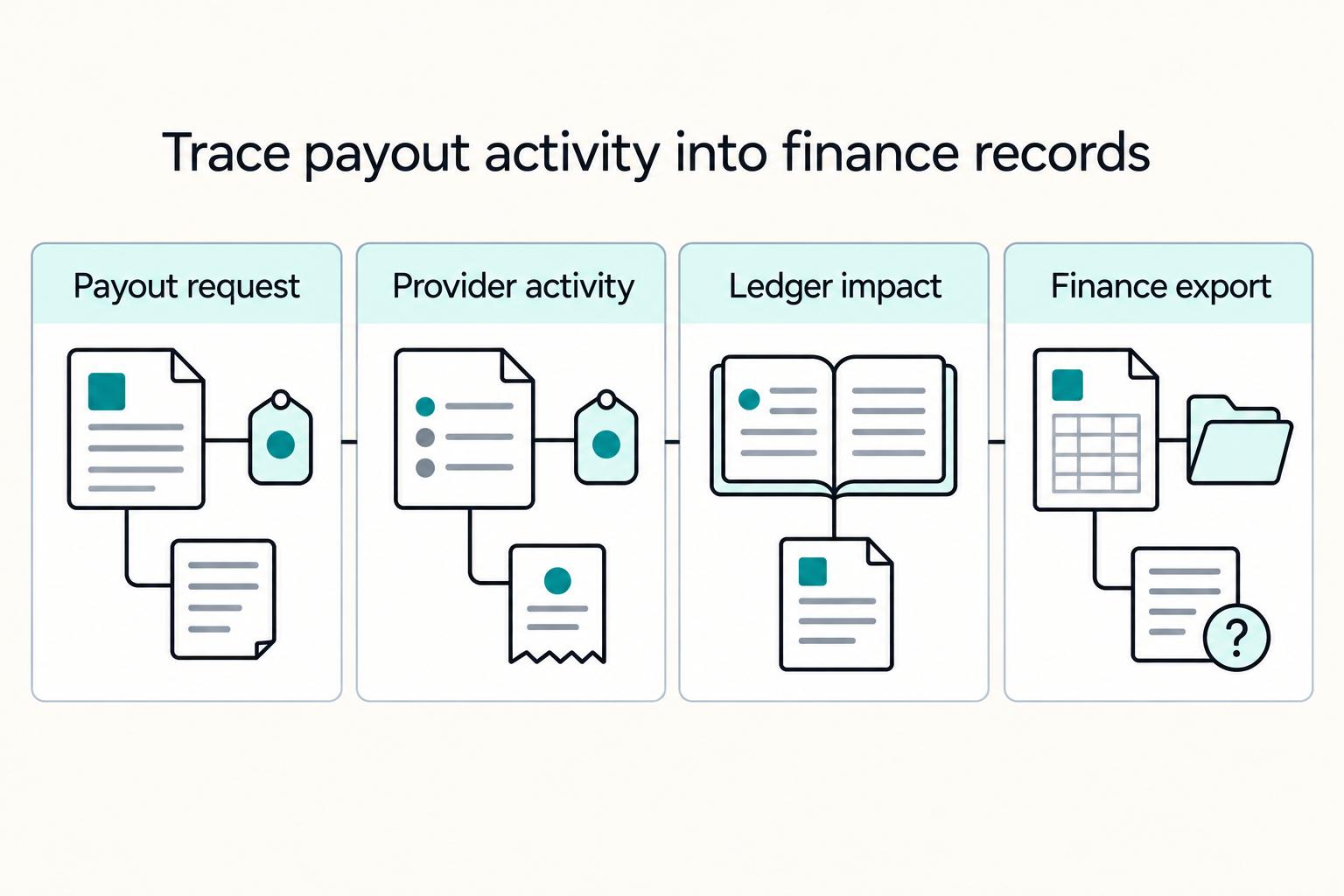
Start by mapping payout scope and ownership, then select vendors only after they show operational proof across API behavior, compliance gates, and reconciliation outputs. For white-label payout solution key features customization requirements, prioritize provider routing, payout batch handling, idempotent retries, webhook event fidelity, and contract-backed SLA terms over branding controls. If a provider cannot show traceable records from payout request to provider reference and finance export, treat it as not launch-ready.
What a White-Label Payout Solution Needs in Production#
If you are choosing a white-label payment product for payouts, optimize for reliability and control, not branded polish. It is licensed, API-based payment infrastructure that you can brand as your own instead of building the rails from scratch. For payouts, the goal is not a polished demo with your logo and colors. It is a product that still works when finance needs traceability, ops needs clean exception handling, and engineering needs predictable integration points.
Step 1. Set the target as production reliability, not branded surface area. That distinction is easy to miss because many providers lead with branding language first: your brand, your customer experience. Useful, but incomplete for payouts. If a vendor can only show hosted screens customized with your logo, colors, and branding elements, treat that as a surface-layer offer until they prove the payout side.
Step 2. Get product, finance or ops, and engineering onto one plan before vendor selection. These teams usually optimize for different outcomes. Product wants a fast launch and a customer-facing experience that looks native. Engineering cares about the API boundary and what still has to be built in-house. Finance and ops need evidence that reconciliation, controls, and ownership of exceptions will hold up after launch.
Use a simple checkpoint here. Ask every vendor to show which parts are actually exposed through the API and which parts remain manual, managed, or hidden behind support tickets. Also ask whether compliance and reconciliation capabilities are included, optional, or outside scope. Some white-label payment products include compliance modules such as KYC and AML monitoring, and some include reconciliation capabilities. Do not assume those are complete or sufficient for your program just because they appear on a feature page.
Step 3. Choose speed versus depth consciously, not by marketing shorthand. The core tradeoff is straightforward. You may launch faster with a white-label gateway depending on vendor and scope, but that does not automatically give you deeper control over provider routing, compliance decisions, or reconciliation detail. Those sit at different layers of the stack, with different ownership and risk.
Marketing claims often compress that reality. Unit says teams previously invested 6-12 months of engineering time to launch embedded financial products, and promotes a much faster white-label launch path for its own product. Read claims like that as a prompt to inspect boundaries, not as proof that your payout design is finished.
If your business depends on what happens after the branded screen, ask for the evidence pack early: API docs, sample reconciliation outputs, and a clear statement of which controls are configurable versus fixed. If that material is thin, you are likely buying appearance first and operations later.
That is the thread for the rest of this guide: define the payout job first, then verify the controls that make it workable in production.
Related: How to Structure a 'White Label' Partnership with another Agency.
Define your payout scope before you choose a vendor#
Step 1. Name the job to be done#
Start by defining the payout job, not the branded surface. If your pain is disbursement volume, evaluate payout execution depth before checkout appearance.
Ask vendors to walk the payout workflow first: what is productized, what is manual, and what is visible in the API versus handled through support. Your checkpoint is simple: after the call, you can explain how payouts are created, grouped, and tracked without guessing. If you cannot, you are still evaluating surface area instead of operations. That matters when many finance teams are still working through manual payment processes, and reported tracker data says 73% of B2B companies have not automated supplier payments.
Step 2. Choose the operating model before you compare vendors#
Pick your operating lane first: PayFac model, Merchant of Record (MoR), or modular assembly. Then compare vendors inside that lane, because similar demos can still hide very different scope and control boundaries.
Use launch scoping discipline in writing: partner fit, brand-goal alignment, scope definition, and end-customer outcomes. Ask each vendor to state what is included, what requires manual handling, and what is out of scope. If the answer stays vague, stop the evaluation.
Step 3. Map how money enters and leaves#
Before shortlisting, map your full funds flow from intake to final payout. Document entry points, holding steps, exit rails, status visibility, and exception ownership when money is delayed or misapplied.
Treat broad promises like "we handle payouts" as insufficient until the vendor can walk that movement path end to end. If they cannot, they are not ready for your payout use case.
Gather prerequisites and evidence before vendor calls#
Bring three artifacts to the first call: a one-page requirements pack, a tax responsibility note, and a reliability checklist. This keeps the conversation out of brochure mode and makes ownership gaps visible early.
| Artifact | Include | Checkpoint |
|---|---|---|
| One-page requirements pack | Target countries or corridors; payment rails; payout frequency by program; expected exception volume; internal owner for ops, tax, compliance, and incident response | Vendor can label each line as product-supported, manual, partner-handled, or out of scope |
| Tax responsibility note | W-8, W-9, 1099, FEIE, and FBAR | Assign platform owner, vendor support, and outside advisor |
| Reliability checklist | Expected SLA, escalation path, and incident-response ownership | Named urgent route plus written ownership for user communication, operational recovery, and status updates |
Step 1. Build the one-page requirements pack. Keep it short enough to review live. Include:
- target countries or corridors
- payment rails you expect to use
- payout frequency by program
- expected exception volume, even if it is an assumption
- your internal owner for ops, tax, compliance, and incident response
Your checkpoint: the vendor can label each line as product-supported, manual, partner-handled, or out of scope.
Step 2. Name compliance checkpoints by market and program. Put KYC, KYB, AML, and VAT validation on the sheet as explicit checkpoints, then require answers by market or program instead of a generic "yes." Ask for boundaries in writing: what the vendor collects, what your team reviews, and what sits outside scope.
Step 3. Prepare the tax responsibility note. Do not let tax ownership stay implicit across sales, product, and finance. Put W-8, W-9, 1099, FEIE, and FBAR into a simple table with platform owner, vendor support, and outside advisor.
For FEIE, keep the criteria explicit: the exclusion applies only to a qualifying individual with foreign earned income, and the physical presence test uses 330 full days during a 12-month period. Those days do not have to be consecutive, the test applies to U.S. citizens and U.S. residents, and excluded income is still reported on a U.S. tax return. For planning, note the stated maximum exclusion of $130,000 (2025) and $132,900 (2026). If a vendor says they "handle FEIE," ask what data they capture and whether they support tax-home context. An IRS practice unit is not binding law.
Step 4. Set non-negotiable reliability asks. Define expected SLA, escalation path, and incident-response ownership before procurement momentum takes over. Your checkpoint is a named urgent route plus written ownership for user communication, operational recovery, and status updates.
We covered this in detail in How Intermediary and Correspondent Banks Change Payout Outcomes.
Decide customization depth using a scored matrix#
Treat customization depth as a control decision, not a branding decision. If you need policy gates, reconciliation exports, and programmable payout rules, reject providers that only offer UI skinning.
Step 1. Build a three-layer matrix and mark fixed vs configurable#
Use one matrix across all vendors so answers are comparable.
| Layer | Usually fixed | Usually configurable | What to confirm in writing |
|---|---|---|---|
| Branding layer | Provider-owned page structure and some hosted behaviors | Logo, colors, domain, labels, selected UI text | Which screens are hosted, what text is locked, and where regulatory text cannot be edited |
| Workflow layer | Default review and exception paths | Approval steps, payout eligibility rules, holds/releases, reconciliation exports, notifications | Where your team can apply policy gates and operational controls |
| Infrastructure layer | Core provider stack and deployment boundaries | Routing logic, integration method, modular components, partner/pre-integrated components | What is native, partner-handled, pre-integrated, or unavailable |
Use enterprise-style evaluation discipline here: payments are operationally complex, and modular infrastructure matters when you need selective control rather than a fixed stack. If a vendor cites pre-integrations, confirm whether those are actually configurable by your team.
Step 2. Score operational and developer depth, not just UI flexibility#
Use a consistent scale, for example 0-3: absent, manual, configurable, programmable-with-evidence. Score each vendor on:
| Criterion | Scale | Evidence |
|---|---|---|
| Provider routing | 0-3: absent, manual, configurable, programmable-with-evidence | Docs, sandbox proof, sample payloads, and written behavior before a high score |
| Payout state controls | 0-3: absent, manual, configurable, programmable-with-evidence | Docs, sandbox proof, sample payloads, and written behavior before a high score |
| Payout batch behavior under retries | 0-3: absent, manual, configurable, programmable-with-evidence | Docs, sandbox proof, sample payloads, and explicit retry/duplicate/replay behavior |
| API completeness | 0-3: absent, manual, configurable, programmable-with-evidence | Docs, sandbox proof, and sample payloads |
| Webhook event fidelity | 0-3: absent, manual, configurable, programmable-with-evidence | Docs, sandbox proof, and sample payloads |
| Idempotency support | 0-3: absent, manual, configurable, programmable-with-evidence | Docs, sandbox proof, and written retry/duplicate handling |
| Versioning policy | 0-3: absent, manual, configurable, programmable-with-evidence | Docs and explicit written behavior |
Keep the scoring evidence-based. Ask for docs, sandbox proof, sample payloads, and explicit written behavior for retry, duplicate, and replay handling before you assign a high score.
Step 3. Map matrix results to contract and SLA terms before sign-off#
Before security or legal sign-off, map each must-have row to contract language and support terms.
| Matrix result | Procurement status |
|---|---|
| Must-have control is explicitly committed | Contract-backed |
| Control exists only in internal process docs | Policy-backed |
| Control is mentioned in demos or sales language only | Vendor promise only |
If a vendor references enterprise resilience or figures like 99.999% uptime, treat that as a starting point until it is reflected in binding terms. Downgrade any provider that scores well in demos but will not commit required controls and service commitments in writing.
If you need deeper contract structure guidance, read How to Structure a 'White Label' Service Agreement.
Design compliance and tax gates before payout logic#
Set compliance and tax eligibility before payout release, and make every block reason visible to ops and finance. If payout logic runs ahead of eligibility checks, exceptions move into manual cleanup later.
Step 1. Place policy gates in the payout path, not beside it#
Build gating into the payout flow itself, then verify the system can block creation or release based on status. If your program uses checks such as KYC, KYB, or AML, confirm exactly where those statuses are evaluated and where a payout is stopped.
Ask for live evidence in product outputs, not slides: the field, rule, or API or webhook response that blocks the payout, plus the reason code in exports. That aligns with a practical evaluation standard: include security and compliance plus finance reconciliation capability, not just user-facing payment flow quality.
Step 2. Define failure paths and name the owner for each one#
Use explicit gated outcomes and ownership so exceptions do not disappear between teams.
| State | What it means | Default owner | What to verify |
|---|---|---|---|
| Held | Payout is paused pending checks or documents | Operations with compliance input | Reason codes are visible, and release requires the right approval |
| Rejected | Payout cannot proceed under current policy | Compliance or risk owner | Clear remediation path, if any, and resubmission handling |
| Manual review | Human decision required before release | Compliance, with ops escalation path | Queue visibility, decision trail, and handoff clarity |
This is an operational control issue, not a wording issue. Manual processes are a known drag, and one cited 2024 benchmark reports nearly 79% of companies experienced payment fraud while nearly 51% still handle up to half of payment operations manually.
Step 3. Wire tax documents and jurisdiction caveats into eligibility#
If your program depends on tax-document status, include that status in payout eligibility and expose it in the same operational view used for payout decisions. Where providers offer downstream tax-document workflows, verify the exact status fields, remediation messages, and export data finance will use.
For user-facing tax copy, keep jurisdiction language explicit. Even when a provider supports multiple tax jurisdictions, coverage can vary by market or program, so use plain caveats like "coverage varies by market/program" where applicable.
This pairs well with our guide on Account Takeover in Payout Platforms and How to Stop Payee Hijacks.
Build payout orchestration and failure handling that survives real volume#
After compliance and tax checks clear, execution should be predictable, auditable, and easy to operate. Use one internal payout lifecycle, and treat vendor claims as unproven until you verify behavior in live API, webhook, and ops views.
Step 1. Define one payout lifecycle and capture the first external reference#
Set a canonical state model your product, ops, and finance teams all use, even if provider labels differ underneath. The key handoff point is when a payout leaves your system for an external provider or rail.
At that handoff, store the provider reference, submission time, rail, and your internal payout ID together. Validate that the same join keys appear in API responses, admin records, and exports so reconciliation does not fall back to manual lookup.
Step 2. Make retries safe across API and webhook boundaries#
"Full API + Webhooks" confirms integration surfaces, not retry safety. Define retry behavior explicitly for payout creation and webhook processing, then confirm in live tests that retries do not create duplicate outcomes.
Run timeout and replay scenarios before launch, and require clear evidence of how duplicates are prevented or handled. If the platform offers named, individually rotatable API keys, separate keys by function, for example payout actions versus webhook tooling, to keep audit trails cleaner and key rotation lower risk.
Step 3. Define batch rules before you enable payout batches#
For payout batches, decide up front whether a batch is just a submission container or a tracked object with its own status and retry rules. Across multiple payment rails, document how partial success is handled, what fails at item level versus batch level, and what gets retried automatically versus sent to ops.
Ask the vendor to show mixed outcomes in one batch and how those outcomes appear across API, admin, and exports. If behavior changes by rail, capture that in requirements before launch.
Step 4. Write failure playbooks with operator action and user language#
Write playbooks before go-live so ops and support respond consistently.
| Failure class | Operator action | User-facing status language |
|---|---|---|
| Beneficiary mismatch | Pause release, verify beneficiary details, request corrected payee data | "Payout on hold while recipient details are confirmed." |
| Rail downtime | Pause affected submissions, requeue after recovery checks | "Payout delayed due to provider processing issues." |
| Stale routing data | Trigger payee update flow, block retry until details are updated | "Payout could not be completed. Please update payout details." |
Keep ownership and permissions explicit. If your platform supports sub-merchant access with granular controls across 14 permission modules, use that to separate who can retry payouts, edit beneficiary data, and approve overrides.
Implement integration contracts and reconciliation controls#
Launch only when one payout is traceable end to end across request, provider activity, ledger impact, and finance exports. White-label branding is separate: it can cover interface design, domains, and role-based customization access, but it does not replace payout control or reconciliation requirements.
Verifone's white-label feature is contract-based, includes requested domain configuration, and limits interface customization to users with the Provider White-Label Manager role. Treat that as branding scope, not proof of operational readiness.
Step 1. Map the ledger first#
Treat the ledger as the source of financial truth, then map each payout state to its expected posting or non-posting outcome. Define what should happen for requested, held, submitted, completed, failed, and reversed payouts, and document any latency between ledger state and wallet or available-balance views.
Use a simple operator check: trace one payout through every state and confirm IDs, amount, currency, and timestamps still align after retries or failures.
Step 2. Specify the integration contract in writing#
Write one contract your engineering, ops, and vendor teams all follow. Include request schema, required fields, ownership by field, idempotency-key behavior, response handling, accepted webhook events, signature checks, replay windows, and out-of-order event handling.
Even if a vendor offers a white-label integration hub or says you can reuse existing connectors via API or webhooks, require field-level clarity and test evidence before sign-off.
Step 3. Build daily reconciliation outputs finance can use#
Give finance stable join keys and an exception workflow, not just dashboards.
| Output | Must include | Purpose |
|---|---|---|
| Daily payout detail export | Internal payout ID, provider reference, payout status, amount, currency, timestamps | Tie out product activity to provider activity |
| ERP-ready export | Ledger entry IDs, posting date, account mapping fields, internal payout ID | Support ERP posting or import without manual rekeying |
| Exception queue | Payout status, failure or hold reason, latest provider reference, owner | Clear operational items before close |
Decision rule: if the vendor cannot provide traceable join keys across API responses, provider reports, and ledger entries, do not launch.
Related reading: How Photo and Stock Image Platforms Pay Photographers with Royalty and Licensing Payout Models.
Avoid the rollout mistakes competitors gloss over#
After contracts and reconciliation are in place, rollout risk usually comes from treating marketing claims as launch proof. Use operational evidence as the gate, not branding.
| Rollout check | What to validate |
|---|---|
| Re-score vendors on operating proof, not branding | Check contract SLA, real provider routing behavior, and reconciliation evidence; require a trace from request to provider reference to reporting and ledger outcome |
| Validate each new rail against existing controls | Confirm onboarding, review, and exception flows still work for that rail; examples named are the RTP® network and Mastercard Send |
| Treat provider status events as a control point | Test end-to-end status handling so finance and ops can detect payout-state drift across systems; if one surface shows complete but your records do not, treat it as a rollout blocker |
| Test tax-document edge cases before funds move | If payout eligibility depends on W-8 or W-9 states, validate incomplete, pending, and approved scenarios against payout creation and release rules |
-
Re-score vendors on operating proof, not branding. A polished admin theme or custom domain does not tell you how payouts behave under failure. Re-run your scorecard on contract SLA, real provider routing behavior, and reconciliation evidence. If a vendor promises "days to seconds" speed or says you can "access every major payout provider through one integration," require a trace from request to provider reference to reporting and ledger outcome before you treat that as launch-ready.
-
Validate each new rail against your existing controls before broad release. Adding options like the RTP® network or Mastercard Send can change operational behavior even when the UI looks the same. Confirm your onboarding, review, and exception flows still work for that rail in practice.
-
Treat provider status events as a control point, not a convenience. Test end-to-end status handling so finance and ops can detect when payout state drifts across systems. If one surface shows complete but your records do not, treat it as a rollout blocker.
-
Test tax-document edge cases before funds move when your policy depends on them. If your payout eligibility checks include W-8 or W-9 states, validate incomplete, pending, and approved scenarios against payout creation and release rules. This cuts down on manual overrides that later turn into finance cleanup.
Final decision checklist for launch#
Use five launch gates before you scale. If any gate fails, pause and fix it first.
- Lock ownership before you lock the timeline.
Choose the model you are launching and document ownership for day-to-day execution, support, and escalation. White-label adoption is often about reducing technical complexity and launching faster, but speed only helps when decision ownership is explicit.
- Judge readiness on execution evidence, not feature lists.
Run real launch-path tests and verify your team can explain what happened in both normal and broken flows. Launch outcomes depend on operational execution and team readiness, not software features alone.
- Require transparent status visibility from day one.
Make sure users and operators can see timely updates and next steps in one branded, centralized experience. Real-time visibility is an expectation, and it directly affects trust.
- Pilot with a controlled cohort before full rollout.
Some providers position complete white-label deployment in weeks; treat that as a reason to pilot sooner, not to skip proof. Validate the full flow with real operator handling before broad release.
- Scale only after the pilot proves trustable operations.
Expand when the pilot shows consistent outcomes, clear ownership, and documented recovery paths. If unclear statuses or manual work appear in the pilot, fix those before widening launch.
For a step-by-step walkthrough, see How to Price a White-Label Service for another Agency.
Want a quick next step on "white-label payout solution key features customization requirements"? Try the free invoice generator.
Frequently Asked Questions
What are the non-negotiable features in a white-label payout solution for marketplaces and creator platforms?
Start with the capabilities that affect money movement, not the skin: compliance modules such as KYC, AML, monitoring, plus settlement and reconciliation systems. You also want open API interoperability and clear operational evidence of how transactions flow into reconciliation outputs.
How much customization is usually realistic beyond branding in a white-label payment gateway?
White-label gateways are often positioned as payment technology plus customizable branding. Validate whether customization goes beyond logos, colors, and custom domains into workflow behavior, compliance settings, routing, and reporting. If branding is the only adjustable layer, treat it as limited customization.
Which requirements should we validate before signing a vendor agreement?
Validate three things before price becomes the main conversation: API interoperability, compliance configurability, and reconciliation evidence. A red flag is a contract discussion that stays at brand-experience level and never gets into how funds are settled and reconciled in practice.
What is the biggest vendor-selection mistake teams make with payout products?
They buy the demo instead of the operating evidence. A gateway can look polished while leaving operational depth unclear. If the vendor cannot show how payouts are handled when issues occur, you are buying design confidence, not payout readiness.
How should we evaluate API quality and webhook reliability for payout operations?
Use API interoperability as the baseline: confirm the API supports your real payout lifecycle, not only payout creation. Then ask the vendor to show how payout events are exposed and how those events map to your reconciliation process. The failure mode to watch is inconsistent records between vendor outputs and your internal tracking.
What should finance require for reconciliation, audit trails, and ERP exports?
Finance should require practical evidence of settlement and reconciliation systems, not just feature claims. Ask for sample exports and confirm finance can match payouts back to source records and reconcile exceptions without excessive manual digging.
How do compliance and tax gates affect payout launch timelines across markets?
Compliance gates usually slow launch more than branding work does, because market coverage and program rules vary. At minimum, confirm how the vendor supports KYC, AML, monitoring and document hold/review paths before broad rollout. Specific tax-document workflows are not established by this grounding, so treat them as a separate diligence item and pilot one market first.
Try a related tool
Researched and edited by the Gruv editorial team. Gruv builds cross-border billing, payouts, and finance-operations software for global businesses.
Sources
Includes 1 external source outside the trusted-domain allowlist.
- downloads.regulations.gov/BSC-FFM-2026-0001-0001/attachment_17.pdftrusted
- hcpf.colorado.gov/sites/hcpf/files/Hewlett%20Packard%20MMIS%20...trusted
- irs.gov/individuals/international-taxpayers/foreign-...trusted
- irs.gov/individuals/international-taxpayers/figuring...trusted
- nfc.usda.gov/FSS/Publications/FMS/CPAIS/release/1/Functio...trusted
- public-inspection.federalregister.gov/2026-06600.pdftrusted
- stripe.com/resources/more/white-label-payment-gatewaystrusted
- aciworldwide.com/wp-content/uploads/2024/08/Datos-Payment-Orc...external
Educational content only. Not legal, tax, or financial advice.
Related Posts
Creator Economy Payout Infrastructure for YouTube TikTok and Newsletter Platforms
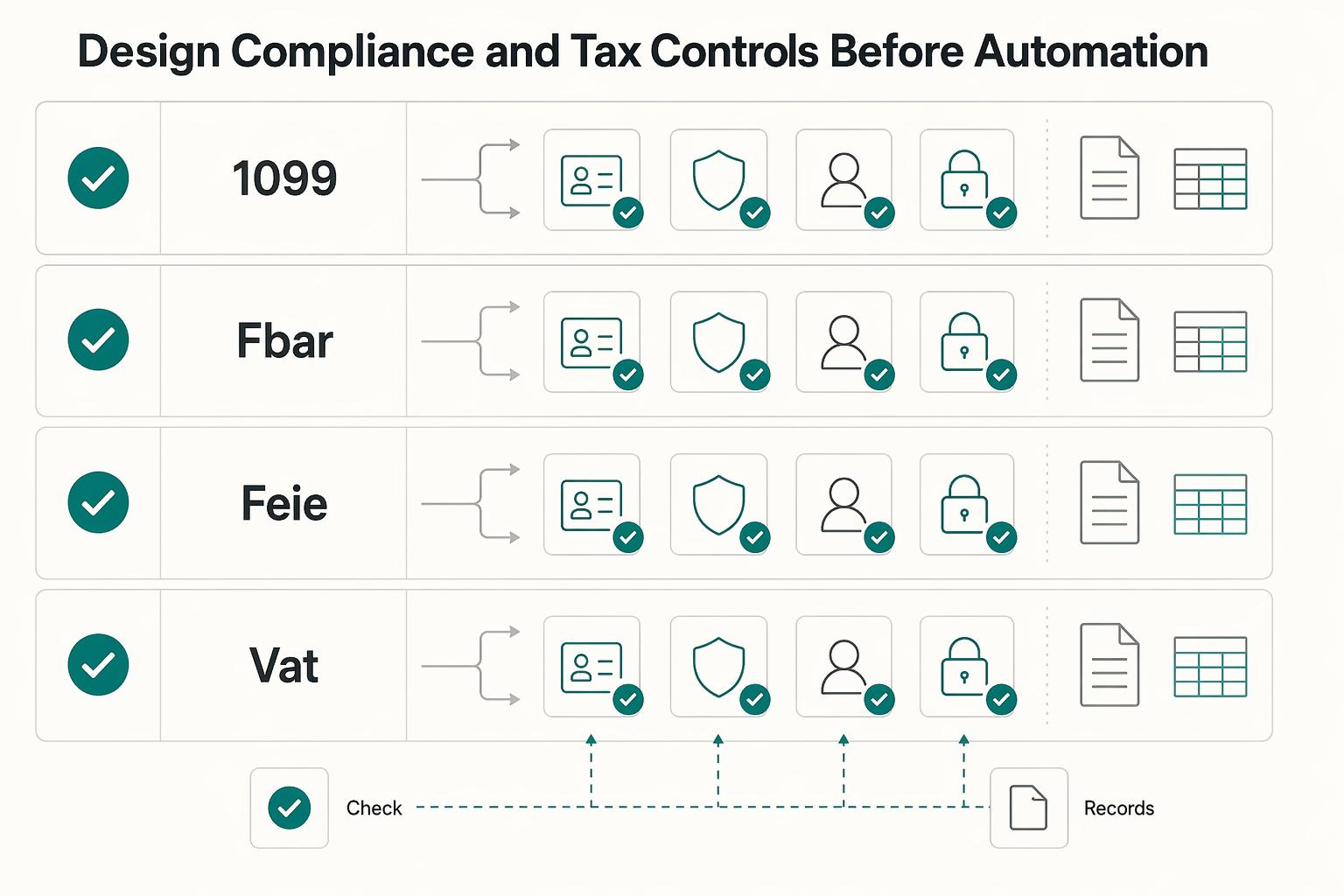
**Treat payout infrastructure as a launch-market decision, not a checkout add-on.** The moment you start paying creators, you are also deciding which countries you can support, which payout methods you need, how much onboarding friction you can carry, and how much support load ops can absorb.
How to Structure a White Label Service Agreement for Cross-Border Delivery
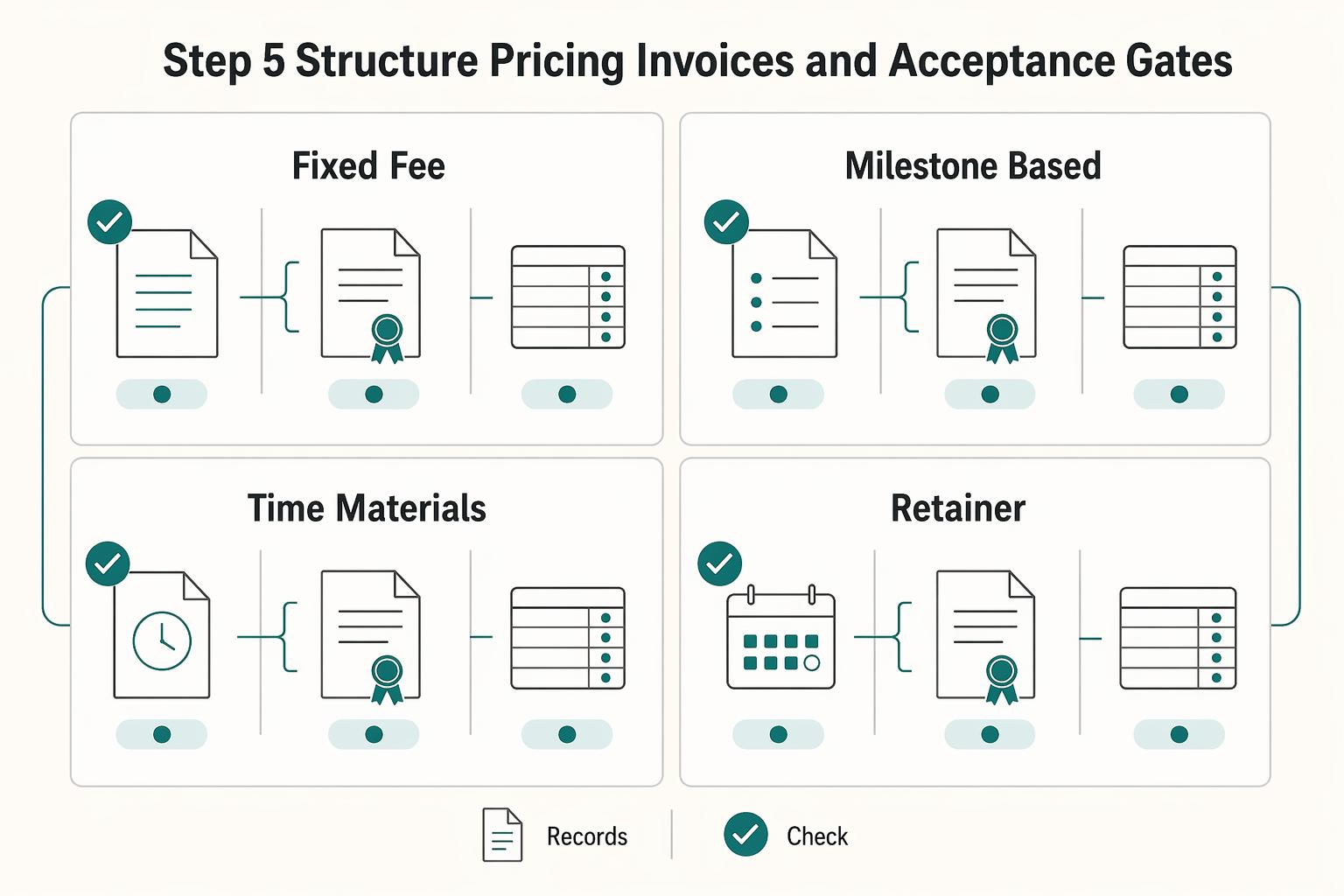
Set your non-negotiables before you draft, or speed turns into avoidable risk. Before you open the first version, decide what cannot move, assign one redline owner, and treat every material point that is not in signed text as unresolved.
How to Structure a White Label Partnership With Another Agency
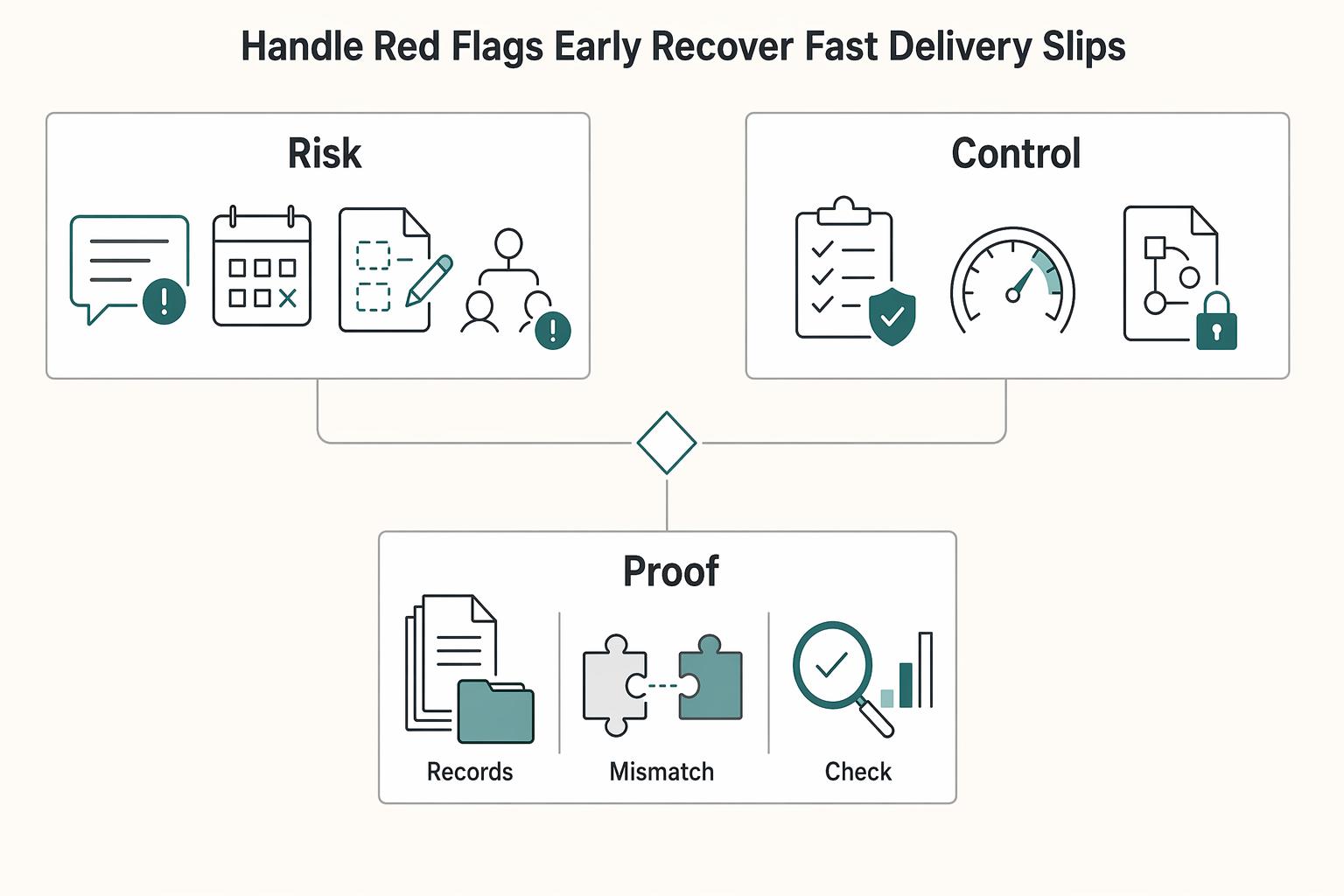
Treat this as a delivery risk decision first and a growth move second. A **white label partnership with agency** is more likely to hold up when the promise you make to the client matches the operating reality behind the scenes: who delivers, who supports, and who controls quality.