

Quick Answer
Use the source platform’s supported account and payment cycle to receive native creator earnings. Use an eligible funded payout workflow for obligations your business owes collaborators. An outbound provider cannot change YouTube or TikTok reward timing; resolve unknown transfer results before sending replacements.
Separate native creator earnings from payments your platform owes#
A creator receiving YouTube revenue, TikTok rewards or newsletter subscriptions is collecting earnings under that platform’s payment rules. A business paying that creator for a sponsorship, editing job or revenue share is settling its own obligation. These can involve the same person and bank account, but they are different payment systems.
Start by naming the payer and revenue source. Your payout API can move permitted funds you control to a collaborator; it cannot change Google’s earnings finalization, TikTok’s reward threshold or a newsletter platform’s settlement process. If you advance your own money against expected earnings, that is a separate funding and credit arrangement, not an accelerated native payout.
Native YouTube, TikTok and newsletter payment paths#
| Revenue source | Native path | What an external operator controls |
|---|---|---|
| YouTube Partner Program | AdSense for YouTube finalizes and pays eligible earnings | Its own separate contractor payments, not Google’s payment cycle |
| TikTok Creator Rewards | TikTok calculates rewards and pays through the program’s supported method | A separate sponsorship or collaboration obligation, not TikTok reward release |
| Substack web subscriptions | Publication-linked Stripe account settles subscriber payments | The publication’s permitted payout settings, not a general YouTube/TikTok withdrawal connector |
| Substack iOS subscriptions | Apple pays Substack; proceeds then reach the supported Stripe or bank destination | The permitted destination and records, not Apple’s settlement cycle |
YouTube: estimated revenue is not released cash#
YouTube’s payment guide describes a monthly cycle: prior-month earnings finalize between the 7th and 12th; the currency-specific payment threshold and payment-information conditions must be satisfied by the 20th; payment is issued between the 21st and 26th. Issuance and receipt differ, and holds or adjustments can affect payment. Google says it cannot pay outside that standard timeline.
Store the channel’s earnings estimate separately from finalized AdSense earnings, payment issuance and bank receipt. Do not pay a collaborator from an estimate unless your contract and own funding support that advance. If a native payment is delayed, use the account’s payment status and Google’s support process; submitting a new transfer through another provider does not release the same Google balance.
TikTok: use the actual monetization program#
TikTok has distinct earning programs. Its Creator Rewards help describes accumulated rewards calculated in the following month, a $10 USD or local-equivalent minimum and payment on the 15th. The help also describes location-specific methods, including PayPal in named markets and Payoneer or bank transfer in Japan. Check your current program and account settings before promising a method or receipt date; these rules can change.
A Creator Rewards estimate is not a sponsorship invoice, and another TikTok program can have different conditions. Retain the program name, final reward statement, deductions and actual payment reference. An agency paying a creator for a brand campaign should track the campaign contract and invoice separately from TikTok’s own reward statement.
Newsletter subscriptions: distinguish web and app proceeds#
Substack’s Stripe setup guide describes publication-linked Stripe accounts for web subscriptions, a Substack percentage fee plus Stripe card and Billing fees, and payout settings managed in Stripe. It advises keeping independent ventures separate. Use the publication’s actual statement and payout record rather than assuming all deposits in a shared account belong to the newsletter.
The current iOS payment guide describes readers paying Apple, which pays Substack up to 45 days after the month ends. Proceeds then go to Stripe in most supported countries or directly to a bank in select countries. Direct-bank app proceeds have their own $100 USD release threshold and do not appear as Stripe payouts. Reconcile these channels separately.
Subscriber revenue and contributor compensation also differ. A publication that owes a writer a flat fee or share must define that obligation: which collected revenue qualifies, which fees and refunds reduce the base, when the amount becomes due and who funds payment. A bank deposit alone cannot resolve those contract terms.
When you actually need creator payout infrastructure#
Build or buy an outbound payout workflow when your business owes multiple creators and needs to distribute funded amounts. Typical cases include brand-campaign fees, editing invoices, affiliate commissions and a publication’s agreed contributor shares. The platform should know which legal entity owes each amount and which money is permitted to fund it.
- Define the payable from a contract, approved invoice or agreed revenue-share calculation.
- Identify the payer, recipient type, funding source, destination country and currency.
- Confirm the provider accepts your account, commercial purpose and receiving method.
- Determine required onboarding, screening and any applicable withholding for that specific flow.
- Keep the obligation, provider attempt, payment outcome and return record linked.
Do not release money solely because a profile is complete. Equally, do not turn every creator’s personal tax filing into a universal payment block. Collect the documentation required by the payer’s applicable reporting/withholding regime and provider rules. W-8 and W-9 are not interchangeable forms for all global creators, and personal FBAR or foreign-earned-income-exclusion analysis does not determine every payout’s eligibility.
Compare products that move the money you need#
| Product role | Documented example | Boundary to check |
|---|---|---|
| Connected-account seller settlement | Stripe Connect payouts to connected accounts | Connected-account country, balance, payout capabilities and permitted funds flow |
| Funded beneficiary transfer | Airwallex Transfers to contractors or other beneficiaries | Approved sender/connected account, funding workflow, destination schema and route |
| Native earnings collection | AdSense, TikTok program or publication payment account | Source-platform rules; not replaced by your supplier-payout provider |
Stripe Connect payout documentation covers payouts from connected-account balances to external accounts. A transfer between Stripe balances and a payout to a bank are separate steps. Determine the supported collection and balance flow before treating Connect as an arbitrary bank-funded mass-payment product.
Airwallex’s transfer guide describes transfers to suppliers and contractors, beneficiary fields determined by destination and route, and supported platform calls on behalf of connected accounts. Its payout overview distinguishes Wallet-funded and Linked-Account-funded options. Approval of your account and the selected funding flow still matters.
Neither product establishes permission to redirect native YouTube or TikTok earnings at will. Compare destination eligibility, currency conversion, net receipt, funding requirements, status lookup and returns for your actual owed payment. Model checkout processing fees as a separate collection cost when your business also collects the customer payment.
Make small-payout economics explicit#
Consider a hypothetical $40 collaboration fee where the contract allows a $2 transfer fee to be deducted and no other charges apply. The creator receives $38 and the transfer fee consumes 5% of the payable. If your contract instead promises $40 net, your company must fund $42 under those assumptions. This is invented arithmetic, not a provider quote or a native program minimum.
Combining three such amounts into a permitted $120 payment with one $2 fee reduces that selected fee share to 1.67%, but delays receipt. Do not impose batching if it conflicts with the agreed due dates. Disclose who pays fees, how FX is set and when the creator gets funds; a lower transfer fee is not automatically a better compensation arrangement.
Handle uncertain status without paying twice#
Persist the obligation and attempt before submitting. Store the approved recipient instructions, amount, currency, funding, applicable checks and provider reference. Use the provider’s documented request-key scope and retention window for the same operation and unchanged parameters; keep a durable local uniqueness rule for the obligation itself.
When a request times out, look up the original attempt. Do not send a fresh transfer, change provider or obtain a fresh conversion merely because the response was missing. A different account or provider cannot deduplicate the original. Reissue only after the relevant terminal failure or return is confirmed and reconciled, or after a documented recovery resolution establishes that replacement will not duplicate movement.
Authenticate provider notifications, save them durably and deduplicate their local effects. Update local ledger and obligation state together where practical. If money has moved, record it even when a later compliance or data check fails; keep that issue in an exception workflow. A local missing field cannot make an actual payment disappear.
| Observed outcome | Operating treatment |
|---|---|
| Submitted or processing | Pending movement; retain the attempt and monitor |
| Unknown after timeout | Lookup and investigate before replacement |
| Held | Resolve the hold; do not treat as final failure |
| Receipt confirmed | Apply the payment to the owed amount using the provider’s actual meaning |
| Returned after receipt | Append the return and reconcile recovered funds before deciding what remains owed |
Measure the payouts your business can improve#
Track unique due obligations, received by their due date, open unknowns, confirmed returns and support effort by corridor. Keep pending cases visible. Native platform thresholds and eligibility issues need their own categories rather than being labelled failures of your collaboration-payout API.
For an illustrative pilot, 100 obligations are due: 92 are confirmed received, 3 confirmed failed, 2 returned and 3 remain unknown. On-time receipt is at most 92% at that checkpoint if all 92 met their due dates. Do not count the three unknowns as success or send them again to raise the dashboard score. Resolve the underlying attempts first.
Expand a provider route after the actual funding, receipt and exception path works for your account. Improve creator communication using the obligation’s due date and verified payment status. Avoid promising a faster native reward cycle just because your separate outbound system can send quickly.
Keep each payment tied to its source and obligation#
Identify whether the creator is receiving native platform earnings or money your business owes. For native earnings, use the source platform’s supported account and cycle. For outbound obligations, fund an eligible route and retain the actual outcome. That distinction makes payout promises, fees and recovery decisions easier to explain.
Frequently Asked Questions
What is a creator economy payout solution in practical operator terms?
For outbound operations, it settles obligations your business owes creators using permitted funding and eligible recipients. Native earnings collection from YouTube, TikTok or a newsletter account is a separate flow governed by that source platform.
Can a payout provider accelerate YouTube or TikTok rewards?
It cannot change another platform’s native earnings calculation, threshold or payment schedule. Paying your own advance against expected revenue is a separate arrangement with its own funding and credit exposure.
What should founders compare when choosing payout infrastructure?
Compare the actual owed payment: approved sender, funding source, recipient country and type, net currency amount, fees, status lookup and returned-payment handling. Connect seller settlement and funded beneficiary transfers require different balance and account designs.
Which payout failures need separate handling?
Unknown results, holds, final failures and later returns need different actions. Look up an unknown original attempt before creating a replacement, and reconcile a return before reopening the unpaid obligation.
How much compliance should be in place before the first payout?
Complete the provider’s required onboarding and the applicable payer/recipient checks for that flow. Determine actual reporting or withholding documentation; personal FBAR or FEIE analysis is not a universal creator payment-release gate.
What proof should we request when corridor details are unclear?
Request the approved funding and recipient configuration, current destination requirements, executable fee/FX example, documented status meanings and lookup/return procedures. A global marketing claim does not establish your account’s route.
Try a related tool
Where Gruv fits
Researched and edited by the Gruv editorial team. Gruv builds cross-border billing, payouts, and finance-operations software for global businesses.
Sources
Includes 5 external sources outside the trusted-domain allowlist.
- docs.stripe.com/connect/payouts-connected-accountstrusted
- airwallex.com/docs/payouts/transfers/create-a-transferexternal
- airwallex.com/docs/payouts/overviewexternal
- support.google.com/youtube/answer/14728151external
- support.substack.com/hc/en-us/articles/4405482746132-How-do-I-set...external
- support.substack.com/hc/en-us/articles/19718129670420-Can-my-subs...external
Educational content only. Not legal, tax, or financial advice.
Related Posts
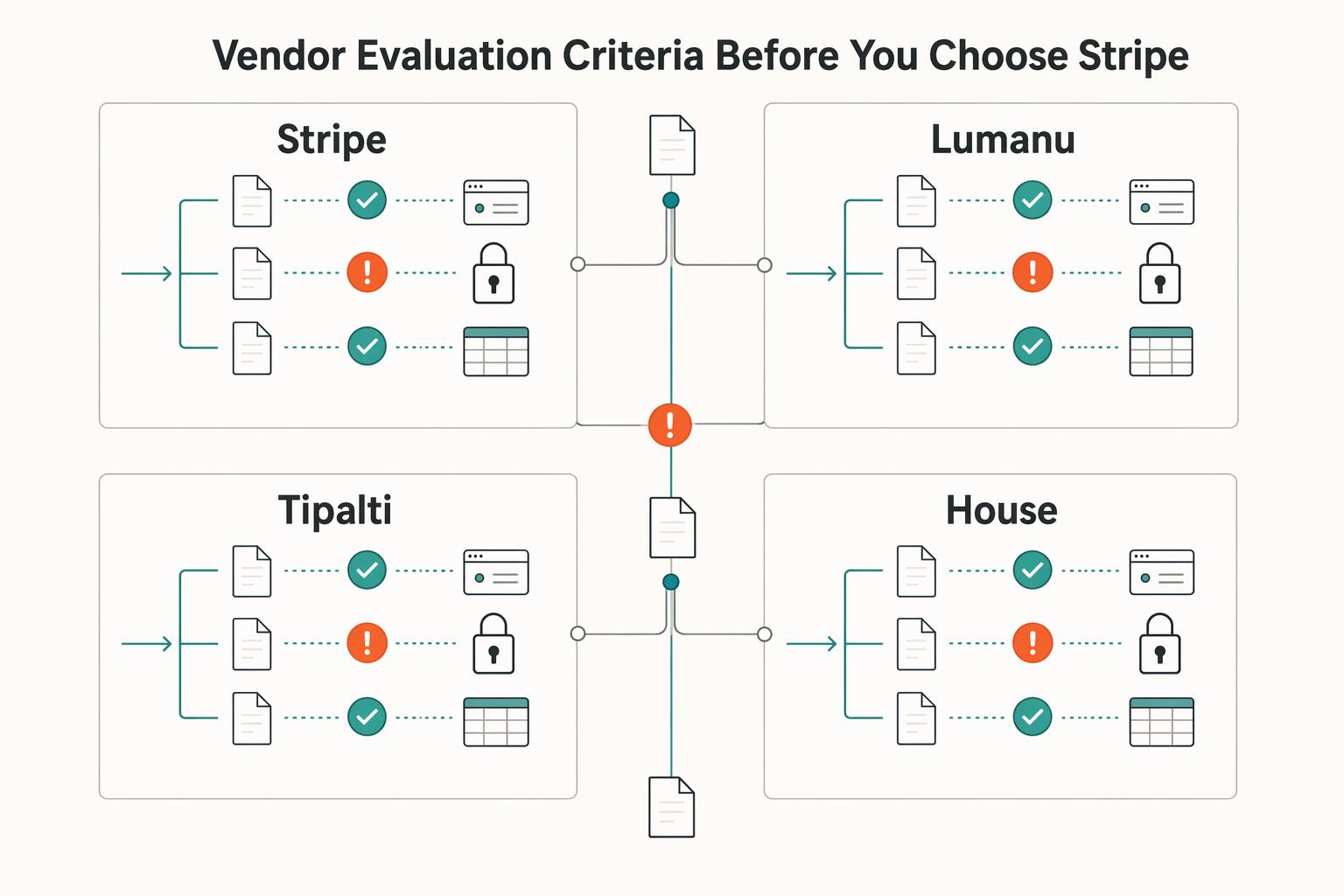
NET-30 vs Instant Payout for Influencer Marketing Platforms
Payout timing now sits across product, finance, and operations. For an Influencer Marketing Platform, the choice is not just about when money goes out. It shapes creator trust and engagement on one side, and cash control, margin pressure, and reconciliation effort on the other.
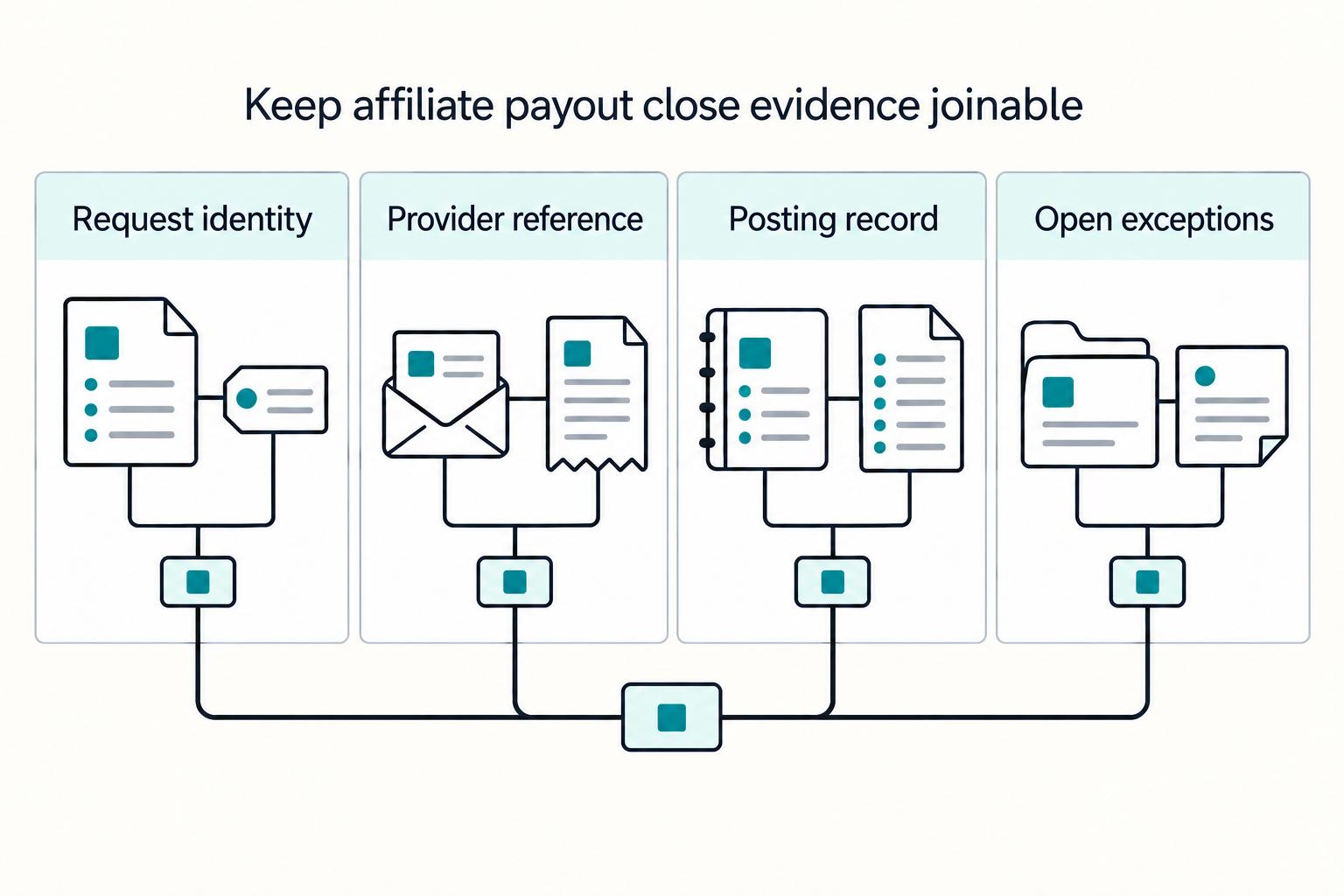
Mass Payouts for Affiliate Networks Paying Publishers, Partners, and Creators at Scale
Treat affiliate payouts as infrastructure, not as a payment feature. Once you are paying publishers, partners, and creators in volume, the hard part is often not the send button. It is everything around it: commission calculation, recipient onboarding, approval controls, rail selection, status handling, reconciliation, and close.
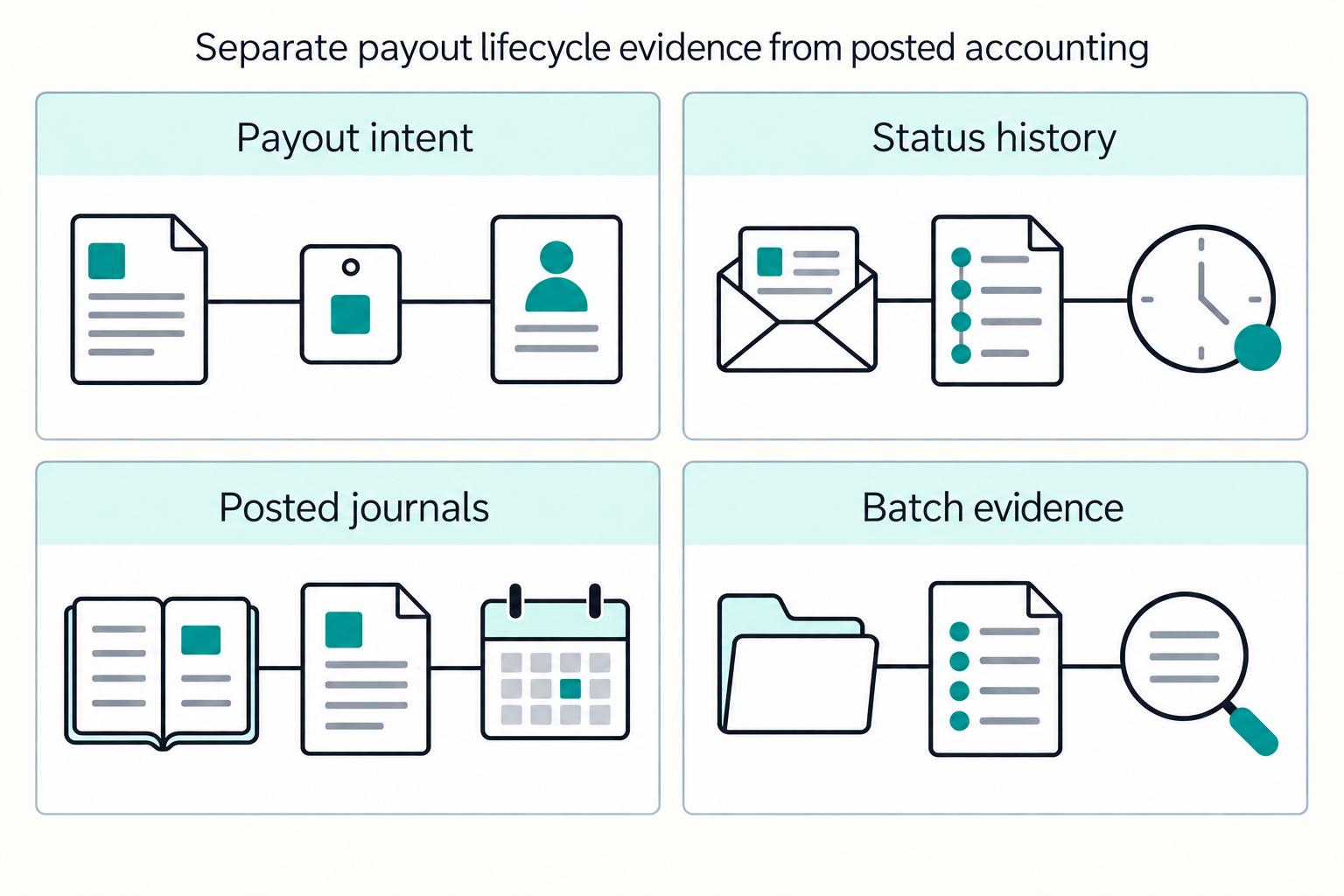
How Fast Reliable Payouts Win and Retain Creator Partners
Fast payouts can help you win and keep creator partners, but speed is not the whole offer. Retention signals are strongest when faster access to funds comes with reliable delivery, clear status visibility, and finance controls that still work when volume grows.