
Operator playbooks for cross-border payments, tax, and compliance execution.
Step-by-step guidance for finance, product, and ops teams to launch faster, reduce payout friction, and keep reconciliation clean across borders.

How to Build a Payout SLA for Contractor Payment Timing
A contractor asking “when will I get paid?” needs a date and a useful status, not an internal processing average. Start with the contractual due date. Then explain the platform’s commitment for releasing the payment and the expected bank-arrival window. If those dates conflict, solve the funding or operating problem before publishing the SLA.
Read more →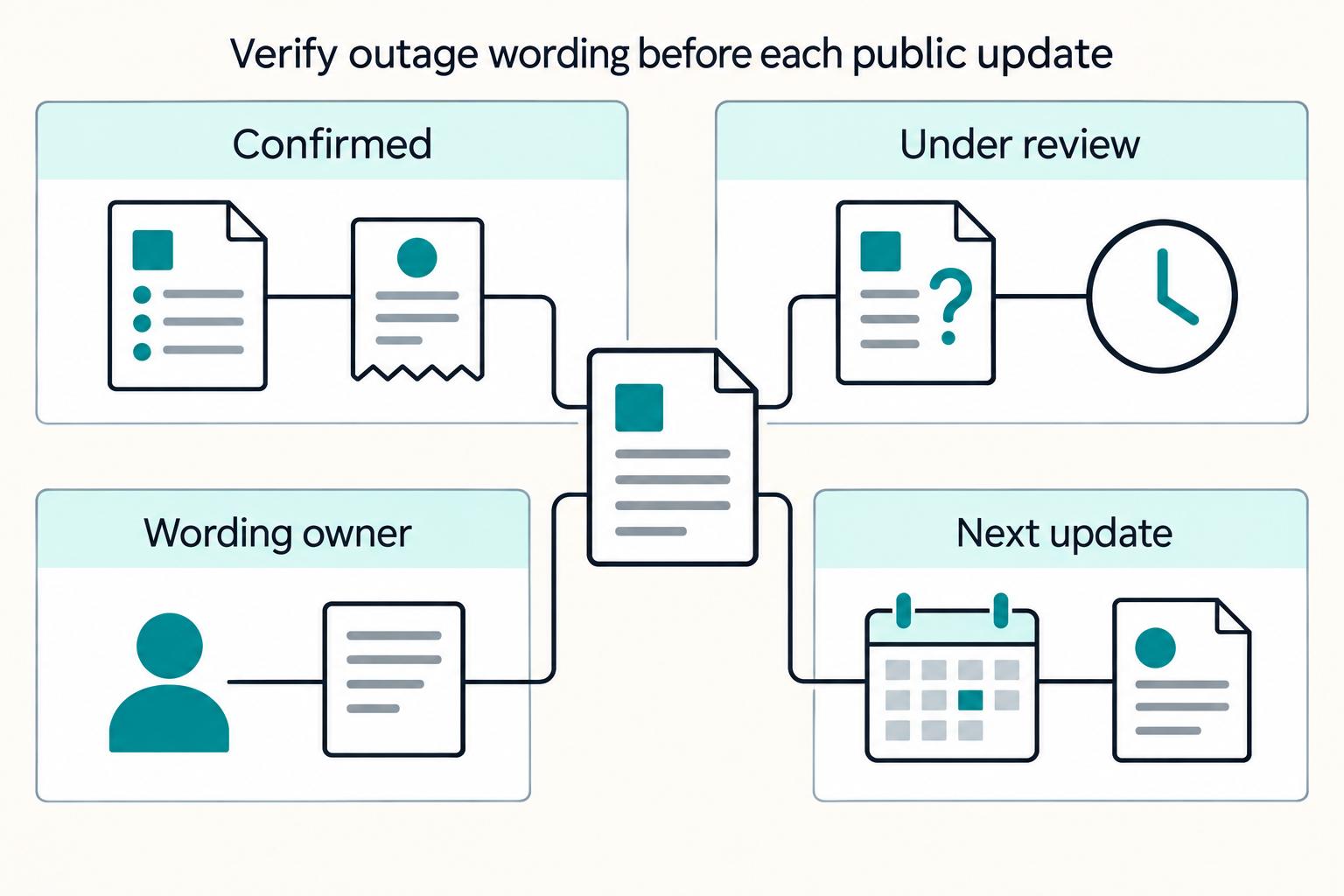
Platform Status Page Best Practices: How to Communicate Payment Outages to Contractors
Payment outage communication often fails when teams publish generic downtime updates instead of explaining the actual payment impact. During contractor payout incidents, people need to know what is affected right now and what they should do next. When that is unclear, trust drops fast.
Read more →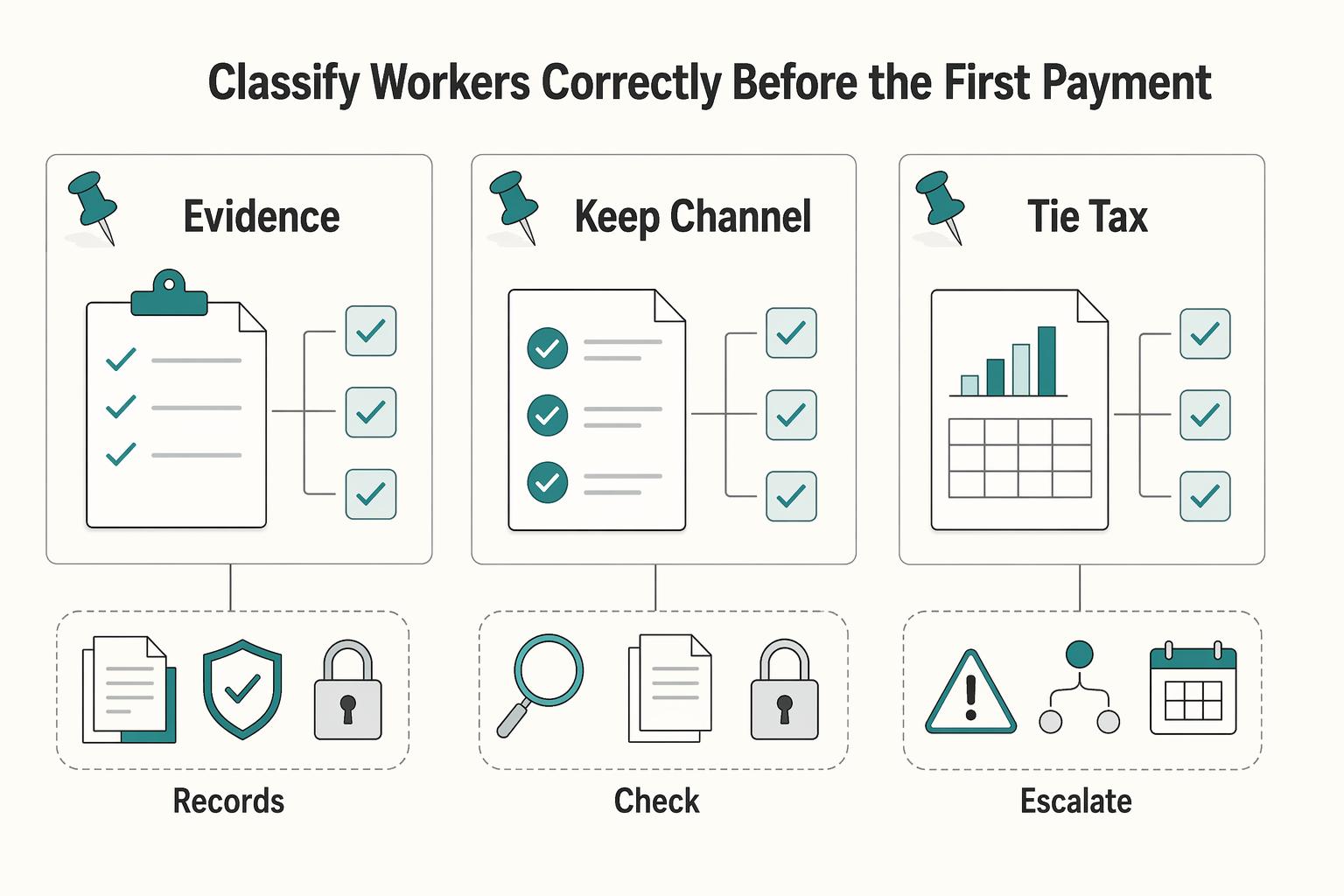
How to Pay Contractors in Bangladesh: BEFTN bKash and Bangladesh Bank FX Rules
Use an operator lens because payout decisions can fail on data quality and control gaps. In the material available, some fields are explicitly unavailable (`..`), and some totals may not reconcile exactly because of rounding. Do not treat every table value as exact or complete. Set a few control checkpoints before you plan rollout:
Read more →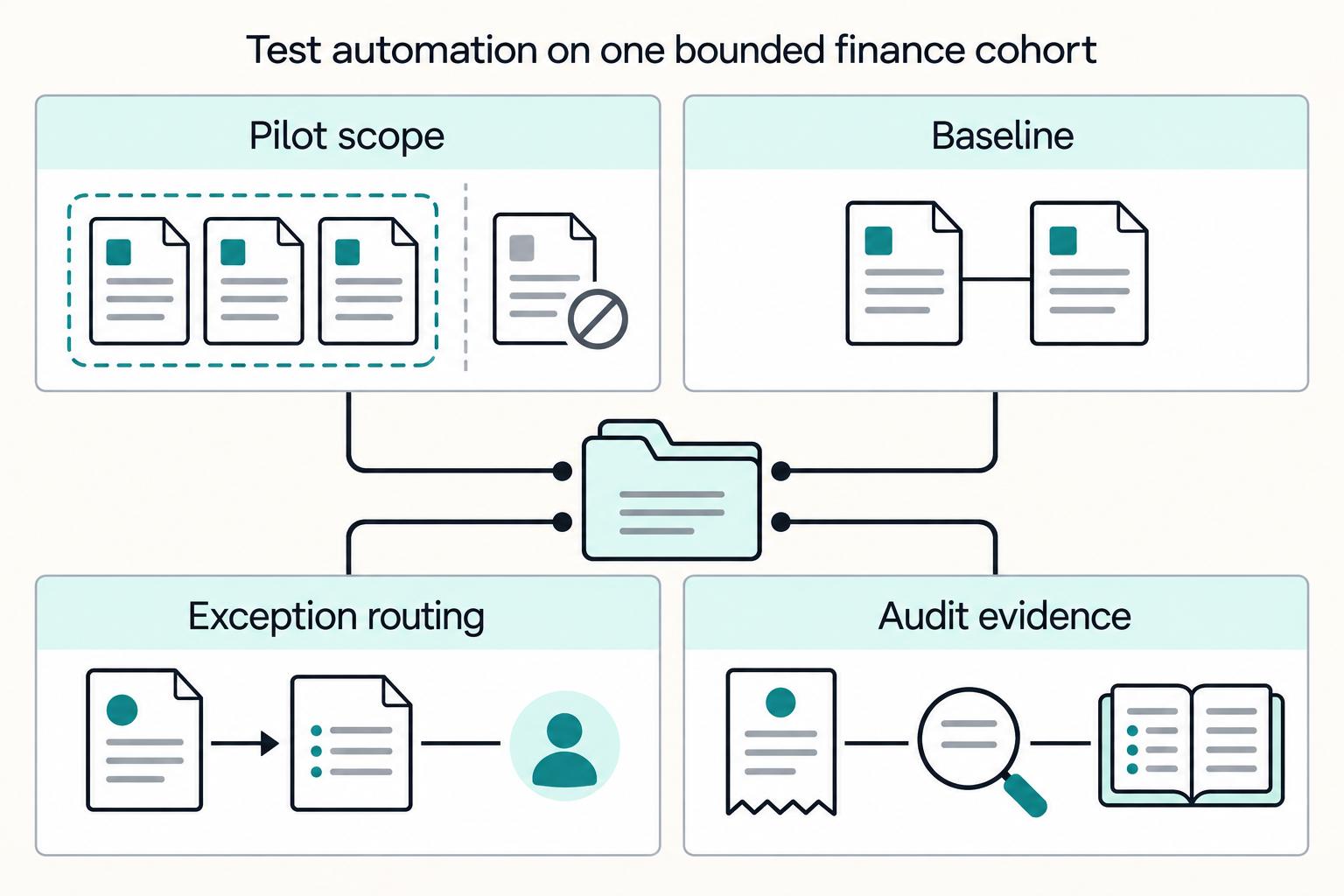
How to Scale Your Finance Team Without Hiring: The Platform Operator Automation Playbook
Scale finance throughput by automating repeat drag first, but only where you can still prove what happened. For platform teams, the goal is simple: more volume per operator, fewer month-end surprises, and no loss of the control evidence you need for a clean Audit Trail and solid Reconciliation.
Read more →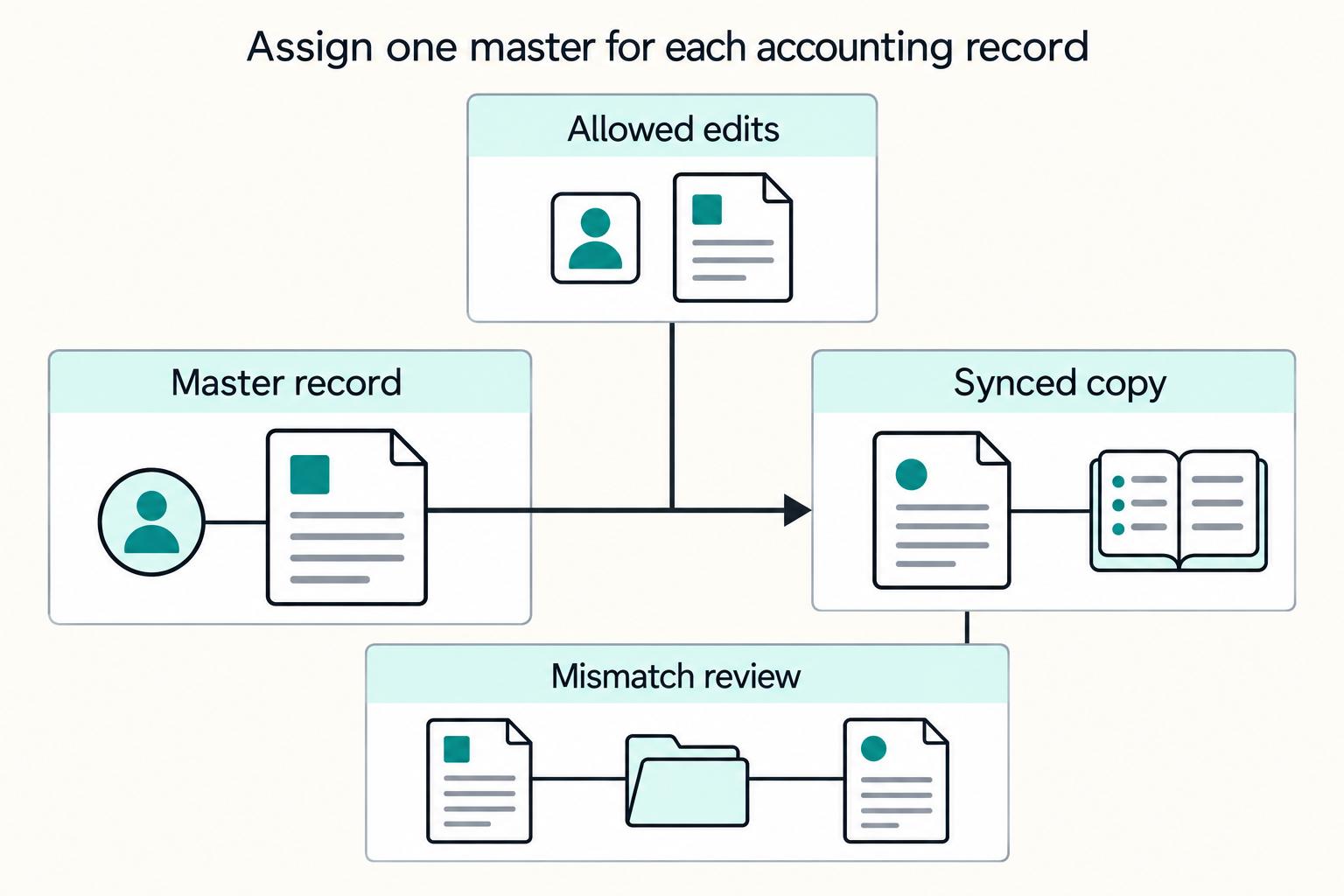
Xero Integration for Payout Platforms: Bills, Payments and Reconciliation
Your contractor asks whether a payment arrived. Finance asks which obligation was cleared and why the bank movement differs from the bill. A good integration can answer both, but the answers come from different records. Xero holds the accounting document; the payout provider and bank supply execution evidence.
Read more →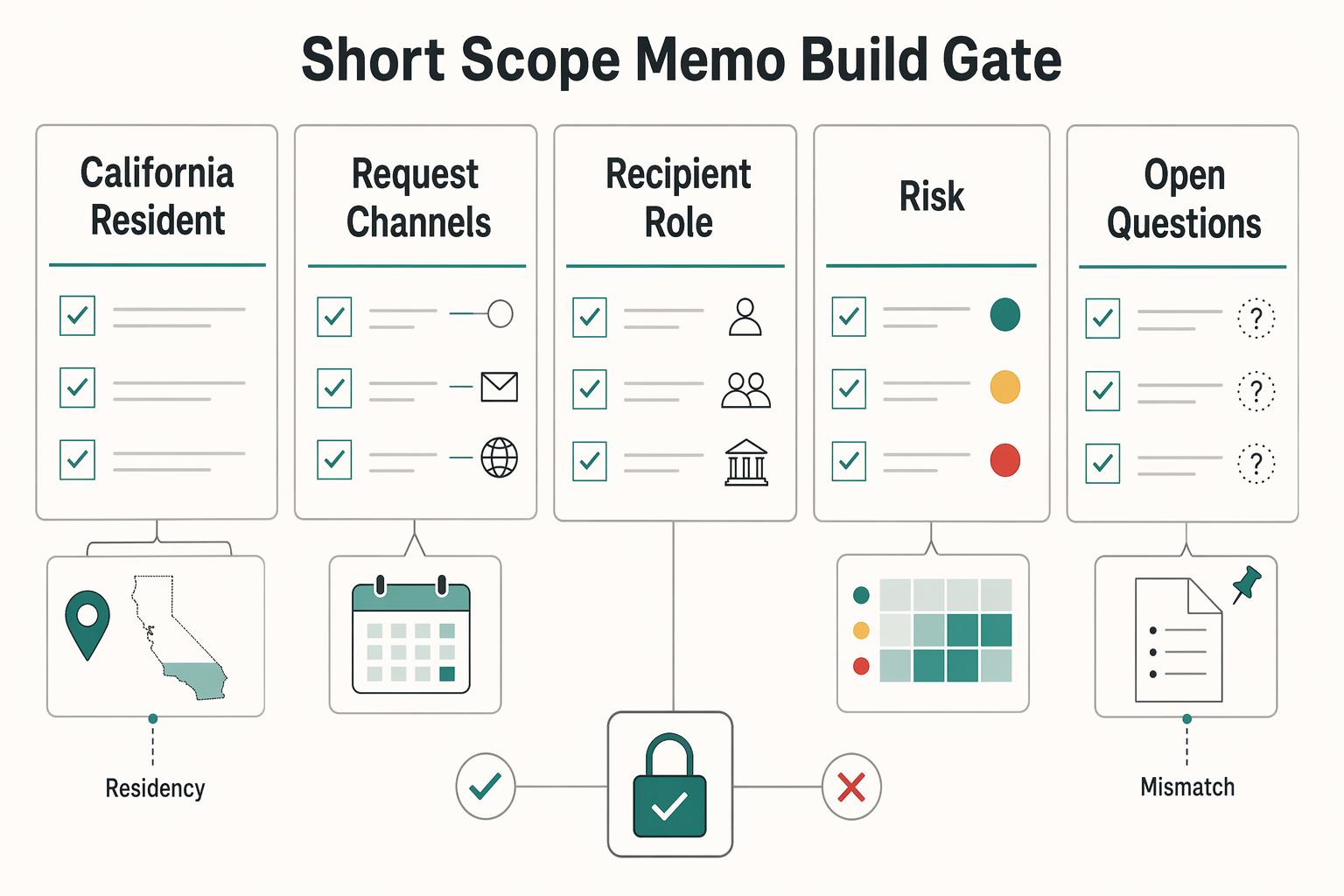
CCPA for Platform Operators: How to Handle Contractor Financial Data Under California Law
**Start with a minimum credible control set, not a broad privacy rebuild.** If your team handles contractor, seller, or creator payouts and may process personal information tied to California residents, implement the duties the law states clearly, document where judgment is still needed, and avoid custom fixes until scope is confirmed.
Read more →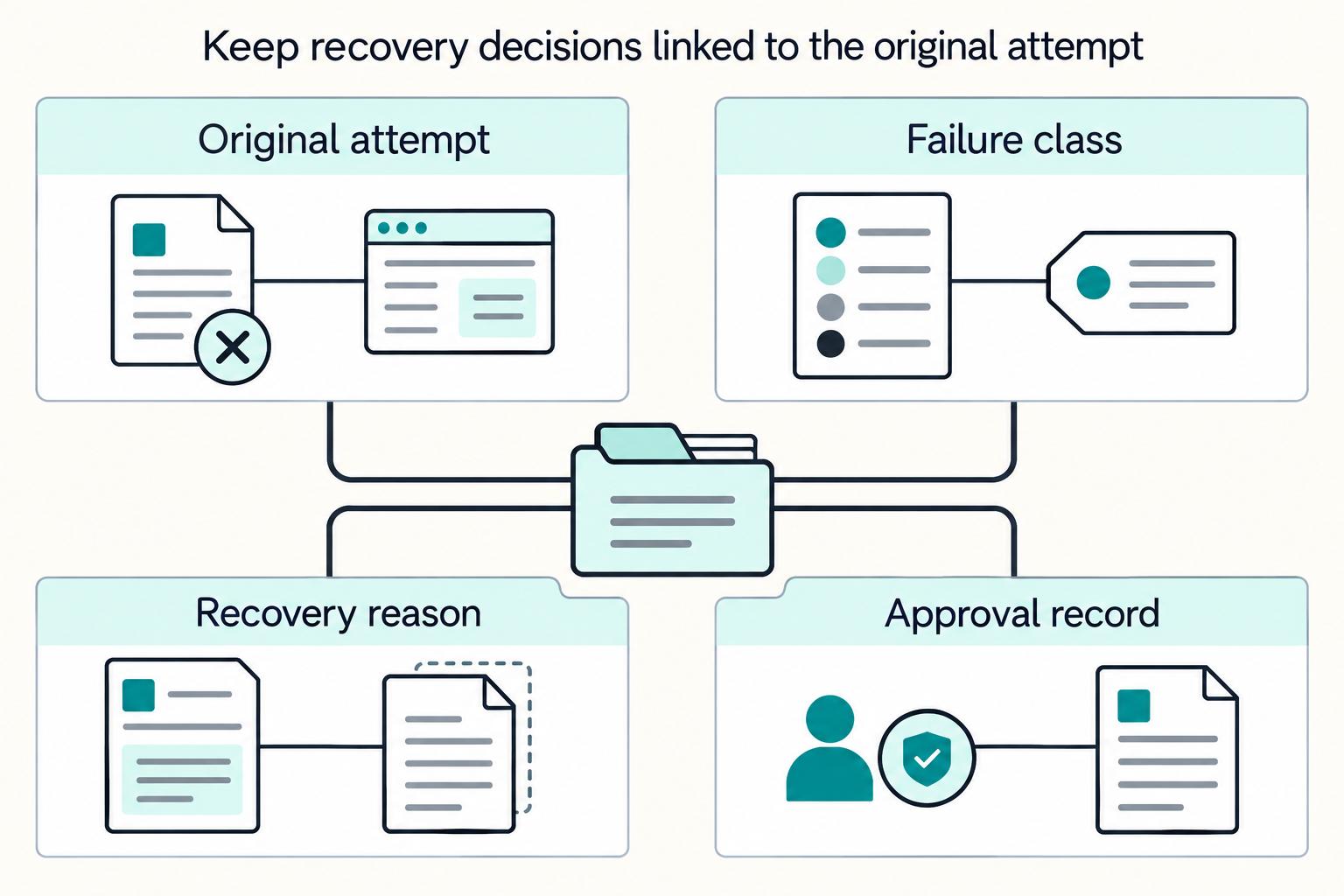
How to Pay Contractors in India: FEMA Compliance TDS Deduction and Bank Transfer Mechanics
If you want to pay contractors in India without cleanup later, treat TDS, FEMA, and payout execution as one operating path from day one. When teams split those decisions, payouts that look fine in internal queues can still run into remittance issues.
Read more →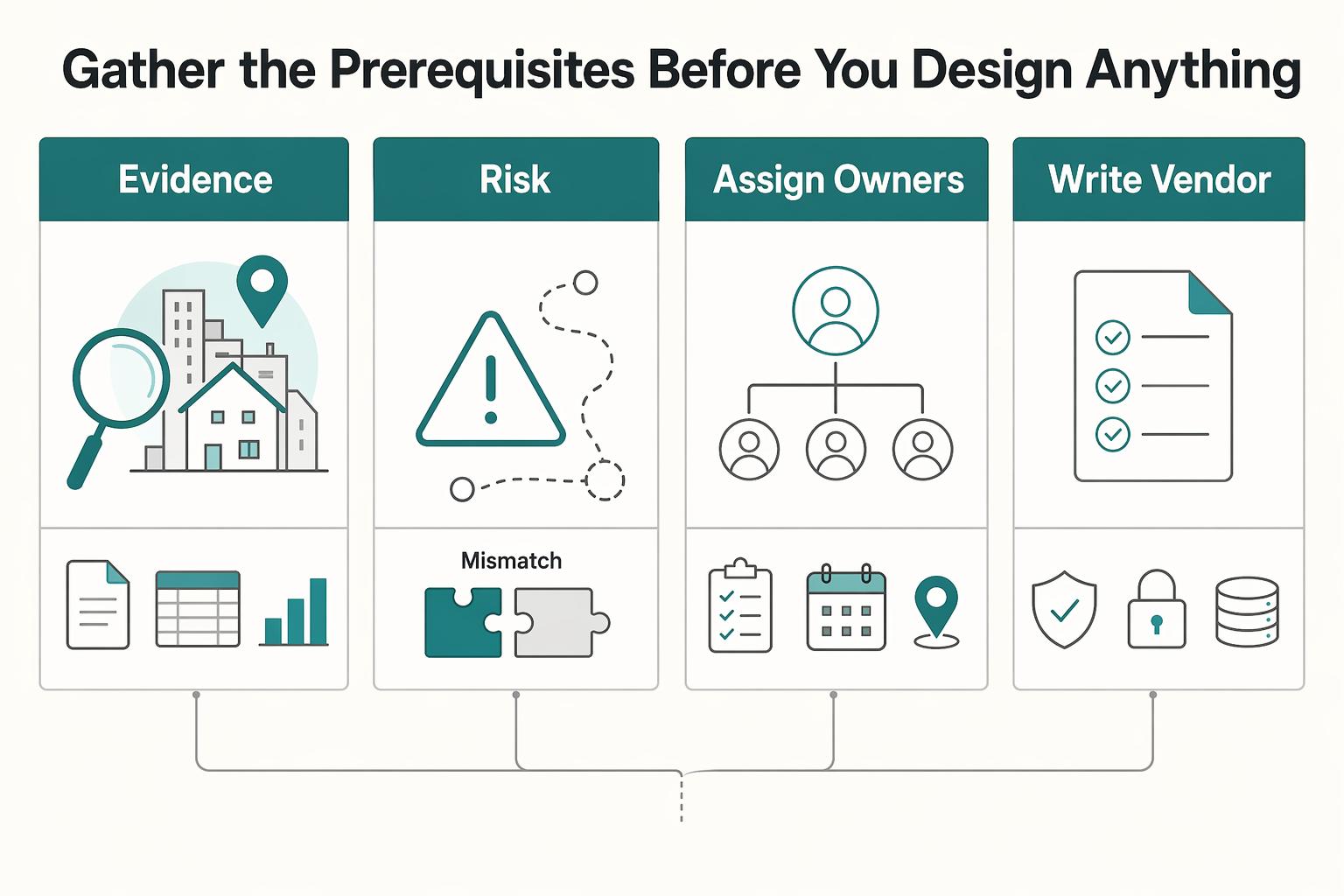
Building Rent Collection Payment Architecture for PropTech Marketplaces
The hard part is not launching a rent payment button. It is choosing a payment architecture your team can operate, reconcile, and defend as volume, markets, and exceptions grow.
Read more →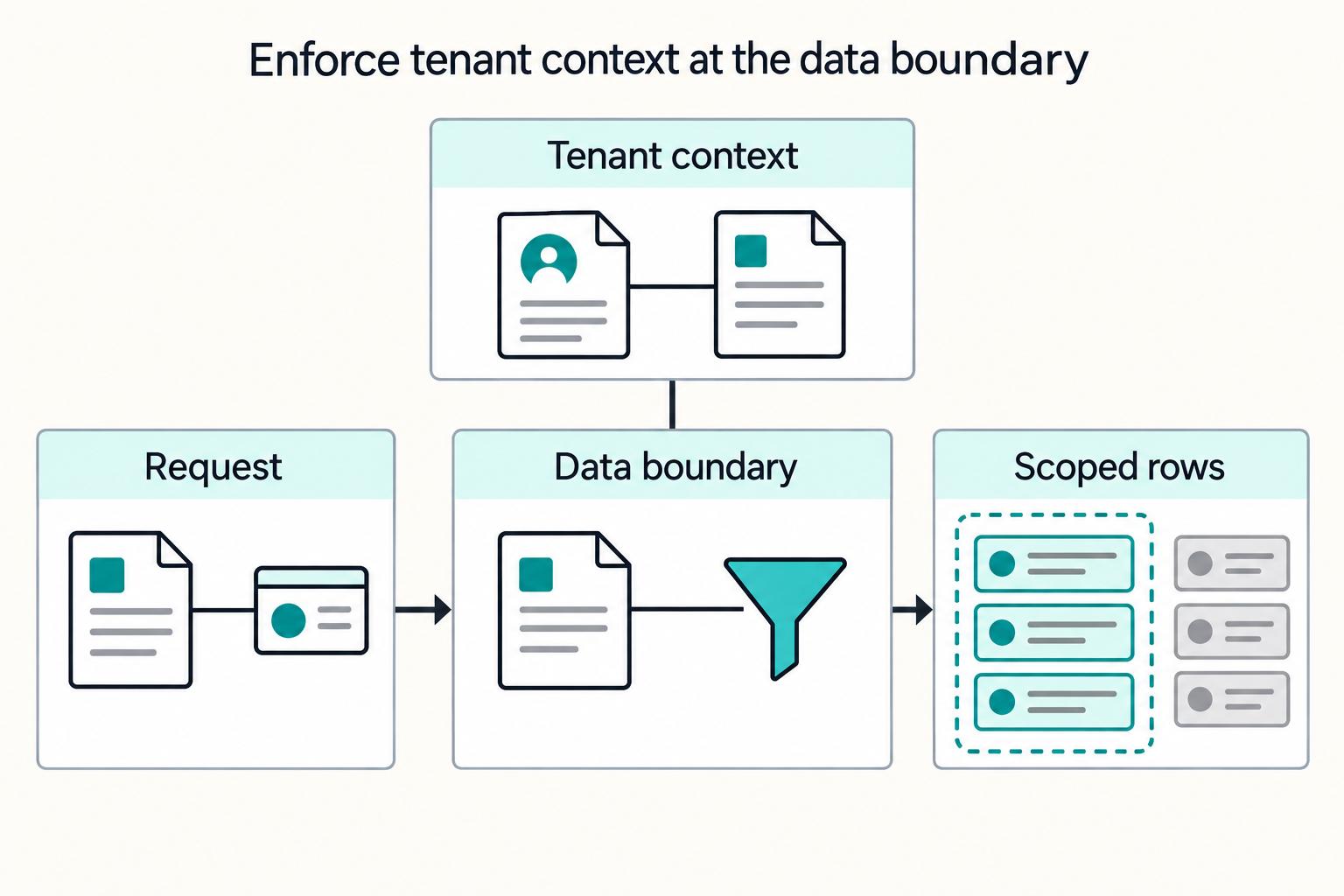
Building a Multi-Tenant Payment Platform with Defensible Data Isolation
A payment platform must keep one tenant’s recipients, balances, approval rules, provider credentials and exports inaccessible to another tenant. A tenant ID column organizes records; it does not authorize the user, constrain a privileged worker or prove that a callback belongs to the selected tenant.
Read more →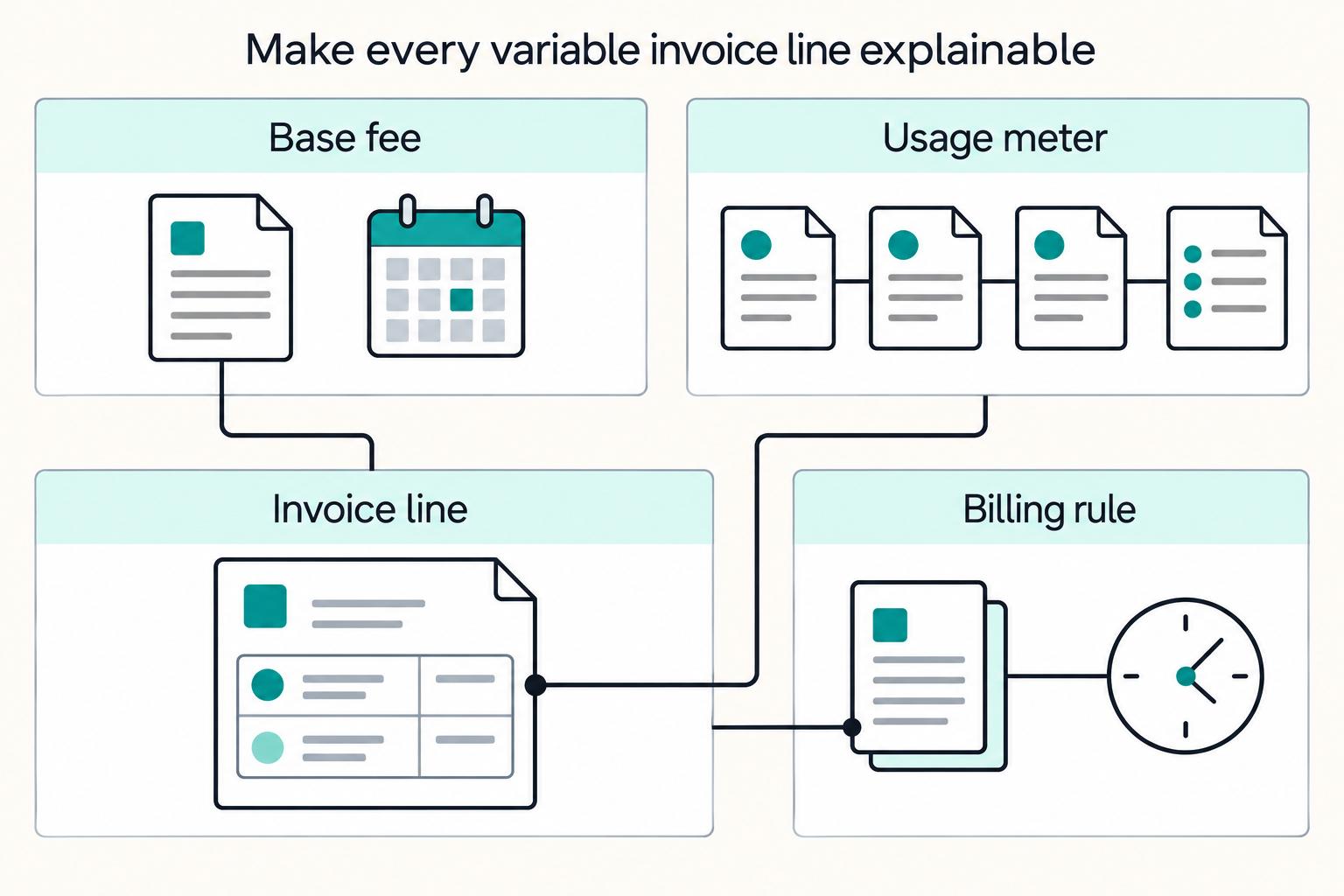
Choosing Transaction, Subscription, or Hybrid Pricing for a Payment Platform
**Step 1. Treat pricing as a revenue-model decision, not a packaging exercise.** If you are choosing between transaction fees, subscription, and hybrid models, ask three questions: How does revenue behave against usage? How buyable is the model? Can Finance reconcile what Product and Sales sell?
Read more →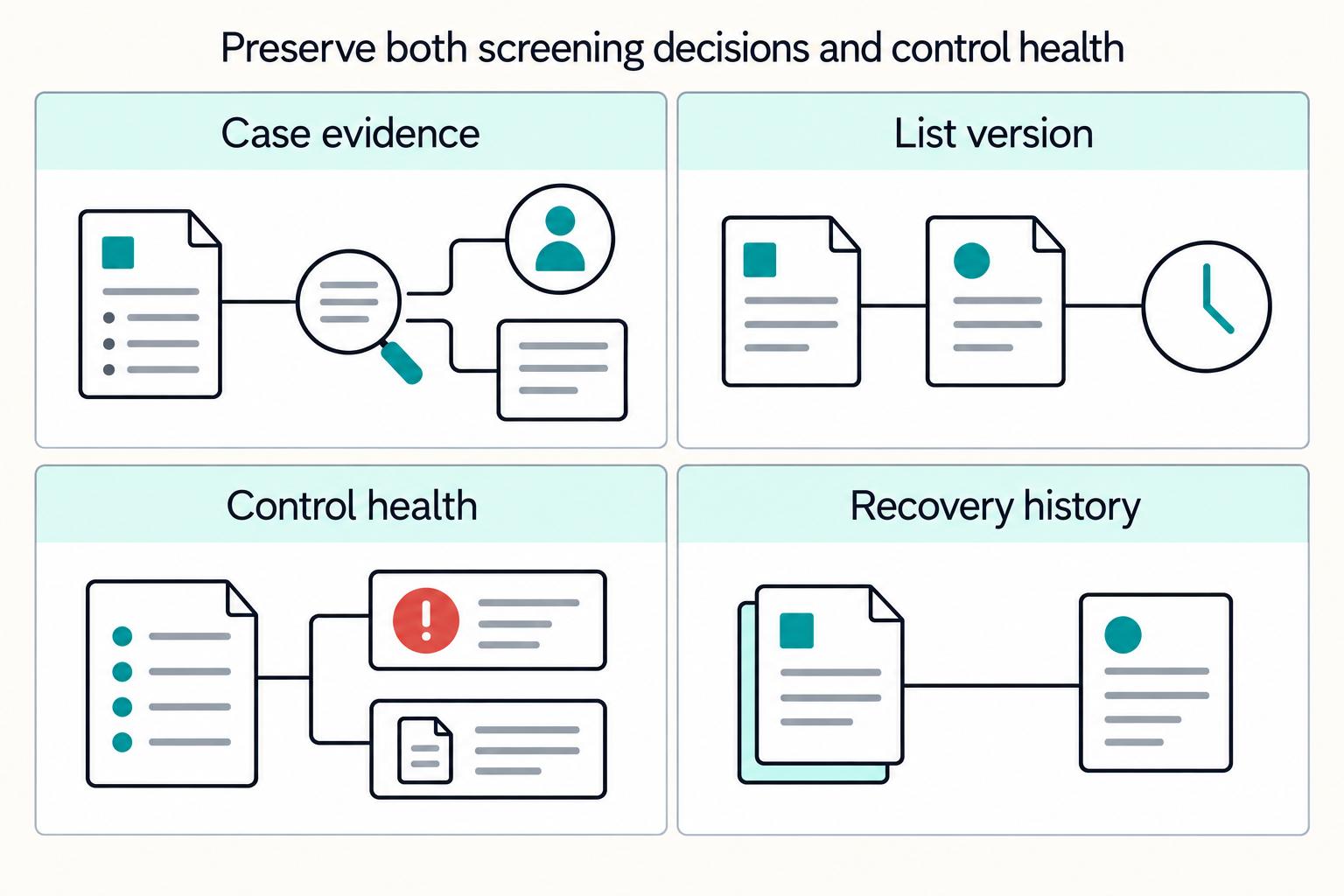
Sanctions Screening for Payment Platforms Before Payout Release
Before a payment platform releases a payout, it needs to determine whether the parties, ownership, property, and transaction are permitted under the applicable sanctions rules. A name-search result helps identify possible matches. It does not settle the legal treatment of a transaction.
Read more →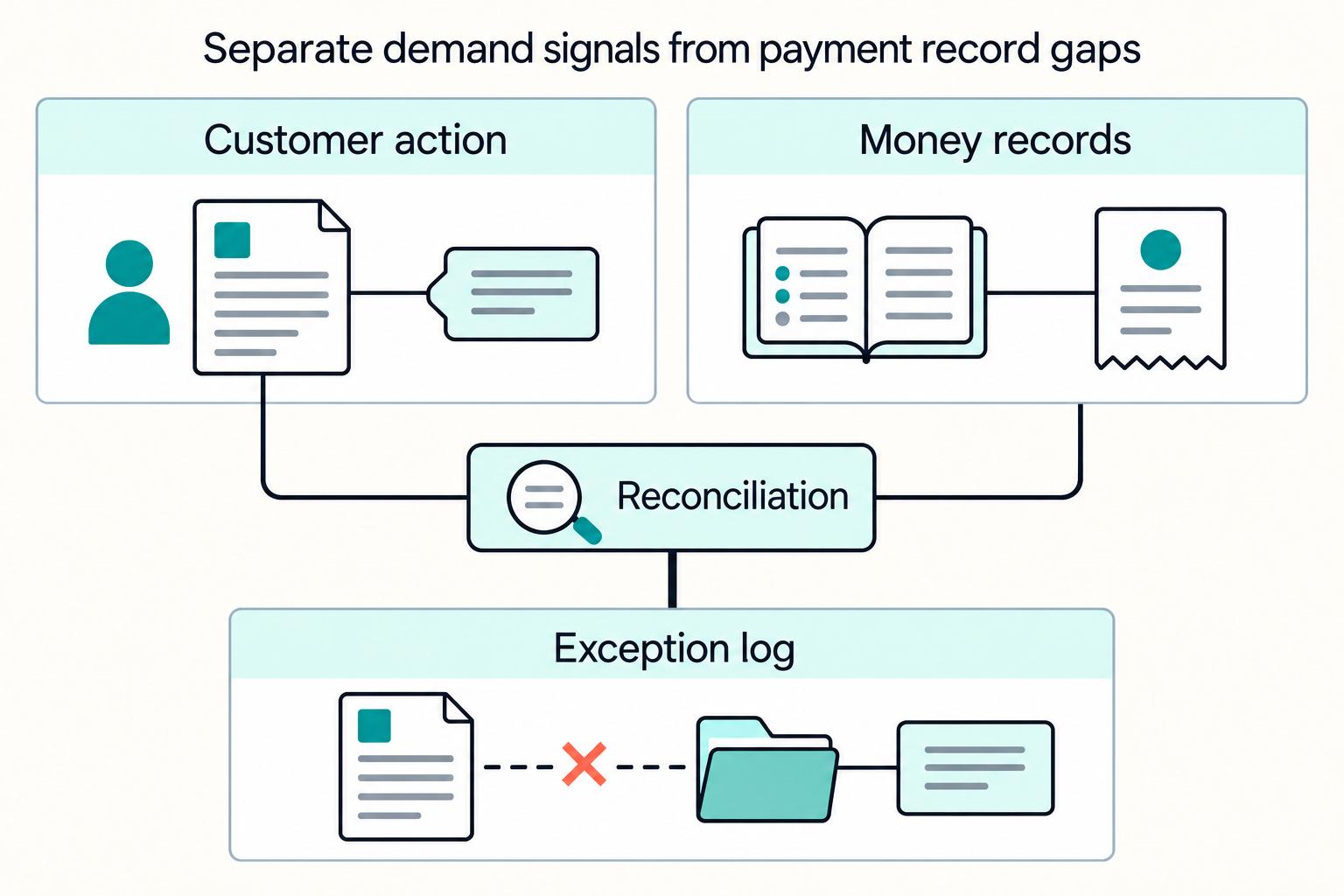
How B2B Payment Platforms Reach Product-Market Fit
Product-market fit is a decision gate, not a story you tell too early. It means your product meets the needs of a specific market at a level that can sustain growth and profitability.
Read more →
Reducing Contractor Payment Support Tickets with Self-Service Automation
Reducing avoidable contractor payment tickets usually starts with better visibility and tighter automation. When contractors cannot see payment status, required action, or the next step, status checks and repeat follow-ups become more likely.
Read more →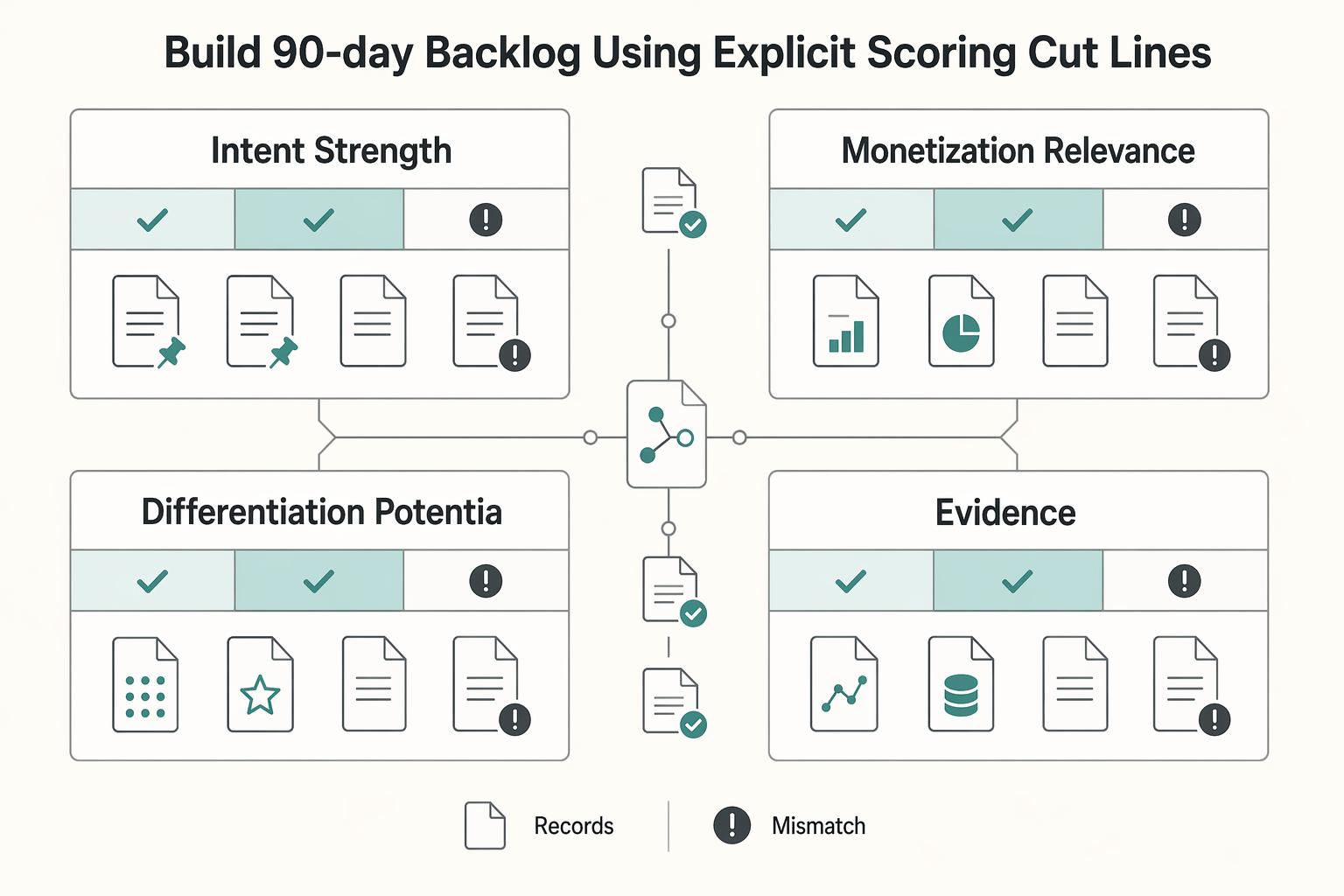
Ranking High-Intent B2B Payment Keywords for Platform SEO
Start with the real decision: this SEO strategy should support monetization outcomes and qualified pipeline, not just increase sessions. In B2B, conversion value matters more than raw volume, so prioritize topics that can bring the right accounts, not just the most clicks.
Read more →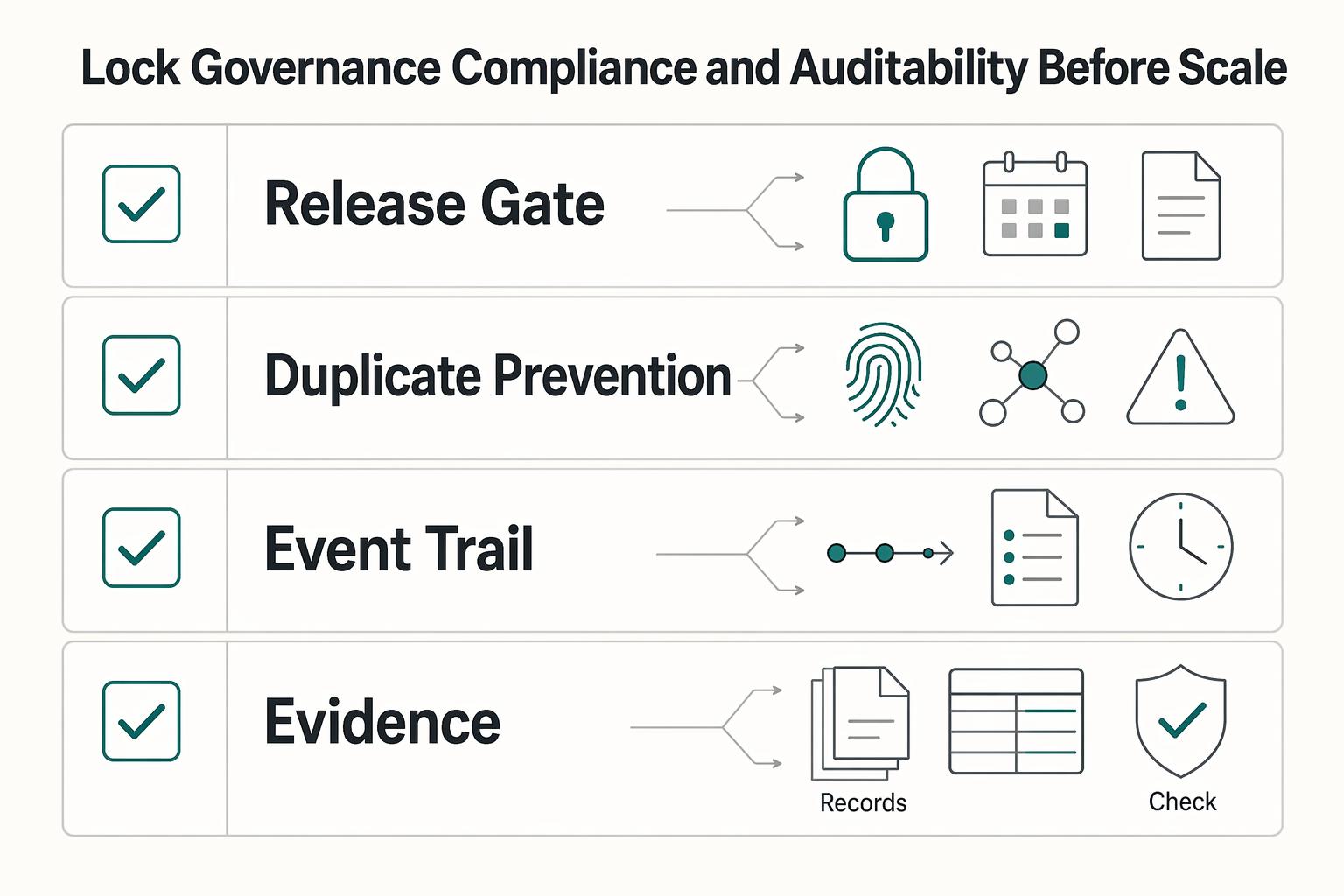
Batch Payout File Formats for NACHA ACH, ISO 20022 PAIN, and SEPA Credit Transfer
A workable batch payout strategy starts with one blunt fact. Saying a provider "supports ISO 20022" is often not enough to build against. You need to separate the message standard from the payment scheme, then confirm exactly what your bank or processor will accept in production.
Read more →
How Language Service Platforms Pay Translators and Interpreters
A translation or interpreting job can produce two different payment obligations: the client owes a language supplier, and that supplier owes the people who performed the work. A platform must identify which obligation it owns before choosing a payout tool. Offering a language in the catalogue does not prove that a particular worker can receive a payment in that country.
Read more →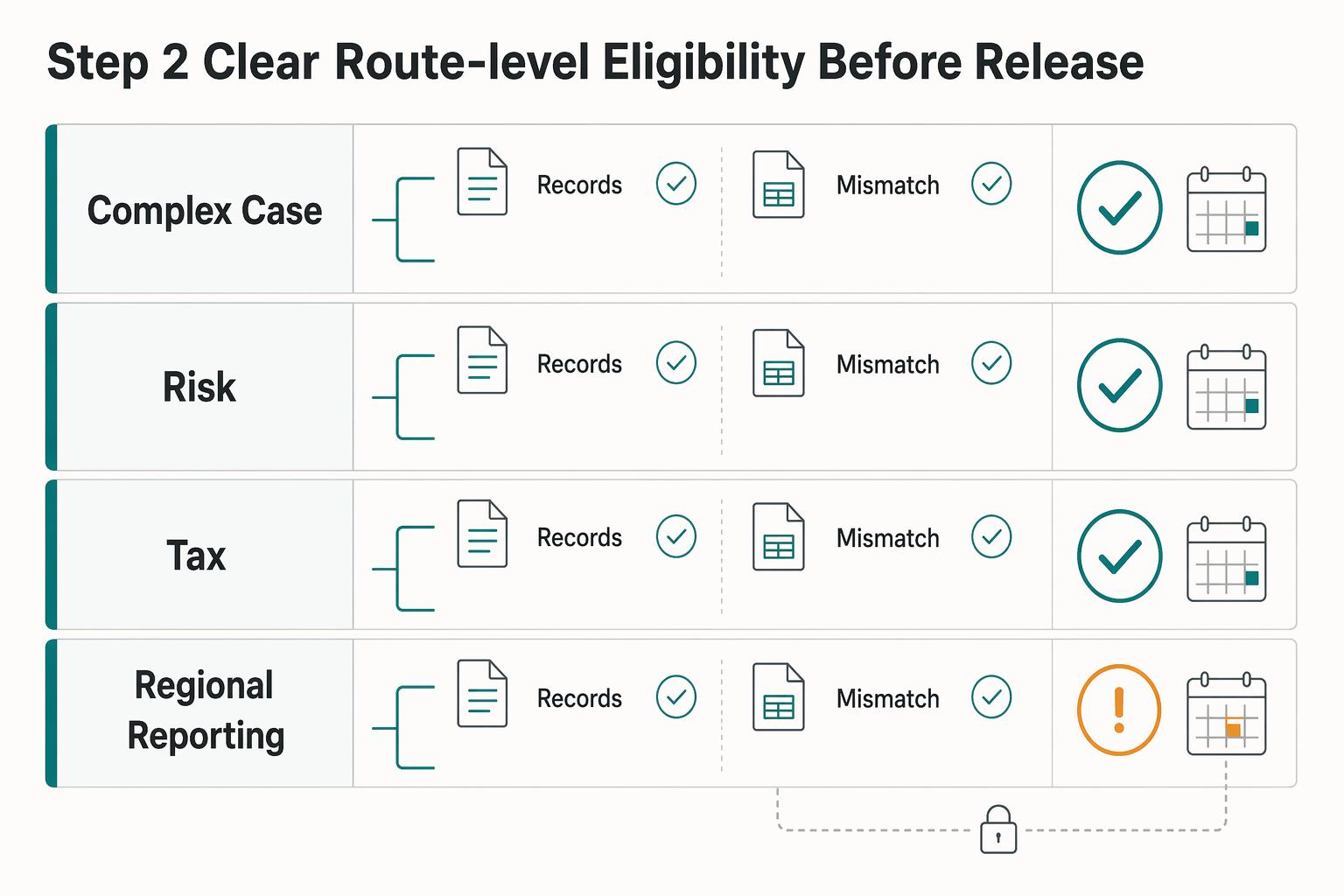
How Gig Platforms Handle Peak Season Payout Volumes in Black Friday Q4
For a gig platform, Black Friday and Q4 payout scaling can become a trust problem as much as a throughput problem. As payout demand rises, exception load and reconciliation pressure rise with it. One unclear status can quickly turn into a worker complaint, a support ticket, and a finance cleanup issue at the same time.
Read more →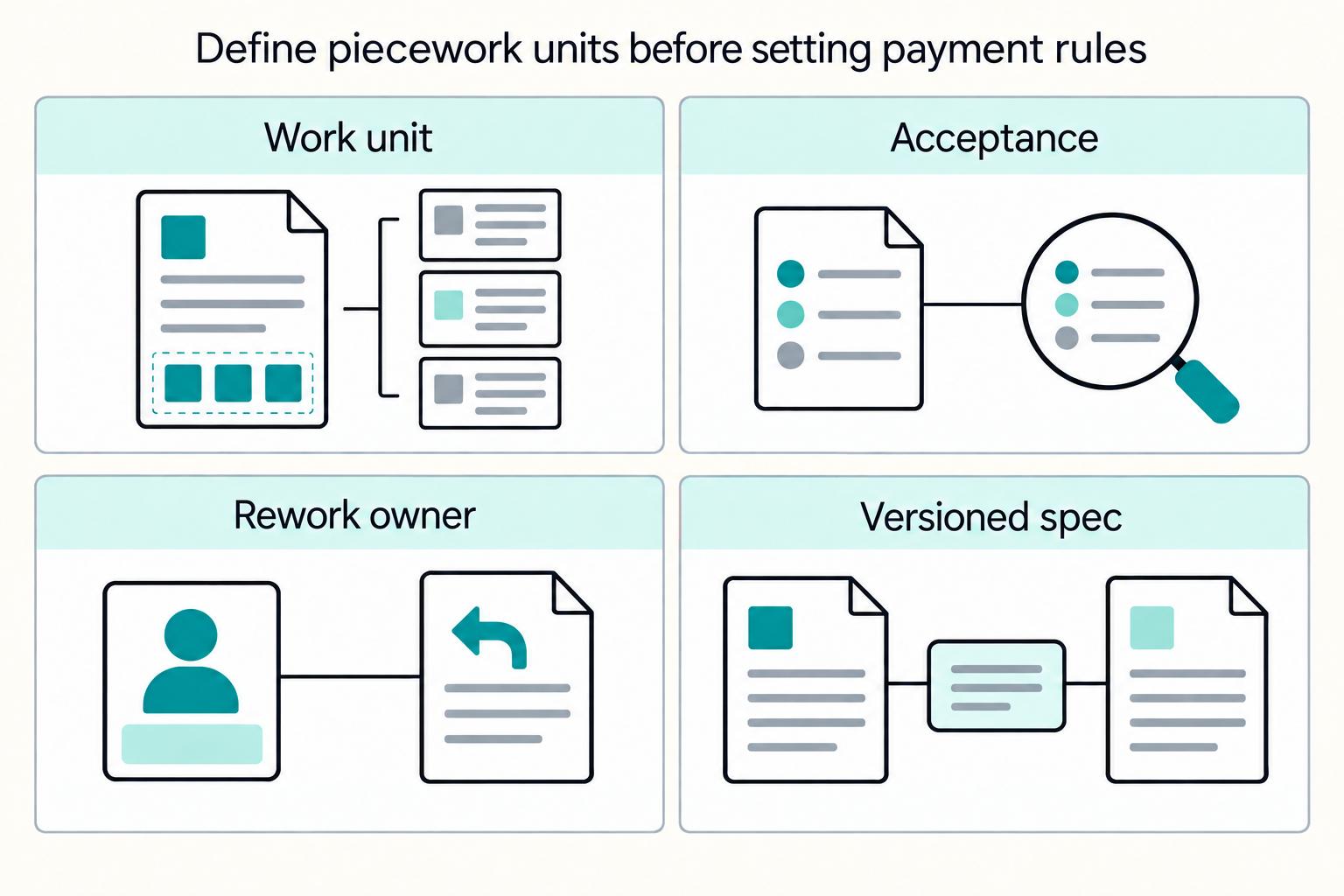
How Annotation and Data Labeling Platforms Pay Workers Under Piecework and Compliance Constraints
Choosing a pay model before you define the work can create avoidable loss for annotation teams. Piecework versus hourly is not just a compensation choice. It shapes what you need to measure, what workers need to know before they accept tasks, and how much compliance, payout, and dispute pressure your operation can realistically carry across countries.
Read more →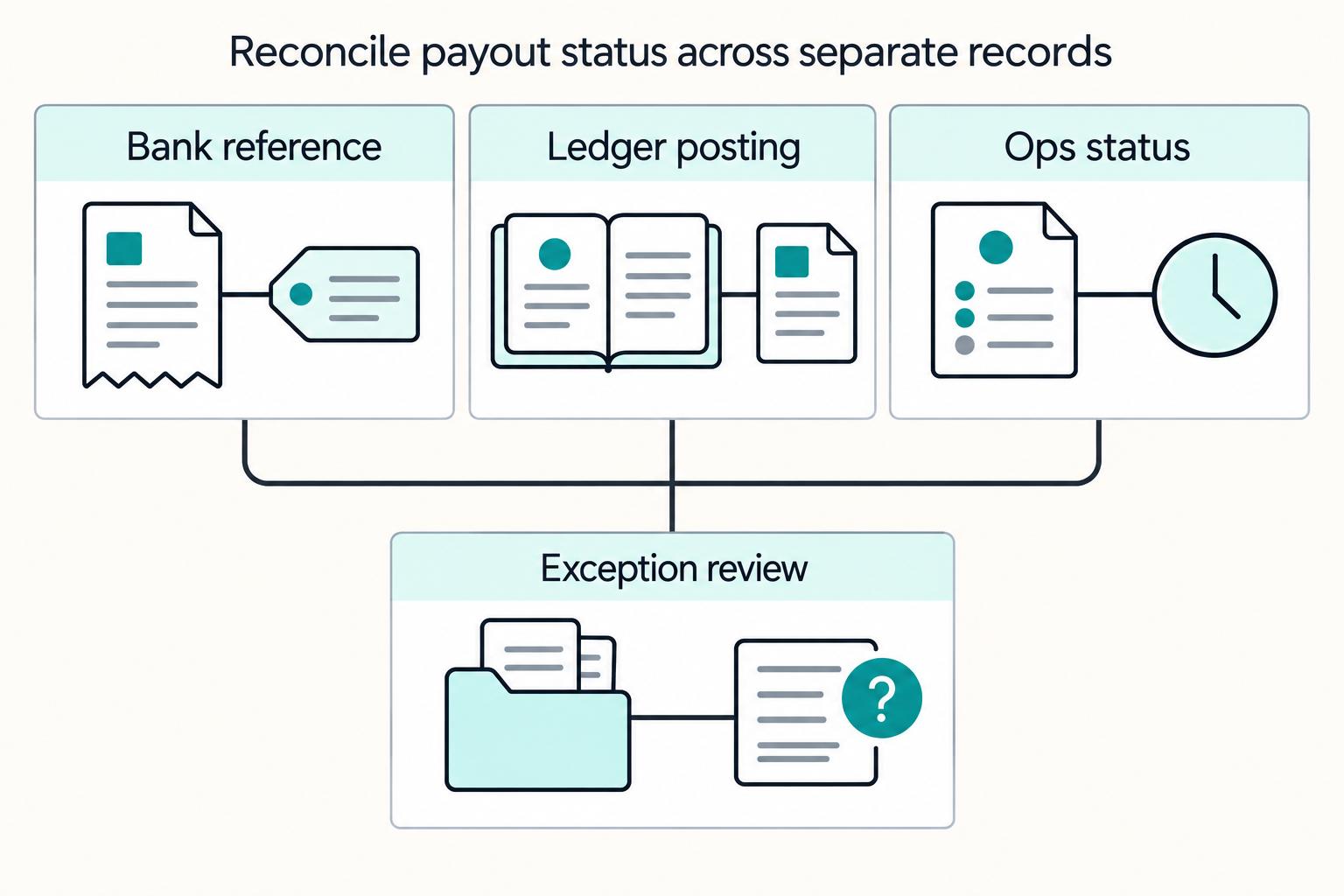
How RENTAS Works: Malaysia Central Bank RTGS for Platform Payouts
Malaysia can be a viable payout market if your plan clears three checks early: how settlement happens, who can participate, and what your team can operate reliably. A headline about "24/7 settlement" is not enough to support a customer-facing payout promise.
Read more →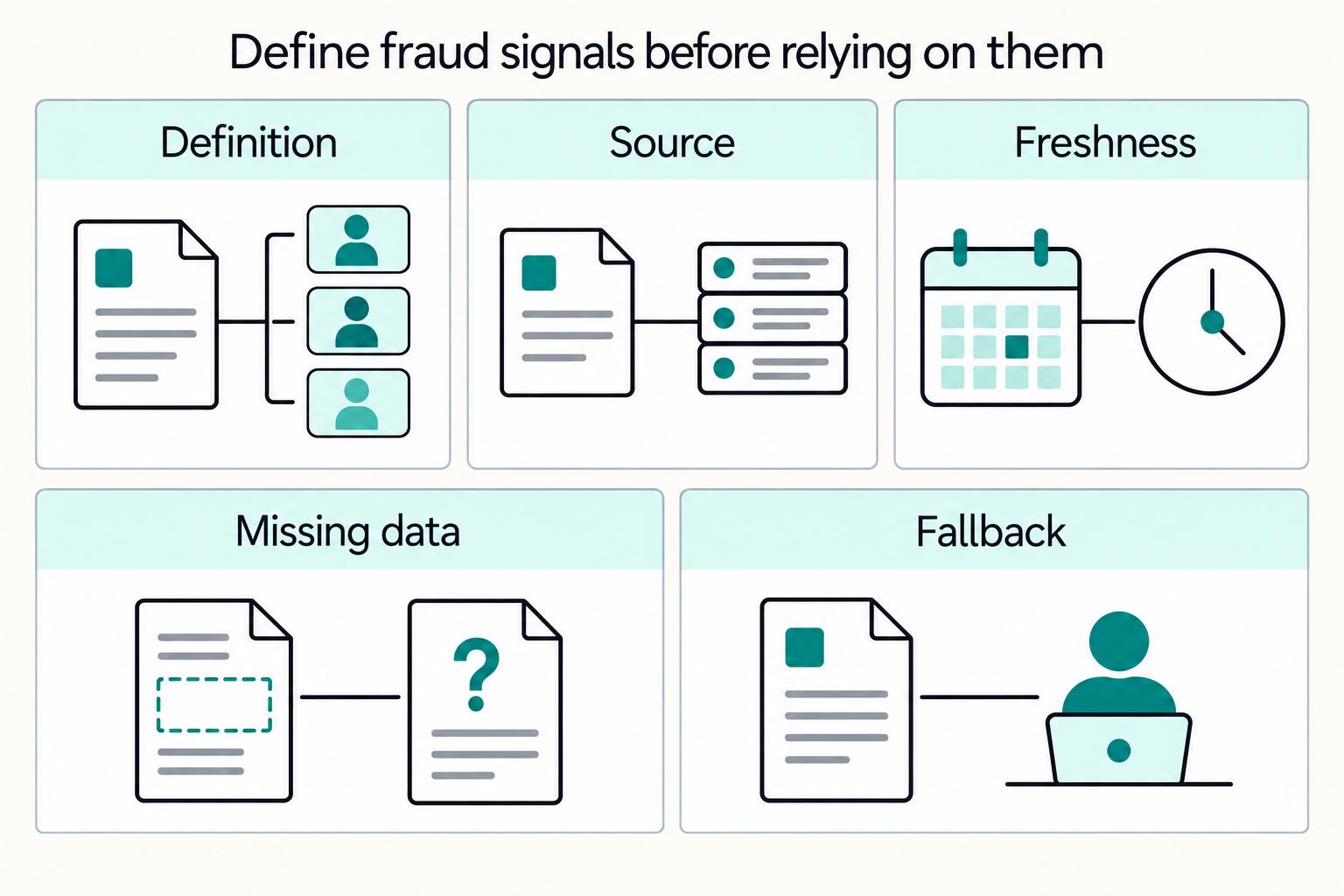
Payment Fraud Feature Engineering: 50 Signals That Matter
Fraud ML is useful only when it leads to decisions your compliance, legal, finance, and risk leads can defend. This article stays on action paths, ownership, and evidence, not model taxonomy or abstract accuracy claims.
Read more →