
Operator playbooks for cross-border payments, tax, and compliance execution.
Step-by-step guidance for finance, product, and ops teams to launch faster, reduce payout friction, and keep reconciliation clean across borders.
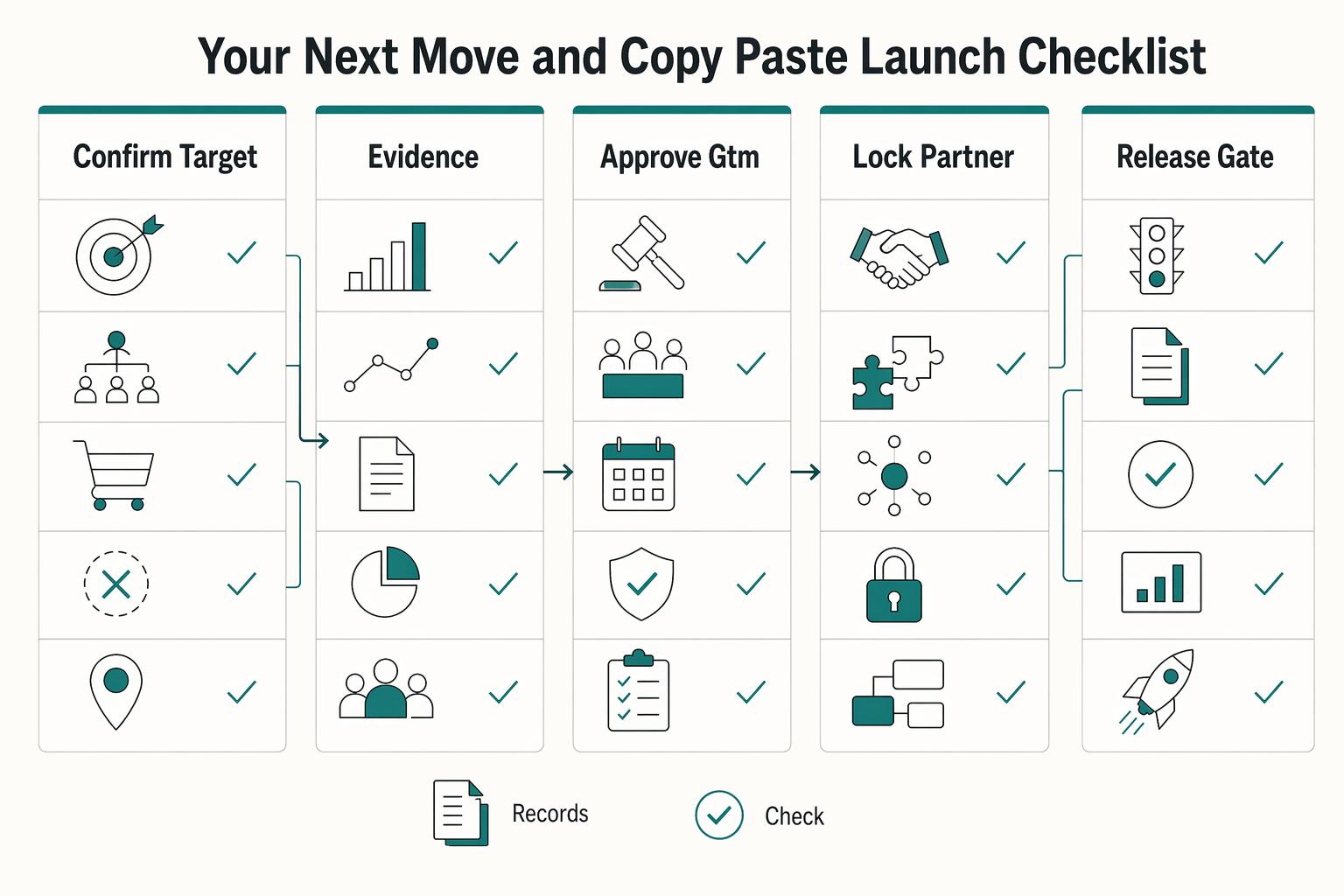
How to Build a Payment Platform Go-to-Market Strategy: Channels Partners and Positioning
For payment platforms, go-to-market decisions should start with clear commercial logic and execution constraints, not just channel tactics. Teams can jump to partner lists, channel tests, or messaging before they agree on the logic they need to protect, and that can lead to fragmented execution.
Read more →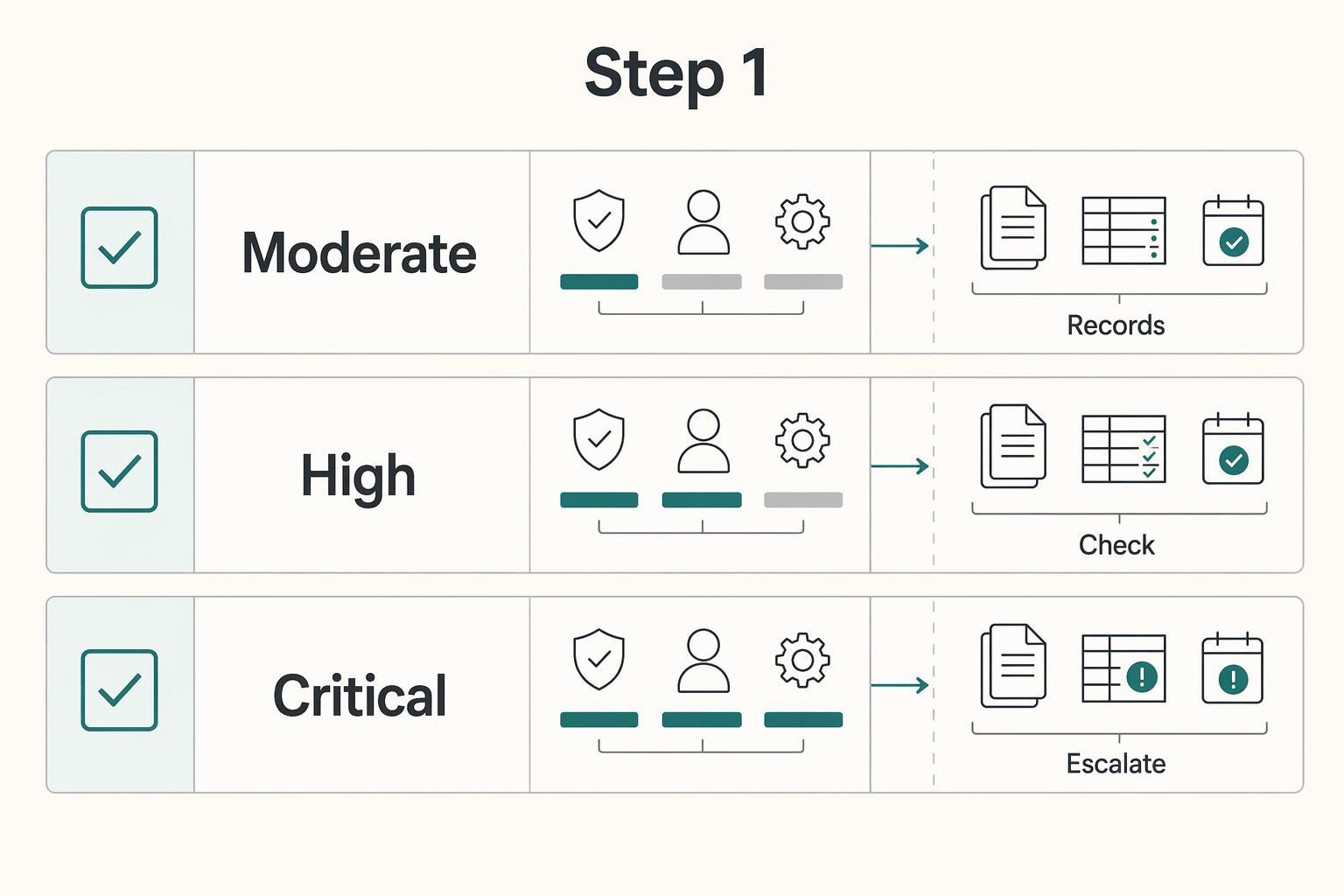
Third-Party Risk Management for Payment Platforms: How to Vet and Monitor Your Payment Vendors
Payment-vendor risk is easier to control when ownership, evidence, and escalation are explicit from the start.
Read more →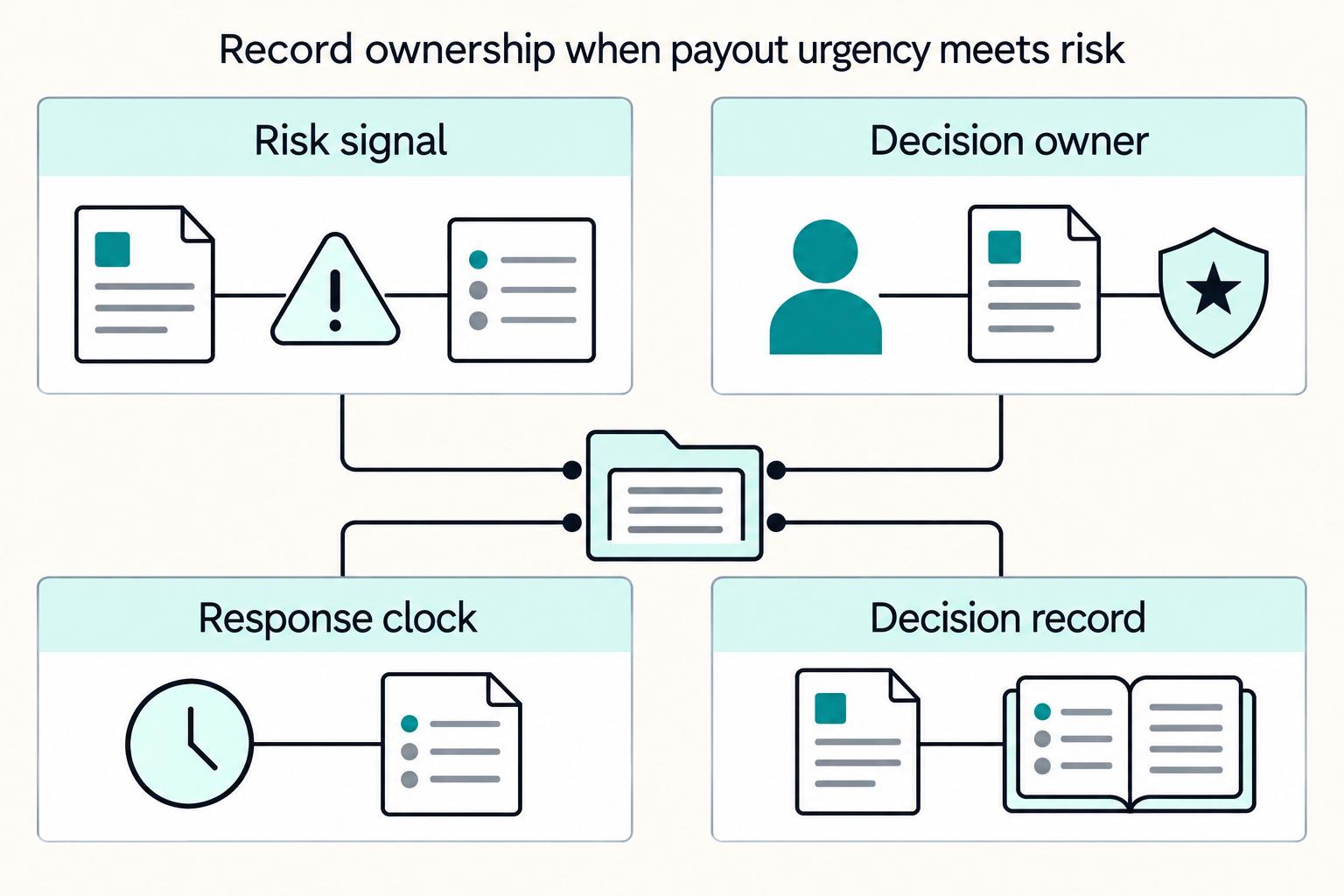
Payment Latency vs Security: Platform Fraud Control Guide
Payment speed and fraud control are a sequencing decision, not a tug of war. If you run contractor, seller, or creator payouts, the core question is which checks must finish before funds move on [Real-Time Payments (RTP)](https://www.bis.org/cpmi/publ/d154.pdf), and which checks can continue after release without creating avoidable exposure.
Read more →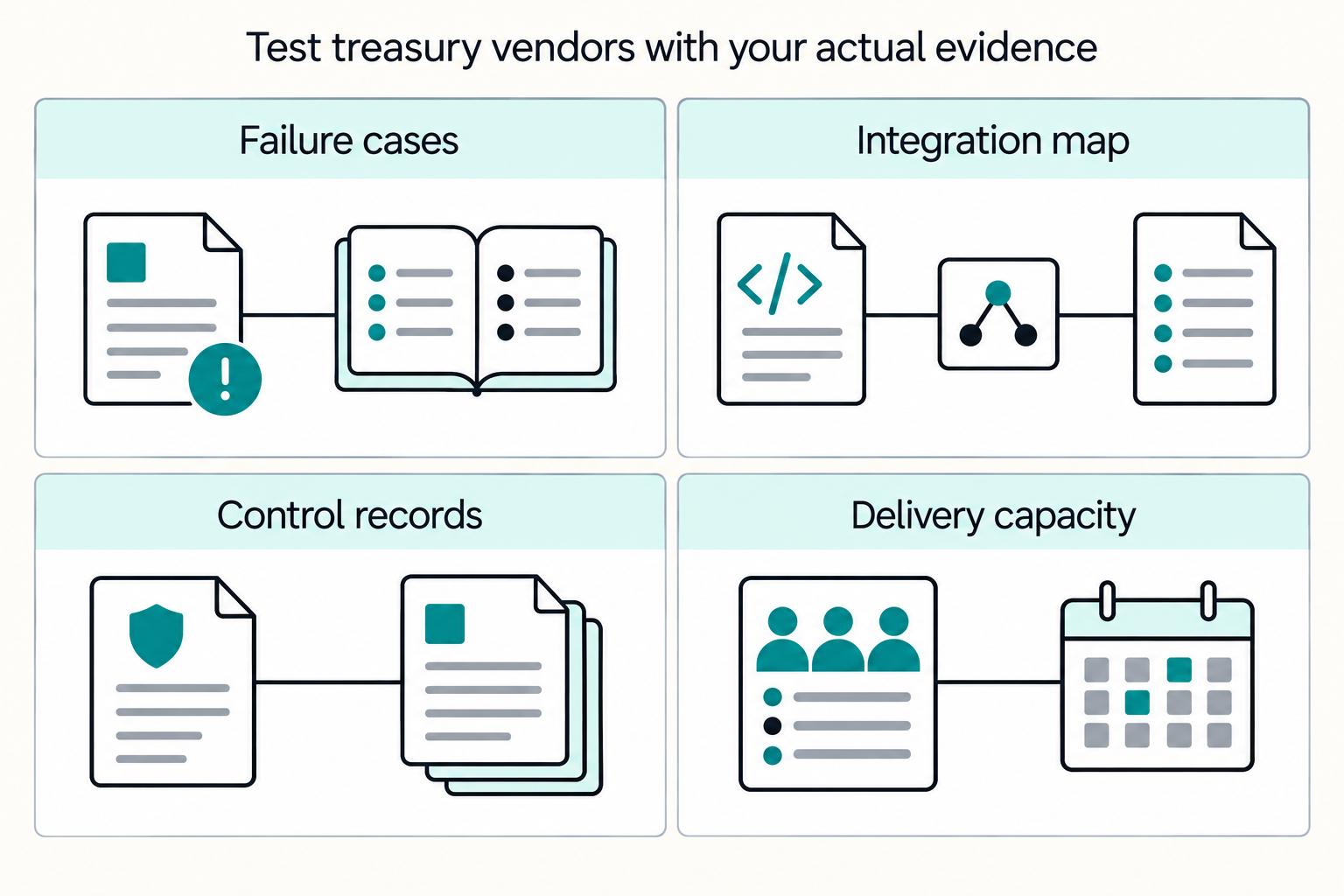
How to Choose a Treasury Management System
A treasury management system should answer which cash your business can use, what obligations will consume it, and who may move it. For a payment platform, those questions are harder than adding up bank balances: customer money, seller liabilities, reserves, pending settlements, and corporate cash can appear in the same operational reports.
Read more →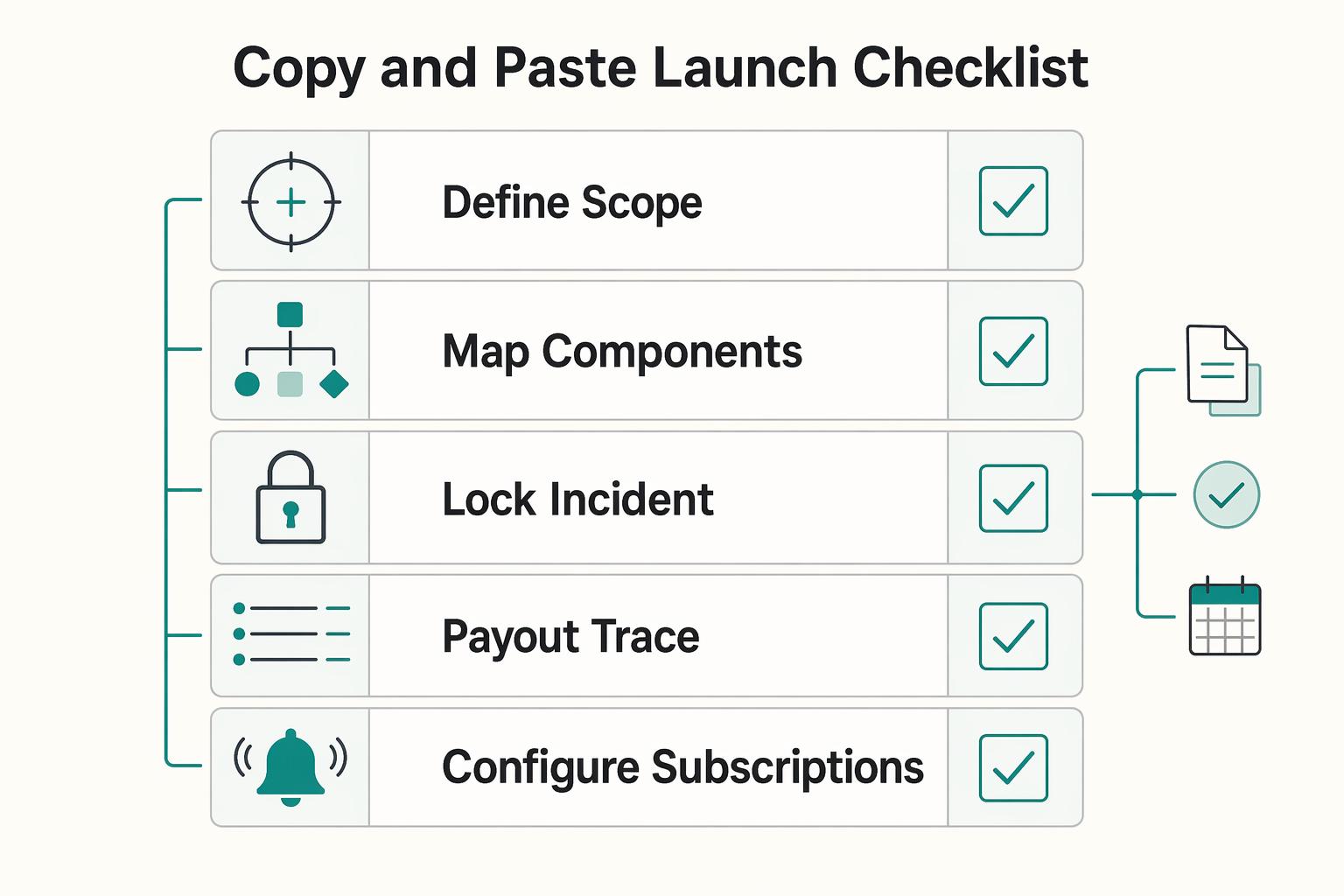
How to Build a Public Status Page for a Payment Platform
A payment status page should help customers decide what to do while a service is disrupted. Report the affected payment stage, scope, current evidence, safe customer action, and next update time. A working API does not prove payouts arrived, and a recovered provider does not prove your delayed backlog is clear.
Read more →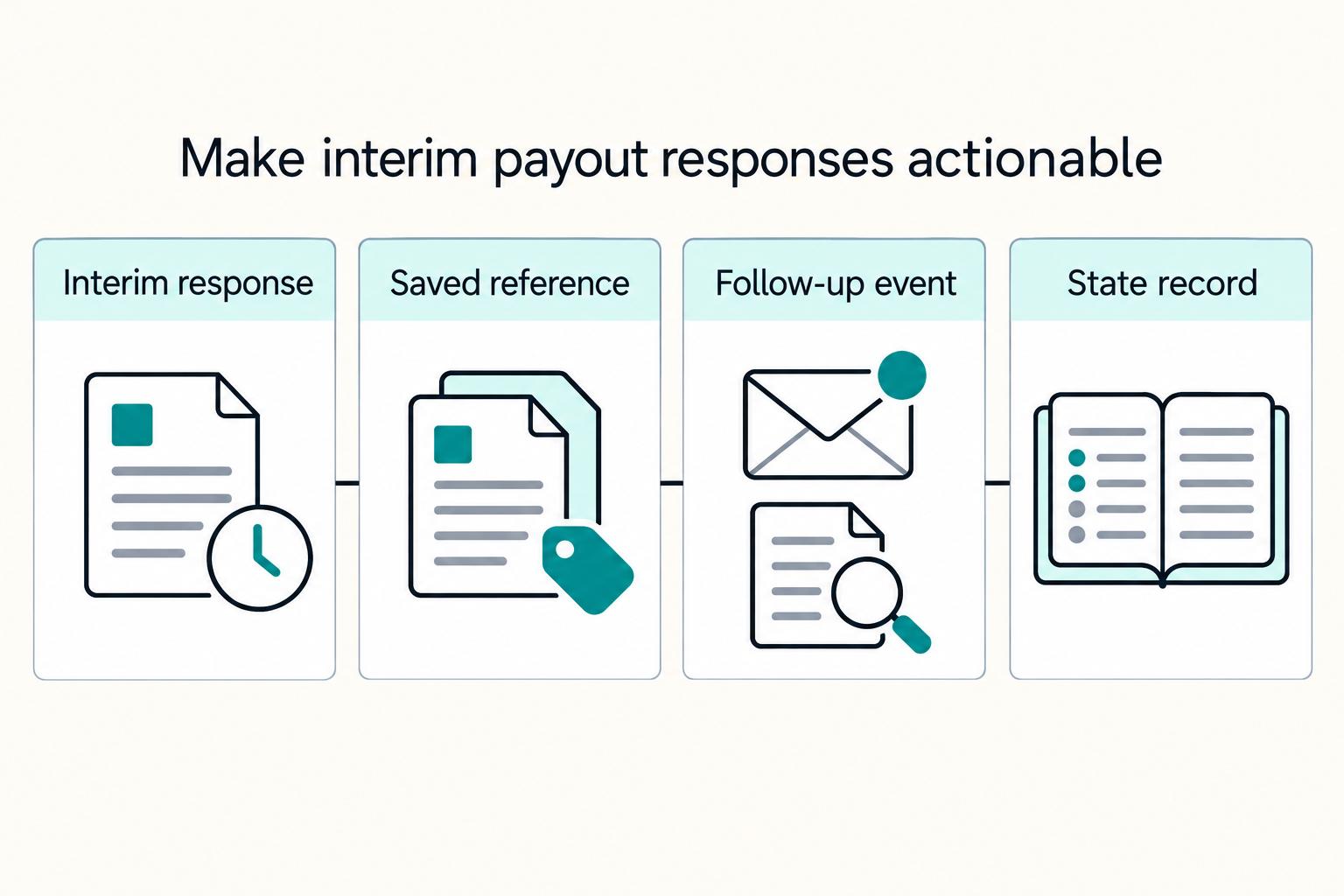
OpenAPI Specification for Payment Platforms: How to Document Your Payout API
Payout API docs often fail in production when they describe endpoints, not obligations. If you want teams to integrate and operate a payout API with confidence, treat the OpenAPI specification as the production contract from day one, not a side artifact generated after code ships.
Read more →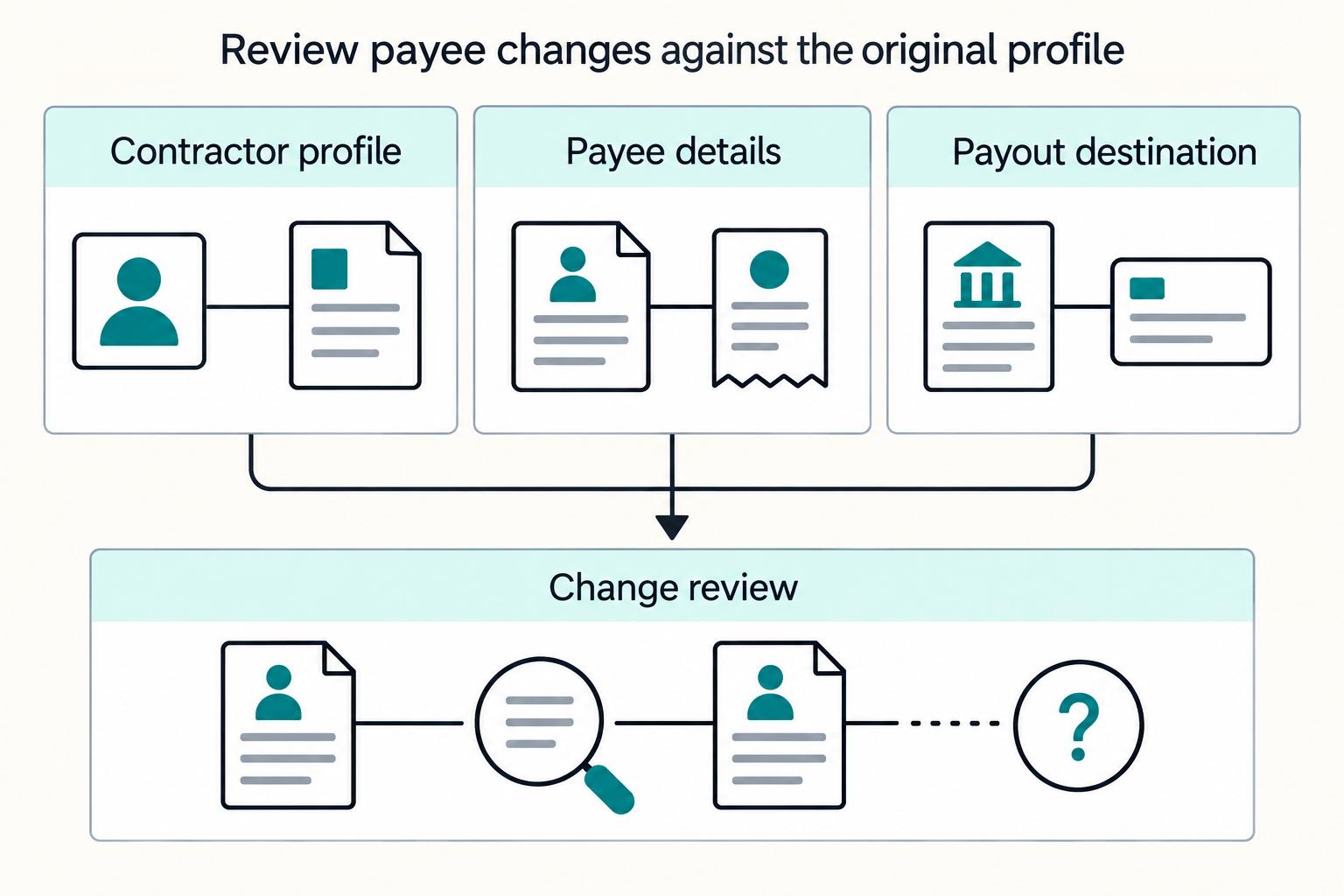
Contractor Onboarding Checklist for KYC, Tax, and Bank Checks
Before the first payout goes out, your contractor onboarding process should answer a small set of high-stakes questions. Who is this contractor? What work are they doing? What risk do they create? What evidence supports the decision? Who can override the controls when something does not line up?
Read more →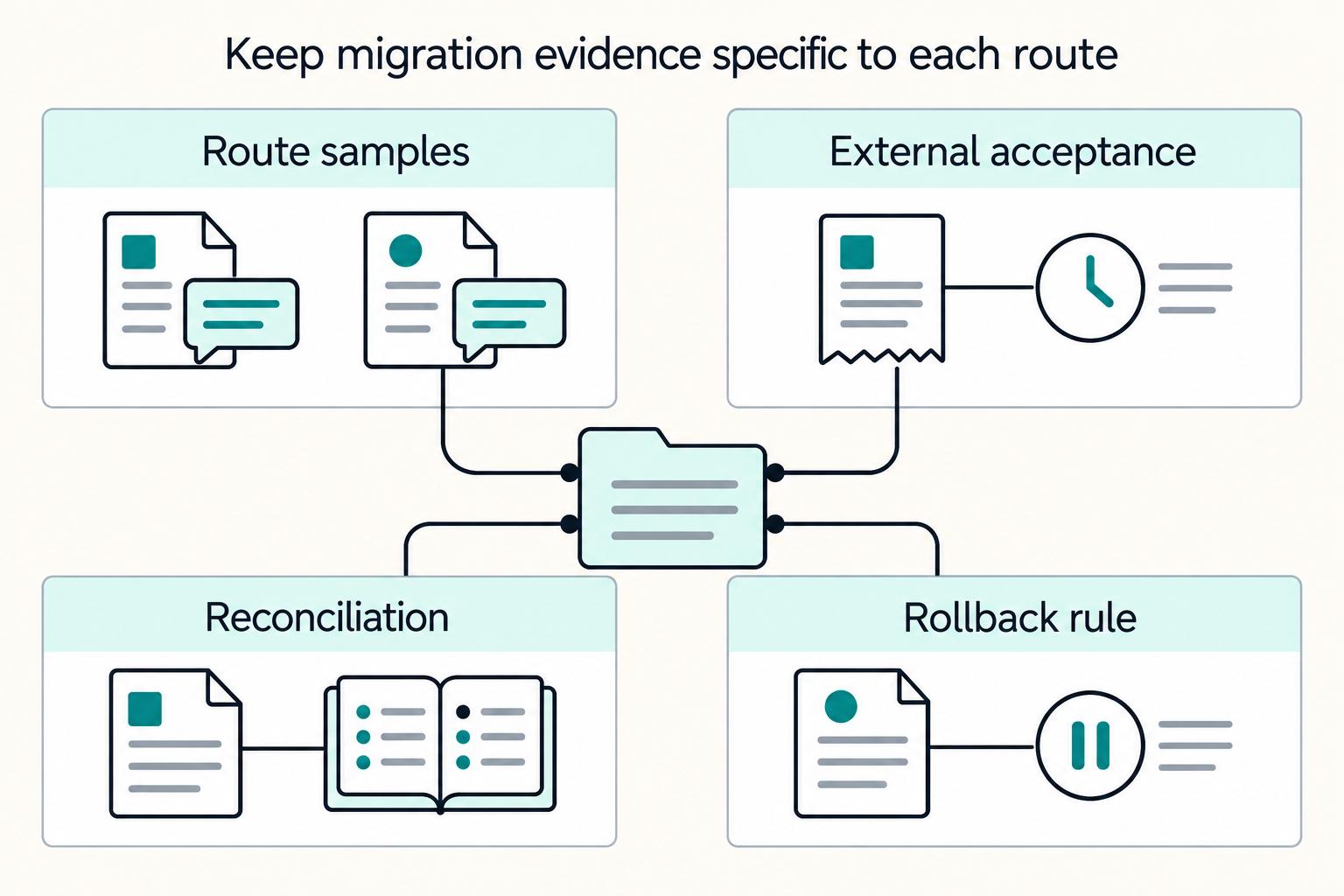
ISO 20022 Migration for Payment Platforms: Payout Cutover Guide
Swift CBPR+ payment-instruction coexistence ended on 22 November 2025. That is a specific network milestone, not a universal rule for every payout rail, corporate channel or reporting message. For CTOs and solution architects, migration still requires choices about data capture, bank acceptance, reconciliation and safe cutover.
Read more →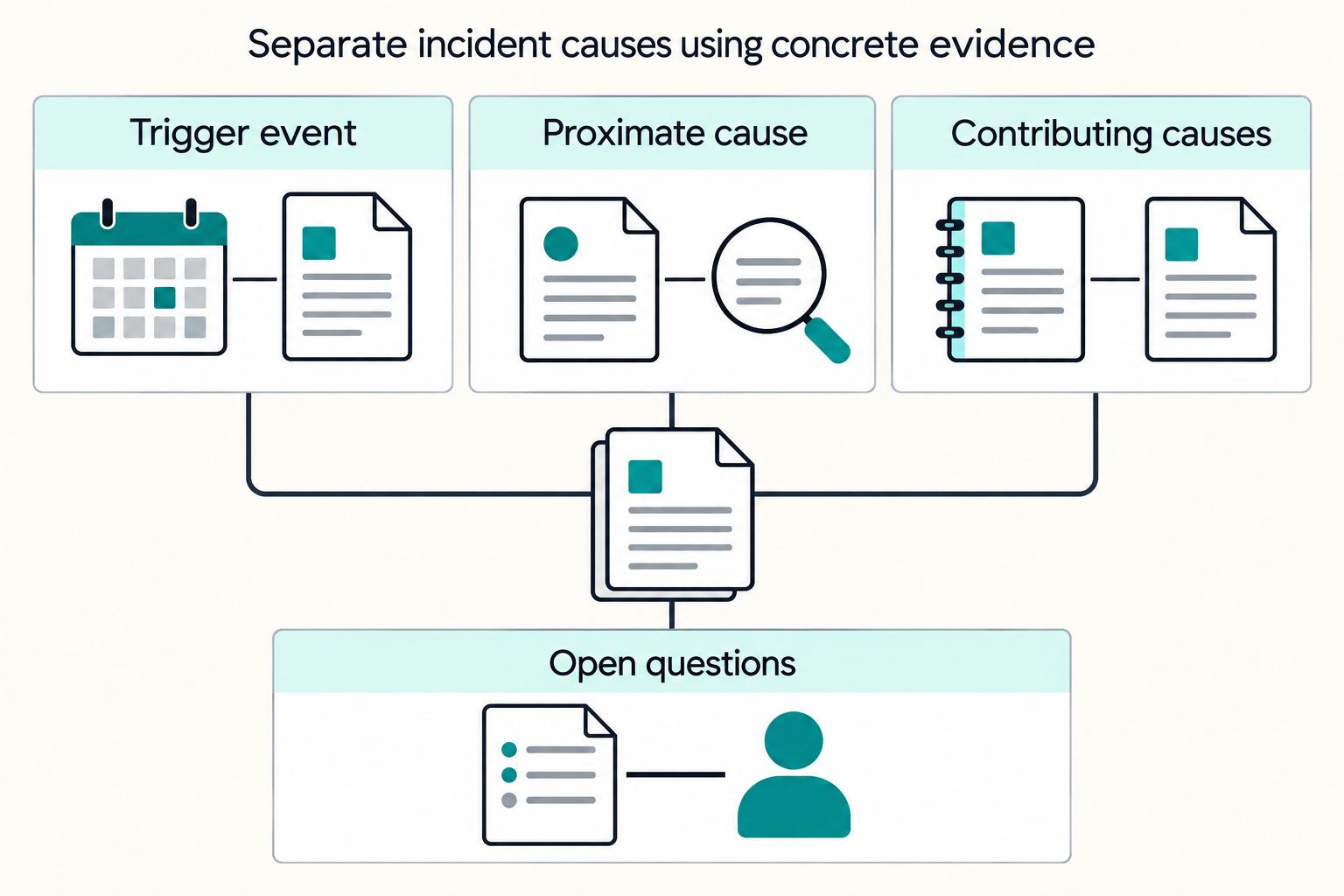
How to Conduct a Payment Platform Post-Mortem: Root Cause Analysis for Outages and Errors
Restoring the API does not settle every payment affected by an outage. A payment post-mortem should explain which transactions failed, which succeeded remotely despite local errors, what remains unresolved and which changes reduce recurrence. Bring Engineering, Payments Ops, Finance and customer-support owners into the same review.
Read more →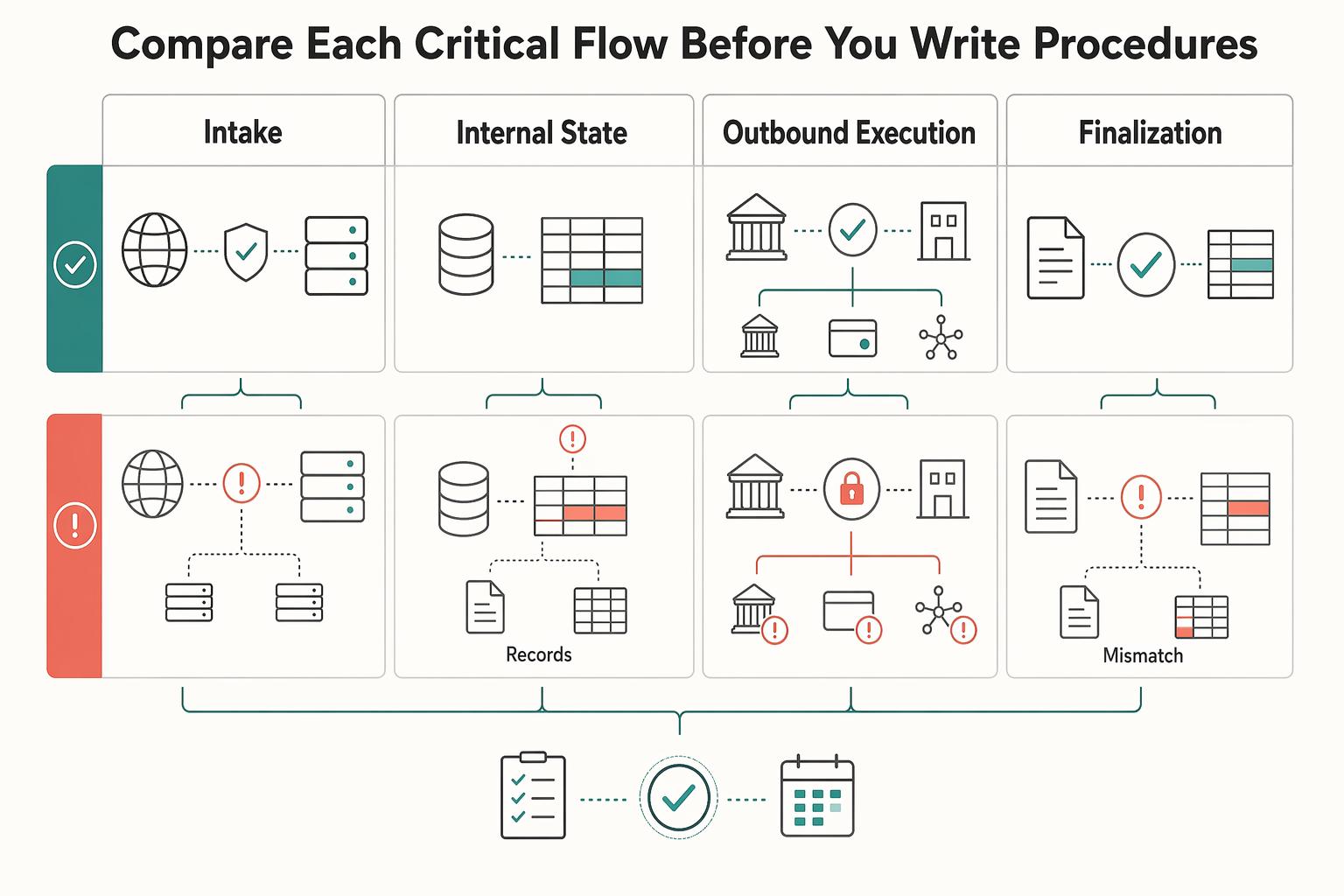
How to Write a Business Continuity Plan for a Payment Platform
**A usable Business Continuity Plan (BCP) for payments is an execution plan, not a file you hope to use later.** Continuity planning means maintaining or recovering operations during adverse events while continuing to serve customers. In payments, disruption can escalate quickly when decisions are unclear.
Read more →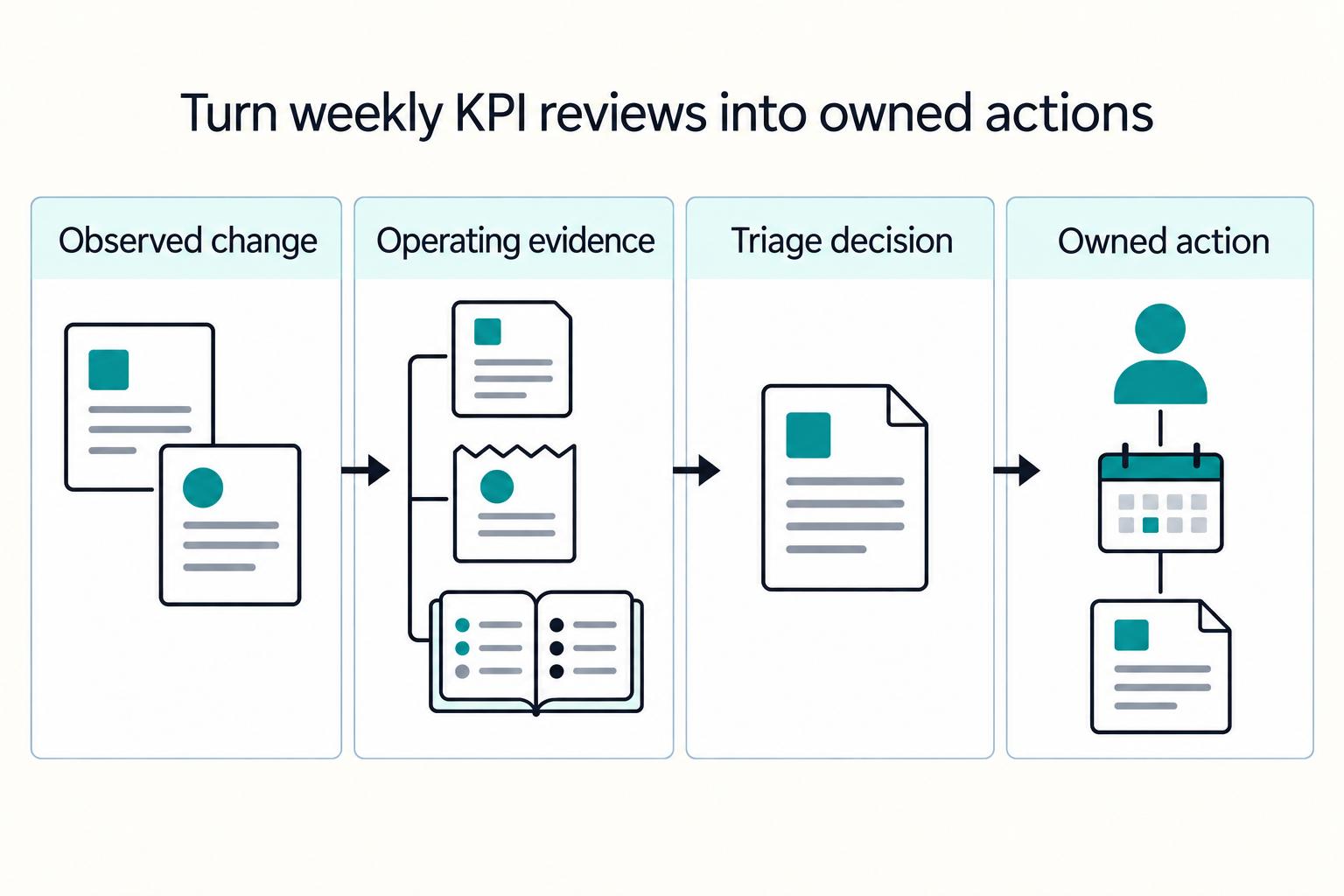
Accounts Payable KPIs: The 15 Metrics Every Payment Platform Finance Team Should Track
AP KPIs should work as an operating tool, not a glossary. Use them to review process flow, assign ownership, and decide what happens next.
Read more →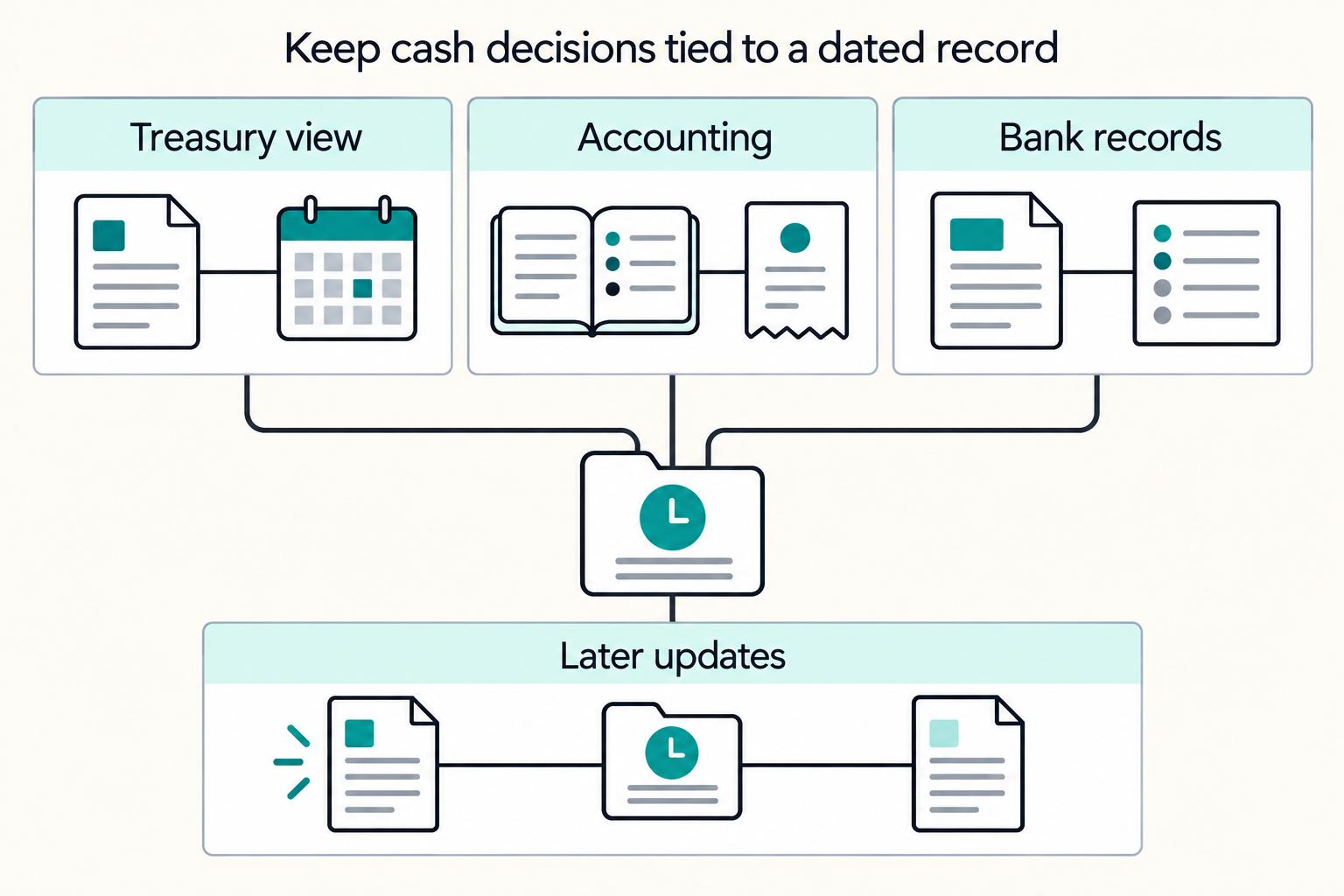
Treasury Management for Platform Finance Teams: Cash Pooling Forecasting and Investment
A Treasury Management System should act as an operating control layer, not just a reporting screen. If your setup does not hold up during reconciliation and payment execution, the feature list is secondary.
Read more →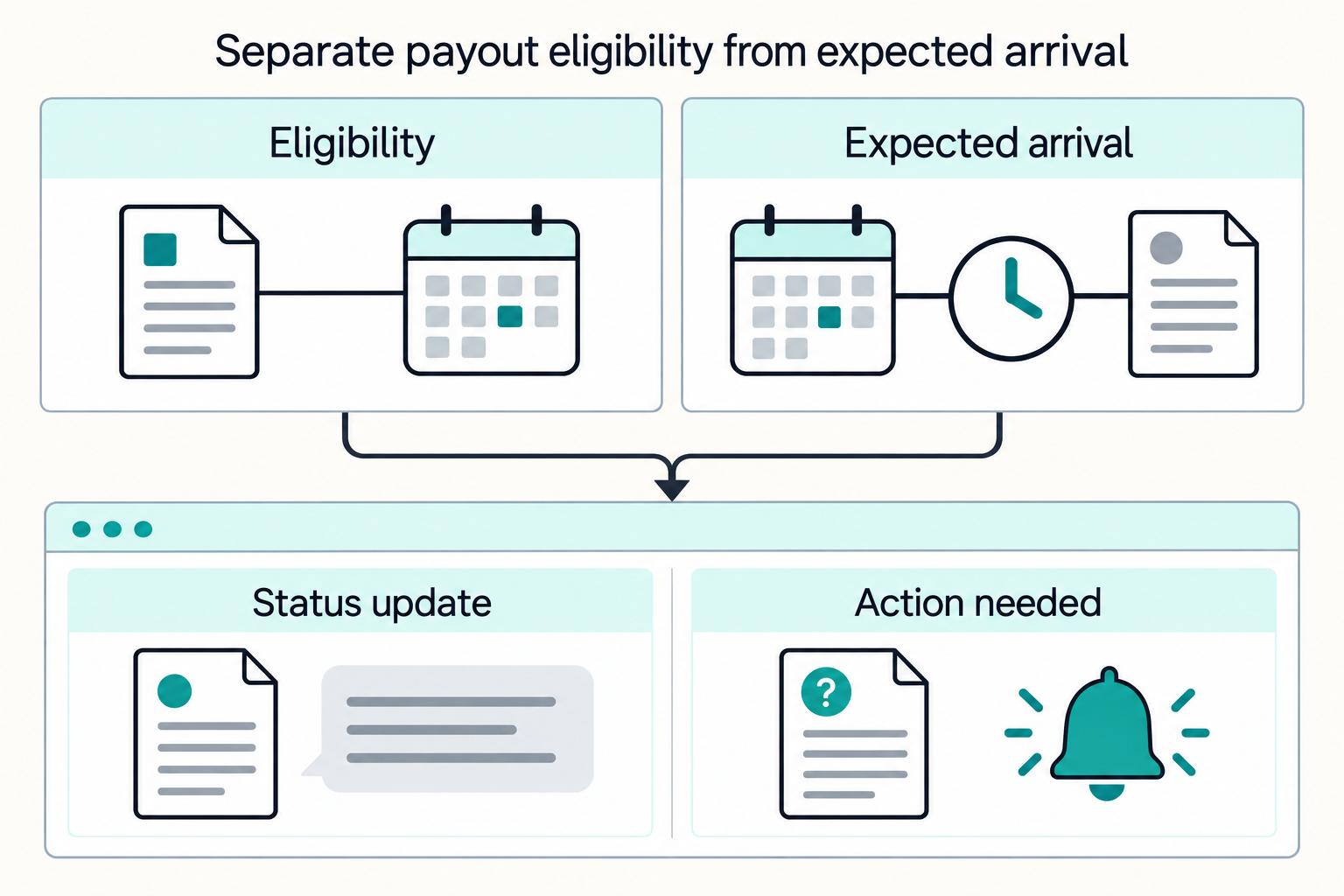
Flexible Contractor Payout Calendars: Cutoffs, Funding and Close
A flexible payout calendar defines when an approved contractor balance is released and how long it is expected to take to arrive. Weekly batches, milestone payments and optional faster withdrawals can coexist, provided each obligation has one execution owner and the funding path can support the promise.
Read more →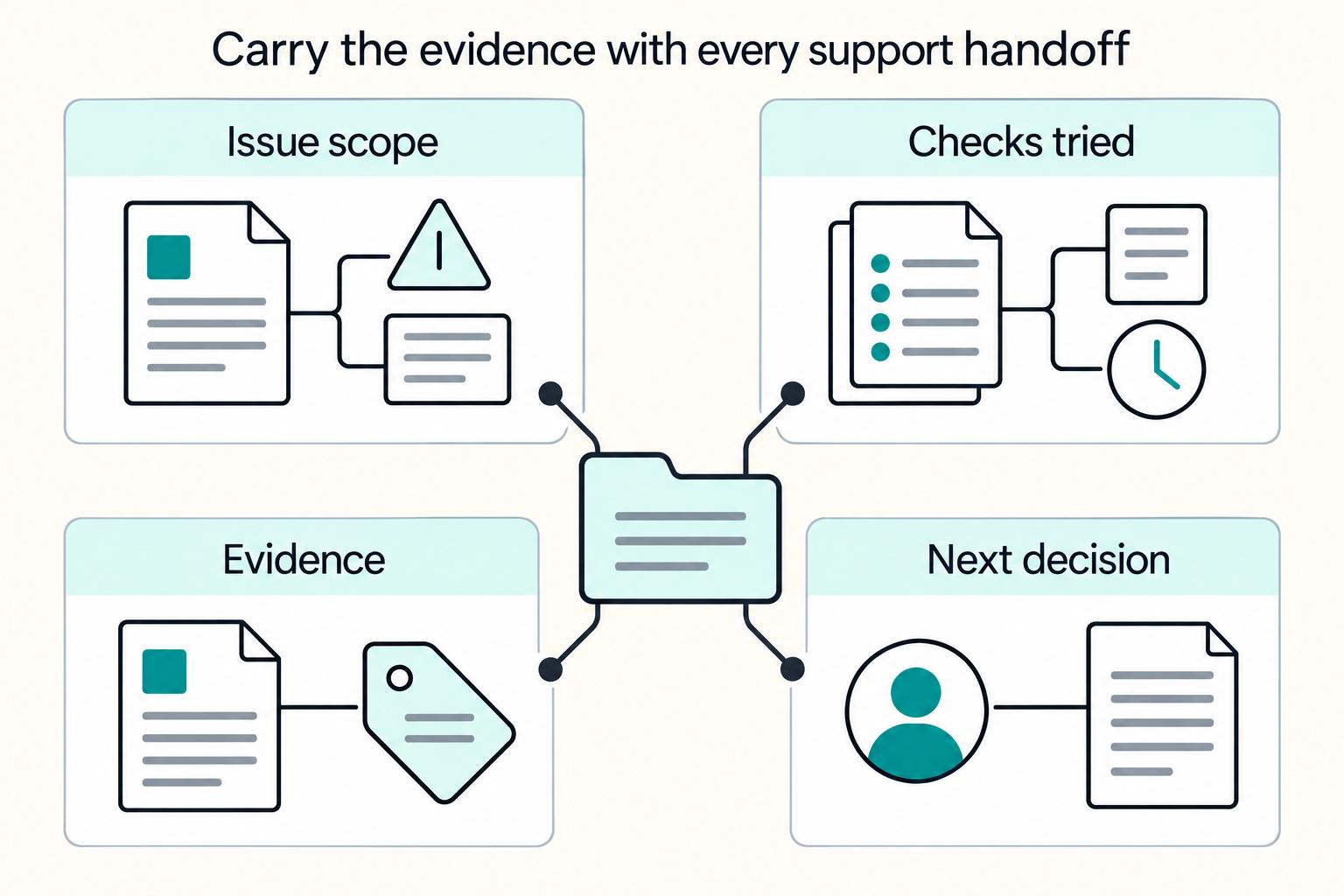
How to Build a Platform Help Center for Payment Issues: FAQ Templates and Escalation Flows
Treat this help center as an operating control, not a content project. The point is to resolve issues faster while keeping a clear, auditable record of what was reported, checked, and escalated.
Read more →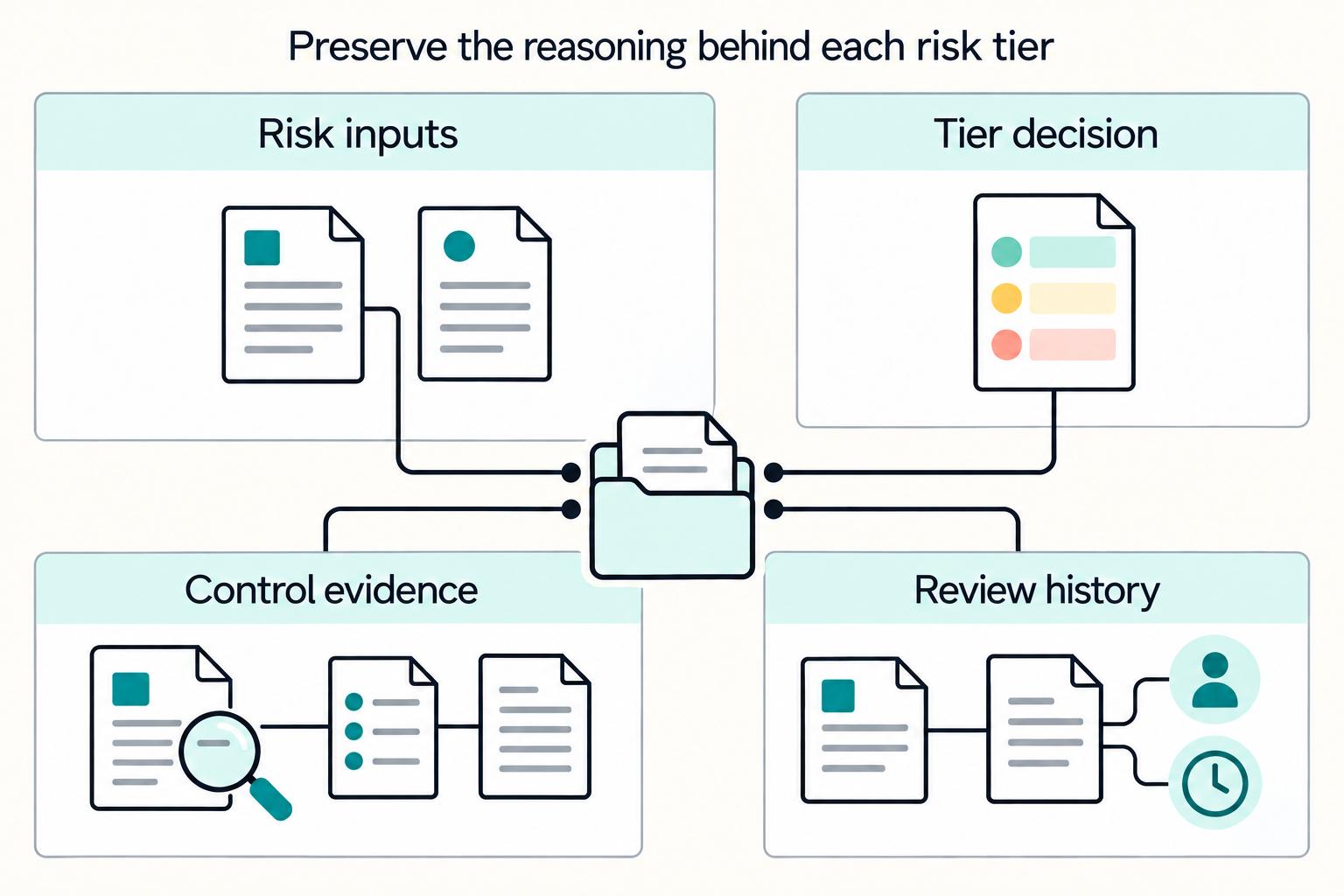
How to Build a Risk-Based KYC Framework for Your Platform: Tiering Contractors by Risk Level
This guide is for compliance, legal, finance, and risk owners managing contractor, seller, or creator payouts across markets. The goal is practical: build a risk-based KYC tiering model your team can run every day, explain in an audit, and scale without overbuilding too early.
Read more →
Enhanced Due Diligence for High-Risk Contractors: What Triggers EDD and How to Conduct It
High-risk contractor onboarding often breaks in one of two ways: every edge case goes to Enhanced Due Diligence (EDD), or baseline checks keep running after they can no longer answer the risk question. Start with Customer Due Diligence (CDD), then escalate when applicable law or program rules require enhanced review, or when standard checks leave material risk unresolved.
Read more →
Building Payment Infrastructure In-House: Engineering, Compliance, and Maintenance Costs
Building payments in house can be the right call, but only if you plan to own months 1 through 12, not just launch day. This guidance is for platform leaders choosing between a custom build, a provider integration, or a PayFac path.
Read more →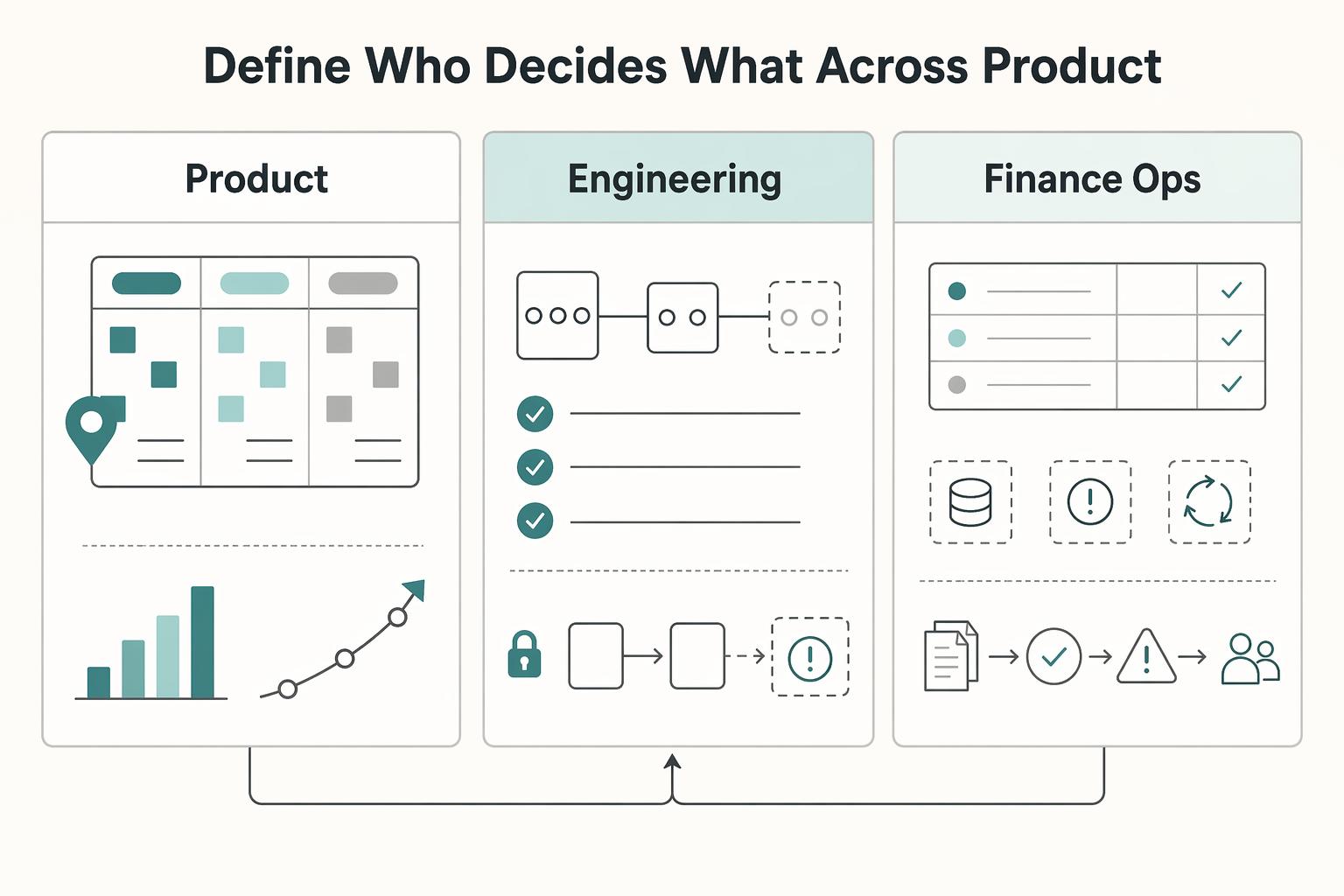
Sequencing Your Payment Product Roadmap: What to Build First When Launching a New Platform
For platform payments, build order is a core launch decision. This article gives you a clear way to define what belongs in `Now`, what should wait, and which decision gates need to clear before you scale.
Read more →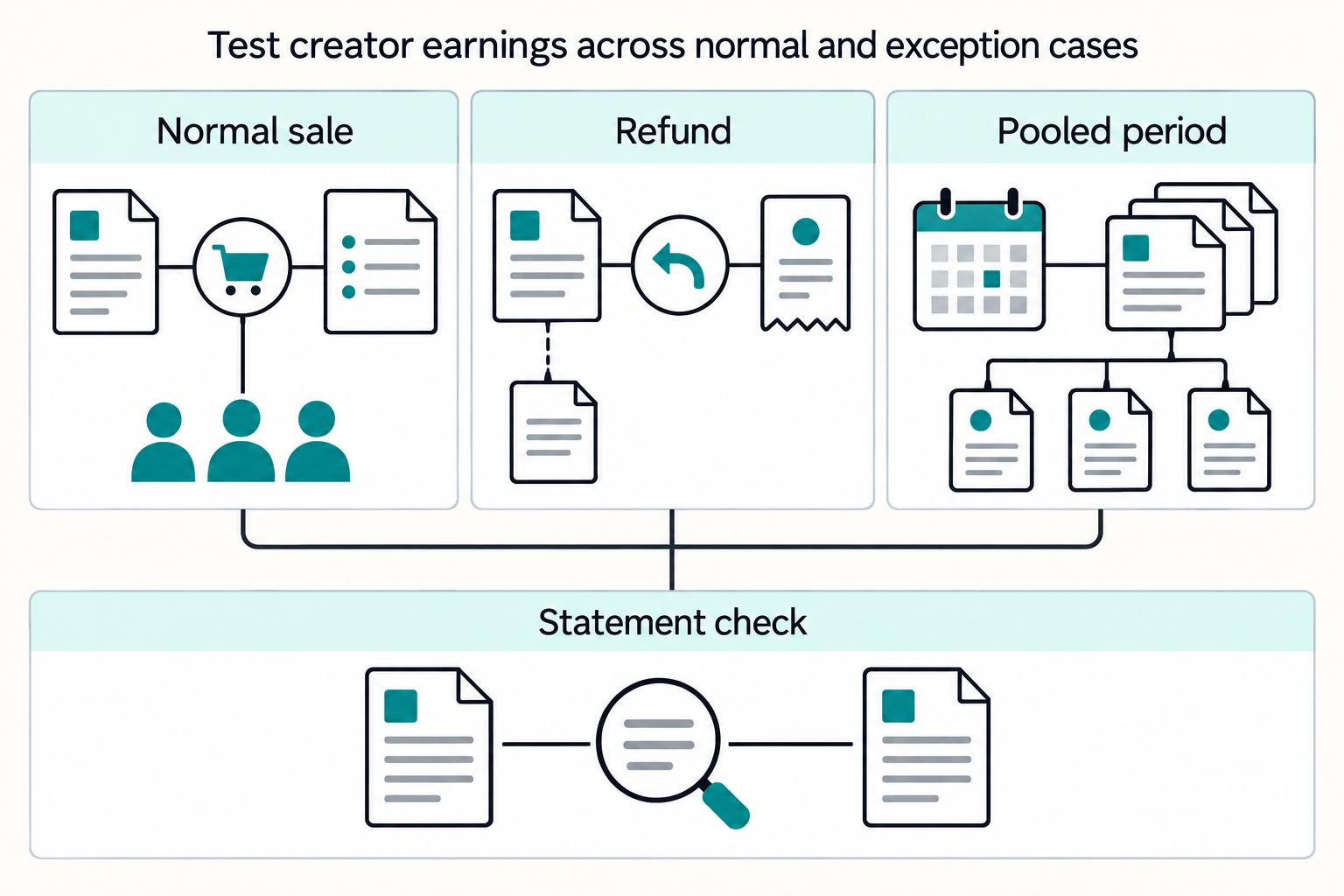
How E-Learning Content Marketplaces Pay Course Creators: Royalty Models and Tax Compliance
Choose your payout and tax operating model before you commit product or go-to-market resources in a new country. In the United States, Canada, and similar multi-jurisdiction rollouts, that early choice shapes who controls creator earnings, who carries tax obligations, and how much operational complexity your team takes on.
Read more →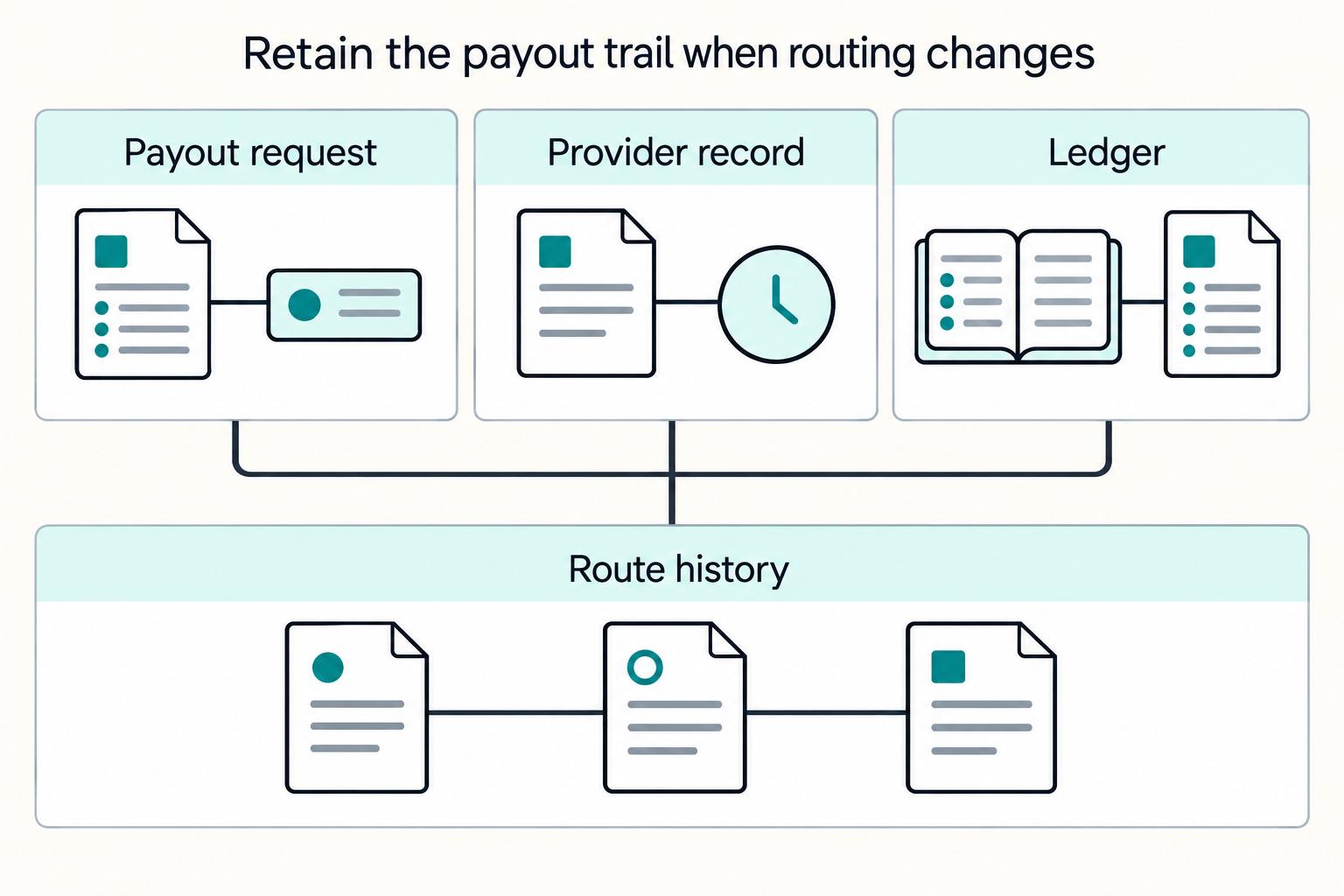
How to Pay Contractors in Malaysia: DuitNow and Bank Negara FX Compliance for Platforms
The core decision is simple. Can you pay contractors in Malaysia with acceptable speed, cost, and control by potentially using DuitNow for the local payout leg while treating cross-border FX as a separate compliance decision? If you collapse those into one choice, you risk building a flow that looks efficient but breaks on approvals, evidence, or both.
Read more →