
Operator playbooks for cross-border payments, tax, and compliance execution.
Step-by-step guidance for finance, product, and ops teams to launch faster, reduce payout friction, and keep reconciliation clean across borders.
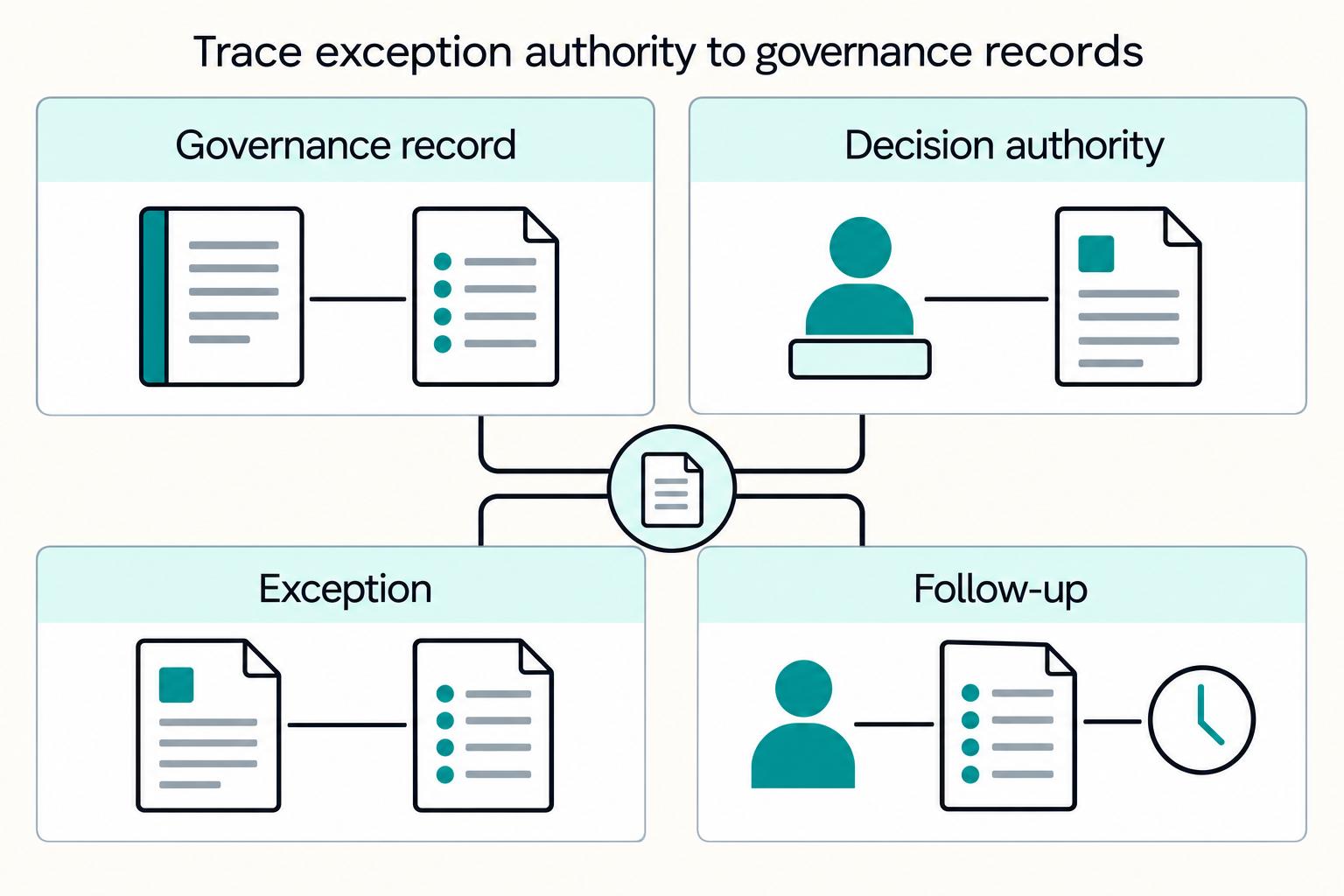
C-Corp vs LLC for US Payment Platforms That Move Third-Party Funds
For a marketplace operator, choosing between an LLC and a C corporation is often a governance-and-control decision, with tax implications alongside it. If your platform moves contractor, seller, or creator funds, entity form affects who has authority, how that authority is documented, and how easily you can prove it under review.
Read more →How freight platforms pay carriers and owner-operators at scale
A freight payout starts with a load settlement: who earned the money, which rate applies, which adjustments are supported and who is entitled to receive it. A fast bank transfer cannot repair an incorrect settlement. For a US freight platform, establish those facts before choosing a payout rail or promising quick pay.
Read more →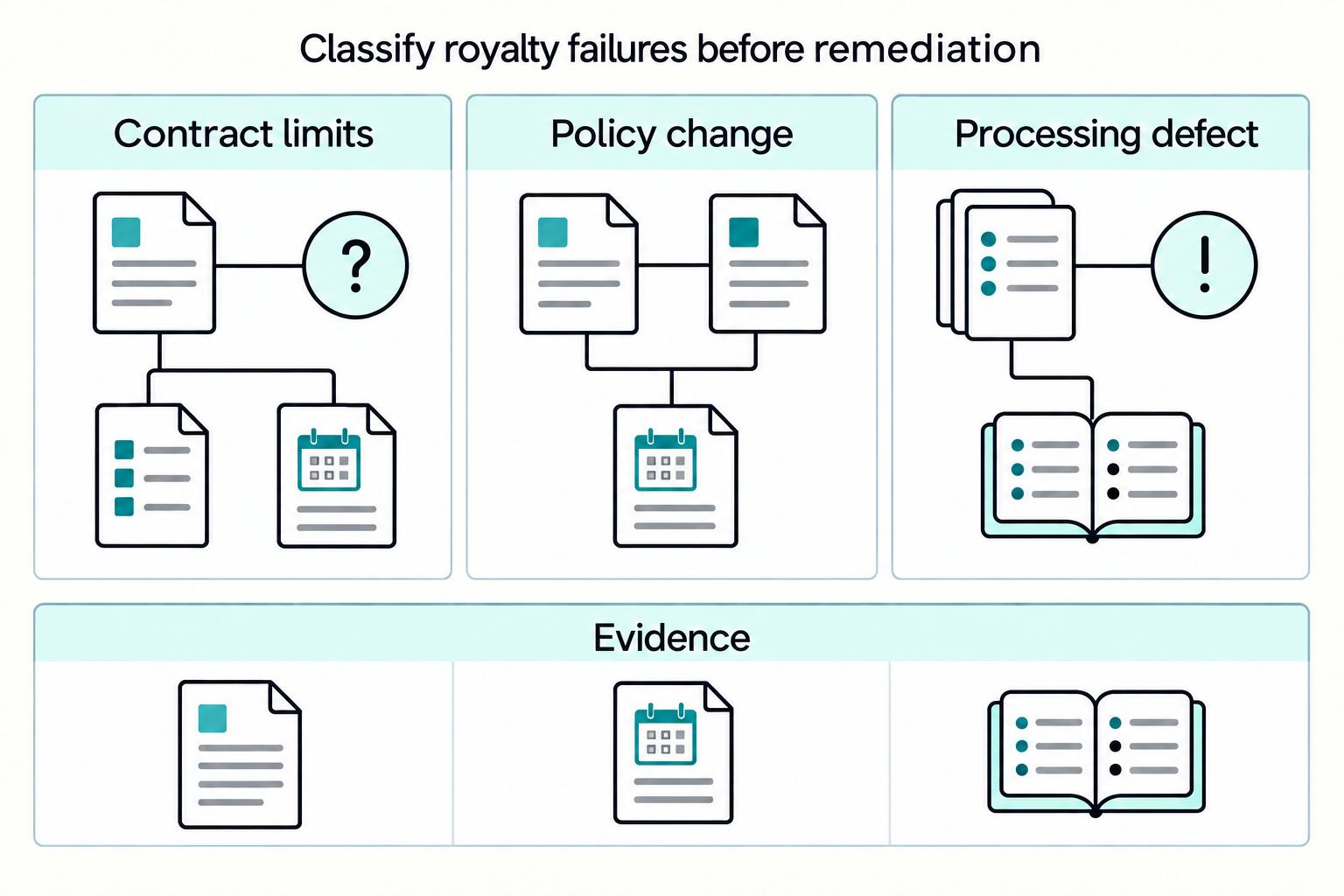
How NFT Marketplaces Handle Creator Royalties On-Chain and Off-Chain Payout Models
Royalty design has three separate questions: how the expected amount is signaled, whether the sale path requires payment, and how the creator receives collected funds. A royalty can be calculated off-chain and paid on-chain, or collected on-chain and converted for a later bank payout. Document each step before promising creators a result.
Read more →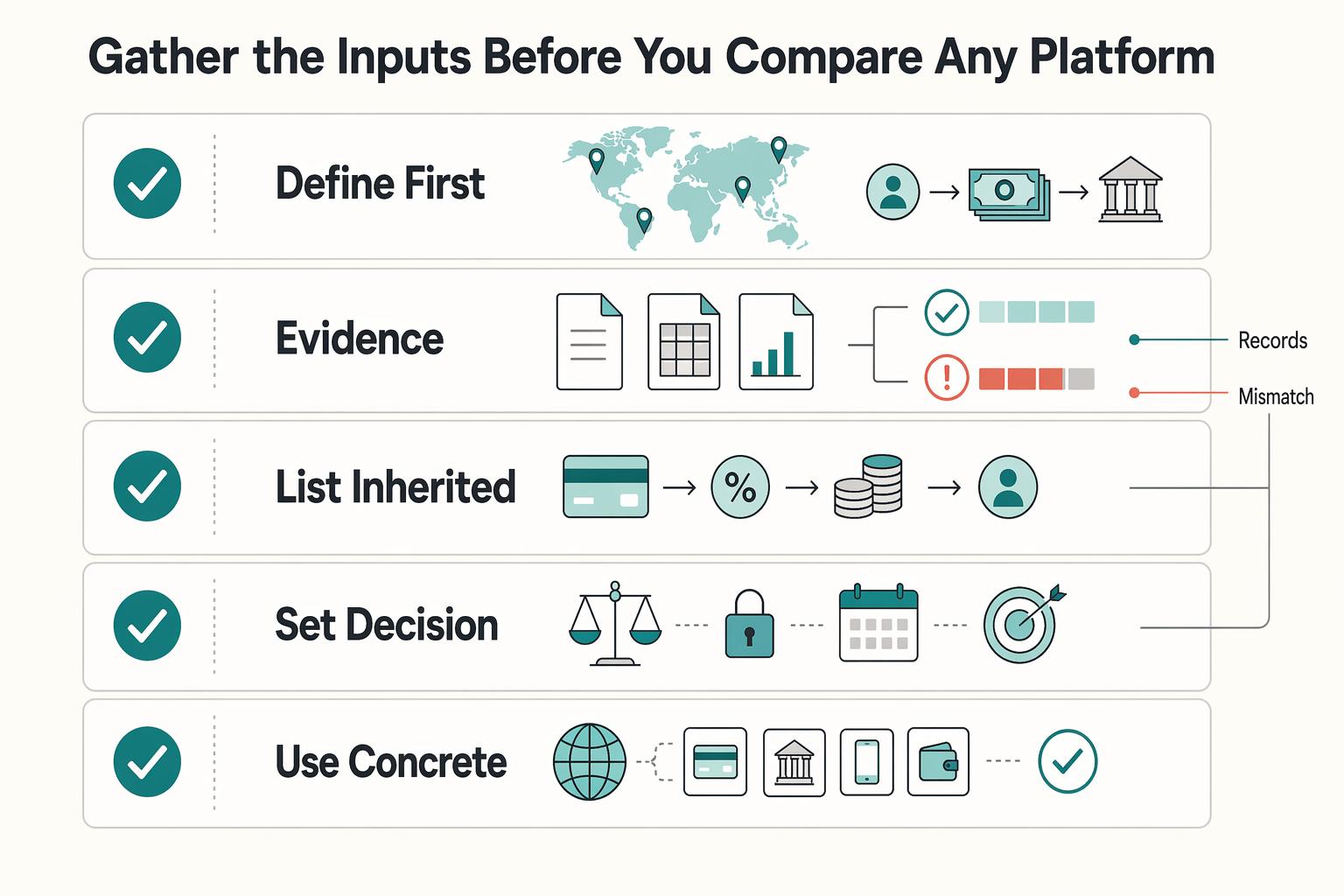
Comparing Live Streaming Monetization: Tips, Subscriptions, Pay-Per-View, and Creator Payouts
A lot of advice on live stream monetization focuses on creators deciding where to publish. Founders and operators need a different lens: choose revenue features and payout design together. The right model depends not only on audience demand, but also on what you are selling, who you are selling to, and whether you can support the money movement behind it.
Read more →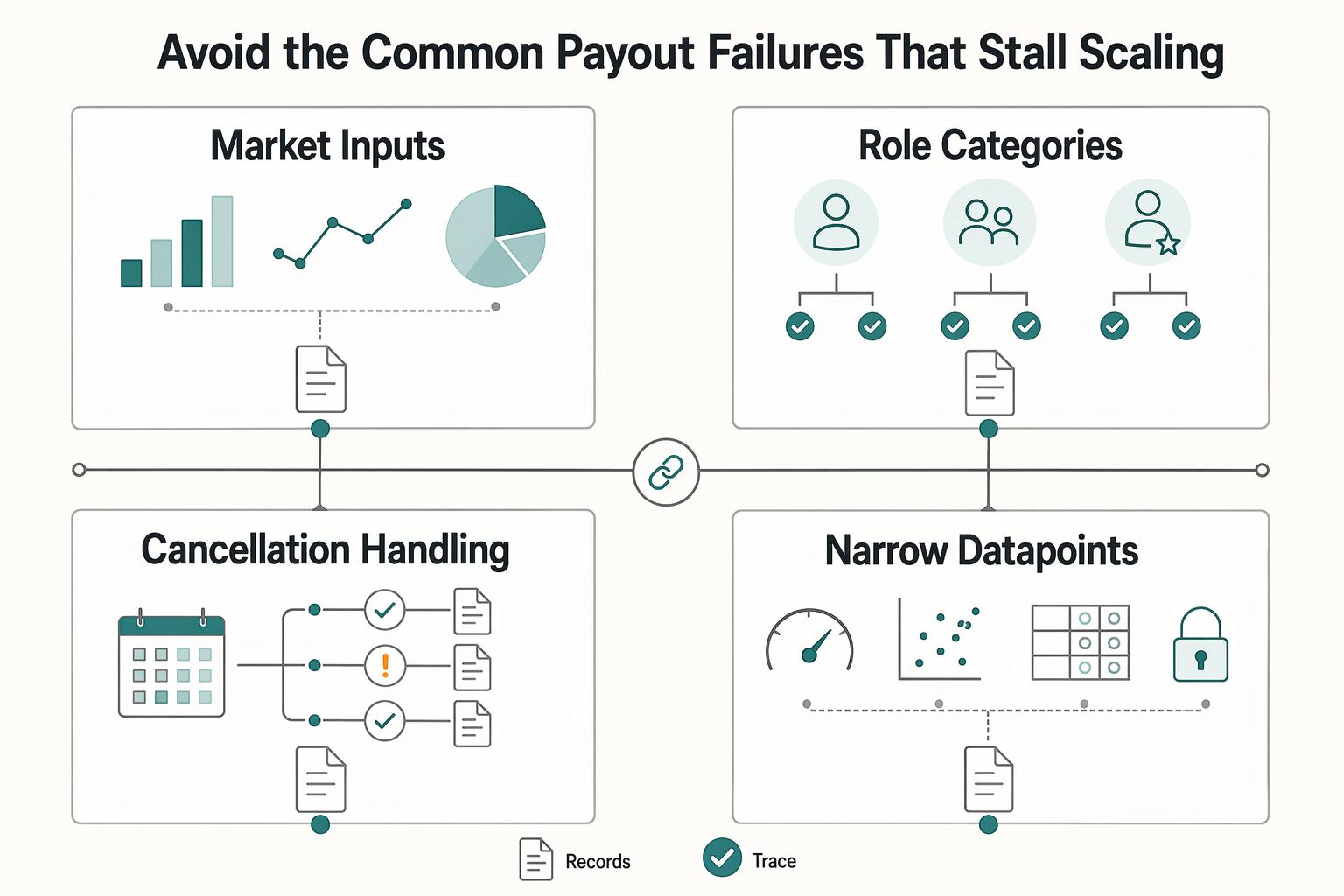
How Fitness Platform Operators Pay Personal Trainers and Class Instructors at Scale
Public wage benchmarks are useful guardrails, not payout policy. They show labor-market context in broad terms. They do not, by themselves, set per-class guarantees, trainer earnings structures, or payout controls.
Read more →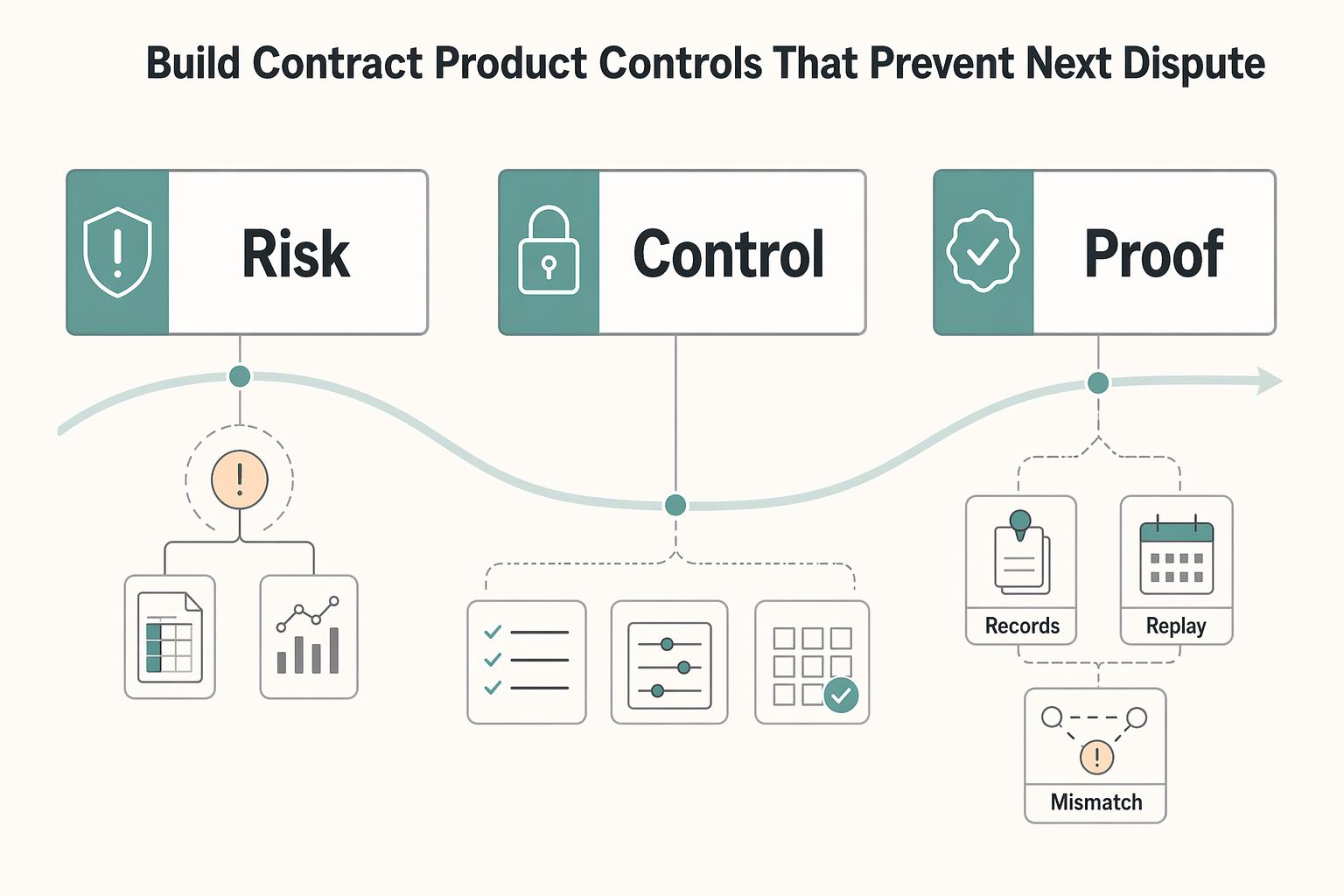
How Food Delivery Platforms Pay Restaurant Partners Across Cities
A launch market is not viable just because the headline commission looks workable. In food delivery, what a restaurant actually receives can shift once you account for local rules, layered fees, and legal risk tied to weak disclosures or shaky consent records.
Read more →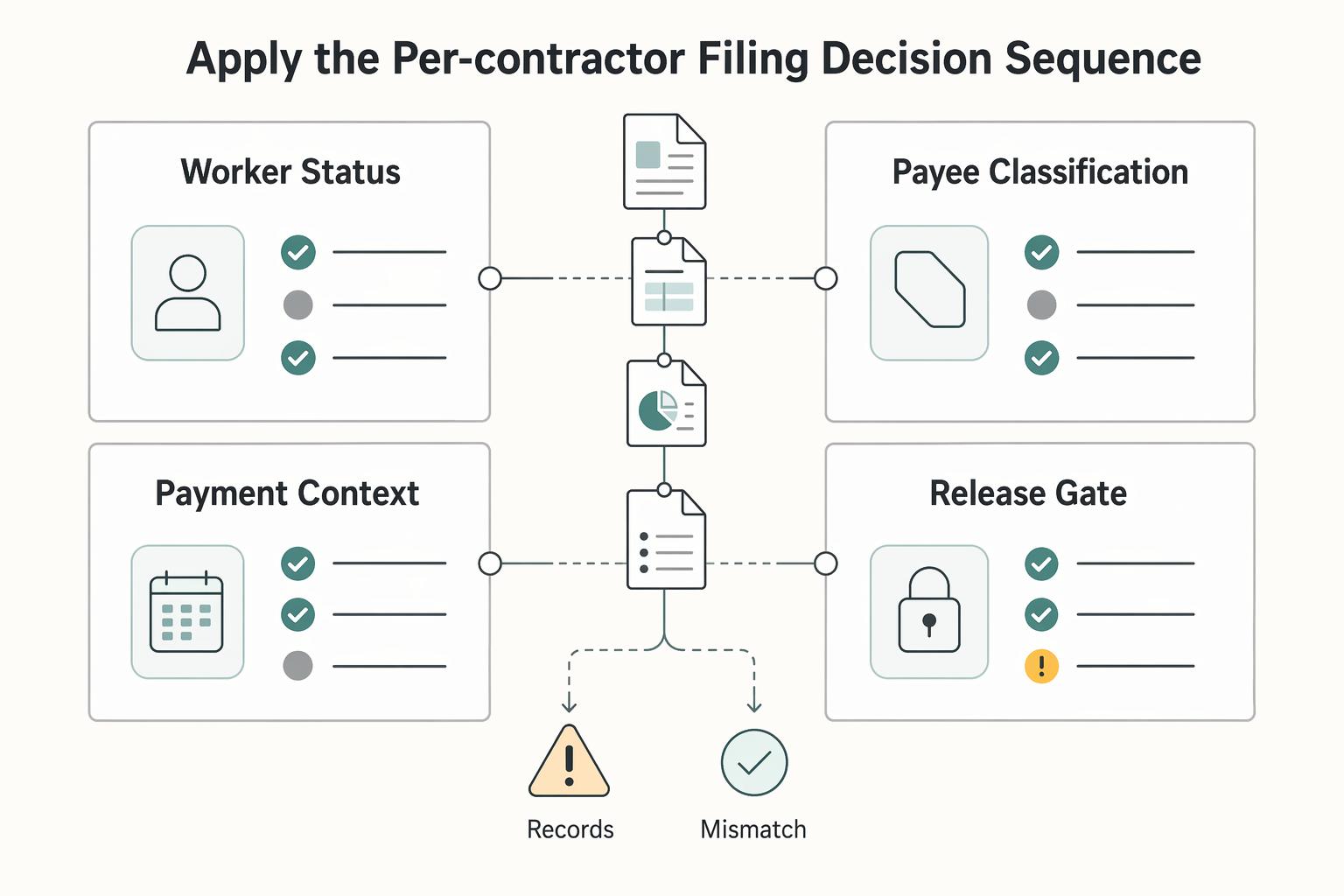
1099 Filing Threshold Calculator for Platform Contractor Decisions
If you own compliance, legal, finance, or risk for a platform, the question is not, "what is the general 1099 threshold?" It is this: for this payee, with this payment flow and this documentation, are you required to file, not required to file, or unable to decide yet without review?
Read more →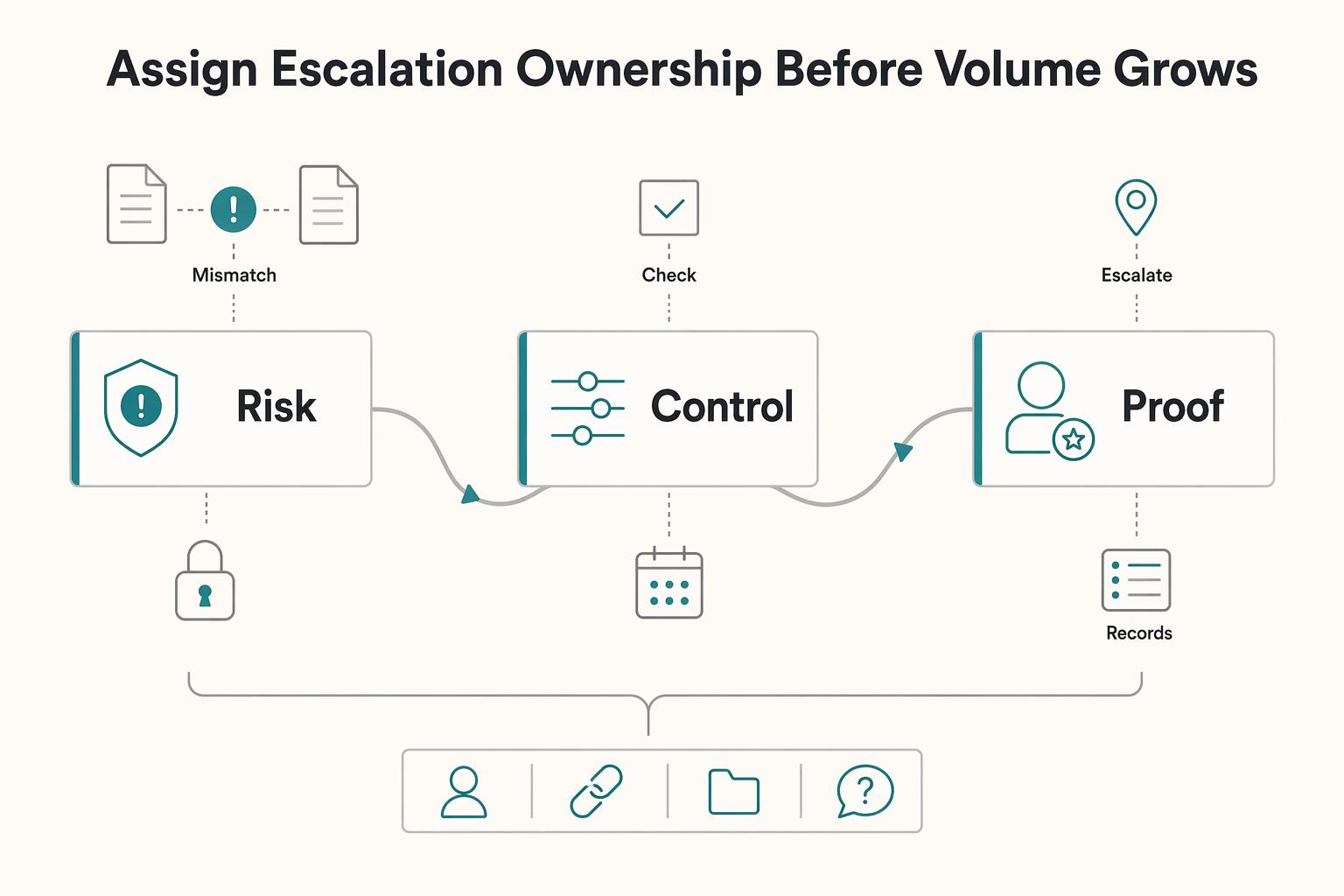
Withholding Tax Rate Lookup for Treaty Decisions Across 100+ Country Pairs
Use the rate lookup for triage, not as permission to apply a reduced rate. The real operating decision is whether the country-pair direction, payment type, and document trail support anything other than the domestic default. If they do not, hold at the statutory rate and escalate.
Read more →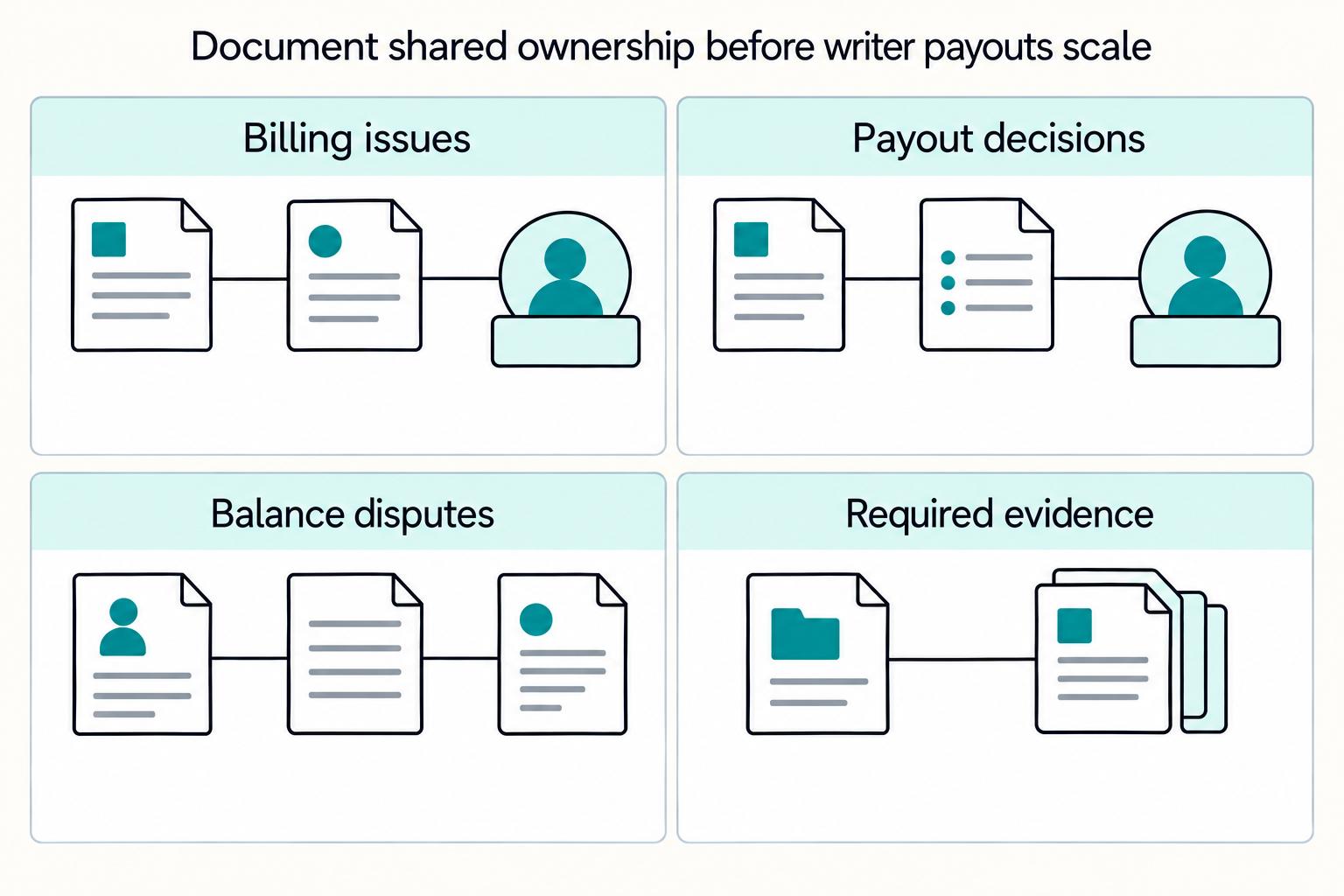
Choosing Newsletter Platform Payments for Substack-Style Writer Subscriptions
Choosing a Substack-style billing and payout model is an operating decision before it is a product decision. If you commit roadmap or GTM spend before payment operations are clear, you risk promising creators something your team cannot run reliably.
Read more →
How Beauty and Wellness Platforms Pay Stylists and Therapists in Chair Rental and Employee Models
This is a market-entry decision, not a salon owner pay article. If you are building a beauty or wellness platform, the practical question is which operating model you want to commit product, compliance, finance, and go-to-market resources to first: chair or booth rental logic, or an employee-led model.
Read more →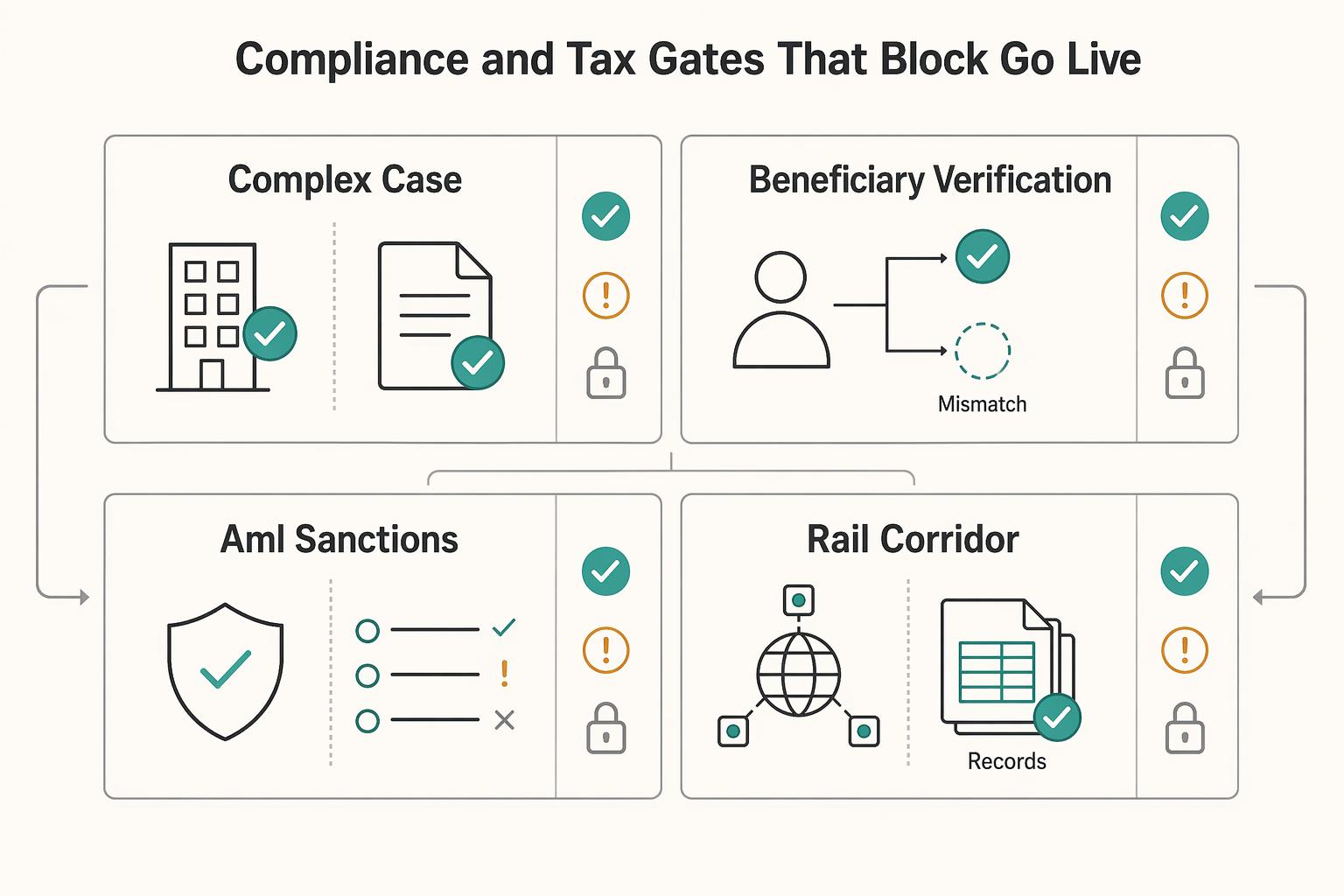
Payout Method Comparison Tool for Platform Operators Across ACH, SEPA, PIX, and UPI
Use this comparison matrix as a decision worksheet for ACH, bank wires, SEPA, Pix and UPI. Swift messaging may support a bank wire; it is not itself the settlement rail. Choose a corridor/currency and eligible recipient first, then compare timing, total cost and operational fit.
Read more →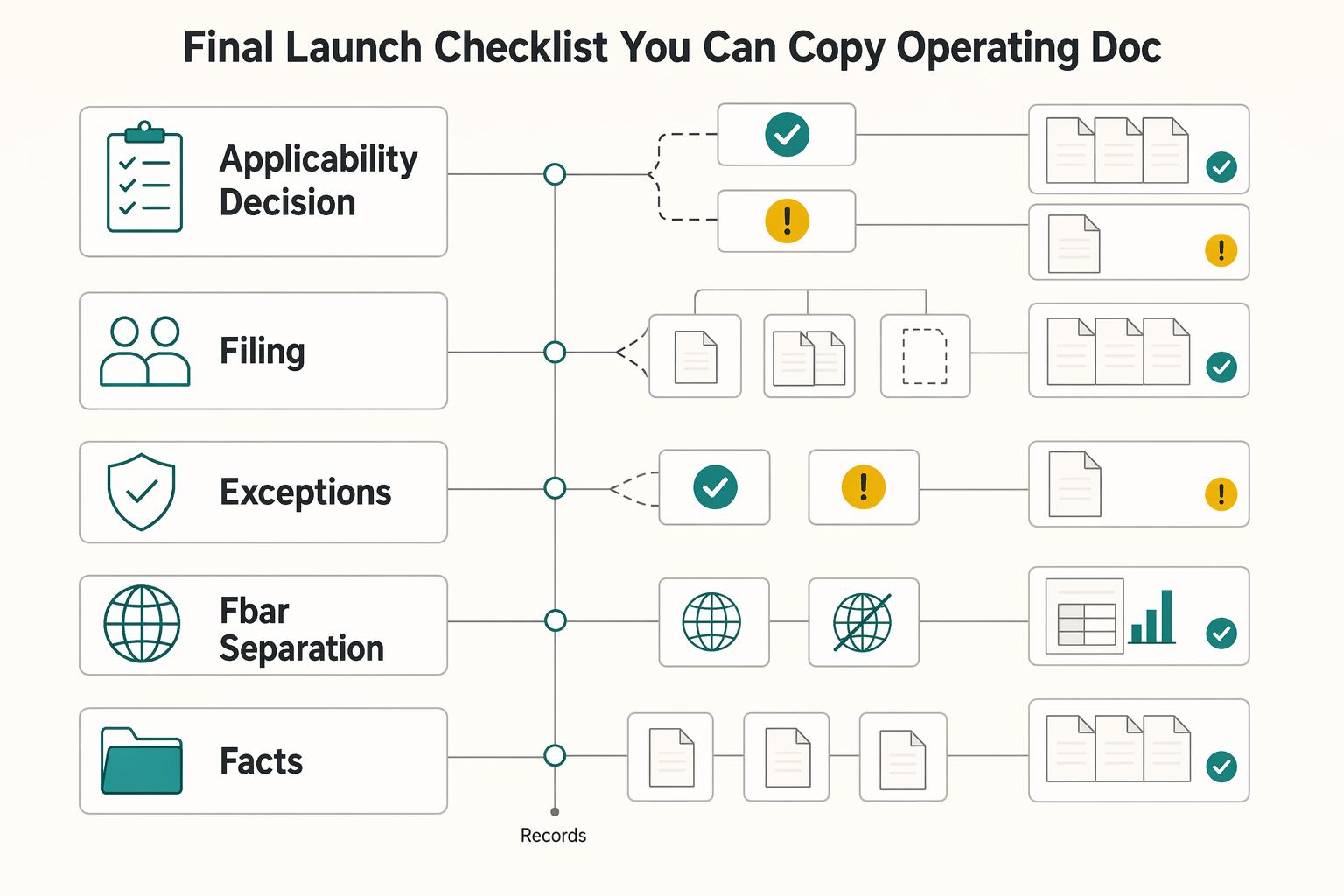
How Pet Services Platforms Pay Groomers Walkers and Sitters with Compliance-First Payout Models
If you are building a marketplace for pet care, the hard part is not just taking bookings and collecting customer payments. Your platform connects pet owners with caregivers rather than delivering care directly, so you also have to manage scheduling, messaging, payment processing, and payout release after service completion.
Read more →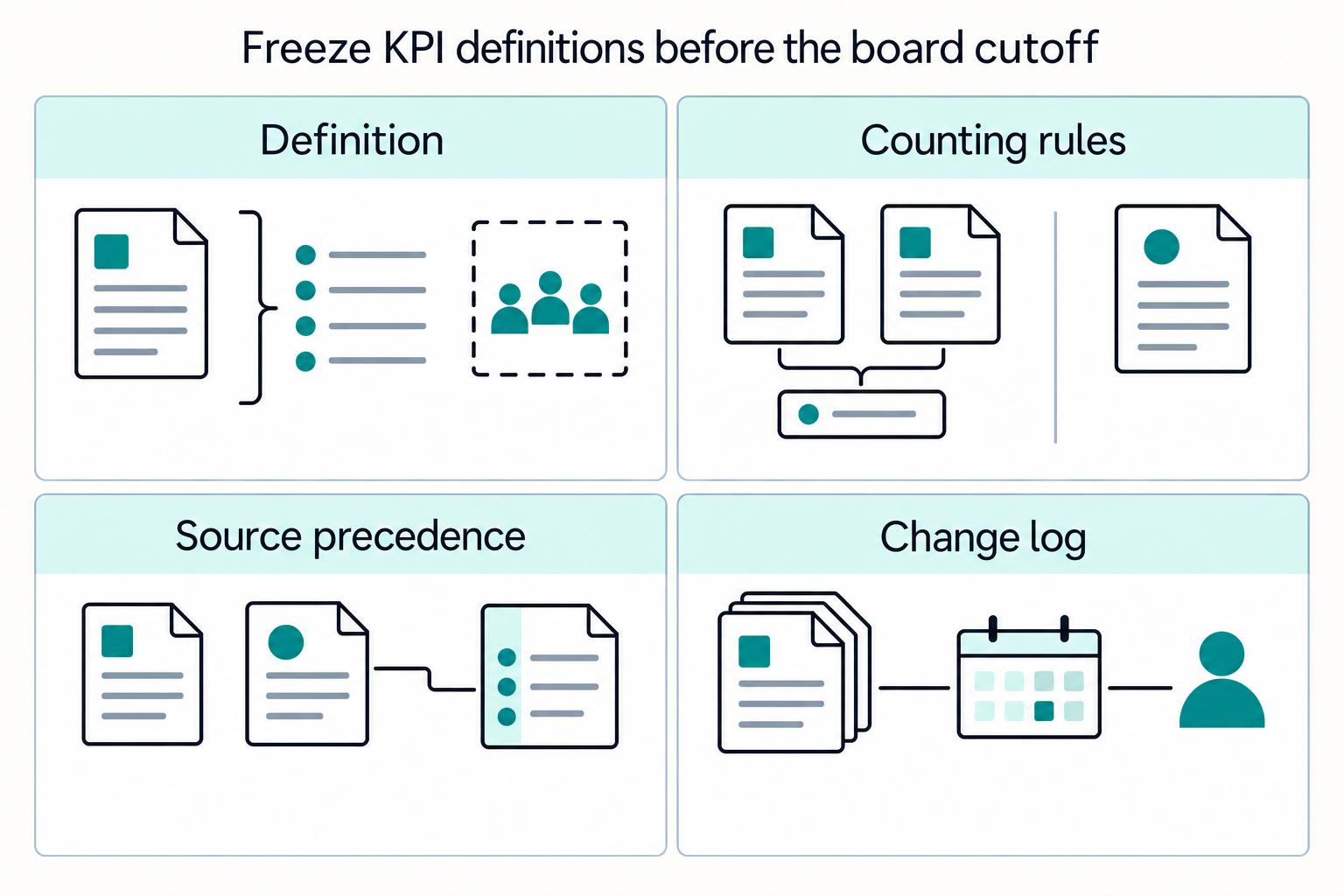
How to Present Payment Operations Metrics to Your Board: KPIs That Matter to Investors
Board payment decks fail when they present too many disconnected numbers and too little judgment. The board needs a small, trusted KPI set that shows payment operations health, investor risk direction, and where management should act next.
Read more →
How to Pay Contractors in Thailand: PromptPay and Bank of Thailand FX Rules
Paying contractors in Thailand can work, but PromptPay availability on its own is not enough to justify launch. The real decision is whether you can separate what is confirmed about the payment rail from what is still unverified about FX and compliance for your exact payout flow.
Read more →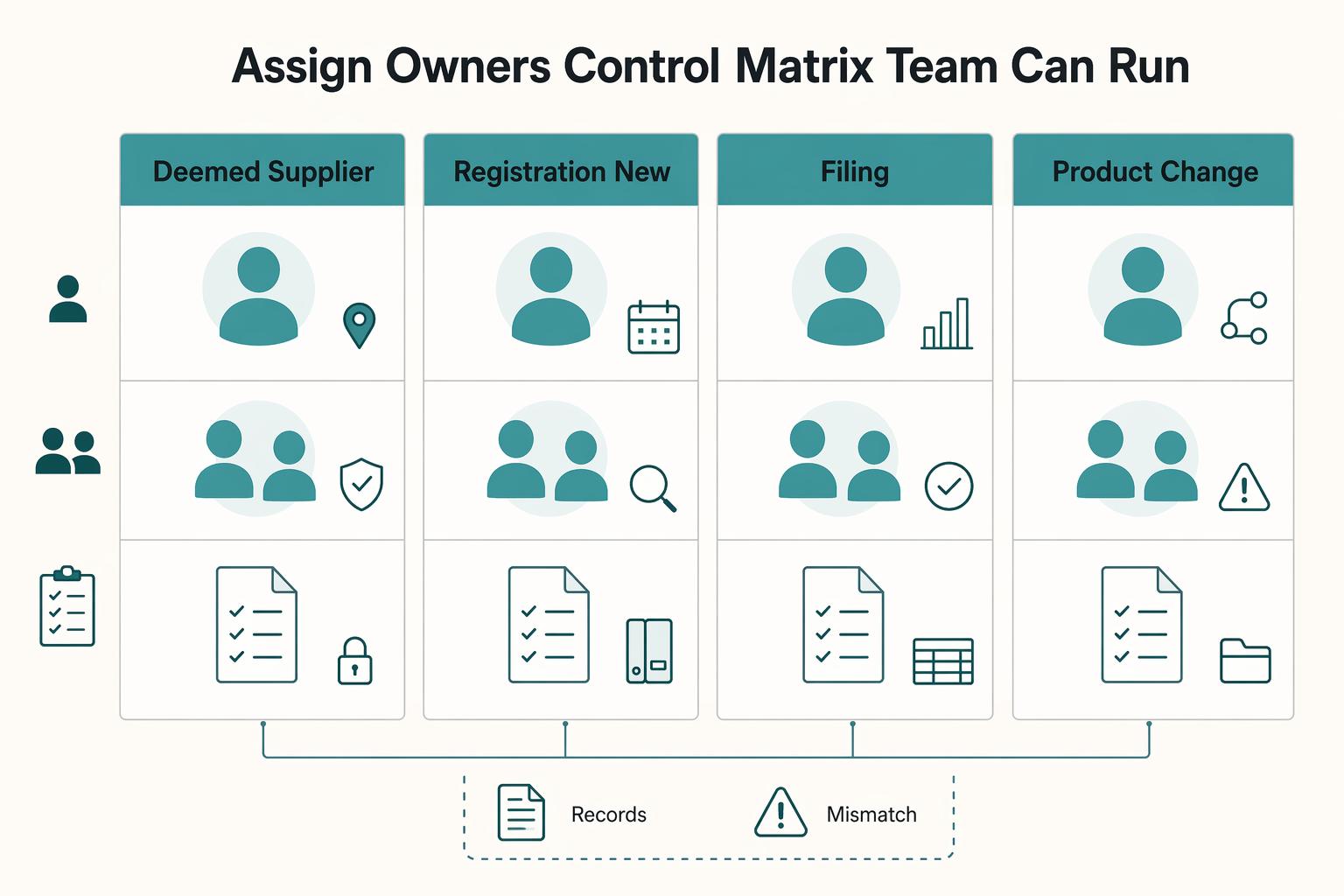
Global VAT Compliance Map for Digital Services Platform Operators
For platform operators, VAT on digital services is first a liability and evidence issue, not just a rate issue. If you facilitate cross-border transactions between buyers and sellers, the key question is whether a tax authority may treat your platform as liable for VAT or GST on the transactions it facilitates.
Read more →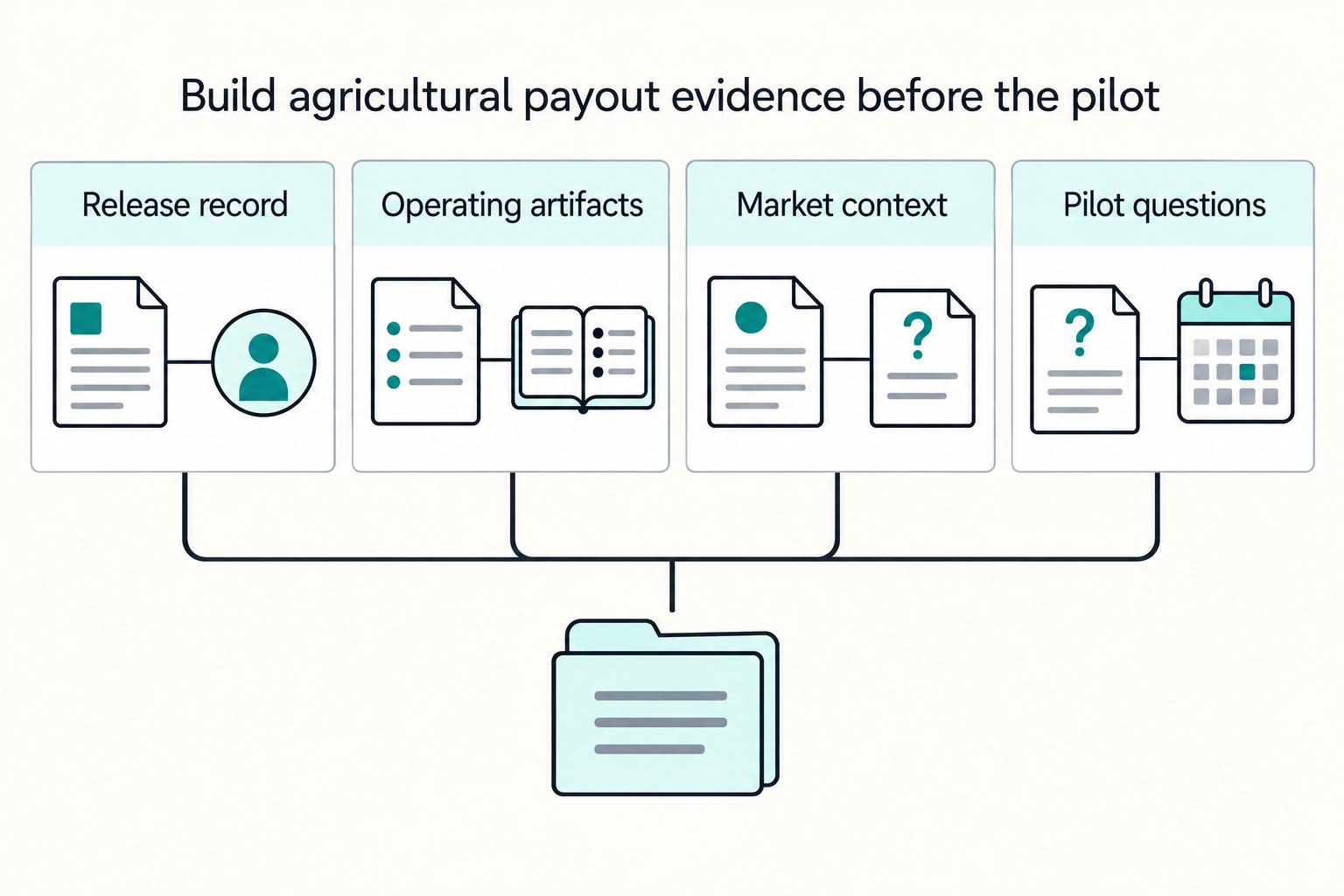
AgriTech Platform Payments: How to Pay Farmers and Agricultural Workers in Emerging Markets
If you are choosing where to launch an agritech payout product first, start with payment feasibility, not market narrative. Use this guide to pick an initial country, decide how to pay both smallholder farmers and agricultural workers, and avoid the constraints that only become visible once funds actually have to move.
Read more →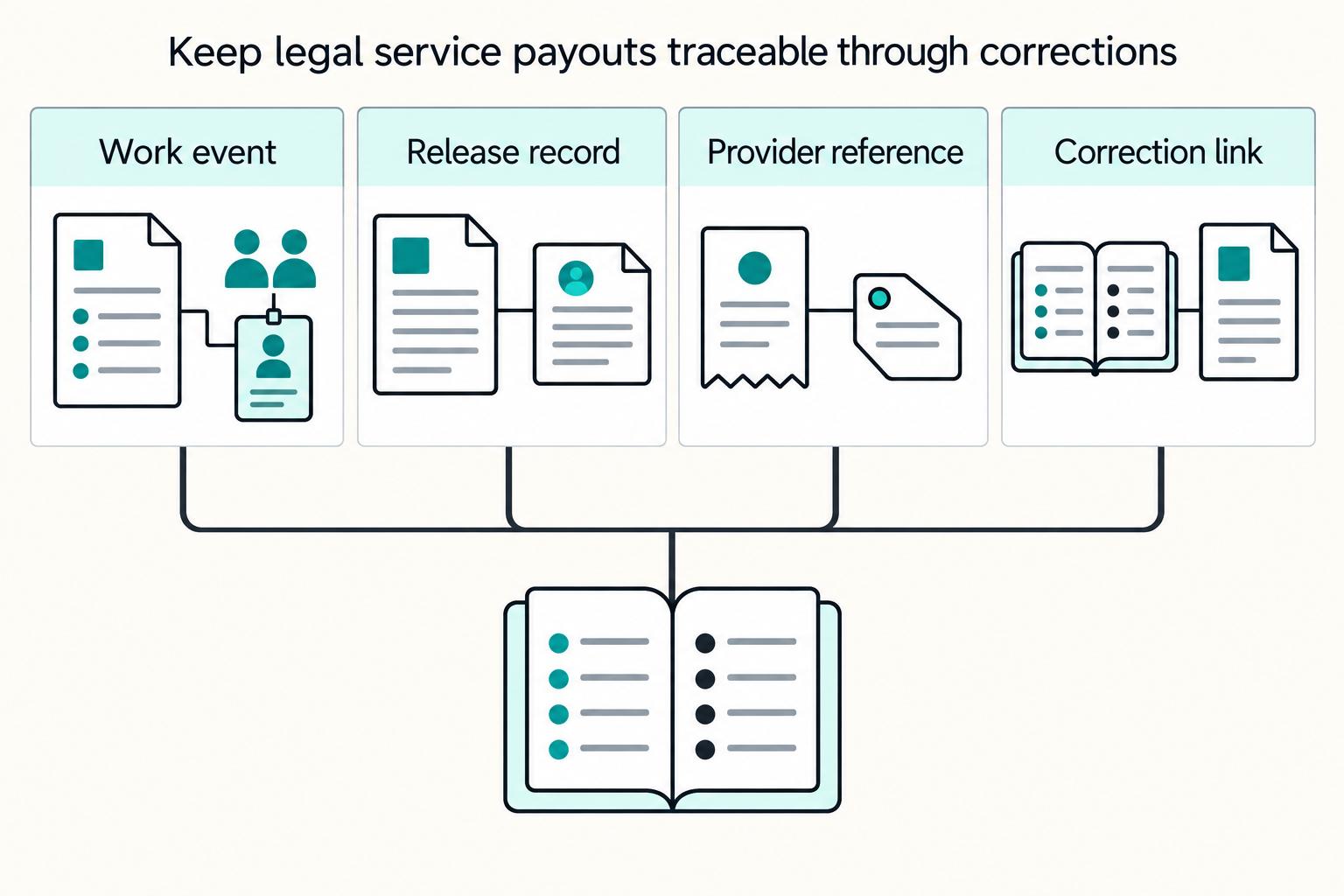
How Legal Platforms Pay Interpreters and Court Reporters
If you are launching a legal-services payout workflow in 2026, the hard part is not sending money. The hard part is classifying the role, collecting the right tax record, deciding which payout state is releasable, and preserving enough evidence to defend those choices later.
Read more →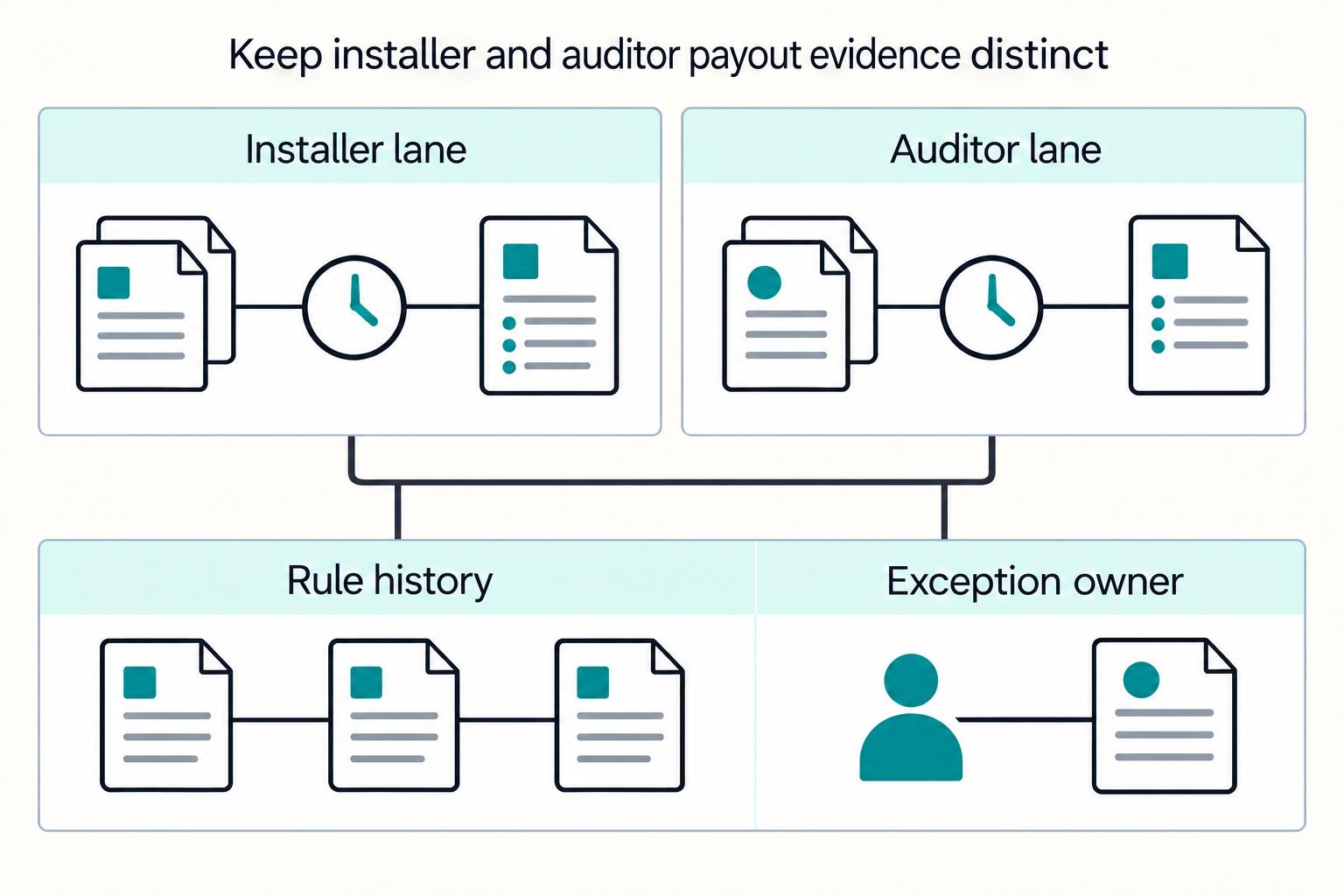
CleanTech Marketplace Payments: How to Pay Solar Installers and Energy Auditors at Scale
Clean energy payouts break when contract structure, financing assumptions, and local billing rules are misread. Before you optimize disbursement speed or onboarding, confirm what earns a payout, who owns the asset or cash flow, and which program terms can change payment value.
Read more →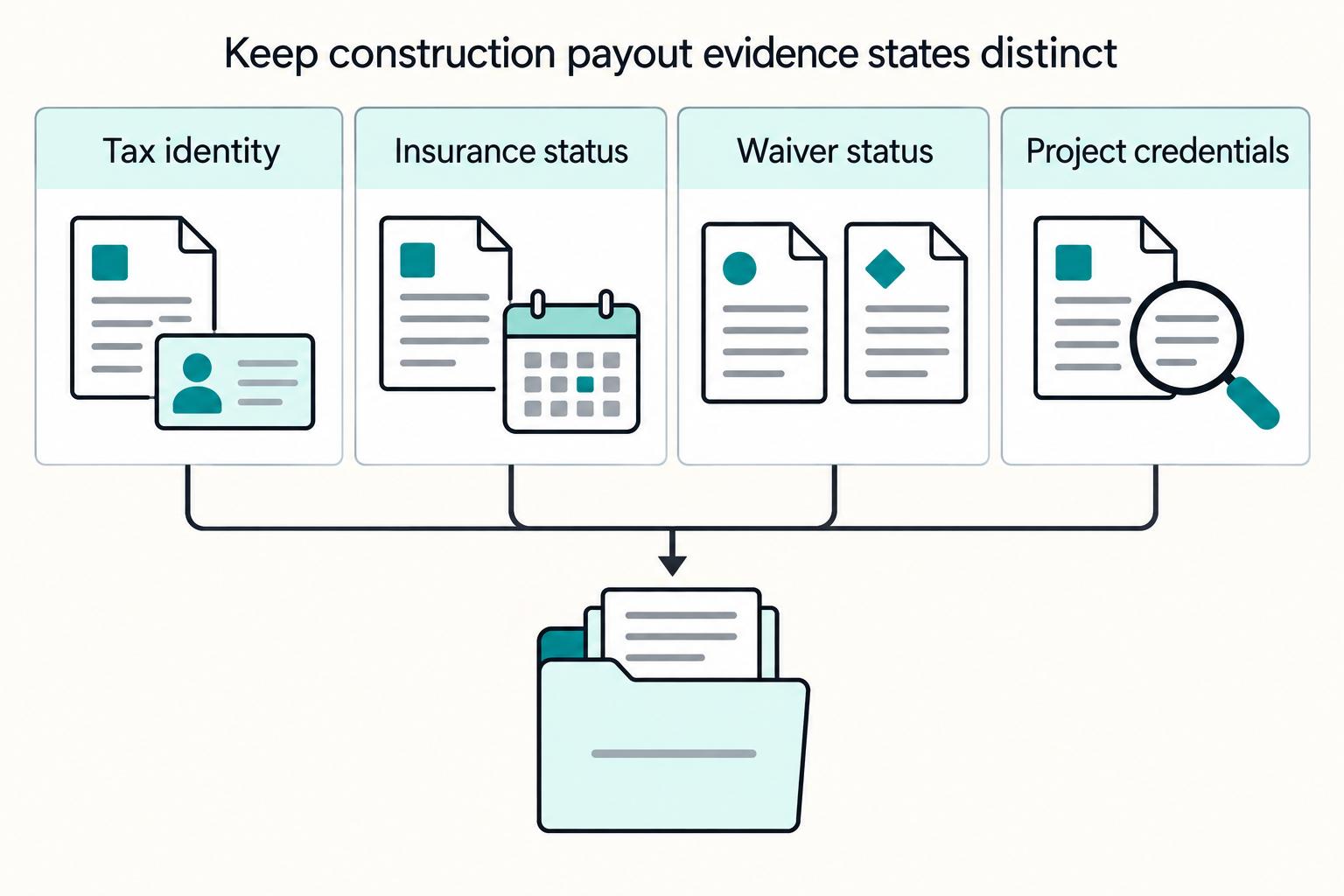
Construction Subcontractor Payments: Lien Waivers and Release Controls
A construction payment can be approved without being sent, sent without being received, and received without every relevant claimant’s waiver being collected. A platform that labels all three “complete” hides the work project finance still needs to do.
Read more →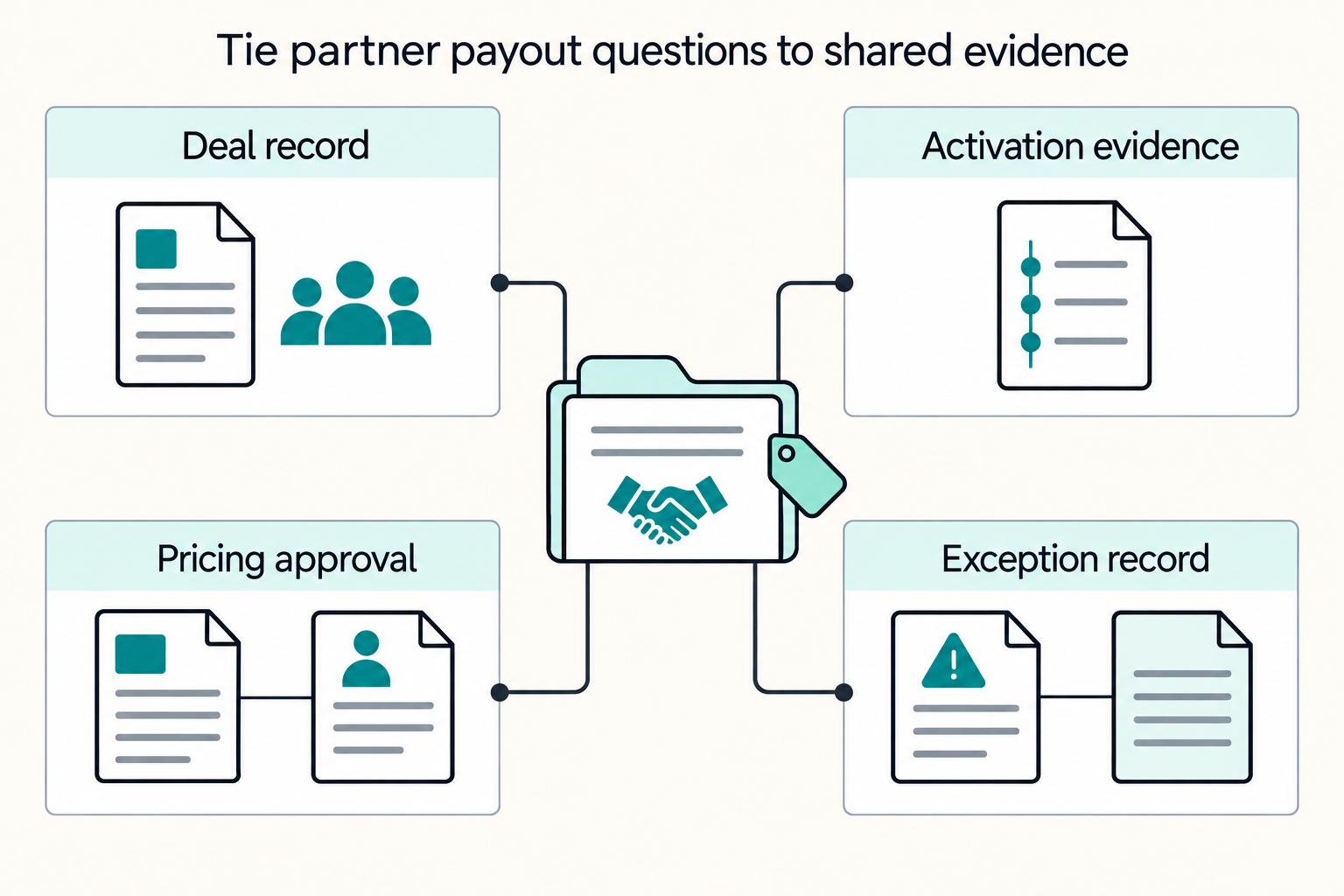
How to Build a Payment Platform Partner Program: Referrals, Resellers, and Technology Partners
Build your partner motion to widen distribution only when you can keep control of ownership, onboarding, and incentives. In payments, transactions depend on partner networks, not just product, licenses, or processing setup, so the upside is real. So is the risk. Channel volume can strain execution and economics if you scale before the model is clear.
Read more →