
Operator playbooks for cross-border payments, tax, and compliance execution.
Step-by-step guidance for finance, product, and ops teams to launch faster, reduce payout friction, and keep reconciliation clean across borders.
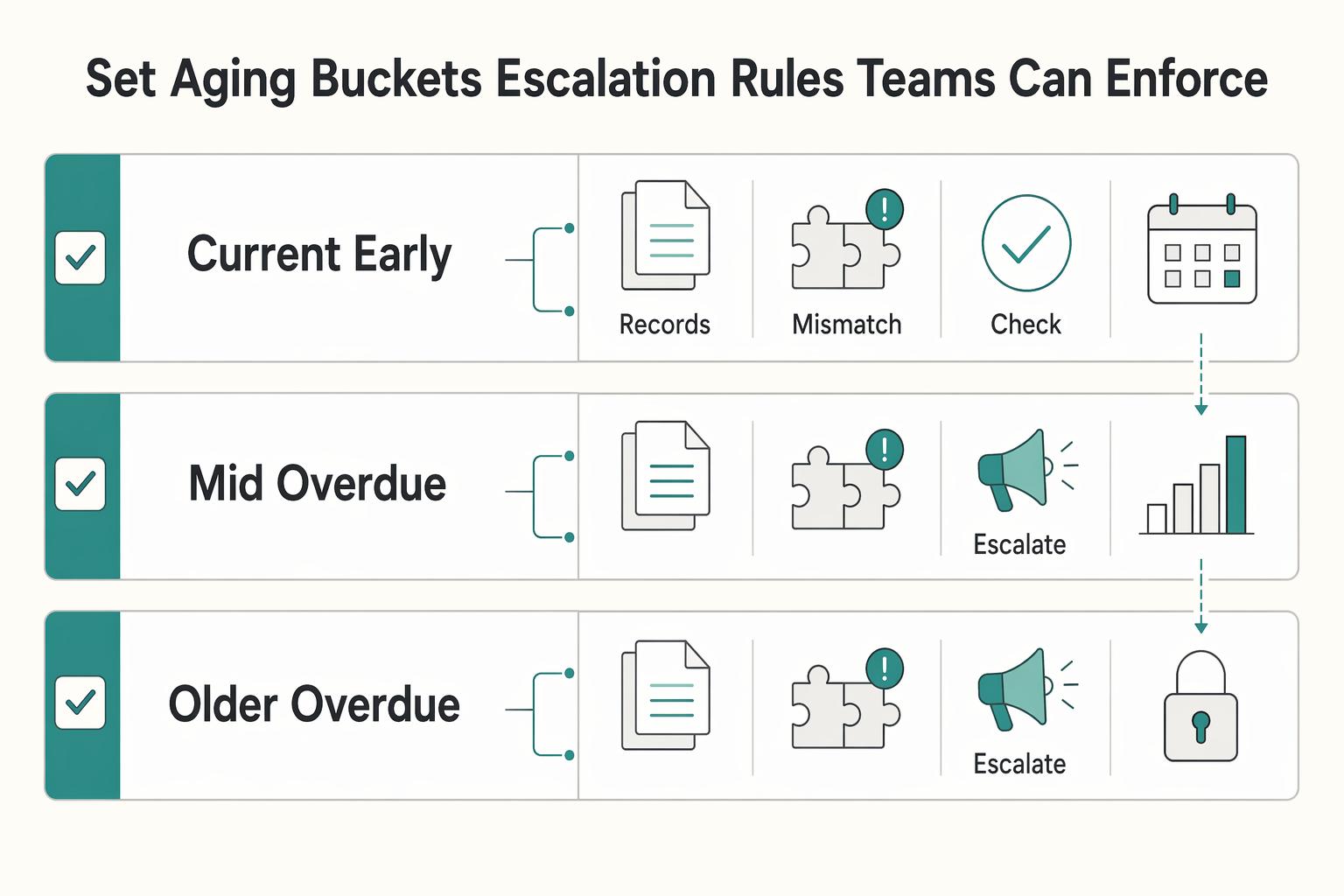
Accounts Payable Aging Report for Platforms: How to Track Overdue Contractor Payments
Build this to drive action, not just generate another finance report. For platform teams, an AP aging report is most useful when each overdue line shows what is owed, when it was due, and whether the issue is a payable aging problem, a process delay, or payment-system risk.
Read more →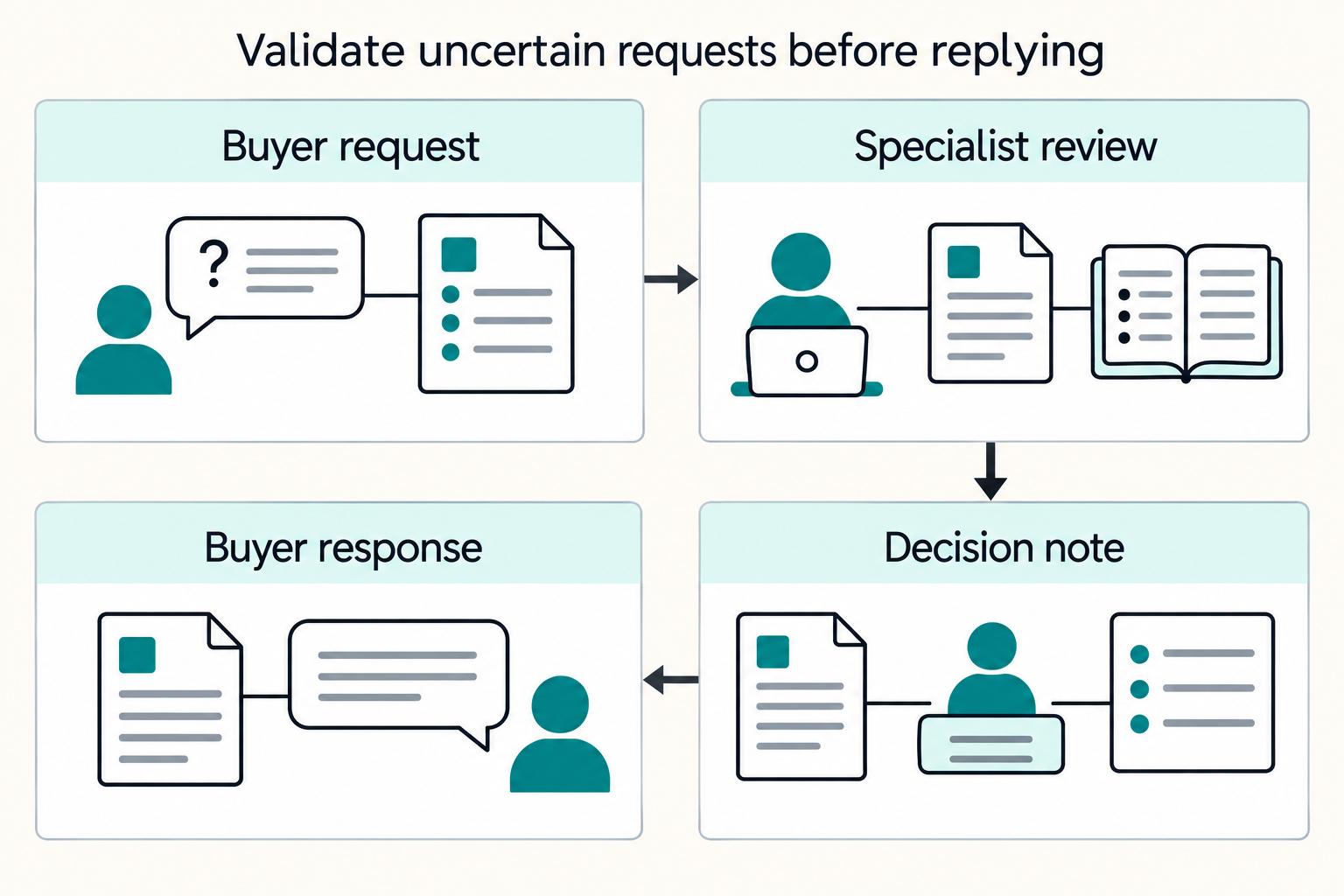
Sales Enablement for Payment Platforms: How to Help Your Team Explain Complex Payment Concepts
Payment sales enablement can break down when teams share content but do not give reps clear decision guidance. This guide is designed to help your team explain complex `Payment Processing` topics in plain business terms, and to clarify when to answer directly and when to escalate.
Read more →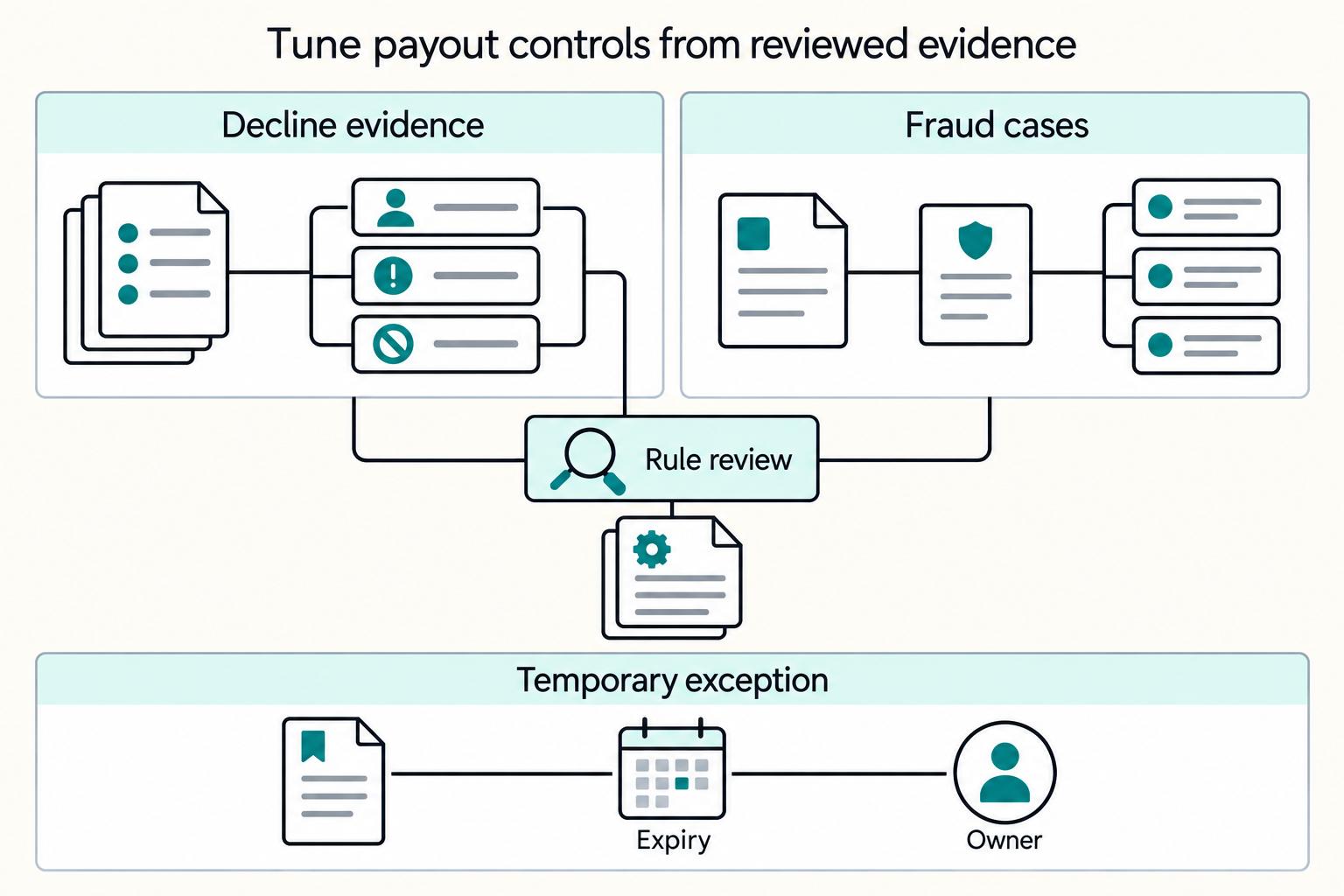
Velocity Checks for Payment Platforms: How to Cap Payout Frequency and Amount to Prevent Fraud
A payout velocity check measures activity over a defined window and compares it with a rule. To make it useful, specify which payee or destination it watches, whether it counts attempts or accepted instructions, what amount it measures, and what happens at the boundary. Keep enough evidence to explain each decision later.
Read more →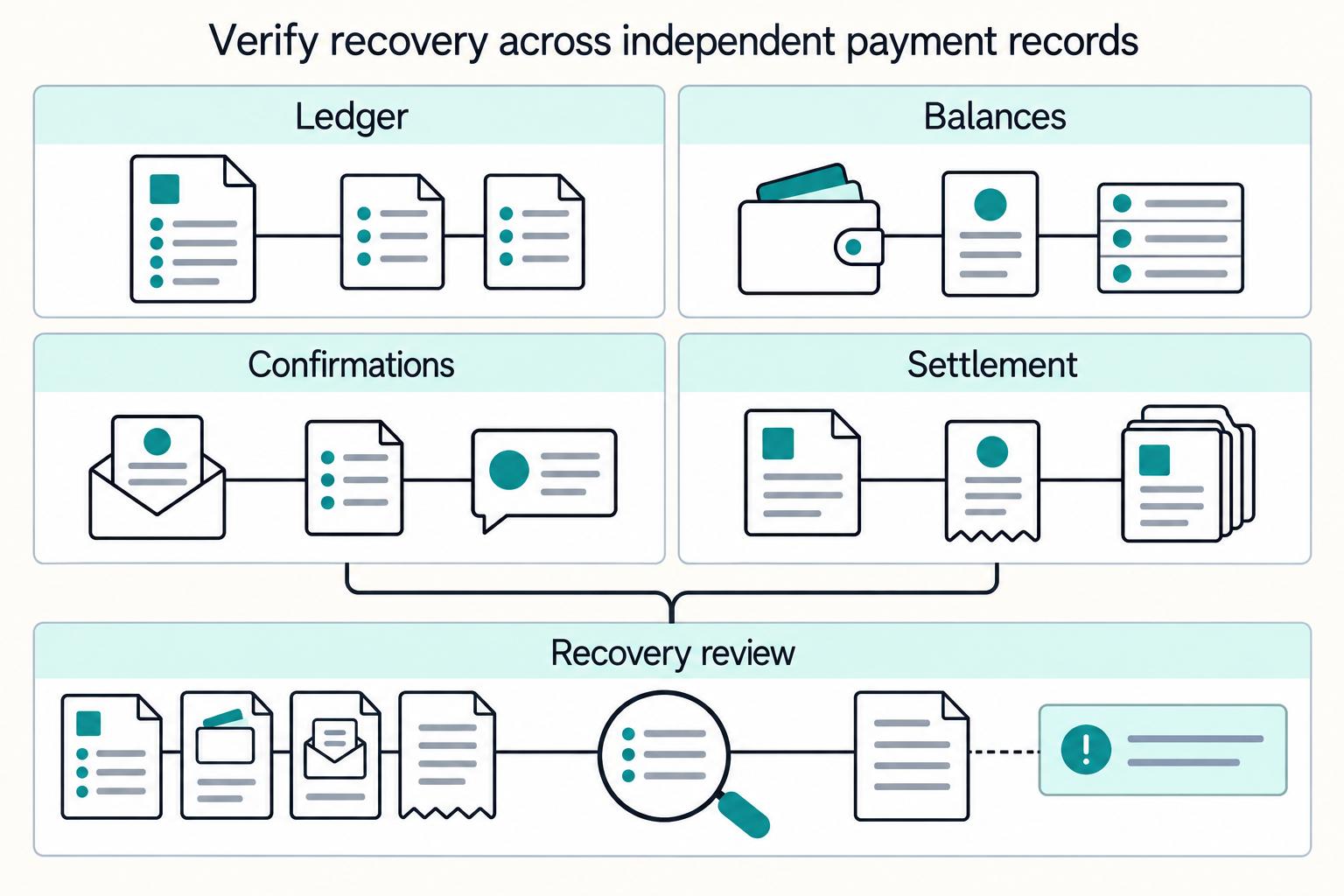
How to Handle a Platform Data Breach: Payment Data Notification and Remediation Playbook
A data breach is an operations incident as much as a security incident. It can affect confidentiality, integrity, and availability at the same time, which changes how teams run critical operations.
Read more →
Structuring a Platform Privacy Policy for Payment Data Across GDPR and CCPA/CPRA
**Some teams keep GDPR and California's CCPA/CPRA payment-data disclosures in one policy framework, but that alone does not guarantee compliance; the policy still has to match how your teams actually process data and handle rights in practice.** Treat the policy as an operating document, not a legal summary.
Read more →
Pay Contractors in Romania With RoPay and BNR FX Checks
Make the Romania decision before you scope engineering. The real call is not whether domestic contractor payouts sound attractive. It is whether you can launch within a tightly defined first use case, domestic contractor payouts in Romanian leu (RON), or whether payment-scheme access assumptions, National Bank of Romania linked controls, and FX unknowns mean you should pause or enter through a partner.
Read more →
How to Pay UAE Contractors: Invoice Payments, WPS and Bank Transfers
To pay a genuine independent contractor in the UAE, establish the contracting party, approved invoice, beneficiary account and licensed payment route. WPS is an employee-wage system, not the default file format for contractor invoices. UAEFTS is bank/financial-institution settlement infrastructure. Neither acronym replaces the contract, beneficiary verification or payment confirmation you need to settle the invoice.
Read more →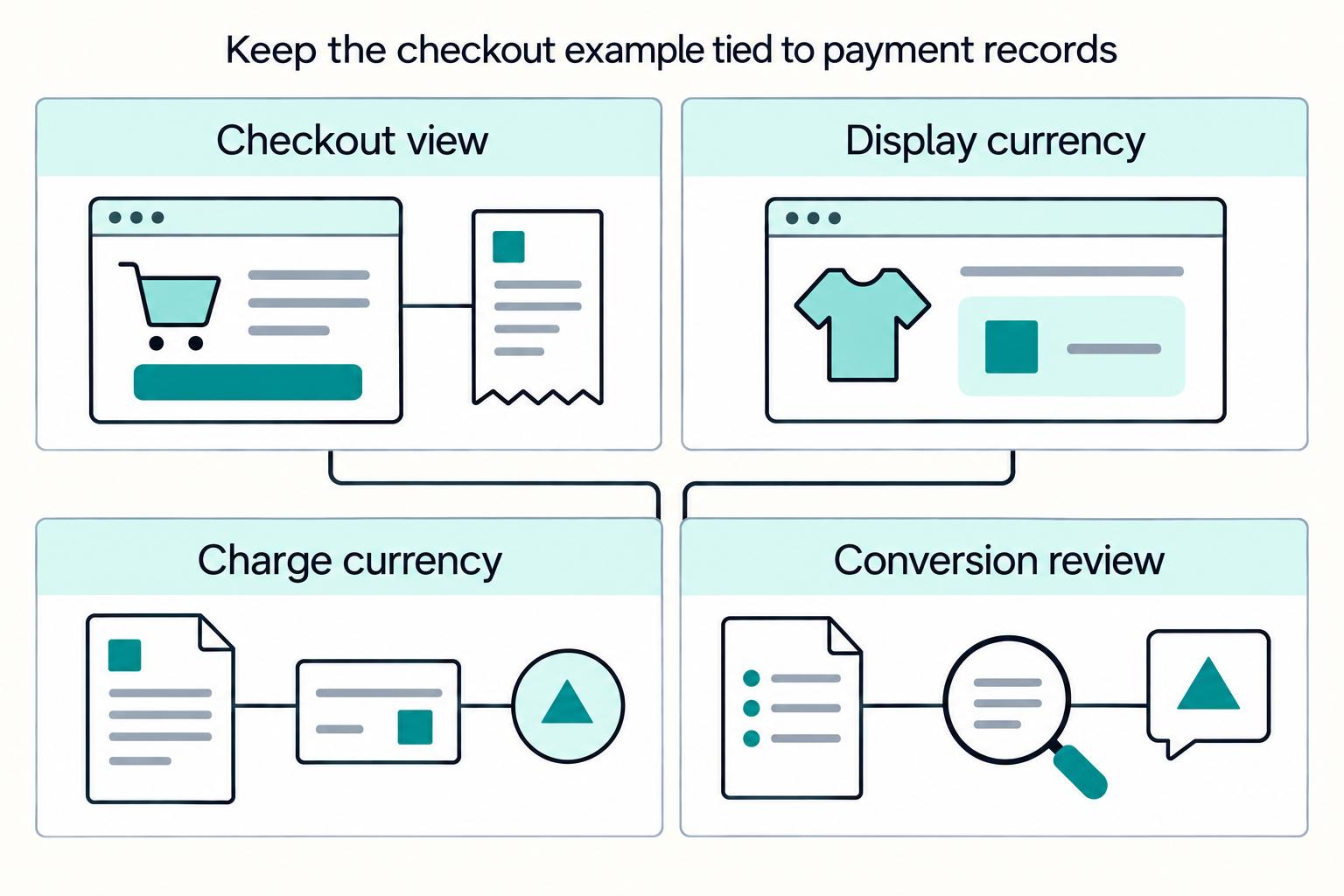
Localizing Payment Platforms for New Markets Without Reconciliation Drift
Payment localization fails when teams treat it as translation rather than market adaptation. The real job is to make language, currency display, and UX feel local and trustworthy without creating confusion later in the customer journey.
Read more →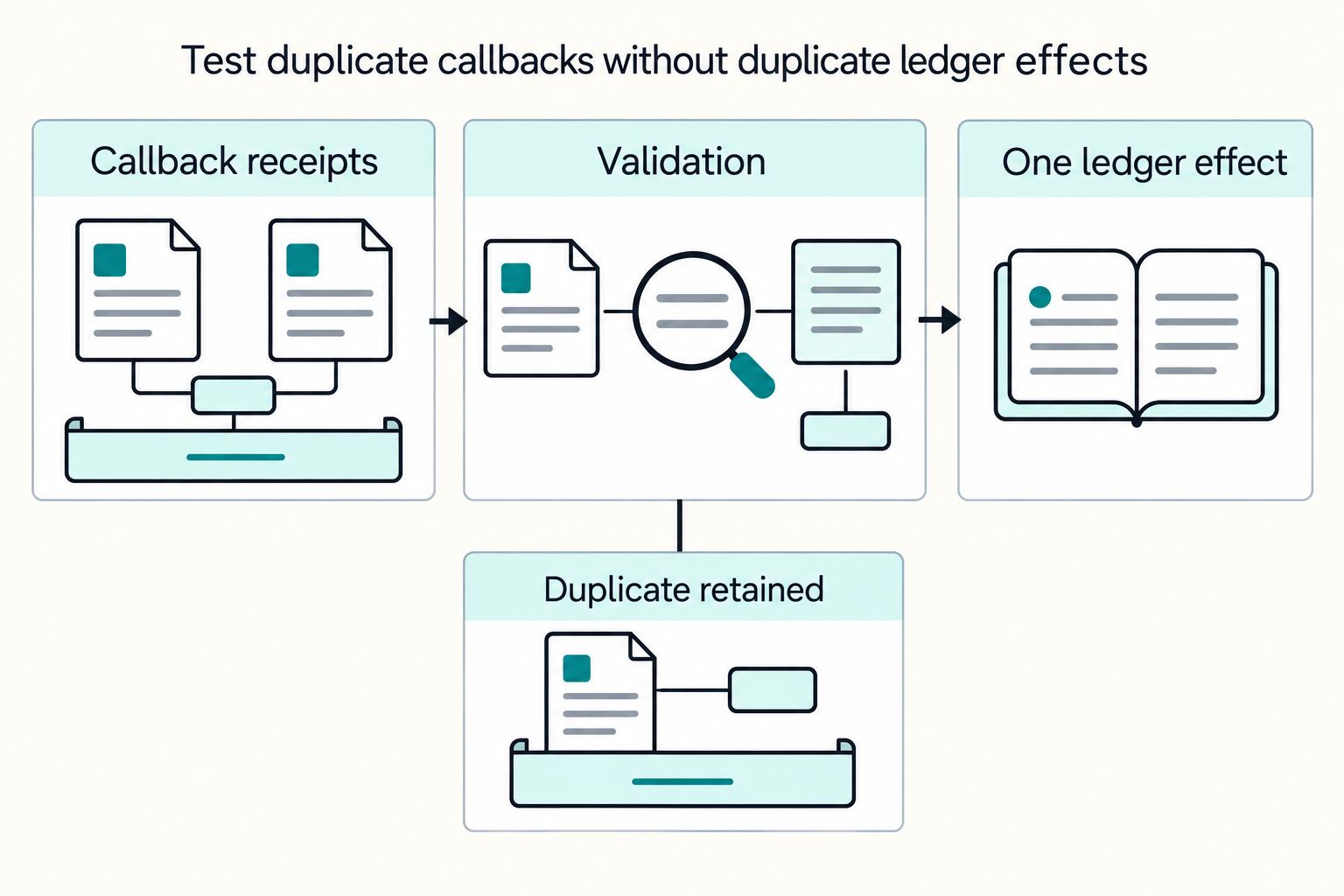
How to Build a Sandbox Test Environment for Your Payment Platform
A payment sandbox is a controlled, non-production environment, so treat it as an architecture decision, not a demo setup. It lets you validate integrations with test accounts and simulated outcomes, but it does not move real funds.
Read more →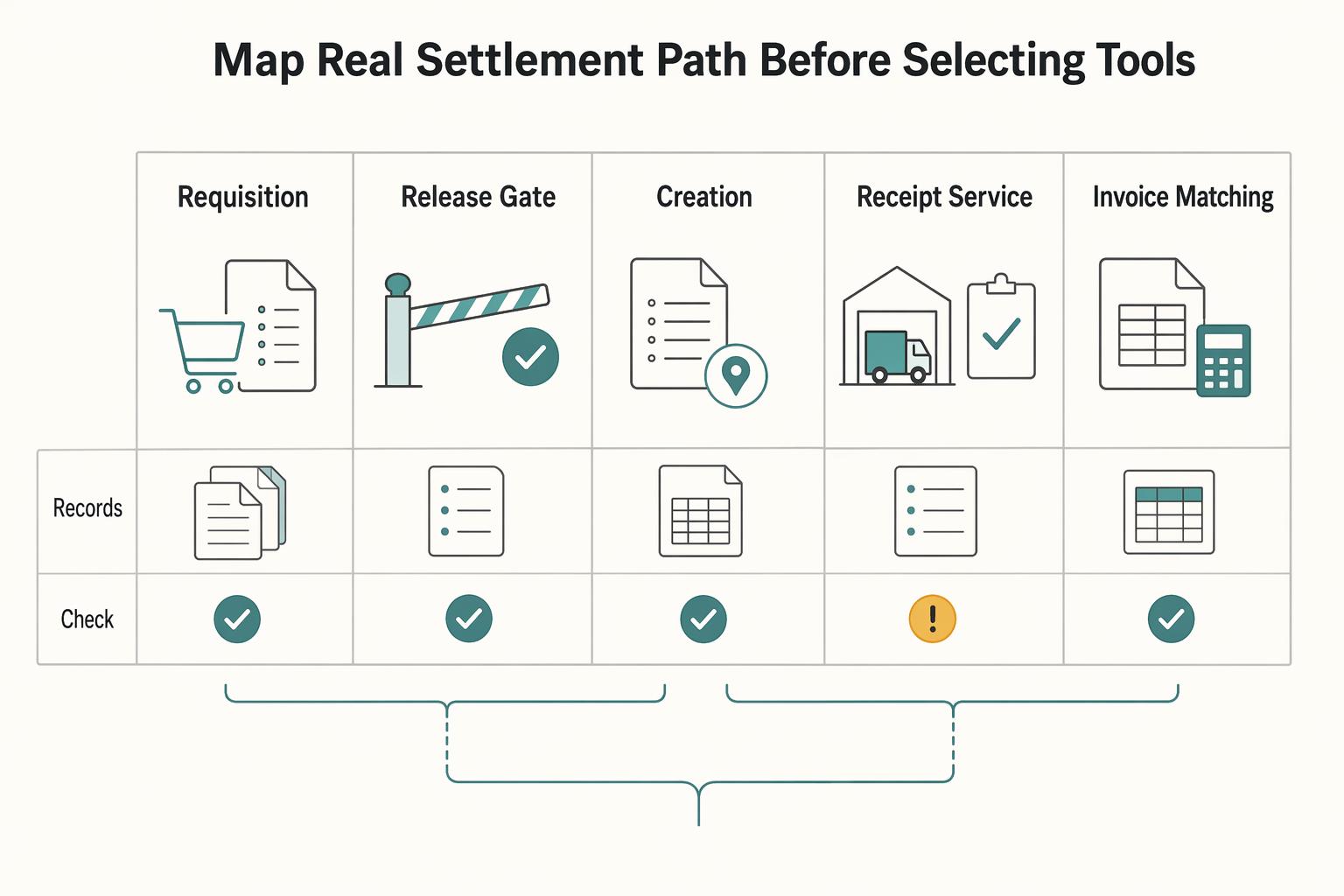
How Supply Chain Platforms Pay Logistics Providers from PO to Settlement
If you are deciding how supply chain platforms pay logistics providers from PO to settlement, treat it as one operating path from requisition to payment, not a set of disconnected tools. The useful unit of analysis is the full chain, not just the payout rail at the end. A Purchase Order (PO) is the binding buyer-seller document, but the work starts earlier with a requisition that needs approval before the PO exists. At the other end, source-to-settle connects supplier selection, PO creation and management, invoice processing, and payment into one sequence. Expansion can fail at the handoffs, not at the headline feature.
Read more →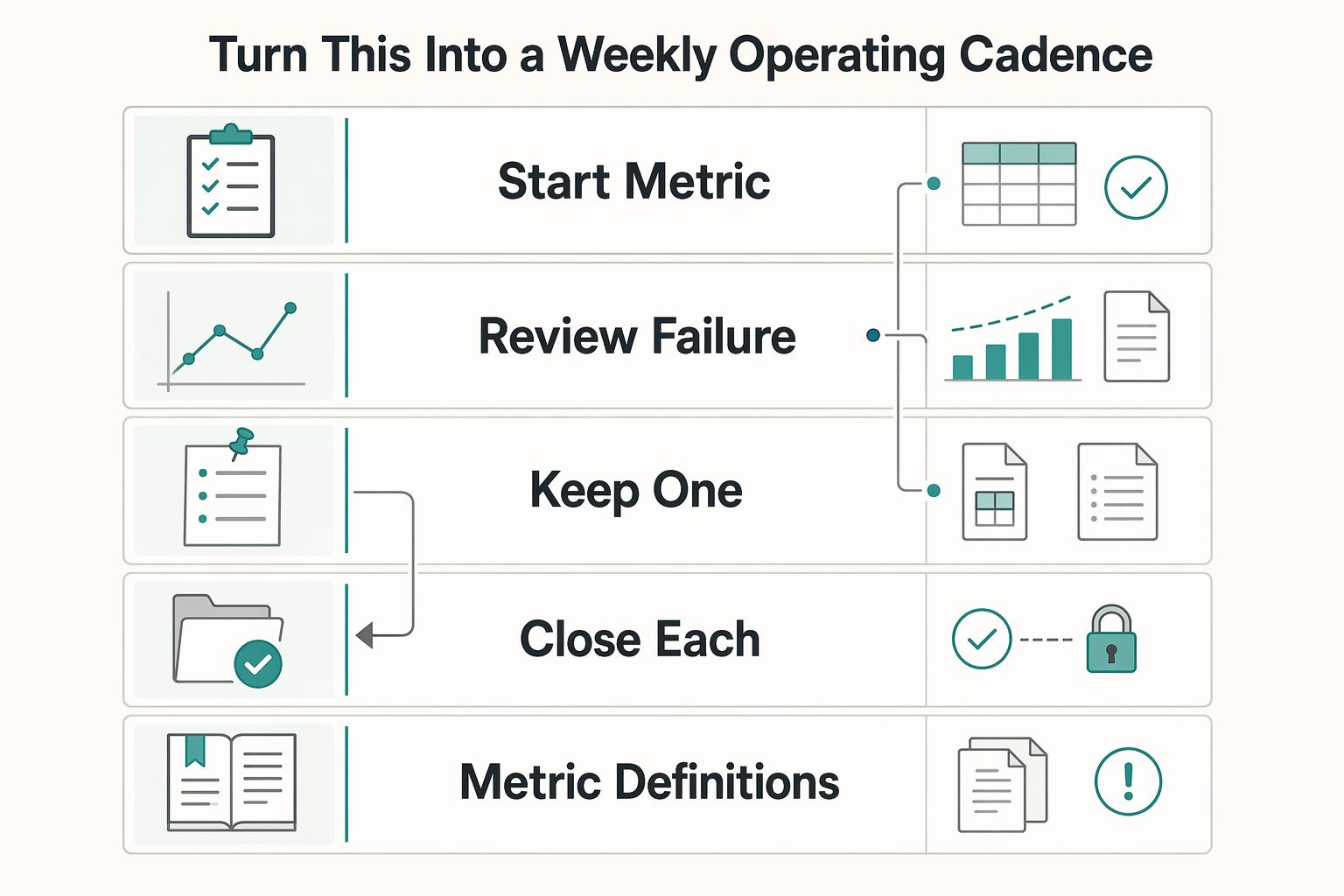
Build a Payout Error Rate Dashboard to Reduce Failed Disbursements
A payout dashboard is only useful if it helps you act. It should tell you what failed, where it failed, who owns the next move, and how you will verify the fix. This guide is for finance, operations, and product owners who need that level of clarity, not another blended error chart that looks tidy but hides the cause of failed disbursements.
Read more →
Money Mule Detection on Payment Platforms with Explainable Screening
A money mule moves illegally obtained funds for someone else, sometimes without understanding the scheme. A plausible account can become concerning when its transactions develop into a pattern. Review how account purpose, receipts and onward payments fit together from signup through payout.
Read more →
Choosing Nursing Agency Payout Models for Shift-Based Healthcare Staffing
Choose your payout model based on operational proof, not payout-speed marketing. For healthcare staffing platforms, the real question is whether payouts stay reliable when shifts change, get canceled, or are disputed.
Read more →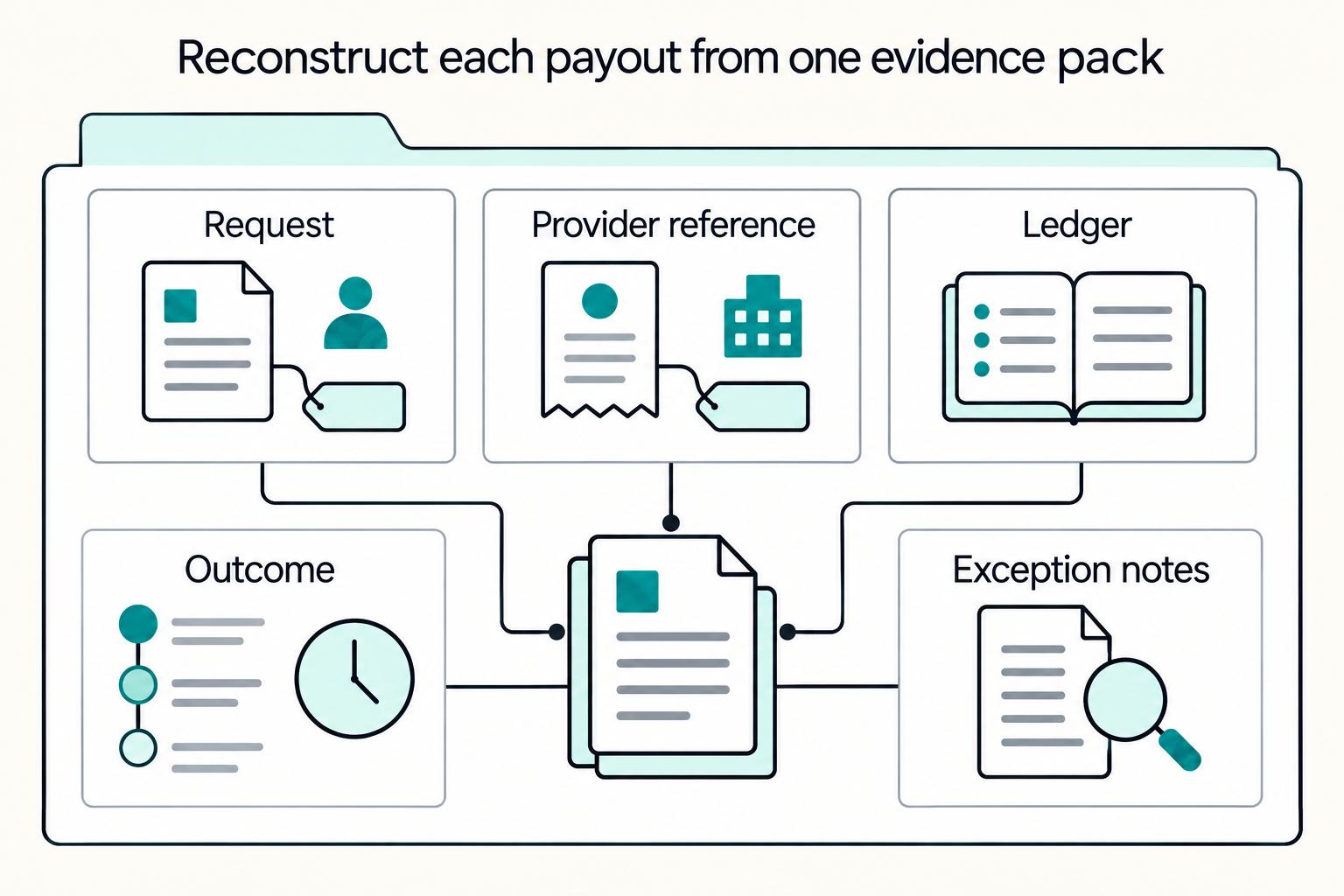
Gig Economy Payment Trends 2026 for Platform Operators
One report frames 2026 as a shift year for the gig economy, but platform expansion decisions should still be driven by operations, not headlines. Reported market signals matter, but market sizing is still directional, with global estimates ranging from $455 billion to $646 billion.
Read more →
Month-End Close Checklist for Payment Platform Finance Teams
Month-end close for a payment platform must explain several balances: bank cash, provider balances, funds in transit, customer or seller liabilities and the platform’s own revenue and expenses. These are related records, but they do not necessarily share one transaction date or one owner.
Read more →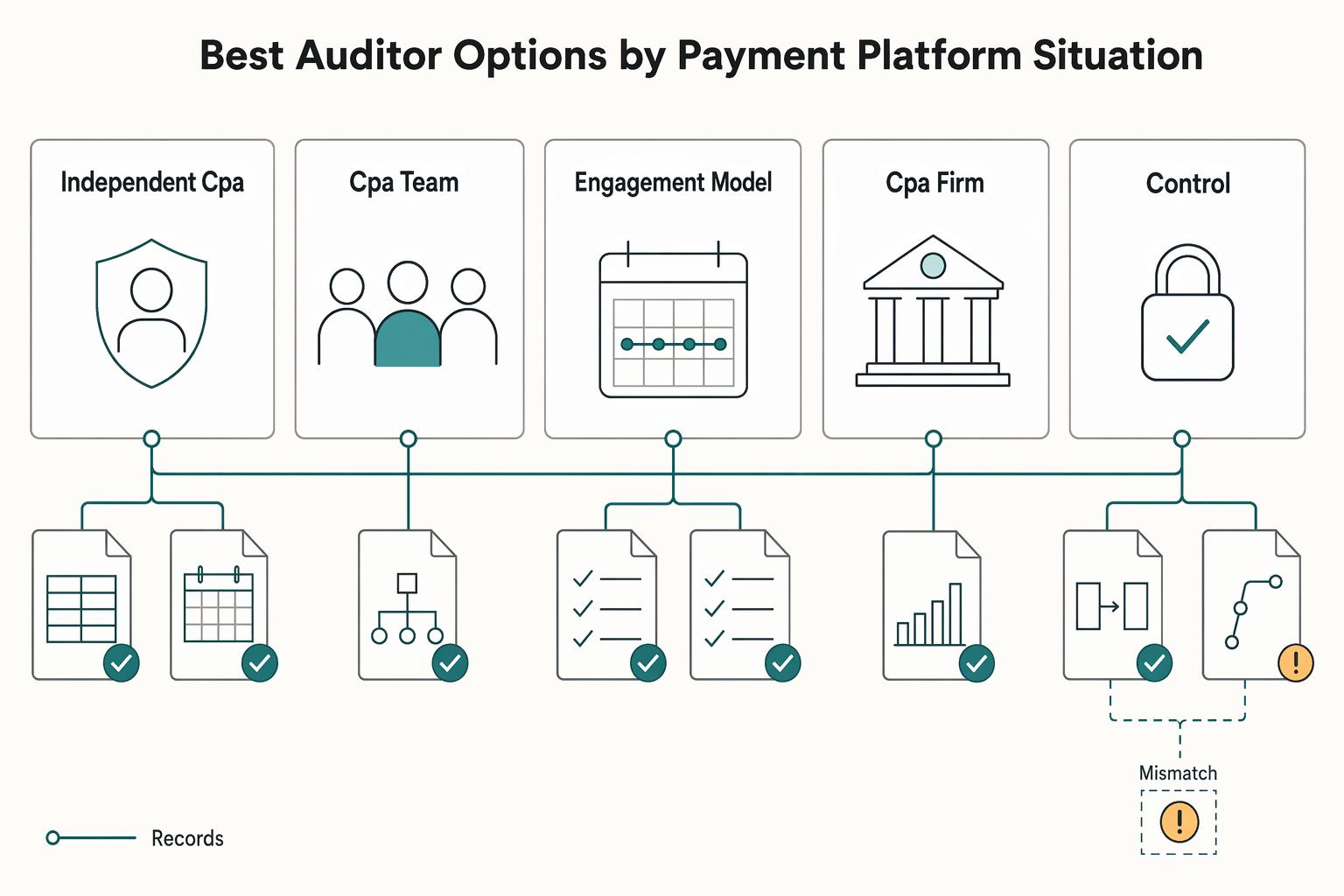
What Payment Platform Auditors Actually Test in SOC 2 Type II
If buyers are asking for SOC 2 Type II, the real question is simple: can you show that controls operated over time, with clear scope and clear evidence ownership?
Read more →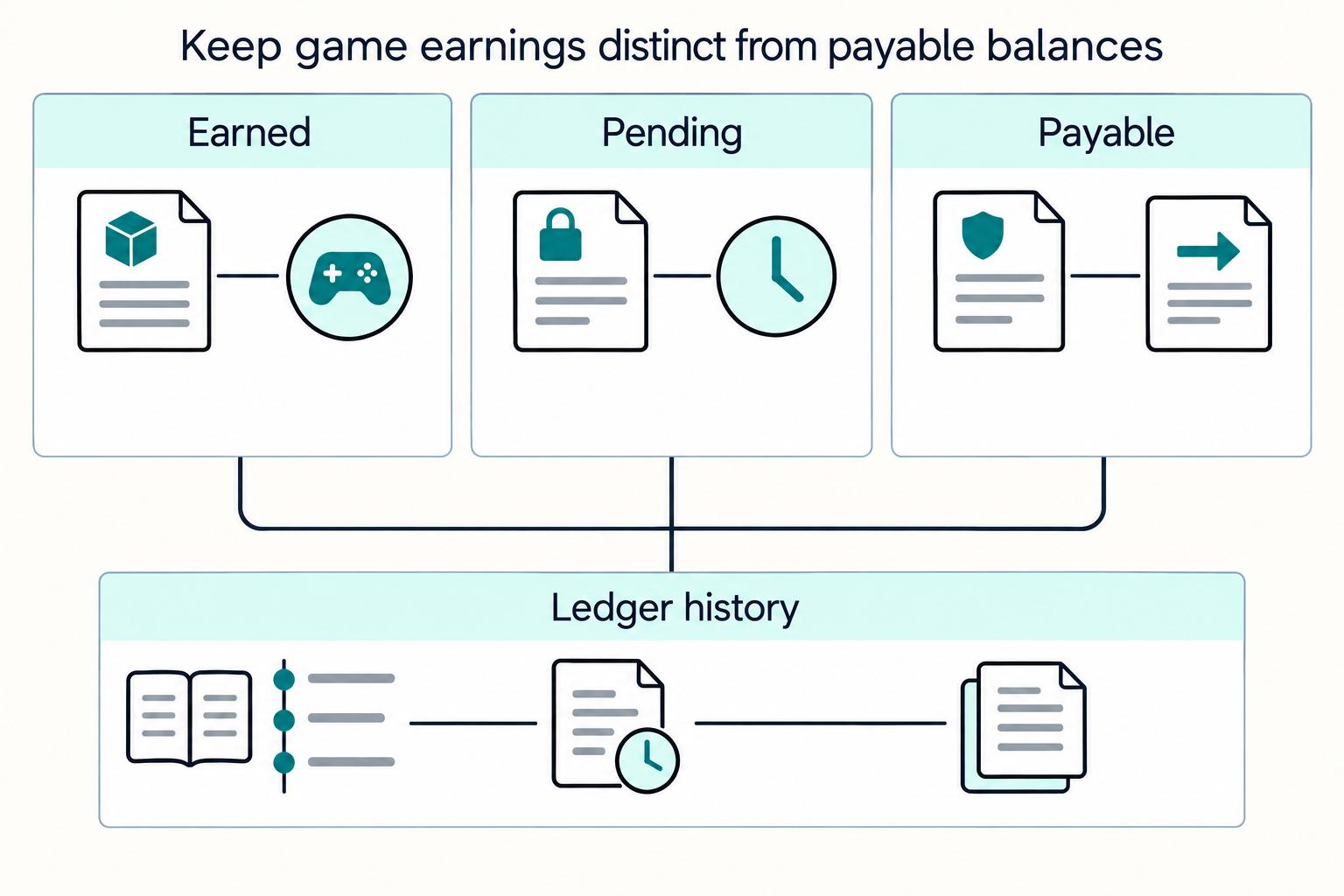
Gaming Platform Payments: Revenue Shares and Developer Payouts
Gaming platform payments begin with an earning rule. A developer needs to know which sales count, which deductions apply, when money becomes due and how a later refund changes the statement. A wallet balance or successful checkout cannot answer those questions on its own.
Read more →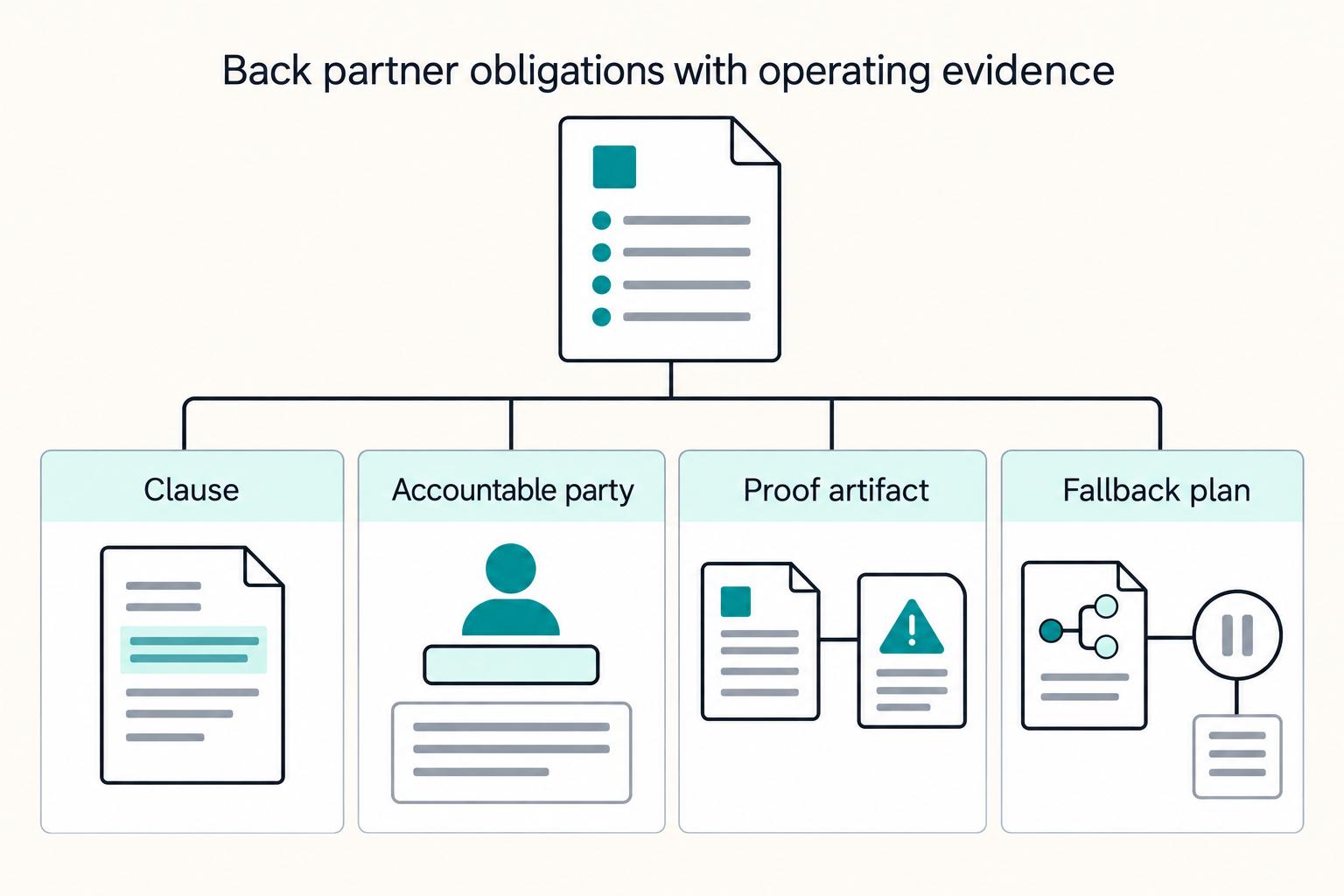
How Investors Judge Fintech Platform Readiness for Cross-Border Expansion
Investors are more likely to back expansion when your operating controls can hold under stress, not just when the story sounds strong. In fintech platform due diligence, a key question is whether your payment infrastructure and compliance controls will still work when risk rises.
Read more →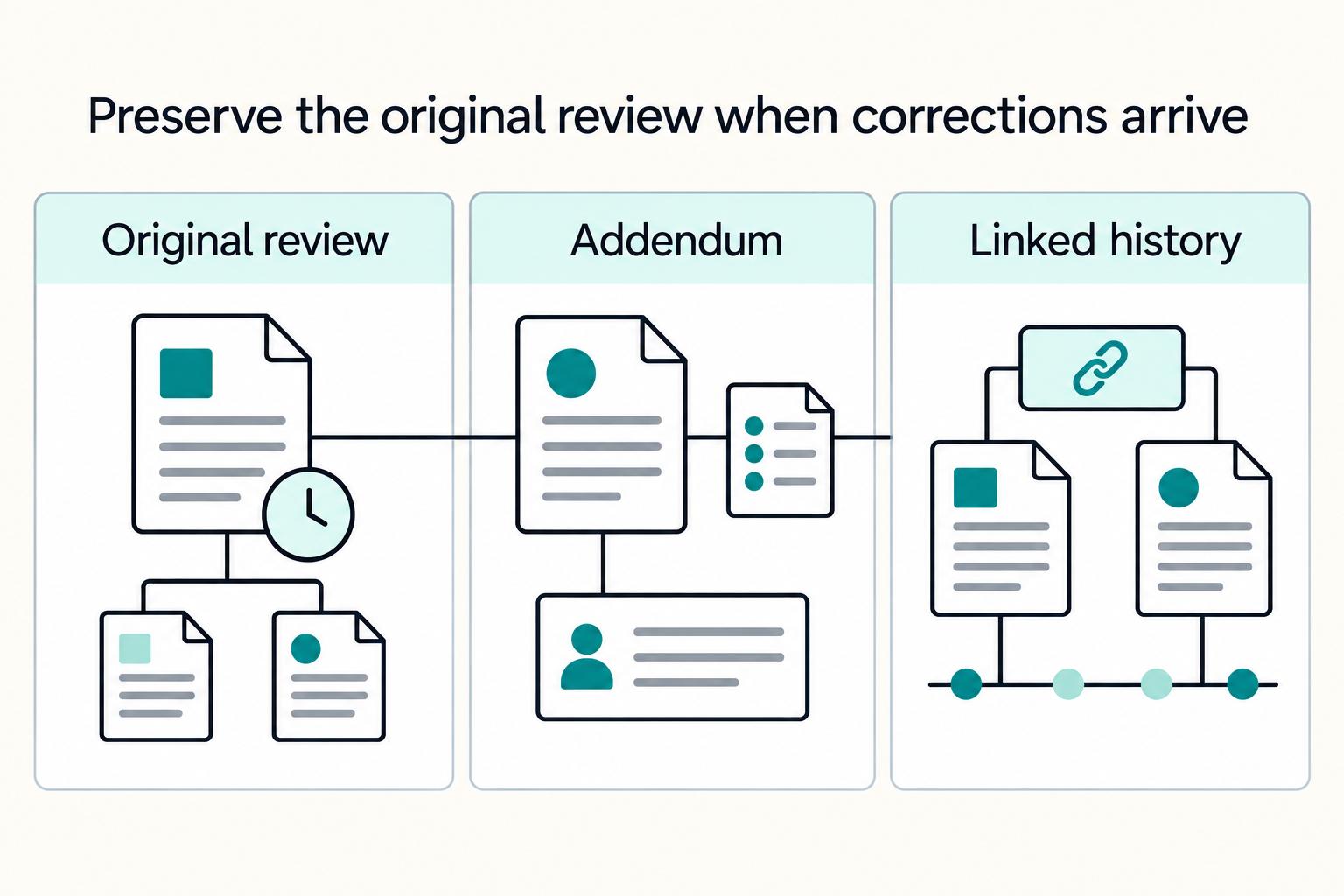
How Research Platforms Pay Academic Contributors with IRB-Aligned Global Disbursement
Start with compliance reality, not payout ambition. If an Institutional Review Board (IRB) approved one participant payment approach and your product executes another, you do not have a launch problem later. You have a launch block now.
Read more →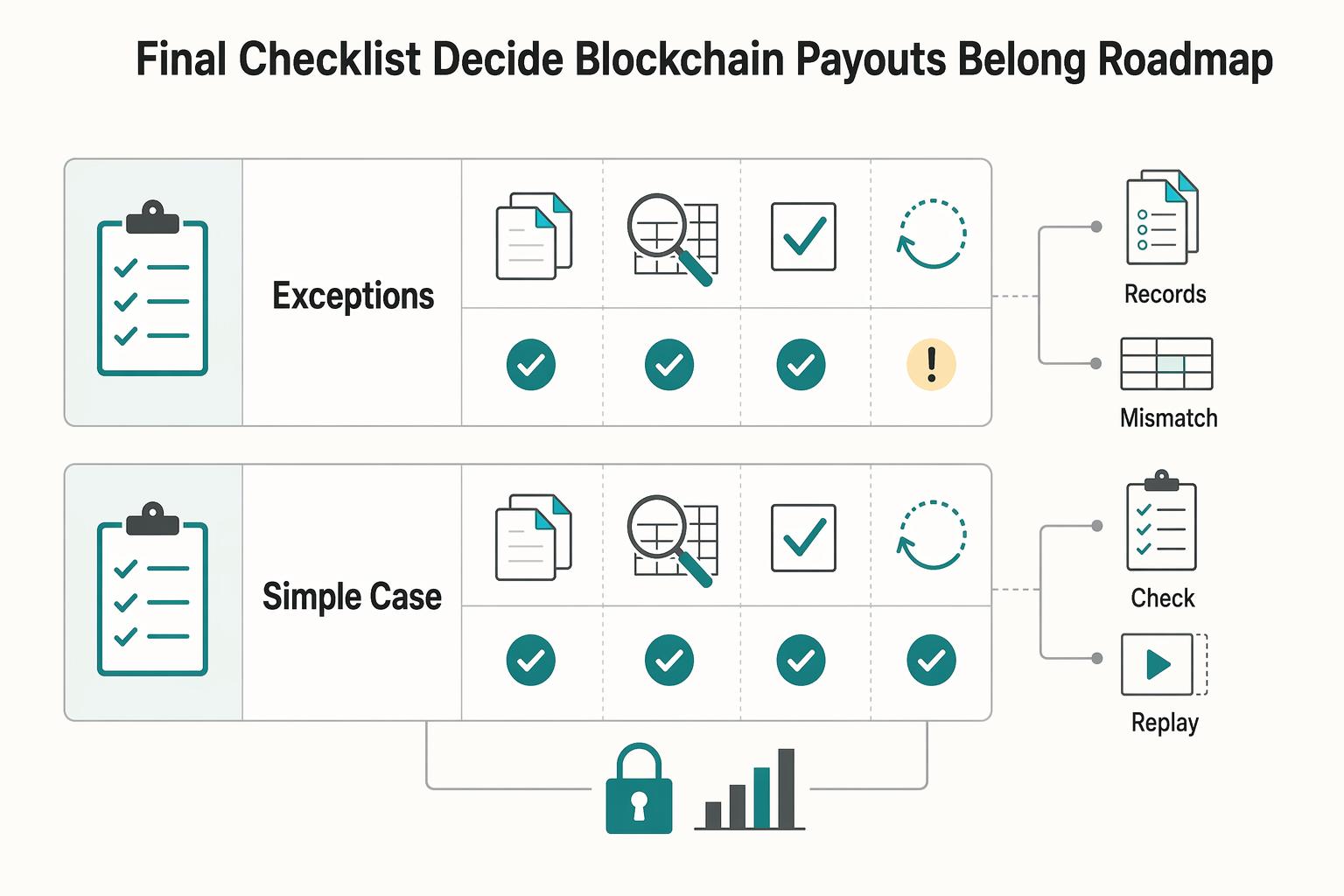
How Blockchain and Smart Contracts Will Change Marketplace Payouts by 2030
2030 blockchain narratives can be useful directional context for marketplace payouts, but they are not proof that payout operations, compliance, or reconciliation are solved. The real production question is not chain mechanics alone. It is whether you can run an end-to-end payment flow that Finance, Compliance, and Treasury can actually operate, with regulated money handling, wallet infrastructure, and clear ownership when something fails.
Read more →