
Operator playbooks for cross-border payments, tax, and compliance execution.
Step-by-step guidance for finance, product, and ops teams to launch faster, reduce payout friction, and keep reconciliation clean across borders.
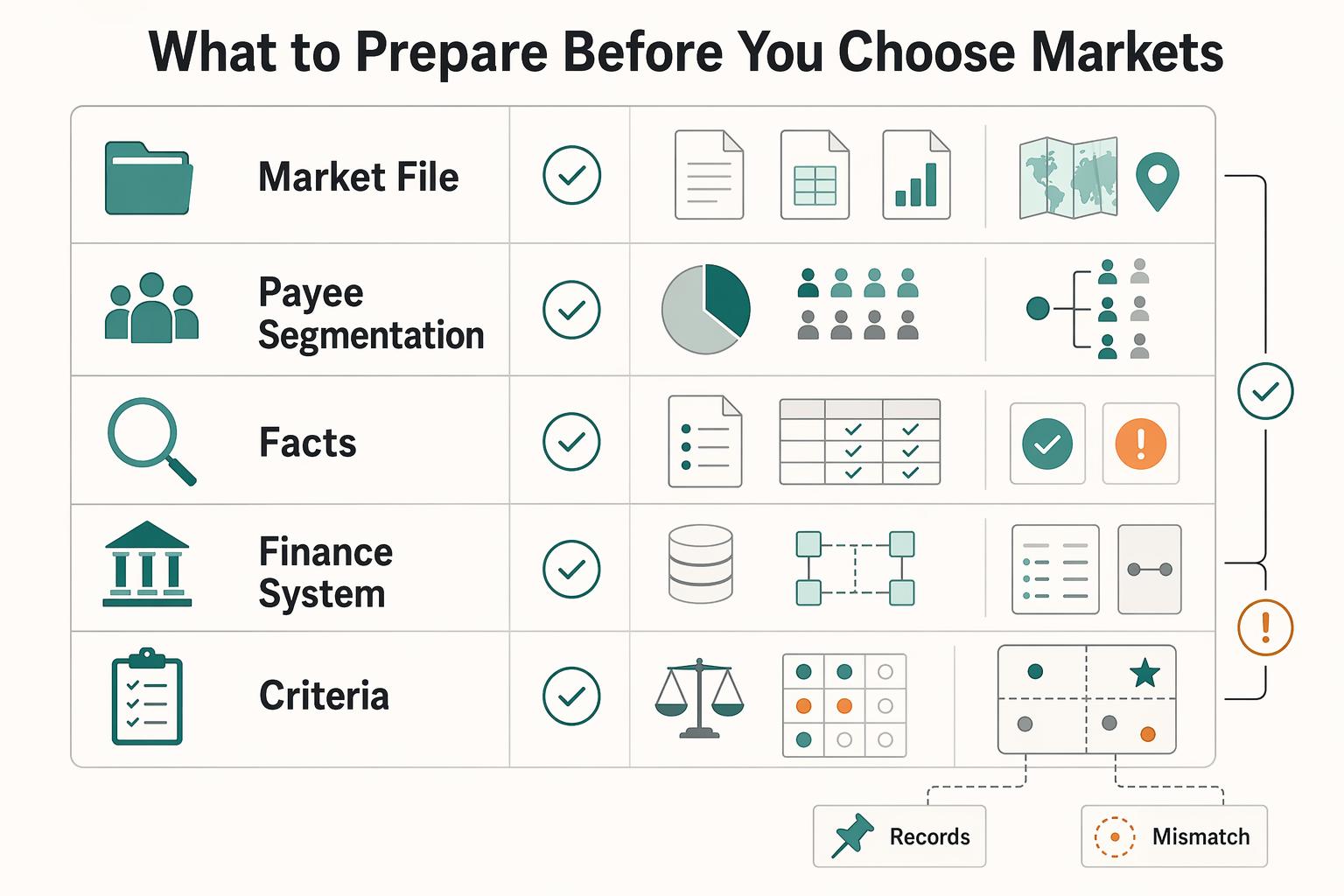
Accounting and Bookkeeping Platform Payments: How to Pay CPAs and Bookkeepers at Scale
Most guidance in this area focuses on bookkeeper-vs-CPA roles and when to hire each. Designing how you pay those roles repeatedly as volume grows is a different operations decision, not just a software choice.
Read more →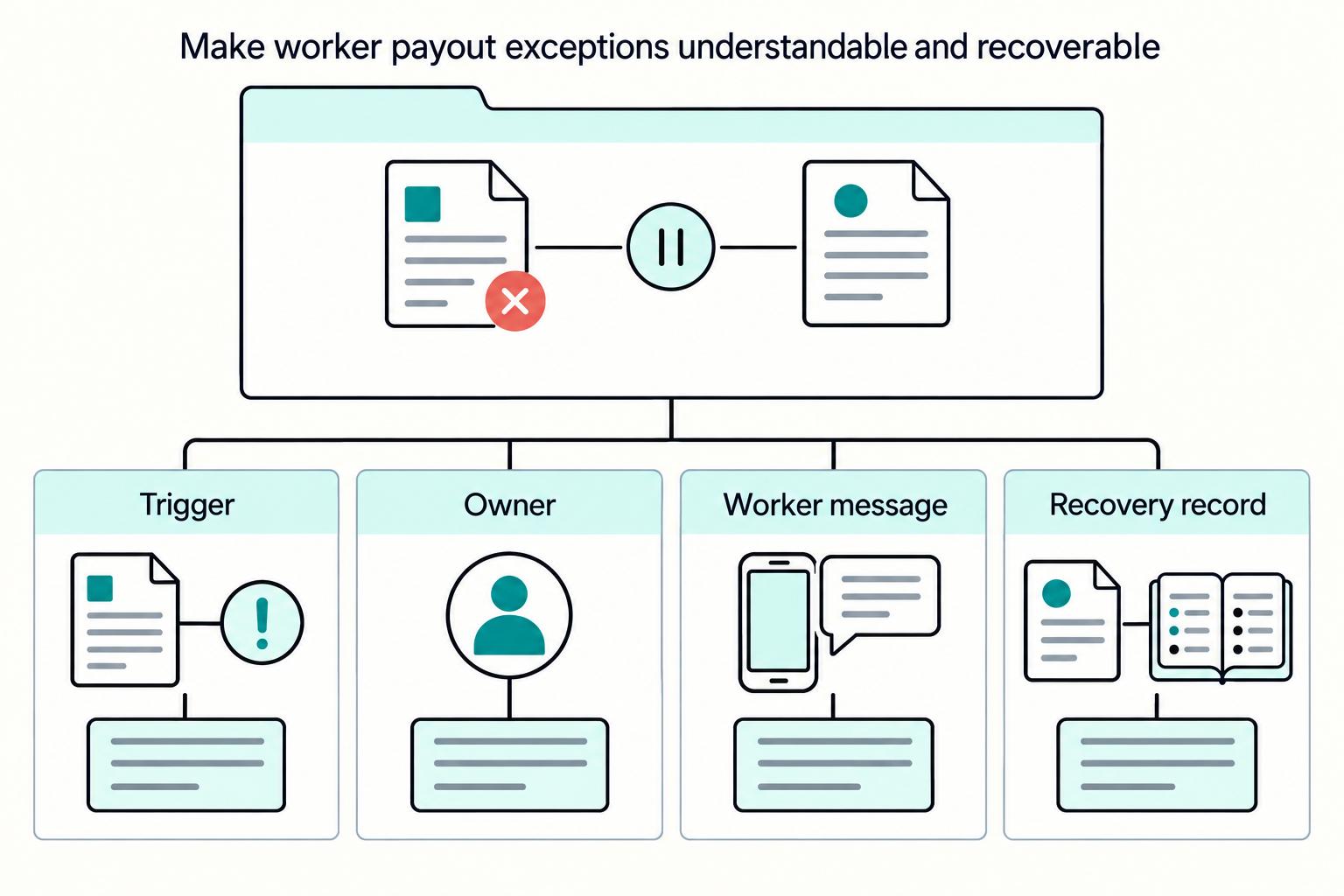
Crowdsourcing Platform Payments: How to Pay Micro-Task Workers Globally at Scale
Demand for microtasks is only one part of an expansion decision. The real question is whether your payout design and operating reliability will hold as you scale.
Read more →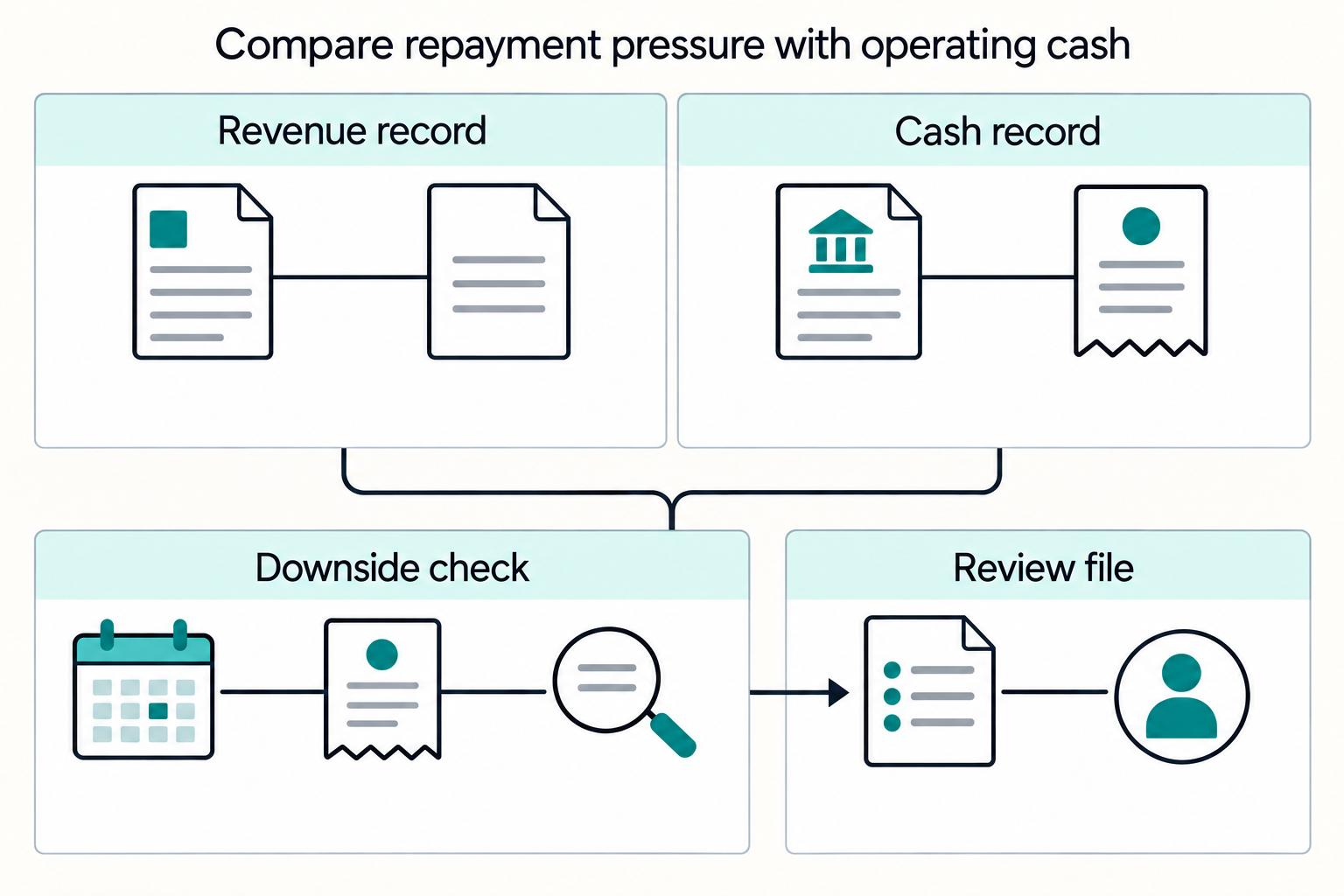
Revenue-Based Financing for Payment Platforms: How to Use Future Transaction Volume as Collateral
Revenue-based financing (RBF) can fit a payment platform with real revenue that wants growth capital without equity dilution. It only works if the repayment structure matches how cash actually comes in.
Read more →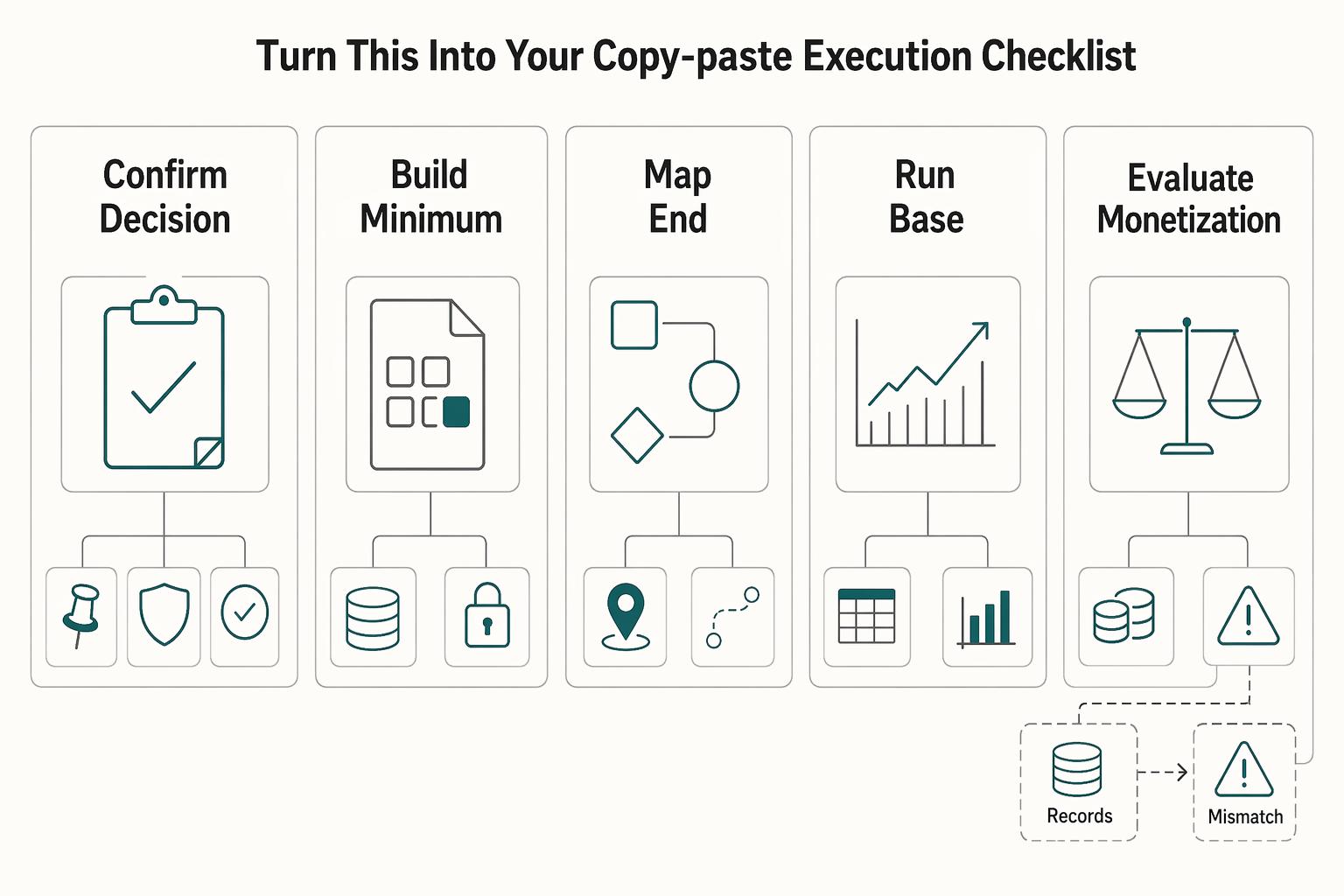
How to Model Working Capital Needs for a Fast-Growing Payment Platform
Fast growth in payments can become a liquidity problem before it looks like a margin problem. Collections, settlement, and payouts can drift out of sync. You can post healthy revenue and still carry a real funding gap between when cash goes out and when it comes in.
Read more →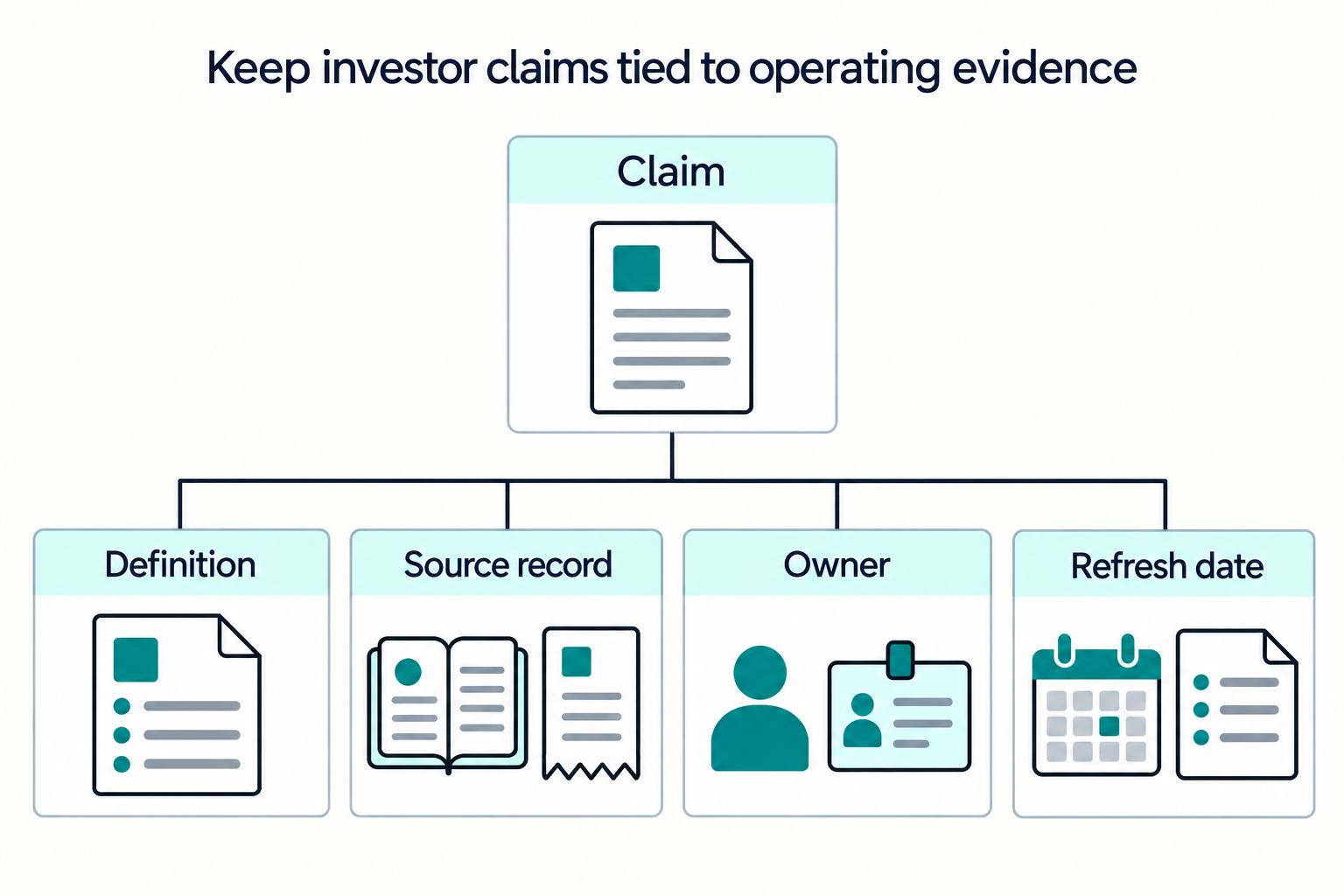
Series A Fintech Fundraising: How Payment Platform Startups Should Present Their Revenue Model
Series A investors underwrite durability, not just growth. This article shows how to explain a revenue model they can actually underwrite, including expansion scenarios where launches slow down or operating risk rises.
Read more →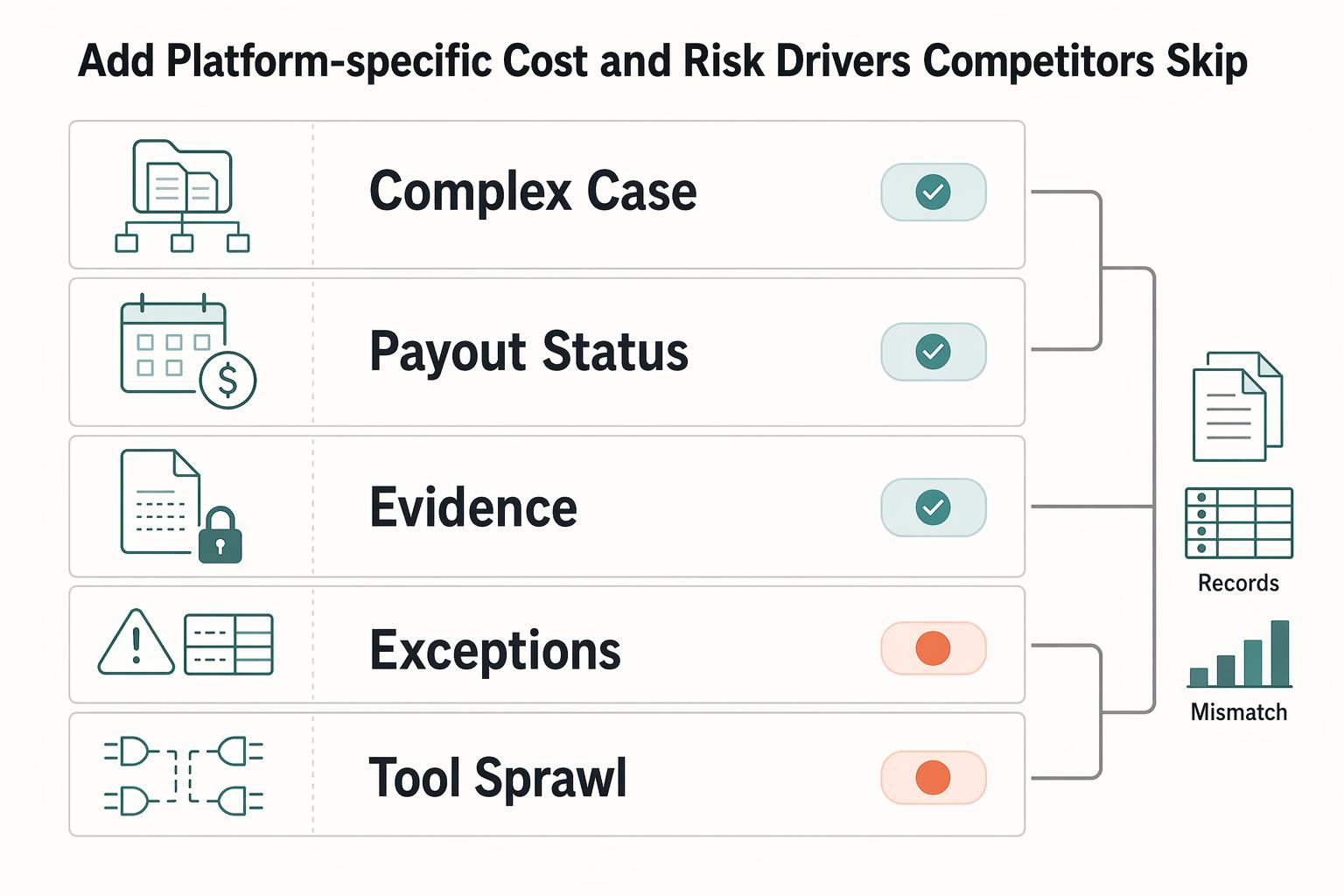
AP Automation ROI Calculator: How to Build the Business Case for Your Finance Team
If you need a CFO-ready case for AP automation, start with transparent math and explicit assumptions. A defensible model is more useful than a bigger headline ROI claim.
Read more →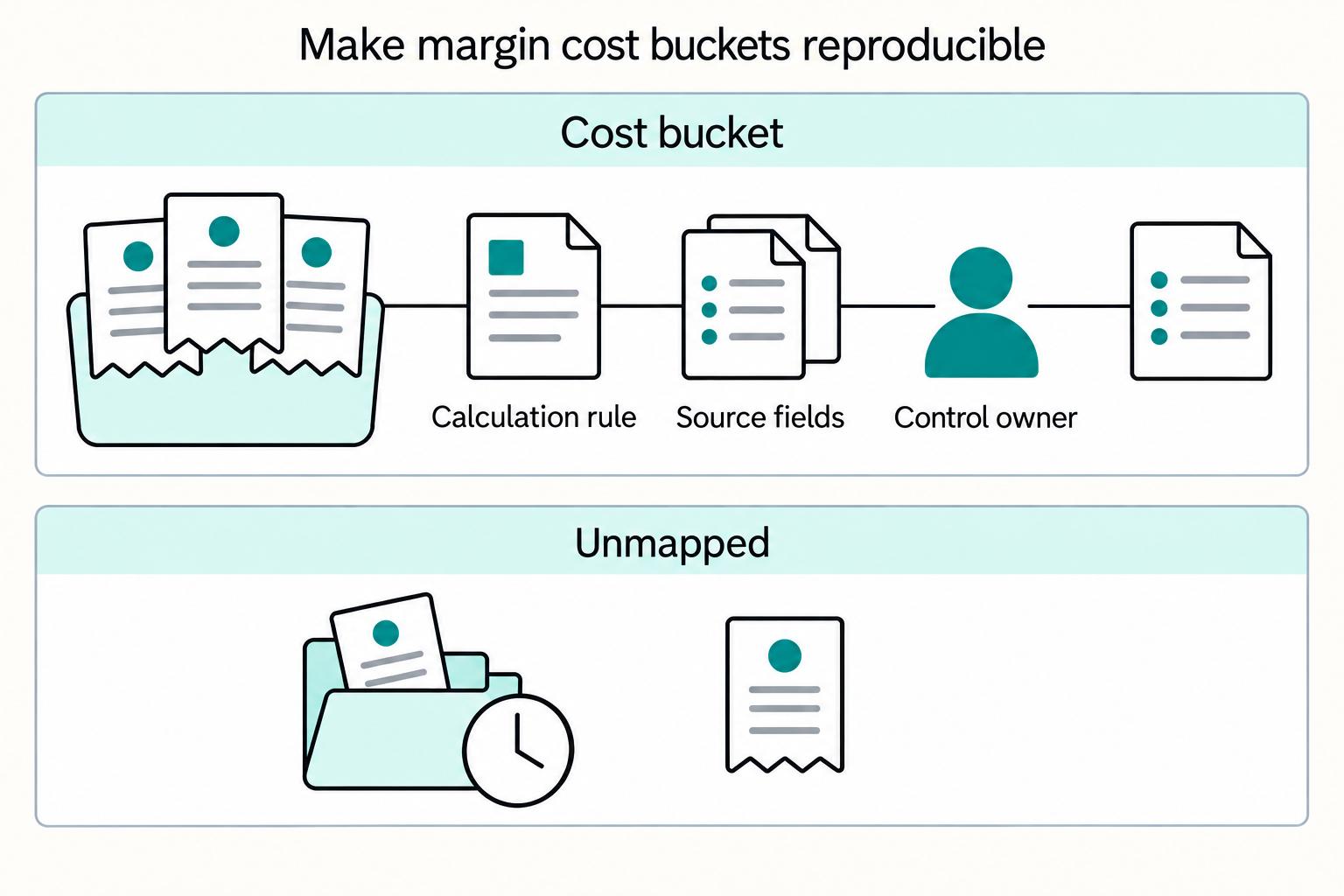
How to Build a Gross Margin Model for a Marketplace: Payment Costs FX and Infrastructure
Build a weekly model that connects marketplace revenue to the costs the platform actually bears. Keep GMV, recognized revenue, gross profit, contribution after operating costs, and cash availability separate. A settlement delay can reduce available cash without changing gross profit; a refund or platform-borne fee can change both.
Read more →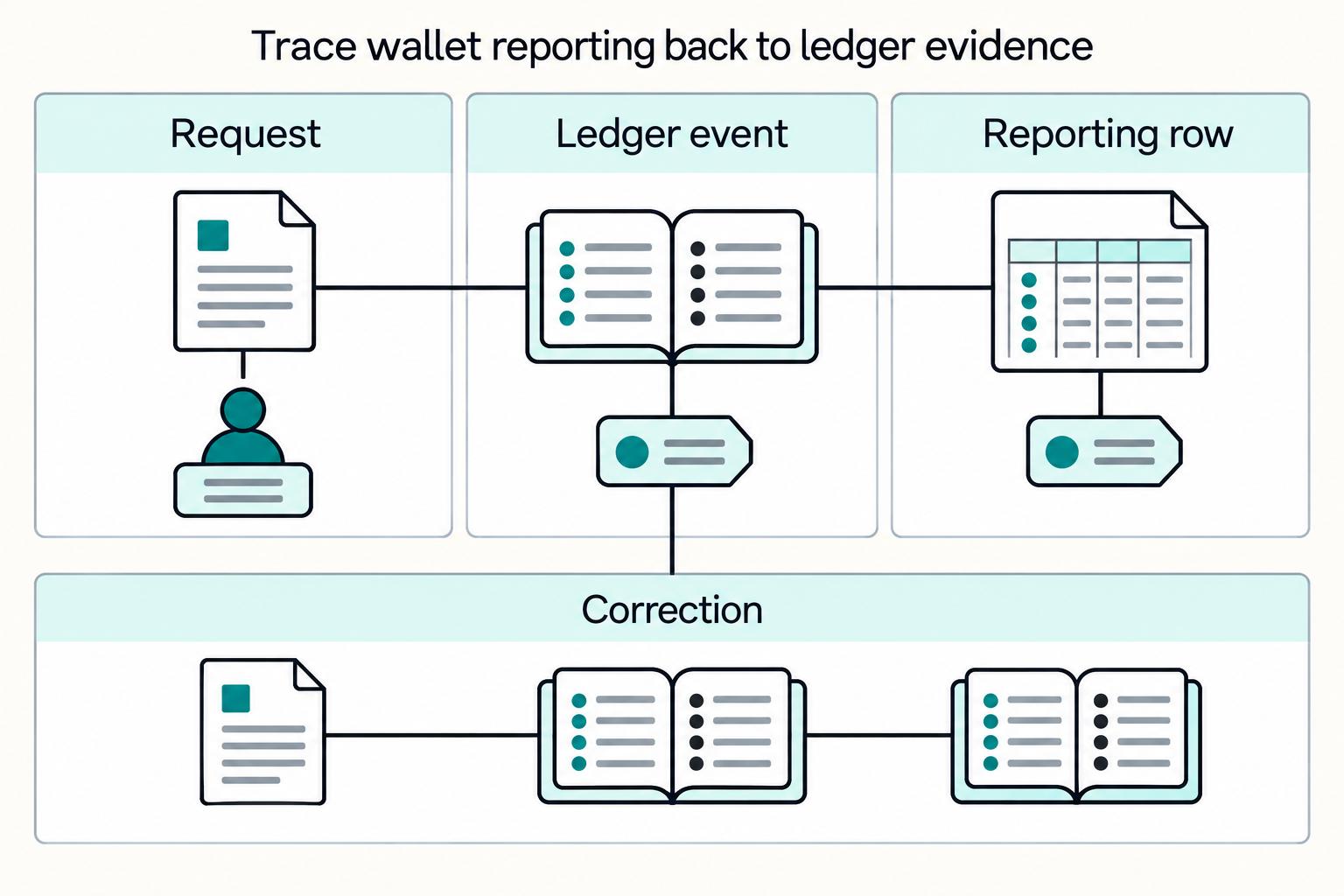
How to Handle Tax on Platform Wallet Interest: FDIC Pass-Through and Income Reporting
Treat this as two separate decisions from day one: `FDIC` custodial-account insurance mechanics and `IRS` income-reporting obligations. They can interact operationally, but they are not the same determination. If you combine them too early, you create avoidable design risk.
Read more →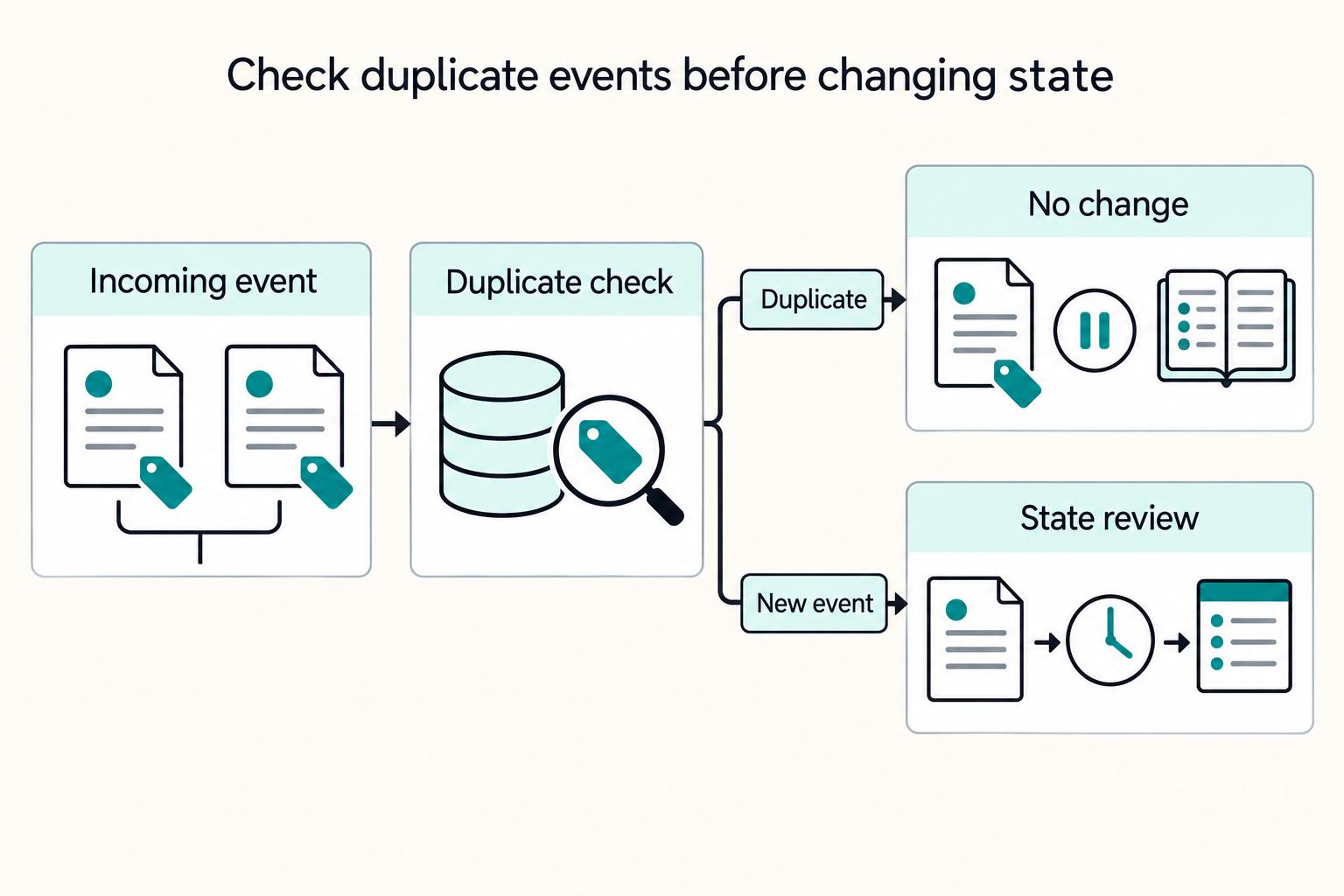
Payment Webhooks Best Practices for Reliable Event Flows
Reliable webhook handling is a platform risk decision, not just an endpoint integration task. You are not only accepting an `HTTP POST` and parsing `JSON`. You are deciding how your system behaves when delivery is imperfect, including replayed events, and whether that behavior still holds up under audit.
Read more →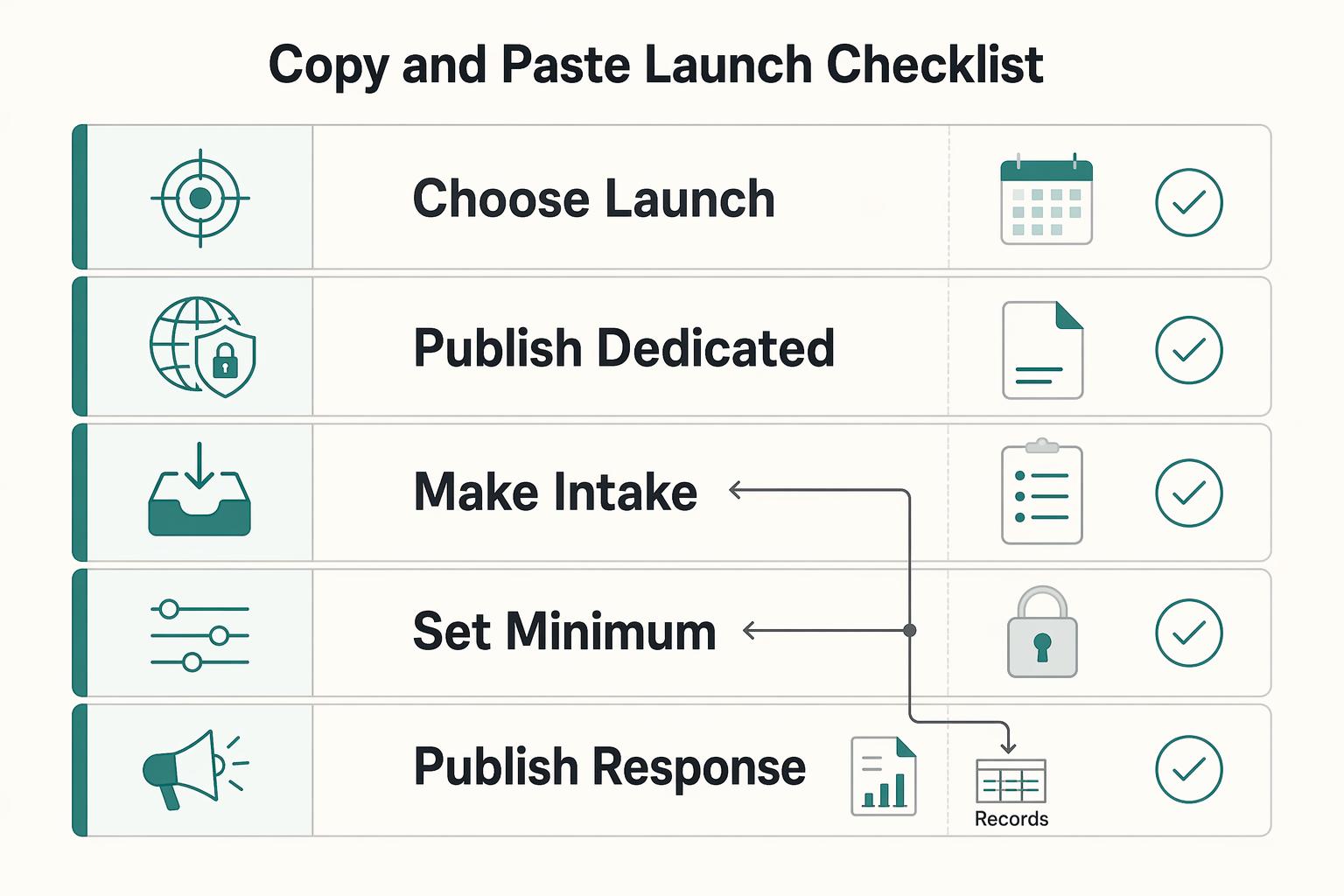
Responsible Disclosure Policy for Payment Platforms
Treat your disclosure policy as an operating document, not a legal page you publish and forget. If you cannot name your in-scope assets, set the minimum evidence required, identify who accepts or rejects a report, and state your response timeline, you do not yet have an executable policy.
Read more →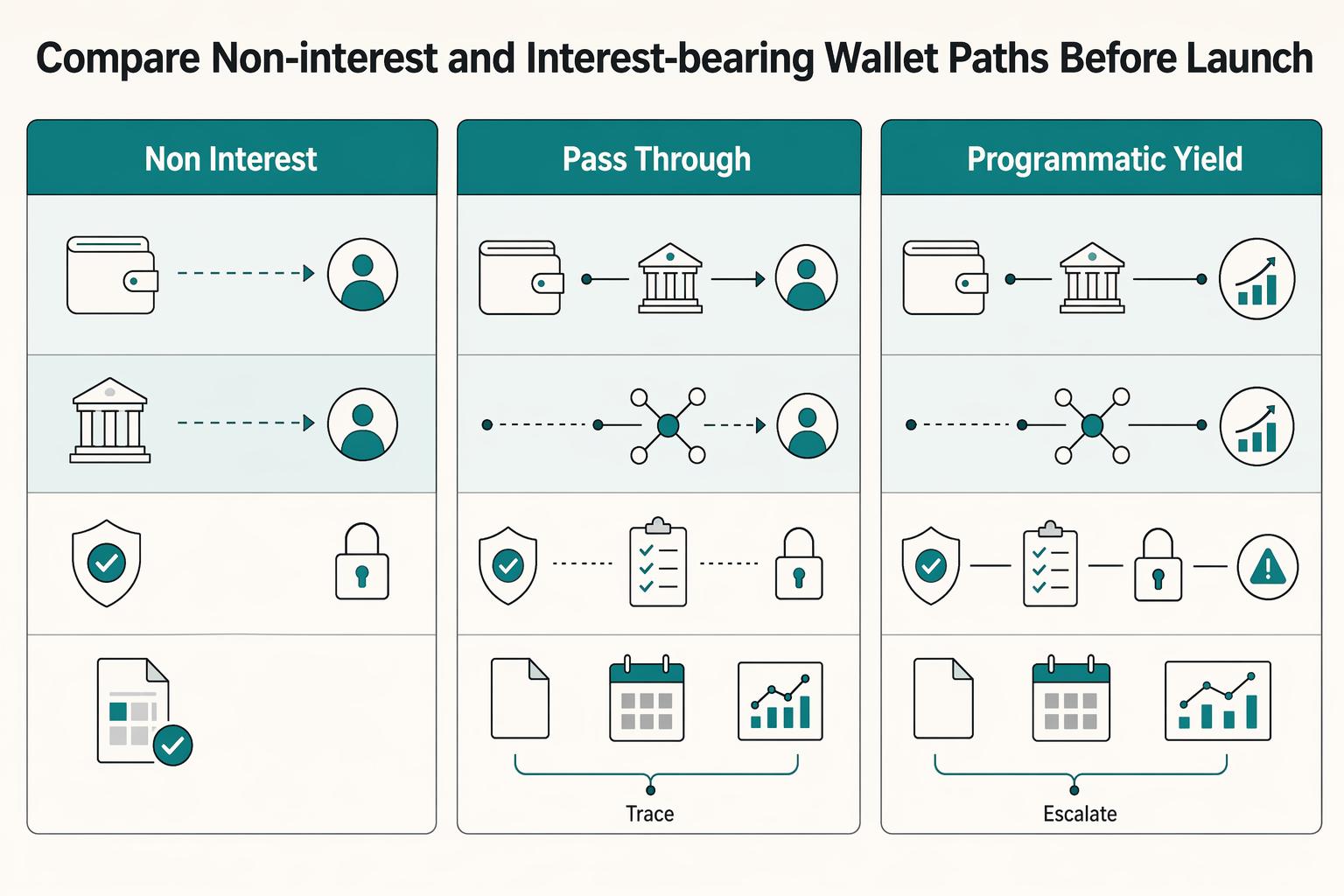
Platform Wallet Compliance: Float Rules Interest Bearing Accounts and State Regulations
Wallet balances can improve speed and cost outcomes, but once those balances can sit as float or generate interest-like value, compliance scope can get heavier. That is the core design tension in 2026. Product teams want faster, smoother money movement, while legal, compliance, and finance need controls for how funds are held, monitored, and handled when something goes wrong.
Read more →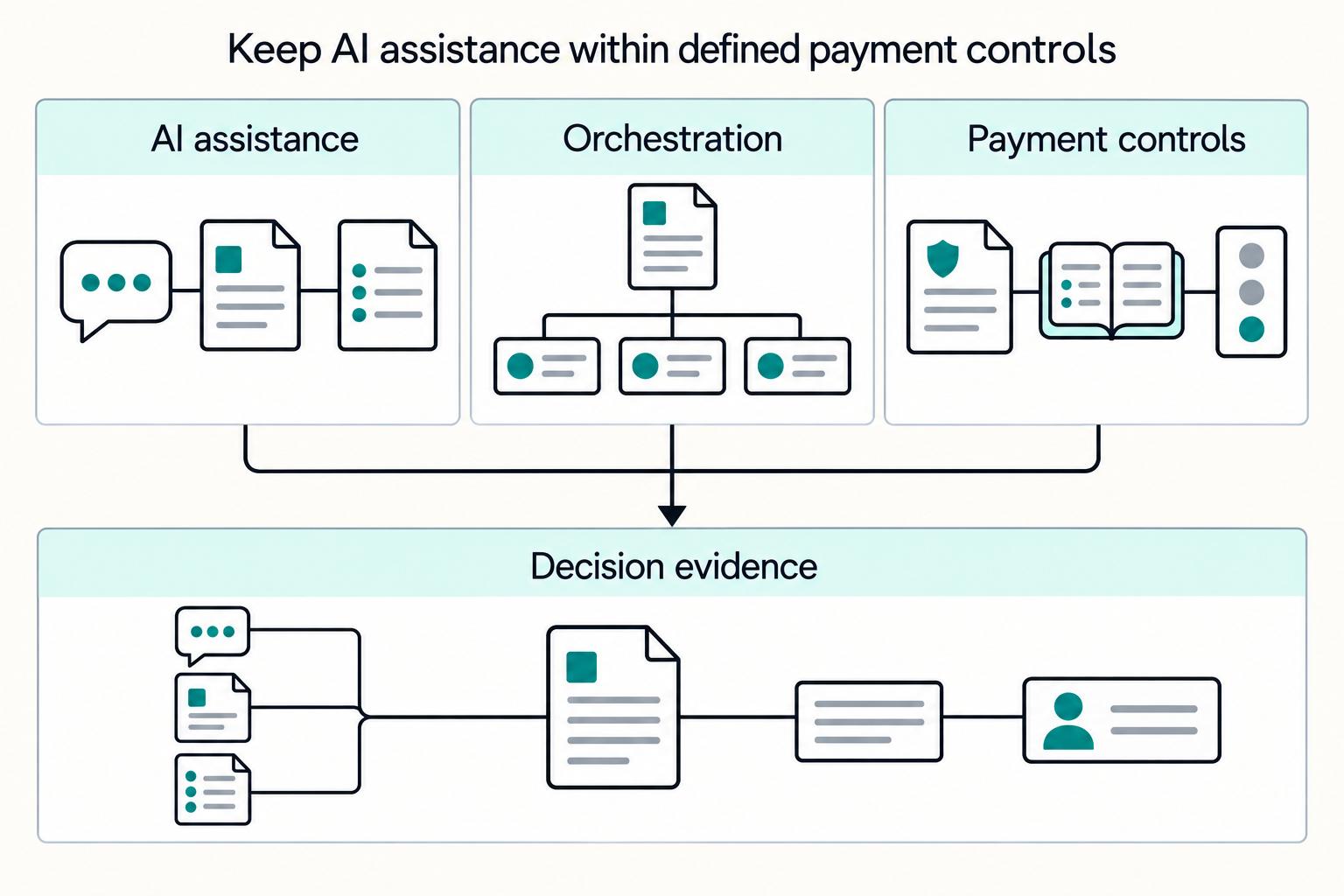
How Platforms Are Using AI to Automate Payment Operations: Use Cases and ROI
Start narrower than your ambition. In payment operations, early ROI often comes from improving one high-volume process with a measurable baseline, not from trying to automate everything at once.
Read more →
Platform-to-Platform Payments: How to Build B2B Settlement Between Two Marketplace Operators
If you need to stand up operator-to-operator settlement quickly, optimize for a controlled launch, not maximum speed on day one. This guide focuses on platform-to-platform B2B settlement for marketplace operators. It keeps the tradeoffs, control points, and recovery paths explicit for delayed, returned, or mismatched payments.
Read more →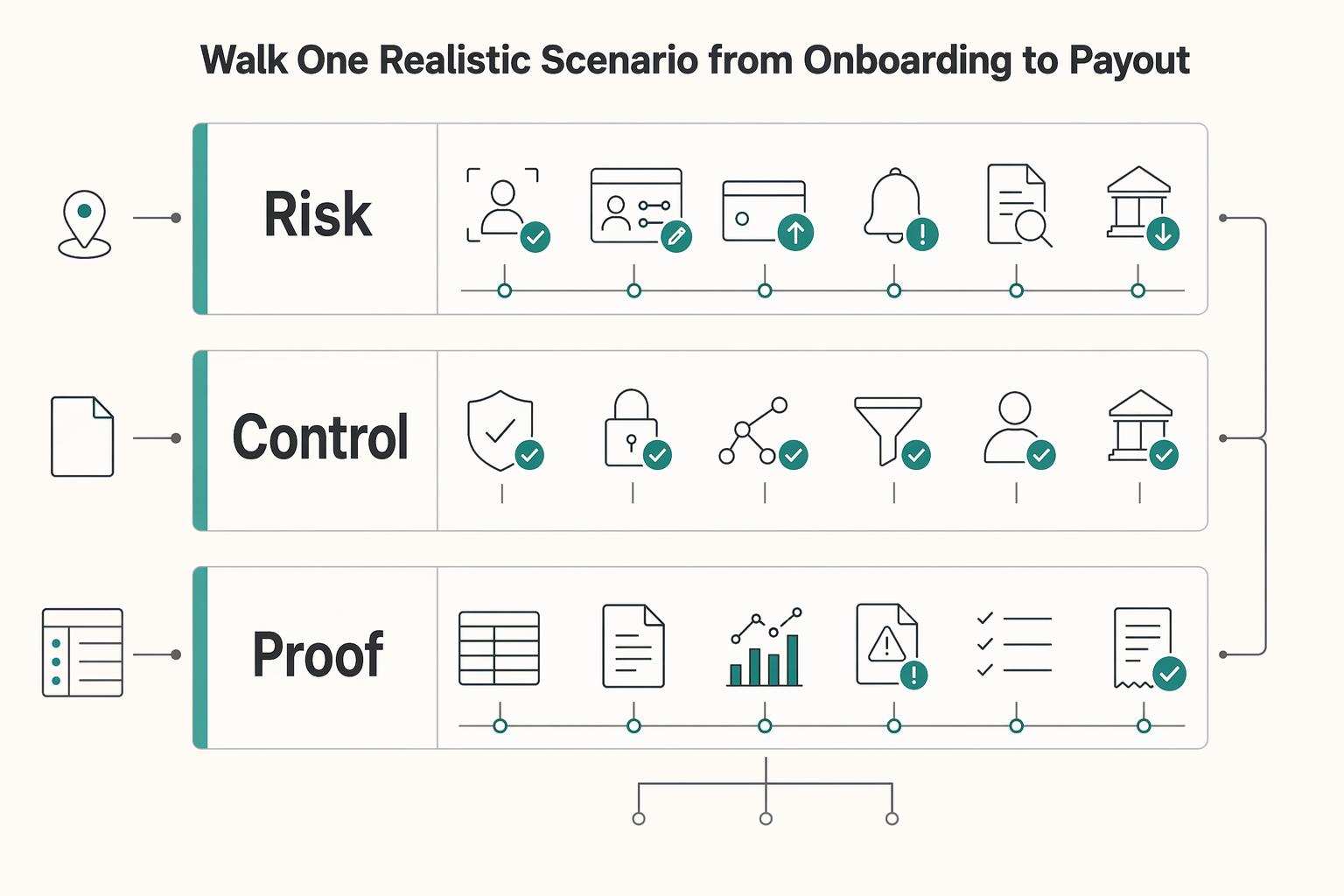
How to Conduct an Annual AML Risk Assessment for Your Payment Platform
Treat your annual AML review as a decision exercise tied to real money movement, not a policy refresh. If you cannot trace how funds are collected, held, routed, converted, or paid out across contractor, seller, or creator flows, the review can look complete while still miss core risk.
Read more →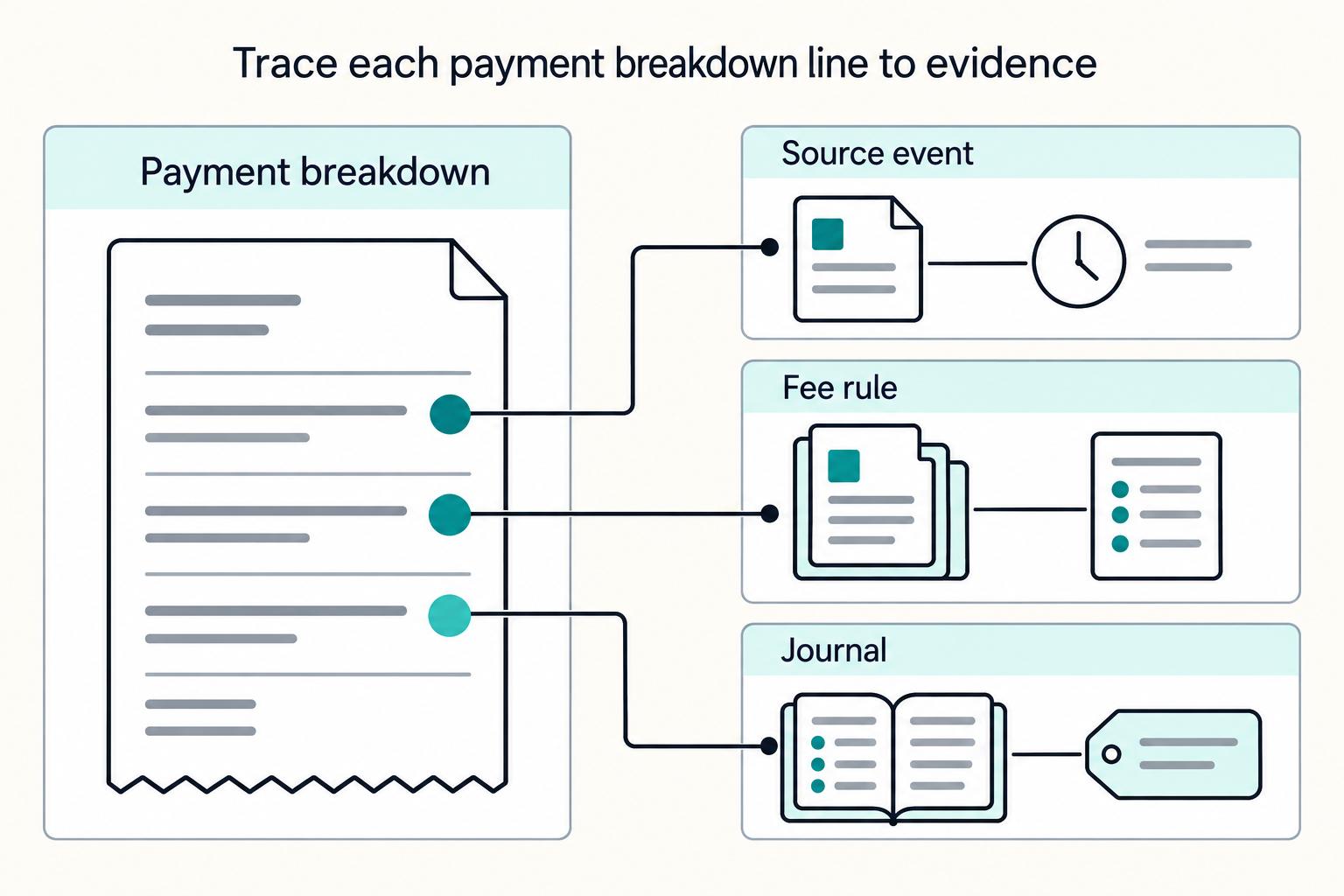
How to Show Fee Transparency to Contractors: Building a Clear Payment Breakdown UI
Your payment breakdown UI should answer two questions at a glance. Contractors should be able to see how an invoice turns into a net payout. Finance should be able to close the payout without manual cleanup. If the recipient view cannot be traced back to approval and accounting records, it is not transparent enough to run.
Read more →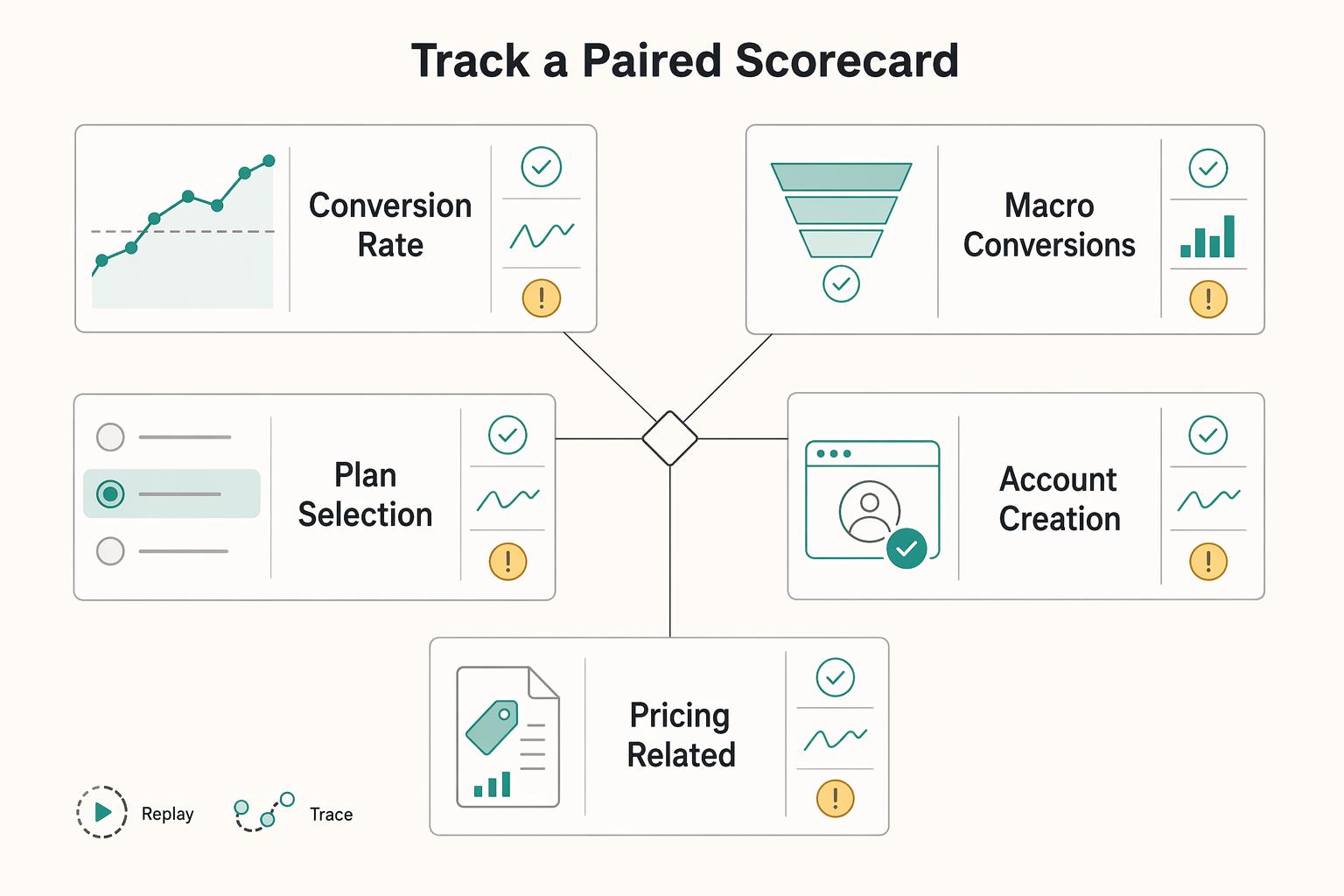
How to Build a Payment Platform Pricing Page: Conversion-Optimized Design Patterns
A payment platform pricing page should help qualified buyers decide without creating downstream confusion in reconciliation or settlement. It is a late-stage decision point, so what you promise there shapes purchase behavior and sets expectations that later affect reconciliation and reporting clarity.
Read more →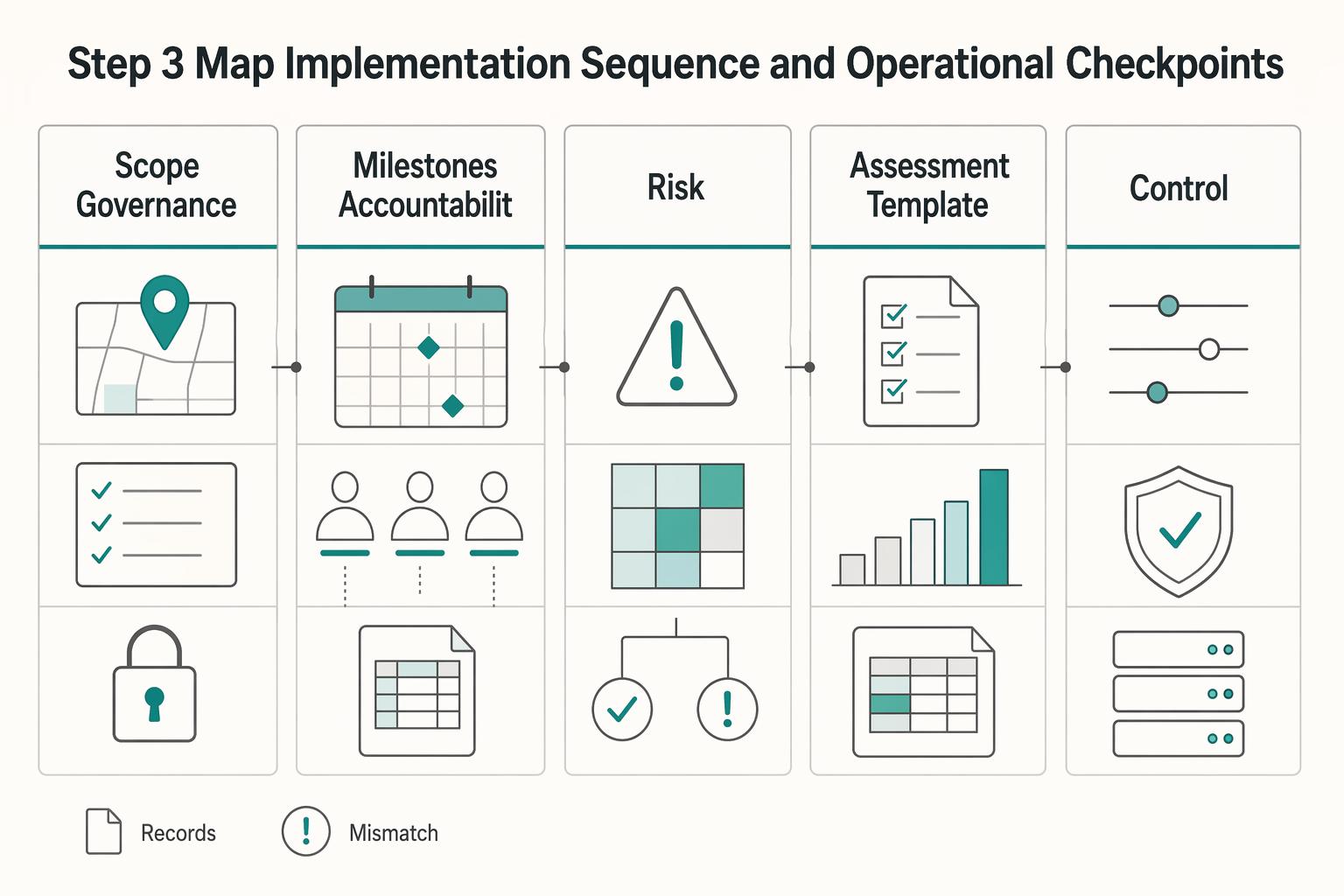
Case Study Framework: How to Document Platform Payment Wins for Marketing
Payment case studies are most credible when they read like an operating record, not marketing copy. In payments, a "win" often reflects design tradeoffs across routing, controls, and settlement behavior, not just a faster user flow.
Read more →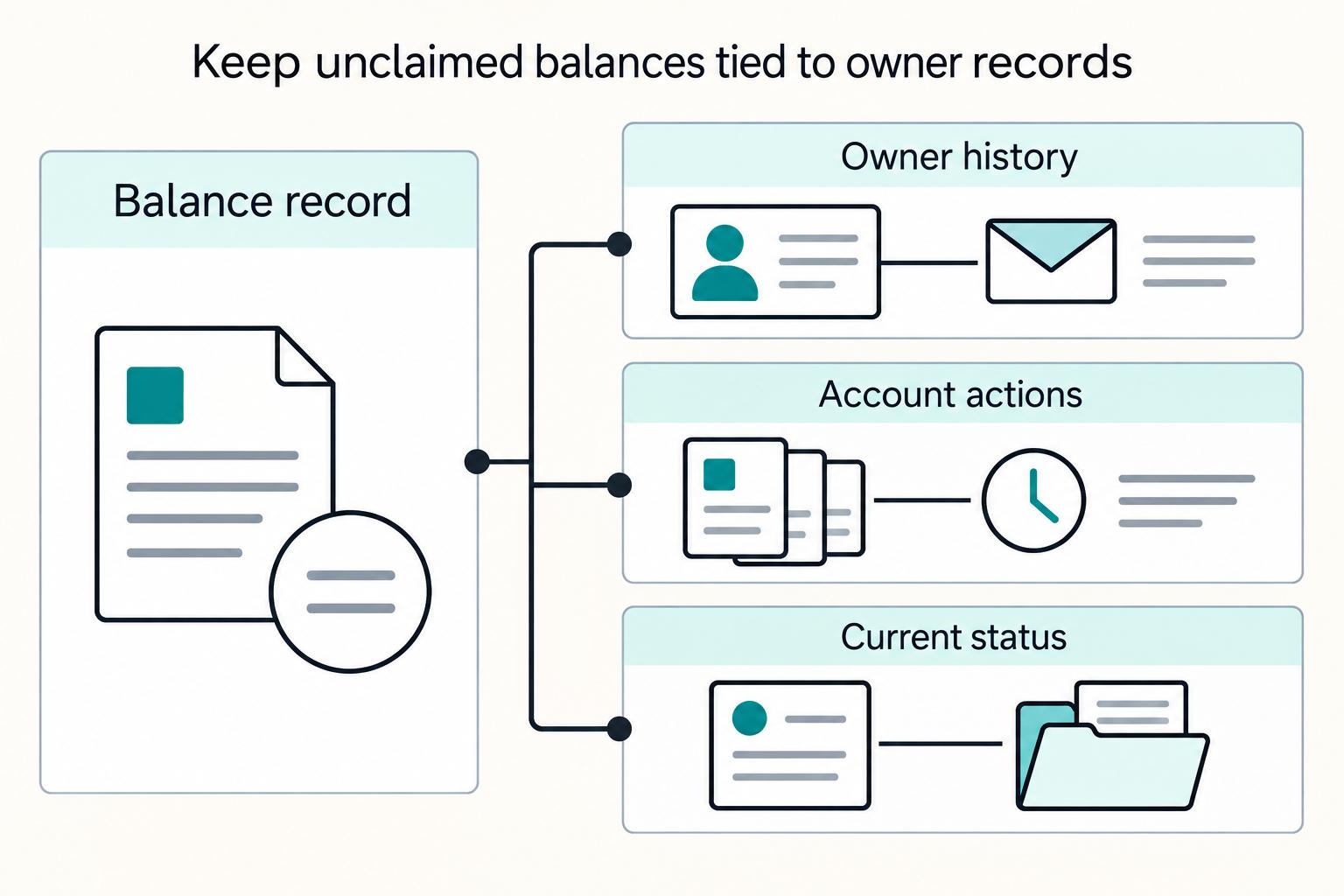
Unclaimed Payouts: Dormancy, Holder Reporting and Escheatment
A contractor earned USD 250, but the transfer was returned and the contractor has not responded. The platform still needs to account for the amount owed. A failed transfer does not turn it into revenue, and a support ticket marked inactive does not decide when state unclaimed-property rules apply.
Read more →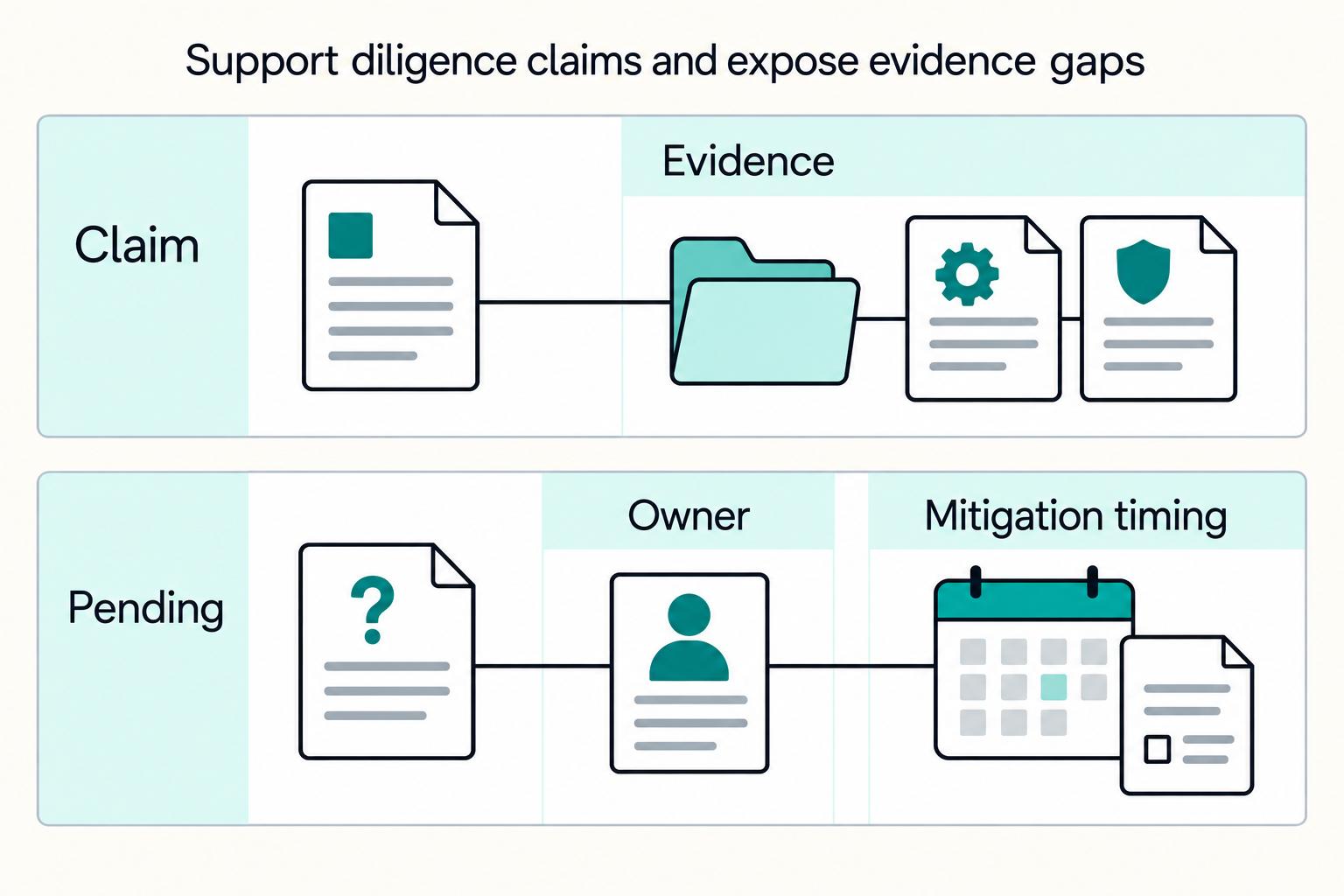
How to Structure Your Platform for Investor Due Diligence: Financial Compliance and Tech Stack
Platform expansion is a go or no-go decision across financial durability, compliance-related readiness, and technical readiness. It is not a finance exercise with a technical appendix. If the business case is strong but the platform is brittle or insecure, investors will see execution risk.
Read more →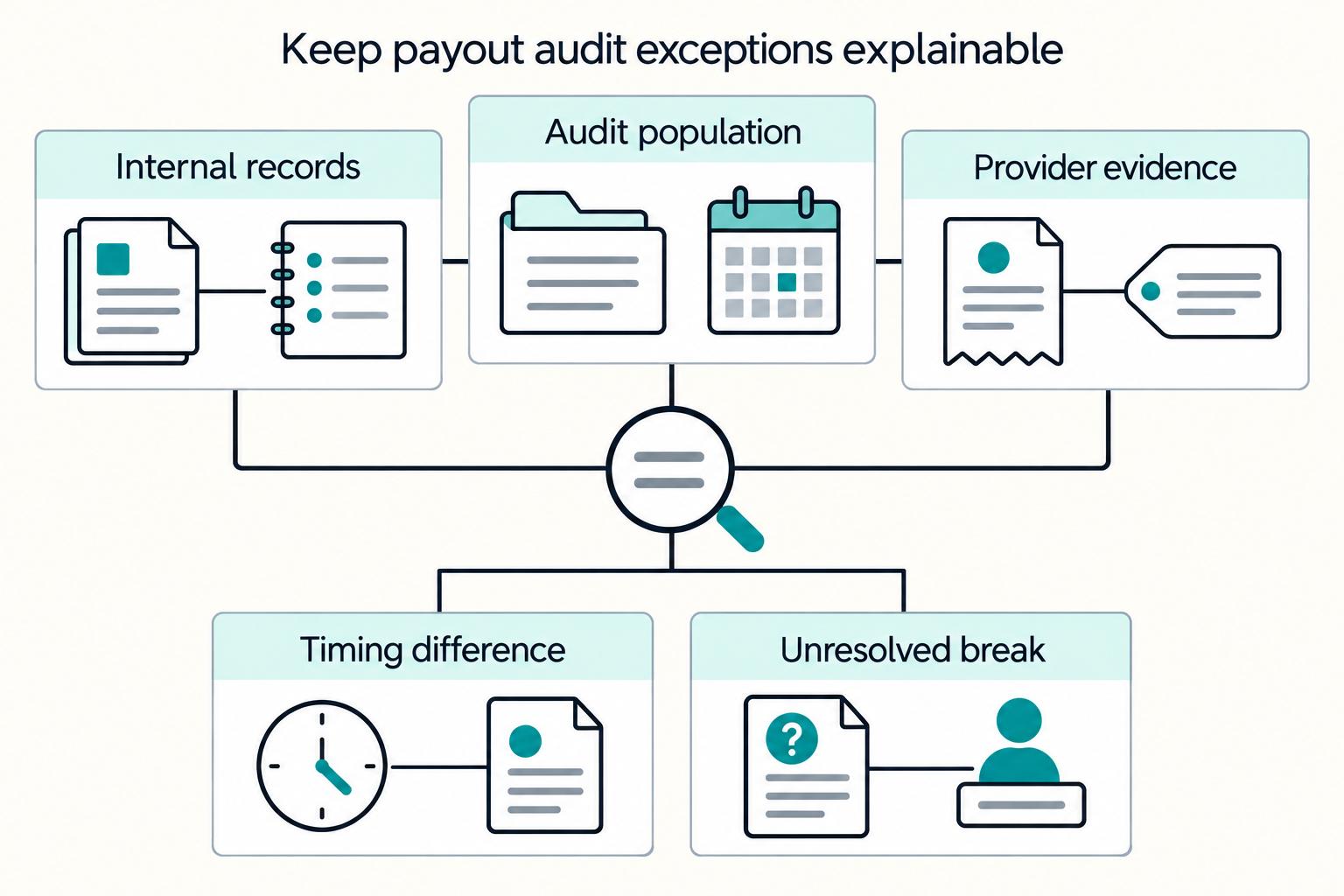
How to Audit Your Payout Platform: An Internal Audit Checklist for Finance Teams
Payout audits usually break for operational reasons: volume rises, edge cases multiply, and evidence ends up scattered across spreadsheets and other manual records. This guide gives finance teams a control checklist, not a policy memo.
Read more →