
Operator playbooks for cross-border payments, tax, and compliance execution.
Step-by-step guidance for finance, product, and ops teams to launch faster, reduce payout friction, and keep reconciliation clean across borders.
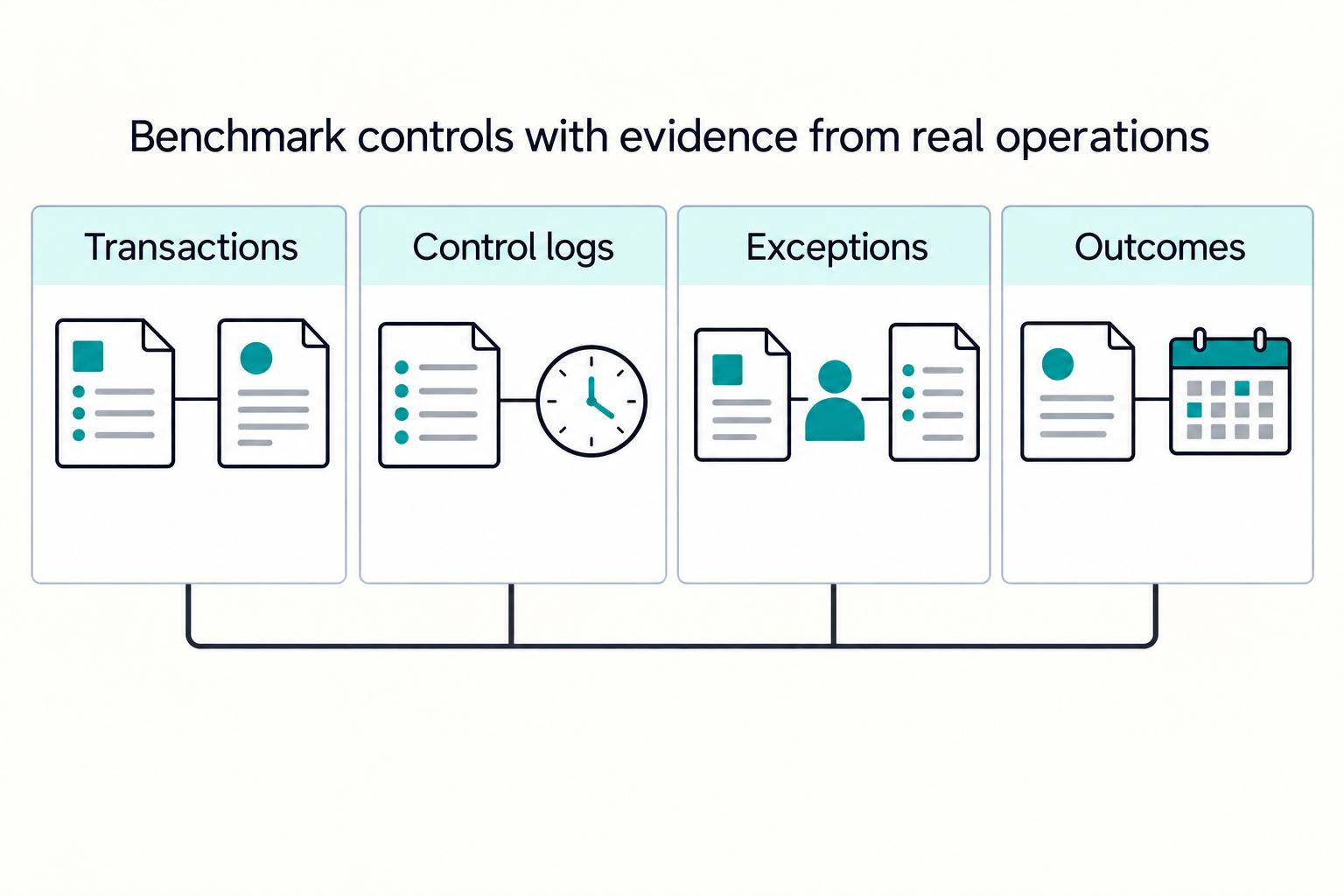
The Payment Operations Maturity Model: How to Benchmark Your Platform Finance Team
Use maturity benchmarking as an evidence-based diagnostic, not a branding exercise. For a platform finance team, that means focusing on controls that show money is posted correctly, reconciled on time, settled with clear status, and paid out without batch surprises.
Read more →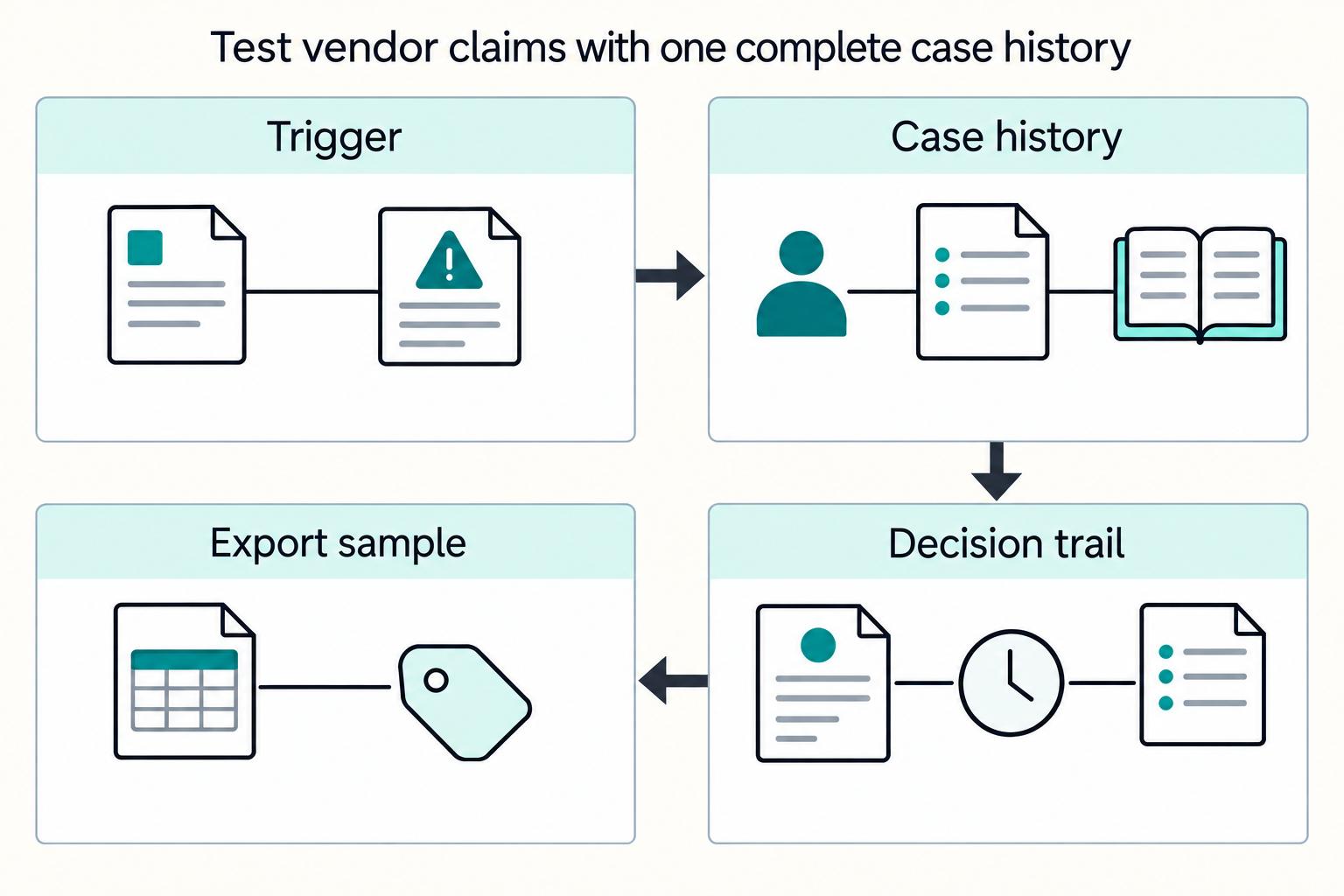
How to Build a RegTech Stack for Payment Platforms: Tools and Vendors by Compliance Function
This guide is about operating decisions, not definitions. RegTech is technology used to meet regulatory requirements more effectively. For payout platforms, the real work is deciding which controls to run, who owns them, what evidence to keep, and when an alert should be escalated.
Read more →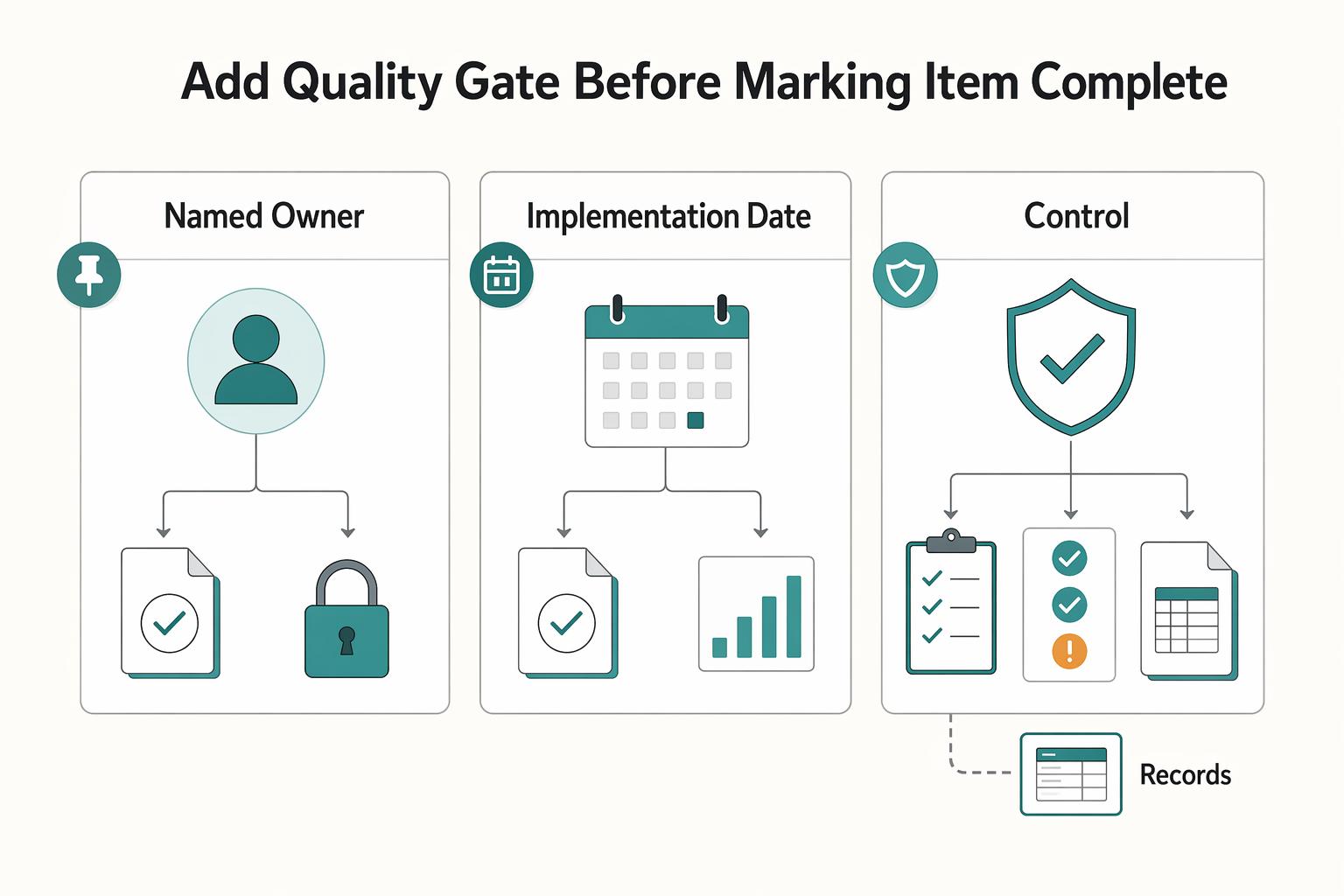
How Platforms Manage Regulatory Change With Agile Controls
Regulatory and operational change is constant. Leave updates unmanaged, and confusion, risk exposure, and compliance problems build fast. Overbuild the process, and teams become less responsive. The goal is control without unnecessary friction.
Read more →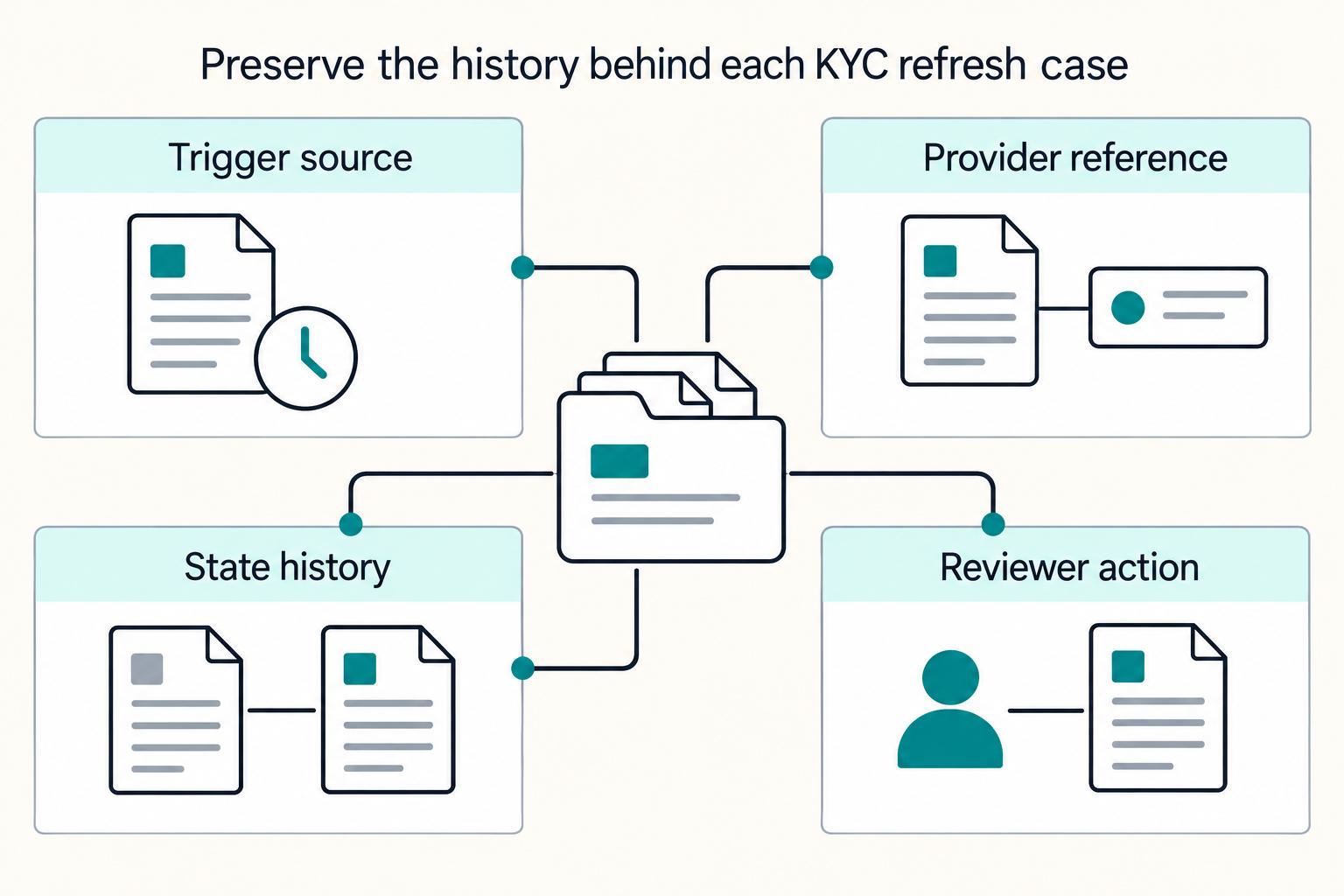
Automate KYC Refresh for Existing Contractors with Risk-Based Re-Verification
Automating KYC refresh for existing contractors is mainly an operating model change. The move is from manual, calendar-based reviews to risk-based, event-driven monitoring with clear decision rules and defensible records. That shift matters because manual KYC is often slow and error-prone, and fragmented periodic reviews can become a structural bottleneck.
Read more →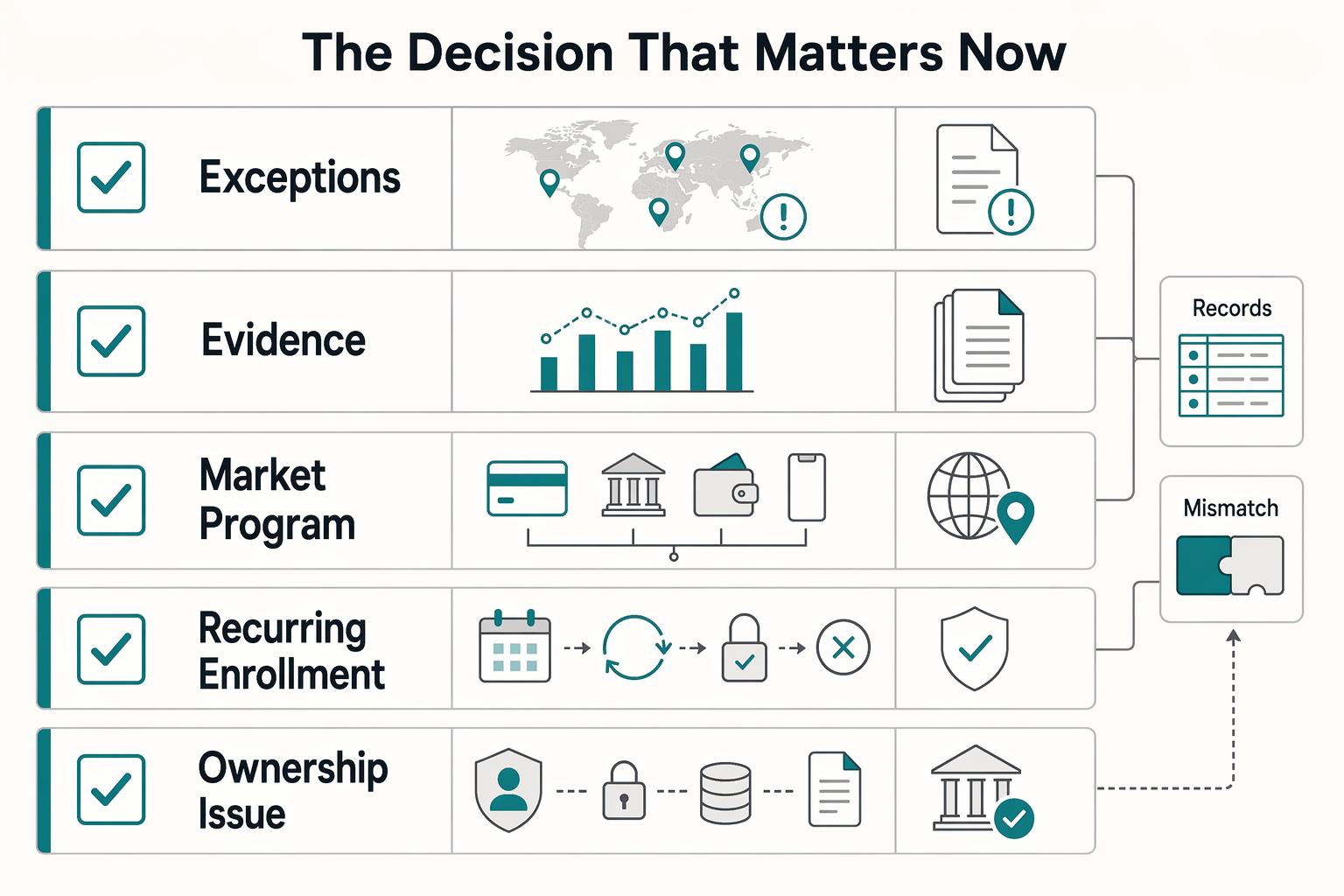
Global Subscription Payments for 50+ Countries Without Margin Drift
Designing **global subscription payments** is not just a checkout task. It is a conversion, margin, and operations decision, especially as you expand across markets.
Read more →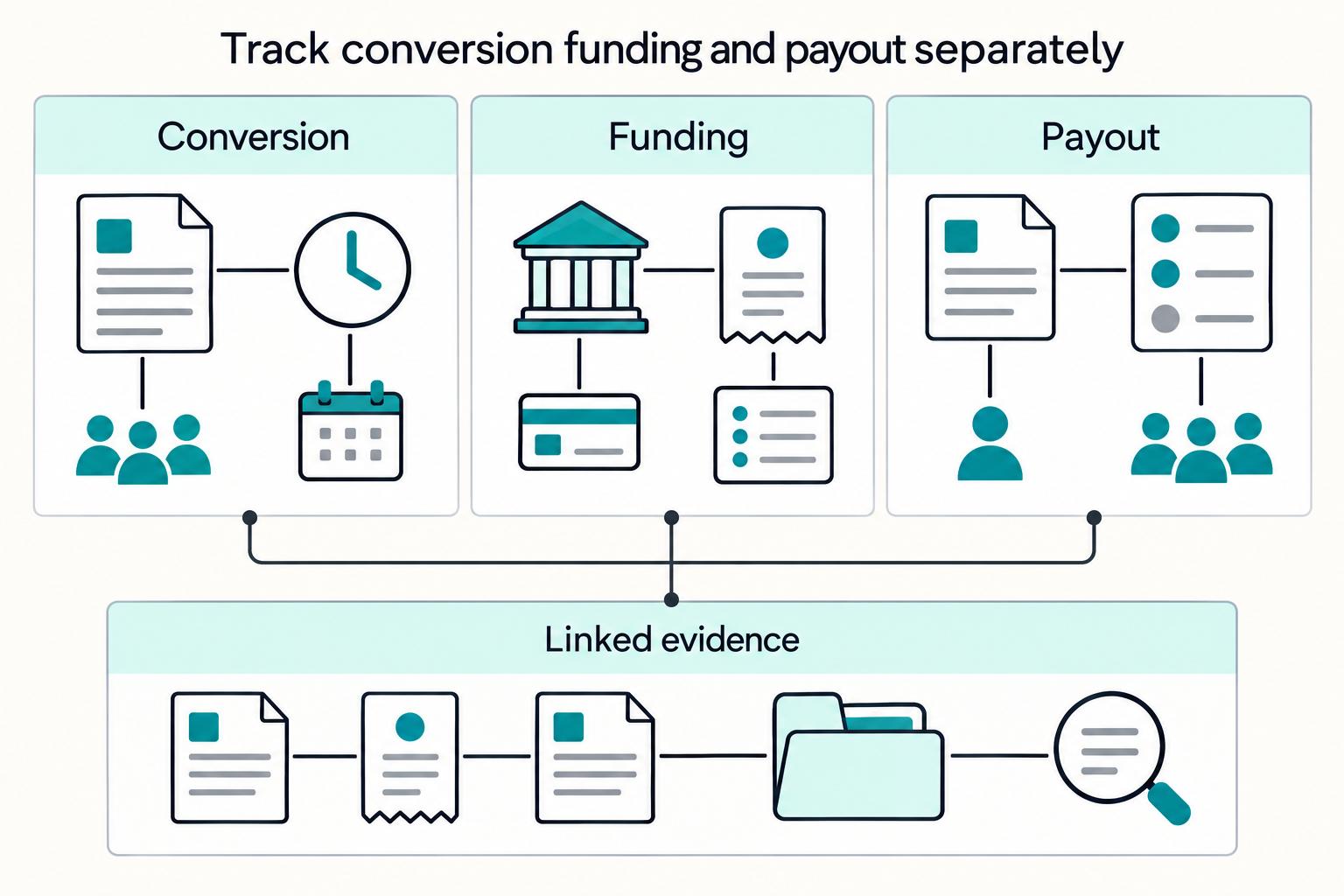
Pay Contractors in Japan with Zengin, FX Controls, and My Number Compliance
If you are deciding whether to launch contractor payouts in Japan, start with the operating question before the product question. You need to know whether you can enter the market with controls your team can run, explain, and audit. This guide is for founders, payments leads, and ops owners making that call, not for consumers comparing remittance apps.
Read more →
Pay Contractors in Saudi Arabia: sarie, mada and Cross-Border FX
If your company owes a contractor in Saudi Arabia, identify the funding country, sender entity, invoice currency and contractor’s receiving account first. A Saudi company paying a foreign contractor is the opposite corridor. Domestic SAR transfers are a third case. A provider or rail that supports one direction does not automatically support the others.
Read more →
Choosing 2026 Disbursement Models for Contractor and Vendor Payments
Choose the contractor and vendor disbursement model your team can operate across its markets, recipient types and risk profile. This guide compares practical choices for 2026 using approval, remittance and accounting evidence.
Read more →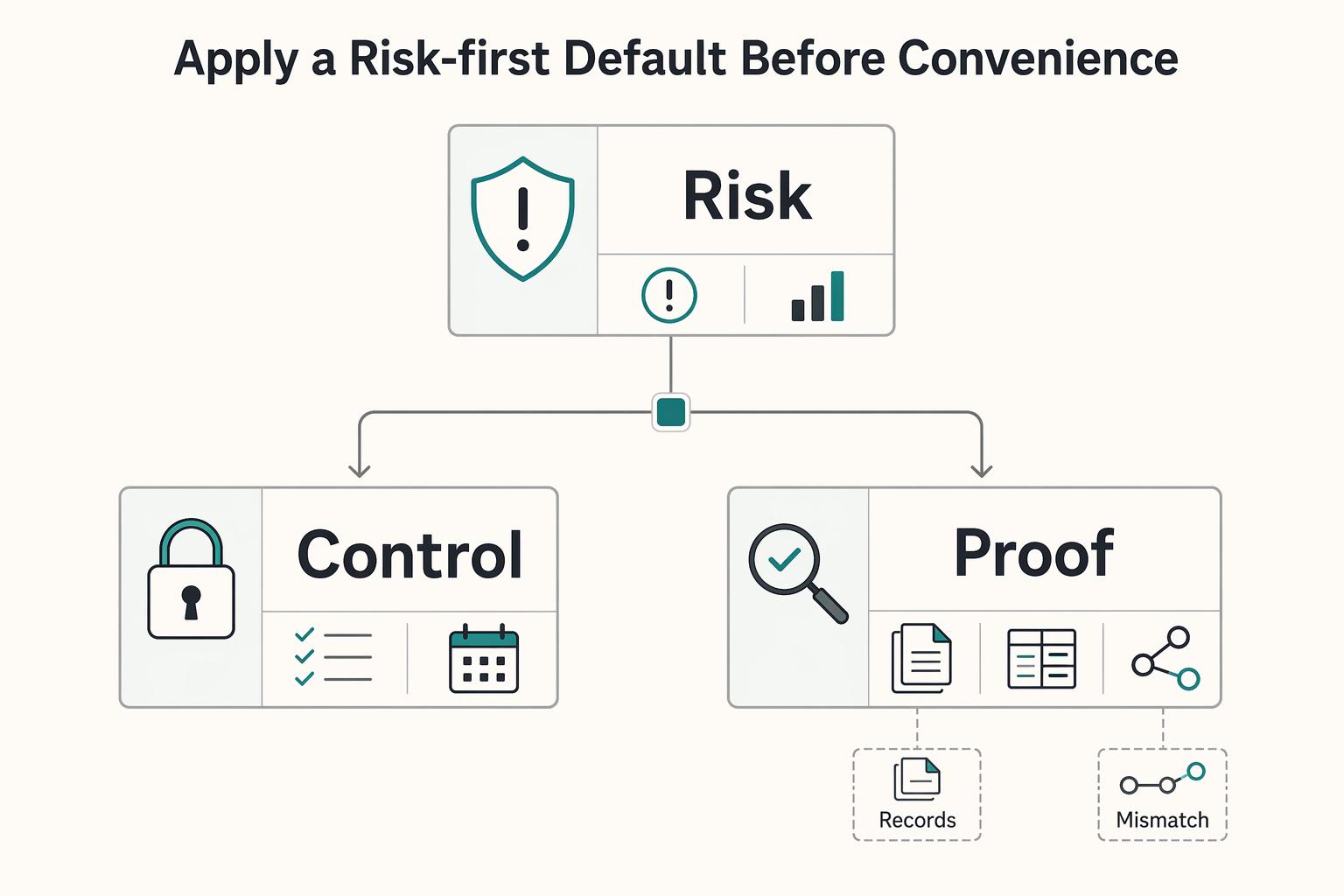
Social Media Platform Payments for Creators and Managers
Treat this as two systems, not one buying decision: a social operations lane and a payout lane. Social media management tools are usually evaluated for running social channels, while payment-specific services are evaluated for payment workflows. If you merge those decisions too early, demos can feel efficient while production handoffs stay blurry.
Read more →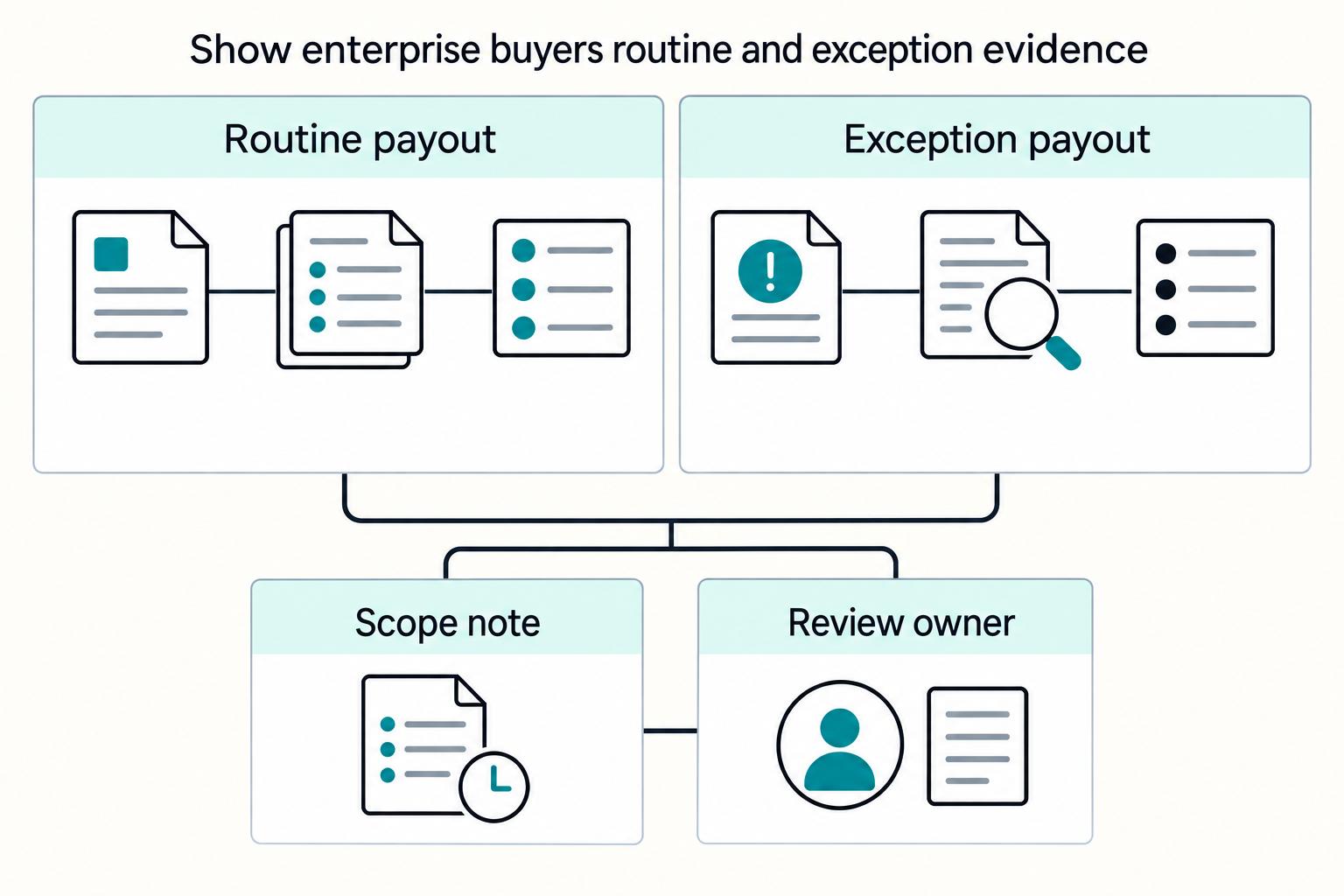
How to Win Enterprise Marketplace Clients: Payment Compliance as a Competitive Differentiator
**Enterprise clients buy proof, not compliance slogans.** Enterprise deals move through risk management, internal politics, cross-functional committees, and demanding procurement standards. Your message has to show maturity and credibility a buyer can verify.
Read more →
Marketplace Payment Flows: Buyer to Seller and Refunds
A marketplace payment flow connects the buyer’s purchase, the seller’s entitlement, the platform’s fee and the provider’s movement of funds. Build the map around those separate records. A successful charge is not a seller bank deposit, and a transfer to a connected account is not a payout to its external bank account.
Read more →
MAS Payment Licensing: Standard vs. Major Payment Institution
A Singapore platform plans to collect customer money and pay merchants. Before asking whether it needs an SPI or MPI licence, it must identify which legal entity supplies which regulated service. A software-only product, a merchant acquirer and a cross-border transfer provider do not have the same licensing analysis.
Read more →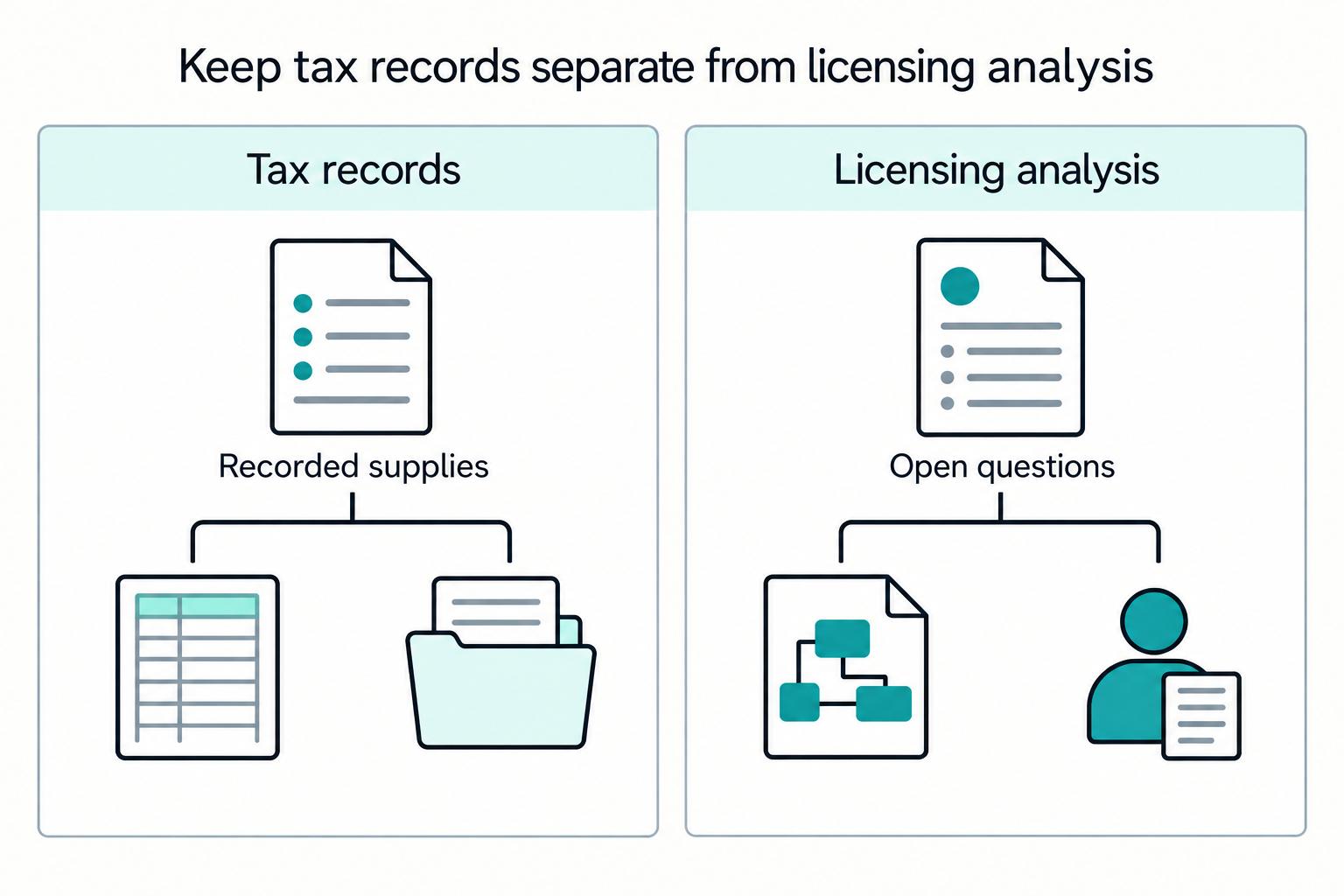
EU Payment Institution vs EMI License for Platforms
For a platform launching in the European Union (EU), start with what you can prove, not the label you want to use. This guide helps you work through an **eu payment institution license vs emi license platform** question in operational terms. The VAT materials cited here do not, by themselves, determine a PI or EMI legal conclusion.
Read more →
How Home Services Platforms Verify, Dispatch, and Pay Contractors
Consider a platform arranging California residential plumbing jobs through contractor businesses. Before a new job, it needs evidence that the business and assigned professional can perform that work. After completed work, it needs an accurate record of the amount owed and its payment deadline. These are related records, but they answer different questions.
Read more →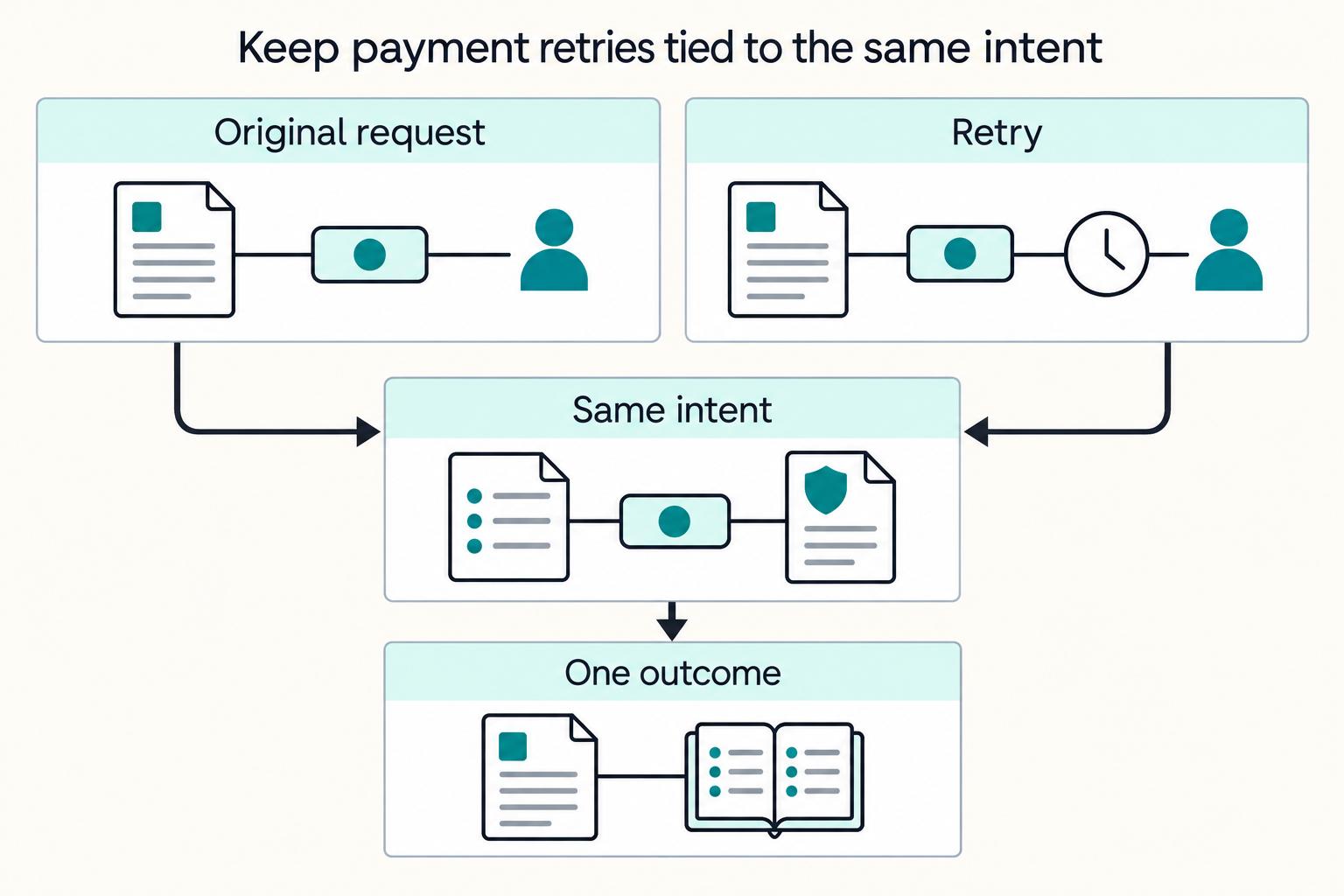
Payment API Rate Limiting: How to Design Throttling Policies That Do Not Break Integrations
Treat rate limiting and throttling as an early architecture decision, not a late patch. In payment services, rate limiting is a policy control over who can access your API and how much they can request over time. Its job is broader than crash prevention: it supports fairness, stability, secure access, and user experience.
Read more →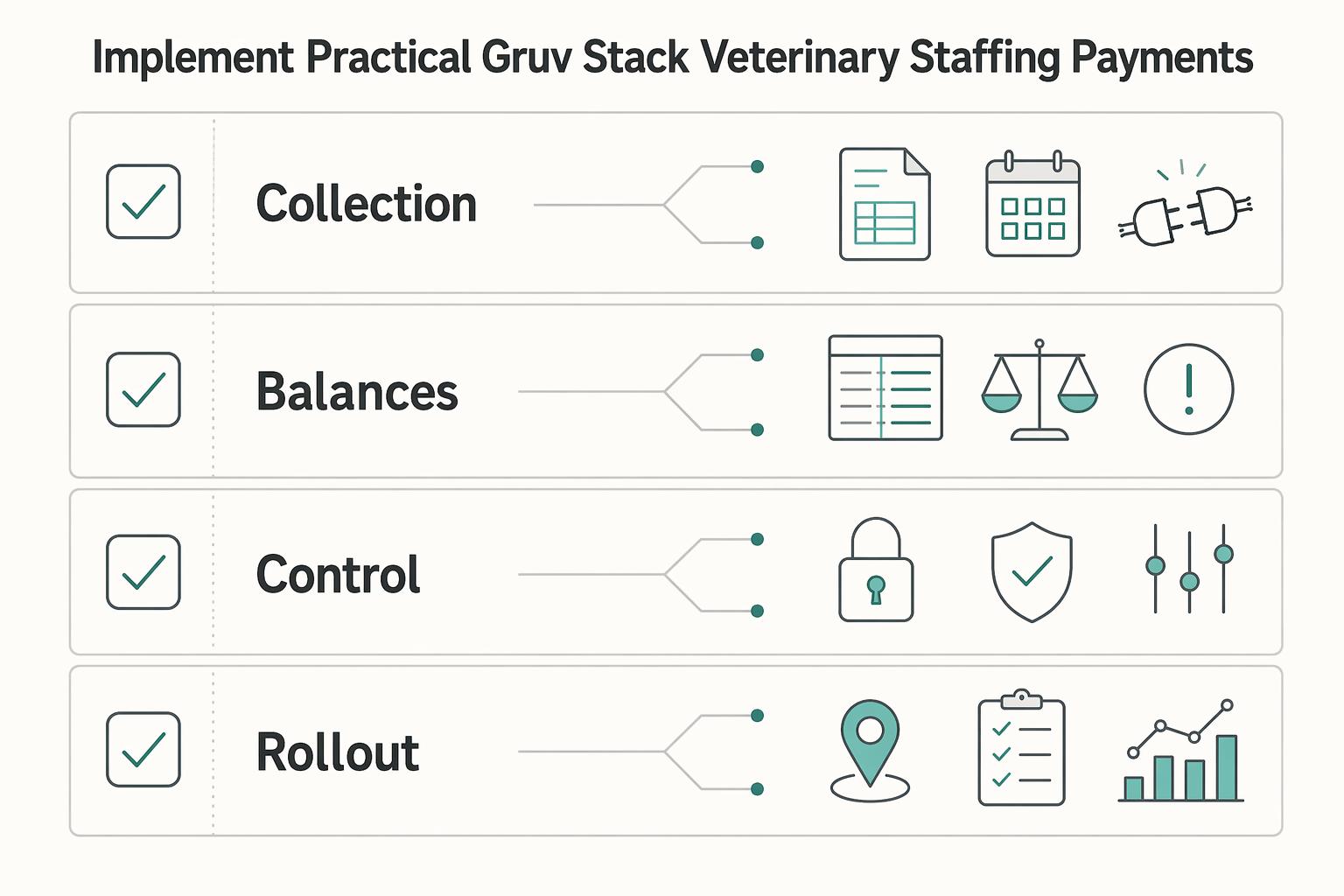
Veterinary Staffing Platform Payments: How to Pay Locum Vets and Technicians
A veterinary staffing payment model is only defensible if you can clearly say who invoices the clinic, who pays the worker, and who stands behind the contract. If those ownership lines are fuzzy, operational risk can show up from day one, not just commercial risk.
Read more →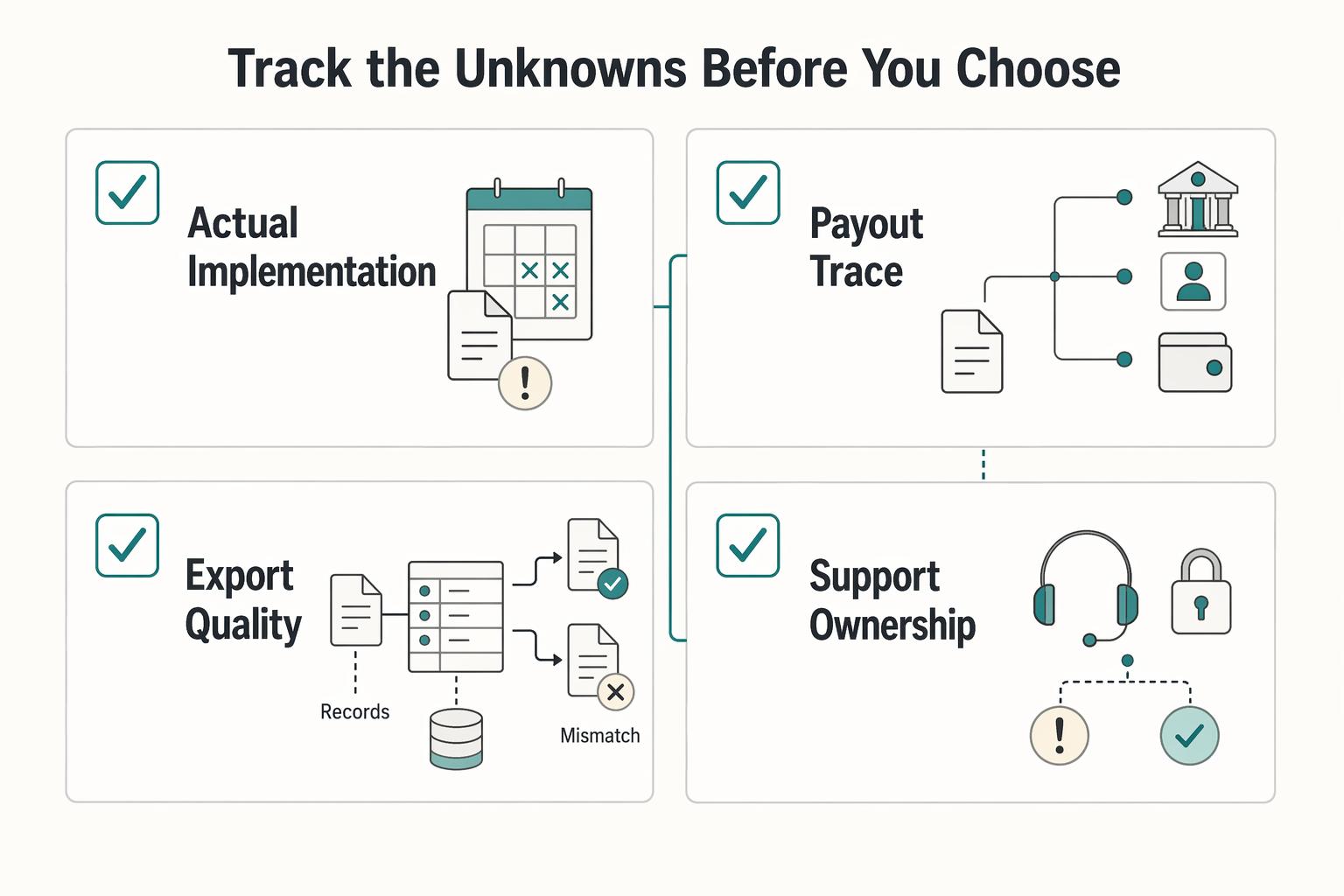
Mental Health Platform Payments: How to Pay Therapists and Counselors in Compliance with HIPAA
Treat this vertical as a control-design decision before a product decision. If your team cannot map how sensitive data moves through intake, billing, support, and payouts, pause roadmap and go-to-market spend until that scope is clear.
Read more →
Last-Mile Delivery Platform Payments: How to Pay Couriers Per-Drop with Surge Adjustments
A per-drop model is more auditable when each payable drop ties back to a clear delivery record and proof-of-delivery evidence such as photos or digital signatures. Those controls help reduce disputes and improve accountability.
Read more →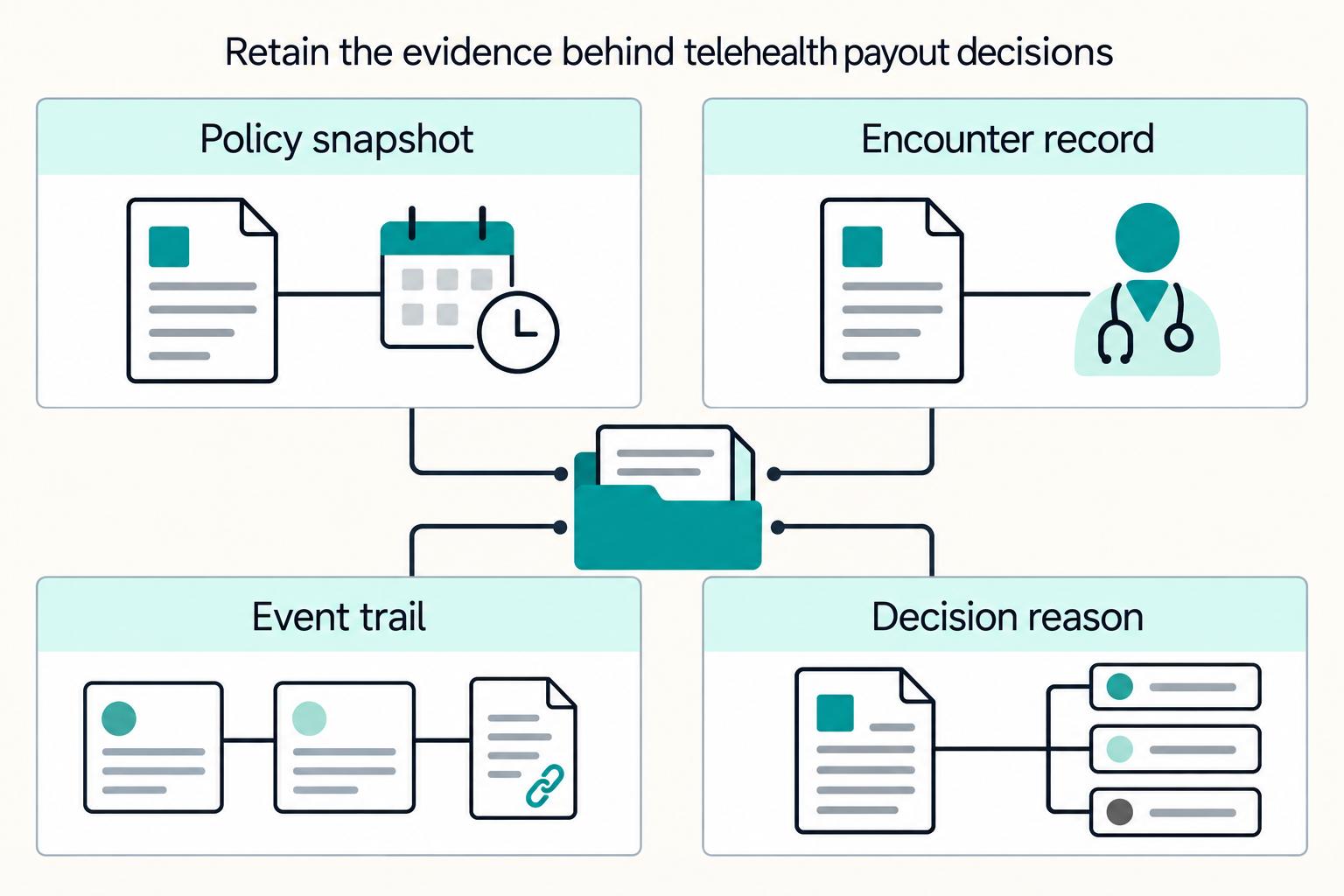
Telehealth Platform Payments: How to Pay Physicians and Specialists Under Medicare Rules
Medicare reimbursement and a platform’s payment obligation to a clinician are separate decisions. First identify the enrolled billing entity, any valid reassignment, and the clinician compensation agreement. Then connect claim eligibility, payment receipts, and clinician disbursements without assuming a denied claim automatically cancels compensation for work performed.
Read more →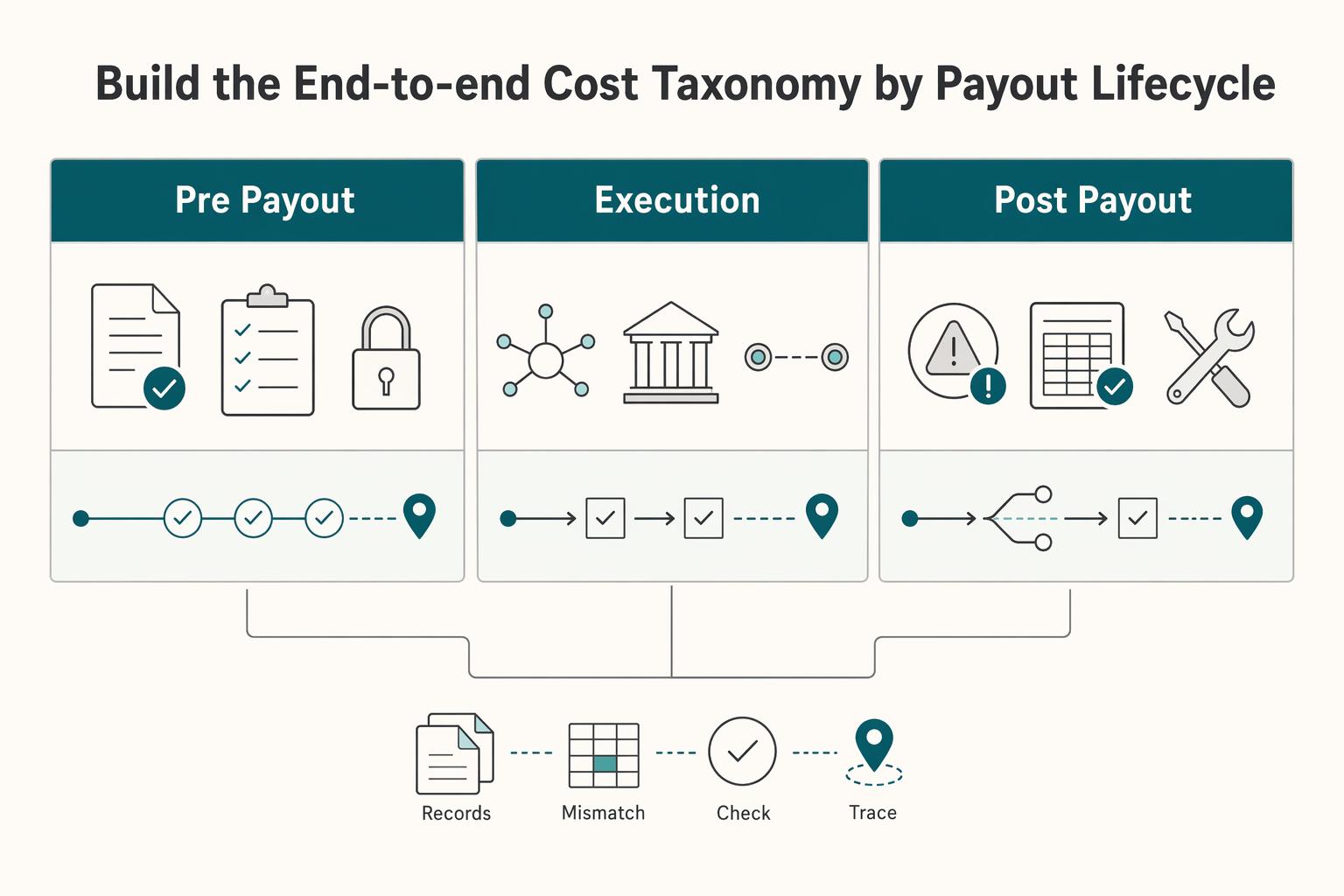
Unit Economics for Payment Platforms: How to Calculate True Cost Per Payout
Payout unit economics break at scale when teams track revenue and headline margin, but not the full cost layers behind each disbursement. If finance, ops, and product cannot trace margin drift back to underlying records, the metric is not ready to guide decisions.
Read more →