
Operator playbooks for cross-border payments, tax, and compliance execution.
Step-by-step guidance for finance, product, and ops teams to launch faster, reduce payout friction, and keep reconciliation clean across borders.
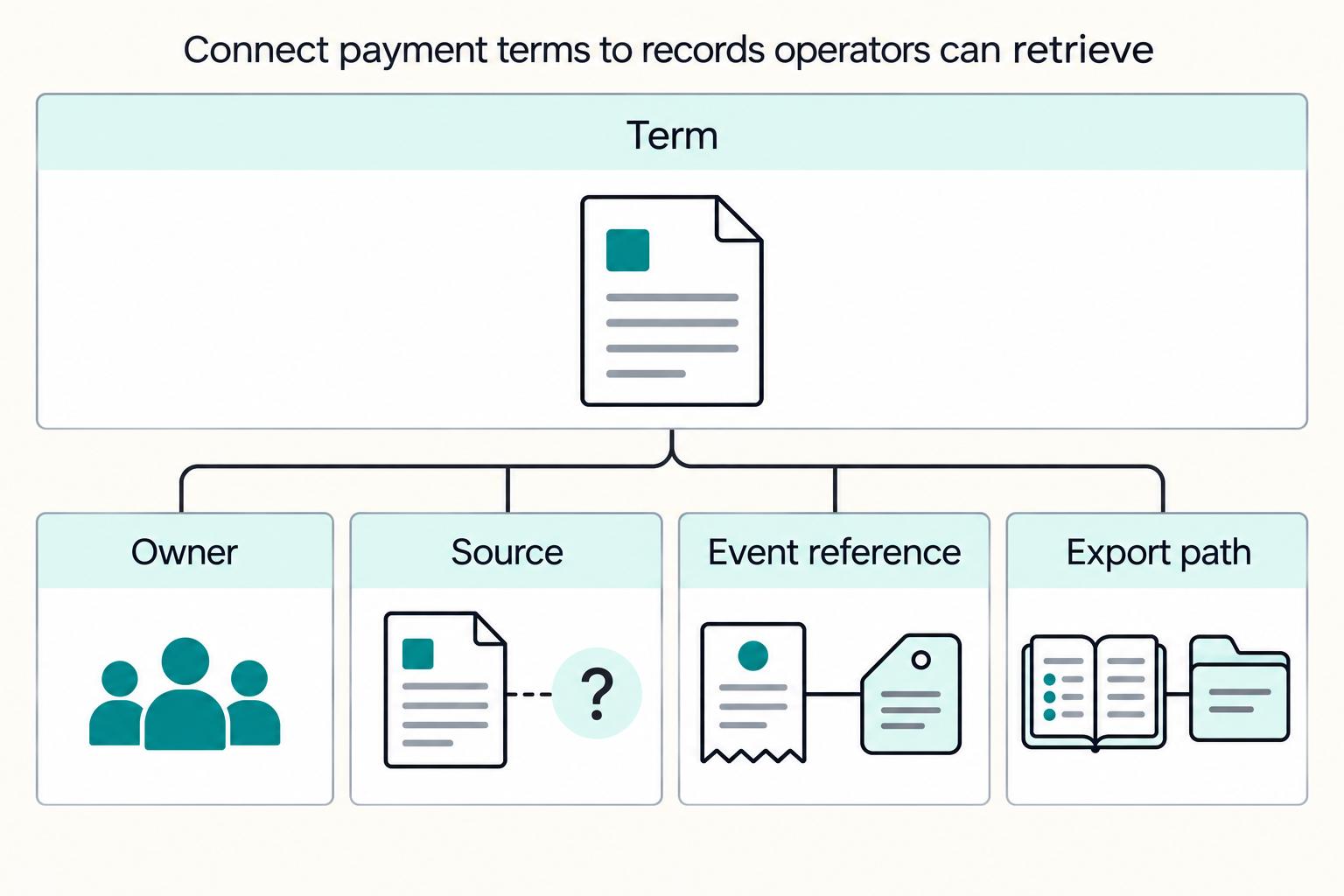
Platform Payments Glossary: 200 Terms for Marketplace Operators
Authorization can reserve card funds; capture starts the next payment step; a payout sends an available amount to a destination account. Confusing those events produces bad cash forecasts and premature 'paid' messages. The 200 numbered entries below define payment terms and give an operator check for each, followed by guidance on ownership, system labels and verification.
Read more →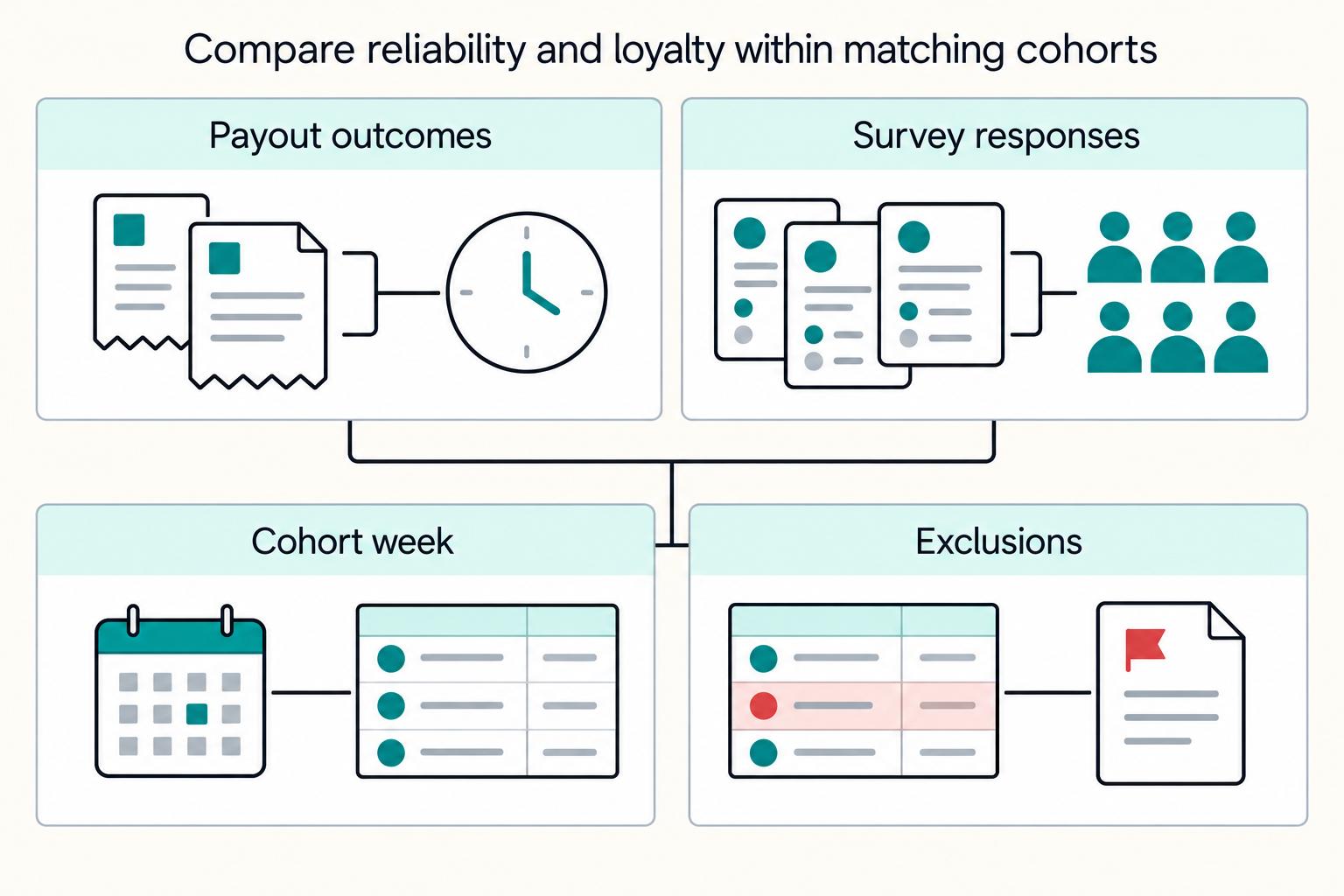
Contractor NPS and Payout Reliability: What Moves Loyalty
When a payout arrives late, a contractor may lose confidence in the platform even if the transfer eventually succeeds. Measure that risk with the actual payout record and feedback from the affected people. Co-movement between payment problems and Net Promoter Score (NPS) is a reason to investigate; it does not establish that payouts caused the score change.
Read more →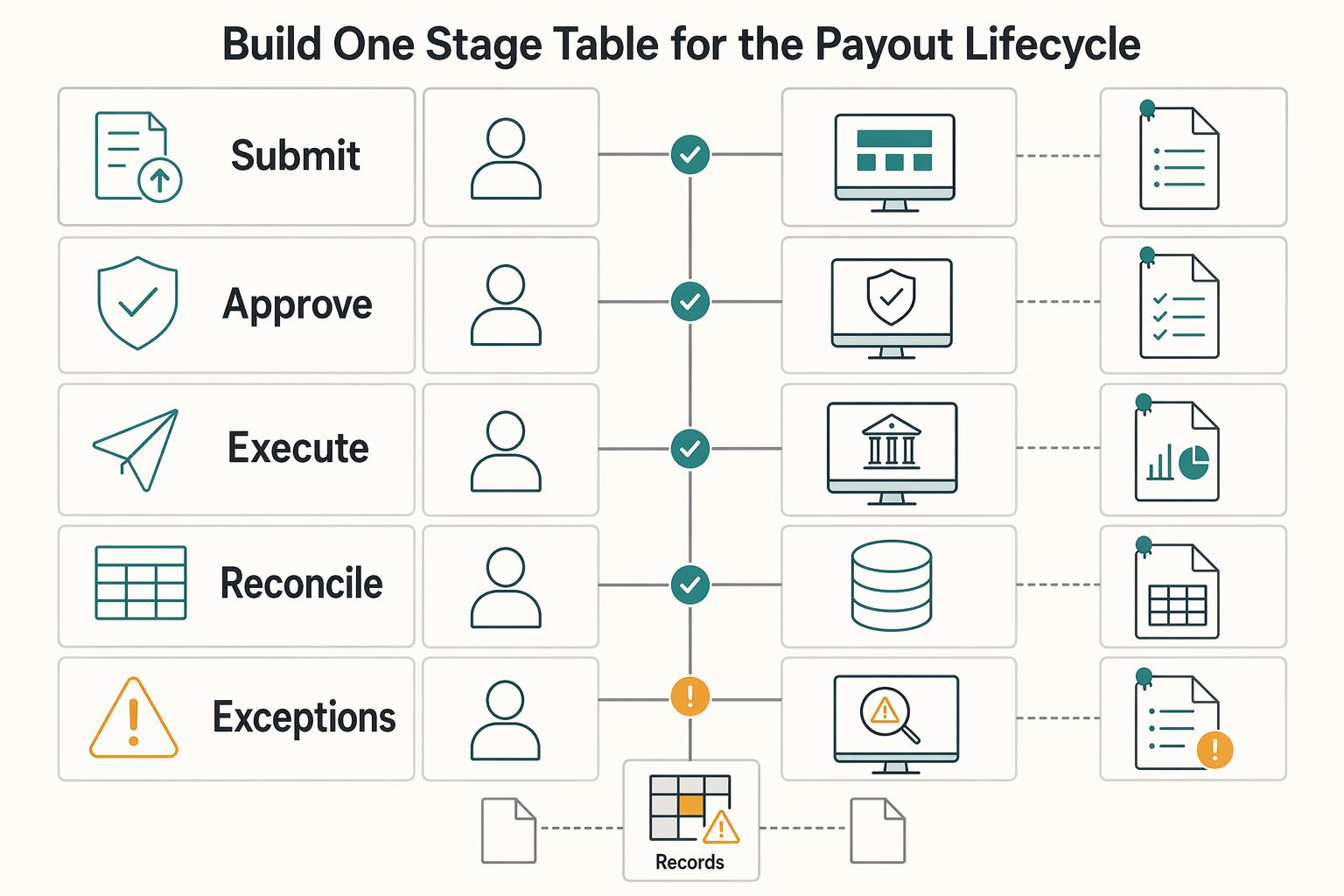
WCAG 2.1 Accessibility for Payment Platform Payout Flows
If you operate payout flows, accessibility is an execution issue, not visual polish. It affects submission, approval, status checks, failure recovery, and reconciliation. When accessibility is weak, risk shows up in the same flow where money movement already leaves little room for error.
Read more →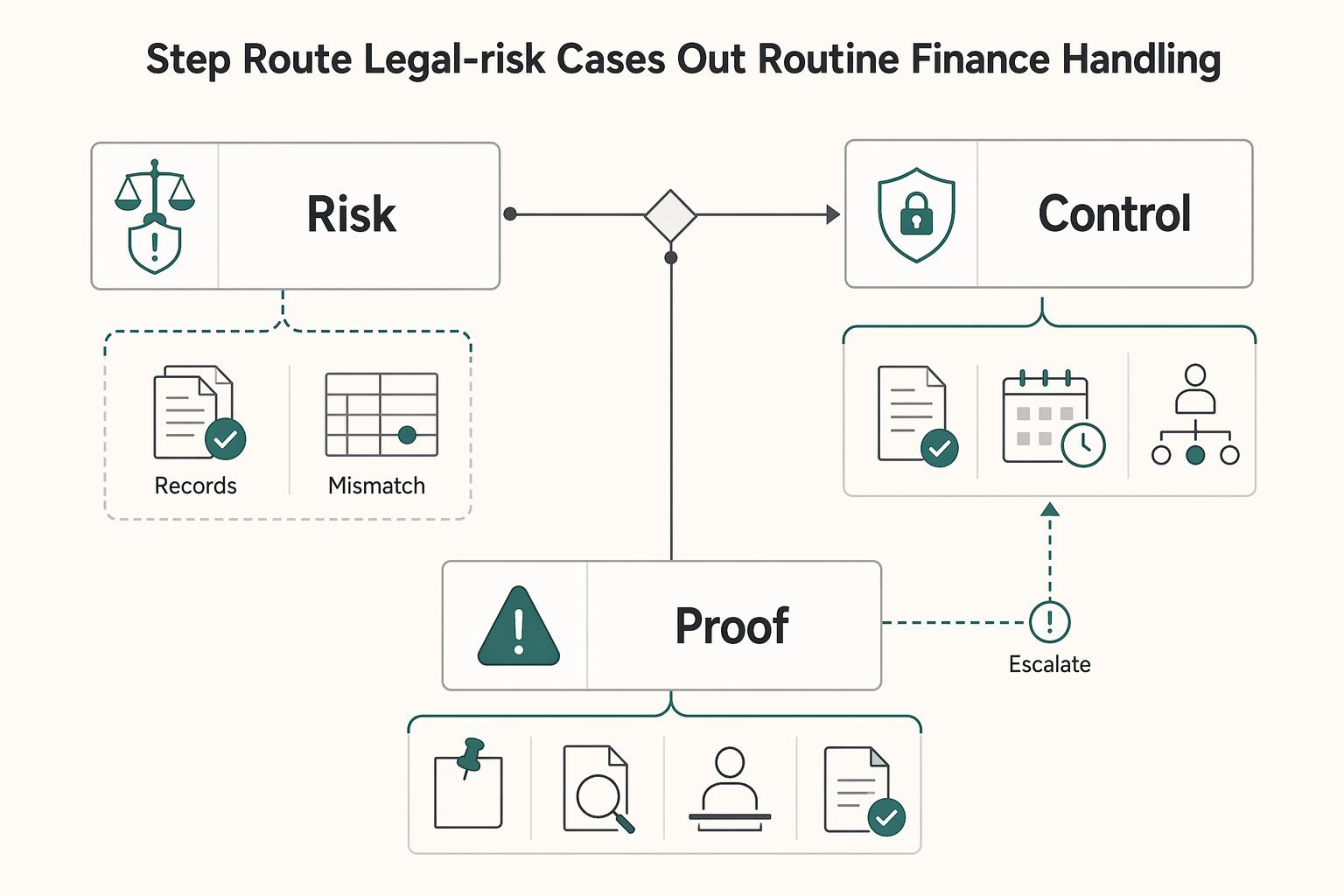
Back Pay and Retroactive Payments for Contractor Payouts
A missed payout and an underpayment need different corrections. Replacing a transfer whose outcome is unknown can pay twice; fixing a rate error requires a new amount calculation. Give each case a trace from agreed earnings through approved adjustment, provider execution, and ledger reconciliation so finance and the contractor can see what changed.
Read more →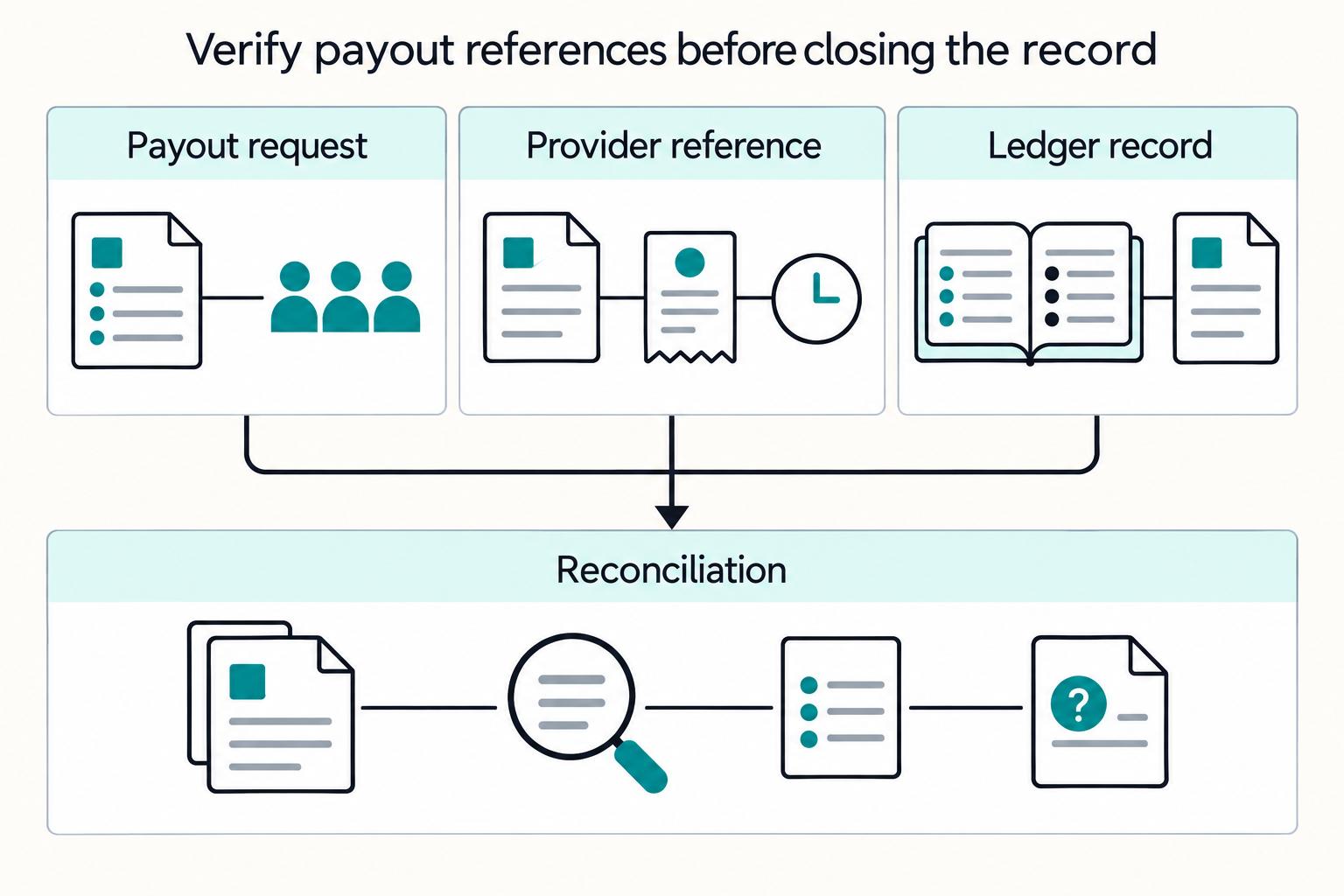
Pay Contractors in South Korea: FX, Tax, and Payout Controls
As of 2026, you can get this market wrong before you send a single payout. The usual mistake is bundling legal compliance, tax reporting, and payment-rail design into one workstream, then overbuilding before the South Korea specifics are actually confirmed.
Read more →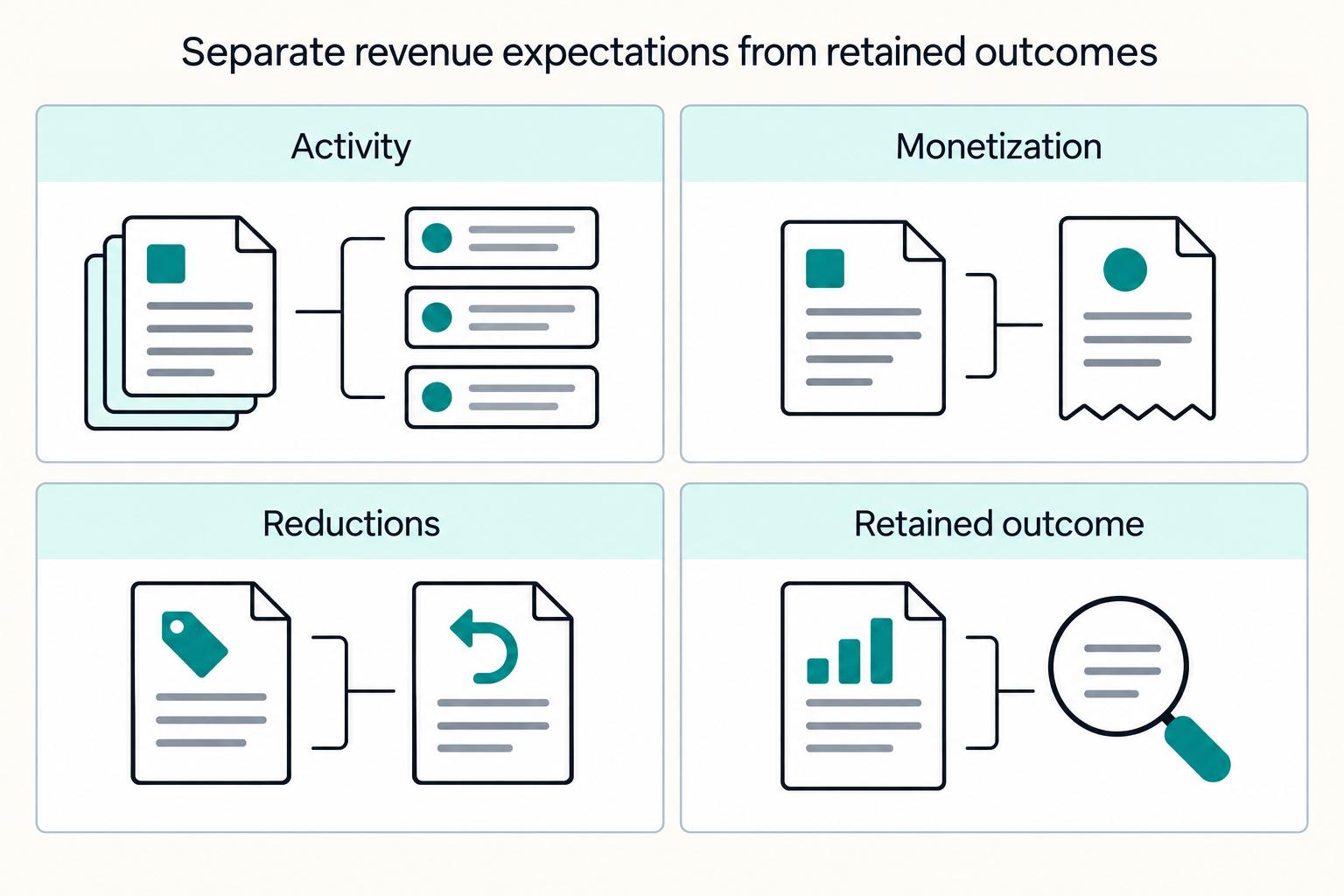
Modeling GMV vs Net Revenue for Platform Finance Teams
In marketplace finance, GMV measures transaction activity, not the platform’s revenue or profit. Finance connects that activity to earned fees or sales revenue, then separately explains expenses and cash settlement.
Read more →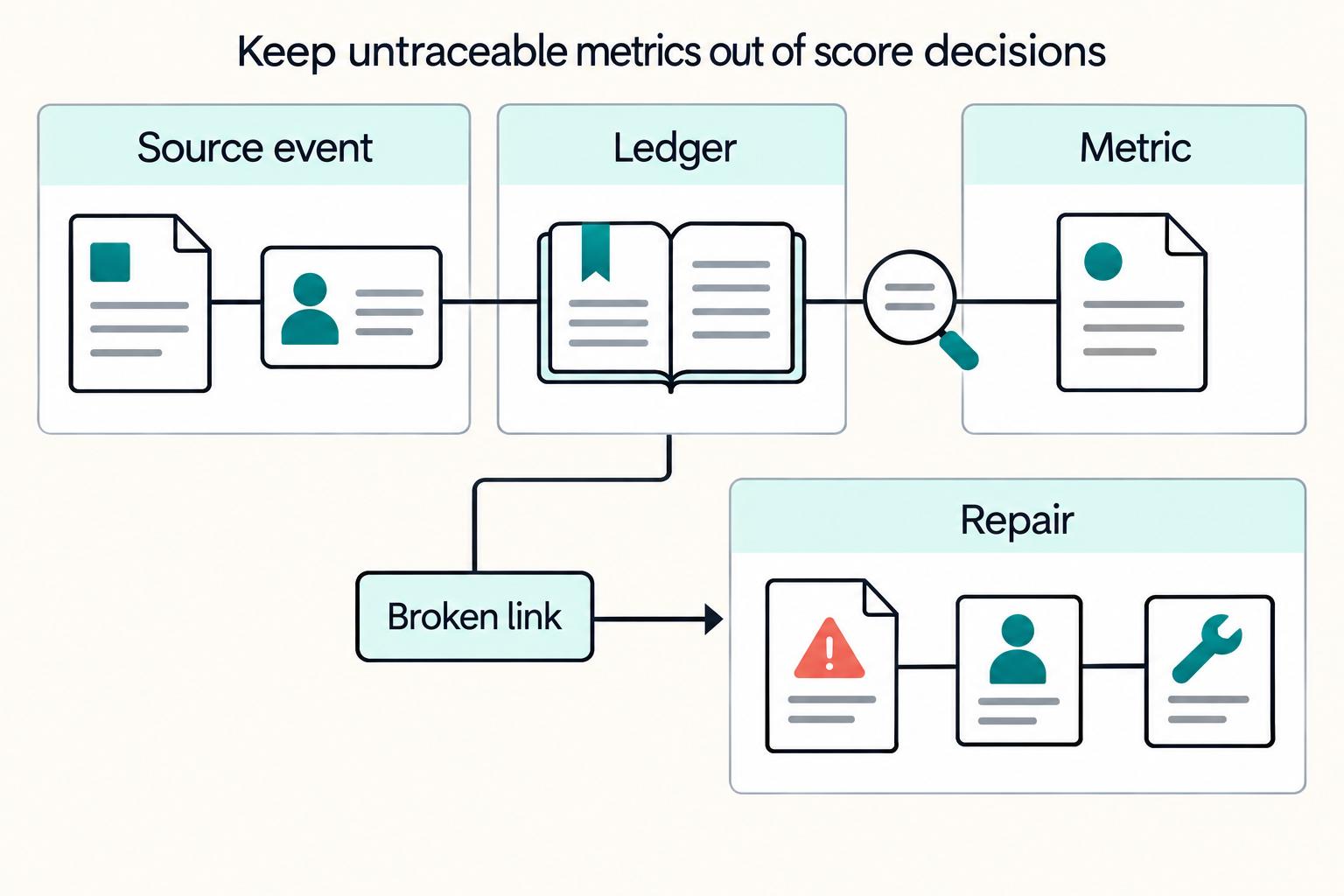
Marketplace Health Score for Platform Payment Quality
**Build a Marketplace Health Score as a weekly operating check for payment quality, not another dashboard number.** Its job is to surface payout risk, matching noise, and timing drift early enough for you to act before close gets messy.
Read more →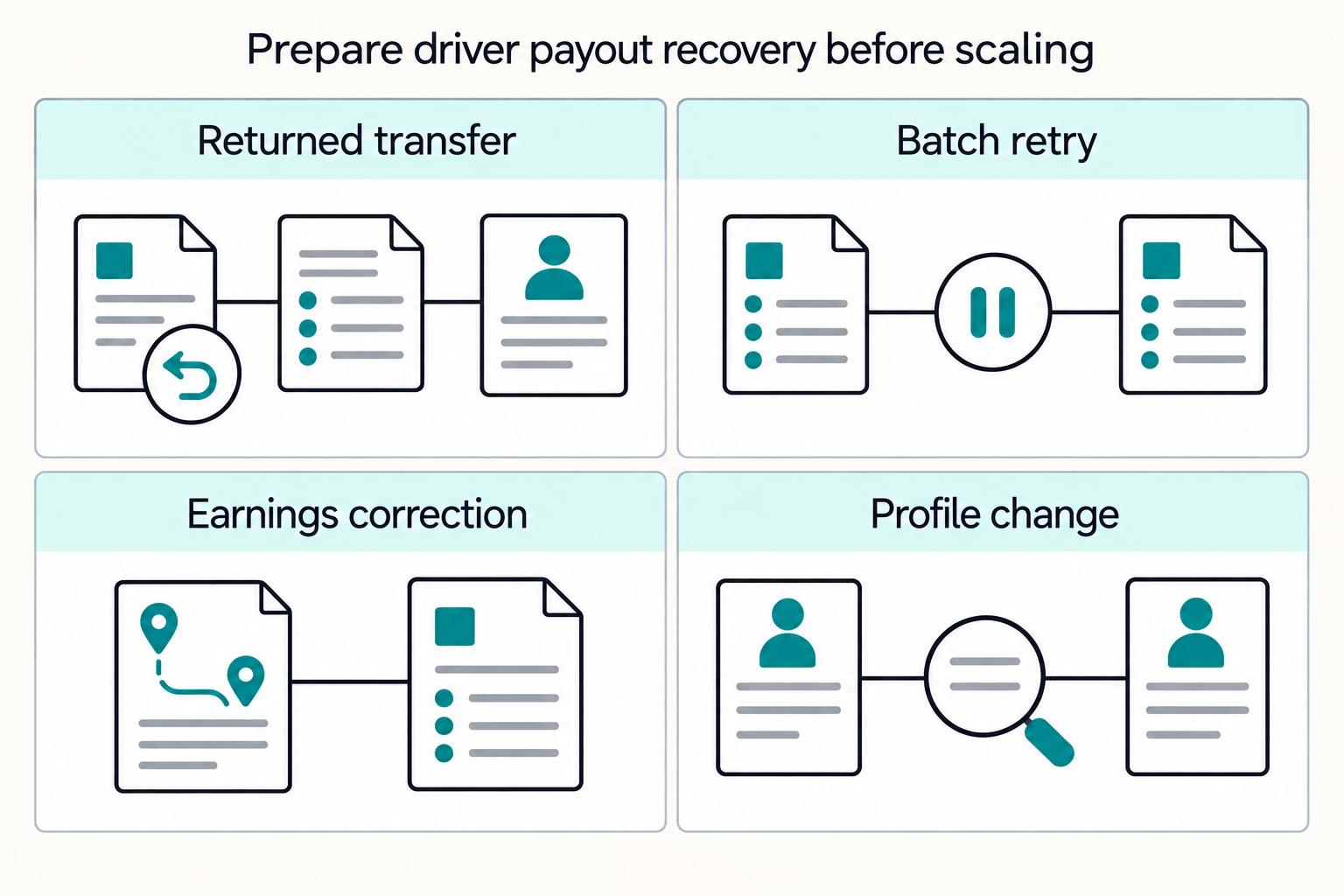
How to Set Ride-Hailing Driver Pay Before Market Entry
This is a go/no-go market-entry decision, not a detail to clean up after launch. If your earnings model, VAT/GST handling, and payout design are misaligned at launch, you can lock in avoidable risk and costly rework from day one.
Read more →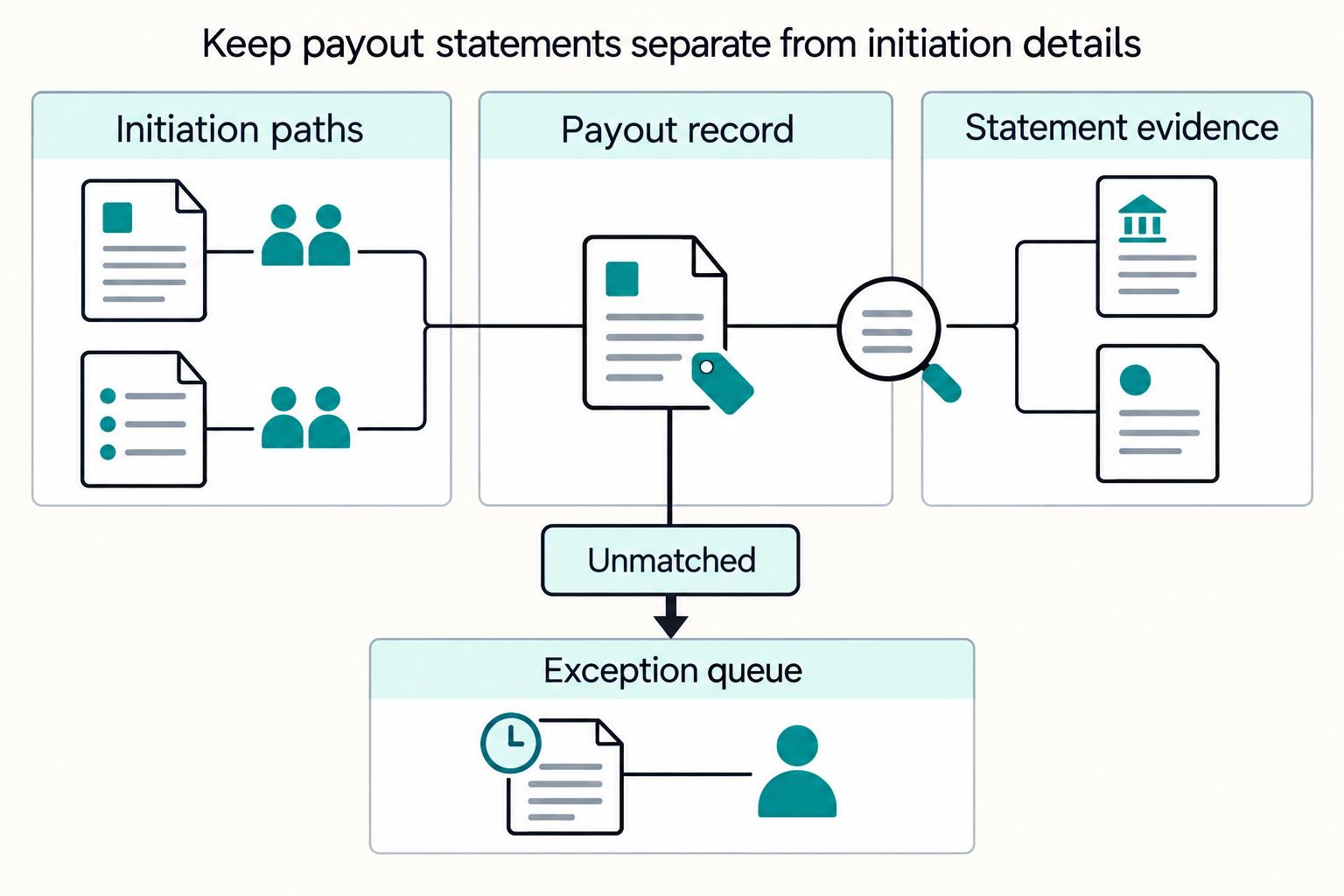
Pay Contractors in Greece: IRIS Rules and Launch Checks
To pay a contractor in Greece, establish the amount and currency owed, the contractor’s verified destination and whether your bank or provider supports that business transfer. IRIS is useful in Greek consumer-to-professional payments and checkout acceptance, but a consumer mobile-payment feature is not automatically a corporate mass-payout API. For a platform paying business invoices, compare supported business bank transfers as well.
Read more →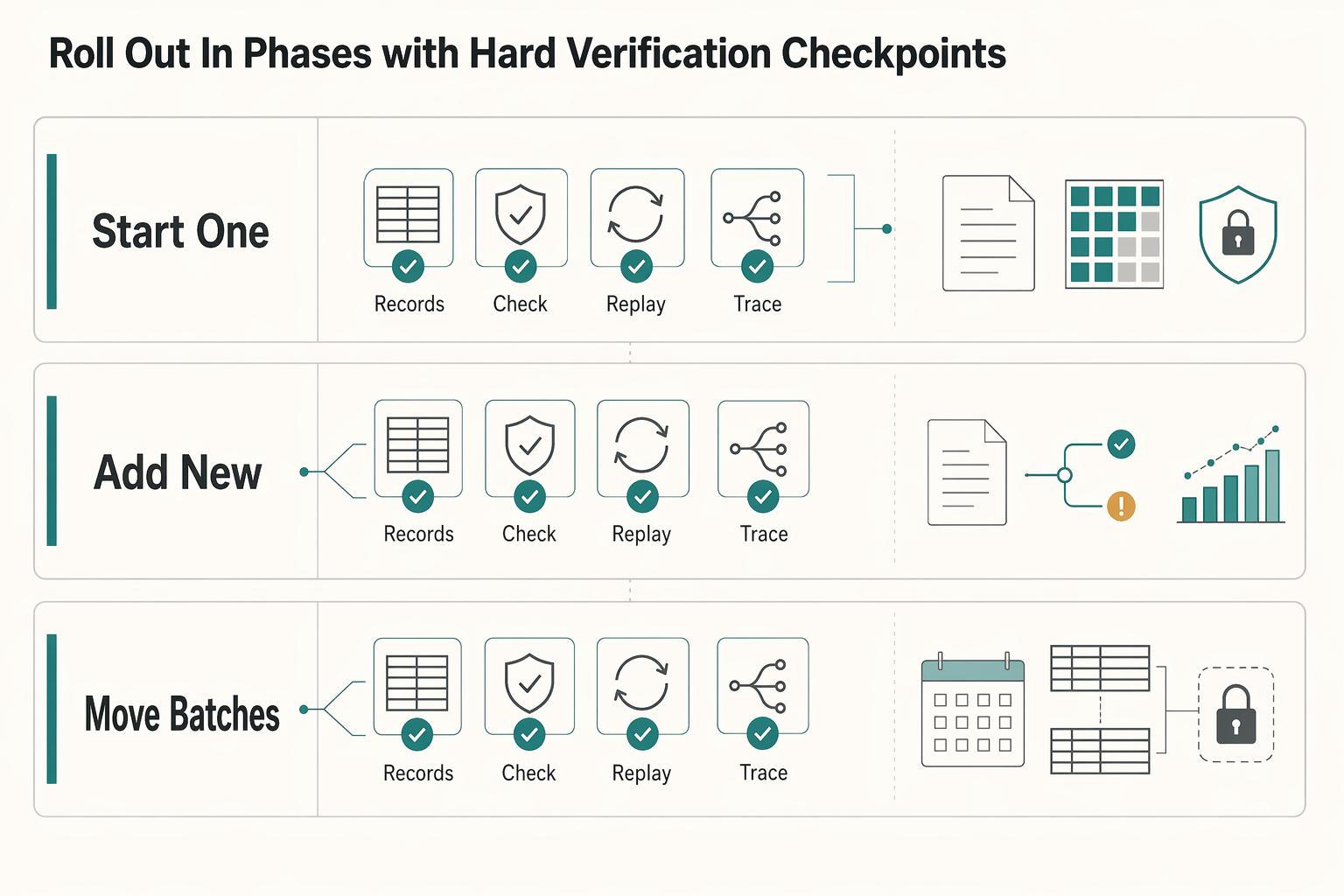
Programmable Payments: Conditions, Triggers, and Smart Contracts
According to [Chainlink's overview of programmable payments](https://chain.link/article/programmable-payments), the model works when money moves only after predefined conditions are satisfied. For a platform team, that means you should define the condition, the trigger, and where execution happens before you automate anything.
Read more →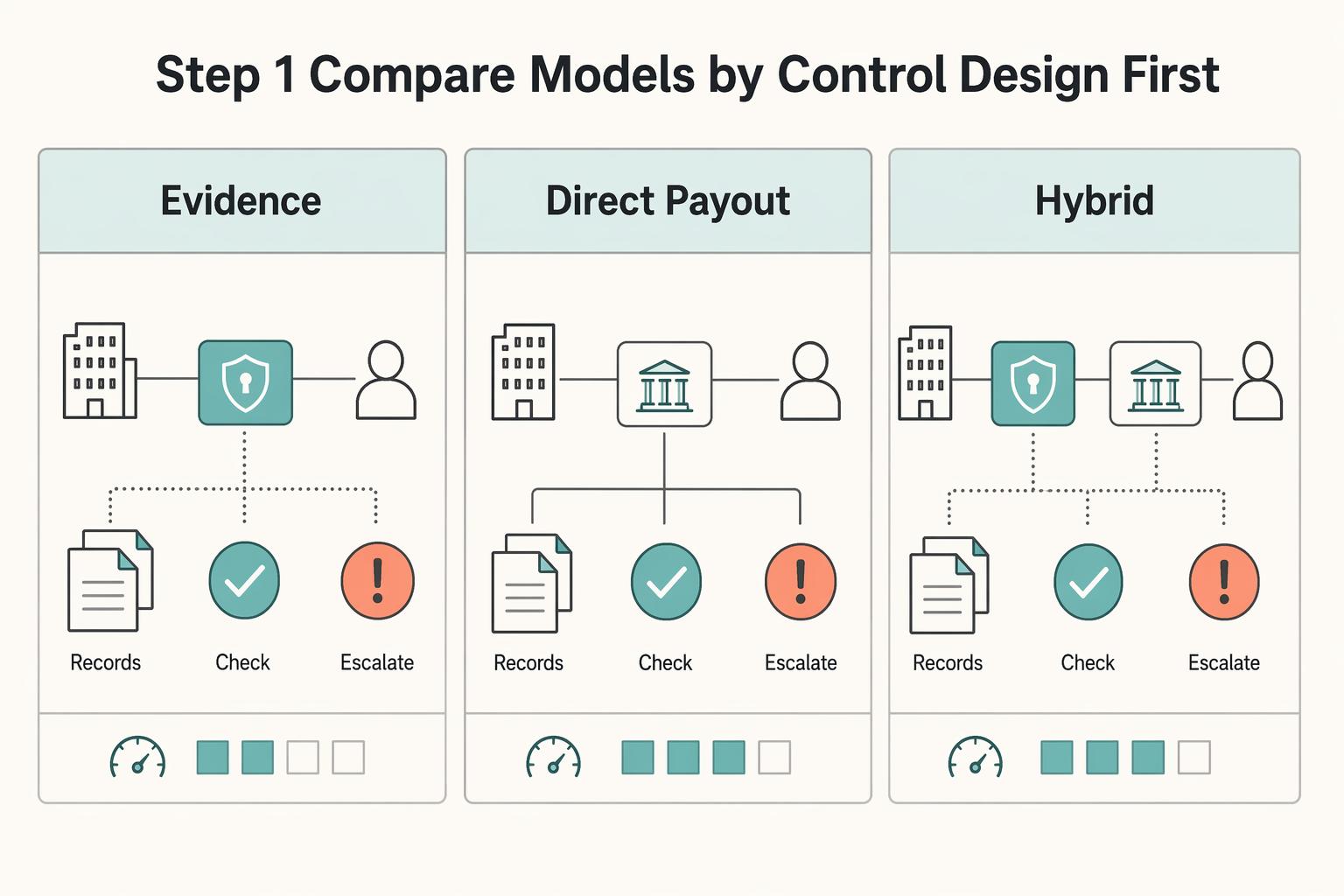
How to Use Payment Data to Improve Contractor Matching on Your Platform
**Use payment data as verifiable evidence, not automatic proof that matching is better.** Most teams can explain how they rank contractors. Fewer can show which payment signals still hold up when you check them against auditable payment and dispute records.
Read more →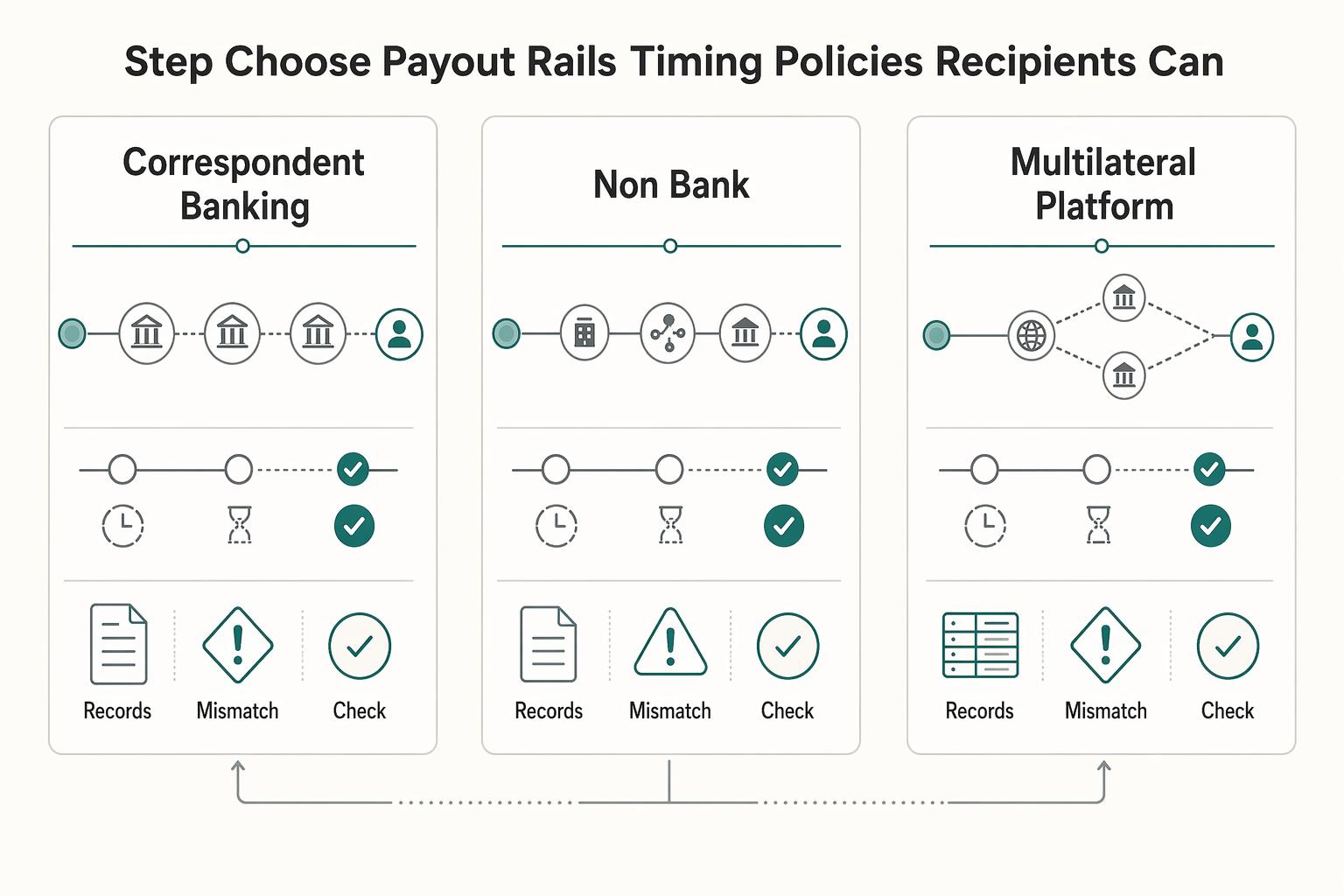
How to Handle Multi-Party Payments: Splitting a Single Transaction Across Multiple Recipients
Teams can get split payments wrong long before they get the API calls wrong. The real work is deciding how one customer payment is allocated across recipients, who holds funds before release, when payouts happen, and who owns reconciliation when records conflict.
Read more →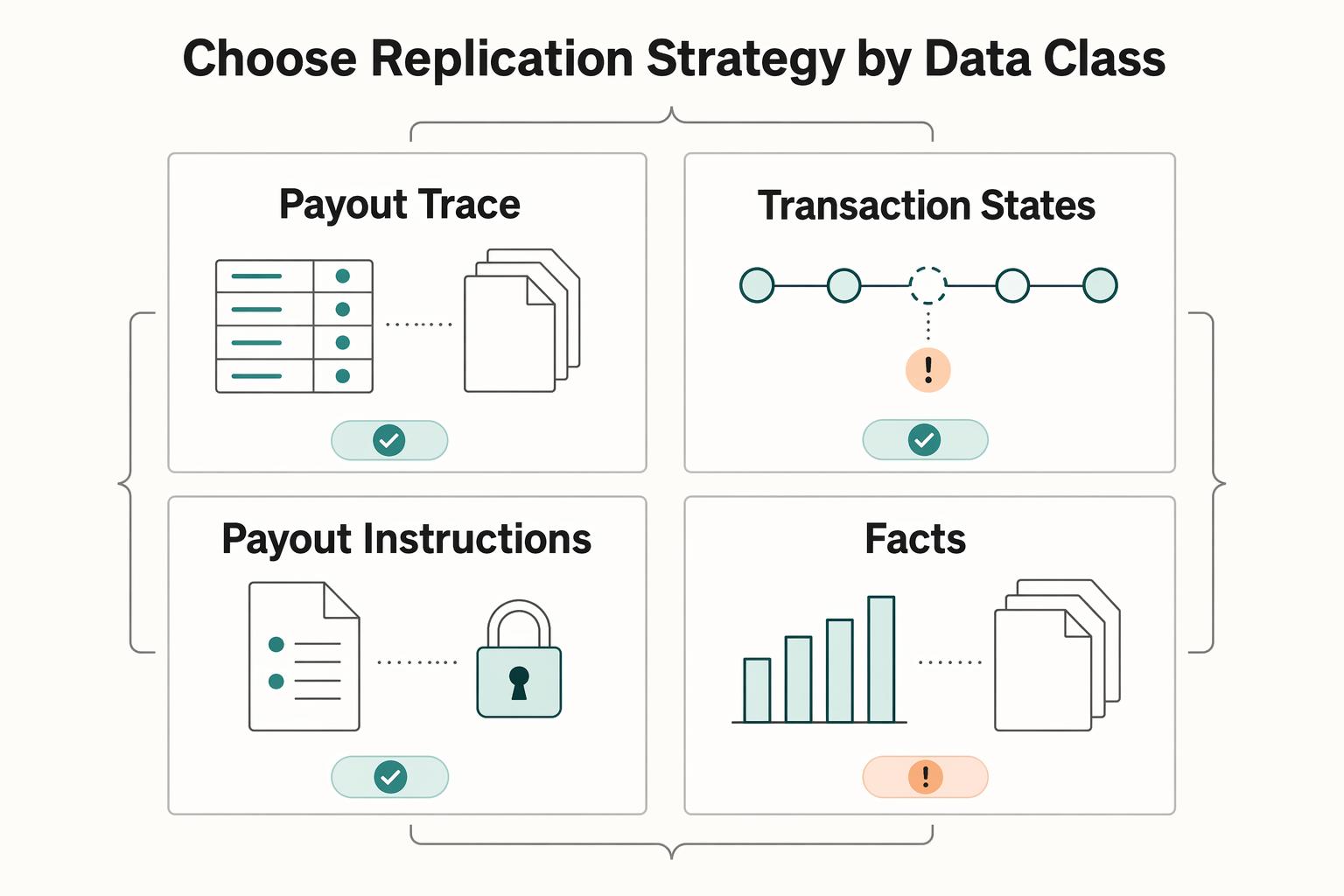
RTO and RPO Decisions for Payment Infrastructure Recovery
Disaster recovery for payment infrastructure is an architecture decision, not just a documentation exercise. Use RTO, RPO, failover planning, and data-protection strategy to decide what you build and how you run it.
Read more →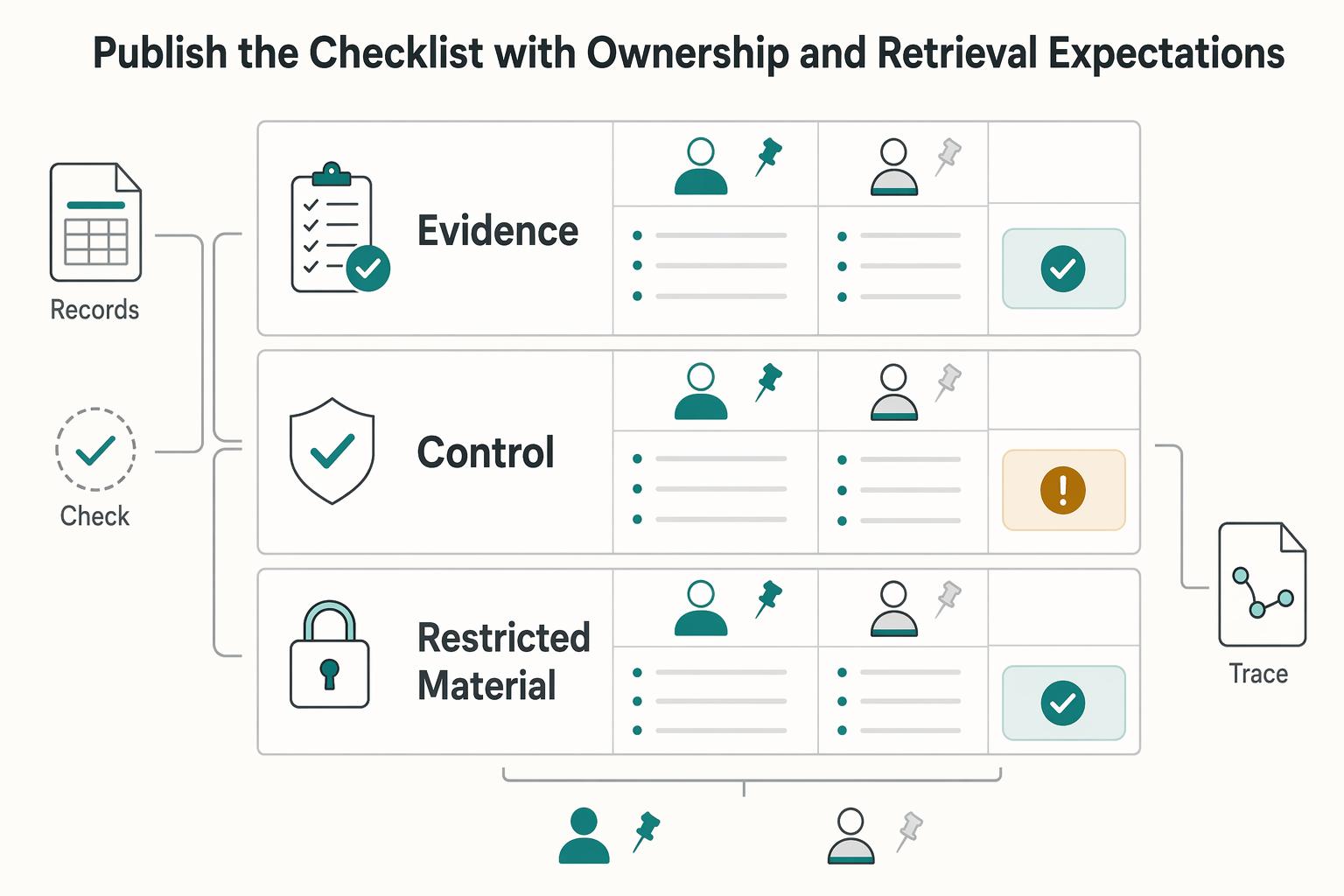
Global Payout Compliance Checklist Before Go-Live
Use your **global payout compliance checklist** as a go-live decision tool, not just a list of control themes. Cross-border payouts pass through multiple systems, currencies, intermediaries, and rules. Before launch, your checklist should make three things explicit: what must be verified before money moves, who approves exceptions, and what evidence you will retain if a payout is delayed, rejected, or questioned.
Read more →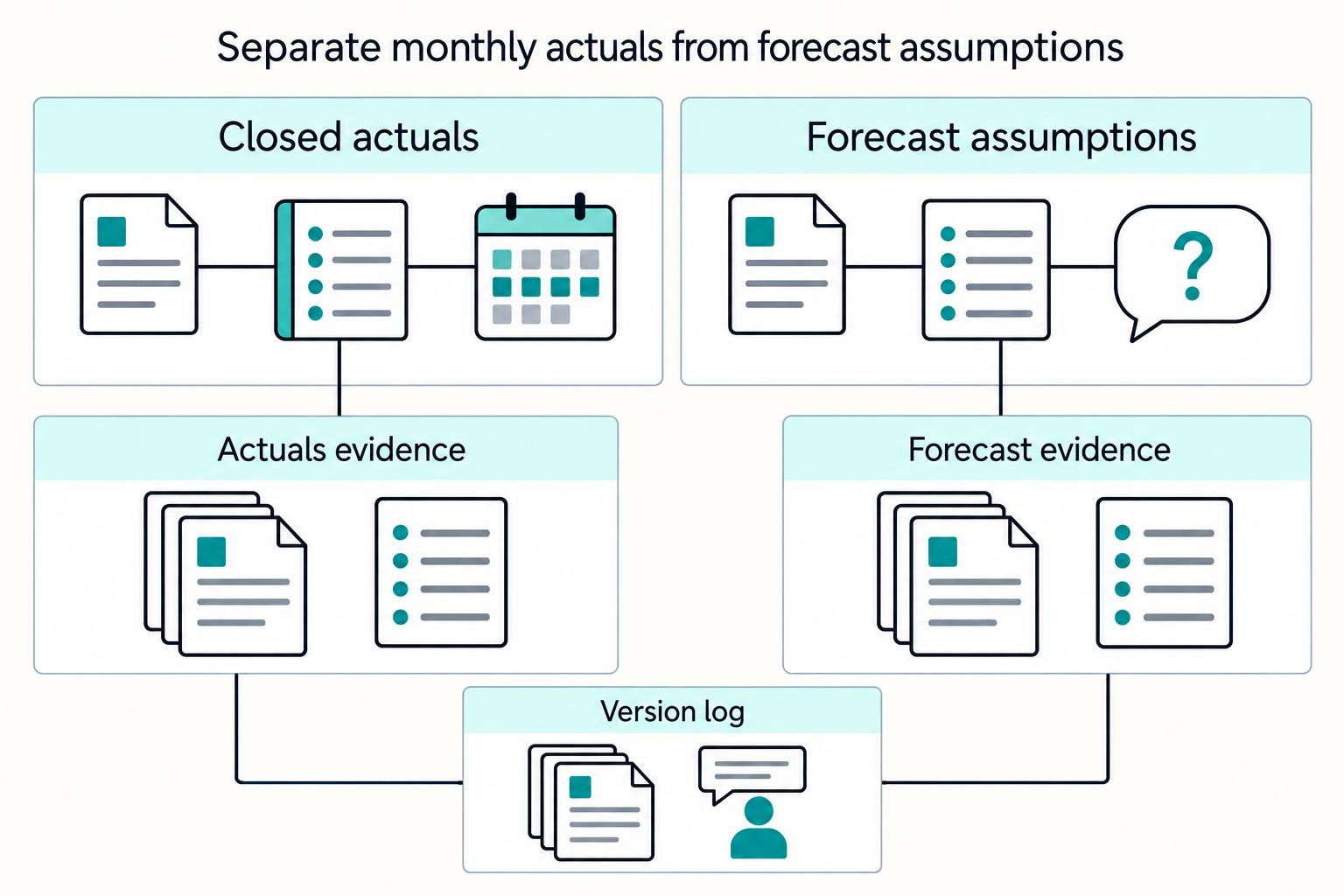
Platform Operator Revenue Review Template for Marketplace Finance
If your monthly review cannot explain why cash, revenue, settlements, and payouts moved together or drifted apart, it is not doing enough. We built this platform-operator template for finance, payments ops, and product teams that need tighter reconciliation, clearer settlement visibility, and payout reliability in the core review.
Read more →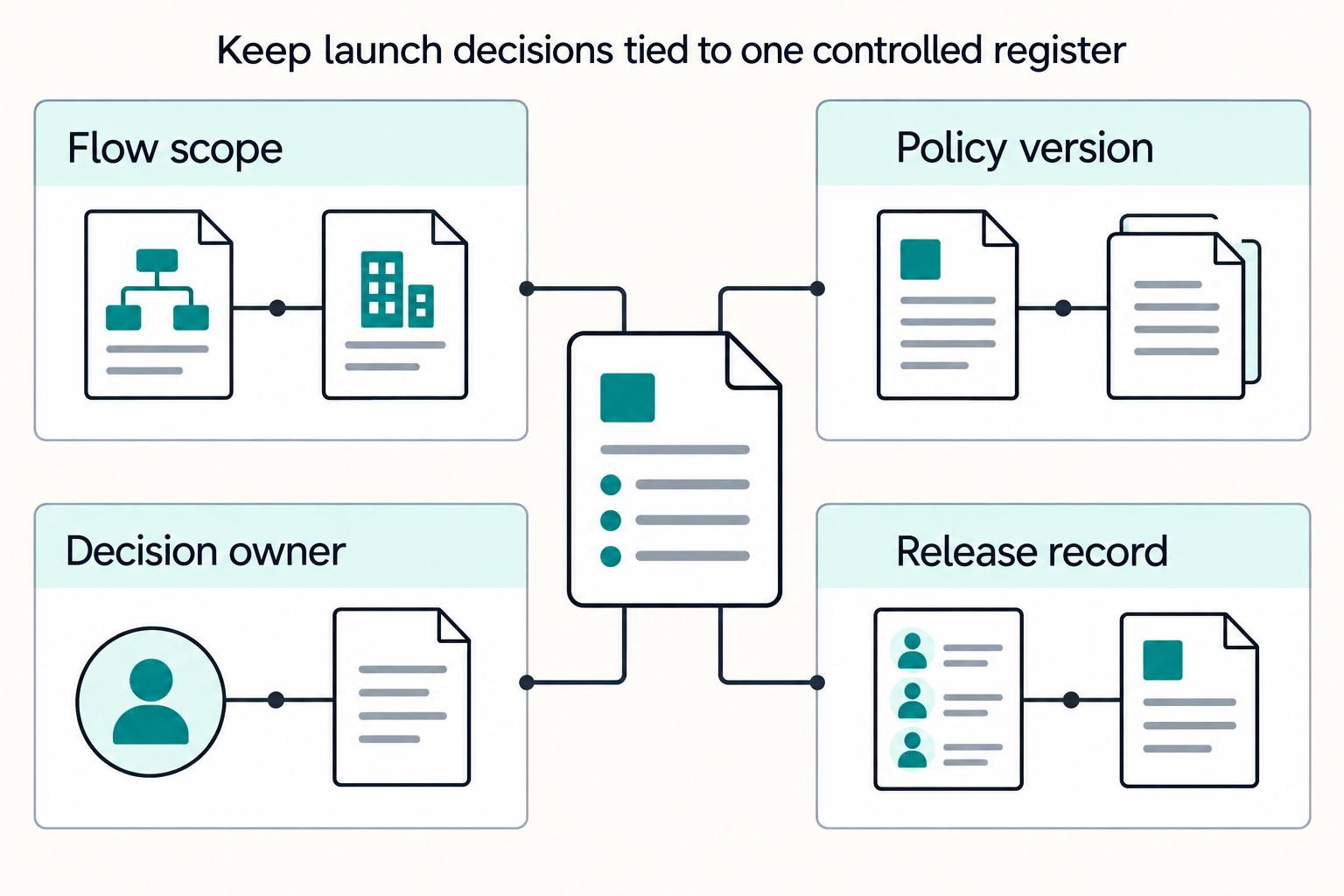
How Foreign Platforms Should Scope RBI Payment Aggregator Licensing in India
For many foreign platforms, the first India decision is scope, not speed. You need to identify the correct RBI Payment Aggregator - Cross Border, or PA-CB, route before launch work spreads. RBI introduced this category on 31 October 2023. The PA Directions took effect on 15 September 2025.
Read more →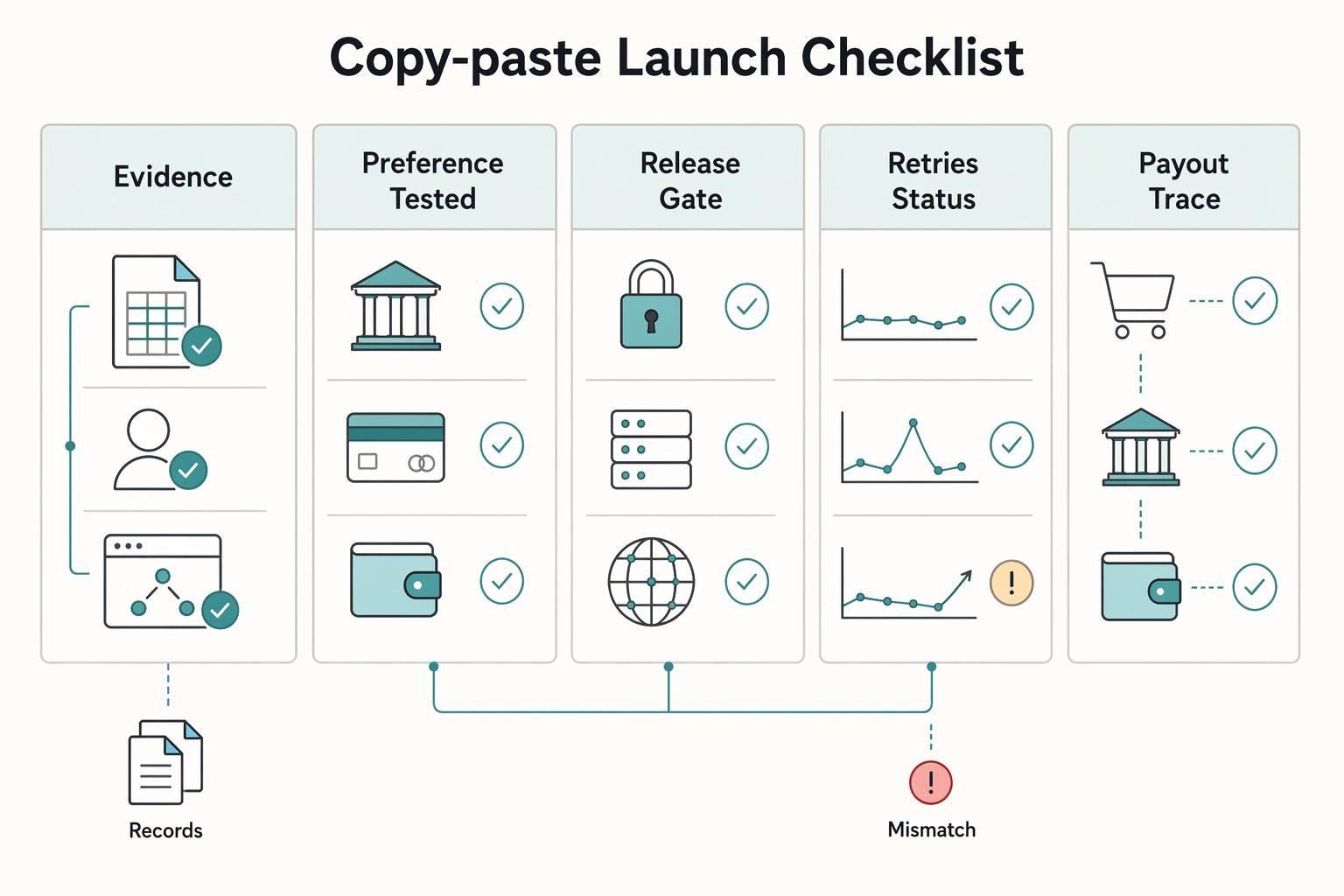
Contractor Payout Preferences: Build a Multi-Method UI
Treat contractor payout preferences as an operations control problem, not just a profile setting. Once you support multiple payout methods, saving a preferred method is only one part. The harder part is method eligibility, reliable execution at scale, failure handling, and showing what happened when finance needs answers.
Read more →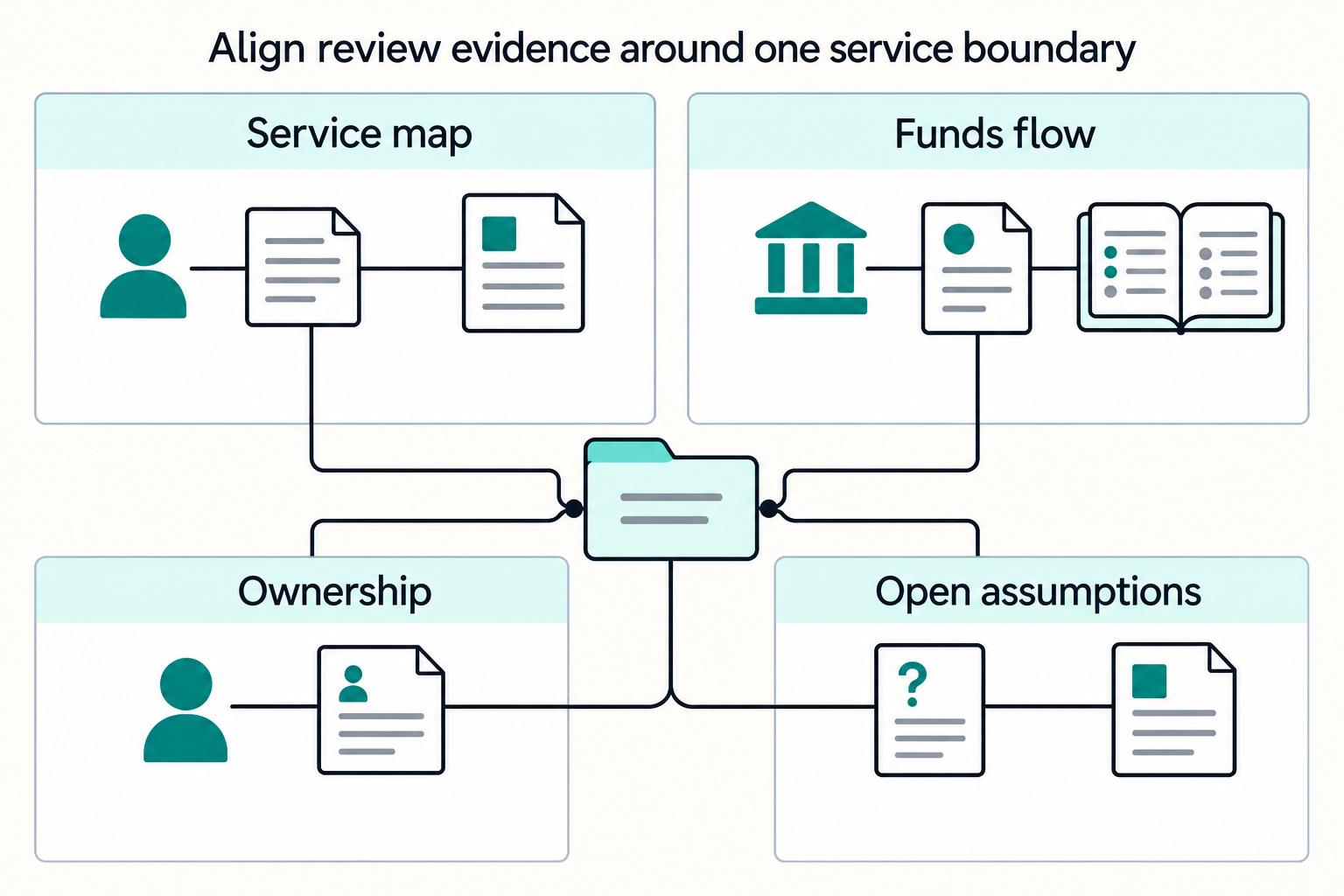
Choosing Small Payment Institution or Authorised PI for UK Payment Platforms
If you are choosing between **Small Payment Institution** and **Authorised Payment Institution**, confirm current **Financial Conduct Authority** requirements before treating any comparison point as settled. For platforms paying contractors, sellers, or creators in the **United Kingdom**, align compliance, legal, finance, and risk on one shared fact base before anyone treats a filing path as settled.
Read more →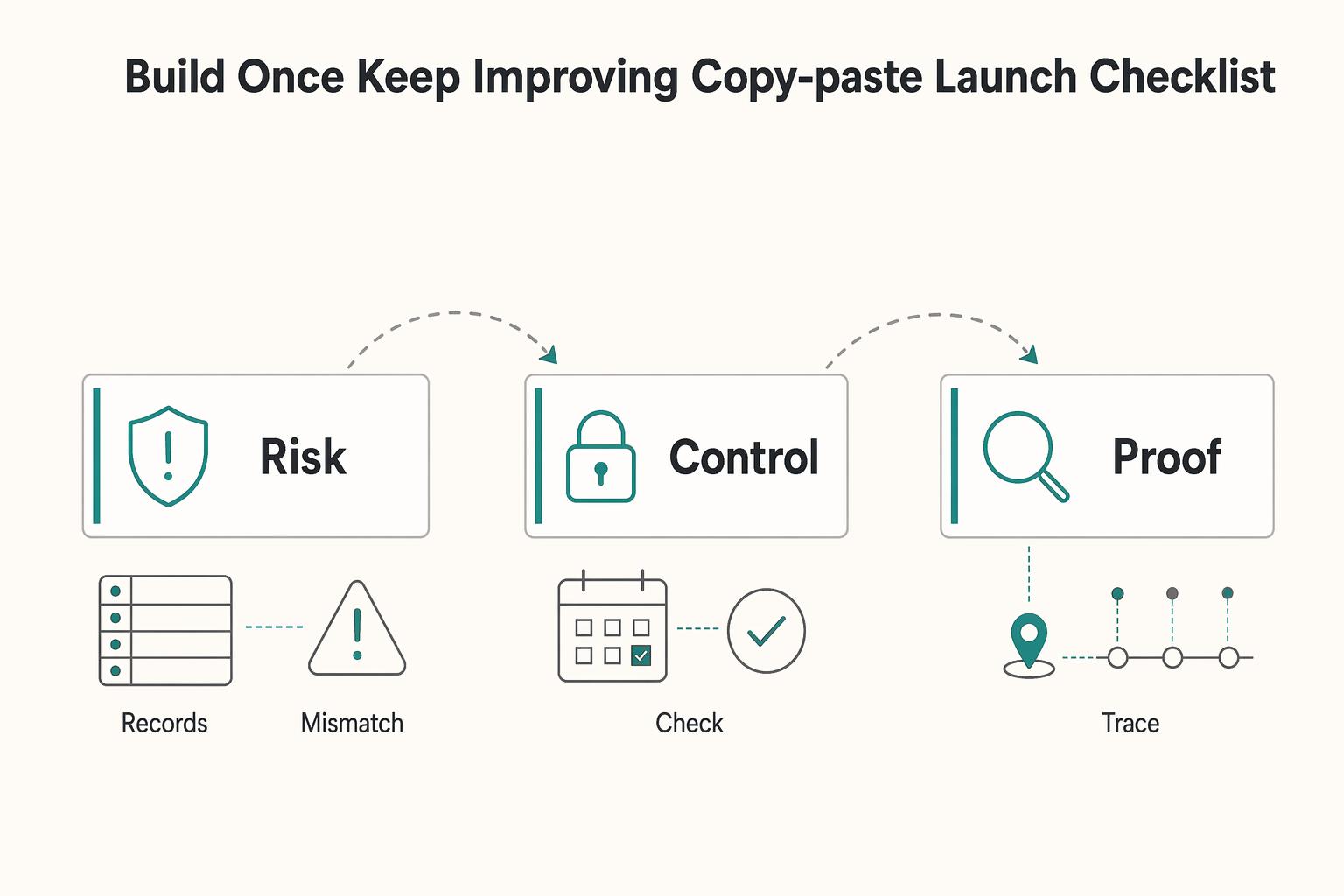
Push Notification Strategy for Payment Platform Payouts
**Payout alerts fail when your message language gets ahead of a verified payout state.** If you want notifications your contractors can trust, optimize for what you can prove in your payout lifecycle. Do not optimize only for send speed or open rate.
Read more →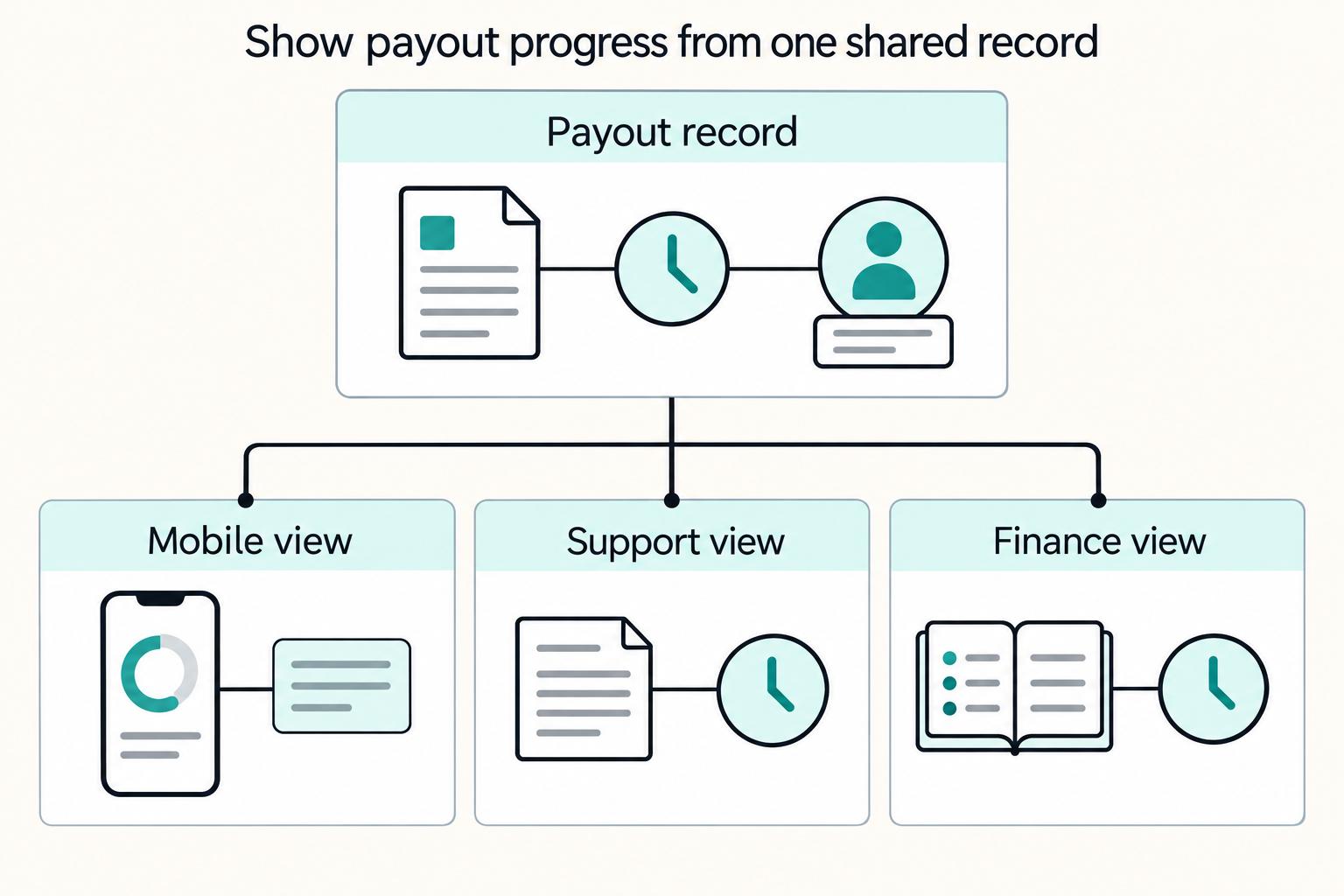
Mobile Contractor Payout UX: Design Rules and Launch Checks
A contractor who taps Withdraw on a phone needs to know whether the request reached your server, whether the provider accepted it, and when to seek help. Design the mobile flow around that evidence, with readable amounts, recoverable interruptions, and statuses that finance and support can trace. A fast confirmation screen is useful only when it describes what actually happened.
Read more →