
Operator playbooks for cross-border payments, tax, and compliance execution.
Step-by-step guidance for finance, product, and ops teams to launch faster, reduce payout friction, and keep reconciliation clean across borders.
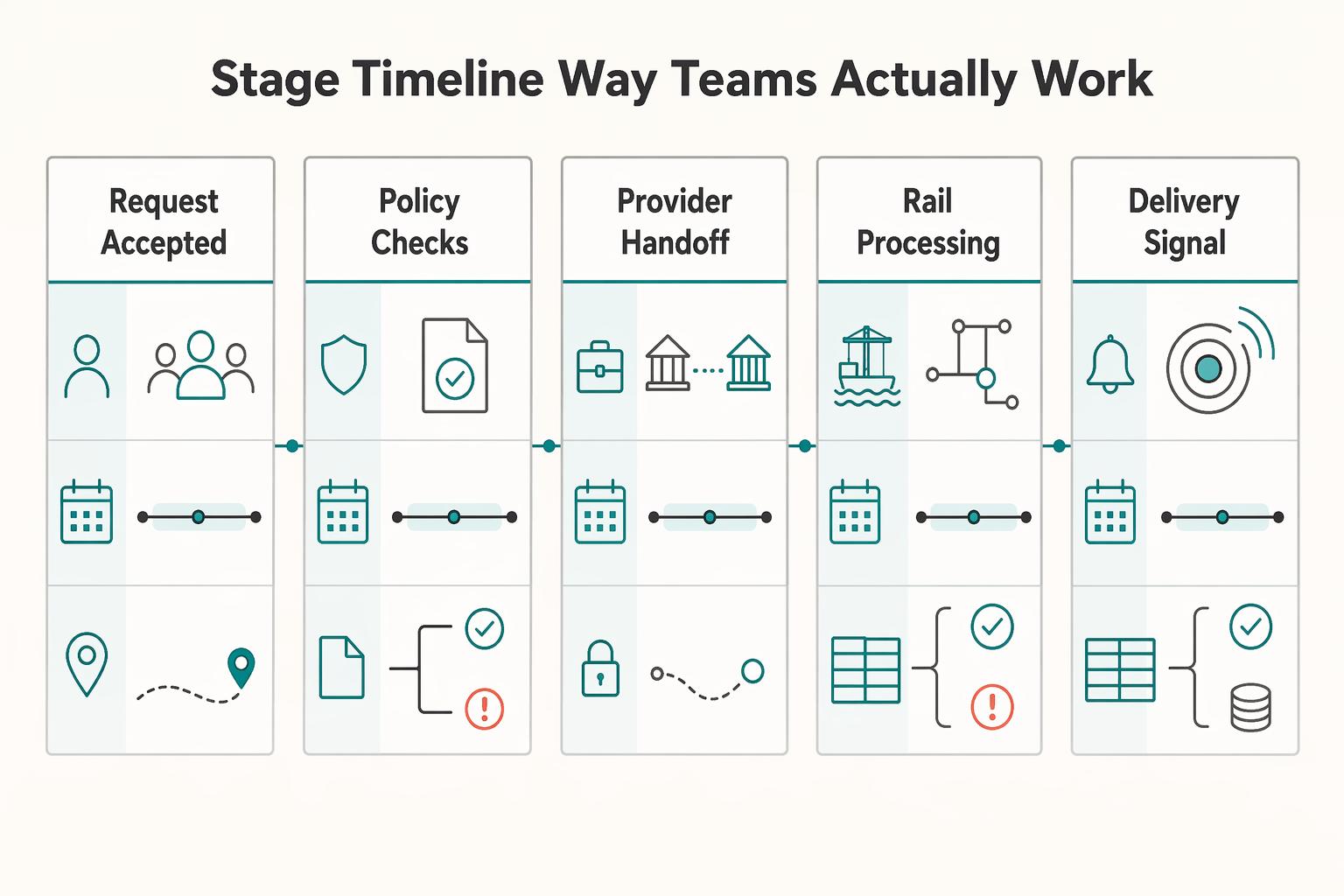
Cross-Border Payout Timeline Estimator for Rails, Compliance, and Reconciliation
Most estimator tools answer a different question. A credit card payoff calculator tells you how many months it may take to clear debt at a given interest rate. An amortization schedule maps regular loan payments against a declining balance. CAPE is used to estimate long-term expected real stock market returns. Useful tools, but none helps a finance or ops team answer the question that actually creates payout friction: when money requested today will be available to the recipient.
Read more →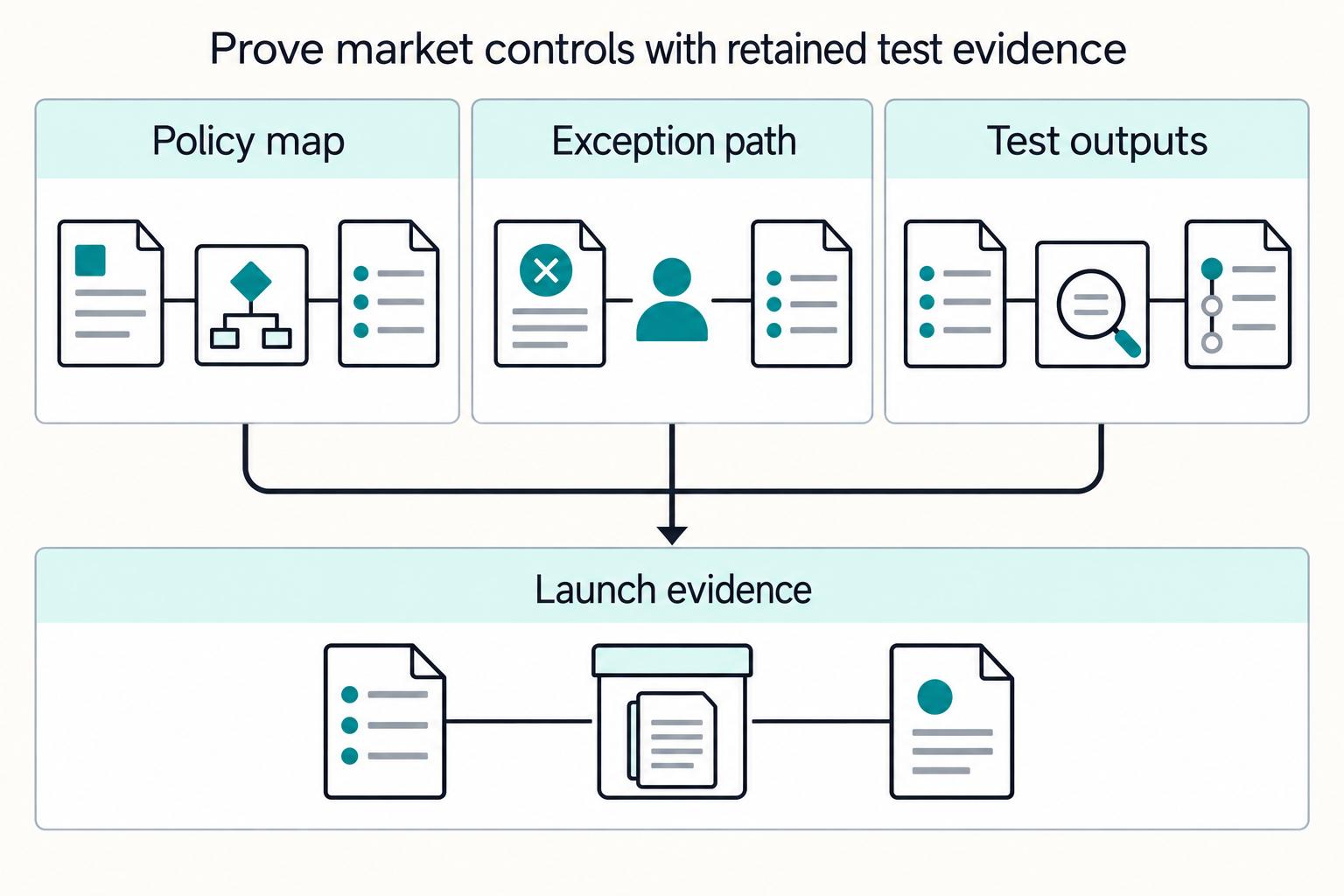
Gig Platform Regulatory Watchlist for Contractor Payments
Use this watchlist to rank expansion markets by payment operability, not just demand. The real question is whether you can pay contractors with controls that hold up, support costs you can absorb, and evidence you can defend when exceptions or incidents happen. This gives you a decision-ready way to compare regulatory risk, control burden, and operating cost before you commit product, compliance, or GTM resources.
Read more →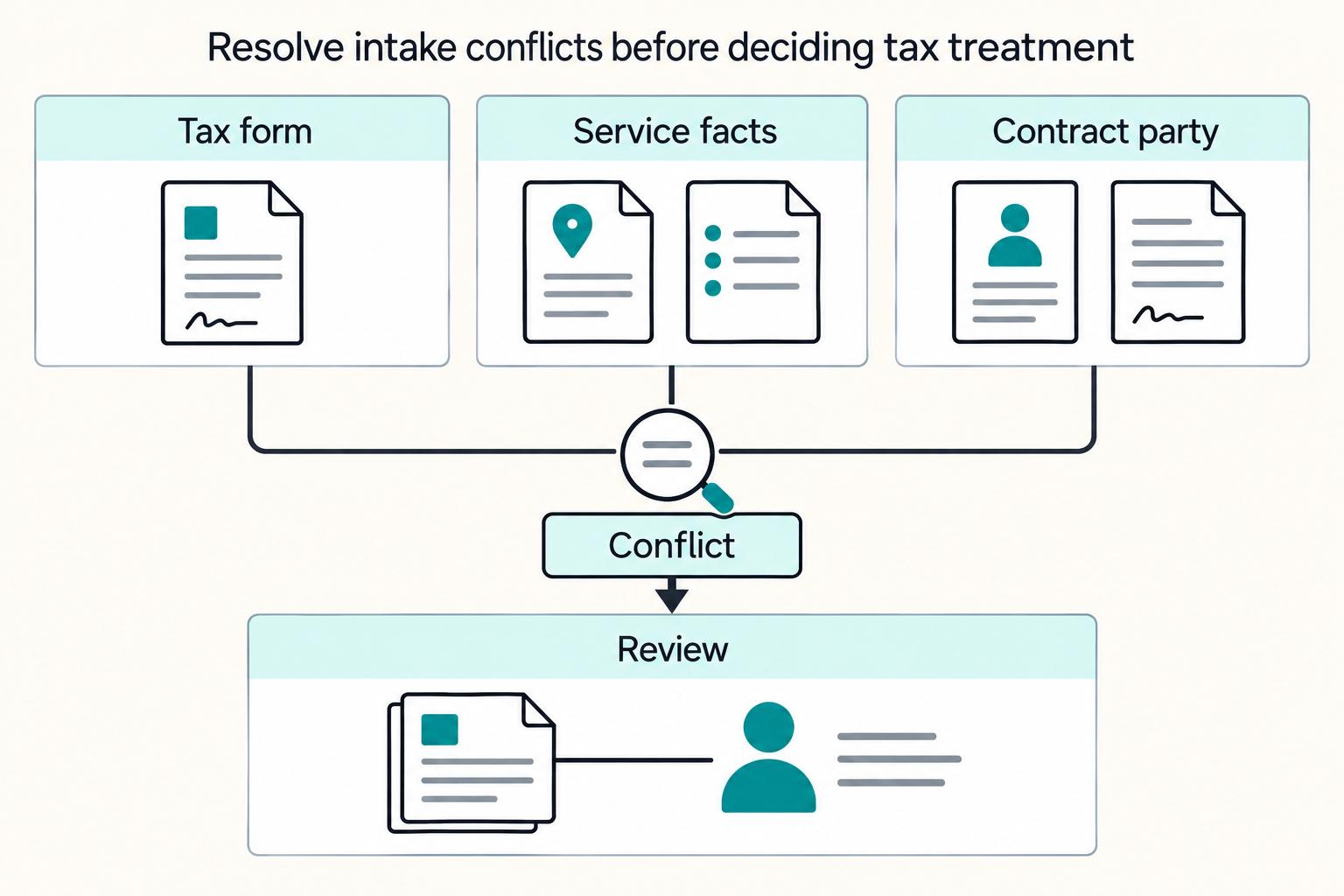
W-8ECI vs W-8BEN for Foreign Contractors With US Business Income
Choose tax documents by payee status, income type, and service facts before scheduling a foreign contractor payout. A signed form does not resolve a mismatch between the payment and the tax treatment.
Read more →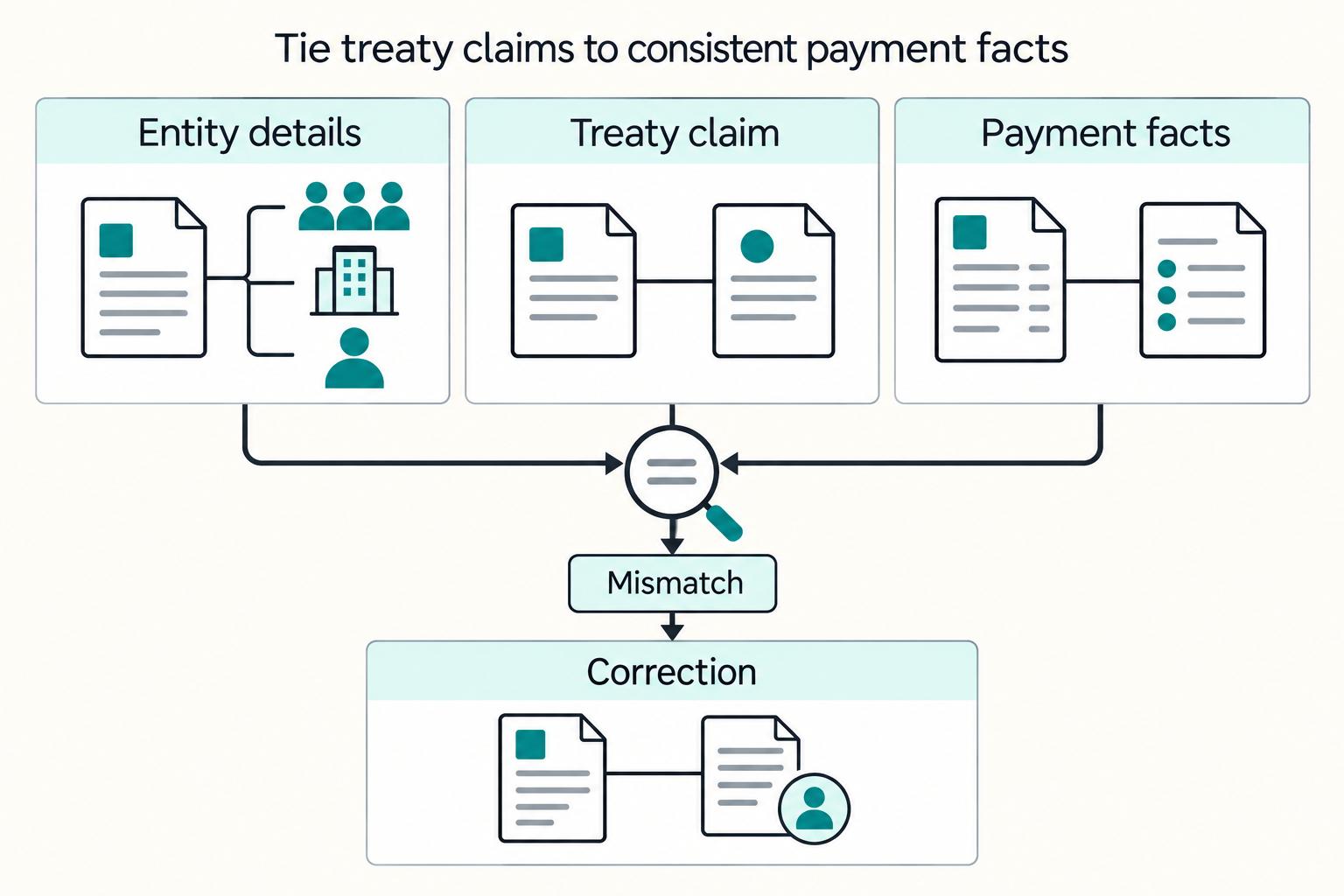
How UK Companies Should Review W-8BEN-E Part III Treaty Claims
Teams reviewing these forms are usually less stuck on layout than on risk: when a treaty claim is solid enough to approve, and when it needs escalation.
Read more →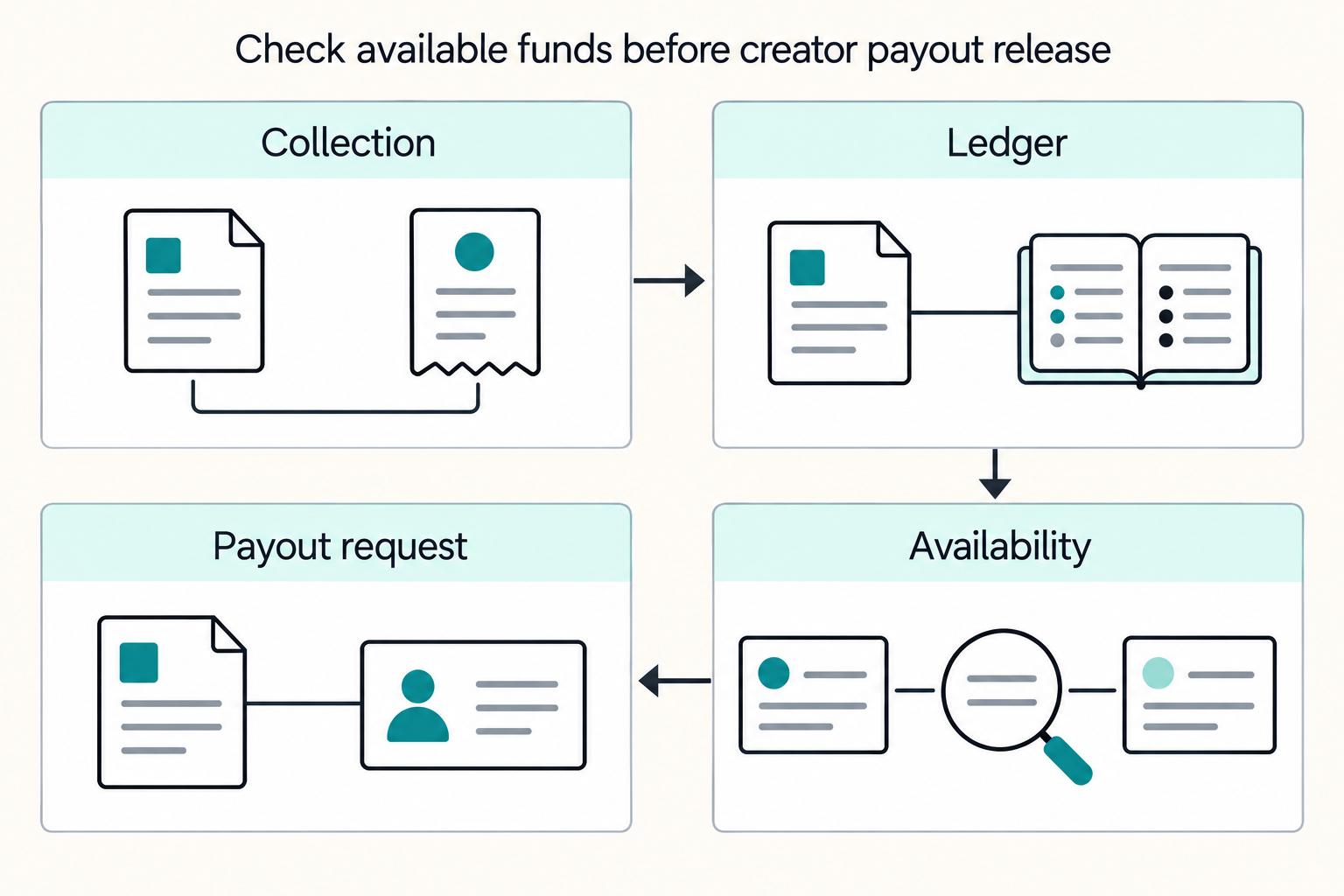
How to Launch EdTech Platform Payouts for Tutors and Course Creators
**EdTech platform payouts are an operating decision before they are a product feature.** Once you start paying tutors, education agents, or other partners, you are not just sending money out. You are taking on partner disbursements, status tracking, and reconciliation across the money coming in and the money going back out.
Read more →
Free Invoice Generator for Platforms and Contractors
For a contractor issuing occasional invoices, Invoice-Generator.com and Wise offer free PDF creation without signup. Canva and Adobe Express are useful when invoice layout and branding matter. A platform can use these documents in a manual supplier workflow, but should choose integrated invoicing when volume, approval or structured-data requirements make manual handoffs expensive.
Read more →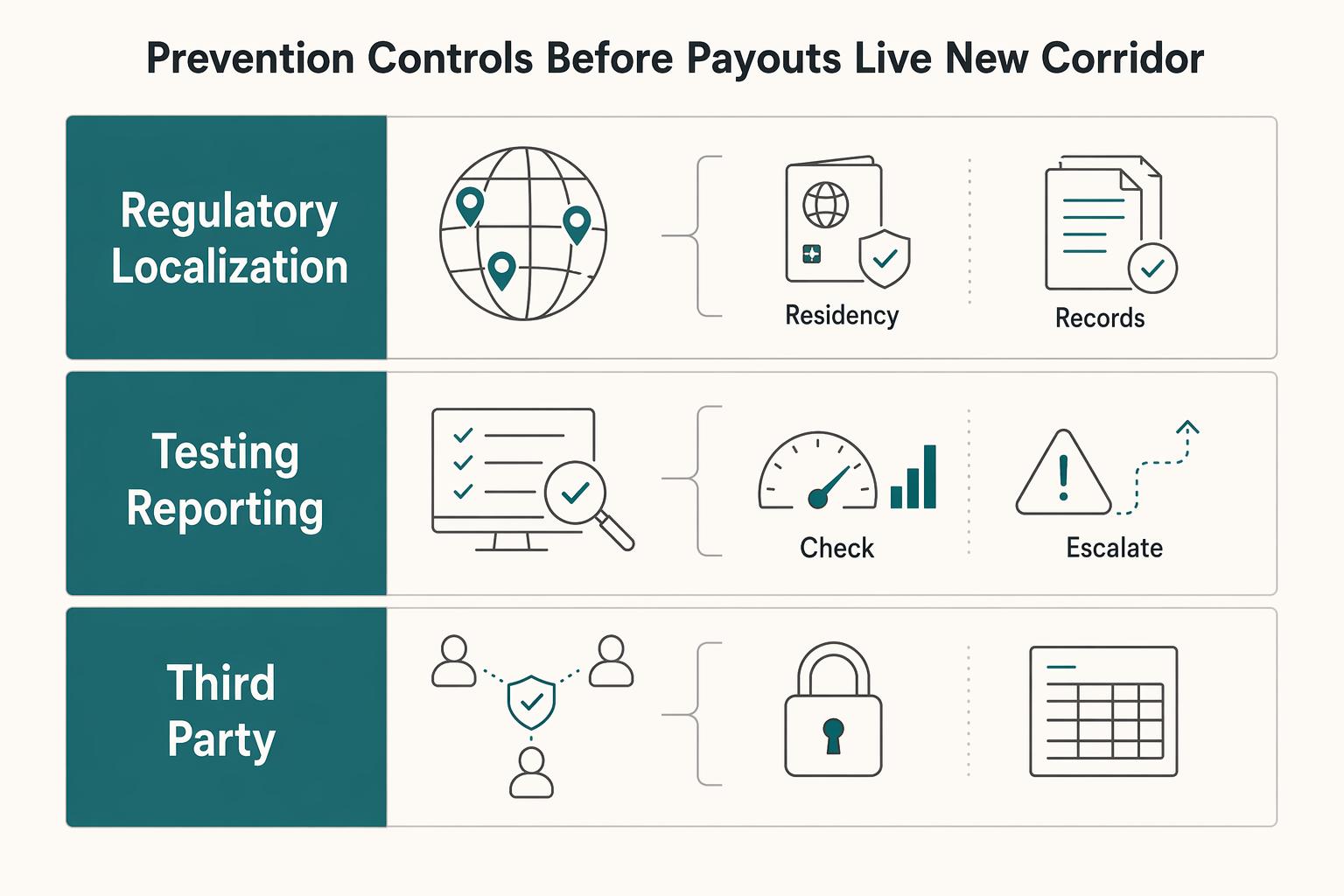
How Marketplace Teams Reduce Payout Errors Before Expansion
A new market can have healthy demand while sellers, hosts, or contractors struggle with delayed or missing payouts. Expansion planning needs to account for the time and evidence required to diagnose those exceptions, not just the ability to submit more transfers.
Read more →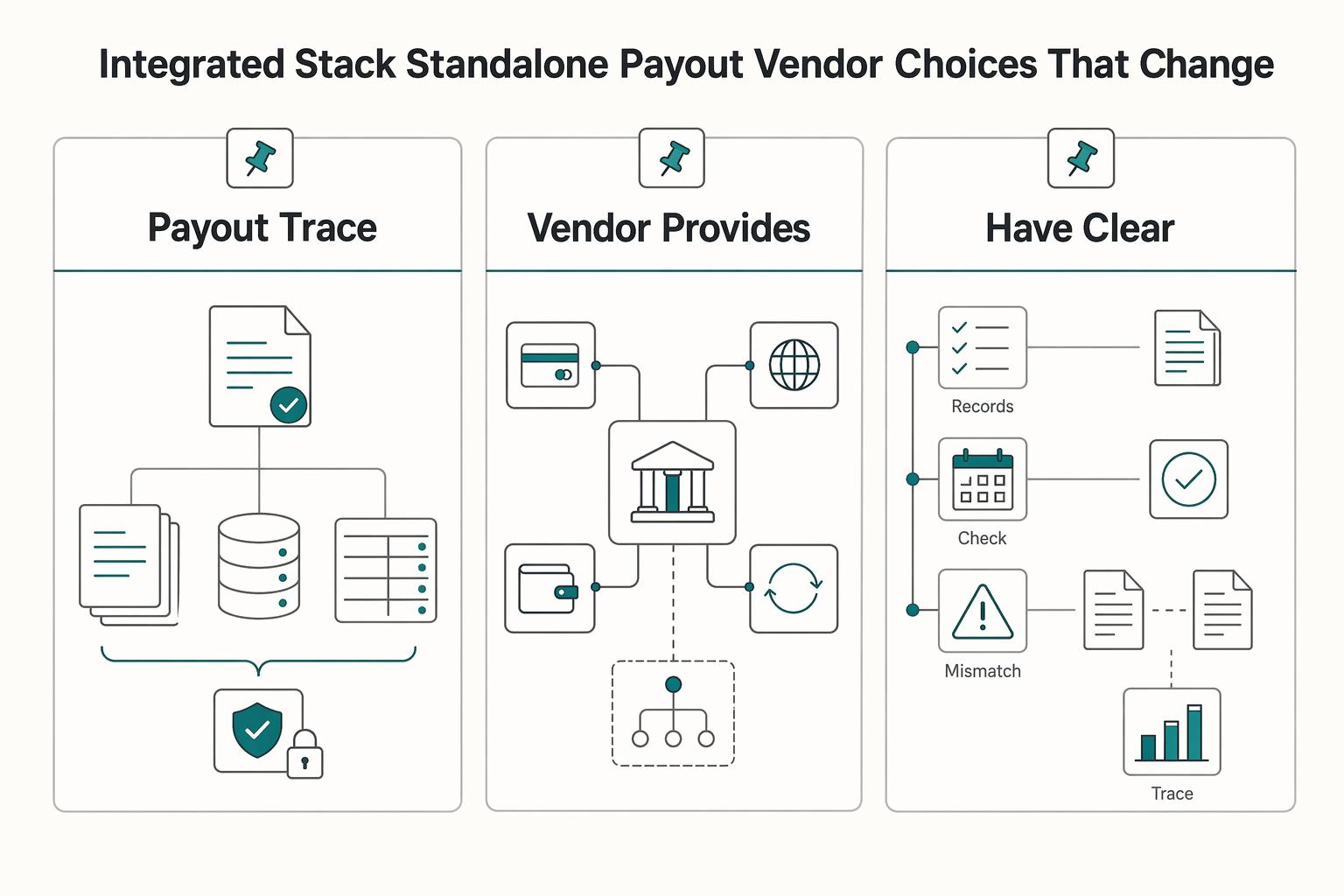
Delivery and Logistics Platform Payouts Across 20+ Countries
A **delivery driver payouts platform** is not the same as an instant cashout feature in a driver app. It can be the operating layer behind driver onboarding, compliance checks, payout execution, and reconciliation across countries. If you treat payouts as only a UX choice instead of a market-entry function, expansion usually breaks at the point where drivers expect money to arrive.
Read more →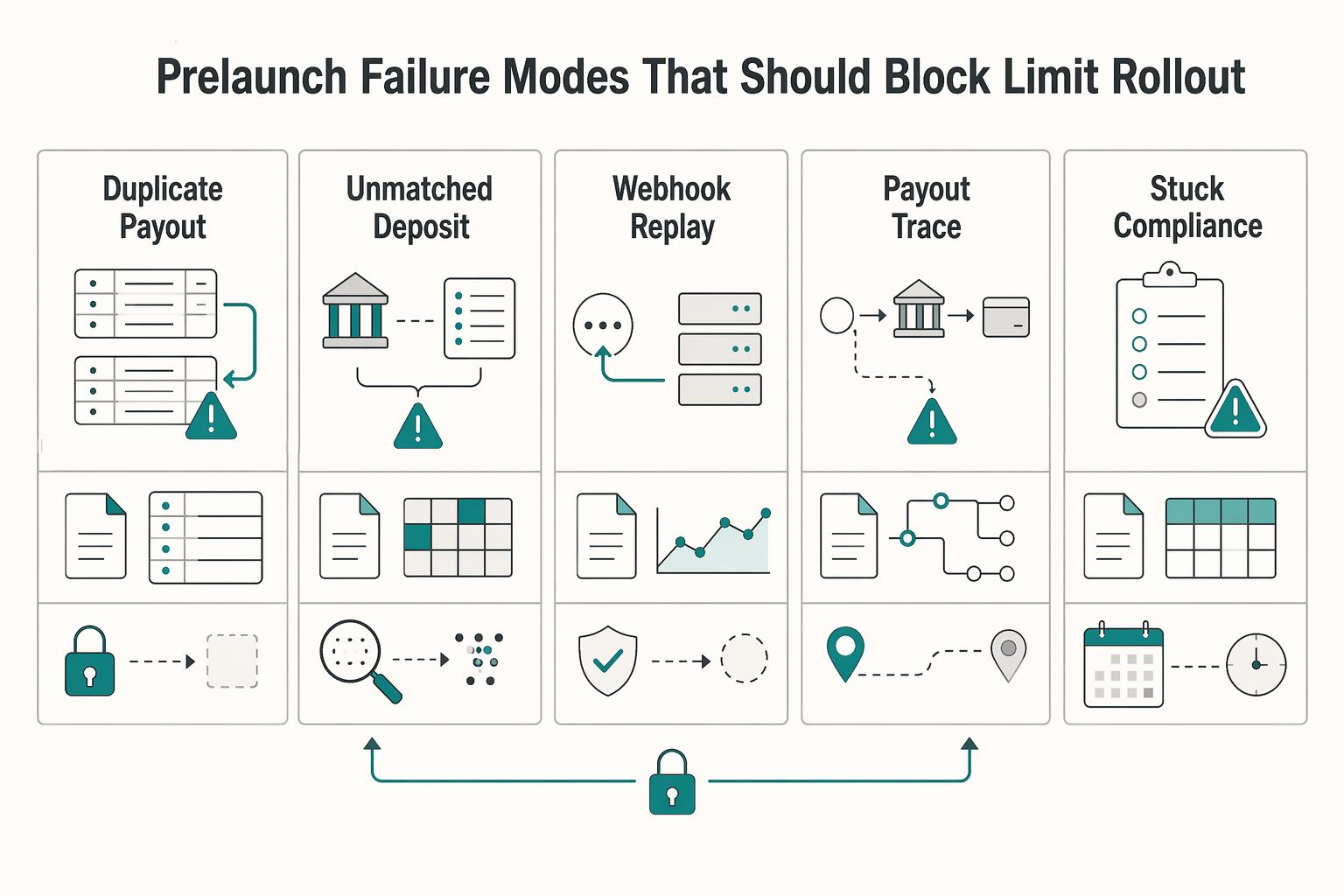
Platform Compliance Readiness Scorecard for New Market Launches
A launch is ready only when your controls hold up under live operations. Teams usually learn that in launch week, when governance, workflows, and visibility all have to work together under real volume and real exceptions. That is the operator problem here: not whether your controls look complete on paper, but whether they work when operations scale.
Read more →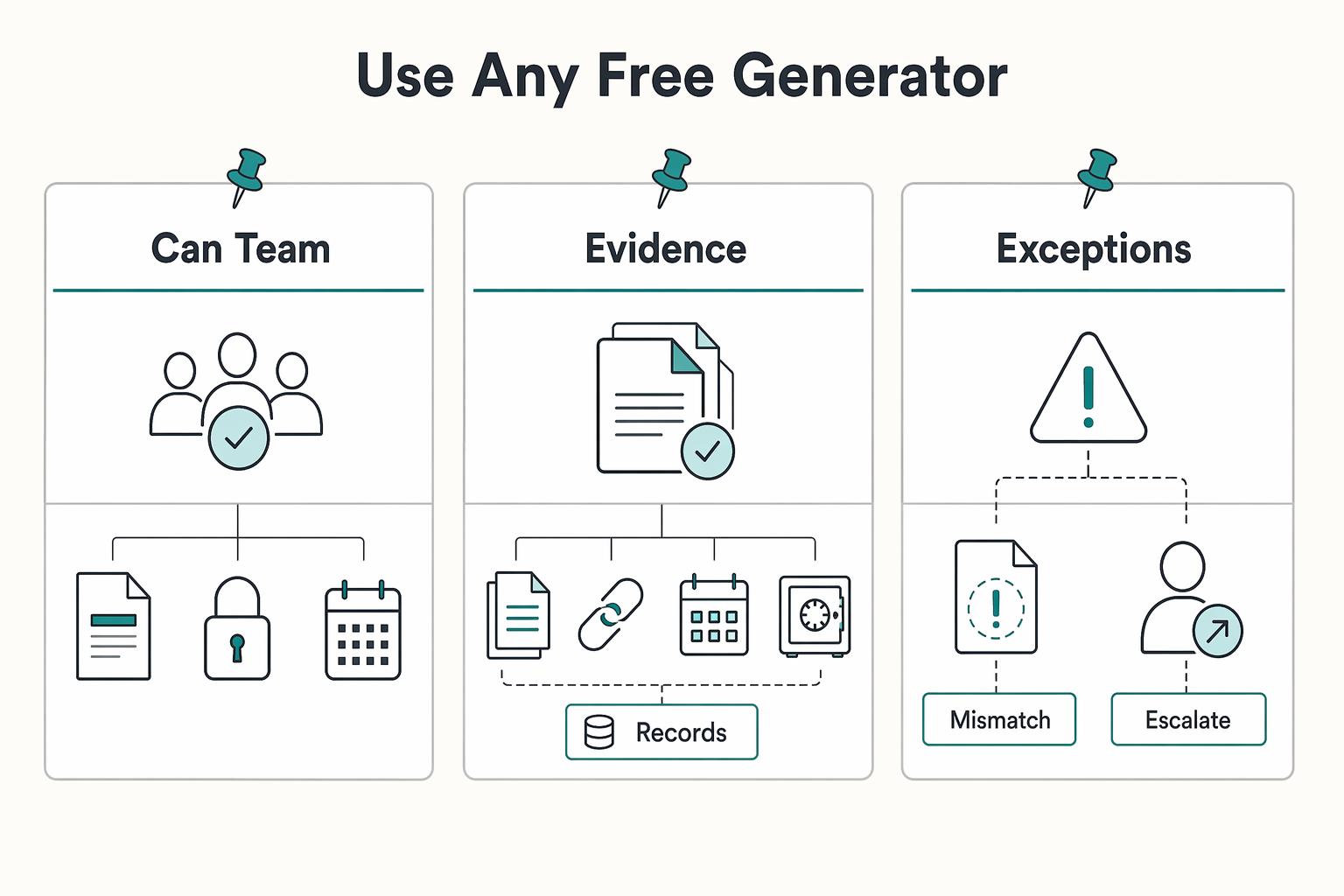
Free NDA Generator for Platform-Contractor Relationships
A **free NDA generator** can speed up drafting, but in platform-contractor operations, the real risk is rarely the first draft. The risk is ending up with dozens or hundreds of contractor records that use different clauses, different signature paths, and different storage habits.
Read more →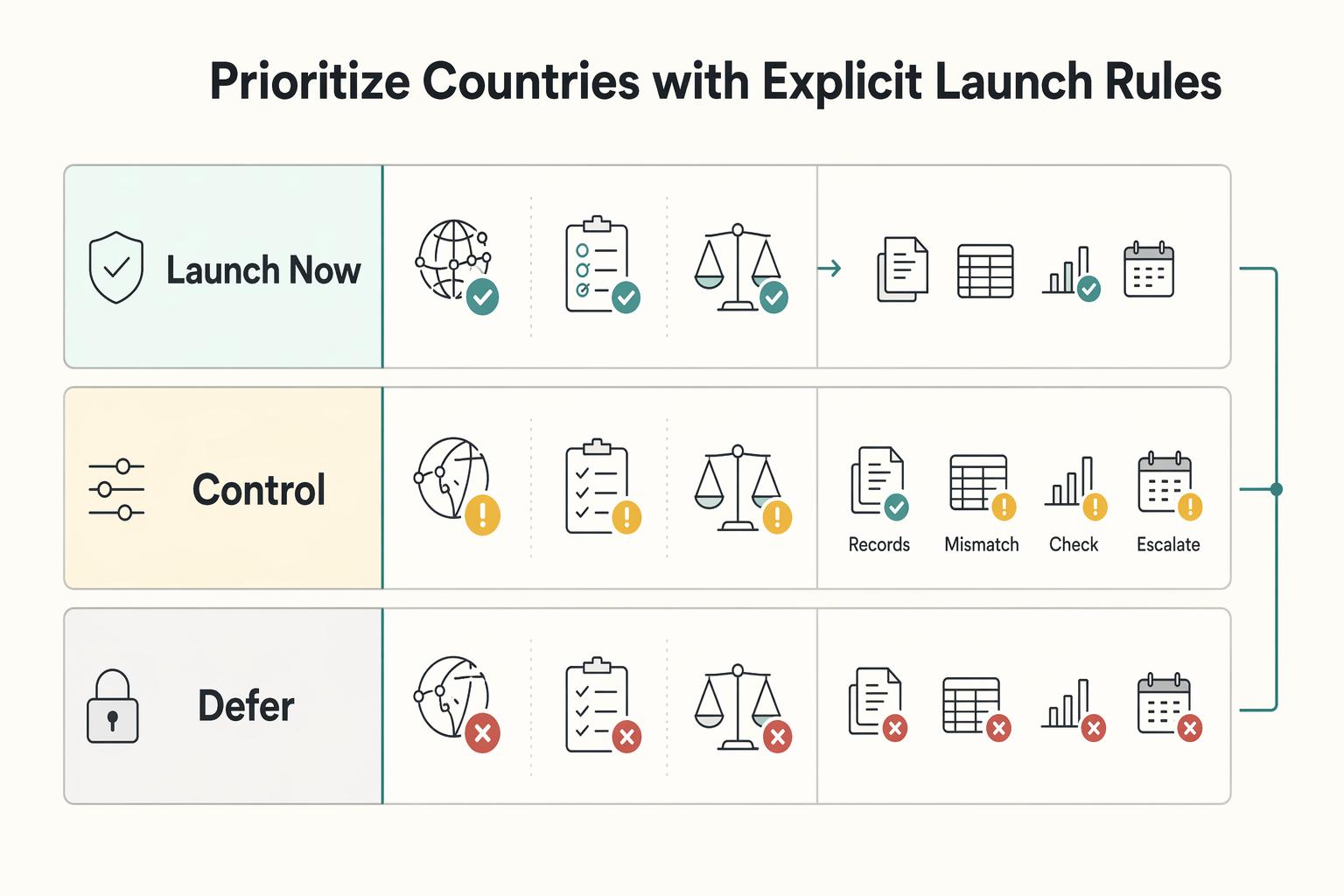
Global Contractor Payout Speed Index by Country
A **global contractor payout speed index by country** should tell you one thing first: how reliably contractors in each corridor receive funds when you expect them to. Coverage maps are not the same as reliable time to funds. If you are deciding where to launch first, the useful question is not "can we pay there at all?" but "how often do contractors in that market get paid when we expect them to?"
Read more →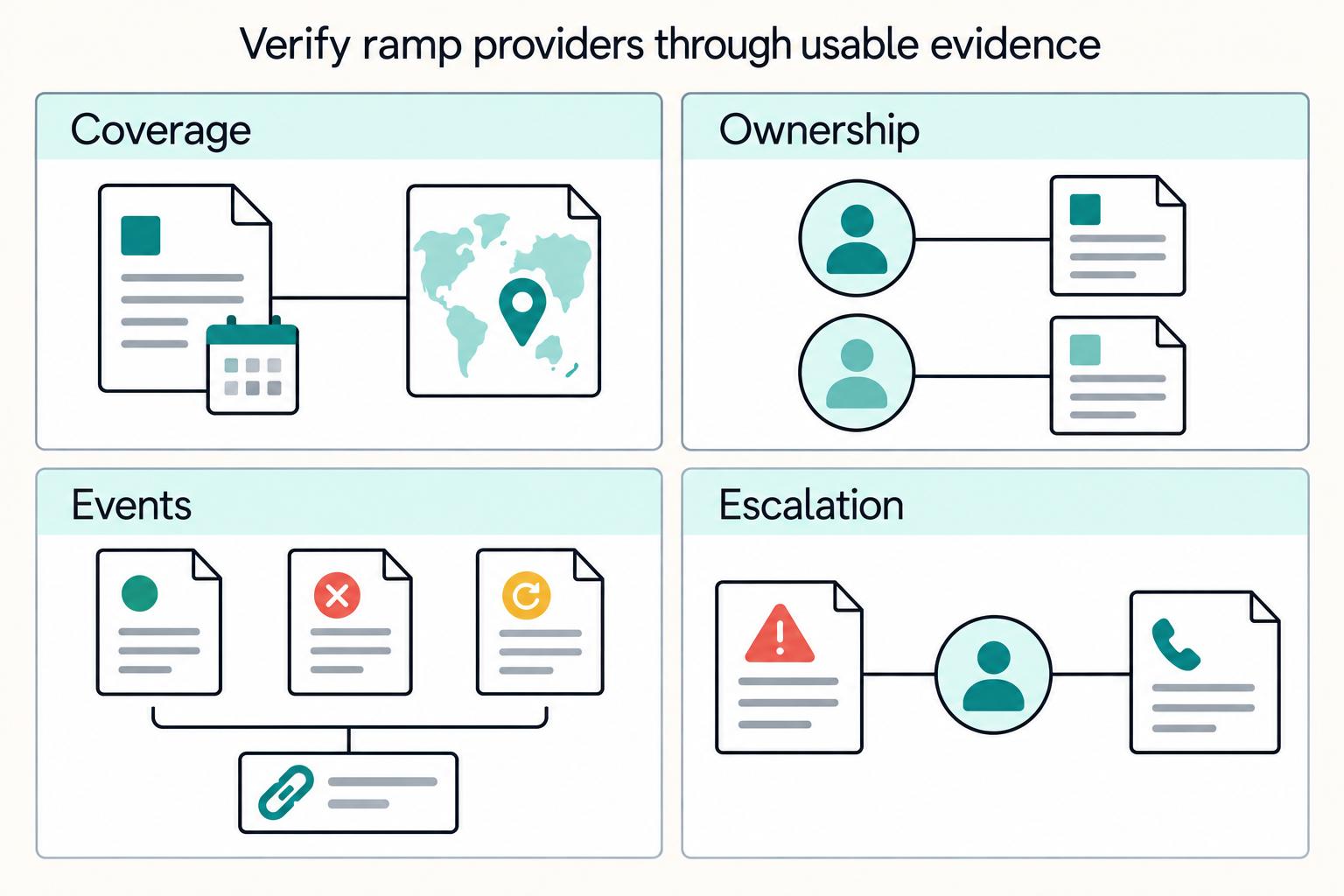
On-Ramp and Off-Ramp Infrastructure for Platform Crypto Payouts
Choose infrastructure for the actual payout path: fiat funding, crypto delivery, or crypto conversion followed by a bank payout. A consumer buy/sell widget and a business disbursement program can share conversion technology while having different beneficiary permissions, compliance and recovery rules.
Read more →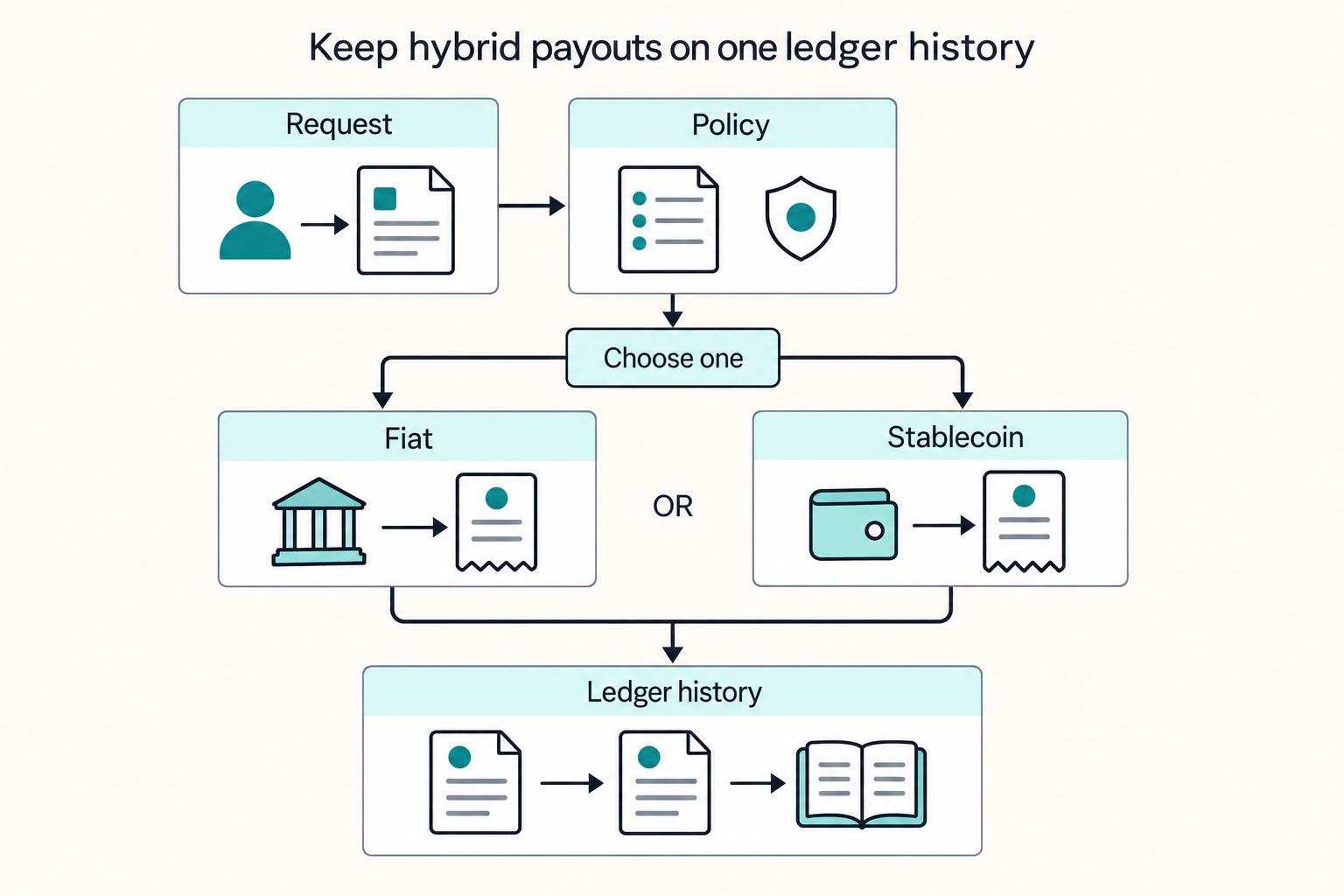
Building a Hybrid Payout System Without Disrupting Fiat Operations
A hybrid payout approach is usually a question of coexistence, not replacement. You keep your fiat rails, add a stablecoin option where it solves a real operations problem, and avoid forcing every contractor, creator, or seller into a wallet-first experience.
Read more →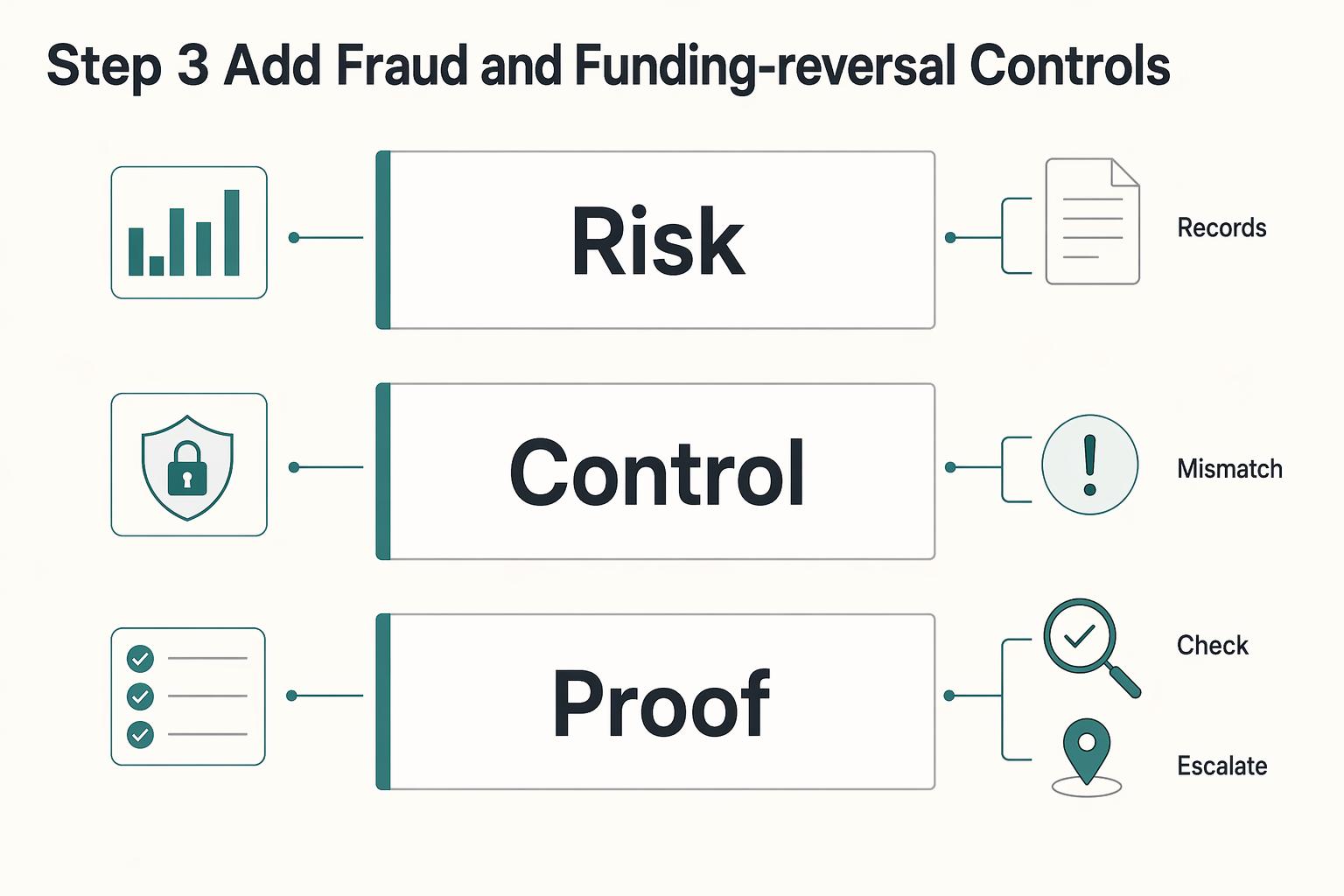
How to Implement Pay-Fiat-Receive-Crypto for Contractor Payouts
Pay-fiat-receive-crypto means your business funds a payment in government-issued currency and the contractor receives an agreed digital asset in a wallet. A provider may perform the conversion and delivery while you keep a fiat balance. The important implementation question is who owes what to whom at each stage, especially when conversion succeeds but delivery is uncertain.
Read more →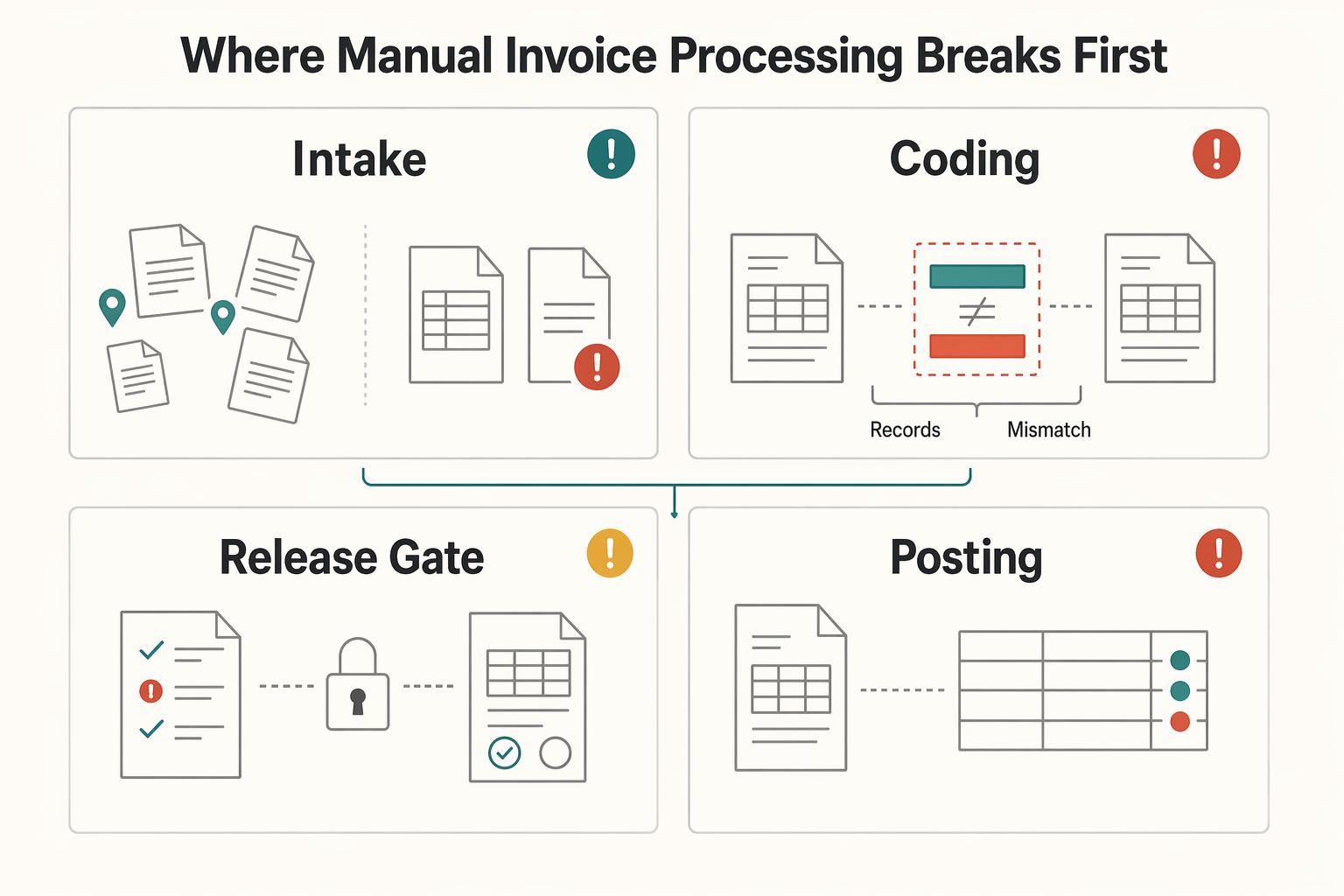
The Scalability Wall: Why Manual Invoice Processing Stalls Platform Growth
Manual invoice handling often looks harmless when volume is low. A few inbox rules, a shared spreadsheet, and some approval chasing can keep Accounts Payable (AP) moving well enough that changing the process feels unnecessary. The trouble is that growth rarely breaks this setup all at once. It usually shows up first as approval drag, missing-invoice follow-ups, data inconsistencies, and extra time spent verifying data that should have been right the first time.
Read more →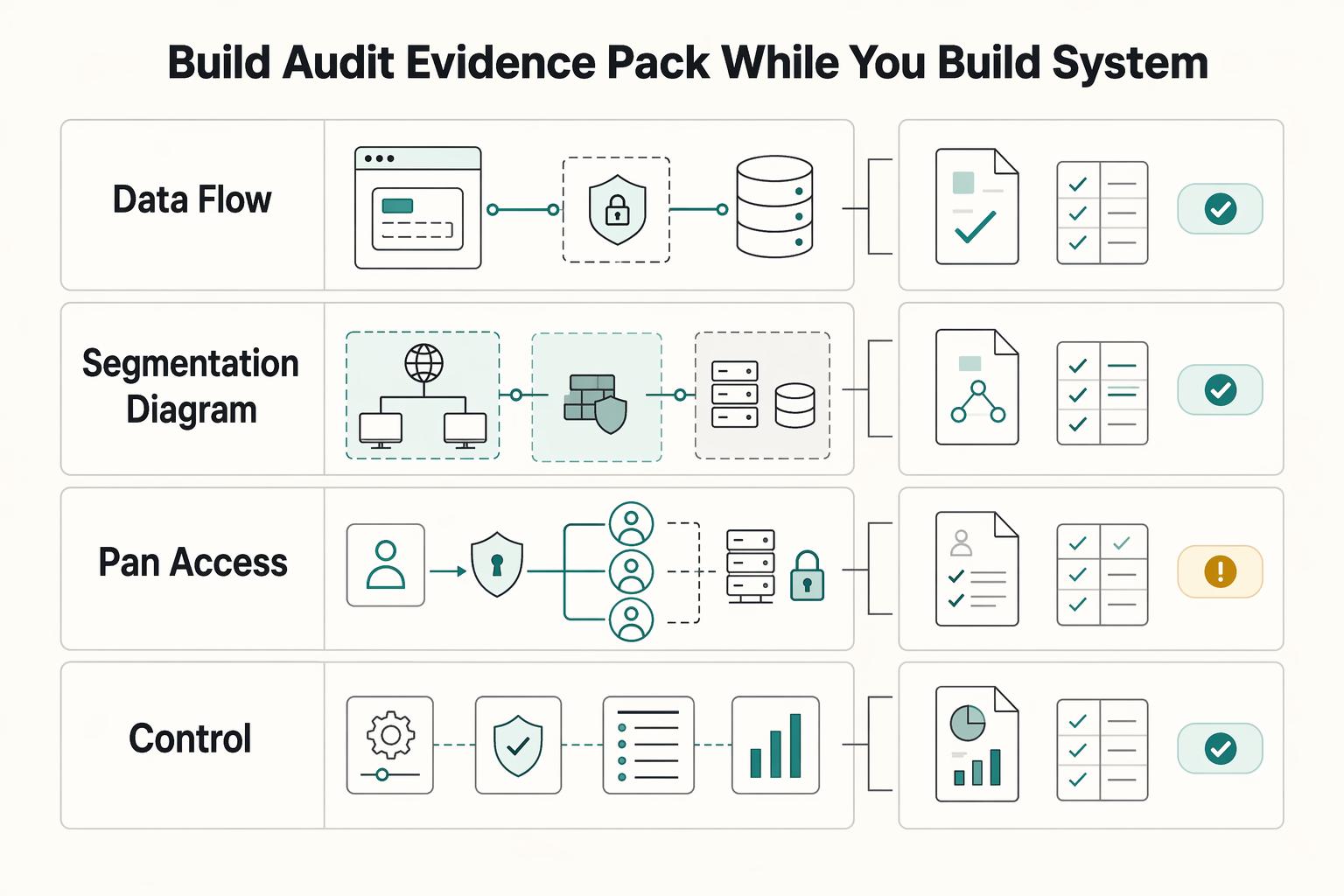
PCI Scope Reduction With Hosted Fields and Tokenization
PCI scope reduction is an architecture boundary decision, not a vendor feature. Decide exactly where PAN is allowed to appear, and block it everywhere else.
Read more →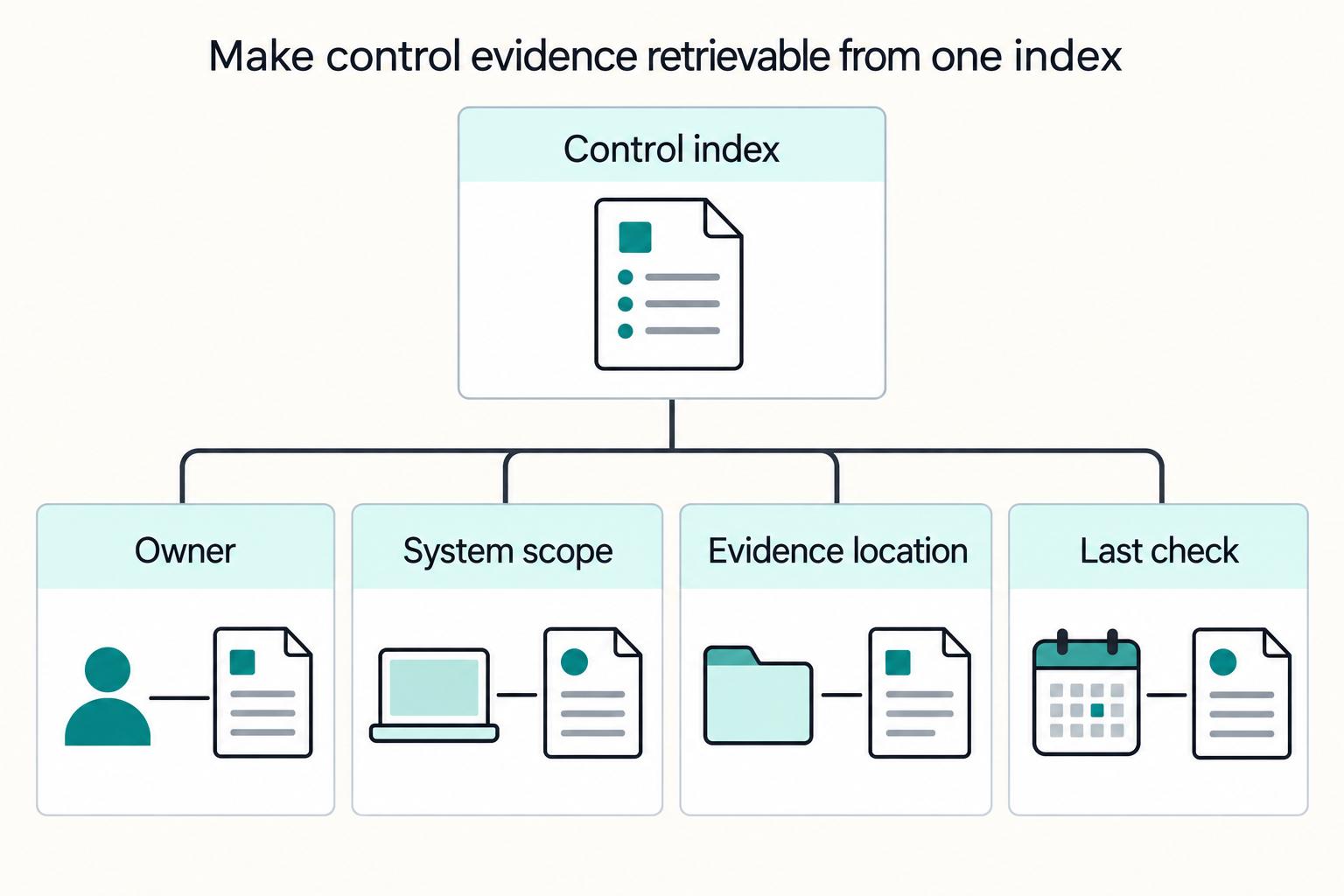
PCI DSS 4.0.1 Scope and Evidence Priorities for Platform Operators
If you're working through **pci dss 4.0 for platform operators**, start from PCI DSS [**v4.0.1**](https://blog.pcisecuritystandards.org/just-published-pci-dss-v4-0-1) because it is the active version. PCI SSC published v4.0.1 on **11 Jun 2024** as a limited revision that did **not** add or remove requirements, and v4.0 was retired on **31 December 2024**. Use v4.0.1 when you set scope, assign owners, and prepare assessment evidence.
Read more →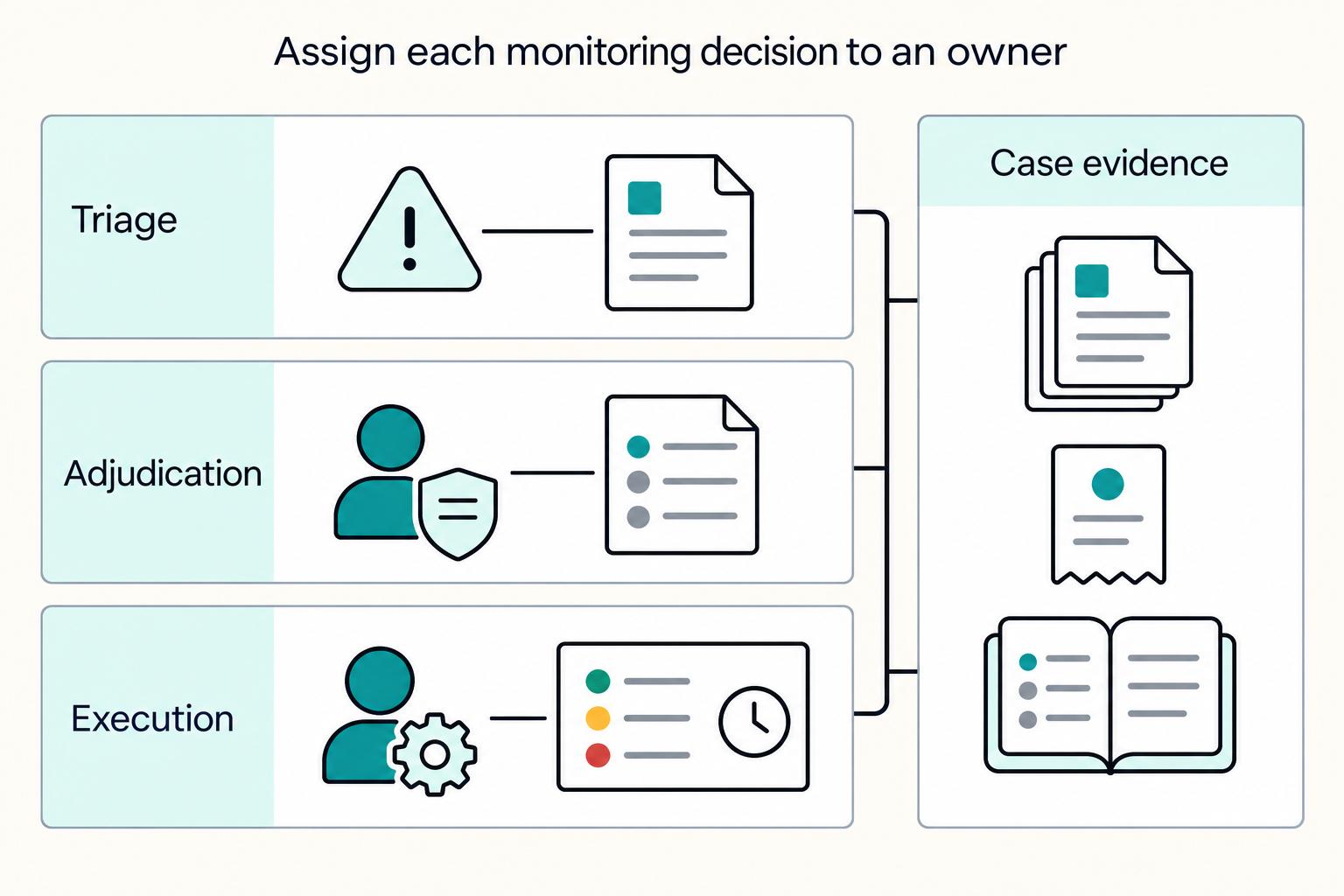
Platform Transaction Monitoring That Doesn't Slow Payouts
Strong Anti-Money Laundering (AML) controls only help a payout platform when they reduce risk without slowing legitimate payouts. In practice, that means controls need to work during payment execution, support consistent decisions, and leave a clear record of what was released, held, or escalated.
Read more →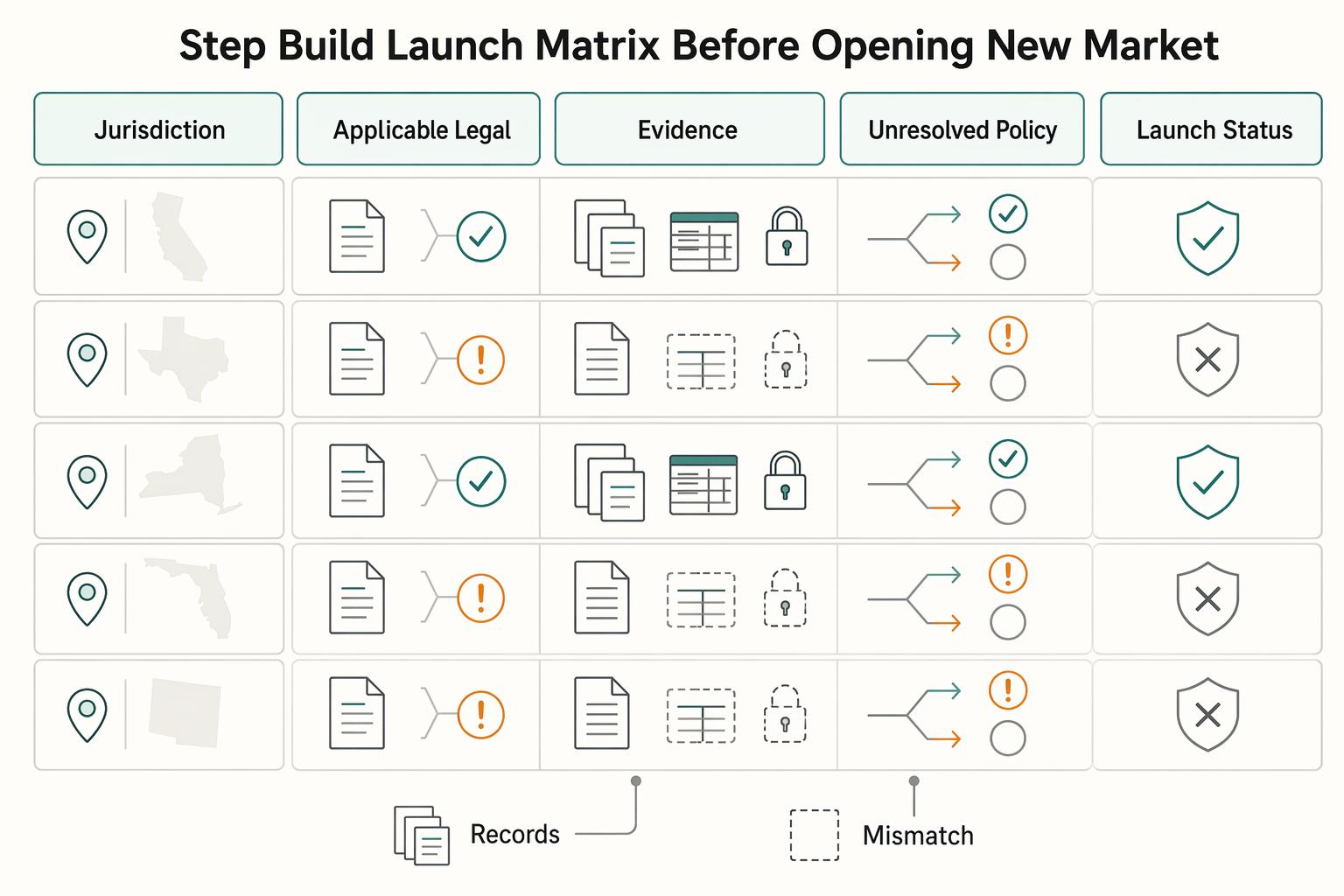
Legal Marketplace Payments: Trust Accounts, Earned Fees and Client Funds
A legal marketplace cannot treat every payment as ordinary platform revenue followed by a provider payout. Client advances, earned legal fees, settlement proceeds and the firm’s payments to staff or vendors have different owners and purposes. Determine that character before selecting the destination account. A processor balance, wallet label or split-payment feature does not establish that client funds are being held in a compliant lawyer trust account.
Read more →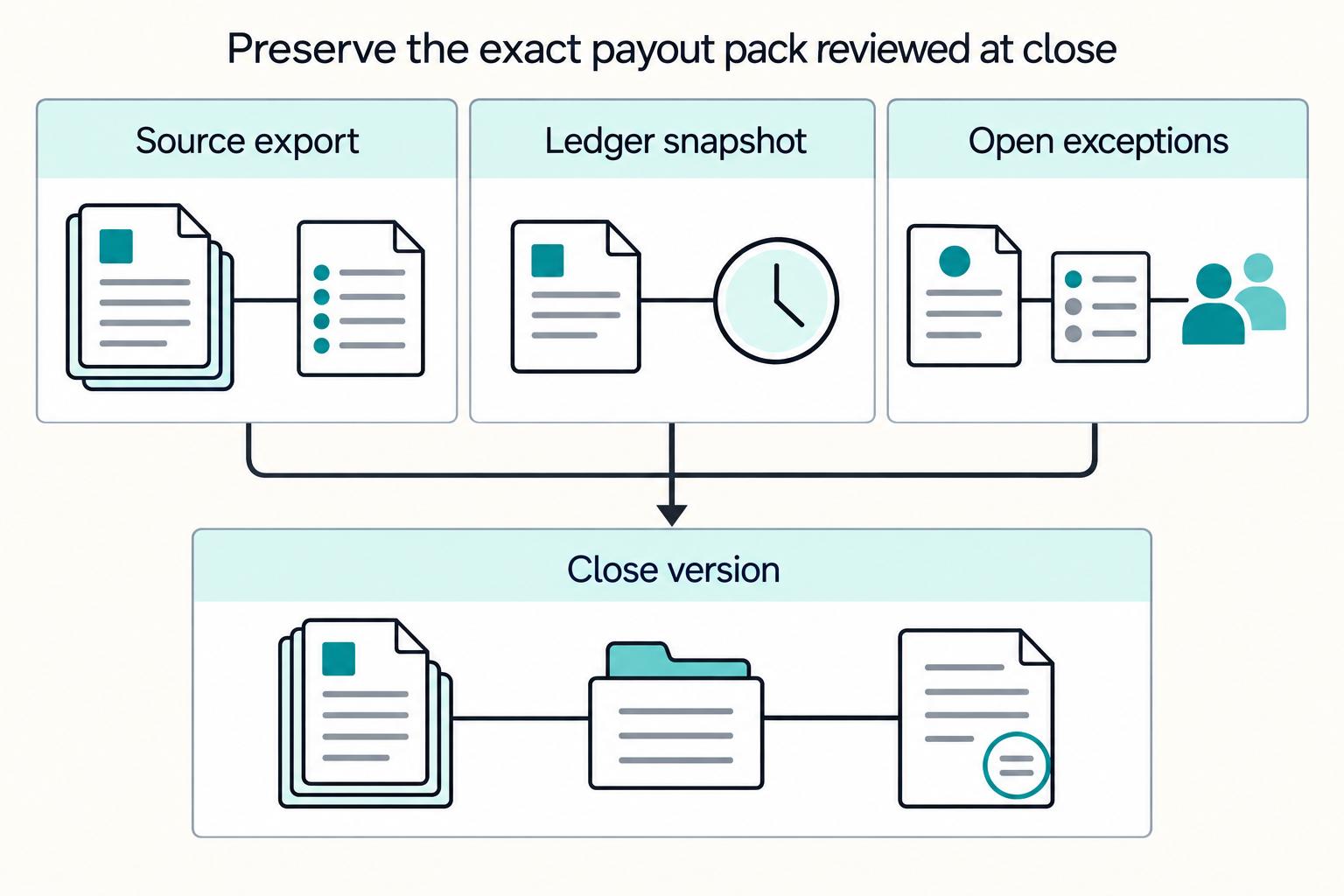
How EdTech Platforms Pay Tutors: Tax and Payout Architecture
An EdTech payout system must explain why a tutor earned an amount, which deductions were applied and whether the payment reached the intended recipient. A learner’s subscription charge, a completed lesson, a tutor’s accrued earnings and a bank payout are separate records. Treating them as one transaction makes cancellations, tax decisions and refunds difficult to reconcile.
Read more →