
Operator playbooks for cross-border payments, tax, and compliance execution.
Step-by-step guidance for finance, product, and ops teams to launch faster, reduce payout friction, and keep reconciliation clean across borders.

Autonomous Agent Payments: Choose Methods, Protocols and Controls
An autonomous agent can buy an API response, compute session or other service when a payment request appears inside its workflow. The business still needs to decide who may spend, which sellers are approved, how much a task may cost and what happens if payment succeeds but the response is lost. Choose the payment method and those controls together.
Read more →
Managing FBAR Late Filing Penalties With Fast, Defensible Decisions
A late FBAR is a compliance risk, but it does not automatically mean the worst-case outcome. Late filing can still carry penalty exposure, and the IRS states that it will not impose a delinquent FBAR filing penalty when specific conditions are met under the [Delinquent FBAR submission procedures](https://www.irs.gov/individuals/international-taxpayers/delinquent-fbar-submission-procedures).
Read more →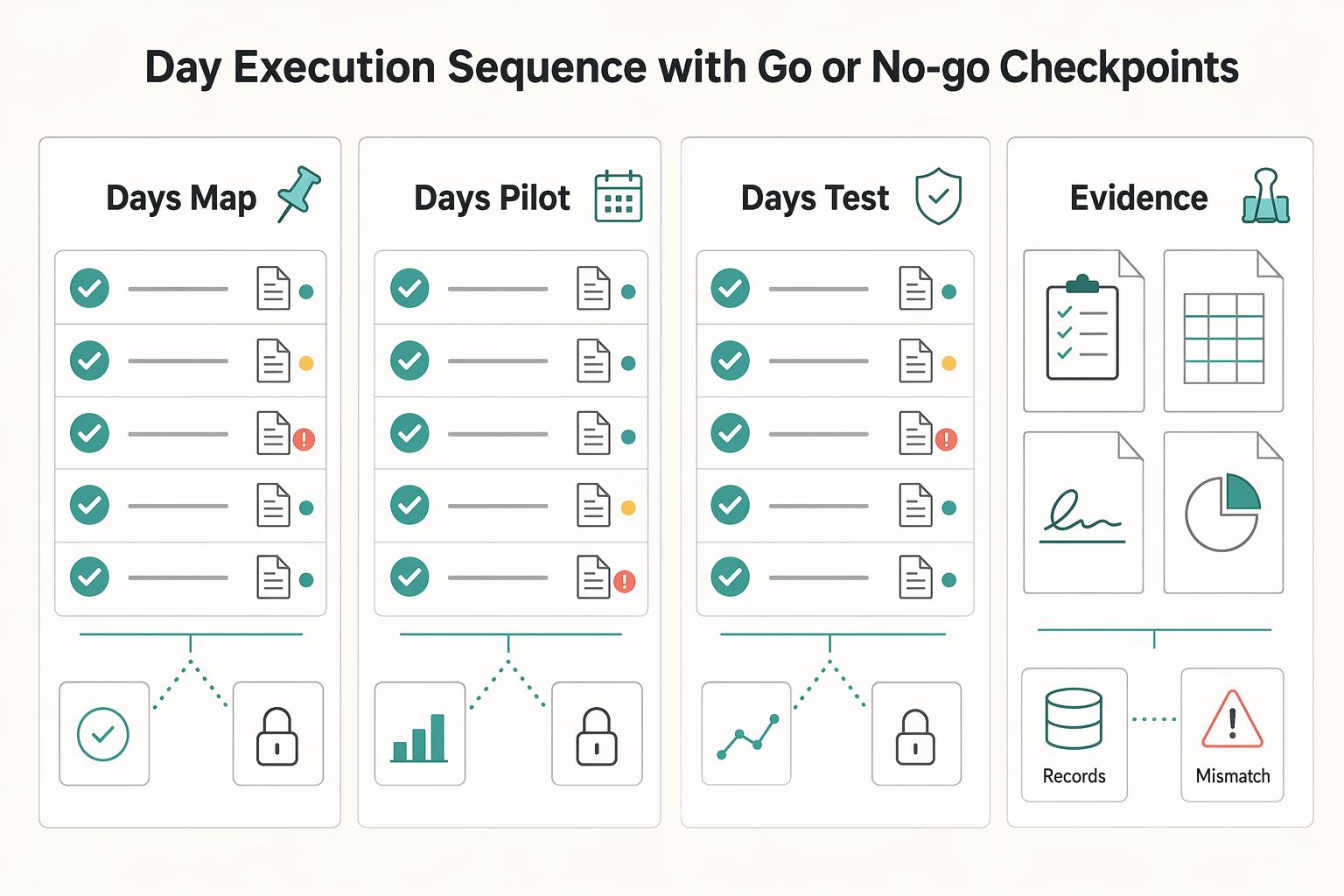
Choosing Construction Platform Payouts for Certified Payroll Compliance
Even milestone-based payments still turn on project progress, which is why release logic and evidence matter. A useful checkpoint before any GTM push is this: can you show, in one place, the approved amount, any retained amount, the document state, and the settlement state for a single payout event?
Read more →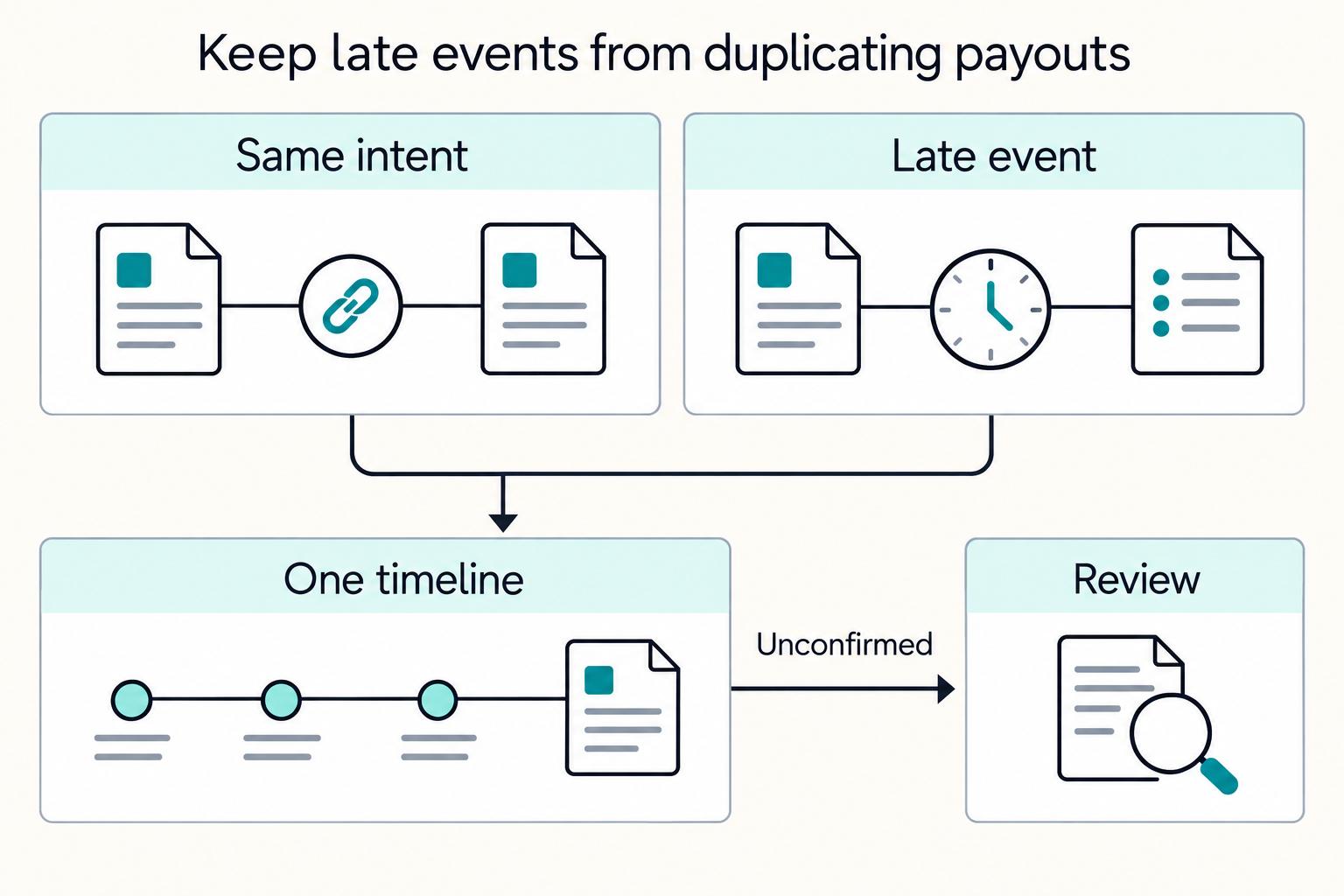
Stablecoin Payouts for Platforms Disbursing USDC to Global Contractors
**Step 1. Set the operating model before speed.** This guide uses a USD-approved invoice settled in USDC as its example. Agree on compensation currency and settlement terms with the contractor; USD is an example choice and can be a requirement of a selected provider program, not a universal accounting rule. Define approvals, recipient eligibility, destination control and close evidence before execution.
Read more →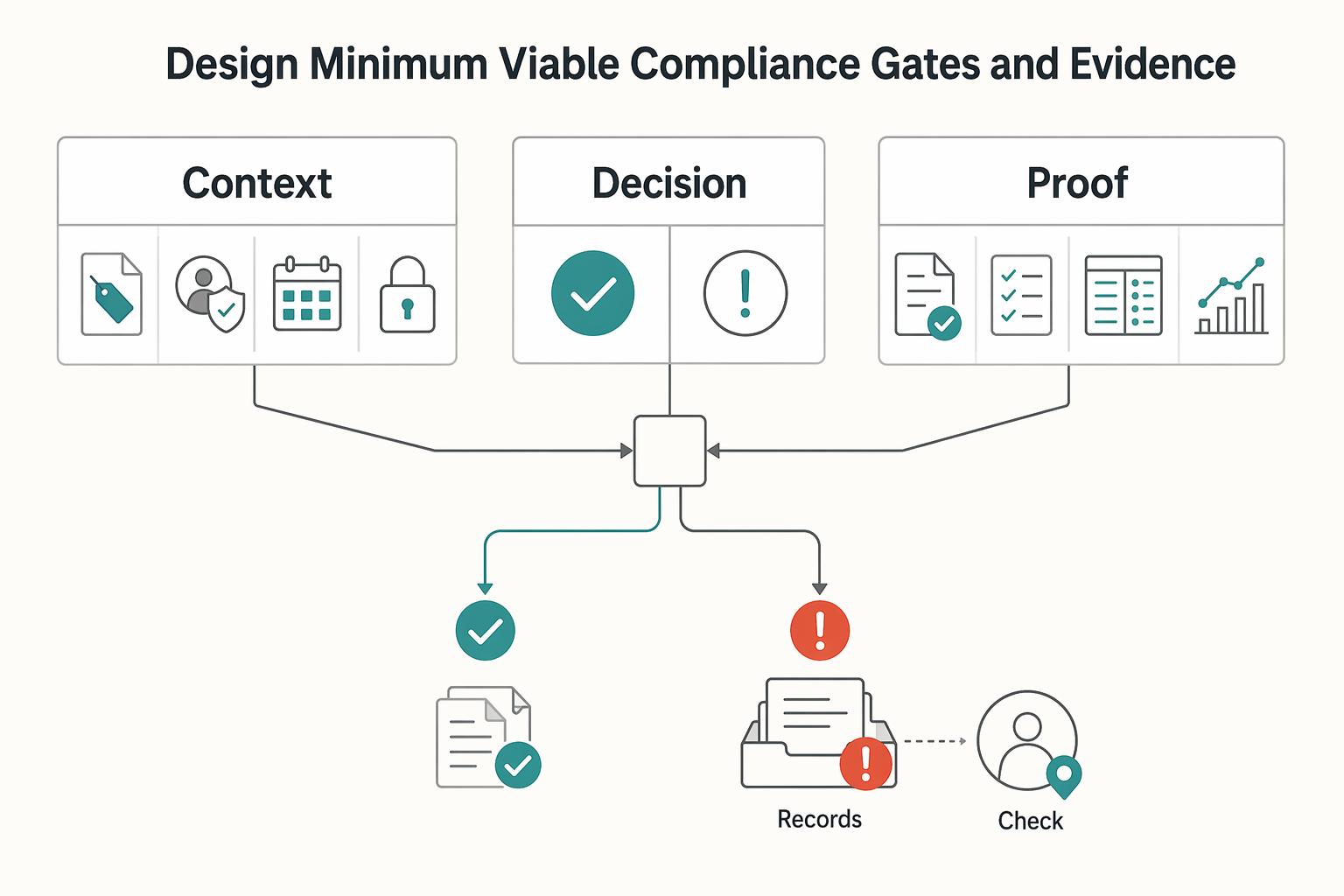
HIPAA-Aware Telehealth Platform Payouts for Provider Disbursement Control
If you are evaluating telehealth platform payouts, start with one question: can your model still work when privacy obligations, approval controls, and market constraints collide in the same workflow? That matters more than payout anecdotes.
Read more →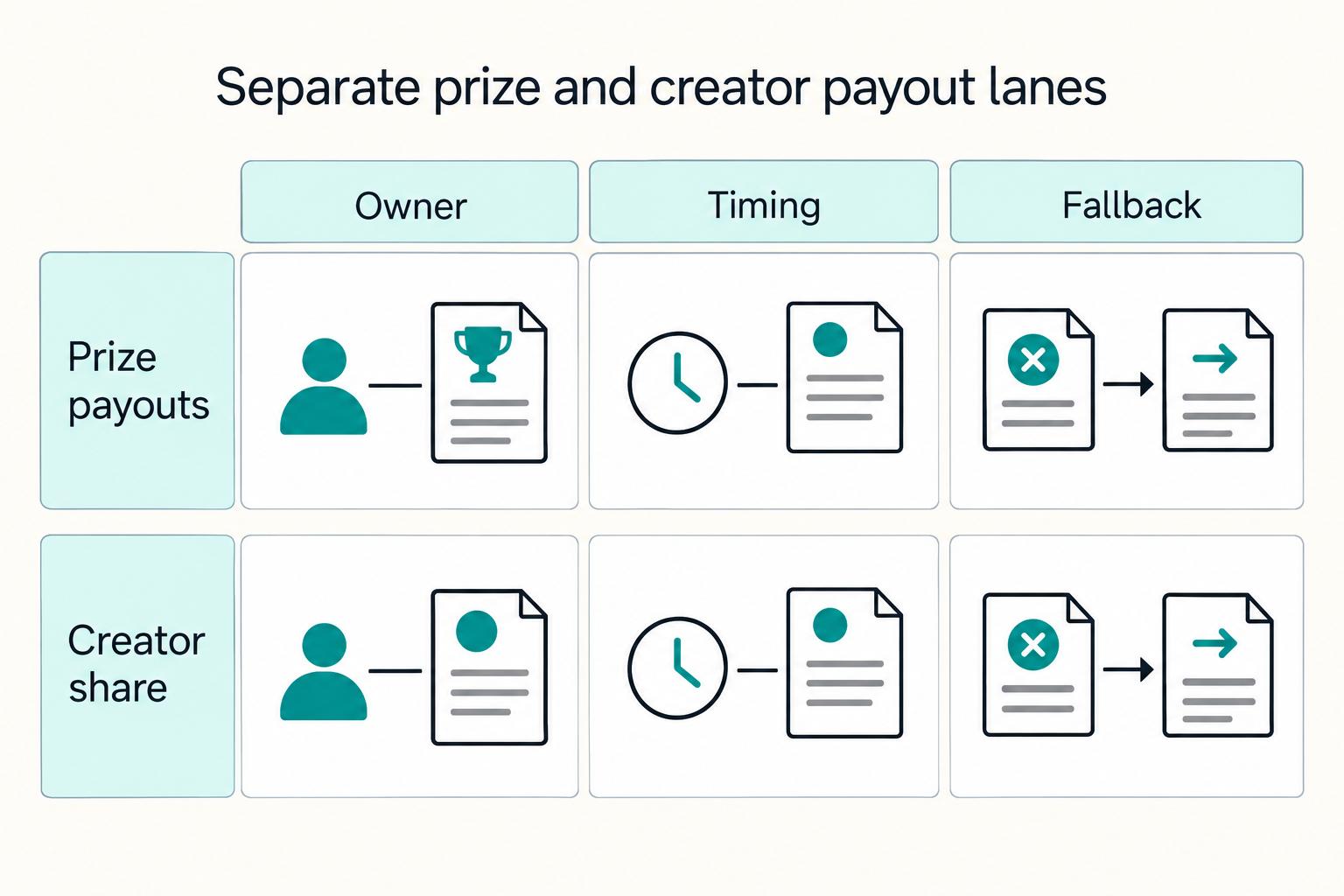
Gaming and Esports Platform Payouts for Prize and Creator Programs
Treat payouts in gaming as two separate operating problems from the start. If you are evaluating **gaming platform payouts**, the useful question is not who advertises the fastest cashout. It is which payout lane you are running, in which market, and what has to be true before money can move without creating support debt or breaking user trust.
Read more →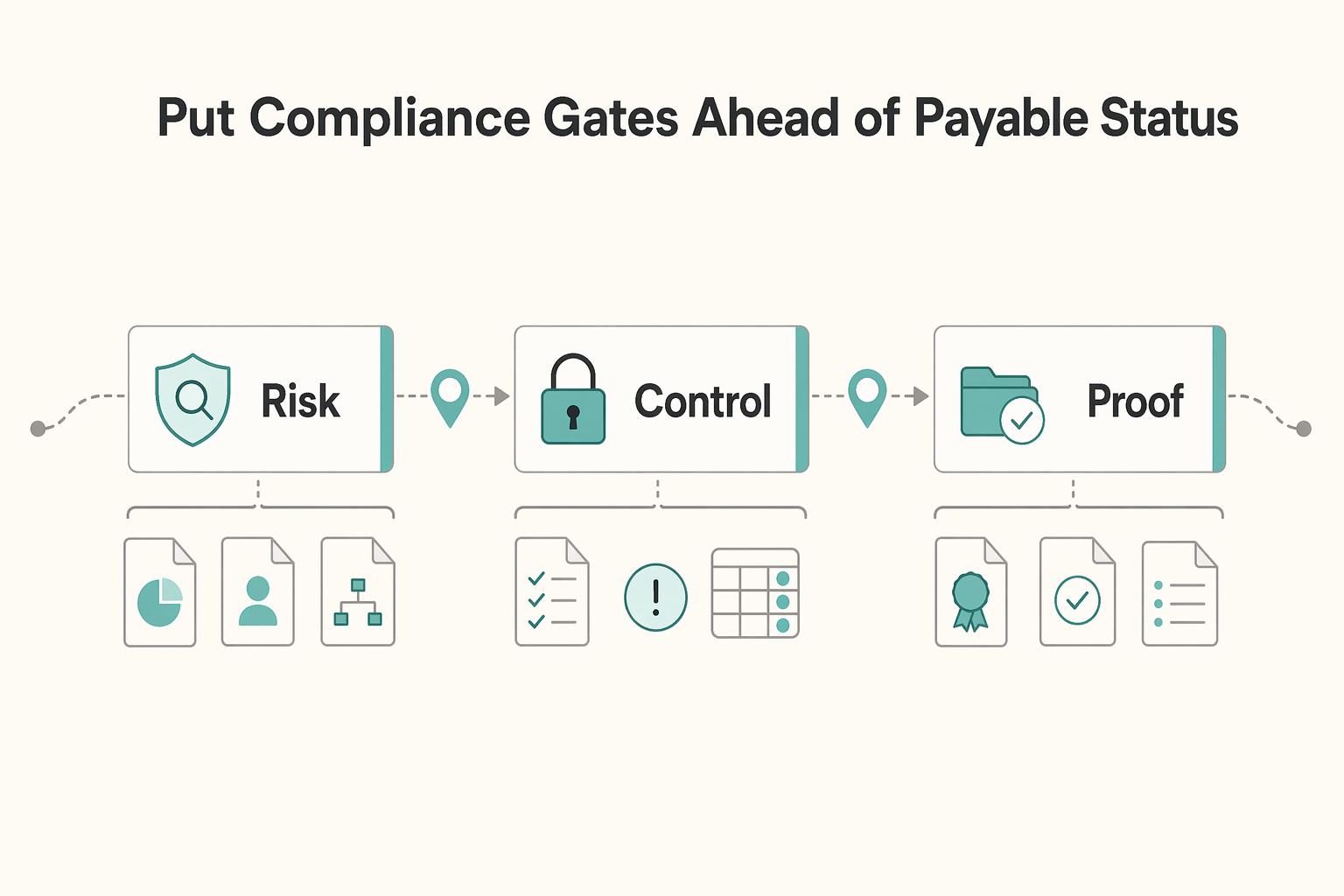
Paying Contractors in Singapore with FAST, PayNow, and MAS Checks
Singapore can work for contractor payouts, but only if a bank or provider supports your exact flow and you can prove it end to end. Having payment rails is not the same as being ready to launch. The practical call is simple: treat PayNow, and the broader MAS-linked payments context, as a strong starting signal, then run every product and compliance assumption through verification before you commit engineering time or a market launch.
Read more →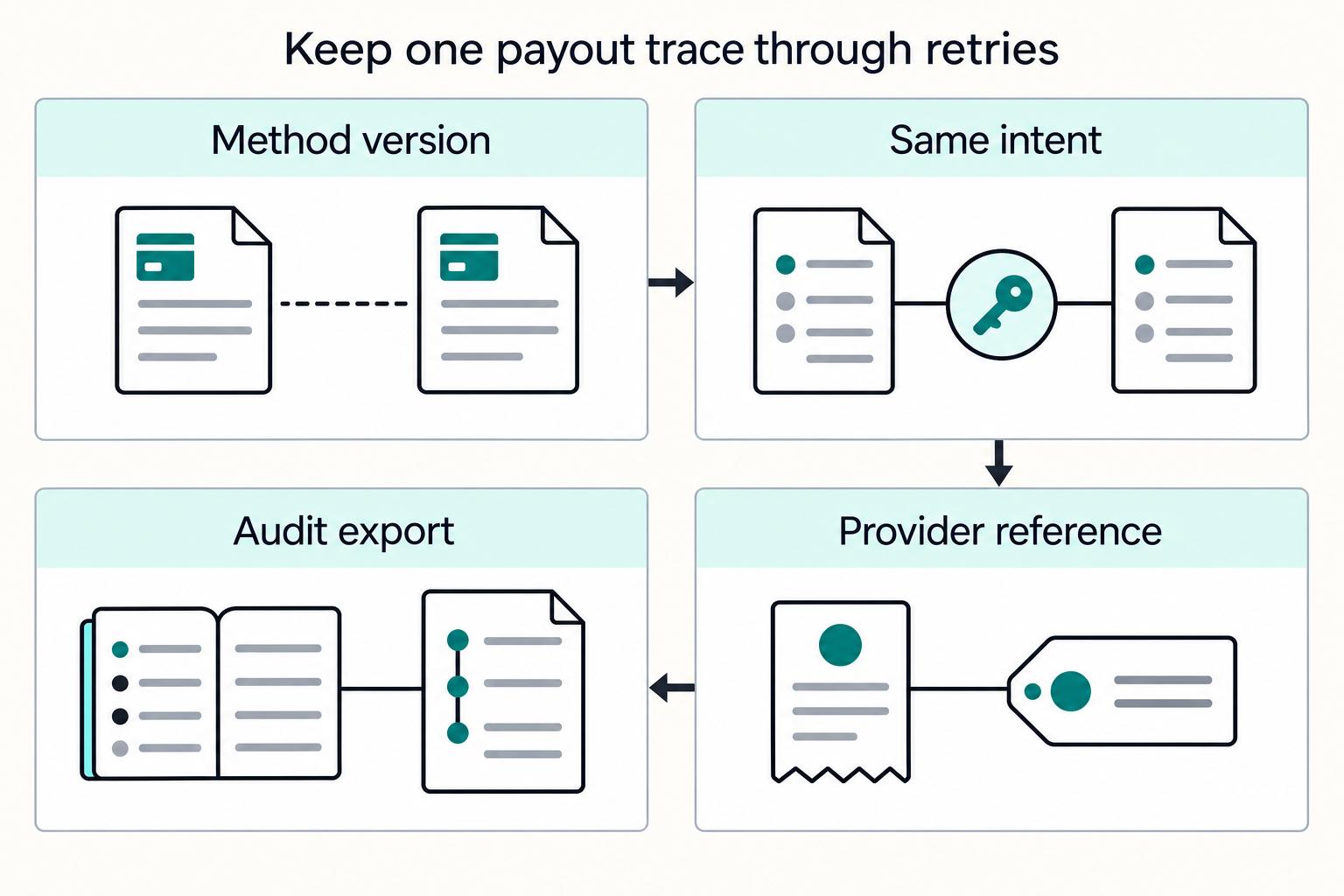
Pay Contractors in Australia with NPP PayTo and ATO-Ready Controls
If your Australia launch case depends on the payment rail alone, you are not ready yet. The harder launch question is usually not how money moves. It is whether your Australian Taxation Office position, ownership, and records are solid enough to survive real operations.
Read more →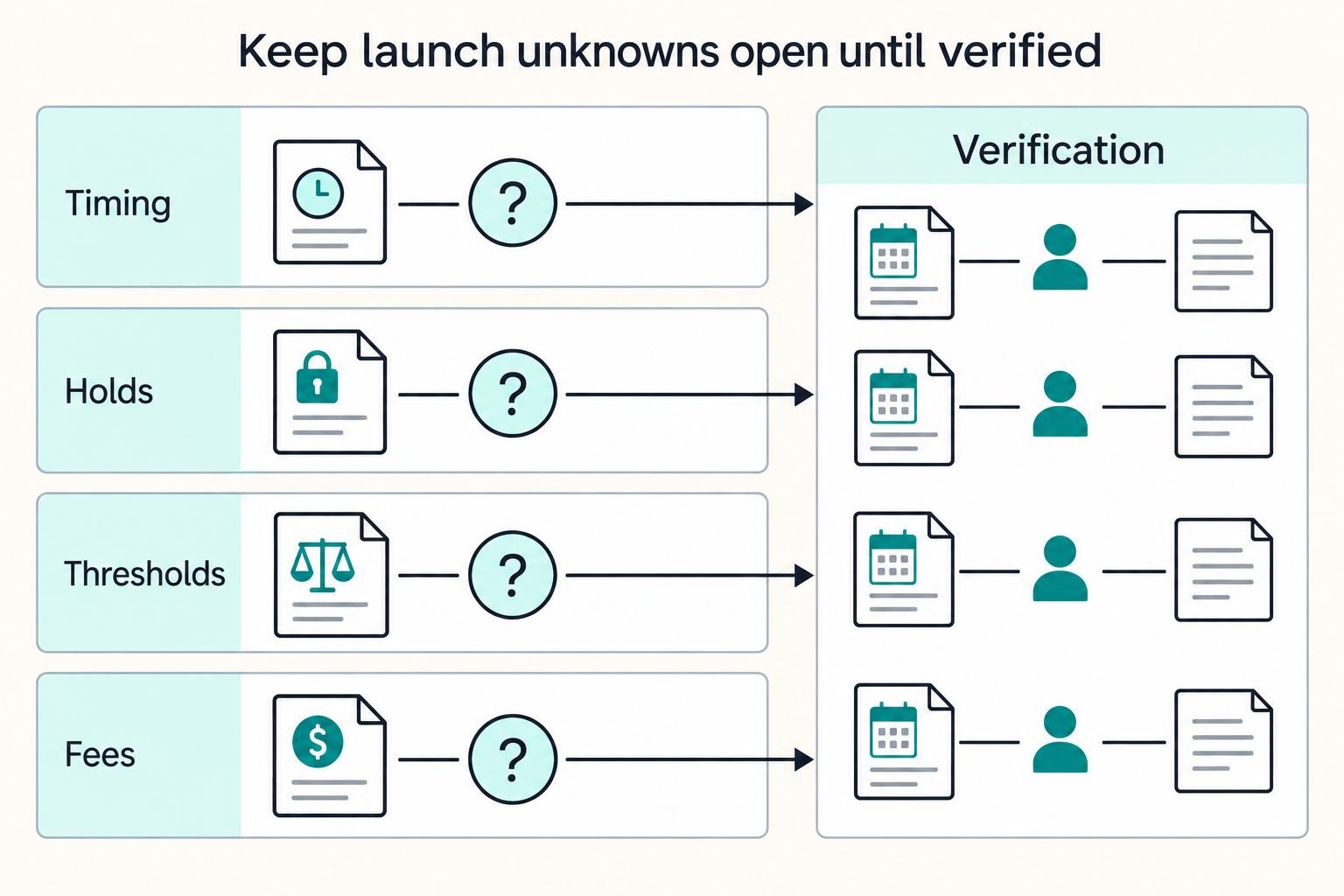
Etsy International Seller Payouts: Eligibility, Payoneer and Cash Flow
Etsy international seller payouts depend on the shop’s seller and receiving-account setup. Selling to a new buyer country does not, by itself, mean opening a seller account or receiving bank account in that country. Start with the existing shop’s approved payment route, then evaluate shipping, demand and local selling obligations for the buyers you want to reach.
Read more →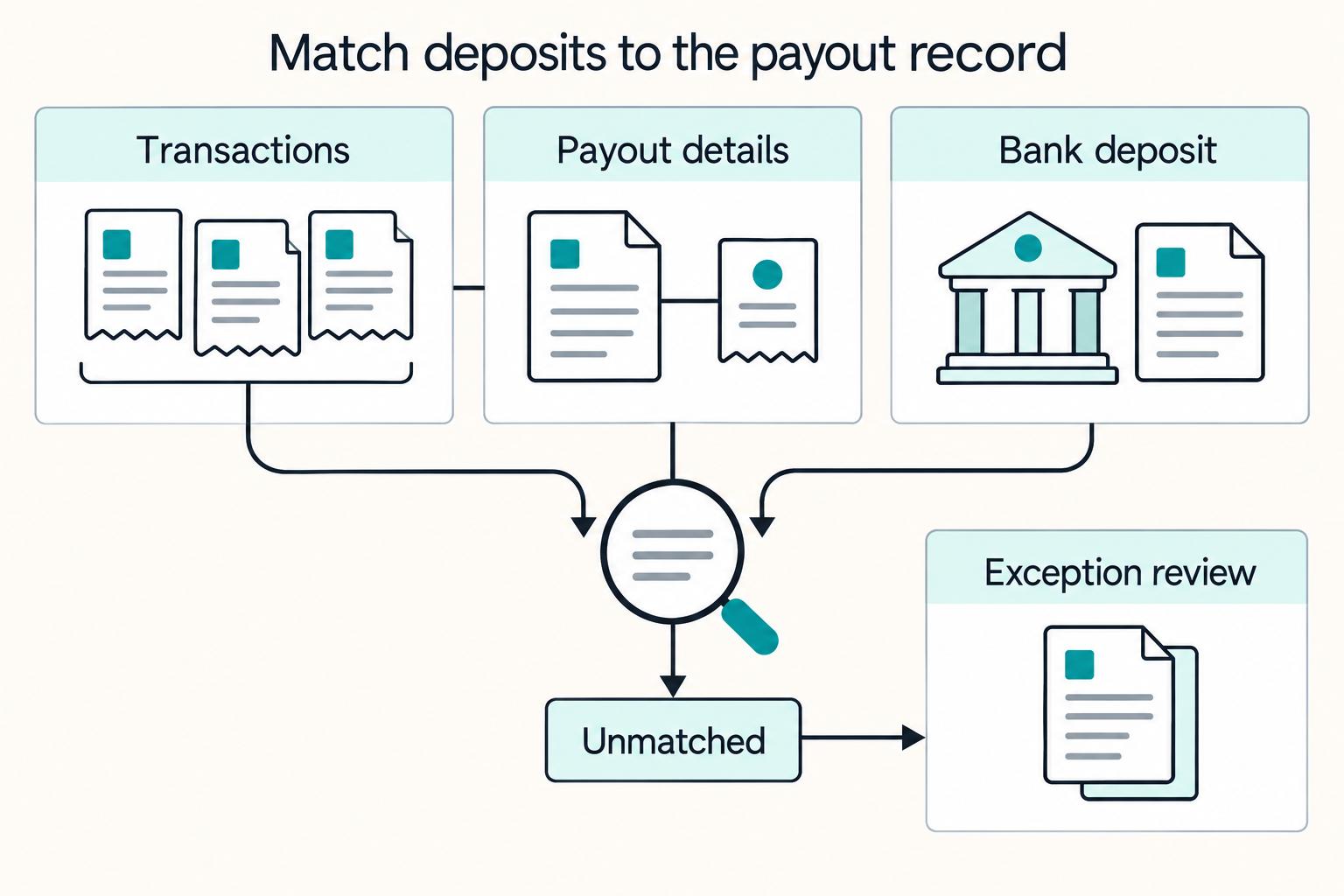
Shopify Payouts Explained for Sellers Choosing Alternatives
Treat payout setup as an operating decision, not a checkout task. The real question is not just how customers pay. It is who sends money to your bank account, which parts of the payment trail you can review, and how much cleanup your team inherits when you add countries, providers, or offline methods.
Read more →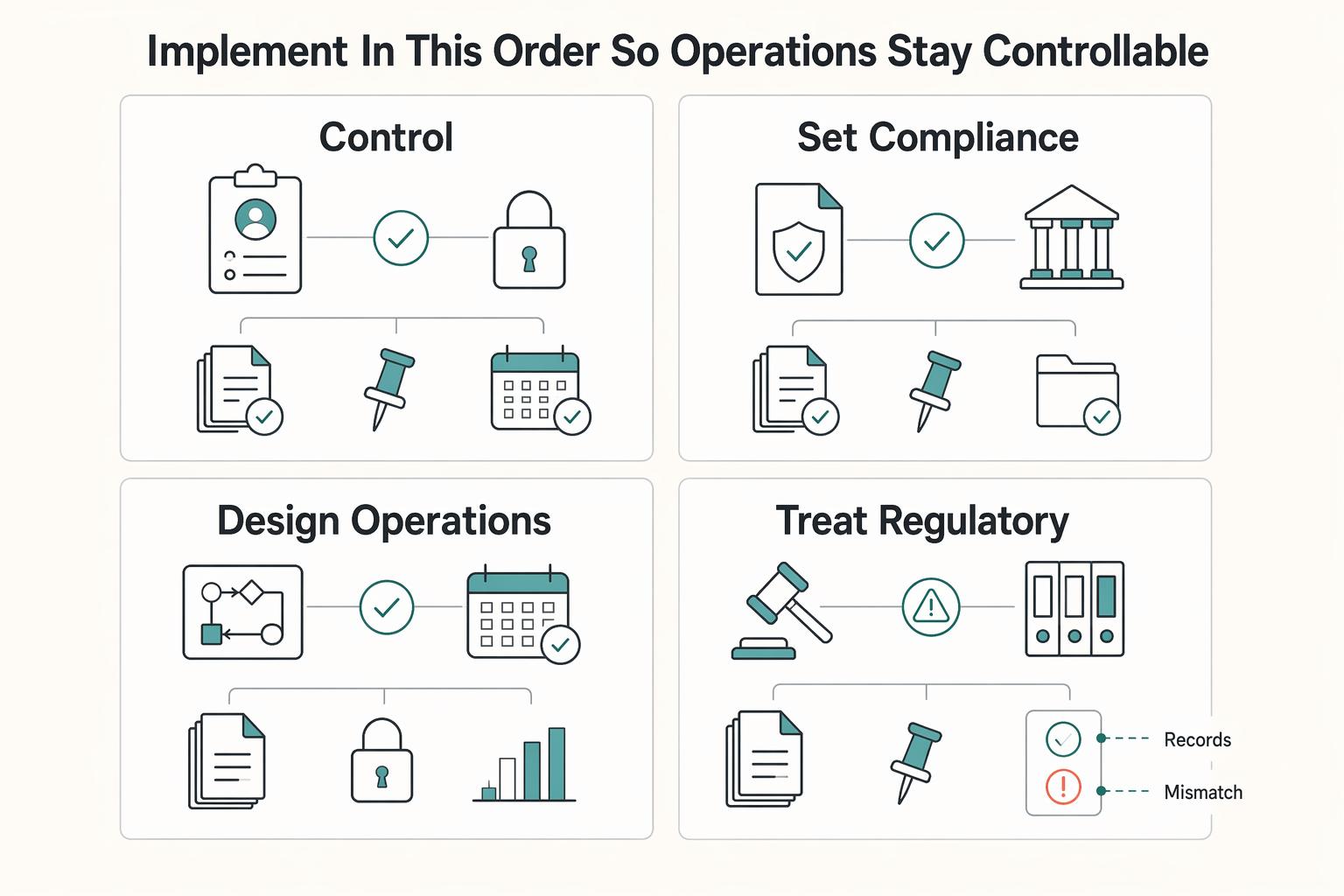
Pay Contractors in Canada with Clear Interac, EFT, and CRA Ownership
**Step 1. Treat the payout choice as a market-entry choice.** If you want to pay contractors in Canada, you are not just picking a payment rail. You are deciding who owns compliance interpretation, who absorbs support exceptions, and how much product work you need before launch. That matters because Canadian payout design can pull in separate obligations for payment operations and anti-money laundering compliance. Those responsibilities do not always sit with the same team or role.
Read more →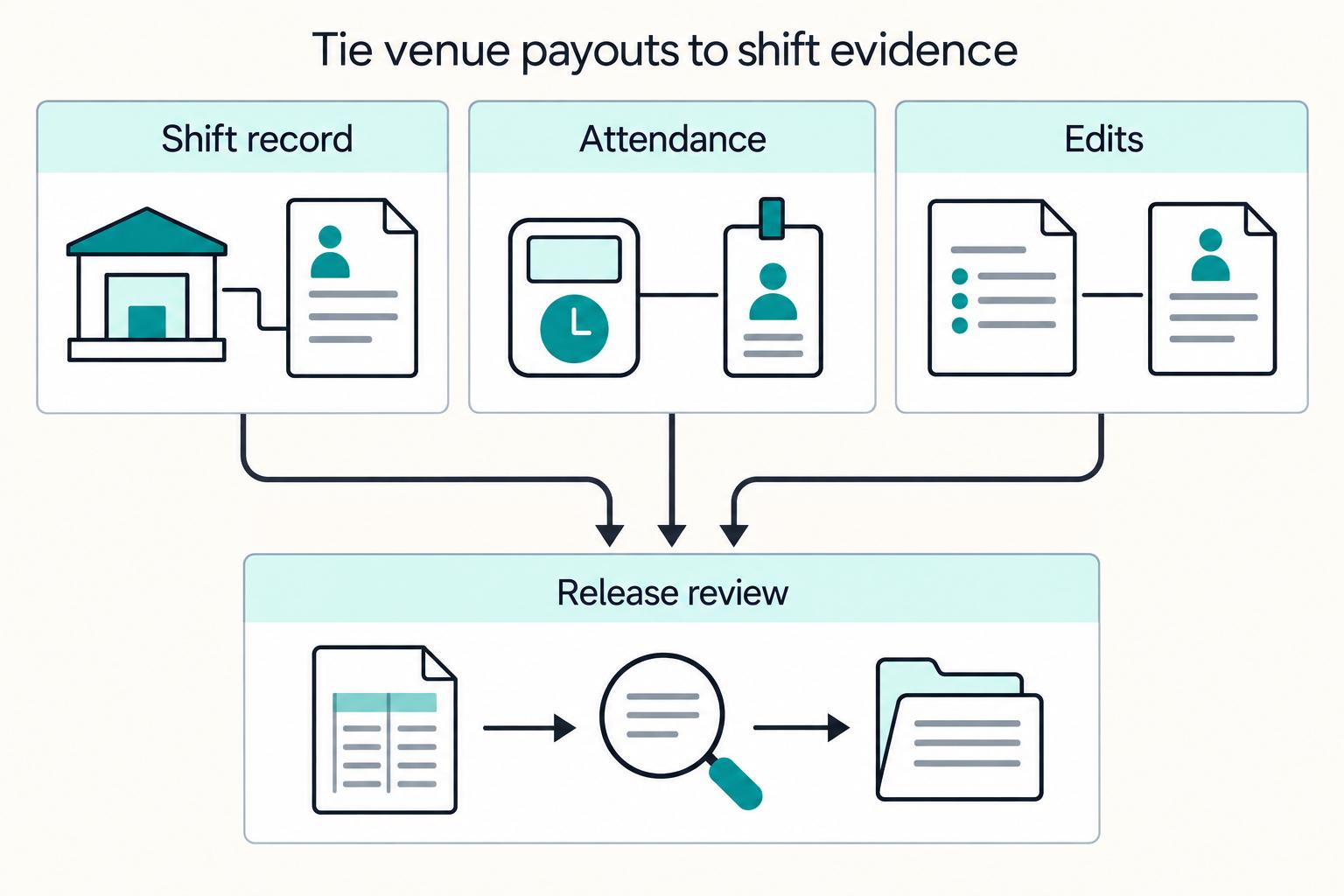
Deciding Event Gig Worker Payments Across Hospitality Venues
Launch decisions for event gig worker payments should start with operational proof, not headline pay figures. Public pay numbers can help you spot interest, but they do not prove you can run reliable payouts, meet compliance obligations, and keep clean records once payments begin.
Read more →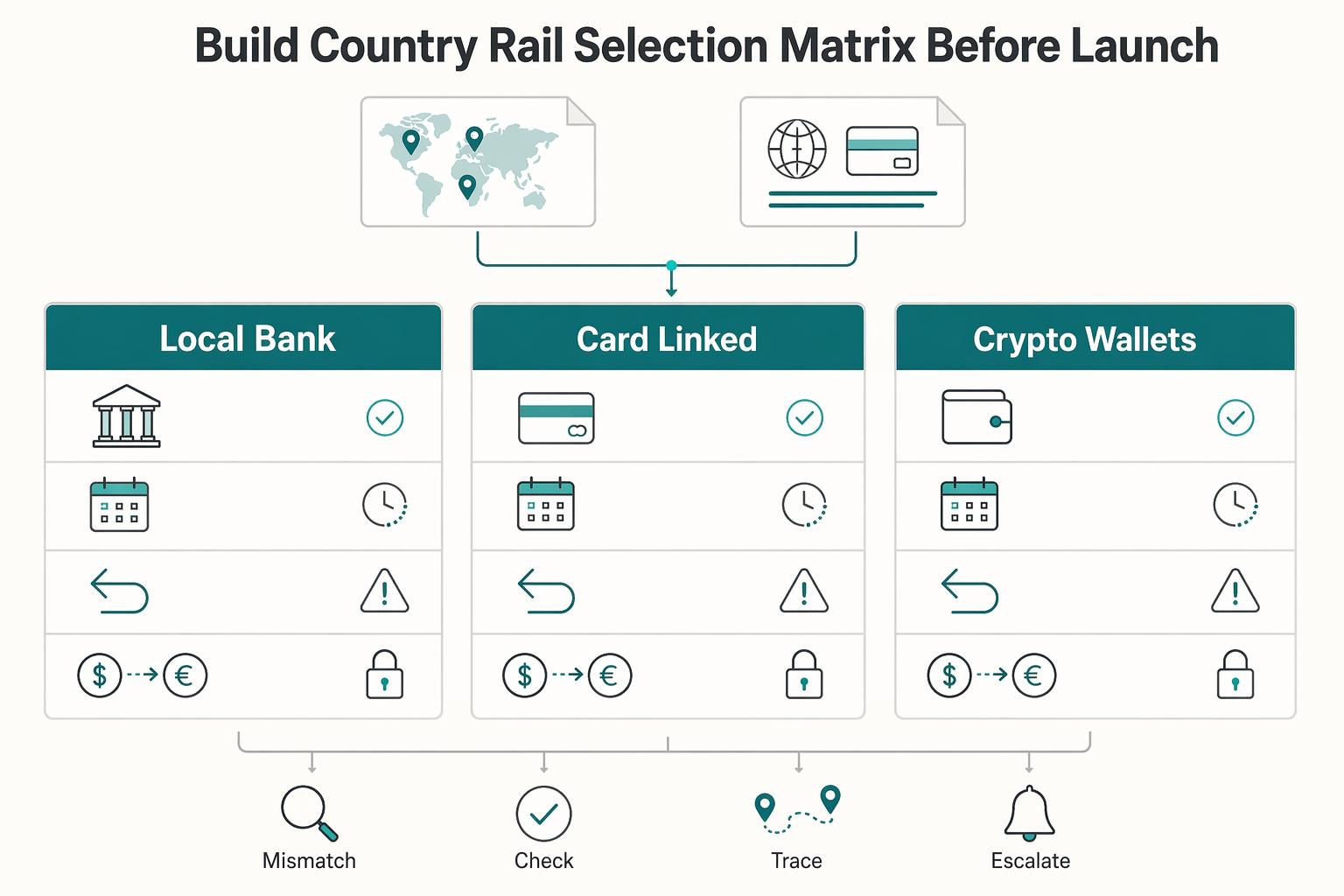
Affiliate Network Payout Automation for Commission and Global Distribution Decisions
Affiliate network payout automation only works if you define it as the full commission-to-cash path, not the moment a transfer succeeds. In practice, that path starts with affiliate onboarding, runs through commission logic and contract terms, and ends only when payouts are recorded in a way your team can reconcile.
Read more →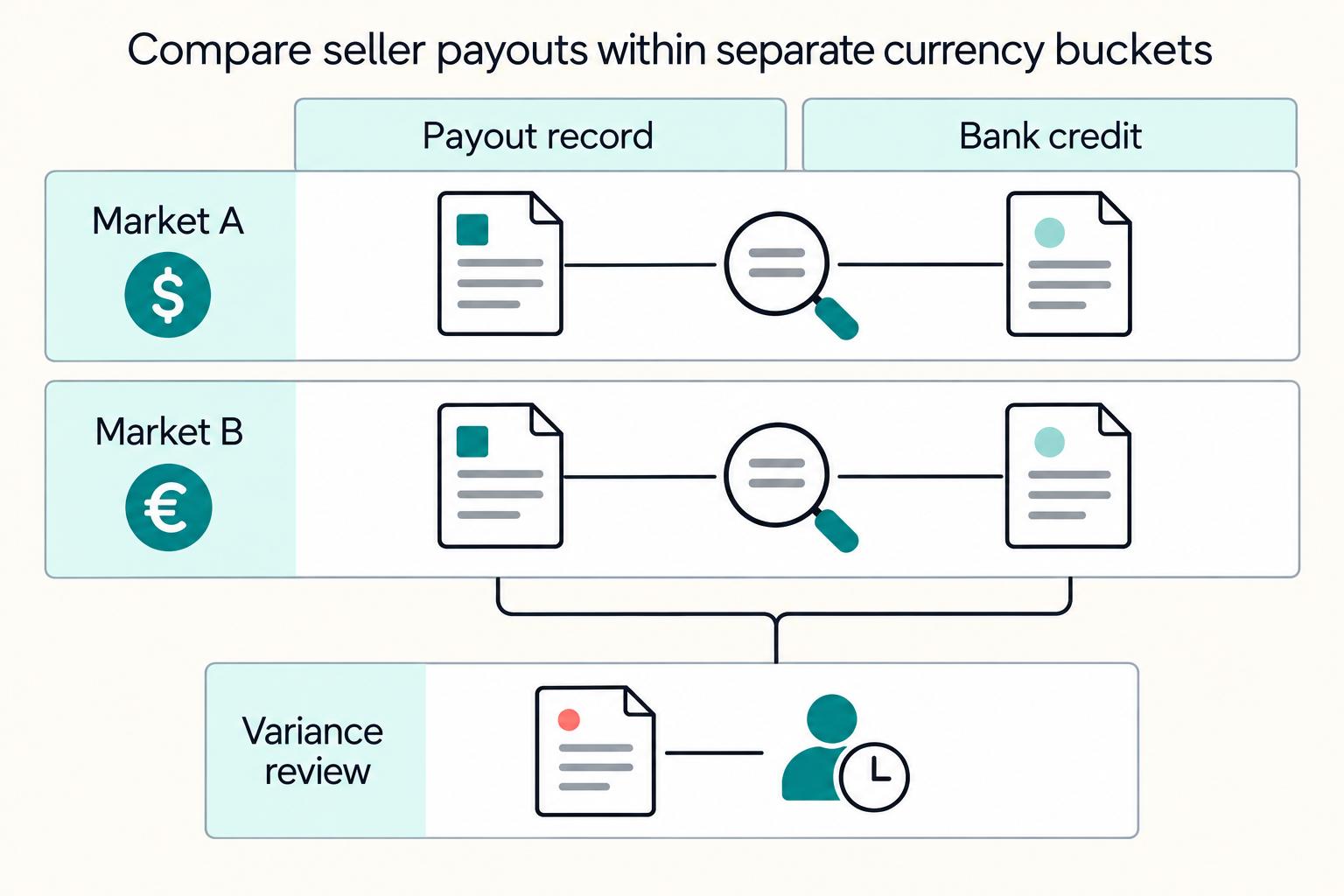
How International Sellers Should Choose Amazon Marketplace Payout Paths
People often treat international Amazon seller payouts like a settings page. That's the wrong starting point. Your payout setup is an operating choice that shapes who controls FX, how quickly you can launch, and where issues show up after you go live.
Read more →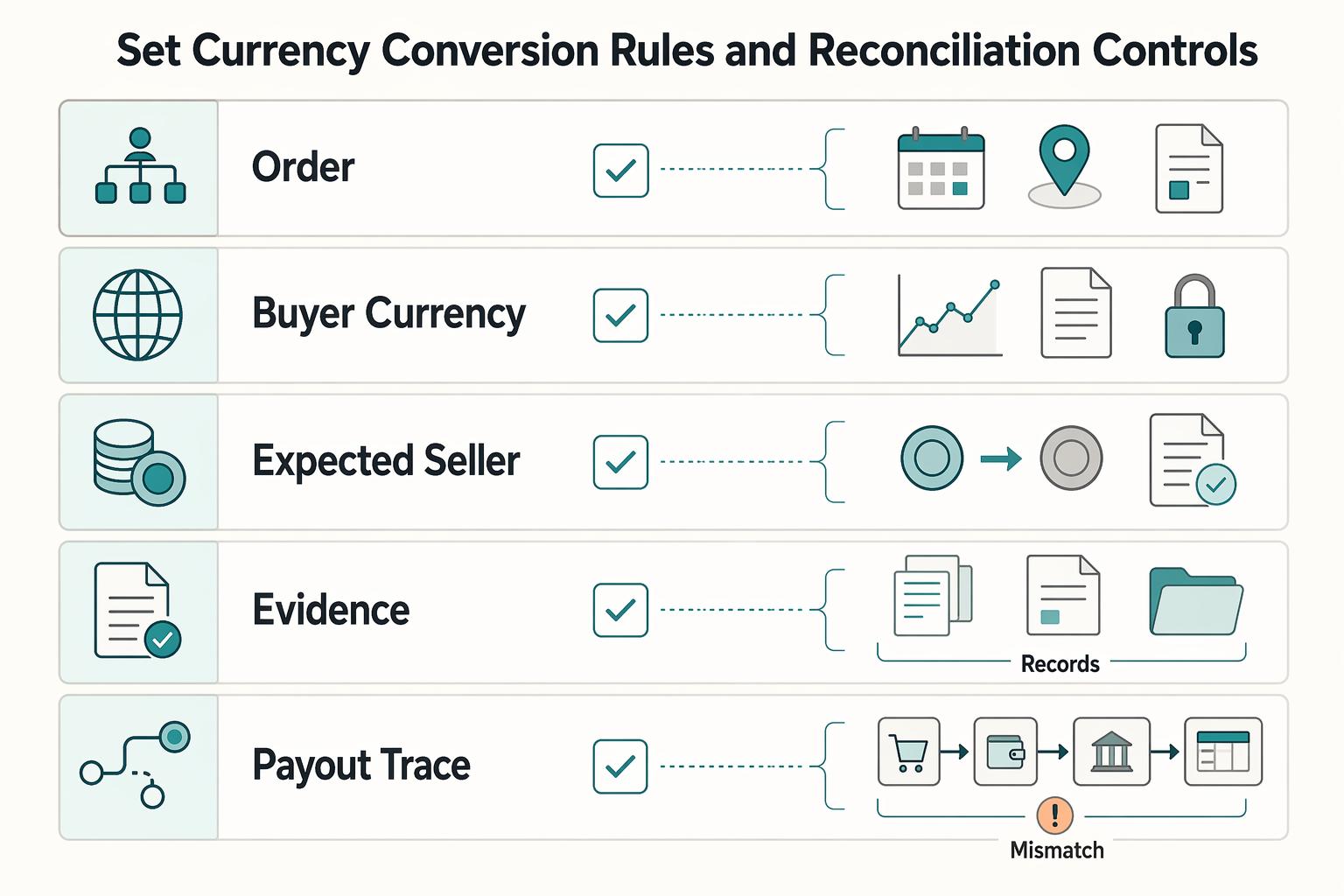
How Cross-Border Sellers Should Validate eBay Payouts Before Launch
Treat this as a source-quality problem first. Before you treat cross-border payouts as a growth lever, separate what eBay confirms today from what third parties, forum posts, or older advice suggest.
Read more →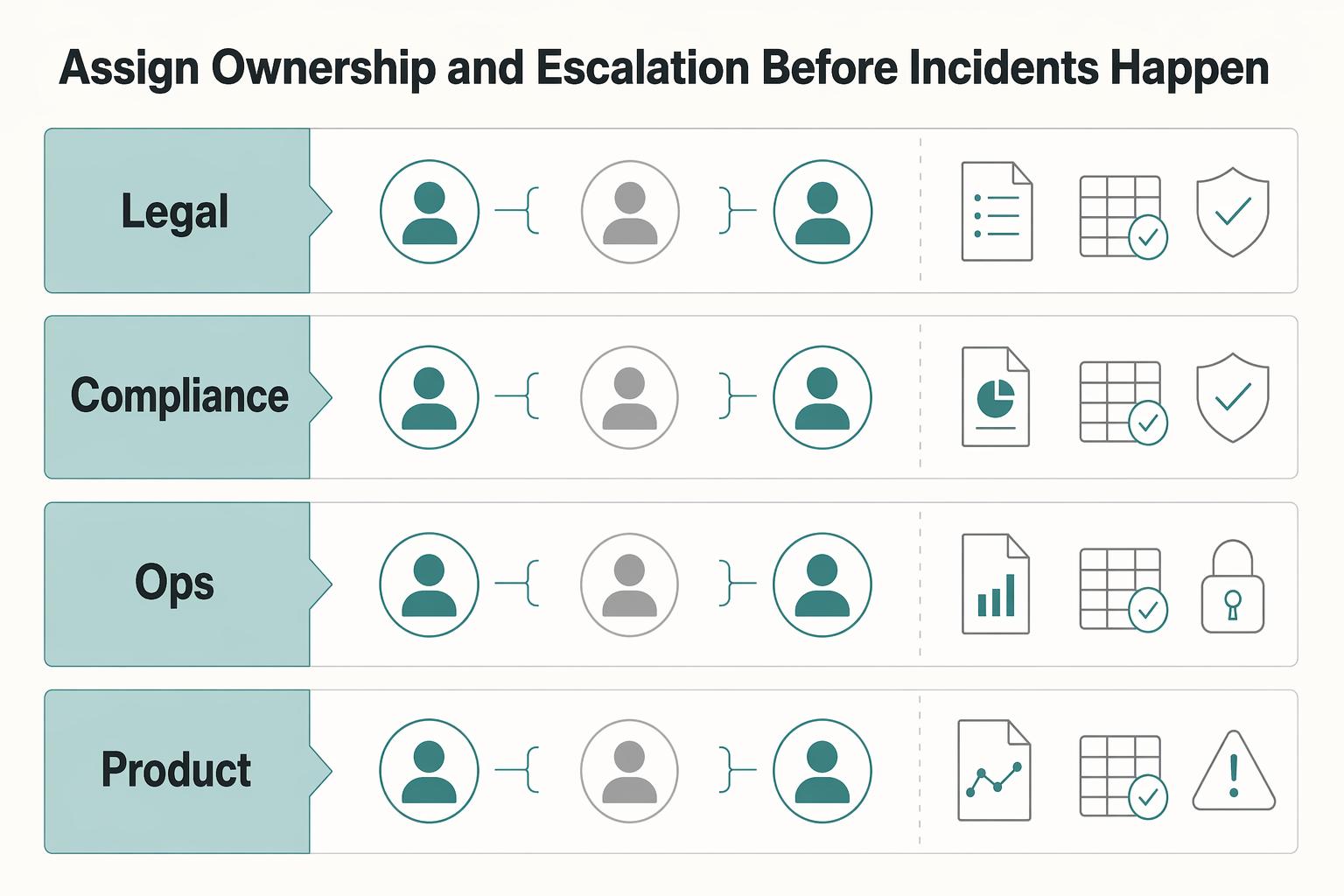
Performance Marketing Payouts for Affiliates, Influencers, and Publishers Without Compliance Debt
The first decision is not where you can grow fastest. It is which vertical and country pair you can launch now without creating payout compliance debt. Get that wrong, and early volume can hide messy approvals, weak records, and payout disputes that slow you down later.
Read more →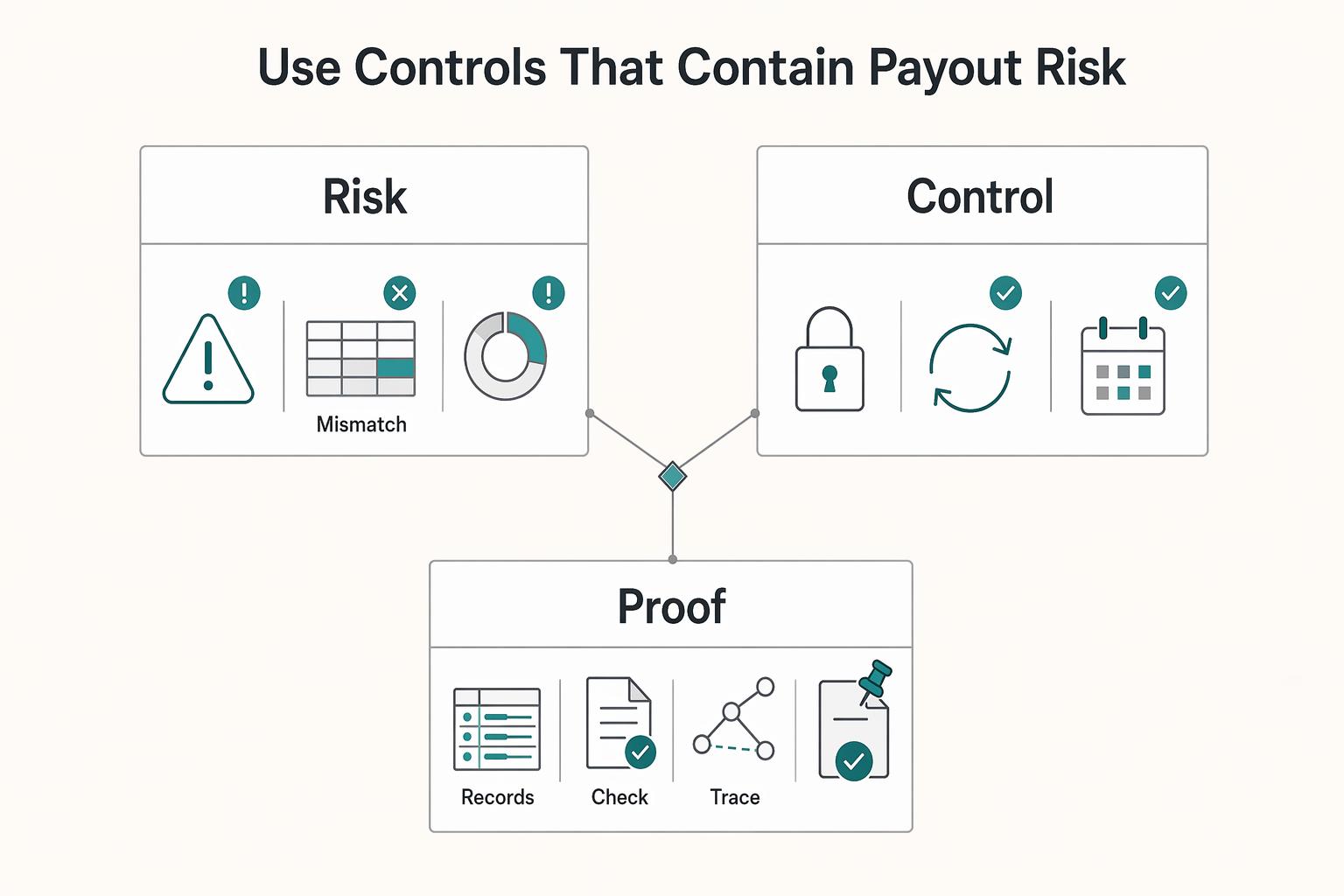
Choosing Contributor Payout Models in Media Publishing
Contributor payouts in media look simple until you try to make them hold up in real operations. The real decision is not which rate looks attractive in a recruiting message. It is which model still works when your revenue source, contract terms, attribution logic, and payout operations all have to line up.
Read more →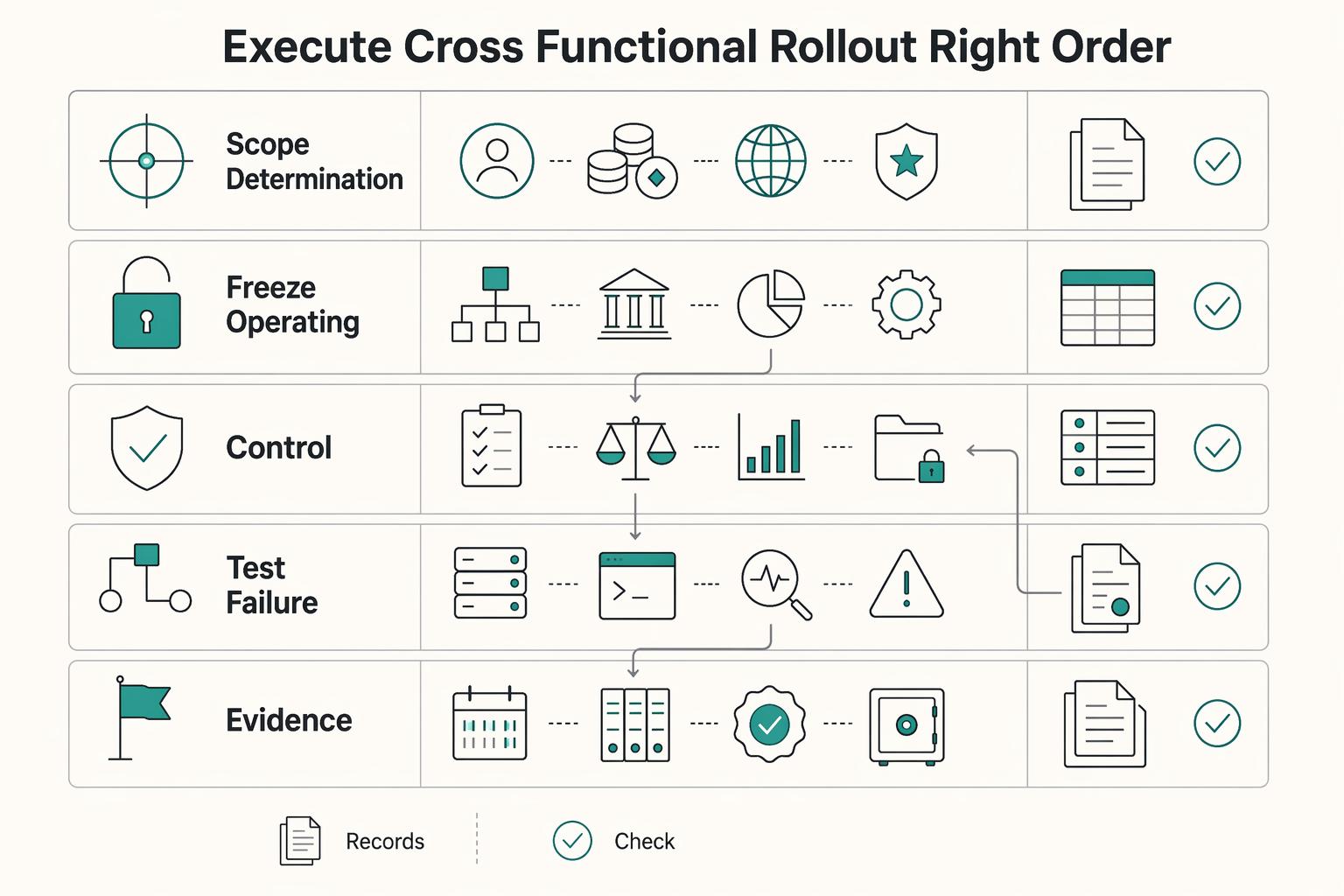
MiCA Crypto Payout Decisions for EU Platforms in 2026
Use this guide to separate what needs legal escalation from what your product, finance, and operations teams can decide now. Move quickly where the record is solid, and slow down where it is not.
Read more →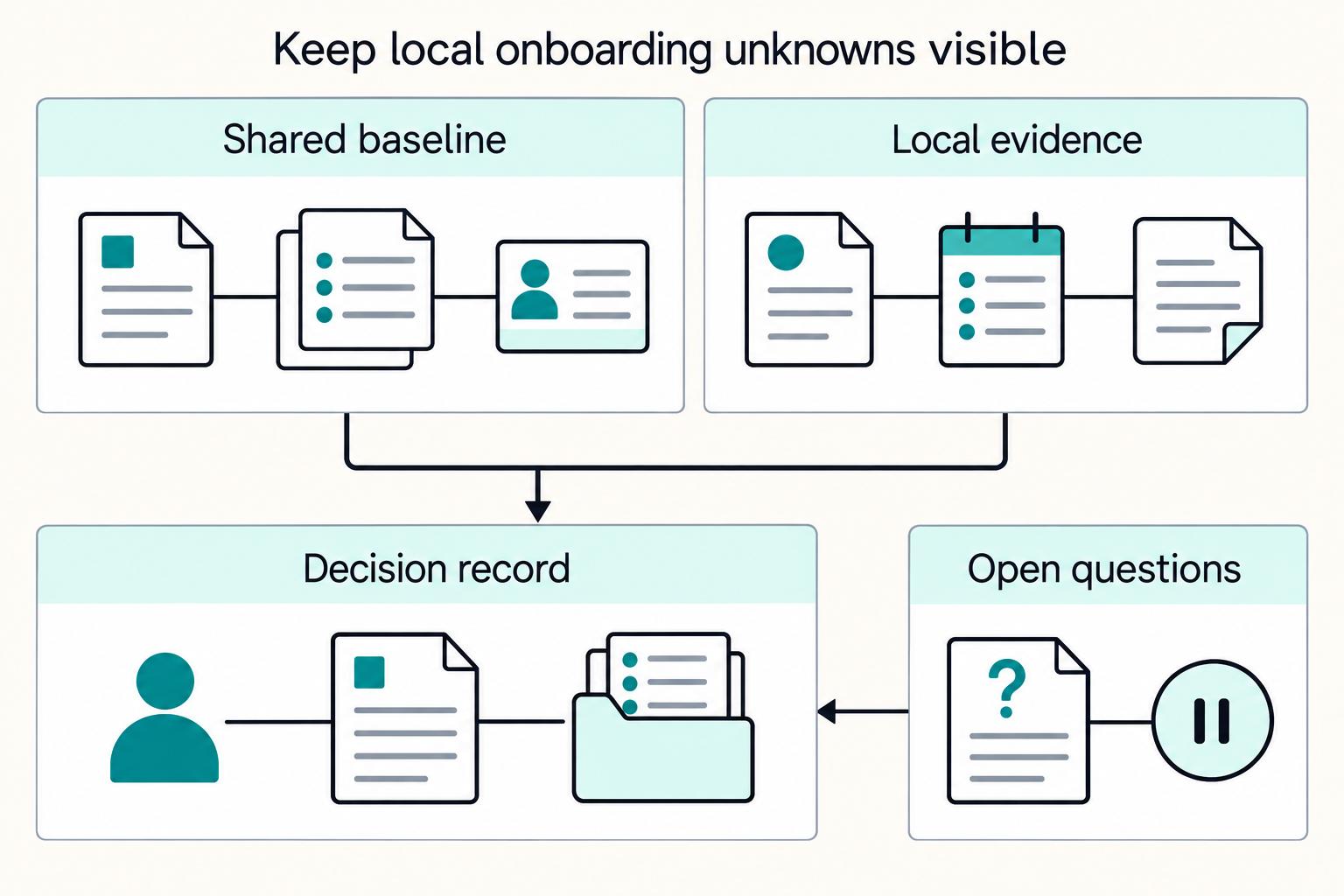
KYC KYB Requirements by Country for Platform Onboarding Decisions
A country label is only the start of a KYC/KYB decision. First identify the legal entity providing the service, its regulated activity, the customer type and the bank or payment program involved. Those facts determine which legal duties and contractual checks belong in the mapper.
Read more →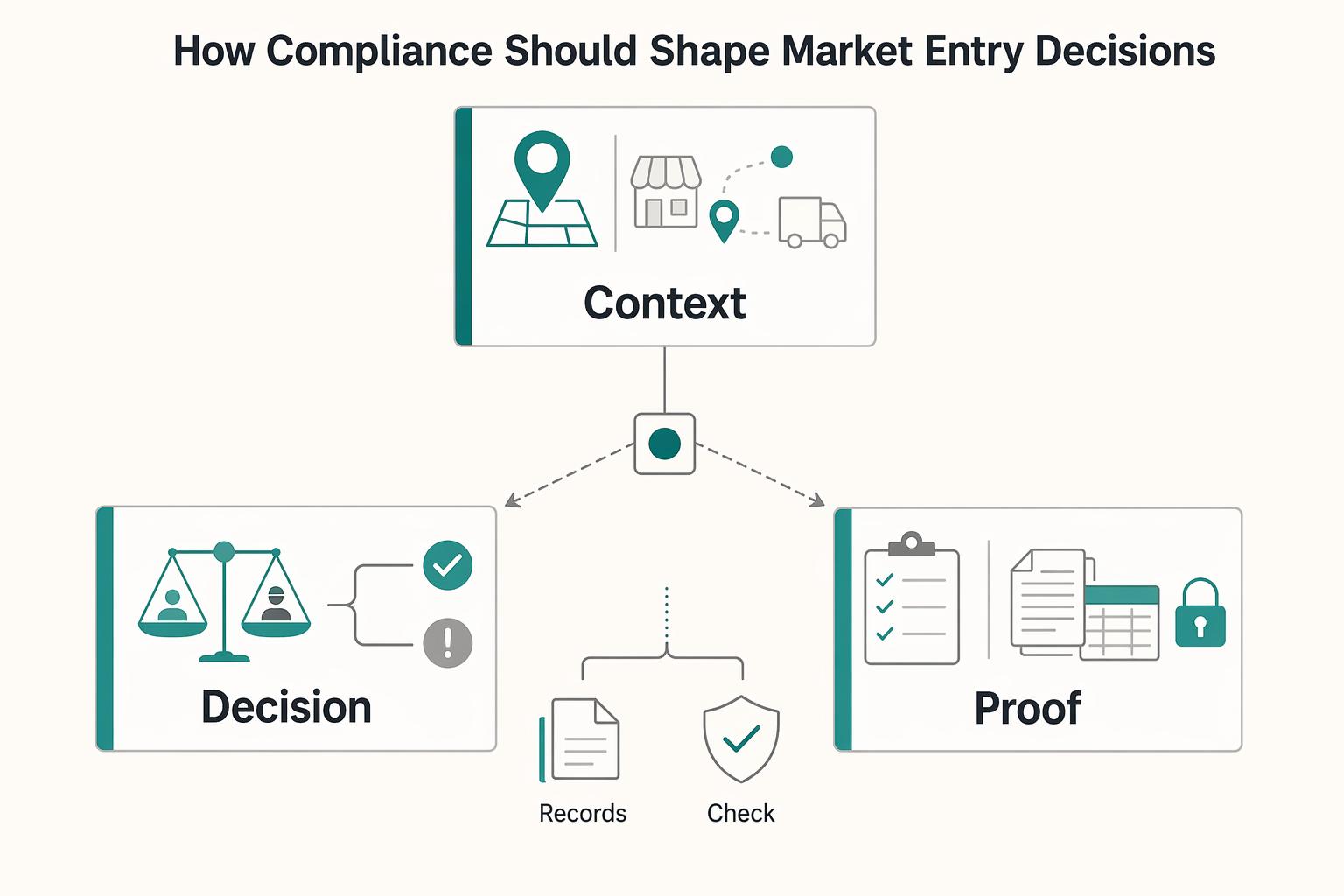
Last-Mile Delivery Contractor Compliance for Market Entry Decisions
If you cannot document why a courier is classified as an independent contractor rather than an employee, your launch plan may not be ready. In last-mile operations, classification shapes what you can defend later, not just what you can ship now.
Read more →