
Operator playbooks for cross-border payments, tax, and compliance execution.
Step-by-step guidance for finance, product, and ops teams to launch faster, reduce payout friction, and keep reconciliation clean across borders.
What Is AML? Anti-Money Laundering Compliance for Platform Operators
Here, **AML** means **Anti-Money Laundering**: the controls used to keep criminal profits from being concealed in the financial system.
Read more →
For Further Credit Wire Transfers for Platform Payment Teams
A wire can reach the first receiving institution and still need additional instructions to reach the intended final account. In a for further credit wire transfer, funds may first land in an organization's main receiving account, sometimes through an intermediary or correspondent bank, and then rely on final-credit instructions for allocation to the ultimate beneficiary.
Read more →
What Is KYC? Know Your Customer Requirements for Payment Platforms
For payment platforms, KYC scope is a product and operations decision, not just a paperwork step. The real question is where identity checks happen, how much manual review your team can absorb, and what you do when a person or business does not pass cleanly.
Read more →
Employer of Record for Platforms When It Fits and When It Does Not
Start with the operating model, not the shortlist. An employer of record for platforms is usually right when you need to hire an employee in a country before you have your own entity and you want legal employment coverage now, not six months from now.
Read more →
How Platform Teams Manage Crypto Freelancer Payouts
A freelancer can find a blockchain job on a platform that pays through banks. Another platform may fund a crypto escrow contract but release it only after deliverables are accepted. A third may convert a USD balance into crypto when the freelancer withdraws. These are different products, with different points at which your payment obligation is satisfied.
Read more →What Is SEPA? Single Euro Payments Area Explained for Platforms
SEPA is a framework for harmonized euro credit transfers and direct debits within its geographical scope. It lets a platform use common payment schemes for domestic and cross-border EUR transactions. It is not a bank, a payment provider or a promise that every account supports every scheme.
Read more →
Southeast Asia Marketplace Payouts: Six Local Routes
A Southeast Asian marketplace needs a dependable way to turn collected customer money into the amounts owed to sellers. Start with who owes whom, which entity holds the money, the permitted funds flow and each seller’s receipt currency. Domestic payout rails help deliver those amounts; they do not decide ownership, tax duties or permission to hold seller funds.
Read more →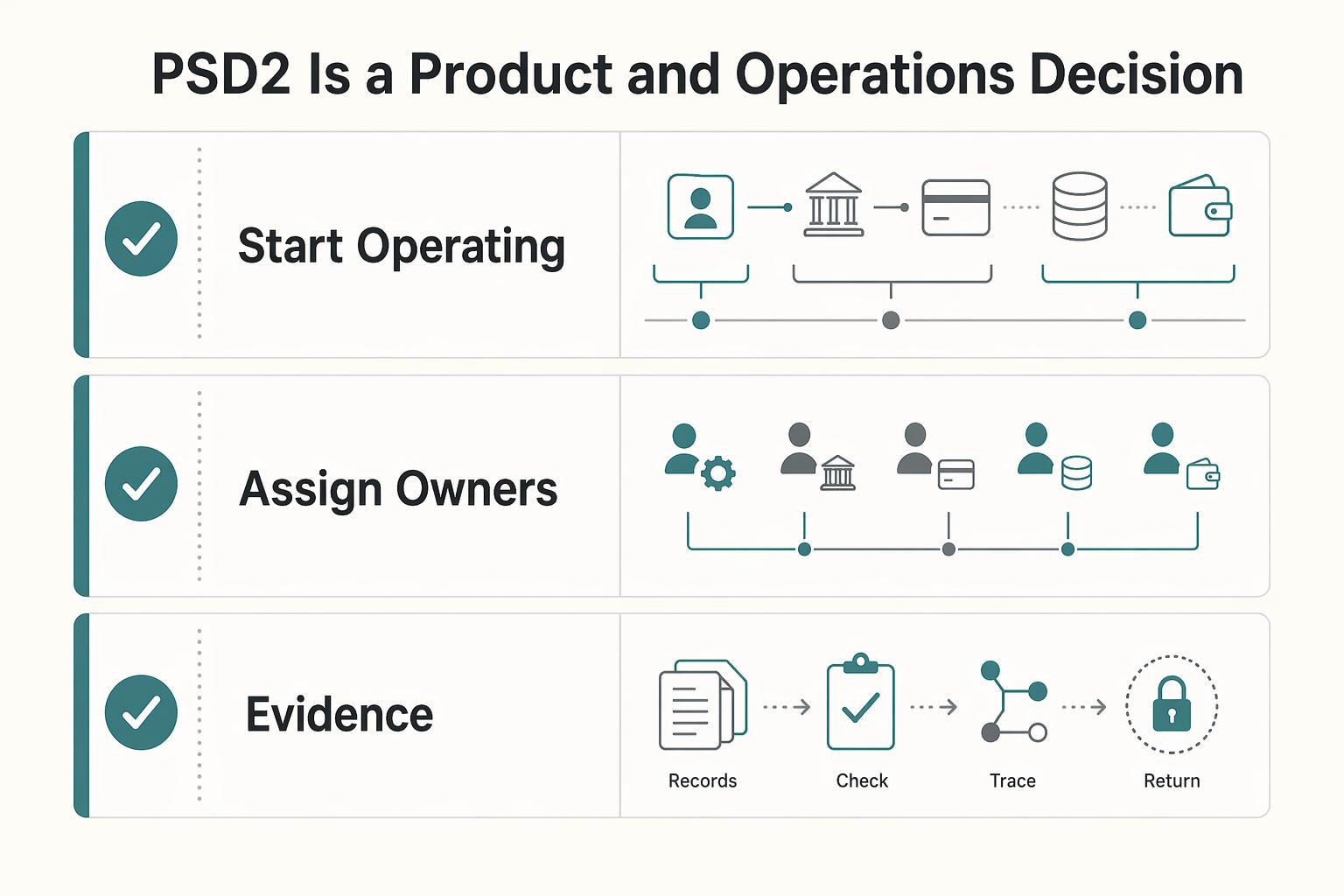
What Is PSD2? EU Payment Services Directive Explained for Platforms
If your team is asking how to implement an EU compliance requirement, treat it as an operating-model decision, not a glossary task. Start by deciding who owns each payment step, which systems are your source of truth, and what evidence you will retain when outcomes are disputed or reviewed. Keep it practical. Choose a path, assign owners, and define launch checkpoints your team can actually run.
Read more →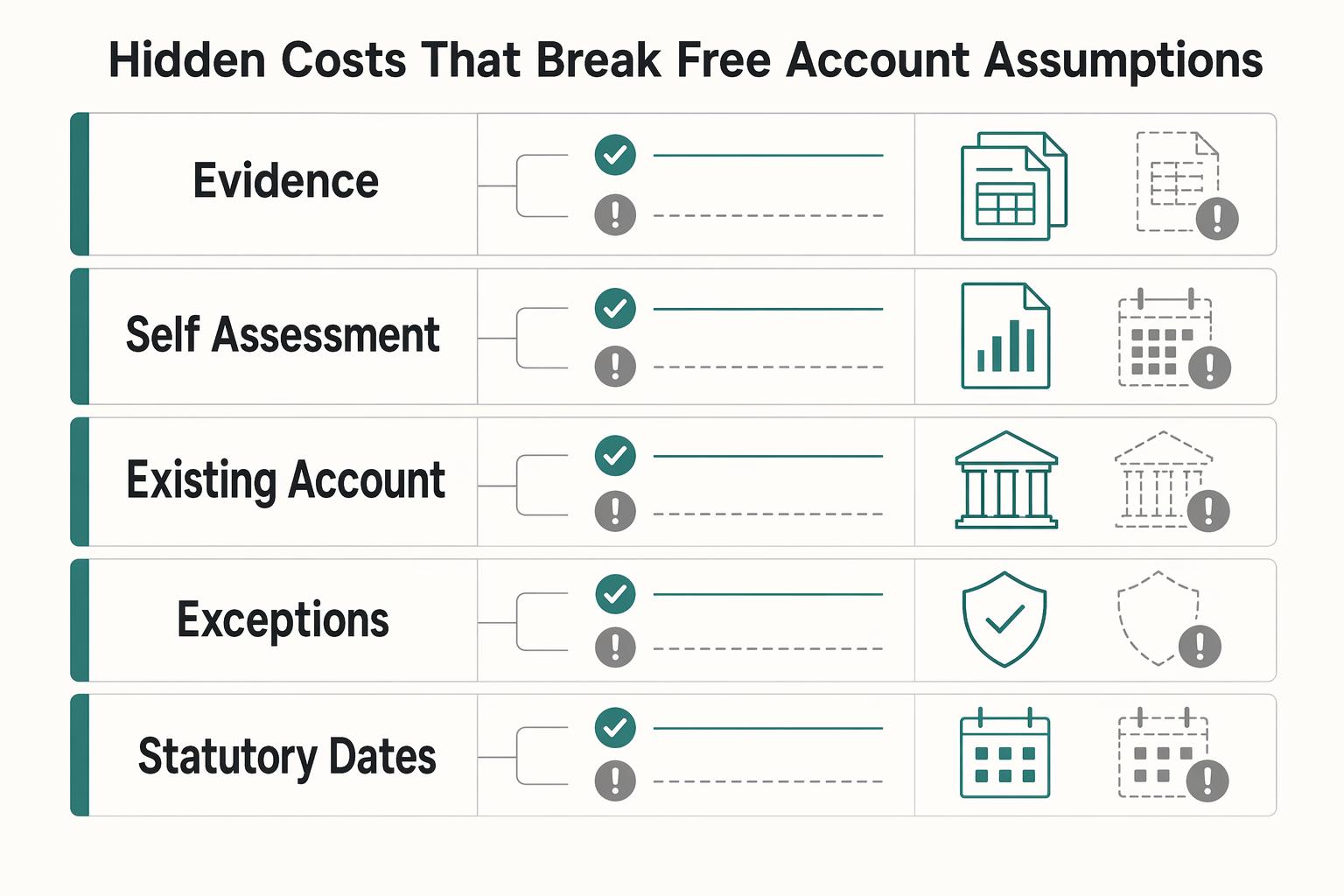
Best Bank for Freelancers UK in 2026 for Payment Operations
If you're choosing a UK bank account for freelance work in 2026, do not start by looking for a universal winner. Start with operational fit: how money comes in and goes out, who needs access, and whether your records stay complete for tax filing.
Read more →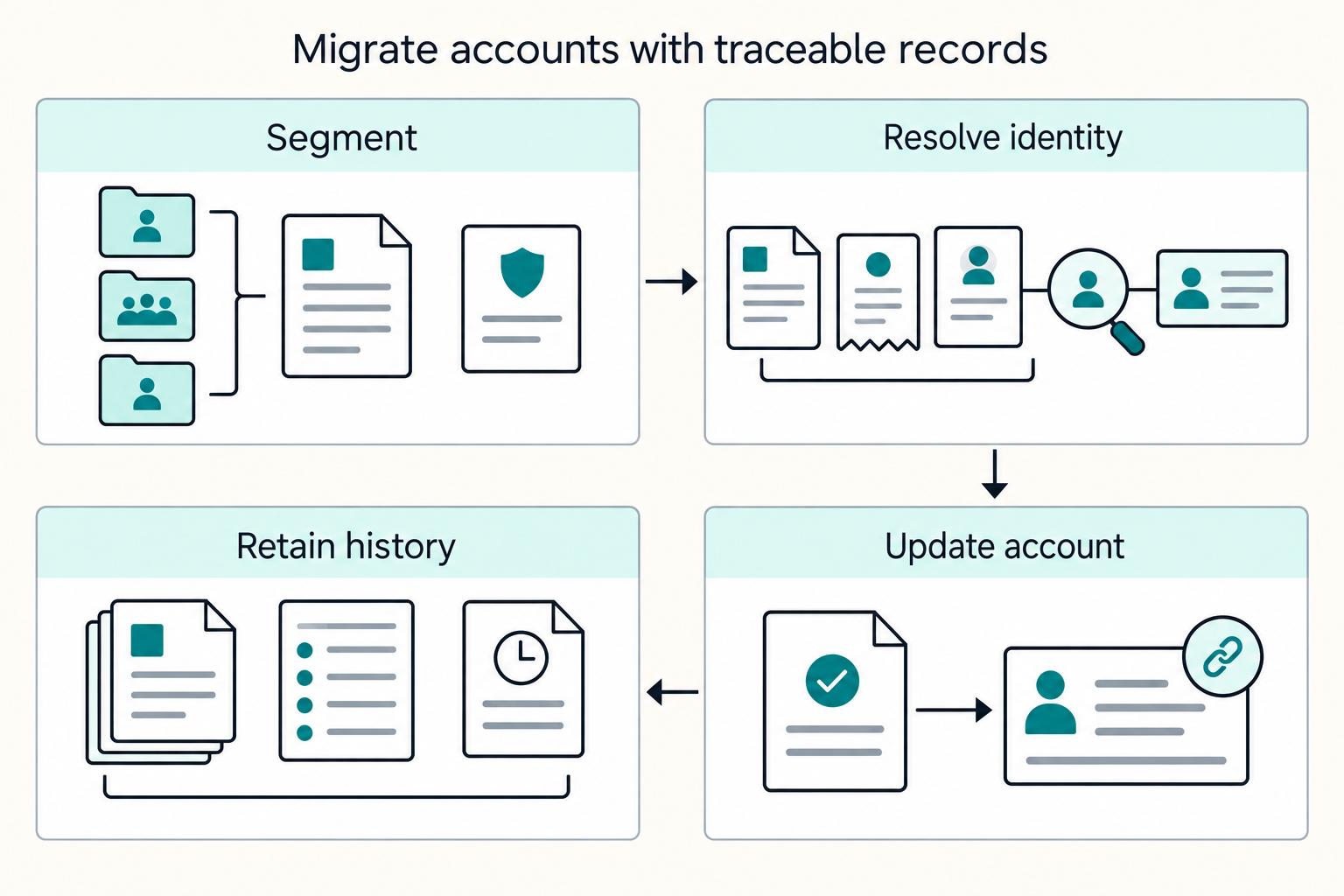
When Platforms Should Separate Freelancer and Personal Bank Accounts
For platform teams, the choice between a `Business bank account` and a `Personal bank account` is a controls decision, not a personal finance preference. Keeping those accounts separate makes records cleaner and cuts avoidable noise during bookkeeping and tax prep.
Read more →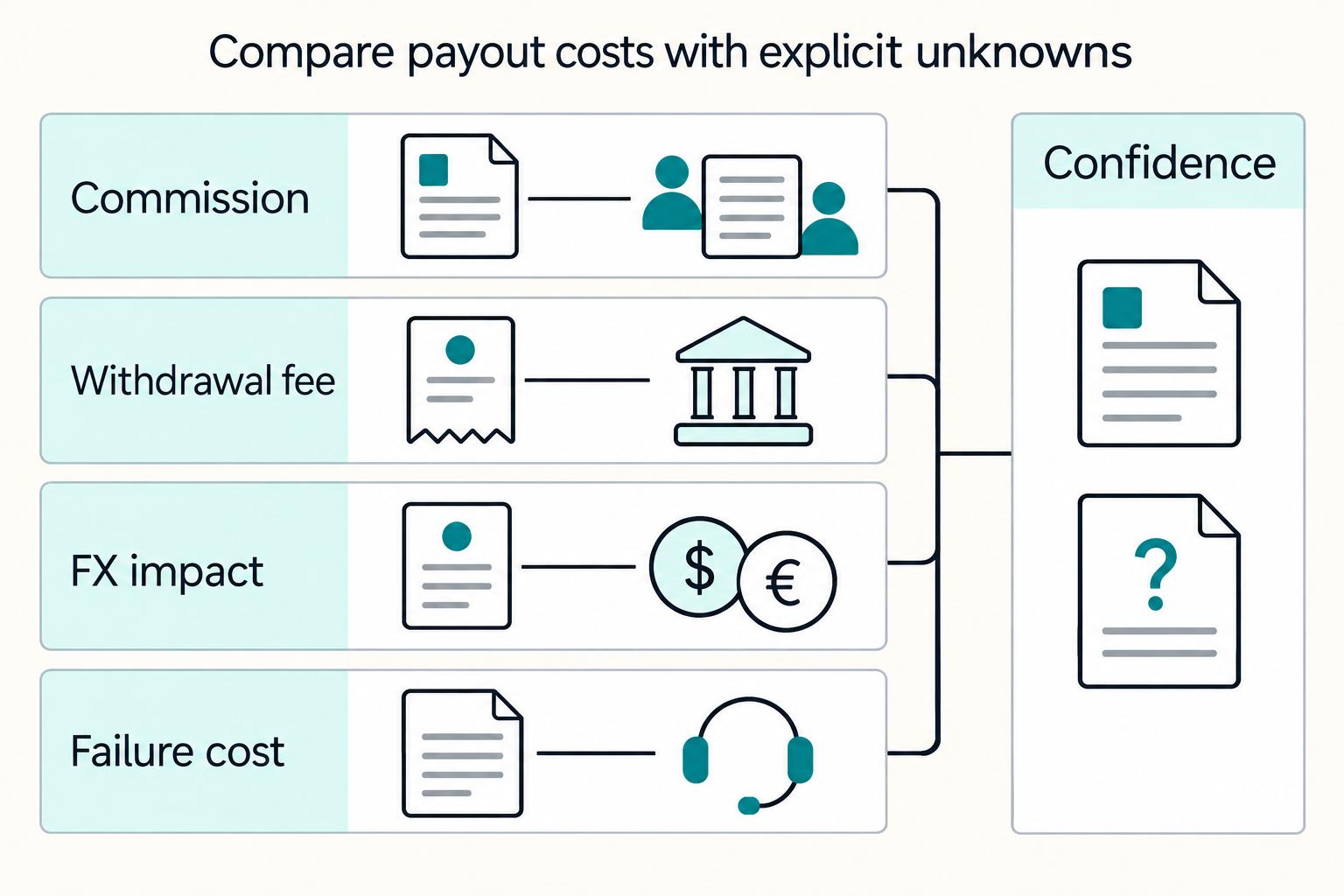
Freelancer Payment Insights Report for 2026 Contractor Payout Decisions
A freelancer payment insights report for 2026 matters only if it tells you where contractor payouts are actually launch-ready, not just where demand looks strong. Treat payouts as a market-entry decision from day one and evaluate four factors together:
Read more →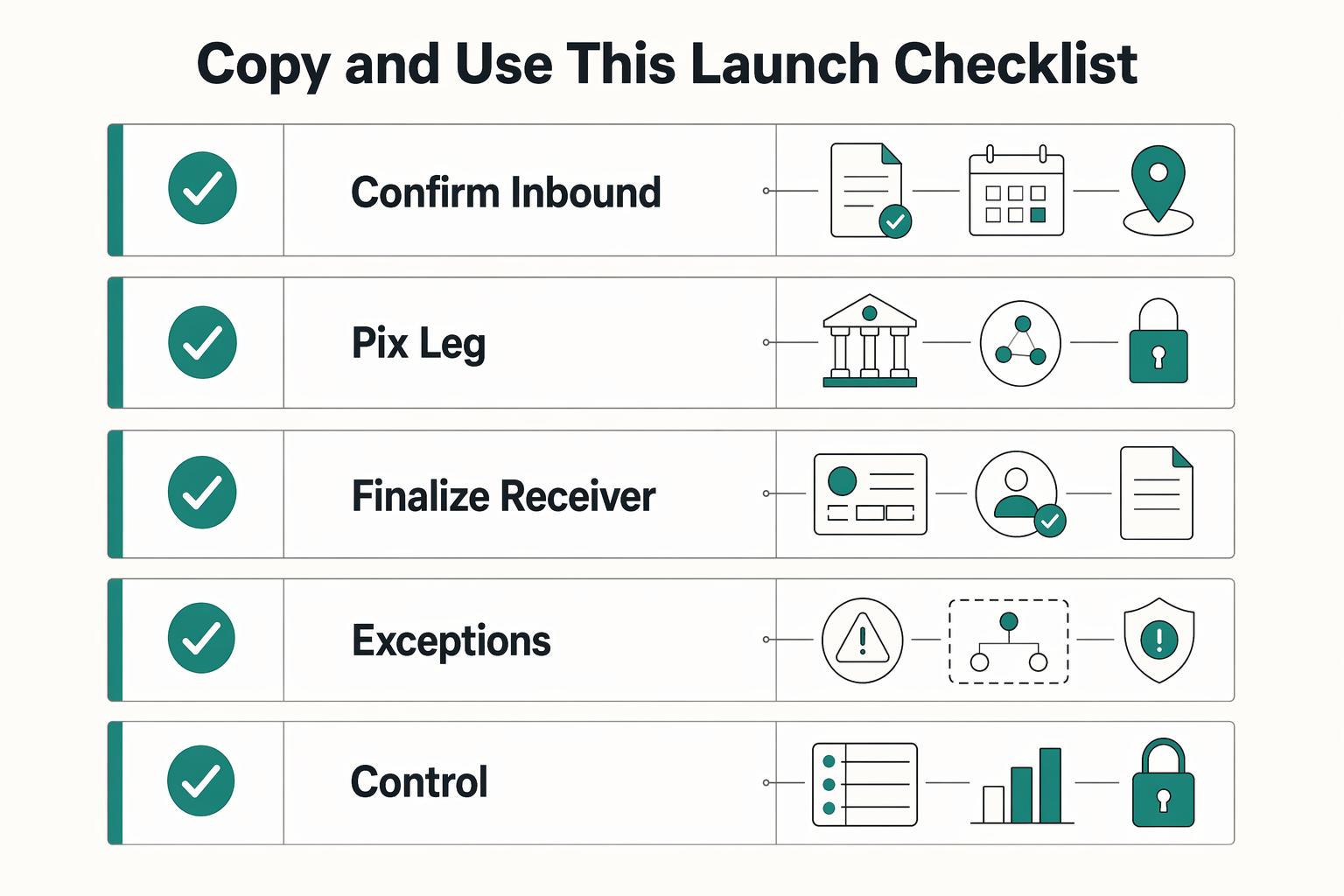
Receiving International Payments in Brazil Without Rail Mismatch
Brazil expansion plans often go off course when teams treat inbound receipts as a generic LATAM or "global transfers" problem instead of a Brazil-specific operations decision.
Read more →
What Is a Merchant of Record? How It Shifts Liability for Platforms
A merchant of record is the identified merchant for a customer’s payment transaction. In an outsourced resale model, the provider sells the product to the buyer and takes defined payment and indirect-tax responsibilities. Your platform can still supply the product and retain financial or operational obligations. Map those boundaries before comparing providers.
Read more →
Operating a Payment Platform in Germany Through Scope-First Compliance Decisions
For **payment platform compliance Germany**, start with scope, not a checklist. Define your money movement role, map that role to the German and EU payment-services perimeter, and escalate unclear points before launch.
Read more →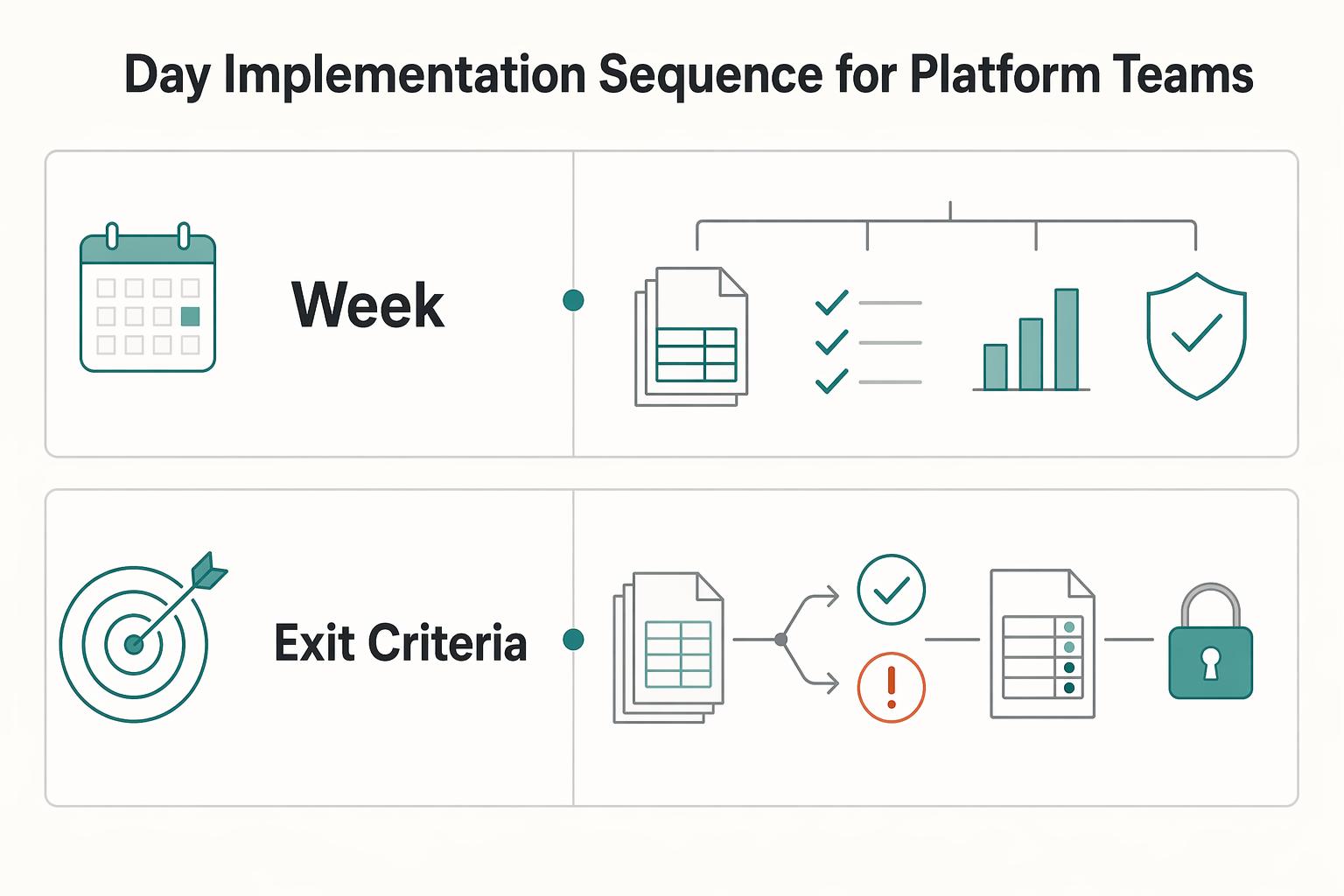
Dunning Management Best Practices for Platform Billing Teams
Dunning in platform billing is a margin and control decision, not just a reminder-email sequence. It starts when a recurring payment fails, and what you do next affects recovery outcomes, customer response, and how much operational drag the issue creates.
Read more →
FBAR Reasonable Cause Letter Template for Late Filing Decisions
Start with eligibility, not wording. For a late Report of Foreign Bank and Financial Accounts, the biggest risk is choosing the wrong procedure before you confirm the filing fits the IRS lane for delinquent FBARs.
Read more →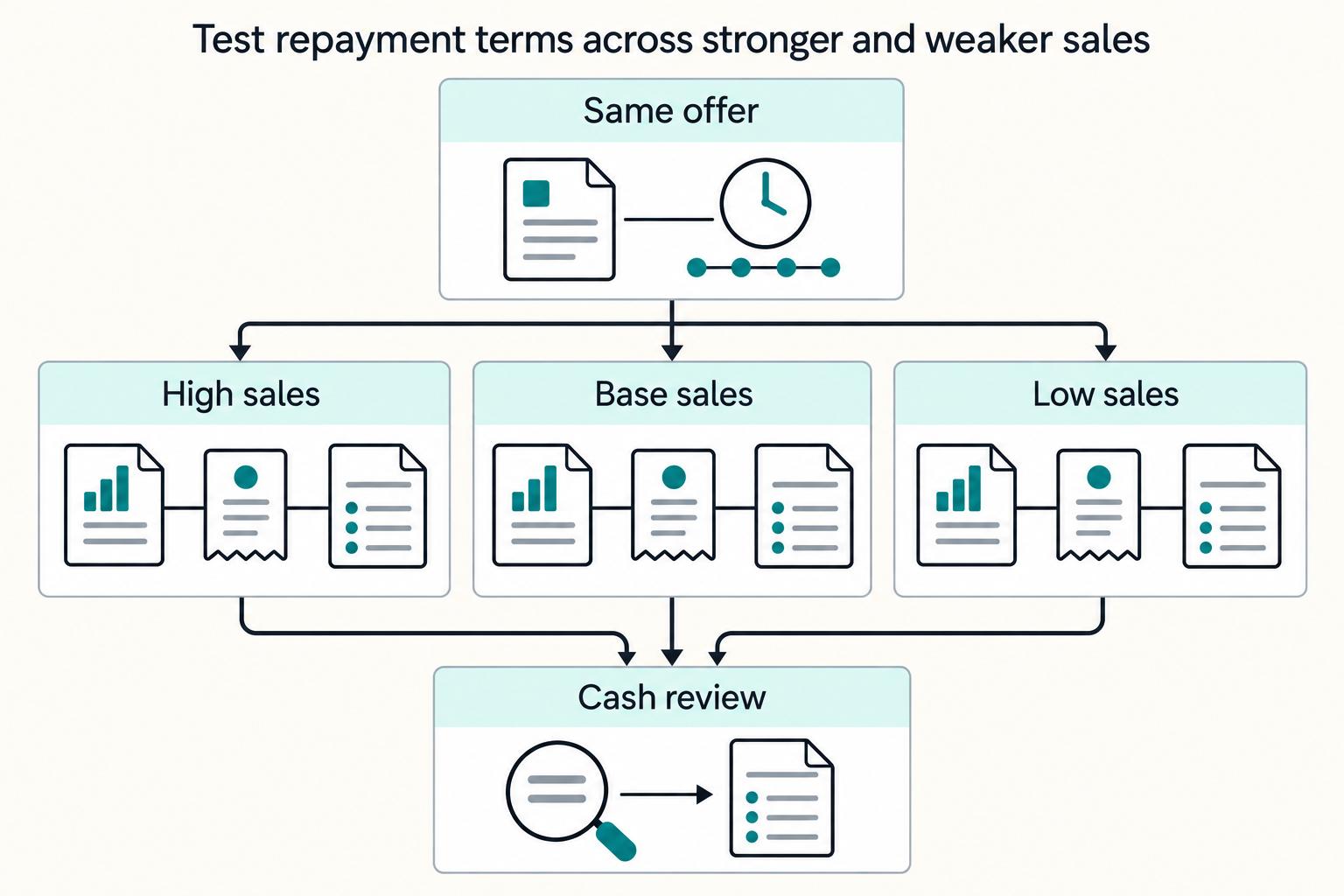
Capital Advance for Platform Sellers and the Repayment Drag That Decides Profit
The hard part is rarely finding an offer. It is choosing a funding structure that does not quietly eat margin or trap your payouts when sales soften. In seller working capital decisions, the right first question is not, "How much can we get?" but, "How does repayment behave in a weak month?"
Read more →
Creator Economy Payout Infrastructure for YouTube TikTok and Newsletter Platforms
A creator receiving YouTube revenue, TikTok rewards or newsletter subscriptions is collecting earnings under that platform’s payment rules. A business paying that creator for a sponsorship, editing job or revenue share is settling its own obligation. These can involve the same person and bank account, but they are different payment systems.
Read more →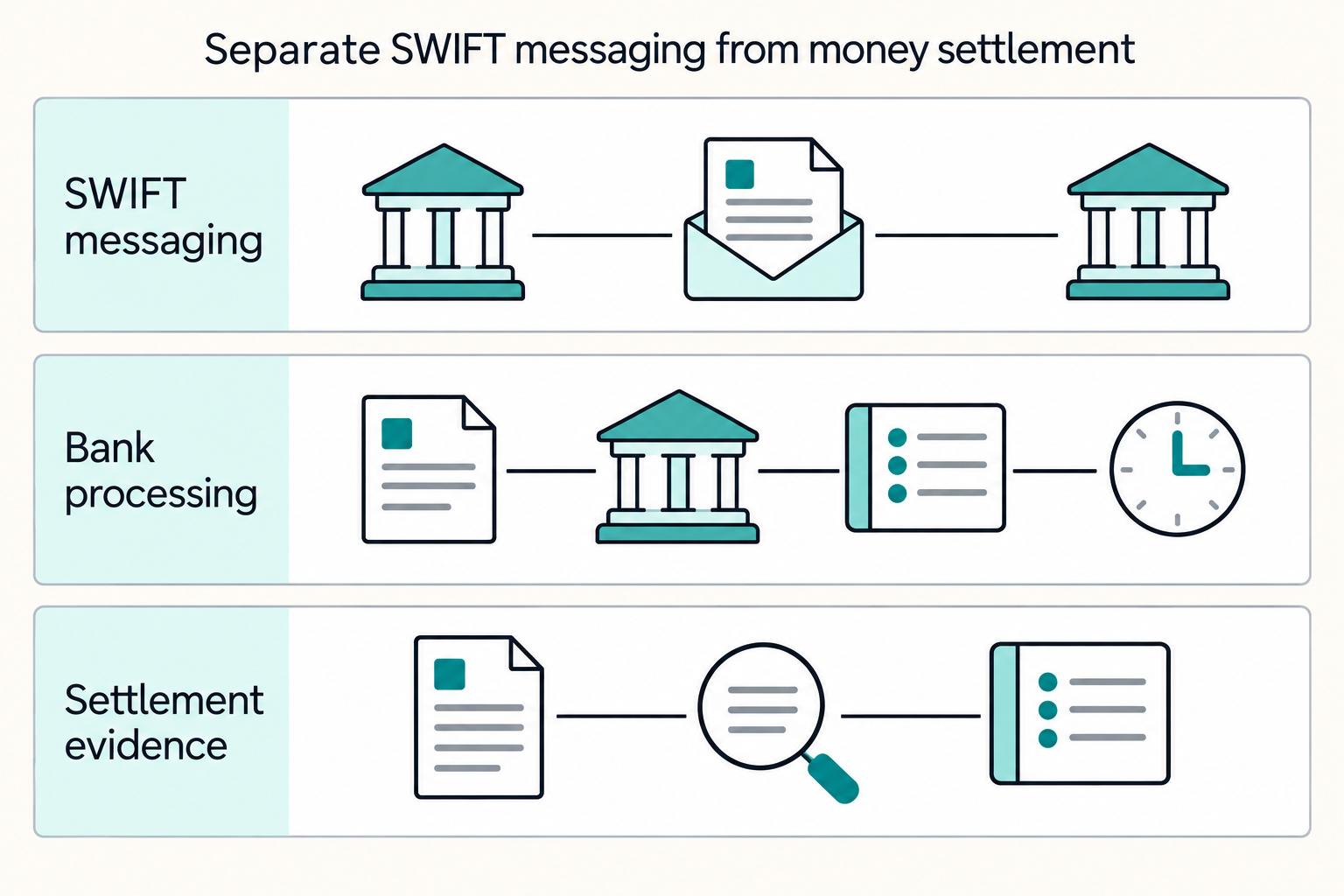
What Is SWIFT? How Interbank Messaging Powers Cross-Border Payouts
Here, **SWIFT** means the financial network. If you came here asking **what is SWIFT**, the first practical step is to separate it from the other meaning of the same word. Apple describes Swift as "a powerful and intuitive programming language for all Apple platforms," and its language guide labels that documentation "The Swift Programming Language (6.3)." This article is about the financial context, not Apple development tools.
Read more →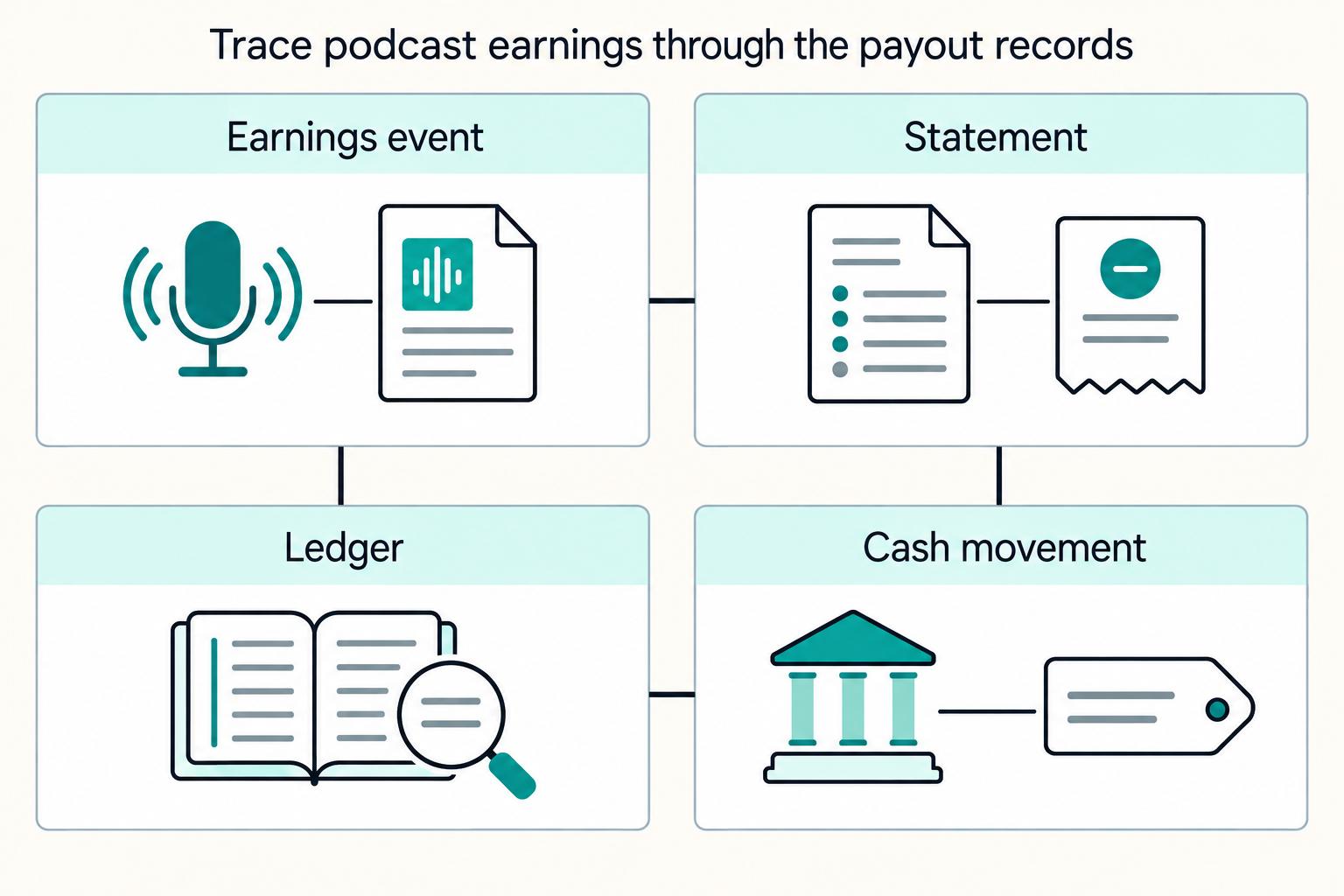
Podcast Platform Payouts and the Net Economics Behind Ad Revenue and Streams
Teams can overestimate podcast payouts when they compare bundled products as if they were one decision. They are not. Hosting, distribution, ad access, and payment handling may sit inside the same product, but you should still treat them as separate layers until the payout mechanics are clear.
Read more →