
Operator playbooks for cross-border payments, tax, and compliance execution.
Step-by-step guidance for finance, product, and ops teams to launch faster, reduce payout friction, and keep reconciliation clean across borders.

Cross-Border Tax Compliance for Online Platforms and Freelancers
Cross-border tax compliance can break down in the sequence of decisions, not just in the final tax answer. If you decide withholding, invoicing, or reporting before confirming **Tax Residency**, **Tax Jurisdiction**, and taxing rights, you can create costly cleanup later.
Read more →
How to Invoice as a Freelancer in Germany: Kleinunternehmer and Umsatzsteuer Explained
**Step 1. Treat German freelancer invoicing as a control problem, not a document-format problem.** If you need a repeatable way to handle German freelancer invoices across platforms, the real job is deciding what must be true before an invoice is issued, stored, paid, and relied on later.
Read more →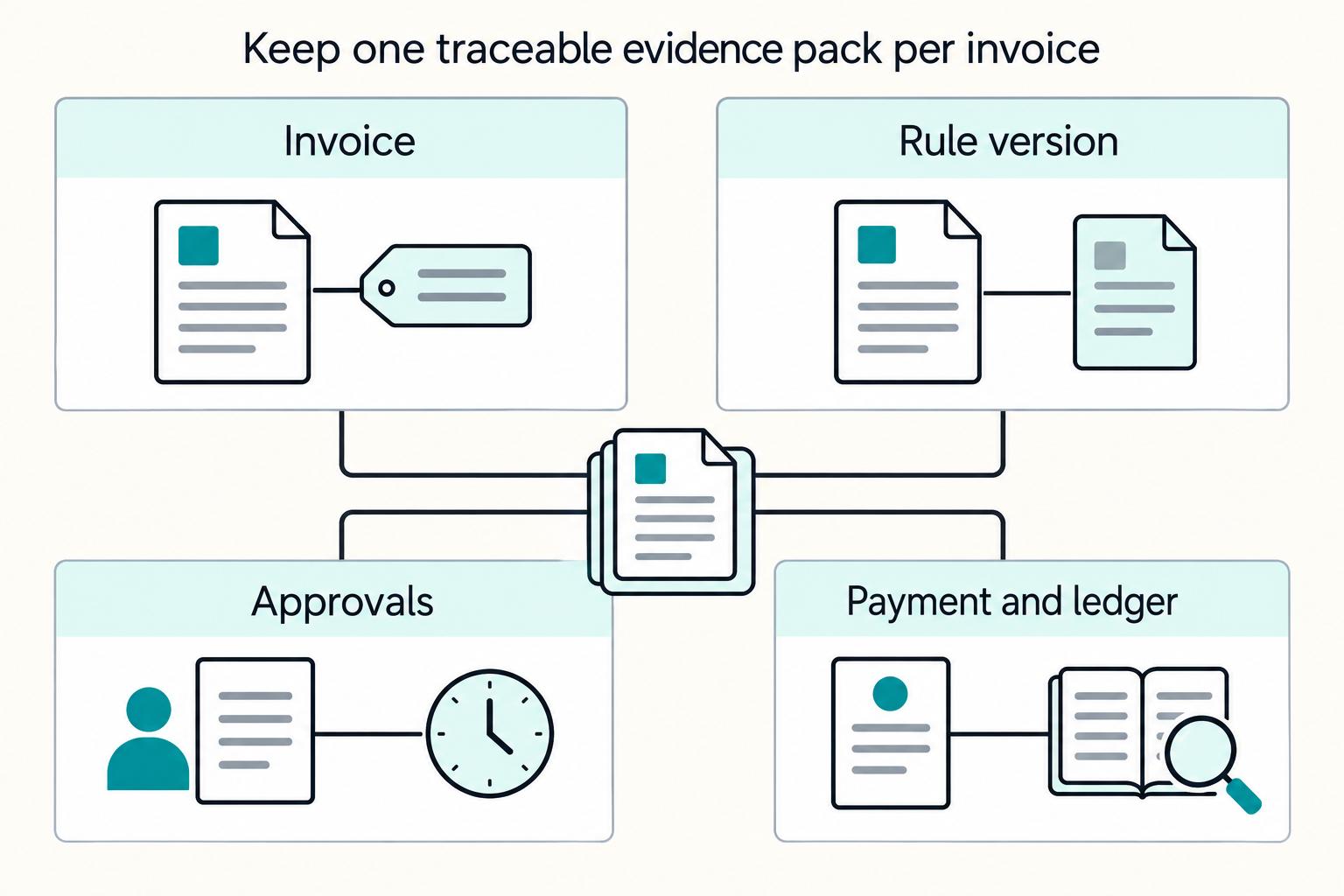
Invoice as a Freelancer in Spain with Autonomo Control Gates
Spanish freelancer invoicing should be treated as a compliance process first, not just a document-formatting task. In Spain, each invoice can affect tax and registration records, and the evidence your team may need to defend how and why an invoice was issued or accepted.
Read more →
How to Benchmark Contractor Pay for Country and Vertical Expansion
Start with the right question: are you looking at employee pay data, or trying to make a contractor decision? Employee salary and compensation benchmarks can be useful input, but they are not the answer here. Those sources are built to compare employee pay against market rates. Contractor pricing can depend on additional variables, including scope, engagement structure, and whether the work can be onboarded and paid the way you expect.
Read more →
Freelance Designer Pay Benchmarks Platforms Should Budget For
Published **freelance designer rates** are noisy enough that you should treat them as directional, not approval-ready. This list ranks the sources that are actually useful for operators, separates examples from evidence, and gives you a budget range you can defend while you close the biggest unknowns.
Read more →
What to Pay Freelance Accountants and Bookkeepers by Market
There is no single market number for **freelance accountant rates**, and treating one published figure as the answer is how teams end up with a weak rate card. Different public sources surface different signals because they draw from different source populations, use inconsistent role labels, and often blur hourly work with monthly packaging.
Read more →
How an EdTech Marketplace Expanded Instructor Payouts with Gruv
Fast instructor payouts help only if you can still protect margin, controls, and trust. This case study looks at how an EdTech marketplace can expand instructor access to earnings with Gruv without turning refunds, compliance holds, and reconciliation work into finance pain later.
Read more →
Accounting and Bookkeeping for Freelancers Year-Round
Treat freelancer finance as a year-round money trail, not a tax-season rescue job. For teams handling accounting and bookkeeping for freelancers at scale, the workable model is a controlled process from invoicing through bookkeeping and review, not a set of isolated tasks.
Read more →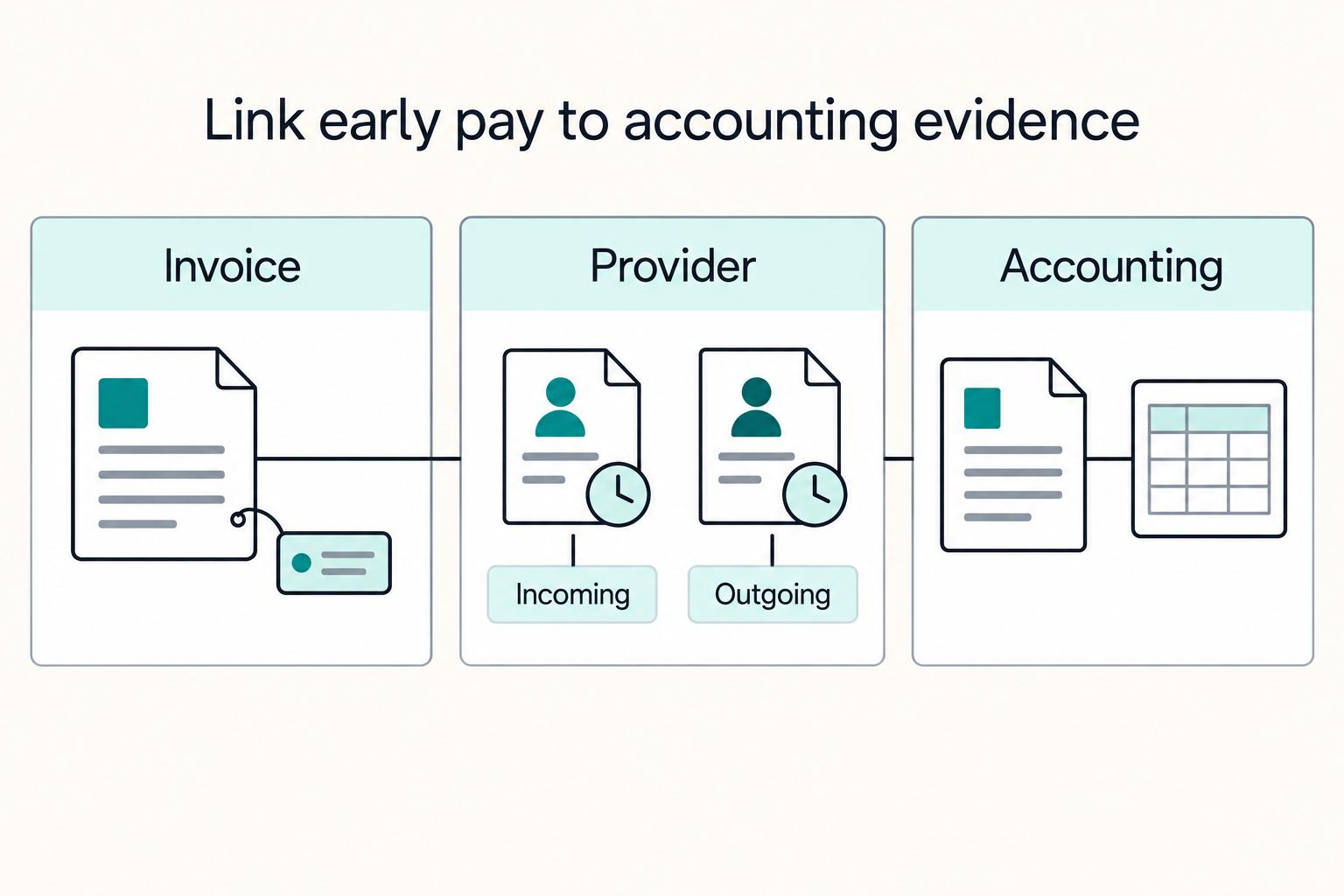
How Platform Teams Should Choose Early Pay and Invoice Advance for Freelancers
If you are evaluating **early pay for freelancers invoice advance** options, start by naming the problem correctly. Are you trying to reduce non-payment risk, shorten the wait after payment is initiated, or give contractors access to cash earlier in the cycle? Those are different product jobs. If your team treats them as one feature, you can misprice risk and create avoidable ops work.
Read more →
How to Invoice Clients Without Registering a Company: A Freelancer's Global Guide
Start with the practical answer: an individual may be able to invoice without a registered company, but that answer does not travel cleanly across borders. A freelancer, independent contractor, or sole proprietor may be able to bill clients in a personal legal capacity. The real answer depends on local law, tax rules, and whether the document must also function as a tax invoice.
Read more →
What Is Payment Orchestration? How Platforms Route Payments Across Providers
Payment orchestration puts provider selection and payment-state handling in one control layer. The decision is whether that added layer solves a measurable routing, coverage or reporting problem in your current stack.
Read more →
Certificate of Coverage for US Social Security in Totalization Cases
A **certificate of coverage USA social security** request is usually not a tax theory question. It is a control question: can you prove which country has coverage, who approved that view, and why payroll treatment changed. If you cannot answer those three points quickly, you are carrying dual-tax risk.
Read more →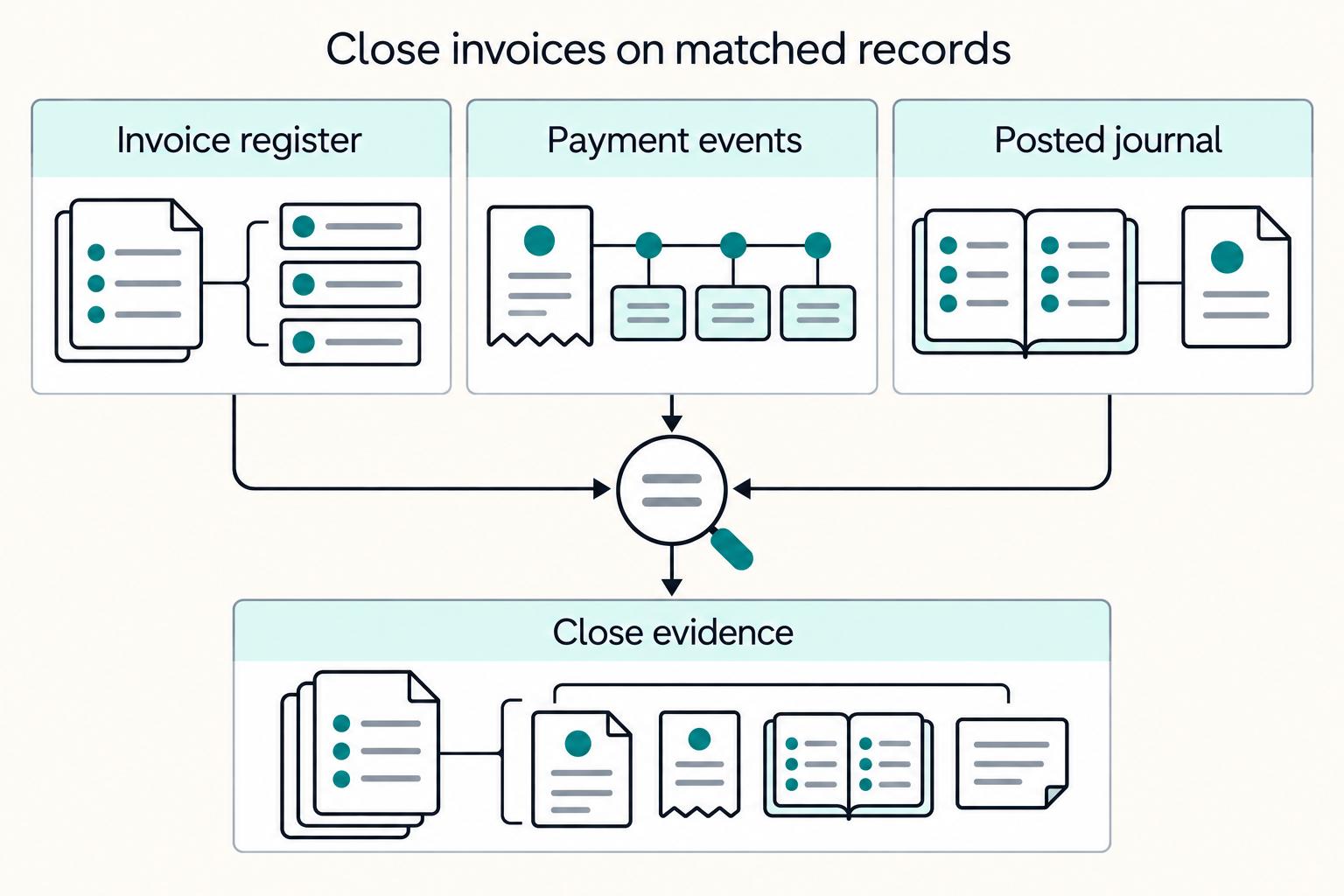
How Freelancers Create Professional Invoices That Hold Up in Reconciliation
A professional invoice is not just a polished file. It is the working record of what you delivered and what you are charging, so someone reviewing payment can understand the request without extra context.
Read more →
Freelance vs Contractor vs Employee Classification and How It Changes Payout Risk
If your team needs a defensible answer on **whether a worker should be treated as an independent contractor or an employee**, do not start with the label in the contract or onboarding form. Start with the actual working relationship, then test it through both the Internal Revenue Service and U.S. Department of Labor lenses before payouts scale.
Read more →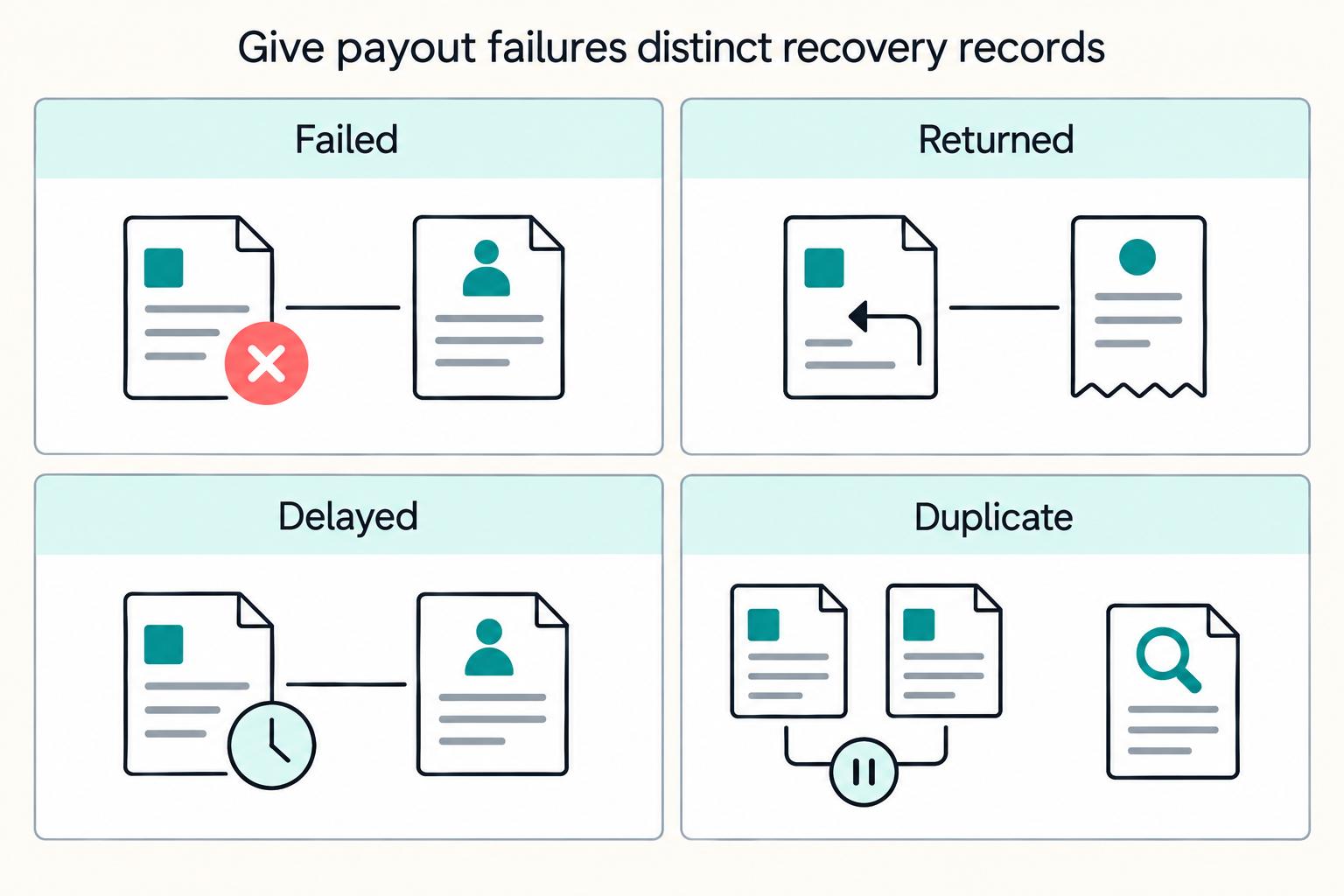
How a Healthcare Staffing Platform Improved Payout Reliability with Gruv
Treat this as a monetization and operations question first. The question is whether a staffing platform could make payouts more dependable with Gruv while keeping margin intact after support load, exception handling, and reconciliation work are counted.
Read more →
When to Use a Section 6013(g) Election for a Nonresident Alien Spouse
IRC Section 6013(g) is not just a one-year filing step. It is an ongoing compliance decision. If you choose to treat a nonresident spouse as a U.S. resident for federal income tax purposes, that treatment continues for later tax years while the choice remains in effect.
Read more →
Choosing Affiliate Network Payment Software for Publisher Payout Fit
If you are evaluating **affiliate network payment software**, start by defining the exact job you need done before you compare feature lists. Teams make poor decisions when they treat partner discovery, tracking, and payment operations as the same problem.
Read more →
Nordic Payment Platform Compliance Across Sweden, Norway, Denmark, and Finland
Nordic payment platform compliance is a control-design problem, not just a standards exercise. The region is moving toward shared schemes and rulebooks, but legal and operational execution is still uneven at country level.
Read more →
What Is FX Hedging? Managing Currency Risk on Cross-Border Payouts
For payout teams, FX hedging is usually treated as risk control rather than a bet on where markets will go. In simple terms, a hedge aims to reduce exposure to exchange-rate moves between when an amount is set and when funds are sent.
Read more →
What Is an Agent of Record? The Contractor Compliance Model Explained
An Agent of Record is a delegated representative for specific administrative tasks in a contractor program. It does not automatically become the employer or take every compliance decision off your plate. For platform teams, the real question is whether this model fits your contractor operations without blurring who owns onboarding, payment controls, and compliance decisions.
Read more →