
Operator playbooks for cross-border payments, tax, and compliance execution.
Step-by-step guidance for finance, product, and ops teams to launch faster, reduce payout friction, and keep reconciliation clean across borders.

Multi-PSP Settlement Reconciliation for a Faster Month-End Close
Match each provider’s settlement activity to your internal ledger and the receiving account. A useful close explains gross collections, refunds, fees, reserves and cash separately, so Finance can account for activity before a delayed payout reaches the bank.
Read more →
Best Multi-Currency Accounting Software for Platform Operators in 2026
Multi-currency invoicing is only one part of platform accounting. You may also need foreign bank balances, open-payable remeasurement, settlement gains and losses, entity-level books and group consolidation. Decide which system owns each function before comparing products. A payment platform feeding an ERP can be a sound design even though the payment product cannot produce the group’s financial statements itself.
Read more →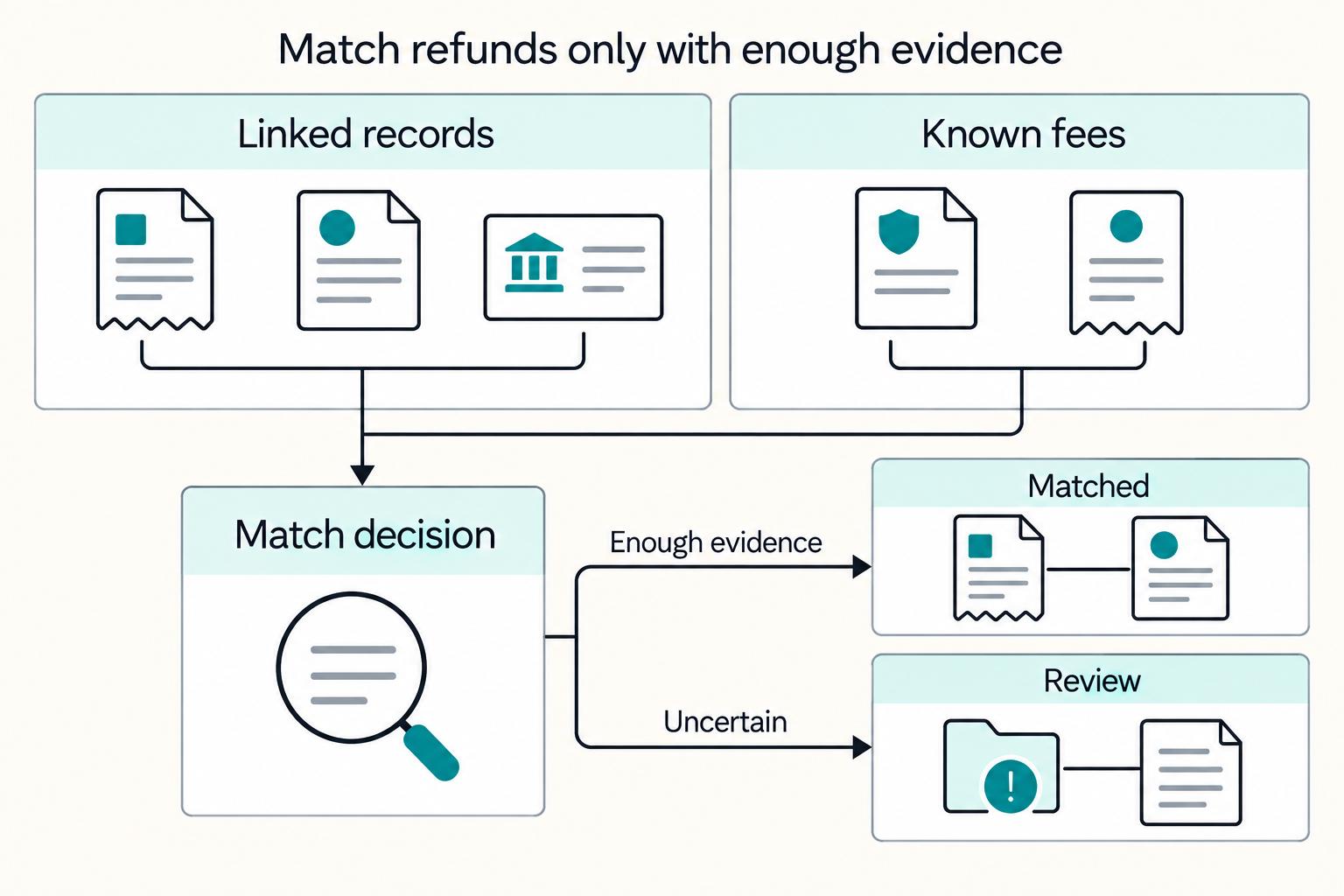
Refund Reconciliation for Platforms and Clean Ledger Entries
If you treat commerce orders, payment activity, settlement data, and bank deposits as separate truths, your refund accounting can drift even when each source looks internally consistent. Refund reconciliation is more reliable when you model those records as one connected chain from customer event to payout impact to General Ledger (GL) entry.
Read more →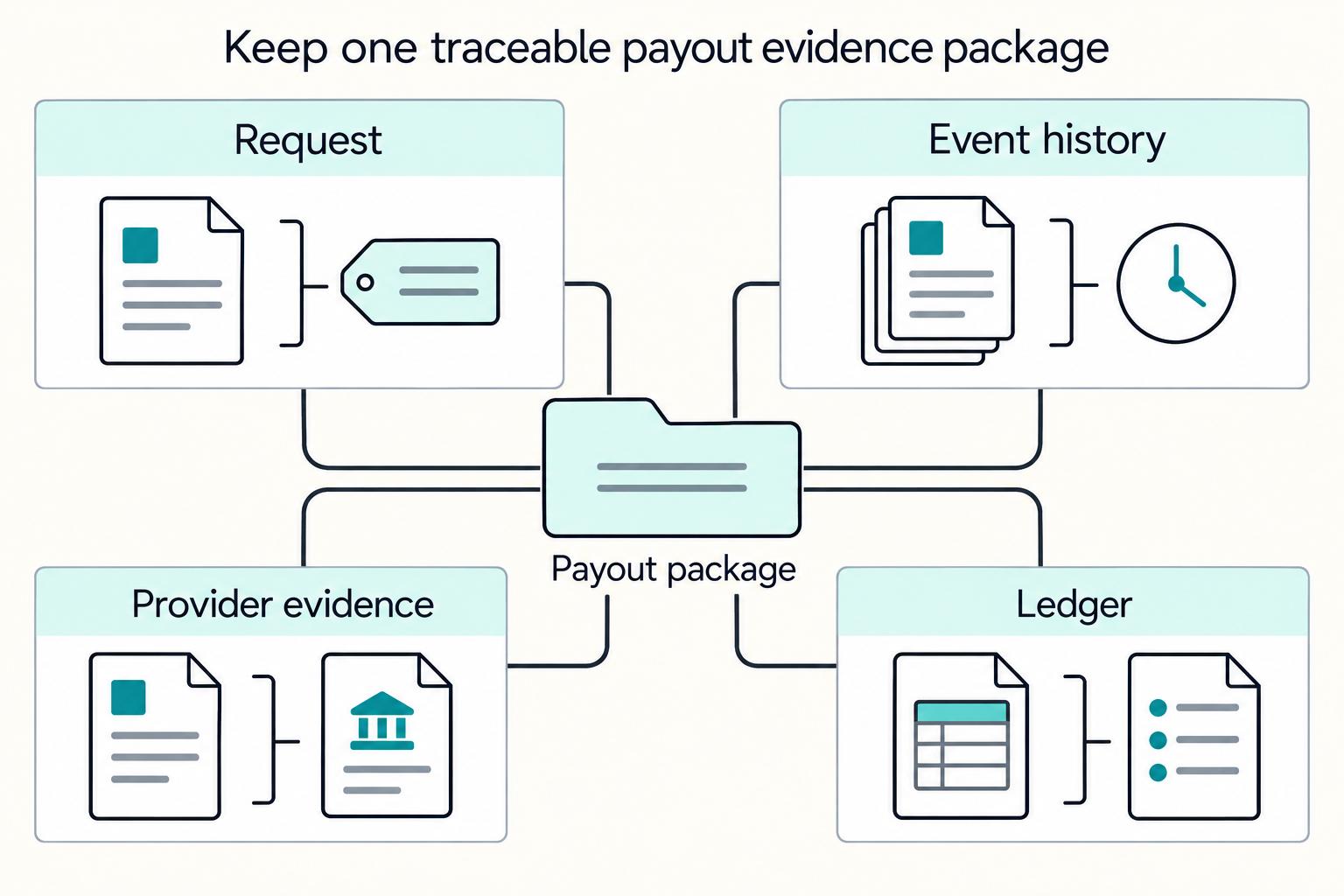
Proof of Payout: How to Give Contractors Traceability Before Funds Settle
**For this operational workflow, "proof of payout" means an internal, traceable record showing a transfer was requested, routed, acknowledged, and still in motion before final settlement.** Many discussions use the term to answer a different question. They explain Proof of Funds for a home purchase, or they cover generic proof of payment after money has already cleared.
Read more →
Hiring Contractors in the UK Under IR35 with Clear Ownership and Payout Gates
If you are hiring contractors in the UK, compliance issues can come down to unclear ownership, thin records, and money moving before basic checks are done. The practical question is not just "do we know the acronym?" It is "what do we need on file, who signs off, and what makes us stop?"
Read more →
DAC7 Compliance Rollout Across EU Markets: A Worked Example
**This is a hypothetical rollout, not a named customer engagement.** Assume an EU personal-services marketplace is preparing to add a second seller market. Its tax review has confirmed DAC7 scope and its reporting Member State. The cohort sizes and failures below are invented to illustrate decisions; they are not customer results or industry benchmarks.
Read more →
When Platforms Need an Employer of Record and When They Do Not
Scoping is often where cross-border EOR decisions go right or wrong. If your platform mixes employee hiring with contractor payouts and seller or creator disbursements, it is easy to spend real money on the wrong legal model before anyone notices. Often, only one part of the flow actually involves employment.
Read more →
Beneficial Ownership Collection in Marketplace Onboarding Without Conversion Loss
For **beneficial ownership collection in marketplace onboarding**, the real question is not whether you need one more form. It is whether you can explain who owns or controls the business before you activate it, enable payouts, or defend the decision later. If you treat ownership data as only a filing issue, you will either slow down good users with unnecessary asks or approve risky ones without a clean evidence trail.
Read more →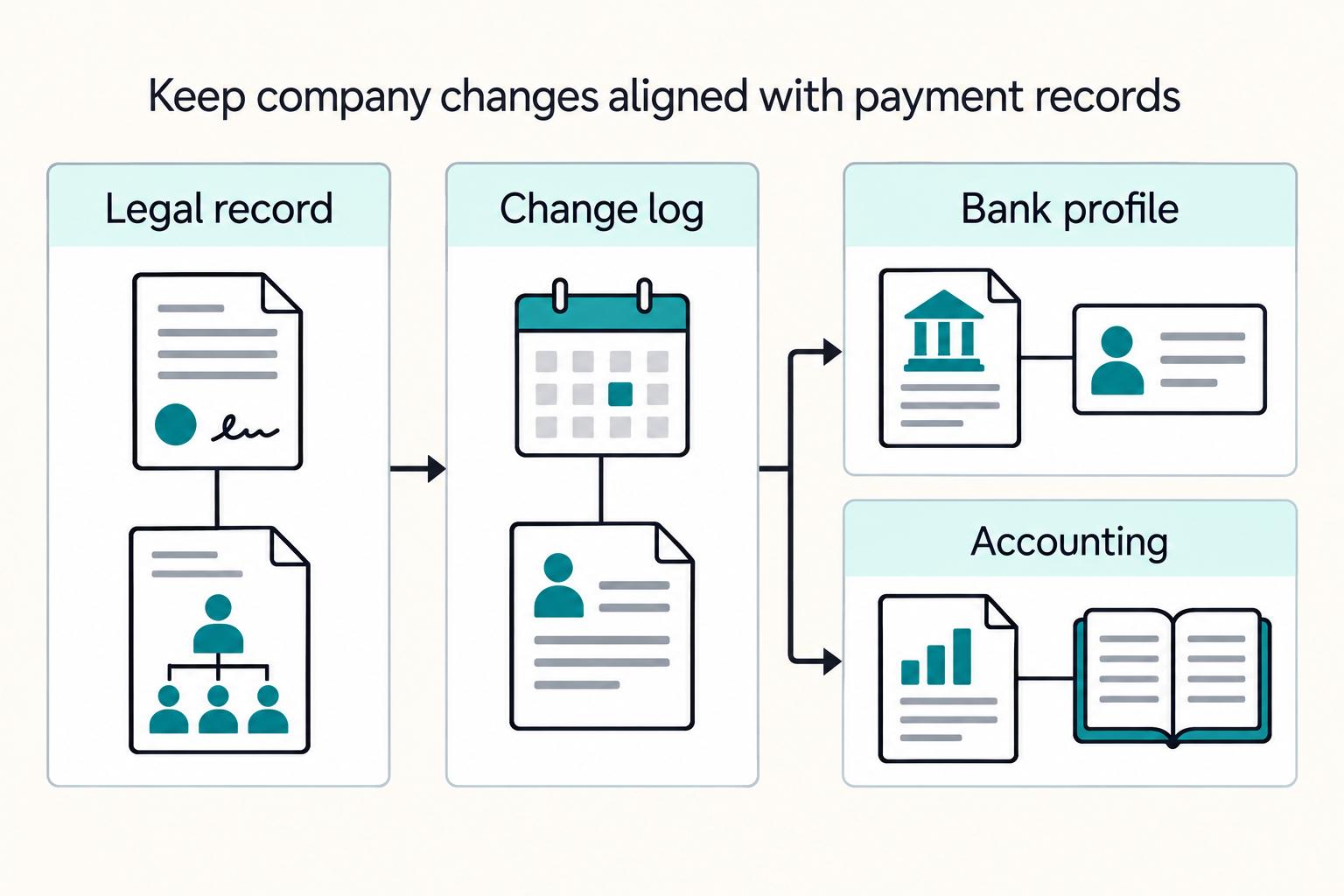
Choosing a Delaware C-Corp for Platform Launch and First Payments
The key decision is not filing speed. It is choosing the entity and setup path that gets you to first compliant payment with the least rework. For platform founders, that means deciding company form first, then validating the legal, tax, banking, and payment steps that follow.
Read more →
How Platform Teams Should Choose Crypto, Bank Transfer, or PayPal for Freelancers
This comparison is for platform teams choosing payout rails, not for an individual freelancer picking a personal app. The question is operational: which rail you can run cleanly across markets, exceptions, and finance controls. Most cited evidence is freelancer-oriented, so use it as a framework and validate it in your own context.
Read more →
How Platform Teams Run a Tax Compliance Calendar for IRS Deadlines
A useful **platform tax compliance calendar** is a control system, not just a list of dates. For each IRS-facing item, it should make four things explicit: what must be done, who owns it, what documentation is required, and when it is due.
Read more →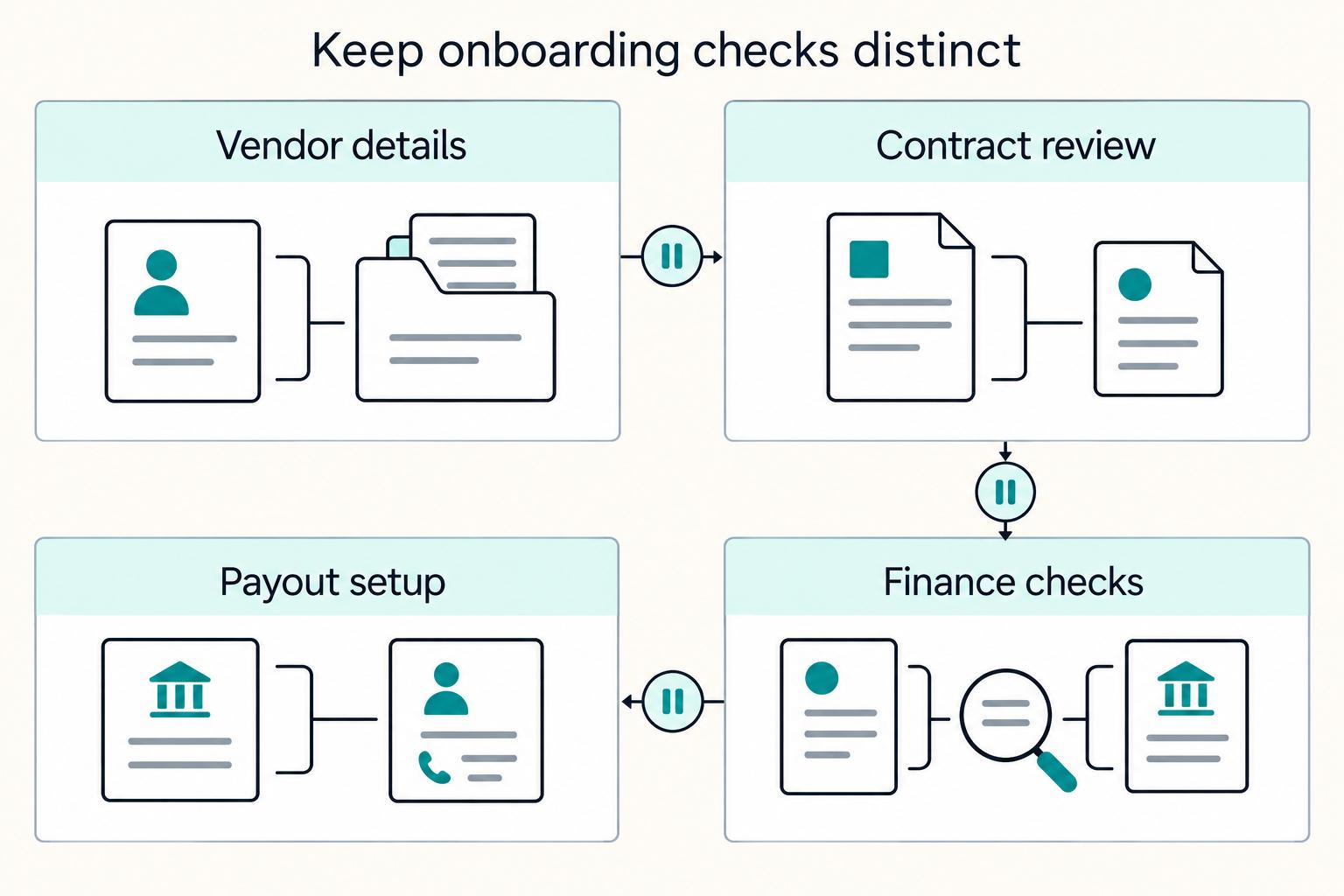
Bank Account Verification for Contractor Payouts: Methods and Release Controls
Bank-account verification helps a contractor platform establish whether payout instructions belong to the intended recipient and can be used by its payment provider. Several checks contribute to that decision: valid account details, evidence of access, account-holder matching and payment-route eligibility. A single “verified” flag hides those differences. A valid account number can still point to the wrong person, and a contractor who can see a deposit can still be using an account your provider does not permit.
Read more →
Choosing a 1042-S Reporting Platform for Non-US Contractor Withholding
Choose a defensible **1042-S reporting platform** based on filing duty and control quality first, not feature lists. For platforms paying foreign persons, the practical test is whether finance and compliance can generate, review, submit, and correct filings in a way that stands up to IRS scrutiny.
Read more →
W-8BEN and W-8BEN-E Platform Compliance for Contractor Payouts
A contractor payout team needs to know more than whether a PDF was uploaded. It needs a documented payee status, a valid form for the claims being relied on, and a tax decision for the particular payment. This guide covers a platform’s US payer or withholding-agent workflow; it is not a universal onboarding requirement for every non-US business.
Read more →
Estonian e-Residency for Freelancers and the Compliance Checks That Decide Fit
Treat this as a screening guide, not a sales pitch for Estonia. If you are assessing an Estonia-linked setup for a freelancer or solopreneur, first decide whether the problem is mainly EU VAT administration or a wider tax, labor, and payout-control issue. Those are not the same thing, and they do not call for the same tools.
Read more →
Contractor Onboarding: An Illustrative Marketplace Plan
A talent marketplace can shorten contractor onboarding by removing duplicate requests, making review ownership clear and connecting verified requirements to payout eligibility. Measure the improvement from invitation through actual readiness and first payment; a shorter signup form alone does not show that contractors can be paid sooner.
Read more →
Planning a SaaS Billing Migration From Stripe Billing to Gruv
A billing migration is successful when customers keep the terms they agreed to and finance can explain the money. Importing a customer list is the easy part. The harder work is preserving renewal dates, discounts, open invoices, credit balances and collection responsibilities.
Read more →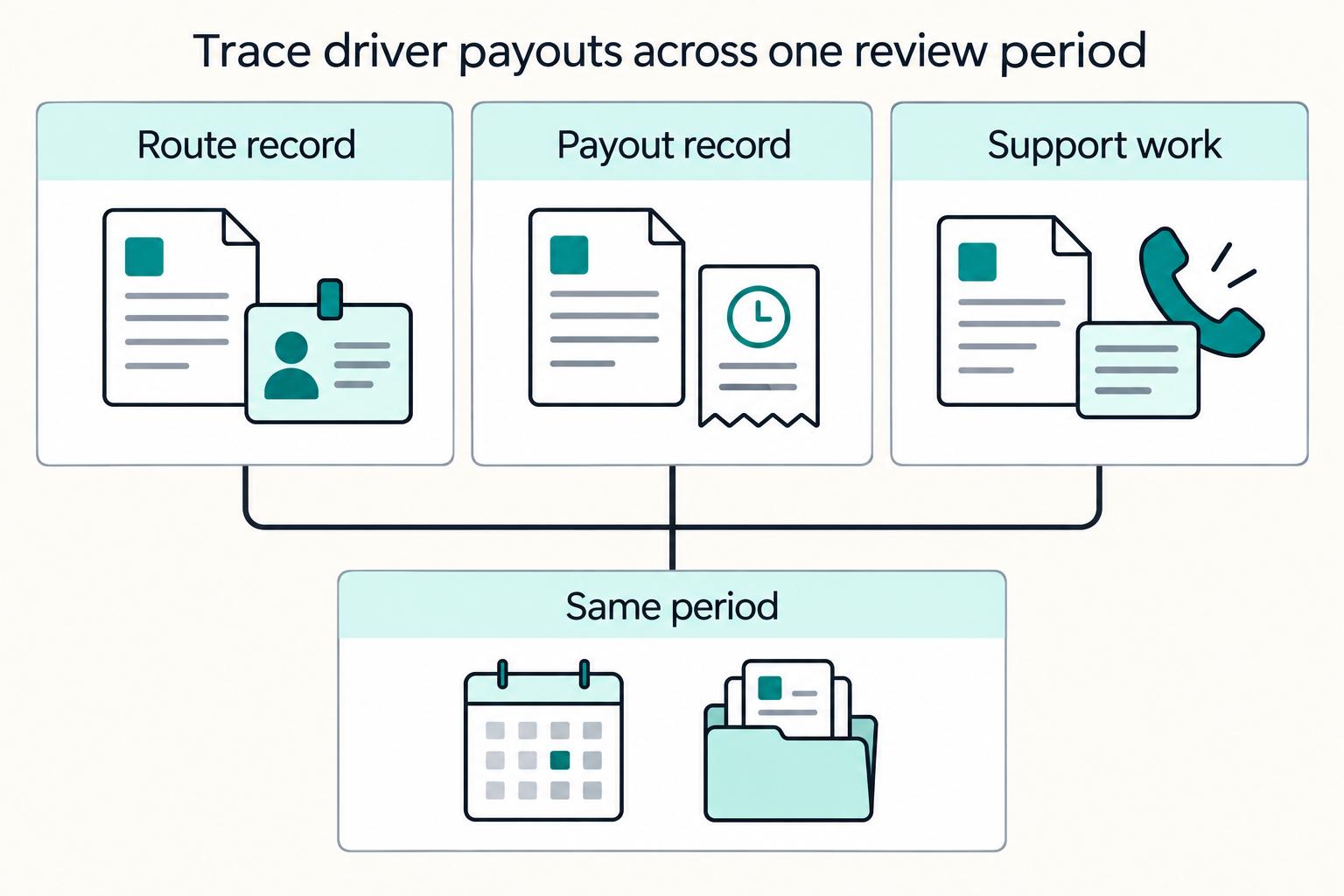
How a Logistics Platform Scaled Driver Payouts Across Southeast Asia
Redesigning driver payouts is rarely just a payments project. For a logistics platform, it is often a margin decision hiding inside an ops problem. Do you fix driver uncertainty first, settlement speed first, or manual finance work first?
Read more →
How to Invoice as a Freelancer in France for Auto-Entrepreneur TVA Compliance
**If you need a safe default, treat France invoicing as a controlled workflow, not a template exercise.** Confirm seller status, classify the client, lock the invoice schema, flag TVA treatment before issue, and keep the evidence pack with the delivered document. Treat that as the practical frame to follow.
Read more →
Invoice Sole Proprietor vs Company for US, Canada, and UK Risk Reviews
When comparing **invoice sole proprietor vs company**, start with who is legally behind the obligation, not how polished the invoice looks. That is where payout acceptance risk usually splits.
Read more →