
Operator playbooks for cross-border payments, tax, and compliance execution.
Step-by-step guidance for finance, product, and ops teams to launch faster, reduce payout friction, and keep reconciliation clean across borders.
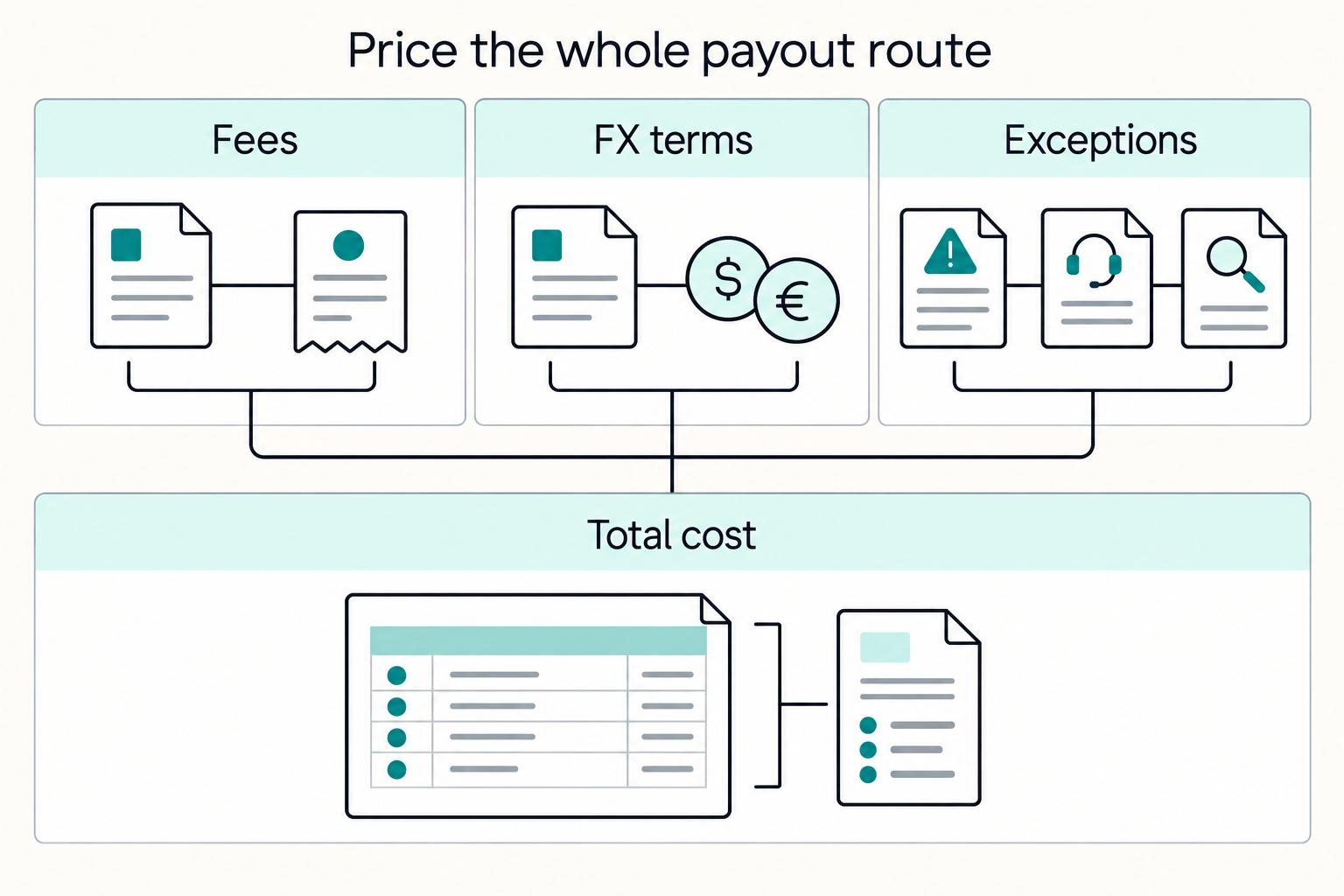
Stablecoin vs Traditional Payment Rails for Cross-Border Payout Routing
If you run payouts, treat **stablecoin vs traditional payment rails** as a routing decision, not a vote for "new" or "old." The real question is which rail gives you more predictable settlement speed, cost predictability, visibility, and control for each payout lane.
Read more →USDC Contractor Payouts: Design Delivery and Safe Recovery
A USDC payout program changes the delivery of an existing payment obligation. Start with the contractor’s agreement: whether they choose this method, what currency the obligation uses, how many tokens settle it, which network and token are accepted, who pays fees and when delivery discharges the obligation. Do not replace a promised bank payment with crypto merely because the platform can send it.
Read more →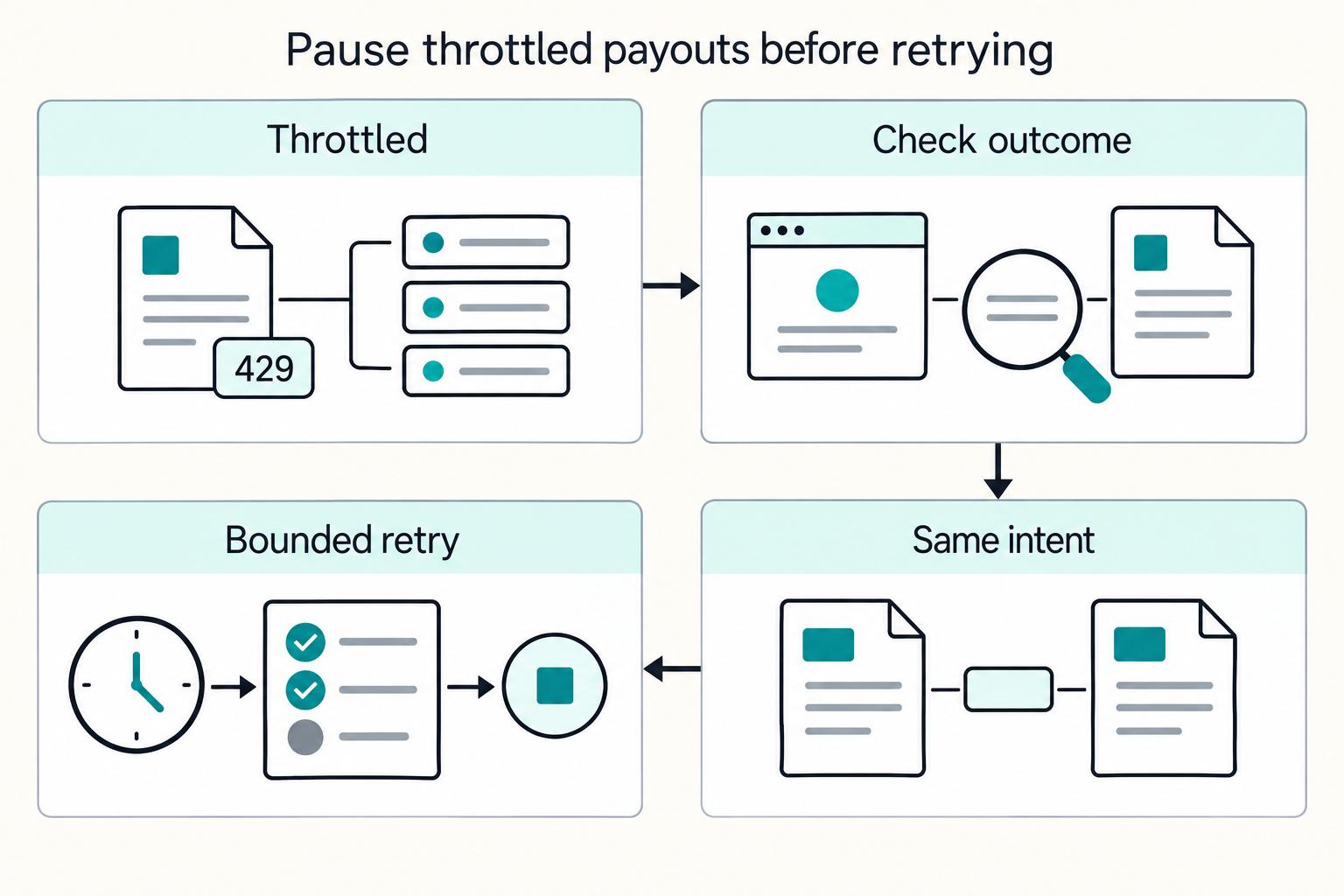
Rate Limiting and Throttling for High-Volume Payout APIs
High-volume payouts do not always fail in one obvious, dramatic way. Failures often show up in the seams. A burst of legitimate traffic slows the API, retries pile up, one integration can eat shared capacity, and what looked like a small tuning issue turns into reconciliation pain and duplicate risk later. If you treat rate limiting and request throttling as something to sort out after launch, you can bake debt into the part of the integration you least want to revisit.
Read more →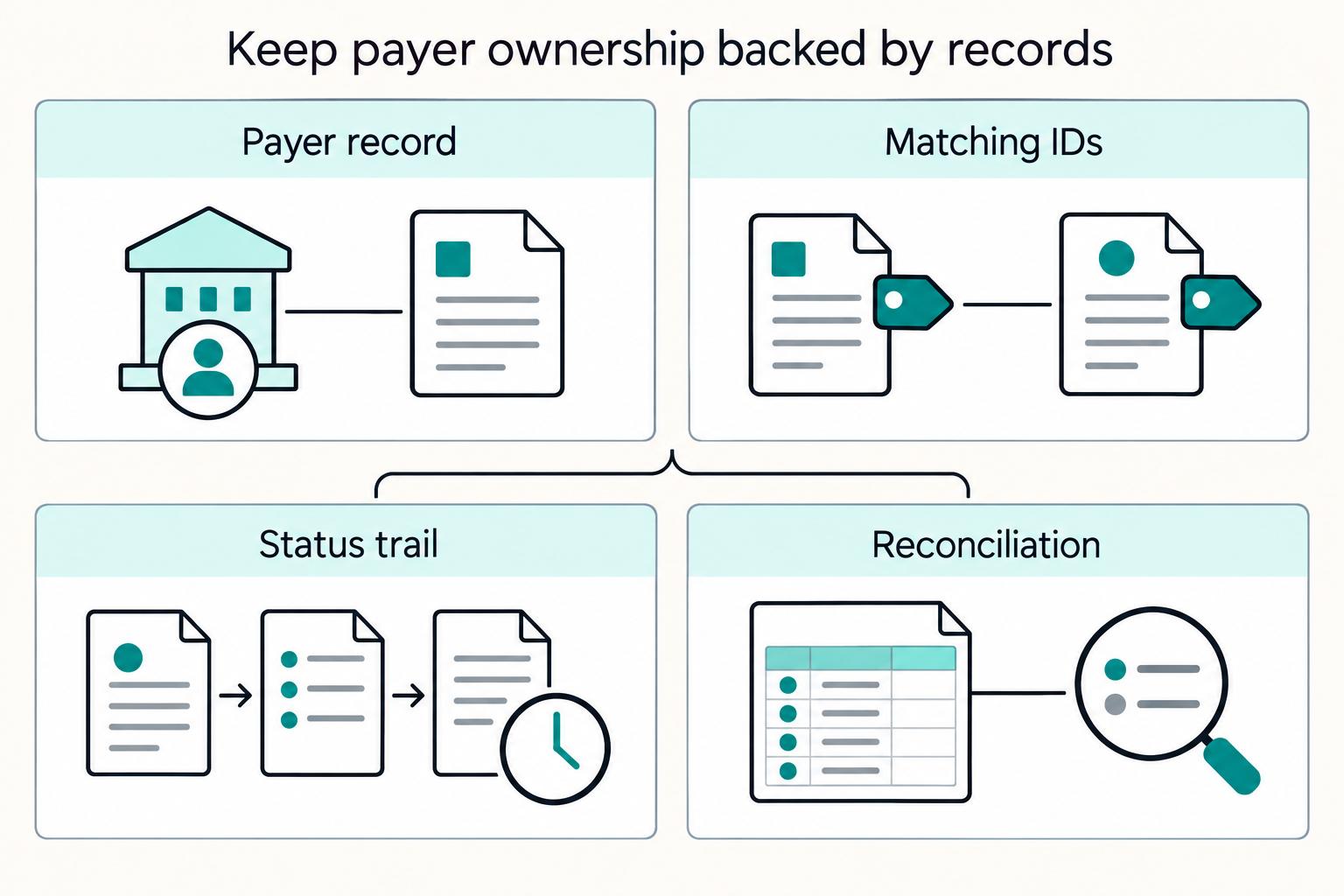
Healthcare Marketplace Payouts and the Payer-Ownership Test
Teams can mis-scope healthcare marketplace payouts when they treat enrollment rails as payout rails. Those are separate decisions. If you cannot name the payer and the record that proves it, expansion risk is already built into the plan.
Read more →
How Platform Operators Should Prepare for the Machine Payments Protocol
The core shift is simple: payment can happen inside the same interaction that requests access. Instead of sending a user to a separate checkout, an agent, API client, or automated workflow can request a paid resource. The server responds with `HTTP 402 Payment Required`, the client authorizes payment, retries with payment proof in a header, and receives the resource plus a receipt in the same interaction cycle.
Read more →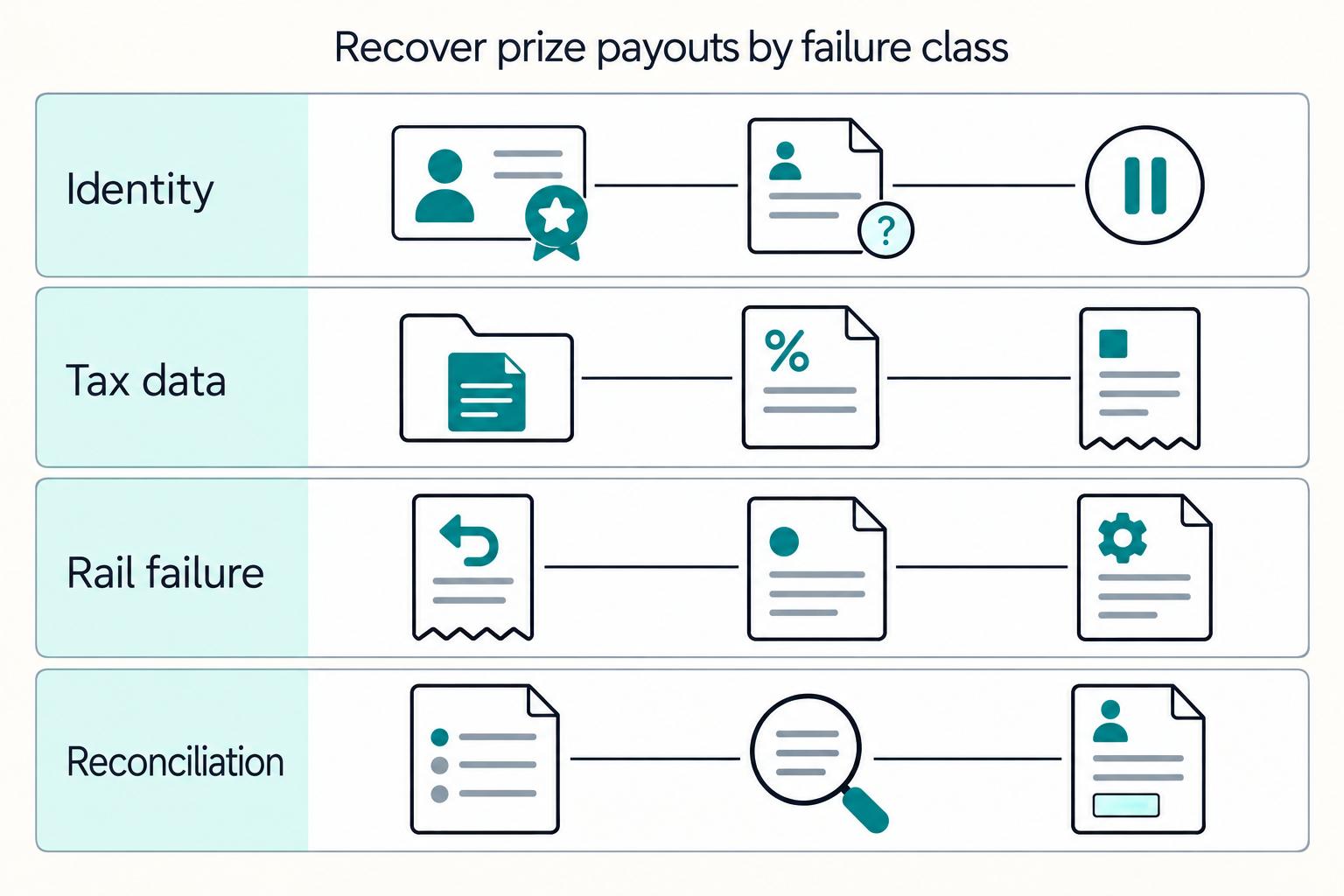
Sweepstakes Payout Automation for a New York Prize Promotion
A prize promotion needs an accountable path from the official rules to the money a winner receives. Automating a transfer is the last part of that path: it cannot establish whether the promotion is lawful, whether the selected entrant is eligible or which tax treatment applies.
Read more →
Where AI Agent Payment Liability Lands First in Platform Transactions
The practical question is often who absorbs the first operational loss, not whether "the AI pays." In practice, the party closest to the transaction flow may have to act first. Liability is sorted out later through contracts, evidence, and local legal rules.
Read more →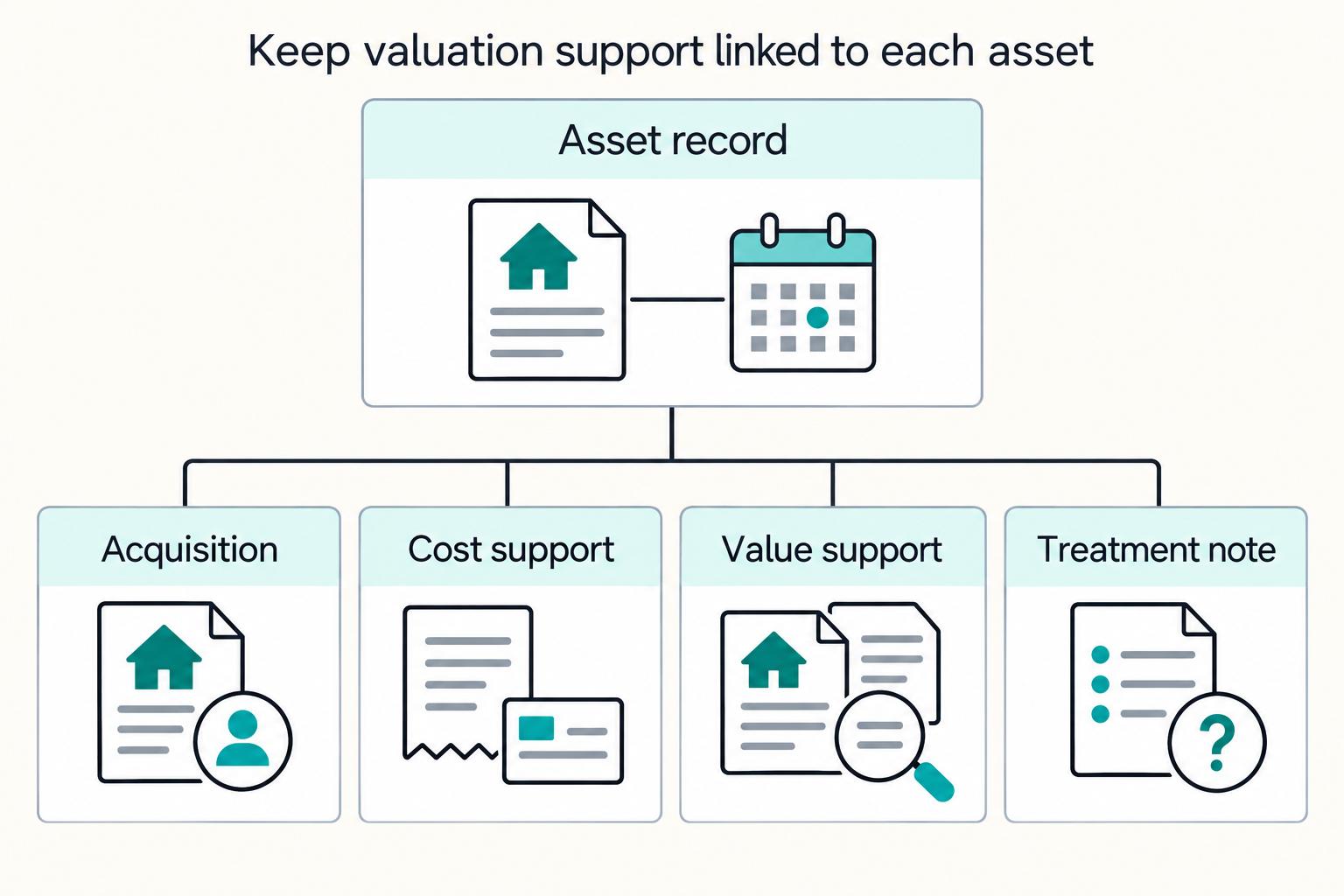
Canadian Deemed Departure Tax Before You Leave Canada
Before you plan for the Canadian deemed-disposition rules that can apply when you leave Canada, first confirm whether you are an emigrant for Canadian income tax purposes. That status drives everything that follows. If you keep residential ties, you may still be treated as a factual resident. If you are resident in a treaty country, you may instead be treated as a deemed non-resident, which is subject to the same rules as an emigrant.
Read more →
How AI Agents Pay for Services in Agentic Commerce
The practical risk is not failing to understand AI. It is choosing the wrong market, checkout pattern, or money movement model too early, then finding out your controls, support load, and reconciliation logic do not hold up under real transactions.
Read more →
How to Handle Currency Conversion in Your Payment API
A currency conversion payment API may return a display amount, offer an executable FX quote, book a conversion or initiate a recipient payment. Those operations have different consequences. Choose the operation you need and record its actual result; a successful rate response does not prove any money moved.
Read more →
Contractor Payout SLA Payment Speed Guarantees That Hold Up Under Load
“Paid within a day” can mean three different things: a payout was submitted, a provider marked it paid, or the contractor could use the funds. A speed guarantee becomes hard to defend when a website promises the third and an operations dashboard measures the first.
Read more →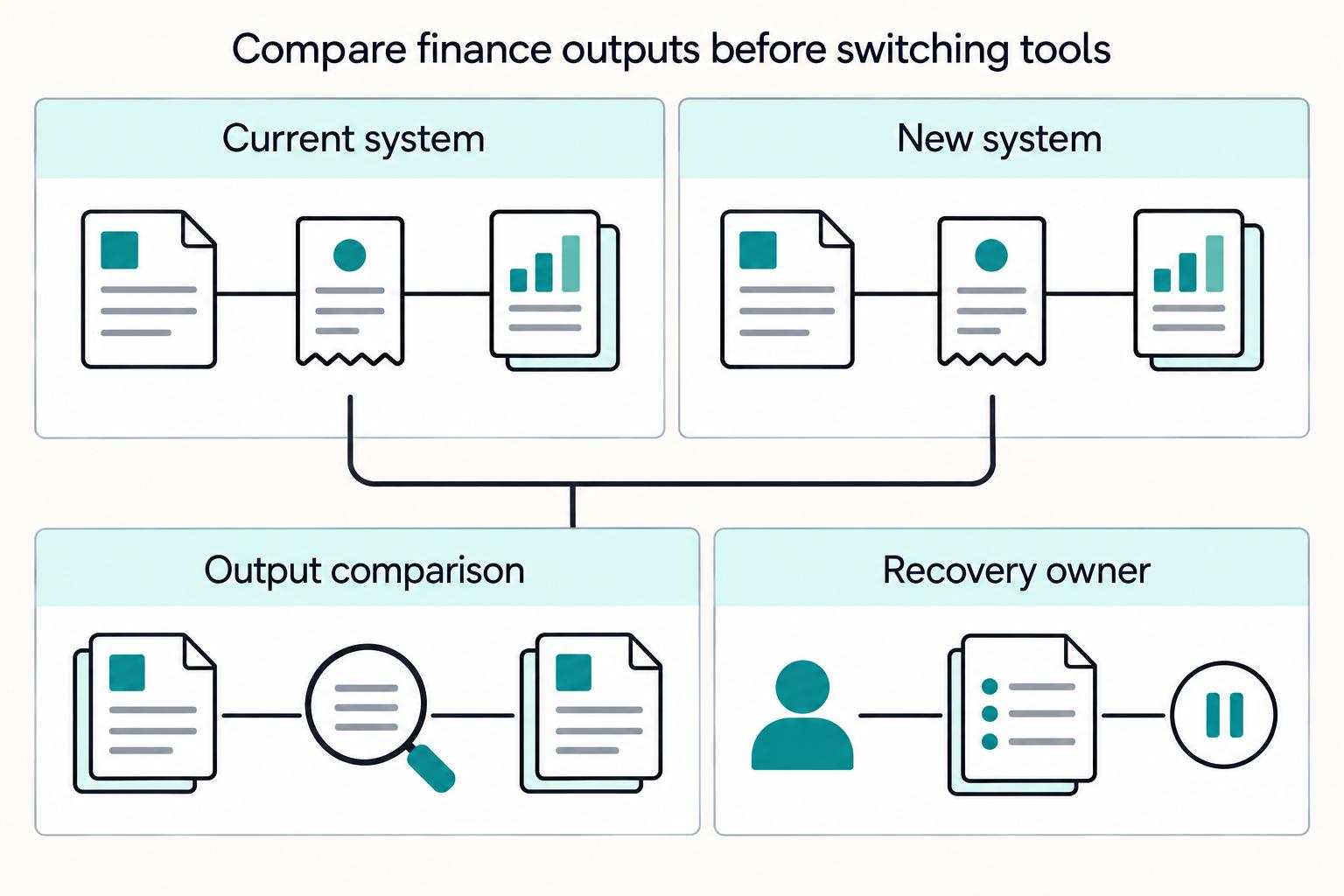
Freelancer Tools in 2026: A Lean Stack for Faster Payments
A freelancer does not need 50 applications to invoice a client reliably. The useful question is where approved scope, time or milestones, invoice, payment and correction records live. This is a focused 2026 shortlist based on product documentation checked on 27 September 2026, not a scored ranking of the market. Test current plan terms and payment availability in your country before committing.
Read more →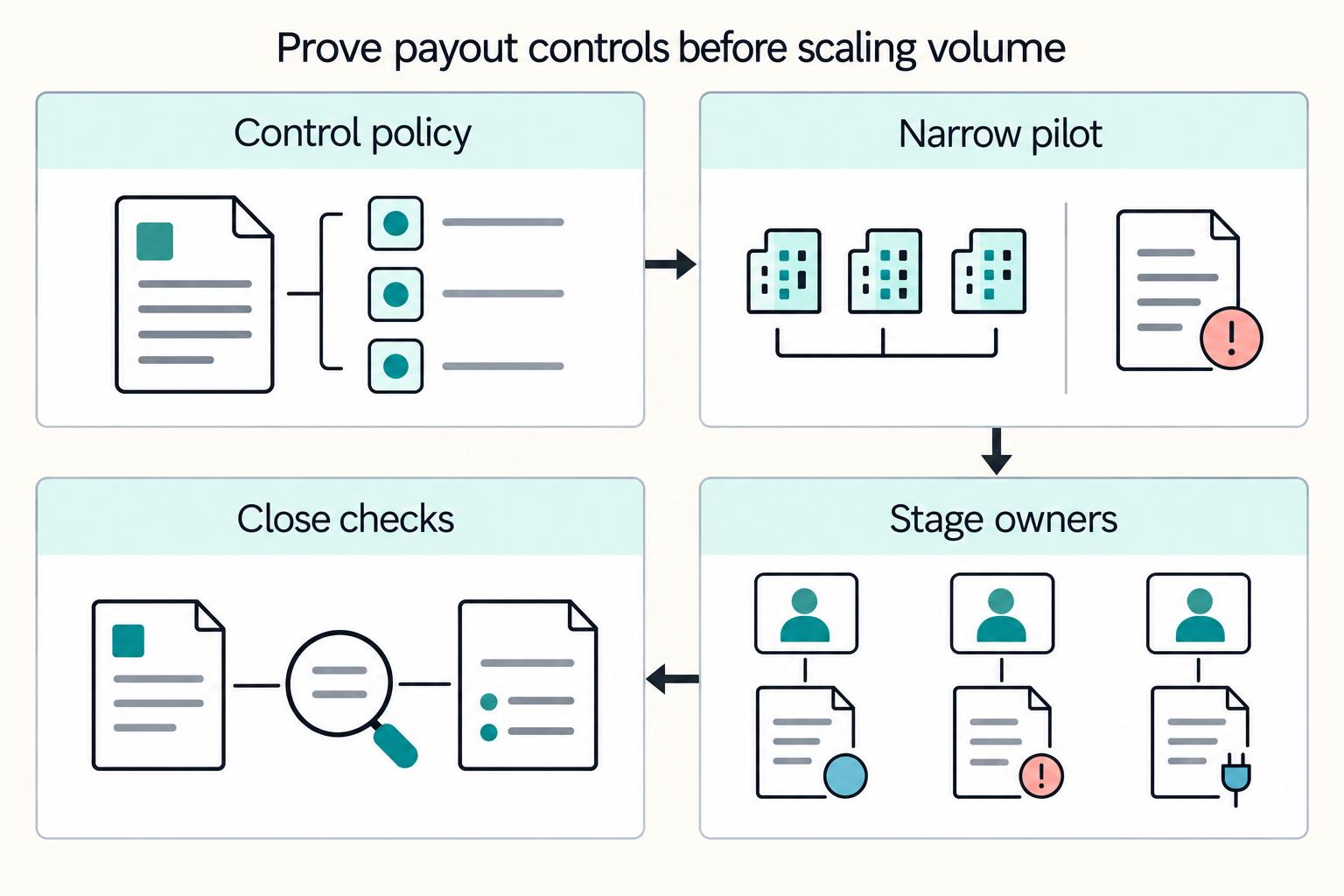
Tipalti Payouts Explained for AP-Centric Supplier Disbursements
For platform teams, understanding Tipalti payouts means deciding which workflow to buy and who will operate it. Ask whether its AP or Mass Payments product fits your approvals, reconciliation needs, payee experience, and launch countries. The product name alone does not establish that scope.
Read more →
Payout Failure Root Cause Analysis: Diagnose Before Retrying
A recipient says the payment is missing, but the provider dashboard shows submitted. Before choosing a retry, establish which instruction was sent, which external attempt it created and what the route’s latest evidence says. Otherwise a recovery action can become a second payment.
Read more →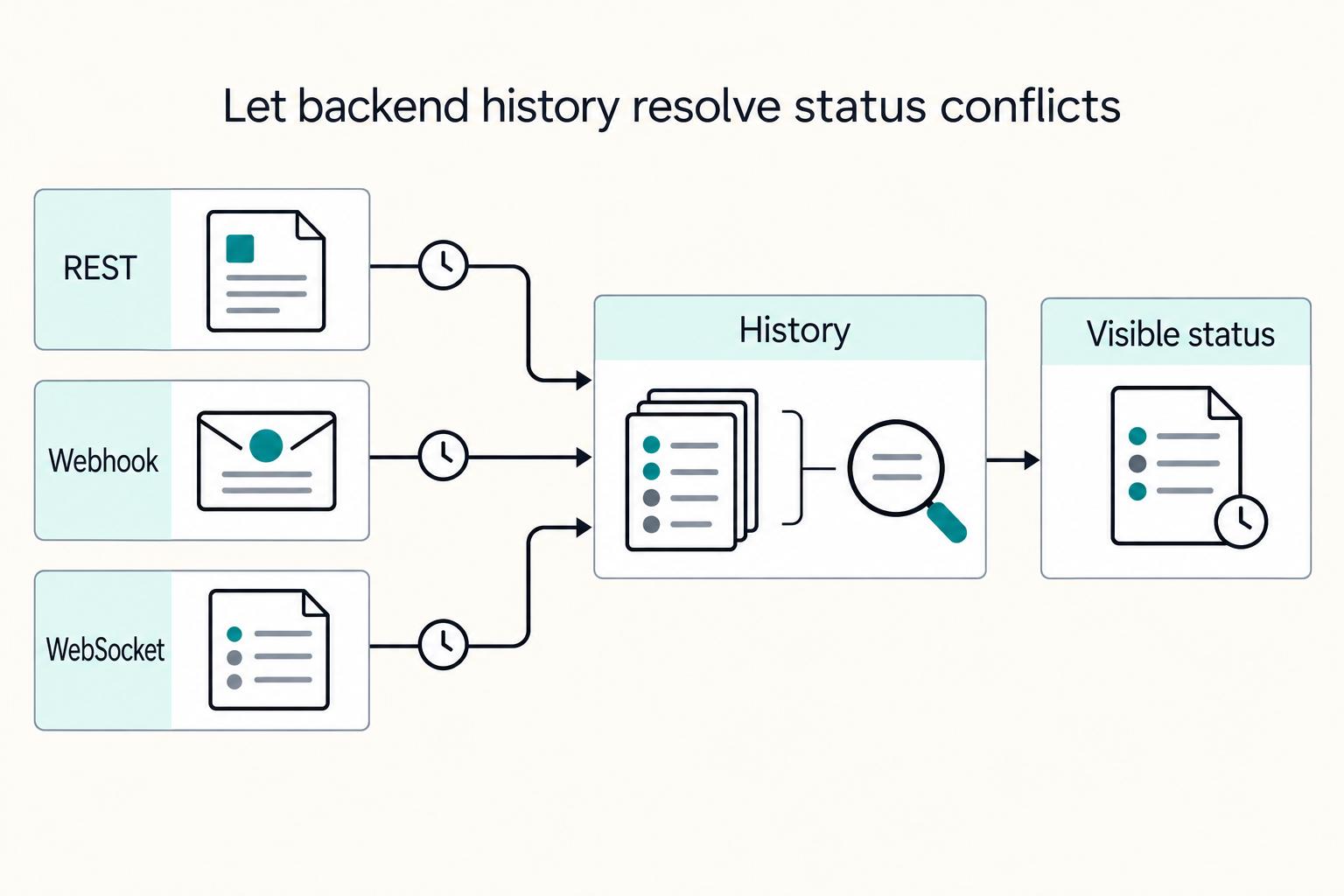
Building Real-Time Payment Status Tracking with WebSockets
If you are evaluating **real-time payment tracking over WebSockets**, start with the operating question, not the protocol question. Can you deliver live status updates that stay traceable through reconnects, retries, and support escalation?
Read more →
What Platforms Spend Per Country to Stay Compliant in Global Expansion
Per-country compliance cost planning starts with the operating model, and that choice needs to happen early. Use this guide if you are a compliance, legal, finance, or risk owner making country launch decisions before go-live. It helps you test assumptions before they turn into delays, rework, or avoidable spend.
Read more →
Hiring Contractors in Germany Under Scheinselbstandigkeit Risk
If you are hiring contractors in Germany, treat this as a control decision, not a paperwork exercise. The goal is to choose the right compliance control level for misclassification risk before first payout, then define when internal review should escalate.
Read more →
Stripe Connect Verification and Identity: When to Add Controls
A marketplace can have a verified account whose owner’s login has been compromised. It can also have an honest owner whose payout capability is restricted because required company information is missing. Asking everyone for another selfie does not solve both problems. Identify the missing fact and the affected action before choosing a verification product.
Read more →
Hiring Contractors in Nigeria With an Audit-Ready Payout Framework
Hiring contractors in Nigeria is a control-design problem before it becomes a paperwork problem. If you own compliance, legal, finance, or risk, your job is to keep genuinely independent engagements moving and escalate cases that may look like employment.
Read more →
Payout Support Ticket Cost Calculator for Delayed Disbursements
Delayed disbursement tickets are not always just a queue problem. In many teams, one customer contact triggers additional internal follow-up, so visible ticket counts can understate total operating effort.
Read more →