
Operator playbooks for cross-border payments, tax, and compliance execution.
Step-by-step guidance for finance, product, and ops teams to launch faster, reduce payout friction, and keep reconciliation clean across borders.
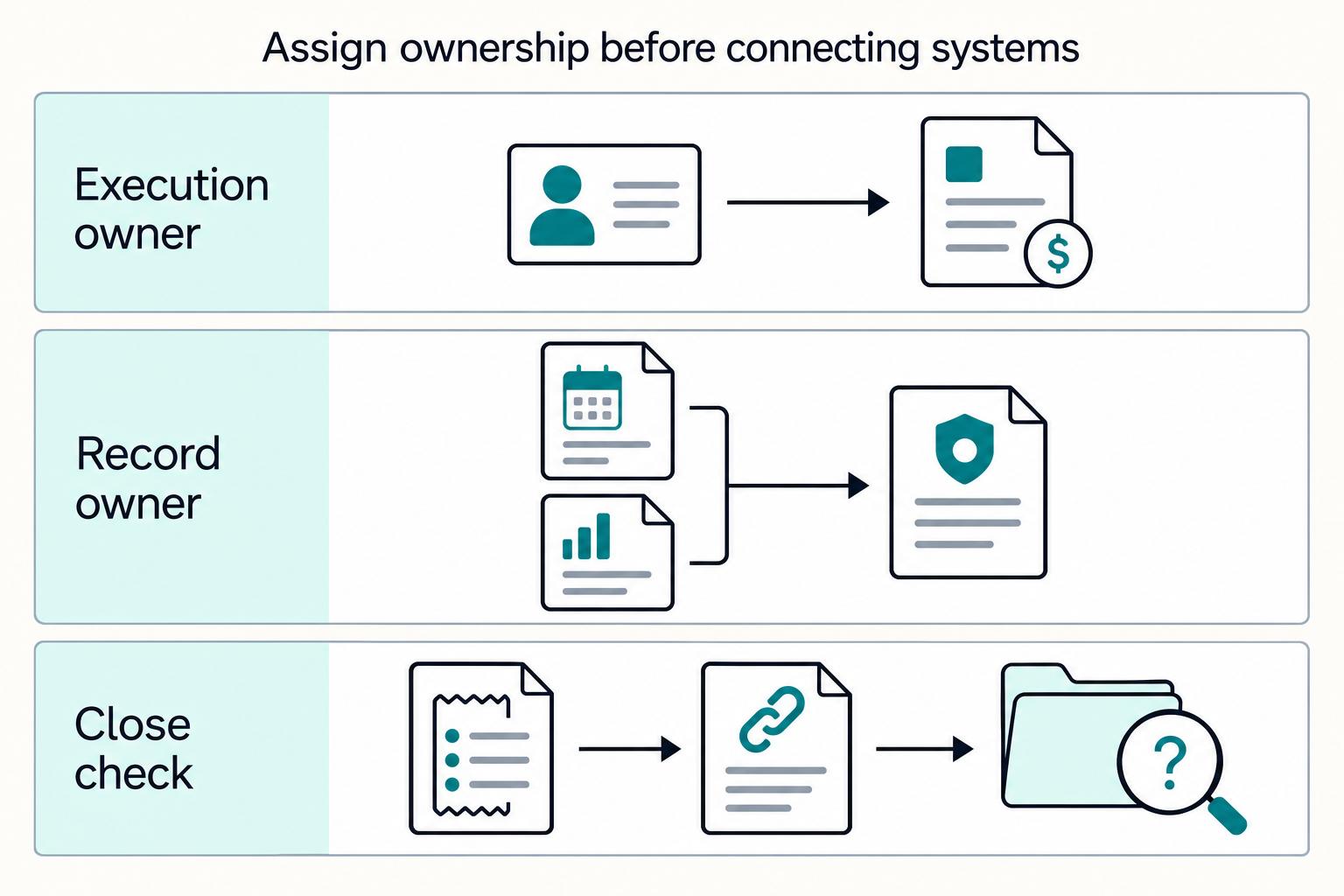
When SAP Business One Is Enough for Mid-Market Payment Operations
For **[SAP Business One](https://www.sap.com/products/erp/business-one.html)** decisions in payment-heavy environments, start by getting clear on scope. SAP Business One is positioned as an ERP for small and midsize businesses, with modules across accounting and financials, purchasing, inventory, sales, customer relationships, reporting, and analytics.
Read more →
Payment Gateway Explained: How Online Payment Processing Works for Service Businesses
A payment gateway is the secure front end of online payment processing. One of the first practical decisions is [hosted checkout or API integration](https://www.decta.com/company/media/how-to-choose-between-hosted-checkout-and-api-integration-for-your-online-business). That choice affects how payment data is captured and transmitted, how much control you keep over the product experience, and how much security responsibility your team takes on.
Read more →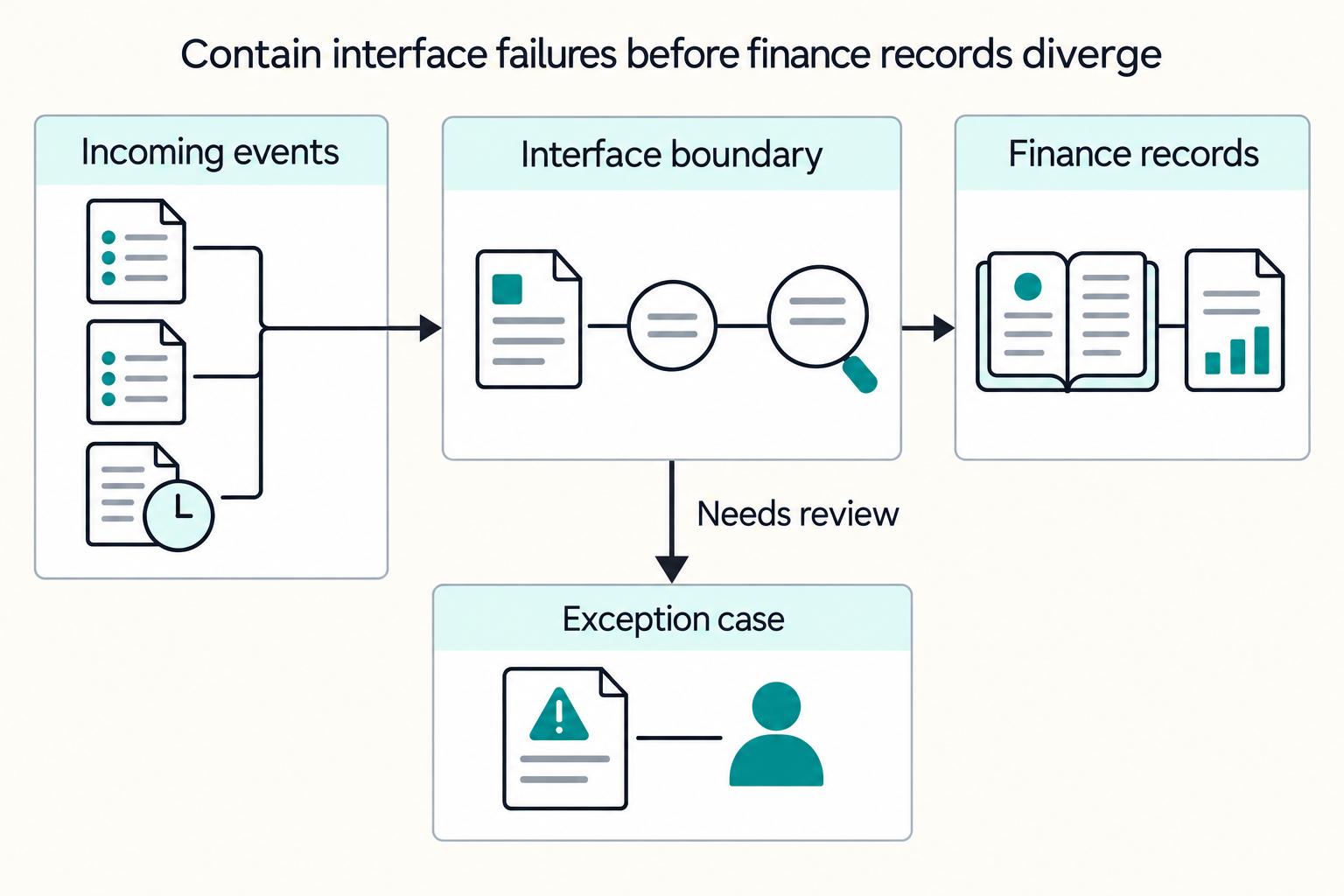
SAP S/4HANA for Finance Teams: Complete Guide to Modules and Migration Planning
An SAP finance project should begin with the questions finance needs to answer: what do we owe suppliers, what do customers owe us, which costs belong to each product or business unit, and how much cash can we use? “Implement finance” is too broad to tell an application team what to configure.
Read more →
How Many Years Back Can You File Delinquent FBARs?
Short answer: the IRS Delinquent FBAR Submission Procedures excerpt does **not** specify a numeric lookback period. It confirms that eligible filers should file delinquent FBARs according to FBAR instructions, so the defensible approach is a year-by-year decision backed by records.
Read more →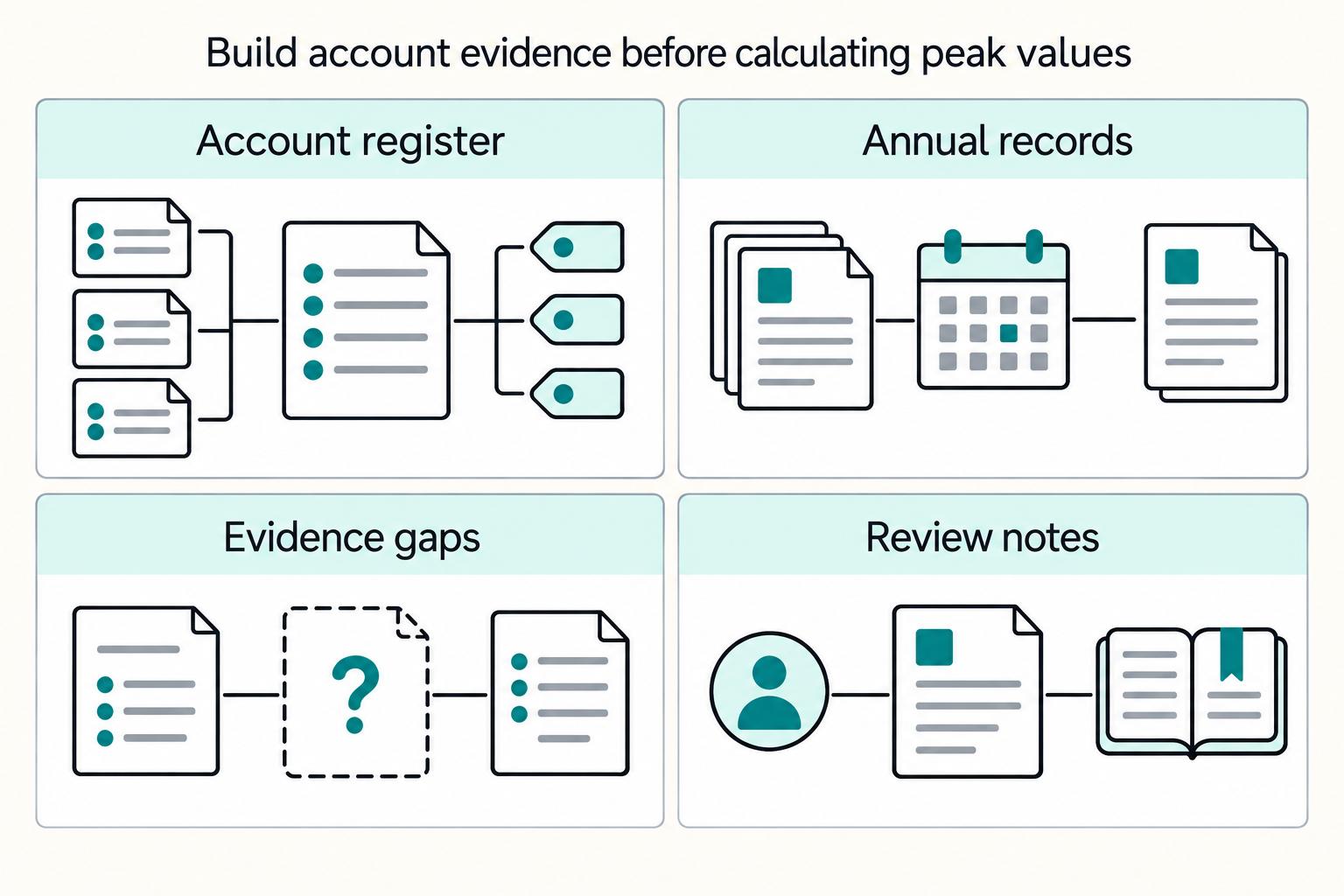
FBAR Maximum Account Value: How to Calculate Your Highest Balance
One of the biggest FBAR risks is not realizing a filing may be required. Another is being unable to support the maximum account value reported. Teams are exposed when records are incomplete, ownership or signature authority is unclear, or different groups rely on different source data for FinCEN Form 114.
Read more →
W-8BEN Default 30% Withholding: How to Reduce It Using Tax Treaty Benefits
Use reduced withholding only when you can support a treaty claim, not just because a form was uploaded. This is for payer-side operators moving from default treatment to a defensible treaty-rate decision on **Form W-8BEN** that the U.S. withholding agent can explain later.
Read more →
Filing FBAR Late: Reasonable Cause Statements and Delinquent Submission Procedures
Late FBAR filing can be a controls issue, not just a tax cleanup task. For teams managing cross-border accounts, it can expose gaps in ownership, recordkeeping, and escalation at the same time.
Read more →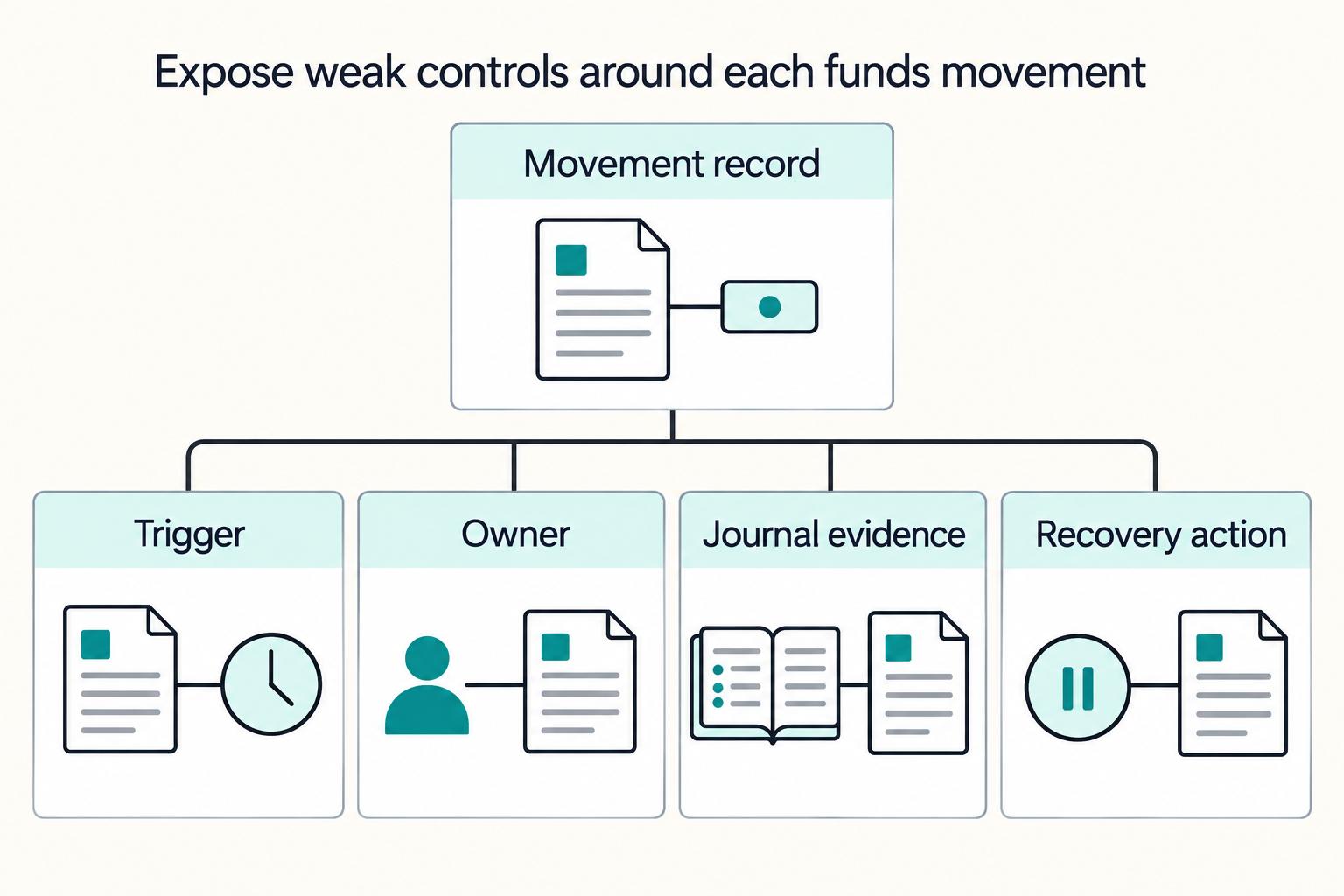
How a Legal Marketplace Modernized Trust Accounting Compliance
Trust accounting is often treated as a compliance topic, but for a legal marketplace it is also an economic decision. When money movement and control are unclear, operating friction rises and pricing pressure gets harder to manage.
Read more →
Hiring Contractors in Brazil: CPF, CNPJ, Invoices and Pix
Hiring a Brazilian contractor creates three separate decisions: whether the work is genuinely independent, which person or business supplies it, and how the agreed amount reaches that supplier. A CNPJ, a service invoice and a successful Pix payment do not settle the employment question. Equally, receiving foreign client payments does not automatically require the contractor to become your employee.
Read more →
Hiring Contractors in India: PAN Collection TDS Withholding and Payout Rails
If you are hiring contractors in India, your first compliance decision is classification, not payment speed. Before payout design, you need a defensible sequence for contractor status, tax handling, and rail selection, with clear stop points when key facts are incomplete.
Read more →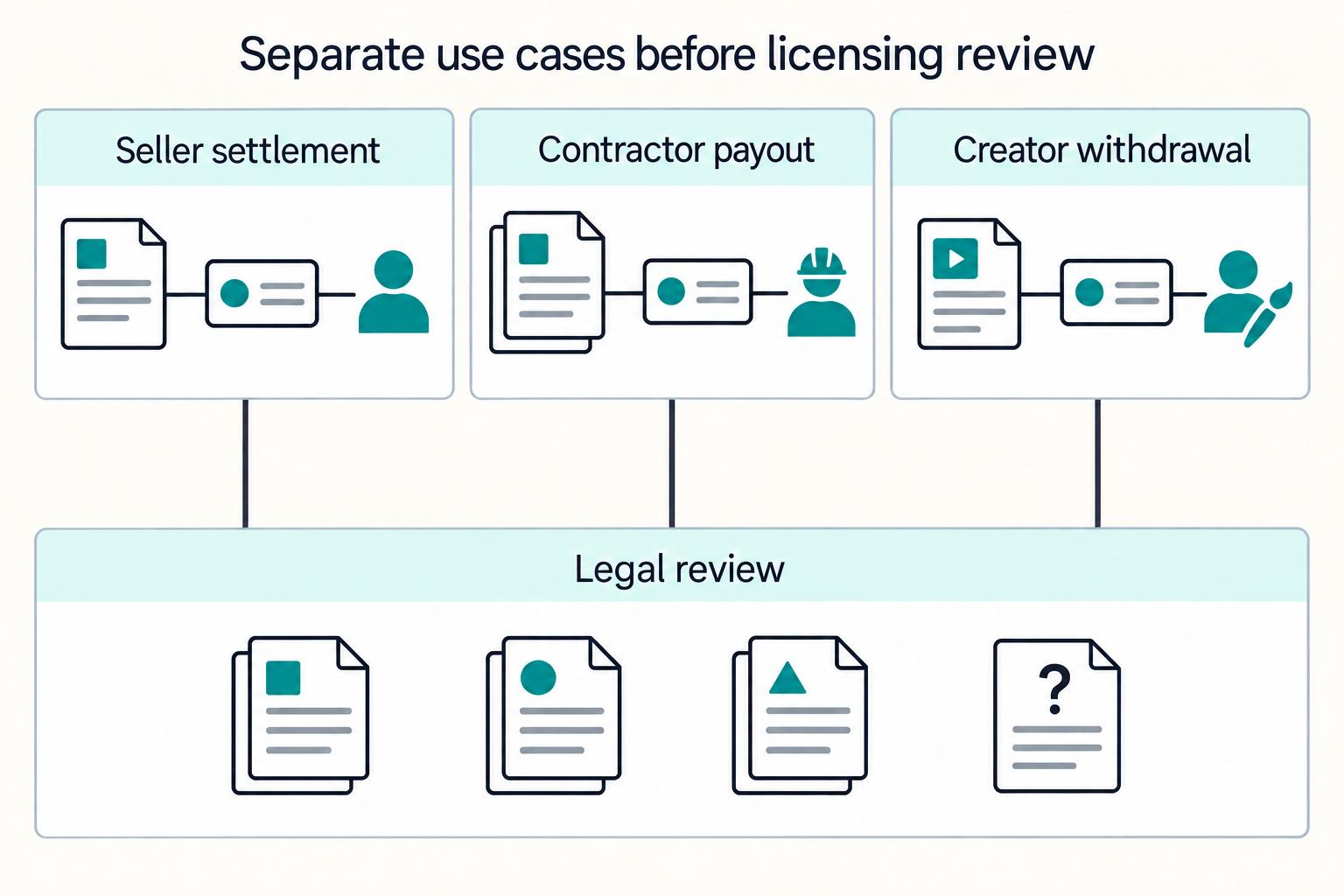
EU Payment License Types Explained: EMI vs PI vs Agent Model for Platforms
An electronic money institution (EMI) can issue electronic money and provide authorised payment services. A payment institution (PI) provides payment services but cannot issue electronic money under its PI authorisation. A registered payment-services agent acts for a regulated principal within an agreed scope. Choose the route by examining the claim the customer holds, who receives and controls funds, and what payment activities each entity performs.
Read more →
Spain Payment Platform Compliance: VeriFactu, SII, LSSI, and Evidence-First Controls
**Compliance for a payment platform operating in Spain works best when you treat it as separate lanes, not one combined project.** For teams handling contractor, seller, or creator payouts linked to Spain, a practical split is a confirmed invoicing lane (`VeriFactu`/`SII`) plus still-unverified lanes, such as LSSI-related website obligations and broader payment-reporting expectations. Validate each lane on its own legal basis before you hard-code controls.
Read more →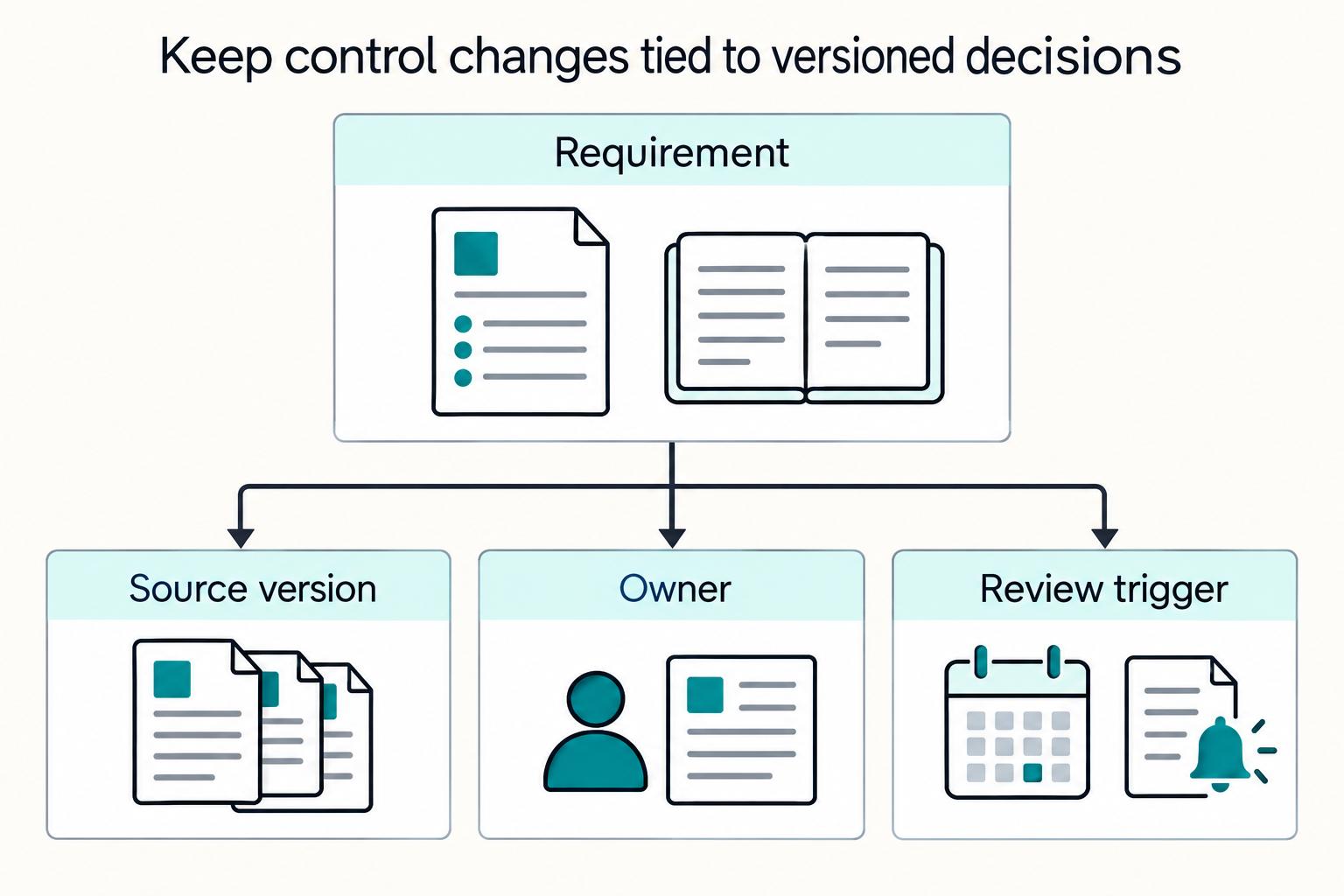
PSD2 to PSD3 for Platform Operators: What to Implement Now, Stage for Later, and Escalate Early
A platform’s EU payment backlog needs more than a PSD2-versus-PSD3 split. Current work also includes the Instant Payments Regulation and DORA where they apply. Identify the entity providing the service, then separate duties already applicable to that entity from the reform transition.
Read more →
Netherlands Payment Platform Compliance: DNB Licensing and PSD2 Implementation
A Dutch payment platform must identify the payment services it actually provides, then obtain the applicable authorization or establish a valid exception or registered exemption before operating. PSD2/Wft analysis covers more than bank-data access: executing payments, acquiring, money remittance and payment initiation can also be regulated. Map the contracting parties, accounts and control over money before selecting a licensing route.
Read more →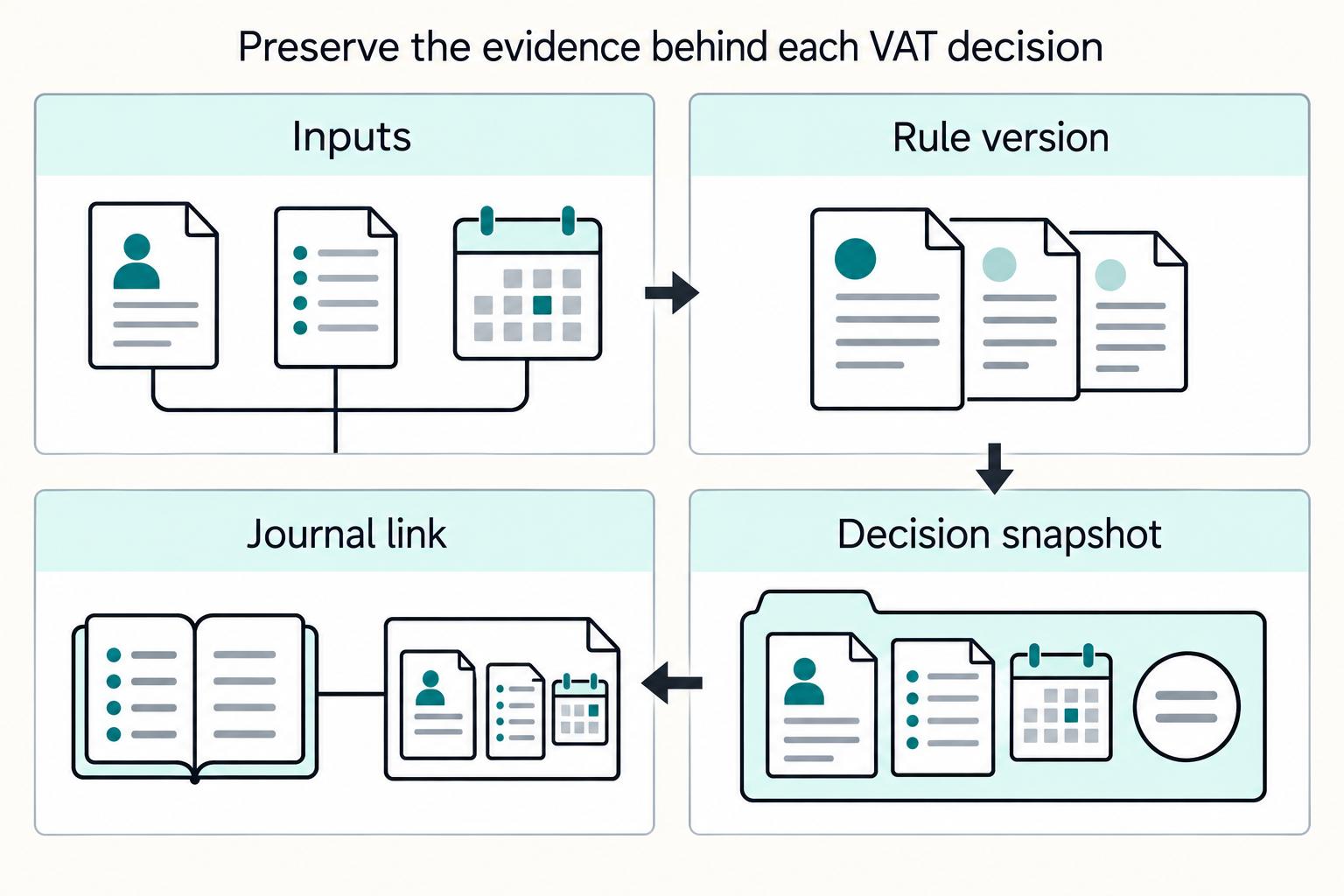
VAT Registration Threshold Checker for Digital Platforms in the EU
Most VAT threshold content fails platform operators because it starts as reference material, while your systems need a clear, logged decision for each transaction flow. There is no single **VAT registration threshold EU** rule you can drop into code for every case, even though payouts, invoicing, and month-end close still force one operational decision per flow.
Read more →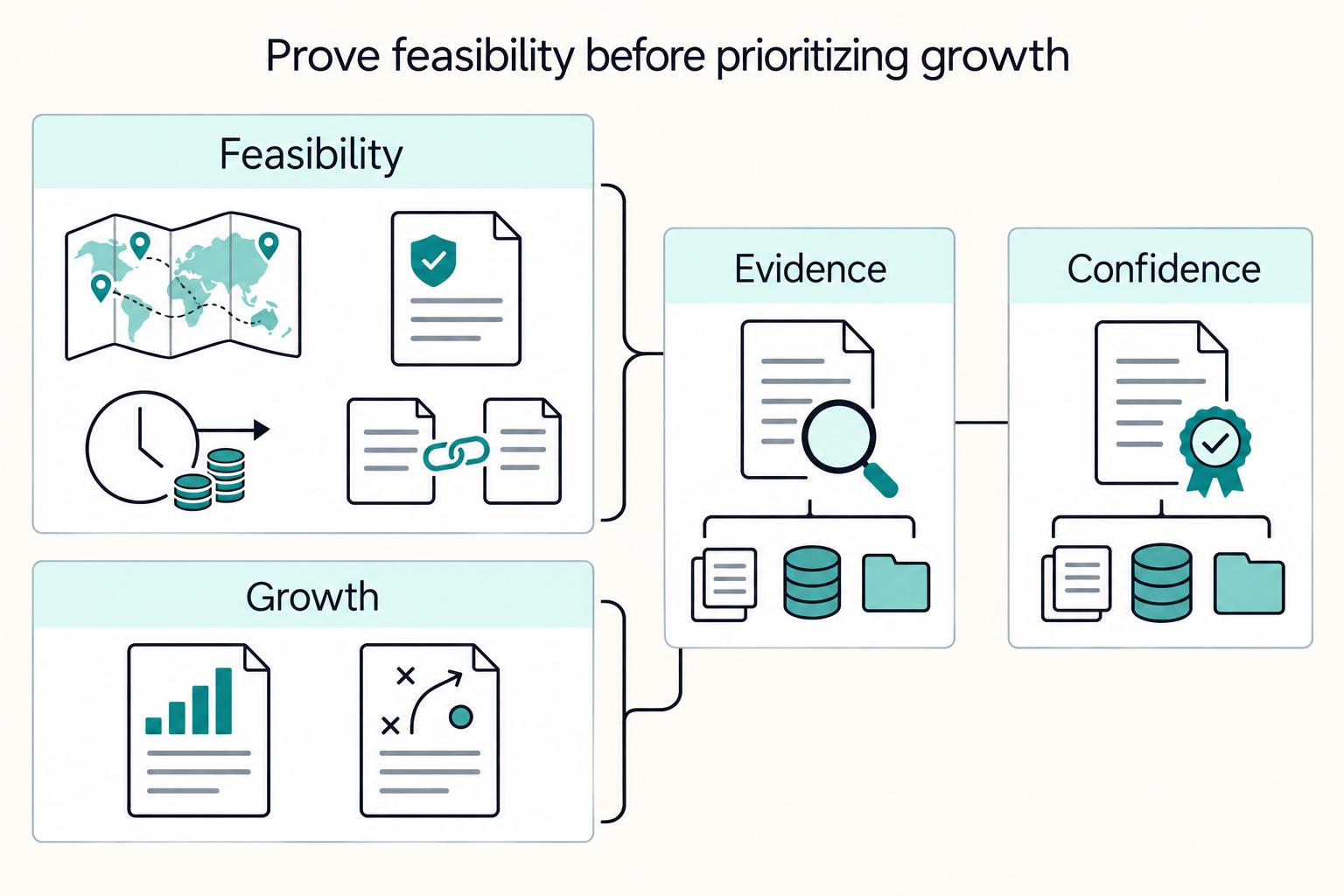
SMB Cross-Border Payments Barometer for Market Entry Sequencing
A cross-border payments survey can suggest demand; it cannot establish that your company can operate a particular corridor. Use this barometer as a launch-order method: clear feasibility gates, assess evidence quality, then compare the opportunity among corridors that pass.
Read more →
Building a Real-Time Payment Analytics Dashboard That Teams Can Trust
Building a **real-time payment analytics dashboard** is usually a phased rollout, not a single low-latency push. This guide helps you make early architecture decisions around event intake, computation, integration order, and verification so you do not have to rewrite core logic once the dashboard becomes operationally critical.
Read more →
Hiring Contractors in the Philippines with Compliance-First Payout Controls
If you are hiring contractors in the Philippines, set your compliance controls before onboarding starts. One common breakdown is not finding talent, but proving during an audit, dispute, or internal review that the working relationship, contract terms, payout trail, and tax handling still line up.
Read more →
US Tax Reporting for Bitcoin and Ethereum Gig-Worker Payouts
If you plan to pay gig workers in Bitcoin or Ethereum, treat reporting design as part of product design from day one. Faster settlement can help operations, but weak controls can leave you with harder reconciliations and more compliance risk.
Read more →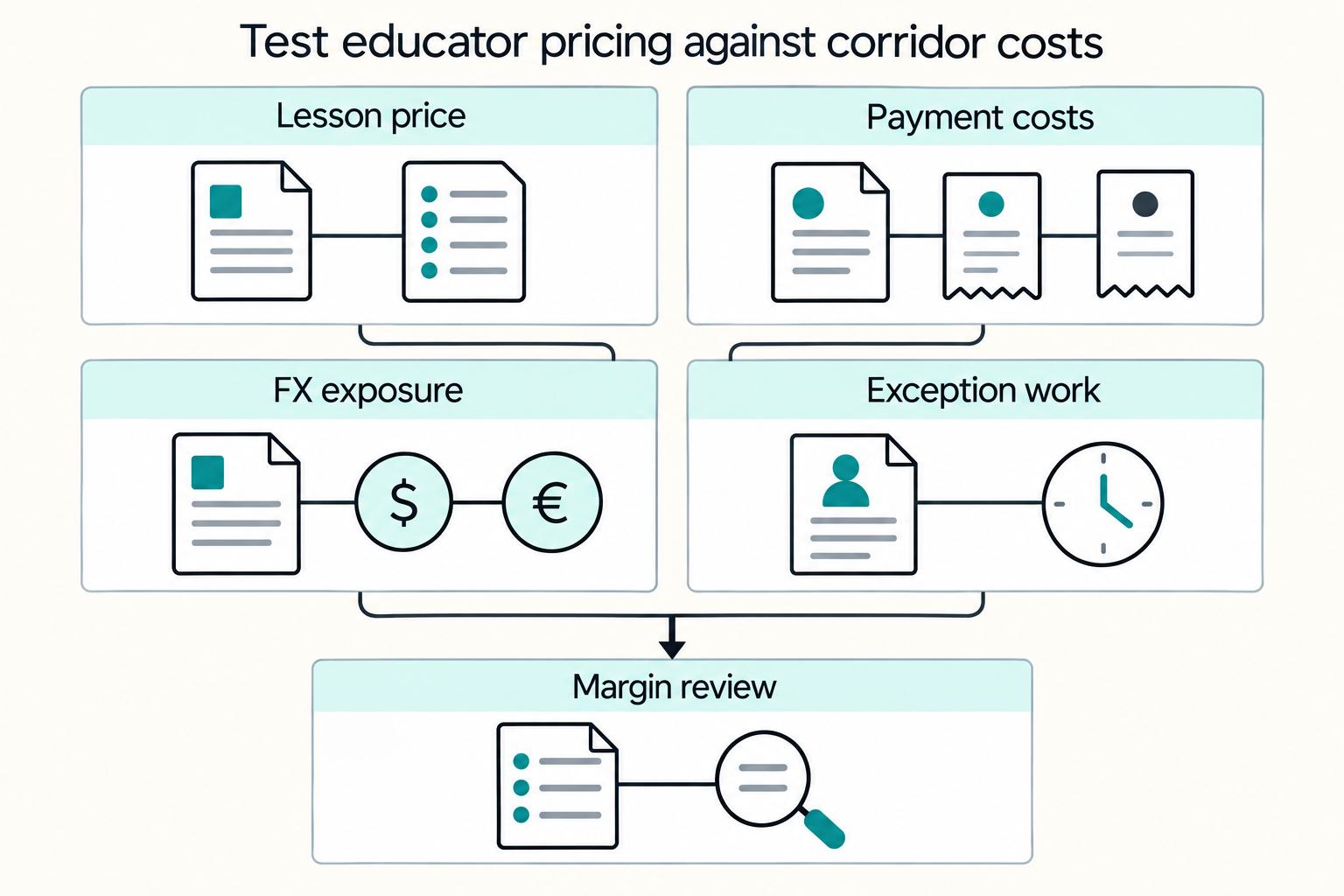
Freelance Online Educator Guide for Cross-Border Platform Launches
This guide is for platform founders and operators deciding whether a freelance online educator vertical is worth exploring before they commit product and go-to-market budget.
Read more →