
Operator playbooks for cross-border payments, tax, and compliance execution.
Step-by-step guidance for finance, product, and ops teams to launch faster, reduce payout friction, and keep reconciliation clean across borders.
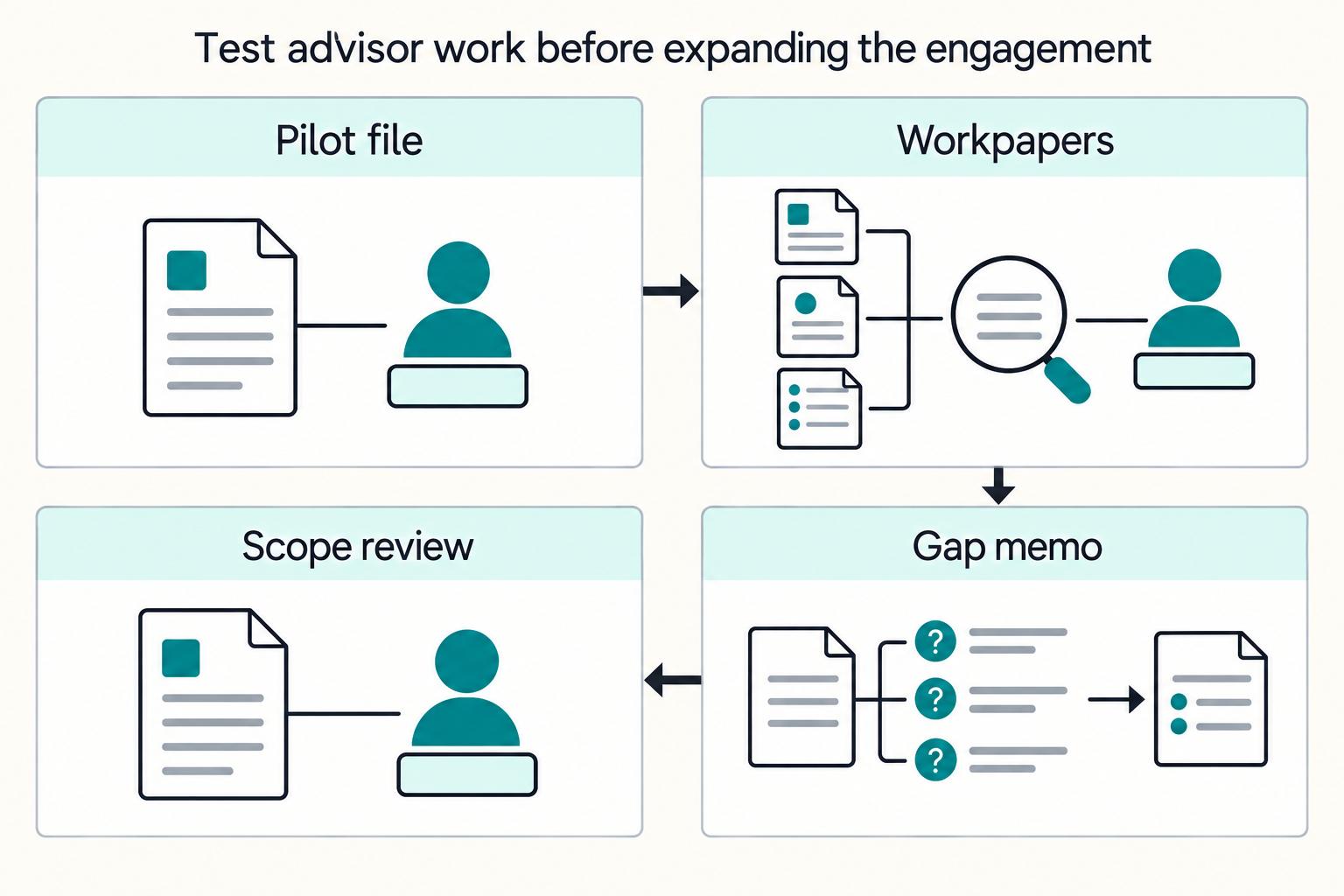
How to Choose an Expat Tax Advisor
Choosing an expat tax advisor is a control decision first and a branding decision second. If your team owns compliance risk across multiple markets, focus on what an advisor can show in writing: scope, change handling, documented assumptions, deadline ownership, and escalation before issues become filing problems.
Read more →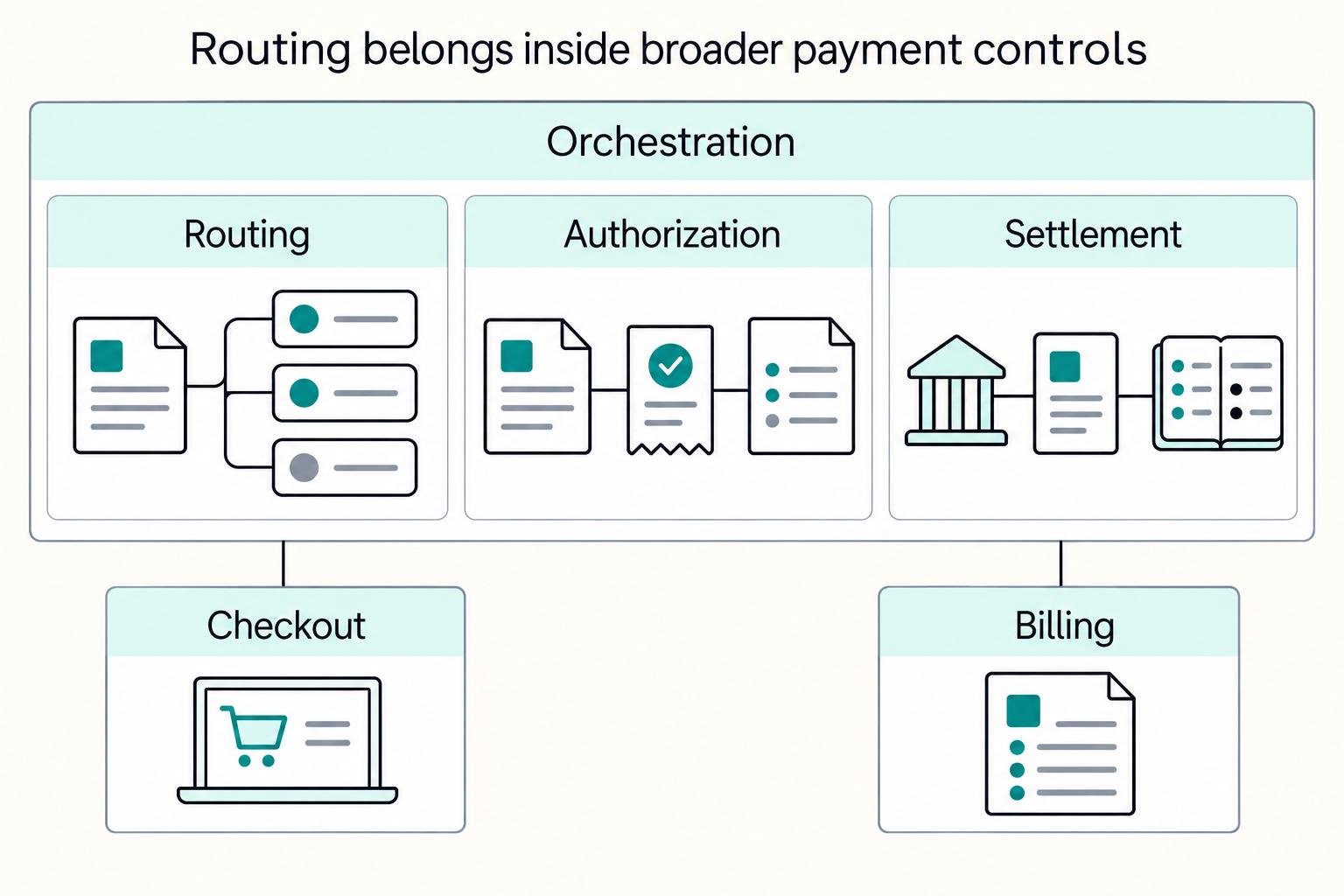
What Is Payment Orchestration? How Platforms Route Transactions Across Multiple PSPs
Payment orchestration coordinates payment providers, routing decisions, attempt history and operational reporting through a shared control layer. It becomes useful when checkout traffic needs more than one PSP and separate integrations make outcomes harder to explain. One integration can simplify access; it does not automatically settle funds or reconcile every connector.
Read more →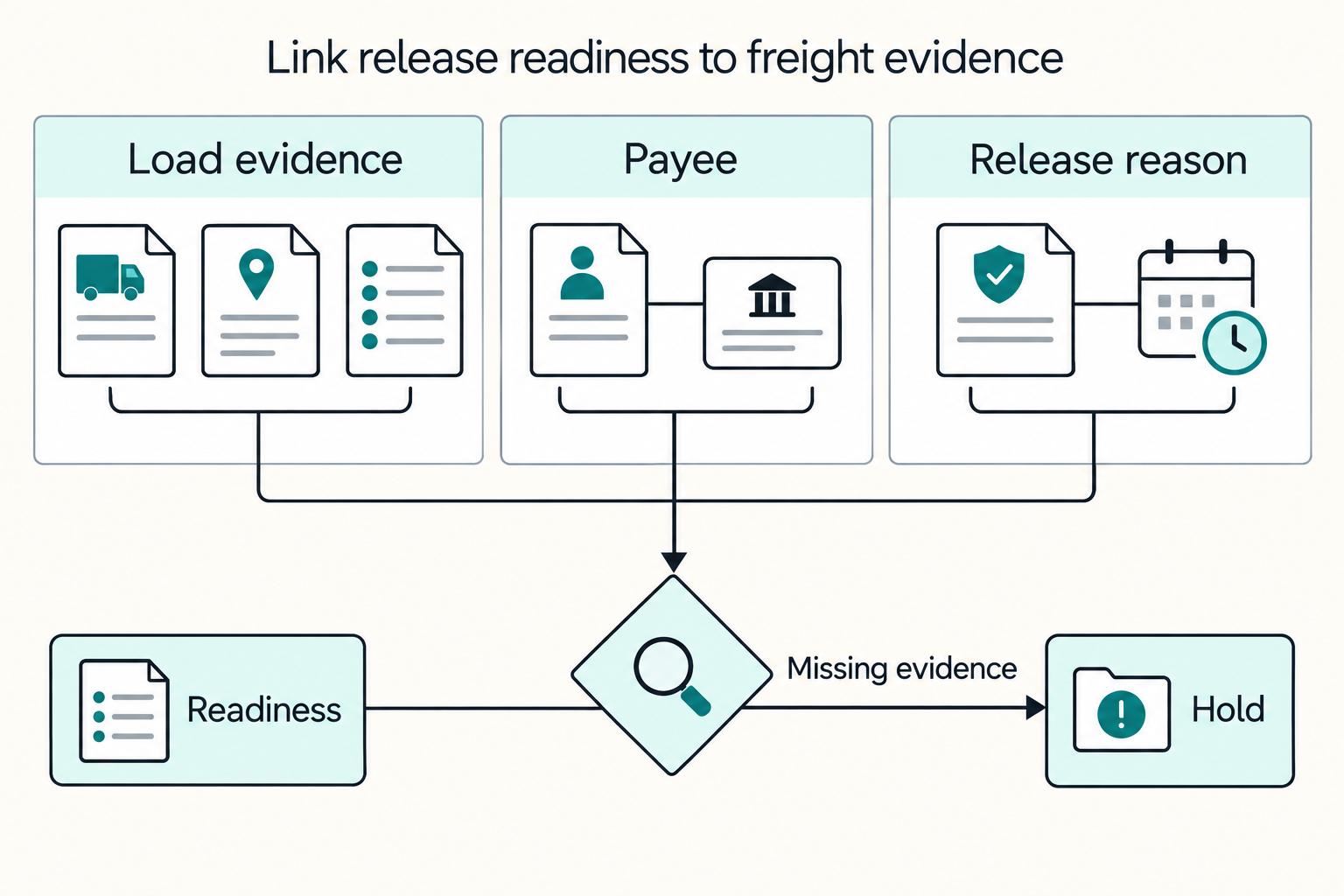
Freight Marketplace Payments for Carriers and Brokers
The first decision is not just how a freight broker pays a carrier. It is which money movement model your digital freight marketplace will run, before scale makes exceptions expensive. Make that choice late, and you can end up with a platform that books loads but cannot settle them cleanly.
Read more →
How Event Platforms Decide Refund and Payout Control Before Expansion
Start with the money movement model, not the demo. In event ticketing, payment, refund, and payout failures often show up after launch. They usually come from unclear refund authority, settlement landing in one account that finance has to reallocate manually, or currency mismatches between checkout, settlement, and reporting.
Read more →
PropTech Marketplace Payments: How to Handle Rent Deposits and Service Provider Payouts
With **proptech marketplace payments rent deposits** and service-provider payouts, the real decision is operational design, not feature count. You need a setup that can run across countries without creating manual cleanup, custody ambiguity, or reconciliation gaps after launch.
Read more →
How to Automate Payment Reconciliation End-to-End: From Invoice to Bank Statement
If you are automating payment reconciliation from invoice to bank, treat it as a control objective, not just a tool sync project. Aim for a traceable path from invoice to bank statement to General Ledger (GL), with explicit matching decisions and a clear process for failures.
Read more →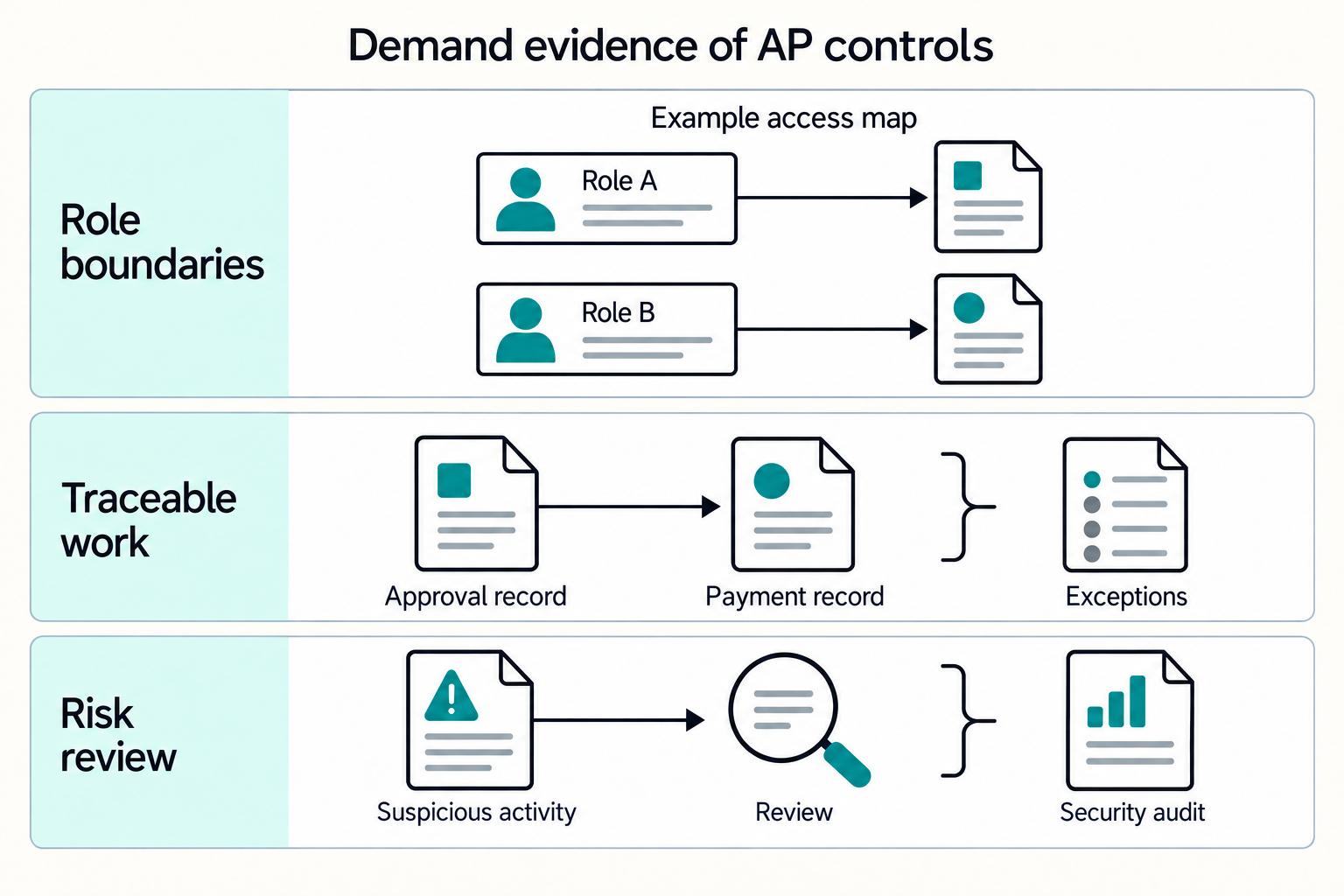
AP Automation Feature Checklist: Non-Negotiable Capabilities for Platform Finance Teams
Use this checklist to evaluate the invoice-to-pay process you will actually operate. Capture quality matters, but so do approval authority, failed-payment recovery and the records needed to close the books. A vendor should demonstrate those together on your invoice mix.
Read more →
AP Automation Controls: From Invoice Approval to Reconciliation
AP automation should make an unauthorized or duplicate payment harder to release and a legitimate invoice easier to explain. The controller’s job is to define those controls across purchasing, receiving, invoice review, treasury and close, then prove that each handoff preserves the decision.
Read more →
IRS TIN Matching Automation for Platforms Before You File
For platform teams, **TIN matching automation** is most useful as a pre-filing control. Use it to catch payee name and TIN mismatches before an information return is filed, not after notices arrive. That helps reduce filing-error risk and limits surprise follow-up after filing.
Read more →
DORA Compliance for Platform Payment Systems: Operational Resilience Requirements
[DORA](https://www.eiopa.europa.eu/digital-operational-resilience-act-dora_en) is now an active operational resilience requirement for payment-relevant operations, not a future planning topic. It entered into application on 17 Jan 2025, and it covers ICT risk management, major ICT-related incident reporting to competent authorities, and ICT third-party risk management.
Read more →
Italy Payment Platform Compliance in 2026: POS-to-RT Linkage, Fatture e Corrispettivi, and Banca d'Italia Scope
This guide does one thing: separate what is clearly described in Italy from what still needs legal confirmation before you build controls. For teams working on payment platform compliance in Italy, the confirmed material is narrower than many cross-border operators assume. That is usually where the surprises start.
Read more →
What Platforms Must Support Under the EU Instant Payments Regulation
This article is for compliance, legal, finance, and risk owners at platforms and marketplaces operating across EU markets. It is meant to help you decide what to handle internally, what to align with payment providers, and what to escalate for legal review before you make customer-facing payment promises.
Read more →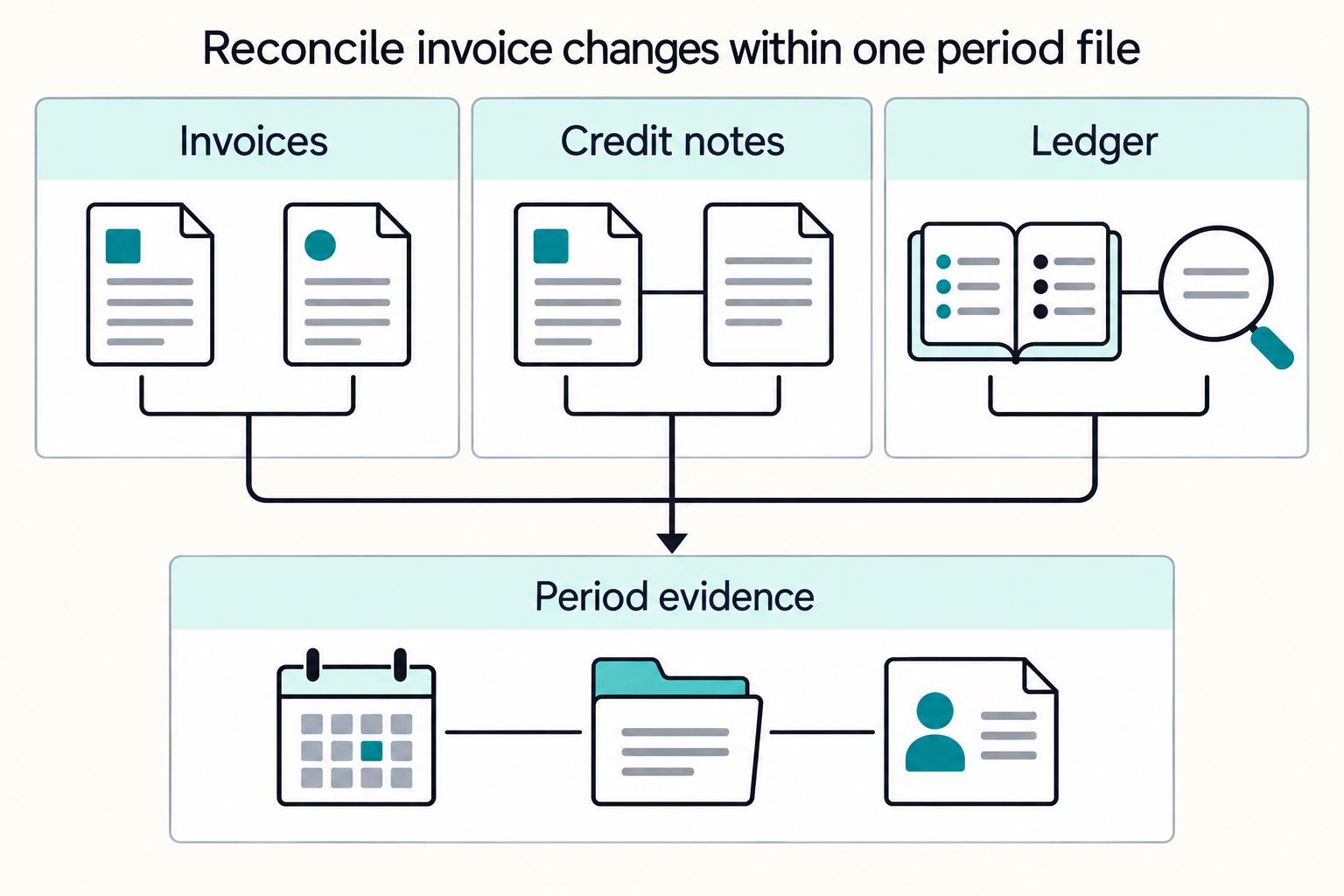
How to Invoice as a Freelancer in the UK: VAT Registration MTD and Sole Trader Rules
Treat **invoice freelancer UK VAT** as an evidence decision, not a template exercise. Do not let teams guess. Require a small proof set, assign one decision owner, and block release when core facts are missing.
Read more →
FEIE vs Foreign Tax Credit: Which Saves More for US Expats?
The FEIE vs FTC choice is a control decision, not a quick estimate of what usually saves more. This guide is for compliance, finance, and risk owners managing cross-border payouts. It is not personal tax advice.
Read more →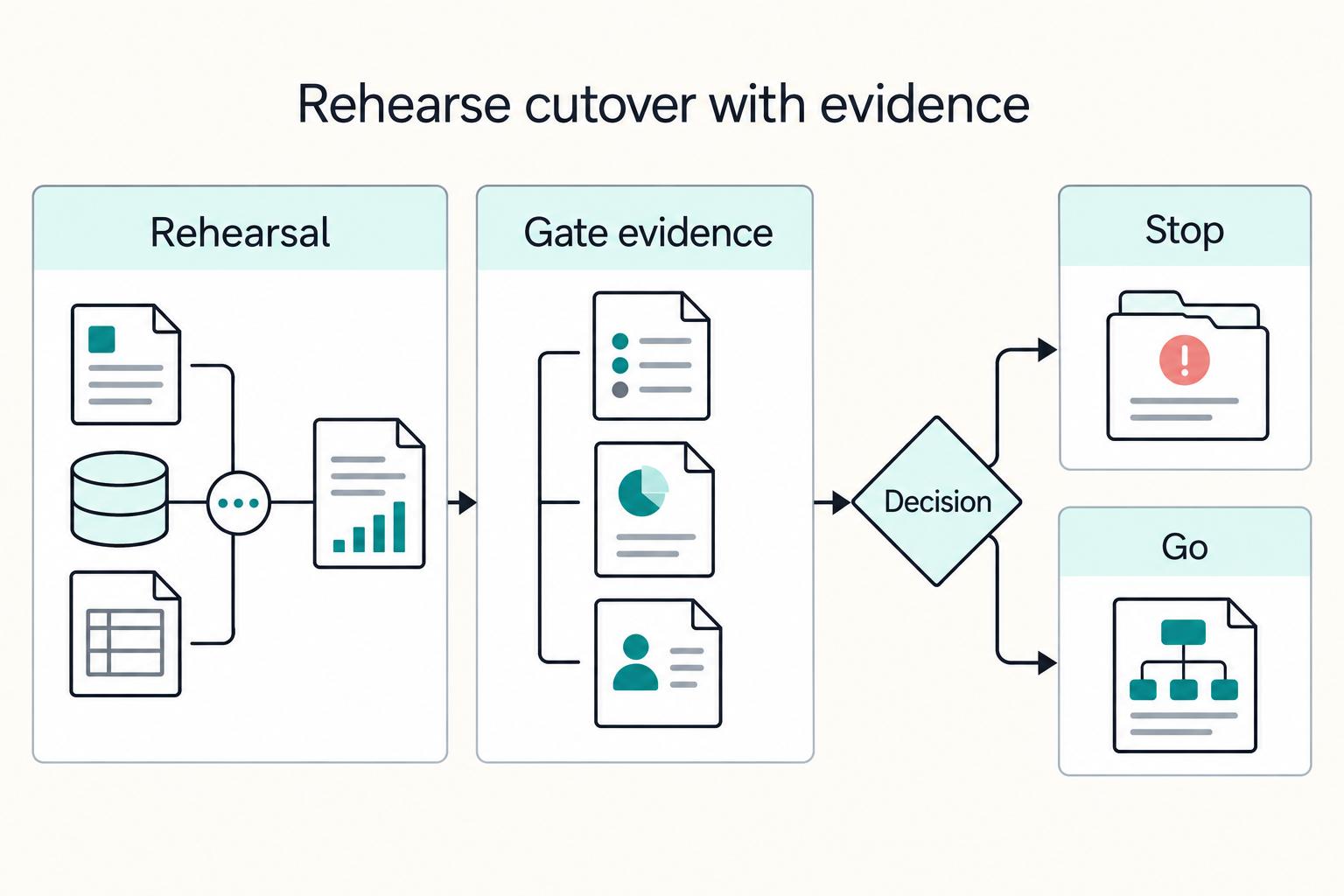
SAP ECC to S/4HANA: A Finance and Payment Migration Plan
A successful technical conversion is only part of a finance migration. The finance team also needs to explain opening balances, collect receivables, pay the right suppliers and trace what happened to transactions started before cutover. Those requirements should shape the plan before the final migration rehearsal.
Read more →
How to Enter For Further Credit Instructions on Bank Wires
The goal is first-pass accuracy: enter FFC wire instructions so funds reach the final account after the initial routing leg without avoidable rework.
Read more →
Best Countries for Digital Nomad Freelancers in 2026 Based on Real Operability
This 2026 comparison is about executability, not aesthetics. A country is only a real option if you can stay legally, manage tax exposure, and keep client delivery reliable without fragile workarounds.
Read more →
Digital Nomad Tax Residency Across Multiple Countries
Tax residency should be a launch gate, not a cleanup task after hiring, payouts, or local revenue have already started. This guide helps you pressure-test launch decisions and decide which controls to install before cross-border activity gets harder to unwind.
Read more →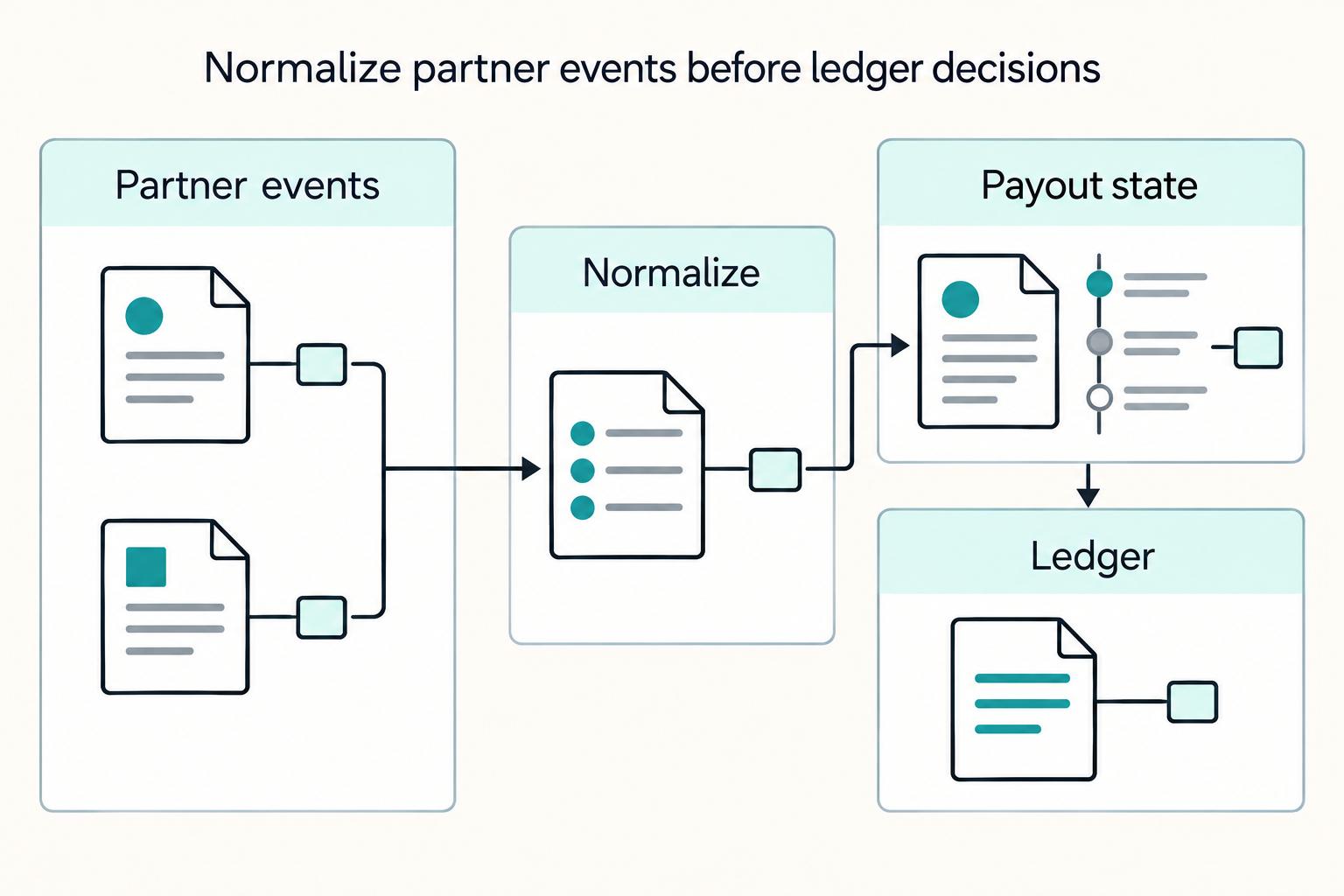
Legal Marketplace Payouts for Trust Accounting and Referral Fee Control
**Marketplace payouts in legal services are an operating-model decision before they are a product feature.** In multi-seller environments, payout flows involve regulatory, operational, and technical complexity. Your payout design affects who contracts with the acquirer, who receives settlement proceeds, and who handles receipts, refunds, and disputes.
Read more →
FBAR Calculator Threshold for FinCEN Form 114 Decisions
A reliable FBAR decision starts with scope, then math. You need a repeatable way to decide whether **FinCEN Form 114** is required, document how you got there, and escalate when key inputs are uncertain.
Read more →