
Operator playbooks for cross-border payments, tax, and compliance execution.
Step-by-step guidance for finance, product, and ops teams to launch faster, reduce payout friction, and keep reconciliation clean across borders.

Global Enforcement Tracker for Contractor Misclassification Risk in Platforms
Contractor misclassification risk arises when a person treated as independent is entitled to employee or other worker status under the applicable law. The agreement’s label, a tax form or the payment platform does not decide that status. For a cross-border platform, track each engagement’s work location, contracting parties, actual supervision and relevant labor and tax tests.
Read more →
Strong Customer Authentication (SCA) for Subscription Platforms: Reducing Decline Rates
If you want fewer surprises, treat SCA as a scope and sequencing decision, not a feature hunt. This ranked list is for teams running recurring collections across markets that want to reduce avoidable decline risk under PSD2 without adding unnecessary checkout friction.
Read more →
How Platforms Handle Backup Withholding When a Contractor Fails TIN Validation
A **backup withholding platform** should treat a failed **Taxpayer Identification Number (TIN)** validation as a control event. Start withholding when the trigger is valid, apply it only to the right payment flows, and stop only after the cure is verified. If you cannot show why withholding started, which payments it touched, and what evidence supported the stop decision, you have a control gap.
Read more →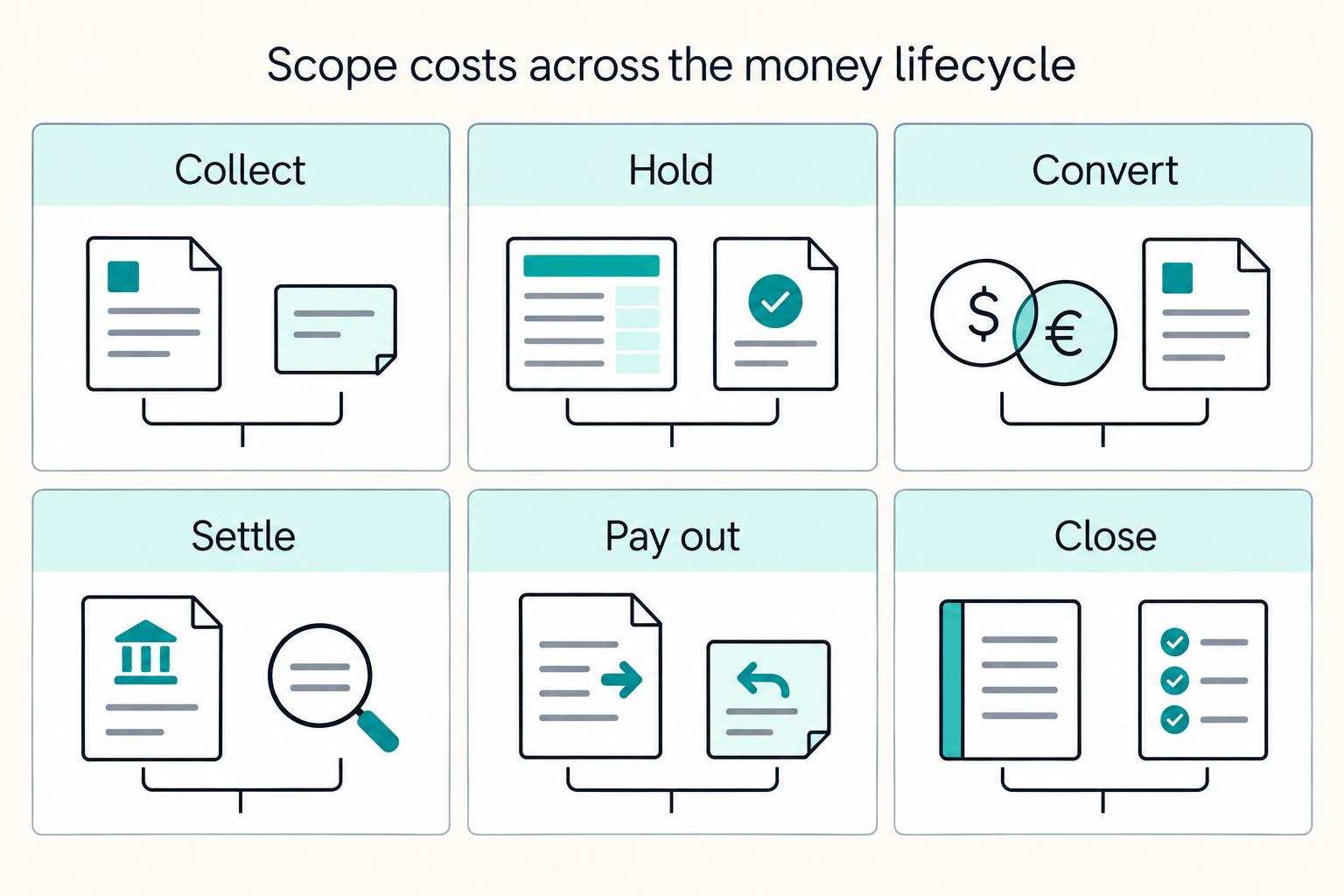
Total Cost of Ownership Calculator: Build vs Buy Your Payment Stack
Use this guide to make a build-vs-buy payment stack decision as an ownership decision, not a tooling debate. The goal is a recommendation that finance, operations, and product can defend with evidence.
Read more →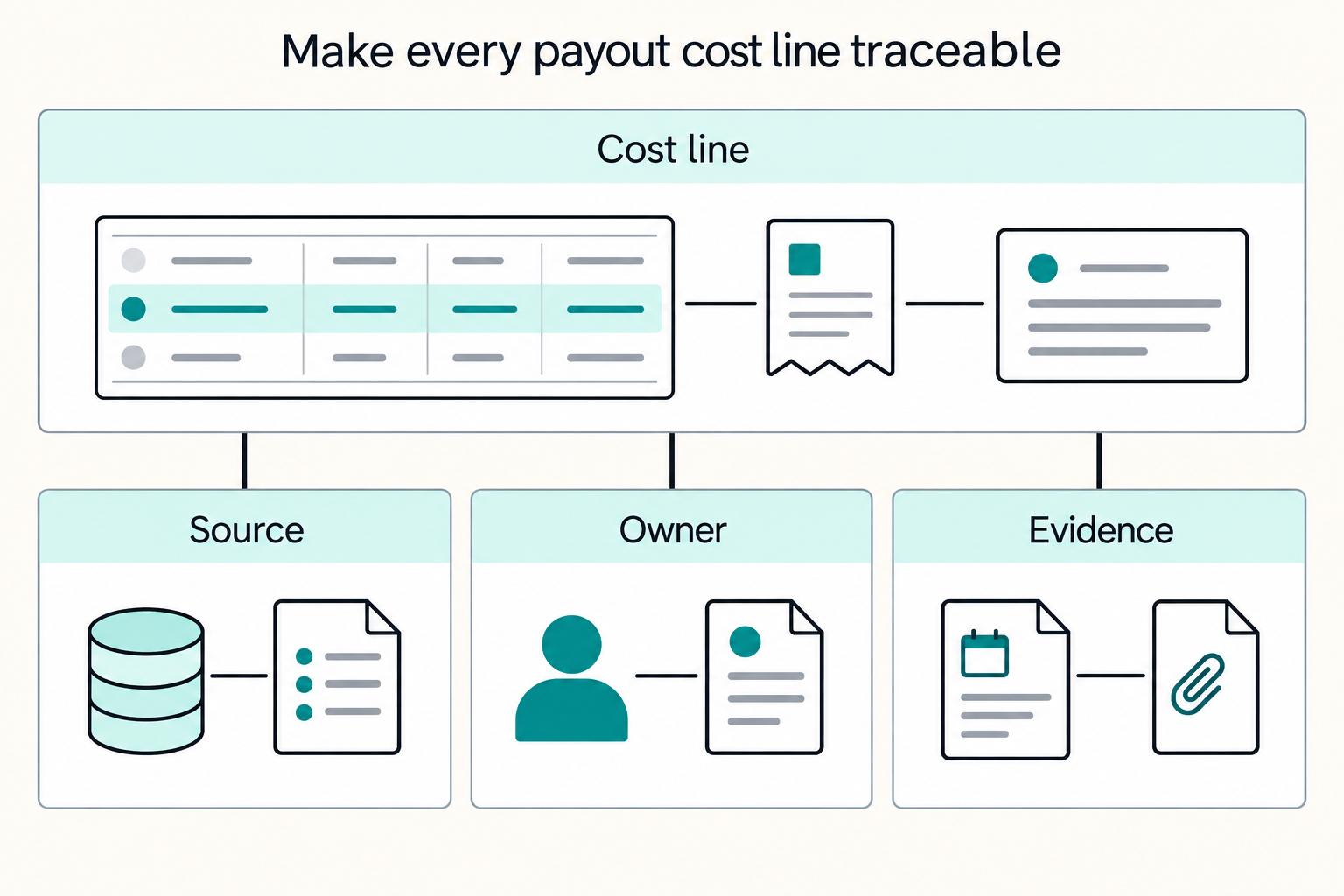
Gig Economy Payout Costs: An Illustrative Instant vs Batch Case
A cheaper payout route can save platform fees while increasing worker delays or manual cleanup. Compare the full cost and the promised time to funds before changing cadence. The useful question is which route meets payment obligations and worker needs at a defensible total cost.
Read more →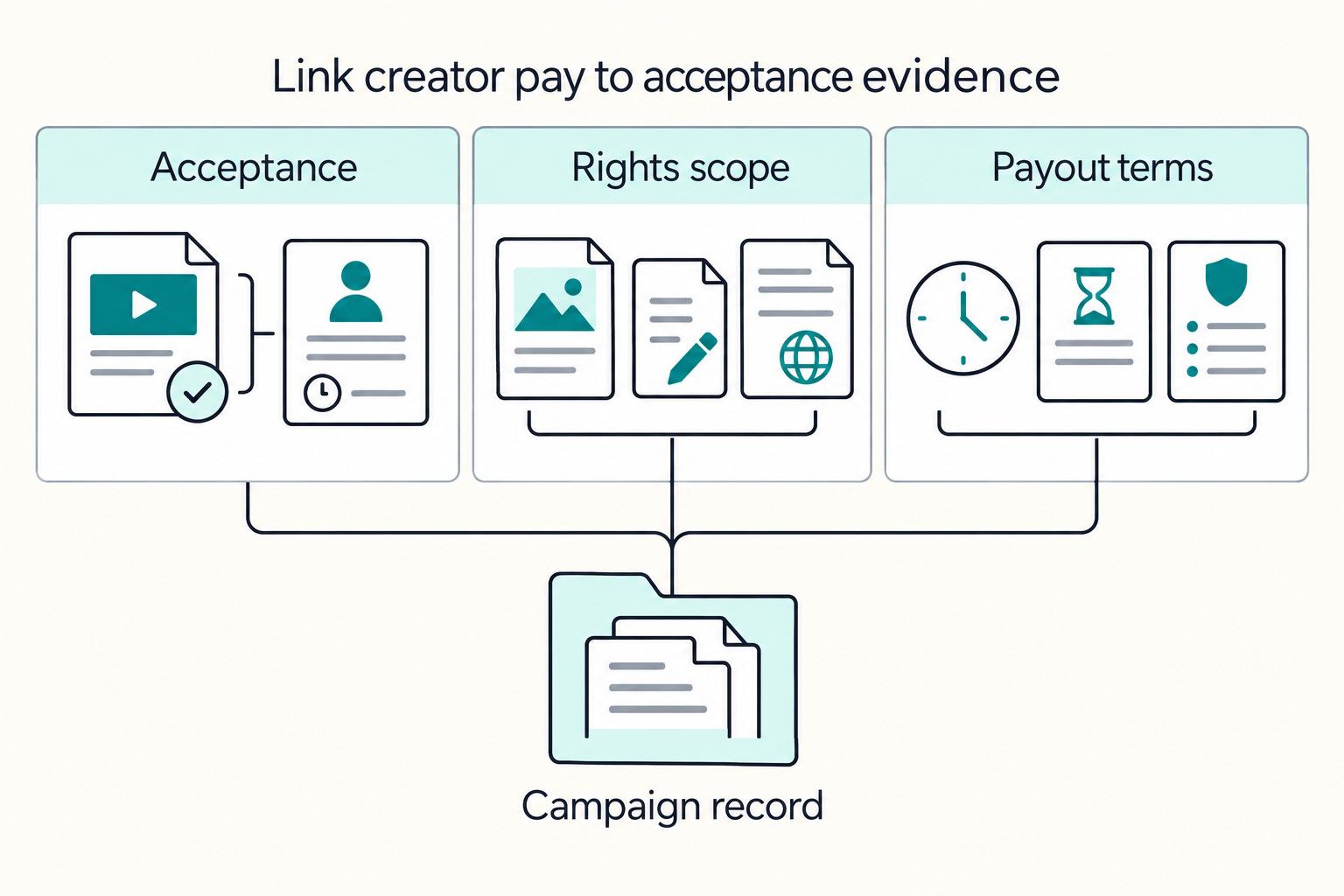
AI Influencer Payouts: Payees, Rights and Payment Routes
AI influencer payouts go to the person or business operating the virtual creator under the applicable agreement. The avatar name identifies the campaign or channel; it does not supply a legal payee, tax identity or bank beneficiary. Establish the operator, the rights being supplied and the source of the earnings before choosing a payment route.
Read more →
Platform Payments Quarterly Benchmark Report
Build a quarterly payments benchmark to decide which market to enter, which controlled pilot to run, and which operating gap to fix first. This article is a reporting framework, not a published dataset of marketplace performance. Its numerical examples are illustrative; external studies supply context with their own populations and dates.
Read more →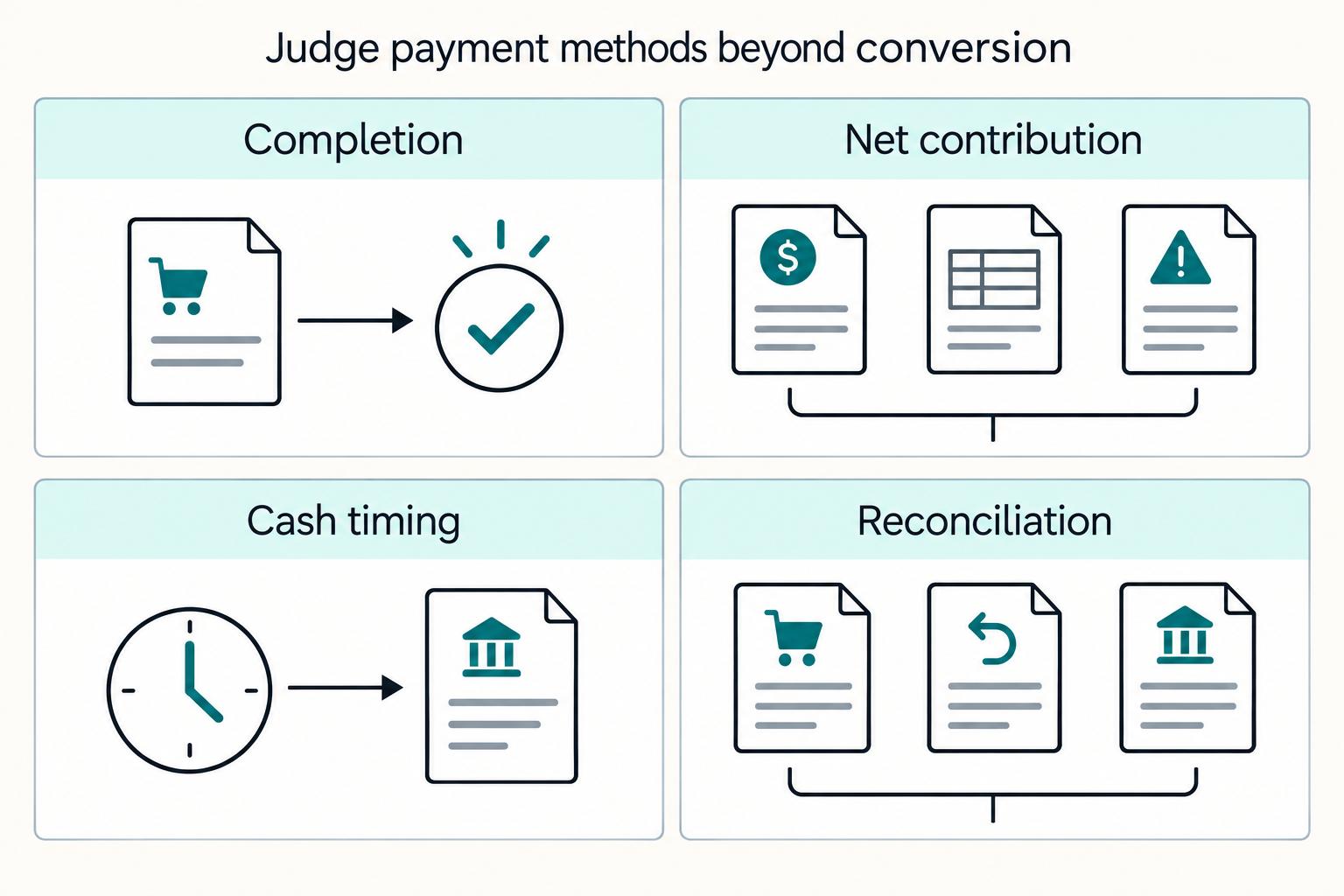
Payment Method Conversion Rates by Country for Checkout Completion
Adding payment methods can lift checkout completion when the method matches how buyers prefer to pay in that country and still fits your fee and operating model. The real decision is not whether to add more methods, but which method to add in which country, and on what economics.
Read more →
How to Receive International Payments in the Philippines Without Reconciliation Gaps
If you need to receive international payments in the Philippines at scale, choose rails for control and recovery, not speed claims alone. Start with the option your team can explain, reconcile, and support when a payout fails, then expand based on recipient access needs.
Read more →
Starting a Dropshipping Business With a Market-by-Market Payment Model
Payment design should connect the customer order, supplier funding, shipment and any later refund.
Read more →
Freelancing in Poland as a Sole Proprietor with JDG and ZUS
Poland is not a one-number expansion market. For JDG onboarding, the right way to think about it is as a profile-gated decision, not a single "full ZUS" assumption. This guide gives you a decision map for what you can model now, what still needs document checks, and what should stay out of your default flow until verified.
Read more →
When Delinquent FBAR Submission Procedures Are the Right IRS Path
Late **Report of Foreign Bank and Financial Accounts** filings create real regulatory exposure, not just an administrative backlog. Once a foreign account's maximum value, or the aggregate maximum across foreign accounts, exceeds **$10,000**, a missed FBAR becomes a compliance issue that needs documented handling.
Read more →
Do You Need an FTIN on Form W-8BEN?
Treat FTIN on **Form W-8BEN** as an intake control, not a clerical field. One weak decision can affect withholding treatment and your ability to rely on payee documentation.
Read more →
W-8EXP Form Explained for Withholding Agent Decisions
Treat Form W-8EXP as a payer-side control document, not just another upload. A withholding agent still has to apply withholding rules when paying income to foreign persons.
Read more →
What Is 3D Secure? Authentication, Payment States and Liability
A customer approves a bank-app prompt and returns to checkout. That completes an authentication step, but the merchant still needs the payment’s actual financial outcome. The bank can decline authorisation, a manual capture can remain outstanding, or a network interruption can leave the result temporarily unknown.
Read more →
What Is Tokenization? Securing Payment Data Without Storing Card Numbers
Tokenization solves a practical platform problem: you can accept cards and run card-on-file flows without using or storing raw card numbers in your normal application paths. In operator terms, it replaces the primary account number (PAN) with a token, so your systems work with that tokenized reference instead of the real card data.
Read more →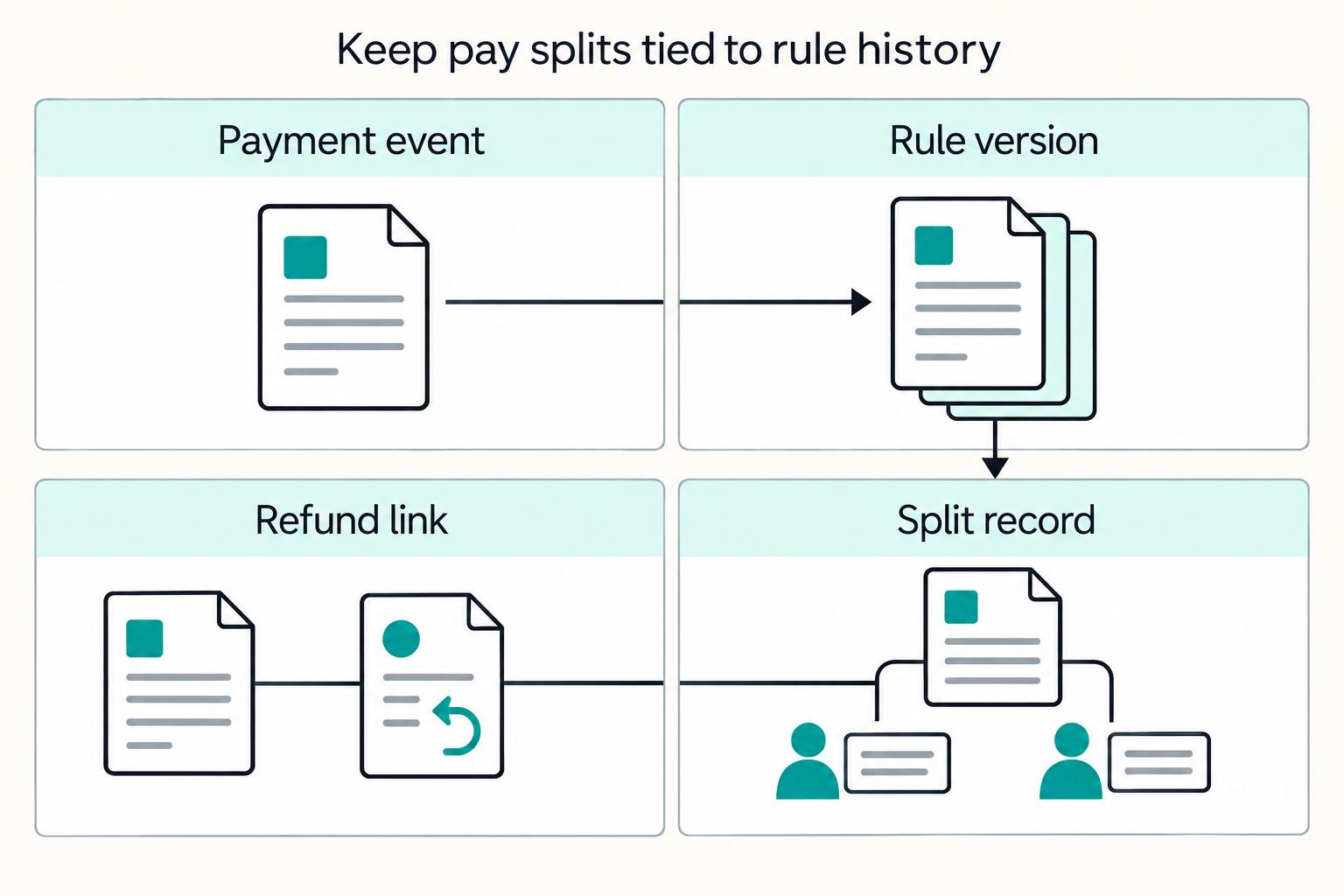
Choosing Home Services Platform Payments for Childcare Launches
Start with one decision: can you run on basic invoicing, or do you already need embedded payments with downstream payouts?
Read more →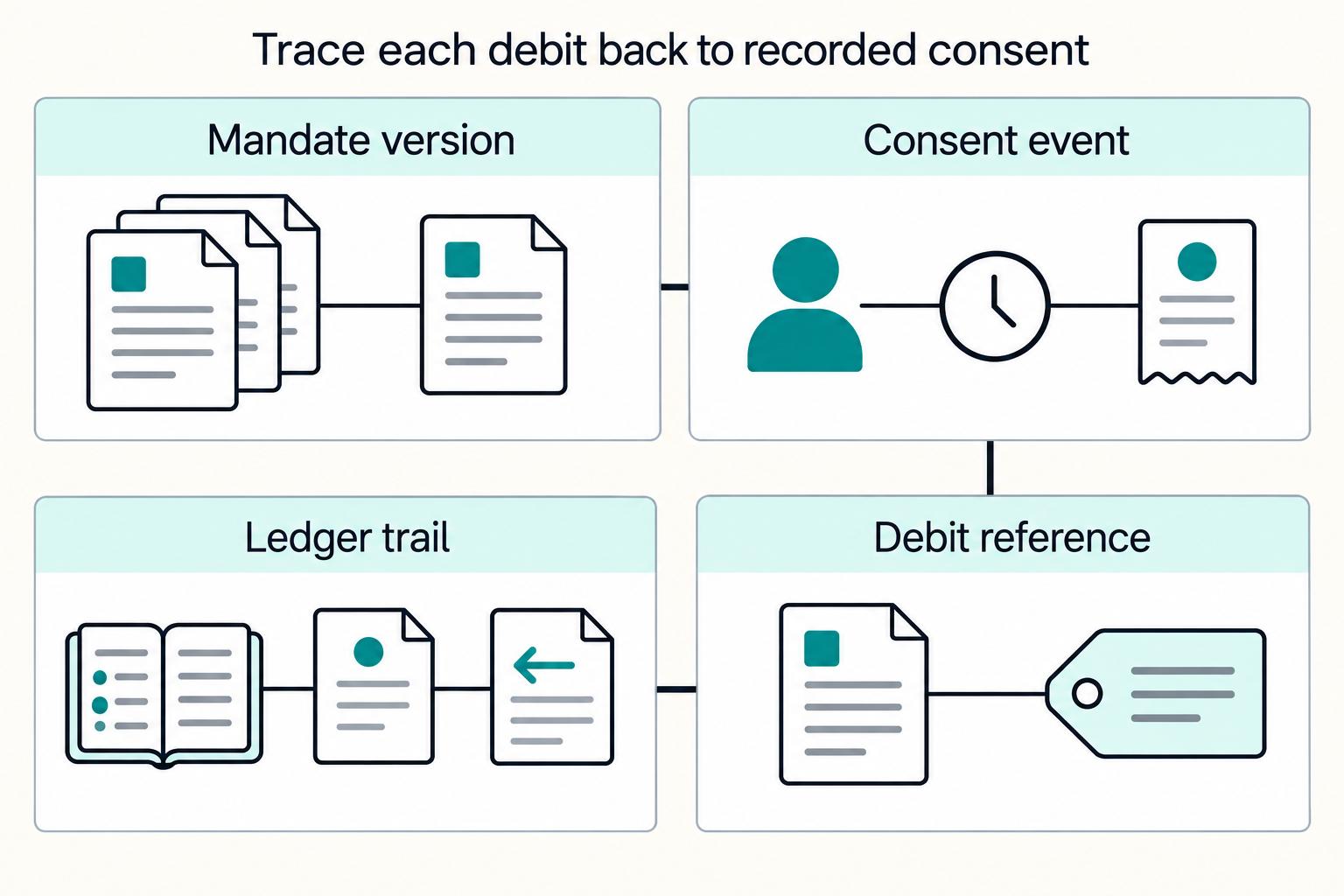
Choosing SEPA Payment Rails for Platform Compliance and Recurring Billing
A platform collecting a monthly service fee needs a different payment instruction from a platform paying a contractor. SEPA Direct Debit pulls a permitted collection from the payer’s account under a mandate. SEPA Credit Transfer and SEPA Instant Credit Transfer are payer-initiated transfers. A recurring schedule does not by itself make a payment a direct debit: a customer can also pay regularly by standing order or another authorized transfer.
Read more →
Withholding Tax Calculator for International Contractor Payments
International withholding is an operating process, not a one-step rate lookup. A **withholding tax calculator international** workflow your team can rely on should connect classification, document checks, rate logic, payment timing, and reporting so each decision is traceable.
Read more →
When Foreign Accounts Trigger FATCA Reporting for Platform Operators
Start with accountability, not a vendor demo. The first question is whether your team can produce and defend the artifacts that make a FATCA filing traceable, reviewable, and correctable when something goes wrong.
Read more →