
Quick Answer
Start with a country-by-method matrix, then run a phased launch that proves fallback behavior, renewal handling, and reconciliation before expansion. For global subscription payments, the reliable path is to validate market pricing and fee layering early, including cross-border card add-ons and any additive billing fees, then scale only after finance can trace each billing event from checkout to ledger output.
Where Margin Drift Starts in Global Subscription Payments#
Designing global subscription payments is not just a checkout task. It is a conversion, margin, and operations decision, especially as you expand across markets.
The tension is predictable. Product wants faster rollout, finance wants stable unit economics, and ops wants fewer failures and less reconciliation work. Those goals stay aligned only when expansion is treated as a design decision, not just a coverage claim.
Payment-flow choices sit at the center of that tradeoff. Stripe's online-payments guidance treats the payments funnel as a conversion lever and makes clear that transaction fees and related costs are core design inputs. You should expect tradeoffs, not one-way wins.
This guide starts from that reality. It does not assume one vendor or one template, and it treats online-payments guidance as a starting point that must be adapted to your business model. You will use practical checkpoints to:
- judge market and payment-method fit
- separate acceptance decisions from recurring-operations decisions
- sequence rollout work to reduce rework
A useful early filter is implementation evidence. Global Payments, for example, makes setup checkpoints explicit: you register or create an app, create an access token, then work through artifacts and stages such as a Postman collection, testing, and go-live guidance . That is more useful than broad "global" language because it shows what your team can actually validate before launch.
The sections that follow focus on execution order. They cover the decisions that move conversion, the recurring-billing choices that shape retention and cash flow, the provider proof you should ask for, and the operational checks that keep finance and support outcomes under control.
The mental model for global subscription payments#
Treat global subscription payments as three linked layers, not one checkout feature. They are transaction acceptance, subscription operations, and cross-border controls. Keeping them separate makes cost ownership and failure points visible before launch.
| Layer | Typical role in the stack | What to verify first |
|---|---|---|
| Acceptance | Process transactions through a payment gateway and present cards plus locally relevant methods such as bank debits or bank transfers. | Which methods are available in each target market, and what each method costs there |
| Subscription operations | Manage recurring subscription payments and the additional billing charges that can apply beyond payment-processing fees. | How subscription-related charges are applied relative to standard processing fees |
| Cross-border controls | Define who owns currency conversion and fee responsibility across markets and payouts. | Where fee and operations ownership sits as transactions and payouts become more complex |
This separation matters because checkout gains do not automatically protect margin. Fee layers can compound quickly as volume grows. Stripe lists 2.9% + 30¢ for domestic cards, +1.5% for international cards, and +1% when currency conversion is required. Managed Payments adds 3.5% per successful transaction on top of standard processing fees, and subscription payments can include additional billing charges.
Use market-level fee validation as your first checkpoint, not headline method count. Stripe notes that country pricing pages can supersede listed Managed Payments method fees, so validate by country before modeling unit economics. If you use Stripe Connect, the control choice is explicit. You can offload maintenance to Stripe or take full ownership, with the "you handle pricing" model making you responsible for Stripe processing fees.
A common failure mode is broad acceptance coverage paired with weak fee modeling. The first payment can succeed while margin still gets squeezed by additive fee layers, cross-border card costs, and unclear fee ownership.
Related: How to Scale Global Payout Infrastructure: Lessons from Growing 100 to 10000 Payments Per Month.
Country and payment-method coverage decisions that actually move conversion#
Build a country-by-method matrix before launch. Do not mark a market ready until both the preferred method and a fallback are verified in a real checkout flow. If a target country lacks a validated local option, delay paid rollout there or treat performance as unproven.
Build the matrix before you buy reach claims#
For each priority country, map what you can actually support at launch. Include cards, PayPal, Klarna, and relevant bank-based rails. In the same row, record what appears at checkout, which pricing page or contract term you used, and what fallback appears if the preferred method is unavailable.
| Method | What to verify first | Cost or risk signal |
|---|---|---|
| Cards via Stripe Payments | Domestic vs international mix, and whether currency conversion applies | 2.9% + 30¢ domestic, +1.5% international, +1% if currency conversion is required |
| Klarna via Stripe Payments | Market availability and commercial fit | 5.99% + 30¢ per successful transaction |
| Bank-based option | Whether the local rail is supported and relevant | ACH Direct Debit listed at 0.8% with a $5.00 cap |
| PayPal | Which locale page applies, and whether the flow is domestic or international for that market pair | PayPal defines domestic vs international by sender and receiver market and groups some markets for international rate calculation |
PayPal scope is market-specific, not universal. US fee pages are scoped to US residents. The Iceland consumer page is scoped to a broader markets and regions list. Some EEA international currency transactions are treated as domestic for fee application.
Broad coverage claims are not market approval. "100+ payment methods" and "country-specific rates" are useful discovery signals from Stripe, not launch evidence by themselves. Approval should come from market-level validation: method shown, currency shown, applicable fee source, and acceptable fallback behavior in that country.
Define fallback logic per market. Add a fallback column to every market row. If the preferred method fails or is unavailable, confirm what appears next, whether currency handling stays acceptable, and whether you can track mix shifts for finance.
Keep an evidence pack per country before signoff. Include a checkout capture, the applicable pricing page or PDF, and the last-updated date. PayPal also provides a Policy Updates page, which gives you a practical change-monitoring checkpoint.
Renewal architecture choices that change retention and cashflow#
Once methods and markets are validated, renewal design is the next major decision. Consider auto-renewal when repeat charging is dependable and customer expectations are clear. Consider manual renewal when rebilling confidence or trust is weaker.
Pick the default by renewal risk, not by habit#
Make the choice based on renewal risk, not charging mechanics alone. Recurring billing is the charge on a prearranged schedule after customer permission. Subscription management also covers renewals, cancellations, payment tracking, failed-payment recovery, and lifecycle actions. When teams collapse those into one decision, they optimize for charging and underdesign recovery and customer experience.
The tradeoff is straightforward. Automating billing, renewals, and payment recovery can help protect recurring revenue when method behavior and permissions are reliable. Manual renewal adds friction and may be better in some higher-risk scenarios. If failed payments and weak retention are already present, forcing auto-renewal everywhere without recovery design can make both worse.
Treat provider behavior as a verification exercise. Verify renewal behavior by method in your own setup instead of assuming one renewal flow applies to every payment path.
For each priority method, keep a compact renewal evidence pack before signoff:
- the product or contract term used in testing
- which renewal path you observed in your intended setup, whether auto, manual, or conditional
- a checkout or account-flow capture showing consent and renewal wording
- the document, contract note, or support confirmation used, with a last-checked date
A common risk is a silent mismatch: checkout succeeds, but renewal later follows a different path than your teams designed for.
Lock trial and grace rules before launch#
Decide trial conversion and grace behavior before launch so product, finance, and support stay aligned. Define whether trial conversion continues through the existing renewal path or requires an explicit manual step. Then define what grace means operationally: access state, invoice state, retry behavior, and customer messaging.
| Role | Owns |
|---|---|
| Product | Renewal UX, consent language, and customer messaging |
| Finance | Policy thresholds for access changes, write-off review, and recoverability |
| Ops | Exception handling and provider escalations |
When those rules stay implicit, teams explain the same outcome differently, and renewal confusion can show up as both churn and payment-failure noise.
Set ownership and a U.S. compliance checkpoint. Use clear ownership so the policy is executable. The split above is one workable model.
For U.S. auto-renew programs, keep a dated compliance checkpoint in the process. The FTC Negative Option Rule was posted on Nov. 15, 2024, and lists an effective date of Jan. 14, 2025. Before launch, have legal or compliance confirm the current interpretation against the official Federal Register record.
Checkout and billing experience details that reduce cross-border friction#
Cross-border checkout should feel local on the first screen while keeping post-purchase billing records consistent.
Localize the first screen, then check margin impact#
Prioritize familiar currency and payment methods by market, then validate the economics of that ordering. Stripe frames local payment-method acceptance as a checkout-conversion lever, but each method can shift your net retained revenue.
| Checkout path | Listed price signal | What to verify before prioritizing |
|---|---|---|
| Domestic card on Stripe | 2.9% + 30¢ | Baseline card economics |
| International card on Stripe | + 1.5% | Cross-border card mix impact on margin |
| Currency conversion on Stripe | + 1% | Whether local currency display adds conversion cost |
| Klarna on Stripe | 5.99% + 30¢ | Whether any conversion lift offsets higher fees |
| ACH Direct Debit on Stripe | 0.8%, with a $5.00 cap | Fit for markets where bank debit is practical |
Use market-specific PayPal inputs, not one global assumption. PayPal fee logic is market-scoped, and domestic vs international treatment depends on sender and receiver market context. The US consumer and business pages carry their own last-updated dates, February 19, 2026 and February 9, 2026. PayPal also notes that some markets are grouped when calculating international rates.
Operationally, validate the relevant market page, the grouping table, and market codes before finalizing pricing or method ordering. PayPal's Iceland consumer terms also state that some cross-border EEA transactions are treated as domestic for fee purposes, which reinforces the need to verify by market.
Keep subscription terms consistent across checkout and confirmations. As an operational checkpoint, keep the billing interval, amount, currency, trial terms, and next renewal date aligned between checkout and payment or renewal confirmation. Treat differences in labels, amounts, or timing as items to resolve before scaling a flow.
Prevent plan logic drift across storefront and billing systems#
If checkout and subscription billing live in different systems, keep one source of truth for plan logic and mirror it everywhere. Drift can start with plan name, interval, trial length, coupon handling, or currency.
Use one checkpoint pack for each checkout path:
- checkout capture with amount, currency, method, and subscription terms
- matching invoice and payment confirmation
- provider transaction reference tied to the billing record
- corresponding ledger event or journal entry
- last-checked date and owner
Failed-payment recovery that protects margin instead of inflating ops cost#
Failed-payment recovery should increase net retained revenue, not just retry volume. Treat dunning management as a margin-control system: recovered payments are still successful transactions, and they still incur fees.
Stripe notes that payment gateway fees can materially affect profitability, and that impact grows as volume grows. In Stripe's standard card context, successful domestic card charges are priced at 2.9% + 30¢, with +1.5% for international cards and +1% when currency conversion is required. Under Managed Payments, Stripe states the 3.5% fee is additive to standard processing fees, applies per successful transaction, and subscription payments can include additional charges.
| Fee checkpoint | Grounded detail | Why it matters in recovery |
|---|---|---|
| Standard card pricing context | 2.9% + 30¢, +1.5% international, +1% conversion | Recovered renewals can still carry cross-border and FX cost layers. |
| Managed Payments layer | 3.5% additive fee per successful transaction | Recovery economics should be evaluated with this extra layer included. |
| Subscription charge treatment | Additional charges apply for subscription payments | Renewal recovery can cost more than a one-time payment path. |
| Country pricing precedence | Country payment-method pricing can supersede listed fees | Rollout decisions need country-by-country verification. |
| Pricing freshness | Provider fees are subject to change | Add a pre-launch and pre-change fee check. |
Compare tooling based on control and visibility, not feature labels#
If you are evaluating billing tools, verify these points directly in product before you scale recovery outreach:
| Comparison point | What to verify in each tool | Why it matters |
|---|---|---|
| Retry controls | How precisely you can configure retry behavior | More retries can increase fee exposure, so validate cost and outcomes together. |
| Customer recovery path | How customers update details and complete recovery actions | Clearer paths can reduce avoidable recovery friction. |
| Reporting clarity | Whether attempts, outcomes, reasons, and revenue impact are easy to analyze | You need clear data to judge whether recovery is actually working. |
| Traceability | Whether failed and recovered events map cleanly to billing and transaction records | Weak traceability can increase manual ops work. |
Use failure-reason segmentation before changing outreach volume. Review failed renewals by payment method, country, invoice value, and recorded failure reason before you adjust outreach volume or messaging. Keep customer-facing recovery messages aligned with the same billing terms shown at checkout and confirmations, including amount, currency, plan, and renewal timing. That consistency can reduce avoidable confusion and help protect recovery gains.
If failed payments are part of the rollout, A Guide to Dunning Management for Failed Payments goes deeper on retry logic, outreach timing, and recovery workflows.
Provider selection criteria beyond marketing pages#
Choose providers on evidence, not positioning. Do not approve a recurring-revenue vendor until you have clear, testable answers on settlement behavior, dispute ownership, and renewal edge cases.
For this stack, shortlist claims are not enough. Use marketing pages and comparison lists for discovery, then switch to primary evidence before signature.
Use a comparison table that forces evidence#
Use one procurement table for Stripe Payments, Global Payments, Recurly, PayPro Global, BlueSnap, and Paddle, and require the same proof from each provider.
| Provider | Method-country fit to verify | Recurring controls to verify | Integration burden to verify |
|---|---|---|---|
| Stripe Payments | Country-by-country payment-method availability and pricing. Revalidate during diligence because published costs are subject to change and country payment-method pricing can supersede broader tables. | Renewal behavior by method, failed-payment handling, and additive fee layers where relevant, for example Managed Payments adds a 3.5% fee on top of standard processing fees. | API docs, webhook event coverage, sandbox behavior, and whether your model offloads maintenance or keeps more direct ownership via Connect choices. |
| Global Payments | Your target-country and payment-method matrix, with explicit coverage limits. | Renewal and failure-path behavior in recurring flows. | API and webhook docs, test access, and finance export detail. |
| Recurly | Country and method coverage dependencies for your launch markets. | Retry and renewal-state handling, plus mapping between billing and payment records. | Subscription API docs, webhook payload examples, and recurring-flow test scenarios. |
| PayPro Global | Supported country and method combinations for your commercial model. | Renewal behavior by method, including exception paths. | Hosted and API paths, webhook docs, and test artifacts for renewal exceptions. |
| BlueSnap | Market-by-market method support for planned launch countries. | Rebill and failure behavior and dispute traceability into billing records. | Developer docs, event docs, sandbox tests, and reporting outputs. |
| Paddle | Market and method coverage and contract-level responsibility boundaries. | Subscription event handling across change and failure paths. | API docs, webhook references, test accounts, and finance-readable exports. |
This table is a diligence tool, not a scoring gimmick. It should expose where evidence is strong and where claims remain at brochure level.
Procurement rules that prevent expensive surprises#
Make these non-negotiable before approval:
| Area | What to confirm |
|---|---|
| Settlement behavior | Exact payout and reporting outputs finance will receive in your operating model |
| Dispute handling | Ownership, evidence access, and how dispute events reconcile to invoices and renewals |
| Renewal edge cases | Documented behavior for expired credentials, method changes, partial failures, and customer-interrupted renewals |
If answers are unclear before signature, treat that as current risk, not future implementation work.
Treat comparison lists as discovery input, not decision evidence. Comparison lists can help you build a shortlist and sharpen questions. They are not final decision evidence. For finalists, require primary artifacts: current pricing pages, contract language, API references, webhook docs, sample reports, and your own test outputs.
Require implementation proof from engineering and finance#
Ask each finalist for an implementation pack: API docs, webhook documentation, sample payloads, and test artifacts, for example a Postman collection, for critical recurring flows. At minimum, test first charge, successful renewal, failed renewal, payment-method update, refund, dispute, and cancellation after failed recovery.
Add one proof point teams often skip: historical uptime metrics, especially during high-traffic periods. A peak-time outage can drive lost revenue, reputational damage, and churn, so uptime evidence should be part of vendor risk, not an afterthought.
Stripe is a useful reminder of why this level of diligence matters. Standard pricing is presented as pay-as-you-go with no setup, monthly, or hidden fees, but published costs can change. Under Managed Payments, the 3.5% fee is additive to standard processing fees, and country-specific payment-method pricing can supersede broader pricing tables. Those details can change unit economics and should be rechecked before approval.
Before procurement sign-off, run your shortlisted options through this payment fee comparison tool to pressure-test country and method economics.
Unit economics from gross approval to net retained revenue#
Gross approval is only the starting point. The decision-grade view is the bridge from gross revenue to net retained revenue, because gross alone can hide deductions that change decisions.
Gross revenue is total subscription or service sales before deductions. Net revenue is what remains after deductions such as refunds, chargebacks, credits, discounts, and fees. In subscription businesses, retained value also leaks through cancellations and failed payments, so the bridge should cover the full lifecycle, not just initial approval.
Build the bridge from approval to retained revenue#
Use one shared bridge so product, finance, and ops are working from the same revenue logic:
- Gross subscription revenue, kept separate from one-time purchases, setup fees, and professional services.
- Indirect taxes removed from the baseline where relevant, since ARR is calculated after VAT, GST, or sales tax.
- Payment-related deductions, including fees, chargebacks, refunds, and credits.
- Failed-payment outcomes and cancellations that reduce retained revenue.
- Net revenue checkpoint aligned with the number reported below gross revenue on the income statement.
If you use ARR as a planning lens, keep the definition consistent. It reflects what the current subscriber base would generate over one year under a no-change subscriber assumption, and it includes subscription revenue only.
Compare the operating model with evidence. Do not assume early gross signals tell the full economic story. Compare how clearly your reporting can tie invoices, payments, refunds, disputes, and renewals into one retained-revenue view.
The goal is not a preferred label. It is complete, auditable reporting for close and forecasting.
Make movement visible across the flow. If your flow includes collection, holding, or payout layers, include those checkpoints in the same bridge. You need a traceable path from subscription events to payout-visible amounts so retained-revenue analysis stays consistent.
Use a simple decision rule to avoid wasted spend. Treat the metrics as one connected system. A market can look strong at gross approval while retained revenue weakens after deductions, failed payments, and cancellations.
Compliance and tax controls you cannot bolt on later#
Your revenue bridge works only if compliance and tax artifacts are built into billing records from day one. Before you approve any market, method, or payout path, define which checks, forms, and reporting outputs are required at each money-moving event.
Put policy gates in front of money movement#
For KYC, KYB, and AML, do not assume one universal setup across programs or markets. Treat those controls as scope-to-confirm items tied to the exact account or payout actions you plan to launch.
Set three items before go-live: the program, the market, and the event that must stay blocked until review is complete. If you skip that, you can discover too late that payout, activation, or reporting needs identity data you never collected, and ops may need to chase documents after funds move.
Ask for evidence in exports or APIs, not policy claims. Check what fields and statuses appear when a review is passed, failed, or pending. If those outputs are unclear, expect manual reconciliation later.
Tie tax-document operations to billing events#
On U.S. reporting, the hard anchors are clear. Form 1099-K reports payments received for goods or services during the year, and payment card companies, payment apps, and online marketplaces file it with the IRS annually. A copy must be sent to the recipient by January 31.
| Form | What it reports | Trigger or threshold in provided guidance | Operator checkpoint |
|---|---|---|---|
| Form 1099-K | Payments received for goods or services during the year | Direct card acceptance: issued regardless of payment count or amount | Reconcile processor totals to your ledger even at low volume |
| Form 1099-K | Same | Payment apps or online marketplaces: required when payments are over $20,000 and more than 200 transactions | Do not rely only on threshold logic because forms may still be sent below that level |
| Form 1099-MISC | Certain payment types made during the year | IRS examples include at least $600, at least $10 for some categories, and at least $5,000 for certain direct sales cases | Map payment type to form logic before year-end |
Two controls matter in practice. If you accept payments across multiple platforms, you may receive more than one 1099-K, so make cross-platform reconciliation an explicit checkpoint. And 1099-K should be used with other records to determine and report taxable income, so form totals are not a substitute for your books.
The outline also includes VAT, W-8, and W-9. Confirm collection timing, storage, and triggers for those items directly with counsel and your provider before making launch claims.
Make finance reporting prove it can support close#
ASC 606 and IFRS 15 may be relevant to your close process. Use a practical readiness check: if finance cannot trace invoices, payments, refunds, and tax forms through revenue-recognition reporting, the launch is not ready.
Request a sample export pack and review it like an auditor. Check transaction references, billing references, refund links, payer and payee identifiers where relevant, and enough detail to explain why one or more 1099-K forms were issued. If you report across U.S. GAAP and IFRS entities, align required fields early with IFRS 15 vs. ASC 606.
In this operating model, speed is easier to patch than missing compliance data or non-auditable reporting. Those gaps can force rework across billing, finance, and support. Related reading: How to Handle Failed Payments Across Multiple Payment Methods and Regions.
Integration and reconciliation foundations before you scale markets#
Before you scale markets, make reconciliation clarity a launch gate. If your team cannot consistently connect a renewal outcome to the related payment and finance records, expansion risk can increase quickly.
Use this as a practical checkpoint for recurring flows:
| Flow | Grounded operating reality | What you should be able to trace |
|---|---|---|
| Card renewals | Card replacement cycles can trigger involuntary churn, and payment interruptions increase merchant operating costs. | Renewal outcomes and the related payment and finance records, so failed renewals are explainable to customers and ops teams. |
| A2A renewals | Authentication happens once at setup, then renewals run under the agreed mandate; the described flow references instant-settlement rails such as Faster Payments and SEPA Instant. | Setup authentication and mandate context, plus each renewal outcome in your operational and finance records. |
Complaint exposure is part of this foundation too. Failed renewals and unclear cancellation can drive consumer complaints, so your records should support clear customer and ops explanations when something breaks.
The integration direction in market also reflects this priority. Nuvei's August 19, 2025 Zuora announcement describes reconciliation improvement and simpler expansion as linked goals, alongside direct local acquiring coverage in over 50 markets.
A 90-day rollout sequence for 50+ country ambition#
Once tracing is clean, expand in phases, not in one jump. Continue only when margin, risk, and ops burden stay within plan.
| Phase | Gate | Focus |
|---|---|---|
| Phase 1 | Start with a small country cohort before you add volume | Validate method-country fit, subscription flow handling, and reconciliation |
| Phase 2 | Expand only after pricing behavior and reconciliation output are stable in your pilot cohort | Validate program and country context for material methods before widening rollout |
| Phase 3 | Scale coverage only after you re-check provider fit with your own operating data | Judge candidate providers on observed fee behavior, subscription handling, and reconciliation clarity in your environment |
Phase 1. Start with a small country cohort and validate method-country fit, subscription flow handling, and reconciliation before you add volume. The goal is to confirm your payment gateway supports the customer experience you want at a cost that still works as transactions repeat.
Build a tight verification pack: country pricing pages, contract terms, sample subscription transactions, finance exports, and proof that invoices and payment records map to the same subscription events. Recheck fees right before go-live because pricing can change and country-specific rates can override generic tables.
Watch fee stacking early. In Stripe's standard context, domestic cards are listed at 2.9% + 30¢, with 1.5% for international cards and 1% for currency conversion. Managed Payments adds 3.5% on top of standard processing fees, and subscription payments can include additional charges.
Phase 2. Expand only after pricing behavior and reconciliation output are stable in your pilot cohort. You need evidence that exceptions are understood and controlled, not hidden in support tickets or manual work.
Validate program and country context for material methods before widening rollout. Klarna illustrates why. One Stripe pricing page shows 5.99% + 30¢, while Managed Payments guidance shows buyer-country variation from 2.99% to 5.99%.
Phase 3. Scale coverage only after you re-check provider fit with your own operating data. Judge candidate providers on observed fee behavior, subscription handling, and reconciliation clarity in your environment.
Keep one executive checkpoint per phase. If margin drift rises or ops effort grows faster than revenue, pause expansion and fix that layer first.
For a step-by-step walkthrough, see Gruv Platform Payments for Global B2B Payouts and Compliance.
The decision that matters now#
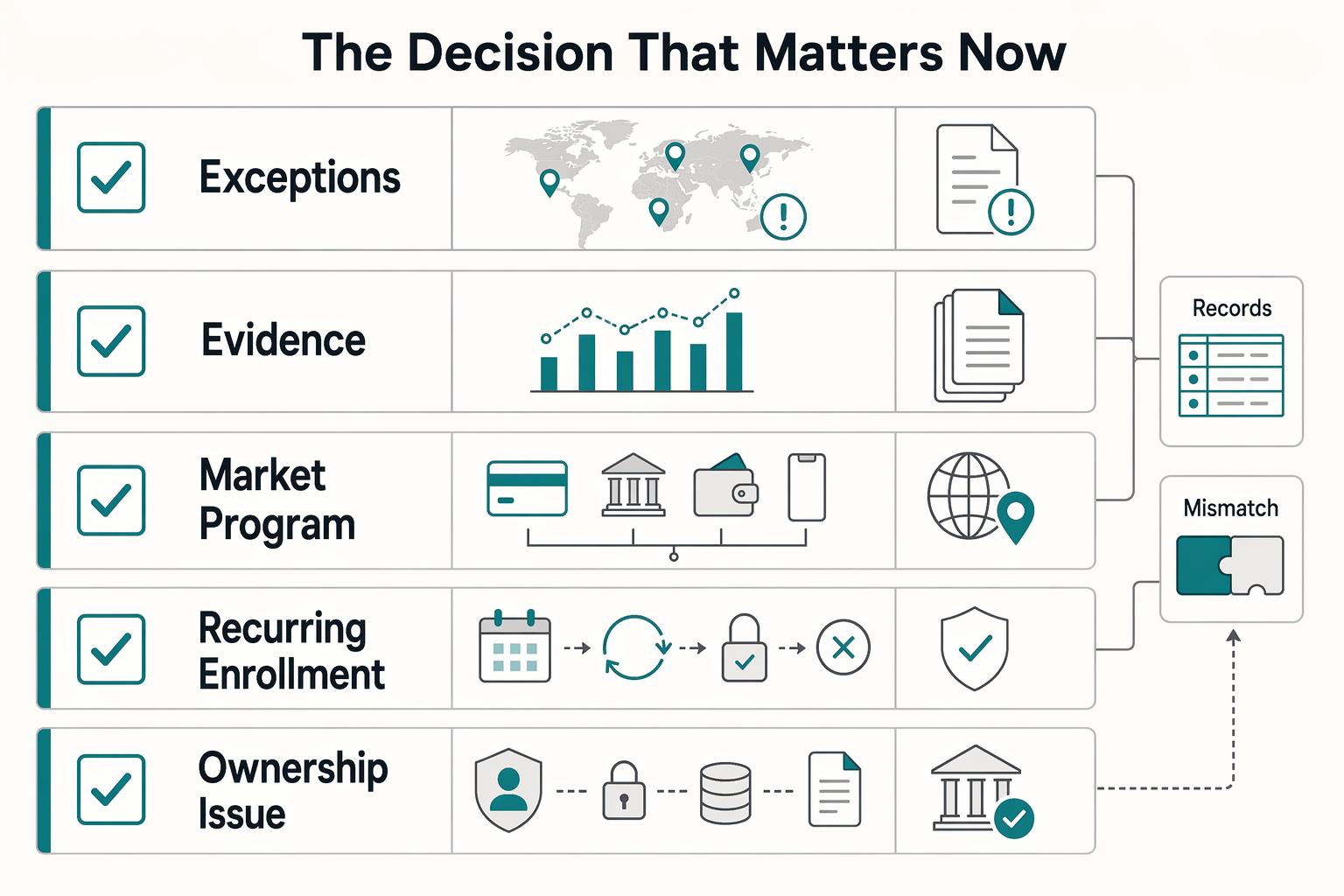
The decision is simpler than the market map suggests: do not optimize for the longest feature list. Match country-level payment-method and renewal design to your unit economics, then prove cancellation, consent, and billing records in one real market before wider rollout.
A broad claim, including Global Payments describing itself as a "trusted worldwide provider," is positioning, not proof. The comparison that should drive the decision is narrower: for each target market, what method mix you will offer, how renewal works, how cancellation works, and what billing records finance receives after each billing event.
What to build next. Build two working tables before another demo cycle:
- Country-method matrix: target market, primary method, fallback method, intended renewal mode, and exception owner.
- Provider comparison table: score each provider against that matrix, with evidence you can verify in product docs or implementation materials.
Treat missing method or renewal coverage as a launch blocker or an explicit test risk, not a hidden phase-two note.
The compliance checkpoint you should not defer. Before expansion, check your recurring UX against the FTC's final click-to-cancel rule. The practical standard is clear: cancellation must be as easy as signup, and sellers must get informed consent before charging for negative option features. Most provisions are scheduled to take effect 180 days after publication in the Federal Register, so use that timeline as a concrete timing gate for U.S.-facing programs.
What to verify with sales and docs teams. Do not commit roadmap or budget from sales positioning alone. Confirm, in writing, the points below and keep them in your diligence pack:
- market and program coverage for the countries you plan to enter
- recurring enrollment and cancellation requirements, including where informed consent is captured
- billing records finance will receive after each billing event
- ownership for issue resolution when renewal, cancellation, or billing behavior differs from expected flow
Use one controlled rollout as the next move: run a single market through the matrix, verify cancellation and consent behavior, validate billing records, then decide on broader expansion. If you need to validate market coverage, compliance gating, and finance-ready records before rollout, talk with Gruv.
Frequently Asked Questions
What are global subscription payments in practical operating terms?
In practical terms, treat global subscription payments as an operating stack, not a single product. You are combining payment acceptance, subscription billing flows, and money movement to bank accounts or debit cards. Gateway choice matters early because it shapes both customer payment experience and your cost structure.
How should we choose between auto-renewal and manual renewal for different markets?
There is no one-size-fits-all auto-renewal versus manual-renewal rule to rely on here. Treat this as a market-and-method operating decision, then validate it with your own renewal outcomes before expanding. If outcomes are unclear, pause expansion until that path is understood.
What are the true table-stakes to launch subscription billing across 50+ countries?
Table-stakes are cost clarity and pricing validation, not broad coverage claims. Recheck pricing during diligence because published costs can change, and country payment-method pricing can supersede generic tables. If you use connected-account payouts, model those economics up front: one Stripe Connect path lists $2 per monthly active account and 0.25% + 25¢ per payout, where an account is active in a month when payouts are sent.
How do we reduce failed recurring payments without increasing support cost?
There is no universal retry cadence or recovery benchmark to rely on here. A safer approach is to improve payment-method fit by market and remove cost-model blind spots. Keep decisions tied to observed renewal behavior in your own system rather than generic playbooks.
What should we compare first when evaluating Stripe, Recurly, and other providers?
Start by comparing the layers you actually need: payment acceptance economics, subscription-flow handling, and payout implications. Then pressure-test vendor evidence, not just demo claims, because costs and payment-method pricing are context-specific and can change. For implementation diligence, verify concrete artifacts. For example, Global Payments provides a Postman Collection in its getting-started support materials.
Which important details are usually missing from vendor pages and sales demos?
A common diligence gap is fee stacking. In Stripe’s listed card pricing, domestic cards are 2.9% + 30¢, with +1.5% for international cards and +1% for currency conversion. Managed Payments adds 3.5% per successful transaction on top of standard processing fees, and subscription payments can include additional charges. Method pricing can also vary by context: Klarna appears as 5.99% + 30¢ in one Stripe pricing context, while Managed Payments guidance shows 2.99% - 5.99% by buyer country, and country pages can override generic tables.
Try a related tool
Researched and edited by the Gruv editorial team. Gruv builds cross-border billing, payouts, and finance-operations software for global businesses.
Sources
- federalregister.gov/documents/2024/11/15/2024-25534/negative-opt...trusted
- ftc.gov/news-events/news/press-releases/2024/10/fede...trusted
- ftc.gov/system/files/ftc_gov/pdf/p064202_negative_op...trusted
- irs.gov/businesses/understanding-your-form-1099-ktrusted
- irs.gov/forms-pubs/about-form-1099-misctrusted
- paypal.com/us/business/paypal-business-feestrusted
- paypal.com/us/digital-wallet/paypal-consumer-feestrusted
- performance.gov/cx/executive-ordertrusted
Educational content only. Not legal, tax, or financial advice.
Related Posts
A Guide to Dunning Management for Failed Payments
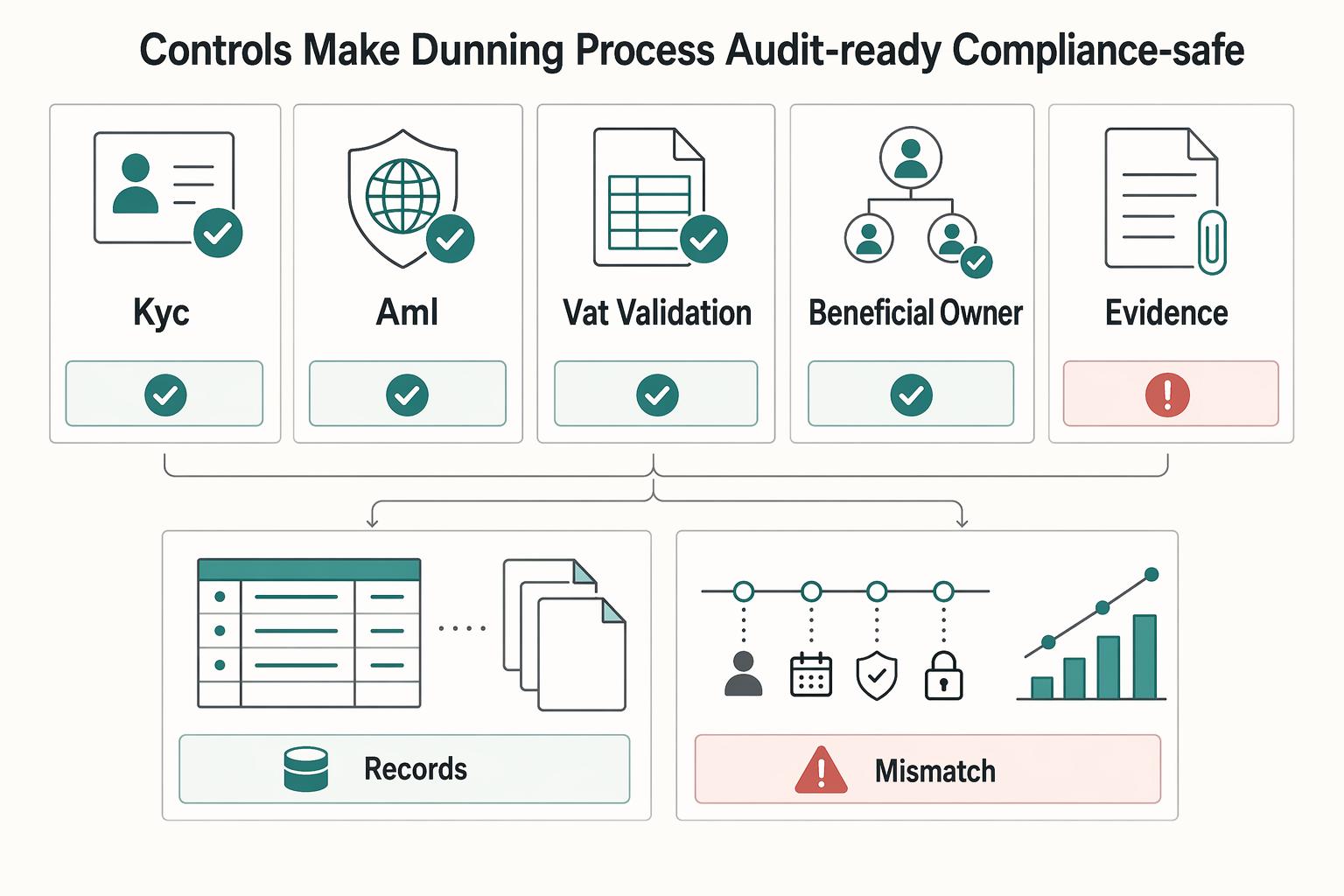
If you run recurring invoices, failed payments are not back-office noise. They create cashflow gaps, force extra follow-up work, and increase **Involuntary Churn** when good clients lose access after payment friction.
Scaling a Global Payout Platform from 100 to 10000 Monthly Payments
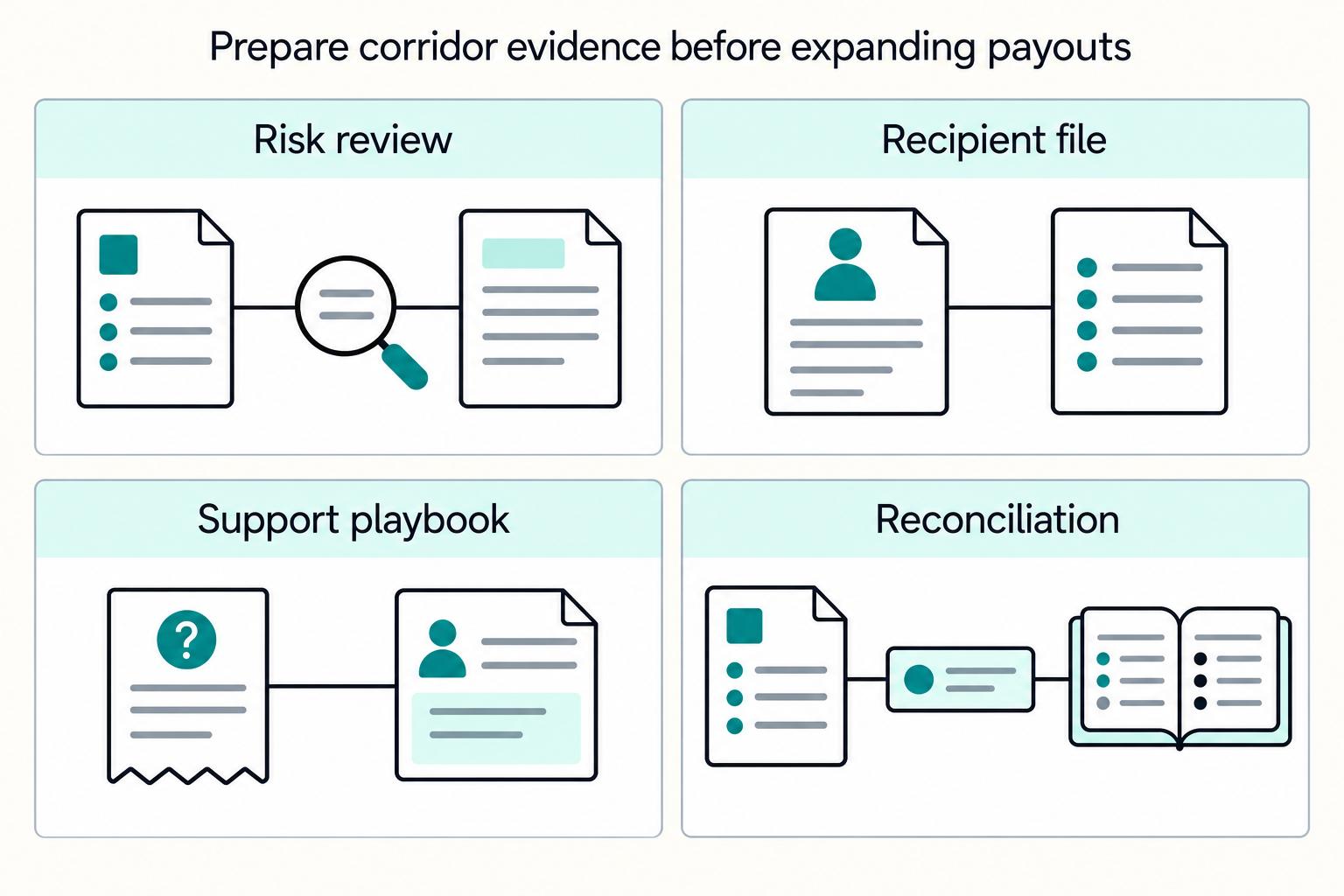
Scaling a global payout platform is rarely just a vendor problem. More often, it is an infrastructure and operating-discipline problem, because cross-border payments still carry persistent issues around cost, speed, access, and transparency. If growth is framed as "one more provider" or "higher API throughput," breakpoints can show up in finance, support, compliance, and reconciliation.
IFRS 15 vs ASC 606 for Global Subscription Platforms
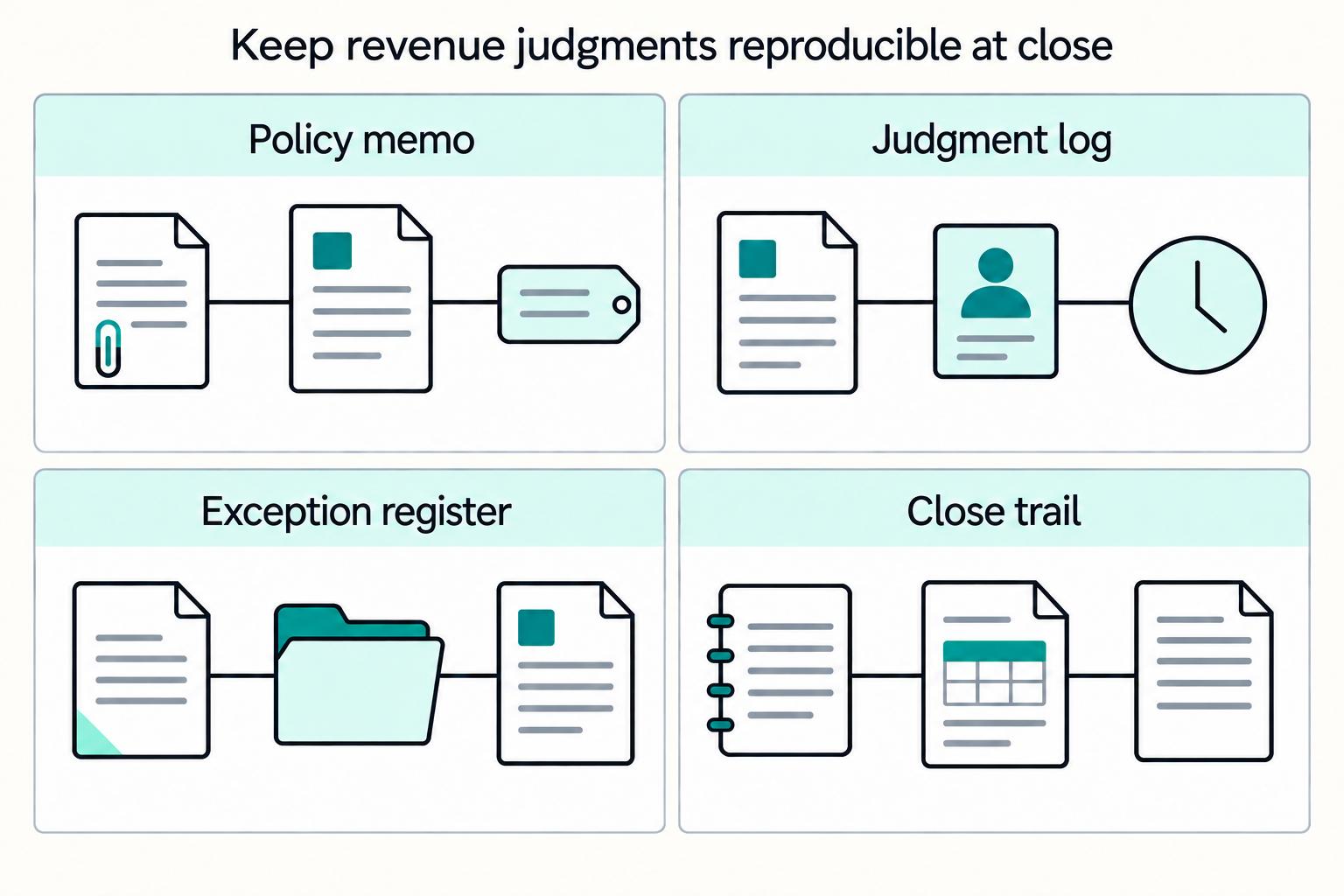
Many global subscription platforms can start from one operating assumption: IFRS 15 and ASC 606 are aligned enough that you may be able to standardize much of your revenue recognition governance. They are not so aligned that every judgment call can be treated as interchangeable. The goal is practical: cut duplicate policy work without letting a real accounting difference or contract nuance slip into close week.