
Quick Answer
Launch only where the IRB-approved payment method can be executed and reconciled from request to payout record. Confirm the IRB of record, the active policy document, and whether contributor intake routes to Form W-9 or W-8 before disbursement. Validate who can approve exceptions and where that approval is logged. If those artifacts are missing, pause country rollout until the evidence pack is complete.
What IRB-Aligned Global Disbursement Looks Like for Academic Research Platforms#
Start with compliance reality, not payout ambition. If an Institutional Review Board (IRB) approved one participant payment approach and your product executes another, you do not have a launch problem later. You have a launch block now.
Step 1. Anchor the decision in the approved research setup. For founders and operators, the first useful question is not which country looks attractive or which payout rail seems easiest to integrate. It is whether the study, consent language, and payment handling can survive institutional review as you will actually operate them. In institutional research settings, payment handling needs to align with protocol and compliance requirements. At the University of Maryland, Baltimore, researcher guidance explicitly covers protocol preparation, IRB and federal compliance, IRB application submission, and participant protection. In practice, your payout design has to fit the approved research posture, not the other way around.
Step 2. Check who controls the rules and which document version applies. Institutions often spell this out in named documents, and those names matter. A Human Research Protection Program (HRPP) Plan defines roles and responsibilities across the research protection function, while an Investigator Manual gives the operating guidance people are expected to follow.
Your verification point is simple: identify the IRB of record, the current policy owner, and the exact document set your team is using before you scope product work. One concrete red flag is template mismatch. UMB states that when the UMB IRB is the IRB of record, only UMB IRB approved consent and assent templates will be accepted. If your payout flow or participant messaging assumes language outside that approved path, expect rework.
Step 3. Treat tax collection and audit evidence as prerequisites, not later plumbing. Research payouts can look simple until identity collection, tax handling, and recordkeeping requirements are defined for operations. You do not need every market solved on day one, but you do need a documented path for what you will collect, when you will collect it, who can approve exceptions, and how payout evidence will be retained. If those answers are still vague, defer expansion.
Step 4. Build with version control in mind. Policy baselines move. NSF, for example, notes that a newer proposal preparation document version applies to proposals submitted or due on or after May 20, 2024. The takeaway is bigger than that one date. Your evidence pack should always capture the effective document version, approval owner, and review date. If you cannot show which policy state your launch relied on, audit conversations get harder fast.
That is the point of this guide. Line up IRB constraints, tax document paths, and audit controls first. Then decide market by market whether global disbursement is truly ready to ship.
If you want a deeper dive, read Bug Bounty Platforms: How Security Research Platforms Pay Ethical Hackers Globally.
Decide which countries are actually launchable#
A country is launchable only when the approved payment method can be executed there with traceable records. If you cannot show that, mark the country not launchable yet even if demand is strong.
Build a country decision table#
Before you commit product or GTM work, create one country-by-country table. Keep it operational, and mark unknowns as unknown instead of guessing.
| Minimum field | What you need to decide | Minimum evidence to attach |
|---|---|---|
| IRB pathway | Does the approved study and consent setup support the payout method you plan to run in this country? | Current approval language, consent language, or institution-approved template reference |
| Payout rail availability | Can your team execute the intended rail and retain payout status records? | Provider capability confirmation, test result, or sample status export |
| KYC/AML obligations | What checks must be completed before release? | Compliance-reviewed note, provider requirement, or internal policy decision |
| Tax document path | Does this contributor flow route to Form W-9, W-8, or neither at intake? | Intake logic, required fields, and named owner for review/handoff |
| Expected exception volume | How much manual handling is likely outside the standard path? | Pilot notes, institution constraints, or documented operator estimate |
If you rely on U.S. federal terminology in this table, anchor it to official HTTPS .gov pages and retain the URL and access date in the country file. The NIH Grants & Funding glossary identifies itself as an official U.S. government site and includes a term/acronym filter, which is the source hygiene standard to follow.
Apply one hard no-launch rule#
Use one rule across all countries: if the IRB-approved payment method cannot be executed with a traceable record trail, do not launch yet. Treat any mismatch between approved method and live payout method as a variance to resolve before go-live.
Score friction before GTM spend#
Before market entry, score operational friction by checking whether policy approval is clear, payout deviations have an owner, and exception handling is documented. Higher friction means more pre-launch work and less confidence in a clean rollout.
Set one verification checkpoint per country:
- Compliance signs off on policy basis, document version, and tax-document path.
- Payments Ops signs off on rail execution, payout-status visibility, and reconciliation output.
- The go-live evidence pack includes approval reference, selected payout method, sample records, tax-intake branch, and named exception owner.
If one required evidence item is missing, the country is not launch-ready yet.
Prepare the prerequisite evidence pack before any build#
Build only after the evidence pack is complete. If you cannot show the policy and document trail up front, pause product scoping and close that gap first.
Collect control artifacts by institution#
Set up the pack per institution, not as one generic folder.
| Item | What to keep |
|---|---|
| IRB payment language | The payout method you intend to use |
| Documented exception path | Including HRPO or OHRPP involvement where applicable |
| Internal approval owner | The named internal approval owner |
| Document details | Exact document title, version/effective date, and source PDF or URL |
Version discipline matters here. NSF states that the newer Chapter II Proposal Preparation Instructions apply to proposals submitted or due on or after May 20, 2024. If your pack does not record which version you used, policy updates can force avoidable rework.
Define the tax document branch before intake#
Decide the tax-document path before you design intake. At minimum, document how contributors are routed to Form W-9 or W-8, what information is required before payout, and who handles review handoffs.
Use one clear checkpoint: do not release payout until the record shows which tax path applied and who approved any required handoff. This avoids turning routine disbursements into manual exception work later.
Document institution-specific payout constraints#
Capture payout constraints by institution so product and GTM do not promise unsupported flows. If an institution uses systems such as a Research Payment Portal, MyUCLA Message Center, or a campus equivalent, treat that as a build constraint now.
Apply the same approach to agreement structure. DOE sample OT materials show defined agreement components and note that the application team is expected to negotiate a project agreement among team members. If the institution-bound path cannot support your proposed method, de-scope it before build.
Choose payment methods that pass review and still scale operations#
Choose the payment rail your institution can defend under HRPP/IRB review, then optimize participant experience inside that boundary. If a method does not have clear policy support and an auditable status trail, treat it as exception-only.
Compare methods by review readiness first#
| Method | Review readiness status | Review and ops decision |
|---|---|---|
| Gift cards and e-codes | Confirm institution-wide approval status with your IRB or compliance office | Use only if your institution/protocol explicitly permits it and you can document controls |
| Stored value cards | University of Pittsburgh describes Vincent Payment Solutions as an institutional option for medical study participants, including non-personalized, reloadable, MasterCard-branded stored value cards; the same context references University Policy FN 29 (Stored Value Card) and describes a controlled, auditable environment | Use when you have an institution-governed card program and can point to the exact policy/protocol record |
| Direct deposit | Confirm approval status with your IRB or compliance office | Keep institution-specific until your evidence pack confirms it for the study |
| Digital wallets | Confirm approval status with your IRB or compliance office | Keep institution-specific until your evidence pack confirms it for the study |
| Institution-bound method such as BruinCard | Confirm approval status with your IRB or compliance office | Treat as a local lane, not a default cross-institution promise, until documented |
The Pittsburgh example is useful because it shows the difference between a governed institutional program and ad hoc cash-like handling. Where an institution provides a controlled, auditable payment environment, that should set your default direction.
Check governing documents before payout design#
UMB's Investigator Manual (Version Dec-2025) states that all human research-related activities must comply with current HRPP and IRB policies and procedures, and that individuals involved in research are expected to follow that guidance. In practice, your first method decision is permission and compliance, not conversion.
For stored value cards or any cash-like instrument, record the exact governing document in the case file, plus the protocol language and approval owner. Where applicable, that includes a named stored value card policy such as FN 29.
Pick the rail with the strongest auditable trail#
If more than one method is allowed, choose the one with the clearest release-to-reconciliation status trail and the least manual handling. If your case record cannot show method approval, governing policy/protocol reference, and payout status history, hold release until it can.
Related: Global Payment Compliance Certifications: PCI DSS SOC 2 ISO 27001 for Payment Platforms.
Build tax and identity logic without breaking participant trust#
Once you choose an allowed payout rail, set privacy expectations that your tax workflow can actually support. Do not promise fully anonymous payout if your U.S. path may later require identifying details for information-return reporting, including Form 1099-MISC handling or W-8/Form W-9 collection.
Separate research privacy from payment and tax language#
Use separate language for research privacy and payout/tax requirements. One statement should explain how study responses are handled, and another should explain when payout may require identity or taxpayer documentation.
Be explicit about the condition instead of relying on vague caveats: additional information may be required before payment when reporting or provider checks apply. This is more credible than broad anonymity language that breaks once a 1099-MISC, W-8, or Form W-9 path is triggered.
Before launch, align these three artifacts word-for-word: participant payout copy, consent or study support language, and internal payout policy. If one says "anonymous payment" while another allows tax-data collection, fix the promise first.
Stage collection so you ask only for what is needed#
Use staged collection so you request sensitive data only when the branch requires it. At signup, collect only the minimum needed to match the contributor to the study and approved payout method, then run a pre-disbursement decision for whether existing data is enough or a W-8/Form W-9 and enhanced review are required.
This protects trust and operations at the same time. Asking everyone for tax forms up front adds avoidable friction; disclosing nothing until payout creates completed work with blocked payment and support escalations.
Make the branch visible in status states, not operator memory. A usable case record shows: intake complete, tax branch assigned, tax form requested (if needed), tax form received, review cleared or held, payout released.
For U.S. back-office planning, IRS Publication 1099 (for preparing 2026 returns) states that IRIS becomes the only intake system for information returns beginning tax year 2026 / filing season 2027, and that FIRE will not be available after its 2026 shutdown. IRS also says a typical IRIS TCC application is processed within 45 business days, with variability. If you plan to file directly, build that lead time into rollout.
Do not turn a headline threshold into universal product logic. IRS transition-relief thresholds for Form 1099-K TPSO reporting ($2,500 in 2025 and $600 in 2026 and after) are specific to that 1099-K context.
Add traceable policy gates for higher-risk reviews#
Add KYC, KYB, AML, and VAT gates only where your market, provider, or finance policy requires them, and make exceptions traceable. Keep a standard path for routine payouts and a defined hold path for cases that need extra review.
Use reason codes and evidence-backed overrides. If a hold is cleared manually, capture approver, timestamp, reason, and supporting documentation so similar cases can be explained consistently.
Match contributor messaging to the same branch logic by market and method. If payout release depends on identity or tax review, disclose that before work is completed, not after.
For a step-by-step walkthrough, see How Annotation and Data Labeling Platforms Pay Workers Under Piecework and Compliance Constraints.
Map the operating system from request to reconciliation#
Your payout process is manageable only if one internal record, not a provider dashboard, is your source of truth. Define the flow end to end before rollout, then make retries, exceptions, and reconciliation follow that same record.
Define the event chain and shared identifiers#
Map one event chain and keep the same identifiers at every stage: request intake, compliance review, payout submission, provider response, and ledger posting. Provider data confirms execution status, but your ledger is what you should reconcile and defend to finance, compliance, and the study team.
At intake, capture the fields needed to tie each payment to one approved funding source and one tax state. In academic settings, award identifiers matter: ASU defines an agency/org. as an account-number style code that uniquely identifies each award in a university financial system. If your institution uses an equivalent award key, capture it at intake and carry it through the Accounts Payable handoff.
Do not treat research category labels as payout identifiers. NIH defines an activity code as a 3-character code for a category of extramural research activity, which helps classification but is too coarse for individual payout reconciliation. A practical check is simple: for one test payment, confirm the same study ID, payee ID, award reference, tax-document state, and internal payout ID appear from intake to ledger entry.
Specify idempotency and replay behavior#
Define retry and replay behavior up front so operators do not create duplicate transfers under uncertainty. Give each payout instruction one stable internal ID, and when the same instruction is replayed, return the existing instruction record or create a linked retry attempt instead of silently creating a new transfer.
Keep instruction status separate from attempt status. One instruction may have multiple attempts, but your workflow should make the final payable outcome explicit and traceable. When an operator retries manually, log who acted, why, and what provider response was visible at that moment.
Require a reconciliation pack for every cycle#
Treat reconciliation artifacts as a standing operating control, even at low volume. For each cycle, keep a provider payout-status export, an exception log for holds/rejects, and the Accounts Payable handoff record, and tie those records to tax-document state, for example, Form W-9 or W-8 on file, requested, missing, or under review.
If enterprise buyers ask about PCI DSS, SOC 2, or ISO 27001, respond with evidence mapped to your actual process instead of badge-only language. Be precise with IRS terminology in that evidence: Internal Revenue Bulletin 2026-1 is dated December 29, 2025, and IRS issue synopses are not authoritative interpretations. Also keep terms distinct: IRS "IRB" here means Internal Revenue Bulletin, not Institutional Review Board.
Run a phased pilot before multi-country rollout#
Treat the pilot as a control exercise, not a volume test: run one institution-led lane and one cross-border lane, and expand only when both lanes produce defensible compliance and reconciliation evidence.
Pilot one institution-led lane and one cross-border lane#
Start with one institution-led lane tied to an existing IRB-reviewed path, then run one cross-border lane using the same internal payout IDs and reconciliation method. Use the current IRB Policies and Procedures Manual that applies to each study, because policy scope can differ across approval cohorts. UT explicitly distinguishes studies approved or determined exempt before January 21, 2019 under pre-2018 regulations, so confirm which rule set applies before you compare lane performance.
For each lane, review a small sample of completed and held payouts and confirm one packet can show study reference, payee record, tax-document state, provider outcome, and final ledger status.
Set expansion gates before the first payout#
Define expansion gates before launch and keep them explicit: compliance rejects, reconciliation completeness, and payout turnaround. There's no universal benchmark here, just a documented pass standard your team can apply consistently.
Anchor that review to post-award controls. The HHS Grants Policy Statement effective October 1, 2025 sets Chapter 3: Post-Award as a distinct operating area and includes 3.5 Oversight and Monitoring plus 3.6 Remedies for Noncompliance. If a lane cannot be monitored and reconciled cleanly, pause expansion.
Pause expansion if the cross-border lane stays noisy#
If the cross-border lane remains exception-heavy, keep contributor collection active where appropriate and defer new disbursement-country rollout. Forcing unsupported payout paths increases operator burden and weakens auditability.
Use pilot outcomes to narrow product-scope decisions. If institution-led operations are stable but cross-border controls are not, keep payout scope constrained until controls are repeatable; then decide whether to continue with a modular payout-only model or evaluate a Merchant of Record (MoR) path in the next planning cycle.
Fix the failure modes that derail launches#
Treat any control break as a launch blocker until it is documented and corrected. The HHS Grants Policy Statement effective October 1, 2025 includes 3.6 Remedies for Noncompliance, so recovery should be explicit, reviewable, and tied to your formal oversight process.
| Failure mode | Action | Record note |
|---|---|---|
| Executed method no longer matches the approved path | Pause that lane and route disbursement back to the approved method before releasing more funds | Show the approved path, attempted path, hold decision, and corrected path |
| Required records for that payout path are incomplete | Keep the payout on hold under its original ID and request the missing record | Release only through a controlled queue with reviewer and timestamp history |
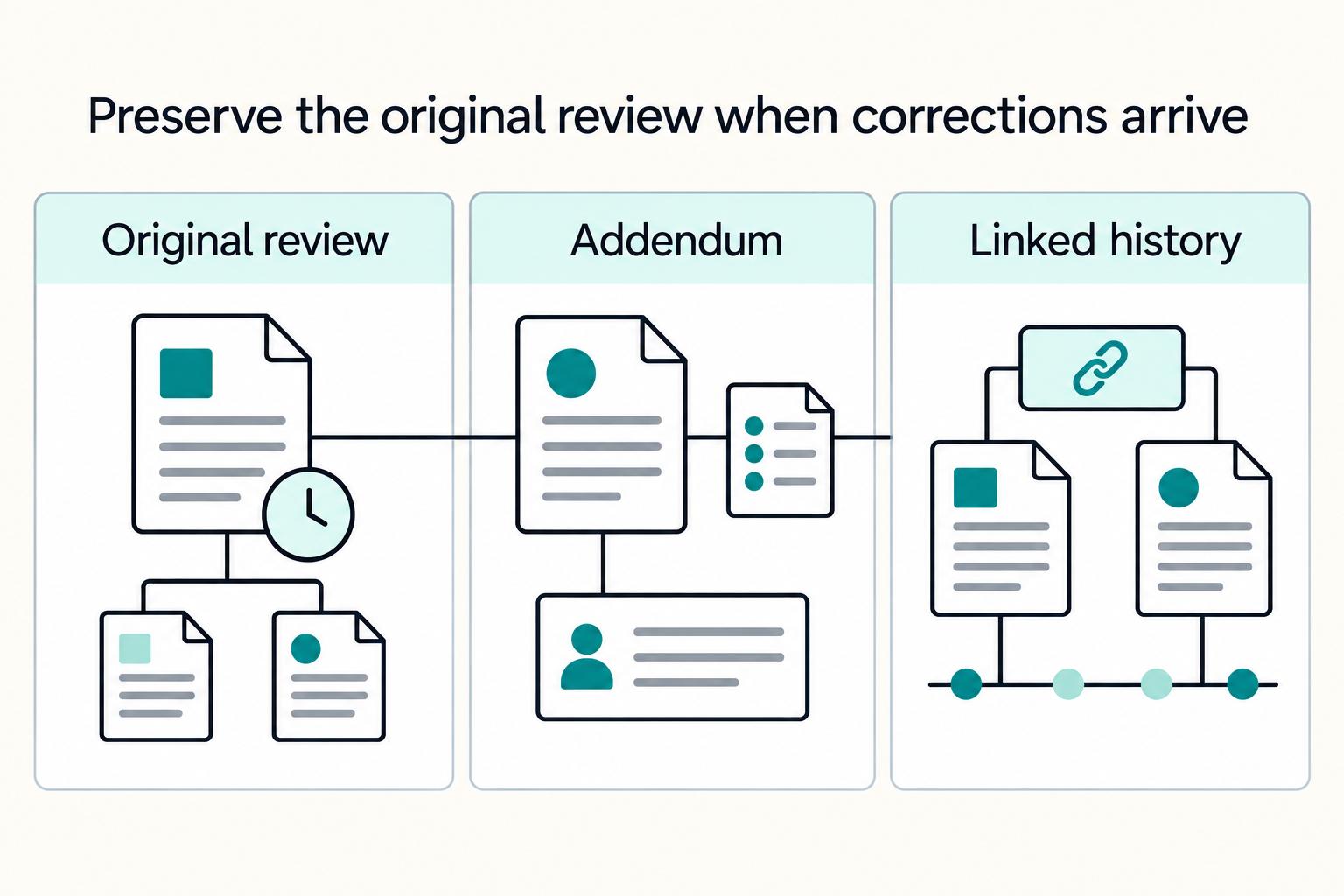
| Recovery changes a finalized review record | Append the correction as an addendum | Keep the original record intact while documenting factual or clarity updates |
Stop payouts when execution drifts from the approved path#
When the executed method no longer matches the approved path, pause that lane, verify which IRB policy set governs the study, and route disbursement back to the approved method before releasing more funds. For mixed portfolios, confirm whether the current IRB Policies and Procedures Manual applies or whether former policies still govern studies approved or exempt before January 21, 2019.
Your review packet should show the approved path, attempted path, hold decision, and corrected path in one place. Silent substitutions are the failure mode to avoid.
Hold disbursement when required records are incomplete#
When required records for that payout path are incomplete, keep the payout on hold under its original ID, request the missing record, and release only through a controlled queue with reviewer and timestamp history.
The checkpoint is simple: can you show the request, receipt, review, approval, and final ledger status without reconstructing events from scattered messages? If not, the lane is not ready to scale.
Preserve audit history with addenda, not silent rewrites#
If recovery changes a finalized review record, append the correction as an addendum. That keeps the original record intact while documenting factual or clarity updates, which is easier to defend during oversight and in a Single Audit context.
Use the same standard for higher-friction payout instruments: if recovery evidence is thin, tighten controls and favor paths with clearer traceability before expanding.
Related reading: How Podcast Monetization Platforms Pay Hosts, Advertisers, and Network Partners.
Make the go or no-go call with this final checklist#
No-go unless you can document the governing IRB policy basis for the study and show that sensitive information is handled only through official, secure websites.
| Checkpoint | What to confirm | Go/no-go check |
|---|---|---|
| IRB policy set | The study is mapped to the correct IRB policy set | Name the protocol and the policy version that applies before launch |
| Identity and tax handling | IRB approval alone is not evidence that identity or tax intake is launch-ready | Confirm written policy support and a clear owner for those intake steps |
| Evidence trail | Internal evidence pack links protocol reference, approval record, payment request, payout outcome, and exception owner | Keep it before payout expansion so decisions remain reviewable |
| Cash-equivalent risk | This guidance does not set acceptance limits for cash equivalents | If method risk controls and approval paths are not explicitly documented, hold launch |
- Confirm the study is mapped to the correct IRB policy set.
Use the institution's IRB policy source, not assumptions. UT references its current IRB Policies and Procedures Manual, and it separately flags studies approved or exempt before January 21, 2019 under pre-2018 regulations as tied to former policies. Go/no-go check: name the protocol and the policy version that applies before launch.
- Treat identity and tax handling as separate policy gates.
Required KYC/AML gates are not defined here, and W-8/W-9 handling rules are not defined either. IRB approval alone is not evidence that identity or tax intake is launch-ready. Go/no-go check: confirm written policy support and a clear owner for those intake steps.
- Require an evidence trail before payout expansion.
Do not invent external thresholds for reconciliation or exception-log requirements. Go/no-go check: keep an internal evidence log that links protocol reference, approval record, payment request, payout outcome, and exception owner so decisions remain reviewable.
- Do not treat cash-equivalent risk as implicitly approved.
Acceptance limits for cash equivalents are not established. Go/no-go check: if method risk controls and approval paths are not explicitly documented, hold launch.
If every checkpoint passes, proceed with a limited rollout and add countries gradually. If any checkpoint fails, delay expansion and close the control gap first.
Frequently Asked Questions
Do research payouts require IRB approval before disbursement?
If the payout is part of human-subject research, treat IRB review as a prerequisite, not a finance afterthought. Delaware State University states that all research involving human subjects must be reviewed by its IRB Human Subjects Protection Committee, and IRB approval means the protocol was found to conform to scientific, ethical, and legal standards. The practical check is simple: confirm the approved protocol covers the participant payment approach before money moves.
Can anonymous research payments stay anonymous once IRS tax reporting applies?
You should not promise permanent anonymity if tax reporting obligations could later require follow-up. The IRS bulletin excerpt here also notes that issue synopses may not be relied on as authoritative interpretations. Your participant language should leave room for tax and identity follow-up rather than implying anonymity can always be preserved. A real red flag is building disclosures from assumption instead of tax advice or institution-specific policy.
Which payment methods are most accepted in IRB-approved institutional workflows?
This guide does not support a universal ranking of payout methods, so avoid copying another institution's preference as if it were standard. The practical rule is narrower: use the method named or allowed in the approved protocol and the institution's process, and pause anything that requires an unapproved substitution. If your team cannot point to the protocol language or office guidance that supports the rail, it is not ready for production.
Why do payment requests get rejected even when the study budget is approved?
Budget approval and protocol approval can move on different tracks. A funded study can still stall if the payment approach was not reviewed through the human-subjects process or if the research office has not guided the submission path for that study. Delaware State University's page explicitly tells researchers to contact OSP for process guidance, which is a useful reminder that "money is available" does not mean "this request is executable."
What changes when moving from US-only payouts to multi-country contributor disbursement?
Do not infer global readiness from a U.S. IRB approval or from an IRS publication. What does change is your burden of proof: you need separate confirmation that the payment path, identity collection, and local handling are supportable in each market before launch. If you cannot assemble that evidence, keep the country out of scope.
What should operators validate before choosing payout rails for academic research programs?
Start with three checks: the approved protocol, the responsible research office for process questions, and the tax position you can actually support. Timing matters too. Delaware State University, for example, lists an IRB application deadline of 1/5/2026 and a meeting date of 1/21/2026. A payment design that depends on approval after that window may slip before it ever reaches disbursement.
Try a related tool
Researched and edited by the Gruv editorial team. Gruv builds cross-border billing, payouts, and finance-operations software for global businesses.
Sources
- grants.nih.gov/grants/glossary.htmtrusted
- grants.nih.gov/grants/policy/nihgps/html5/section_1/1.2_def...trusted
- hhs.gov/sites/default/files/hhs-grants-policy-statem...trusted
- irs.gov/irb/2026-01_IRBtrusted
- irs.gov/irb/2025-50_IRBtrusted
- leg.mn.gov/docs/2015/other/150595.pdftrusted
- nsf.gov/policies/pappg/23-1/ch-2-proposal-preparationtrusted
- pmc.ncbi.nlm.nih.gov/articles/PMC10570692trusted
Educational content only. Not legal, tax, or financial advice.
Related Posts
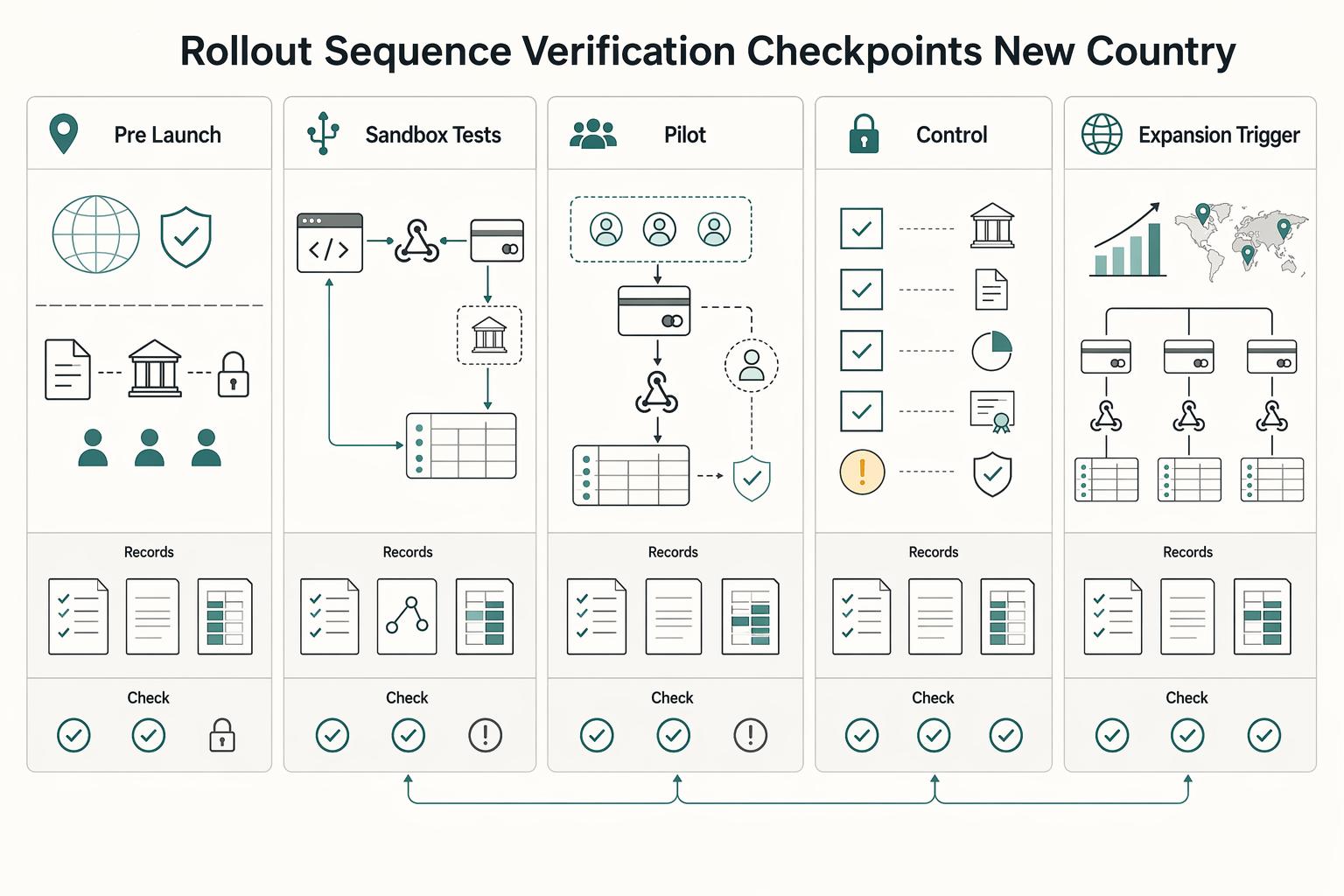
How Bug Bounty Platforms Pay Ethical Hackers Across Borders
If you are deciding where to launch a bug bounty program next, do not anchor on who advertises the biggest reward. The better question is where you can attract credible researcher attention, meet payout eligibility requirements, and move money with less avoidable payout friction once valid reports start landing.
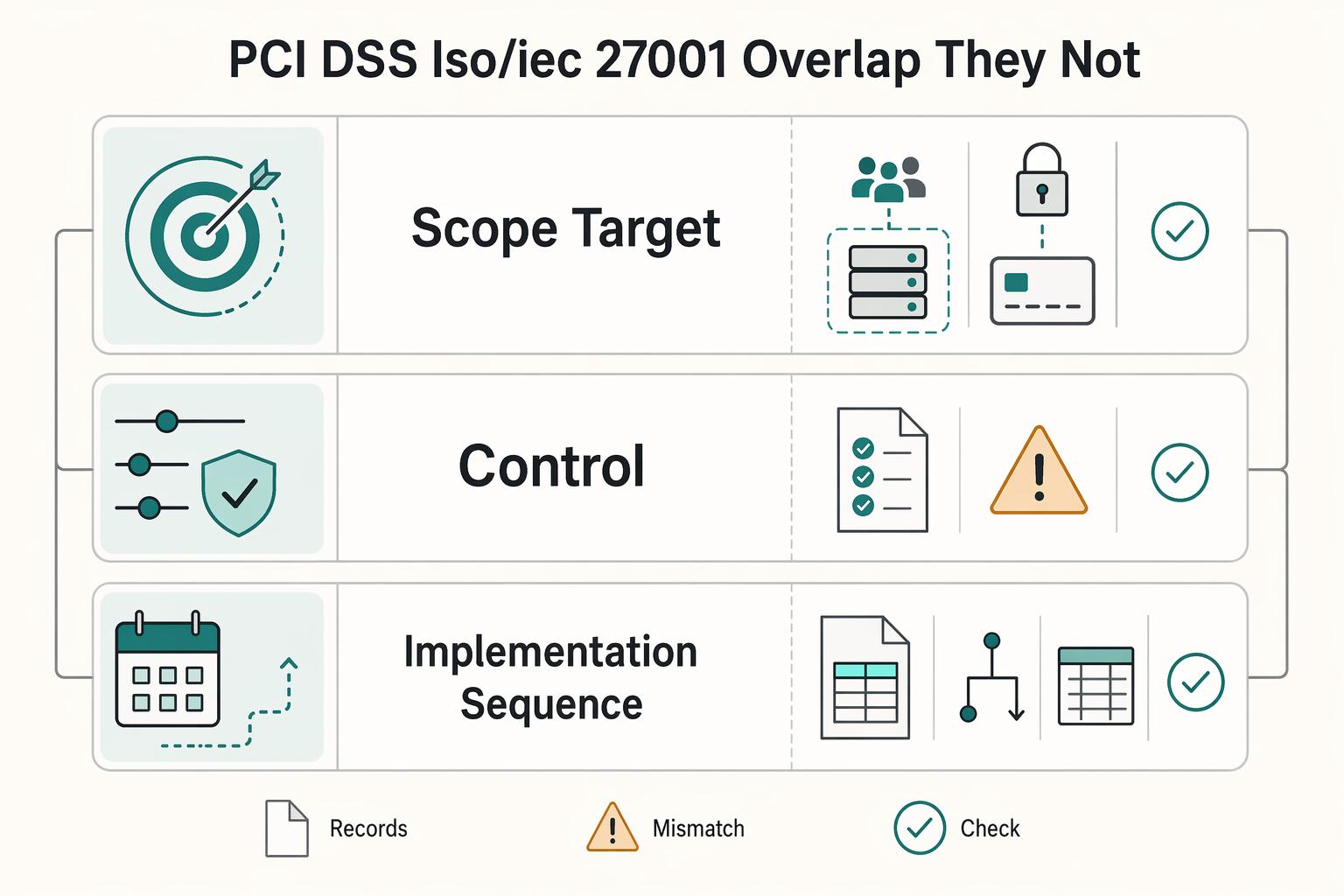
How to Evaluate PCI DSS, SOC 2, and ISO 27001 for Payment Platforms
Certifications and regulatory authorisation answer different risk questions, so treat them as separate checks in payment-platform due diligence. For onboarding or renewal, focus on three things: what boundary is attested, who assessed it, and whether the activity also needs separate legal permission. This guide is for compliance, legal, finance, and risk owners evaluating `PCI DSS`, `SOC 2`, and `ISO/IEC 27001` without confusing them with UK regulatory status.
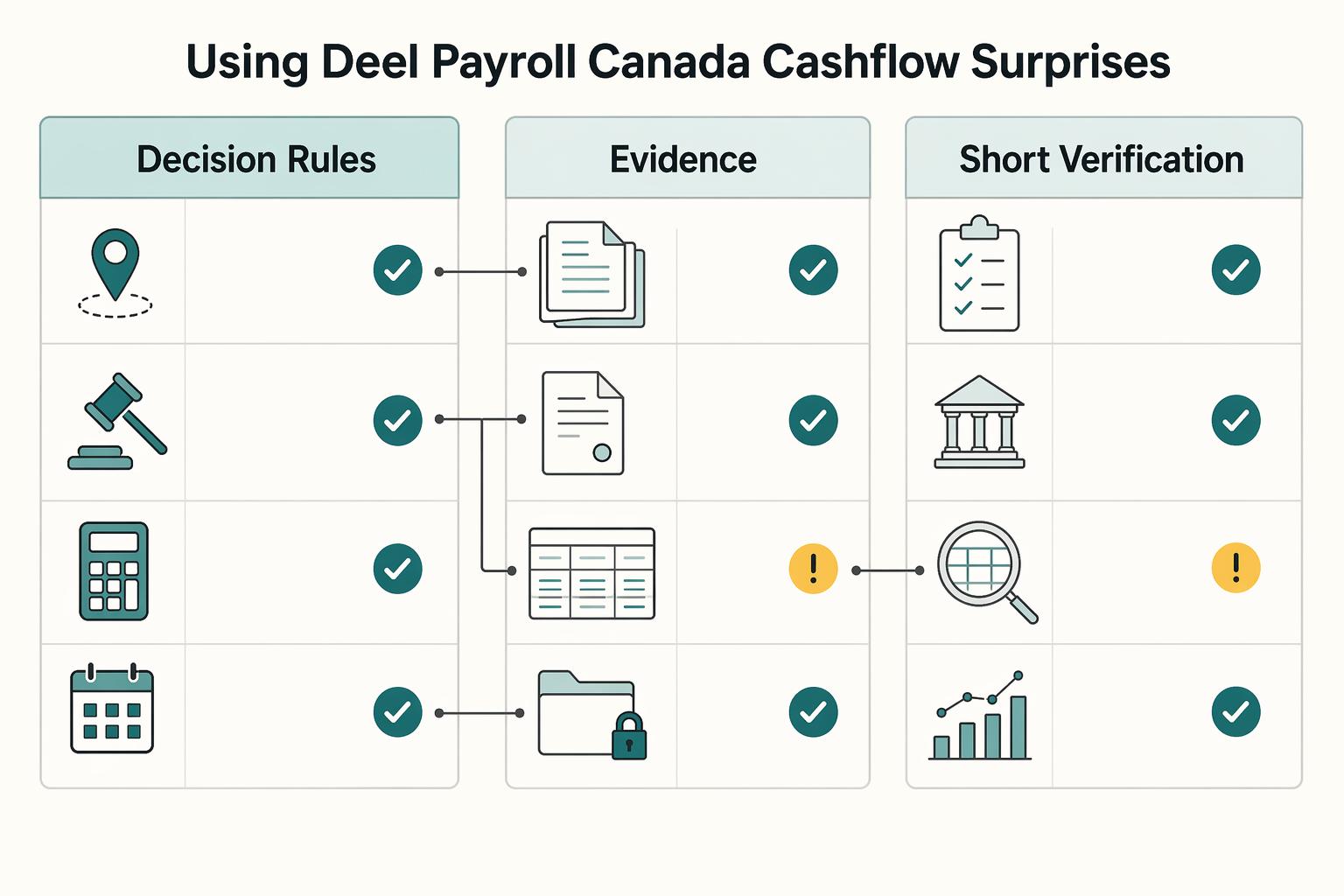
Using Deel for Payroll for a US Company with Canadian Employees
If your goal is simple - pay Canadian employees on time from a United States company without avoidable delays, fees, or compliance cleanup - start with one assumption: provider materials are a useful starting point, not the whole answer. Cross-border hiring here is common, even without a local entity. It still brings real tax, legal, and payroll complexity.