
Operator playbooks for cross-border payments, tax, and compliance execution.
Step-by-step guidance for finance, product, and ops teams to launch faster, reduce payout friction, and keep reconciliation clean across borders.
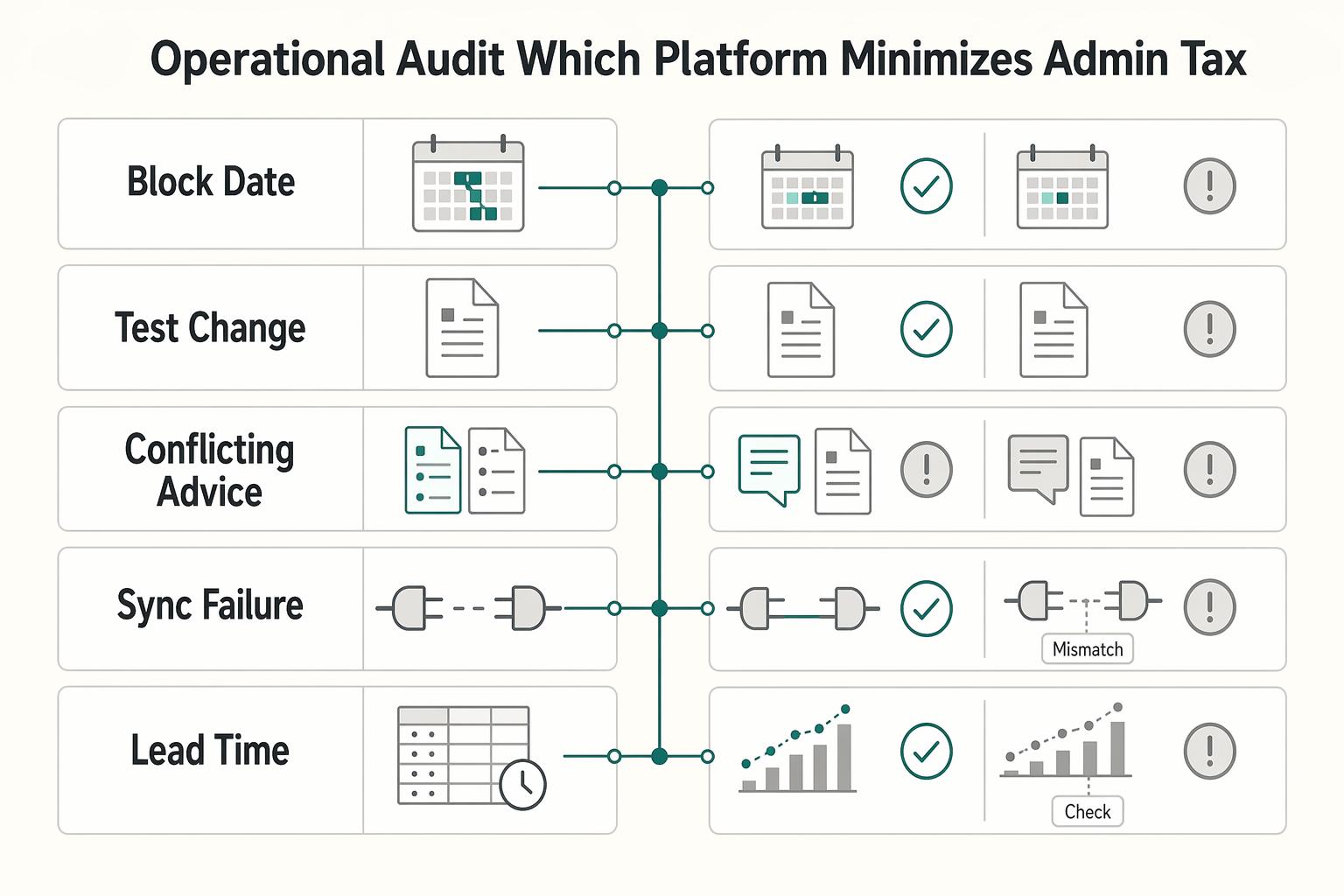
Vrbo vs. Airbnb: A Comparison for Property Owners
For a professional short-term rental operator, choosing between Airbnb and Vrbo is not about brand preference. It is a portfolio decision that affects revenue, operating load, and risk. If you treat your property like a real business, the comparison has to go well beyond surface fee checks.
Read more →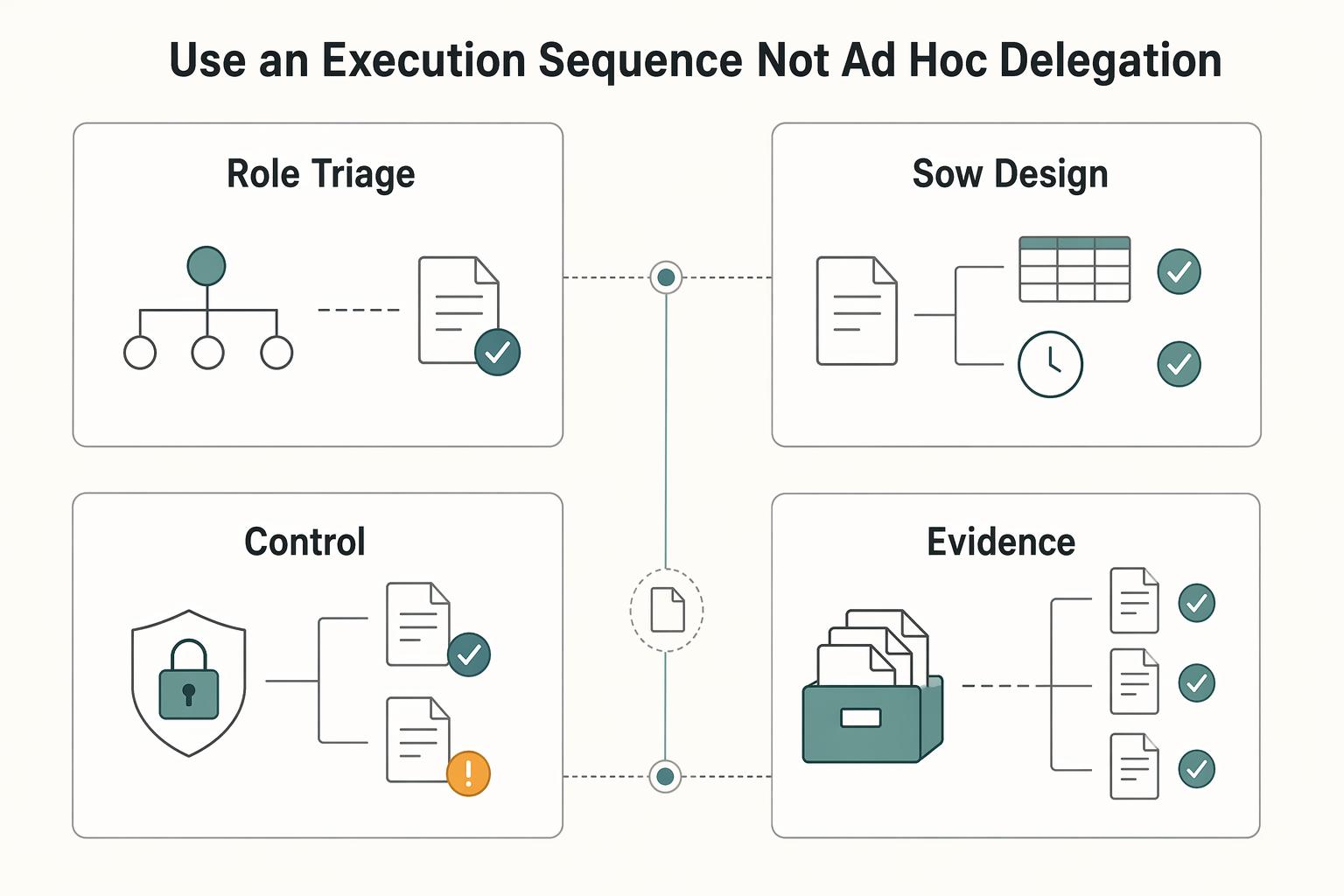
Using Ramp for Corporate Card and Expense Management in a Remote US Agency
For a remote US agency, "ramping" starts with a tool-category decision. Pick the wrong category and you create avoidable finance and operations risk. Use this quick matrix to match the product to the job you actually need done:
Read more →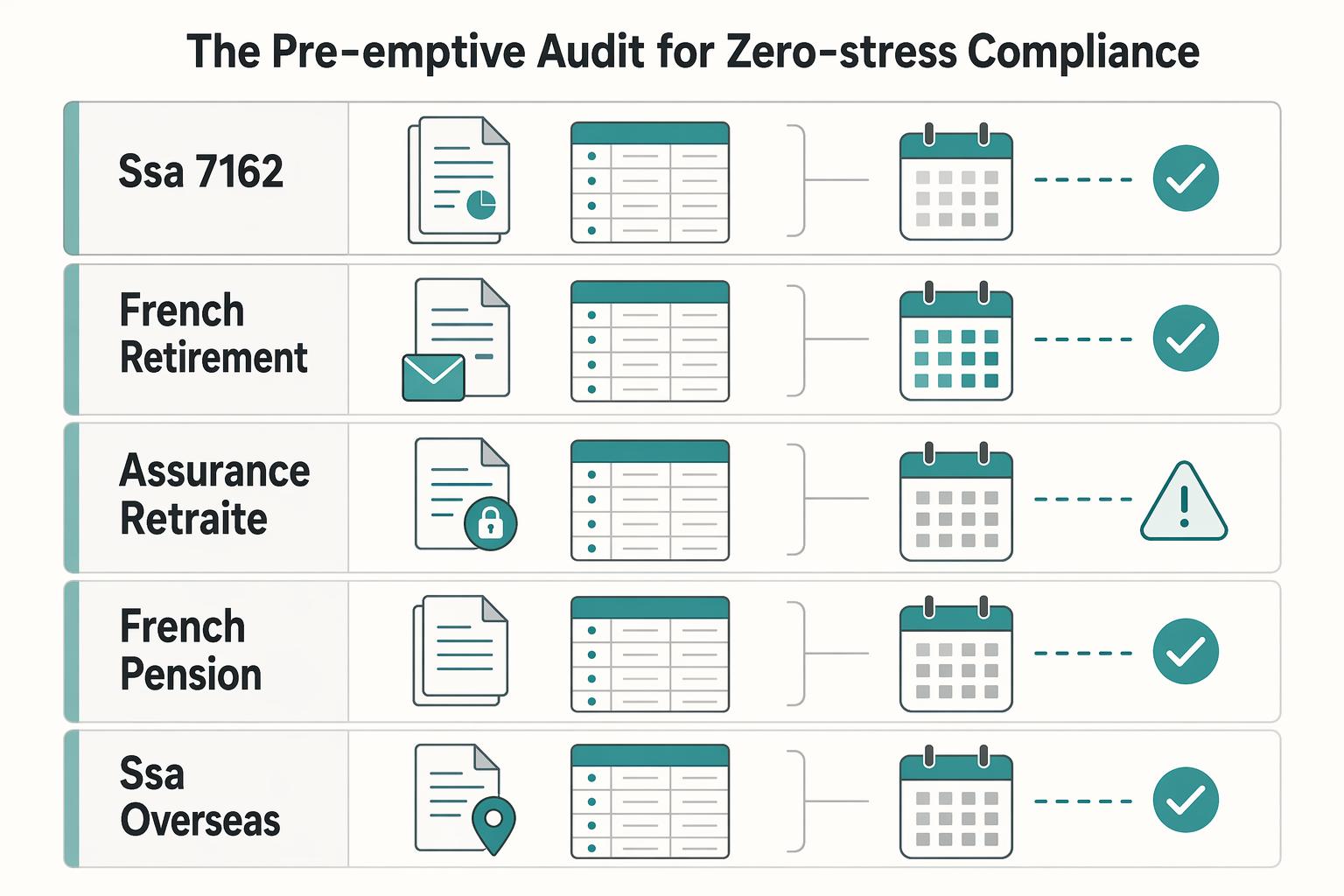
How to Obtain Proof of Life for a Foreign Pension
A proof of life certificate is a routine check with real consequences. Your pension provider is asking you to confirm that you are alive and still eligible for payment. If you miss the deadline or use the wrong process, payments can be paused.
Read more →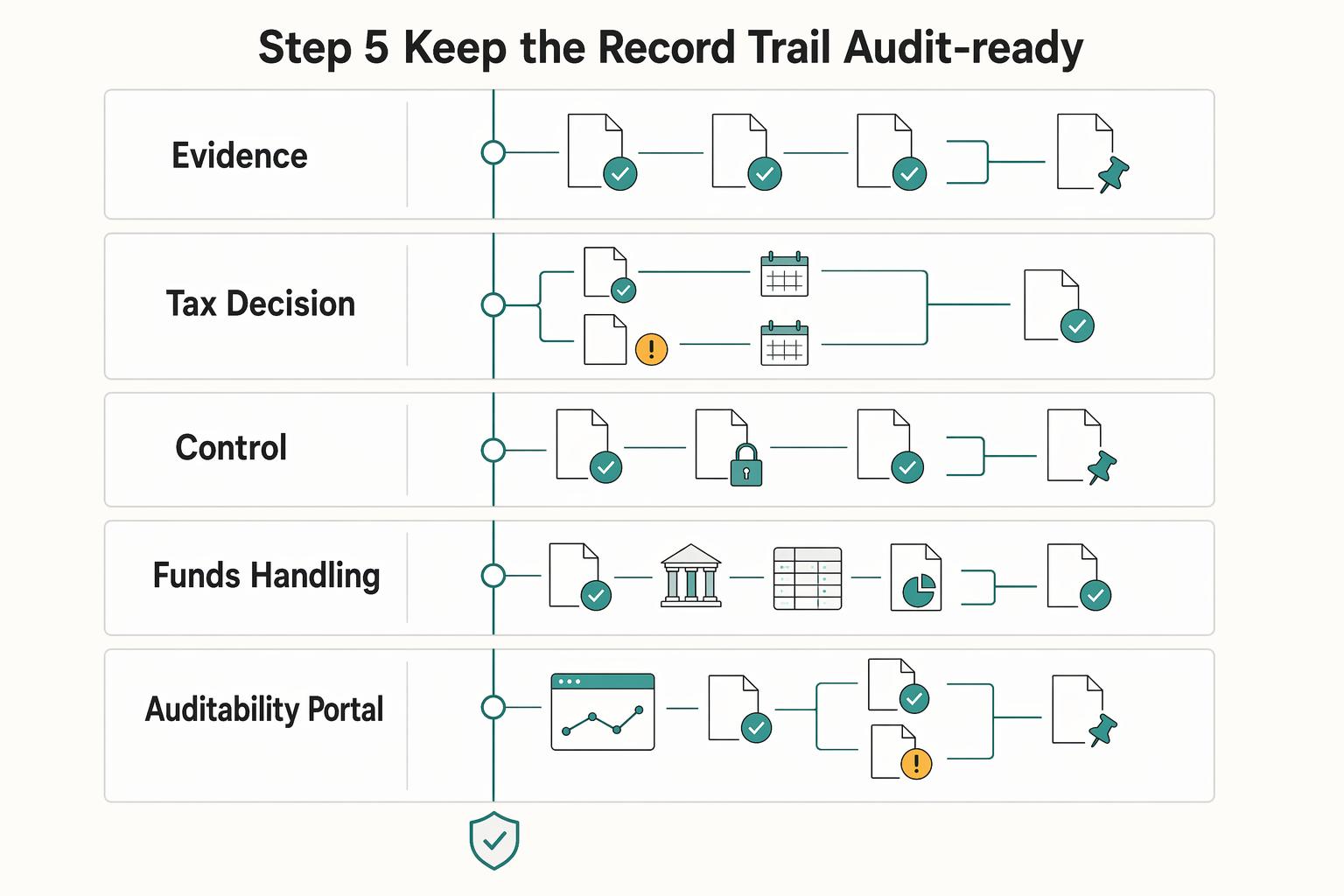
How to Automate Invoicing with Stripe for a Webflow Site: A 3-Stage Maturity Model
Your real decision is the invoicing model you operate, not just whether two tools can connect. Use this 3-stage model to decide how much control, review, and process discipline you need before invoices go out.
Read more →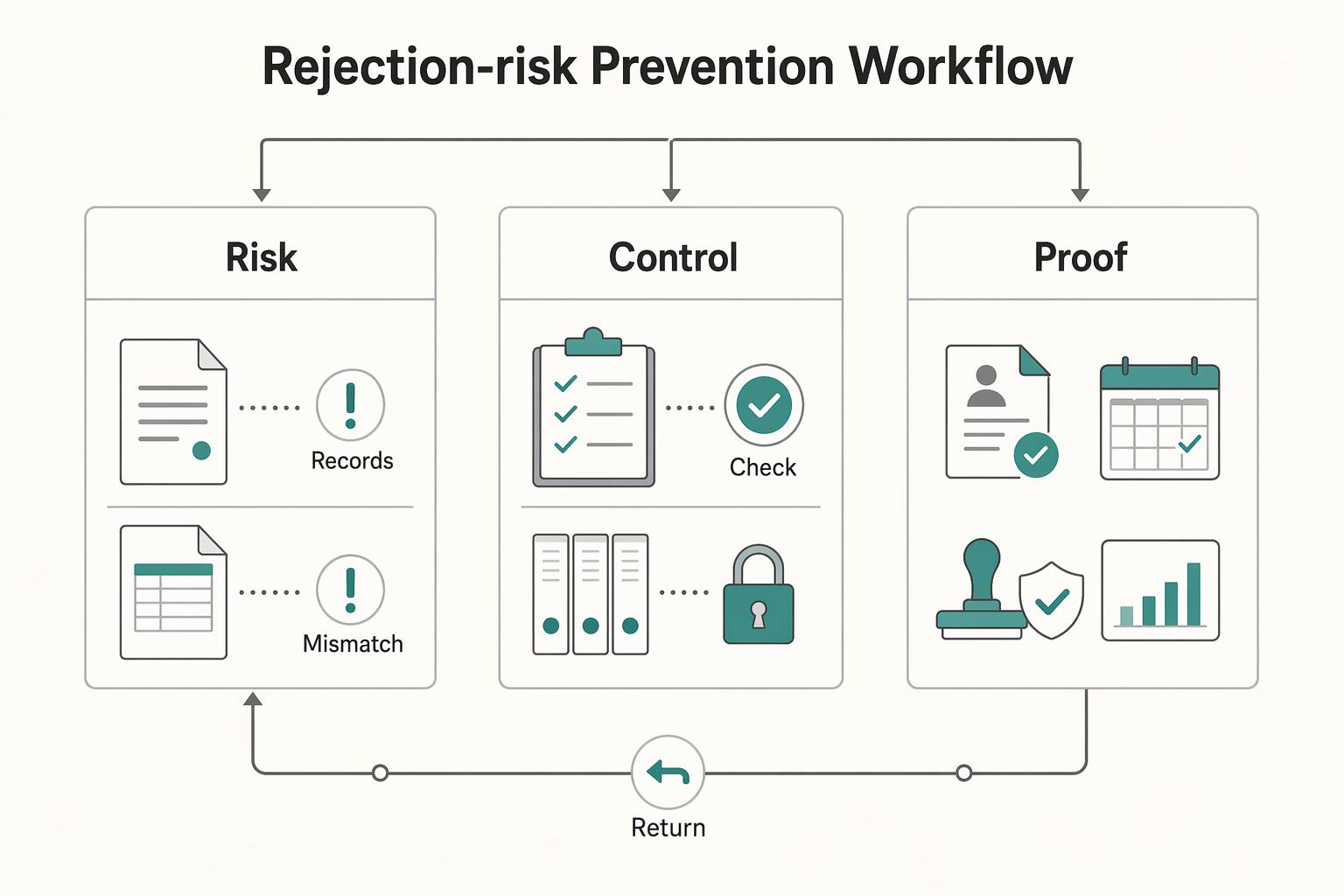
A Guide to Indonesia's KITAP (Permanent Stay Permit)
Treat this as a pathway decision first, not just a filing task. Before you prepare documents, confirm that a permanent stay route fits your visa class, timeline, and sponsor setup. Start from clear terms:
Read more →
How to Build an Airtable API Client Dashboard Without Access Risk
If your reporting still runs through emailed PDFs, shared spreadsheets, or hand-built views, the real problem is usually not a dramatic breach. It is the steady accumulation of ordinary mistakes until you lose confidence in who can see what, which version is current, or how long it takes to keep clients informed.
Read more →
California AB5 Law for Independent Contractors
If you sell services to California clients, the real issue is often whether the client's legal and procurement teams can evaluate and document the classification decision before they send your contract for signature. Under AB5, that review happens inside a framework that has been in place since January 1, 2020. Misclassification exposure can include [civil penalties of $5,000 to $25,000 per violation](https://www.dir.ca.gov/Fraud_Prevention/Misclassification.htm).
Read more →
How to Handle a Liquidated Damages Clause in a Freelance Contract
A [liquidated damages clause](https://www.law.cornell.edu/wex/liquidated_damages) is a pre-agreed payment term tied to a specific trigger, written into the contract before problems start. Its job is simple: set the remedy while expectations are clear, instead of improvising after trust breaks down and timelines slip.
Read more →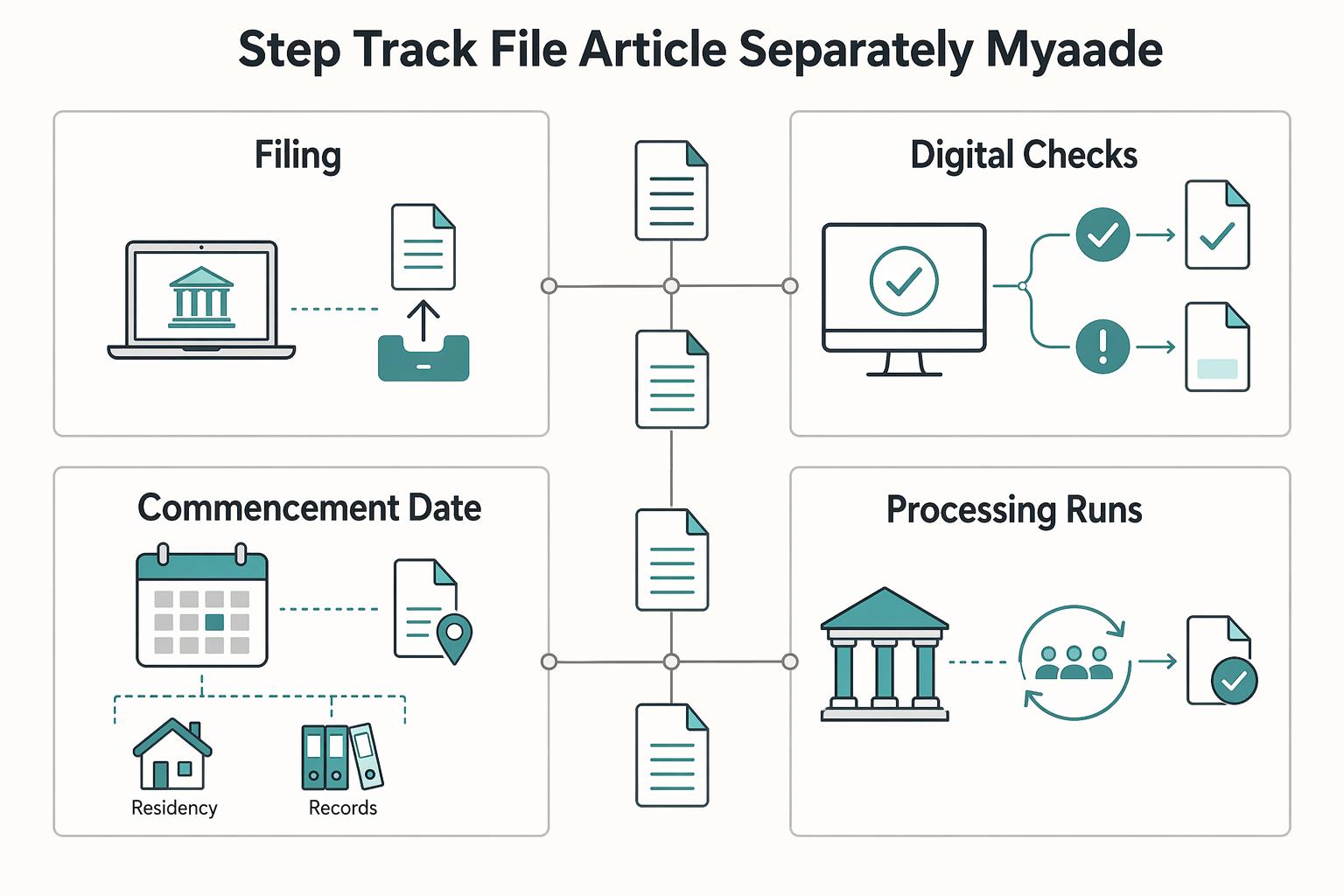
A Guide to Greece's Digital Nomad Visa and Its 50% Tax Break
Relocating your Business-of-One to Greece is not just a lifestyle move. It is a financial and administrative restructuring. The 50% tax break gets the attention, but the real work is making sure your visa path, tax position, and evidence all line up.
Read more →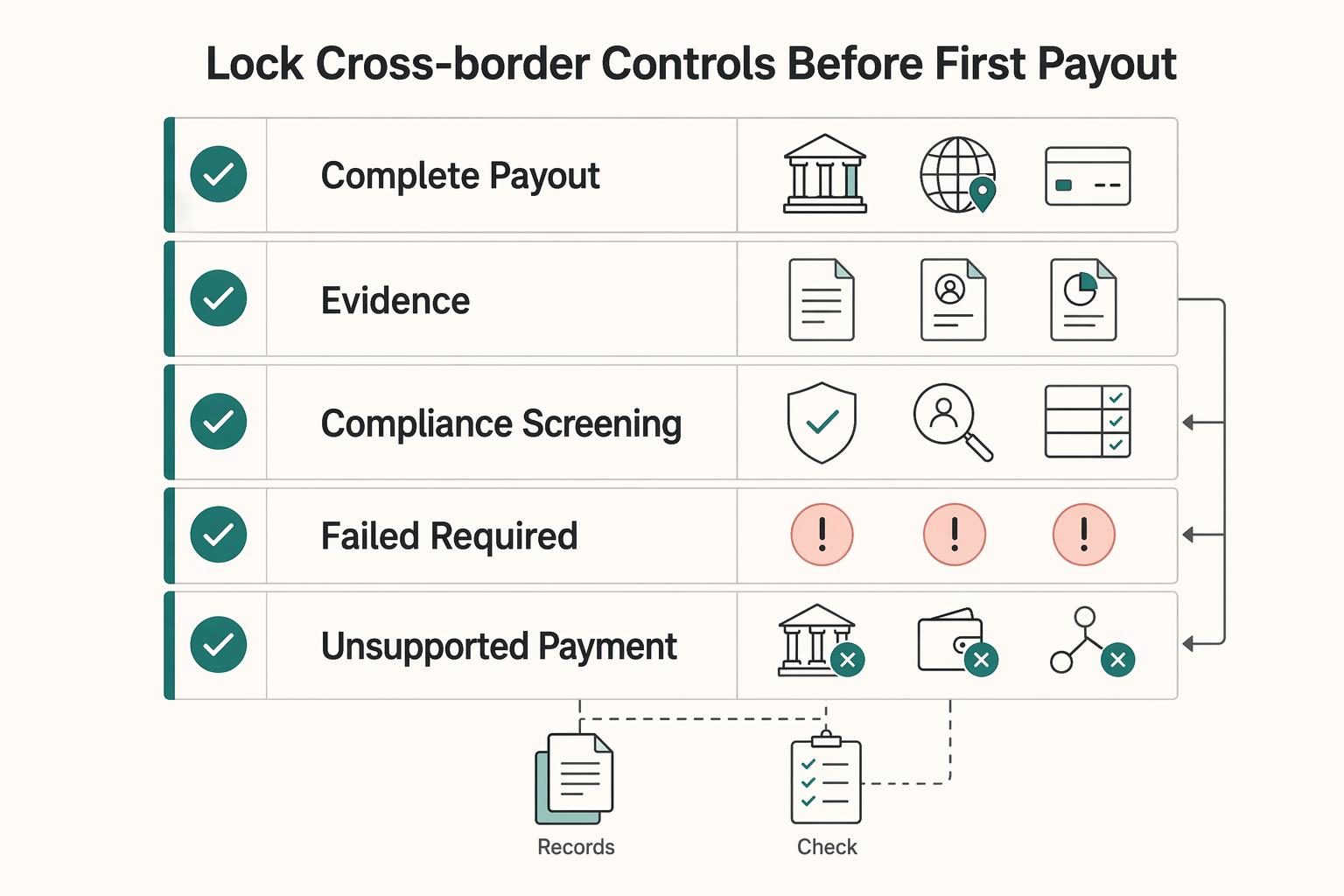
How to Structure an Affiliate Agreement for Your Digital Product
Build the agreement in this order: set scope, lock the contract mechanics, then draft the three pillars for brand control, partner conduct, and money handling. That sequence helps you manage common risks like brand misuse, payout leakage, and unclear obligations. A weak **[affiliate agreement for digital product](https://www.automateed.com/affiliate-agreement-basics-for-digital-products)** leaves those risks open to interpretation. A workable one turns them into rules you can review and enforce, with counsel where it matters.
Read more →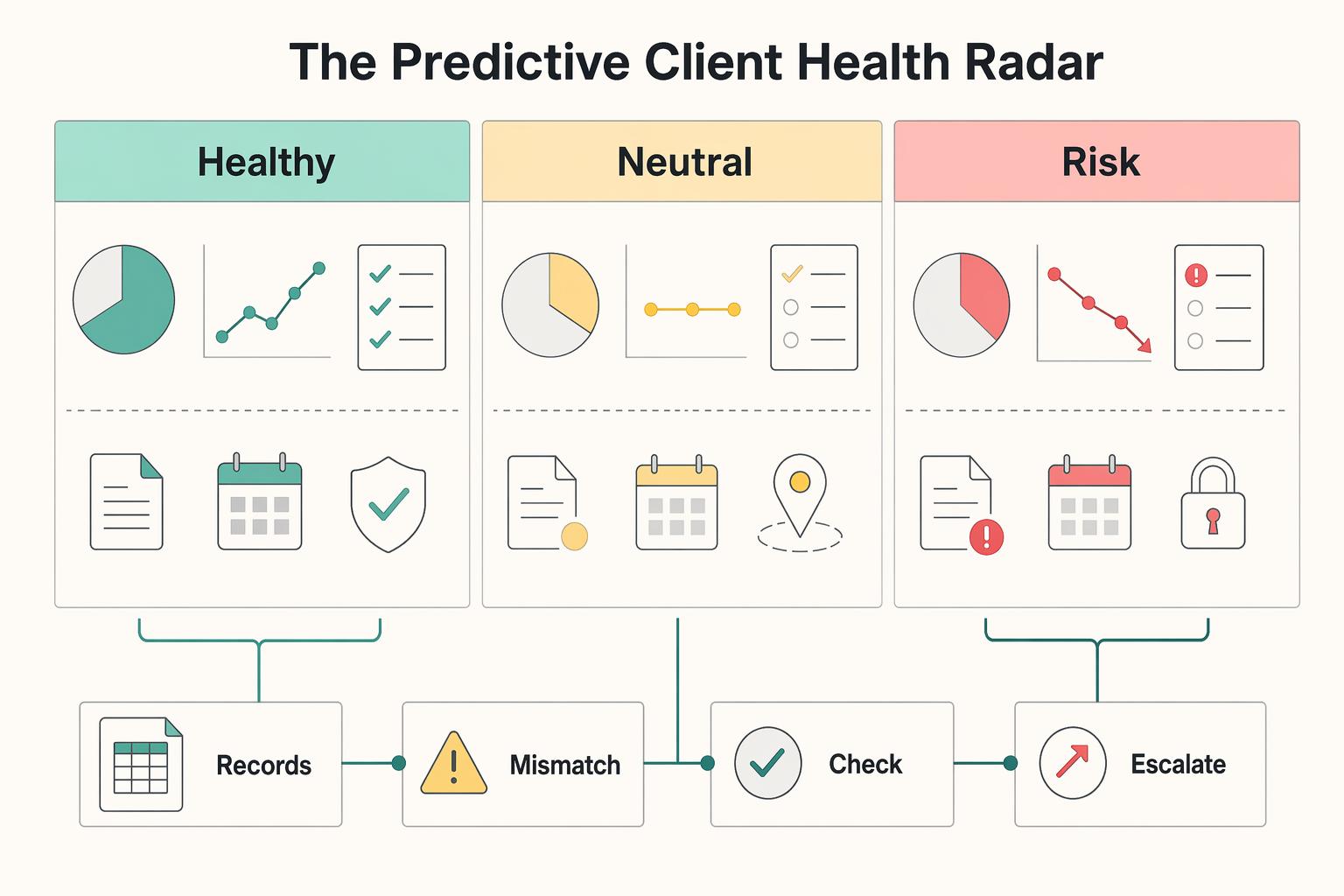
Use Asana Portfolios to Manage Multiple Agency Clients
If you manage several client projects at once, activity is rarely the problem. The real issue is usable visibility. Tasks move, people stay busy, yet you still make staffing calls too late, spot client risk only after a rough meeting, or notice a project drifting when the budget is already under pressure.
Read more →
How to Price a 'Productized' Consulting Service
If your pricing still starts with hours, you are making your work harder to sell and easier to erode. The billable hour does not just cap upside. It invites scope creep, shifts attention to effort instead of results, and keeps you trading time for money.
Read more →
The Best Render Farm Services for 3D Artists
If you are comparing render farm services, do not treat this like a routine software purchase. For a solo operator, the right choice protects your time, preserves control where it matters, and lowers the odds of a client-facing failure. Three filters matter most:
Read more →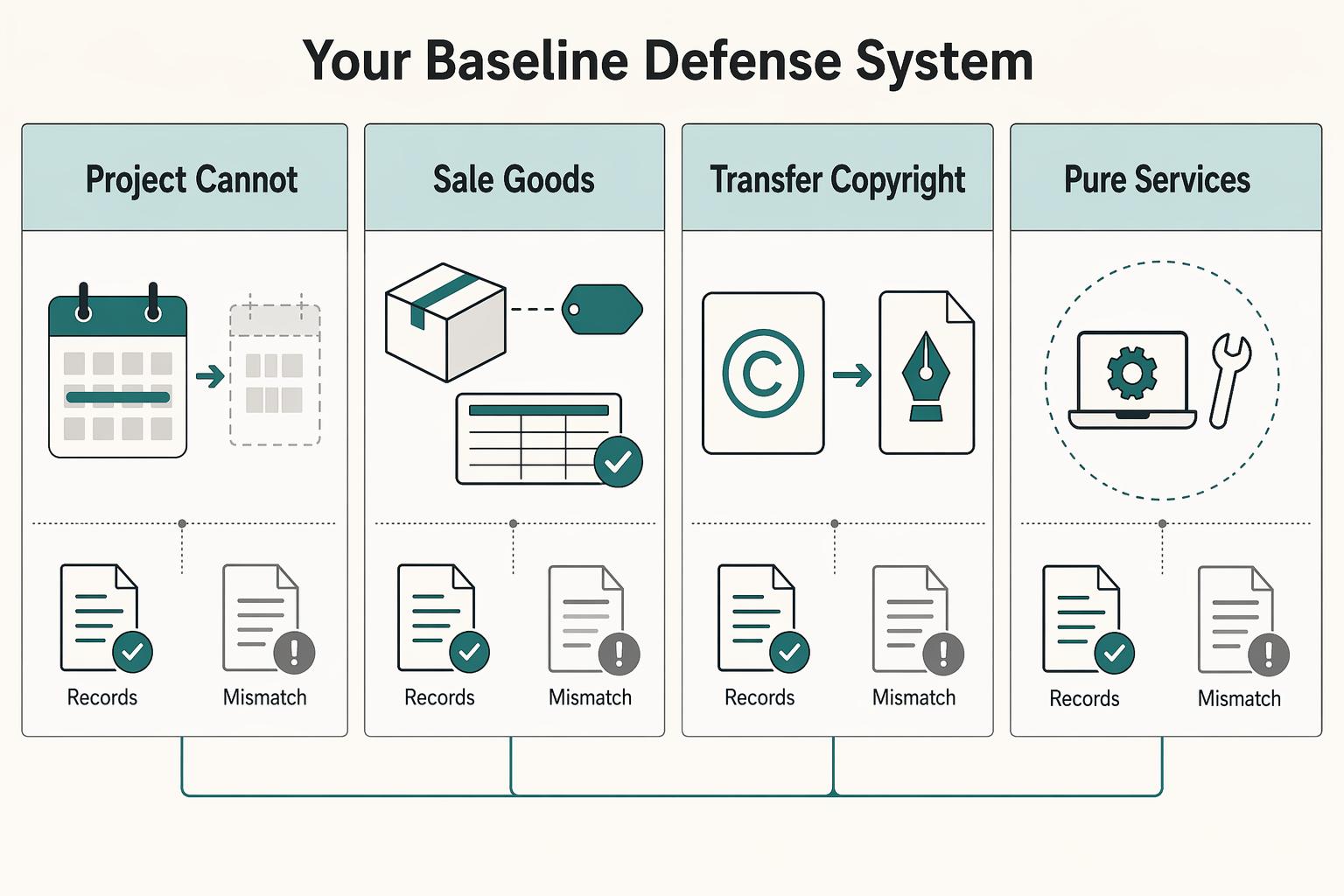
Statute of Frauds for Freelance Agreements
Use this as your first risk screen: if a deal hits a common trigger, do not rely on a verbal promise. Get a written record before work starts, money changes hands, or rights are transferred.
Read more →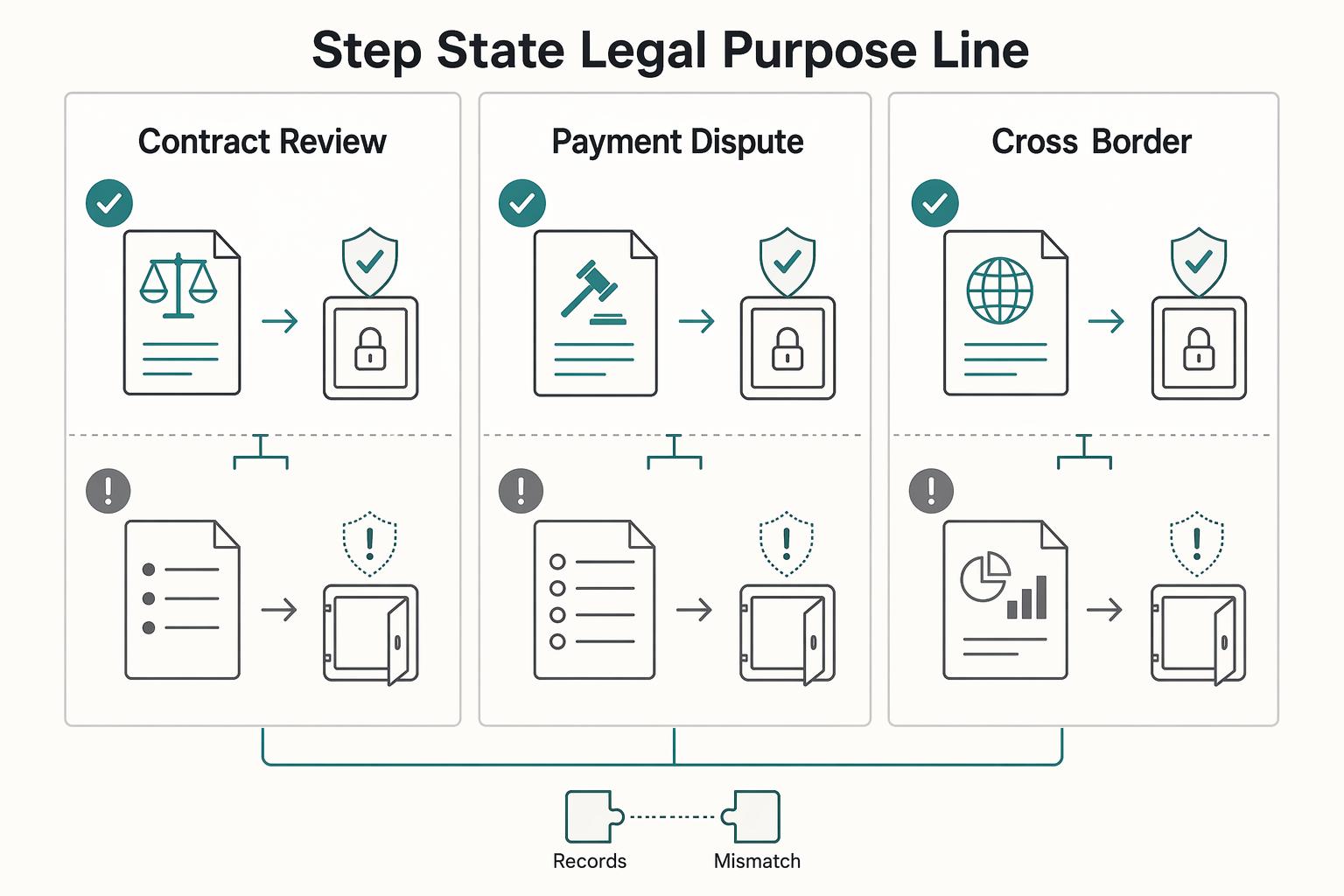
What Is Attorney-Client Privilege?
[Attorney-client privilege](https://www.law.cornell.edu/wex/attorney-client_privilege) protects your **confidential communications** with your lawyer when you are seeking legal advice. It does not cover every document connected to a legal issue. In day-to-day client work, that usually means a private email, call, or direct message about a contract risk, payment dispute, or compliance concern.
Read more →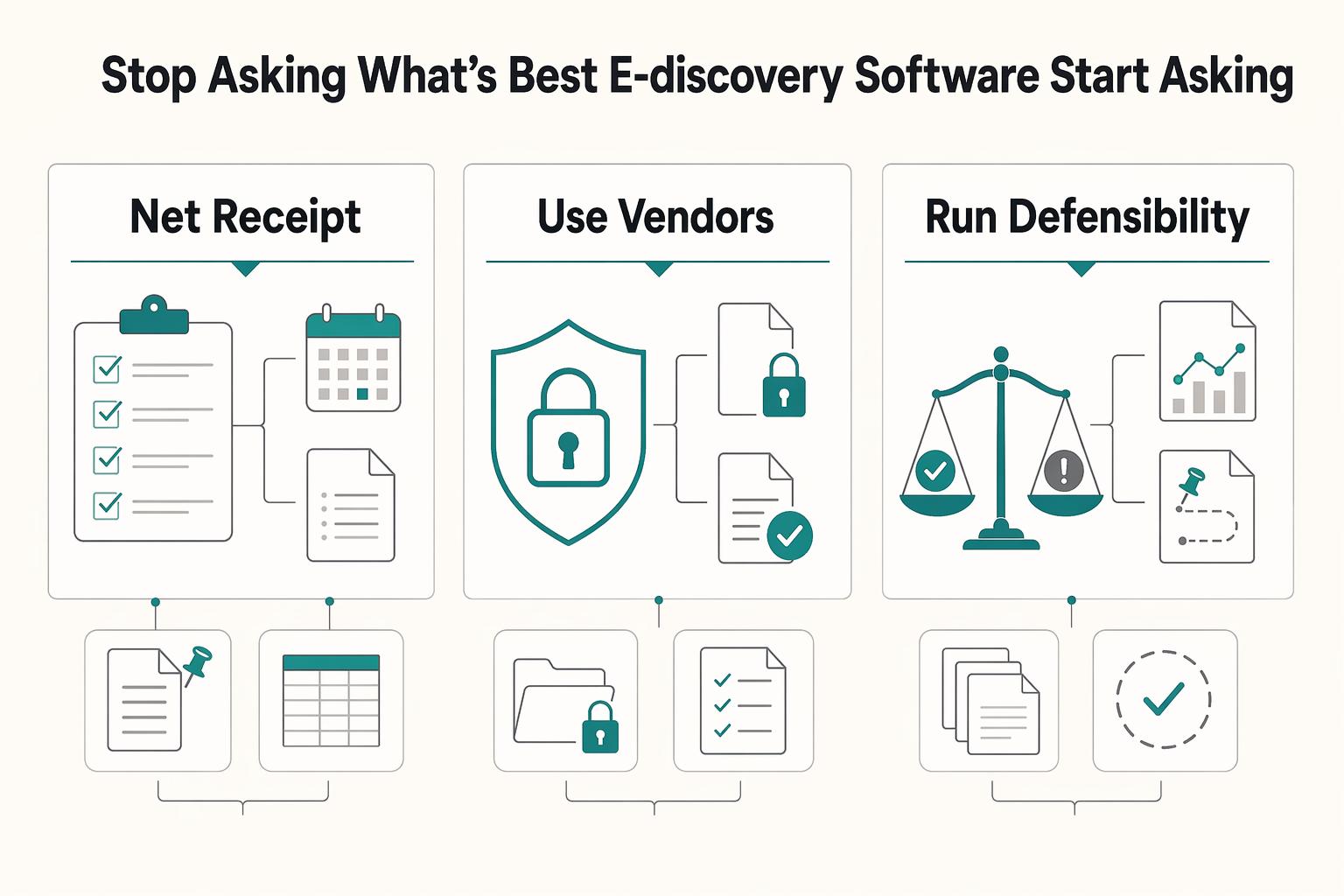
How to Choose Defensible E-Discovery Software for Small Businesses
You will make a better choice if you treat e-discovery software as a defensibility decision, not a feature contest. The real question is whether a tool helps you preserve ESI with reasonable steps, protect privilege, and produce consistently under pressure.
Read more →
A Freelancer's Guide to Collecting on a Judgment
Winning the case is only part of the job. Getting paid is a separate enforcement process, and [the court does not collect for you](https://selfhelp.courts.ca.gov/civil-lawsuit/judgment/how-collect). At this point, you are the judgment creditor and the other side is the judgment debtor. Your next decisions are about cash flow, time, and risk.
Read more →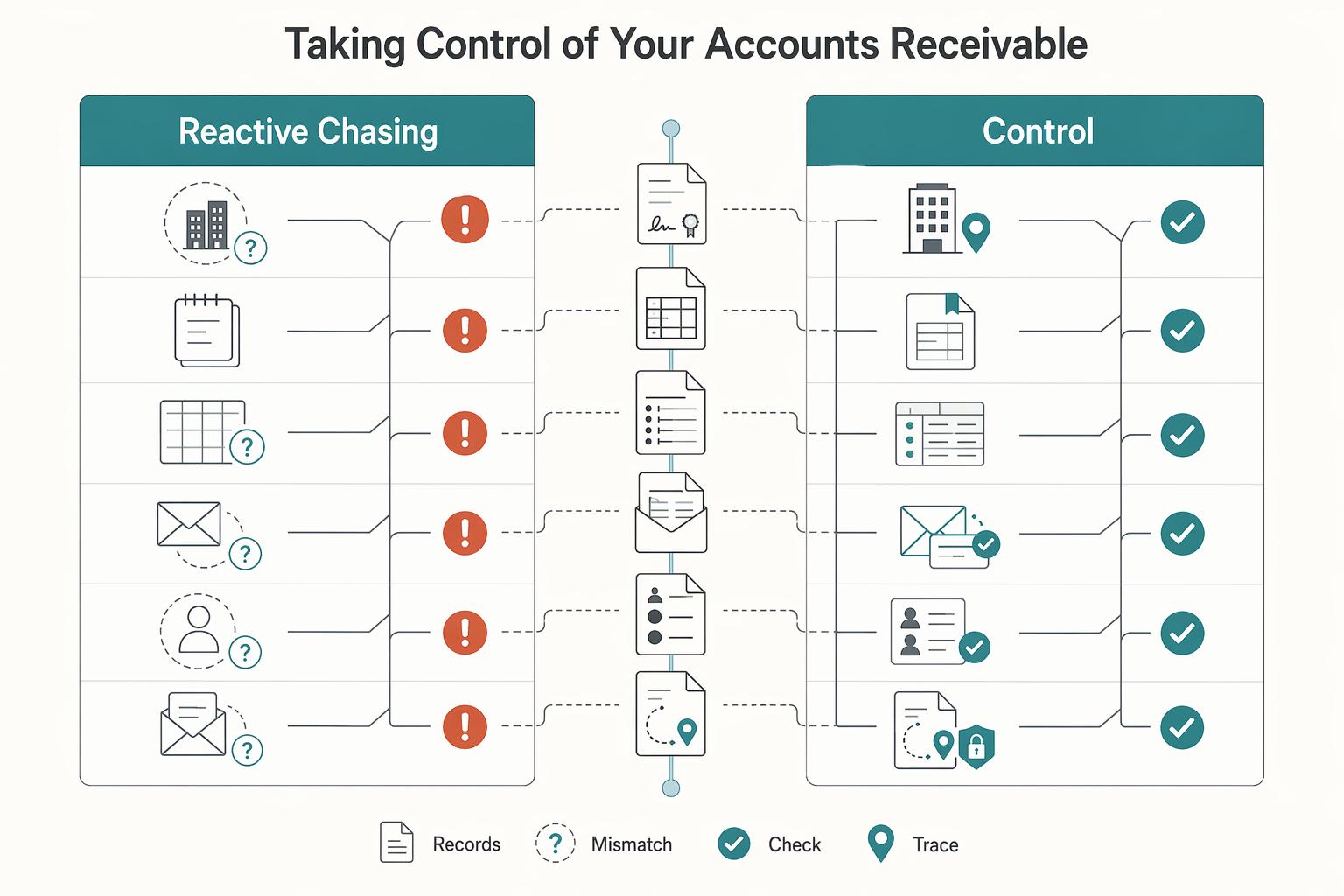
How to Send a Demand Letter for an Unpaid Invoice
Many payment disputes are avoidable if you tighten the contract, onboarding path, and invoice controls before work starts. The aim is simple: no ambiguity about who pays, when they pay, how you invoice, and how you escalate if something slips.
Read more →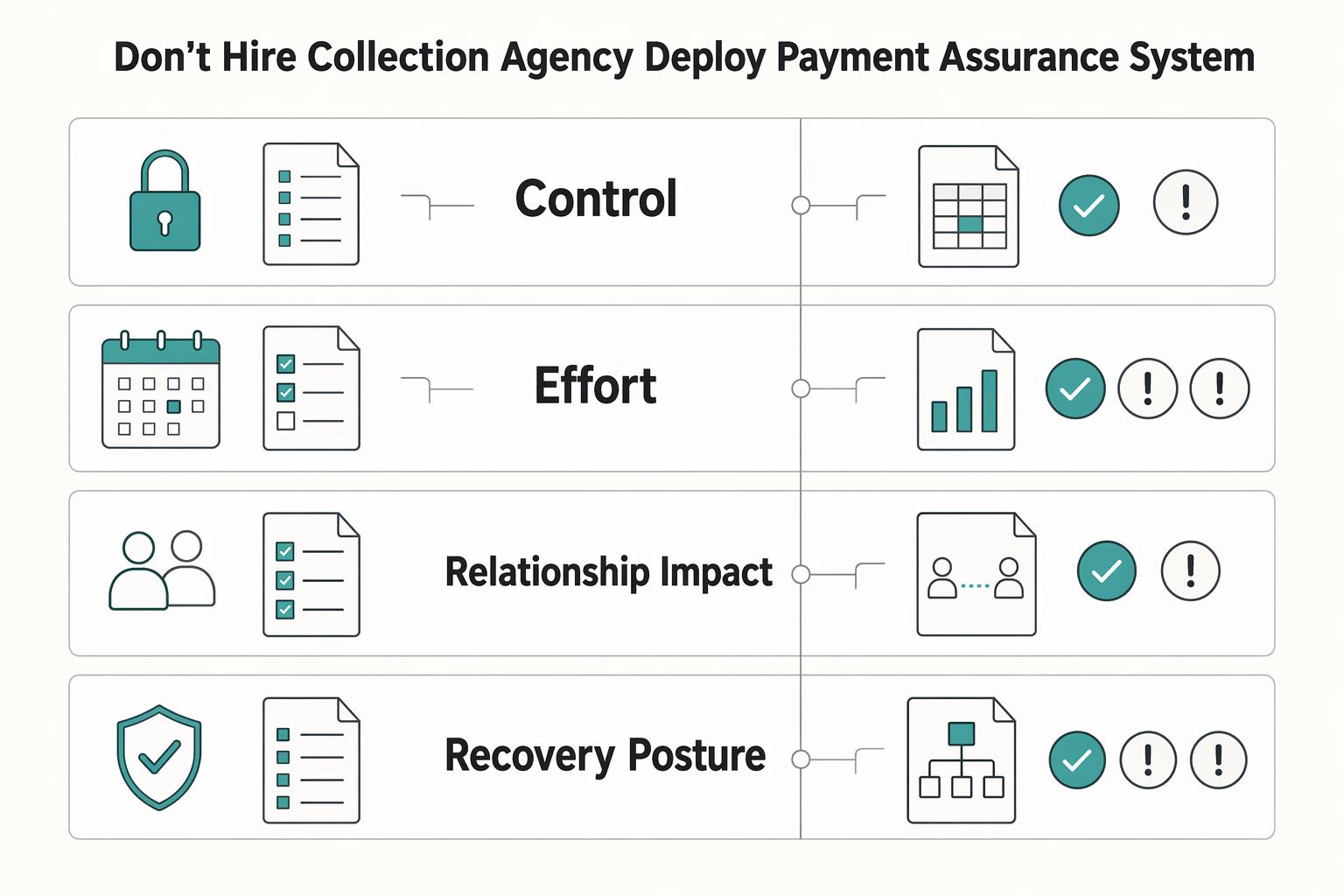
Collection Agencies for Small Businesses: Use a Payment Assurance System First
If you're searching for the **best collection agencies for small business**, the short answer is this: a collection agency is a later-stage tool, not your default operating model. Start with a payment assurance system that protects cash flow, keeps client relationships workable, and gives you a clear escalation path when invoices go past due.
Read more →
How to Use a 'Personal Guarantee' in a Contract
If this deal can turn a business loss into a personal loss you cannot absorb, do not negotiate yet. First decide whether the exposure is survivable.
Read more →