
Operator playbooks for cross-border payments, tax, and compliance execution.
Step-by-step guidance for finance, product, and ops teams to launch faster, reduce payout friction, and keep reconciliation clean across borders.
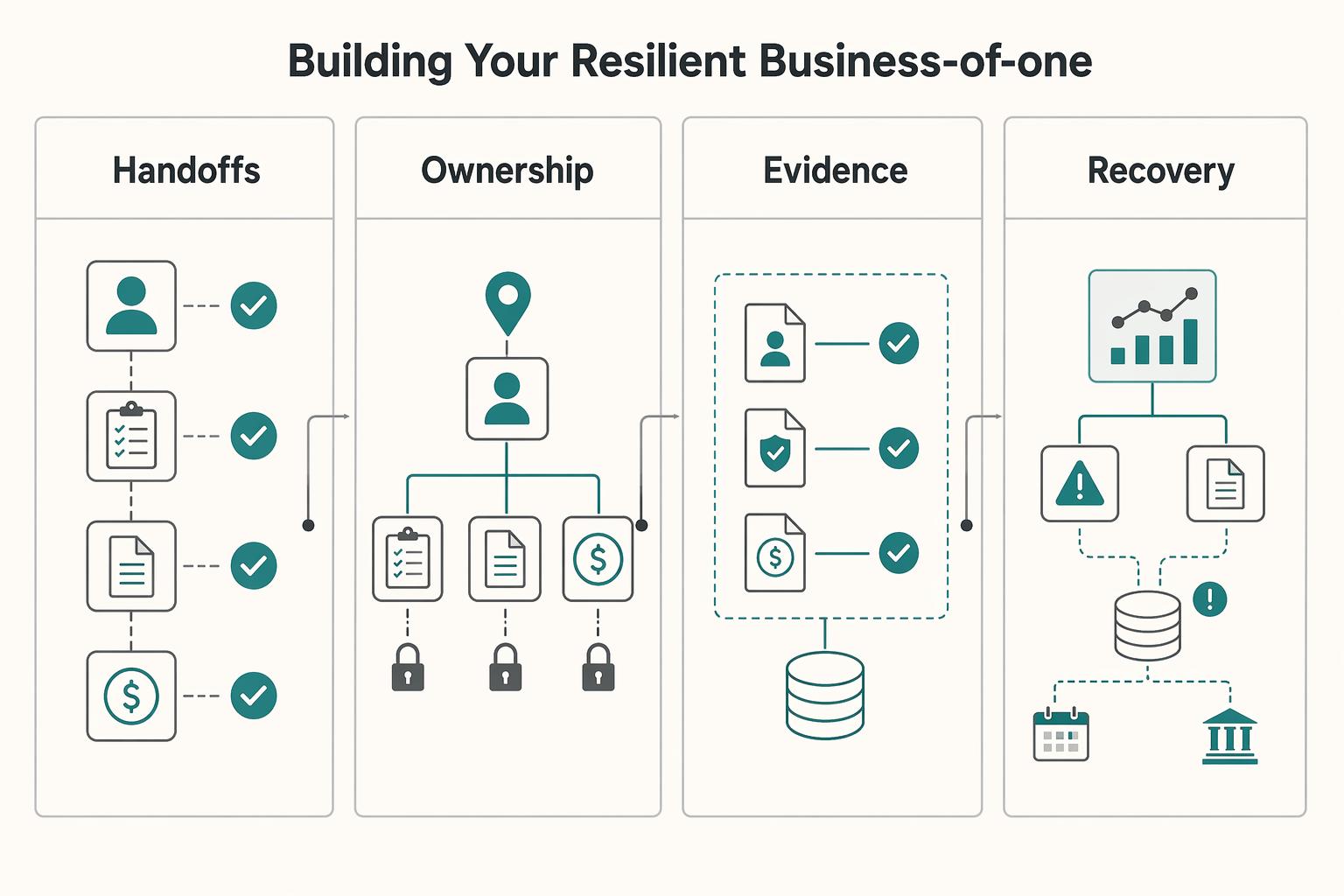
How to Use Make.com to Automate Onboarding, Compliance, and Cash Flow for Your Freelance Agency
If you judge automation by minutes saved, you will choose the wrong projects. In Make, the real win is not shaving ten minutes off admin. It is preventing the expensive miss: a client dispute, a missing approval before delivery, or a filing gap that becomes a problem later. Faster is nice. Correct, provable, and repeatable is what protects revenue.
Read more →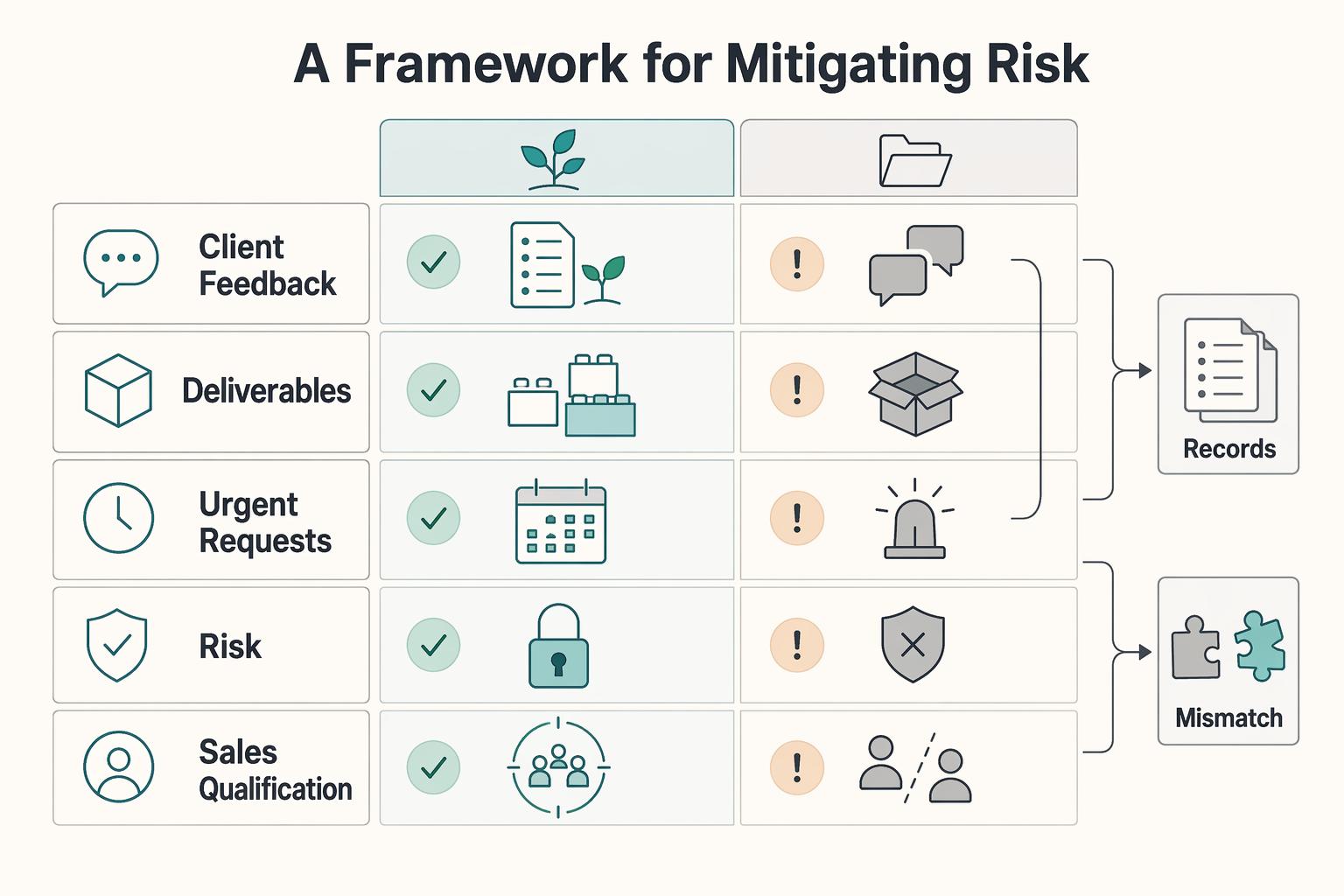
Build a Digital Garden That Supports Better Freelance Client Fit
Treat this as an operating model you can test this week, not a promise that publishing alone will reduce disputes or raise your rates. The move is simpler: use a [public body of notes](https://timrodenbroeker.de/digital-garden) to make your terms, reasoning, and reusable knowledge easier for the right people to inspect before they hire you.
Read more →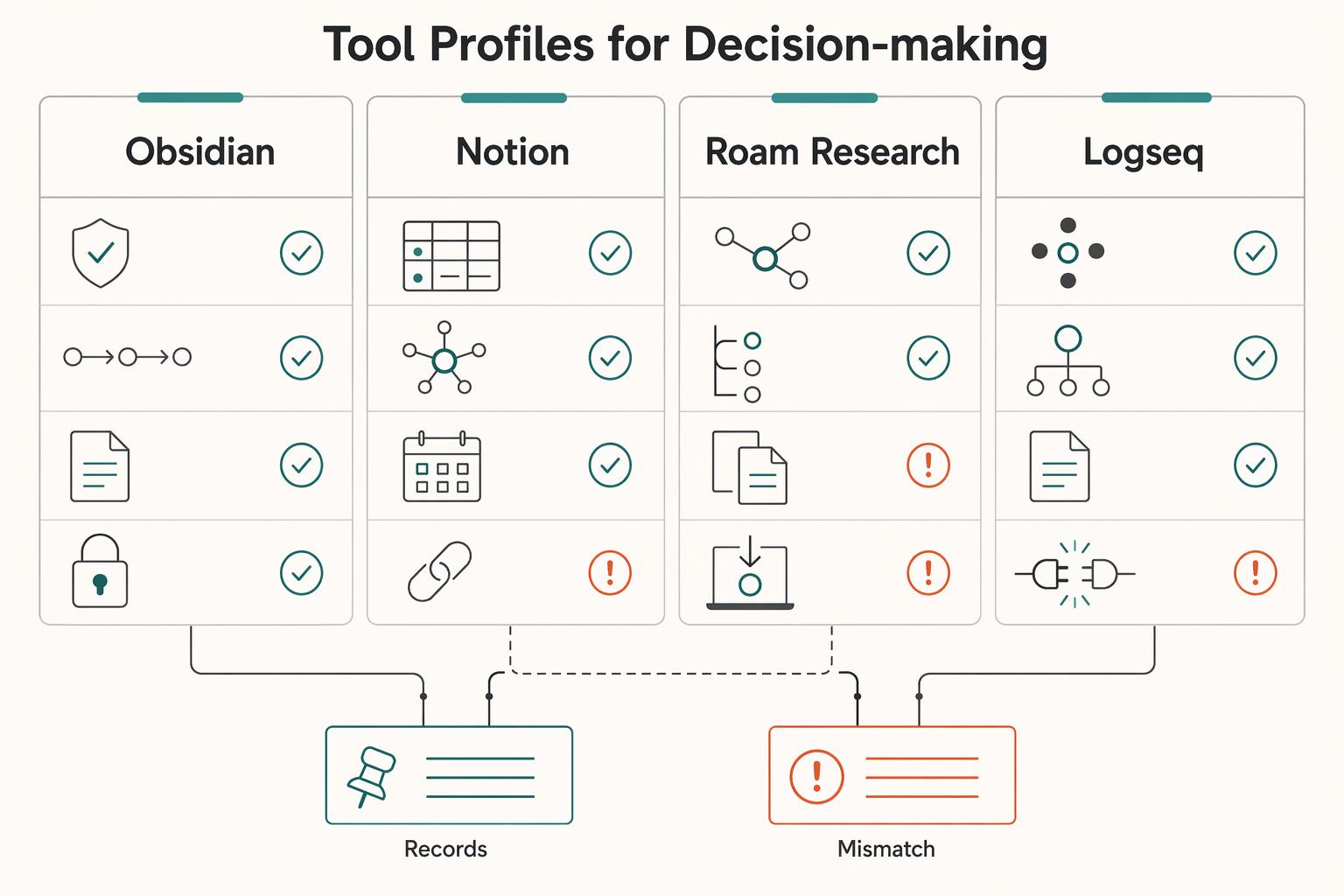
How to Choose the Best Digital Garden Tool for Your Business
Your expertise becomes risky when delivery depends on memory. If the reasoning behind your recommendations, your best examples, or your client-specific judgment lives mostly in your head, more work does not just create more pressure. It changes the kind of failure you face. That is why people often choose the wrong fix and still feel overloaded.
Read more →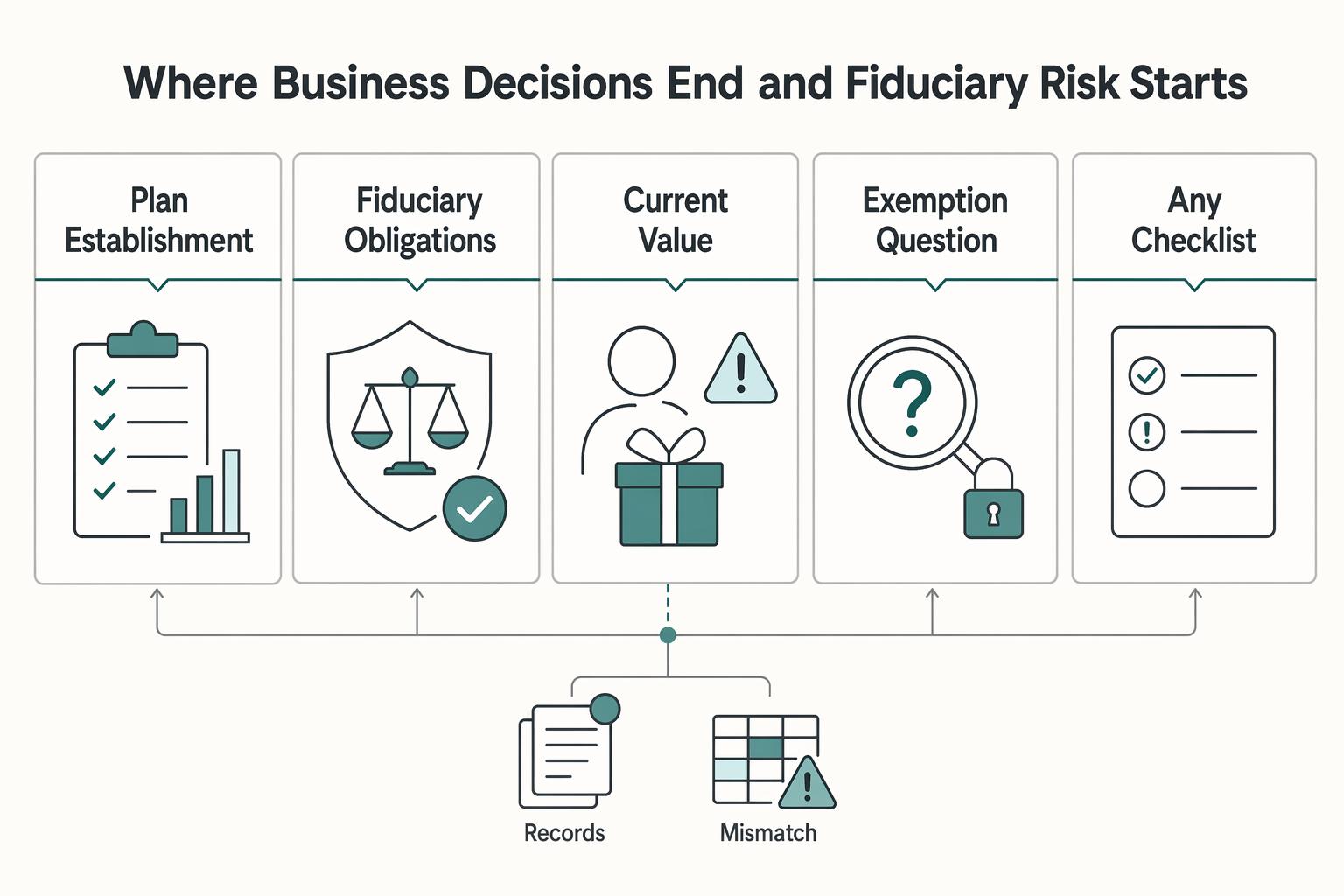
A Deep Dive into Prohibited Transactions for a Solo 401(k)
To use a Solo 401(k) well, you do not need to memorize dense IRS code. You need one clear mental model: the **Firewall Principle**. It creates a hard legal and financial boundary between two separate worlds: your **Personal/Business Pocket** and your **Retirement Pocket**.
Read more →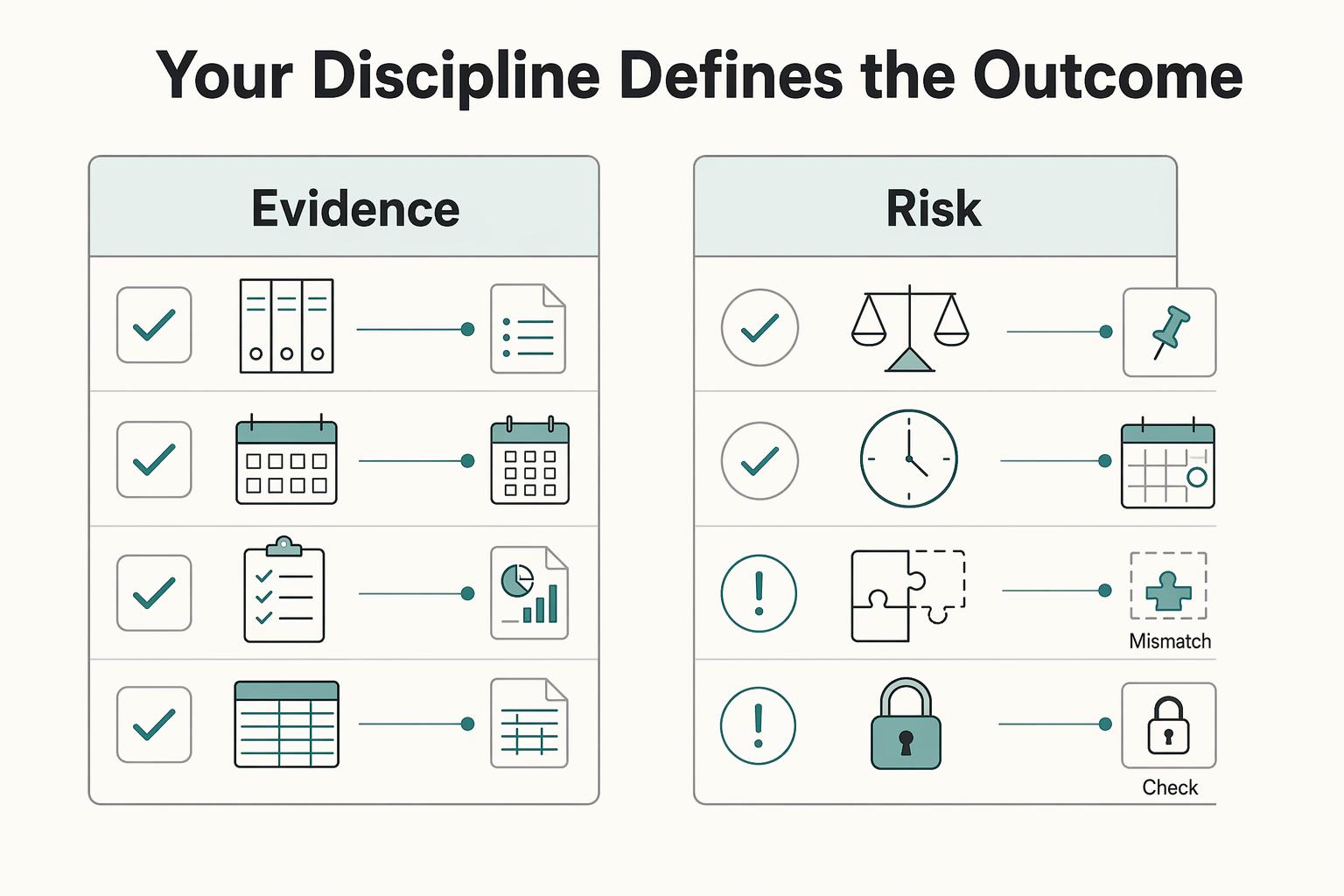
Rollover as Business Start-Up (ROBS) for Founders Who Can Run Compliance
A **rollover as business start-up (ROBS)** makes sense only if you want owner control and are prepared to run a retirement plan correctly, not just launch a company. If you want fast money with light administration, this is a poor fit because the funding move and the compliance burden come together.
Read more →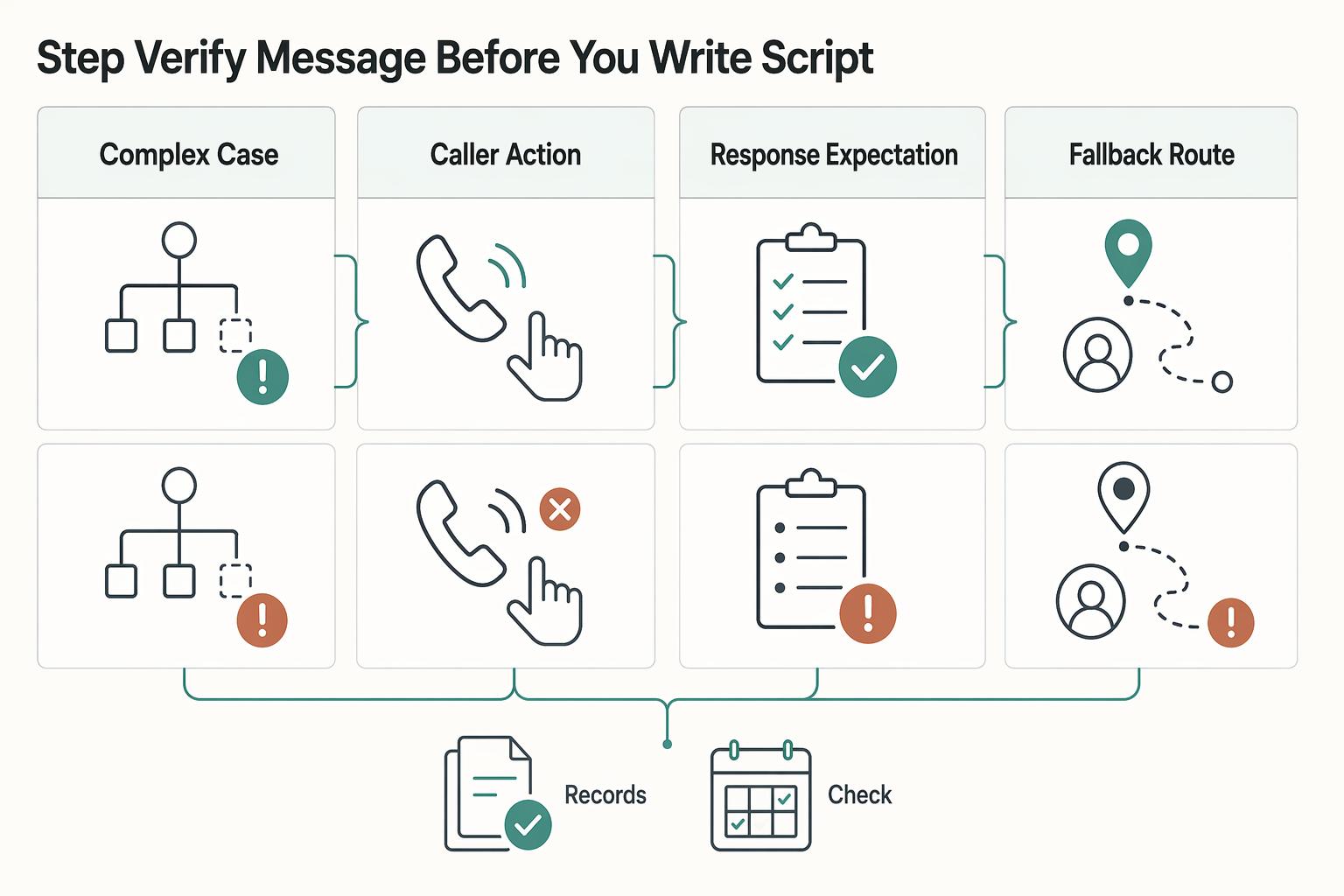
How to Set Up a Professional Voicemail for Your Business Line
A strong **professional voicemail greeting** is short, clear, and believable. In a few lines, it should do three jobs: confirm who you are, tell the caller what to do next, and set an expectation you can actually meet. If any one of those is vague, callers can get confused and your business can feel harder to reach than it is.
Read more →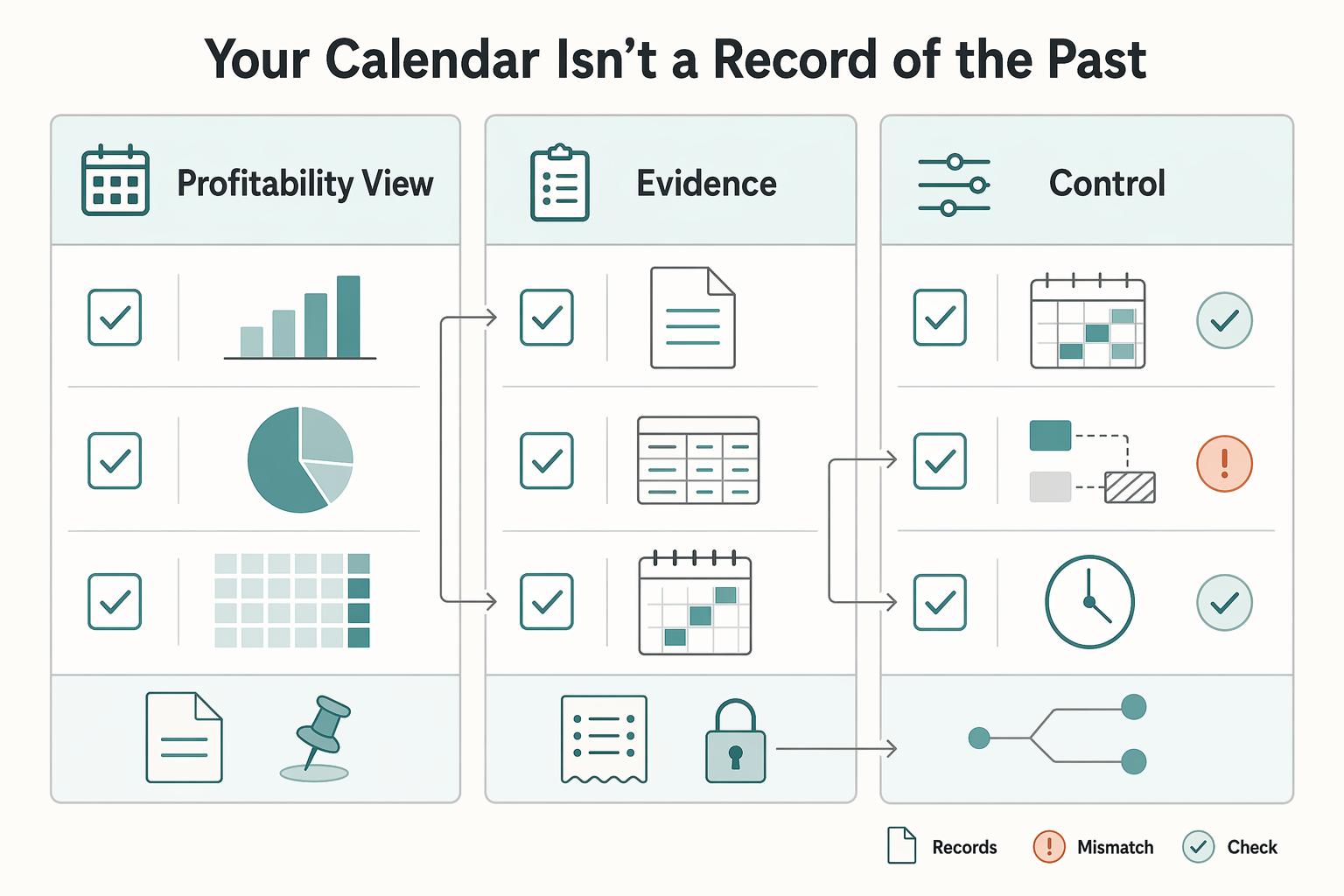
The Best Calendar Apps for Freelancers Who Juggle Multiple Projects
If your calendar only shows meetings, you are managing your week after the fact. A useful calendar shows the work that earns money, the work that keeps the business running, and where capacity is already gone before someone asks for another slot.
Read more →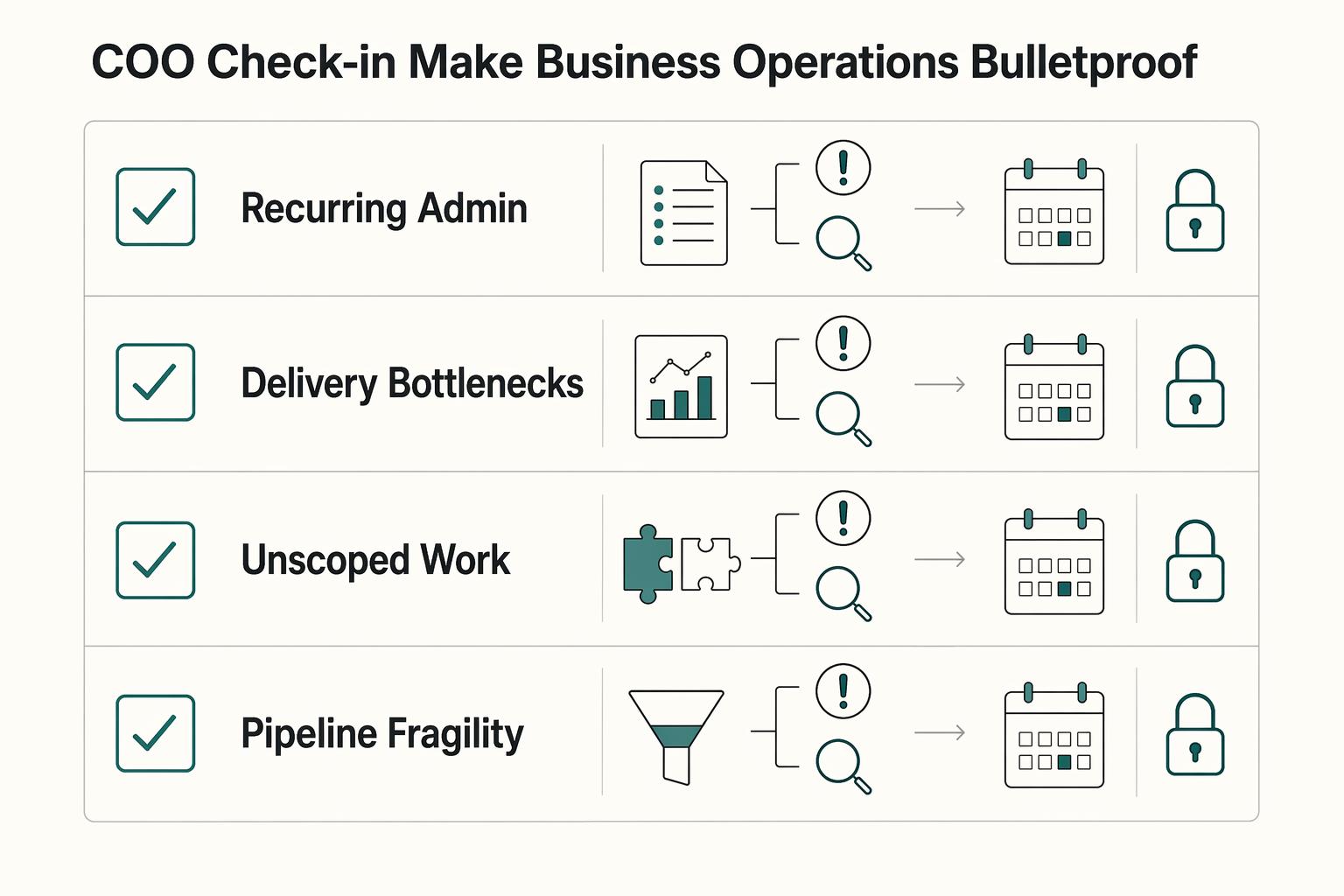
The CEO's Weekly Review: A 3-Part Framework for Global Freelancers
A useful **weekly review for freelancers** should end with three business decisions: one about money, one about delivery risk, and one about direction. If your review only clears inbox items and rearranges next week's to-dos, you stay stuck working in the business instead of steering it. The pattern is familiar: client work, inbox fires, invoicing, social posts, and "just-a-quick-call" requests. You stay busy, but the business mostly survives.
Read more →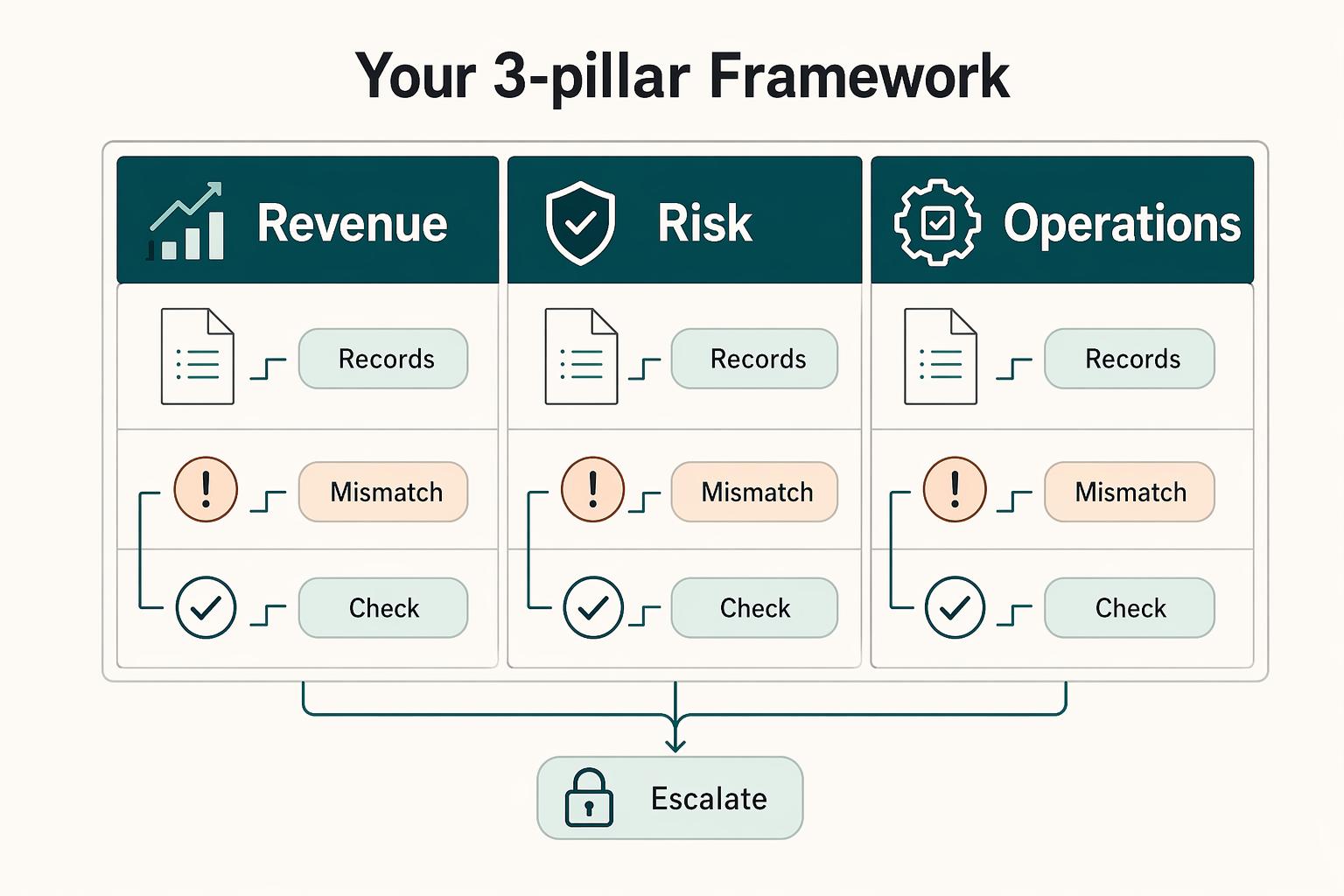
Implementation Intentions for a Business of One: Revenue, Risk, and Operations
If you keep putting off important work, the problem is often not laziness. It is the repeated cost of deciding, over and over, what to do when the moment arrives. As an independent professional, you are not just doing client work. You are also handling follow-up, billing, records, deadlines, and risk checks. Every extra choice drains attention and makes delay feel reasonable.
Read more →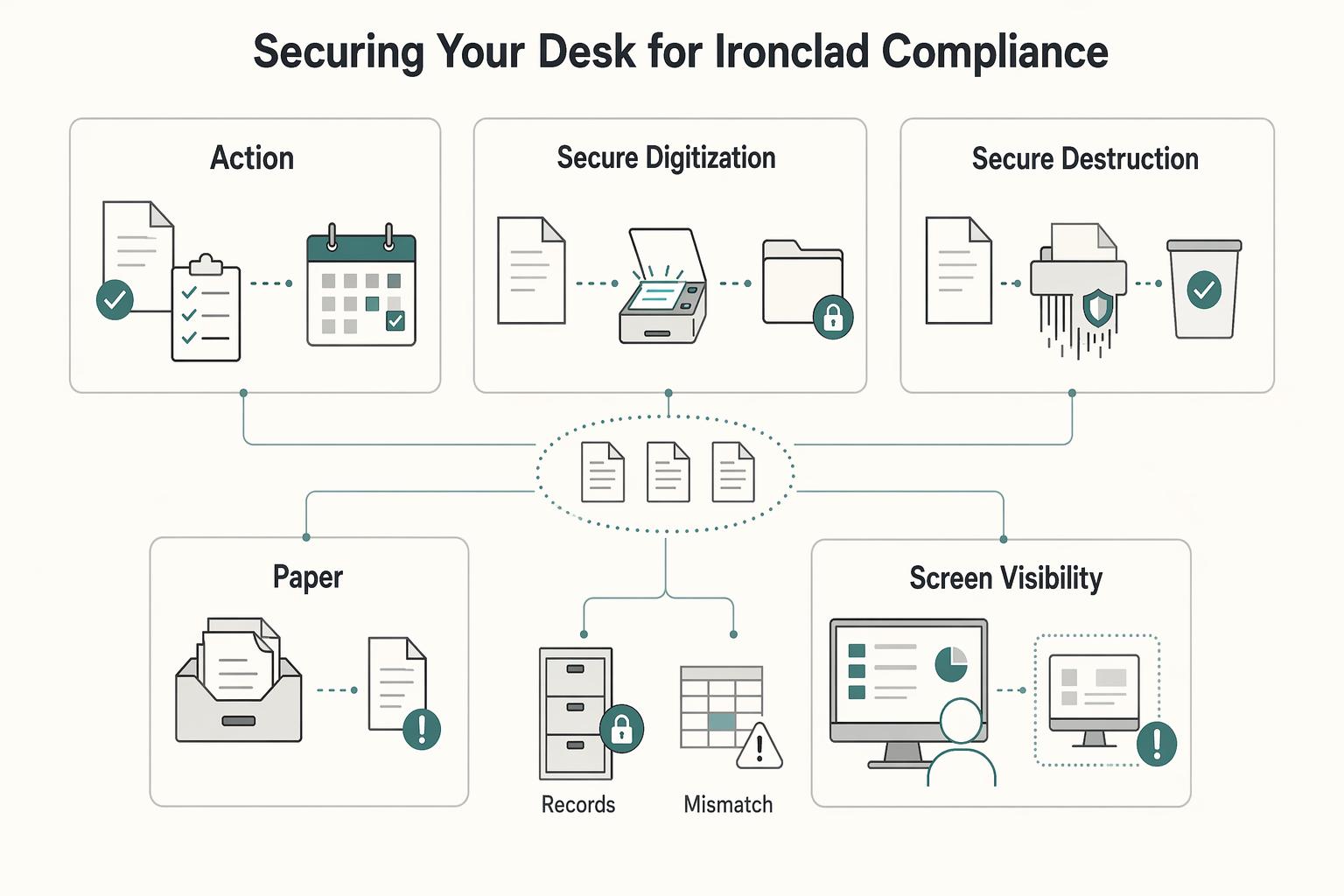
How to Organize Your Desk for Maximum Productivity
**Step 1: Reframe your desk as an operating surface, not a storage surface.** Start there. Your desk either helps you move through work cleanly or forces extra decisions all day. The friction is usually ordinary, not dramatic. You stop to find a charger. You re-read the same note because it never got filed. You clear a patch of space before signing something, or tilt your camera on a client call so loose papers stay out of view.
Read more →
A Digital Detox Routine for Freelancers Who Need to Stay Reachable
Use your devices as operating tools, not open doors to constant interruption. The goal is not to quit screens. It is to control when they get to interrupt your work.
Read more →
The Best Portable Mice for Travelers
If your cursor starts stuttering in a crowded coworking space, or your mouse battery dies right before a client call, that is not a minor gadget problem. It is an availability problem. A core tool in your remote work setup is no longer usable when you need it.
Read more →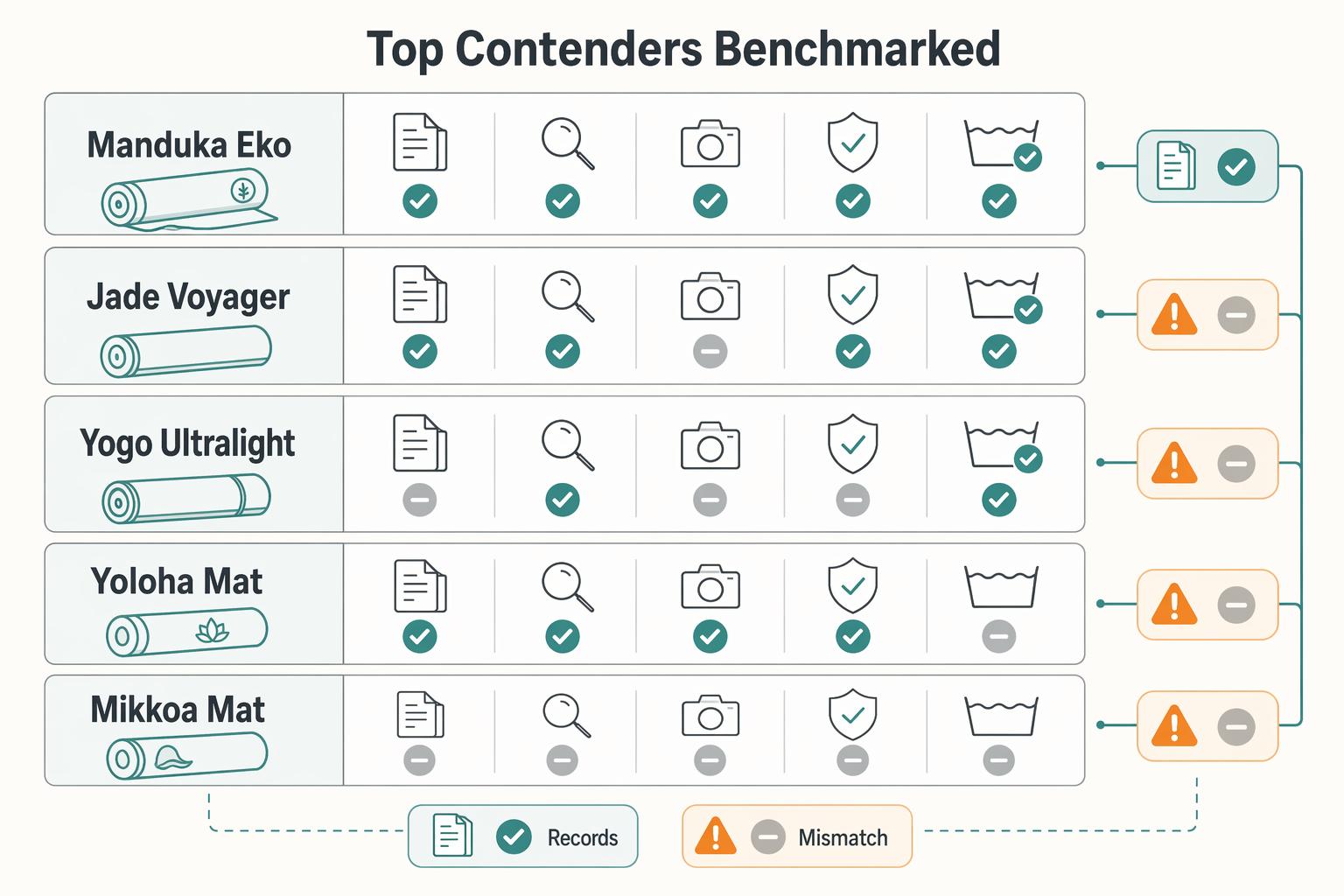
The Best Travel Yoga Mats
You are not looking for a generic winner. You are looking for one of the **best travel yoga mats** for the way you actually practice and pack. That distinction matters because yoga is a low-impact practice that usually requires very little equipment. In most cases, a mat is enough, so the one you buy has to earn its place.
Read more →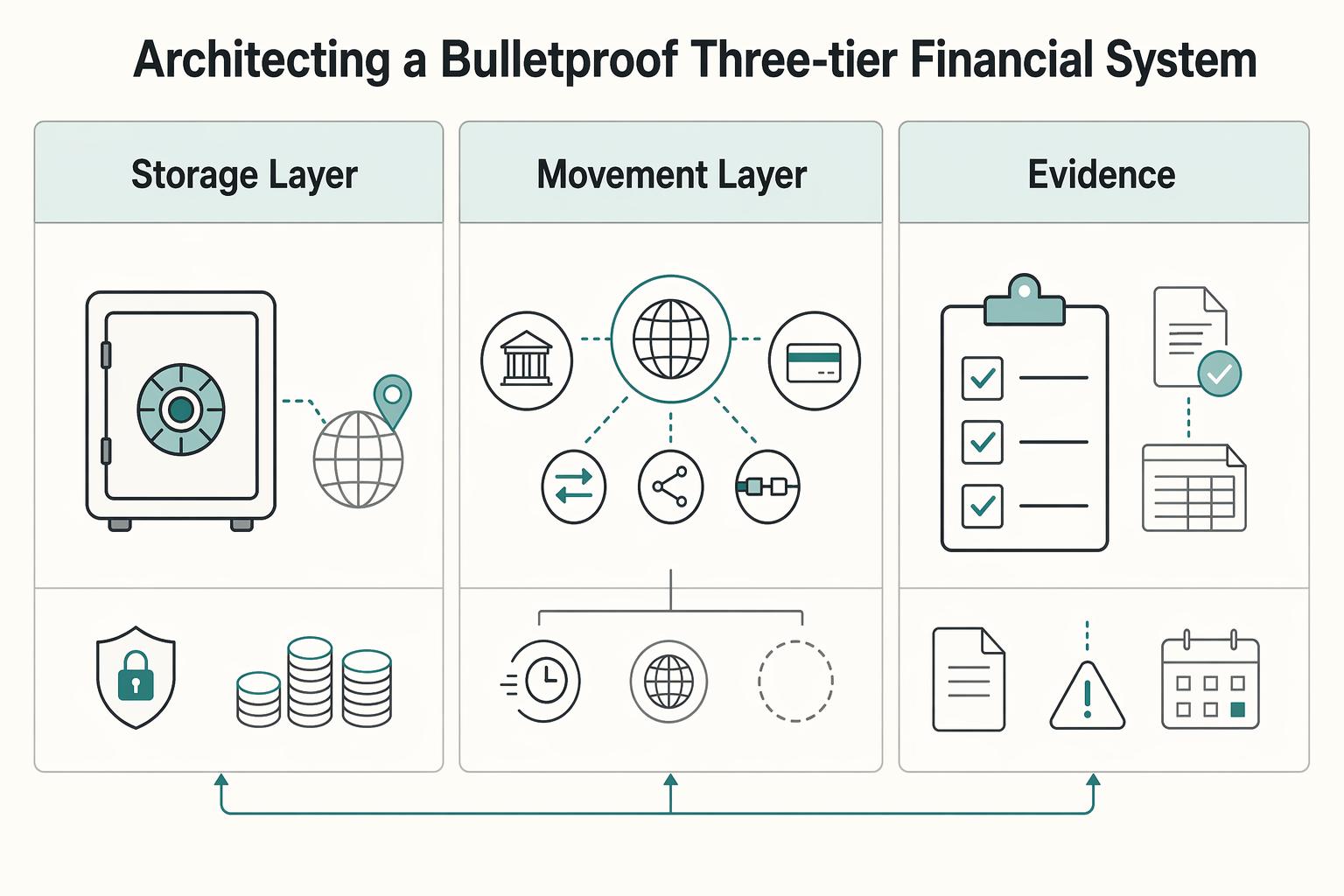
Using an HSBC Expat Multi-Currency Account Without Single-Point Payment Risk
One account is rarely enough for international client cash flow, because you are asking one provider to do three different jobs: store capital, move money, and support compliance across accounts. A better approach is to assign each job to the right tool:
Read more →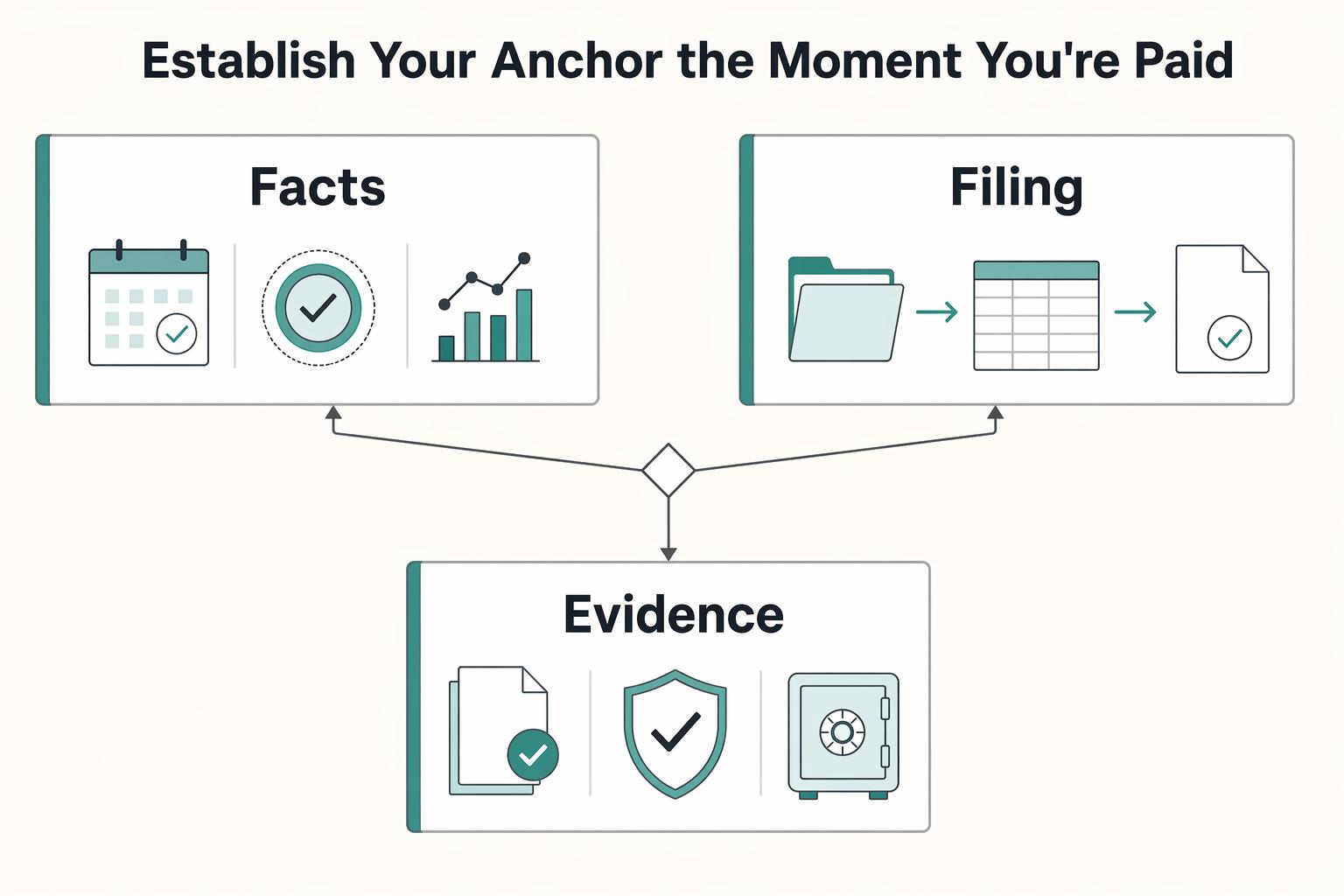
How to Handle Realized and Unrealized Gains/Losses on Foreign Currency
When a foreign-currency payment lands, make one immediate split: lock the receipt in USD first, then track any later exchange-rate movement separately until a relevant realization event occurs. That helps you avoid mixing ordinary business income with currency gain or loss.
Read more →
Choosing Functional Currency for Your Business
Your functional currency for business is the currency of your business's primary economic environment. It is the base currency you use to measure performance. Use the wrong base, and results can look weaker or stronger because of translation noise rather than real operating change.
Read more →
How to Choose a Presentation Currency for Financial Reports
Use one currency to anchor your books, and treat client-facing currency as a separate commercial choice. Your functional currency is your accounting base. The currency you show on proposals, contracts, and invoices shapes communication, approvals, and payment. Keeping those roles separate reduces confusion in reporting, reconciliation, and margin tracking.
Read more →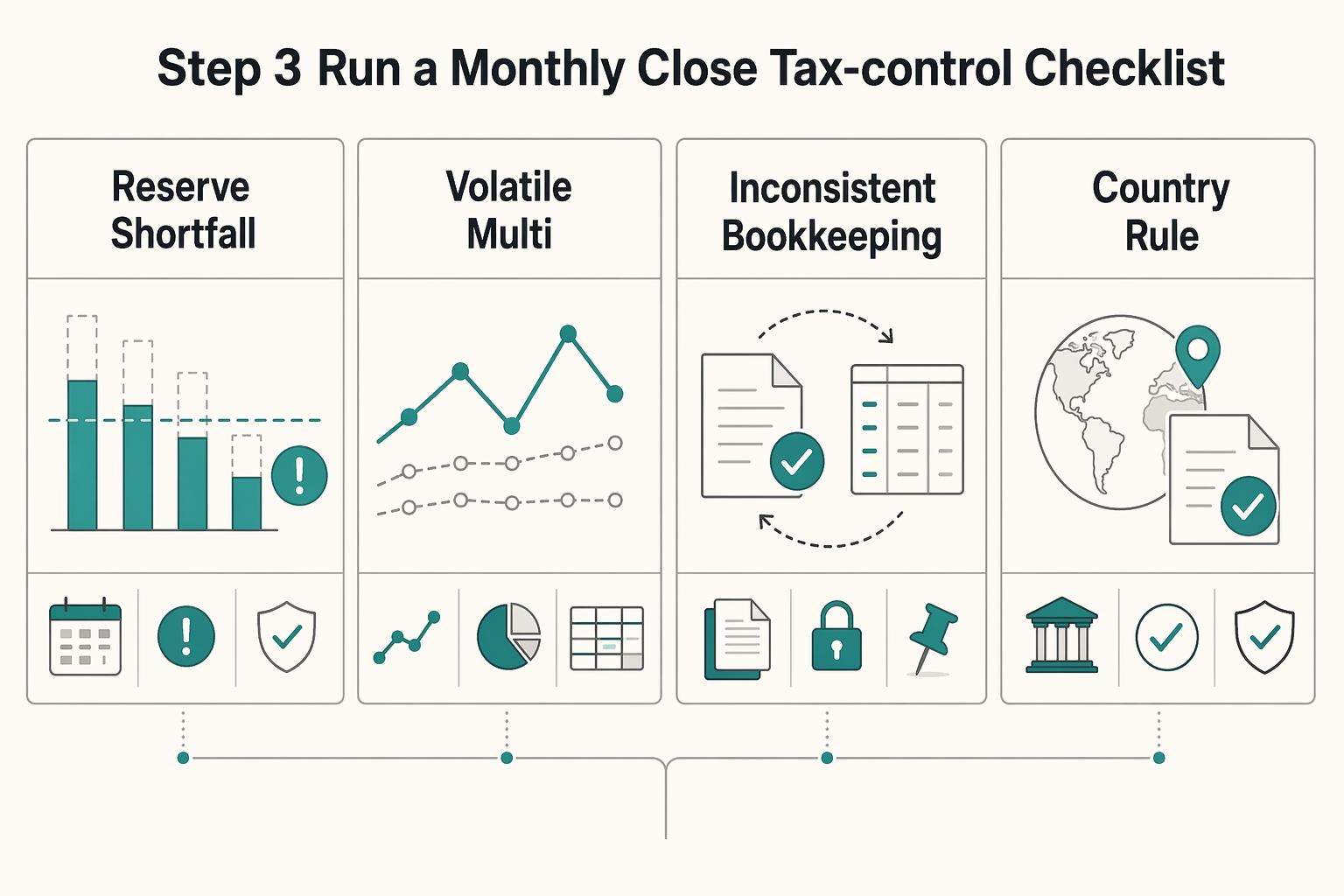
How to Read a Balance Sheet for Freelancers and Small Teams
Use your balance sheet as a dated decision dashboard, not an accounting exercise. It shows what your business owns, what it owes, and what is left on that date. Use it to make better calls on cash safety, client risk, tax readiness, and growth timing.
Read more →
Build a Pro Forma Financial Statement for Freelance Cash Decisions
Use a pro forma to decide your next move before you commit. For a business-of-one, it is a forward-looking model built on assumptions so you can test outcomes, not a record of what has already happened. In practice, you can build it with two planning views:
Read more →
Comparables Analysis for Business Valuation in a One-Person Business
If your pricing feels inconsistent or hard to defend, start with a better market reference. Traditional comparable company analysis is a valid valuation method, but it relies on public-company market prices and valuation multiples. That often does not transfer cleanly to a solo service offer. For your work, the practical goal is simpler: a defensible fee you can explain in a proposal.
Read more →