
Operator playbooks for cross-border payments, tax, and compliance execution.
Step-by-step guidance for finance, product, and ops teams to launch faster, reduce payout friction, and keep reconciliation clean across borders.
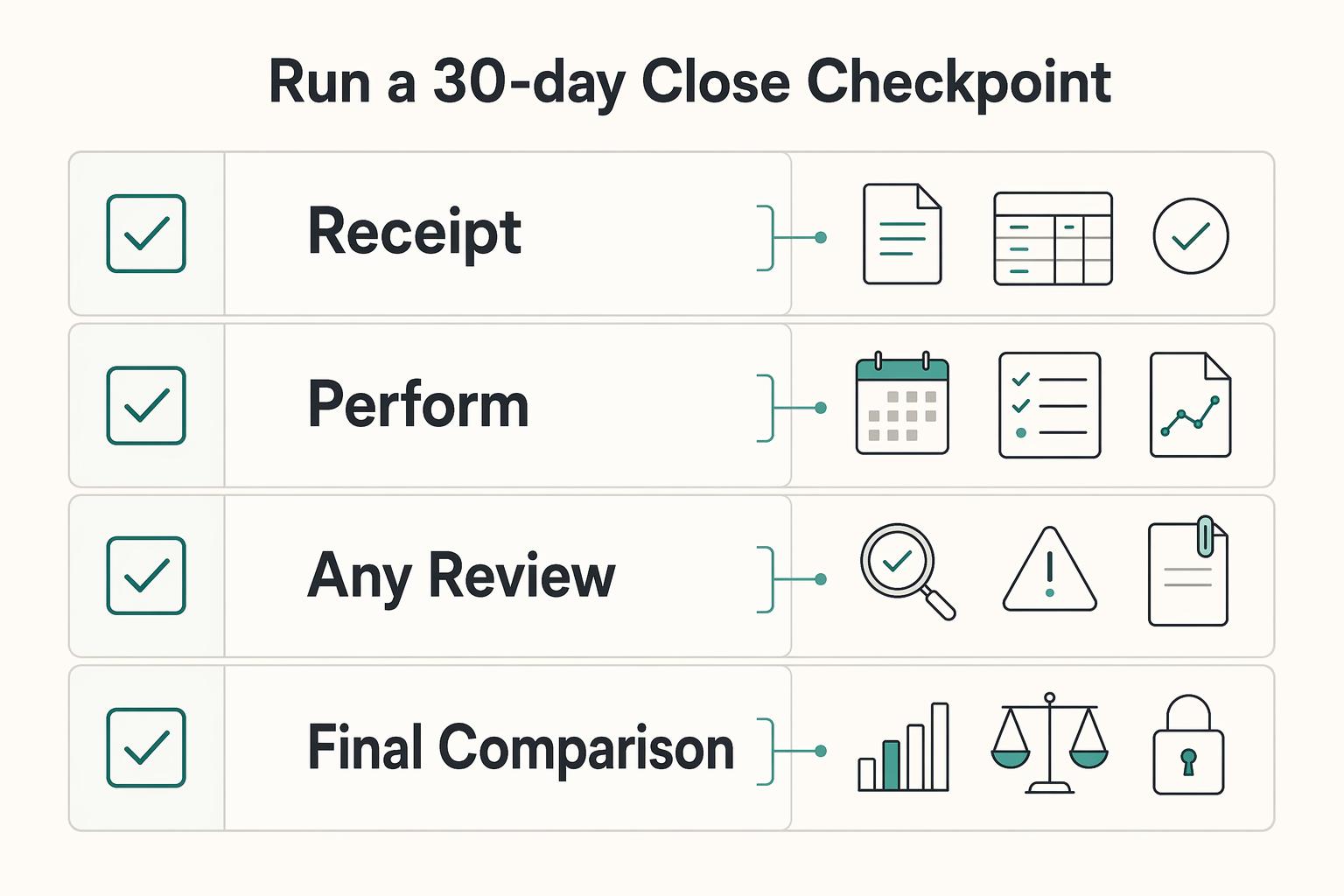
Deferred Revenue Accounting for Client Prepayments
A client prepayment is not earned revenue on day one. Under ASC 606 and [IFRS 15](https://www.ifrs.org/issued-standards/list-of-standards/ifrs-15-revenue-from-contracts-with-customers), cash you receive before transferring the promised service is presented as a **contract liability**, often labeled deferred revenue, until the work is actually delivered.
Read more →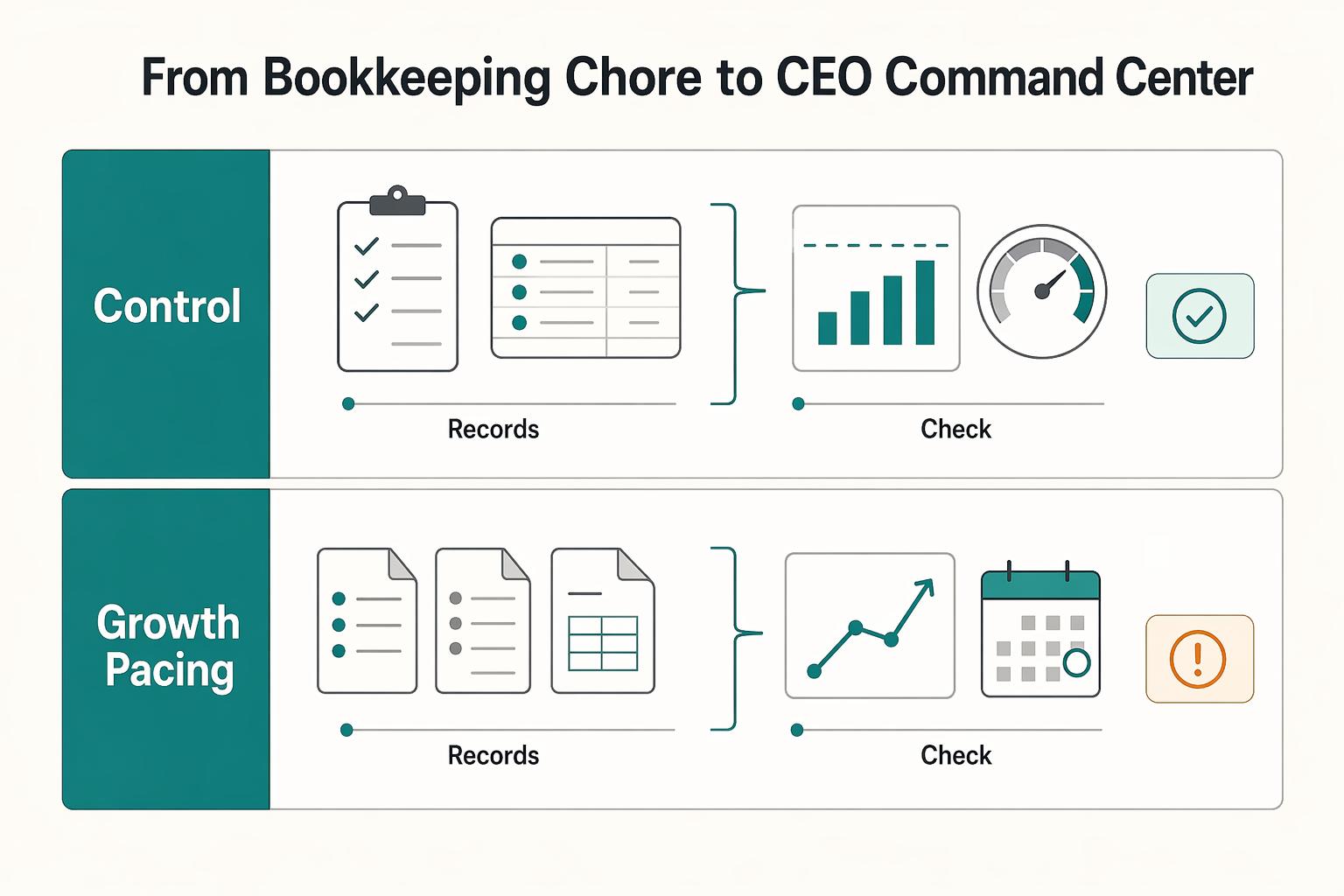
Accrued Expenses for Freelancers: Better Close Decisions
If your cash balance looks healthy but you still do not trust your month-end numbers, you likely have a timing problem, not just a revenue problem. The fix is simple. Stop treating the bank account as the full story and start recording costs when you incur them, not only when cash leaves.
Read more →
Build a Statement of Cash Flows with the Indirect Method
You've just closed your most profitable quarter yet. The Profit & Loss statement, or P&L, looks great. On paper, the business is performing. But when you check the bank account, the cash is tighter than you expected. That disconnect is where the real stress starts. You are profitable, yet the money available to pay yourself, invest in growth, or build a buffer does not seem to match.
Read more →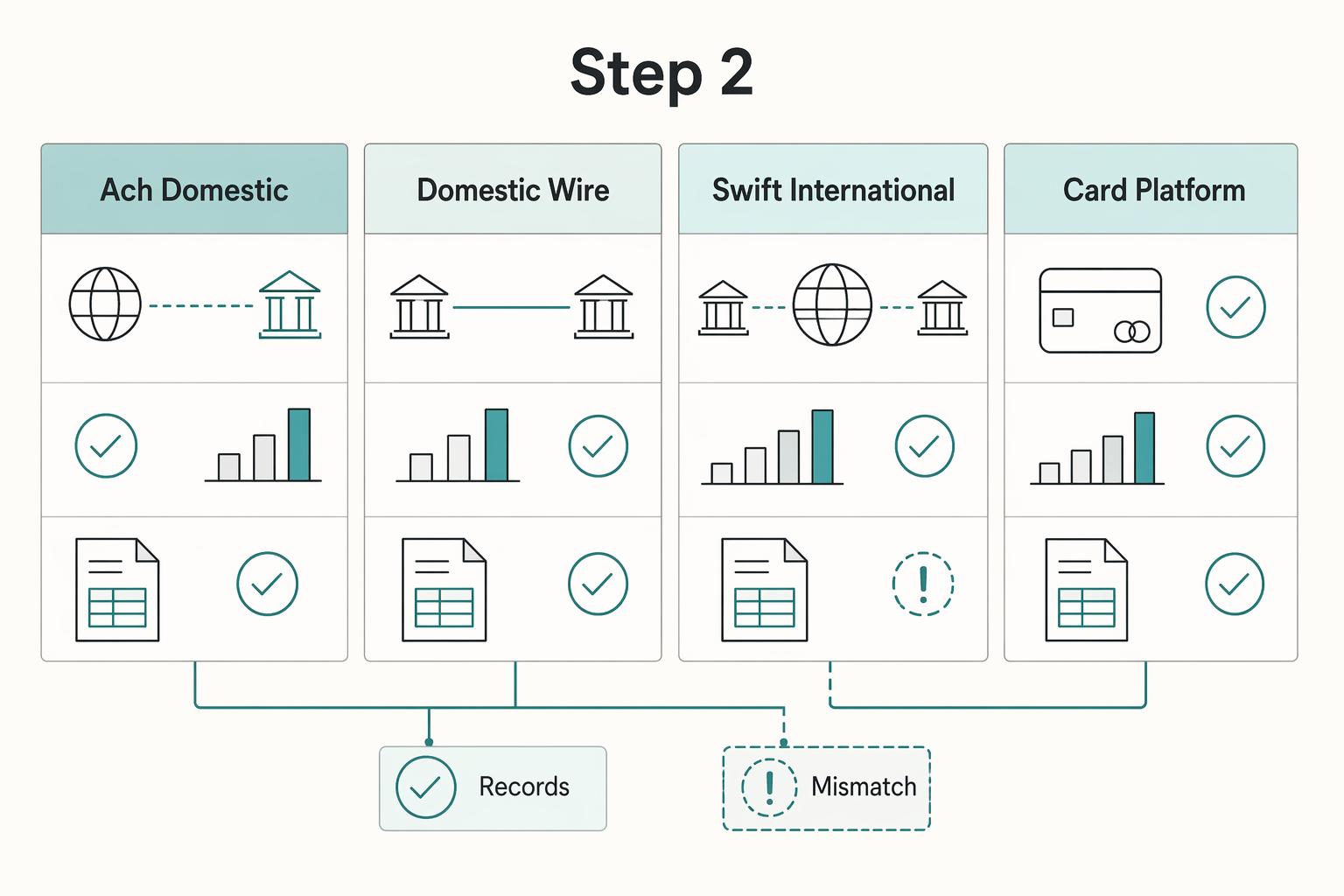
How a UK Creative Director Can Invoice a US Client Through a UK LTD Company
Landing a major US client as a UK creative director trading through a limited company is a real step up. It also changes how you get paid. Cross-border payments tend to break in predictable places: unexpected withholding, invoices blocked by onboarding errors, and margin lost to transfer costs you only notice after the money lands.
Read more →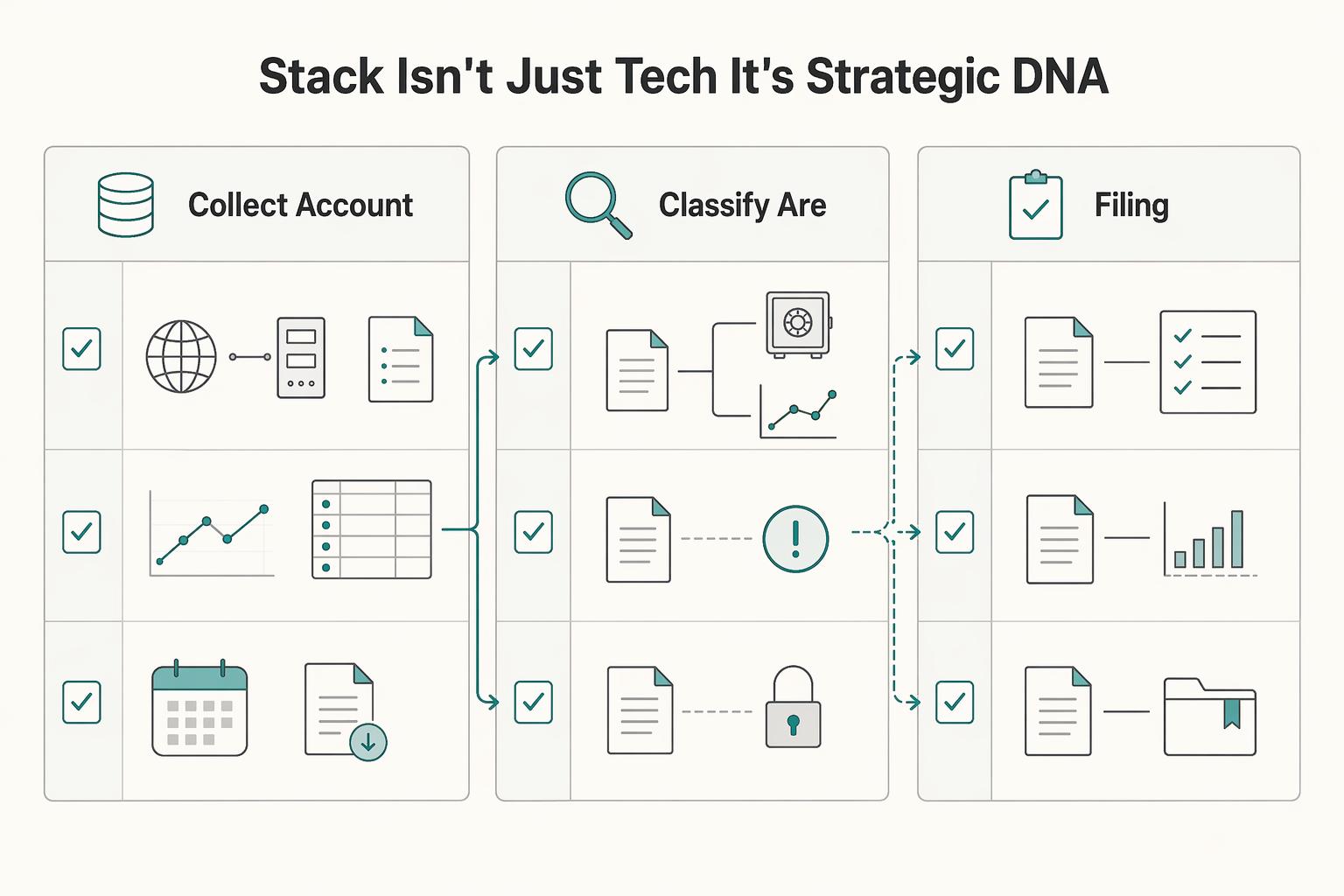
Managing FBAR and Form 8938 Compliance with Crypto Held on Foreign Exchanges (Binance, KuCoin)
If your crypto activity includes non-U.S. exchange accounts, your stack should start with compliance, not just a mix of trading, invoicing, and bookkeeping apps. You need a setup that prevents missed filings, keeps FBAR and Form 8938 analysis separate, and preserves required records throughout the year. Use this baseline:
Read more →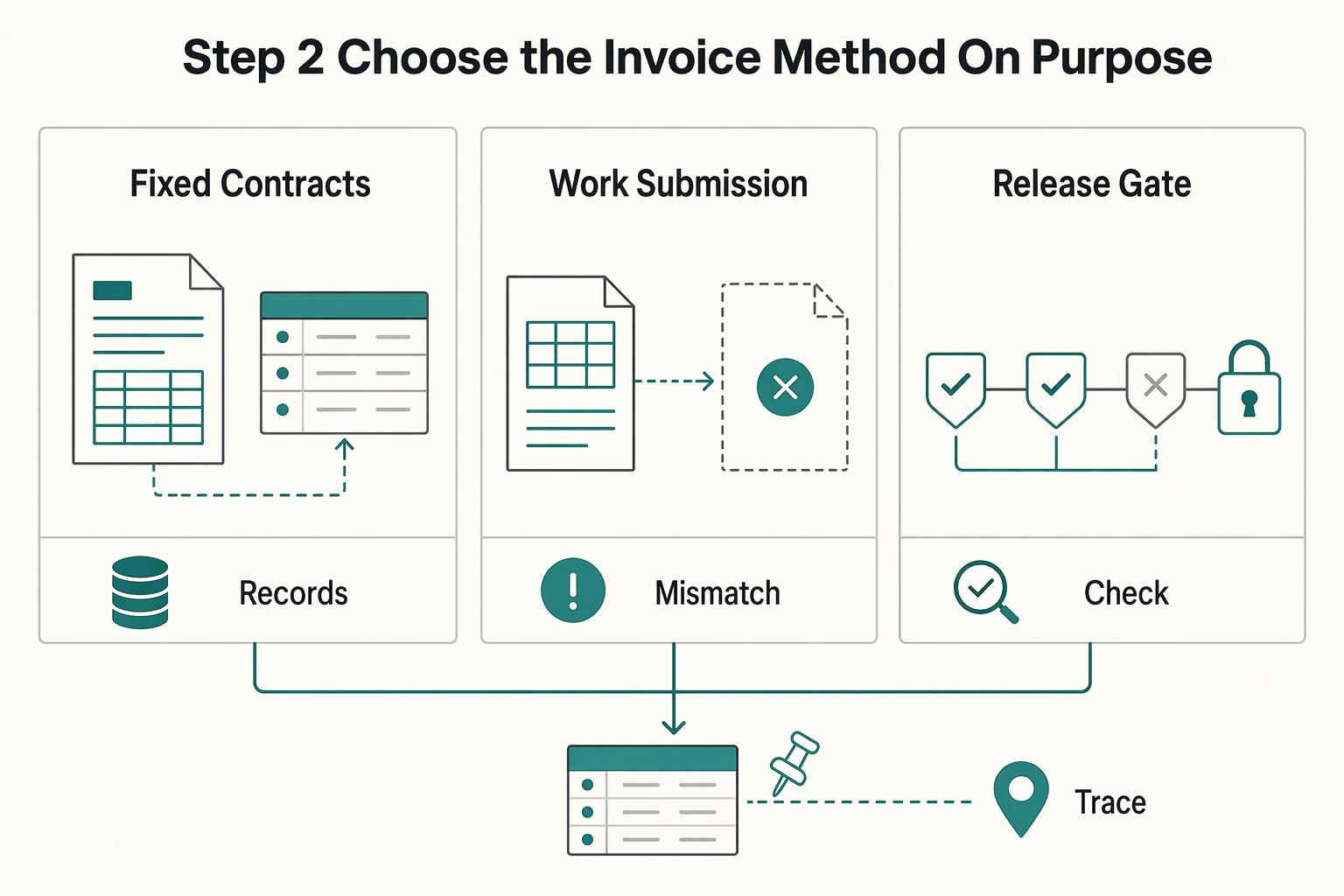
How Independent Contractors Should Use Deel for International Payments, Records, and Compliance
Treat the client platform as a payment rail, not your business headquarters. If you use Deel as your source of truth for paying global contractors, you risk losing control of records and decisions you still own as a self-employed contractor. Start with clear definitions.
Read more →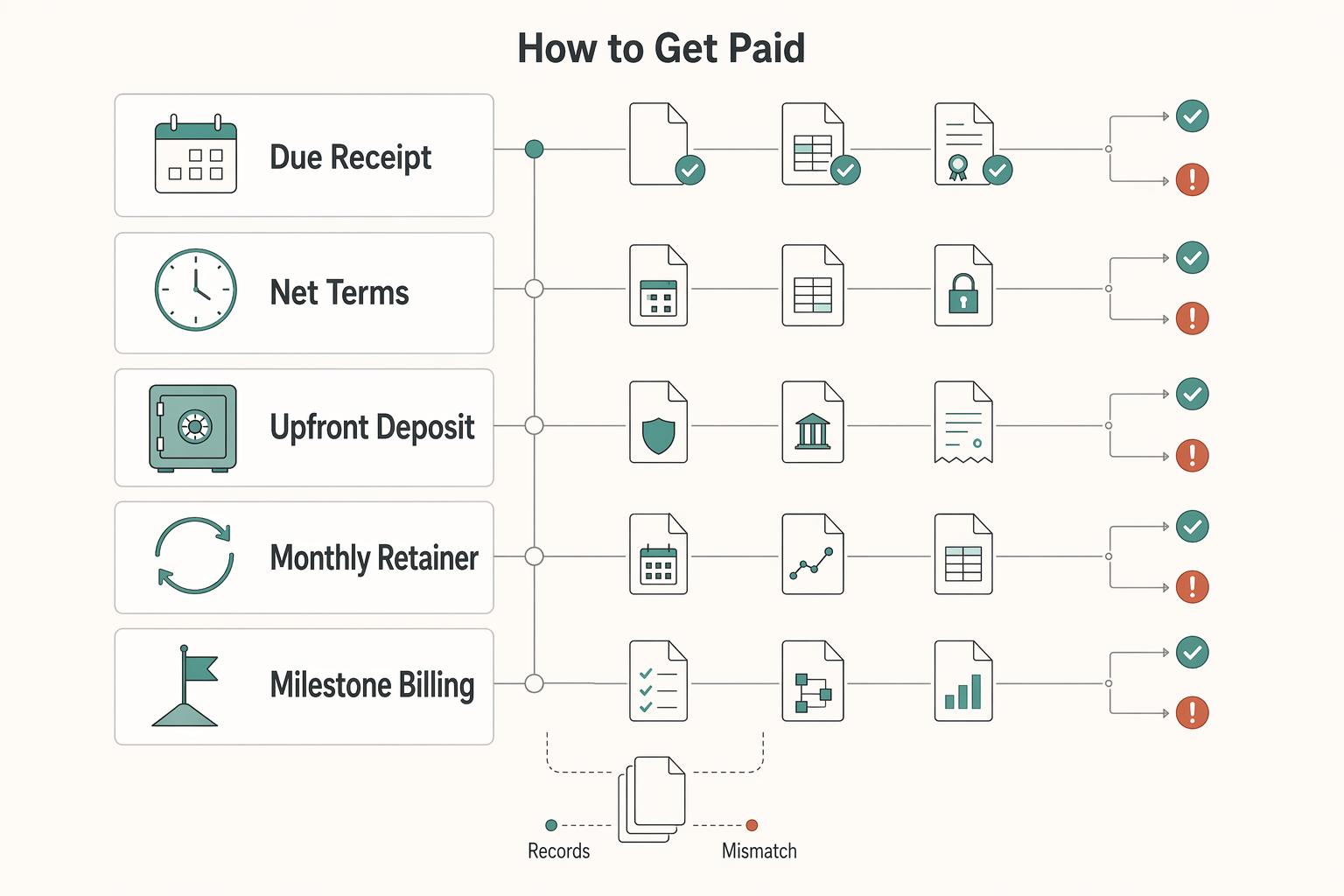
How to Price a Fractional CTO Engagement for a Series A Startup
Start with a private floor, then move up to an outcome-based price. If your number does not hold up to both your own math and the buyer's scrutiny, it is not ready for a Series A company.
Read more →
Using a Stability Report to apply for a UK mortgage as a freelancer with international clients
A standard application can fail when income is hard to trace, even if the income itself is solid. In a case like this, the real job is to make income traceable from end to end. Start with what you can verify now, and treat lender interpretation as a separate step.
Read more →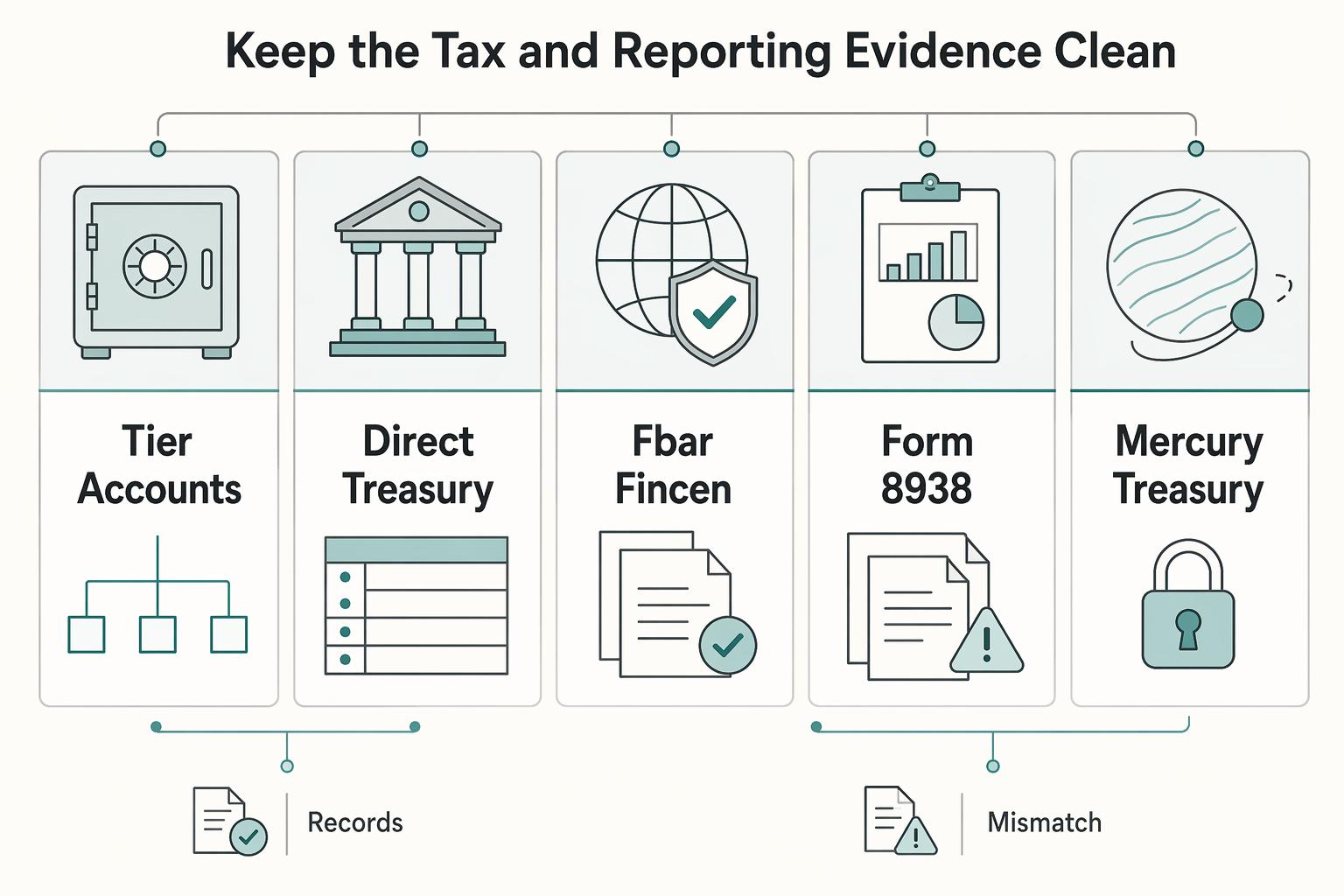
How to Use Mercury Treasury for Startup Runway Without Cash Gaps
Mercury Treasury can make sense if you run a qualifying U.S. company, keep substantial cash on the platform, and want one place to move operating funds into liquid mutual funds. If you are a solo operator, consultant, creator, or very small team, a tiered treasury approach is often more practical because it separates immediate cash needs from short-horizon reserves and long-term investing.
Read more →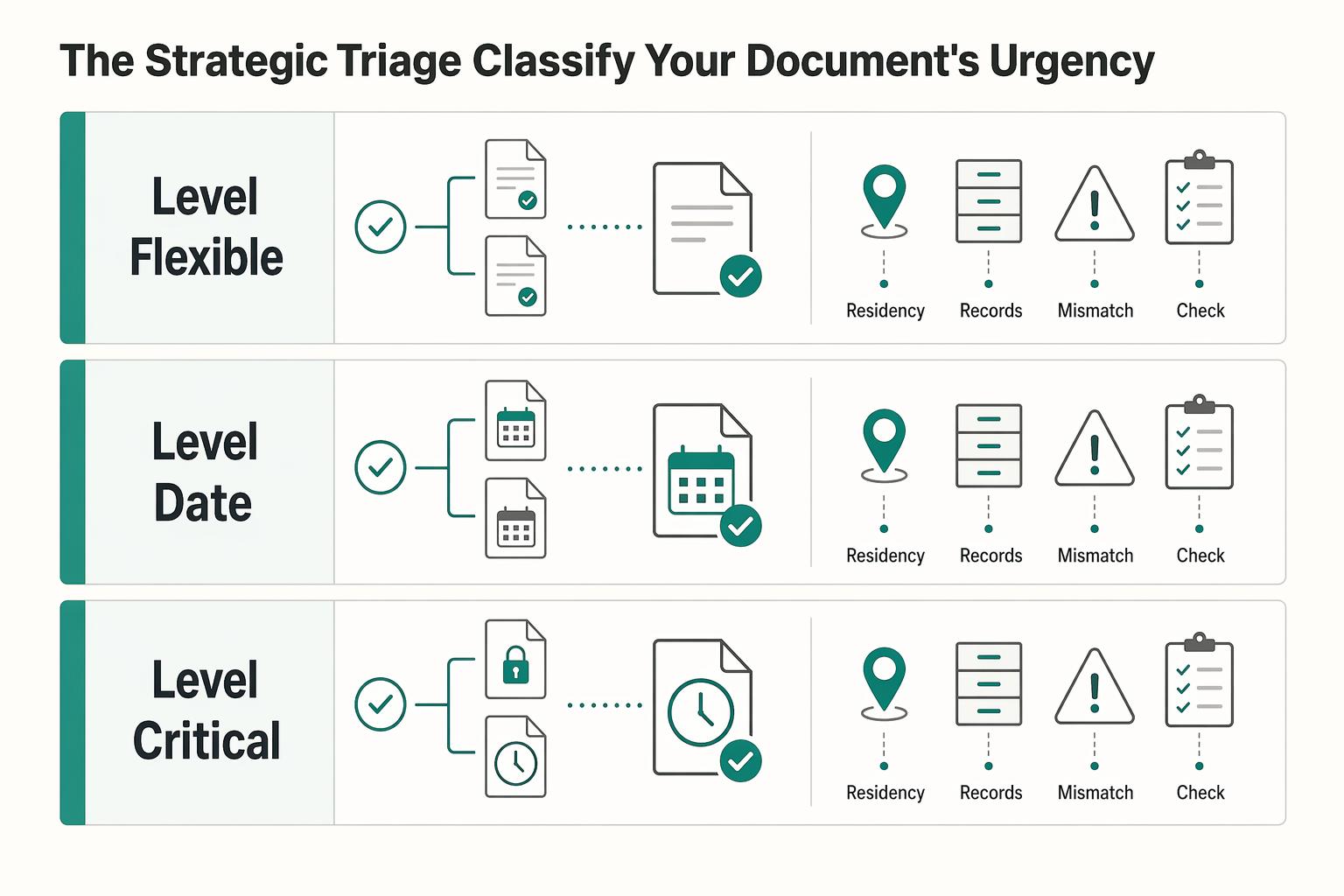
How to Get a Document Apostilled or Authenticated Without Costly Rejections
If you need a document apostilled for a visa, onboarding file, or foreign registration, the biggest mistake usually happens before you submit anything. Decide the route first by confirming three things: the receiving country, the document version the receiving institution will accept, and the authority that actually issued or can certify the document.
Read more →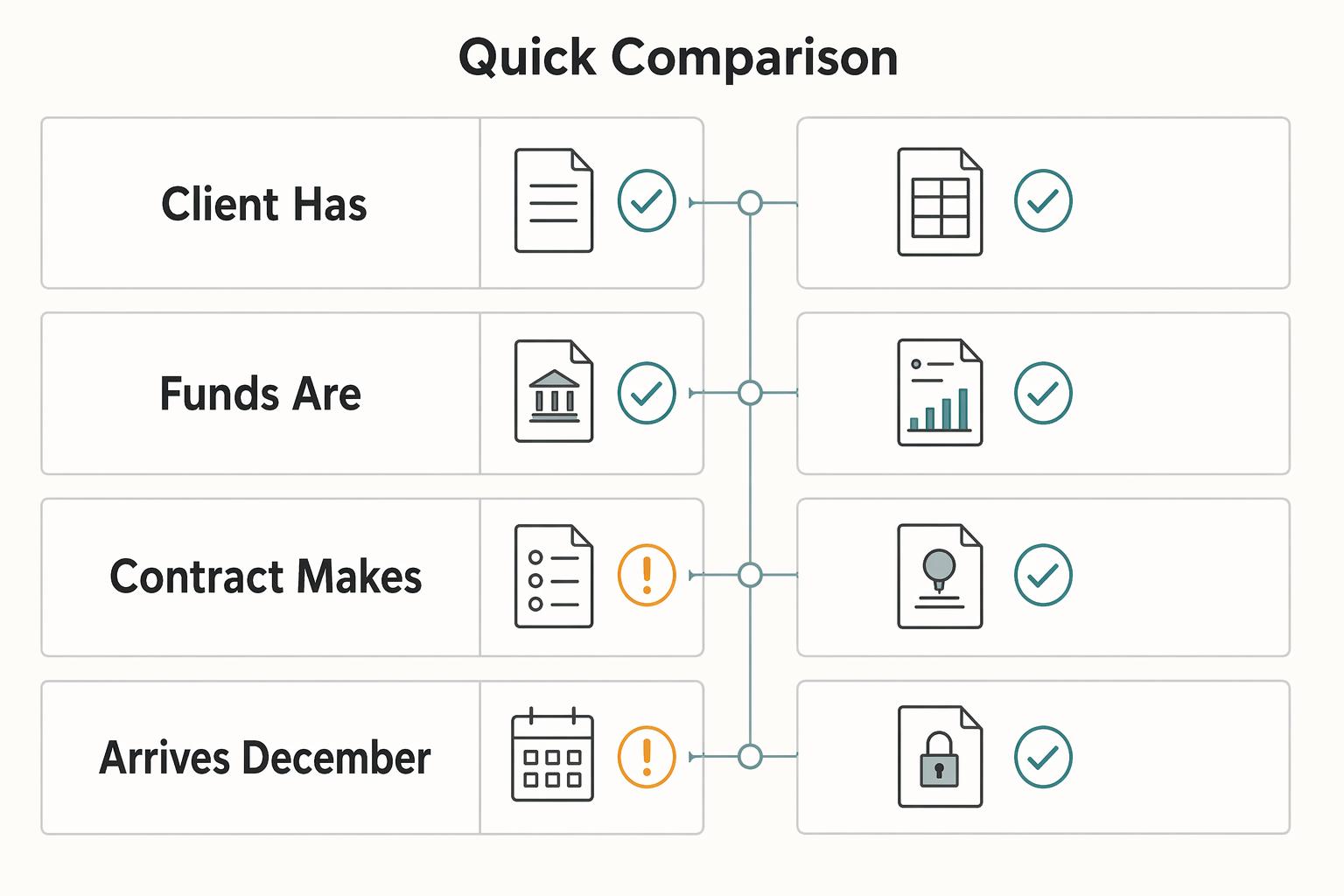
Constructive Receipt Doctrine for US Taxpayers Who Freelance
For many professionals, "constructive receipt" feels like a tax trap. That mindset gives up too much control. In practice, this rule is about timing: when income becomes taxable because you can access it, not just when cash lands in your bank account.
Read more →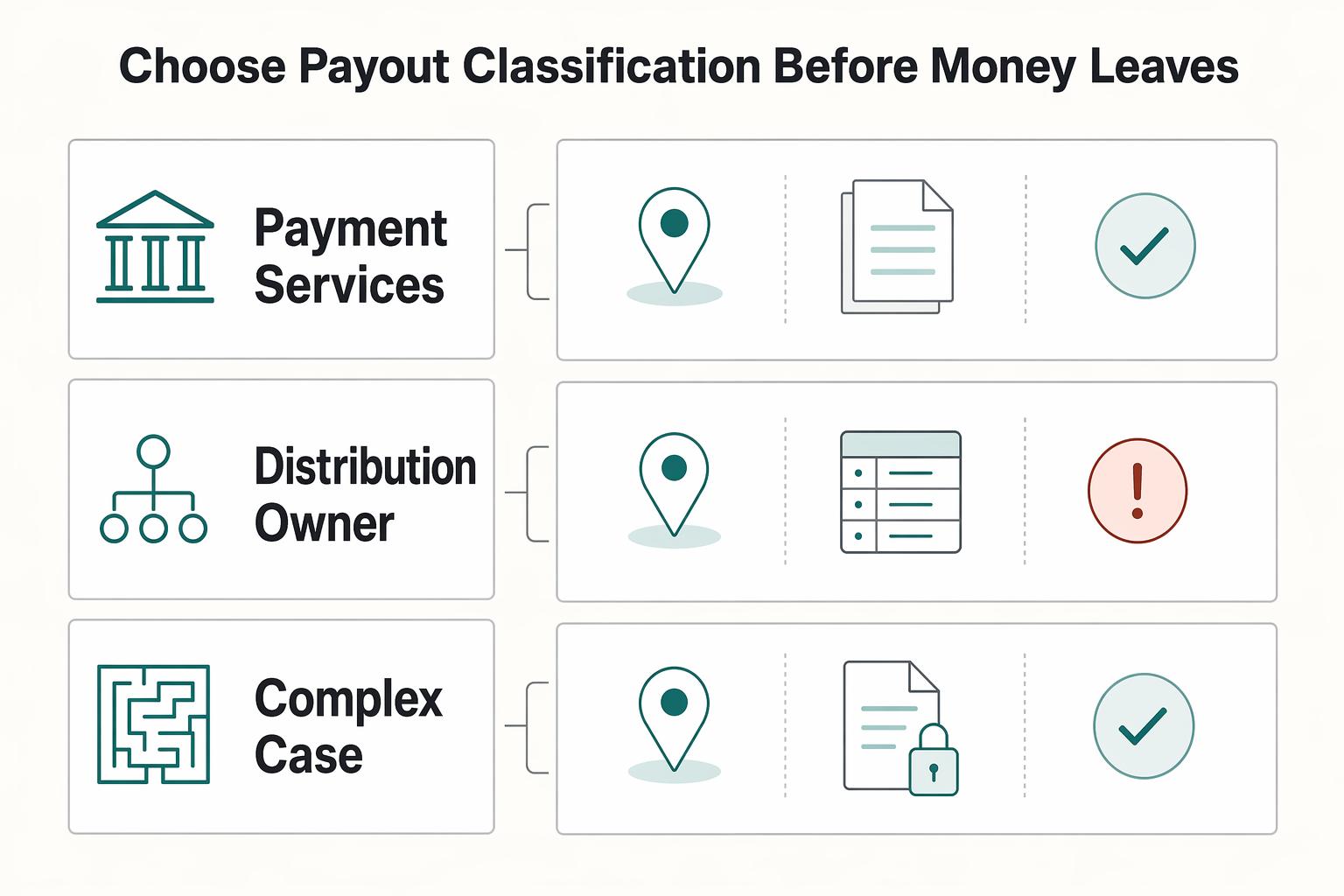
The Tax-Efficient Repatriation Blueprint for US Expats Returning Home
If you are moving back to the U.S., the goal is not just compliance. It is a clean, low-stress way to handle foreign income, foreign accounts, and the records that show what happened before, during, and after your move.
Read more →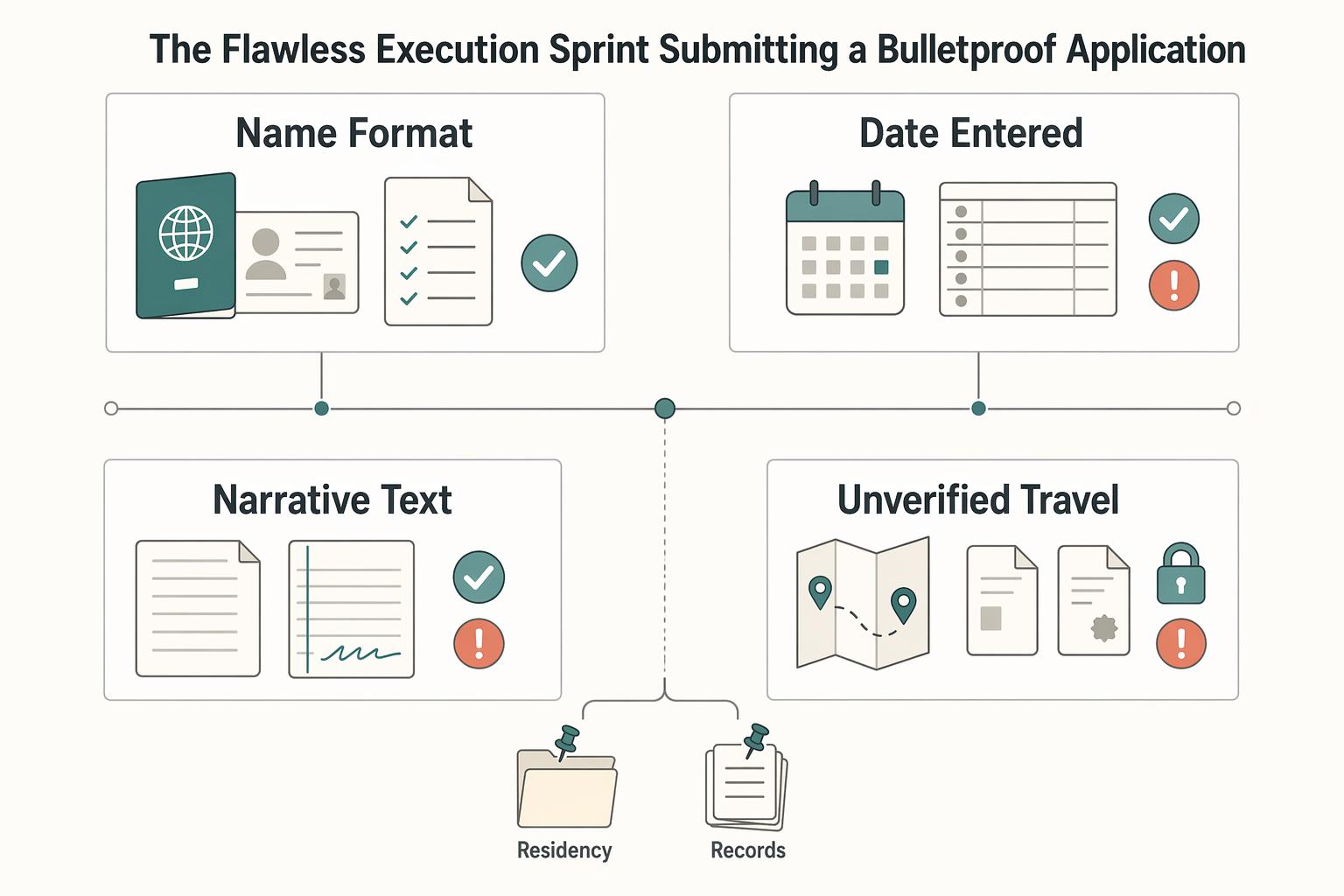
How to Get Global Entry for Faster U.S. Customs Re-Entry
If you want Global Entry, start before you open the Trusted Traveler Programs portal. Build a clean pre-submit dossier first, then use it to complete the application in one pass. The form asks for travel history, employment history, previous addresses, and passport details, and CBP can find you ineligible for false or incomplete information.
Read more →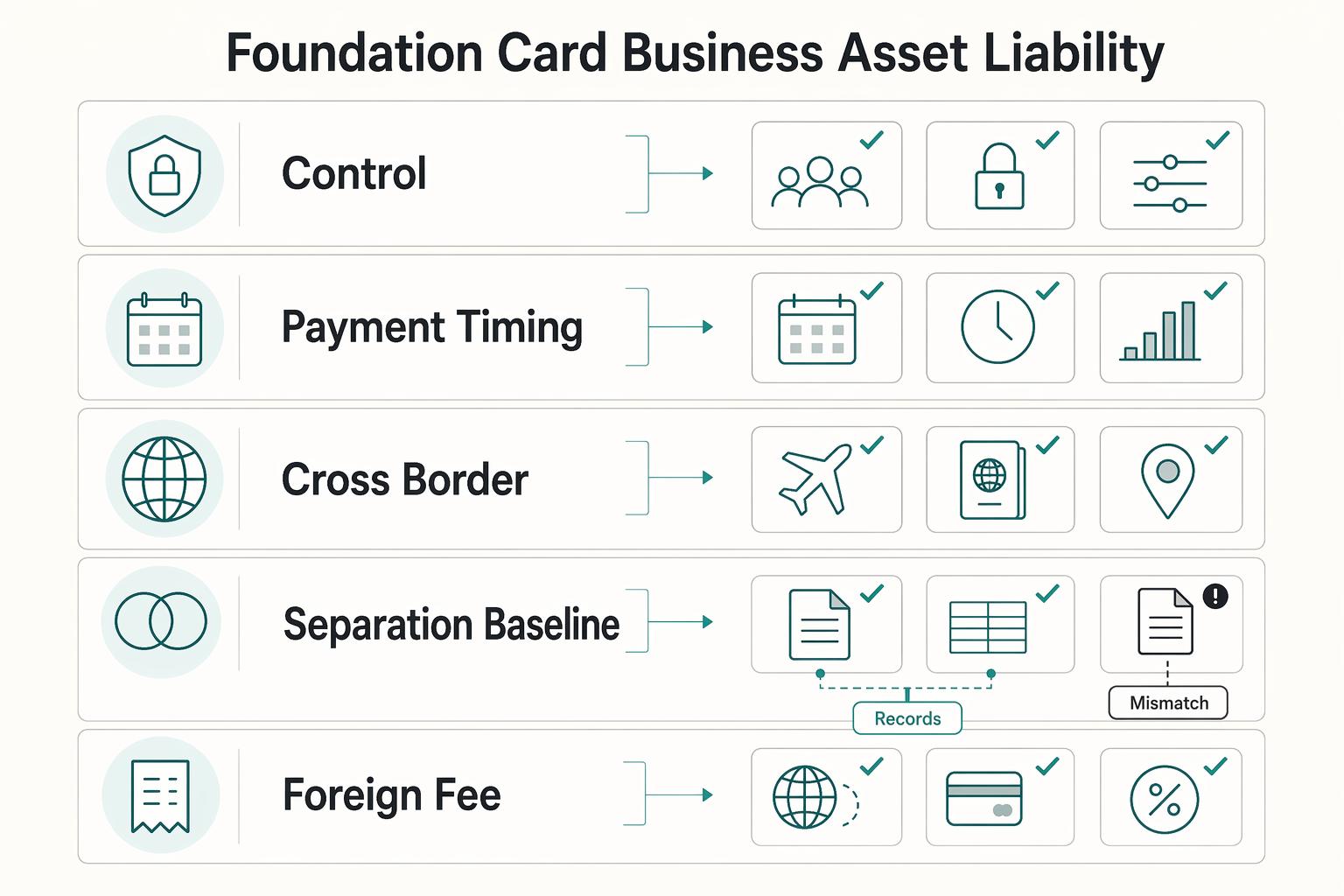
The Best Business Credit Cards for Hotel Points
Choosing among the **best business credit cards for hotel points** is not just about perks. It is an operating decision: which card fits how you book travel and manage expenses when plans change.
Read more →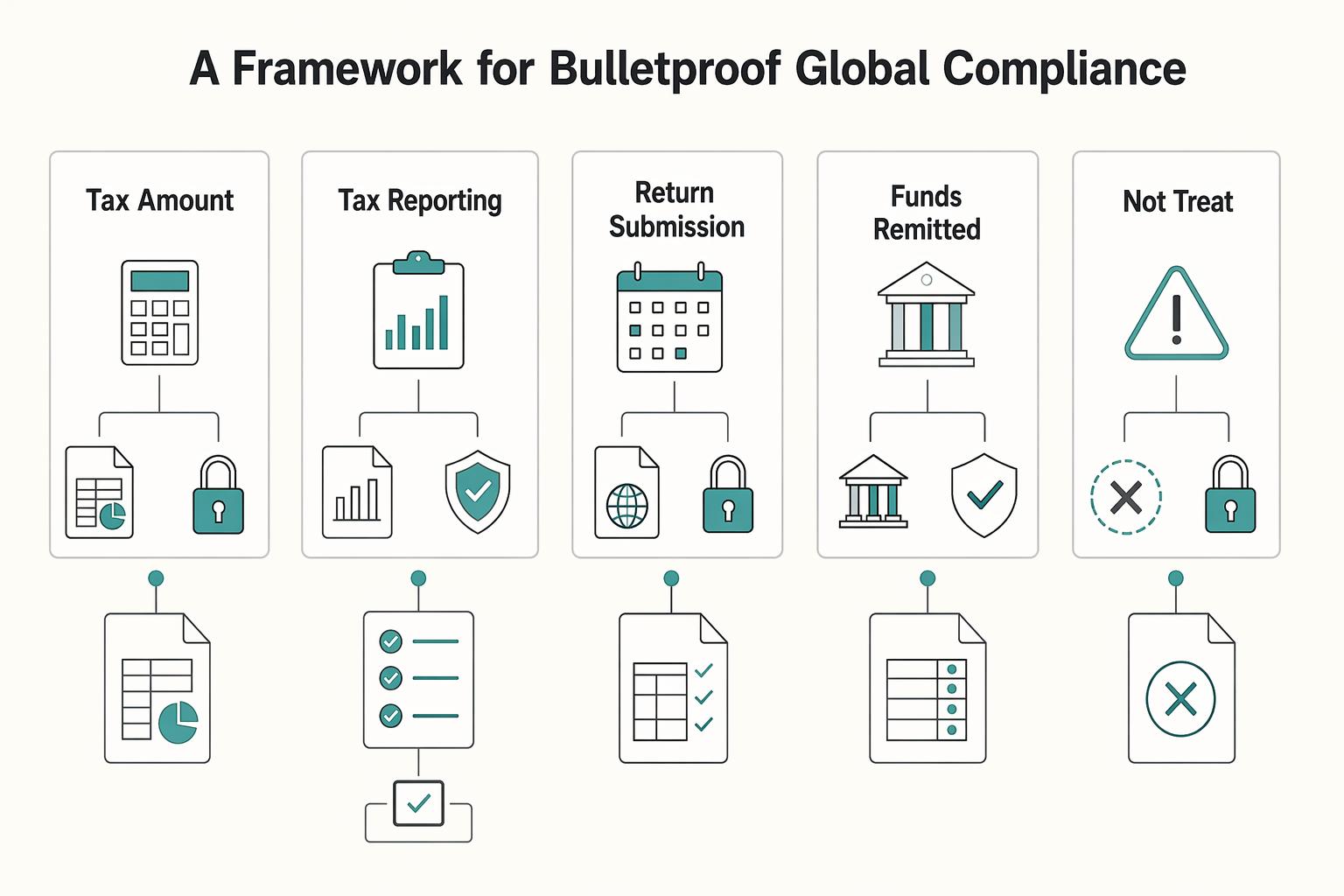
How to Set Up Stripe Tax for Automatic Sales Tax Calculation
Treat your Stripe Tax setup as a cash-control system, not a settings task. The goal is to assign clear ownership, separate review from execution, and avoid assumptions that turn into cash surprises later.
Read more →
The best alternatives to Stripe for international businesses
You can compare fees, payout speed, and country coverage and still end up with a setup that disrupts cashflow. The real problems usually show up under stress: disputes, reserves, verification gaps, and compliance-driven payout interruptions. That is the weakness in many **stripe alternatives international** comparisons. Visible features are easy to rank, but they do not tell you when funds actually stay available.
Read more →
How Independent Professionals Build a PCI-Compliant Workflow for Card Payments
For independent professionals, PCI DSS is mostly a scoping problem. Build a **PCI-compliant workflow** that keeps you out of direct card-data handling unless there is no practical alternative.
Read more →
Choosing Airtable Interfaces for Client Portals Without Access Risk
Choosing **airtable interfaces for client portals** is an operating-risk decision, not a design preference. You are deciding how client access works, how much manual checking your team absorbs, and what your portal says about your business before a client reads a single update.
Read more →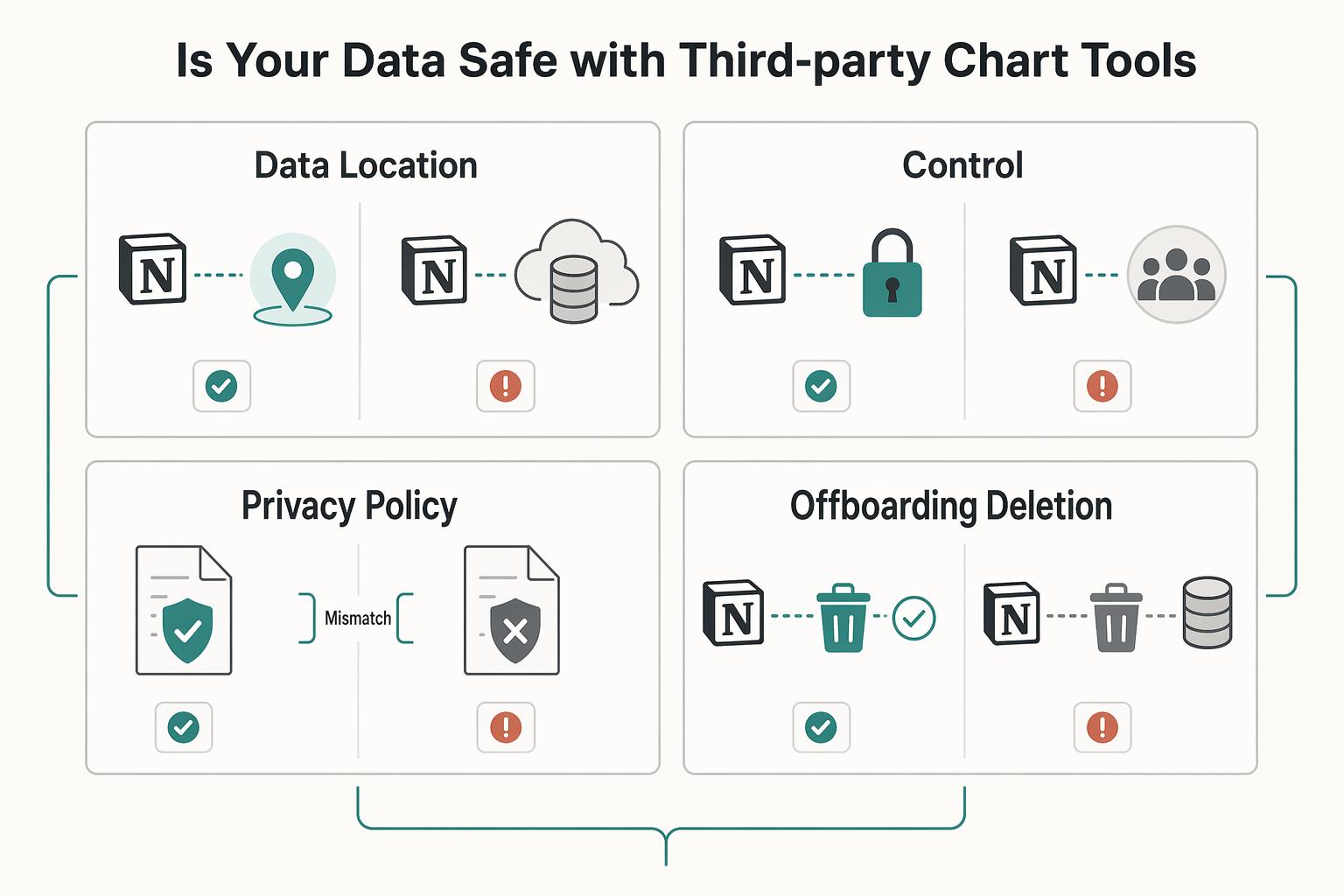
The best tools for creating charts and graphs in Notion
Your Notion dashboard is probably not failing because it looks plain. It fails when it makes you do the thinking manually, too late, and with stale data. That creates an operations problem: less visibility, more admin work, and worse decisions when spending and renewals need quick calls. In practice, that usually looks like this:
Read more →
How to Build a Content Calendar in Notion That Runs Your Workflow
A [Notion content calendar](https://www.notion.com/help/guides/this-content-calendar-drives-high-performance-marketing-teamwork) becomes a liability when it only tracks activity. Dates, a publishing view, and a place to park ideas are useful. But they do not tell you what deserves priority, make review context explicit when feedback changes, or connect content work to business results.
Read more →