
Quick Answer
Start with fit: mercury treasury for startups works best when your company meets Mercury’s eligibility rules and can tolerate investment-product settlement timing. Then run cash in three buckets so operating funds stay immediately accessible, surplus runway cash earns yield on a business timeline, and long-term capital remains separate. Use Treasury only for money that can handle transfer windows and market risk, since it is not FDIC-insured and SIPC is not market-loss protection.
Choose Between Mercury Treasury and a Tiered Cash Approach#
Mercury Treasury can make sense if you run a qualifying U.S. company, keep substantial cash on the platform, and want one place to move operating funds into liquid mutual funds. If you are a solo operator, consultant, creator, or very small team, a tiered treasury approach is often more practical because it separates immediate cash needs from short-horizon reserves and long-term investing.
Decide whether Mercury fits your business#
If you landed here searching for mercury treasury for startups, start with fit and risk, not the headline yield. Mercury describes Treasury as cash management for high-growth companies, and its January 28, 2026 treasury guide is explicitly written for VC-backed startups.
First, check eligibility. Mercury's current support pages say you must be a U.S. entity, be physically located in one of its supported countries, and have at least $250,000 in total deposits. Some entity types are excluded, including single-member LLCs, so verify your status before you build around the product.
Then check the operating details that affect cash timing. Treasury deposits and withdrawals typically take 0 to 2 business days, and same-day settlement only applies to qualifying transfers made before 3pm ET.
Second, check the protection. Treasury invests cash in mutual funds, not bank deposits. That means balances are not FDIC-insured, and SIPC protection only matters if the brokerage firm fails and customer assets cannot be transferred. It does not protect you from market-value declines.
| Decision point | Mercury Treasury | Business-of-One 3-tier approach |
|---|---|---|
| Fit | Often aligned with qualifying U.S. businesses that want in-product cash management | Often aligned with solo operators and small teams with mixed personal, tax, and business timing needs |
| Liquidity access | Typically 0 to 2 business days; fund options vary, with listed liquidity windows of 0 to 1 or 1 to 2 business days | You decide which money must be same-day available and keep it separate from slower buckets |
| Control | Auto-transfers available; allocation across two investment options in 10% increments | Full control over account choice, asset choice, and how much sits in each layer |
| Complexity | Simpler if you already qualify and want one provider | More moving parts, but often clearer for non-startup cash planning |
| Who should choose it | Teams already using Mercury and comfortable with advisory fees of 0.15% to 0.60% plus investment risk | Global professionals who need liquidity first, then short-horizon yield, then long-horizon wealth |
Once you know whether the product fits, give each dollar one clear job.
Assign every dollar a job#
Use three layers, each with one clear outcome:
- Tier 1 keeps operating cash and near-term obligations in money you can reach immediately.
- Tier 2 holds cash you do not need today but may need on a business timeline, so yield matters without taking much duration risk.
- Tier 3 holds capital you genuinely will not need soon, where long-term growth matters more than instant access.
Before you use this structure, pressure-test the reporting and concentration risks around it.
Check the reporting and concentration risks early#
Before you chase yield, run a quick risk check. Start with cash buffer risk: would a 1 to 2 business day delay disrupt payroll, contractor payments, or tax transfers? Then check tax-reserve risk by making sure tax money is visibly separated from spending cash.
| Risk area | What to check | Key detail |
|---|---|---|
| Cash buffer | Would a 1 to 2 business day delay disrupt payroll, contractor payments, or tax transfers? | 1 to 2 business day delay |
| Tax reserve | Make sure tax money is visibly separated from spending cash | Visibly separated from spending cash |
| FBAR | Check whether aggregate foreign-account value exceeded the threshold at any point in the year | $10,000; due April 15 with automatic extension to October 15 |
| Form 8938 | Verify the current IRS threshold table for your filing status and residency | $50,000+ baseline |
| Concentration | Ask whether too much business cash sits with one provider, one product, or one fund type | One provider, one product, or one fund type |
Then review reporting risk if you hold foreign accounts. FBAR can apply once aggregate foreign-account value exceeds $10,000 at any point in the year. It is due April 15 with an automatic extension to October 15. Form 8938 starts at a $50,000+ baseline, but you need to verify the current IRS threshold table for your filing status and residency because higher thresholds may apply. Filing Form 8938 does not replace FBAR. Also check concentration risk by asking whether too much business cash sits with one provider, one product, or one fund type.
Keep an evidence pack as you go: monthly statements, account ownership records, year-end balance snapshots, and notes showing which bucket each account belongs to. That makes tax prep and risk review much easier.
From here, sequence matters. First secure liquidity, then optimize short-horizon yield, then build long-horizon wealth.
Related: Mercury vs. RelayFi: Which is the Best US Bank Account for a Non-Resident LLC?.
Want a quick next step while you're evaluating Treasury? Try the free invoice generator.
Tier 1: The Liquidity Layer That Keeps Payments Clearing#
Tier 1 is your runway-protection layer: keep this cash ready so payroll, taxes, contractor payouts, and card bills still clear when invoices slip or transfers take longer than expected.
Calculate the cash you cannot afford to lock up#
Set your Tier 1 target from three inputs, then verify each before you automate:
- Operating reserve = monthly business outflows x your target reserve ratio (confirm from your finance records)
- Tax reserve = your current tax set-aside method + your tax buffer (confirm from your finance records)
- Short-term obligations = the next 30 to 45 days of known payments (rent, software, payroll, contractor invoices, debt, and upcoming estimated taxes)
Run one stress check before you move on: if a major invoice is two weeks late, can you still cover the next payment cycle without selling investments or waiting on slower transfers? Keep tax cash aligned with IRS pay-as-you-go timing and the estimated-tax due dates: April 15, June 15, September 15, and January 15.
Place cash by access speed first, yield second#
| Option | Typical access | Protection type | Best Tier 1 use |
|---|---|---|---|
| Business checking | Immediate payment rail | FDIC deposit insurance for eligible deposits; confirm the current coverage limits with the FDIC | Bills, payroll, cards, same-day needs |
| HYSA | Fast, but availability rules vary by institution | FDIC deposit insurance for eligible deposits; confirm the current coverage limits with the FDIC | Buffer cash you may need soon, not instantly |
| Deposit sweep network | Varies by provider | Deposit treatment through participating FDIC-insured program banks; verify current program details | Larger idle cash that still needs deposit-style protection treatment |
| Money market fund / products like Mercury Treasury | Typically 0-2 business days; some same-day transfers only if eligible and submitted before 3pm ET | Not FDIC-insured; SIPC applies to brokerage-failure custody scenarios (up to $500,000 total, including $250,000 cash) and does not cover market losses | Only the slower edge of Tier 1, and only if you accept timing and investment risk |
Do not treat money market funds as checking equivalents. They are mutual funds, and principal loss is possible.
Separate, automate, and review#
Keep operations and taxes in separate accounts. Automate transfers from incoming revenue into your tax account and reserve account based on your verified rules. Run a monthly liquidity review tied to invoice timing and client concentration risk so one delayed payer does not disrupt next month's obligations.
Move cash to Tier 2 only after Tier 1 is at target and near-term obligations are fully covered.
You might also find this useful: Mercury vs. Brex: Which is Better for a Bootstrapped SaaS Business?.
Tier 2: The Mid-Term Growth Engine (The Real Answer to Your Search)#
Use a Mercury Treasury-style product when you want low-friction yield on true surplus cash and can accept mutual-fund settlement timing; use a self-managed Tier 2, like direct T-bills, when you want tighter maturity control and can handle the admin. Tier 2 only works if Tier 1 already covers your near-term obligations and delay buffer.
Define true surplus cash#
Only move money to Tier 2 if you do not expect to need it for near-term payroll, vendor payments, card settlements, rent, debt service, or estimated taxes within a look-ahead window verified from your cash forecast, contracts, and finance records.
Before each transfer, check your:
- Upcoming payable calendar
- Invoice aging and collection risk
- Annual/quarterly renewals
- Known tax dates
If one late client payment would force you to pull this cash back within a couple of business days, it does not belong in Tier 2 yet.
Choose the vehicle by access, price movement, and team capacity#
| Option | Liquidity | Rate sensitivity | Operational complexity | Fit for small teams |
|---|---|---|---|---|
| Direct T-bills | Best if held to maturity; can be sold before maturity | Low if held to maturity; sale price can move before maturity | Medium; you select maturities and run rollovers | Strong if you want control and can review monthly |
| Treasury money market fund | High, but redemption follows mutual-fund timing | Yield generally tracks short-term rates | Low to medium | Good for hands-off surplus cash |
| Cash management sweep account | Daily automated sweep of idle cash | Low for bank-sweep deposits; rate varies by provider | Low | Best when automation matters more than optimization |
| Short-duration bond ETF | Tradable intraday like a stock | More rate-sensitive than cash products because duration still matters | Medium | Fit only if you can tolerate price movement |
Here, mechanics matter more than branding. Mercury Treasury invests your money in lower-risk mutual funds held in your name, and eligibility requires $250K across your Mercury accounts. Withdrawals typically settle in 0 to 2 business days depending on portfolio. Same-day transfers are limited to the J.P. Morgan U.S. Treasury Plus Money Market Fund (JTCXX) and require the 3pm ET cutoff.
Set up the account and the cadence#
For direct T-bills, open TreasuryDirect or a brokerage account and match maturities to known cash needs. T-bills are issued in 4, 6, 8, 13, 17, 26, and 52 weeks, with a $100 minimum in $100 increments.
| T-bill term | Minimum | Increment |
|---|---|---|
| 4 weeks | $100 | $100 increments |
| 6 weeks | $100 | $100 increments |
| 8 weeks | $100 | $100 increments |
| 13 weeks | $100 | $100 increments |
| 17 weeks | $100 | $100 increments |
| 26 weeks | $100 | $100 increments |
| 52 weeks | $100 | $100 increments |
For managed products, setup is easier, but you still need to verify the details:
- Confirm the exact fund or sweep structure
- Confirm withdrawal timing and cutoff rules
- Review rates monthly (cash-option rates can differ materially)
Trigger a Tier 2 review whenever runway or commitments change: lost client, new hire, large renewal, or worsening receivables. When that happens, shorten maturities or pause new Tier 2 allocations.
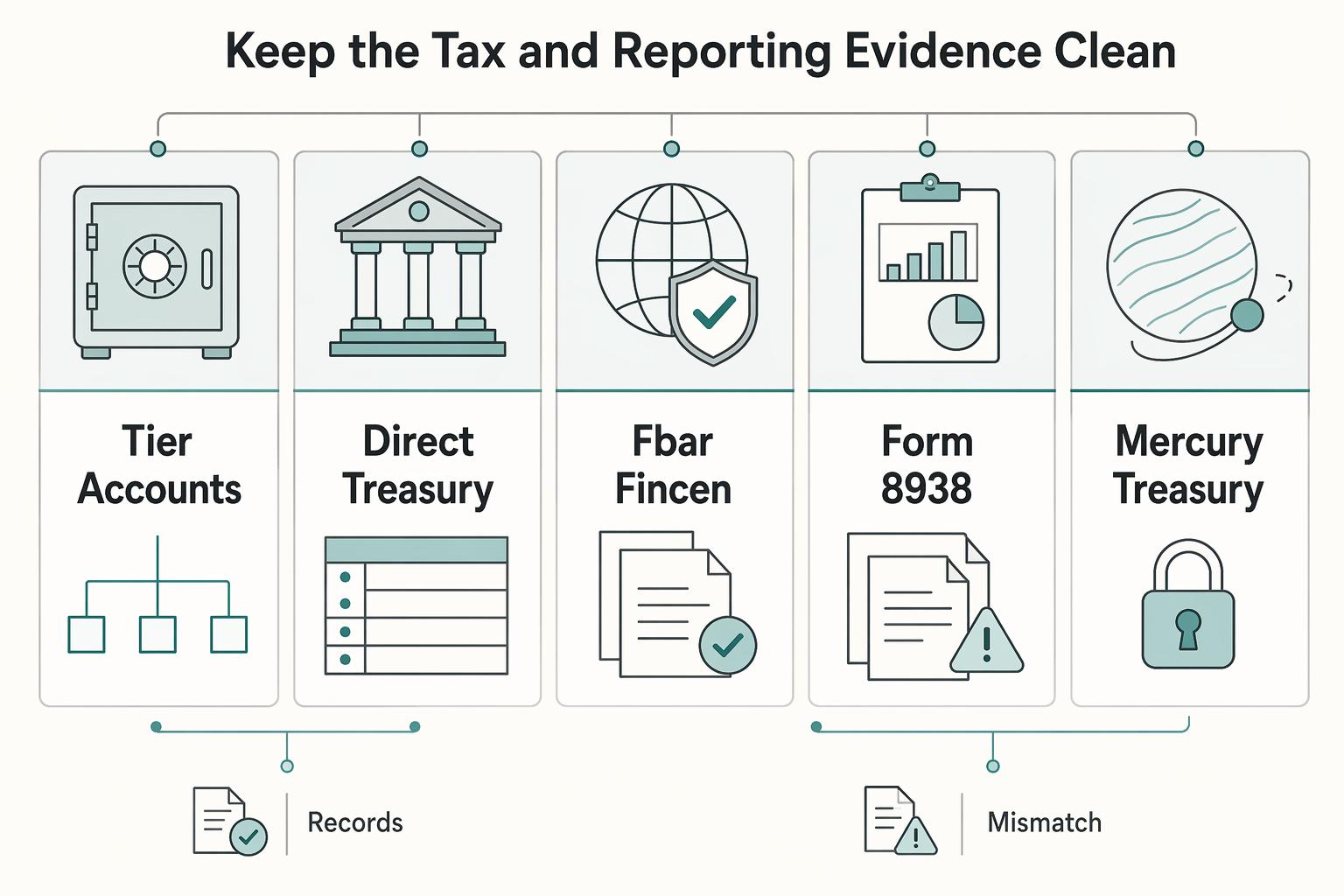
Keep the tax and reporting evidence clean#
Treat documentation as part of risk control. Use this checklist:
| Item | Action | Details |
|---|---|---|
| Tier 2 accounts | Save monthly statements, trade confirms, and year-end tax forms | For each Tier 2 account |
| Direct U.S. Treasury interest | Record direct U.S. Treasury interest | Subject to federal income tax and exempt from state and local income taxes |
| FBAR (FinCEN Form 114) | Check whether aggregate value exceeded the threshold | $10,000 at any point; due April 15 with automatic extension to October 15 |
| Form 8938 | Apply the appropriate filing threshold for your status | Confirm the current filing threshold with the IRS |
| Mercury Treasury tax forms | Verify Apex-issued tax forms and check for corrected forms before final filing | Consolidated 1099 delivery between January 31, 2026 and February 17, 2026; tentative correction runs starting April 15, 2026 |
Decision rule: move cash back to Tier 1 when obligations become near-term or runway tightens; keep it in Tier 2 when the horizon is still mid-term and liquidity discipline is the priority; defer to Tier 3 only for money you can leave long term with higher market risk tolerance.
We covered this in detail in How to Use Brex for a Venture-Backed Startup with a Remote Team.
Tier 3: The Long-Term Wealth Layer for Building Your Empire#
Use Tier 3 only for money you can keep invested for the long term, and only after Tier 1 and Tier 2 are covered. If you might need the funds for near-term payroll, taxes, or runway protection, keep that money in the first two tiers.
Start with a long-horizon checkpoint#
Treat Tier 3 as long-horizon investing, not upgraded cash storage. A simple test: after contributing, your operating buffer and mid-term reserve should still be intact. If a market drop next quarter would force you to sell, that money is not Tier 3 yet.
Choose the account that matches your setup#
Common options to evaluate are a SEP IRA and a Solo 401(k). Pick the one you can actually open, fund, and maintain correctly with your plan documents and current rules.
| Option | Eligibility pattern | Contribution flexibility | Admin complexity | Usually the better fit |
|---|---|---|---|---|
| SEP IRA | Confirm the eligibility pattern from your entity and team records | Confirm the contribution method and cap from the official source and your plan records | Lower | When you want simpler setup and fewer moving parts |
| Solo 401(k) | Confirm the owner/employee eligibility rules from the official source and your plan records | Confirm the employee/employer contribution structure and cap from the official source and your plan records | Medium | When you want more contribution-structure flexibility |
| Solo 401(k) with Roth option | Verify that your specific plan includes a Roth feature | Verify what Roth contributions are allowed under current plan rules | Medium to higher | When you want tax diversification and your plan explicitly supports it |
Before funding, save the plan adoption document, account opening confirmation, and plan summary. Do not assume a Roth feature or contribution path exists unless your plan paperwork confirms it.
Automate contributions into broad, diversified holdings#
Set a default transfer from owner pay or distributions on a fixed cadence, then auto-invest into a simple, broad, low-cost index mix. Keep the allocation straightforward enough to explain in one sentence, and avoid concentrated bets tied to a single employer, client, or sector.
Your check is operational: contributions arrive on schedule, cash does not sit idle, and your target allocation is visible in one place.
Write risk rules before volatility tests them#
Document a one-page invest-through-volatility rule and keep it with your records:
- Fund Tier 3 only after Tier 1 and Tier 2 are fully covered.
- Avoid concentration in employer-linked or client-linked exposure.
- Do not exit long-term holdings based on short-term market moves alone.
Run one annual check-in to review records and rebalance back toward your target mix if drift is material.
For self-employed and cross-border filing, keep documentation clean from day one: contribution confirmations, statements, year-end forms, and advisor notes. Verify the current contribution cap and filing rule from official sources and plan documents before using them in the checklist. If cross-border treatment applies, verify local rules with a qualified advisor and use A Freelancer's Guide to the US-UK Tax Treaty when relevant.
Tier 3 is the long-term compounding engine. Liquidity, transfer timing, and runway decisions stay in Tier 1 and Tier 2.
For a step-by-step walkthrough, see Best Banking for US Startups Without Payroll Surprises.
Run a Repeatable Cash System Across Three Buckets You Control#
Confidence comes from running a repeatable cash system, not from chasing one tool. Keep your decisions tied to three buckets you control: liquidity, growth cash, and long-term reserves.
Run a one-page cash policy#
Write and date a one-page policy that defines each bucket, who can move money, and what pauses transfers out of liquidity. Set the liquidity floor, tax reserve rule, and minimum cash-access window only after verifying them against your finance records and policy documents. If cash might be needed before that access window, keep it in liquidity.
Reconcile weekly, then reallocate only cash above your liquidity floor#
Each week, reconcile expected inflows, due dates, and current balances; if they do not align, treat that as a stop signal for new transfers out of liquidity. Each month, reallocate only cash above your verified liquidity floor and reserve rule, and only when you can tolerate access delays and investment risk. If a delay would force borrowing or missed obligations, that cash is still operating cash.
| Criterion | Framework-led cash management | Tool-led cash management |
|---|---|---|
| Control | Your written rules decide where money goes | Defaults can drive decisions unless you override them |
| Risk exposure | You assign risk by bucket before moving cash | It is easier to misclassify operating cash as surplus |
| Operational clarity | Weekly and monthly checkpoints create a consistent decision log | Clarity depends on whether you add your own policy and review rhythm |
Where Gruv fits#
Use Gruv as an input layer for invoicing discipline, payment reliability, and cashflow visibility, then apply your policy to decide allocation. That keeps the boundary clear: operational data in, treasury decisions by your rules. Gruv is part of decision quality, not investment advice.
If you want a deeper dive, read Value-Based Pricing: A Freelancer's Guide.
Frequently Asked Questions
Who is Mercury Treasury best for?
It fits a U.S. entity that keeps a meaningful idle cash balance, wants one place for operating cash plus invested cash, and is comfortable with an investment product rather than a bank savings account. Before you apply, verify the current eligibility page for entity requirements and the minimum balance requirement. If you need every dollar to behave like insured deposit cash, this is usually the wrong bucket.
When is a self-managed 3-tier setup the better choice?
Use the 3-tier approach when you want clear separation between emergency liquidity, mid-term reserves, and long-term wealth. It is usually the better call if your cash balance is below Treasury's current entry requirement, if you need tighter control over where each dollar sits, or if your cross-border reporting is already complex. The common failure mode is treating all cash as "idle" when part of it is really payroll, tax, or near-term runway.
When should you combine both approaches?
Combine them if you want a central operating account but still prefer strict buckets for risk and purpose. A practical split is to hold immediate operating cash in insured deposit accounts and use Treasury only for money you can leave invested through its settlement window. If a withdrawal delay inside the published settlement window would create stress, that cash belongs outside Treasury. | Option | Access | Control | Complexity | Ideal user profile | |---|---|---|---|---| | Mercury Treasury | Operating and investment cash can sit in one product flow; transfers may depend on portfolio and cutoff rules | Control over liquidity timing depends on portfolio and fund path terms | Lower to medium | Founder or small team that wants simpler cash management inside one fintech account | | Self-managed tiered approach | Access depends on the account you choose for each tier | Higher control over liquidity, risk, and tax placement by bucket | Medium | Solo operator or finance-aware team that wants explicit separation and custom rules |
Is Mercury Treasury FDIC-insured?
No. Mercury says Treasury funds are not deposits and are not FDIC-insured. The practical rule is simple: use FDIC-insured bank accounts for money that must stay as protected deposit cash, and use investment accounts only for funds you can expose to investment risk.
So what does SIPC protection actually mean here?
SIPC is not the same as FDIC, and it does not protect you from market loss. It applies if cash or securities are missing because a SIPC-member brokerage fails, subject to the current SIPC limits and cash sub-limit. Confirm whether the brokerage path is a SIPC member, save account statements, and do not read SIPC as a yield or principal guarantee.
Are yields in Treasury guaranteed, and can you always withdraw the same day?
No on both counts. Mercury states yields vary and are not guaranteed, and Treasury funds are subject to investment risk, including possible loss of principal. Liquidity also depends on the portfolio, so verify the current fund allocation, published cutoff time, and settlement terms before you count that cash as same-day available.
Is interest from U.S. Treasury holdings taxable?
If you hold U.S. Treasury marketable securities directly, the earnings are generally subject to federal tax but exempt from state and local tax. That is a tax treatment point, not a filing shortcut. Save year-end tax forms, monthly statements, and your purchase confirmations so your tax file matches what you actually held.
Do you need to worry about FBAR or Form 8938?
Yes. If you are a U.S. taxpayer with foreign accounts or specified foreign financial assets, you may have separate reporting obligations. Do not assume one form replaces the other. Total your foreign accounts, check whether you crossed the FBAR threshold, check the Form 8938 threshold that matches your filing status and residency, and ask a qualified tax advisor if you are unsure.
What one-page policy should you keep if you use either approach?
Write down where operating cash lives, who can move money, what counts as reserve cash, and how often you review balances. Mercury itself describes a treasury policy as a short written set of rules for company cash management.
What is the right order to implement this?
First secure liquidity, then place mid-term cash, then fund long-term accounts. In practice, fill Tier 1 before you chase yield, fund Tier 2 only with cash you do not need immediately, and only then add Tier 3 contributions. If you remember one rule from this guide, make it that sequence.
Try a related tool
Researched and edited by the Gruv editorial team. Gruv builds cross-border billing, payouts, and finance-operations software for global businesses.
Sources
- bsaefiling.fincen.gov/resources/FinCENFBARHelp.pdftrusted
- consumer.gov/your-money/opening-bank-accounttrusted
- consumerfinance.gov/consumer-tools/bank-accountstrusted
- fdic.gov/resources/deposit-insurance/understanding-de...trusted
- fdic.gov/resources/deposit-insurance/financial-produc...trusted
- investor.gov/introduction-investing/general-resources/new...trusted
- irs.gov/businesses/small-businesses-self-employed/re...trusted
- irs.gov/businesses/corporations/do-i-need-to-file-fo...trusted
Educational content only. Not legal, tax, or financial advice.
Related Posts
Value-Based Pricing for Freelancers Under Real Payment Risk
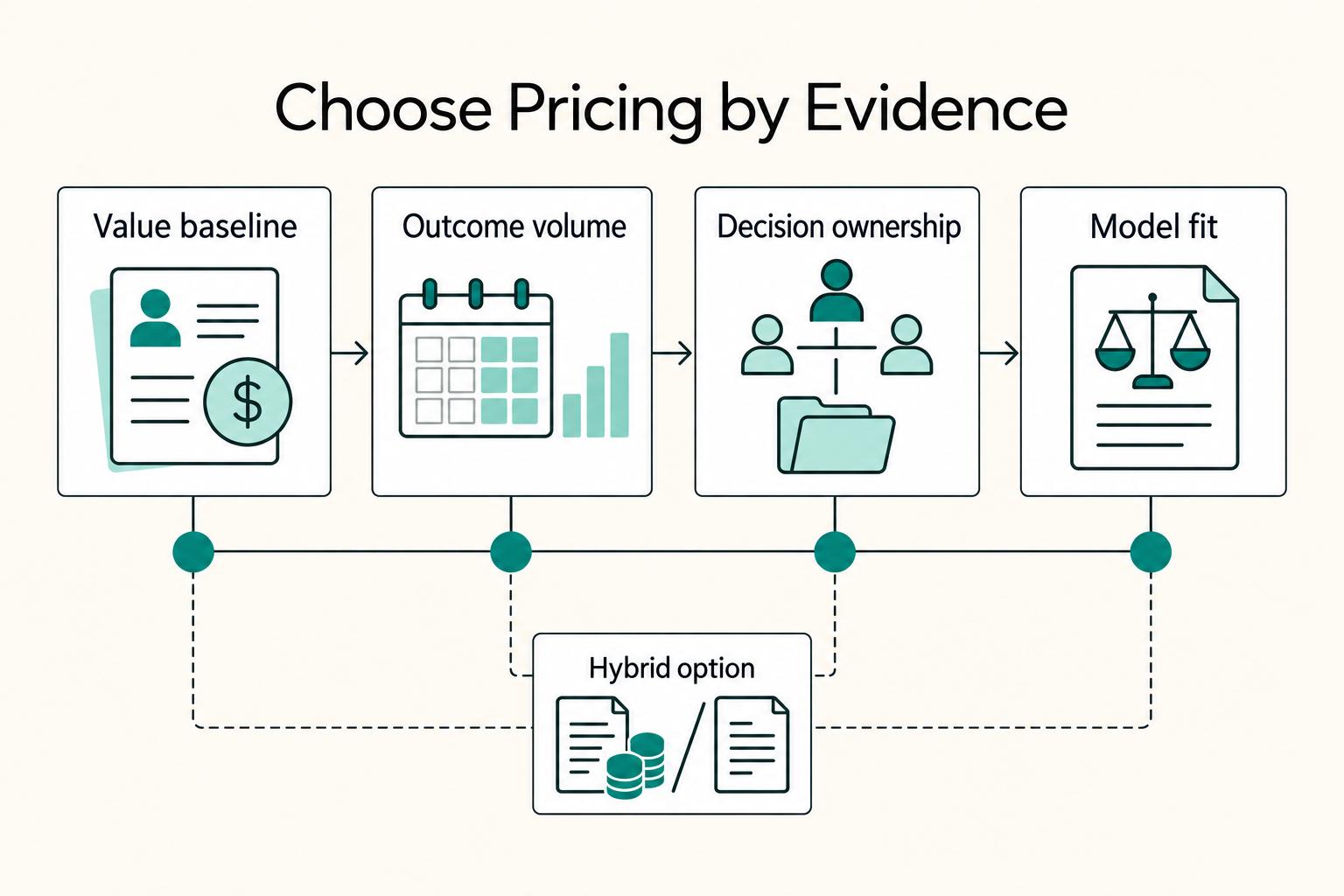
Value-based pricing works when you and the client can name the business result before kickoff and agree on how progress will be judged. If that link is weak, use a tighter model first. This is not about defending one pricing philosophy over another. It is about avoiding surprises by keeping pricing, scope, delivery, and payment aligned from day one.

Mercury vs RelayFi for Non-Resident LLC Banking
Pick the setup that keeps money moving under pressure, then worry about nicer features.
A Freelancer's Guide to the US-UK Tax Treaty
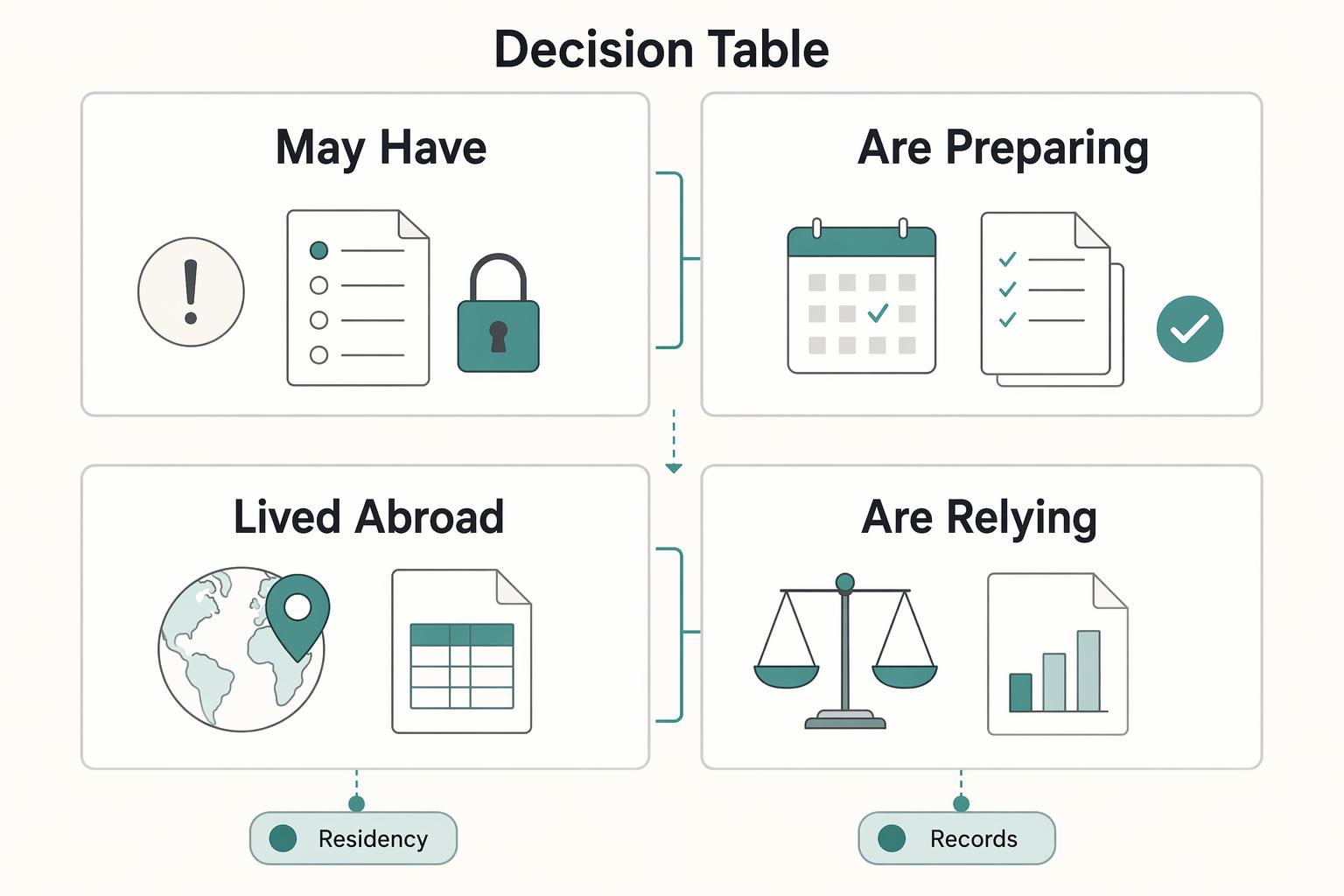
Start with your facts and filing setup before you interpret the treaty. For freelancers and consultants with US and UK income exposure, one common risk is assuming the treaty will sort everything out before your residency position, filing obligations, account status, and records are clear.