
Operator playbooks for cross-border payments, tax, and compliance execution.
Step-by-step guidance for finance, product, and ops teams to launch faster, reduce payout friction, and keep reconciliation clean across borders.
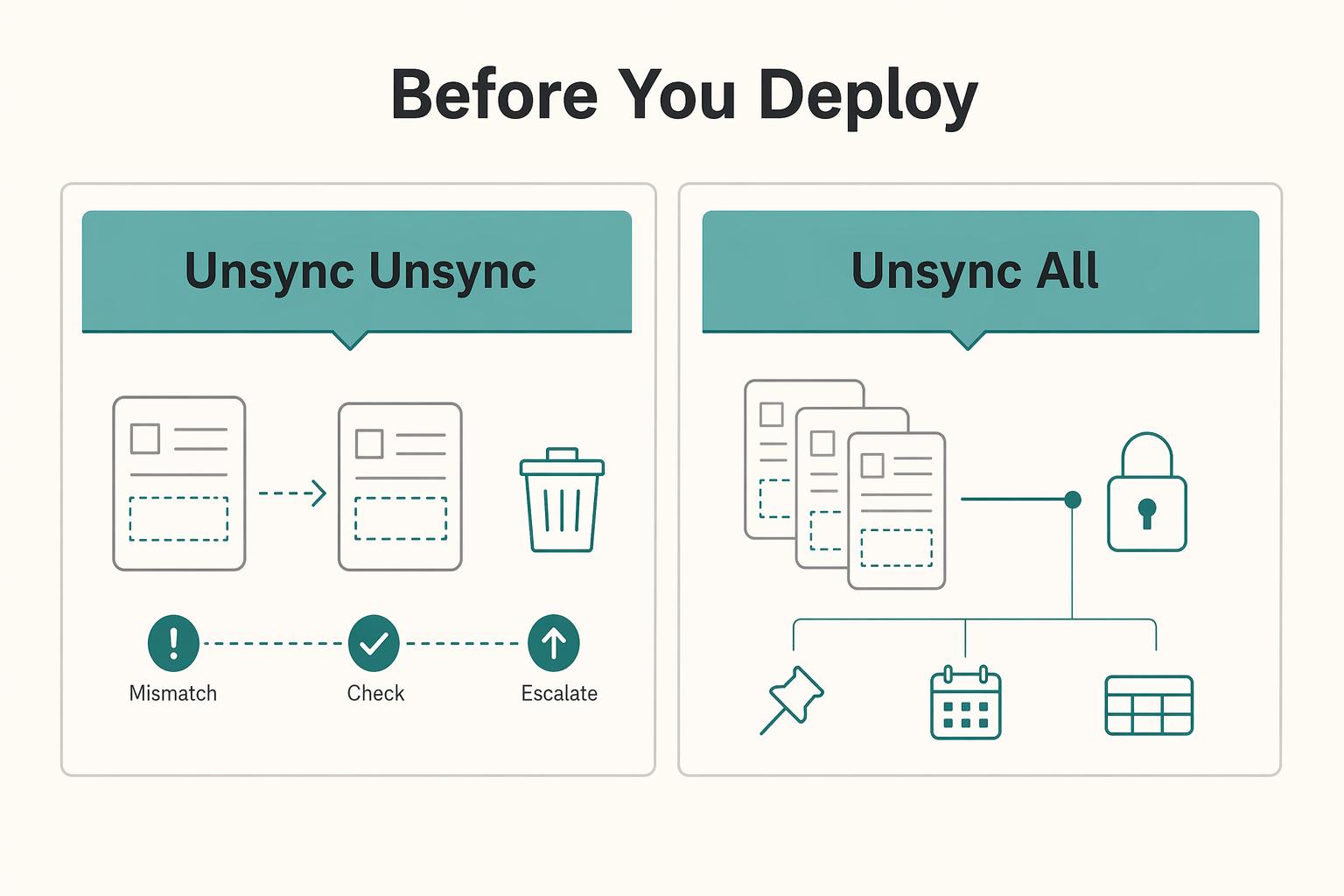
How to Use Notion Synced Blocks for Reusable Content
If your core information lives in copied documents across different places, consistency breaks down fast. Notion's own [wiki guidance](https://www.notion.com/help/guides/how-to-build-a-wiki-for-your-design-team) points to the same pattern: when assets are scattered, work slows down and can turn into costly chaos.
Read more →
How Agencies Run Notion Teamspaces as a Client System of Record
If your client work lives in "notes mode," you will eventually spend time debating what was decided, where feedback landed, and which version people meant. A wiki helps your team remember prior decisions and explorations. A system-of-record approach makes it easier to trace what happened and keep work moving when scope, timing, or deliverables get fuzzy.
Read more →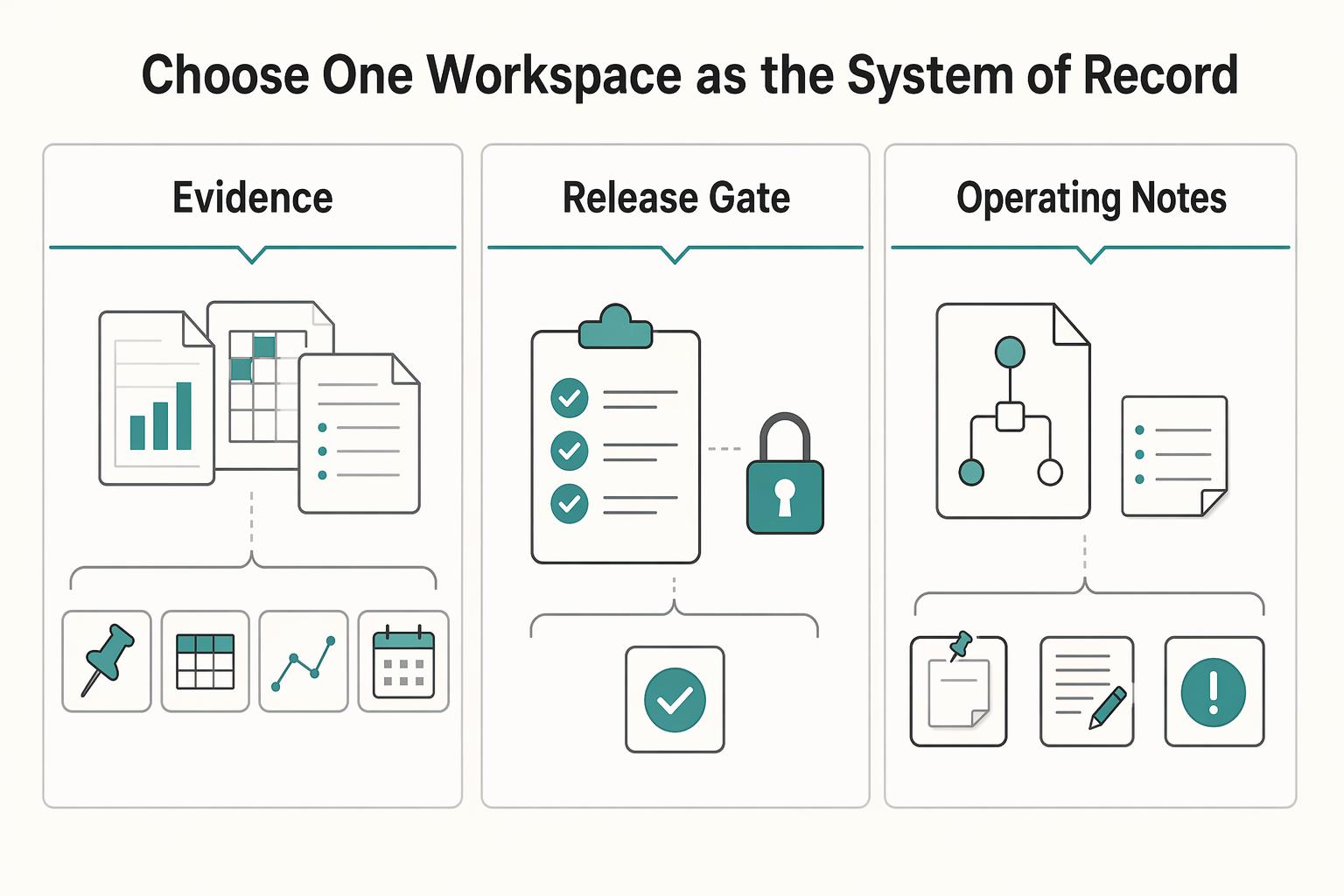
How to Use Notion AI for Productivity as a Solo Operator
A Business-of-One system is your operating model, not a product you buy. One trusted workspace holds the facts of the business, and your AI assistant works from those facts instead of whatever you happen to paste into a prompt.
Read more →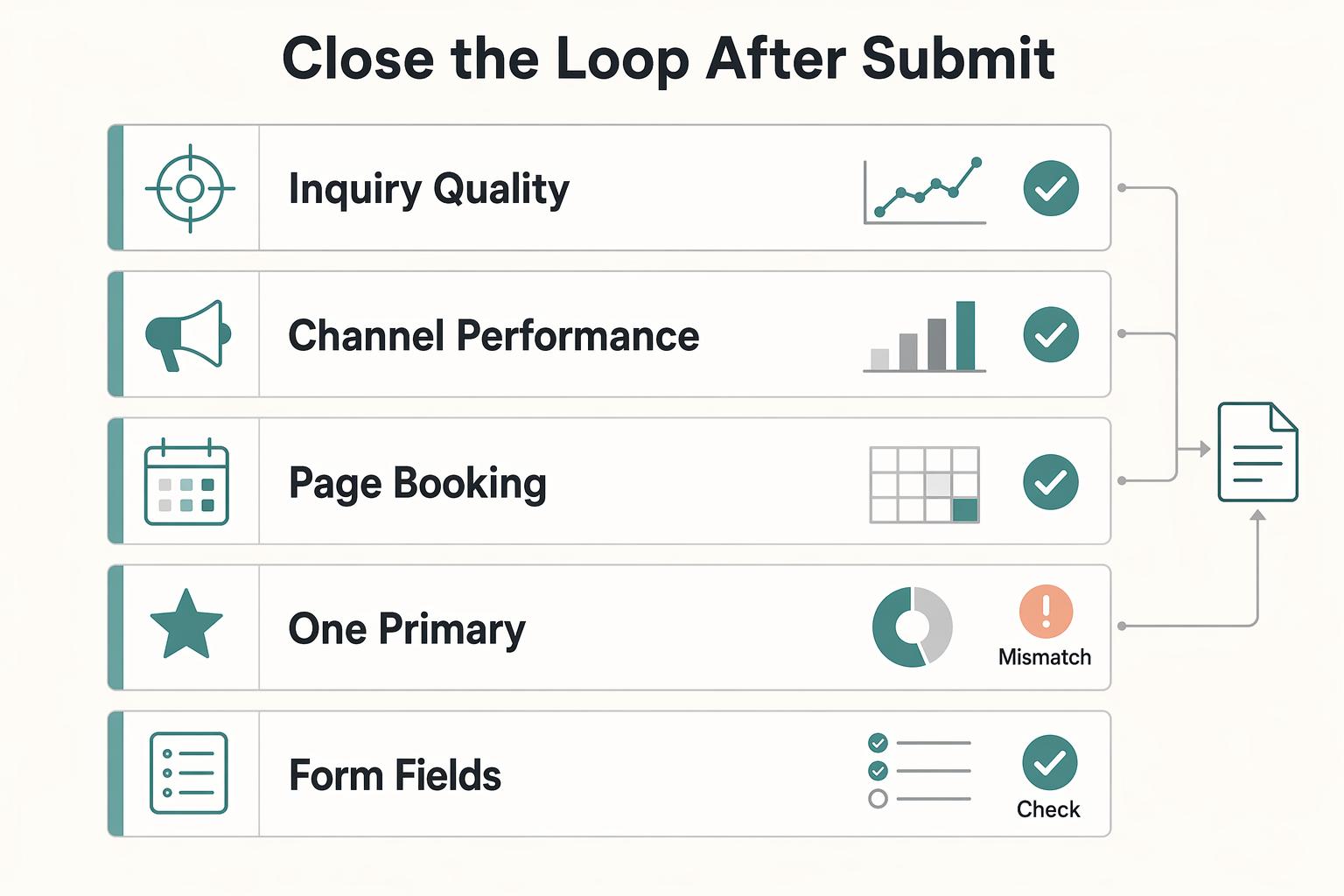
The Best Website Builders That Integrate with Notion
Most comparisons of **[website builders for notion](https://www.embednotionpages.com/blog-/notion-website-builders)** start with feature lists. A better starting point is the job your site actually needs to do, then whether the publishing behavior fits how you work day to day.
Read more →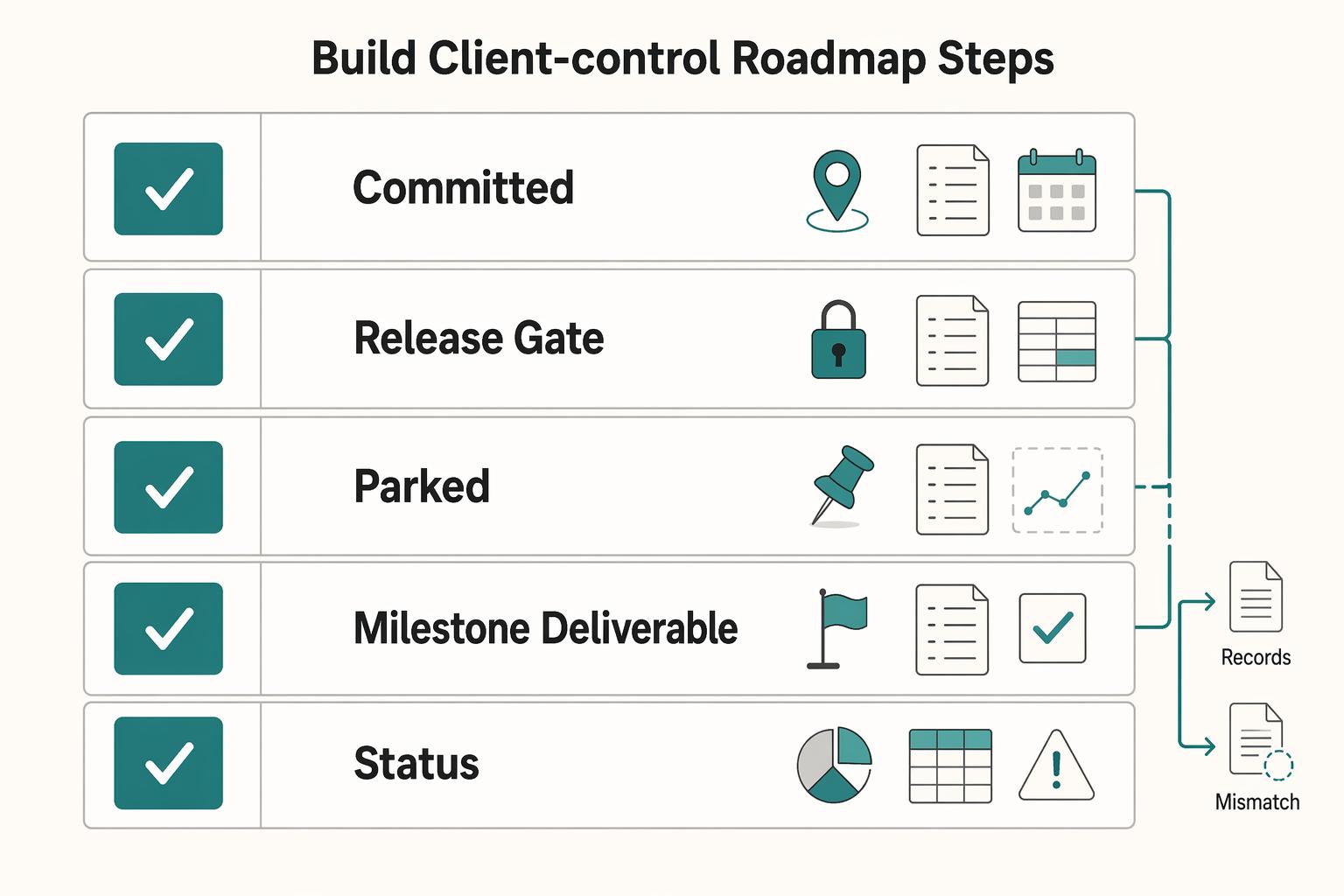
Build a Public Roadmap in Notion That Keeps Client Scope Under Control
A roadmap should help control the work, not just display it. If you set up a client-facing roadmap in Notion, treat it as the working agreement for the project. It should show what is committed now, what is parked for later, and what needs formal approval before anyone starts building.
Read more →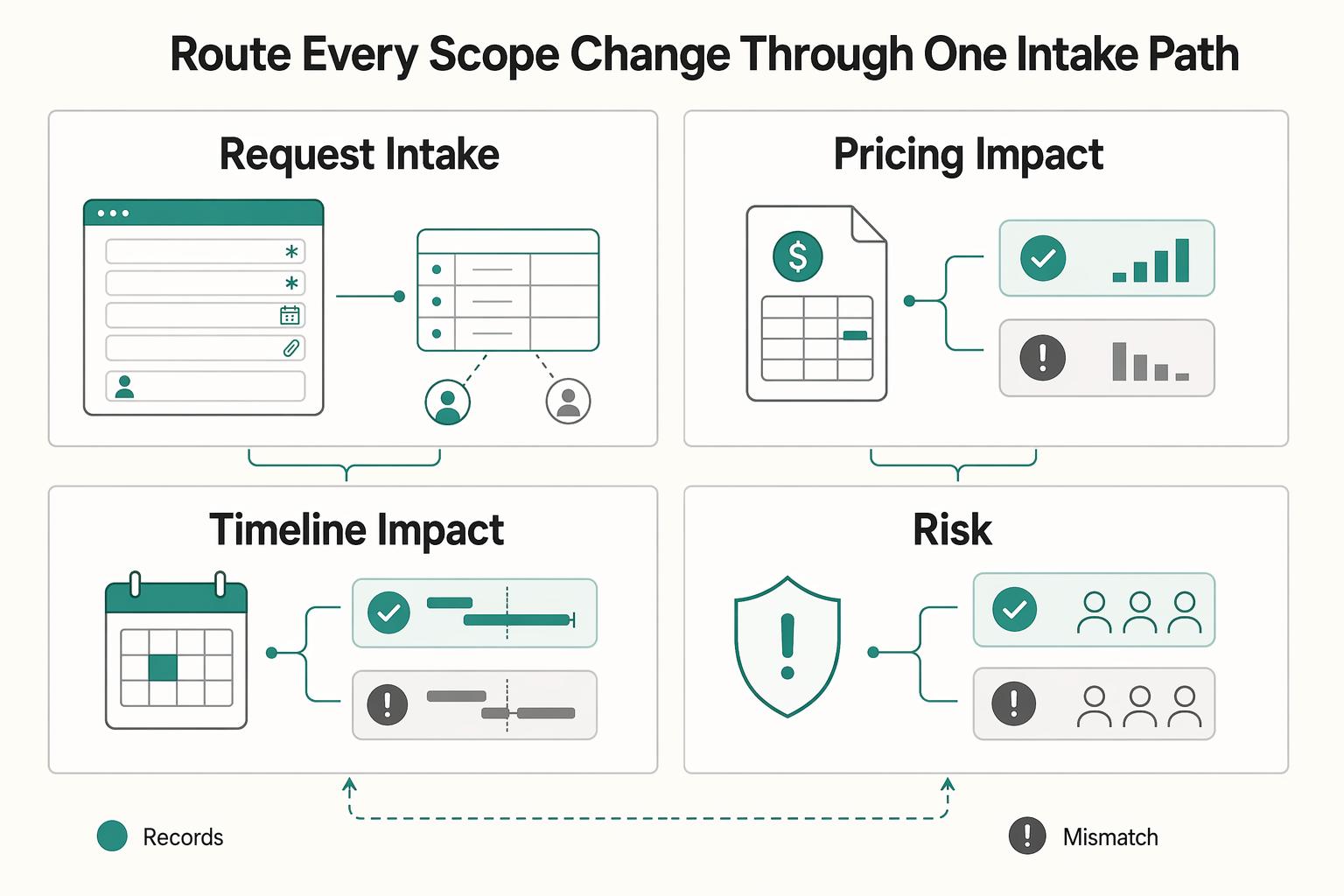
How to Create a Help Center for Your Product Using Notion
If you're building a help center in Notion, start by matching the tool to the job instead of chasing a nicer front end. Native publishing can be enough for internal docs or low-risk public reference content, depending on what you need. If the same space also needs tighter control over publishing, access, branding, and visibility into use, treat that as an upgrade decision now, not a cleanup task later.
Read more →
Using Notion Rollups and Relations for a Smarter Freelance Dashboard
Treat Notion like the control surface for a real business, not a nicer to-do list. If you work solo, your setup should answer three questions quickly: Which clients are worth protecting? Where is project burn slipping? What parts of your operating obligations need review? A task-only workspace can show what needs doing, but it often cannot support those decisions on its own.
Read more →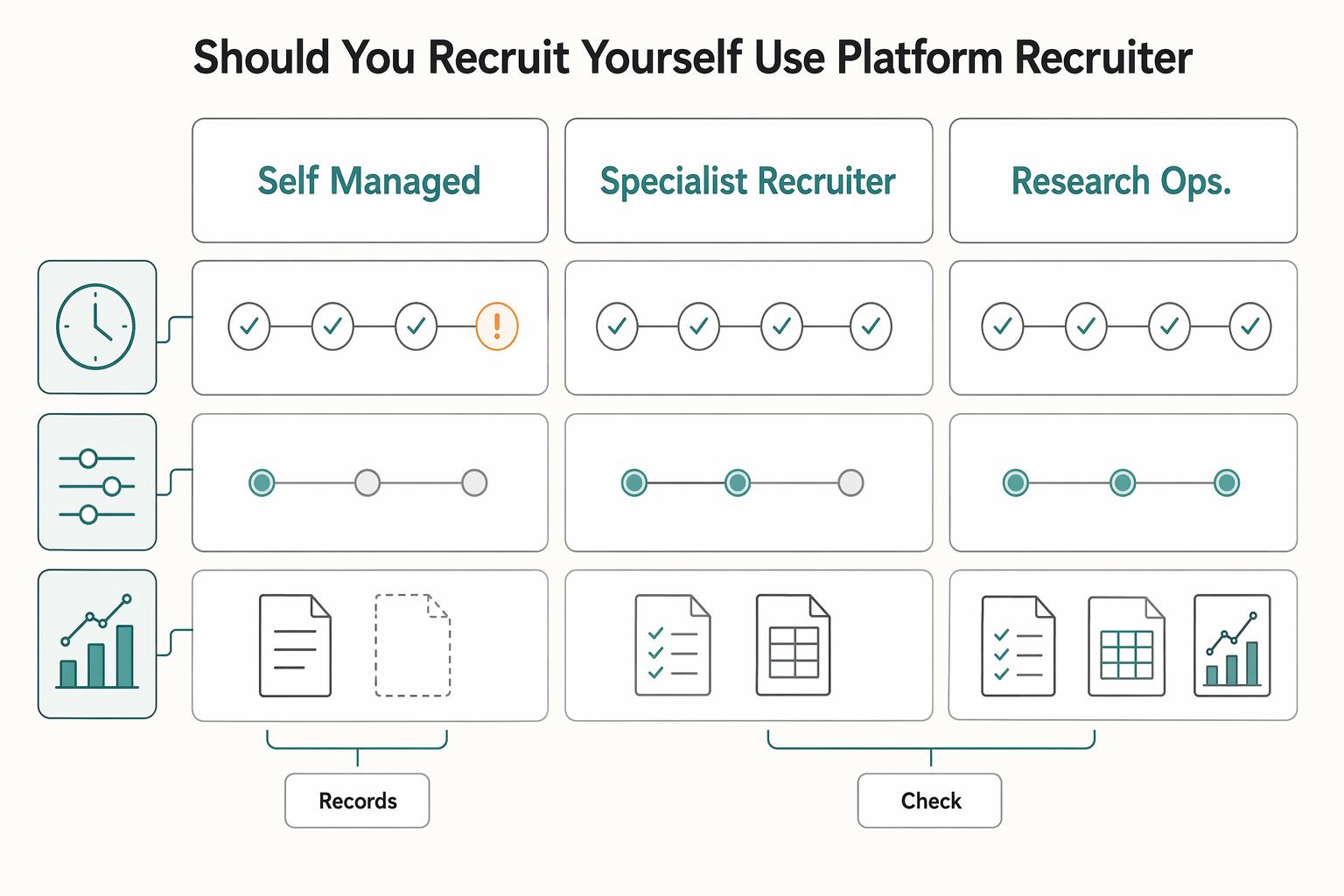
How to Recruit for User Research Without Wasting Study Time
**Participant recruitment is often the bottleneck** for independent consultants and boutique firms. It is high-risk, time-consuming, and easy to underestimate until it starts consuming the hours you need for the research itself. It also brings compliance traps, scheduling friction, and the constant risk that poor-fit participants will compromise the project.
Read more →
Best Wireframing Tools for Scope Control and Scalable Delivery
The right wireframing tool depends on the job in front of you. Use low-fidelity work to lock scope, higher-fidelity work to validate the experience, and reusable files to standardize what already worked.
Read more →
How to Use Figma Variables to Build a Maintainable Design System
If you want **figma variables** to stay useful after the first publish, decide your boundary before you create anything shared. Most cleanup starts with one mistake: reusable values, reusable attributes, and semantic references get blurred together, and every later handoff turns into guesswork.
Read more →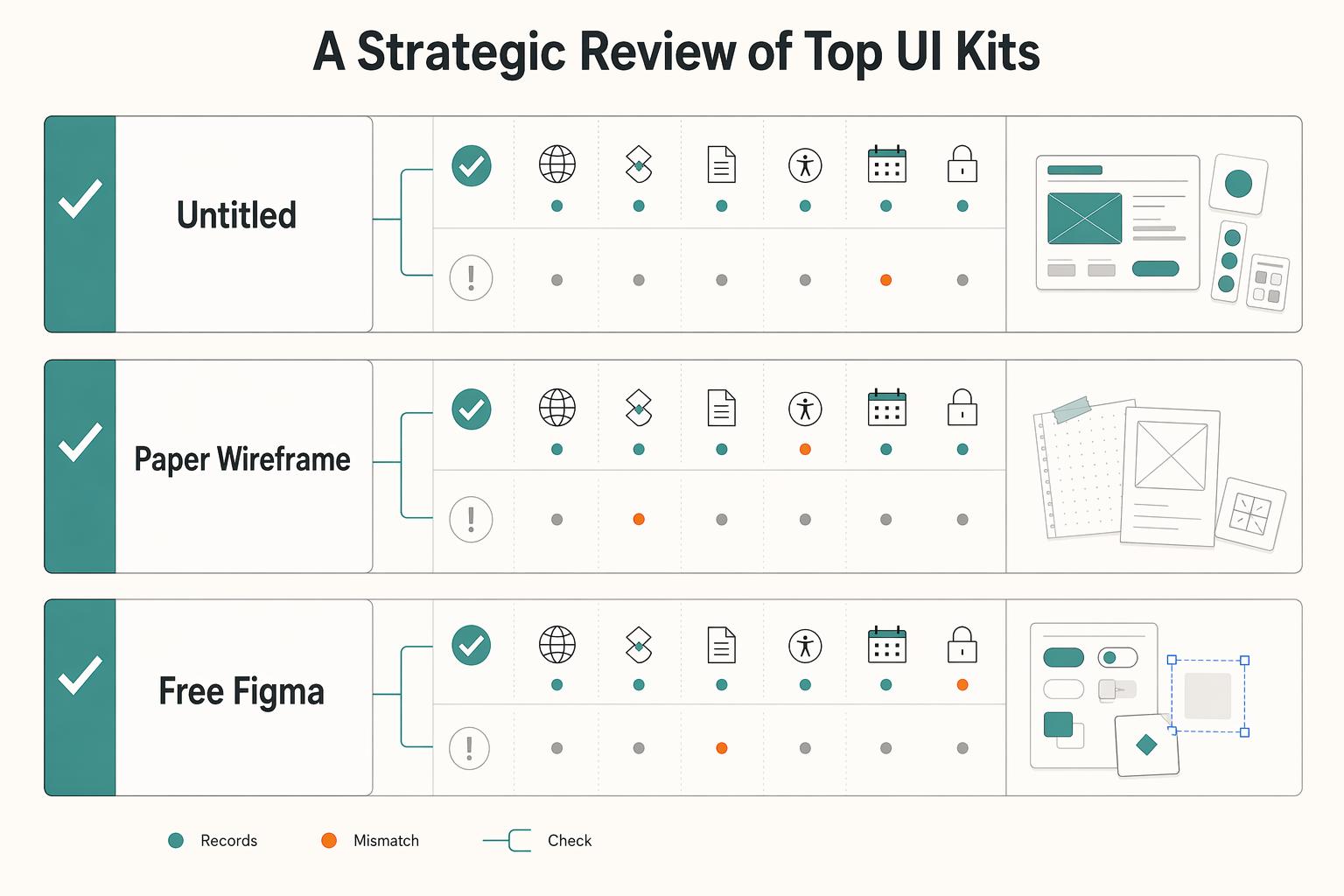
The Best UI Kits and Design Systems for Figma
A UI kit becomes a business asset when it removes repeat production work from paid projects. If it helps you reuse decisions, keep handoff cleaner, and reduce avoidable cleanup, it protects margin in a way a polished starter file does not.
Read more →
Color Psychology in Branding for Premium Positioning
For elite professionals, the gap between commanding a premium and justifying a discount often comes down to one overlooked detail: color. Many brilliant consultants, advisors, and executives undercut their value with a visual identity that feels arbitrary or amateurish. They treat color as taste, not strategy.
Read more →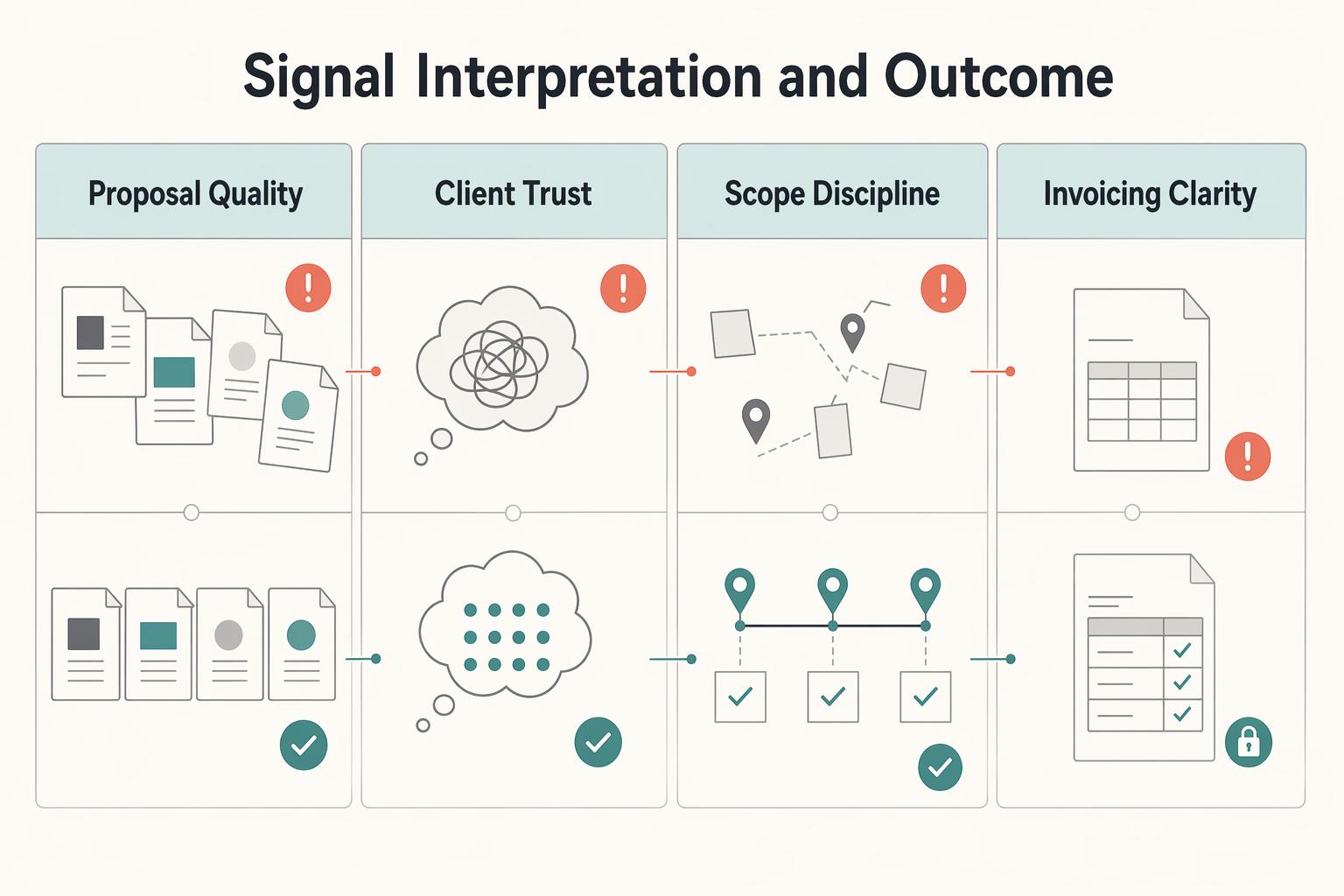
How to Create Brand Guidelines a Client Can Trust
If your proposal uses one logo lockup, your invoice uses another, and your client deck sounds like it came from a different business, you create doubt you do not need. Most clients will not call it out directly, but inconsistency can weaken recognition and trust. That is why inconsistent branding is not just a design issue. It is an operating issue.
Read more →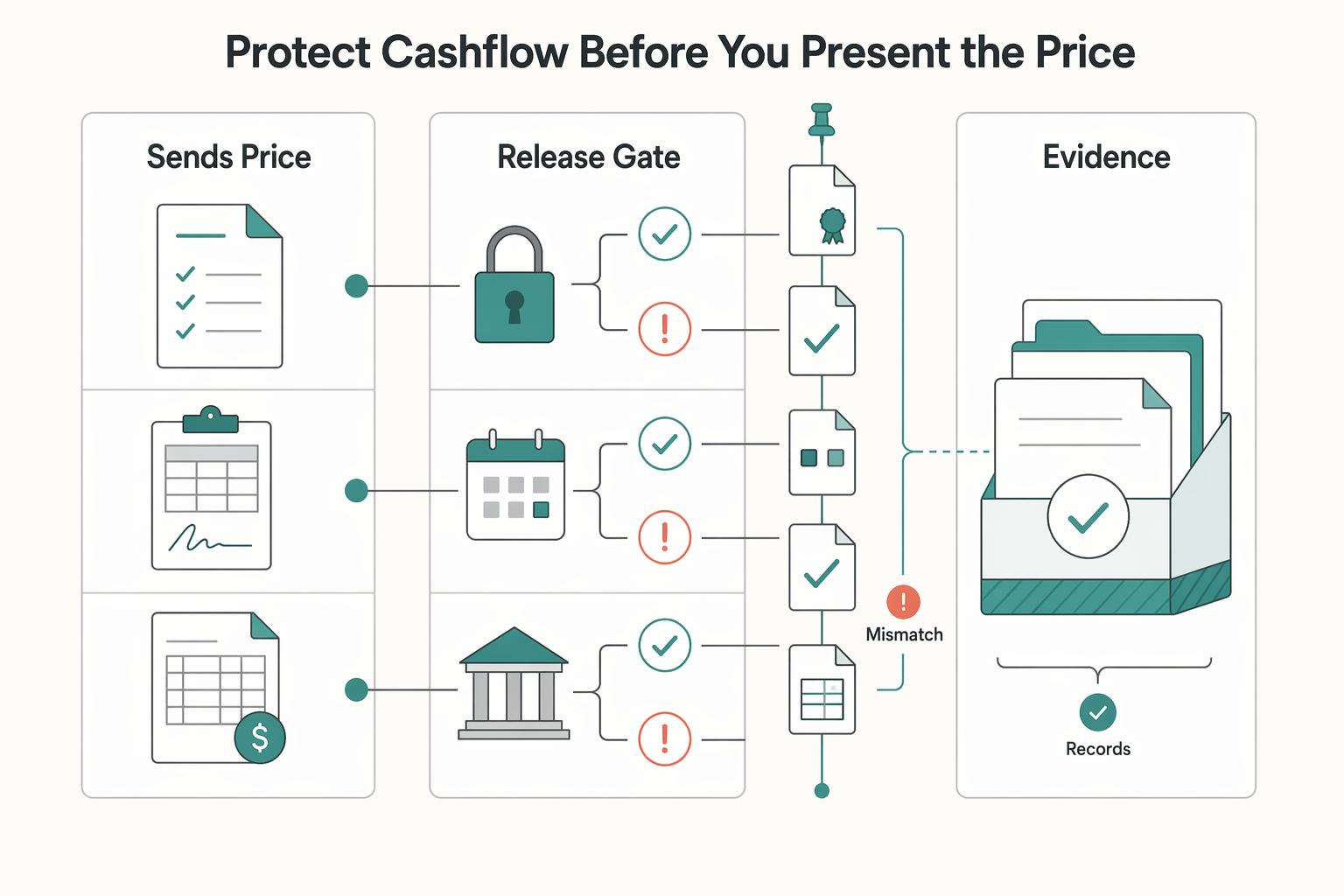
How to Price a Branding Package for a New Business
Underpriced branding work can strain cashflow quickly. You stay busy, but proposals feel improvised, revisions expand, and pricing starts to feel like guesswork.
Read more →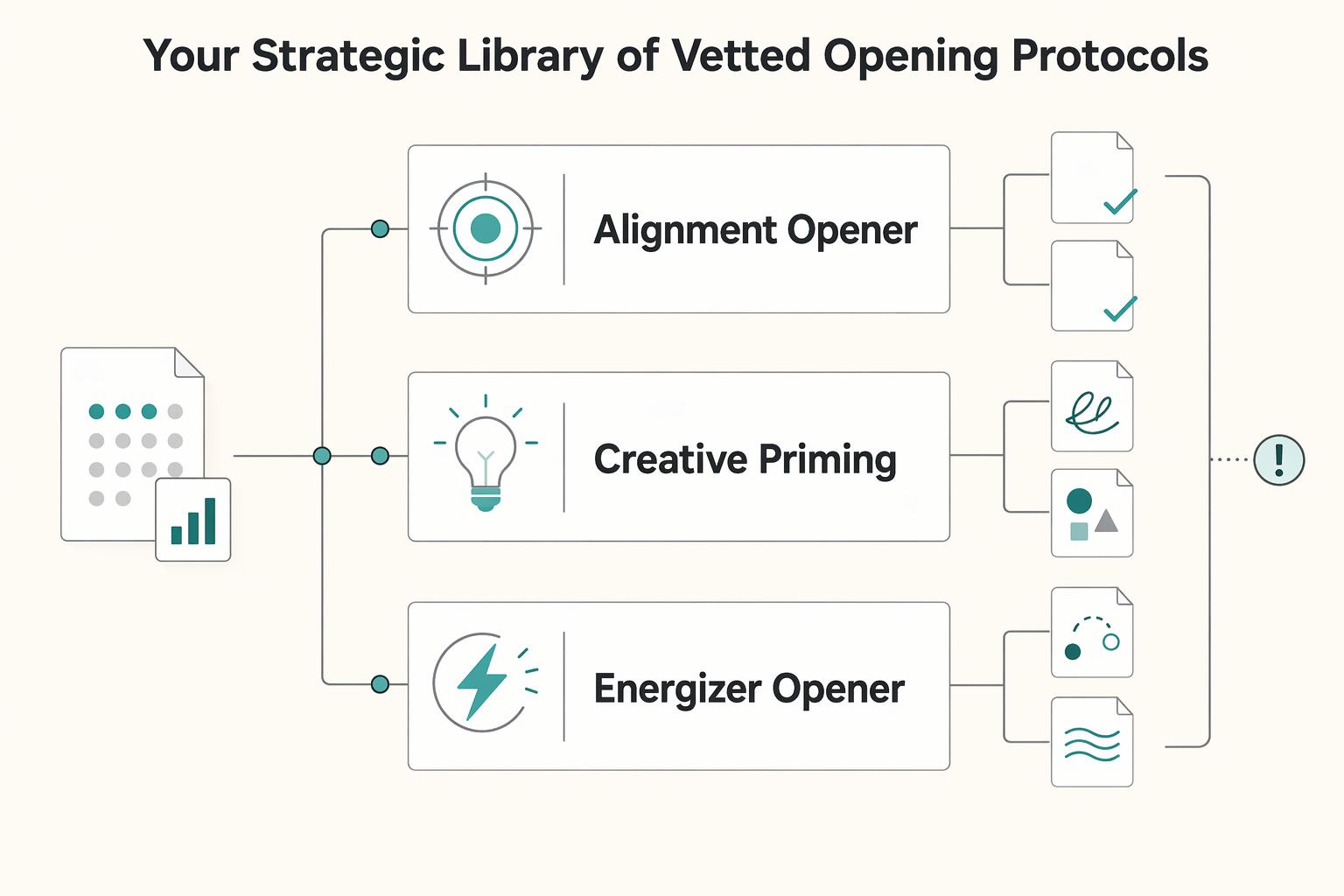
Best Icebreaker Activities for a Client Workshop
The most useful icebreaker activities for workshop settings are not always the funniest. They are the ones that make the first real task easier. If you cannot explain, in one sentence, how the opening helps minute 10, cut it.
Read more →
Storyboarding for Video as an Approval Gate Before Production
**Storyboarding for video works best when you treat the storyboard as an approval document, not just a sketch.** In professional client work, it is the visual record of what the project is supposed to become before production starts. Used this way, it helps you manage the three pressures that usually undermine client work: compliance, risk, and control.
Read more →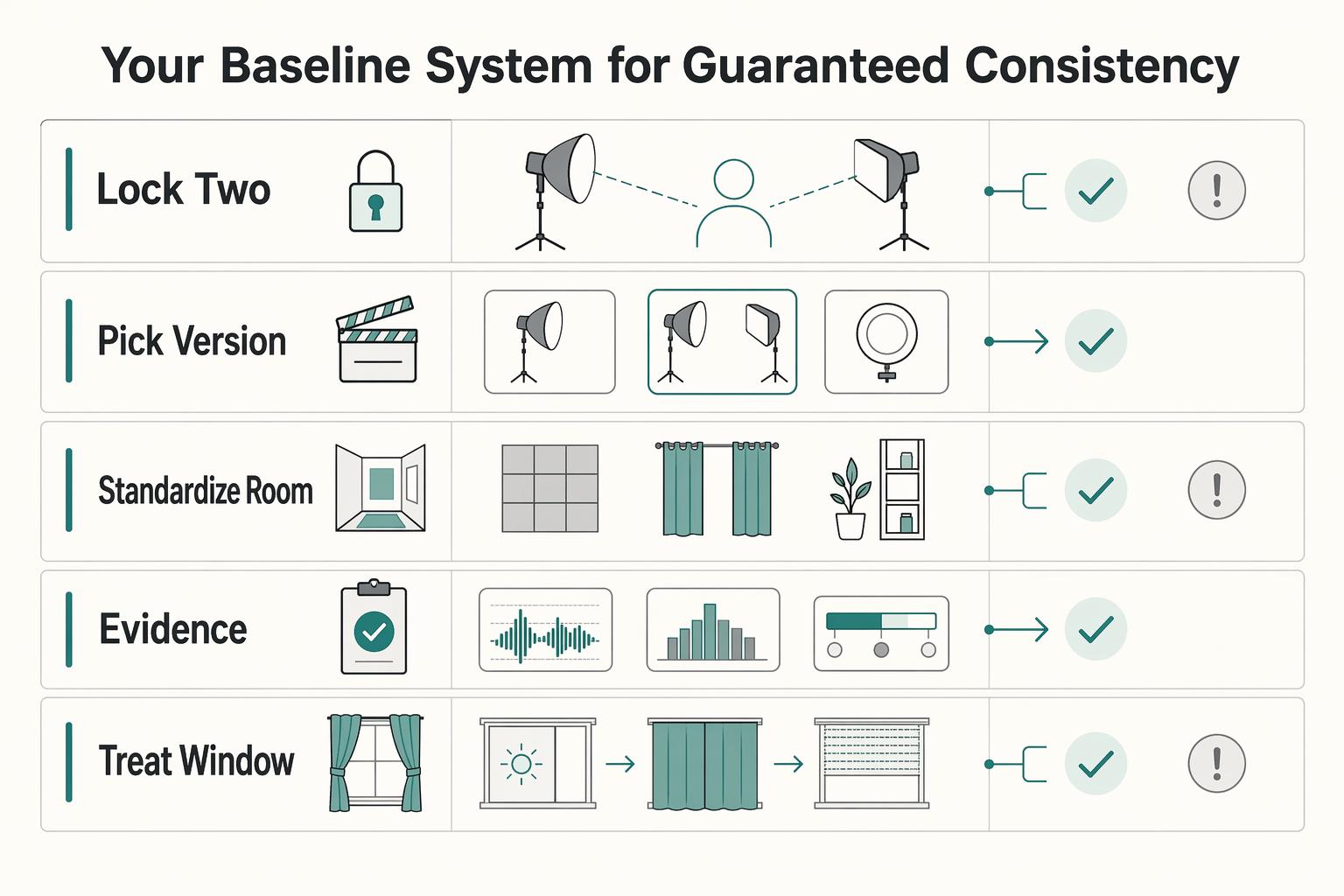
Best Lighting for YouTube Studio Videos That Build Trust
**The best lighting for YouTube is the setup that helps viewers trust you, not the one that looks perfect.** On a client call, a recorded proposal, or a YouTube video, first impressions happen fast. If you are choosing lighting for YouTube, optimize for trust first, not polish. Before you hit record, ask a practical question: does your lighting make you easy to see, or does it make the setup itself noticeable?
Read more →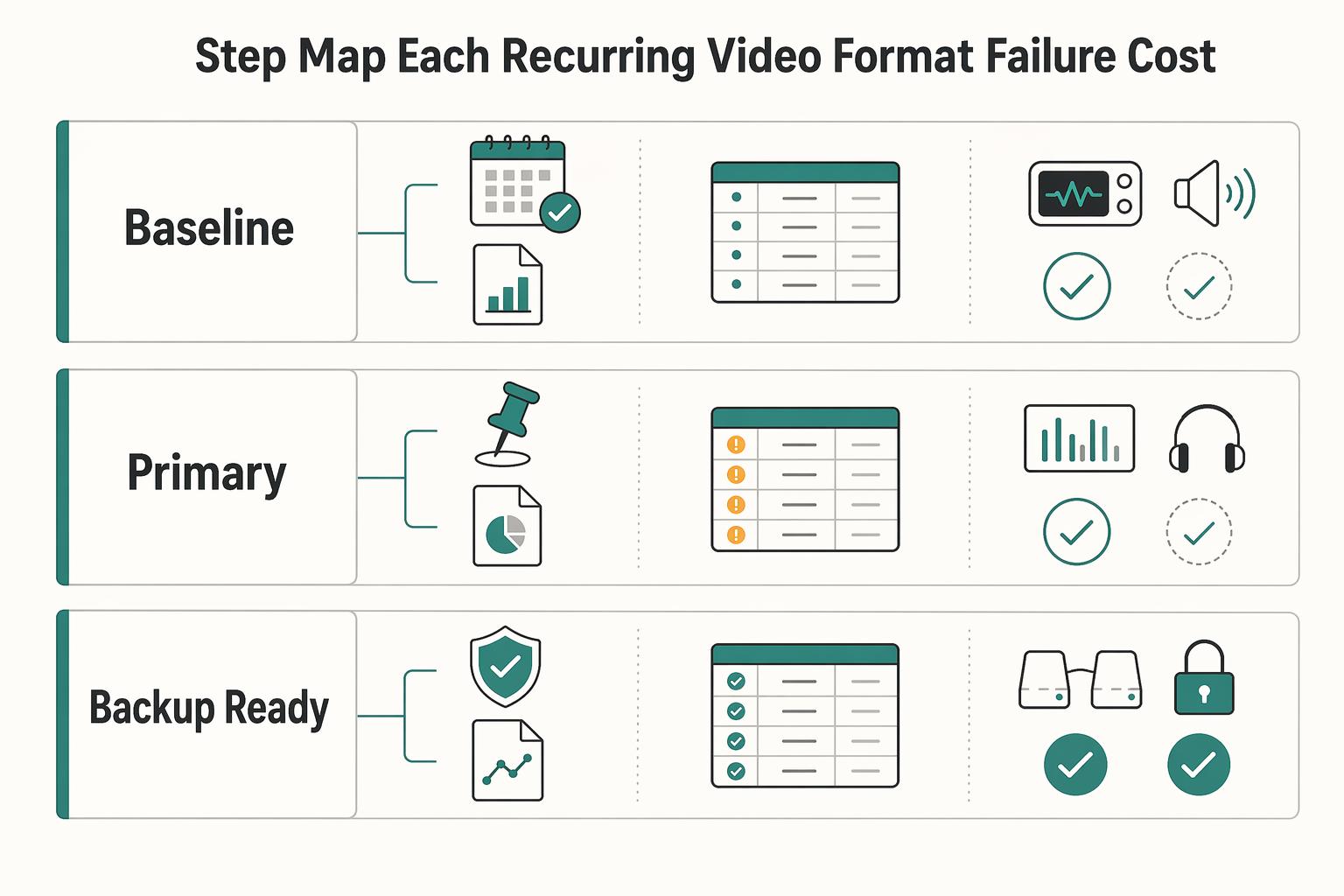
How to Record High-Quality Audio for Your Videos
If you want to **record high-quality audio for video** without risking avoidable reshoots, buy for reliability first. Your audio setup determines whether people can follow your message. If they cannot, you are not just looking at a gear expense. You are dealing with poor engagement and a worse overall experience.
Read more →
How to Optimize YouTube Videos for Search as a Business Owner
--- **To optimize YouTube videos for search, decide what buyer question the video answers before you record. Then package and manage it like a business asset.** That is where many experienced professionals get stuck. They see the upside, but most advice pushes them toward trend chasing, vanity metrics, and shallow formats that do not fit a serious business.
Read more →
A Practical Guide to YouTube Analytics for Freelance Creators
If you try to interpret everything in YouTube Studio at once, it is easy to react to noise. One practical way to review your channel is in three levels: health first, diagnosis second, business fit third.
Read more →