
Quick Answer
Model the decision in three passes: yield, operations, and risk. Start with one Gross Annual Revenue baseline, then run Airbnb host-fee, Vrbo pay-per-booking, and Vrbo annual subscription scenarios using the same occupancy and stay assumptions. For dual-listing, add channel-manager cost and test for iCal lag before you trust calendar sync. Finish by verifying what booking and payout reports you can export and which tax or registration steps still sit with you.
For a professional short-term rental operator, choosing between Airbnb and Vrbo is not about brand preference. It is a portfolio decision that affects revenue, operating load, and risk. If you treat your property like a real business, the comparison has to go well beyond surface fee checks.
This is not a generic pros and cons list. It is a three-phase way to make the call for your specific asset. First, model the money. Then audit the operating burden. Finally, stress-test the risk. The goal is simple: replace guesswork with a decision you can defend.
Phase 1: The Financial Model - Which Platform Maximizes Your Yield?#
Start with net yield, not headline fees. The right answer is the listing path that leaves you with more after platform charges, cleaning turns, and the extra work your guest mix creates.
A good first step is to compare every option against the same revenue base. Use Gross Annual Revenue, or GAR, as the baseline: average nightly rate × expected occupancy × 365. Keep those assumptions fixed across the model so you are not changing rates, stay length, or cleaning logic mid-comparison.
| Listing strategy | What to verify now | How to model it | What usually matters most |
|---|---|---|---|
| Airbnb host-fee path | Confirm the current Airbnb host fee directly with the platform | Apply the verified host fee to your projected Airbnb booking revenue. Keep the fee base consistent. A booking subtotal example is nightly charges plus cleaning fee, such as $100 × 3 nights + $60 cleaning = $360. | Broad demand across many property types can help occupancy |
| Vrbo pay-per-booking | Confirm the current Vrbo per-booking fee directly with the platform | Apply the verified charges to projected Vrbo revenue using the same revenue assumptions | Vrbo focuses on entire private properties and tends to draw families and groups on longer, higher-value trips |
| Vrbo annual subscription | Confirm the current Vrbo annual subscription price directly with the platform | Compare the fixed annual cost with what you would pay under Vrbo's per-booking path | Worth testing if your whole-home listing produces enough annual booking volume |
| Dual-platform | Current fees on both platforms plus channel-management cost | Split projected bookings across both channels, then add software and admin costs needed to keep calendars, pricing, and communication aligned | More reach, but more coordination risk |
Run the worksheet#
Use this simple four-step worksheet:
- Estimate revenue inputs: average nightly rate, occupancy, average length of stay, and cleaning fee.
- Subtract platform costs for each path above.
- Add operating-cost impacts: cleaning frequency, laundry, supplies, guest messaging time, and maintenance exposure.
- Compare net yield for Airbnb only, Vrbo only, and dual-listing.
Two operator details matter here. First, verify the fee base before doing any math. Do not compare a host fee on one platform with a guest-facing fee example on another and call it an owner cost comparison. Second, if you test dual-listing, include the cost of channel management. Without dependable calendar sync, double-booking risk can erase the upside quickly.
Price for your actual demand pattern#
Guest profile changes ROI because it changes turnover work. Vrbo's whole-home, family, and group tilt can mean longer stays and fewer turnovers per booked night. That does not automatically mean lower costs, so check your own last 12 months of stay length, cleaning invoices, and maintenance tickets before you count on that savings.
When you look at pricing workflows, judge them by fit, not brand. Focus on whether rates stay current with demand and competitor moves, and whether the process is automated enough to avoid manual lag. If you are still repricing manually while nearby competitors adjust more often, your comparison is already lagging the market.
A simple way to start is to match the first test to the demand pattern you actually see. If your market depends on broad demand and mixed trip types, start with Airbnb-first testing. If you run a whole private home and your economics improve when families or groups stay longer, start with Vrbo-first modeling.
Related: The Pros and Cons of Short-Term vs. Long-Term Rentals.
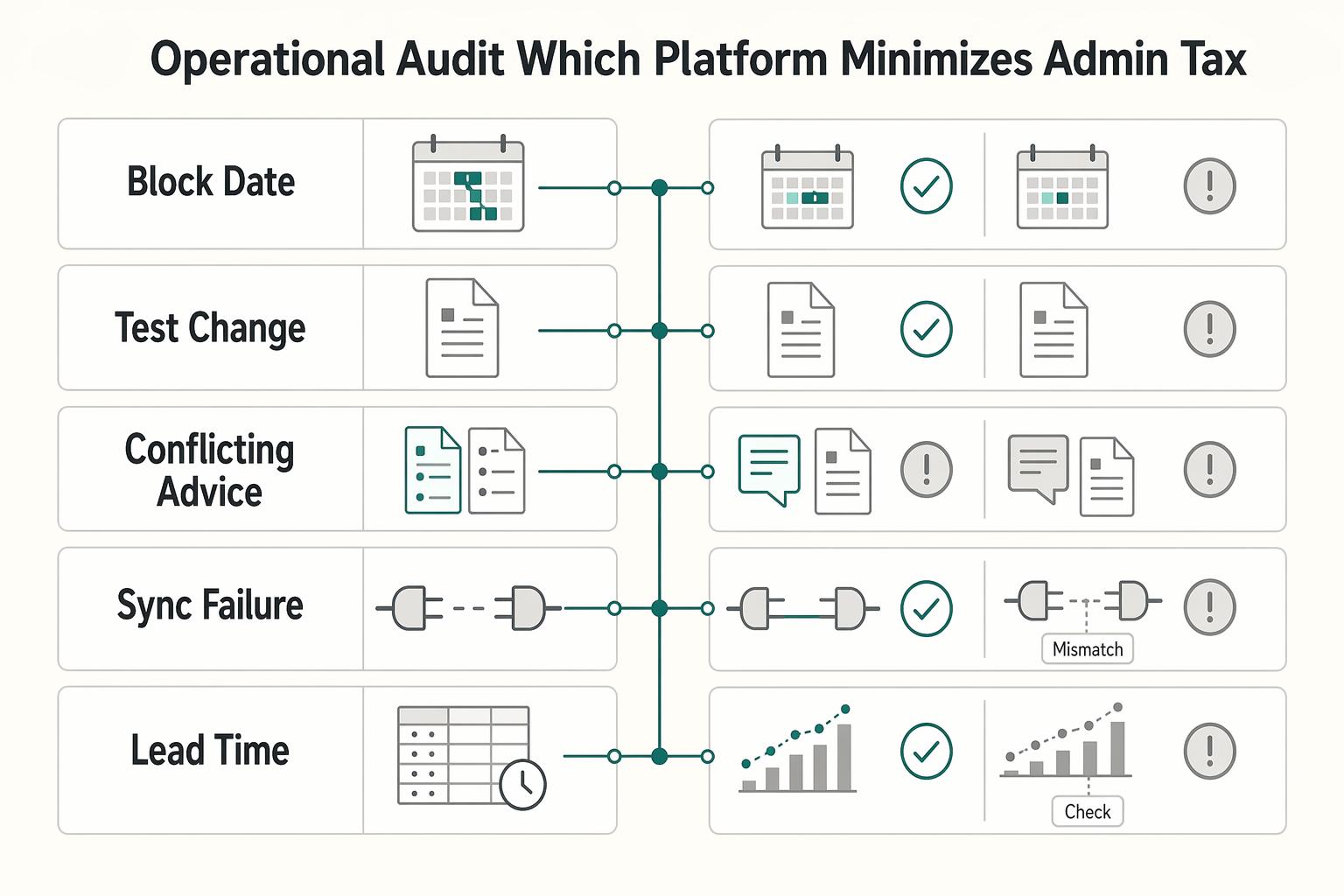
Phase 2: The Operational Audit - Which Platform Minimizes Your "Admin Tax"?#
When Phase 1 is close, the winner is usually the setup that costs you less time to run each week. You are looking for reliable calendar control, predictable guest communication, and handoffs that do not break under pressure.
| Sync check | What to confirm | Note |
|---|---|---|
| Block a date | It appears blocked on the other channel | Tests cross-channel availability sync |
| Test a change | Update lag does not leave a temporary bookable gap | Checks for stale sync risk |
| Conflict surfacing | How conflicts are shown so you can act fast | Helps you respond quickly |
| Sync failure fallback | iCal-only: tighten manual calendar checks and slower booking acceptance; channel-manager: verify two-way sync is reliable in daily use | Defines the backup process |
If you run one channel, audit native tools first. If you run Airbnb and Vrbo together, treat a dedicated PMS or channel manager as the main control point for risk: basic iCal links can raise double-booking risk, while a channel manager is built to sync calendar and pricing across channels.
Use this quick sync checklist before you trust your workflow:
- Block a date on one channel and confirm it appears blocked on the other.
- Trigger a test change and watch whether update lag leaves a temporary bookable gap.
- Check how conflicts are surfaced to you so you can act fast.
- Define your fallback when sync fails:
- iCal-only path: tighten manual calendar checks and slower booking acceptance. - Channel-manager path: verify two-way sync is actually reliable in daily use.
| Audit area | Why it matters |
|---|---|
| Lead-time mix | Helps you time cleaning, pricing, and guest messaging |
| Conversion funnel visibility | Shows where views or inquiries fail to become bookings |
| Cancellation patterns | Changes gap risk and rebooking workload |
| Repeat-guest signals | Can reduce acquisition effort and support load |
Then map automation across the full guest journey: booking confirmation, pre-arrival instructions, check-in, mid-stay support, checkout, and post-stay follow-up. Also verify exception handling, not just scheduled messages, so late check-in, maintenance issues, and complaints do not get missed. A single inbox plus task assignment and tracking is a practical baseline.
For PMS readiness, score each option on onboarding effort, integration depth, two-way sync reliability, and lock-in risk. If you review tools like Guesty, Hostaway, or Lodgify, treat them as options to validate, not defaults. Confirm what data stays portable if you leave, and verify whether lodging-tax collection or remittance is automated for your jurisdiction.
You might also find this useful: The Best Cities for Airbnb Investment in Europe.
Phase 3: The Risk Mitigation Matrix - Which Platform Best Protects Your Asset?#
After operations are stable, the main risk question is simple: what does the platform handle, and what still sits with you? Treat both platforms as partial support, not full risk transfer, and choose based on controls you can verify and document.
Insurance and claims#
Start from a conservative baseline: platform protection is a backup layer, not your primary policy. Your decision should focus on exclusions, claims workflow, and what your own short-term-rental or commercial coverage must still cover.
| Checkpoint | Your decision checkpoint |
|---|---|
| Coverage type | Confirm whether coverage applies to liability, property damage, or both. |
| Key exclusions | Review exclusions before assuming a guest-caused incident is covered. |
| Claims workflow | Verify filing path, deadlines, and required evidence. |
| Separate policy still needed | Decide whether your own STR/commercial policy must respond first. |
If a claim happens, your documentation quality will usually decide the outcome faster than marketing language. Keep pre- and post-stay photos, reservation records, message history, inspection notes, and repair estimates in one file per incident.
Tax handling and local regulation support#
For tax and compliance, run this as an owner workflow, not a platform feature check:
| Requirement | Authority | Article note |
|---|---|---|
| Florida DBPR licensing | Florida DBPR | Included in Walton County's multi-step process |
| Florida Department of Revenue registration | Florida Department of Revenue | If you rent exclusively on Airbnb or VRBO, listing IDs can be used for this step |
| County clerk registration to remit Tourism Development Tax | County clerk | Included in Walton County's multi-step process |
| Walton County vacation rental registration | Walton County | Included in Walton County's multi-step process |
- Confirm what booking and payout reports you can export.
- Confirm what the platform may collect or remit in your exact jurisdiction.
- Confirm tax reporting document timing only after the current reporting threshold is verified from platform and official tax records.
- Confirm what registrations, filings, and remittances still require direct owner action.
Walton County, Florida, shows why this matters. Its process is explicitly multi-step and includes Florida DBPR licensing, Florida Department of Revenue registration, county clerk registration to remit Tourism Development Tax, and Walton County vacation rental registration. The county also states that if you rent exclusively on Airbnb or VRBO, listing IDs can be used for the Florida Department of Revenue step, but that does not replace the rest of the workflow.
Walton County also defines short-term vacation rental with specific local thresholds: rented more than three times a calendar year for periods of less than 30 days or one calendar month. Treat these as jurisdiction-specific, not universal, and verify your own local triggers before relying on platform defaults. For broader prep, start with A Guide to Local Regulations for Short-Term Rentals.
Platform support vs owner obligations#
| Area | Your obligation |
|---|---|
| Permit fields / listing IDs | Obtain permits, track renewals, and keep approval records. |
| Listing controls | Meet zoning, occupancy, safety, and registration requirements. |
| Enforcement behavior | Handle notices, fines, hearings, and remediation. |
Guest screening and booking controls#
Because screening depth and protection terms are not fully transparent or fixed, choose based on controls you can test during setup.
| Control area | What to confirm | Why it matters |
|---|---|---|
| Verification depth | What identity, payment, and account checks are explicitly shown to you | Screening depth is not fully transparent or fixed |
| Booking controls | Whether you can gate instant booking and enforce stay rules that fit your risk tolerance | Supports stricter booking rules if you want tighter control |
| Cancellation and dispute handling | What happens in late cancellations, charge disputes, or listing-accuracy conflicts | Clarifies how disputes affect your risk |
| Escalation path | Support access and required evidence for damage, party risk, or access disputes | Cleaner evidence trails matter when issues escalate |
If you want tighter control, choose the platform where you can set stricter booking rules and keep cleaner evidence trails. If you want lower friction, make sure your rules, check-in process, and incident logging are strong enough to offset that tradeoff. For related compliance thinking, see GDPR for Freelancers: A Step-by-Step Compliance Checklist for EU Clients.
The Final Verdict: It's a Portfolio Decision, Not a Popularity Contest#
There is no universal winner. Choose the platform mix that matches your expected yield, your workload capacity, and your risk tolerance after you verify current terms.
Use the three-phase recap to produce three decisions:
- Expected yield: Calculate the break-even point where a verified Vrbo flat-fee subscription beats percentage-based fees, then compare that with Airbnb using today's verified fee setup for your listing.
- Workload fit: If you need more than basic availability blocking, treat dual-listing as a PMS workflow, since stale iCal sync can still lead to double bookings.
- Risk fit: Compare current protection scope, exclusions, claim timelines, and local tax handling in your exact jurisdiction before relying on either platform.
Decision path#
- Choose Airbnb first when your local demand pattern and operating model favor broad reach and shorter stays, and your verified fee math still works.
- Choose Vrbo first when you run a larger whole-home vacation rental and your verified break-even model favors its pricing structure.
- Choose dual-listing only when you can handle overlap and run a reliable PMS process for calendars, guest communication, taxes, and claim evidence.
- Pause launch if protection is your top priority and you have not confirmed current policy scope and tax remittance rules from platform, insurer, and local jurisdiction records.
Complete your comparison worksheet now, document your fee assumptions, and verify current platform terms line by line. Re-check quarterly, because platform policies, fees, and coverage details can change.
For a step-by-step walkthrough, see The Best Cities for Airbnb Investment in the US.
Frequently Asked Questions
How do the platforms handle taxes and reporting?
Both may automate some lodging tax collection or remittance, but that depends on your jurisdiction. Before your first booking, verify what reports you can export and whether the platform handles any local taxes where your property sits. If reporting thresholds apply in your area, expect platform tax documents after those thresholds are met.
Am I still responsible for taxes if the platform remits something?
Yes. Platform remittance does not remove your duty to register, file, or pay any tax the platform does not cover. Keep your payout reports, booking records, and local registration details together so you can reconcile what the platform handled against what you still owe.
What is the real insurance difference?
Do not treat either platform as full asset protection. The practical move is to compare current exclusions, claims deadlines, and evidence requirements, then keep your own short-term rental policy in force. Keep thorough stay documentation so you can support any claim process.
Which platform is more profitable?
Run your own yield model first. Airbnb often reaches broader demand, while Vrbo's whole-home emphasis tends to attract families and groups on longer, higher-value trips. If you run an urban, shorter-stay property, Airbnb can be a practical first test. If you run a larger vacation home, model Vrbo carefully before assuming the bigger audience wins.
Can you sync Airbnb and Vrbo calendars?
Yes, but decide your sync stack before listing on both. Native calendar sync may be enough if you only need basic availability blocking, but once you need calendars, pricing, and guest communication aligned, you will likely need stronger tooling, often a channel manager or PMS. The failure mode is simple: one stale sync can create a double booking.
Which platform has better guest screening?
Choose based on controls you can actually see at setup, not on assumptions about guest quality. Vrbo is often framed as more focused on whole-home vacation rentals, while Airbnb is the broader generalist, but neither label replaces your own booking rules, message templates, and check-in safeguards. Verify current platform controls and local rules before relying on them.
Try a related tool
Researched and edited by the Gruv editorial team. Gruv builds cross-border billing, payouts, and finance-operations software for global businesses.
Sources
Includes 6 external sources outside the trusted-domain allowlist.
- brewster-ma.gov/sites/g/files/vyhlif16031/f/events/strtf_dec...trusted
- mywaltonfl.gov/faq.aspxtrusted
- airdna.co/blog/airbnb-vs-vrbo-for-ownersexternal
- airhostsforum.com/t/airbnb-vs-vrbo-things-you-wished-you-knew/...external
- aol.com/airbnb-vs-vrbo-vacation-rental-050038821.htmlexternal
- aol.com/airbnb-vs-vrbo-makes-more-214108797.htmlexternal
- avantstay.com/blog/airbnb-portfolio-valuation-property-ownersexternal
- biggerpockets.com/forums/530/topics/1273131-direct-booking-sit...external
Educational content only. Not legal, tax, or financial advice.
Related Posts

GDPR Compliance Checklist for Freelancers Working With EU Clients
Start by separating the decisions you are actually making. For a workable **GDPR setup**, run three distinct tracks and record each one in writing before the first invoice goes out: VAT treatment, GDPR scope and role, and daily privacy operations.
The Pros and Cons of Short-Term vs. Long-Term Rentals
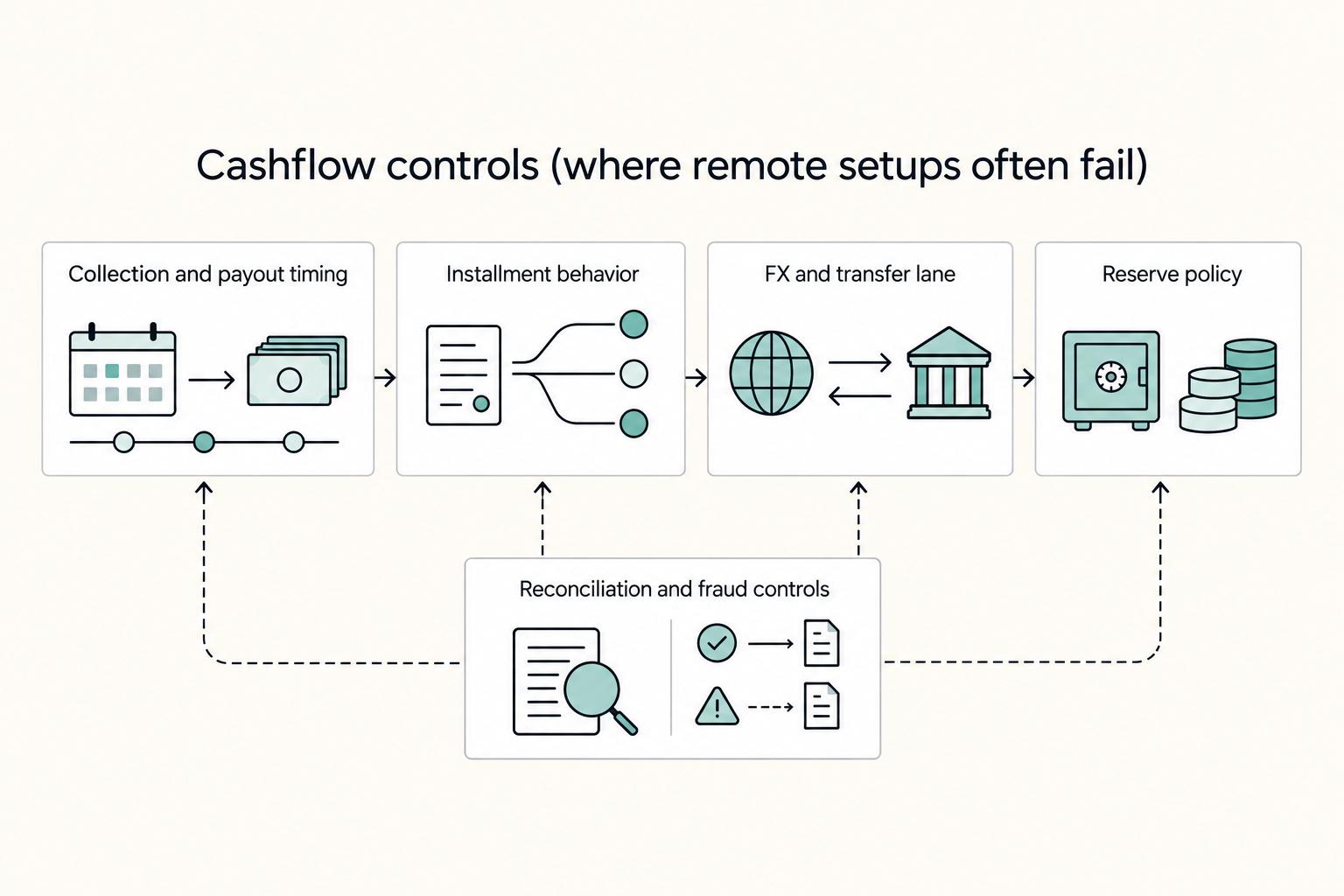
You are probably not chasing the biggest headline revenue number. You want rent that arrives, stays collected, and does not turn into a second job or a cross-border tax headache. For an owner living internationally, the real choice between a short stay and a long-term lease is about risk first. Which model gives you lower compliance exposure, less remote operating drag, and more cash left after fees, taxes, and reporting?
Local Regulations for Short-Term Rentals Before You List
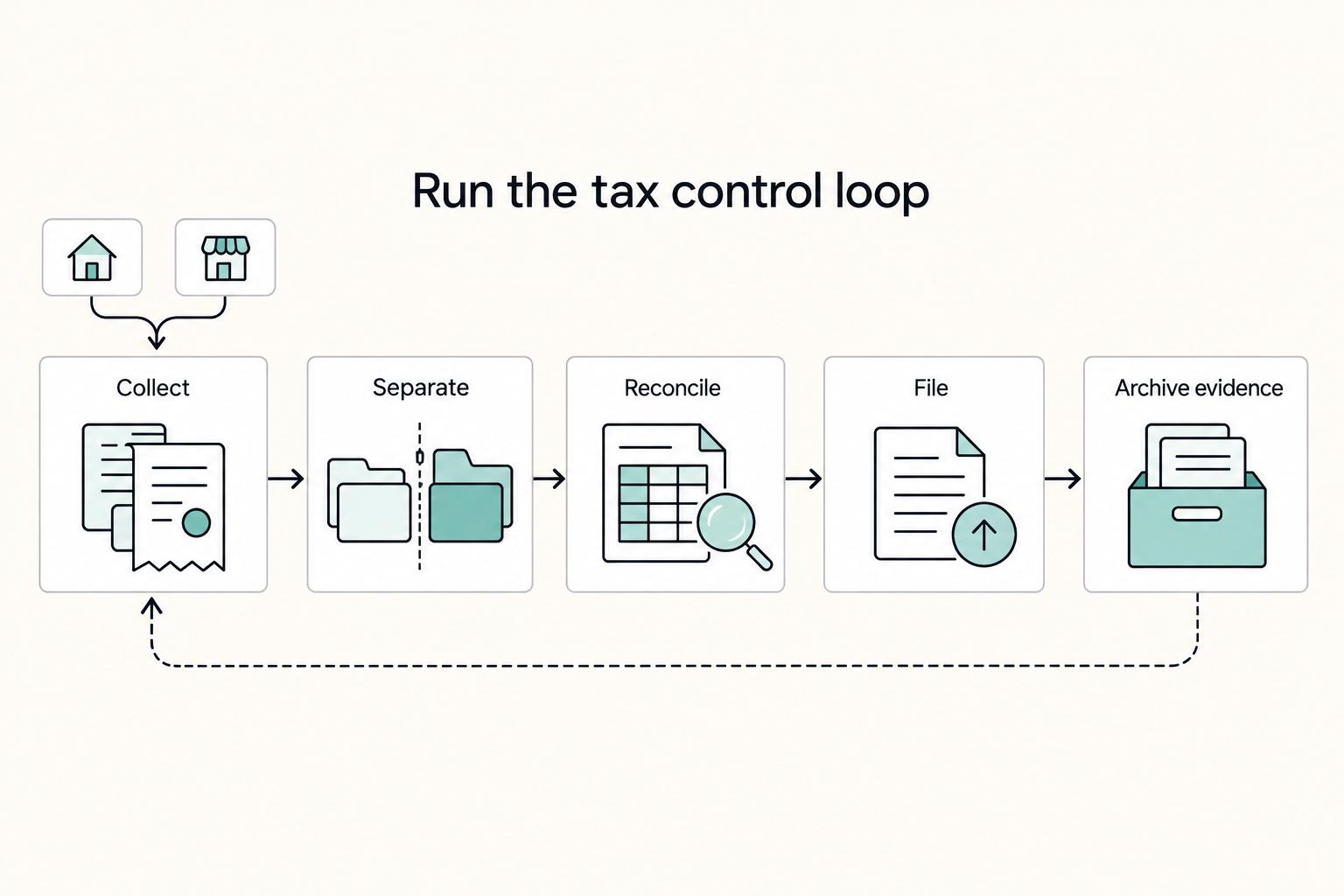
If you want risk under control before you list a property, use a three-stage approach. A bad assumption here is not just paperwork. It can leave you with a permit that does not fit your address, a use that fails **zoning**, taxes handled the wrong way, or platform blocking/removal in cities that restrict unregistered listings.