
Operator playbooks for cross-border payments, tax, and compliance execution.
Step-by-step guidance for finance, product, and ops teams to launch faster, reduce payout friction, and keep reconciliation clean across borders.

How to Hire Your First Employee in the UK
Making your first hire changes the business. Until now, growth has been capped by your own time. Once you hire, you are no longer just doing the work yourself; you are building the company that does it. That shift brings real risk: compliance mistakes, cash flow pressure, and the fear of creating more management work instead of buying back time.
Read more →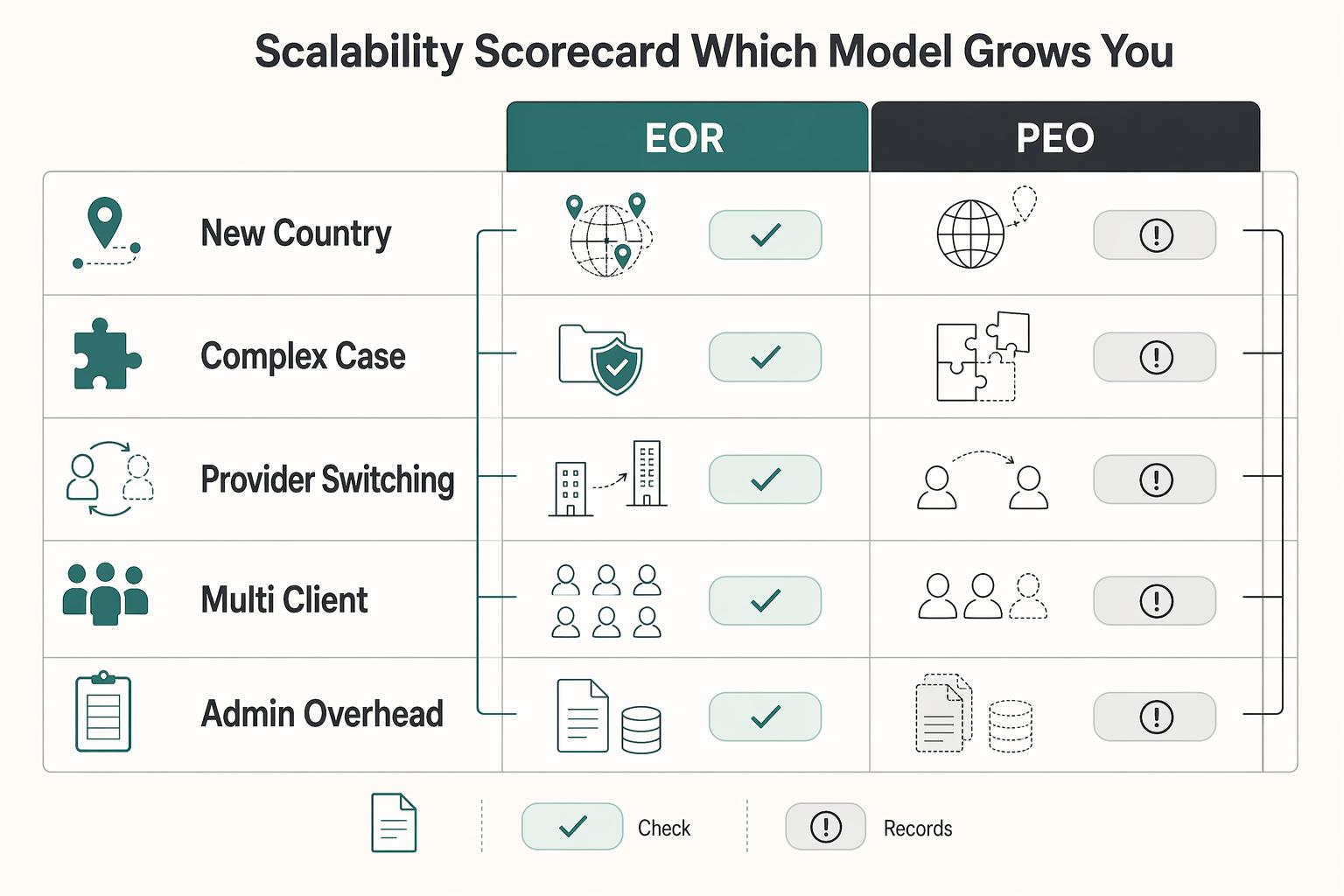
EOR vs. PEO: What's the Difference?
For a global independent professional, structure is a strategic choice, not just back-office admin. The question is not which HR label sounds better. It is which model protects your autonomy, allocates risk clearly, and lets you work across borders without unnecessary complexity.
Read more →
California Meal and Rest Break Laws and Contractor Misclassification Risk
If you are a contractor, **California meal and rest break laws are not your compliance checklist**. They matter because they show what California treats as an employer-managed workday - the pattern you do not want a client creating around your work.
Read more →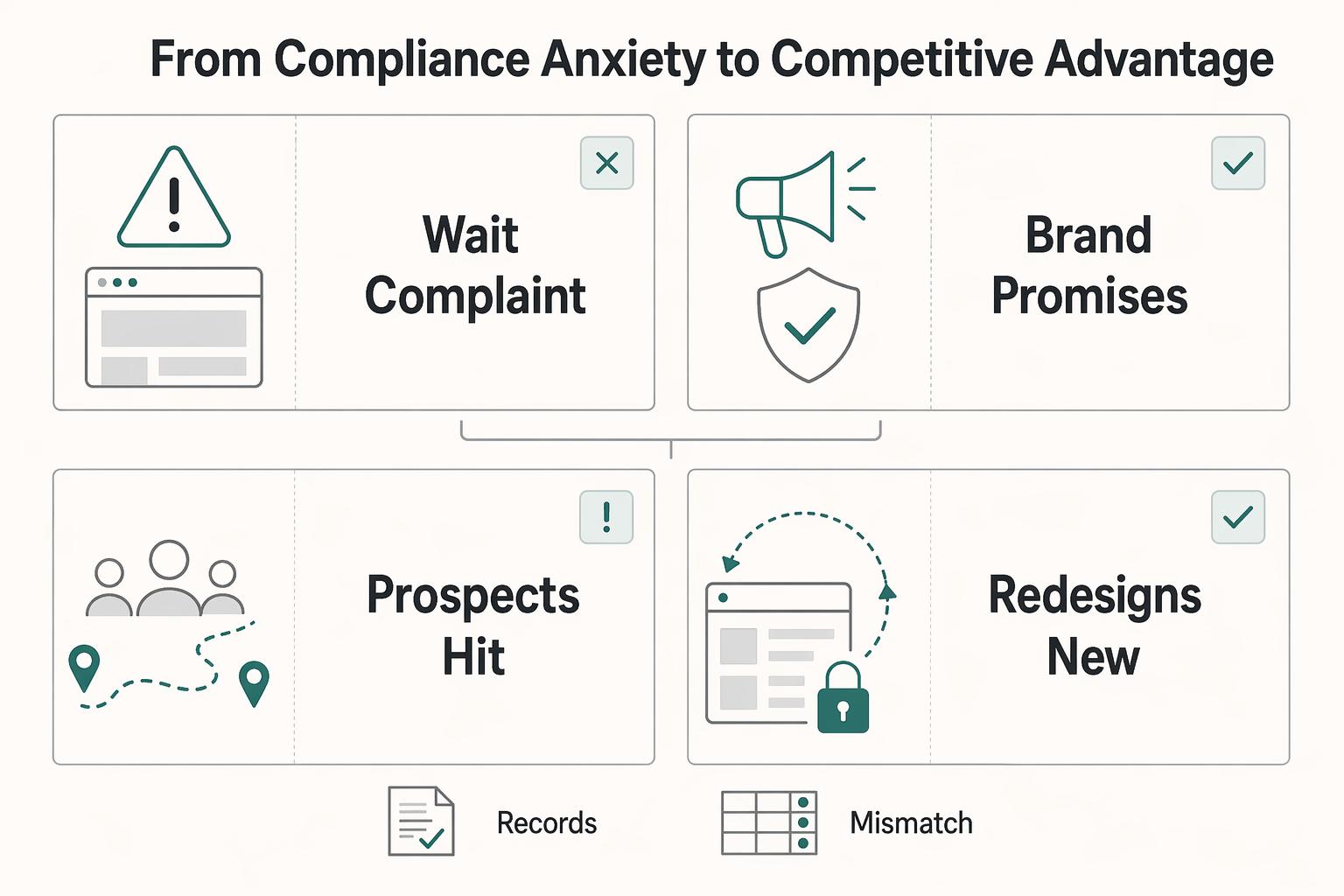
ADA Website Compliance for Small Businesses Serving the Public
If you run a business with zero employees, ADA risk can still come from customer access to your website, not from hiring.
Read more →
Why FMLA Doesn’t Cover Freelancers and How to Plan Leave Anyway
The standard **family and medical leave act (FMLA)** playbook breaks for a business-of-one for a simple reason: it is an employee protection law, not an income continuity plan for self-employed people. If you are a freelancer, consultant, or independent contractor, the real risk during leave is usually lost billable work, delayed cash flow, and client disruption, not the loss of a job title.
Read more →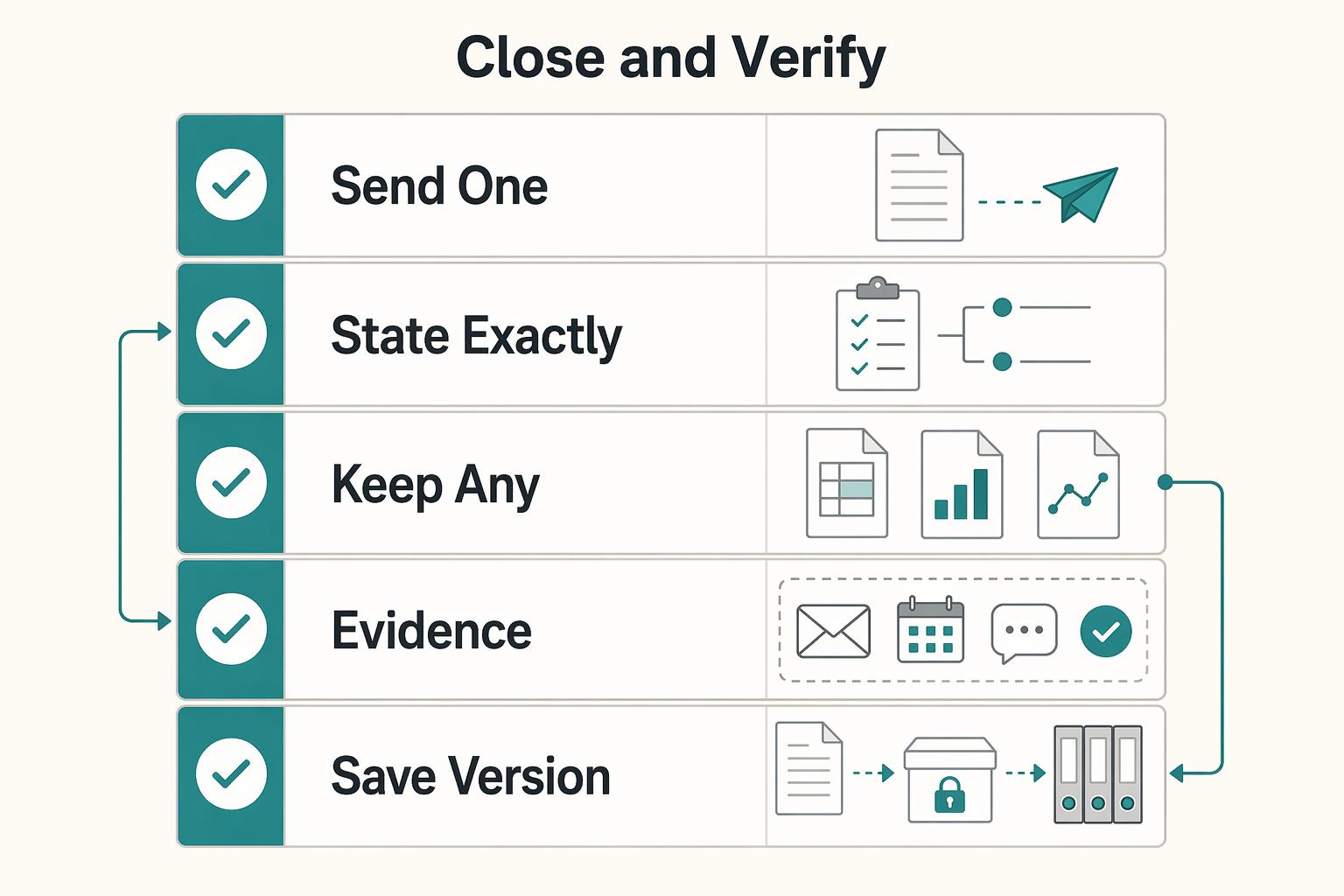
How to Create an Offer Letter for a New Employee
A defensible offer letter starts with two calls before you write a line: what the worker legally is, and which jurisdiction controls the deal. Those two calls determine almost everything that follows. The right compensation clause looks different once status is fixed. The right probation sentence depends on local limits. The right termination language depends on the place where the person will actually work.
Read more →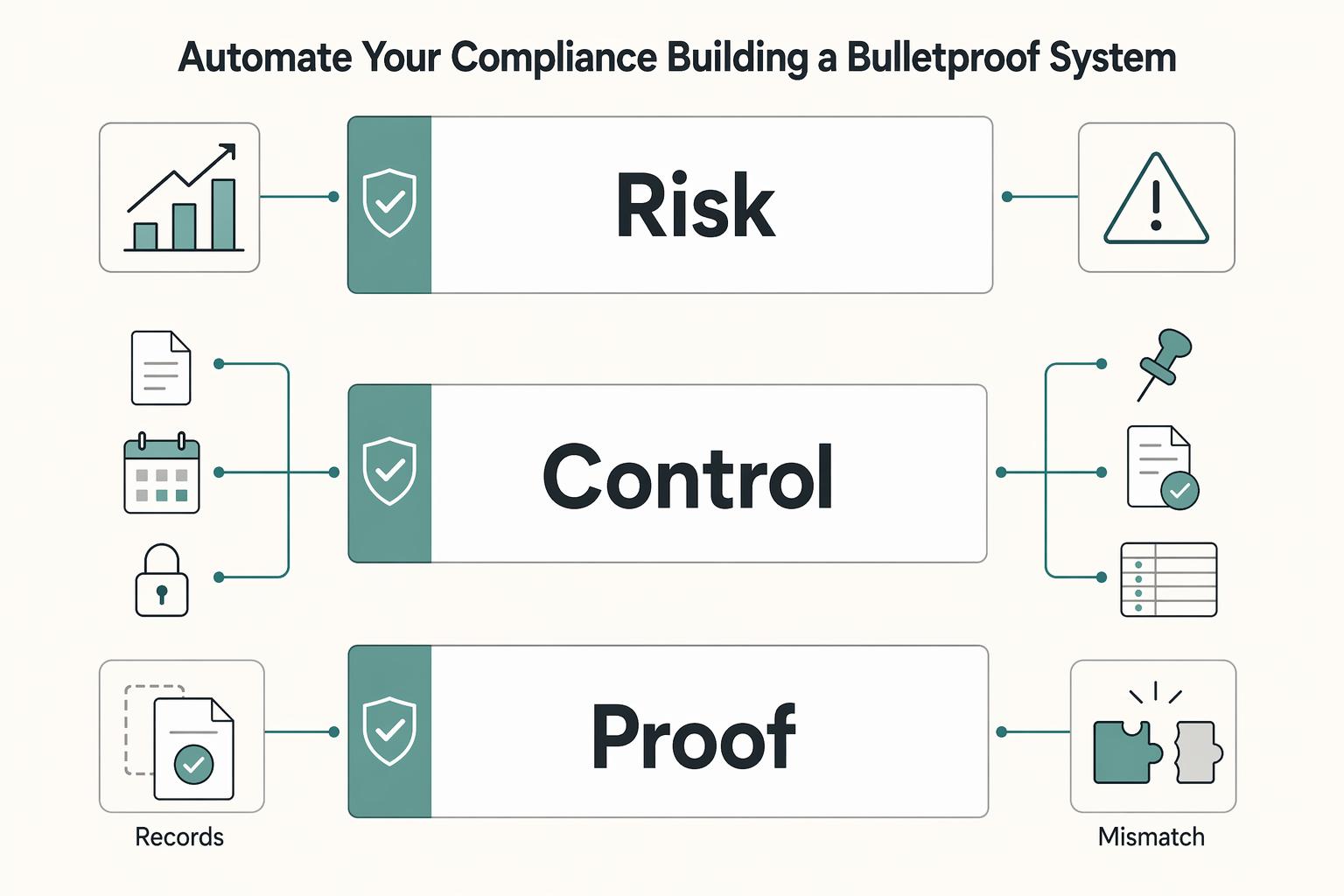
How to Choose a Multi-State Payroll Service for a Business of One
Figure out where getting paid creates tax exposure before you automate anything. Multi-state exposure is not just about state income tax. It can also affect sales, property, and employment-related taxes. Miss the trigger points, and paid work can turn into liabilities, penalties, and audits you do not want to deal with later.
Read more →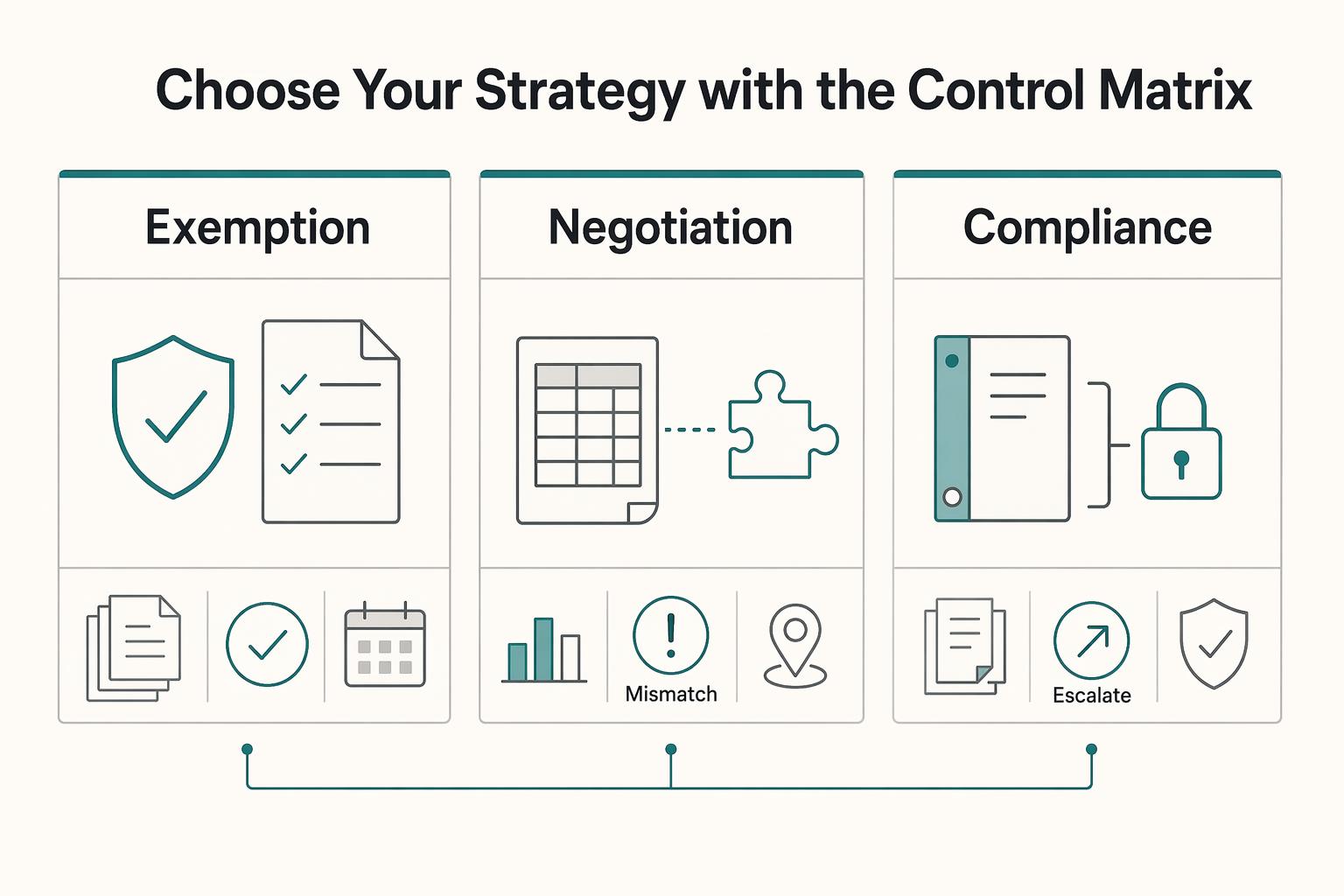
The Best Workers' Compensation Insurance Companies
You landed the contract. Negotiations are done, the scope is set, and you are ready to deliver high-value work. Then the email arrives from your new enterprise client: "Please provide your Certificate of Insurance for Workers' Compensation to complete your vendor onboarding."
Read more →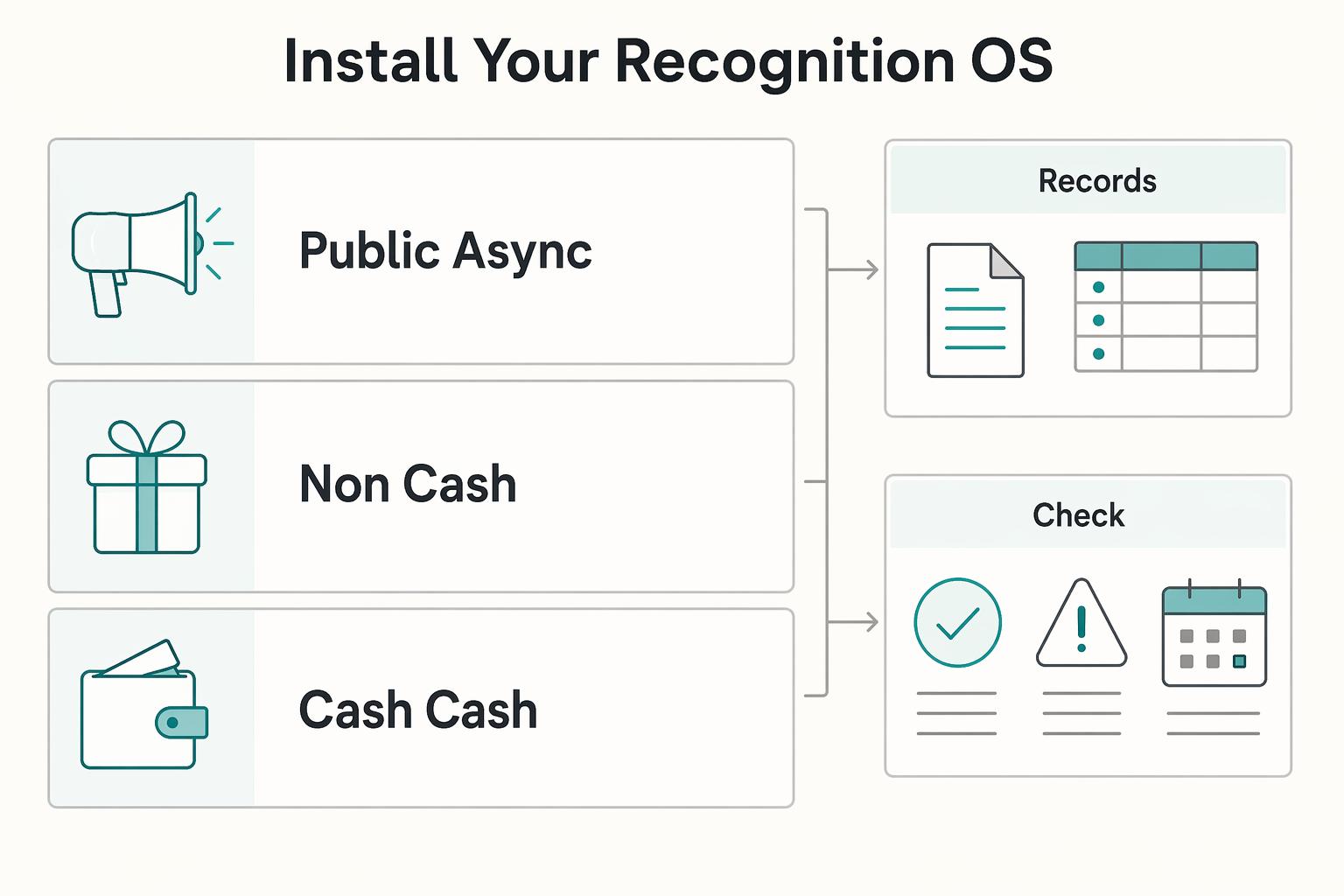
How to Create an Employee Recognition Program for Distributed Teams
If your recognition program was built around office habits, it can miss people and create fairness problems. The problem usually is not intent. It is design. Recognition stops working when people do not experience it as fair, visible, and accessible.
Read more →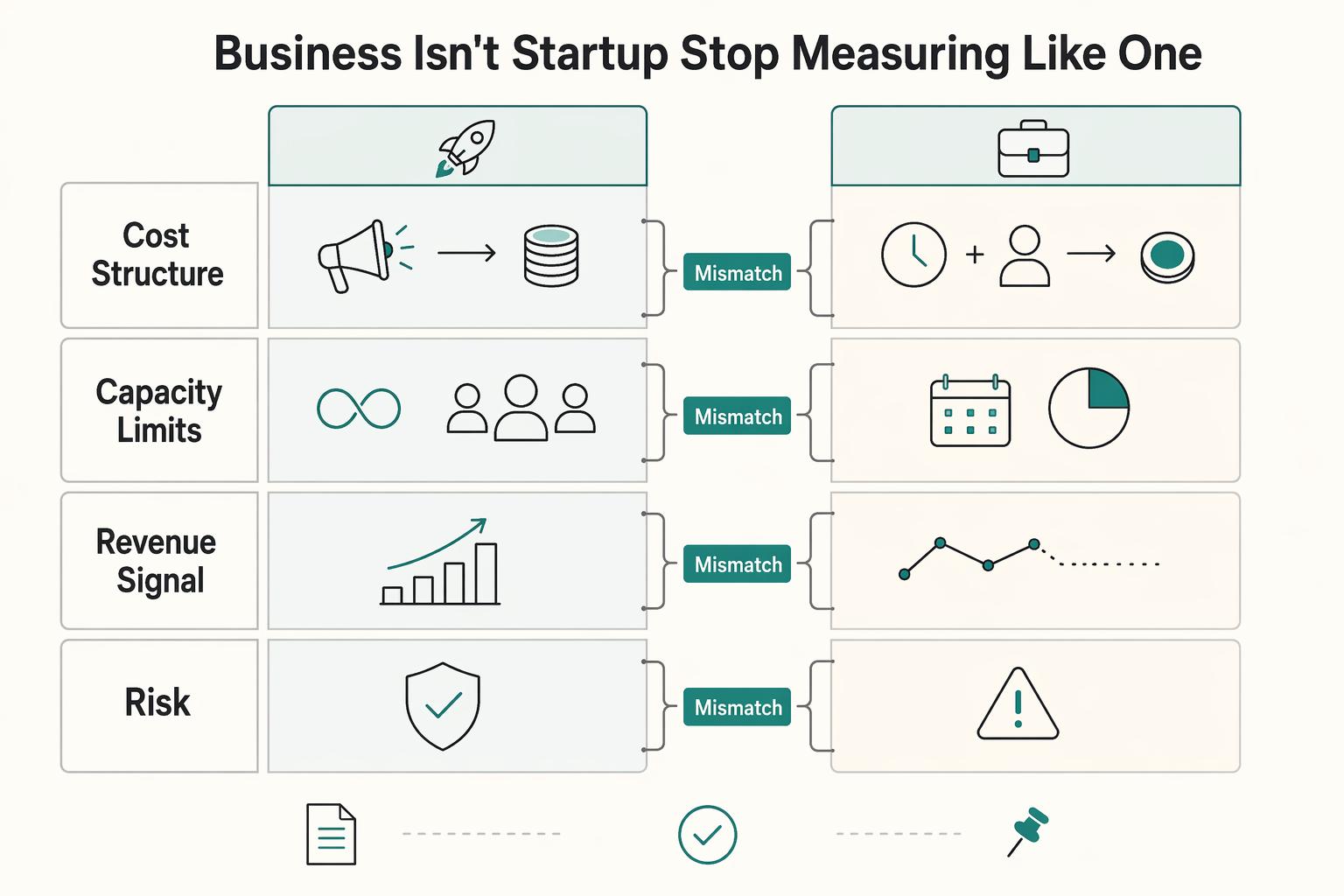
LTV to CAC Ratio for Freelancers Who Need Predictable Cashflow
If you run a service business, startup-style metrics can hide cashflow risk behind decent-looking revenue. The classic **LTV:CAC ratio** is common in startup and new-venture contexts, and CAC is usually built from sales and marketing spend. Your constraint is tighter: your time and when clients actually pay you.
Read more →
How to Create a Financial Forecast for a Funding Round
Treat your forecast as a system first and an investor document second. If it does not help you decide hiring pace, spending, and cash runway in the near term, it is not ready yet. Three terms matter here:
Read more →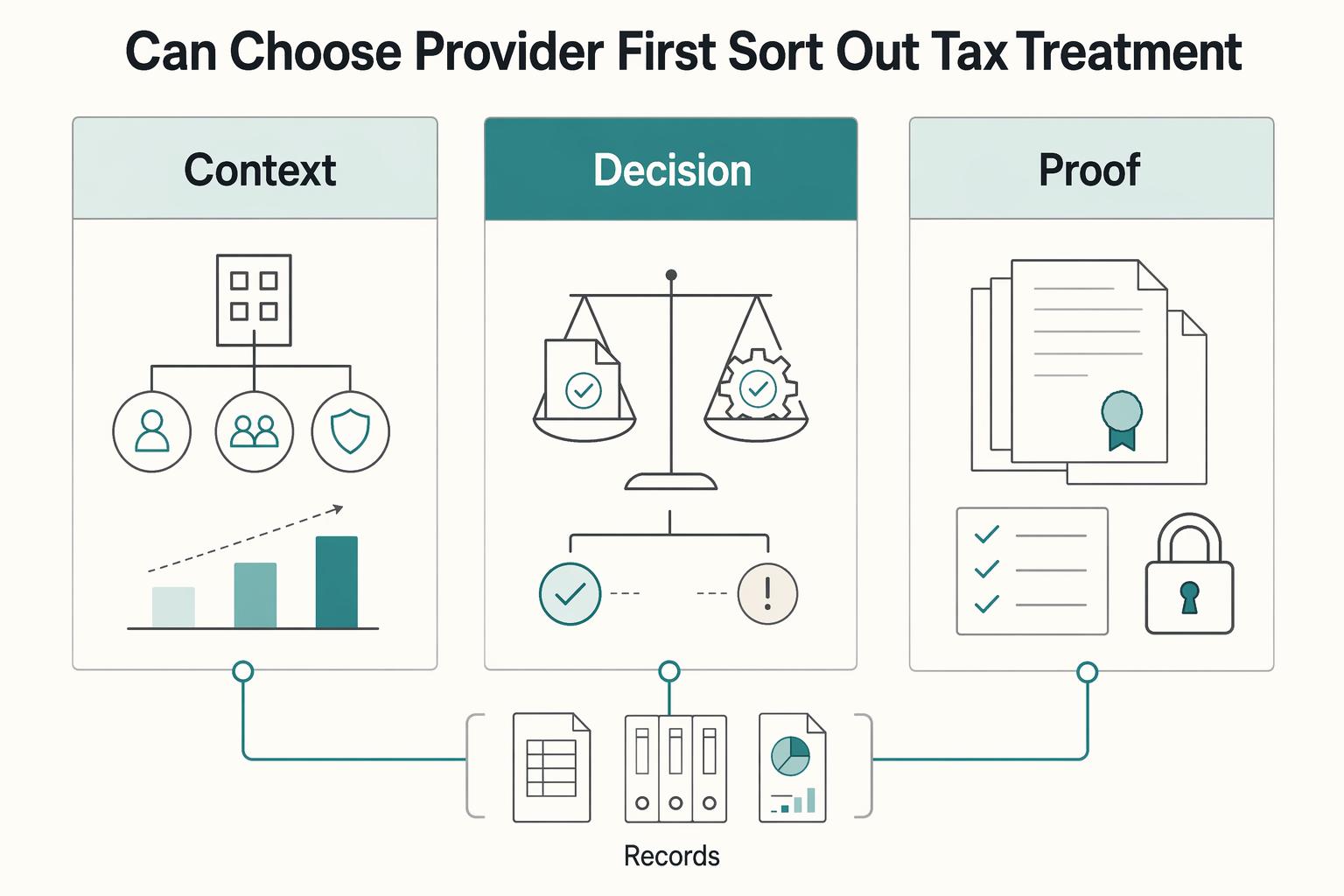
How to Set Up a Solo 401(k) for Your LLC
A one-participant 401(k) works when only business owners or partners, and their spouses, participate. There cannot be common-law employee participants. If hiring is even a realistic possibility, treat that as a setup decision now because it can change whether this structure still fits.
Read more →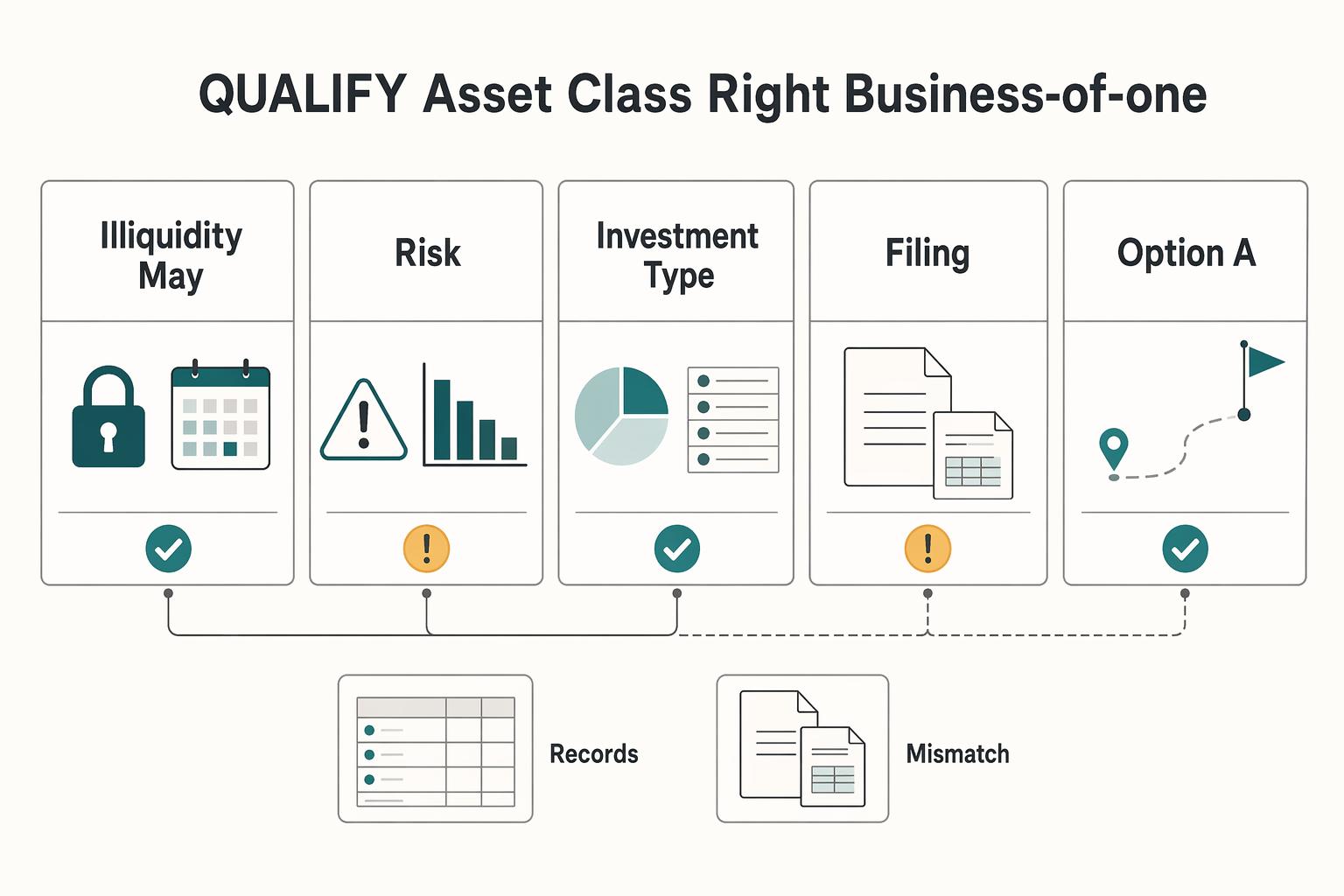
A Guide to Investing in Private Credit
Start with a risk screen, not a return target. For this playbook, use these as **working labels** and confirm the exact meanings in the actual offering documents before you commit capital:
Read more →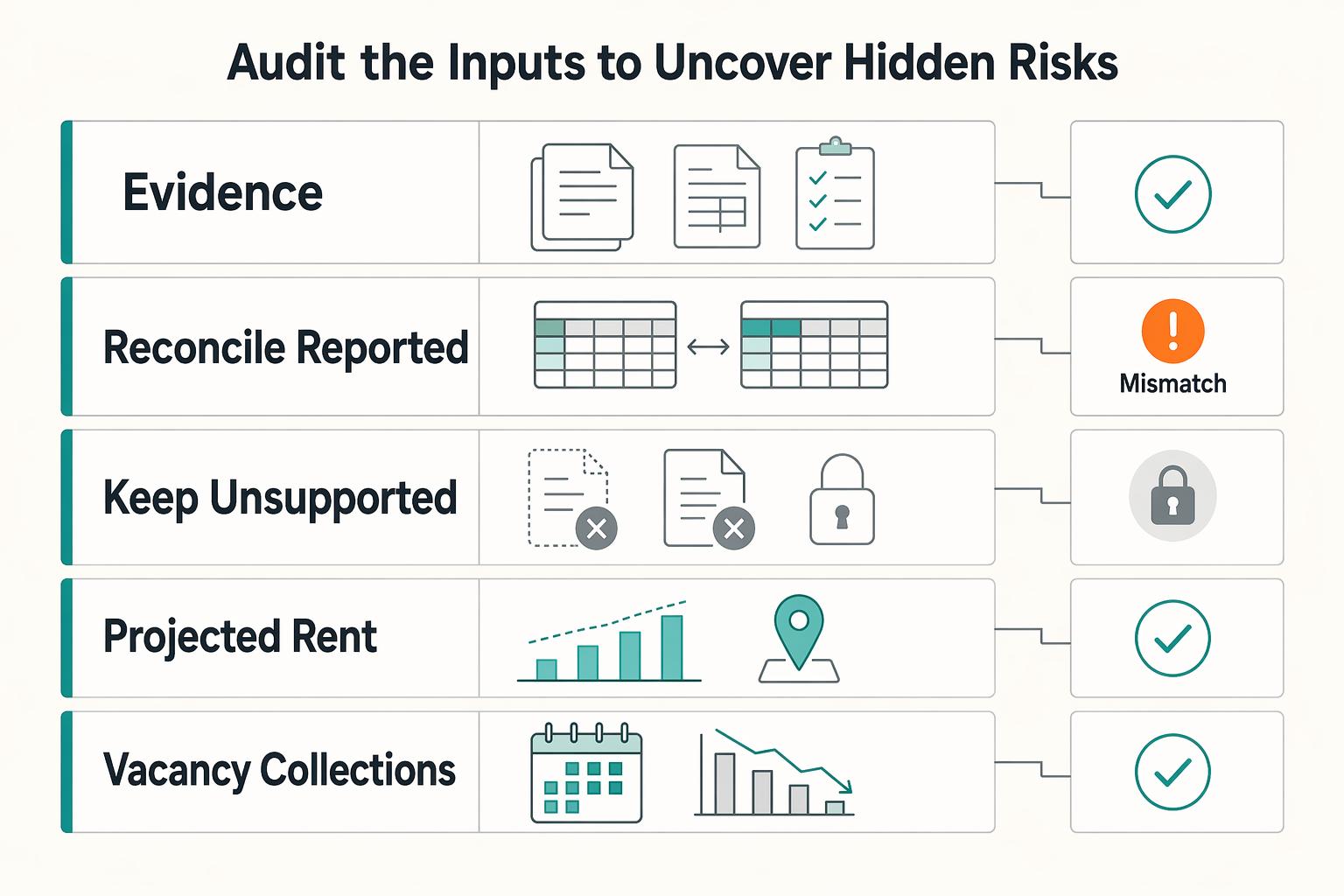
How to Calculate Cap Rate for a Rental Property
To calculate cap rate, divide **Net Operating Income (NOI)** by the property's **current market value**. That gives you an unlevered view of the asset's earning power, without mixing in loan terms or owner tax position.
Read more →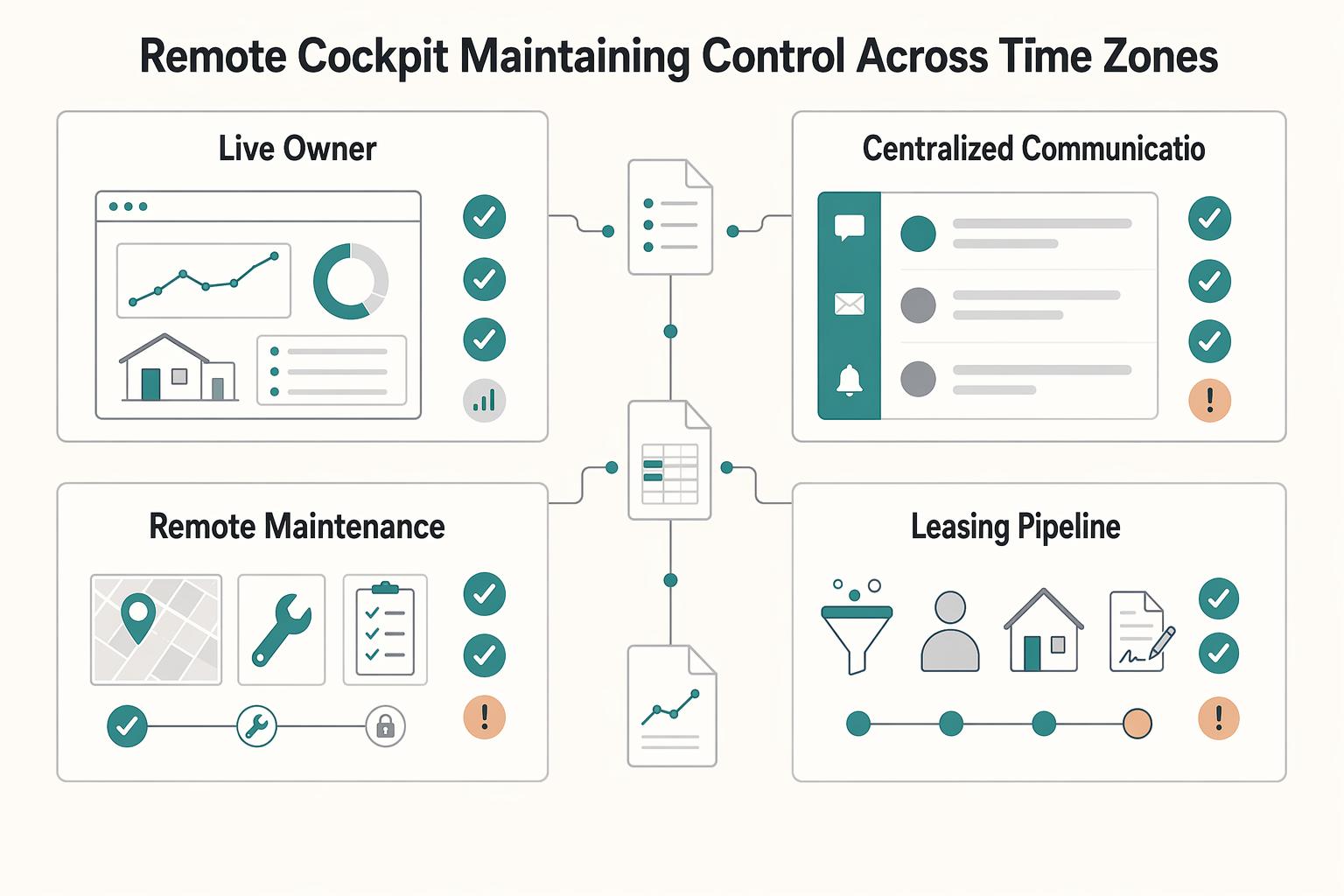
The Best Property Management Software for Landlords
Most "best of" roundups are not written for you. They assume a local DIY landlord optimizing for the lowest monthly cost, not a remote owner who needs control, compliance, and records that still make sense six months later.
Read more →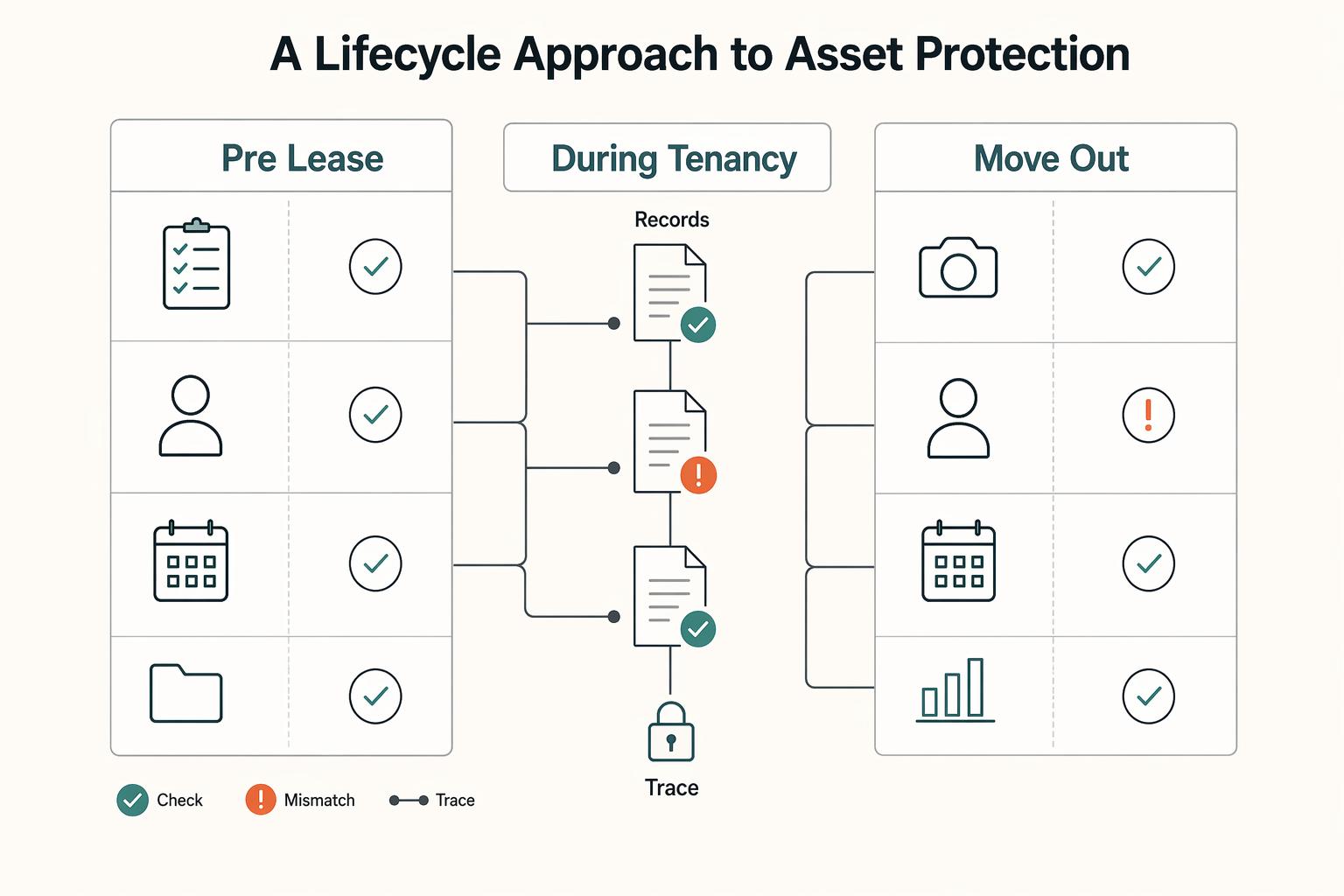
Landlord-Tenant Laws by State for Remote Owners
A lot of landlord advice assumes you are local, reachable, and able to handle legal and physical tasks yourself. If you own from another state or country, that assumption breaks quickly. The real risk is not inconvenience. It is missed notice windows, mishandled service, unverified registration gaps, and delayed enforcement when something goes wrong.
Read more →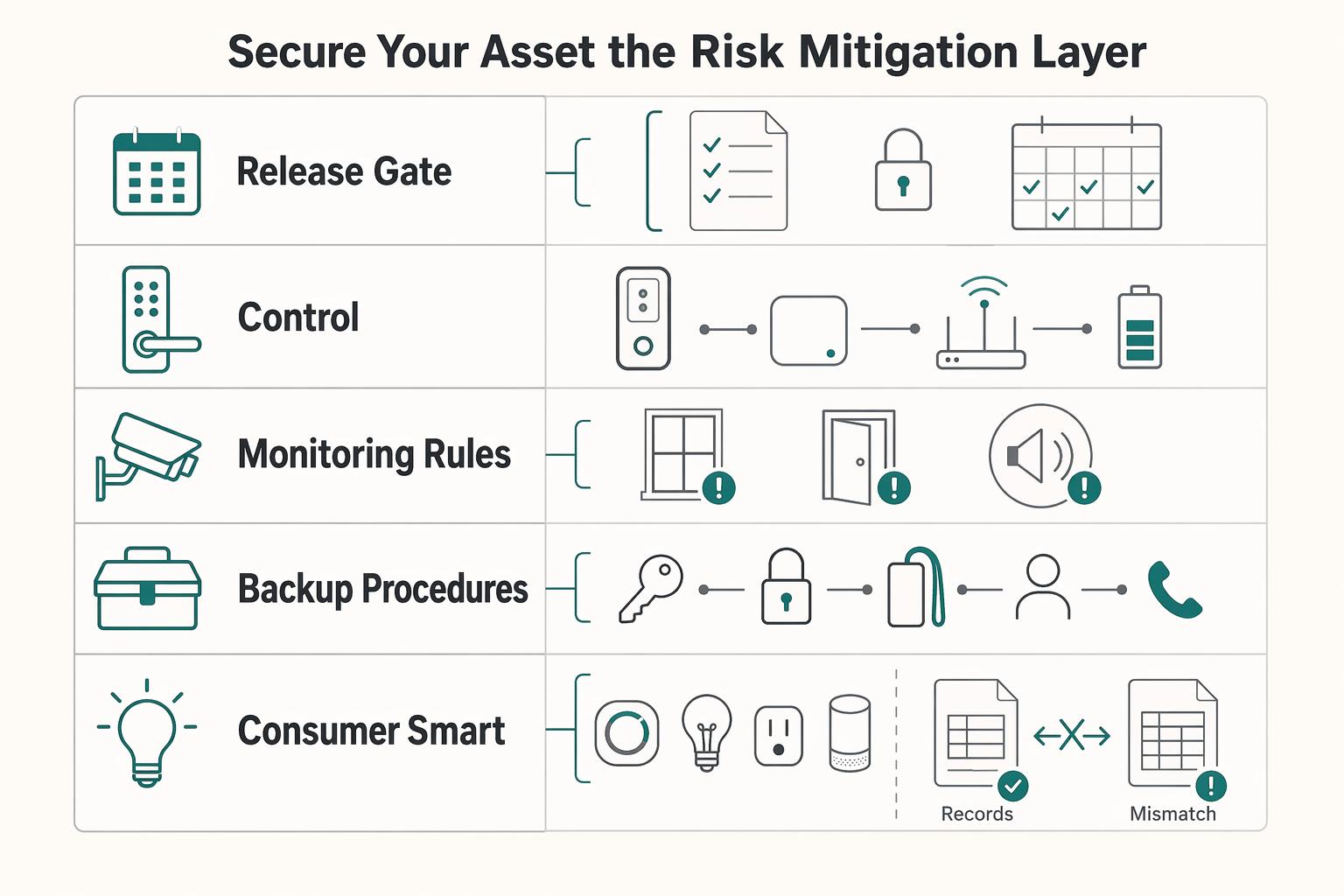
How to Automate Your Airbnb with Smart Home Tech
The internet is full of advice on "automating your Airbnb," and most of it starts in the wrong place. It treats automation like a pile of gadgets instead of an operating model. For a serious investor, that is a distraction. You are not trying to build a clever smart home. You are trying to run a resilient, scalable, profitable hospitality business that performs the same way whether you are across town or across the globe.
Read more →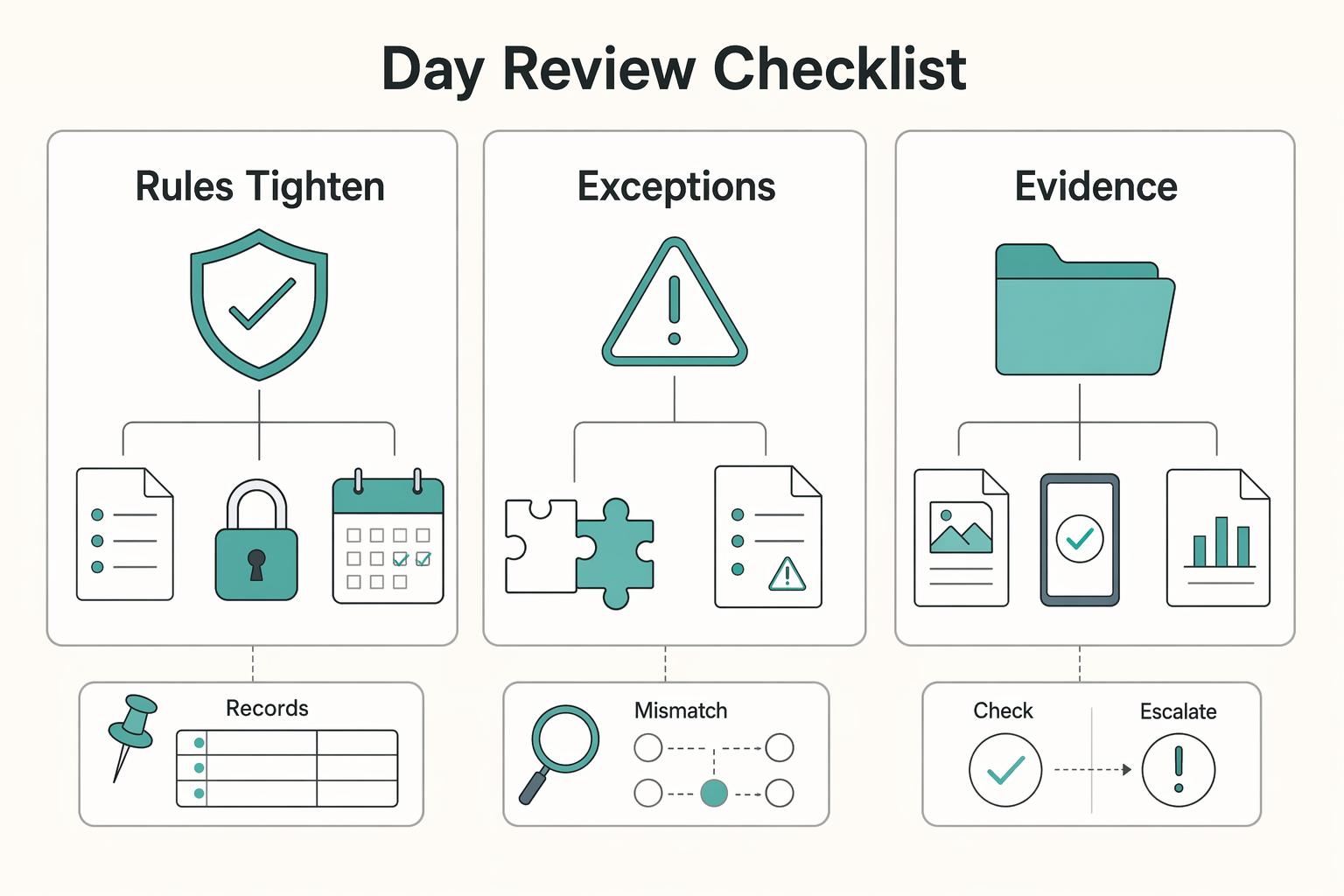
How to Handle Difficult Guests as an Airbnb Host
Your property may perform like a strong asset, but every accepted booking still introduces one variable you do not fully control: the guest. Even experienced operators feel that tension. The answer is not better luck. It is better process.
Read more →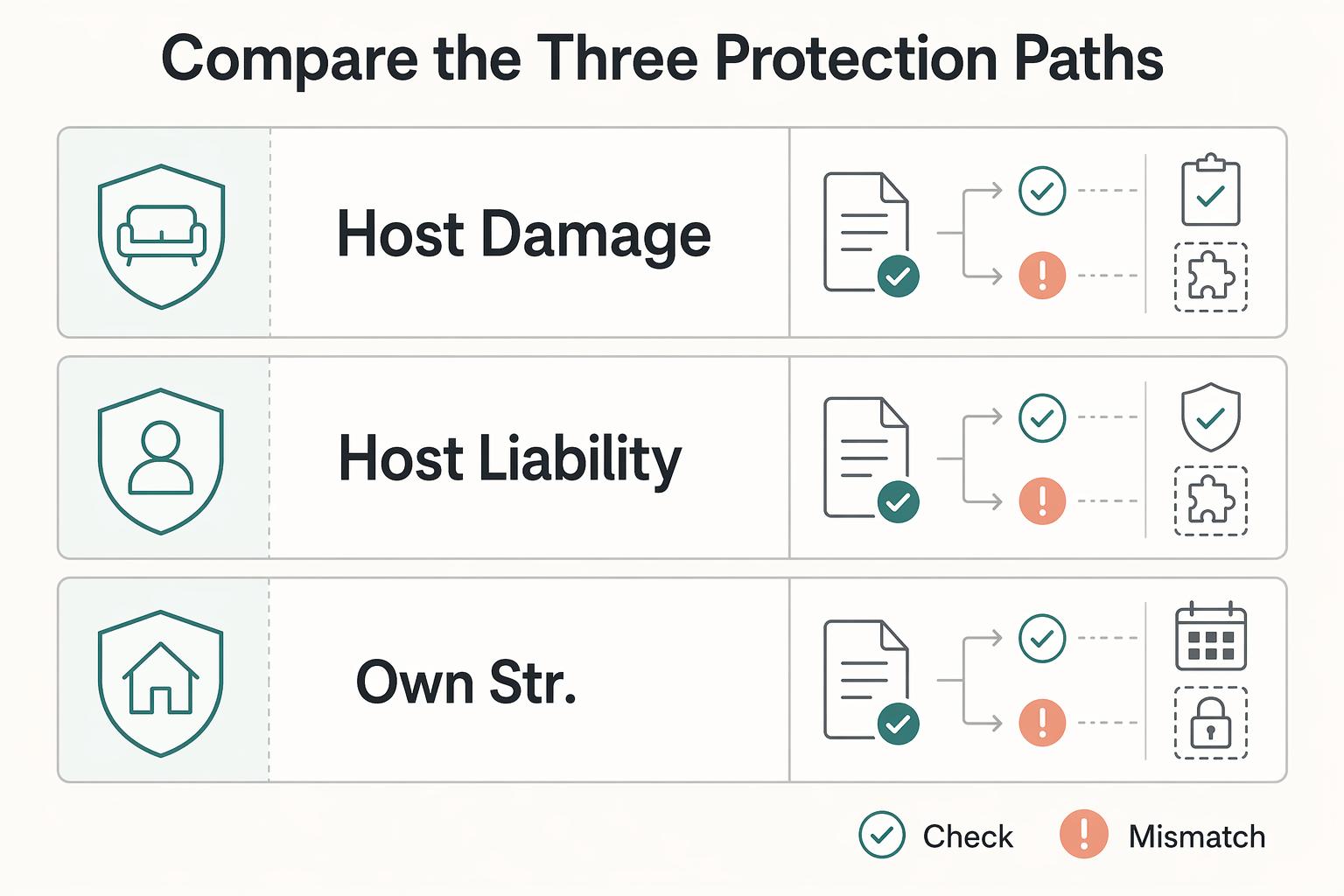
AirCover Is Backup for Hosts, Not Your Primary Insurance Plan
Before you rely on AirCover for Hosts, build your own base first. You need a legal setup you can defend, a policy that clearly allows how you host, and a simple exposure worksheet so you know what you are trying to protect.
Read more →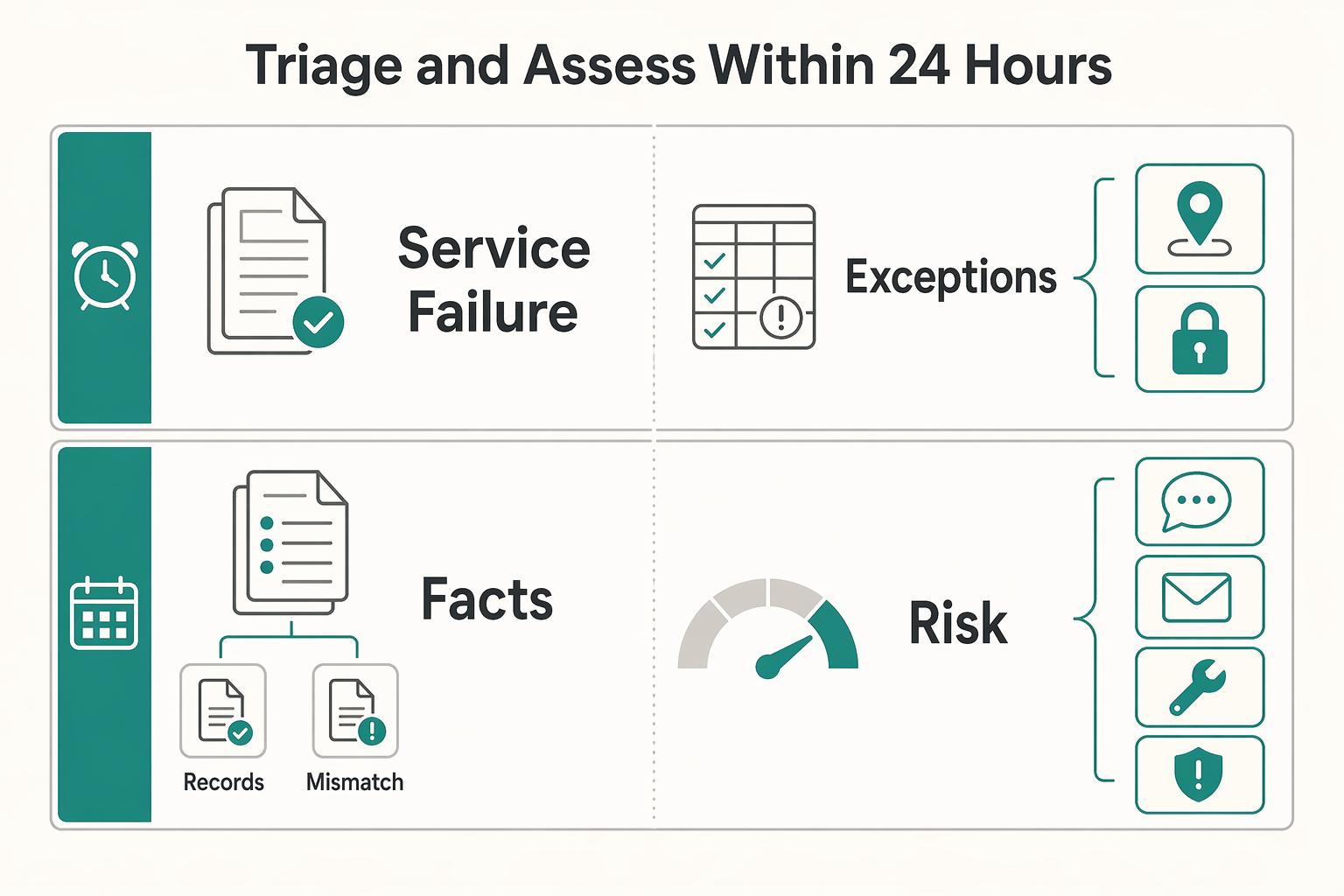
How to Handle a Negative Review on Airbnb
When a bad review goes live, do three things in order: assess it, decide whether a public reply helps, and turn the useful part into an operating fix. Your goal is not to win an argument with the last guest. It is to protect booking performance, response quality, and future guest trust.
Read more →