

Quick Answer
Create an employee recognition program by offering public or private praise according to recipient preference, separating recognition from reward approval, and linking every thank you to the action, impact, and company value. For distributed teams, classify each recipient as an employee or contractor before offering a reward, review cash and cash-like items locally, keep records, and measure ROI against one baseline outcome such as retention, delivery speed, or client outcomes.
Why Traditional Recognition Fails the Modern Distributed Company#
If your recognition program was built around office habits, it can miss people and create fairness problems. The problem usually is not intent. It is design. Recognition stops working when people do not experience it as fair, visible, and accessible.
Step 1 Spot the office bias in how recognition happens#
Start with a blunt question: who actually gets seen by your current setup? If praise mostly happens in high-visibility moments, like live meetings, office lunches, or manager shout-outs, some contributors will be easier to notice than others.
| Context | Visibility pattern | Risk |
|---|---|---|
| Live meetings | High-visibility moment | Some contributors will be easier to notice than others |
| Office lunches | High-visibility moment | Can miss people and create fairness problems |
| Manager shout-outs | High-visibility moment | Some contributors will be easier to notice than others |
| Work outside the main collaboration window | Different schedules | Recognition may reward proximity and timing, not contribution |
That gap can widen when teams work across different schedules. Work delivered outside the main collaboration window may get less recognition, even when the contribution is strong. Then the program rewards proximity and timing, not contribution.
Too little recognition can feed disengagement and burnout. Too much recognition, or poorly done recognition, can feel insincere or arbitrary. In practice, both failures can show up quickly when visibility is uneven.
Step 2 Check whether mixed worker types are being treated consistently#
The next problem shows up when recognition is not applied consistently across groups. If one group has clear criteria and access while another relies on ad hoc decisions, the program can feel uneven.
You do not need legal theory to see the risk. If two people make comparable contributions and only one can access recognition in practice, people will read that as status, not policy. Bias and favoritism are trust problems in any recognition design. Fairness is not a soft extra here. It is part of whether the program works at all.
Step 3 Plan the admin before you choose rewards#
Rewards look simple from the outside, especially cash and cash-like ones, but they create operational decisions right away. Who can approve them? How are they recorded? What documentation follows? If you cannot answer those questions before sending a reward, the gesture creates cleanup work for finance, managers, or both.
One practical checkpoint is to establish an Employee Recognition Committee before you pick tools or prizes. Include employees, management, or both, and set service terms such as one year or as needed. Make sure the group can explain, in writing, who is eligible, what behaviors merit recognition, and how the process stays fair and accessible. If you cannot state those principles clearly first, adding rewards will only scale the confusion.
If you want a deeper dive, read Digital Nomad Health Insurance: A Comparison of Top Providers.
The Three Core Principles of a Modern Recognition OS#
Run recognition on three repeatable rules: respect recognition preferences, separate rewards from compliance decisions, and tie every thank you to business impact. Treat this as a system, not a campaign, so people can apply it consistently without guessing.
| Principle | Application | Purpose |
|---|---|---|
| Respect recognition preferences | Use a shared channel with consent, or give private praise | People can read it later |
| Separate recognition from reward compliance | Split the decision path by worker type before you decide any reward | Employee and contractor handling may differ |
| Tie every thank you to business impact | Use what the person did, what it changed, and which company value it demonstrated | Turn recognition into clear performance feedback the team can repeat |
Step 1 Choose public or private recognition with the recipient#
Ask whether each person prefers public or private praise. With their agreement, use a shared asynchronous channel so colleagues across time zones can read the contribution later. Give private recognition when requested; keep eligibility and reward criteria consistent across both formats.
Keep every post timely, specific, and authentic. Use one format: Action + impact + company value.
Example: "Priya caught the reporting error before client delivery, which saved a same-day rework cycle and protected trust. That is a strong example of ownership."
Model this from leadership first, then check adoption monthly: participation, frequency, and distribution.
Step 2 Separate recognition from reward compliance#
Split the decision path immediately by worker type before you decide any reward. Employee and contractor handling may differ, so do not run them through one default process.
For employees, route reward decisions through whoever owns payroll and local employment guidance. For contractors, check contract terms and the local rules that apply to contractor compensation. In both cases, write the verified local rule into your policy before any paid reward is released.
If local handling is not verified yet, give recognition in the recipient’s preferred format and pause the reward. Record each reward decision with: recipient, worker type, location, approver, and the verified local guidance used.
Step 3 Tie every thank you to business impact#
Treat recognition as a retention strategy, not a perk. To make that practical, turn each recognition moment into clear performance feedback the team can repeat.
Use the same formula every time: what the person did, what it changed, and which company value it demonstrated. "Great job" is nice but forgettable. "You simplified the onboarding doc, cut back-and-forth, and showed clarity" sets a standard others can follow.
Before you build the reward matrix, confirm these basics are running:
- one shared recognition channel with a private alternative
- one post format built on action, impact, and value
- one split decision path for employee versus contractor handling
- one monthly check on participation, frequency, and distribution
You might also find this useful: A Guide to Virtual Team Building Activities for Remote Agencies.
A Reward Approval Matrix for Employees and Contractors#
Use this sequence every time: classify the worker, screen the reward type, route through the right channel, then store the record. To reduce avoidable risk, treat cash and cash-equivalent rewards as compensation items that need review before release.
Step 1 Classify the worker before you promise a reward#
Start with the recipient's status: employee, contractor, or unclear. That one decision changes your routing, documentation, and reviewer.
Confirm classification in your system of record (HRIS, contract file, or vendor record). If records conflict or status is unclear, pause the reward and issue recognition only until the record is corrected.
Step 2 Screen the reward type before you send it#
Use a practical default: cash, gift cards, prepaid cards, and other cash-equivalent rewards are often treated like compensation and should go through local review before release.
| Reward type | Default handling | Note |
|---|---|---|
| Cash | Should go through local review | Often treated like compensation |
| Gift cards | Should go through local review | Often treated like compensation |
| Prepaid cards | Should go through local review | Often treated like compensation |
| Other cash-equivalent rewards | Should go through local review | Often treated like compensation |
| Non-cash rewards | Run the four-part screen before approval | Any value limit is verification-dependent |
| Performance awards/bonuses | Apply the same caution | US achievement-award exclusions have specific conditions; ordinary bonuses are not automatically exempt |
Do not freeze policy language around one tax answer. Legal and tax treatment can be revised or reinterpreted, so your policy should require periodic verification.
For non-cash rewards, run this four-part screen before approval:
- Frequency: Is this occasional, or frequent enough to resemble routine compensation?
- Business purpose: Can you tie it to work contribution or a company value?
- Documentation: Can you record what was given, estimated value, approver, and reason?
- Non-convertibility: Can it be easily converted to cash? If yes, treat it like compensation for review.
Record any applicable value limits and exclusions in a policy maintained by the responsible local reviewer. US exclusions for certain tangible employee achievement awards have specific length-of-service or safety conditions; they are not a general exemption for performance bonuses.
Step 3 Route correctly and keep audit-ready records#
For employees, route rewards through payroll or the local employment-compliance owner for that jurisdiction. For contractors, route rewards through your service-provider payment documentation path, including invoice support or equivalent records where locally appropriate. Use one approval path, not manager-by-manager improvisation.
Build documentation into the workflow. The IRS guidance on de minimis fringe benefits says US employee cash and general-merchandise gift certificates do not qualify for the de minimis exclusion. Non-cash benefits depend on the facts, including value and frequency. These US rules do not establish tax treatment for international contractors.
For each reward, store: recipient name, worker type, location, reward type, amount or estimated value, business reason, approver, review date, and verified treatment used.
Before release, confirm you can show who classified the worker, who reviewed reward treatment, and what records support the decision. If that chain is incomplete, pause the reward.
| Worker type | Reward type | What you do | What to avoid |
|---|---|---|---|
| Employee | Cash or cash-equivalent | Send for payroll/local employment-compliance review before release; record verified treatment | Sending from a team card or labeling it "just a gift" |
| Employee | Non-cash item | Run frequency, business purpose, documentation, and non-convertibility checks; verify any threshold | Assuming low value means no review |
| Contractor | Cash or cash-equivalent | Route through contractor payment documentation with local review; keep payment rationale in file | Informal payment with no service-payment records |
| Contractor | Non-cash item | Run the same four-part screen and document why it fits the contractor relationship | Giving perks that blur contractor and employee treatment |
| Unclear status | Any reward | Give recognition in the person’s preferred format now, resolve classification, then re-run the decision path | Promising or sending rewards before records are fixed |
This matrix lets you move quickly without guessing. Next, measure whether recognition is improving retention, output, and team behavior.
Related: How to Build a Culture of Innovation in a Remote Agency.
How to Measure the ROI of Saying "Thank You"#
Start with one question: what business result should recognition change first?
Measure ROI by choosing one outcome, locking a baseline, running a pilot, and then deciding what to do next. Treat ROI as a cost-versus-benefit question, not just an activity report, and do not rely on recognition volume alone.
Step 1 Pick one outcome and lock a baseline#
Choose one primary outcome for this pilot: retention, delivery speed, or client outcomes. Capture the pre-pilot number, capture date, and source of truth before you increase recognition activity, and document program cost so you can compare gain versus spend. A before-and-after comparison alone does not establish causation; workload, staffing and other changes may also affect results.
Step 2 Define each metric so it can be managed#
For each metric, set one owner, one data source, and one review cadence.
| Metric | Why it matters | How to capture | Leading indicator | Action if trend stalls |
|---|---|---|---|---|
| Retention | Lower attrition can reduce hiring, onboarding, and lost-productivity costs | Owner: to be assigned before launch. Source: people records + exit data from your current system of record. Review: cadence to be set before launch. | Recognition participation and manager follow-through | Improve recognition quality, check manager adoption, and confirm reward access is consistent |
| Delivery speed | Faster, steadier execution shows whether recognition is reinforcing useful work behaviors | Owner: to be assigned before launch. Source: cycle-time or completion-time data from your delivery tool. Review: cadence to be set before launch. | More specific recognition tied to shipped work | Refocus recognition on priority behaviors and reduce generic praise |
| Client outcomes | If recognition is working, impact should appear in client-facing results | Owner: to be assigned before launch. Source: your client feedback method and account notes. Review: cadence to be set before launch. | Fewer escalations and stronger positive feedback | Recheck whether recognition is tied to client-impact contributions |
Step 3 Run the framework: baseline -> pilot window -> compare -> decision#
Use one sequence every time: baseline, pilot window, compare, decision. Keep the pilot stable enough to separate signal from general business noise, and avoid changing multiple people practices during the same window. Set explicit local targets only after you confirm the benchmark range for the metric and team.
Decision rule: consider scaling when your primary metric improves, costs are acceptable and competing explanations have been examined; adjust when recognition activity rises but outcomes stay flat; pause when costs rise, ownership is unclear, or results cannot be separated from noise.
For a step-by-step walkthrough, see How to Onboard a New Employee in a Remote-First Company.
Install Your Recognition OS#
Install your Recognition OS in three moves: make it Deliberate, Compliance-First, and Lightweight. If you cannot explain why someone was recognized, how any reward was approved, and where the record is stored, your program is still ad hoc.
Deliberate: define criteria before you scale. Write 3-5 recognition categories tied to specific behaviors and business outcomes, then add clear eligibility rules so decisions are consistent. For distributed teams, use one specific recognition template, publicly with consent or privately: what happened, why it mattered, and what behavior to repeat. Quick check: Review five recent shoutouts. If they mostly say "great job" without behavior or impact, tighten your criteria.
Compliance-First: separate recognition from payment handling. Keep public recognition and paid rewards as two distinct workflows. A shoutout can happen immediately; anything with value should follow your internal approval path, with handling based on recipient status (employee vs contractor) and reward type. Keep one documentation trail with recipient status, reward type, approver, date, and record location.
| Reward type | Compliance handling | Operational effort |
|---|---|---|
| Public async praise only | No payment flow; save post link + manager note | Low |
| Non-cash item or experience | Route through pre-purchase review and log recipient details | Medium |
| Cash or cash-like reward | Route through employee or contractor payment review before issuing | High |
Lightweight: run it in tools people already use. Use a shared recognition channel with a private alternative, one approval path for anything with value, and one tracker for records. Programs usually break when praise sits in chat, approvals happen in DMs, and records are fragmented. Quick check: Set a quarterly review for adoption, equity, sentiment, and performance signals, then iterate.
Install checklist (2026 validation): owner, policy doc, tooling, approval path, review cadence.
We covered this in detail in A Guide to Employee Handbooks for a Remote-First Company.
Frequently Asked Questions
How should you recognize international contractors?
Keep recognition for international contractors clear, specific, and documented. Match public or private recognition to the person's preference, and verify local tax responsibilities before any paid reward. Record what was reviewed and how it was handled.
How should you handle tax treatment for rewards?
Verify before paying any cash or cash-like reward. Do not assume an amount is exempt without checking the current rule where the recipient is taxed. Document the reward type, value, recipient category, who reviewed it, and the final handling decision.
What lightweight tools should you start with?
Start with the lightest setup your managers will actually use this month. Define the recognition format and process first, then choose a shared chat channel, a simple nomination form plus tracker, or a symbolic award format. Document the owner, posting rules, approval path for anything with monetary value, and where records will be stored.
What counts as real ROI?
Real ROI means measuring whether recognition reinforces behaviors aligned to organizational goals and supports motivation and job satisfaction. Treat activity counts as context, not proof on their own. Document the baseline, review window, metric owner, source of truth, and decision rule.
How do you keep recognition fair in a hybrid or remote team?
Keep recognition fair by using clear criteria tied to goals and making praise immediate and specific about the behavior you want repeated. Do not assume public praise works for everyone, and ask about recognition preferences. Document the criteria, a few real examples, and each person's preference so managers can stay consistent.
Try a related tool
Researched and edited by the Gruv editorial team. Gruv builds cross-border billing, payouts, and finance-operations software for global businesses.
Sources
Educational content only. Not legal, tax, or financial advice.
Related Posts

Digital Nomad Health Insurance Comparison for Long-Stay Moves
Use focused time now to avoid expensive mistakes later. Start with a practical `digital nomad health insurance comparison`, then map your route in [Gruv's visa planner](/tools/visa-for-digital-nomads) so we anchor policy checks to your real plan before pricing pages pull you off course.
How to Build a Culture of Innovation in a Remote Agency
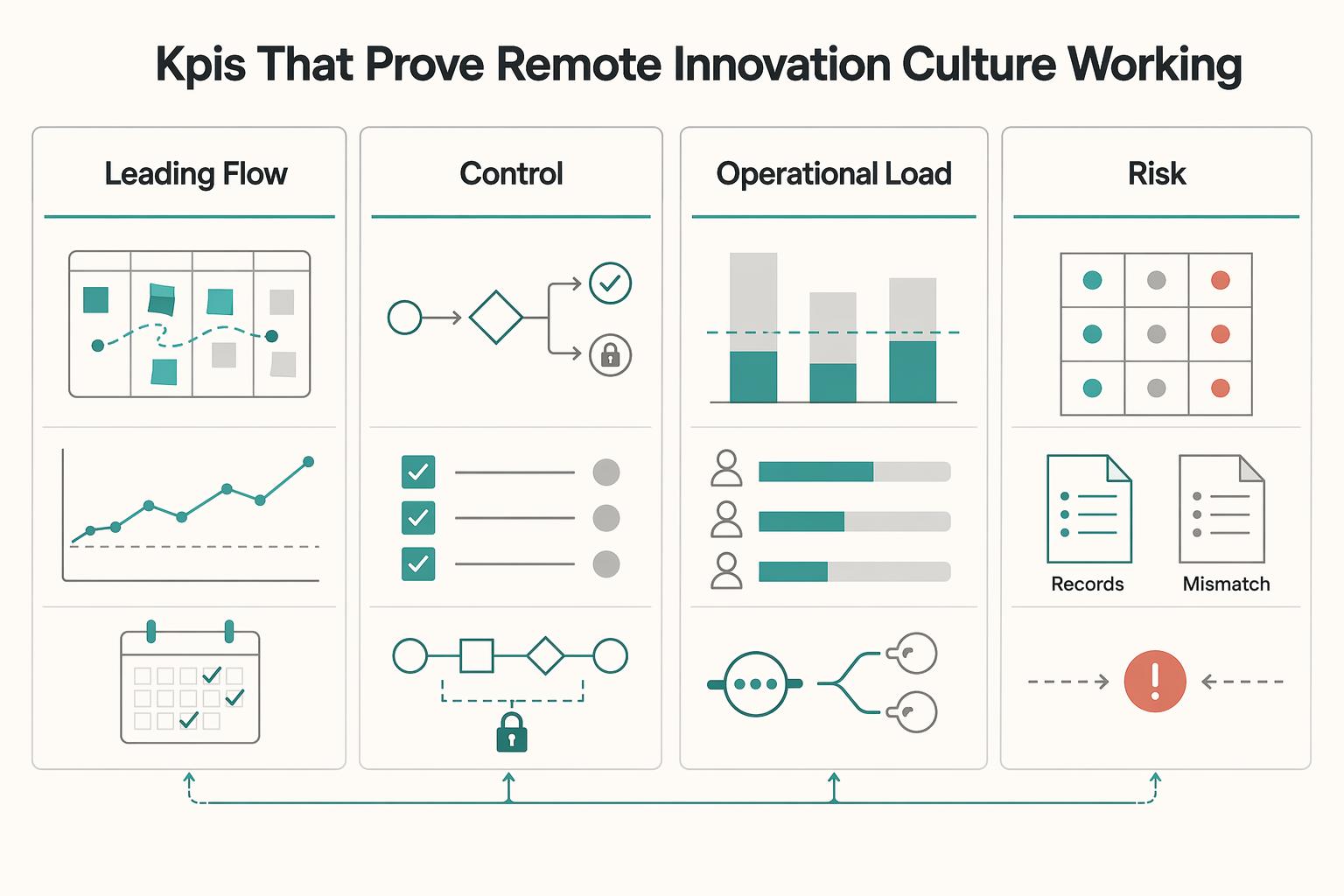
**Run your remote agency innovation culture through a one-week system with named owners, fixed Innovation Hours and Innovation Sprints, and simple controls that protect delivery quality and client trust.** Start here before you tune metrics or tooling. Execution discipline comes first, because remote culture alone does not create better ideas.
Virtual Team Building Activities Remote Agencies Can Sustain
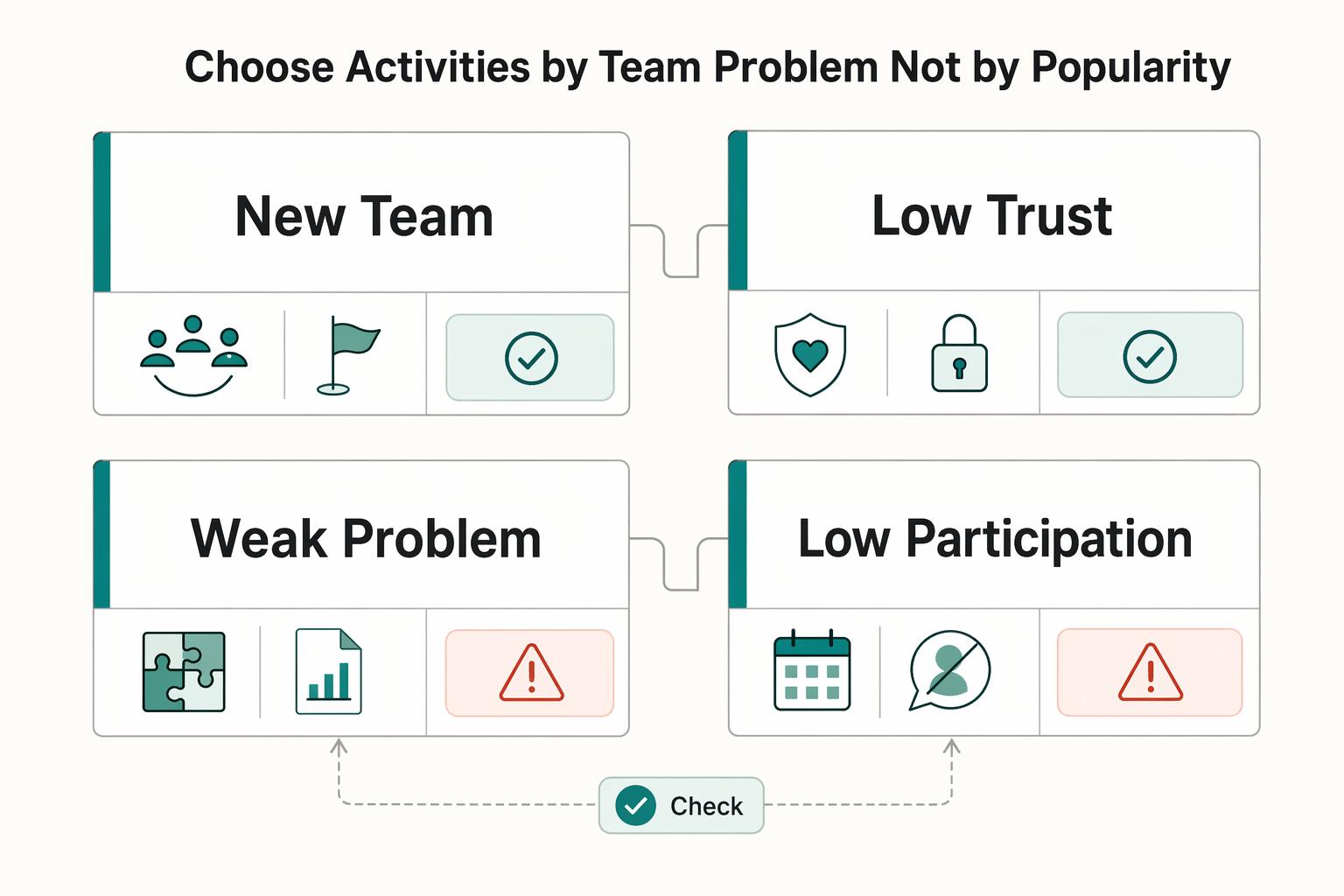
Most remote agencies do not need bigger social calendars. They need shorter, better-timed interactions that make daily work easier. The point is not to manufacture fun for its own sake. It is to reduce the friction that shows up in missed handoffs, quiet calls, weak trust, and low participation across distributed teams.