
Operator playbooks for cross-border payments, tax, and compliance execution.
Step-by-step guidance for finance, product, and ops teams to launch faster, reduce payout friction, and keep reconciliation clean across borders.
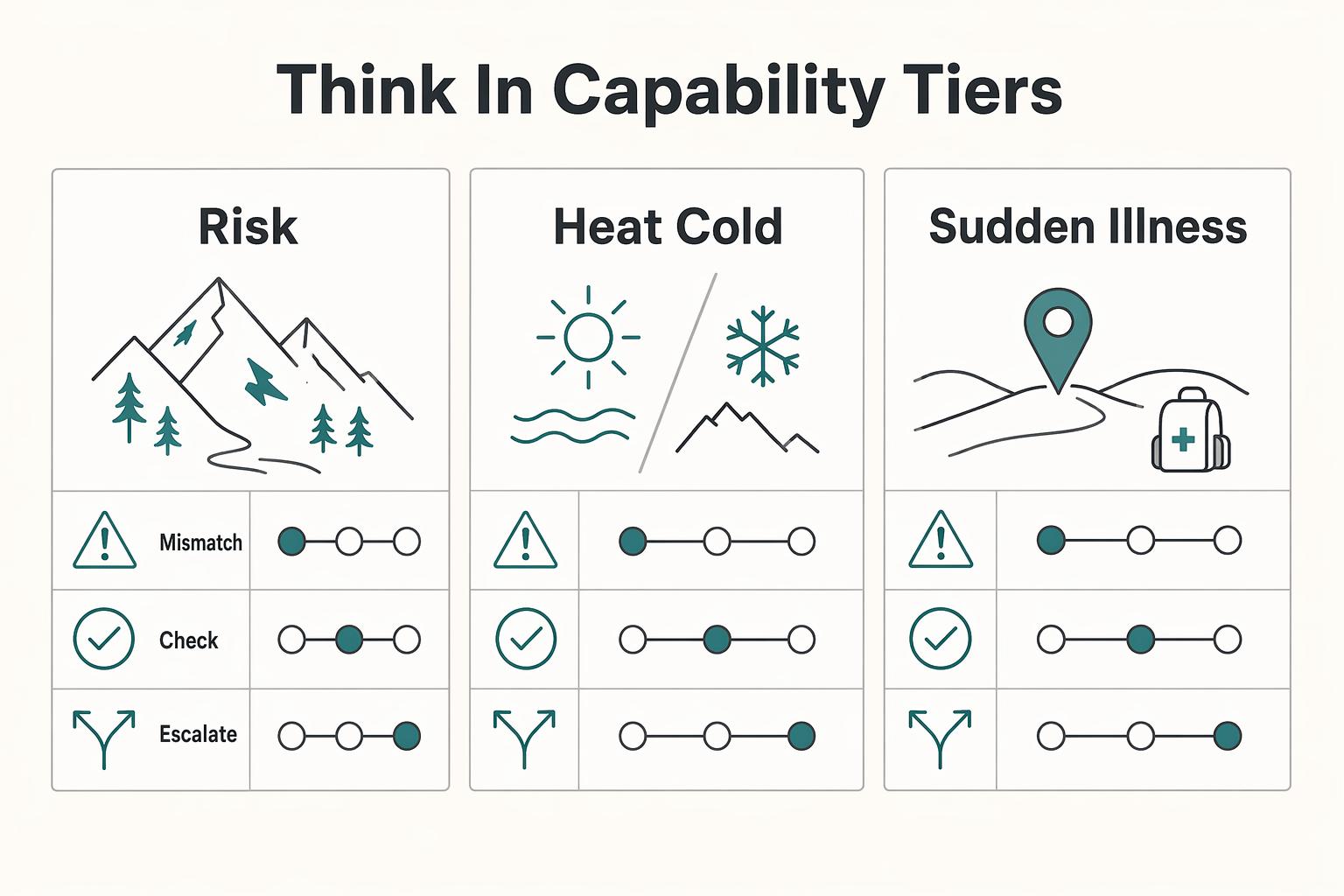
Wilderness First Aid for Remote Professionals
Your business is built on freedom: the freedom to work from anywhere, serve clients globally, and set your own terms. That freedom also removes the layers that usually absorb disruption before it turns into a business crisis. Your office might be a villa in rural Spain, a research site in Costa Rica, or a temporary base in a developing nation. In any of those places, you are also the security lead, risk manager, and first responder.
Read more →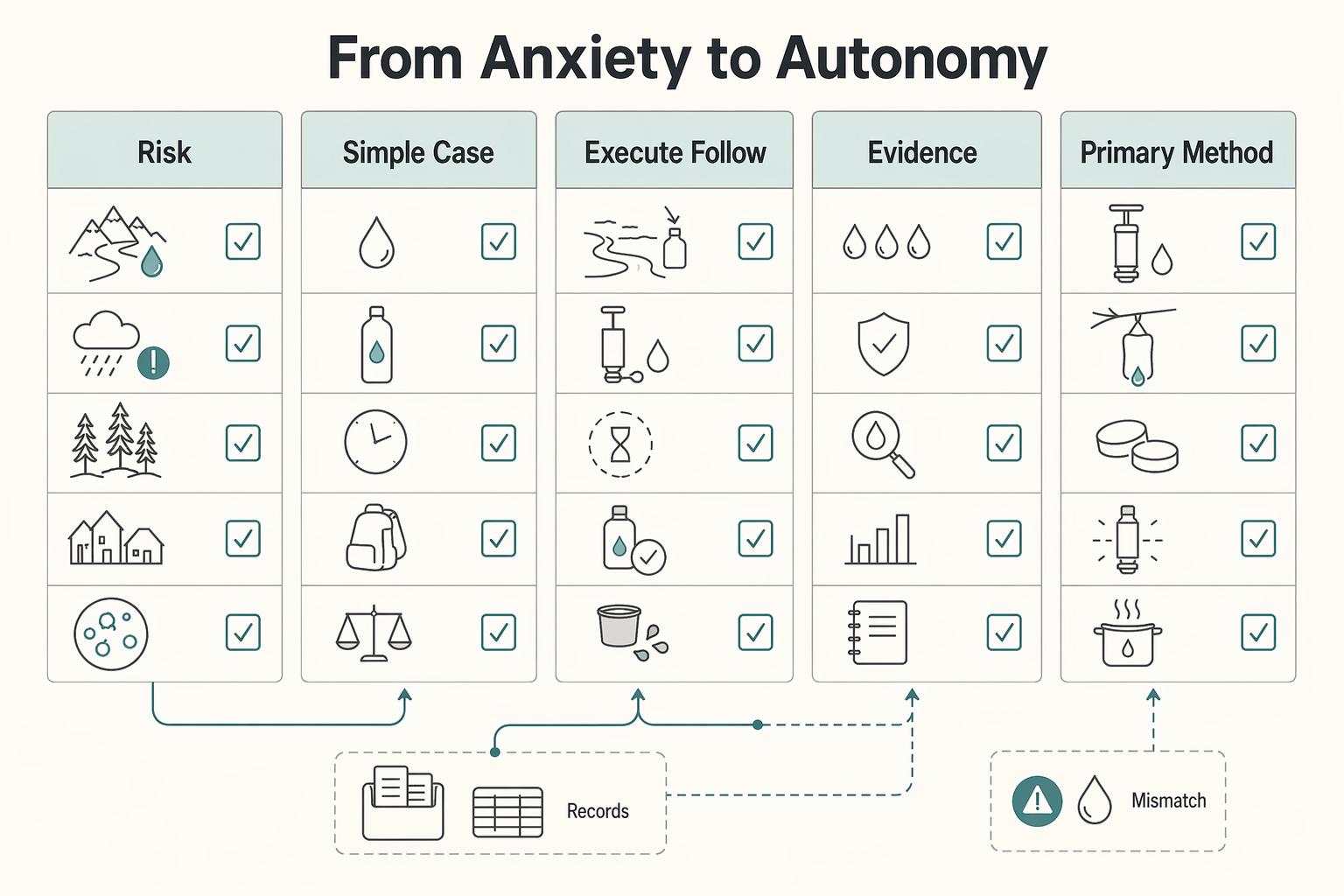
The Best Water Filters and Purifiers for Backpacking
Choosing a water filter is not really a gear decision. It is an operating decision. Most backcountry water problems start the same way: someone gets stuck comparing specs, treats the choice like ordinary shopping, and never defines the actual risk they need to manage.
Read more →
How to Plan a Multi-Day Hiking Trip
If you want to plan a multi-day hiking trip with fewer avoidable mistakes, treat it like something you build on purpose, not something you improvise the night before. By the end, you should have a practical phase-by-phase plan and a checklist mindset you can use right away.
Read more →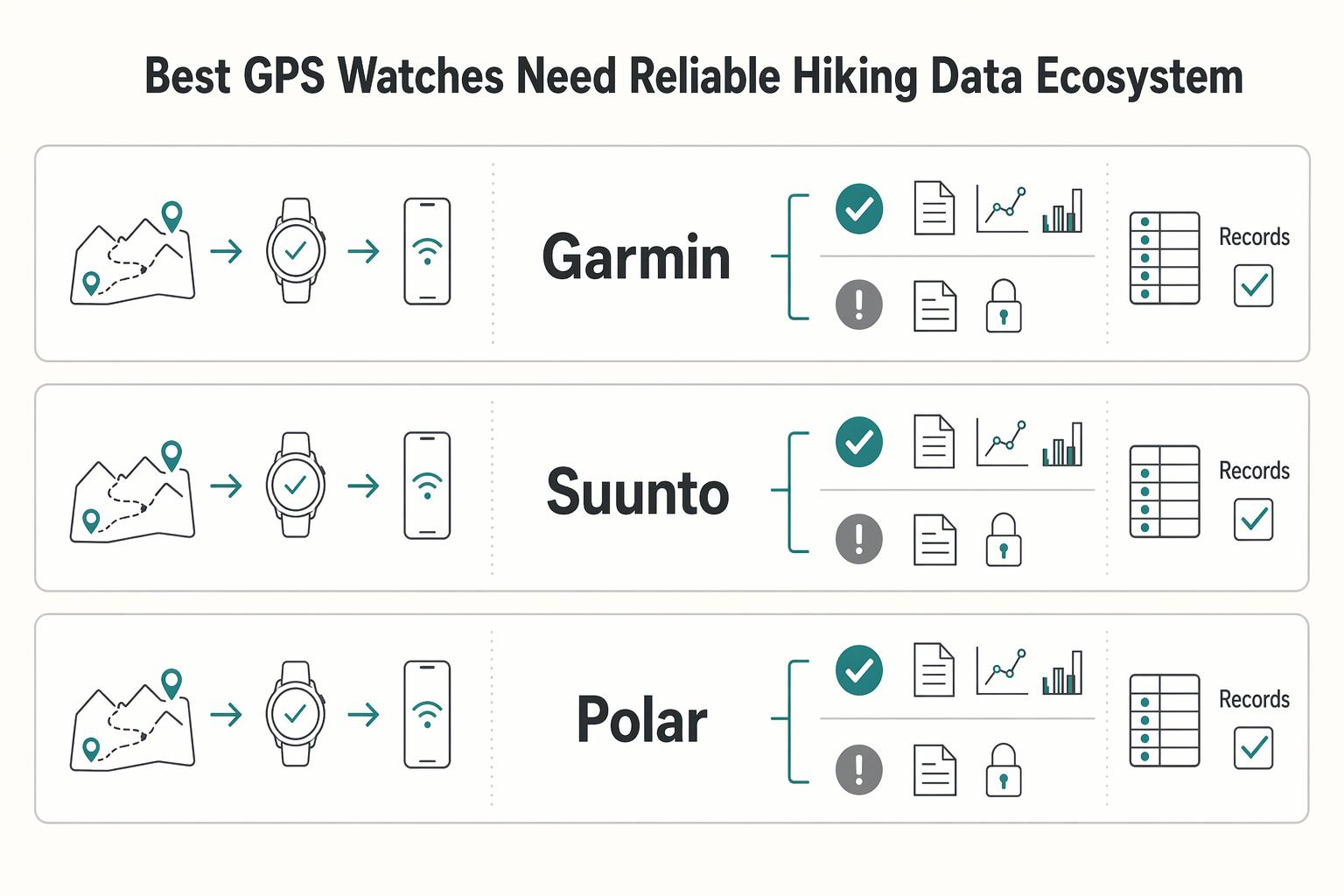
The Best GPS Watches for Hiking and Trail Running
Choose among the **best GPS watches for hiking and trail running** the same way you would handle any other risk-management decision. Start with battery runtime in the tracking mode you will actually use. Then verify on-watch navigation and the companion platform you will rely on before and after the trip.
Read more →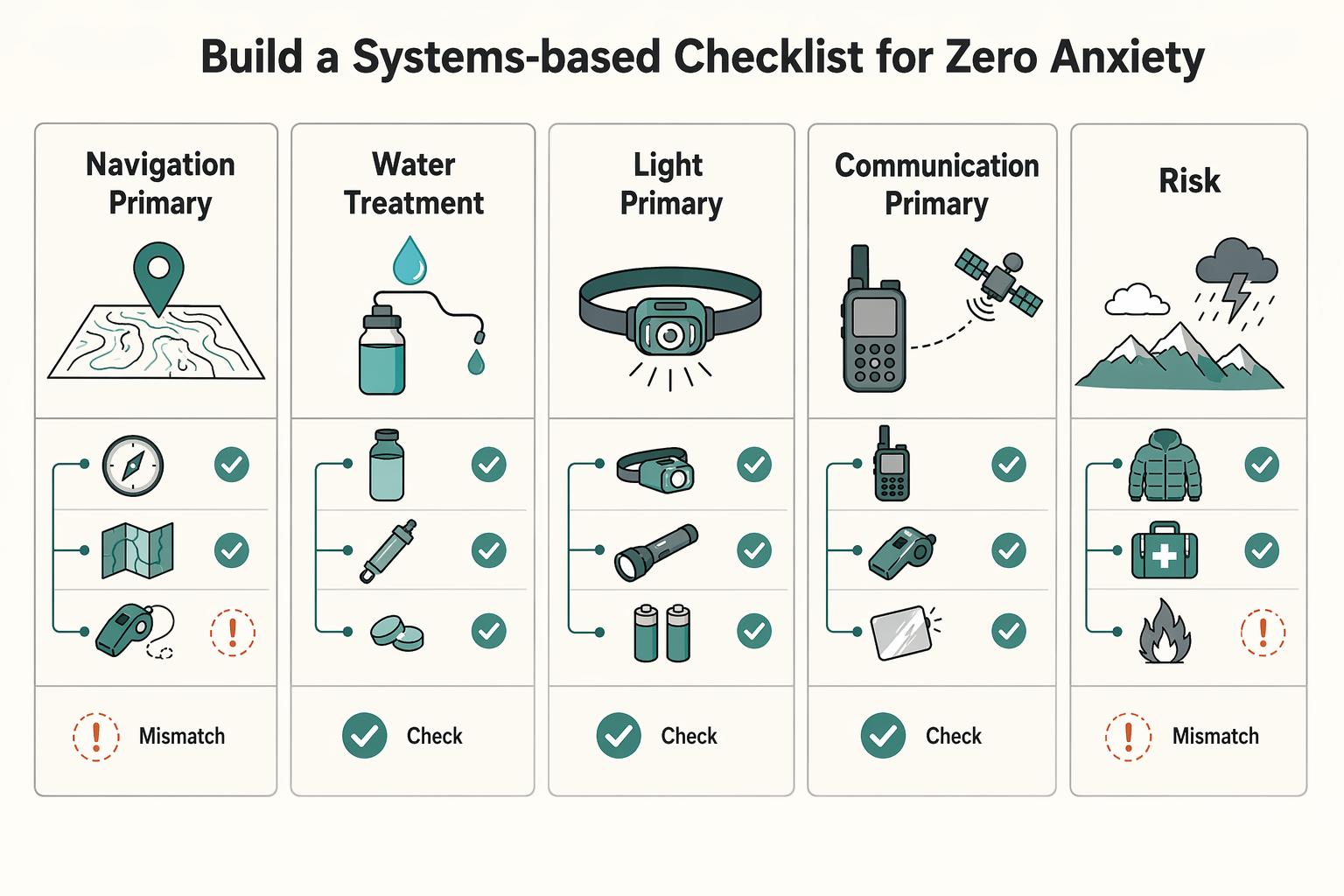
How to Pack a Backpack for a Multi-Day Hike
If you want to pack a hiking backpack without constant repacking on trail, the work starts before anything goes into the bag. Define the trip first. Then match gear to functions. Then place each item by access needs and load balance.
Read more →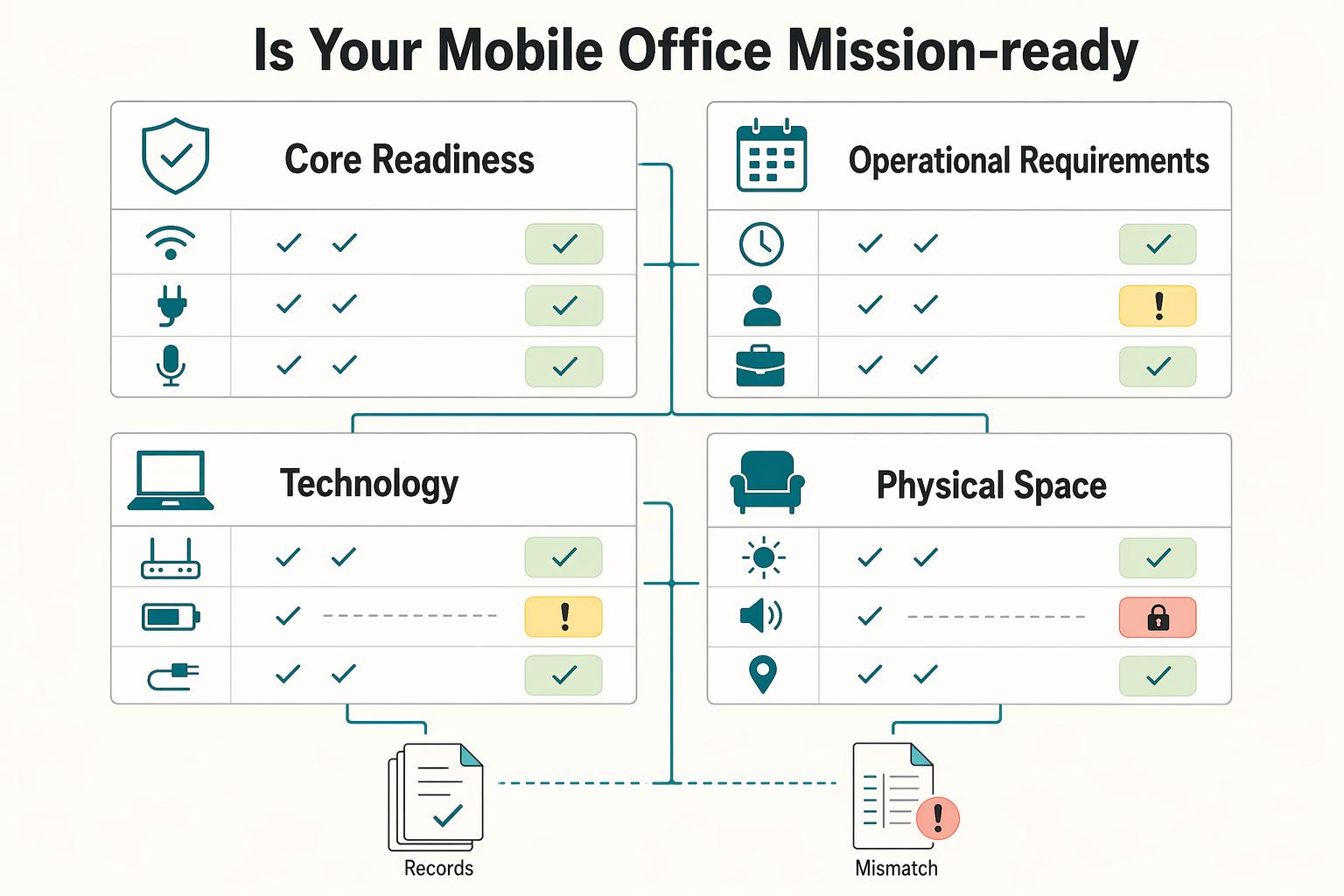
Harvest Hosts for Remote Workers: Vet Stops, Protect Workdays, Keep a Backup Plan
The current research set does not confirm Harvest Hosts' exact 2026 operating rules, plan details, or stay protocols. Treat each stop as property-specific and pre-coordinated until you verify the current membership terms and the host listing you plan to use. If platform terms and a specific listing differ from something you heard elsewhere, rely on the in-platform terms and that listing.
Read more →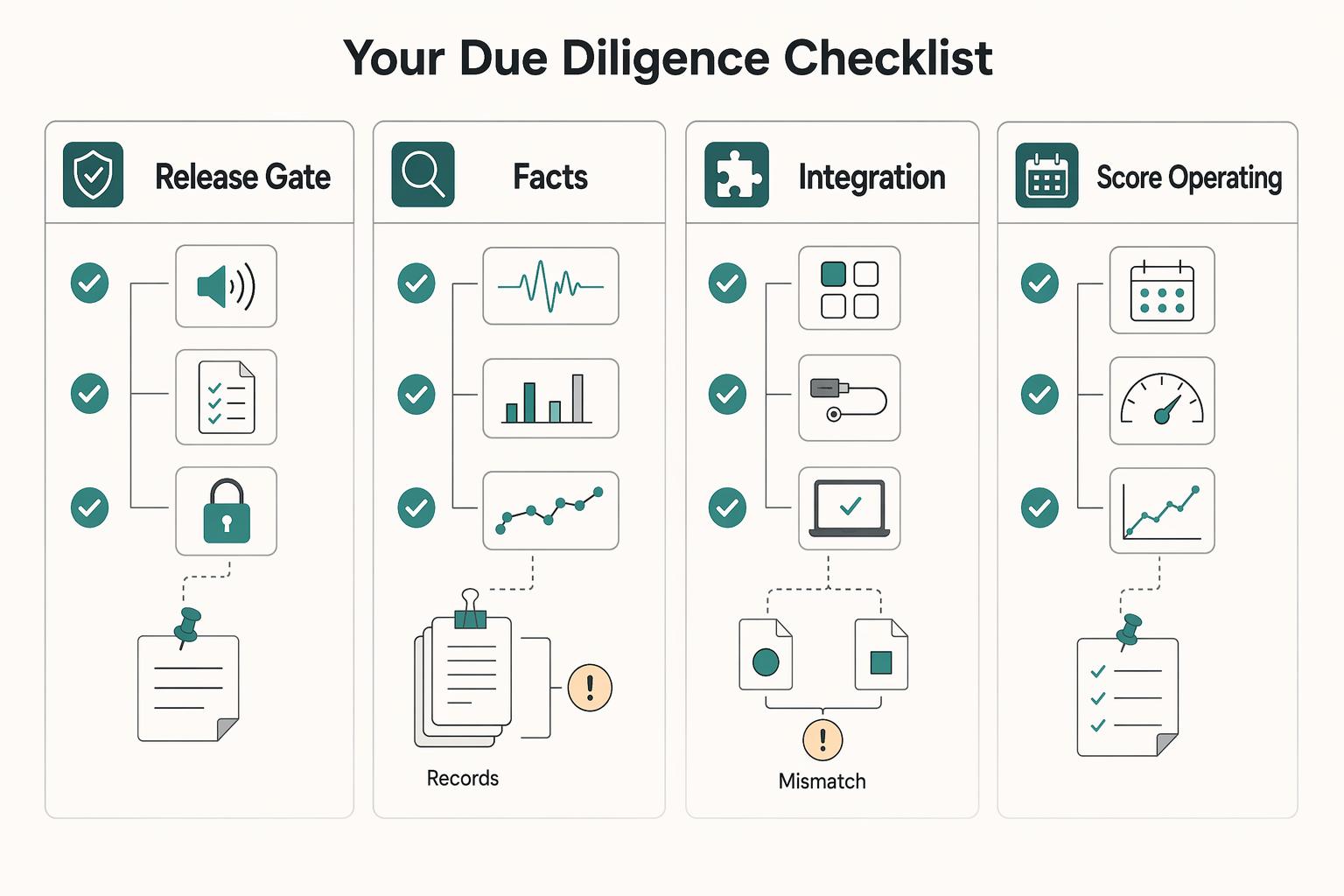
Best Noise-Cancelling Apps for Work Calls: Choose by Risk Profile and Task
**Short answer:** the right noise-cancelling app depends on the job in front of you. Use real-time call cleanup for live conversations, post-production tools for recorded work, and built-in meeting suppression when low-friction internal calls are all you need.
Read more →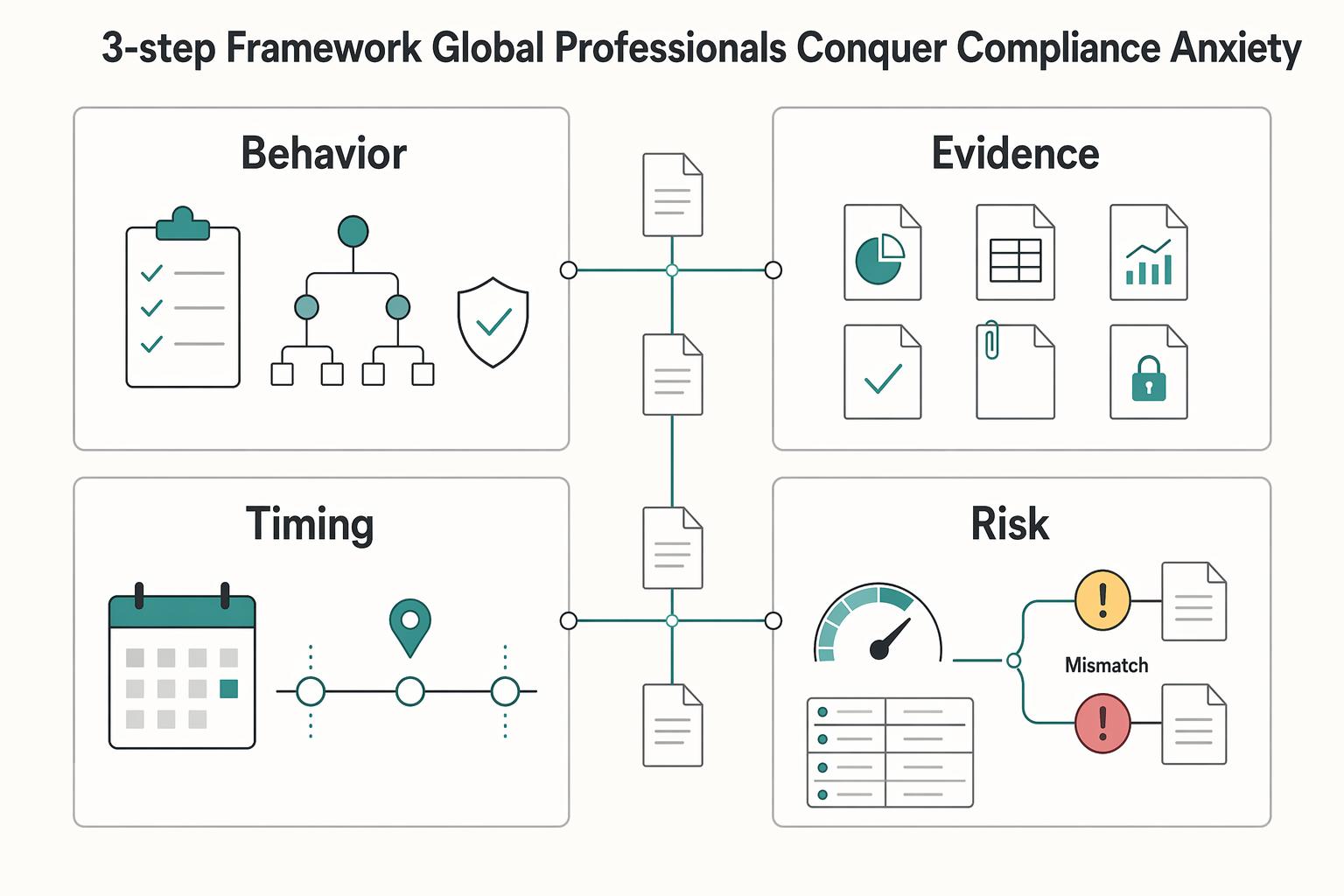
Form 3520 Playbook: A 3-Step Framework for Foreign Trust Transactions and Foreign Gift Reporting
You can help lower Form 3520 filing risk with a simple three-step process: classify early, document as you go, and prepare for exceptions. This is an operations playbook, not a tax theory lesson. It is designed to help you make cleaner decisions before transactions, keep better filing records, and respond from evidence if questions come later.
Read more →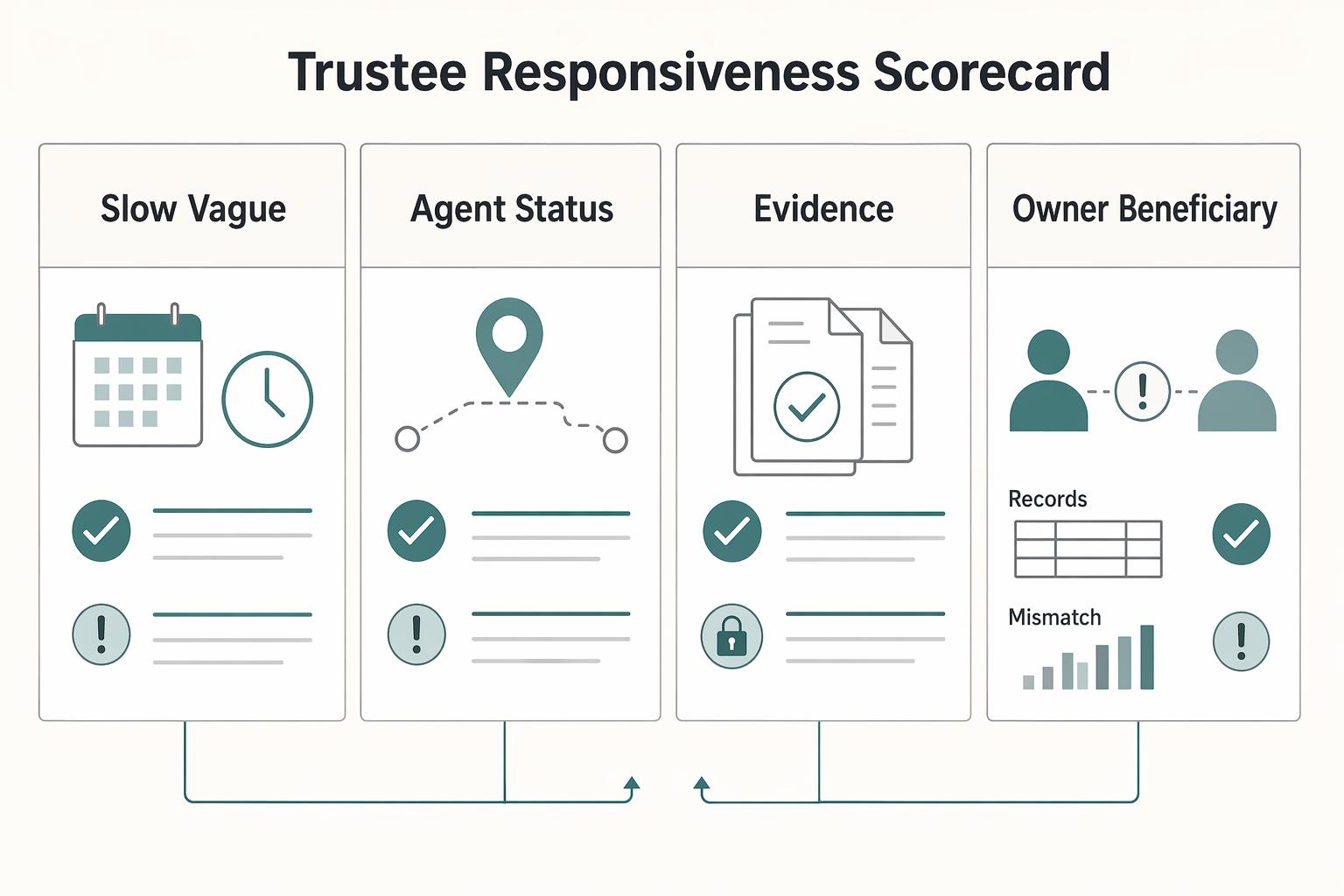
Form 3520-A for Foreign Trusts With a U.S. Owner
The **form 3520-a foreign trust** return is the annual information return for a foreign trust with at least one U.S. owner. It reports the trust, its U.S. beneficiaries, and its U.S. owner to the IRS. The core point is simple: the foreign trust files the return, but you are still responsible for making sure the filing and required annual statements happen.
Read more →
What Is a Controlled Foreign Corporation (CFC) for a U.S. Shareholder?
**If your foreign company might raise a CFC question for U.S. tax purposes, do not guess.** Get to a documented yes or no with a qualified advisor. In practice, that means confirming three things in order: how the entity is being treated for the U.S. tax review, how ownership and control are being analyzed, and what compliance or filing steps, if any, apply this year. Keep those frameworks separate, too. NYSE "[controlled company](https://www.sec.gov/Archives/edgar/data/1977102/000119312523254724/d507917d424b4.htm)" language in SEC materials is not the same as U.S. tax CFC analysis, and mixing them creates false confidence fast.
Read more →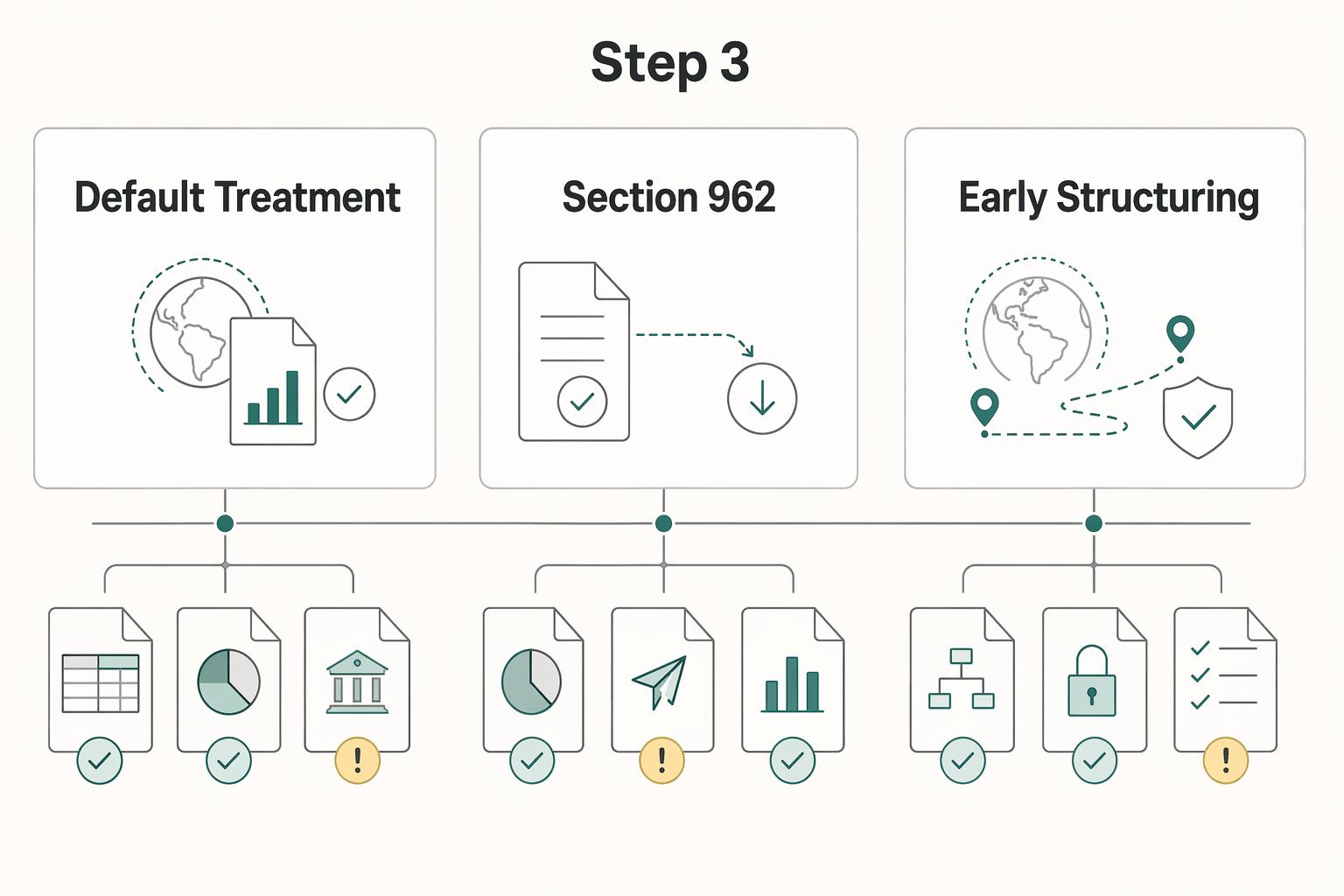
GILTI for U.S. Founders Abroad: A 3-Step Playbook
You need to make three decisions, in order. First, whether you are in scope. Second, which inputs create a current inclusion. Third, whether default treatment, a Section 962 election, or a structuring conversation is the right next move. If the global intangible low-taxed income, or GILTI, rules apply, your goal is a clear scope decision, a supportable exposure model, and a defined point where you escalate.
Read more →
Best Lead Generation Tools for B2B SaaS Operators
If you came here looking for the **best lead generation tools for b2b saas**, start one step earlier. The real decision is not which app has the longest feature list. It is which operating model you can run every week without turning lead generation into distracting, labor-intensive admin work.
Read more →
How to Write a Cold Email Sequence That Converts for a SaaS Product
For a high-end solo professional, business development often feels like a paradox. Your expertise supports premium fees, yet the process of winning new clients can still feel imprecise, undignified, and wasteful. Conventional cold outreach, with its templates and volume game, is not just weak at the top of the market. It can also damage the asset you depend on most: your reputation.
Read more →
Best ABM Software for Solo Operators
If you start by buying tools, you can end up automating a fuzzy strategy. [Account-based marketing](https://www.researchgate.net/publication/380537752_The_Strategy_Implementation_of_Account-Based_Marketing_ABM-The_Stratio_Case) works the other way around: pick specific accounts first, then build personalized outreach around them.
Read more →
How to Create a Sales Playbook for Your SaaS Team
A sales playbook can help you avoid the wrong deal, not just win the right one. Treat each opportunity as a business risk decision first and a sales opportunity second. If you take on a prospect who is wrong for your offer, the impact often shows up later: unclear expectations, slower payment, rushed delivery, and product decisions shaped by the wrong customer.
Read more →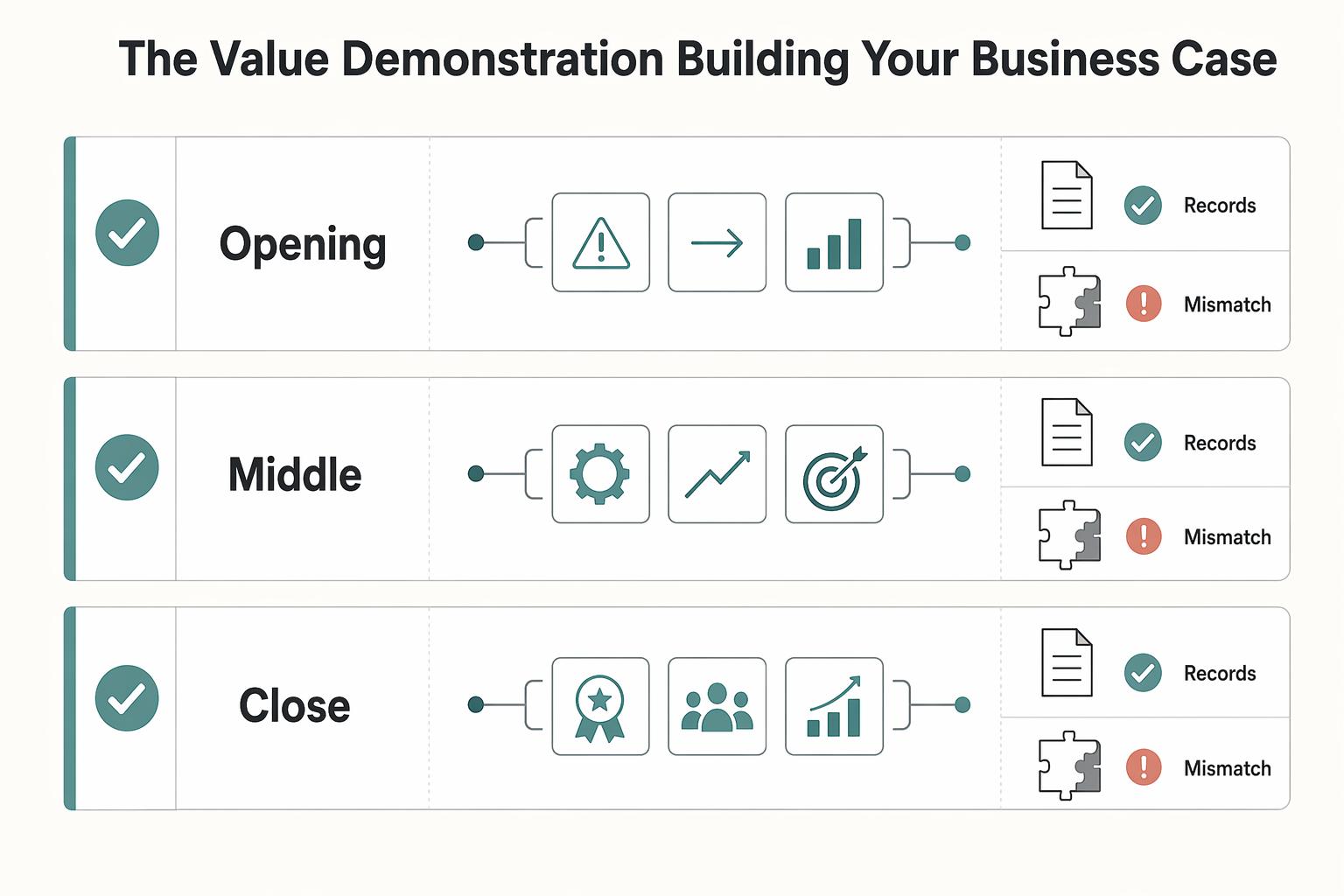
The Best Interview Questions to Ask a SaaS Sales Candidate
Start by qualifying the company like a prospect. Do not spend real interview energy until you know the company is worth it. In this phase, you gather evidence, separate signal from noise, and walk early if the operating reality looks weak.
Read more →How to Set Sales Quotas for a SaaS Team
If you are figuring out your quota for a solo business, do not start with standard corporate quota logic. Corporate quota setting is built to allocate a company revenue goal across business units, teams, and sellers. As a solo operator, you still need to test whether that logic fits your own cashflow, capacity, and downside risk.
Read more →
Channel Sales for SaaS Without Losing Control
Channel sales for SaaS works when you treat the channel as an operating decision, not just a sales idea. The tradeoff is simple. You want more reach and efficiency, but you also need a centralized process with visibility, clear metrics, and controls that reduce avoidable compliance risk.
Read more →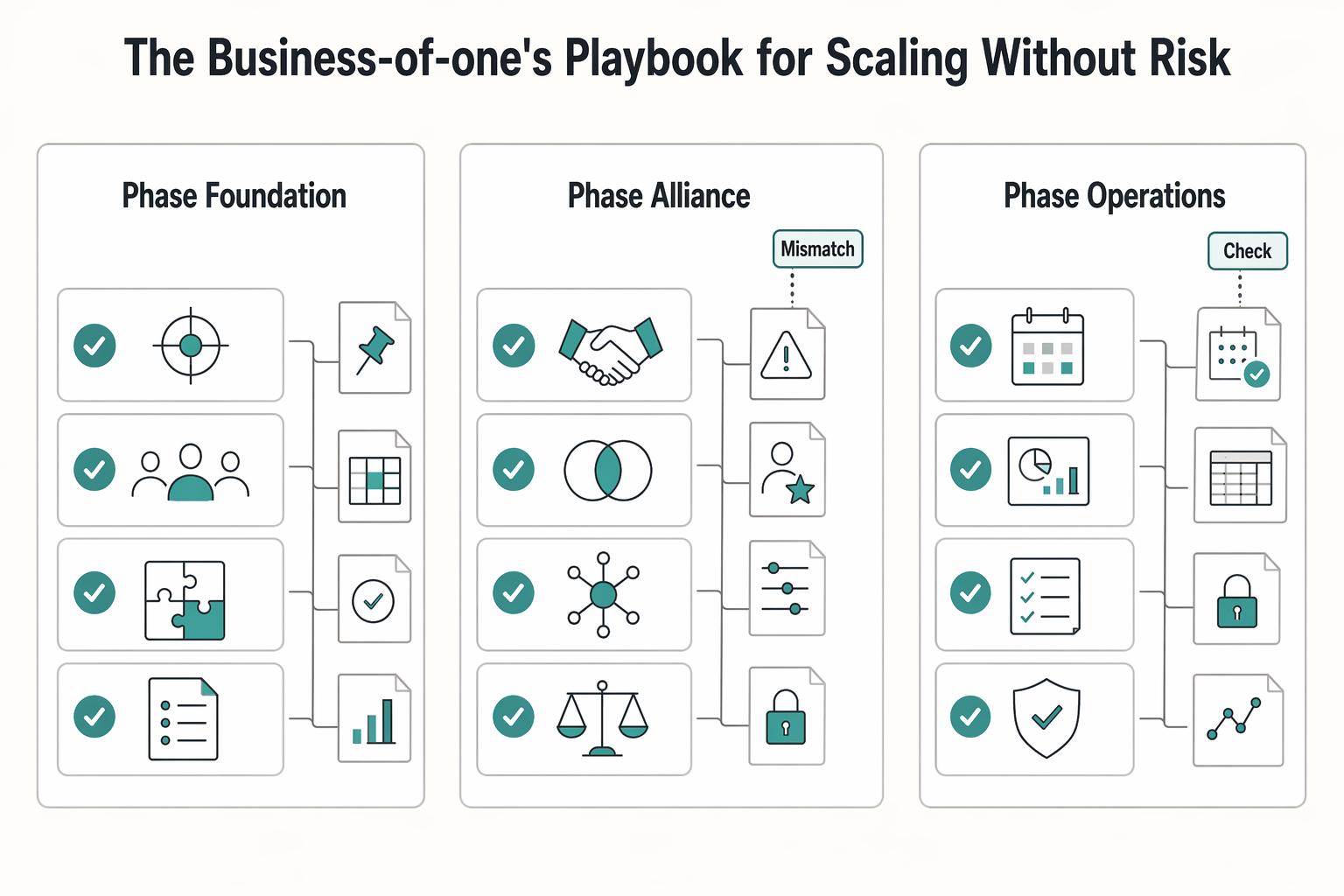
How to Create a Channel Partner Program for a Business-of-One
You have probably reached the point where demand is real, but your capacity is still one person wide. If someone has told you to build a channel partner program, the problem may not be your ambition. Much of the advice in [channel sales for SaaS businesses](/blog/a-guide-to-channel-sales-for-saas-businesses) can feel geared toward more headcount, more process, and more admin appetite than a Business-of-One typically has.
Read more →
International Expansion for SaaS With a Three-Stage Operating Framework
Before you spend on localization or outreach, lock down four unglamorous basics: your entity setup, your day-count tracker, your contract language, and your invoice controls. The exact legal and tax treatment of these items is jurisdiction-specific, so verify the details before you rely on them.
Read more →